
Latham Hi-Tech Seeds

(641) 692-3258

  • Home
  • Products
    • Corn
    • Soybeans
    • Soybean Blends
    • Alfalfa
    • Corn Silage
    • Seed Guide
  • Performance
  • Find a Rep
  • Media
    • Blog
    • News
    • Videos
    • Podcasts
    • TECHTalk
  • About Us
    • Company History
    • Our Mission
    • Careers
    • Become a Rep
    • Sowing Seeds of Hope
  • Contact Us
  • Latham Hi‑Tech Seeds

    What Tops Your Mother’s Day Wish List?

    Happy mothers day

    happy-mothers-dayEarlier this week as I was trying to find time this week to buy Mother’s Day cards – in between writing agronomic articles, doing radio interviews, racing against the rain to get flowers and trees planted, plus chauffeuring kids to baseball, basketball and horseback riding lessons. It made me think to myself, “Mother’s Day definitely was not created by someone who makes their living off the land.”

    May is a harried time of year for Midwest farm families. That’s why I applaud Monsanto for announcing the 2014 Farm Mom of the Year the week leading up to Mother’s Day; it helps make sure farm women get the recognition they deserve. Five regional winners are selected annually in this contest, and each regional winner’s receives a $5,000 prize. All five are then entered into the national contest, and the winner receives an additional $5,000 prize. I’d like to give a special shout-out to two regional “Farm Mom of the Year” winners from Iowa, Stephanie Essick and April Hemmes!
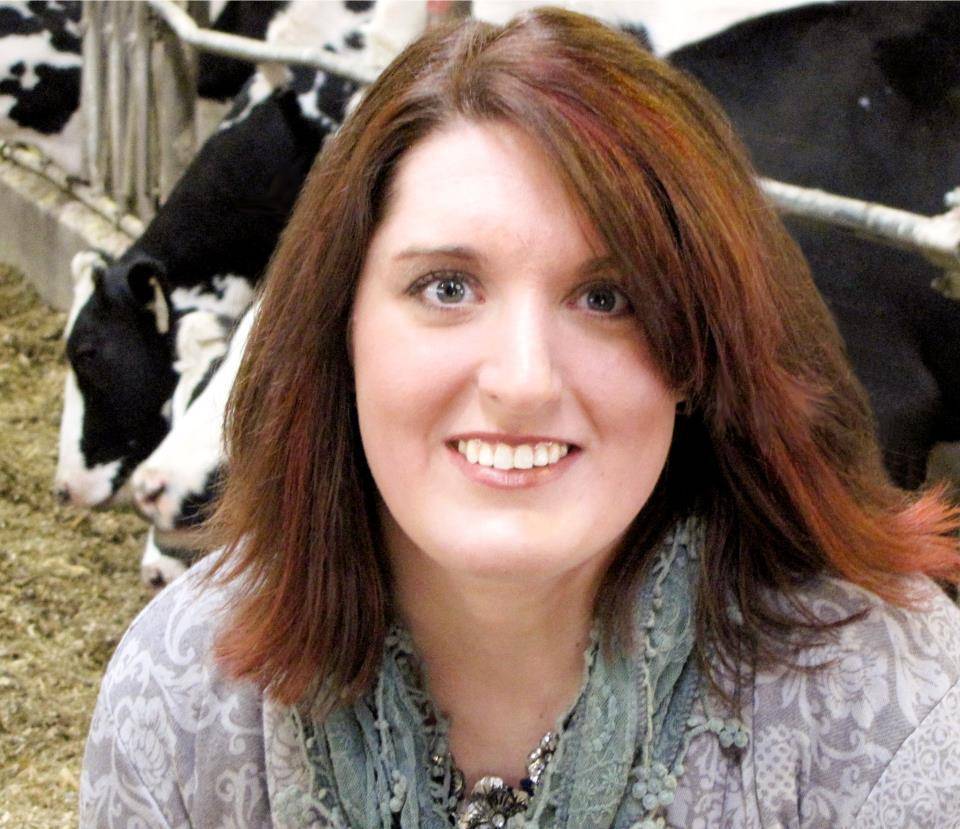
    Stephanie Essick, Midwest Farm Mom of the Year
    Stephanie Essick,Midwest Farm Mom of the Year.

    All “Farm Moms” do so much for their farms, their families and their communities. It’s fitting that they’re celebrated and honored this Mother’s Day.

    Have you ever thought about the origin of Mother’s Day? A quick Google® search informed me that 2014 is the 100th celebration of Mother’s Day. Ironically, the origins of Mother’s Day aren’t nearly as beautiful as the colorful magazine spreads filled with ideas for brunches, gifts and cards to shower those special women in our lives with love and appreciation.

    Mother’s Day had it’s beginnings in the 1850s when West Virginia women’s organizer Ann Reeves Jarvis held Mother’s Day work clubs to improve sanitary conditions and lower infant mortality by fighting disease and curbing milk contamination. The groups also tended wounded soldiers from both sides during the U.S. Civil War from 1861 to 1865.

    Largely due to the efforts of Jarvis’ daughter, Anna, Mother’s Day was observed in a growing number of cities and states. U.S. President Woodrow Wilson in 1914 officially set aside the second Sunday in May for the holiday. When the holiday went commercial, its greatest champion Anna Jarvis, literally gave everything to fight it. She died penniless and her efforts were somewhat in vain as Mother’s Day is now the year’s most popular holiday for dining out. It’s also an important Hallmark holiday.

    But there’s really no need to spend lots of money to give Mom what she really wants this Mother’s Day. As a mother of two, all I really want is permission to slow down and take a little “time out.” In our busy, scheduled lives, I’d relish one Sunday afternoon without having to be someplace by a certain time. (Isn’t it amazing how many ball games happen on Sundays?) A nap or even just two hours to watch a movie of my choice, uninterrupted, would be icing on the proverbial cake.  🙂

    Give Mom what she really wants… the gift of time. Here are some ideas on how you could treat your wife or mother to time off: make brunch reservations, plan a special tea party, create a special card or simply play board games as a family. Maybe you could spend a few hours on Sunday afternoon hunting for asparagus and mushrooms. Today I’m sharing a recipe that takes advantage of fresh asparagus and honors #MayBeefMonth. Enjoy!
    Team Latham

    May 9, 2014
    Beef, General, Recipes, Sides
  • Latham Hi‑Tech Seeds

    Study Shows Seed Treatment is Best Defense Against Seedling Diseases

    PythiumSoybeans

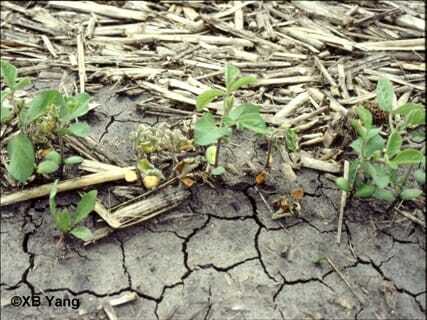
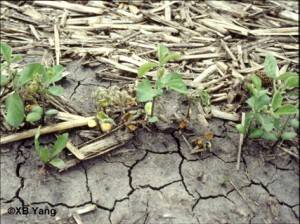
    Recent studies* across the North Central Region of the U.S. have uncovered some disturbing results in the field of seedling pathogens, specifically Pythium and Fusarium.  Most farmers and many crop consultants have considered each of these to be a singular disease with common characteristics, but new research completely dispels such theories.

    PythiumSoybeans
    Photo credited to the ISU Extension. Click for original photo

    In Iowa alone, approximately 20 species of Pythium were identified in diseased seedlings and more than 50 were recovered across the entire North Region! At least 12 different species of Fusarium were identified across the North Central Region. Many of these species were able to infect both soybean and corn crops, which means that crop rotation might not be an effective management tool.

    Another area of concern is the temperatures in which these pathogens do the worst damage. For many years, Pythium was considered a disease that flourished in a cool, damp environment. New research by Iowa State and Michigan State Universities shows that some species actually favor warmer soil temperatures. In addition, changes in the environment from one year to the next can cause different species of pathogens to become more prolific in different years.

    The use of seed treatments appears to be the best management tool that farmers can use against these diseases, but a more integrated approach might be necessary to prevent severe infestations. Typically, the industry has used the metalaxyl compounds (e.g. Apron, Allegiance, etc.) almost exclusively against Pythium and included a blend of other fungicides to help control Fusarium, Rhizoctonia and seedling Phytophthora. In the future, expect to see other components being added to these blends to help or replace the metalaxyl.

    Soyshield

    At Latham Hi‑Tech Seeds, we are testing different fungicide components in our 2014 research trials to see which of these new compounds will be the most beneficial for our customers. We’re always striving to provide the very best in soybean seed treatments to place under the SoyShieldTM and SoyShield Plus brands. SoyshieldPlus

    *Funding for this ongoing research was provided by USDA-NIFA, the United Soybean Board, the North Central Soybean Research Program and the Iowa Soybean Association.

    Webspec Admin

    May 8, 2014
    Agronomics, Disease, Emergence, General, Seed Treatment
  • Latham Hi‑Tech Seeds

    Midwest Farmers Make Tracks!

    RacetheRain

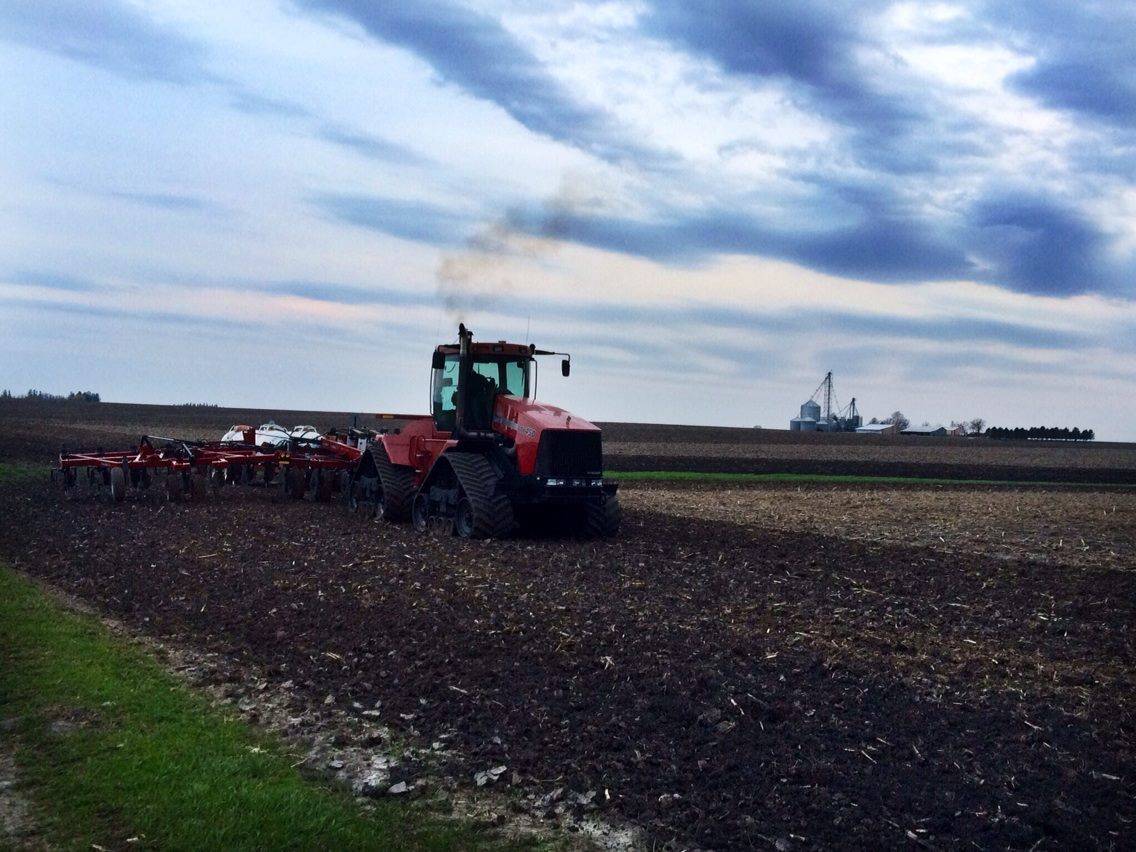
    While we were broadcasting live yesterday on 1040 WHO Radio at JDM Farms near Redfield in Central Iowa, Latham® dealer Michael Meyers was turning up a little dust as he finished planting corn. Around noon, he and his father were switching over to begin planting soybeans.

    RacetheRain
    Skyview Farms starting #plant14

    Meanwhile, many farmers in North Central Iowa were working ground in hopes it would be fit for planting today. We have yet to plant a seed at Latham HQ, and once we get in the field, we’ll likely have to plant around many wet spots. This Facebook post yesterday by Laura Cunningham of Skyview Farms near Nora Springs in North Central Iowa sums up the feeling of many locals:

    Hear that? That’s a sigh of relief from all farm wives in the area with pent up farmer hubbies. Field work has begun, thank the Lord! Now if only we could miss this rain coming…

    Today’s local forecast calls for a high of 80° with 20% chance of precipitation. Those numbers change tomorrow when a storm system is predicted to move into the area, bringing a 70% chance of rain that continues into the early hours of Friday. You can bet farmers will be making tracks, covering as much ground as possible while the skies are clear!

    Team Latham

    May 7, 2014
    Agriculture, General, Industry News
  • Latham Hi‑Tech Seeds

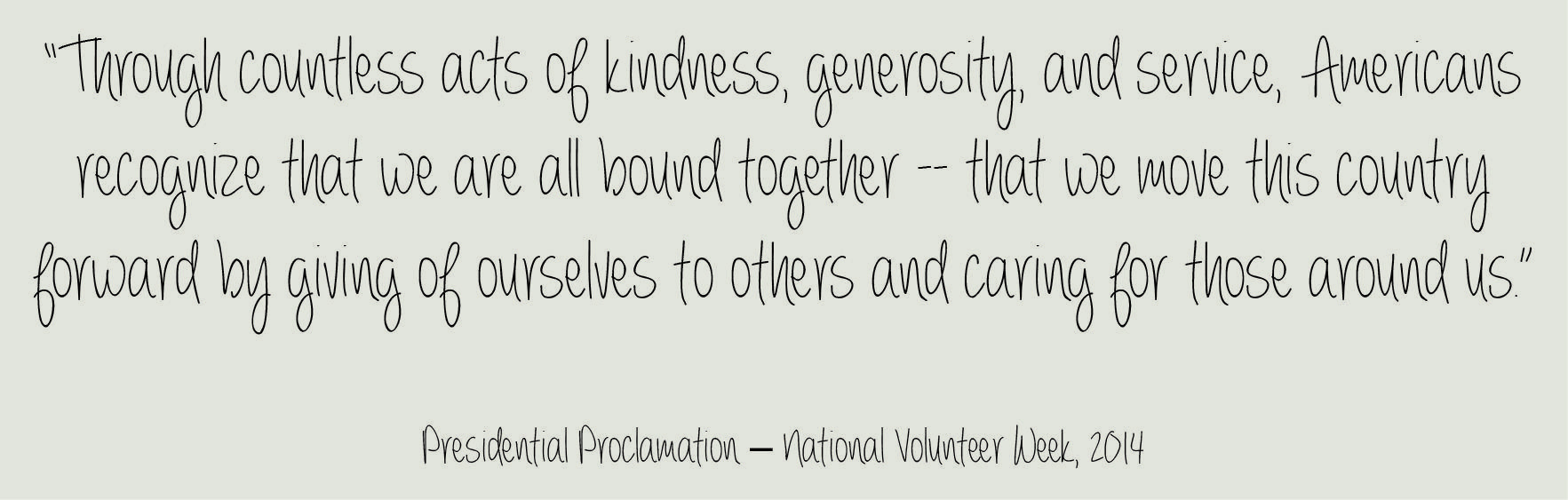
    Volunteering is the Gift that Gives Back

    Govt2

    JFK_QuoteGiving to others, without any expectation of receiving anything in return, can be one of the most satisfying works in life. Even though I volunteer without expecting anything, the rewards have been so great! It’s hard to describe the feelings I’ve experienced while watching a child learn about life by doing a 4-H project or an elderly hospice patient enjoy one last time fishing.

    The fact that fewer Americans are willing to give of their time may be leading to larger government. When I think about how much the U.S. government has grown, I wonder what society would be like with less government. Apathy grows as society decides to depend more on government and less on themselves.

    Volunteering to teach ag at local HS
    Volunteering to teach ag at local HS

    Because I care deeply about what happens on my family farm, I began volunteering with farm organizations during the 1980s Farm Crisis. Times were very tough, and change needed to happen! I can tell you from personal experience that our government’s efforts at that time were a dismal failure. Huge amounts of money were thrown at problems, and often times, government involvement just making things worse.

    No one understands the problem like the people living it! That’s why it’s so important to get involved at the grassroots level. Through the National Pork Board’s speaker corps, Operation Main Street, I have had the opportunity to present to groups such as the Kiwanis, Lions Clubs, and many civic organizations that I had never before heard of. The definition of a civic organization is “a structure that benefits a community.” It has been eye-opening to learn what civic groups can accomplish! One commonality between these groups, however, is the growing lack of volunteers.

    Hospice also is in need of people. I began involved with this organization about five years ago. While it has been the most emotional volunteer work I do, it also has been most fulfilling.

    "Government of the people, by the people, for the people” begins by citizens getting involved at the local, country and district levels.
    “Government of the people, by the people, for the people” begins by citizens getting involved at the local, country and district levels.

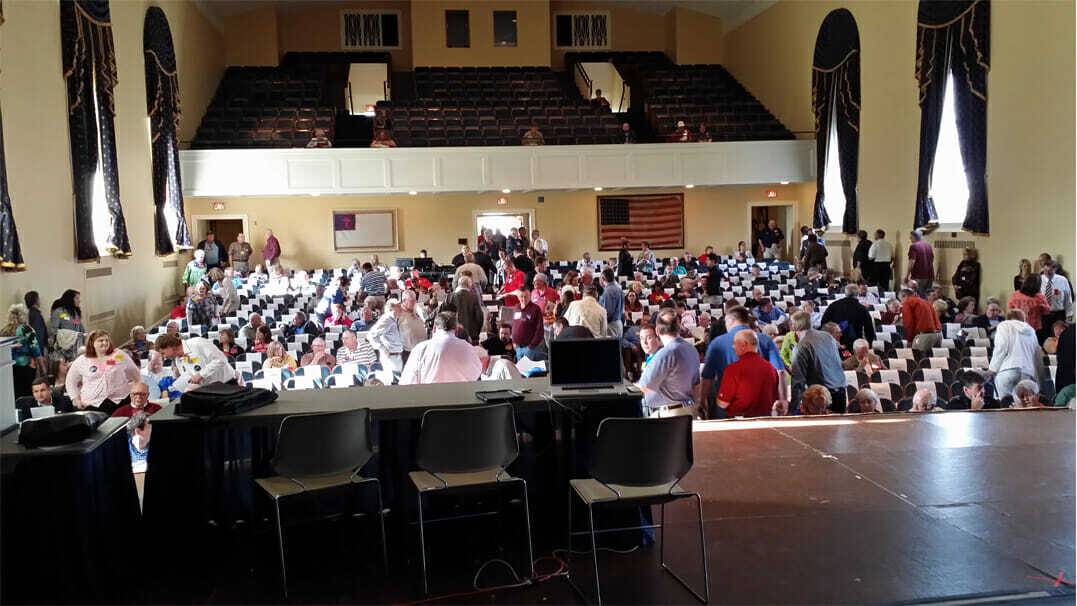
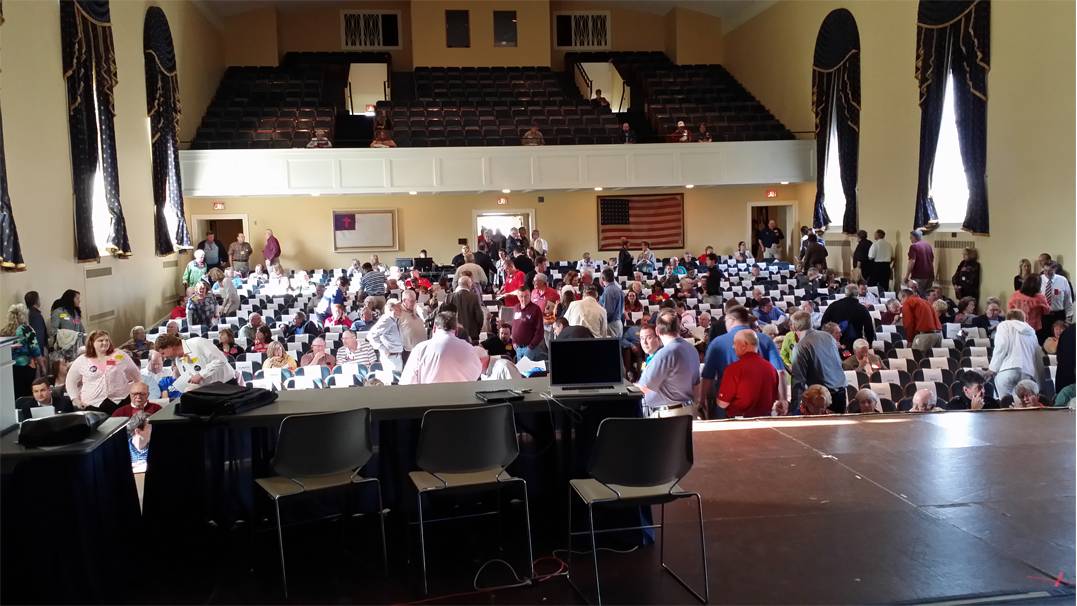
    Another area where volunteers are needed is farm organizations. Grassroots efforts lead to better representation. I have done much lobbying and have gotten to know many elected officials. What I can’t understand is why more folks don’t have a voice in “our” government! This process starts on the local level, so I started by attending our caucus in the little town near my farm where I was elected as a delegate to the county and district levels. At the district level, we developed an agenda to help us decide what candidates “fit” with our beliefs. Of course, not every delegate had the same belief system. Developing a platform definitely required compromise, but we worked together and got the job done.

    It takes the involvement of many people to make a civilized society work. If like me, you prefer a volunteer society over government control and regulation, then I hope you’ll get involved in the policy making process.

    Quote2

    Larry Sailer, Musings of a Pig Farmer

    May 6, 2014
    Agriculture, General, Industry News
  • Latham Hi‑Tech Seeds

    What it Takes to Become “Race Ready”

    ClaghornFamily
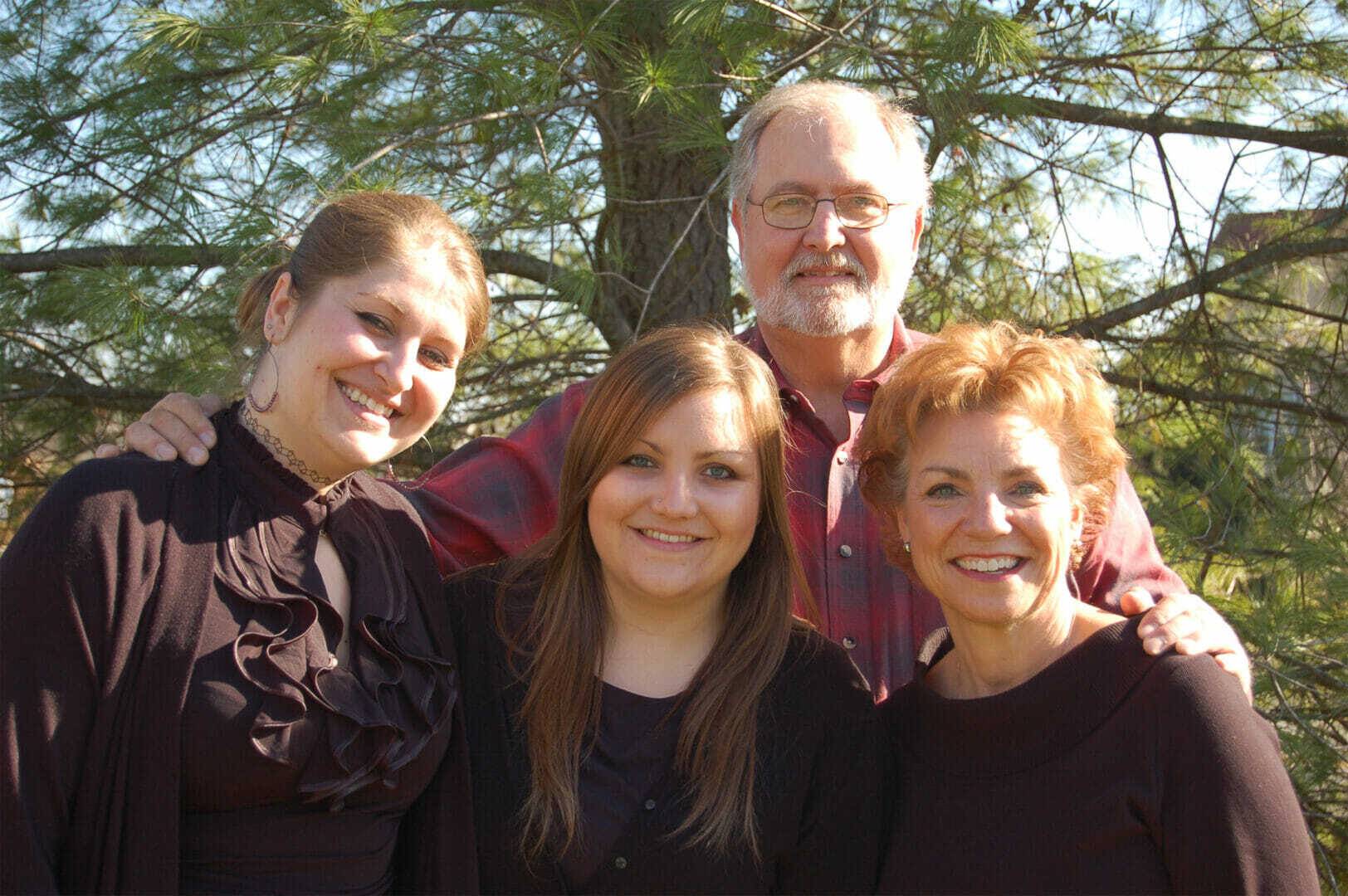
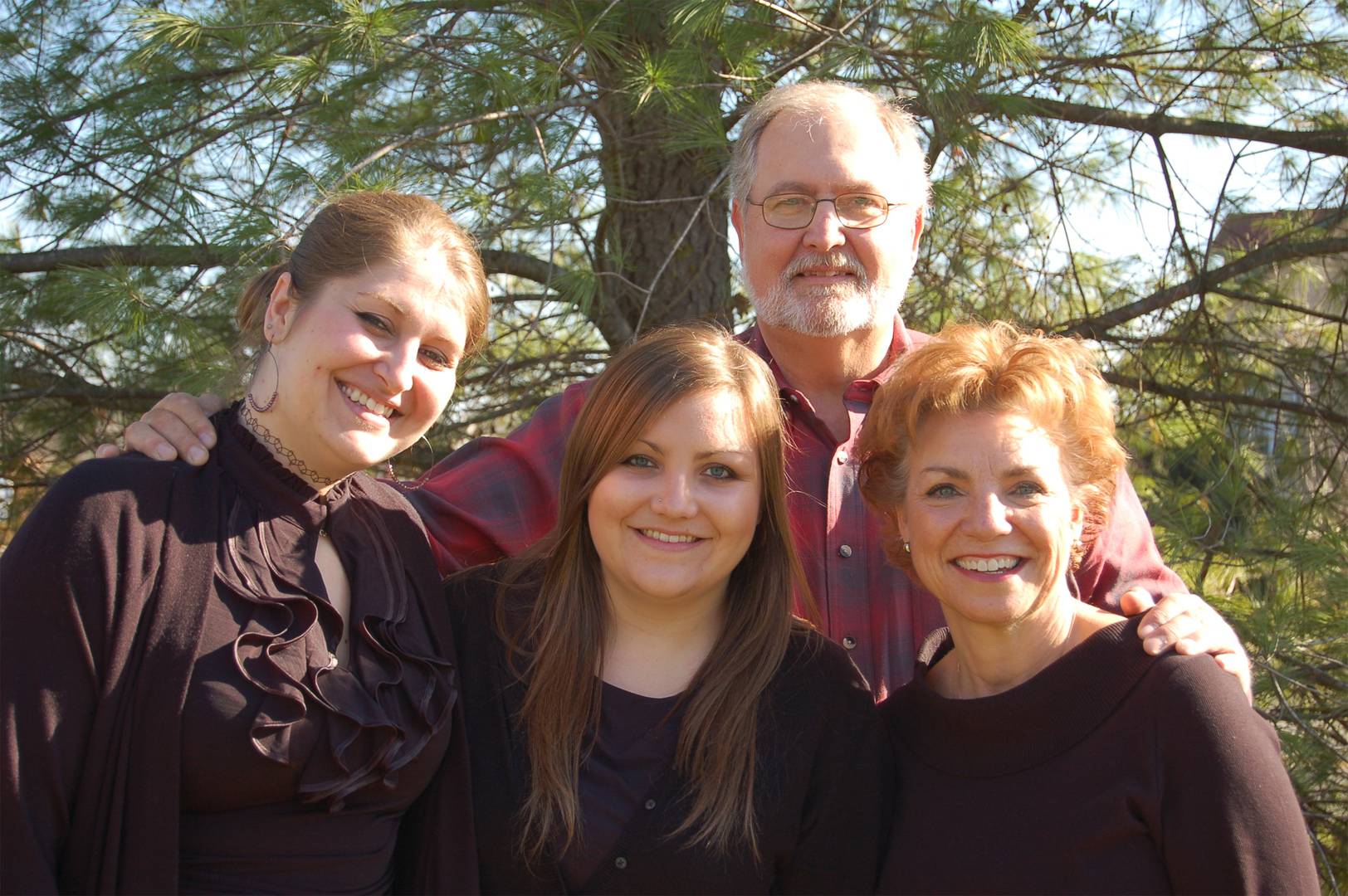
    The Claghorn family of Milo, Iowa, raises Thoroughbreds that race primarily at Prairie Meadows in Altoona. Pictured from left to right are Alan and Karey with their daughters Erin (the tallest one) and Emily (the youngest).
    The Claghorn family, of Milo, Iowa, raises Thoroughbreds that race primarily at Prairie Meadows in Altoona. Pictured from left to right are Alan and Karey with their daughters Erin (the tallest one) and Emily (the youngest).

    As part of Latham Hi‑Tech Seeds’ sponsorship of the Cyclone Charity Stripe, we get the pleasure of attending the Kentucky Derby Gala at Prairie Meadows Racetrack in Altoona, Iowa. A highlight of the evening will be recognizing all of the cancer survivors in the crowd, including both of my in-laws. Another highlight will be the opportunity to mug for the camera with our state’s three Division I basketball coaches, who participate in this Coaches vs. Cancer event.

    Proceeds from the Coaches vs. Cancer Kentucky Derby Gala support the American Cancer Society’s mission to eliminate cancer as a major health problem by preventing cancer, saving lives, and diminishing suffering from cancer through research, education, advocacy and service. How fitting this event is held at Prairie Meadows as everyone loves to bet on a winner, and the American Cancer Society certainly has a great track record!

    In light of this weekend’s big events, I thought it would be particularly interesting to interview a Thoroughbred breeder for today’s TheFieldPosition blog post. Thankfully, Alan and Karey Claghorn of Otter Creek Farm in southern Warren County graciously obliged. You may recall Karey served as Iowa Deputy Secretary of Agriculture before resigning in 2001 to become Chief Operating Officer of the Iowa Soybean Association.

    Both Karey and Alan grew up riding horses, mostly for pleasure and trail riding. As an adult, Alan started showing Arabians and Foxtrotters. When they moved from Indiana and bought an Iowa farm in 1995, Alan discovered the Iowa bred program for Thoroughbred racing at Prairie Meadows. He studied Thoroughbred genetics, and about 15 years ago, the Claghorns became seriously involved with raising race horses.

    “Raising and/or owning a horse that races at the Kentucky Derby is the ultimate goal for everyone in the Thoroughbred world,” says Karey. “Only the 20 most elite two-year-olds race in the Derby every year. Think about it… nearly 22,000 Thoroughbred foals are born every year and only the top 20 of that class will make it to the Derby. Those are some long odds! Nevertheless, many continue the pursuit.”

    “The ceremony and the excitement around the Derby are unlike any other horse race in the world,” adds Karey. “After all, it is the Super Bowl of horse racing! But I can honestly tell you that watching any horse race is exciting. The sheer beauty of the horses, coupled with their athletic abilities, amazes me every time I watch horses being saddled. It is especially exciting if you own one of the horses and doubly exciting if you have raised that horse and watched it develop from the day it was born.”

    The Claghorns’ program focuses on Iowa-breds, so their horses race mainly at Prairie Meadows in Altoona. They occasionally send a horse to some other tracks in Minnesota, Indiana or Texas.

    Nearly 22,000 Thoroughbred foals are born every year and only the top 20 of that class will make it to the Derby. Those are some long odds!
    Nearly 22,000 Thoroughbred foals are born every year and only the top 20 of that class will make it to the Derby. Those are some long odds!

    “When one of our horses is racing, I get nervous. My heart pounds, and I worry about it getting hurt,” says Karey. “I want it to have a good, clean ride. A certain amount of every race’s outcome is luck: Did the horse get off to a good start? Did another horse bump your horse? Did the jockey ride correctly by either holding them back or letting them run wide open? There are so many variables that affect the outcome of a race.”

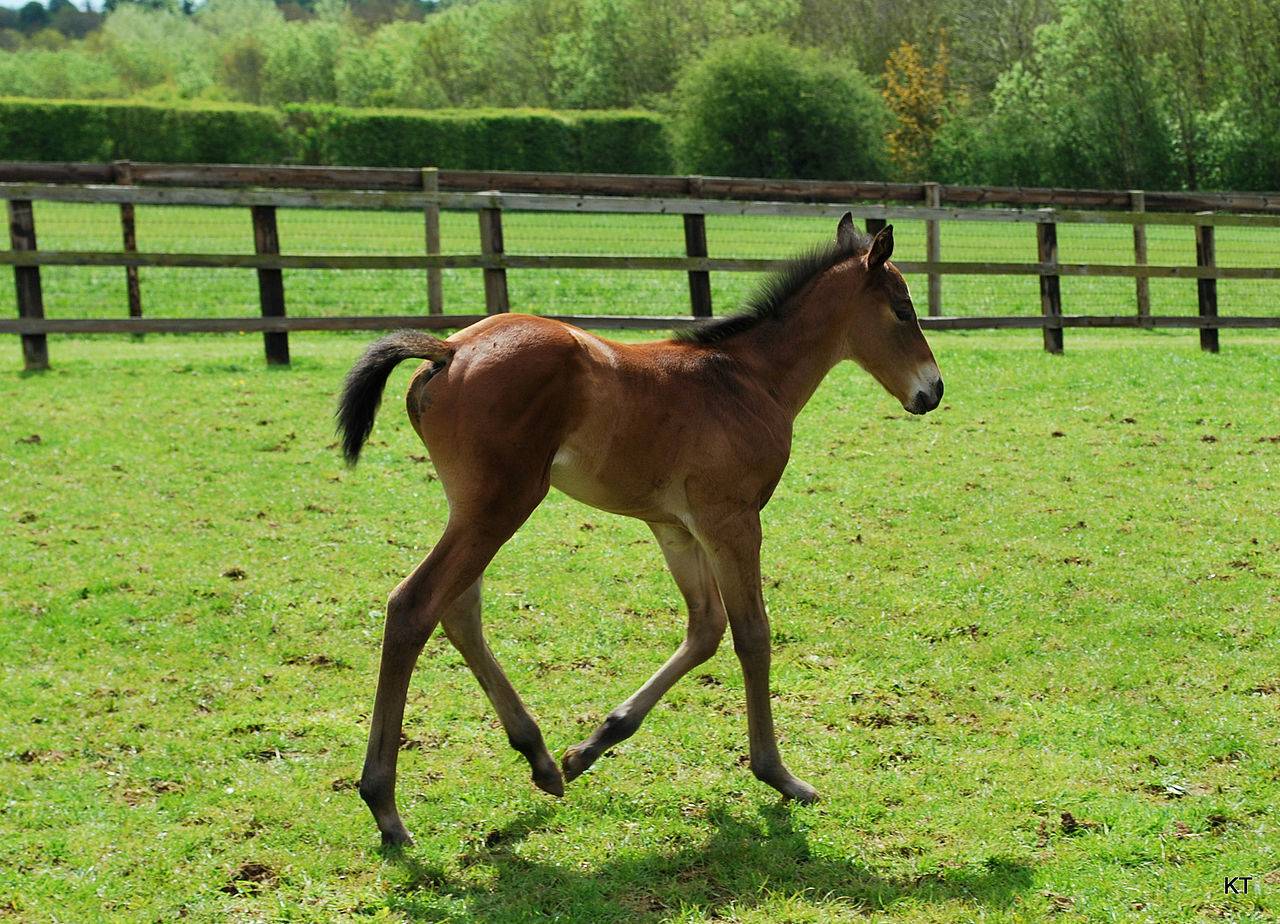
    Although a horse race may last for only 60 seconds, years of preparation go into getting those horses “race ready.” A filly that was born earlier this week at Otter Creek Farm, for example, will go into training for the next three years before she ever makes it to the gate for a race. As you watch a race, remember someone has been very committed to getting every horse race ready – win or lose!

    “A good friend told us years ago that horse racing is not for the faint of heart,” says Karey. “But having said that, it can be incredibly rewarding! The Iowa-bred program is very important to us and many owners. The Iowa Thoroughbred Breeders and Owners Association is very supportive of new folks getting involved. If you’re interested in getting involved in horse racing, go to the ITBOA website for contact information or head to the track and ask questions!”

    Not only is April through August racetrack season in Iowa, it’s also gardening season. Soon rhubarb and strawberries will be ready for picking, which means we can all enjoy these in-season fruits. Karey says her family often requests Strawberry-Rhubarb Pie, and today she’s sharing her recipe with us.

    Team Latham

    May 2, 2014
    Agriculture, Desserts, General, Industry News, Recipes
  • Latham Hi‑Tech Seeds

    Get Your Crop Off to a Good Start

    Featured Rain

    Featured-RainWhat a season of variability! Near Latham headquarters in North Central Iowa, more than seven inches of rain has fallen since Easter. Many counties to the east have received even more. Farmers in Boone County had finished planting corn in 2014 before many Franklin County farmers entered a field.

    With more wet, cold weather in the forecast, local farmers are beginning to wonder if they’ll have their corn planted by mid-May.  Warm, dry days are needed as ponding is an issue right now on Latham’s Century farm. We can’t do anything about the weather, but we can control how we “play the cards we’ve been dealt.”

    As hard as it is to wait, we know that planting in fit soils at optimal depth and proper seed spacing leads to better results. Optimum planting depth is 1.5 to 2 inches deep for corn when soil temperatures are at least 50°. While history has shown us that planting date is a guideline for top performance, it’s certainly not the only factor.

    Last year many farmers in Fayette County, the northeast corner of Iowa, planted their crops in mid- to late May and saw near record yields thanks to warm fall temperatures and decent rains. Speaking of warmer temperatures… the weather in May is historically warmer than in April. Soils maintain warmer temperatures, and there is a much lower risk of imbibitional chilling damage. Chances for freezing damage also are lower, although we saw in Wednesday’s crop report that snow fell over much of our Northern territories halting planting from North Dakota to our Northern tier of Iowa counties.

    Some farmers planted in early April to try and get in when they could. Some even talked about planting shallower to compensate for cold soils, but we don’t recommend this. Anything under the 1.5-inch mark is too shallow for proper nodal root development.  It’s also harder to create good seed-to-soil contact when planting this shallow. Remember, if you are planting at 1.5 inches it is easy for that to shallow up to 1 inch in different field conditions. Hard rains following planting can also settle the ground. For all these reasons, we shoot for a planting depth of 2 inches.

    Also remember that cold temperatures at or before planting can negatively affect the growing point of the plant. For corn, that growing point stays under the soil surface until the V6-V7 stage and helps protect the plant to a certain degree from colder weather spells for several weeks. For soybeans, however, the growing point comes out of the ground at emergence. Therefore, a soybean seedling is immediately vulnerable to cold weather. Using a fungicide seed treatment will help protect young soybeans from seedling diseases at this early stage, but they are not designed to protect against cold temperatures.

    Team Latham

    May 1, 2014
    General, Season, Spring
  • Latham Hi‑Tech Seeds

    Losing Sleep Over HSUS Rhetoric

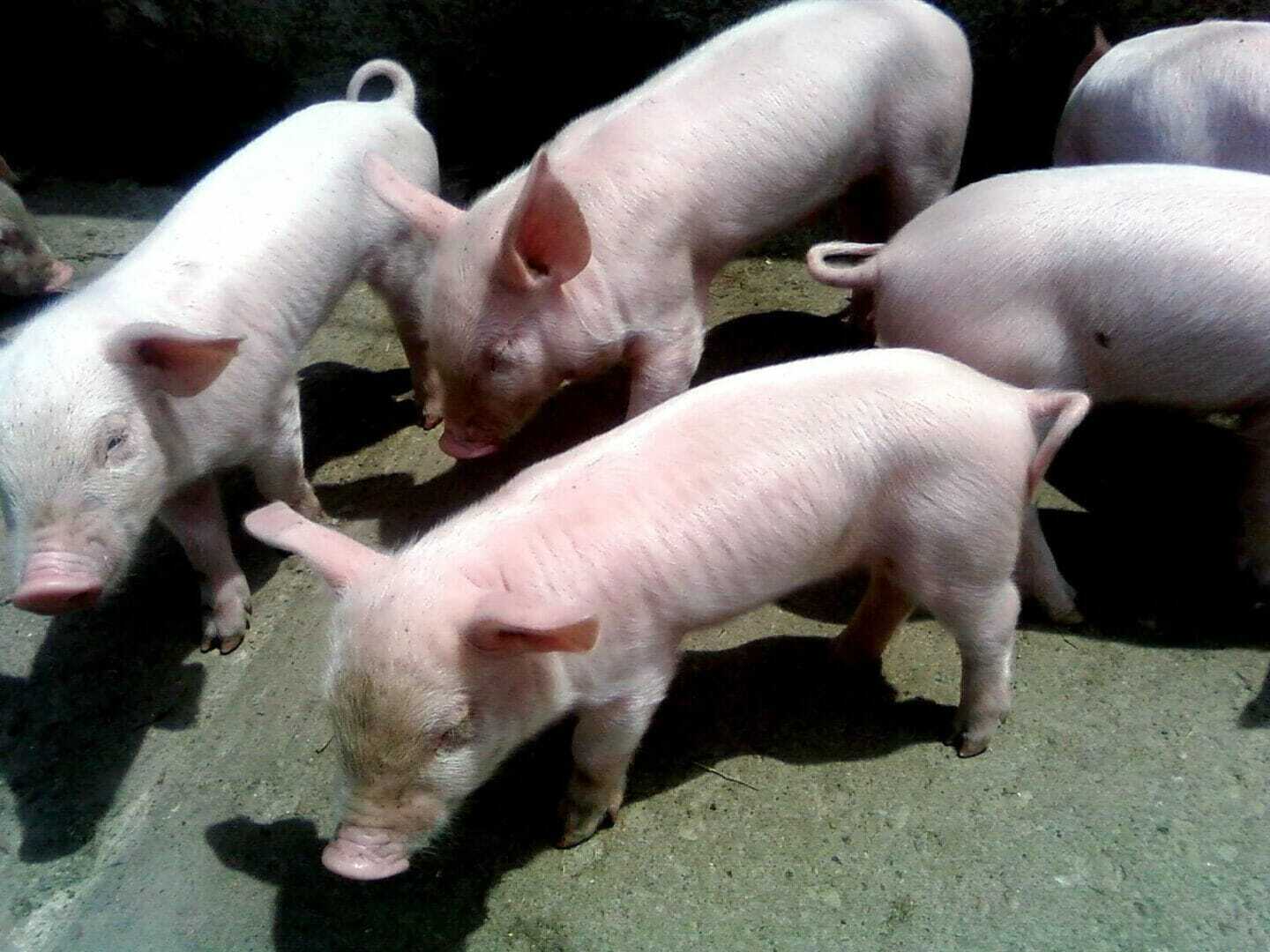
    Little pigs

    Little_pigsI’ve farmed long enough that I sometimes wake up early. I don’t want to sleep too late because there is livestock to be fed and crops to be planted, so I have a big clock that I can read in the dark to know whether it’s really time to get up or try to go back to sleep. When I saw 2 AM on Monday morning, I turned on 1040 WHO Radio where I can usually be lulled back to sleep by the “Coast to Coast” program.

    But last night, I experienced a living nightmare when I heard the voice of Wayne Pacelle, President/CEO of the Humane Society of the United States (HSUS). Nothing makes my blood boil faster than that smooth talker! Janice even woke up and tried to convince me to shut off the radio and go back to sleep, but I was wide awake as I listened to the same old sound bites and misinformation Wayne always shares.

    What was different about this program, however, was the admissions that activists go under cover. Not only Cody Carlson admits to, but he’s very proud of lying his way into animal operations. He looks for ways to come up with footage that will make an operation look bad. He even shares how he spent weeks filming to get some video to take public!

    Also on the program was HSUS public policy director, Matthew Dominguez, who railed against laws that are meant to keep undercover, doctored up videos from inflaming fear about livestock operations.  There was so much hype and untruths by these three men, and the program host just keep egging them on about factory farms!

    The first caller to the program wanted to hear from farmers. George Knapp, the host, answered this question by saying there is no way a farmer would come on his show to debate with his current guests. His opinion was that farmers want to hide all the bad things they’re doing. “How could farmers possibly defend torturing animals?” he asked.

    Of course, Matt and Cody agreed with George. Wayne wasn’t heard from again after the first hour. This makes for good radio, but I know these men know better. I have personally been sharing what I do and why. You’d think they have never heard of Google! There are many farmers today making a huge effort to share why we raise livestock the way we do.

    For almost 10 years now, I have been sharing the experiences I’ve had while raising pigs for 50 years. I try to explain how much we have improved their care by moving them inside climate controlled buildings, away from the harsh winter weather and hot summers. This was done for the comfort of the animals. They have better nutrition and better housing because of these new technologies.

    Gestation stalls were condemned by this show. This piece of equipment seems to be a lightning rod for animal activist! Even Temple Grandin has condemned stalls. The problem is, I have personal experience raising gestating sows many different ways. I can tell you these stalls were designed for the welfare of the sow! There have been several studies now showing, if the sow can chose between being in a crate or in with a group, she picks the crate over 90 percent of the time!

    “Coast to Coast” talked many times about how farming should be like Old McDonald’s Farm instead of the big, bad factory farms. Truth is, over 90% of today’s farms are “family farms.” Today’s family farmers are growing food the best way they know how, using all the new technology they can learn to keep animals stress free. Growing the best, safest food they can for my family and yours to enjoy!

    Larry Sailer, Musings of a Pig Farmer

    April 29, 2014
    Agriculture, General, Industry News
  • Latham Hi‑Tech Seeds

    Using Social Media with Purpose

    SocialMedia Kids

    SocialMedia_KidsToday’s teens, as we know, are tech savvy. The average American teen sends 60 text messages daily, and more than 400 million Tweets are posted per day by people of all ages. But how many of these messages are sent with purpose?

    Yesterday I had the honor and privilege of being on the program with some of the biggest names in agriculture during the annual Agvocacy Day on the Iowa State University campus. A prelude to the annual Iowa FFA Leadership Conference, approximately 225 high school students came to campus on Sunday afternoon to learn how they can use social media for the purpose of sharing their agricultural stories.

    ShannonAgvocate“Social media, when used properly, is a great tool for advocating,” said Mike Pearson, host of Market to Market, during a keynote address yesterday in Kildee Hall’s Lush Auditorium. Pearson opened the day, using graphs and drawing laughs, by sharing statistics and his own personal experiences as a cattle producer. Graphs illustrate how the world’s population is growing, and then Pearson explained how this is great news to American livestock producers.

    As societies around the world – particularly in Asia and Africa – transition from rural to urban lifestyles, their per capita grows. As their incomes grow, Pearson said, so does their appetite for protein. This creates more markets for American beef as long as government rules and regulations allow beef to be exported from the U.S. to international markets. Then Pearson reminded FFA members that we live in a democracy. The majority rules, which means that the 2 percent of America’s population that produces food, fiber, fuel and pharmaceuticals must be diligent in explaining what they do and how they do it.

    Blogging, YouTube, Facebook, Twitter and Instagram are all tools that American farmers are using to share what they do on a daily basis. In my presentation, “Make Your Voice Heard,” I shared examples of advocates for students to follow. Topping my list are the Peterson Farm Brothers. With 144K followers on Facebook and more than 1 million views on YouTube, these beef producers have become online sensations with parodies of popular songs like Chore and Farmer Style.

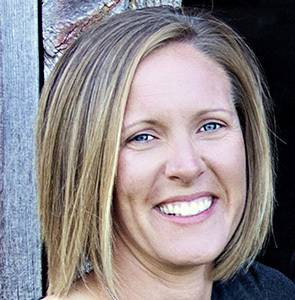
    Carrie Mess, of Dairy Carrie
    Carrie Mess, of Dairy Carrie

    Another farmer who has learned how to grab your attention and then entertain you is Wisconsin dairy farmer Carrie Mess. The Adventures of Dairy Carrie blog, Facebook, Twitter and Instagram give followers an insider’s look at life on a dairy farm. She shares the joys of birth by photographing newborn calves and released “undercover video footage.” She also shares the compassion farmers feel when their stock is diagnosed with disease or falls ill. She’s given play-by-play of surgeries and uses terms like “Tums” to explain when and why medicine is given. She has a love affair with cheese and encourages her followers to branch out beyond slices of American. In fact, she’ll tell you that she’s actually anti-American… cheese!

    Following breakout sessions like mine, the students again gathered in the auditorium for closing remarks by sixth generation United States farmer Trent Loos. When anti-agricultural activists threatened the way of life he cherished, he took a stand and launched Loos Tales. Loos was recognized in 2008 as the “Voice of Rural America” by the West Quest organization for his ground-breaking work in advocating for agriculture.

    Yesterday Loos told FFA members that he believes the true value of food supply is a means of national security for America. “Farmers who feed us and the dedicated United States military personnel are the two most unsung and vitally important factions of our population,” he said.

    Both farmer and soldiers are undervalued and misunderstood, so Loos says we must work to change that. Go ahead and advocate. Start telling your ag story – or someone else will and you may not like it!

    Team Latham

    April 28, 2014
    Agriculture, General, Industry News
  • Latham Hi‑Tech Seeds

    Celebrating Our 2,000th Blog Post

    ShannonRadioEyebrows raised. Mouths gaped. Cheek muscles twitched.

    You could’ve heard a pin drop for a few moments after I presented my idea in 2008 about launching a blog to a room filled with 10 salesmen and managers. Then one brave soul asked, “You mean you’re going to write a journal about your feelings and post it for the world to read? Why would any farmer want to read that?”

    His question was valid. Very few people were blogging at the time, and honestly, I wasn’t aware of another seed company doing anything like what I had proposed. We modeled TheFieldPosition after blogs like Templeton Rye’s The Good Stuff and Nuts about Southwest (Airlines). Our objective was – and still is – to allow our customers to interact with our company 24/7.

    Over the course of six years, our stories have evolved from agronomic newsletter articles to feature stories. TheFieldPosition blog has become known for Wednesday crop reports throughout the growing season and for Friday Farm Family Features all year long. Readers have gotten to know our family in a more personal way from stories about our daughter’s Zaney Zebra-themed party for her 9th birthday to the celebration of Grandma Latham’s 95th birthday. We’ve chronicled adventures including sales incentive trips to Key West, Florida, and Maui, Hawaii. We’ve called for farmers to take action on legislative and regulatory issues, ranging from child labor to accurate food labeling.

    TheFieldPosition has allowed to put my journalism degree to work by writing about interesting Iowans including Miss American Pie, a cookbook author who gives pie baking lessons inside the American Gothic House, and the Iowa Girl Eats blogger Kristen Porter, who showed me how to cook with tofu.

    But my favorite part about being a blogger is traveling the countryside and meeting with farmers throughout Latham’s six-state marketing region. I love hearing how they fight empty nest syndrome and practice good land stewardship. I enjoy hearing about their kids’ successful 4-H pork and beef projects, as well as learning about unique 4-H Clubs like Franklin County’s Kitchen Krew.

    My favorite thing to do is pull up a chair in the “Farmer’s Kitchen” because that’s where the best conversations happen – usually over coffee and cake. I found myself Pampered in Pender, Nebraska, and was inspired by Northwest Iowa farm family’s Make It Christmas.

    Shannon1This time of year I enjoy making visits to farmers as they’re planting. Often times, I plan these customer visits around restaurants that have been recognized as serving one of Iowa’s Best Burgers. Tuesday, during our first planter remote broadcast of the season with WHO Radio farm broadcaster Mark Dorenkamp, Michelle Baumhover from the Iowa Beef Council treated us to burgers from Niland’s Café in Colo.  Niland’s is one of the 456 Iowa restaurants that was nominated for the fifth annual Iowa Best Burger Contest; the 2014 winner will be announced May 1.

    In honor of both national egg and May Beef Month, today I’m sharing a recipe that I recently marked in a book called Favorite Summertime Recipes. (Yes, I read recipe books for the fun of it. Doesn’t everyone? :)) I’m looking forward to trying these on King’s Hawaiian Sweet Rolls. Saturday’s weather sounds perfect for grilling, and we might even be able to enjoy a picnic on the patio. Maybe I could make sliders and serve them with a side of Hawaiian coleslaw and fresh fruit. Ooo… I’m making myself hungry just thinking about it!

    What will be on your grill this weekend?

    Team Latham

    April 25, 2014
    Agriculture, General, Industry News
  • Latham Hi‑Tech Seeds

    Looking for the Silver Lining

    Featured Rain

    Featured-RainAfter awaking once again this morning to loud, booming thunder and sharp streaks of lightning, I lay still and willed my body to return to slumber. That’s easier said than done! My mind started to drift…

    Mason City, which is about 20 miles from where we live, set a record on Sunday for the maximum daily rainfall. Nearly 2.5 inches of rain fell on Easter, breaking the previous record of 1.7 inches set in 1977.

    Then I began to think about the weekly rain totals that I researched in order to write yesterday’s crop report. For the week ending April 20, rain fall varied across the state from 0.07 inches at Rock Rapids in Northwest Iowa to 4.87 inches at Pella in Central Iowa. The statewide average precipitation was 1.52 inches or nearly double the weekly normal of 0.85 inches. This was the wettest week in 42 weeks, which brings us to late June 2013. (Like any of us really want to remember just how wet the planting season was last year!)

    Because I’m an optimist – as any farmer must be to keep planting for 40 or so seasons – I decided to look for the silver lining. Rain is needed, albeit we wouldn’t vote for rain at this particular moment. We’d like to schedule timely rains throughout the growing season, but the weather is obviously beyond our control. Hopefully, this rain will soak in where it’s needed.

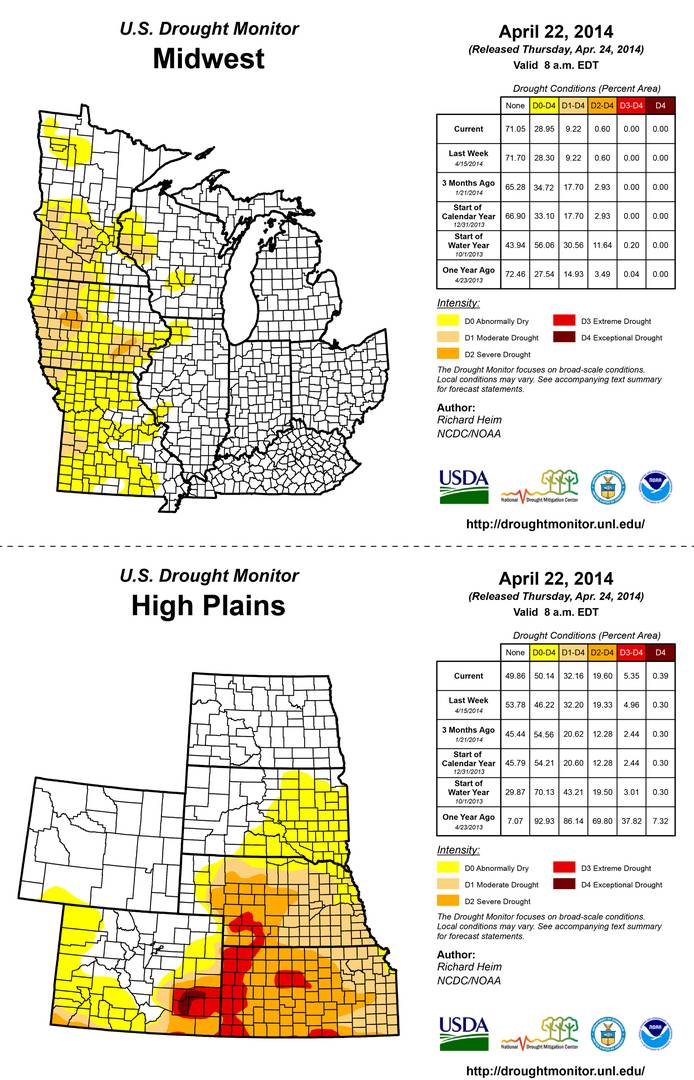
    DroughtMonitor_april14The U.S. Drought Monitor shows many areas across Minnesota, Nebraska and Iowa remain in a moderate drought. Topsoil moisture levels statewide are reported by the department of agriculture as 6% very short, 22% short, 65% adequate and 7% surplus. Subsoil moisture levels rated 16% very short, 39% short, 44% adequate and 1% surplus. Northwest Iowa is the driest with 18% of topsoil reported in very short condition.

    Planting season is a test of patience, but time has shown us that good things come to those who wait for the right seedbed conditions! Don’t push the panic button. Let soil conditions – not the calendar – dictate planting dates.  At this point, fields are not yet fit for planting and yield potential will be more negatively affected by planting in wet soils than waiting even a couple of weeks for better conditions.

    Corn planted into wet soils is prone to problems throughout the growing season such as: stunted plant growth; slow infiltration of water and/or ponding; high surface runoff under normal or light rainfall; poor root system development, or rootless corn; and even nutrient deficiency. Potassium deficiency is caused by corn roots not being able to take up potassium from compacted soils.

    Set up #crop14 for success! Work your crop plan. Remember, we’re still within the window of opportunity for maximum yields. There are literally weeks of planting dates remaining, so be patient and wait for suitable conditions.

    Team Latham

    April 24, 2014
    Agronomics, Corn, Crop, General, Rain, Season, Soybeans, Spring, Weather
Previous Page
1 … 66 67 68 69 70 … 159
Next Page

Latham Hi‑Tech Seeds

131 180th Street | Alexander, IA 50420

(641) 692-3258

SIGNUP FOR OUR NEWSLETTER
  • Contact
  • Legal
  • Dealer Center
  • Seedware Login
  • Latham Gear

© 2025 Latham Hi‑Tech Seeds. All rights reserved. | Iowa Web Design by Webspec | Privacy Policy

Latham® Hi-Tech Seeds is a trademark of M.S. Technologies, L.L.C., 103 Avenue D, West Point, IA 52656.