Latham Hi-Tech Seeds

(641) 692-3258

  • Home
  • Products
    • Corn
    • Soybeans
    • Alfalfa
    • Corn Silage
    • Seed Guide
  • Performance
  • Find a Rep
  • Media
    • Blog
    • News
    • Videos
    • Podcasts
    • TECHTalk
  • About Us
    • Company History
    • Our Mission
    • Careers
    • Become a Rep
    • Sowing Seeds of Hope
  • Contact Us
  • Latham Hi‑Tech Seeds

    Time for a bold plan for a better Iowa

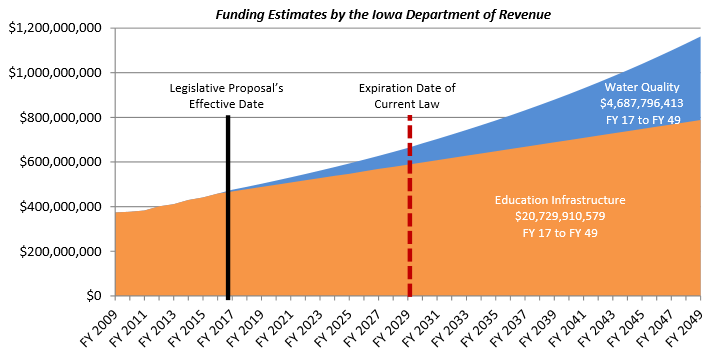
    Revenue chart
    Aaron Putze, Iowa Soybean Association
    Aaron Putze, Iowa Soybean Association

    guest blog post by Aaron Putze, Director of Communications & External Relations, Iowa Soybean Association

    The nation’s longest-serving governor has always been ready to take on a challenge.

    And as another legislative session gavels in today (Jan. 11), Iowa Gov. Terry Branstad will propose the biggest and boldest initiative he’s put forth as the state’s chief executive.

    Those are his words, not mine.

    The legislative proposal, to be a signature piece of his State of the State Address tomorrow, would increase funding for education and water quality initiatives without raising taxes.

    Flanked by Lt. Gov. Kim Reynolds, U.S. Ag Secretary Tom Vilsack, several school superintendents, farmers and farm association leaders, Branstad outlined the details of the proposal during a news conference held at the Iowa Capitol Jan. 5. It’s a proposal that has already drawn strong support from farmers, school administrators and farm organizations, including the Iowa Soybean Association.

    At the heart of the proposal is a 20-year extension of the Secure an Advanced Vision for Education program (SAVE). Enacted on July 1, 2008, SAVE dedicates one penny of the state’s six-cent sales tax for school infrastructure projects, or $3.2 billion since its inception. With SAVE to sunset in just 13 years, school officials are already finding it difficult to secure bonding for needed improvements to facilities and classrooms.

    Branstad’s proposal would provide stable and long-term funding to schools by extending SAVE through Dec. 31, 2049. It would guarantee schools a minimum projected base of $458 million annually plus the first $10 million in anticipated annual growth beginning in fiscal year 2017. Combined, these revenues would total an estimated $20.7 billion.

    Additional revenues generated by SAVE – estimated at nearly $5 billion – would fund nonpoint water quality efforts administered by the Iowa Department of Agriculture and point source water quality activities through the Iowa Finance Authority and Iowa Department of Natural Resources.
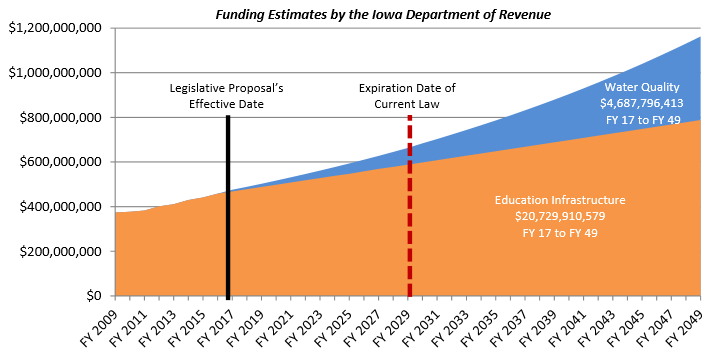
    As you can see from the trend line, Branstad's proposal solidifies the SAVE program through 2049, allowing schools to continue to plan for bonding school infrastructure (same steady increasing trend shown in orange) while avoiding any further implications on taxpayers. The blue portion indicates the part of pre-existing tax (GROWTH portion only) to be used to fund water quality initiatives in Iowa. Two very important issues in need of support from Iowans.
    As you can see from the trend line, Branstad’s proposal solidifies the SAVE program through 2049, allowing schools to continue to plan for bonding school infrastructure (same steady increasing trend shown in orange) while avoiding any further implications on taxpayers. The blue portion indicates the part of pre-existing tax (GROWTH portion only) to be used to fund water quality initiatives in Iowa. Two very important issues in need of support from Iowans.

    “This plan works for schools, farmers and Iowa,” Branstad said. “It funds school infrastructure improvements over the long term and spurs greater collaboration and implementation of the state’s nutrient reduction strategy.

    “The challenges associated with water didn’t occur overnight and they won’t be solved overnight,” he added. “But we can make real and meaningful progress without raising taxes.”

    It’s an intriguing concept. Schools and water quality are both priorities for Iowa and several prominent school administrators favor SAVE’s extension sooner rather than later.

    Dr. Paul Gausman, superintendent of schools for the Sioux City Community School District, attended the Jan. 5 news conference at the statehouse and said SAVE’s extension is critical as educational facilities continue to age. The proposal, he said, would allow schools to move important infrastructure improvements forward. That’s critical in many communities, including Sioux City, were deteriorating facilities need attention and in Waukee, where new facilities are needed.

    Waukee Superintendent of Schools David Wilkerson disagreed with reporters who, during the news conference, said Branstad’s proposal would divert funding from education to the environment.

    “We’re not taking anything away from schools because, without enactment of this proposal, there’s no guarantee that the one-cent sales tax will be renewed when it expires in 2029,” Wilkerson said.

    “It’s also important to note that our schools do not exist in isolation in our communities,” he added. “We depend on a strong farm economy and our farmers. We look forward to working with them on this important issue.”

    Wilkersons points are extremely valid. After all, there’s no guarantee that schools will be capable of bonding as the clock ticks down to 2029. Nor is it a sure thing that Iowa’s governor and the state legislature will renew it in 2029, or before, for that matter.

    U.S. Secretary of Agriculture Tom Vilsack said the Governor’s initiative was a far more productive solution to improving water quality than lawsuits and finger-pointing.

    “I believe that what the governor has outlined will lead to better water quality and greater collaboration,” he said.

    When asked by reporters to handicap the odds that the proposal would gain favor among lawmakers, Vilsack pushed back.

    “You don’t want perfect to be the enemy of good. And if someone has a better proposal, than put it on the table,” he said.

    Iowa’s former governor also summoned a spirit of collaboration – one that Iowans have long been known for.

    “We’re all in this together,” Vilsack said. “This is an Iowa problem and the only way it gets solved is to work together in a collaborative way. If this doesn’t get solved, farmers won’t know what to do, lenders won’t know what to do and communities will suffer. It is about being big and bold and dealing with realities of today.”

    Let’s go to work.

    Photo Credit: Joe Murphy
    Photo Credit: Joe Murphy

    Gary Geske

    January 11, 2016
    Agriculture, General, Industry News
  • Latham Hi‑Tech Seeds

    Going “Behind the Seeds” at EPCOT (Part II)

    20151227 135035 resized

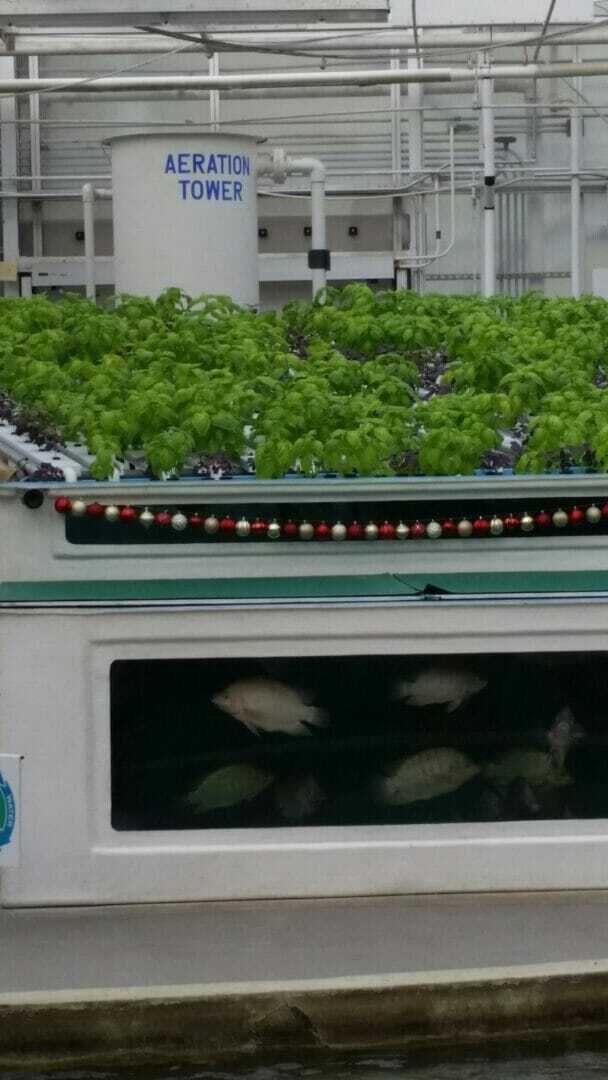
    Guests on the “Behind the Seeds” tour at Disney’s EPCOT center experience farming technologies – hydroponics, aeroponics and aquaculture – that can help lesser productive areas of the world raise more food.

    Scientists also are researching how to grow gardens in space, which would allow astronauts to eat fresh food during long journeys. (SIDE BAR: I couldn’t help but think how cool it would be to incorporate the seed industry’s Tomatosphere™ program, which uses space exploration to teach students the processes of scientific experimentation and inquiry.)

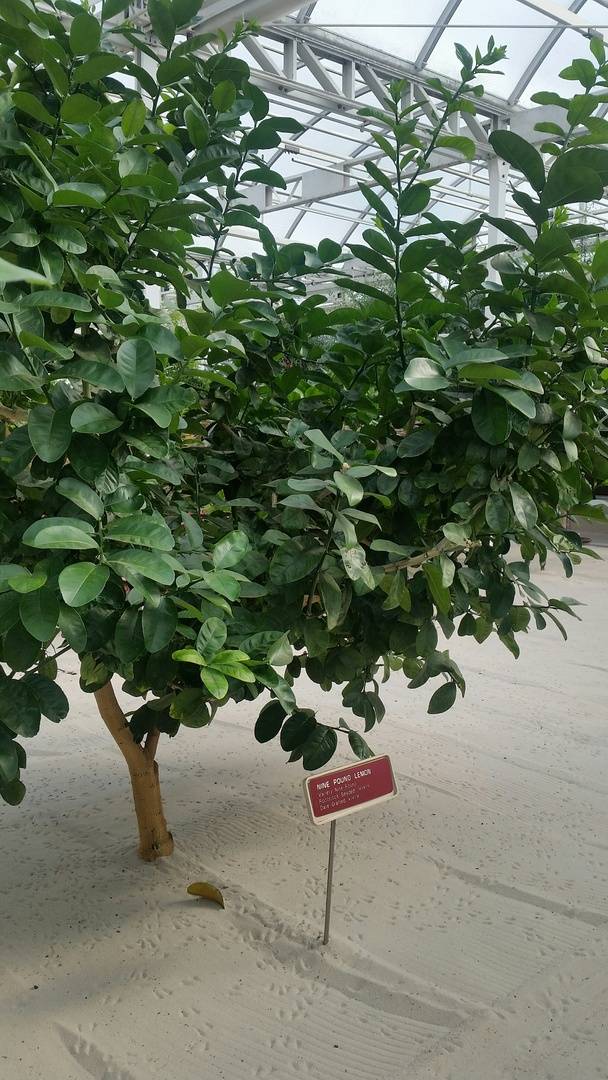
    9 lb. lemon tree at EPCOT
    9 lb. lemon tree at EPCOT

    The Land Pavilion at EPCOT Center offers more than a glimpse of pie-in-the-sky science… It’s living proof that large-scale food production can be achieved in small spaces. Encompassing nearly 6 acres, The Land annually produces 27,000 pounds of vegetables and herbs for Walt Disney World restaurants.

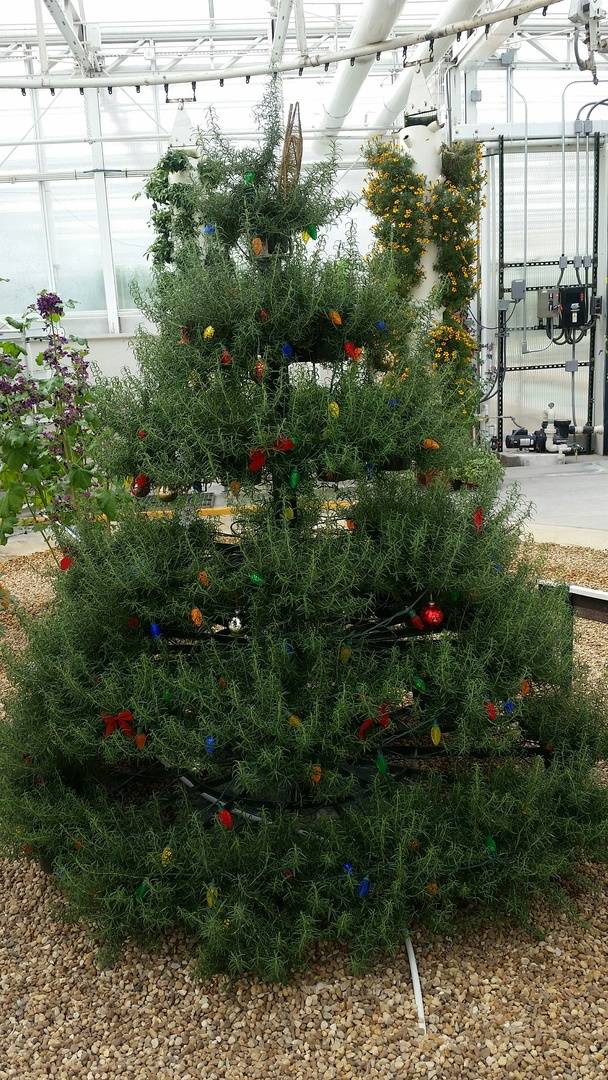
    The Spice Garden at EPCOT Behind the Seeds Tour
    The Spice Garden at EPCOT Behind the Seeds Tour

    Last week my family had the pleasure of seeing where those Mickey-shaped cucumbers, specialty spices and other unusual fruits and vegetables are produced. We walked into a greenhouse where hydroponics allows plants to grow without soil. Those of us blessed with rich soils in the Midwest may find this production method disconcerting at first, but we must remember that good soil is limited worldwide. (Click here to see some amazing photos of the hydroponic gardens from The Photo Garden Bee blog.)

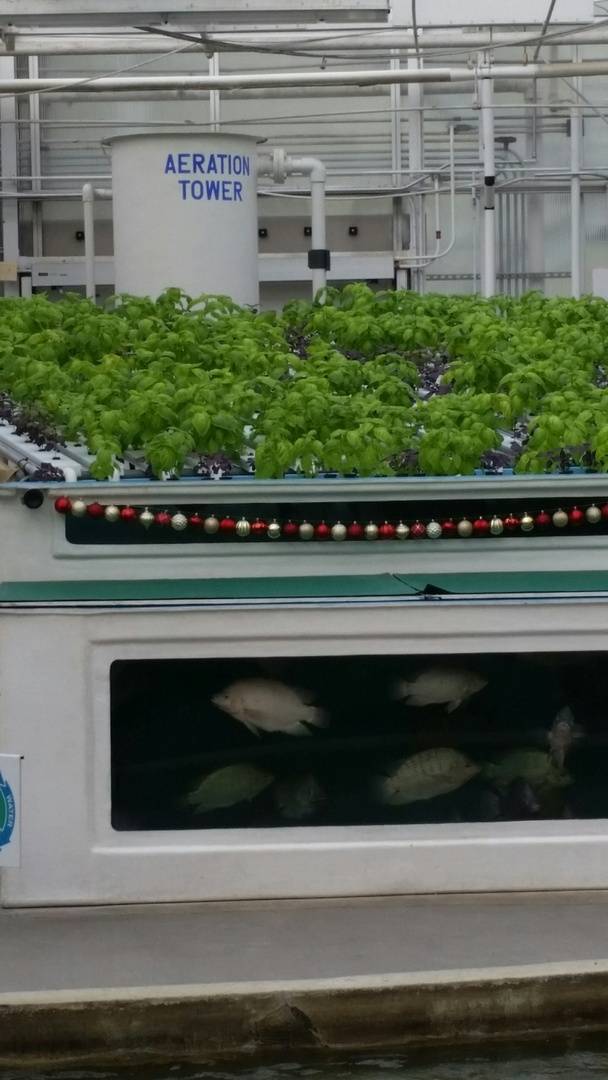
    Aquaponics in action at EPCOT
    Aquaponics in action at EPCOT

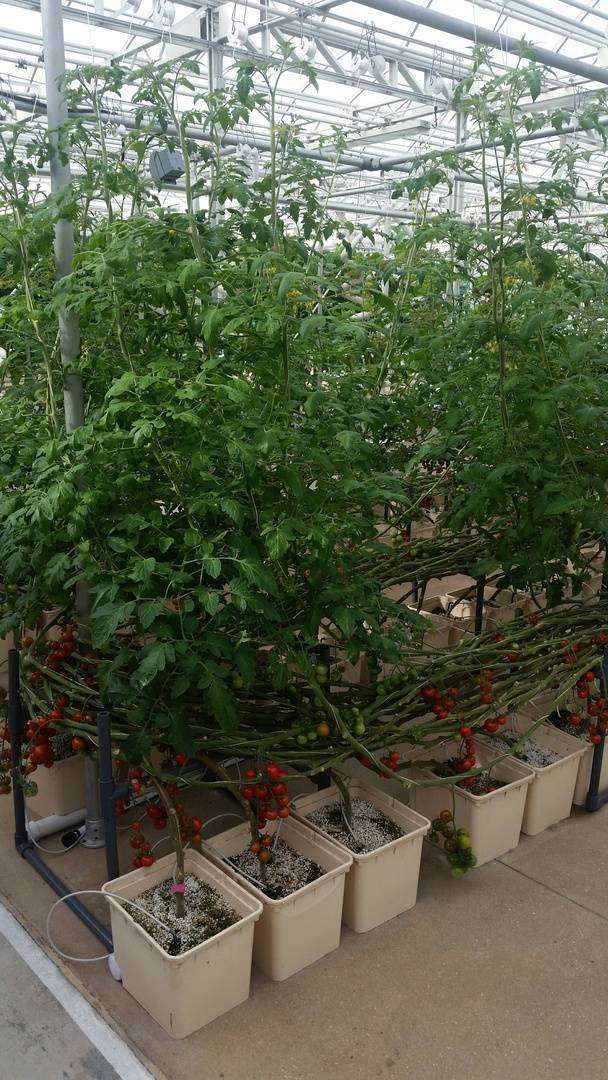
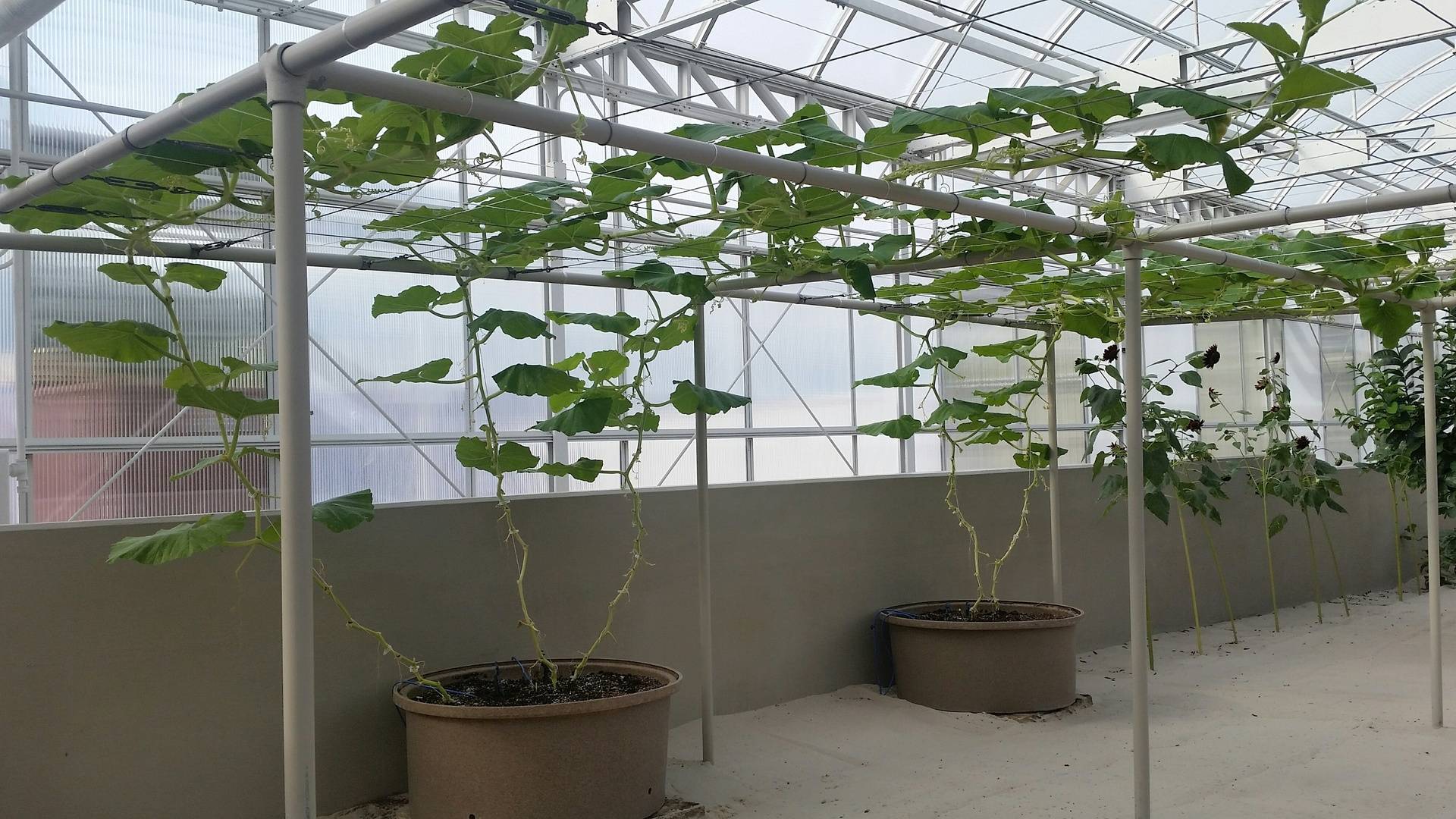
    In addition to hydrophonics, we saw aeroponics in action. Aeroponics remind me of “food towers” where fruits and vegetables grow vertically. One potted tomato tree, vining along a trellis system, can produce thousands of tomatoes. (Literally. This tomato tree that set the Guinness Book of World Records by producing 32,000 tomatoes in one year!) Fifty-pound Winter Melons and Cinderella pumpkins even grow on the trellis system. Who knew?

    Easy Pick Tomatoes at EPCOT
    Easy Pick Tomatoes at EPCOT

    The wonder continued as we stepped inside the Tropical Greenhouse, which is home to 30+ different edible crops. Some crops seen in U.S. ornamental gardens are actually used for food in other countries. Visitors can see how pineapples and bananas grow, too. (Did you know that bananas grow on a plant, not a tree? Banana plants are actually giant herbs of the same family as lilies, orchids and palms.)

    There is just so much to see and learn on the “Behind the Seeds” tour! One of my family’s favorite was the Mimosa Pudica, a sensitive plant that immediately reacts to touch.  Learn more about this plant as you watch a cool time-lapse video here.

    So how did my kids feel about spending an hour in the class room during winter break? My 14-year-old son, without prompting, said this was one the best tour he’s taken. Like you’d expect from Disney, this tour is engaging. We got to touch plants, sample fruits grown in the greenhouses, and feed the fish.

    Pumpkin Vines growing on a trellis at EPCOT
    Pumpkin Vines growing on a trellis at EPCOT

    Disney even provides QR codes on signs along the tour route, so you can use your smartphone to learn more about the fruits and to download recipes. Today on TheFieldPosition, we’re sharing with you Disney’s recipe for Sweet & Sour Chicken. We hope you and your family enjoy a magical meal at home!

    Team Latham

    January 8, 2016
    Agriculture, General, Industry News
  • Latham Hi‑Tech Seeds

    “Behind the Seeds” at Disney’s EPCOT

    20151227 135047 resized

    A nine-pound lemon. A tomato tree that set the Guinness Book of World Records by producing 32,000 tomatoes in one year! And pumpkins grown in the shape of Mickey Mouse’s head. I’d read all about these rare fruits and veggies, but I had to see it for myself!

    After cashing in years’ worth of Reward Points earned from purchases made using my Disney Visa card, I booked a one-day park hopper pass for “Latham Party of 5.” Two days after celebrating a White Christmas in Iowa we arrived in Orlando, eager to enjoy all the Sunshine State has to offer.

    Our first stop was Animal Kingdom because our animal-loving daughter had her heart set on taking the Kilimanjaro Safari. One advantage of taking this tour in the morning is the animals are more active earlier in the day. We saw hippos out of the water, which our guide says is unusual. Giraffes were feeding. Elephants were playing, and lions were sunning themselves on the rocks. (TIP: If you aren’t at the park when it first opens, get a Fast Pass. You’ll want to experience this attraction, but you’ll enjoy it a lot more if you’re not waiting in line for an hour! Click here for more tips on how to make the most of your first hour at Disney.)

    20151227_111352_resized


    20151227_110857_resized

    After surviving Expedition Everest, it was time to travel to EPCOT for our “Behind the Seeds Tour” of four greenhouses. (EPCOT stands for the Experimental Prototype Community of Tomorrow, which helps explain some of the sustainable farming methods being implemented here.)

    The tour began in the biotech lab where our college-aged intern explained how, through Integrated Pest Management (IPM), good bugs are used to take out the bad. We also learned how scientists used biotechnology to create Mickey’s Mini Gardens, or the dragon fruit souvenir.

    Interestingly enough, dragon fruit was as close as our tour guide got to talking about GMO foods. This would be a great opportunity to educate Disney guests, who may have questions about GMOs simply due to misleading headlines and activist campaigns, but who would appreciate learning GMO facts like:

    1. Genetically Modified Organisms (GMOs) are developed through plant breeding. A GMO is a plant developed through a process whereby a copy of a desired gene or section of genetic material from one plant or organism is placed in another plant.
    2. Pesticide applications have decreased largely due to the adoption of (biotech) insect-resistant crops. Herbicide-tolerant crops allow farmers to participate in no-till methods that preserve topsoil and prevent erosion.
    3. GM foods have a safe track record with 20+ years in the marketplace. GMOs have not caused or contributed to a single illness or death.
    4. Numerous studies have shown no nutritional differences between commercially available GMO and non-GMO foods.
    5. Only nine GMO crops are commercially available: Alfalfa, Canola, Corn (field and sweet), Cotton, Papaya, Potatoes, Soybeans, Squash, and Sugar Beets. Artic Apples won’t be mass marketed before 2017. Because it won’t turn brown when sliced, the Artic Apple will potentially reduce food waste.

    In the future, GMO crops could lead to more nutrient-dense foods and enhanced dining experiences for people with food allergies. Genetic modification can actually improve the nutritional content of some foods; Low linoleic acid canola oil, for example, can reduce transfat content.  Golden Rice, a genetically modified rice, could help prevent vitamin deficiency in poor countries. Severe Vitamin A deficiency results in blindness, and nearly 50% of the half-million children who are blinded by it die within a year. Modified peanuts could reduce the risk of peanut-allergy reactions.

    How cool it would be if Artic Apples and Golden Rice were added to the crops being grown in the 2.5 million square feet of greenhouses at EPCOT!  are some really interesting crops being grown using innovative techniques here. Read more about them tomorrow in Part II of “Behind the Seeds at EPCOT”!

    RELATED LINKS:

    • 10 Things You May Not Know about GMOs
    • What Consumers Want to Know About GMOs
    • What Affect Do GMOs Have on Human Health?
    • Do GMOs Have Side Effects on Unborn Children or Pregnant Women?
    • How do GMOs Affect the Environment?
    • Frequently Asked Questions – GMOs
    • Say “Yes” to Science and “No” to Anti-GMO


    Team Latham

    January 7, 2016
    Agriculture, General, Industry News
  • Latham Hi‑Tech Seeds

    Government Involvement Creates Change, but Is It Good?

    Wethepeople

    wethepeopleI’ve read that 99.9% of all species have become extinct! Extinction happened before man had anything to do with “climate change.” The difference in our present age, however, is the fact that man thinks he is in control. Now we want to control climate!

    Some folks believe that adjusting how we create energy will save the planet. Fewer carbon dioxide emissions, they say, will stop climate change. The truth is, one major volcanic eruption can make more “pollution” than was made throughout history by all mankind!

    Every time an attempt is made to change one thing, other things unexpectedly get changed – most times these unexpected changes are not for the better. Take the spotted owl for example. With the passage of the Endangered Species and the National Forest Management Acts, the logging industry was basically shut down in the Northwest.

    Saving one species of bird was put ahead of mankind, but the desired results were not accomplished. The number of spotted owl didn’t increase, and now scientists believe the aggression of barred owls has actually led to the decline. Not only were logging families devastated and entire regions suffered economic hardship, but the “untouched” forests grew a massive amount of combustible material. Without man’s management of the forest, massive forest fires occur every year and create massive amounts of air pollution. Are we saving that birds or old forests… or are we just making huge mistakes?

    Mankind has been given the power to make decisions. We have the ability to make a difference. In my chosen career of farming, we have made huge advances in producing food. The U.S. free market system has been the biggest catalyst, yet man likes to step in and interfere. As our society has grown, so has the amount of government intervention.

    Government officials are always trying to make things better. My question remains, “What will be the 100 after-effects of trying to fix one problem?” Are we better without coal? Is green energy the answer or will it cause unknown problems for the future? Can government involvement fix the problem by breaking one industry and replacing it with another?

    Taxes, regulation and rule by force interferes with the free market. Taking land from private individuals – like the Hammand family of Oregon and Texas ranchers like Ken Aderholt for “the public good” will have long-term effects. The examples of government overreach and the use of eminent domain just keep on growing, and I’m genuinely concerned about losing the freedom to operate here.

    It’s time to return power to the people!  Our country was not made great by a president overpassing congress and ignoring the constitution. In fact, our forefathers were very intentional in how they formed our government because one person was not supposed to have that kind of power.

    We have an election bearing down on us. Are the candidates saying what they think you want to hear, or are they laying out a plan for a better future? Are they promising “free” stuff? Remember, free stuff will have hundreds of effects because someone has to pay for it!

    Now is the time to learn the issues and examine how the candidates really think. Whom we elect makes a difference!

    Larry Sailer, Musings of a Pig Farmer

    January 5, 2016
    Agriculture, General, Industry News
  • Latham Hi‑Tech Seeds

    “See for Yourself” How Checkoff Builds World-Wide Markets

    Farm mom hemmes

    Guest blog post by April Hemmes, Franklin County Iowa farmer who is also a board member for the Iowa Soybean Association and the United Soybean Board

    Goooood Mooor-Ning Vietnaaam!

    The moment the sun rose over Ho Chi Minh City, my mind replayed the voice of Robin Williams as funny radio host Adrian Cronauer in the 1987 hit movie Good Morning Vietnam.  Ho Chi Minh City, population 8 million, is located in southern Vietnam by the delta. With so many people living on a land mass that’s slightly larger than New Mexico, you see scooters everywhere. This was my view every morning.

    Scooters in the Morning, USB visits Vietnam

    I had the pleasure of traveling July 30 through August 7, 2015, to Ho Chi Minh City with nine other soybean farmers from across the United States plus four United Soybean Board members. We were hosted in the regions we visited by U.S. Soybean. Through a global network of international offices, the U.S. Soybean Exports Council builds a preference for U.S. soybeans and soybean products. This group also advocates for the use of soy in feed, aquaculture and human consumption, as well as promotes the benefits of soy use through education. The number of aquaculture feed mills in Vietnam using U.S. soybean meal in aquaculture has risen dramatically in recent years, so our delegation was sent to provide more technical information about the superiority of U.S. Soy compared to soybeans of other origins.

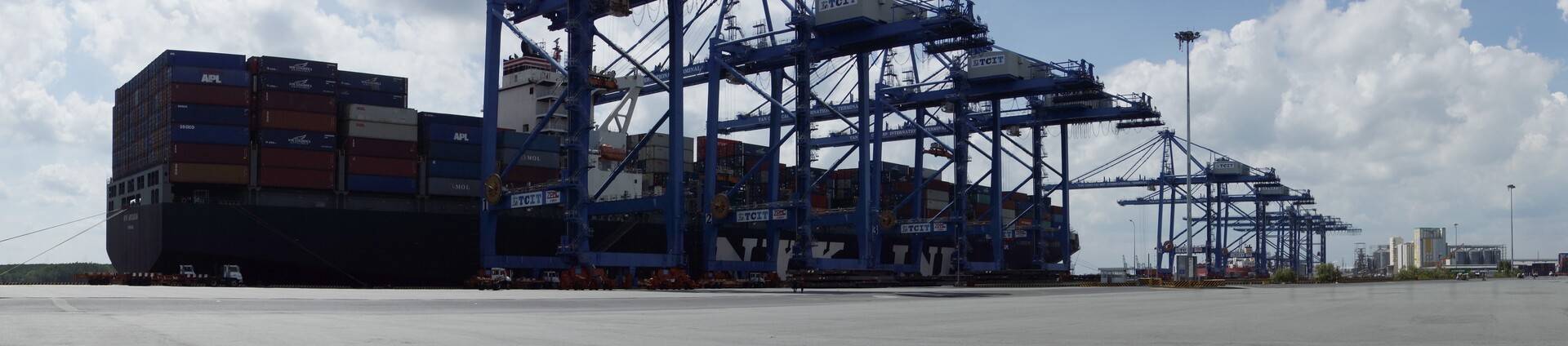
    Our first stop on this tour was a feed mill and malting plant, located along a deep channel of the river to allow shipments by boat. This particular malting plant is expanding due to an increase demand for beer in Vietnam. Vietnam ranks third for beer consumption in Asia, behind China and Singapore. The highlight for me was seeing Panamax ships, the mid-sized cargo ships that are capable of passing through the lock chambers of the Panama Canal, being unloaded. One was full of grain and the other was filled with containers. It’s very hard to explain how big one of these ships is, but it takes 4 days to unload it!  The containers can be filled with anything from cars to soybeans or electronics to raw goods for the textile industry.

    Port in Vietnam

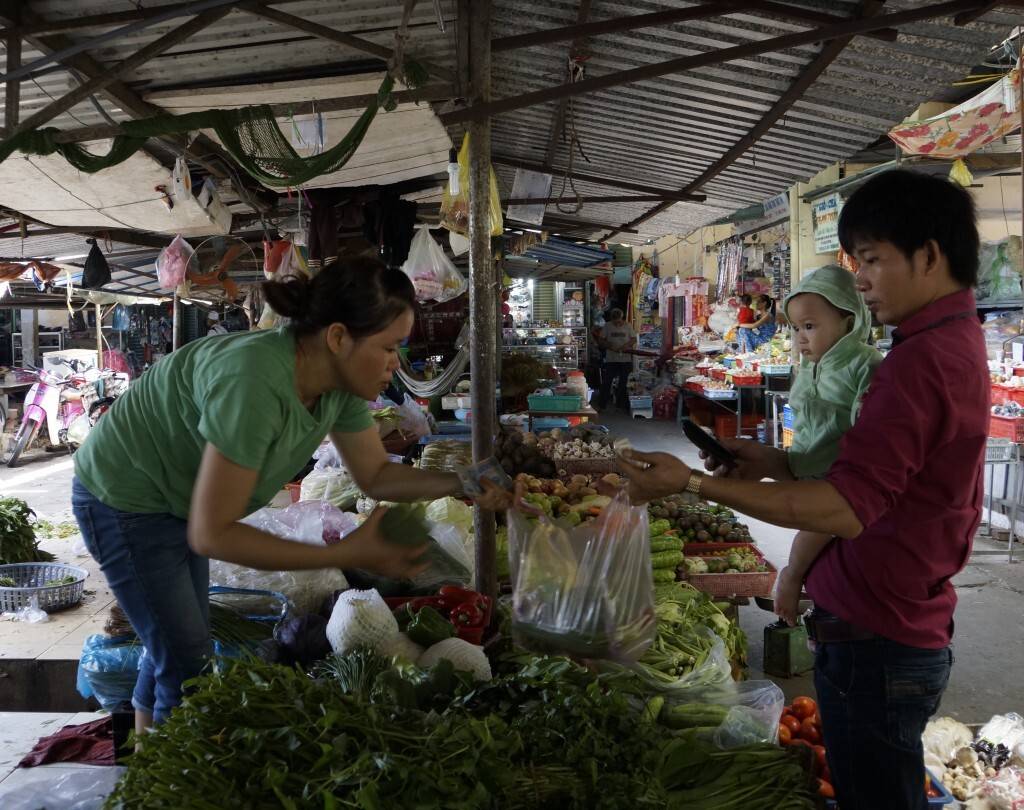
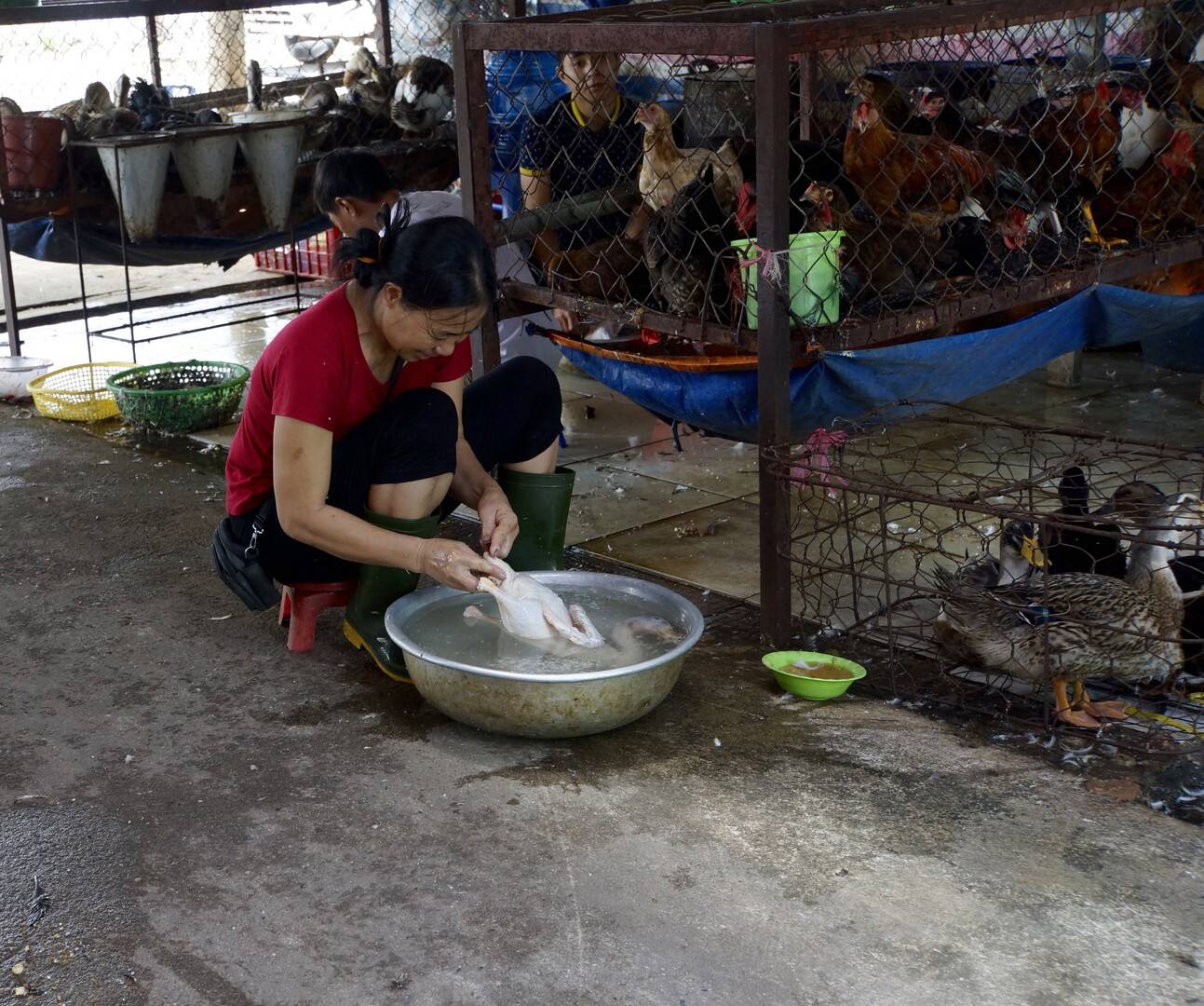
    We also had time to stop by a market. Markets play a crucial role in Vietnamese life as that’s where people find essential items from clothing and shoe to foods, drinks, spice and fruits. The range of produce grown in the area and available at market is amazing! Although it’s rare to find someone here who speaks a foreign language, we did enjoy our visit.

    Market in Ho Hin City Vietnam

    Fresh chicken at Vietnamese Market USB See for Yourself Tour

    During our “See for Yourself” marketing mission, we watching many presentations and learned a lot of facts about Vietnam. One in particular that struck me is that well over half of the population is under the age of 25.  Amazing! Less than 20% of the population is over age 55, so they have no memory of the war here.

    Honestly, I came home from this See for Yourself program feeling optimistic! There is much optimism in Vietnam. Although the economy has grown through agriculture and manufacturing, the average annual income is $2,000. Vietnamese can earn more by moving to the city and getting either a manufacturing job or service industry. Generally speaking, these people are happy and they believe life is only going to get better.

    It’s hard to describe the sense of duty I feel because people around the world depend on the quality of the crops we produce in America. I highly recommend that farmers “See for Yourself” what the checkoff’s role is in developing and maintaining worldwide markets. Click here to apply for the 2016 See It Yourself Program by April, 1 2016.


    Team Latham

    January 4, 2016
    Agriculture, General, Industry News
  • Latham Hi‑Tech Seeds

    Set Goals, Not Resolutions

    White pen

    As one year comes to an end and people around the world make plans to usher in a New Year, we find ourselves taking stock of all that happened in 2015 and resolving to make improvements in the year ahead. Did you know that only 45 percent of Americans usually make New Year’s Resolutions and only 8 percent actually achieve their resolutions?

    Talk about a sobering fact! I honestly was surprised and did a little more digging. My theory is that the reason so many people don’t achieve their resolutions is because the type of resolutions they’re setting. These were the Top 5 Resolutions for 2015:

    1. Lose Weight
    2. Get Organized
    3. Spend Less. Save More.
    4. Enjoy life to the fullest. (Really… what does this mean?)
    5. Stay fit.

    Any former 4-H’er can glance at this list of “resolutions” and realize that a person is more apt to have success by setting “SMART “goals. Leadership for Dummies states the following characteristics make up the SMART acronym:

    • Specific: Each goal specifies your target exactly. Saying you want to lose 10 pounds is more specific that merely “lose weight.”
    • Measurable: One of the big problems with setting goals is being able to evaluate success. Saying you want to “lose 10 pounds by March 15” is more specific and measurable.
    • Achievable: A goal that is within your reach increases motivation. Saying you want to lose 10 pounds by January 15 is probably not achievable (nor healthy). If you weigh yourself regularly and see that you’re losing a pound or so per week, that will motivate you to watch what your diet and continue your exercise program in the week ahead.
    • Realistic: A realistic goal is one that you have the resources to realize.
    • Time: SMART goals are written with an end in mind. If you don’t have a deadline, the goal is too vague and the target is unclear. Time is a motivational factor in achieving goals. (I want to lose ten pounds is a goal. But I want to lose ten pounds by Spring Break provides a deadline.)

    Why Set Goals? Successful people – whether they’re top-level athletes or business owners – have goal setting in common. Setting goals creates long-term vision and short-term motivation. For example, my son aspires to take his basketball game to the next level. He’s in eighth grade, but he aspires to play basketball in college. He’s motivated enough to create his own year-round workout schedule, however, he really needs to “get his head in the game.” He needs to be as mentally prepared as he is physically prepared.

    In the book Mind Gym, it states that extraordinary people live their lives backwards. They create a future and then live it by how they A.C.T.:

    ·         A = Accept present state. Understand your strengths and weaknesses.

    ·         C = Create your desired state. What’s your dream? Close your eyes and really envision where you want to be and what you want to be doing. Write down your desired state.

    ·         T = Take action steps to be there. Success is a journey of step at a time.


    What goals are you setting for 2016? In yesterday’s blog post, Mark Grundmeier wrote about the record-breaking yields achieved in 2015. Great yields don’t just happen, as we all know. Great yields require planning that begins with seed selection and seed treatment to fertility programs, as well as weed and pest management.

    At Latham Hi‑Tech Seeds, we’d appreciate an opportunity to work with you on a FieldXFieldSM basis for the 2016 planting season. We’d appreciate an opportunity to write down your production goal and help develop a plan to achieve it. Email or call 1-877-G0-LATHAM (1.877.465.2842) to schedule an appointment with a Latham® representative!

    Related Posts:

    • Reach New Soybean Yield Goals in the Year Ahead
    • Ring in the New Year with Fire & Ice
    • Beginning the New Year with Family Traditions

    Team Latham

    December 31, 2015
    Agriculture, General, Industry News
  • Latham Hi‑Tech Seeds

    Dreams Aren’t Made of Thigh-High Snow Drifts

    20151229 080704

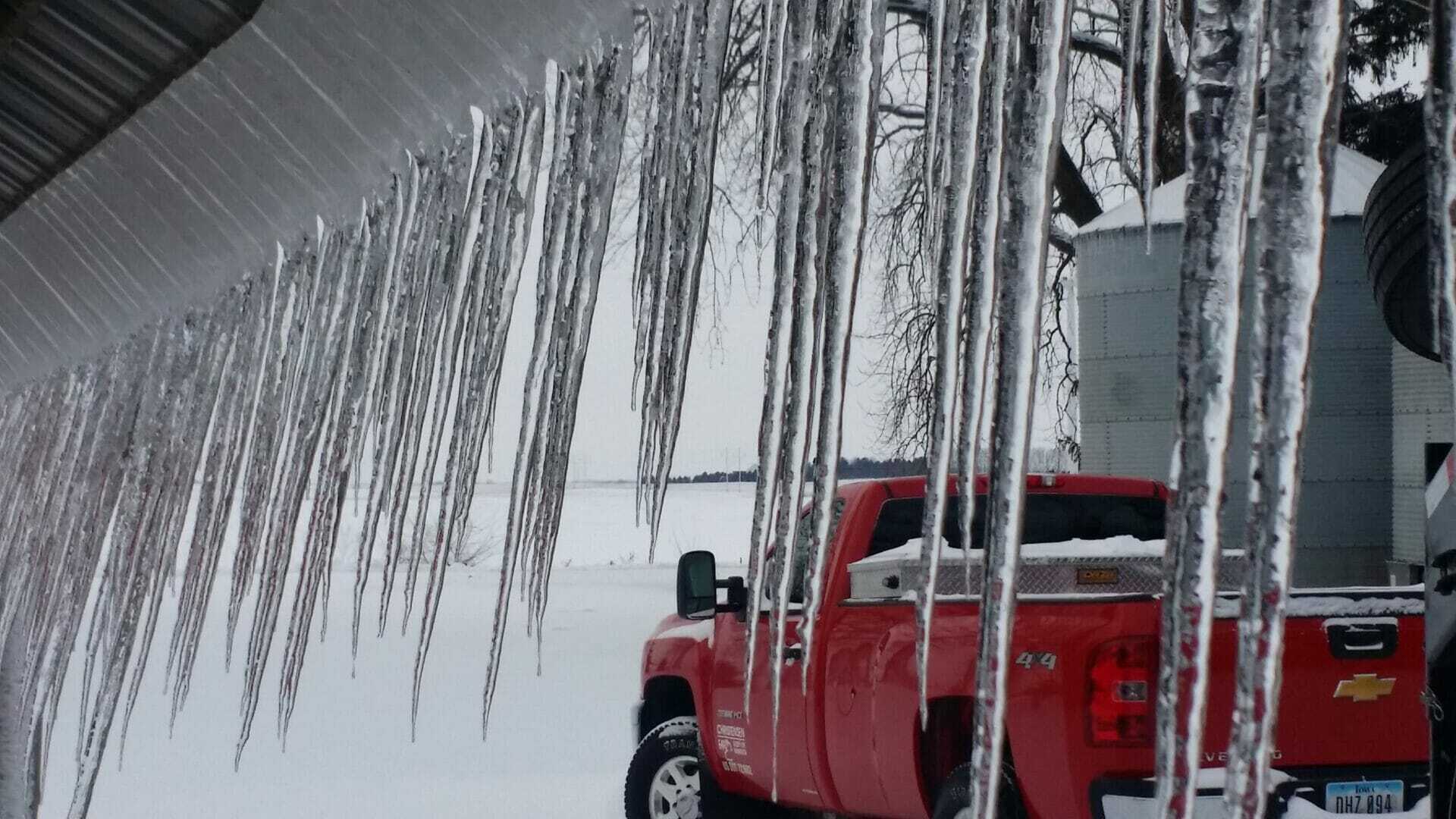
    “Free range” isn’t all that picturesque when snow drifts are thigh-high and winds are blowing at 30 miles per hour. As I sit here – all cozy in my house – watching a blizzard roaring outside, I’m comforted by the fact that I don’t have pigs outside in this nasty weather. I recall years ago when I tried to herd pigs through snow banks to the feeder. I had to haul hot water from the house to thaw their water. That was not ideal for sure!Dreams Aren't Made of Thigh-High Snowdrifts

    There is no doubt in my mind that the way we raise pigs today is better for all involved. Pigs stay nice and warm inside computer-controlled barns with access to fresh feed, fresh water and fresh air. Modern pig farmers engaged in #RealPigFarming keep a close eye on their livestock. If a pig gets sick, we can recognize the symptoms and promptly treat it with antibiotics as prescribed by a veterinarian. Stress causes illness, and I know being outside in a blizzard like yesterday would be stressful! I could always count on sick pigs after a snow storm when I was raising them outside.

    December Snow in Iowa

    Reminiscing about the “good old days” makes me give thought to what is “natural.” I’m not talking about “natural” so much as the way we used to raise livestock before modern technology but, you know, in nature before man intervened. When I was young, I watched Mutual of Omaha’s Wild Kingdom and remember seeing the hardships suffered by animals in the wild. It’s natural for one animal to become another animal’s food source. After all, that’s how they survive. Survival of the fittest.

    Animals are a link in the food chain. The first thing people in emerging economies want when they can afford it is animal protein. (Click here to see how food consumption has evolved in China, for example.) Right now we have the luxury of too much food, but what’s going to happen as the world approaches 2050 and our population soars to 9 billion (#feedthe9)? Will the next world war be fought over food?

    Right now, we have an overeating problem in this country. We eat more calories than we burn, but depriving our bodies of certain foods isn’t the answer to weight loss. Certain foods satisfy better than others. (Bacon. Bacon. Bacon.) When the body is deprived of what it needs, it makes a body want to consume more. Increasing calorie intake with less manual labor results in heavier Americans, and the newest nutritional data shows it. P.S. I’m not talking about the USDA recommendations that are biased by radical groups with an agenda! It’s a fact that Americans aren’t making the best food choices, regardless of what health professionals recommend and government regulations mandate!

    Balance is key. Eat sensibly. Splurge a little. Enjoy your food. Enjoy the New Year. “No More Food Fights!” makes a lot of sense!

    Larry Sailer, Musings of a Pig Farmer

    December 29, 2015
    Agriculture, General, Industry News
  • Latham Hi‑Tech Seeds

    Finding Hope as the New Year Approaches

    Another year is almost in the books! I’ve been farming officially for 42 “seasons,” and that number reminds me of Howard Buffet’s book, “40 Chances: Finding Hope in a Hungry World.” I have been given more than 40 chances, and I’m still hoping for more! There is still so much I’d like to do yet.

    Many changes have occurred while I’ve been farming, and I believe many more exciting changes will occur as we learn how to grow higher yielding crops even more efficiently. Iowa’s farmers have doubled grain yields since 1961. As yields have increased, we’ve actually seen some decrease in the amount of nitrogen required to get those increased yields thanks to improved seed technology. Because more soil sampling has been done during the past 25 or 30 years, farmers also are doing a better job of applying only what’s needed and where it’s needed.

    Meeting the needs of the present without compromising the ability of future generations to meet their needs is defined as “sustainability,” and that’s certainly a buzz word today. Many practices affiliated with sustainable farming use GM crops. Overall GM crops have contributed to a 37 percent decrease in pesticide applications. Herbicide-tolerant crops allow farmers to adopt conservation tillage, which has led to improved soil health and water retention, as well as reduced chemical runoff into water ways. Improvements made to conserve soil and water have been documented. In fact, conservation practices have helped improve water quality statewide and wildlife is flourishing.

    Technology has – and will continue to – define and redefine agriculture. I’ve gone from using an adding machine to using a calculator that weighed about five pounds, used eight batteries and cost $50 to using smartphones and tablets. Today’s tractors drive themselves, and drones help scout our fields. Taking care of livestock in environmentally-controlled buildings keeps them more comfortable than most people on this planet. Fresh feed, fresh water, fresh air is all computer controlled. It makes me wonder what can possibly be next!

    While not knowing what to expect can leave us feeling unsettled, I prefer to look at the “unknowns” with optimism. So many agricultural improvements have occurred in the past 42 years, and I can only imagine what’s in store for us in the next 42 years!

    The same can be said about the holiday season. While many of us look forward to the 25th of December, we also know that this season can be extremely stressful. Believe me, I’ve had my share of struggles over the years. Knowing my struggles have been given to me for a reason and remembering these experiences have made me who I am can have a humbling, yet calming effect.

    ”Weeping may endure for a night, but joy comes in the morning.” This verse reminds me that there is so much joy in this life. We are blessed that our baby granddaughter is staying with us while her dad is serving his country, and it’s been nice having our daughter home. A great granddaughter also was born in 2015, and that’s certainly been a fun, new experience.

    My hope is that you also may find peace and contentment this holiday season. Choose joy!

    Larry Sailer, Musings of a Pig Farmer

    December 22, 2015
    Agriculture, General, Industry News
  • Latham Hi‑Tech Seeds

    Global Warming or Clean Water – Is Either Our Biggest Threat?

    20151215 075609

    I’m really loving this “global warming” so far this winter! It must be true… After all, temperatures have been unseasonably warm. Nearly 3 inches of rain fell from Saturday through Monday in North Central Iowa. Our creeks are running rapidly. The grass is truly green. The view out my window looks like we should be preparing for Easter, not Christmas.  Did Al Gore really have it right?!

    North Iowa Musings of a Pig Farmer


    Speakers at Sunday’s climate change awareness event in Des Moines believe it. They said the warm weather we experienced over the weekend was a case in point. One of these speakers was Des Moines Mayor Frank Cownie, who had attended the climate change conference in Paris.

    Earlier this week, President Obama called the global climate accord to limit greenhouse gas emissions “a turning point for the world.” That’s not exactly what I would call it! All the doom and gloom we have heard about our planet since November 30 would be comical if it wasn’t such a huge problem.

    The biggest outcome of the Paris Agreement, as I see it, will be huge taxation of the world’s people. Taking away money that could be used for building economies. Money that will be tied up by governments, which we all know are not very efficient users of our money.

    Secretary Kerry says there is money to be made! What he doesn’t share, or I’m sure even understand, is that taxation does not build an economy. How does taxing, or regulating people and companies until they’re broke, and then giving those dollars to “green” energy companies build an economy? Where are the people with the economic degrees hiding anyway?!

    In other news… Des Moines Water Works (DMWW) CEO Bill Stowe’s feelings are hurt by television advertisements. The narrator in these ads says, “He’s wasting hundreds of thousands on an outrageous lawsuit targeting farmers. Now Stowe is using legal tricks to keep public documents from those trying to find actual solutions.”

    Apparently The Des Moines Register believes it must help defend Stowe’s honor by running an editorial with the headline, “Ads are a smear campaign against Stowe.” Seriously? When a man casts the first stone as Stowe did, he has to expect a ripple effect. I think Bill had better put on his big boy pants! Not only has he filed an unprecedented lawsuit against rural Iowa counties, but he is a public figure. As a result, he should expect to be a lightning rod.

    The more I think about it, the more I want to thank Stowe. Let me explain… He has brought something that farmers have always known into the public light. Farmers know their livelihoods depend on Mother Earth. We know that if we take care of our soil and water that it takes care of us. (Unless the government gets in the way and screws it all up!) Stowe’s lawsuit against several drainage districts in Northwest Iowa has started a lot of conversations.

    With the recent warm weather and record rain falls this week, much of Des Moines is being flooded again. I’m sure Stowe has closed the flood gates, protecting the water supply for 500,000 people. I have toured the DMWW facilities, and it’s pretty impressive. But I couldn’t help noticing all of the low ground and creeks running through Water Works Park. I also noticed the banks of the creek were not very protected, so lot of erosion was occurring just upstream from the water plant. Curious, I used Google Earth to follow that water supply. Honestly, DMWW should ask for some expert advice from a farmer to help get that erosion under control!

    Despite claims made by Stowe that farmers are doing nothing to keep the water clean, the facts show otherwise. Iowa agriculture is leading the nation with groundbreaking new technology that was in place one year before Stowe filed his lawsuit. And farmers have been implementing conservation practices for years prior to that! “Iowa farmers voluntarily spend tens of millions of dollars out of their own pockets each year, to do right by the land and take great pride in seeing results. Results are imperative to the long-term success of their farm. But one type of conservation practice won’t work on every farm, for every terrain, for every crop they grow.”

    This lawsuit has nothing to do with clean water and everything to do with advancing a political position! The DMWW is spending more money on a lawsuit than it costs to remove the trace amount of nitrogen they remove – and then discharge into the river downstream with additional pollutants.

    Let’s keep looking for better ways. I’m always open to improvements, and I can show the huge gains that have been made during the last 40 years on my own farm. I wish more Americans understood sustainability has been practiced since the 1930s, and I wish our water woes would end!

    Ongoing conversation and information exchange is a good thing. It’s certainly more productive than name calling and stone casting, although I expect we’ll see more of this before real progress is made. Let’s work together for the betterment of all!

    Larry Sailer, Musings of a Pig Farmer

    December 15, 2015
    Agriculture, General, Industry News
  • Latham Hi‑Tech Seeds

    Here’s My Grownup Christmas List

    AuthorLarrySailer lg

    This time of year we’re receiving mixed messages everywhere we turn. Turn on the television and feel a pull on your heartstrings as diamond companies encourage you to celebrate each moment that has changed your life forever. Move over Sears® Wish Book®… YouTube has published a Christmas Wish List video. Toys R Us has pushed a list of the “Fabulous 15,” the only hot toys that matter. Radio ads, Facebook pages, websites and Twitter feeds continually update us on the countdown for Christmas. (Do you know there 16 sleeps, until #Christmas?)

    If a person took all of these ads and retail messages to heaChristmas listrt, you could miss out on the true meaning of Christmas and find yourself feeling totally inadequate or else entitled to more. This sense of entitlement – and our government’s response to it – has provided me with more content for my 2015 blog posts than I’d like! That’s why today I’m sharing my Top 5 Grownup Wish List for this holiday season:

    1. I wish Americans would take personal responsibility.

    One of my biggest pet peeves is how Americans are more focused on blaming someone else for their circumstances than they are on realizing the American dream. (Remember the editorial that ran recently in The Des Moines Register that insinuated American farmers are responsible for poverty?) Unfortunately, some people have learned they can make a better living off the government than they can by earning a living. This is why I have a problem with the minimum wage and food stamps (SNAP). Rather than taking everything so personally – and becoming overly offended and demanding political correctness – Americans should take personal responsibility. Let’s ban bad behavior!

    1. I wish our water quality woes would end.

    From Waters of the U.S. (WOTUS) and the Clean Water Rule to the Des Moines Waterworks lawsuit, Iowa farmers are finding themselves in troubled waters. We can’t take water quality issues at surface level. As I’ve written in the past, it’s important to consider the source, and follow the money to find the motive. Several federal farm groups are keeping the pressure on Congress to act in a bi-partisan manner to withdraw the EPA and Army Corps’ of Engineers’ “waters of the United States” rule. Ironically, the EPA’s water rule is likely to slow to adoption of conservation practices. Water quality is just one of the regulations that impact our livelihoods. In fact, I’ve heard that 29% of an American’s income goes to cover regulations! It’s important that get involved in the political process. We don’t have the luxury of sitting back and trusting that the government is here to help us.

    1. I wish the public understood that sustainability has been practiced since the 1930s!

    “Sustainability” seems to be one of the biggest buzzwords in agriculture today. Recently it made headlines again touting how locally-raised food crops could help improve water quality and aid refugees. Many “hot buttons” were covered, including the lawsuit filed by the Des Moines Waterworks. However, many of the so-called problems stated in this article are totally untrue!

    You might remember that last spring “sustainability practices” was the overlying reason that HHS and USDA released “dietary guidelines” calling for a reduction of beef. Congress addressed sustainability in the food and farming system as far back as the 1990 Farm Bill, wrote Registered Dietician and New England farmer Jennie Schmidt wrote the dietary guidelines committee is 25 years late to the party.

    Sustainability practices were also the focus of AgWeek 2015. If people in powerful positions were honest, they’d admit that sustainability practices have been in place since the 1930s. After all, we haven’t experienced another Dust Bowl! Farms must be sustainable or we couldn’t pass them down from one generation to the next. I know sixth generation farmers. How can you not call that sustainable?

    1. I wish more farmers had a virtual “open [barn] door policy.”

    Truth is, most Americans are at least three generations removed from the farm! It’s no wonder that consumers are easily confused by misleading food labels. It’s no wonder consumers have questions about antibiotics usage and concerns about hormones in our meat supply. Ag illiteracy, combined with an atmosphere of misunderstanding, means many people are easily swayed by groups like HSUS or celebrities like Food Babe and Dr. Oz. If farmers aren’t willing to set the record straight will, then who will? If not you, then who?

    1. I wish more people understood #RealPigFarming.

    Ag literacy is a challenge for elected officials and rulemakers, as well as consumers. Invite consumers to take a look inside your barns – virtually. Wanda of Minnesota Farm Living and Lauren of Farm Girl with Curls do a particularly good job of giving consumers a glimpse of what happens inside their hog barns. These two ladies are definitely passionate about living on a farm and raising livestock, and I applaud their online efforts. After all, passion leads us all to reach our full potential.

    “If you have a strong commitment to your goals and dreams, if you wake up every day with a passion to do your job, everything is possible,” says Canadian wheelchair racer Chantal Petitclerc. How can this Paralympic Champion and World Record Holder inspire you?

    Larry Sailer, Musings of a Pig Farmer

    December 8, 2015
    Agriculture, General, Industry News
Previous Page
1 … 21 22 23 24 25 … 85
Next Page

Latham Hi‑Tech Seeds

131 180th Street | Alexander, IA 50420

(641) 692-3258

SIGNUP FOR OUR NEWSLETTER
  • Contact
  • Legal
  • Dealer Center
  • Seedware Login
  • Latham Gear

© 2025 Latham Hi‑Tech Seeds. All rights reserved. | Iowa Web Design by Webspec | Privacy Policy

Latham® Hi-Tech Seeds is a trademark of M.S. Technologies, L.L.C., 103 Avenue D, West Point, IA 52656.