Latham Hi-Tech Seeds

(641) 692-3258

  • Home
  • Products
    • Corn
    • Soybeans
    • Alfalfa
    • Corn Silage
    • Seed Guide
  • Performance
  • Find a Rep
  • Media
    • Blog
    • News
    • Videos
    • Podcasts
    • TECHTalk
  • About Us
    • Company History
    • Our Mission
    • Careers
    • Become a Rep
    • Sowing Seeds of Hope
  • Contact Us
  • Latham Hi‑Tech Seeds

    It’s Crawfish Season, Y’all… Give “Fresh Catch Friday” New Meaning Tonight!

    IMG 3956

    Just how hot are fresh crawfish in the Bayou State? The demand is so high that it’s hard to find a parking place, and even then, the evening’s Crawfish Boil might be sold out.

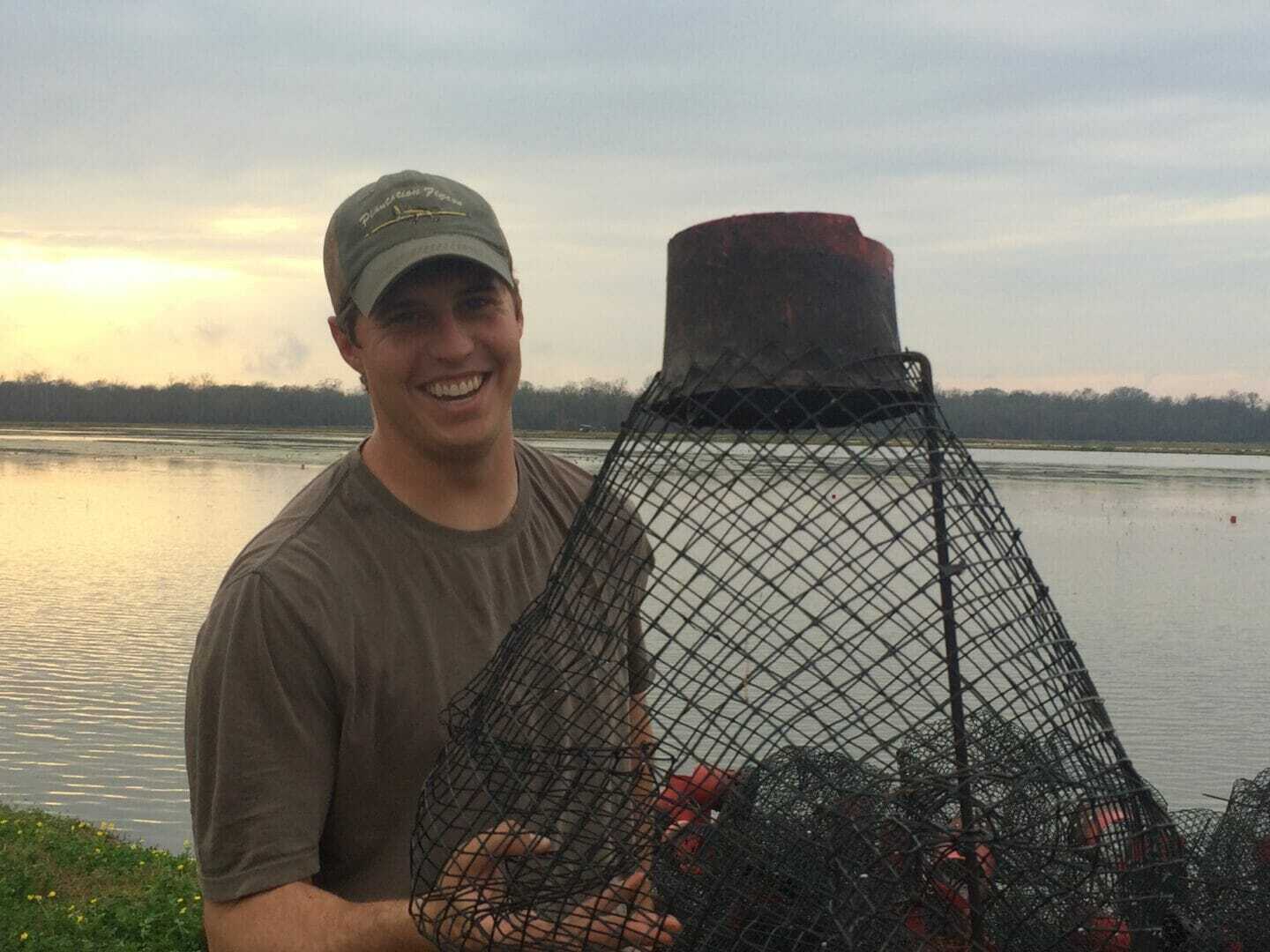
    Crawfish harvest begins around March 1, says third generationIMG_3956 Louisiana farmer Caleb Frey of Morganza, Louisiana. Traps are checked once daily at the beginning of the season and more frequently as the season progresses. Crawfishing runs through the second or third week of May, and then a late crop of rice will be planted in those fields where the crawfish were grown.
    Sugar cane, soybeans and corn also are grown at Four Oaks Farm. The Frey family raises cattle on the levees that protect their farmland from the Mighty Mississippi. This diversified farming operation lends itself to year-round production.

    “What I enjoy most about farming is the change,” says Caleb. “You might have a week or so of the same activity, like planting corn, and then it’s time to move onto the next activity.”

    Corn planting was about to get underway around Natchez, Mississippi, when Franklin County Iowa farmer April Hemmes and I arrived. (April and Caleb traveled to China together as part of the United Soybean Board’s See For Yourself program. Applications are being accepted through April 1, so sign up online today to see how checkoff dollars help build markets worldwide for U.S. farm products.)

    It had rained just enough the day of our visit that fieldwork came to a halt. So instead of touring the area’s beautiful pre-Civil war antebellum mansions, April and I went on a customized farm tour. Talk about luck! Here’s what we learned during our “short course” in Deep South Farming:

    March:
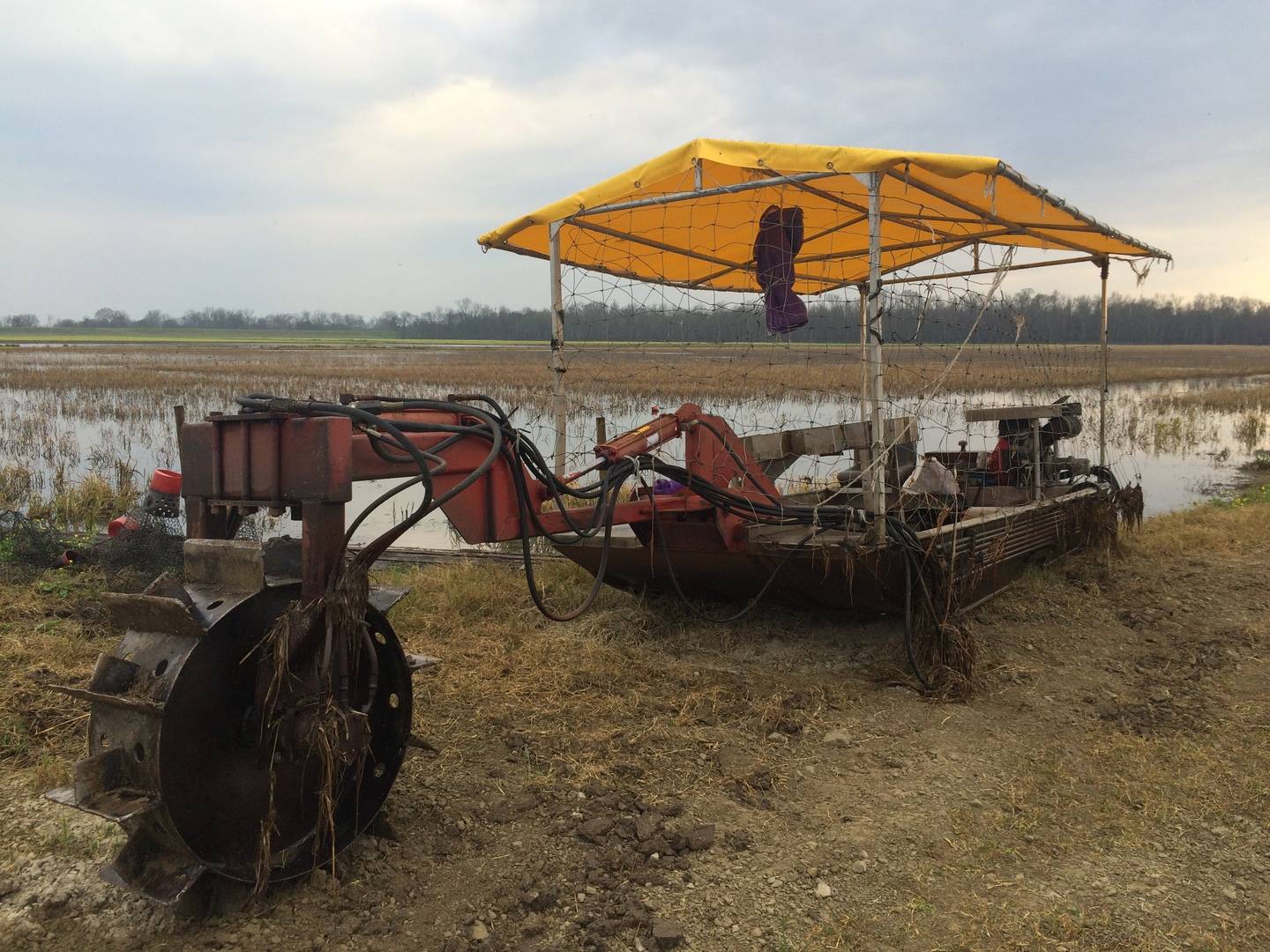
    These boats are used to check the traps and harvest the crawfish.
    These boats are used to check the traps and harvest the crawfish.

    Crawfishing starts around the first of the month. Temperatures need to be in the 70s before the crawfish really start moving, so sometimes the season starts a little later.

    Corn planting ideally starts the first or second week of March and will be complete by the month’s end. Last year, the Frey family didn’t start until March 19 and finished on the 30th.

    The majority of rice acres are planted from mid-March to early April. Like corn, rice is very sensitive to high temperatures during pollination and needs adequate rainfall. The earlier it gets planted, the better the crop usually is.

    April:

    Early soybeans, typically early Group 4s, go in the fallow sugarcane ground around April 1.

    May:

    Most soybean acres are planted in May. Maturities generally range from 4.6 to 5.3.

    June:

    The Frey family stays busy with irrigating corn, soybeans and sugarcane, as well as spraying.

    July:

    Irrigating and spraying continues during the month of July as temperatures average 92 degrees Fahrenheit and the monthly rainfall is approximately 6 inches. Early rice and early corn are harvested toward the end of the month.

    August:

    Corn harvest is in full swing by the first or second week of August. Most of the rice is harvested mid-month, depending on the weather. If there is a hurricane threat, corn harvest is stopped so all hands can get the rice harvested before the weather hits. “Harvesting downed rice is one of the most painstaking things you could ever do in a combine,” explains Caleb. “Add mud to the mix following a big storm and it really gets interesting.”

    Early soybeans also are harvested at this time, and the sugarcane planting crews typically follow right behind the combine.

    September:

    Sugarcane planting and soybean harvest wrap up. Sugarcane needs to grow about one year before it is harvested, so the Freys include this crop as in rotation with soybeans. Harvest begins around the last week of the month on the mature cane crop.

    NOTE: The sugar cane gets a little growth on it during the fall, but it typically doesn’t get much more than a foot or two tall before frost causes it to go dormant. In the spring, the entire cane crop basically starts from the same point. It’s cultivated, fertilized, sprayed and irrigated.

    Come October the “plant cane,” which is the crop that was planted the previous summer, is harvested along with the rest of the crop. Then it becomes “first year stubble,” which means it has been harvest once. Cane is typically stubbled, or harvested, three to four years before a field returns to soybeans.

    October:

    Sugarcane harvest cranks up and grain harvest comes to an end in October. Fall field prep is in full swing behind the combines. At this time, a maintenance shot of fertilizer is applied on all of the corn, soybean and rice acres.

    November;

    Typically all field work is finished by Thanksgiving, weather permitting. Sugarcane harvest is in full swing.

    December:

    Cane harvest is typically finished between Christmas and the first of the year, but the finish date is completely dependent upon the sugar mill. The mill determines the producers’ daily quota. Your quota is proportional to your cane acres and harvest is typically figured on a 90- to 100-day timeframe.

    Additional information: During that 100-day window, each farmer gets one day off every other week. Moisture has no effect on the milling or harvest process, so harvest continues.

    During harvest or “grinding” as it’s called here, cane is being harvested 24/7 from September through January. All farmers who haul a particular mill generally finish harvest on the same day, but finish dates vary across the state by a few weeks.

    There are 11 sugar mills in Louisiana, and each mills sets its own schedule to a certain degree. Some have split shifts, which means half of their farmers harvest from 12 AM to 12 PM and the other half the opposite. Four Oaks Farms hauls to Cora Texas in Whitecastle, LA. This mill has all of its farmers harvest from 5 AM to whenever the quota is reach. Cane is stockpiled during the day, so cane is available to feed the mills all night long.

    January;

    The Frey family spends most of this month in the office, finalizing input orders and crop plans for the coming year.

    February:

    Planter preparation is underway in February plus corn and rice ground is burned down. If it’s dry, the Freys will till old sugarcane stubble so soybeans can be planted on that ground in April.
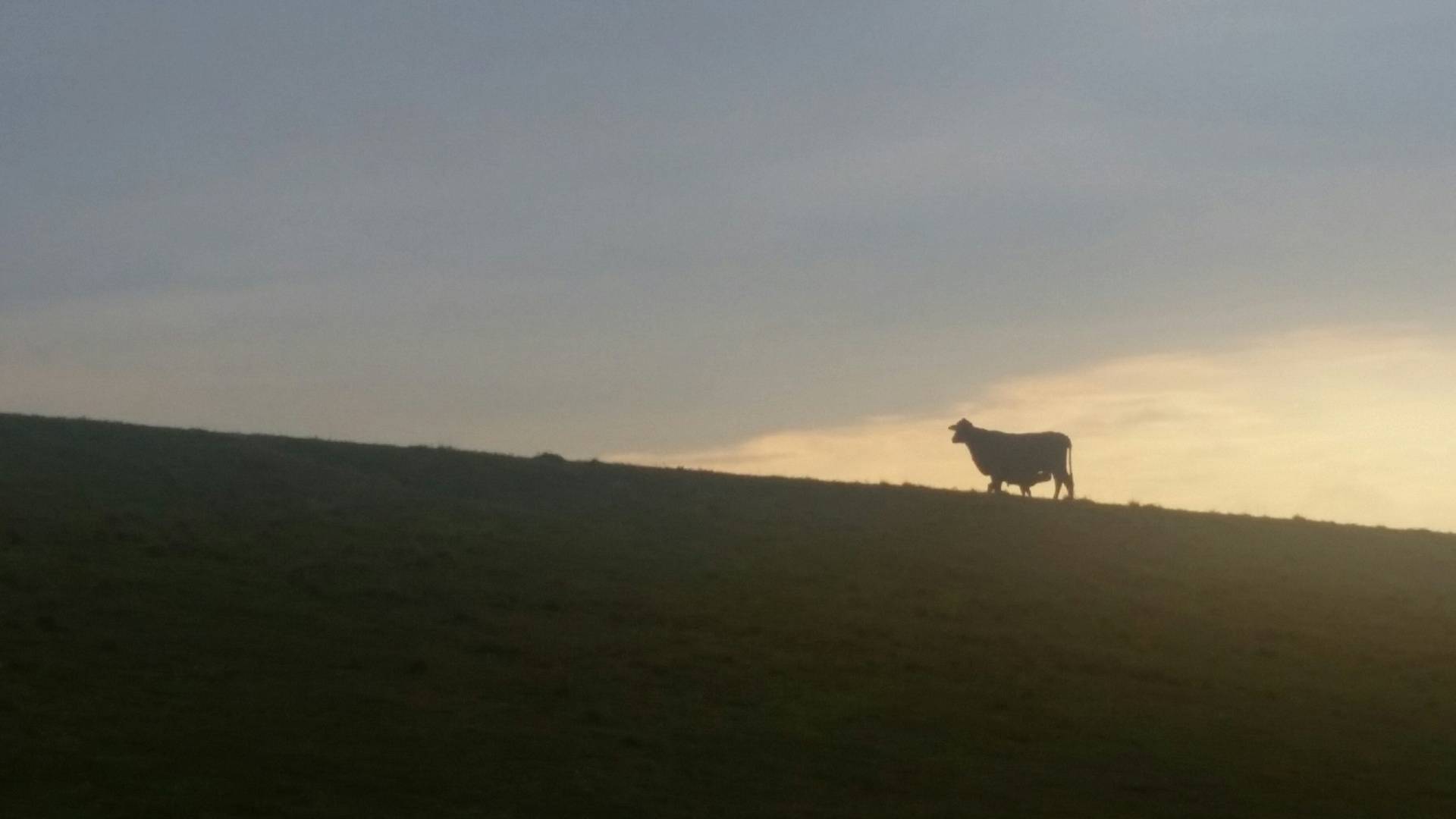
    The Frey family raises cattle on the levees that protect their farmland from the Mighty Mississippi.
    The Frey family raises cattle on the levees that protect their farmland from the Mighty Mississippi.

    Caleb is responsible for purchasing and applying the inputs. He also helps wherever he’s needed from planting through harvest on every crop. Caleb’s dad, Marty, the youngest of four brothers for which Four Oaks Farms is named. Marty is transitioning into the role of president and also oversees the rice and soybeans in Morganza. Caleb’s uncle, Matt, primarily oversees cane production, crawfish harvest and the cattle. Mitch, the oldest of the four, takes care of all maintenance and equipment repairs. He also takes care of all the grain storage facilities plus the rice drying and storage during harvest. Caleb’s uncle, Mark, is the second oldest. Mark manages the northern farm in Vidalia where rice, corn and soybeans are grown. He also markets the farm’s whole crop. In addition, Mark helps his son sell and install irrigation pipes, wells, center pivots and moisture probes.

    “I’ve had a chance to learn from the best,” says Caleb as he talks with me about his family’s farming operation. Instead of studying agriculture in college, he earned two associate degrees in Construction Management and Business Management from Baton Rouge Community College. He then enjoyed working four years as a welder and mechanic for Bengal Transportation/Crane & Rigging in Gonzales.
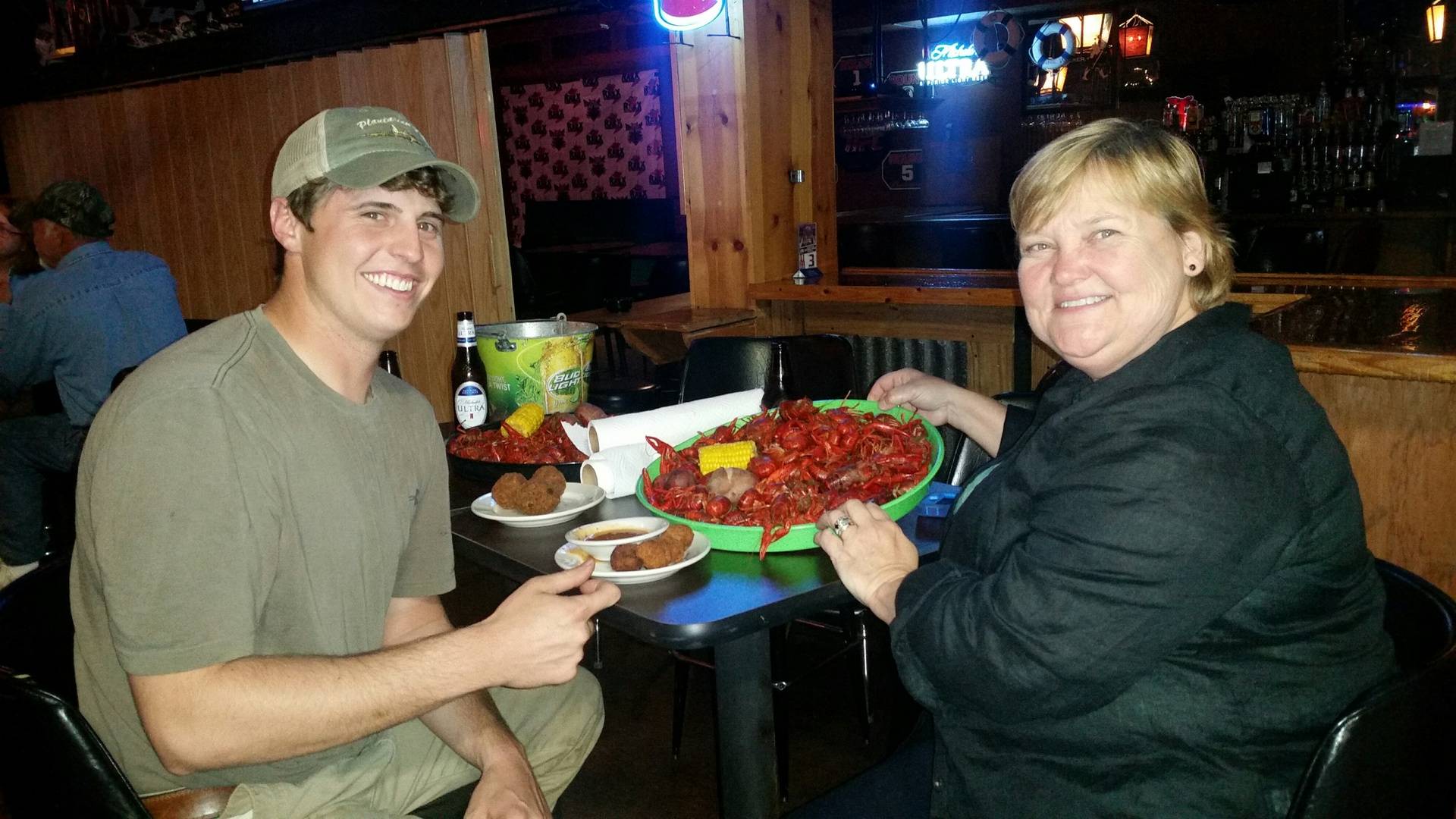
    After learning how crawfish are raised, April Hemmes and I got the pleasure of eating this locally grown food. OH. MY. YUM!
    After learning how crawfish are raised, April Hemmes and I got the pleasure of eating this locally grown food. OH. MY. YUM!

    Caleb found himself longing for the wide open spaces and the call of the wild, so he returned to the family farm in 2014. He’s had his pilot license for 2½ years and flies whenever he can. In his free time, Caleb enjoys hunting squirrel, deer and rabbit. He also enjoys getting together with friends. On any given night, one of his buddies is hosting a cookout or a crawfish boil. Today Caleb has agreed to share one of his family’s favorite recipes on TheFieldPosition.

    By the way, you can most likely purchase fresh Louisiana crawfish at the supermarket in your regional trade center. April Hemmes says she found them at the Hy-Vee in Iowa Falls, Iowa. Who knew? Give “Fresh Catch Friday” new meaning this Lenten season and celebrate with Crawfish Étouffée tonight!
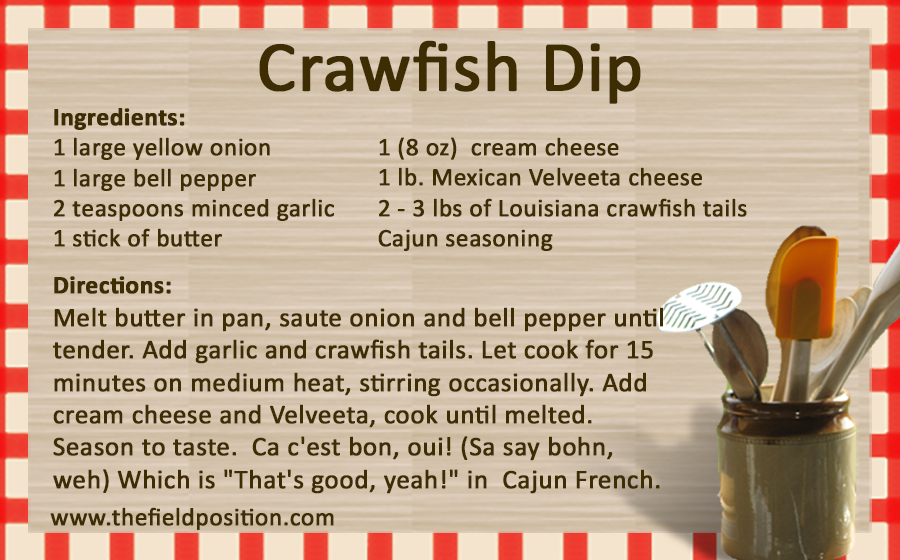
    Crawfish dip

    Team Latham

    March 18, 2016
    General, Recipes, Seafood
  • Latham Hi‑Tech Seeds

    GMO Label Will Impact Every American

    Storm the hill

    Food labels and GMO foods have been making headlines again as new legislation was introduced last week into Congress and today the Senate is expected to vote. Honestly, the headlines are misleading because this isn’t just a big food company nor a big agribusiness issue.

    GMO food labeling will impact every single American. Our family-owned seed company will feel the effects, and U.S. farmers will have fewer seed options in every product guide. Mandatory food labels will impact American consumers, as well. Grocery bills are expected to increase by $1,050 annually for a family of four!

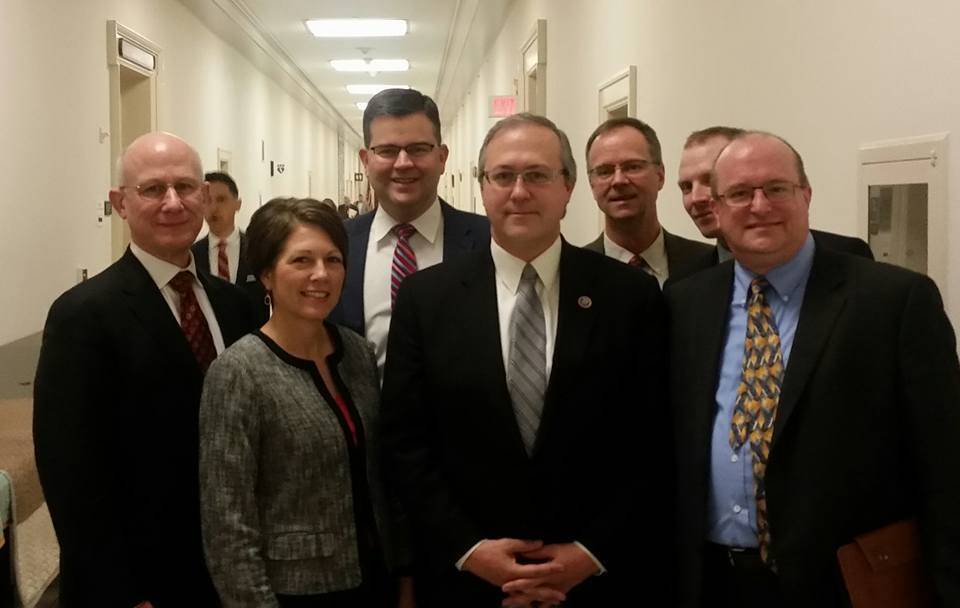
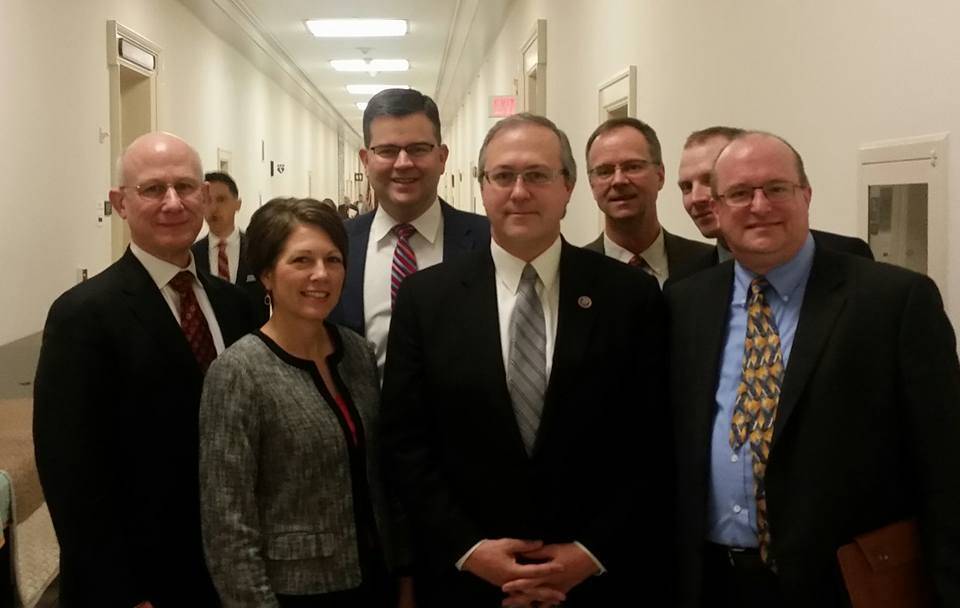
    We spent National Ag Day on Capitol Hill, meeting with elected officials like Congressman David Young about issues of importance to the seed industry.
    We spent National Ag Day on Capitol Hill, meeting with elected officials like Congressman David Young about issues of importance to the seed industry.

    People who buy Wal-Mart brand products will be hit with even higher prices than they’re accustomed to paying since they’ll be forced to buy name brand, rather than the store brand, products. Executives from major supermarkets and Wal-Mart have already said they won’t carry their own private label foods in Vermont if that state’s GMO labeling law takes effect on July 1.

    In an attempt to pre-empt the Vermont law – and to prevent additional states from enacting similar laws – yesterday my husband and I were among 55 seed industry representatives who made approximately 90 visits to congressional offices in Washington, D.C.

    Our message to elected officials was clear: We support a uniform, national food labeling standard. Vote “no” for the alternative bill that was introduced last week to protect state-level GMO laws. This alternative bill is backed by Sens. Jeff Merkley (D-Ore.), Patrick Leahy (D-Vt.), Jon Tester (D-Mont.) and Dianne Feinstein (D-Calif.). Vote “yes” to Senator Roberts’ bill, which would create a voluntary USDA labeling standard for GMO foods and prevent states from creating their own labeling standards.

    Can you believe that day some elected officials yesterday actually said they don’t care if people are starving because they’re being denied GMO foods? They’d rather people starve than be “subjected to GMO foods.” (This sounds like American lawmakers are taking notes from Zimbabwe government officials who would rather see people starve than eat genetically modified foods.) Say what?! Not one person has died from eating GMO foods but about 2 million deaths could be prevented annually if Golden Rice were available to those living in poverty stricken countries!

    If there are no known hazards —after 20+ years of study—and a host of benefits including lower food prices for Americans, why is there so much controversy around GMO food labels? I believe America’s food fights stem from “fear of the unknown.” Here’s what I’d like Americans to know:

    • Foods derived from GMO crops pose no threat to human health, and they’ve been studied by virtually every scientific and regulatory agency.
    • GMO crops also have a positive impact on the environment, allowing farmers to fight soil erosion by planting high-yield crops that grow more food on less land while using less water.
    • GMOs can improve the quality of life for Americans, as well as for people around the globe. Better life comes from science, innovation and caring hands. Better life begins with better seed.

    P.S. I am not losing sleep over feeding my family foods derived from GMO crops, but I do have “Mommy Guilt” over not feeding my family enough fruits and vegetables. Click here for tips from a registered dietician on tips for making healthy food choices.

    Team Latham

    March 16, 2016
    Agriculture, General, Industry News
  • Latham Hi‑Tech Seeds

    Celebrate Diversity during National Ag Week

    AG DAY

    As I write this blog on National Ag Day, I’m thinking about more than my farm. Agriculture is more thanAG DAY one small farm. Agriculture’s importance in providing food, fiber and fuel is being greatly overlooked in this country. Farmers here are doing such a great job of producing food and keeping grocery prices cheap that most people just take it for granted!
    Traveling across the U.S. and even to other countries really opens one’s eyes to the challenges of feeding a growing world population. It also opens one’s eyes to the diversity of agriculture. I’ve witnessed farming in Eastern Europe. I spend a lot of time traveling the Midwest for my job, and over the weekend, I drove to Oklahoma. What strikes me most is the diversity in agriculture! In Ukraine, I saw everything from backyard farms to a farm that covered one million acres! The political climate was the most limiting factor for Ukrainian farmers because one-size-fits-all rules and regulations did not fit such diverse farms.

    The amount of regulation coming down on U.S. farms from the federal government is also staggering. I have farming friends in all 50 states, and no two farms are the same. Farming operations are even diverse within our own county. My farm, for example, is surrounded by other farms that raise corn and soybeans. Some of my neighbors also raise hogs and cattle. Others have chickens. Pumpkins, apples, sheep and goats are also raised in this county.

    Each crop and livestock operation has its unique qualities, but the difference doesn’t stop there. There are thousands of different soil types. Different soil types create different challenges. I have deep black and clay soils, so I am challenged with “puddle farming.” The ground is fairly flat, so ponding is common. Without tile to drain away excess water, crop yields would be very poor. But with proper management, however, we can raise fantastic crops.

    Ten miles away, there are very sandy soils. This means the soil particles are very large, while mine are very small. This type of soil cannot hold water in reserve as well as mine, but these farms can also grow terrific crops if managed properly. Farmers with sandy soils use different methods than I do, even though our farms are very close together.

    Now imagine a farm a couple states away… They grow crops different than mine. They might grow wheat, rice, cotton or peanuts. In other areas of the country, agriculture is dominated by nut trees and vegetable crops like potatoes or onions. The climate is totally different across our nation, and some places are made just right to graze cattle. Their soils are very different. The landscape is very different. This again takes different management! As a result, conservation practices must be very different.

    My point is that not one type of farming works across one county, the nation or even across the world. The same goes for regulations and farm programs! One size does not fit all.

    During National Ag week, let’s celebrate the diversity that feeds our world. Let’s not regulate ourselves into starvation!

    RELATED BLOG POSTS:

    • Ag Week 2015 Showcases Sustainability
    • Celebrate Ag Week in a Big Borlaug Way
    • Help Us Celebrate National Ag Week
    • Kicking off National Ag Week

    Larry Sailer, Musings of a Pig Farmer

    March 15, 2016
    Agriculture, General, Industry News
  • Latham Hi‑Tech Seeds

    New Orleans Melds Cultures into Unique Regional Cuisine

    20160303 1219542

    More than 8,000 farmers gathered last week in New Orleans for America’s largest farmer-led, farmer-IMG_1274focused trade show and convention. Open to all “friends of corn, soybeans, wheat and sorghum—from growers to member associations to agribusiness to farm media,” the 2016 Commodity Classic boasted an impressive schedule of presentations and events designed to get attendees jazzed about agriculture.

    There was so much to get jazzed about from the seeing state-of-the-art planting and fertility equipment to presentations by yield guru Dr. Fred Below and UAV guru Chad Colby. I enjoyed walking around the tradeshow, catching up with old friends and meeting new acquaintances. I stopped by booths to learn more about what our industry partners are doing to advocate for the next generation. I talked with farm broadcaster Duane Murley of KWMT in Fort Dodge about exciting projects that Latham Hi‑Tech Seeds has underway with the Iowa Soybean Association and the Iowa Food & Family Project. (You can bet I’ll be blogging about those soon!)

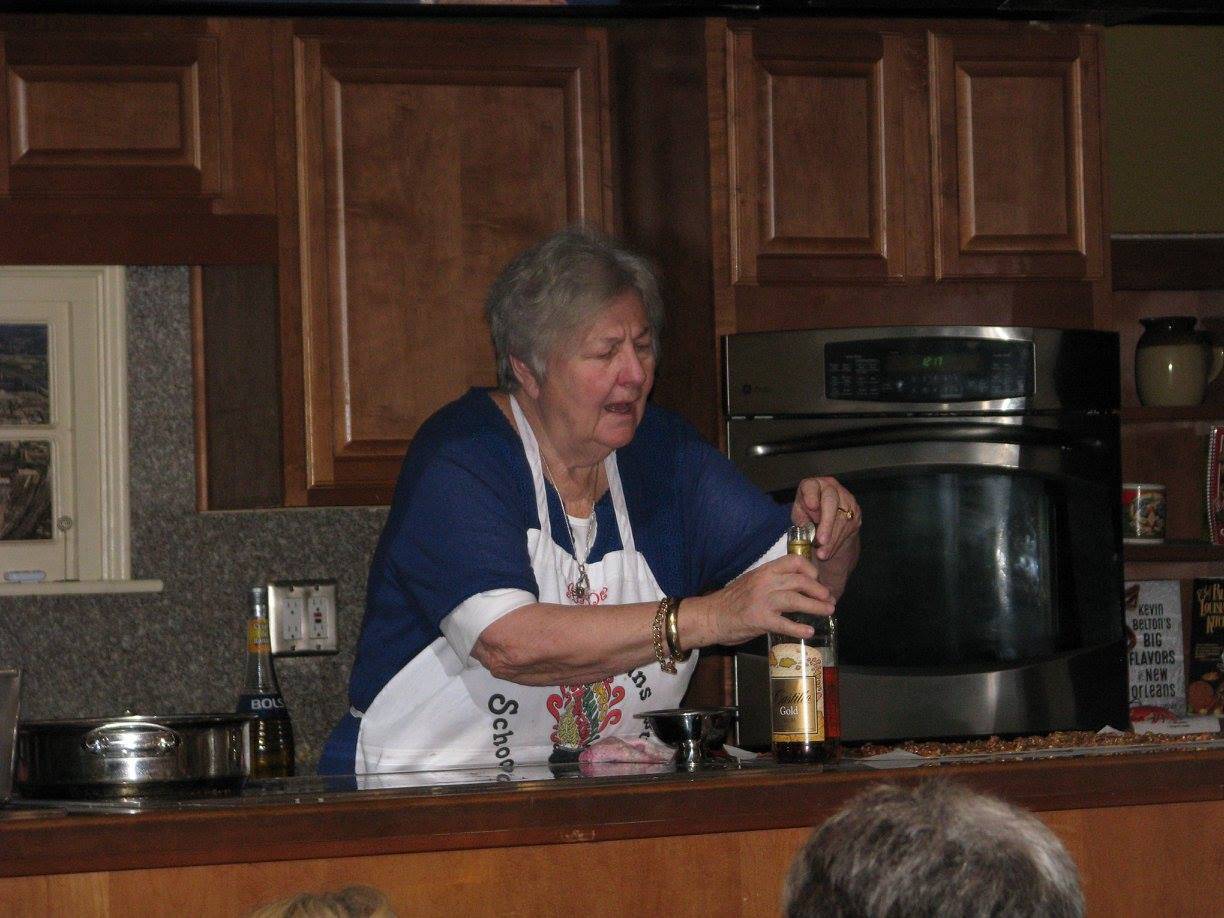
    The booze is the most crucial ingredient. Be generous.
    The booze is the most crucial ingredient. Be generous.

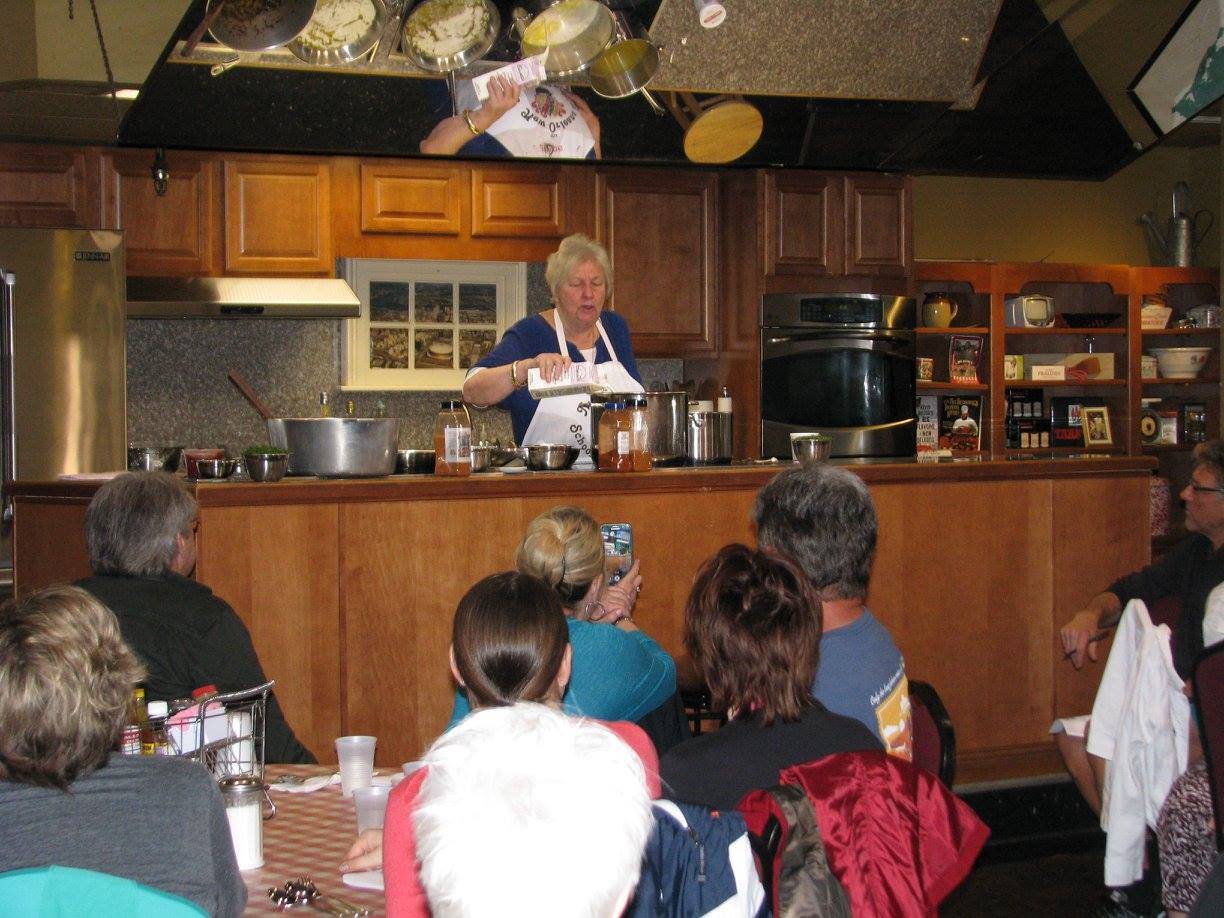
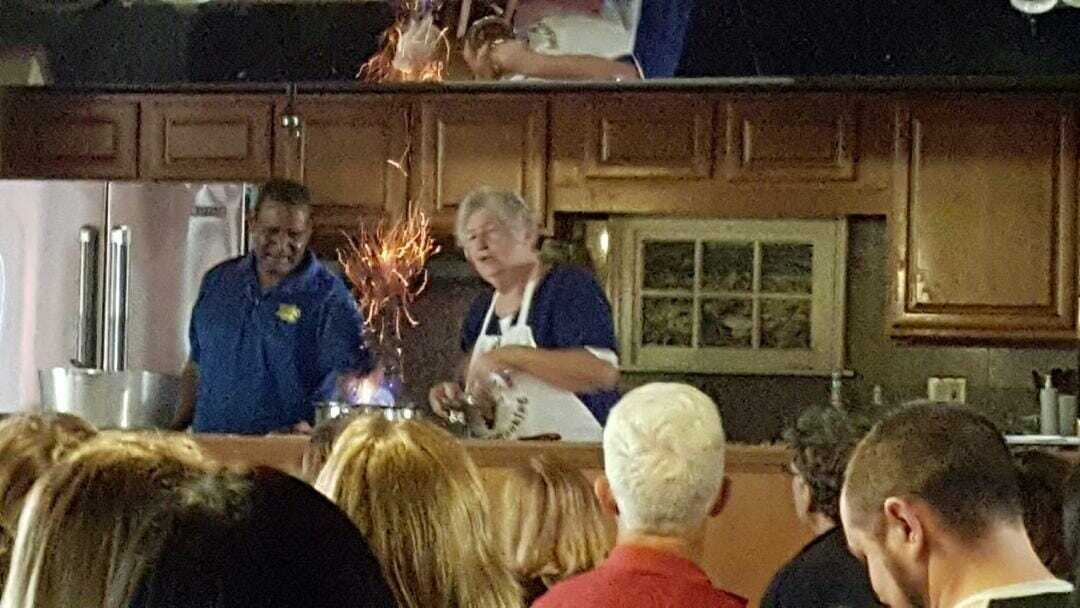
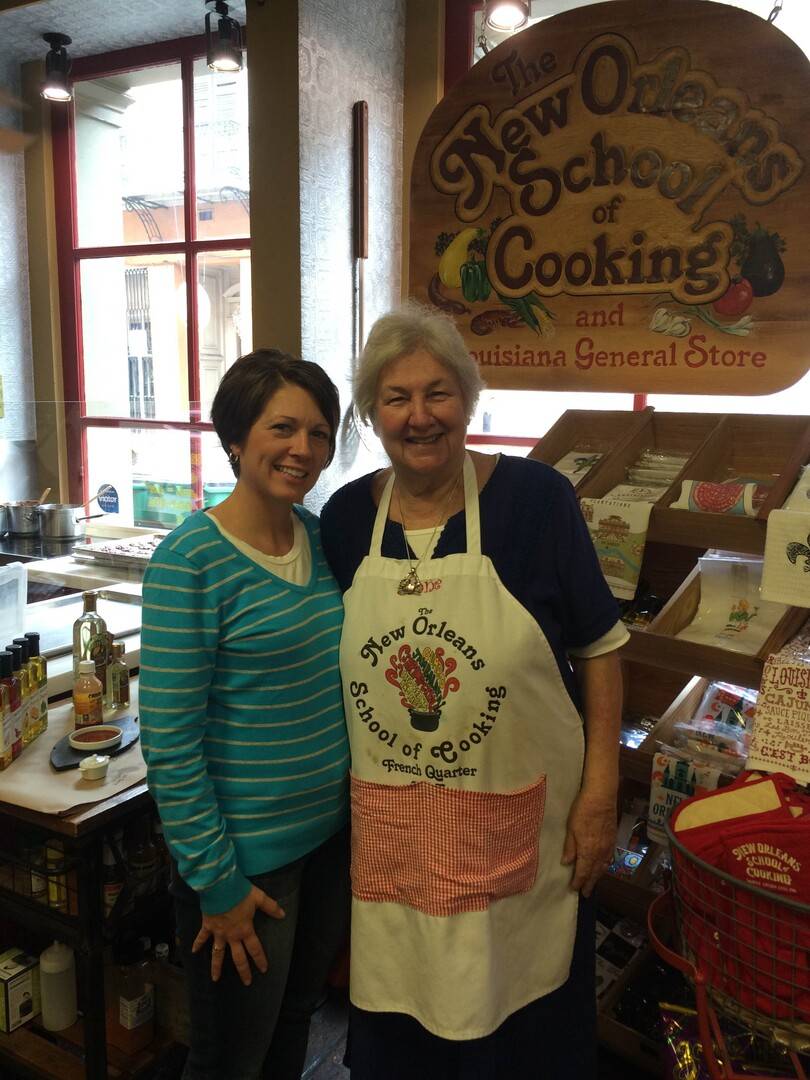
    There was simply more to see and do that I could squeeze into four very full days because I also needed to get outside the convention hall to enjoy the beautiful weather, see a few sights and eat a lot of great food. One highlight of my week in the South was a visit to the New Orleans School of Cooking. (Thanks to Carol Coleman for the invitation to join her and several other Iowans for this fun time!)

    Our cooking instructor, a former kindergarten teacher and certified tour guide, was a walking encyclopedia of Louisiana history plus a colorful storyteller. We learned how Spanish explorers, French settlers, Canadian immigrants and African slaves influenced the Cajun and Creole dishes for which New Orleans is famous.

    gravy
    You can see inside the pans using the mirror above the instructor’s head!

    What’s not to love about a history lesson that takes place over a four-course meal? As our class began, we were served hot buttermilk biscuits with cane syrup. (Before I made this trip, I assumed everyone ate maple syrup. We know what we grow, right? It only makes sense that cane would be the syrup of choice in Louisiana.)

    The Southern menu demonstrated during our cooking class included:

    • Corn & Crab Bisque – Oh. My. Yum. This is one dish Iwill make at home! (Even though it wasn’t on our menu, I’m linking to gumbo because it’s a signature dish in New Orleans.)
    • Shrimp Creole – This is another southern specialty that’s oh so good! Be sure to mix it all together before taking a bite. (Our instructor said she can always tell the northerners in the class because they leave the gravy on top of the rice. “Mix it up, y’all!”)
    • Bananas Foster and Pralines (pronounced here as praa-leens) – Talk about indulgent! We were treated to both desserts plus ice cream.

    Did you know that New Orleans (#NOLA) is the birth of Bananas Foster? I found it fascinating to learn this dessert was born out necessity. Here’s why… New Orleans was the major port of entry in the 1950s for bananas shipped from Central and South America. Owen Brennan, owner of Brennan’s Restaurant, challenged Chef Paul Blange to find a use for surplus or ripe bananas. Decadent Bananas Foster was created and named for Owen’s friend, Richard Foster, a local civic and business leader. Each year, Brennan’s flames 35,000 pounds of bananas for the famous dessert.

    Get a taste of the French Quarter at home by recreating these classic recipes at home!

    Team Latham

    March 11, 2016
    Desserts, General, Recipes
  • Latham Hi‑Tech Seeds

    5 things I wish I Would’ve Known before Attending ISU

    Campanile

    By Kilah Hemesath, Latham Hi‑Tech Seeds Marketing Interncampanile

    There is a college fit for everyone, and I can confidently say I found mine. Because I’ll be graduating in May, I find myself appreciating my experiences at Iowa State University a little bit more every day.

    Looking back on the last four years, there are a few things I wish I would have known earlier:

    1. Buy proper attire for ALL seasons.

    There are countless joys to living in Iowa, including the weather. There’s no denying that Iowa experiences weather as hot as Texas and as cold as Alaska. You’ll be a lot more comfortable if you prepare for it all! Buy a winter coat, boots, umbrella and comfortable walking shoes. With those options in your closet, you will be set!

    1. The Parking Division is pitiless.

    Nothing is more disappointing than walking to your car and finding a little yellow envelope with a ticket in it. The parking division is fierce! Parking on campus is very limited, and the parking division offers no pity when writing tickets. My best advice is to take advantage of the CyRide Service, and avoid parking on campus.

    1. Study abroad early.

    Because you get busier each year, study abroad during your first two years of college. I will be studying abroad for the first time in May after graduation! I couldn’t be more excited to do so. So many times I’ve wished that I had given it a chance in my first year of college. Time goes quickly, so live in the moment.

    1. ISU Campus is not as big as it appears.

    Attending a school that is 4.5 times bigger than my hometown was most intimidating! Once you know your way around campus, it makes the experience a lot more comfortable. This year ISU has a record enrollment of 36,001. View this number as an opportunity instead of a scare; that is 36,000 other people you can interact with and learn from! Once your major is declared, you’ll meet more people who share your same interests. Campus clubs are another great way to create a smaller environment.

    1. Campus dining is the ticket to quick and tasty meals.

    There is a smorgasbord of both dining centers to choose from, as well as options inside each dining center. My favorite dining hall is Conversations. It is a smaller scale dining center that usually features meals that are made right in front of you! Even with the smallest dining package, I still had ample amount of meals left over! After freshman year, you’ll have the chance to cook for yourself. Think about simple meals you and your roommates could make together!

    My time at Iowa State has served me well. I’ve formed so many relationships and have had so many great experiences. I’m grateful for the opportunities I’ve had, and I’m especially grateful that attending ISU helped me find my career path. I’m really looking forward to starting full-time in May with Latham Hi‑Tech Seeds!

    Webspec Admin

    March 10, 2016
    Agriculture, General, Industry News
  • Latham Hi‑Tech Seeds

    Is USDA Sticking a Fork in Pork?

    Pork

    Pig farmers from across the U.S. met March 3-5 in Indianapolis for the Pork Industry Forum. Elected representatives for our grassroots organization get together annually to make pig farming better. Like any organization, not everyone agrees all the time. Last week, however, there absolute agreement by all delegates on one issue.

    Let me first provide a little background information…Pork

    When you hear, “pork,” chances are that you think, “The Other White Meat.” A study conducted by Northwestern University found The Other White Meat to be the fifth most memorable promotional tagline in the history of contemporary marketing. This tagline successfully positioned pork as a healthy, lean protein that is versatile and easy to prepare. Six common cuts of fresh pork are leaner today than they were 15 years ago. In fact, a 3-ounce serving of pork tenderloin contains only 2.98 grams of fat and a 3-ounce serving of skinless chicken breast contains 3.03 grams of fat.

    This sounds like a great success story that should be included in textbooks, right? Unfortunately, the success of this marketing campaign drew unwanted attention from the Humane Society of the United States. HSUS announced in September 2012 that it was suing the USDA over the payments the National Pork Producers Council (NPPC) receives via the national pork checkoff.

    Why sue? Checkoff money is collected by a board, and the USDA oversees the collection and spending of checkoff funds to provide programs that will increase demand for farmers’ products. Checkoff monies can fund marketing tools such as promotion, research and new product development.

    Increasing pork consumption is just the opposite of what HSUS wants to see happen. Truth be known, HSUS would like to end animal agriculture. HSUS also wants to end hunting and animal circus acts, as well as close zoos. Anyone who thinks the $18 per month he or she donates will help save cute little puppies or kitties is sadly mistaken. Only one half of one percent of HSUS funds raised go toward animal care! (Donate to local pet shelters instead.) Most HSUS donations are used to influence political agendas and the media, and HSUS is trying to trap the pork industry in a web of activities.

    You see, the National Pork Board (NPB) and the National Pork Producers Council (NPPC) used to be one entity. Checkoff dollars were being used for “The Other White Meat” campaign, so the NPB leased the other white meat tagline to NPPC. After several years, it was agreed that NPPC should buy the tagline instead of leasing it. Appraisals were done. The necessary approvals – including from the USDA – were granted. This arrangement worked well until HSUS filed a lawsuit against the USDA.

    Instead of defending what it had approved, the USDA appears to be caving to a special interest group. Sec. Vilsack, during a U.S. House Agriculture Committee held last week, said the decision to settle the lawsuit was made with pork industry officials. During the annual pork industry forum, however, not one pork industry representative says he or she was contacted by the USDA about the settlement. As a result, pork industry officials cried foul over the USDA’s move.

    Every delegate to the Pork Forum wants this lawsuit fought to the fullest extent of the government’s power. Not one single delegate agreed with Sec. Vilsack!

    “In an action for the record books, delegates of the NPB — appointed by the USDA — not only unanimously approved the advisement but also unanimously co-sponsored the petition [of Secretary Vilsack to preserve and defend National Pork Board statutory authority and independence]. One strong voice with true grit signaled the industry is prepared to fight against any entity trying to damage the ability to exercise its judgment in marketing pork.” writes Cheryl Day on the National Hog Farmer blog.

    We must keep an eye on government agencies, even if they’ve been given the power to oversee us! As with all government agencies, look for connections. Connect the dots. Follow the money. Consider the source. Find the motive.

    There is an election on the horizon. Read. Learn the issues. Talk to people who actually farm and learn how they take care of livestock. We want to share what we do every day, and we can explain why we care!


    Larry Sailer, Musings of a Pig Farmer

    March 9, 2016
    Agriculture, General, Industry News
  • Latham Hi‑Tech Seeds

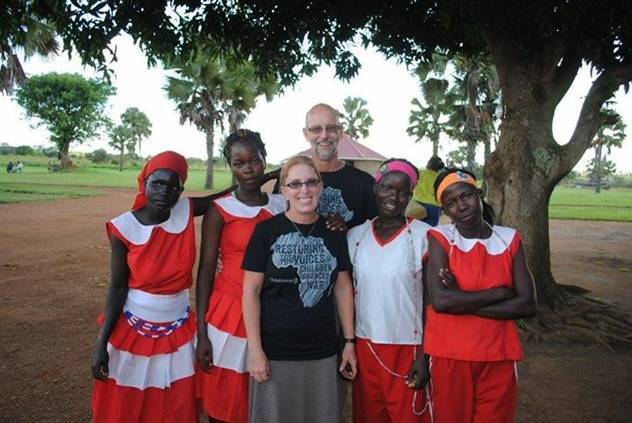
    West Central Iowans Revisit Scandinavian Roots in Uganda

    San photo 1

    When Steven and Charlene Sandven of Humboldt got married in 1982 and moved onto a West Central Iowa farm, they had no idea its history would lead them to Uganda as they celebrated their 33rd wedding anniversary. Their story is one that weaves together two families across three different continents.

    Steven’s great grandfather, Magnus, borrowed money from Lars Mandsager to emigrate to the United States from Norway. Magnus helped Lars farm, plus he worked as a tailor’s apprentice in Fort Dodge to earn additional money to pay back the loan. This tract of land transfers back and forth between the Mandsager and Sandven families throughout the years.

    Fast forward to Fall Harvest 2015. Steven and Charlene are in the midst of harvesting soybeans

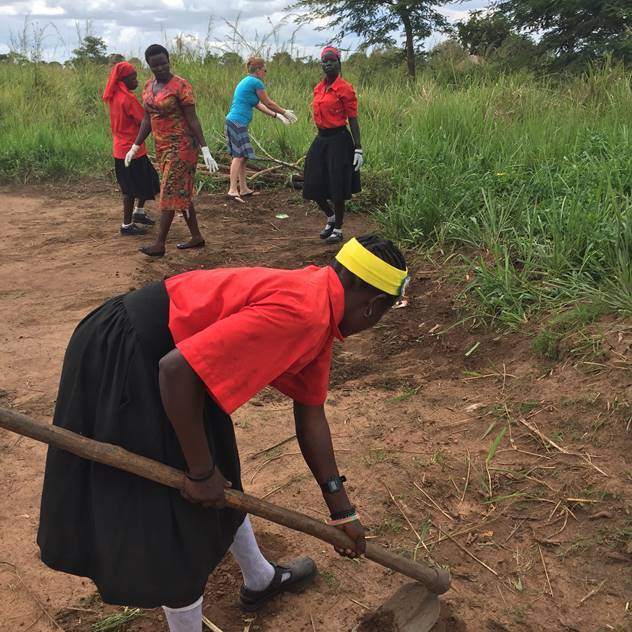
    Tilling, planting and harvesting is all done by hand at ChildVoice Uganda
    Tilling, planting and harvesting is all done by hand at ChildVoice Uganda

    when they received a call from Conrad Mandsager, CEO and Founder of ChildVoice. Conrad and his younger brother, Neil, were born in Cameroon where their father was a medical missionary. Conrad graduated from Marshalltown High School and played football at Wartburg College in Waverly, Iowa. Conrad returned to his family’s Humboldt County farm, but his entrepreneurial drive led him to explore farms in the Northeast. He’s now a consultant in New Hampshire, and the Sandvens rent the Mandsager family’s Iowa farm land.

    Regardless of where Conrad is hanging his hat, his heart is with people in Africa. He was moved by the women and children whose voices were silenced by war in Uganda. “The Lord’s Resistance Army began kidnapping children to become soldiers and women to be used as sex slaves. For 20 years, the rebels abducted an estimated 30,000 children from their homes in Northern Uganda and forced them to commit violent acts upon villagers.”

    In 2006, ChildVoice pioneered a unique community model to provide hope and opportunity for adolescent girls in northern Uganda because returning child soldiers and sex slaves were not welcome in their home villages. Years of war had left their home communities traumatized and facing abject poverty. “The second generation impact of war remains,” read the organizations website, “and our young students today still face many challenges.”

    One challenge is making the model community self-sustaining. Several fields, or large gardens, have been tilled and planted. The women primarily grow peanuts and vegetable crops like white sweet potatoes, beans, potatoes, okra and white, waxy corn that they call maize. They also grow watermelon. A few local men are hired to raise some chickens and a few pigs to supply ChildVoice with meat and eggs. A fish pond also has been built to raise tilapia, so they can raise their own fish as well as sell some.

    Another challenge is teaching these women and children life skills, so they can become self-supportive. Women living in the village become apprentices in one of these areas: cooking for a restaurant, which is referred to as a hotel there, hairstyling or tailoring (seamstress). The Sandvens hope farming may be added, so the women may choose grain or livestock farming as a life skill. (As a sidebar, click here to read how one Iowa farm women has helped female farmers in Uganda.)

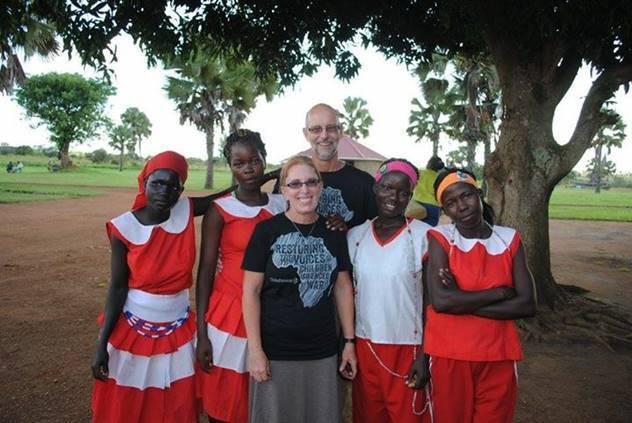
    Steven and Charlene Sandven greeted upon arrival at ChildVoice Uganda
    Steven and Charlene Sandven greeted upon arrival at ChildVoice Uganda

    During their two-week stay last October, the Sandvens helped make physical improvements to facilities around the mission. Steven and Charlene also used their farming skills to evaluate the maize program. They learned the maize is yielding only about 10 bushels per acres! The maize is being planted in hills at a plant population of about 18,000 per acre (although the local measurement is hectares).

    To demonstrate how more plants – and higher yield – could be achieved, the Sandvens taught the women how to plant in rows. They demonstrated with sweet corn, planted at a population of 32,500 plants per acre. They formed one measuring stick that was about 8 inches long for seed spacing and a 20-inch stick for row spacing.

    Soil fertility is also key to improving yield, so soils have been tested on the ChildVoice farm. The next step in achieving higher production is going to be adding nutrients to the soil. Plans are in the works to begin using nutrients from the rabbit hutch and fish pond as fertilizer.

    Of course, higher yield also means the villagers need to look at developing infrastructure. All labor is manual at this point. Should they consider oxen and equipment or purchase small farm machinery? Should they expand their land base? These are questions being pondered now by the ChildVoice board of directors, four of whom traveled with the Sandvens in October to Uganda along with five representatives from Lutheran Church of Hope in West Des Moines.

    This group also traveled to nearby villages to see how well graduates of ChildVoice were doing on their own. One graduate had opened her own bakery next to another woman, who sells beans and rice that is delivered by a farmer in bulk bags. Then locals use measuring cups to buy what they want from the roadside market. Another ChildVoice aluma works as a cook in a hotel, or what Americans would call a restaurant. A third graduate has her own salon, and a fourth graduate married a farmer from another tribe.

    “It was so rewarding to teach them things they could use to improve their lives,” says Charlene. “We hear the expression, ‘Another day, another dollar.” We’ll it’s true for these ladies! They earn so little, but they’re learning how to take care of themselves and their children.”

    The women the Sandvens met last fall in Uganda are just a few of the success stories being told as ChildVoice celebrates its 10th anniversary in 2016. Those interested in helping can contact ChildVoice International or an associated ministry through Lutheran Church of Hope.

    In honor of the Norwegian heritage that brought together the Mandsager and Sandven families three generations ago, today we’re sharing a recipe for Kringla. Kringla seem to magically appear on the tables of those with Scandinavian heritage either on Thanksgiving and Christmas. The Sandvan family enjoys these pretzel-like pastries so much that Charlene freezes them to have on hand throughout the winter.

    As empty nesters with four adult children, Charlene says having casseroles and desserts in the freezer is a real life saver. Their oldest daughter, Brandy, lives nearby with her husband, Cody, who farms with Steven and Charlene. Brandy and Cody have two children. Brittany and her husband, Reed, have one son. The Sandven’s daughter Chelsea is a senior at the University of Northern Iowa, majoring in in Criminology and Psychology. Their youngest son, Skyler, is freshman in Aerospace Engineering at Iowa State University.

    Both Steven and Charlene’s families come from Norway, so today their sharing their recipe for one of their favorite comfort foods with us!

    Team Latham

    March 4, 2016
    Desserts, General, Recipes
  • Latham Hi‑Tech Seeds

    Industry Visits Emphasize Importance of Networking

    IMG 3465 2

    By Kilah Hemesath, Latham Hi‑Tech Seed’s Marketing Intern

    If you don’t live for the here & now, what are you living for?

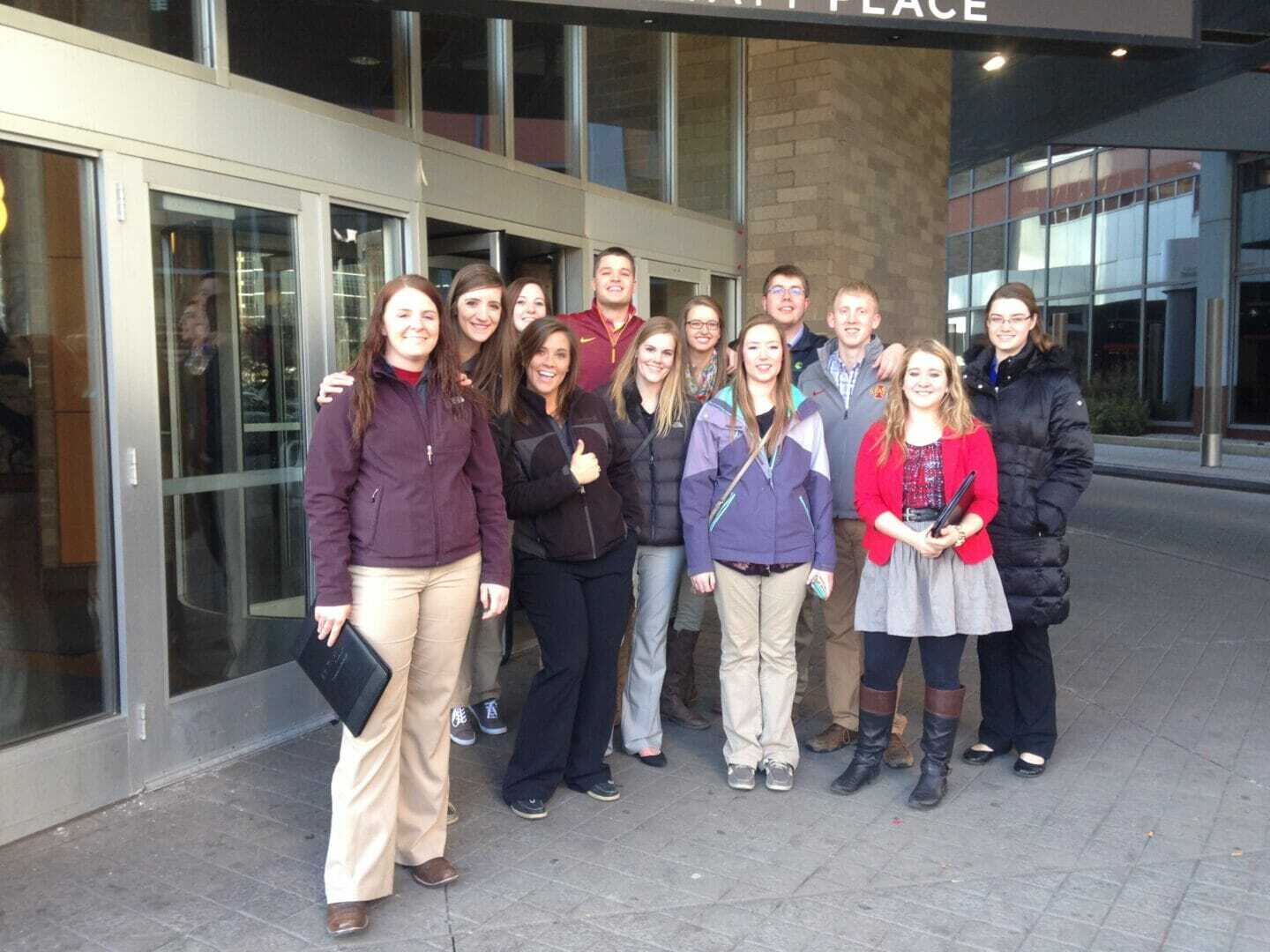
    Last week I had the opportunity visit the Twin Cities with fellow members of the ISU National Agri-Marketing Association club. After the vans were packed and we had our Casey’s breakfast pizza, we were off! In addition to traveling with a fun group of people, I got the chance to meet people in the industry who have interests similar to mine.

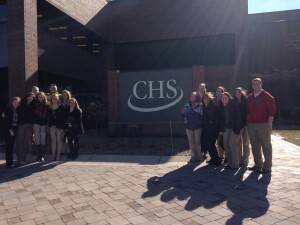
    We started off Thursday by visiting CHS Inc. in St. Paul.IMG_3450 CHS encompasses all parts of agriculture: energy, grains and food. I enjoyed hearing about the coordination between these three area and CHS’ strategies to serve its members while increasing stakeholder value. The importance of thorough communication was highly emphasized as the millennial generation finds it too easy to stay behind a screen. Communicating virtually often times relates in simplicity, but it lacks the irreplaceable value of face-to-face communication.
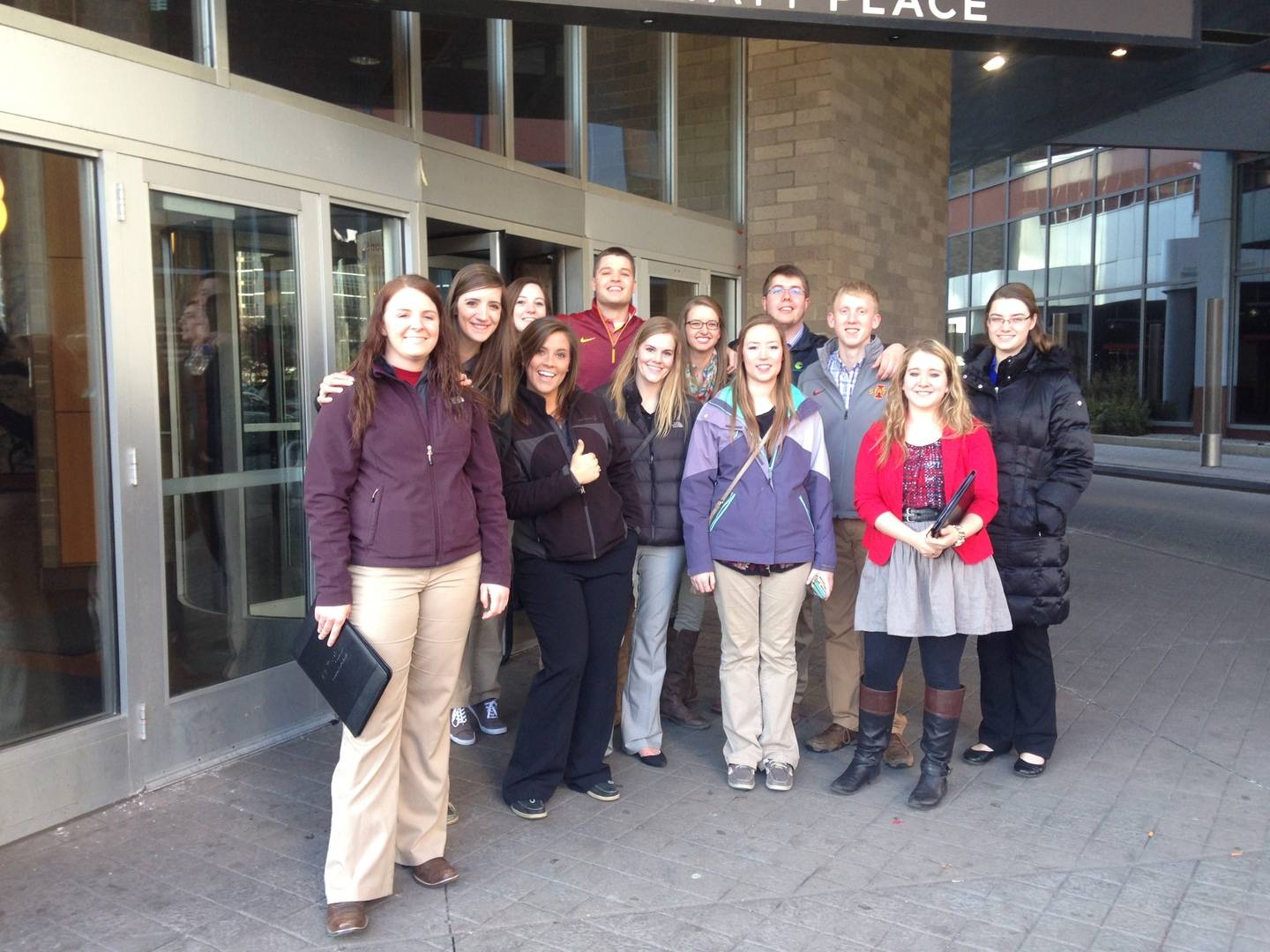


    Next up was a General Mills Inc. tour and presentation. A former ISU NAMA member hosted us at General Mills, which was great! He kept the conservation relatable and light hearted. Plus he’s a Marketing Associate for the baking division, so we got to take home some baking treats. J I was amazed by the General Mills facility, as every floor was a different division: baking, cereal, yogurt, etc. We also toured General Mills’ in-house kitchen spaces for testing and photography.

    Friday kicked off with a visit to Martin Williams Advertising in Minneapolis. There was a panel of about six employees from different departments. It was interesting to see how an agency runs, as well as experience the creative thinking environment! We connected with the Martin Williams Adverting agency through a member of the ISU NAMA, which confirms the importance of networking.

    Our last stop was a USBank Stadium Marketing tour. Our tour guide worked with SMG, a worldwide entertainment and convention management business. I was amazed by the infrastructure of the new USBank Stadium; I had never seen anything like it! Secondly, it was intriguing to hear about SMG’s role in managing events and marketing the space.

    As a senior in college, this trip to Minneapolis was a fulfilling experience because of the applicable advice I received from all business professionals. I am looking forward my full-time position with Latham Hi‑Tech Seeds and being on the other end of the table!

    IMG_3465-2

    Webspec Admin

    March 3, 2016
    Agriculture, General, Industry News
  • Latham Hi‑Tech Seeds

    Young Farmer Asks Iowa Senate to Do the Right Thing for Iowans

    12717840 10103085990447370 2154128766628821779 n

    As farmers, we hear over and over how important it is to be involved in the political process, talk to legislators and tell our story. Finding the time to commit to that effort is the hard part with livestock, day jobs and families to care for. If you own a business, farm, or teach in the classroom the time has come for you to join in the conversation!

    At the close of December 2015, small business owners and farmers across the nation breathed a sigh of relief as the federal government passed a bill to permanently provide for Section 179 small business expensing and Bonus Depreciation. We now had certainty in two key planning tools for making capital improvements to our businesses. Step two of the process when the feds finish their work, is to wait for Iowa to follow suit and “couple” those tax provisions into the Iowa code.

    What nobody saw coming was our state leader, a long-time supporter of small business and agriculture, recommending that Iowa leave these essential tools out of the Iowa code for 2015 taxes. (Yes- 2015. The fiscal year that’s already passed!) That means a year of consistently monitoring financials, carefully planning purchases and doing all we could to keep our business in the black on a down year was for naught. I felt like the rug had been pulled right out from under me. A bit dramatic? Here’s why it matters to me this year in particular:

    In 2014 we suffered a fire on the farm. Our grain dryer went up in flames totaling the entire unit. We waited months for the insurance company to make their evaluation and deem the fire an accident. Meaning our purchase for this critical piece of equipment had to fall in the 2015 crop year whether it was a good year to purchase it or not. (If you haven’t been following ag economy lately- the answer is NOT!) Our purchase and rebuild of our grain dryer is done, but now we must figure out how to come up with funds to cover an extra $60,000 in tax liability. Yes, with the exclusion of this tax code, the governor just asked us to write a check to the state of Iowa for just over that amount. This means we either take out a loan to pay Iowa, OR sell stored grain at an extremely depressed price just to cover this bill. Neither of which we had planned to do at this point in 2016! (Did I mention we just rebuilt the dryer that prepares our grain to be stored until we ARE ready to sell it?)

    So why am I asking my Senator to help? Let’s first rewind to January 28th.  The House of Representatives Ways and Means Committee put together a proposal to get Section 179 expensing back into Iowa’s Tax Code- House File 2092. On January 28th the Iowa House of Representatives passed the plan with overwhelming BI-PARTISON vote of 82-14. This bill is important to Iowa Farmers, but also includes provisions of support to other groups including:

    • Deductions up to $250 for out-of-pocket expenses for teachers
    • Tuition and Fees deductions for high education expenses
    • Nontaxable IRA transfers to eligible charities

    Laura Cunningham Farmer Nora Springs IowaLast week I was asked to take part in a press conference to share my story about how Section 179 affects my small (farm) business. On the panel alongside me was a CPA, owner of a few Des Moines based fitness franchises and a teacher. During that press conference, several key points were brought up:

    • The house bill only extends these provisions to January 1, 2017. Responsible business owners plan their finances (including fulfilling tax liabilities) at the beginning of each new year. If our state leadership believes decoupling is a critical part of maintaining a balanced budget, compromise on the year Iowan’s were already planning on and make your decision NOW for 2017 so we have a chance to put proper plans in place. Don’t pull the rug out on a year that’s already come to a close!
    • This code is important for SMALL business. It’s easy to assume that tax codes only benefit huge farmers and big business. Research shows that those business owners and teachers utilizing Section 179 fall in lower tax brackets (lower net income levels). The very groups that these codes were created to help are the same that will be hurt the most if our Senate doesn’t move on this legislation.
    • The governor is now on board! The same day as the press conference, our own Governor who first proposed a budget without coupling, voiced his favor for the House Bill. This combined with his willingness to delay the March 1 filing deadline shows all hands on board for Coupling, just waiting for our Senate’s answer.

    Education, Small Business and Agriculture are some of the most important assets we have in rural Iowa communities. This is legislation that affects 177,000+ people. Senators, the ball is in your court. We’re asking you, please to do what’s Right for rural Iowa and move on House File 2092!

    Gary Geske

    March 1, 2016
    Agriculture, General, Industry News
  • Latham Hi‑Tech Seeds

    Collaboration, not a Courtroom will Ensure Clean Water for Iowa

    Creek now1

    Yesterday I drove from North Central Iowa to southern Illinois where I’m overseeing a major remodel of a sow farm. As I drove, I couldn’t help but think about the calendar changing to March, which brings the countdown to spring and of course, a new planting season.

    I took notice of farm fields as they passed by, fresh field tile being installed, spring tillage beginning as farmers ready their seed beds for new seed. I am always intrigued by the different methods of conservation in place as the landscape changes from our prairie pothole region of North Central Iowa to the rolling hills and river bluffs of Eastern Iowa and Illinois.

    I could also see riverbeds in need of attention after a winter season of freezing, melting and erosion had taken its toll. Is it livestock or tillage causing this erosion? No. The same erosion cycles can be found on the grounds of the Des Moines Water Works facilities in Des Moines. It’s none other than the power of Mother Nature herself. Water has incredible power. After all, it created the Grand Canyon over time! Water itself can dissolve rock and mineral.

    Water quality is no new concern for Iowans and farmers alike. But recent headline news stories in our state make it seem as though farming practices have altered in recent years causing more nutrients are ending up in our water system. When in reality, the converse is true.

    Spokespeople involved in the Des Moines Water Works lawsuit believe a permitting process is the way to regulate nutrient runoff into water, but what they’re failing to take into account is the very nature in which Iowa soil and nitrogen co-exist. Soils here in Iowa are naturally nitrogen-rich. Snow melt and large rain events cause water-soluable nitrates to move throughout the soil and collect in our water. Studies conducted by the Clean Water Alliance help support the fact that this natural process is a primary contributor to our water quality issues and it’s simply a function of Mother Nature!

    The research shows:

    • Corn acreage increased from 1994-2014, which meant the need for fertilizers to grow these acres increased.
    • No correlation was shown between this increased fertilizer use and the amount of nitrate in the Raccoon River.
    • Study supported that nutrient levels were best during the drought of 2012
    • Also showed that nutrient levels were worse during the wet Spring of 2013 (I remember this one, over 30 inches of rain fell on my farm that month!)

    The Des Moines Waterworks discharges their nitrate waste from the water treatment plant back into the river from a point source. They hold a permit to do so and it’s easy to measure compliance. Drainage districts collect water from miles and miles of farm fields. Nitrates that end up in these drainage districts are a function of Mother Nature moving them. So if farmers must comply with a permit, do regulators have a way of turning off the rain?

    A headline I read a couple months back said it best “Farmers are cooperating even when nature isn’t.” Billions of dollars have been spent on conservation research, and billions more will be spent. Ag technology is moving fast: saturated buffers, cover crops, wetlands, no-till, seed technologies… new ways are being dreamed up every day to combat water!

    We are blessed with an abundance of innovation in agriculture than allows us to continually produce more food, fiber and fuel with less resources. Farmers have done this job so well that food is just expected to be abundant, readily available, and cheap! It’s the disconnect between food production on the farm and food preparation in the kitchen that causes confusion. Have questions about water quality or what farmers do or could do to care for our environment? Talk with a farmer! It’s collaboration that will ensure clean water for the future of Iowa, not a courtroom.

    Larry Sailer, Musings of a Pig Farmer

    March 1, 2016
    Agriculture, General, Industry News
Previous Page
1 … 33 34 35 36 37 … 159
Next Page

Latham Hi‑Tech Seeds

131 180th Street | Alexander, IA 50420

(641) 692-3258

SIGNUP FOR OUR NEWSLETTER
  • Contact
  • Legal
  • Dealer Center
  • Seedware Login
  • Latham Gear

© 2025 Latham Hi‑Tech Seeds. All rights reserved. | Iowa Web Design by Webspec | Privacy Policy

Latham® Hi-Tech Seeds is a trademark of M.S. Technologies, L.L.C., 103 Avenue D, West Point, IA 52656.