Latham Hi-Tech Seeds

(641) 692-3258

  • Home
  • Products
    • Corn
    • Soybeans
    • Alfalfa
    • Corn Silage
    • Seed Guide
  • Performance
  • Find a Rep
  • Media
    • Blog
    • News
    • Videos
    • Podcasts
    • TECHTalk
  • About Us
    • Company History
    • Our Mission
    • Careers
    • Become a Rep
    • Sowing Seeds of Hope
  • Contact Us
  • Latham Hi‑Tech Seeds

    4-H’ers Experience Outdoor Adventures in Franklin County

    022
    Members of the Outdoor Adventures 4-H Club enjoyed an early spring field trip along the Mississippi River where they enjoyed the view from Eagle Point Park in Dubuque. Picture from left to right are Club Leader Brody Bertram and members: Nick Diggins, Lucas Diggins, Miles Rust (brother of members), Brienna Reichenbacher, Macey Rust, John Reichenbacher, Mac Rust, Edward Reichenbacher, Ben Reinke, Samuel Mollenbeck and Carter Stubbe. Not pictured is Alex Anderson.
    Members of the Outdoor Adventures 4-H Club enjoyed an early spring field trip along the Mississippi River where they enjoyed the view from Eagle Point Park in Dubuque. Picture from left to right are Club Leader Brody Bertram and members: Nick Diggins, Lucas Diggins, Miles Rust (brother of members), Brienna Reichenbacher, Macey Rust, John Reichenbacher, Mac Rust, Edward Reichenbacher, Ben Reinke, Samuel Mollenbeck and Carter Stubbe. Not pictured is Alex Anderson.

    Brody Bertram has been known to paddle a canoe to collect garbage from local rivers and answer the call to aid in natural disaster cleanup such as in the case of Hurricane Sandy or forest fires in the west. But he says that, since joining the Franklin County Conservation Board five years ago as a park ranger, serving as leader for the new Outdoor Adventures 4-H Club is one of the most fun volunteer activities he’s undertaken.

    “What I enjoy most about members of the Outdoor Adventures Club is how energetic they are,” says Bertram. “These kids have a real desire to learn about so many topics from outdoor survival to campfire cooking.”

    The club formed in October 2013 because Flint Hills Resources of Iowa Falls donated $1,000 to start an outdoor recreational club and provide 4-H experiences to kids who might not fall into the more traditional 4-H special interest clubs. There were 12 founding members and the club continues to grow as friends are recruited to join the fun.

    “It’s really fun!” says member John Reichenbacher of Hampton. “We’ve learned how to make survival kits and taken really cool field trips.”

    It’s easy to see why these kids would enjoy learning from a young conservationists who shares their interest in the great outdoors. Here’s an overview of their club meetings:

    Oct 2013 Fishing at Mayne’s Grove
    Nov 2013 Field trip to Sleepy Creek tannery in Wellsburg
    Dec 2013 Made survival bracelets
    Jan 2014 Made survival kits
    Feb 2014 Snow shoeing and cross-country skiing at Mayne’s Grove
    Mar 2014 Field trip to Mississippi River Museum in Dubuque
    Apr 2014 Played mini golf to test the course Bertram designed for his inaugural Pedal & Putt fundraiser to benefit the Rolling Prairie Bike Trail
    Jun 2014 Prepared the club’s booth for the 4-H Building, grilled supper, set turtle traps to catch critters for the Franklin County Conservation booth at the Franklin County Fair
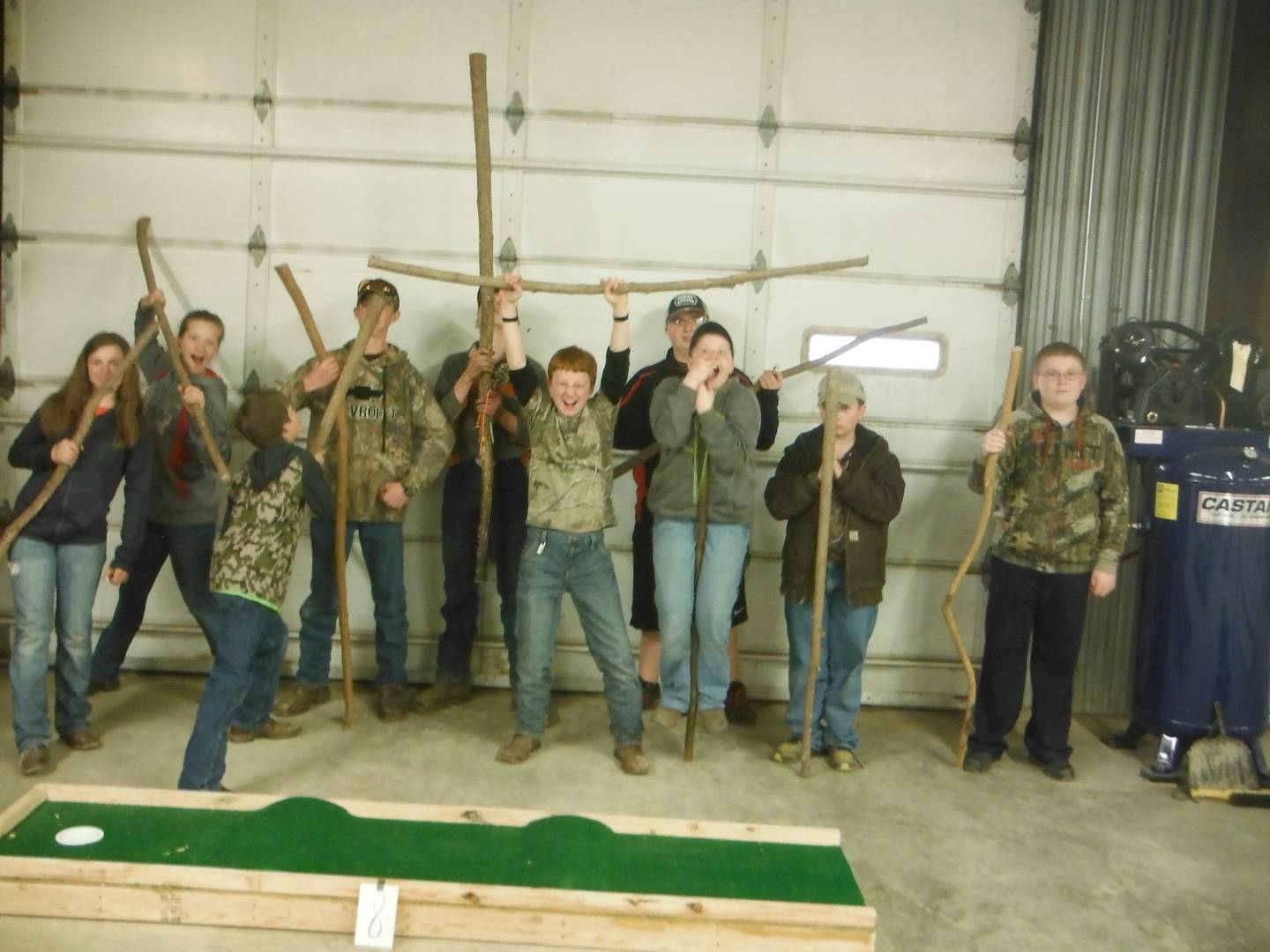
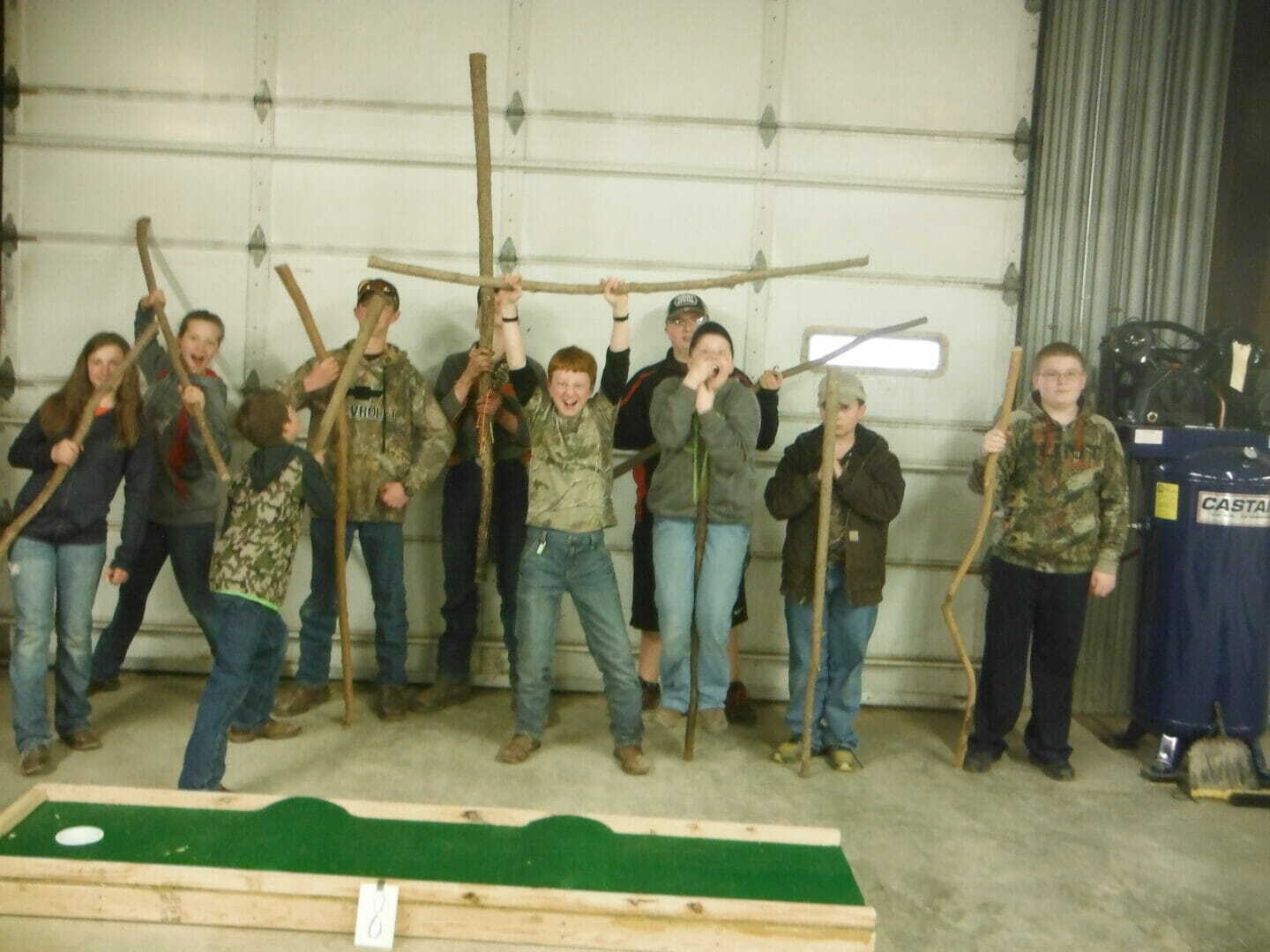
    Walking sticks are advantageous when hiking trails. Here members of the Outdoor Adventures 4-H club show their enthusiasm for the sticks they were given as a homework project.
    Walking sticks are advantageous when hiking trails. Here members of the Outdoor Adventures 4-H club show their enthusiasm for the sticks they were given as a homework project.

    Future outings include a canoe or kayak float and an overnight camping trip during which they plant to cook over a campfire. There’s even talk they may sample wild game during hunting season.

    We all know deer is abundant in Franklin County, but you may be surprised to learn that bison and ostrich are also produced locally. Mark your calendars for September 28, and get a taste of bison during the 2nd Annual Fresh on the Farm Event in Franklin County. Host farms include Enchanted Acres, Carlson Tree Farm and Koenigs Acres.

    If you’d like to give it a try before then, Allrecipes.com boasts 260 tried and true Wild Game recipes like Venison Chili and Mexican Bison Bake. Today the Outdoor Adventures 4-H Club is sharing a recipe that members hope to try soon. They’ve found a recipe for Campground Eclairs on the Backwoods Bound website. I admit this recipe got my attention, too. After all, it’s not every day one can cook in a clay flower pot!

    What’s your most unique recipe? Feel free to post it below or email it to shannonl@lathamseeds.com.
    RELATED POSTS:

    • Æbelskivers Give 4-H Cooking Club a Taste of County History
    • 4-H Competition Promotes Iowa Grown Foods
    • “Making History” in Franklin County during June Dairy Month

    Team Latham

    July 25, 2014
    Desserts, General, Recipes
  • Latham Hi‑Tech Seeds

    Quick Tips for Root Digs

    NodeScale

    Walking corn fields is not always enough. Sometimes you just have to do a little digging to discover the root of a problem in your corn field. Conducting root digs may sound like a lot of work, but the results are totally worth the effort.

    Quick tips for conducting a root dig:

      1. While digging roots, note:
        • Insect pressure, in particular rootworm beetle feeding.
        • Disease pressure, paying special attention to the leaves above ear leaf.
        • Runt plants and uneven emergence.
        • Make note of root structure after you wash off roots; notice any compacted zones and if there was any sidewall compaction during planting.
        • Look at plant spacing.
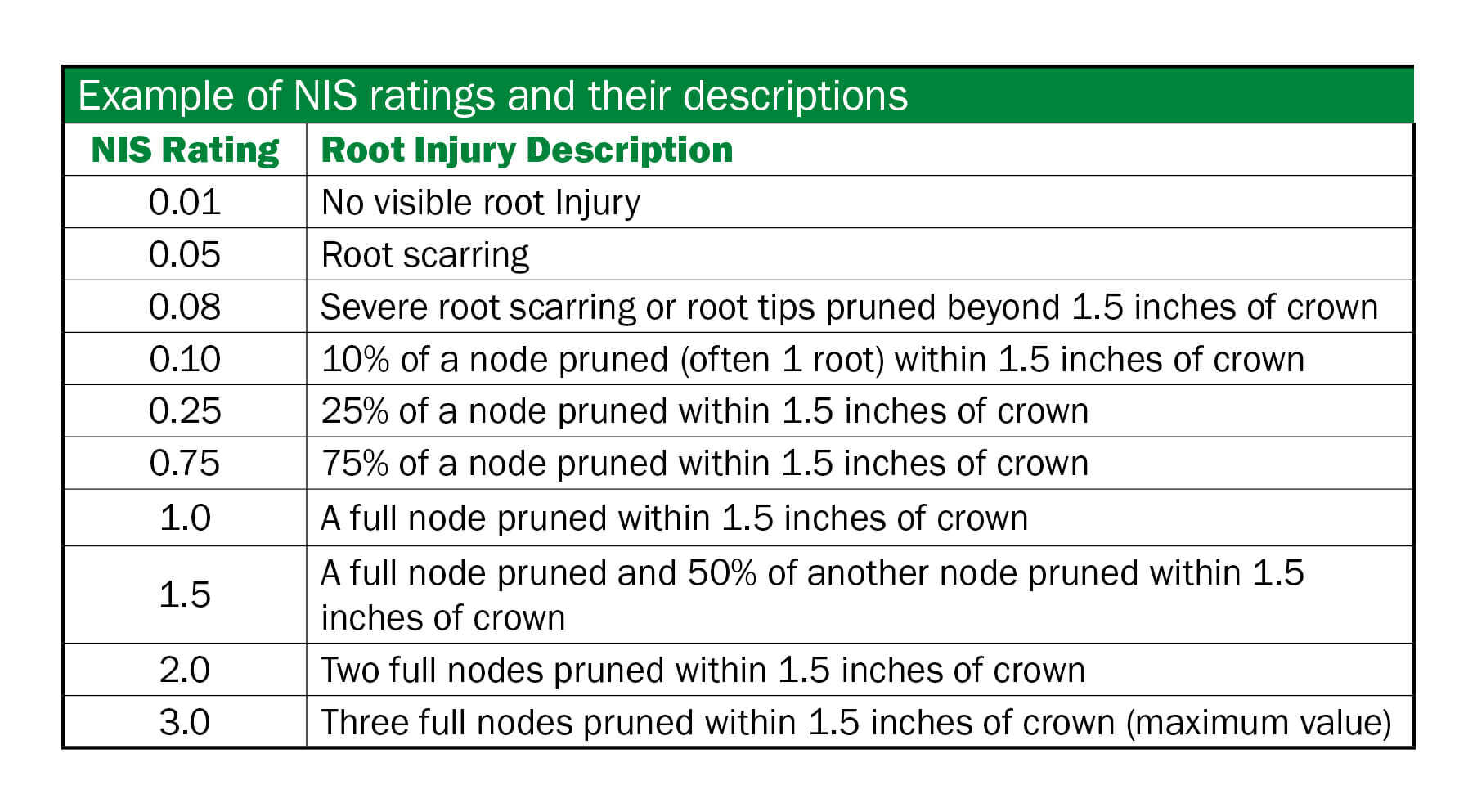
      2. You can’t always see feeding unless you actually wash off the roots. Look for bottle brushing and signs of root regrowth. Look for scarring and nodes that have been chewed. To use the interactive node-injury scale, click here.
      3. Rootworms can have “hot pockets” in the field, so the more locations from which you dig samples, the better.

    While you’re walking through fields, take a close look at leaves and ears for signs of disease. Also be on the lookout for insects like western corn rootworm beetles and Japanese beetles. Under the ground, look for signs of sidewall compaction and hard pans.

    NodeScale


    http://youtu.be/-5xVFhsGRrA

    Webspec Admin

    July 24, 2014
    Agronomics, Corn, Crop, Disease, General, Insects
  • Latham Hi‑Tech Seeds

    Seasonal Extremes Continue

    Earoncorn
    Photo Credit to Darcy Maulsby
    Photo Credit to Darcy Maulsby

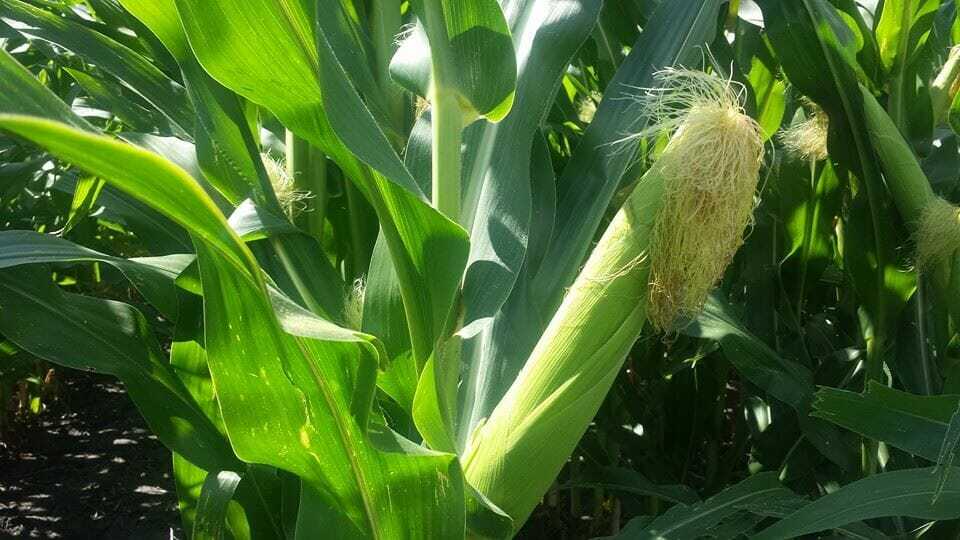
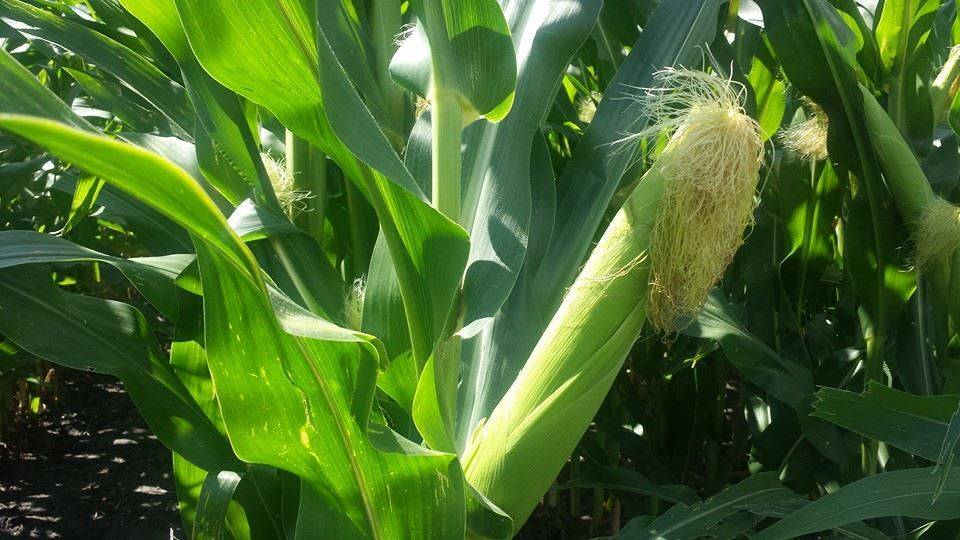
    The season of extremes continues. About 7 to 10 days ago, we experienced temperatures about 20° cooler than the normal as a Polar Vortex that moved into the Midwest. Earlier this week we experienced heat indices of more than 100 degrees. While corn can handle high daytime temperatures quite well, as long as moisture is adequate, high nighttime temps can have adverse effects. About six consecutive nights with temperatures in the 70s and 80s can lead to dark respiration, lower dry matter and result in lower yields.

    Thankfully, the 5-day forecast for North Central Iowa calls for daytime highs near 85° and nighttime lows around 58° to 60°. That’s perfect crop growing weather! There’s even a chance of rain on Friday, which would be welcome since we haven’t received significant rainfall in about 10 days. To see how crops are faring across our six-state marketing territory, visit “From the Field” on TheFieldPosition.com and click on the drop-down menu.

    Team Latham

    July 23, 2014
    Agronomics, General, Season, Summer
  • Latham Hi‑Tech Seeds

    School’s Out but Lunch Program is Still Hot Topic

    Grillingloin

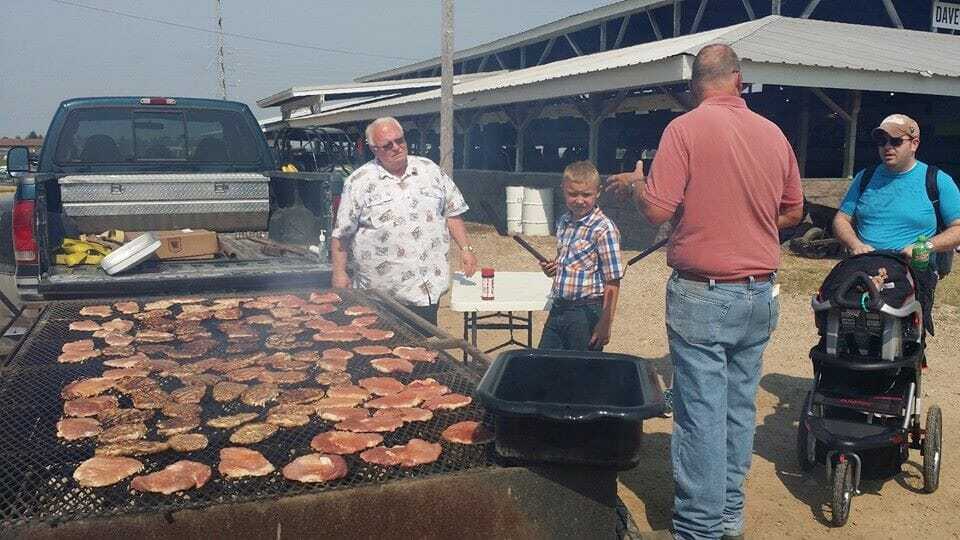
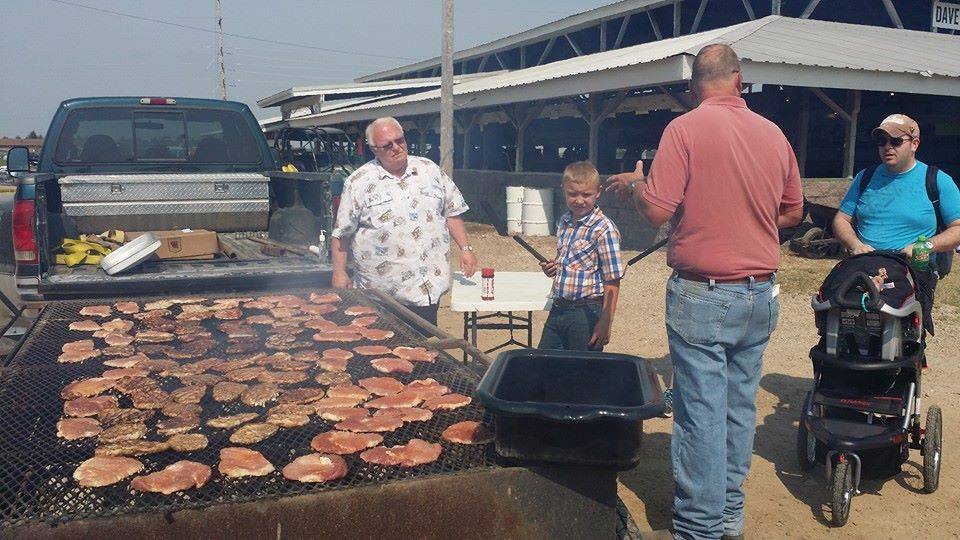
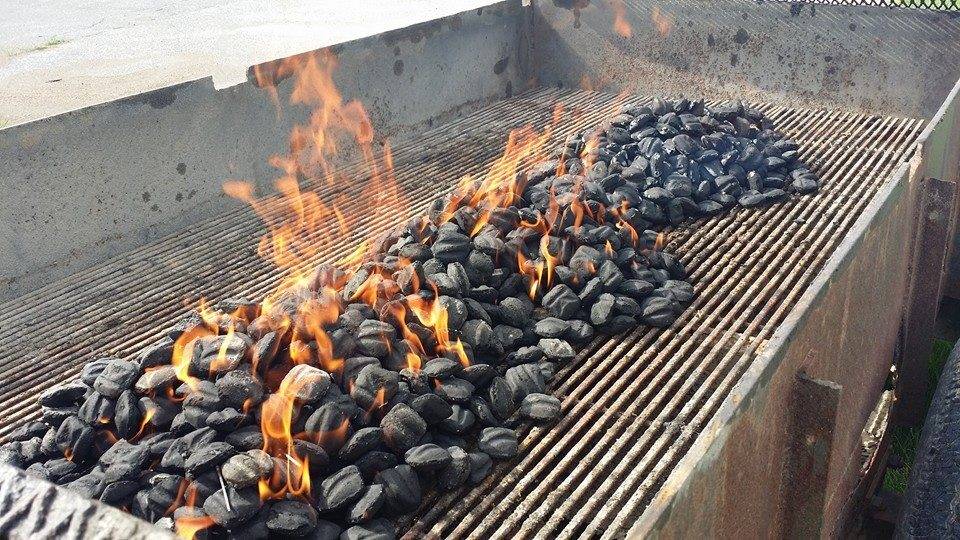
    grillingloinI had a great at the Franklin County Fair this past week, talking with friends, meeting new acquaintances and promoting pork! I started by grilling bacon pork burgers Tuesday night during the fair parade as I was riding the Republican’s float themed “party party.” Thursday we grilled 500 pork burgers for Farm Bureau Day, and Saturday we donated grilled loins that were donated and served for lunch in the 4-H food stand.

    During the fair, I even had an opportunity to talk to someone whom I’ve been trying to get together with for months! I’ve been chatting online with a woman in charge of the menu for a school system in my area. One of my biggest pet peeves is recent changes to the school lunch program, and I’ve been trying very hard to “listen” to someone with hands-on experience with this program. I was so glad to talk with her face-to-face and see her emotion. This woman certainly cares about the kids in her school, and she is obviously concerned for her job!

    grillingloin2We talked as her young daughter enjoyed the rides at the fair, and she told me of her personal experience. She said this young girl was coming home from school starved and looking for something to eat. Now just think about this for a minute… the daughter of the person responsible for the school lunch content was coming home starved!

    She said would then try to let her daughter eat an after school snack that wouldn’t ruin her appetite for the evening meal. If they eat the evening meal too late, how does that affect her daughter’s health? I could see the concern not only for her own child but also for the other school kids like the athletes, who come in at 7:30 AM to lift weights. How hungry they must be by the lunch time! These athletes get served the same lunch as all the rest of the kids, yet after school, they have practice that keeps them from getting that after school snack!

    As I was listening to how the same portions are served to athletes as to the rest of the school kids, I was reminded of this Trent Loos’ statement: “Only Michelle Obama would feed the herd to meet the fattest 10% nutritional requirements.”

    Those of us who raise livestock understand that you have to feed each animal a ration that is high enough in protein and fat to aid in their growth. High-performance animals, like dogs that jump from docks or horses that jump fences, have specially designed diets. Nutritionists help dairy producers design rations to keep their cows healthy and producing high-quality milk.

    In my hog barn, we bring in pigs that are close to the same size. That way their feed requirements can be adjusted as they grow. However, the school lunch program is designed for the smallest kids. One size does not fit all kids! Let’s quit being this nanny state that tries to make every decision for every person!

    Let’s quit dumbing down our society, so citizens don’t “need” to think!

    The First Lady says she is going to battle opposition to the new school lunch rules to the end because “experts” design this program. If FLOTUS is “listening,” I hope she’ll take regional food differences into consideration. The way we eat in Iowa – and in the Midwest in general – is certainly different than it is other regions. For example, you don’t see black eyed peas or collard greens regularly on the dinner tables here. You’re not going to experience a lobster boil or a clam bake unless the seafood is flown in special for the occasion. We can’t raise citrus fruits here either. But this time of year, you can feast on the nation’s most delicious sweet corn and tomatoes. We’re also known for producing high-quality pork and delicious corn-fed beef.

    Why not let concerned “local people” like head cooks at “local schools” choose the best food for their areas? “Fresh and local” is one of the hottest food trends after all! Let’s educate today’s school children about choosing a healthy diet and help them learn the correct portions to eat. If they aren’t starving when they get home, they just might eat healthier in the evening. Let’s empower them to make the right choices!

    How can we make changes to the school lunch rules? I guess we keep talking. I guess we need to keep pushing and hope someone is listening!

    P.S. It’s so ironic that as the number of calories are being reduced in schools, the amount of food that is wasted is no being reduced! Food wastage is the third largest source of greenhouse gas emissions globally. Why aren’t people outraged by this stat? Just because you put a whole apple or a whole orange on a kids’ plate doesn’t mean she’s going to eat it. Restore sense to the school lunch program!

    RELATED POSTS:

    • Stop Using School Lunch to “Play Politics” with Kids
    • Could “Banished Foods” Lead to More Cuts?
    • Act Now to Restore Sense to School Lunch Program
    • New School Lunch Regs, One “Hot Potato”!
    • The Quest for a “Balanced Diet”: New School Lunch Regs, Part 2

    Larry Sailer, Musings of a Pig Farmer

    July 22, 2014
    Agriculture, General, Industry News
  • Latham Hi‑Tech Seeds

    Experience the Edwardian Era in Dubuque

    PortofDubuque

    PortofDubuqueFor many travelers, Dubuque is nothing more than a crossroads. It might be a gas stop on a trip to Madison, Wisconsin, or to Galena, Illinois. But the “Masterpiece on the Mississippi” can be so much more for those who take the time to experience all this historic eastern Iowa community has to offer!

    Last week we hosted our annual Latham Dealer Kickoff at the Grand Harbor Resort and adjoining convention center. The view of the harbor from our meeting rooms was absolutely beautiful! The weather was perfect for strolling the river walk and visiting the Stone Cliff Winery. It’s also within walking distance of the National Mississippi River Museum and the Diamond Jo Casino.

    However, the activity that received the most accolades from our guests was a progressive breakfast tour. We boarded one of the city’s trollies and made our way across town, stopping at these three sites:

      • The Red Stone Inn
      • Ham House
      • Mandolin Inn

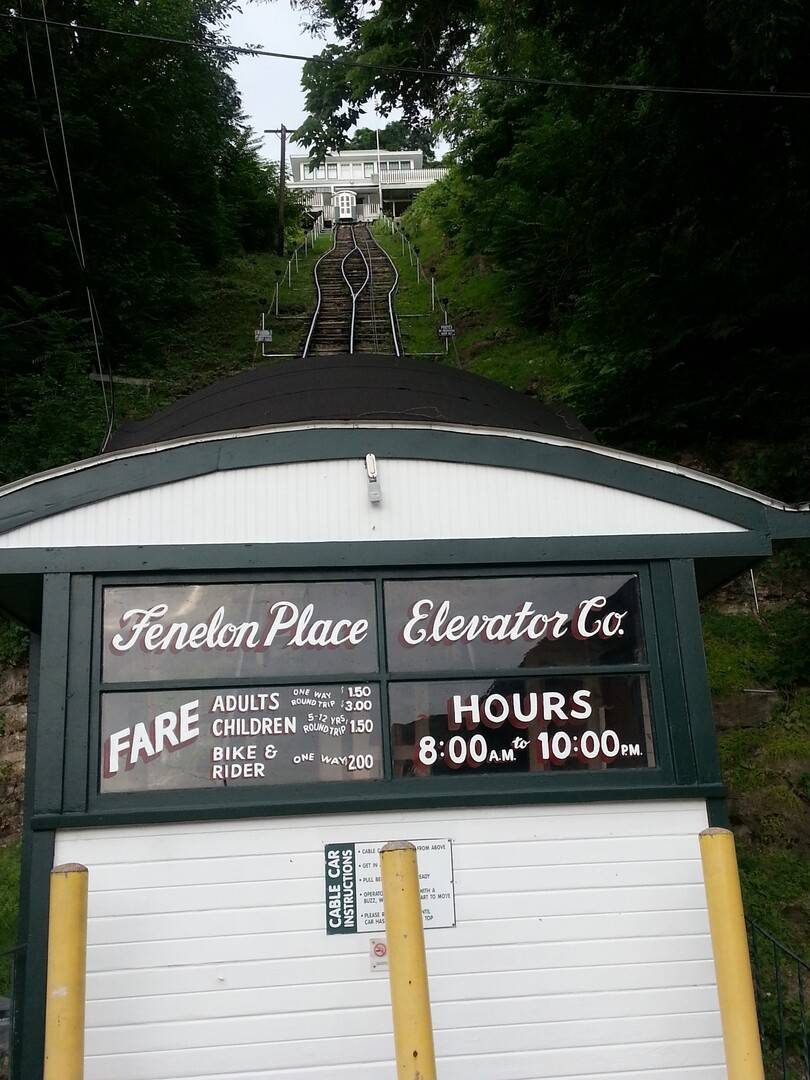
    FenelonPlace_ElevatorAlong the way, our tour guide provided us with fun facts as we passed places of interest including the Fenelon Place Elevator Company and St. Luke’s United Methodist Church. Both of these sites are places I plan to visit on my next trip to Dubuque. St. Luke’s is home to the largest collection of authentic Tiffany stained glass windows west of the Mississippi. The present Romanesque building was finished in 1897 with five large and 90 small Tiffany windows.

    Each of the three historic places we visited on our city tour was rich with history. I loved each one for different reasons, but I have to confess that the Mandolin Inn is the one place I desire to return for a stay. The dining room of the Mandolin Inn is thought by many to be the most magnificent in Dubuque, with a beveled glass china cabinet stretching from floor to ceiling. A uniquely beautiful fireplace, detailed with Italian tiles, rests in the corner.

    20140711_081659We asked about the “wallpaper” of the fantasy forest above the oak paneling in the dining room and learned that it’s not wallpaper at all. The forest is actually hand-painted and is original to the mansion. (Somehow it survived fraternity parties and office remodels that are part of the Mandolin Inn’s past.)

    Stepping into the luxurious guest rooms, it’s easy to see why the Mandolin Inn was listed as one of 10 Best Places to stay in the world by USA TODAY. Teeming with Edwardian charm, I can only imagine how well rested one would feel after snuggling in a down comforter, waking up in a king size bed and then being treated to a sumptuous breakfast.

    We got a taste (literally) of what it would be like and Innkeeper Amy Boynton was gracious enough to share her recipe for the delicious quiche she served us. Amy also directed me to her blog where she shares recipes for other popular dishes like Eggs Florentine in Ham Cups and Mini German pancakes. Guten Appetit!

    Team Latham

    July 18, 2014
    General, Poultry, Recipes
  • Latham Hi‑Tech Seeds

    Jayson Lusk Urges Farmers to Tell their Stories: Part 2

    Jayson Lusk c
    Jayson Lusk The Food Police
    “The Food Police: A Well-Fed Manifesto About the Politics of Your Plate” by Jayson Lusk

    In this past Monday’s post, we introduced you to author and economist Jayson Lusk.  Jayson is a food and agricultural economist and author, was in Iowa to speak to an invited crowd at Iowa State University this past week. Latham was among the sponsors of Lusk’s Iowa State appearance.

    Lusk’s book “The Food Police: A Well-Fed Manifesto About the Politics of Your Plate” debunks many criticisms of modern agriculture — from claims of environmental plunder and cruelty to animals to recklessly using GMO crops and creating a “toxic food environment” — and warns against the rise of what he calls the “food police” and “food elite” who seek to use government power to damage consumers’ freedom of food choice and farmers’ freedom to operate.

    Here is Part 2 of our recap of Jayson’s speech on how to counter criticisms of conventional agriculture:

    Even though some of conventional agriculture’s harshest critics seem to be the least reasonable and open to discussion, Lusk urged farmers and ag advocates to not shy away from entering the arena.

    “You are being talked about. You might as well be part of the conversation. I know that is hard because you have a full-time job you don’t have time to do this kind of stuff,” said Lusk. “And it’s also a little uncomfortable. As someone who has written a book (defending modern agriculture), I get a lot of hate email, and I would be more comfortable if I didn’t get that hate email.”

    The key is to remember that authors of books that denigrate modern agriculture are a tiny minority, and that most consumers (and voters) are open to hearing what farmers have to say for themselves.

    Among the tactics Lusk suggested was offering to speak to school classes from elementary through college, reaching out to those who blog about home and family issues and using social media to put out positive messages. He praised efforts like the Iowa Soybean Association’s “Iowa Food and Family Project” which connects farm and non-farm families to create better understanding of the truth of American agriculture.

    “You don’t need to engage with people who don’t want their mind changed. You’re not going to change some people’s mind. Those aren’t the people you want to talk to you. You want to talk to people who are there who really want to listen to you.”

    During the past 10 years, Lusk has published more than 100 articles in peer-reviewed journals on topics related to consumer behavior, as well as food marketing and policy. Learn more about Jayson Lusk at his website, JaysonLusk.com. Lusk’s appearance at Iowa State was sponsored by Latham Hi‑Tech Seeds, the Iowa Soybean Association, Farm Credit Services of America, Nationwide Insurance Agribusiness and the Iowa Poultry Association. 

    Team Latham

    July 17, 2014
    Agriculture, General, Industry News
  • Latham Hi‑Tech Seeds

    Small Steps Lead to One Amazing Journey

    LarrySailer Kickoff

    LarrySailer_KickoffLast week I attended a conference that made me reflect on the last four years, and how circumstances have led me to become a dealer for Latham Hi‑Tech Seeds! It’s interesting to see how many small steps led to this journey.

    The first step was getting involved in the Franklin County Farm Bureau. I was asked to be on the county board and agreed only if I could help in the background. I wasn’t interested in holding any office, but that wasn’t to be! I also requested to be in as few pictures as possible, but that didn’t happen either.

    Playing an active role in Farm Bureau led me to become involved in the Franklin County Harvest Bloggers Tour. The influential bloggers, who toured Franklin County and wrote about their experiences riding in a combine and learned where their food comes from, attracted national media attention including CNN. As Deb Brown wrote in her post, Starting Point, “CNN found more stories about our bloggers tour. Residents of Franklin County were actually using social media! Suddenly the topic changed from politics to how rural communities were using social media.” A group of Franklin County residents, including yours truly, were invited to the Capitol City for a television interview.

    Since CNN mentioned on air that I was a farmer who blogged, Shannon Latham suggested I actually write a guest blog on TheFieldPosition.com. I’ve been telling my farm story every week – since Feb. 7, 2012 – through my “Musings of a Pig Farmer” blog! Each week it seems that I have more topic ideas than I have space because there is such a great need to bring policy issues to the forefront. Seeing a need is difficult to ignore.

    Speaking of seeing a need… Shannon and I share the same affliction of massive volunteering! While she was serving as a trustee on the Iowa 4-H Foundation, Shannon learned that Franklin County was one of the few Iowa counties without an endowed scholarship fund. She decided to change that!

    To raise money for a county 4-H scholarship, Shannon decided to host a fundraiser. She made lemonade from lemons by holding a Brown Bag Fundraiser during National 4-H Week, which just so happens to be in the heart of Iowa’s fall harvest season. And it’s working! Each year the fundraiser continues to grow. Last fall we grilled a record 600 burgers and ran out, so I can only imagine we’ll be grilling up even more come October. The community does a great job of coming out to support the cause, and we certainly appreciate the business owners who help sponsor the radio broadcast and some even help at the grill.

    Committed. That’s one word I’d use to describe Shannon. After blogging for over two years, I’ve had the opportunity to get to know other members of the Latham family and realize just how committed they are to helping family farming operations succeed. John Latham is extremely passionate about picking seed products that are bred and proven to perform in specific geographic areas. Helping farmers succeed is the only way the Latham’s family business will succeed and transitions someday to the fourth generation.

    For the past two years, I’ve planted 100% of my acres to Latham® seed products. I have had good results even with terrible weather and less than ideal growing conditions! This past spring I decided to take my commitment to Latham to the next level by signing on a seed dealer in Franklin County. As a result, last week I attended my first ever Latham Dealer Kickoff meeting in Dubuque.

    The Kickoff meetings were to introduce Latham dealers to the new products available for the 2015 growing season and to provide sales and marketing tools to assist dealers with growing their individual dealerships. However, I found this company to be more than just a seed company. Latham Hi‑Tech Seeds is a company that was literally founded on family values and remains committed to upholding founder Willard Latham’s values.

    But, Latham Seeds isn’t just focused on its own family. It’s focused on strengthening all families. Dealers’ families were invited to these meetings in Dubuque and special activities were planned for family members of all ages.

    The third generation of Lathams – John, Shannon, and Chris – are taking this company to new heights while still keeping it a family owned company. It’s impressive to see how they have put together a product lineup that’s broader and deeper than the competition’s because they have the ability to feature genetics from multiple “big” companies. I couldn’t be more excited about the programs they introduced and the services, like Seed-2-Soil® they provide to help farmers choose products that are best suited to their farms. It’s going to be fun sharing this information with farmers like myself!

    What services could a dealer provide to make seed buying easier or more enjoyable for you? I’m interested in your thoughts. In her closing comments last week, Shannon Latham challenged Latham dealers to find ways that they create unique and relevant customer experiences. You can bet I’m going to be thinking about answers to her question whenever I have windshield time, whether it’s behind the wheel of my truck as I drive to meetings or the wheel of my tractor!

    Larry Sailer, Musings of a Pig Farmer

    July 15, 2014
    Agriculture, General, Industry News
  • Latham Hi‑Tech Seeds

    Jayson Lusk Urges Farmers to Tell their Stories: Part 1

    Jayson Lusk c
    Jayson Lusk The Food Police
    “The Food Police: A Well-Fed Manifesto About the Politics of Your Plate” by Jayson Lusk

    When it comes to countering criticism of conventional agriculture, a noted food economist and farm advocate said last week that the most powerful thing farmers can do is tell their stories.

    “The research shows that guys like me, academics like me, can get up and give people all kinds of statistics and people roll their eyes, and that statistics do not convince people,” Jayson Lusk told a group of producers and ag advocates during a presentation July 8 at Iowa State University. “Often logic doesn’t convince people. What really convinces people are stories.”

    Jayson Lusk, a food and agricultural economist and author, was in Iowa to speak to an invited crowd at Iowa State before traveling to speak to the Iowa Grocers Iowa Grocery Industry Association Convention in Okoboji on July 9. Latham was among the sponsors of Lusk’s Iowa State appearance.

    Lusk’s book “The Food Police: A Well-Fed Manifesto About the Politics of Your Plate” debunks many criticisms of modern agriculture — from claims of environmental plunder and cruelty to animals to recklessly using GMO crops and creating a “toxic food environment” — and warns against the rise of what he calls the “food police” and “food elite” who seek to use government power to damage consumers’ freedom of food choice and farmers’ freedom to operate.

    Lusk, who is a professor in the Department of Agricultural Economics at Oklahoma State University, advised farmers and their representative organizations to “get in the game” and use the stories of their operations as a way to communicate the many benefits modern agriculture brings to consumers, such as:

    • Because of innovations in farming in the last 100 years, farmers produce dramatically more crops on less land than in 1900.
    • The American food supply is the largest, most diverse, safest and cheapest in the world.
    • The average American spends just 10% of his or her disposable income on food (including restaurant food), the lowest of any country in the world.  “That means we other 90% of our income to spend on things that make our lives easier and more enjoyable.”

    “Those of you involved in production agriculture are a lot more credible and a lot more compelling than I am,” he said. “The things  you can say, even if you haven’t read all he things I have, you know more about production agriculture than I do and you can talk about why you do the things you do, and the research shows that matters (when persuading others).”

    Tune in this coming Thursday for Part 2 of our recap on Jayson Lusk’s advice to farmers on how to counter criticism of conventional agriculture.

    Team Latham

    July 14, 2014
    Agriculture, General, Industry News
  • Latham Hi‑Tech Seeds

    Son-Bow Farms Celebrates 20 Years of Dairying

    20140621 104214
    Whether they’re on the farm or at the track, the Richardson family is promoting dairy. Pictured from left to right: Kristi, Jacob, Jason and Jay.
    Whether they’re on the farm or at the track, the Richardson family is promoting dairy. Pictured from left to right: Kristi, Jacob, Jason and Jay.

    Traditionally, 20-year anniversaries are celebrated with China. Son-Bow Farms near Plum City, Wisconsin, recently celebrated its 20th year of business with Chinet.

    Approximately 2,000 people – from as far away as Green Bay and as nearby as Plum City – gathered for breakfast during Pierce County’s Dairy Breakfast. Guests enjoyed Dad’s Belgium Waffles topped with fresh, Real® butter and whipped cream plus sides of fresh fruit and sausage links.

    Wagon tours were given of the 1,000-cow dairy. Guests learned that cows’ tails were docked to keep their udders clean, and the daily average milk production of this highly productive farm is 90 pounds per cow. The rolling herd average is 32,000+ pounds and the somatic cell count (SCC) is under 150,000.

    A sprinkler system could be seen showering the cows with cool water for 3 minutes every 12 minutes; these 15-minute cycles help keep cows comfortable, and comfortable cows produce more milk. Comfortable cows were seen throughout the barn, chewing their cud as they lounged in the sand bedding.

    Tents were set up like a trade show, featuring everything from a Rethink Your Drink presentation about hidden sugar sources in common sports drinks to a demonstration on Hands Only CPR by Latham Forage Products Manager Corey Catt and his emergency service colleagues.

    Son-Bow Farms celebrated its 20th year of business by hosting an on-farm breakfast.

    “What a great day!” said Jay Richardson, who along with his wife, Kristi, started Son-Bow Farms in 1994 as a 50-cow tie stall dairy operation. The dairy enterprise was attractive to the young couple, who was interested in adding value to their crops by feeding them to livestock.

    Three years later, the Richardson’s expanded to a 120-cow free-stall barn and remodeled to a flat barn parlor. Also that year, they hired John Freund to manage the cows and Jeff Coss to manage the crops. Freund and Coss have become partners in the business. Gabe Weix, who became Agronomy Manager last year, also is a partner. Kristi puts her banking degree to work by doing payroll and bookkeeping for the operation. An accountant by trade, Jay keeps a close watch on the financials.

    “Our mission is to be the premier employer of people, cows and agronomic practices,” adds Jay. “Our employees are dedicated day in and day out, embodying this mission statement. We’re also grateful for the support we’ve received from members of the community and local businesses throughout the years.”

    When the Richardsons aren’t at work, you’re likely to find them at the track. Kristi has work in the pit office for more than 20 years. Jay started racing when he was 16 years old and continues to make circles with his Dirt Modified. Their 16-year-old son, Jason, is in his third year of racing Dirt Midwest Modified, lower-class primarily at the Red Cedar Speedway in Menomonie and at Eagle Valley Speedway in Jim Falls. Their 19-year-old son, Jacob, enjoys helping at the track when he can and loves music.

    Whether they’re on the track or at a family gathering, the Richardsons are promoting Wisconsin’s dairy industry. Today they’re sharing a family favorite recipe for Cheesy Potatoes, which are perfect for holiday gatherings and potlucks.

    Team Latham

    July 12, 2014
    General, Recipes, Sides
  • Latham Hi‑Tech Seeds

    Water Has the Power to Give and to Take

    Larrys wet field

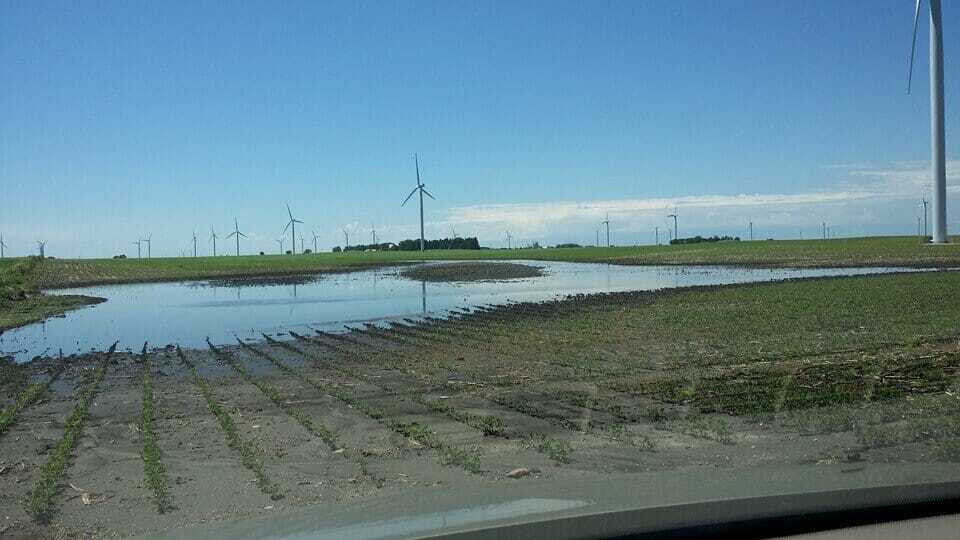
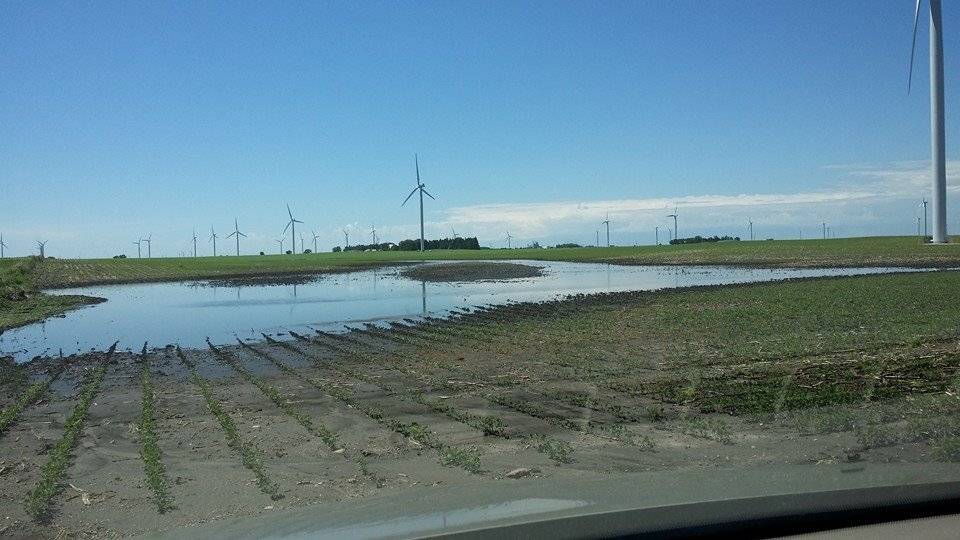
    Larrys wet fieldJune 2014 was the wettest on record for many portions of the Midwest, and my farm is no exception. Soils have been saturated for a good portion of the past month, making it a challenge to control weeds and apply plants foods (aka fertilizer).

    Plants need a well-balanced diet for optimal performance, so that’s why we “spoon feed” our corn by side dressing nitrogen. Fortunately, I finished applying nitrogen and the next day a 3-inch rain fell! Usually, getting “rained out” isn’t a big deal because the fields dry out and you go back taking care of your crops. This season’s series of rain events has made it difficult to walk through the fields to see what crop care is needed.

    Heavy rains have caused damage to everything from crops and buildings to the soil. Erosion is a concern, but there is a great deal of misunderstanding by the general public. I overhear comments like, “Those d@!# farmers should do a better job of taking care of the soil. They’re letting it all wash away with all that fertilizer, polluting our water.”

    Sometimes there is little that can be done. I have watched water ravage my crops during the past couple weeks with awesome power! When it rains three or more inches in just a couple of hours, that water must go somewhere because it cannot soak into the soil when it rains that fast and hard. The water builds force as it through the fields. It flows deeper and faster – and nothing can stop it.

    Such force of nature is evident as videos surface of bridges and roads being washed away. Many town’s storm sewers have been so overwhelmed that raw sewage is dumping straight into rivers, which is something farmers cannot do. Isn’t it interesting the same standards don’t apply to farmers and cities? There is a zero tolerance for livestock manure, so producers must build structures large enough to contain the biggest rain.

    Water improvements are occurring in Iowa. In an article published yesterday by The Des Moines Register, farmer and writer Darcy Maulsby does a great job explaining these improvements being made by farmers in her area:

    • Stream bank stabilization
    • Livestock nutrient management
    • Conservation farming

    Conservation farming – buffer strips, waterways – and even tile help make my flat, mucky soil farmable, as well as contain big rains and keep top soil from washing off the fields. Many improvements have been made in the 50 years that I’ve been farming, and new ways are being developed all the time.

    For example, we’re hearing more and more about using cover crops to help hold fertilizer where it is needed. Certain cover crops, with their huge root systems, make channels in the soil so more water seeps into the ground. Wetlands are being developed to filter out sediment, just like a coffee filter keeps grounds out of your morning cup of Joe. No till, made possible by biotechnology, has been a huge tool on my farm.

    While these practices have made strides in the right direction, we understand that we must practice continual improvement. Iowa farmers are leading change because it’s the right thing to do!

    Larry Sailer, Musings of a Pig Farmer

    July 8, 2014
    Agriculture, General, Industry News
Previous Page
1 … 62 63 64 65 66 … 159
Next Page

Latham Hi‑Tech Seeds

131 180th Street | Alexander, IA 50420

(641) 692-3258

SIGNUP FOR OUR NEWSLETTER
  • Contact
  • Legal
  • Dealer Center
  • Seedware Login
  • Latham Gear

© 2025 Latham Hi‑Tech Seeds. All rights reserved. | Iowa Web Design by Webspec | Privacy Policy

Latham® Hi-Tech Seeds is a trademark of M.S. Technologies, L.L.C., 103 Avenue D, West Point, IA 52656.