Latham Hi-Tech Seeds

(641) 692-3258

  • Home
  • Products
    • Corn
    • Soybeans
    • Alfalfa
    • Corn Silage
    • Seed Guide
  • Performance
  • Find a Rep
  • Media
    • Blog
    • News
    • Videos
    • Podcasts
    • TECHTalk
  • About Us
    • Company History
    • Our Mission
    • Careers
    • Become a Rep
    • Sowing Seeds of Hope
  • Contact Us
  • Latham Hi‑Tech Seeds

    Increased Communication is Key to Building Consumer Trust

    IMG 2686
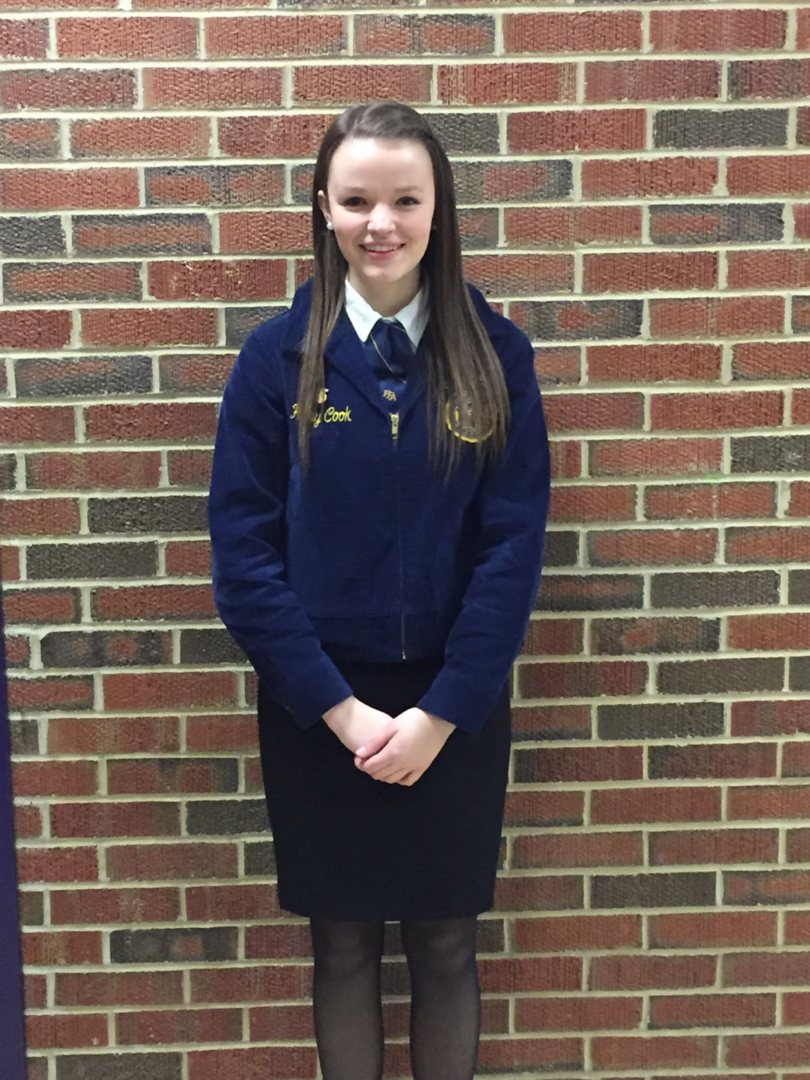
    Holly presenting her public address on advocating at the sub-district FFA contest
    Holly presenting her public address on advocating at the sub-district FFA contest

    Reaching consumers who are genuinely curious about the way their food is raised is what Holly Cook enjoys most about serving as the 2016 Iowa Pork Queen. While wearing a crown has literally opened doors for her across the state, this recent East Buchanan High School graduate says there are countless opportunities for each of us to get involved in advocating for agriculture.

    “The more people who are willing to tell their story, the more effective our efforts will be as an industry,” says Holly Cook, who grew up helping her parents on their family farm and served as Buchanan County Pork Queen in 2015. Later this month she’ll begin her freshman year at Iowa State University, majoring in Ag Business.

    “Every effort counts, whether social media campaigns, blogging, large scale promotional events, or simple face-to-face interactions with consumers,” adds Holly. “It’s crucial that consumers understand the commitment all farmers have made to producing safe, quality food.”

    Passionate about bridging the knowledge gap and building trust between producers and consumers, Holly delivered and prepared a public address about it for an FFA Career Development Event (CDE). She placed first at sub-districts and second at districts, advancing to the state contest last April during the Iowa FFA Leadership Convention.

    “Those directly involved in production agriculture see the necessity of improved practices. Farmers care for their animals every day and see that they are healthy and comfortable, yet the public constantly suspects mistreatment,” said Holly while delivering her public address for FFA.

    “The great lack of consumer education in the United States has allowed anti-agriculture and animal activist groups to plant negative seeds in the minds of consumers. Buzz words such as ‘factory farming’ and ‘big ag’ coupled with a vast array of misconceptions have become an unfortunate reality in our society,” she continued. “To prevent farmers from having to take a huge step backwards in terms of efficiency and modernization, we must increase our efforts to reach American consumers.”
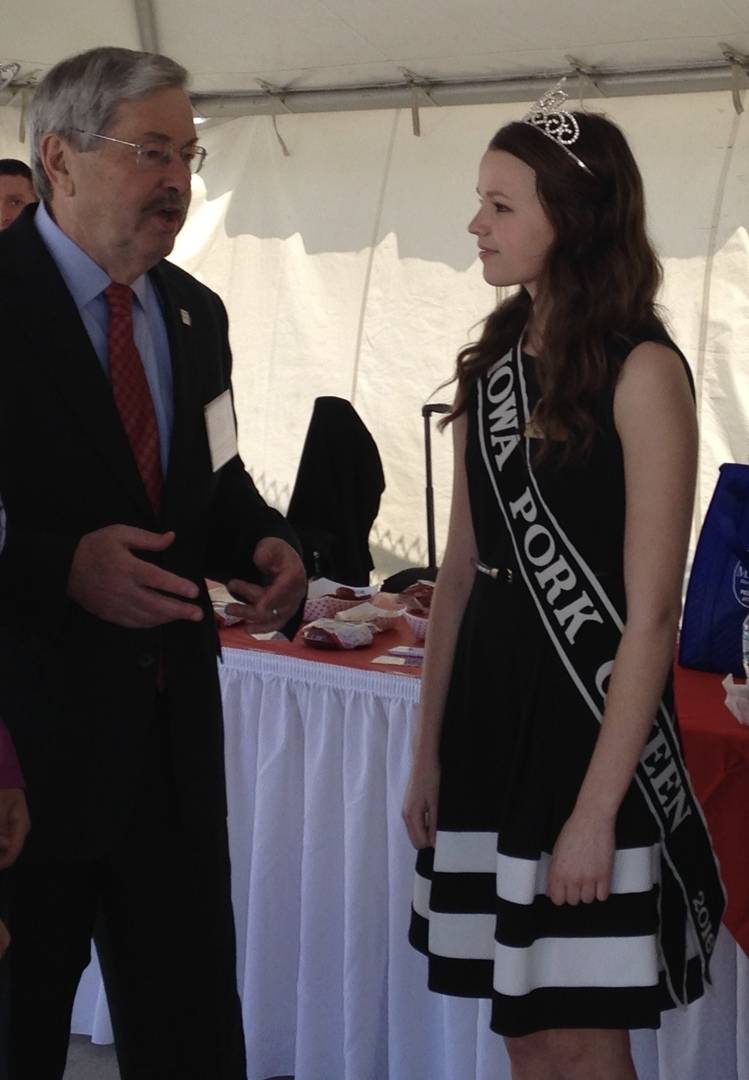
    As Iowa Pork Queen, Holly has advocated for her industry across the state and met with state leaders including Governor Terry Branstad.
    As Iowa Pork Queen, Holly has advocated for her industry across the state and met with state leaders including Governor Terry Branstad.

    The three major concerns reported among American consumers are consistently: animal welfare, the environment, and a perceived danger of genetically engineered crops. Holly wants consumers to know that taking care of animals is extremely important from a production standpoint as it is a morality issue. Modern farming practices are in place to preserve soil and water quality. Plus, foods made using ingredients from GMO crops are safe and pose no greater health risk.

    “While the current knowledge gap is not ideal, with work and outreach from both consumers and producers, this issue can be resolved,” adds Holly. “A healthy relationship and trust between these two parties is a crucial factor of modern agriculture’s progression.”

    Building trust takes time, patience and transparency. Three tips for building trust from best-selling author and keynote business speaker Jon Gordon are:

    1. Say what you are going to do and then do what you say! Lead by example.
    2. Communicate, communicate, communicate. Frequent, honest communication builds trust.
    3. Trust is built one day, one interaction at a time. Yet, trust can be lost in a moment because of one poor decision.

    How can you help open communication lines between producers and consumers? How can you build trust with someone who might not share your opinions about responsible production methods or American’s right to food choice?

    “It can be a challenge to talk with others who have conflicting opinions,” Holly admits. “I always remind myself to be respectful even when I don’t agree with them. I try my hardest to keep a smile on my face, so in the end, their impression of an Iowa pig farmer is positive. Getting mad isn’t going to solve anything, but parting with a smile might.”

    You’ll find Holly smiling and answering the general public’s questions during the Iowa State Fair, Aug. 11-21. She’ll most likely be at the farrowing display in the Animal Learning Center or by the largest boar on display in the hog barn. She’ll also enjoy meals at the Iowa Pork Tent, home of Pork Chop on a Stick. (Did you know about 6,000 pork chops are enjoyed each year during the Iowa State Fair?!)

    “We want consumers to know that the pork tenderloin is actually slightly leaner than a skinless chicken breast. Keep that in mind the next time you’re looking for healthy choices,” says Holly.

    Pork tenderloin, lightly seasoned with Cookie’s Flavor Enhancer and grilled to 145 degrees, is Holly’s favorite homemade meal. But she looks to porkbeinspired.com for creative recipes like pork tacos and barbecued ribs. Her favorite recipe to cook is Pork and Broccoli Stir-Fry, so we’re sharing it today on TheFieldPosition. Pork. Be inspired.TM
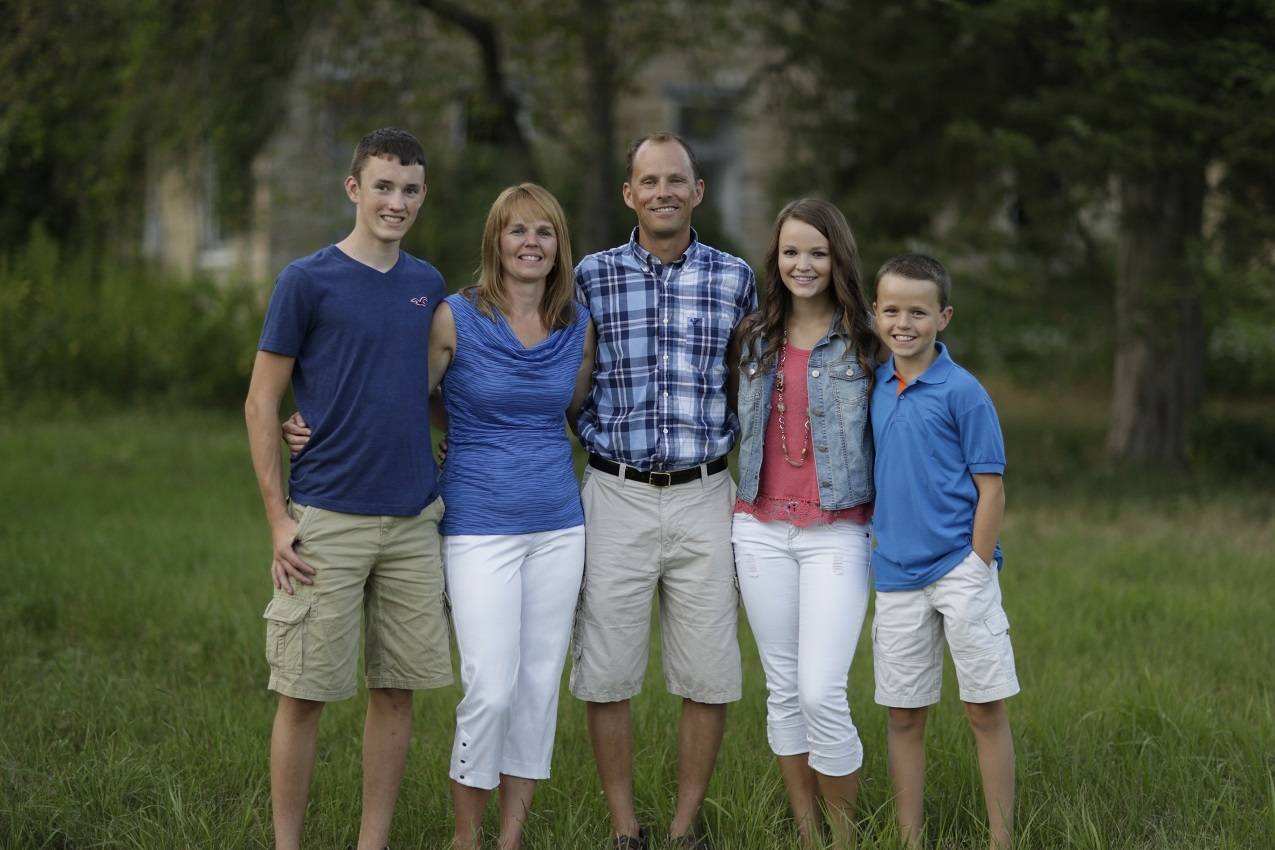
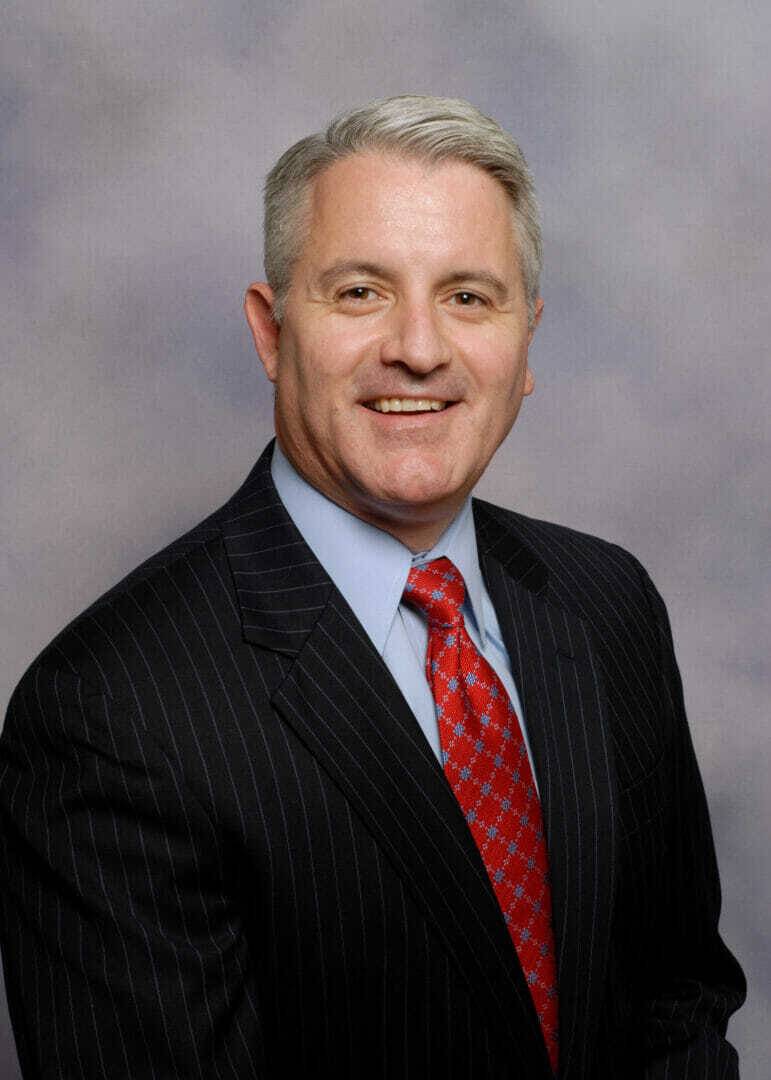
    From left to right: Holly's oldest brother Spencer, her parents Aaron and Trish, and her youngest brother Kirby on the far right.
    From left to right: Holly’s oldest brother Spencer, her parents Aaron and Trish, and her youngest brother Kirby on the far right.

    Team Latham

    July 29, 2016
    Agriculture, General, Industry News
  • Latham Hi‑Tech Seeds

    FOR IMMEDIATE RELEASE: Retrieving Freedom Introduces Corporate Partnership Program

    CONTACT:

    Shannon Latham, (515) 371-0450 | shannonl@LathamSeeds.com

    Scott Dewey, (319) 290-0350 | scottdewey@RetrievingFreedom.org


    Retrieving Freedom Introduces Corporate Partnership Program  

    Latham Seeds Encourages Others to Help Sponsor Service Dog Training


    Waverly, Iowa – July 18, 2016 – Retrieving Freedom Inc. (RFI) of Waverly, Iowa, today announces Latham Hi‑Tech Seeds as its first participant in their official Corporate Sponsorship program. Participating companies will agree to make two annual payments of $5,000.


    “We’re honored by Latham’s gift and hope it will help us better meet the requests for incoming service dog requests. We get 4 requests for every dog that has been trained through our program, so more money is needed to train more dogs,” says Scott Dewey, RFI co-founder and co-President. “Retrieving Freedom trains service dogs for placement with disabled veterans and children with Autism.


    Latham Hi‑Tech Seeds of Alexander, Iowa, will donate the first $5,000 to RFI at its Freedom of Independence Ride around eastern Iowa on Aug. 19, which is being held on a R.E.D. Shirt Friday to “remember everyone deployed.”


    “Because Iowans are known for taking care of each other and rallying when the going gets tough, we encourage other businesses to partner with RFI to provide specialized training for service dogs.” says Shannon Latham. “We’re also inviting Iowans with an interest in farming and a passion for riding motorcycles to join us for Latham Hi‑Tech Seeds’ field day on wheels to benefit Retrieving Freedom.”


    One hundred percent of a rider’s registration fees for Latham’s Freedom of Independence Ride will benefit RFI. The $25 per rider registration fee includes two meals plus a commemorative t-shirt and a do-rag. Register today at lathamseeds.com!


    “We’re committed to helping the communities where we live and do business, so we’re excited to announce our commitment to Retrieving Freedom,” says Shannon Latham, vice president of third, generation family-owned Latham Hi‑Tech Seeds. “There is a long history between rural America and the military, and still today 40 percent of our nation’s military personnel come from rural areas. They give so much to protect our freedoms that helping train a service dog is one way we can show our gratitude.”


    Retrieving Freedom spends two years training specific dogs to place with disabled veterans and individuals with autism. As a 501c (3) non-profit organization, Dewey says RFI strives to maximize the value of each donation by incorporating experienced volunteers, in-kind donations, and a limited staff.


    “Trained service dogs allow veterans and children to regain their independence from simply sustaining in life to thriving still costs,” says Dewey. “This is why we hope other companies will join Latham Seedson this amazing journey. Sponsors will receive monthly updates of their dog throughout the entire process, so their employees can also be part of the process as the dog progresses through training and gets matched with an individual.”


    Anyone interested in learning more about Retrieving Freedom is encouraged to visit http://retrievingfreedom.org or call 319-505-5949.


    Download a copy of this news release here.

    Team Latham

    July 29, 2016
    Agriculture, General, Industry News
  • Latham Hi‑Tech Seeds

    Biotech Disclosure Bill Puts Politics Aside for the Good of Americans

    Andrew W LaVigne Headshot

    Andrew W LaVigne_HeadshotThe whole GMO labeling fight in Washington was ultimately driven by one state’s misguided law which would have had repercussions across the entire nation.  We’re pleased that earlier this month Congress was able to put politics aside and reach an agreement that works for American families, U.S. farmers and seed professionals.
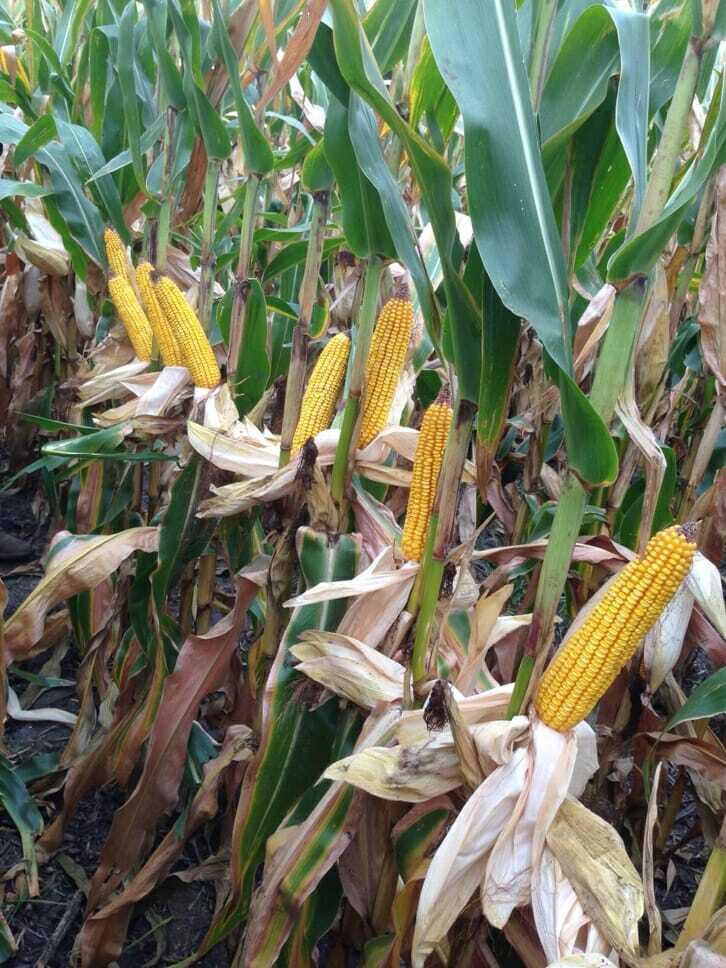
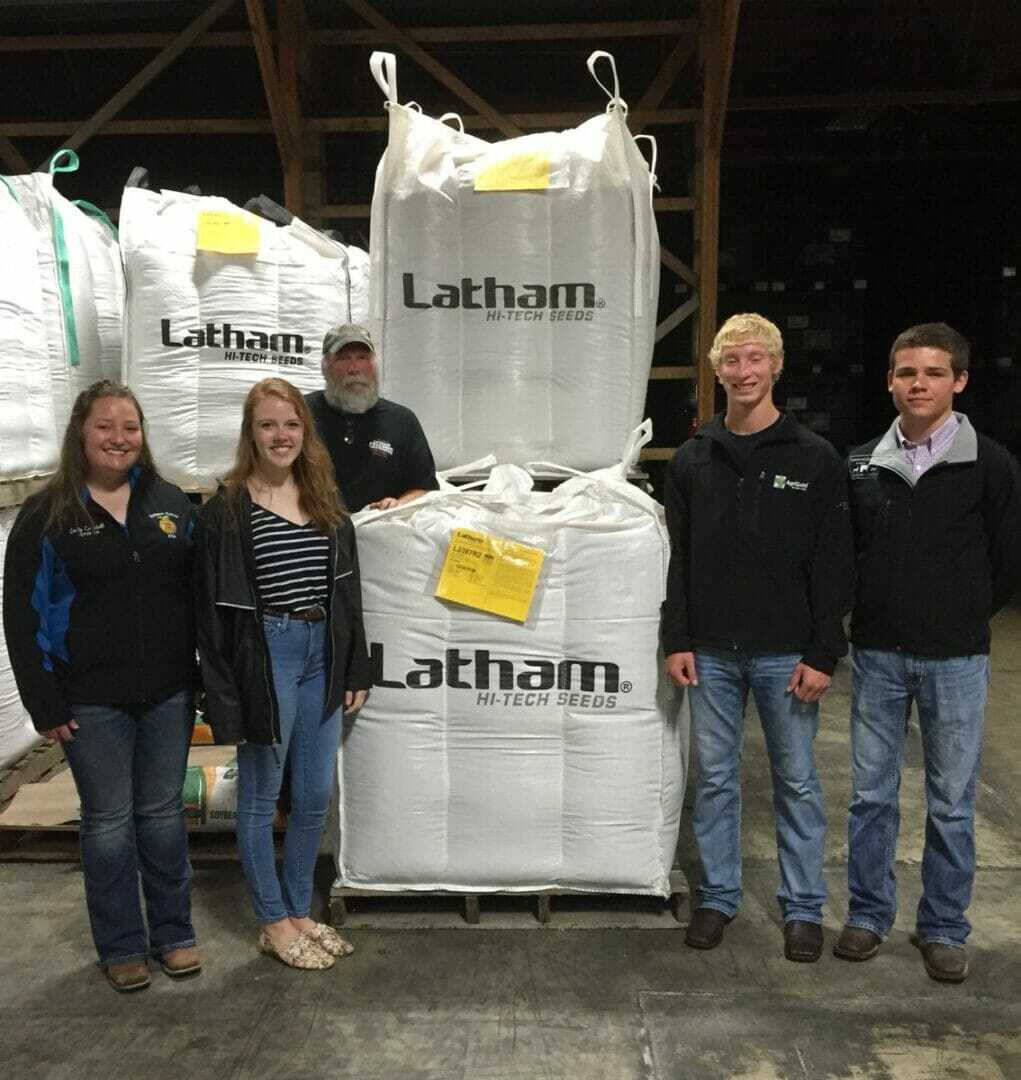
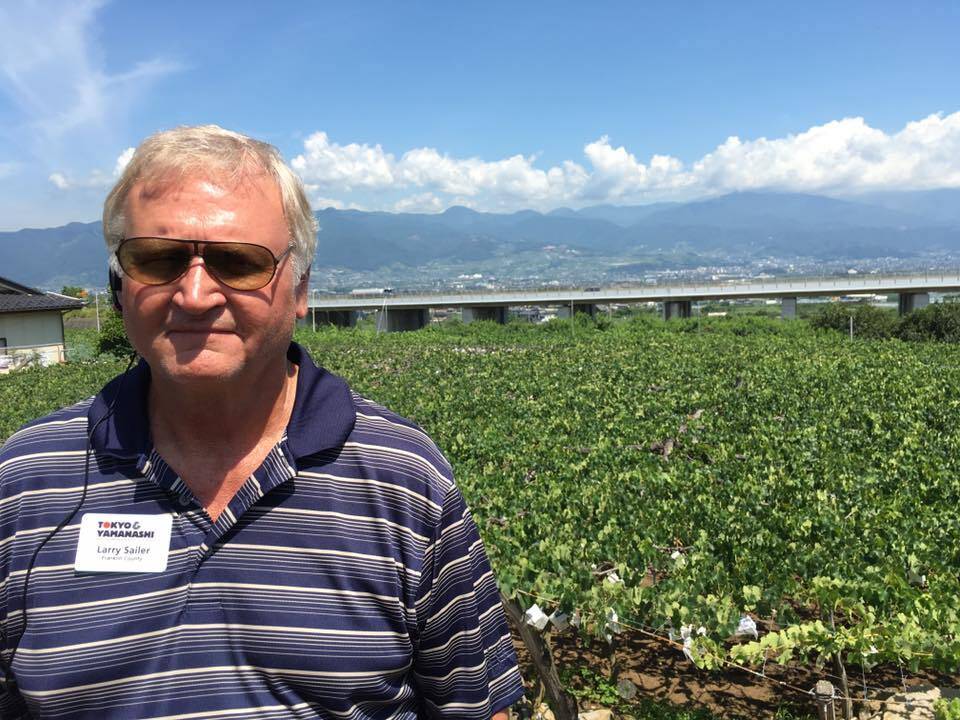
    Specific to the seed industry, the bipartisan federal legislation preempts state legislation requiring GMO labels on bags of seed. It’s also important that the law will not stifle innovation in the seed industry. More broadly, this federal legislation protects farmers and small businesses, including seed companies, from a patchwork of costly and confusing state labeling laws. At the same time, consumers with have more information than ever before about the foods they buy.

    GMO food labeling agreement is a big win for businesses, consumers and farmers. We applaud Chairman Conaway and Roberts, Ranking Members Peterson and Stabenow, Congressmen Pompeo and Butterfield, and all the Republicans and Democrats in both the House and Senate who put politics aside and came together to do what’s right for American families and farmers. Failure to do so would have had long-term, irreversible consequences on our nation’s food supply chain.

    Genetic engineering is one of a wide array of safe and important tools plant breeders use to address global challenges.  Thanks to this bill, products produced through this method will not be unfairly stigmatized with mandatory on-pack labels.

    About the American Seed Trade Association (ASTA)

    Founded in 1883, the American Seed Trade Association (ASTA) represents over 700 companies involved in seed production, plant breeding and related industries in North America. ASTA is an effective voice of action in all matters concerning the development, marketing and movement of seed, associated products and services throughout the world.   ASTA’s broad membership offers varieties from alfalfa to zucchini and all production types including conventional, organic and biotech. We promote the development of better seed to produce better crops for a better quality of life

    Team Latham

    July 26, 2016
    Agriculture, General, Industry News
  • Latham Hi‑Tech Seeds

    Don’t Sweat the “Corn Sweat”!

    JamesK1 10 1

    One word describes our current environment… HOT. A few politicians are finding themselves in hot water amidst scandal and allegations. Outside temperatures also are heating up, and now some folks say it’s because the corn is sweating!

    Corn sweat is adding to heat misery in the Midwest,” was the headline of a USA Today story. “Like a giant wick, a growing corn plant pulls moisture out of the soil,” the article read. While covering last week’s heat wave, CNN wrote that a dangerous heat dome was forming over the United States and “corn sweat could be to blame.”

    We have to blame it on something or someone, right? Thankfully, a reporter for The Washington Post set the record straight by letting her readers know that corn sweat definitely does not cause a wave? At most, [corn sweat] could make it more uncomfortable for some places.

    I’d like to add that corn doesn’t sweat, per se. Just like pigs don’t sweat. Pigs exhale moisture, and plants lose water through evapotranspiration. There are a whole host of factors that affect evapotranspiration: temperature, humidity, wind speed, water availability and soil type.

    But let’s move on to what most people really want to talk about… global climate change. Back when Native Americans followed the buffalo, the Midwest prairie was covered in very tall grass as far as you could see. How is that different from fields of corn? “Corn is unique in that it belongs to a family of plants that transpire, or sweat, both day and night.” As a result, Northern Illinois University researchers say heat waves today are different than they were a half century ago because they are more frequently accompanied by extreme spikes in humidity,”

    The Midwest isn’t the only place that experiences such “tropical weather.” I recently had a very interesting trip to Japan. “Hot and extremely humid” best describes the weather we experienced, yet very little corn is grown there. In Iowa’s sister state of Yamanashi, the vegetation was very lush. In Tokyo, it was just as humid but one could hardly find a blade of grass! There are, however, miles and miles of concrete in Toyko. Perhaps all of that asphalt and cement held in the heat, making the city feel warmer than it really is. Or perhaps the 13.6 million people, who live and breathe, actually add to the city’s humidity by exhaling CO2.

    Sound ridiculous? Where there must be an explanation, right? It seems to me our society has gotten to the point where we need to look for a problem and fix it. I’m not saying there is anything wrong with wanting to make the world a better place. Some Americans, however, have started to look for problems – or make up problems – to solve to make us feel better. Everyone need sa cause!

    Global climate change is one of these causes. Farmers have been accused of denying climate change but nothing could be farther from the truth. Farmers always watch “the weather” because weather is one of our biggest challenges when growing crops. We keep an eye on the forecast when making decisions from planting and applying herbicides to cutting hay and combining crops. Weather also plays a role in how long it takes us to get our livestock to market and even dictates what activities we do on a given day.

    Climate changes! Let’s remember the Ice Age and the 1930s Dust Bowl. Let’s also keep in mind that one forest fire (caused by government ineptness) or one volcano, changes our climate faster and farther than anything man has ever done!

    Now government regulation is beginning to overtake weather as our biggest challenge. The shrinking middle class is always talked about by all our politicians, yet this class suffers the most from regulations that increase the cost of food and energy! The most affluent Americans are able to take increased costs in stride, and the poor are subsidized by the tax payers.

    It’s important to think about the consequences that actions have down the line. And when a certain action doesn’t lead to the intended result, politicians are famous for assigning blame. Know for certain that “corn sweat” isn’t a real problem and instead focus on the real issues at hand. I have witnessed how many regulations, which were meant to save the small farmer, actually put the small farmer out of business. Let’s make changes where we can, but let’s make sure the result is what we intended!

    Larry Sailer, Musings of a Pig Farmer

    July 26, 2016
    Agriculture, General, Industry News
  • Latham Hi‑Tech Seeds

    SoyScholars Program Helps Prepare Tomorrow’s Ag Leaders

    SoyScholars

    By Amber Hammes, Latham Hi‑Tech Seeds Marketing Intern

    In the agriculture industry, we’re always thinking about tomorrow. Farmers hope that next year commodity prices will be higher. Industry professionals say that in 2050 we’re going to have to feed an extra 2 billion people. The Iowa Soybean Association and Latham Hi‑Tech Seeds are thinking about tomorrow too, that is to say, tomorrow’s leaders. (more…)

    Gary Geske

    July 25, 2016
    Agriculture, General, Industry News
  • Latham Hi‑Tech Seeds

    We Must Cherish Our Background and Heritage

    7 19 16 Larry in Japan

    The week my wife and I spent in Japan was a once-in-a-lifetime opportunity. I came away with many thoughts. And even though I wrote a blog post about the similarities between our two cultures, I couldn’t help but walk away from this experience realizing how everyone in the world is different. Every single one of us has a purpose in life that is unique!

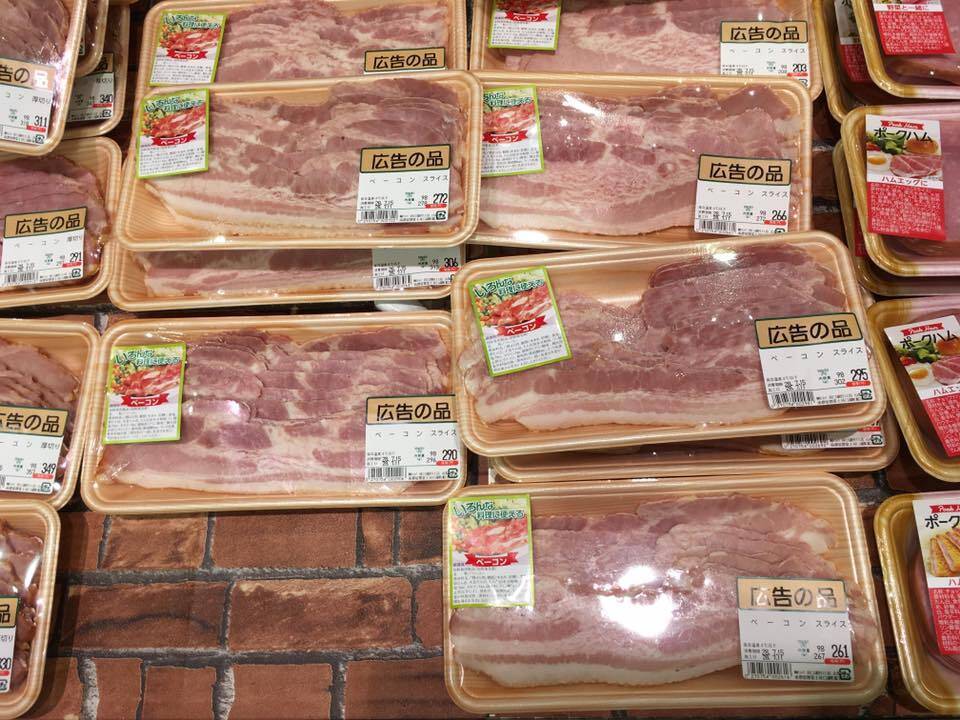
    7-19-16 Japanese baconTake, for example, the four pig farmers we talked with last week in Japan. They are against trade agreements because they’re trying to protect their livelihoods. I understand what. What they don’t seem to understand is that there is unmet demand. The Japanese don’t have enough space to raise the amount of meat demanded by the country’s population.

    When asked if they could sell more U.S. Pork in their meat markets, the Japanese pork producers told us our product is too fat! I know that statement is false because I have raised pork for that market. Importers are very picky about what they want shipped to them. We had to raise pigs with certain genetics. Pigs for export to Japan were fed a specific ration, and they had to be a certain weight for harvest. There’s no doubt about it… The pigs I sold to their market were very lean!

    American pork producers have a tremendous market opportunity for our products if we can get our governments out of the way! That made me think about all the ways government is influencing and controlling our “standard of living.”

    7-19-16 Japanese school childrenU.S. schools are very much controlled by the federal government. Our own tax dollars are being used to support standardized lessons and standardized tests. All kids are being compared to the “standard,” but I have to question whether we’re benchmarking the right stats or whether our standards are high enough! Take one trip through a fast food drive-through and you’ll realize that counting back change has become a lost skill.

    Another recent example of how “standardization” is being questioned is Britain’s exit from European Union. The European Union (EU) is an economic and political partnership of 28 countries. They wanted trade and travel to flow freely throughout all their countries, so they standardized their systems. In doing so, each country lost its uniqueness!

    Different regions of America also have their own unique flavor due to the influence of early settlers, as well as the natural resources and agricultural crops that are found in those area. Agriculture varies state by state, from county to county, and even from farm to farm. There is definitely “Midwest Fare,” yet traditional foods vary throughout Nebraska, North Dakota and other Upper Midwest states.

    We can celebrate each region’s uniqueness yet still meld in the Melting Pot. One thing I noted in Japan is the strong sense of culture. Just like they do in different areas of Japan, we should cherish our heritage and culture! I believe some of the strife we’re seeing during this political campaign season has to do with people not cherishing their own background and heritage.

    As politics heats up through November, keep in mind what direction you think our country should go. “We the People” have no power unless we talk to elected officials and let them know what we want! Our federal government was designed with checks and balances, so that no one branch of our government could become too powerful. It’s time we restore that balance!

    The federal government was given very narrow powers that must be followed and enforced. You do that with your vote and your voice. Exercise your right to be heard and to vote because our livelihood depends on it.


    Larry Sailer, Musings of a Pig Farmer

    July 19, 2016
    Agriculture, General, Industry News
  • Latham Hi‑Tech Seeds

    Training Service Dogs Is Personal for Volunteers

    Bailey 1 e1468847983194

    Latham’s 2016 Freedom of Independence Ride Will Raise Funds for Service Dog Training

    “Bailey is a member of our family,” says Jerry. “Knowing that her offspring will help others is the greatest feeling in the world.”
    “Bailey is a member of our family,” says Jerry. “Knowing that her offspring will help others is the greatest feeling in the world.”

    From the time he was a 4-H member in Muscatine County, Iowa, Jerry Broders has felt compelled to help make his community a better place by getting involved in charitable organizations. The more Jerry learned about Retrieving Freedom Inc., the more he knew he had to get involved with RFI.

    Retrieving Freedom spends two years — and approximately $20,000 — training specific dogs to place with disabled veterans and individuals with autism. The organization receives four requests for every dog that has been trained through its program.

    “As Americans, we have a duty to help repay and support those who have given so much to our country,” says Jerry. “My wife, Kim, and I decided we wanted to help support RFI’s efforts to provide more dogs for people who need their services.”

    Jerry and Kim Broders of DeWitt, Iowa, decided to purchase a breeding female for Retrieving Freedom Inc.’s program because it takes quality dogs to become trained service dogs. These dogs must have the correct temperament, intelligence, confirmation and skills.

    The Broders oldest son, Zachary, served in the Army Infantry. Jerry’s niece has a son with autism. Getting involved with RFI is personal to the Broders, but even if you don’t have a direct connection with someone who suffers from PTSD or autism, you can’t help but be touched by the people who are being helped through RFI’s services.

    “Some of my son’s fellow soldiers did not come back from Afghanistan, and many of the ones who did come home some have really struggled to return to civilian life,” says Jerry. “There is no greater group in the world than the men and women, who serve and protect our country. Each one has a story to tell and know they serve to protect something that is bigger than just one person or a small group of people. They deserve our support and respect.”

    “I’ve seen first-hand the challenges that come with raising an autistic child,” adds Jerry. “I’ve seen the great work that service dogs can do helping these kids and their parents get through each day.  There is a transformation that takes place with the child when paired a service dog that is nothing less than amazing!”

    RFI’s service dogs are tailored to meet the precise needs of the person with whom they will be placed, and like any charitable organization, RFI has limited amount of resources available.

    “There are so many groups out there looking for funding, so the challenge is finding a group that’s actually living up to its mission statement and not misusing the donations. After I talked with Scott Dewey and saw first-hand how RFI helps our veterans and individuals with autism, I knew my wife and I had to get involved with this project.

    You Can Help, Too!

    You can get involved on a smaller scale by helping raise funds for RFI by participating in the Latham Freedom of Independence Run.

    Latham Hi‑Tech Seeds of Alexander, Iowa, will donate the first $5,000 to RFI at its Freedom of Independence Ride around eastern Iowa on Aug. 19, which is being held on a R.E.D. Shirt Friday to “remember everyone deployed.”

    One hundred percent of a rider’s registration fees for Latham’s Freedom of Independence Ride will benefit RFI. The $25 per rider registration fee includes two meals plus a commemorative t-shirt and a do-rag. You’ll have a chance to see RFI dogs in training and watch them demonstrate skills. In addition, Nashville-recording artist Neil Hewitt will perform following the ride.

    Anyone interested in touring farms and learning about topics like weed management and cover crops is welcome to attend! We’ll be making a couple of fun stops along the way including one at Antique Archeology. Register for the Latham Freedom of Independence Ride today at lathamseeds.com!

    Freedom-Ride-2016-logo-01-328x220


    Team Latham

    July 18, 2016
    Agriculture, General, Industry News
  • Latham Hi‑Tech Seeds

    Crowded But Clean is Sailer’s Impression of Tokyo

    Musings 4 Larry Bonsai Garden

    This is the trip of a life time!

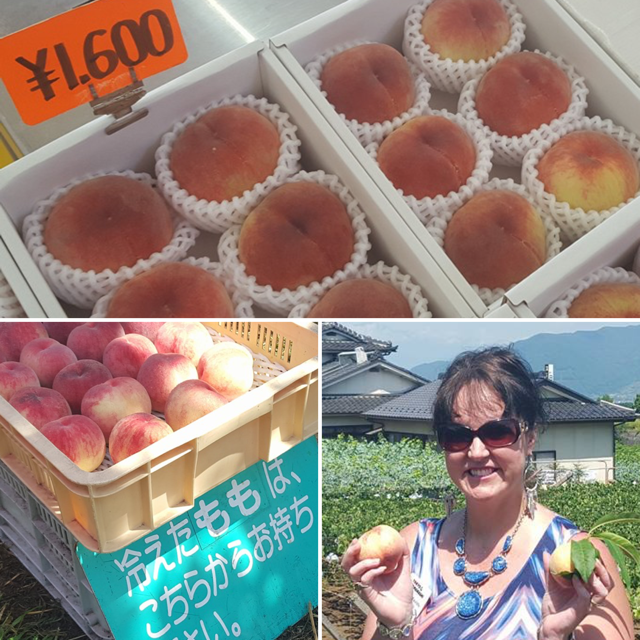
    Peaches are one of the leading ag crops in the Yamanashi Prefecture of Japan. It takes about 5 to 7 years for a new tree to start producing peaches, and the lifespan of a peach tree is about 20 years. During a recent trip, Iowa Farm Bureau presidents learned fresh fruit as often given as gifts. Pictured here is Darcy Maulsby of Yetter, Iowa. She said one fresh peach costs approximately $8!
    Peaches are one of the leading ag crops in the Yamanashi Prefecture of Japan. It takes about 5 to 7 years for a new tree to start producing peaches, and the lifespan of a peach tree is about 20 years. During a recent trip, Iowa Farm Bureau presidents learned fresh fruit as often given as gifts. Pictured here is Darcy Maulsby of Yetter, Iowa. She said one fresh peach costs approximately $8!

    My wife, Janice, and I boarded a plane July 7 for Japan as part of an Iowa Farm Bureau trip. As I write this blog post, I’m sitting in a hotel room in the Tokyo where 13 million people live within the city limits and another 4 million commute here every day for work.

    This city is a marvelous network of roads, railways and forms of transportation. There are places where the roads are stacked six deep above ground plus there is underground transportation outside my view. No wonder the young female producer, who visited my farm in 2012 with a Japanese film crew, stood in awe of the countryside and said this is what she had dreamed of. I imagine she had never before see so many miles of farmland nor such sparsely populated communities.

    Musings 2
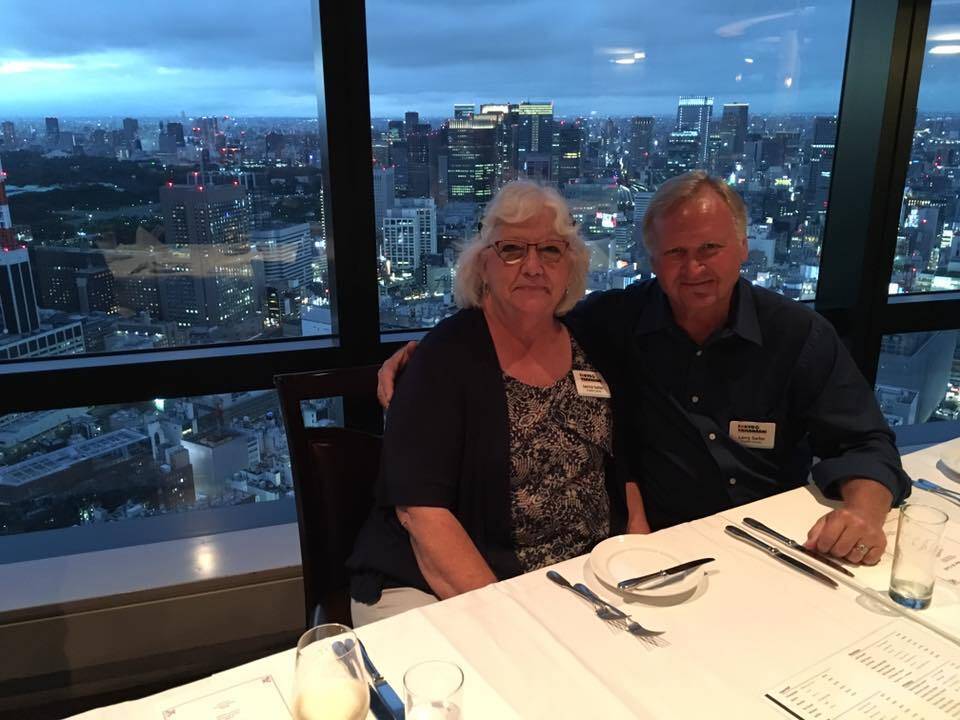
    Larry and Janice Sailer, enjoying dinner with a view at the Tokyo Skytree restaurant.

    Fast forward about four years and now I am the one in awe. I had no idea until now that there isn’t green grass – or any open space – in Tokyo. A lawn mower would be out of place in this city where buildings stretch to the horizon. From ground level, a person notices concrete everywhere: buildings, roadways and sidewalks. It took a visit to the observation deck of the Tokyo Skytree to see patches of green thanks to our bird’s eye view of the tree tops.

    Another observation that amazed us is the cleanliness of the city. There are millions of people in this city – and no visible trash cans – yet there is no garbage to be found. Janice saw one bottle tucked into a shrub, but that was the only piece of garbage we saw during an entire day touring the city!

    Musings 4 Larry Bonsai Garden
    Bonsai Garden museum

    Not only is Tokyo clean, but it’s safe. As we left our bus to tour, we were told you could leave all your valuables onboard. What a difference this was from Ukraine where you couldn’t set a bag down at all without worrying about it getting taken!

    Cleanliness and honesty are valued in Japanese culture. Upon entering a temple, we were shown the fountain of water for cleansing. The Japanese also take great pride in honoring customs. We visited a Bonsai Garden museum where we learned about green tea. We also tried writing in their language and dressed up as a traditional warrior. What fun!

    Musings
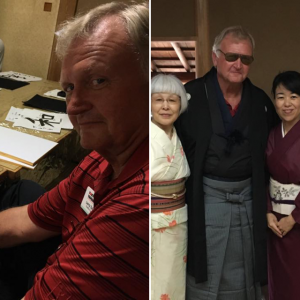
    Trying my best at learning to write in Japanese and enjoying the chance to interact with locals!

    I learned more about the Japanese culture while seated for an evening meal next to Evan Mangino, with the USDA’s Foreign Agriculture Service; Yusaku Nakajima, senior staff of the International Affairs division for Yamanashi Prefectural Government; and Kim Heidemann, executive director of Iowa Sister States. The conversation was amazing!

    Our next leg of this journey is a visit to Iowa’s Sister State of Yamanashi. Hopefully, we’ll find some pigs along the way! (Remember, Iowa’s friendship with Japan was strengthened by the 1960 hog lift. Click here to learn more.)

    I’m looking forward to more days of filled with fun learning experiences. And, of course, I plan to blog about them next week! In the meantime, you might enjoy reading the following blogs written by others who are with me on this trip.

    Related Posts:

    • Finding Familiar Treats Far from Home
    • Farmers, the Accidental Diplomats
    • Iowa’s Friendship with Japan Stands the Test of Time

    Larry Sailer, Musings of a Pig Farmer

    July 12, 2016
    Agriculture, General, Industry News
  • Latham Hi‑Tech Seeds

    Franklin’s Farm Hands

    FFA logo BW
    20130720_160636
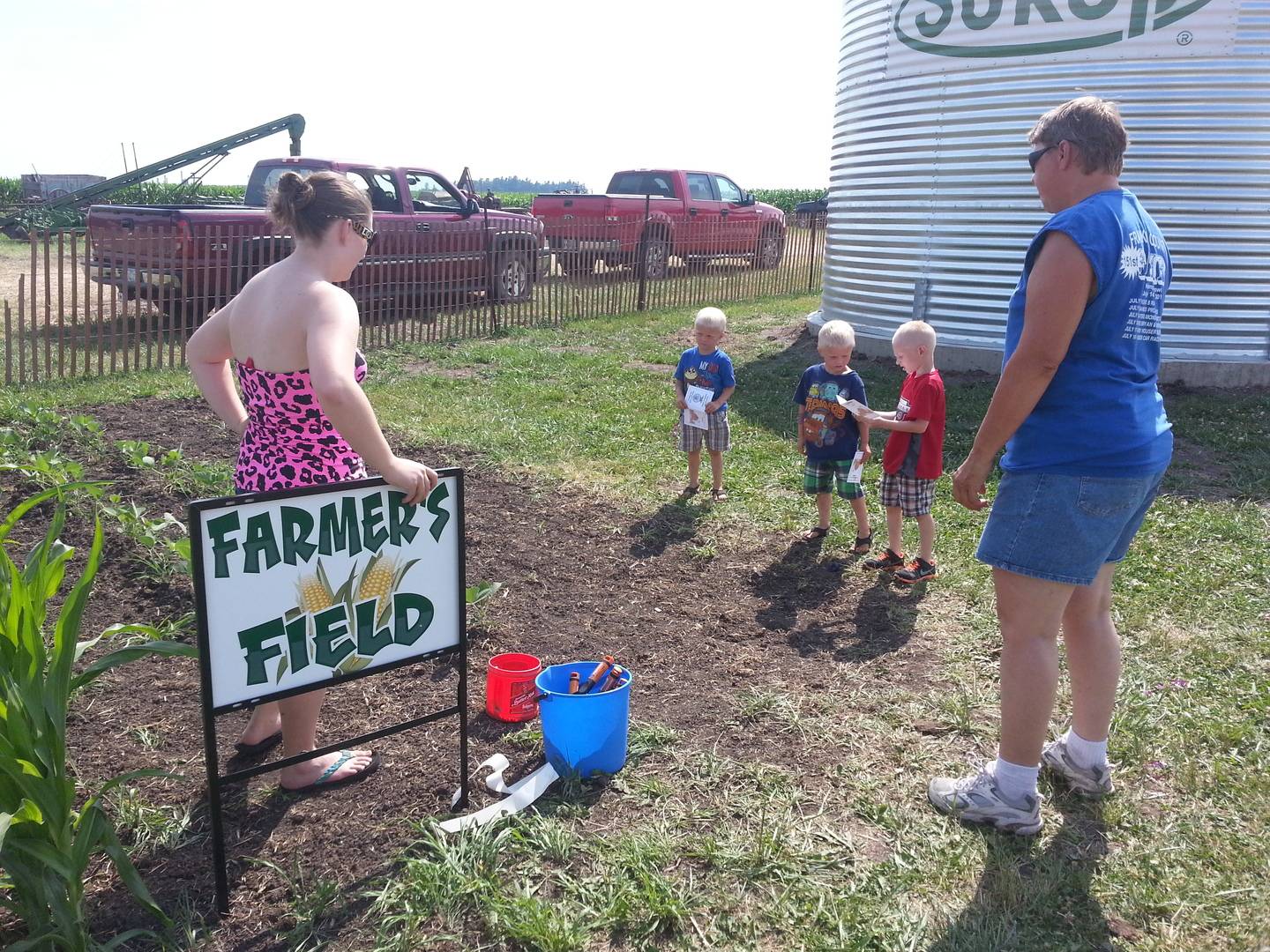
    Franklin’s Farm Hands is a youth agriculture education initiative at the Franklin County Fair, organized by the Tall Corn FFA chapter.

    By Amber Hammes, Latham Hi‑Tech Seeds Marketing Intern

    All across Iowa, county fair season has officially begun. County fairs are more than just sewing projects and 4-H kids showing their livestock, though. They’re events for everyone in the community to come together and enjoy.

    Here in Franklin County, our fair is going on this week from July 13-17. The Tall Corn FFA chapter is doing its part to engage with the community by hosting the annual event, Franklin’s Farm Hands. Borne out of an idea stemming from the Iowa State Fair’s popular kid’s attraction, Little Hands on the Farm, Franklin’s Farm Hands aims to educate kids about where their food comes from. (more…)

    Gary Geske

    July 11, 2016
    Agriculture, General, Industry News
  • Latham Hi‑Tech Seeds

    Sister States Showcase How Agriculture Build Bridges

    Stuck bus

    America needs farmers. Our infrastructure is key to global commerce. The world needs farmers, who use cutting edge technology to raise a diverse food supply. Why? Because agriculture can help solve the world’s problems in relation to hunger, health issues, and improving the quality of life.

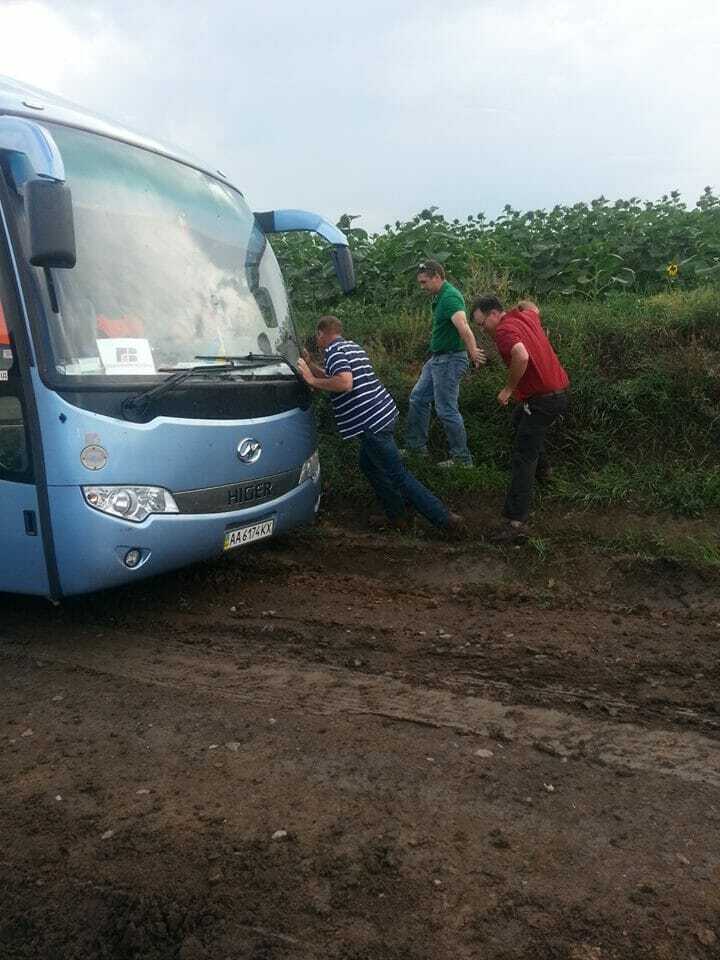
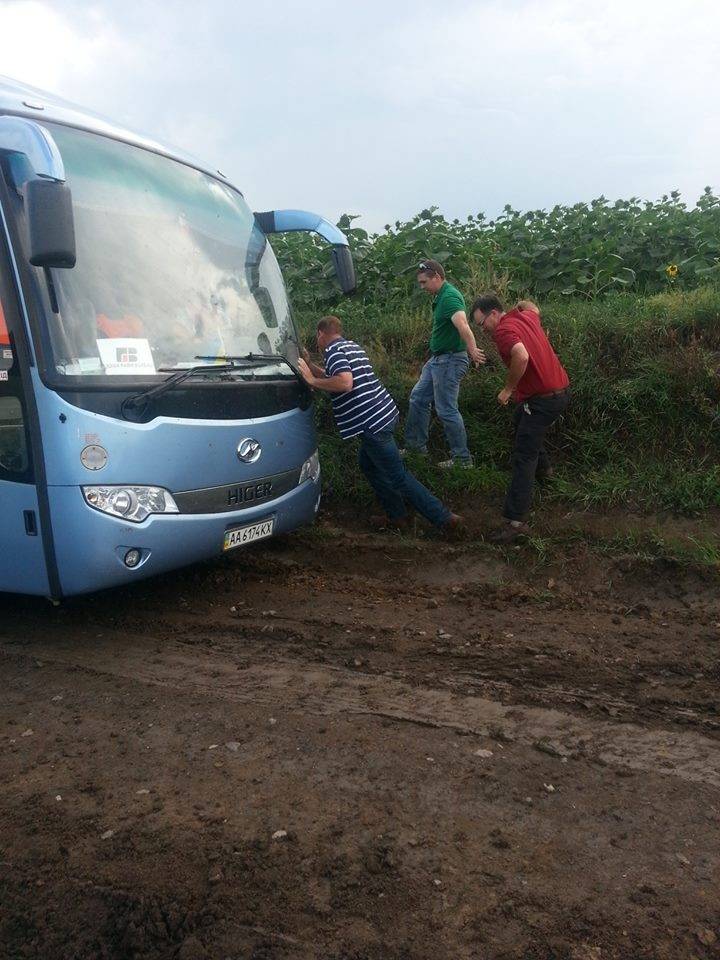
    We can learn so much by traveling abroad and meeting with farmers across the world, says Larry Sailer. This photo was taken when he traveled to Ukraine.
    We can learn so much by traveling abroad and meeting with farmers across the world, says Larry Sailer. This photo was taken when he traveled to Ukraine.

    I’m getting excited for a trip this week to Japan with the Iowa Farm Bureau! There are so many reasons I’m thrilled to be part of this delegation, but the fact that we have a sister State in Japan makes it even better.

    Diplomacy with Japan was strained after World War II, as you can imagine. But in 1959, a typhoon in Yamanashi Prefecture changed the relationship between Iowa and Yamanashi for the better. An Iowa sergeant, who had vacationed in Yamanashi when he was stationed in Japan, heard this disaster had caused heavy damage to agriculture. Sgt. Richard Thomas decided to help, and Iowans did not disappoint! They shipped 35 breeding hogs and 100,000 bushels of corn to the needy state. This act of kindness started our Sister State program.

    In 1960, Yamanashi became the first of nine Iowa Sister States around the world. There have been many exchanges between these sister states involving agriculture, education, art, music, sports, medicines and more. The most important exchange, however, is friendship.

    Many life-long friendships have formed because of that shipment of pigs to Japan. Yamanashi sent aid to support our state during the great flooding of 1993. Again in 2014, Iowa sent aid to Japan when it suffered from extreme amounts of snow.

    I’m going to fly over to Japan and personally research this relationship with Yamanashi Prefecture. I’m hoping to learn more about their culture, food, and maybe even see some pigs! I wonder what breed of swine we sent them… so stay tune. I plan to blog more about what I see and learn about agriculture in Japan.


    Related Posts:

    • Learning about Ag from Halfway around the World
    • Imagine 4,500 Landlords!
    • Farmers Markets Open 24/7 in Ukraine
    • How Eastern European Farms Measure Up
    • Women Farmers Helping Women Farmers
    • Breaking Down Walls in China


    Larry Sailer, Musings of a Pig Farmer

    July 5, 2016
    Agriculture, General, Industry News
Previous Page
1 … 15 16 17 18 19 … 85
Next Page

Latham Hi‑Tech Seeds

131 180th Street | Alexander, IA 50420

(641) 692-3258

SIGNUP FOR OUR NEWSLETTER
  • Contact
  • Legal
  • Dealer Center
  • Seedware Login
  • Latham Gear

© 2025 Latham Hi‑Tech Seeds. All rights reserved. | Iowa Web Design by Webspec | Privacy Policy

Latham® Hi-Tech Seeds is a trademark of M.S. Technologies, L.L.C., 103 Avenue D, West Point, IA 52656.