Latham Hi-Tech Seeds

(641) 692-3258

  • Home
  • Products
    • Corn
    • Soybeans
    • Alfalfa
    • Corn Silage
    • Seed Guide
  • Performance
  • Find a Rep
  • Media
    • Blog
    • News
    • Videos
    • Podcasts
    • TECHTalk
  • About Us
    • Company History
    • Our Mission
    • Careers
    • Become a Rep
    • Sowing Seeds of Hope
  • Contact Us
  • Latham Hi‑Tech Seeds

    Yes, a Heart Attack Can Happen to You!

    1

    Guest blog post by Melissa Murphy
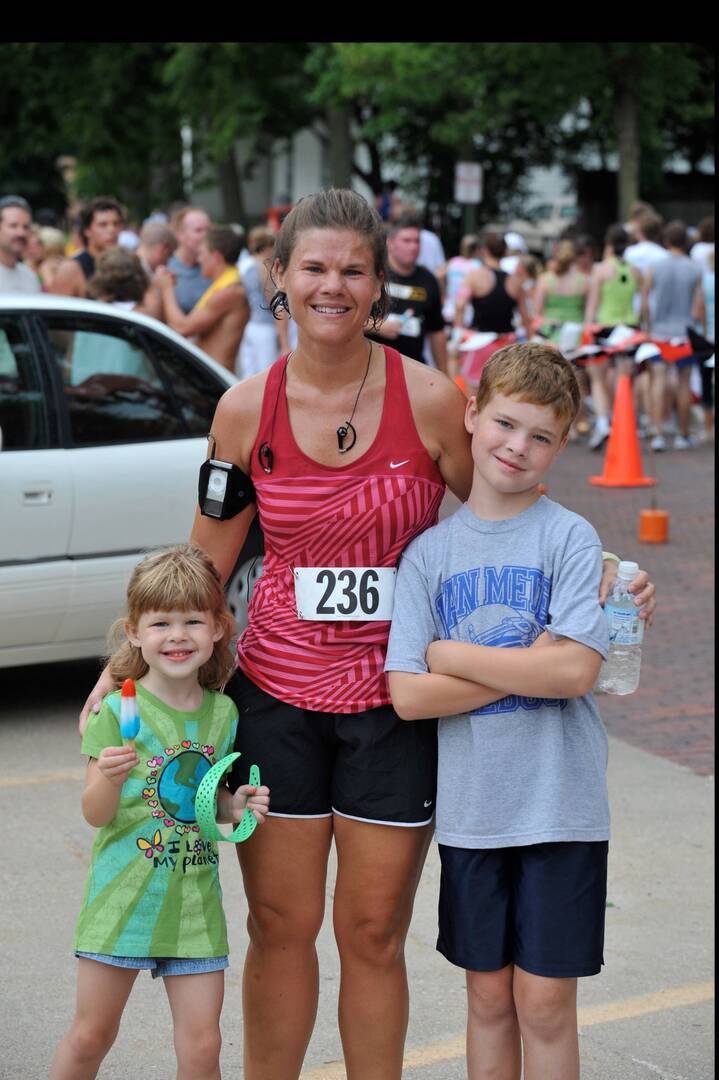
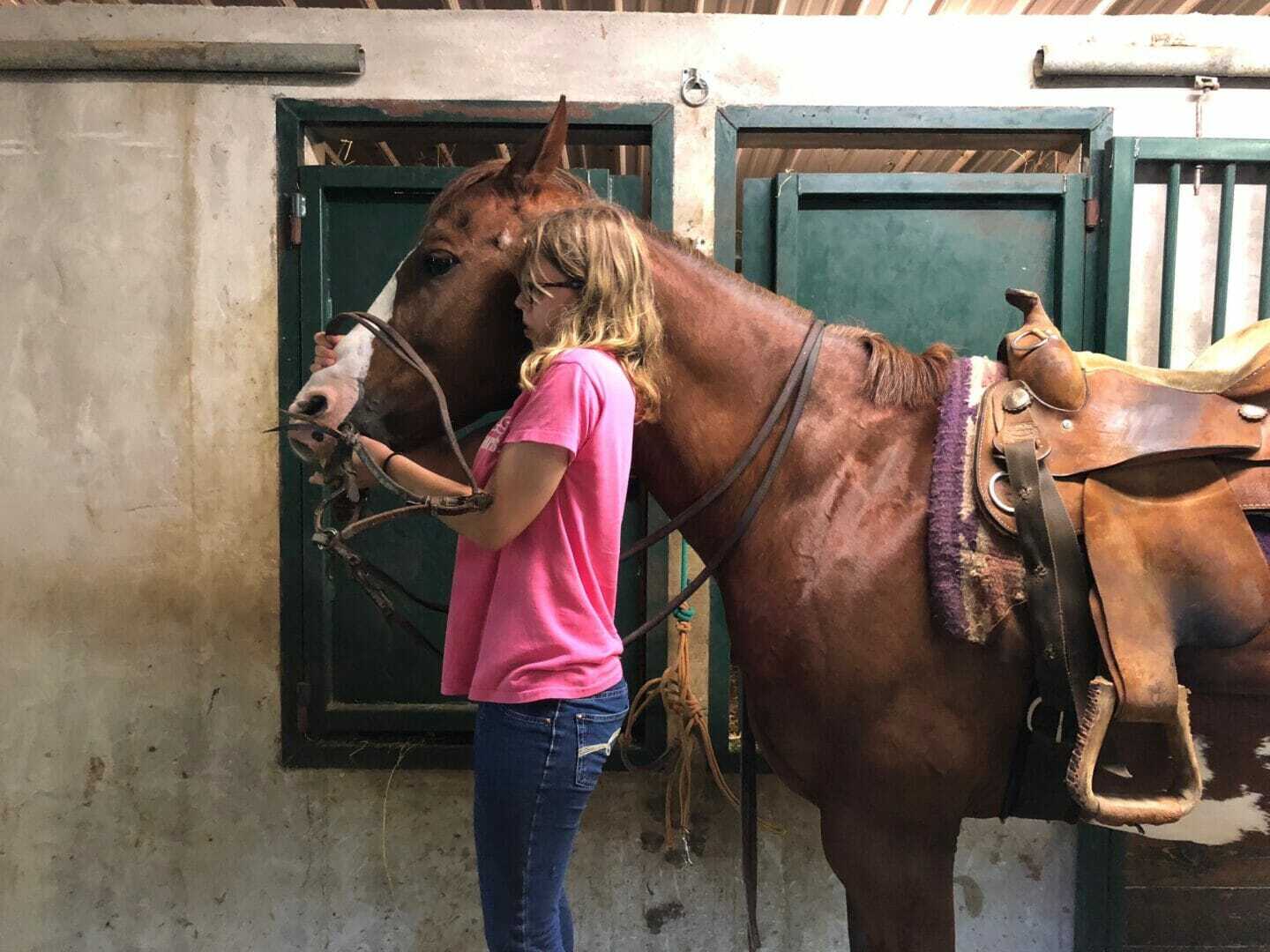
    Photo by Joseph L. Murphy – find him as @jmurphpix on Instagram and Twitter
    Photo by Joseph L. Murphy – find him as @jmurphpix on Instagram and Twitter

    Half marathon, check. Workout 45 minutes everyday, check. Eat healthy, check. No family history of heart disease, check. Heart attack, check!

    If you are like me, you would scratch your head to hear someone in her early 40’s suffered a heart attack. That, of course, happens to people that are much older or who have risk factors like smoking, obesity or high cholesterol. I’m proud to say that I don’t fall into any of those categories, but the truth is, I now will live with heart disease the rest of my life.

    Here is an excerpt of a blog I wrote about my heart attack:

    It started as a normal day. I exercised in the moring, got the kids to school and went to work. After school we ran around and did our normal daily routines. I took [my daughter] Brenna to Irish dance lessons. We had supper and all went to bed. At 2:00 am I woke up with crushing chest pain. First thought, “I gave up caffeine today for Lent. Could that be the cause? What if I’m having indigestion?!”

    I got up and walked to the coach and sat in the dark for a minute. By now, I’m noticing the pain is in my jaw. I finally start to acknowledge that this is something bigger than I could possibly imagine. I have a Bachelors in Nursing and remember from my training that women present differently than men. (You can read more about the night I suffered a hearth attack and follow my road to recovery here: http://pinnie40.blogspot.com)

    February ushers in National “Go Red for Women,” which brings awareness of heart disease and stroke by asking people to wear red and get more informed. The one thing I would like readers to know is how women’s symptoms can be completely different from men’s symptoms.

    In my case, years of estrogen supplements from birth control pills caused a rare dissection in
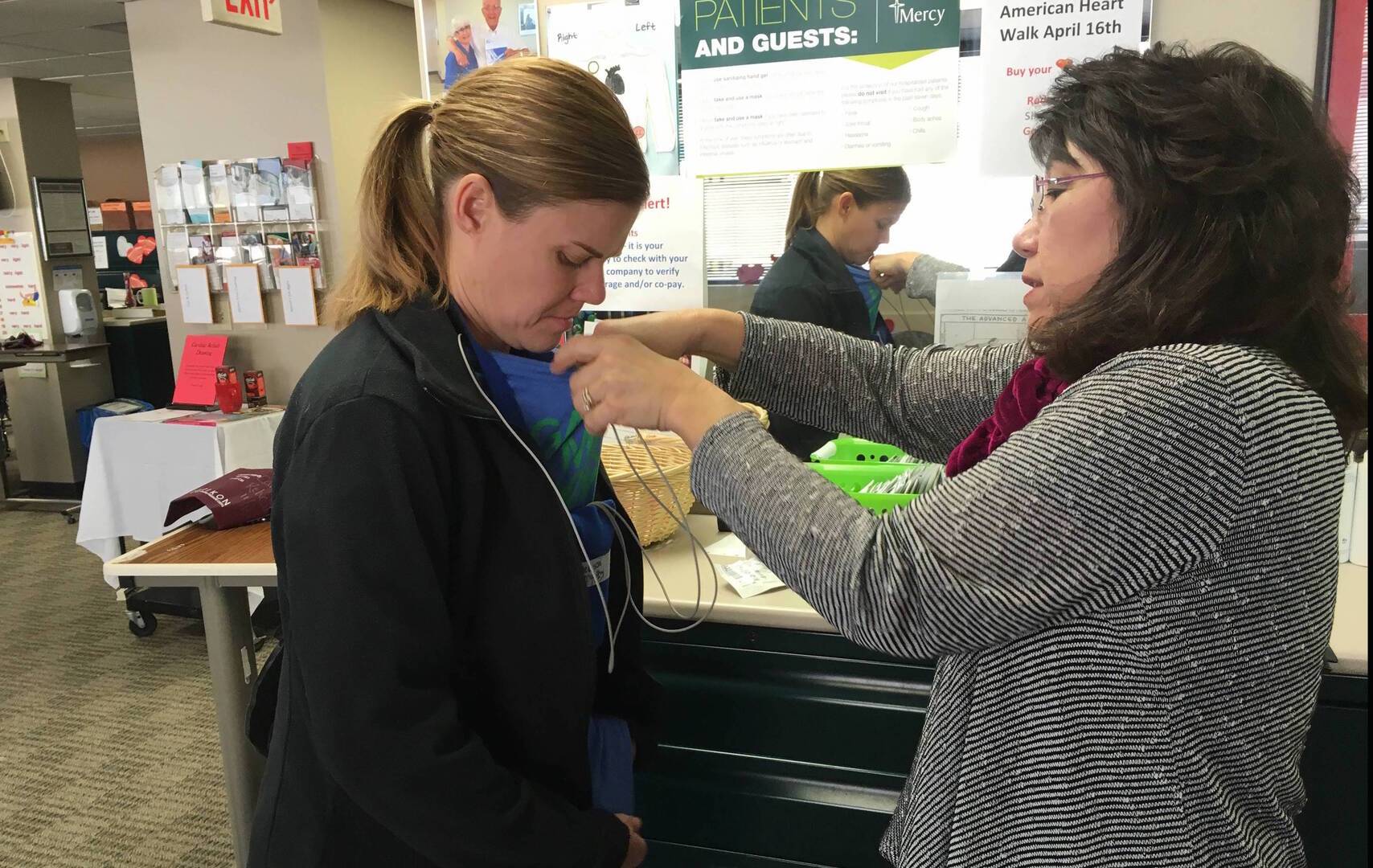
    photo by Joseph L. Murphy, aka @jmurphpix on Instagram and Twitter
    Photo by Joseph L. Murphy – find him as @jmurphpix on Instagram and Twitter

    my right coronary artery. I had two stents placed to reinforce the wall of my artery. Those stents will be a part of me for life, and I even received a serial number certificate (to show to doctors during procedures) as a reminder. I’ve also gone from one daily medication to a daily pill box with four medications. These medications will be my lifeline for the rest of my life, helping to guard against cholesterol and blood clots that could cause another heart attack.

    Ladies and gentlemen, this is where it gets real. It – Can – Happen – To – You!!! Even though I’m a nurse and should’ve known better, I spent precious time googling my symptoms thinking it had to be something else. Don’t let death be the result of being embarrassed to call an ambulance. I delayed in making the 911 call and my vitals crashed in the ambulance on the way to the hospital.

    Below are a list of symptoms that you should take seriously:

    1. Chest pain or discomfort (may not be on left side)
    2. Pain in your arm, back, neck and jaw
    3. Stomach pain
    4. Shortness of breath, nausea and light headedness
    5. Sweating
    6. Fatigue

    Many women will experience vague or silent symptoms that might simply go unnoticed. Flu, indigestion, jaw pain, chest pain and shortness of breath are all signs of a heart attack. I had chest pain, jaw pain and felt nauseated. But I was still able to have a conversation, Google symptoms and doubt what was really going on. Sadly, all the symptoms aren’t always present. Be aware and take multiple symptoms seriously.

    My other advice is to have discussions with your doctors. If you fall in the risk groups, work with your care providers and family members to improve your health. It might seem like hard work now, but the reward will be many years ahead with loved ones.

    NOTE: One way to improve overall health is to meal plan. Registered Dietician Anne Hytrek of the Ankeny Prairie Trails Hy-Vee, an advisory board member for the Iowa Food & Family Project, shares tips for creating heart healthy meals and choosing healthy snacks. There are so many great sources for heart healthy recipes!

    Today Melissa is sharing one of her favorite recipes from Healthy Recipes for Your Heart. Reprinted with permission Copyright © 2016 by the American Heart Association. Available on ShopHeart.org, while supplies last!
    Shannon Latham

    February 26, 2016
    General, Poultry, Recipes
  • Latham Hi‑Tech Seeds

    Re-Do Your Lunch Habits

    IMG 1034

    by Kilah Hemesath, Latham Hi‑Tech Seeds Marketing Intern

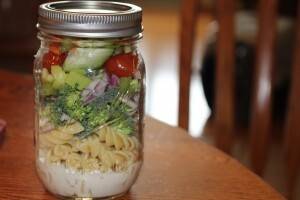
    Packing lunch before heading out the door in the IMG_1018morning involves either throwing a few granola bars into my bag or arriving five minutes late to class because I took time to pack a real lunch. Thankfully, my dilemma was solved when I went home last weekend!
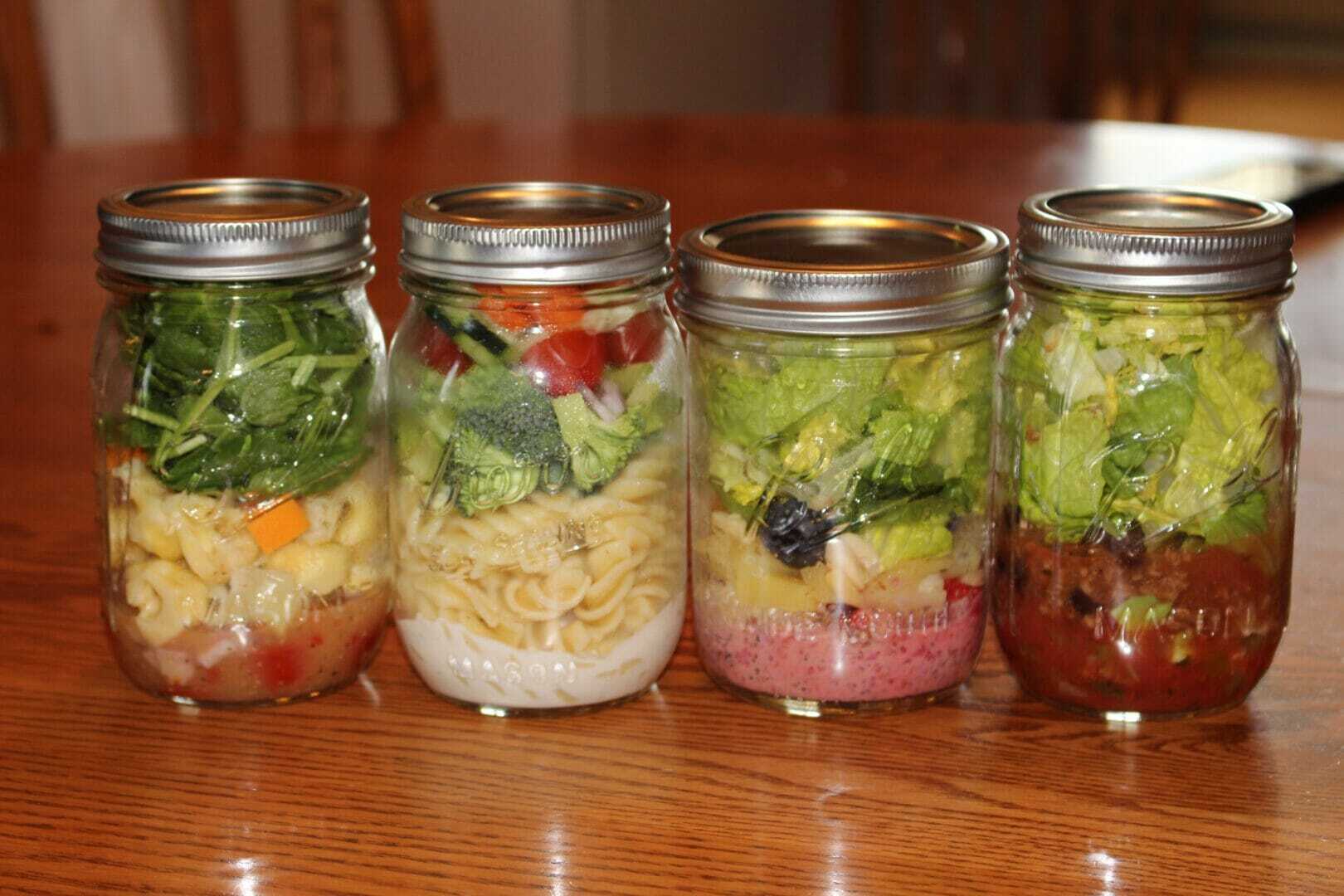
    My mom had been telling me about a new trend called “Mason Jar Salads in a Jar.” I was a bit skeptical on how long they would stay fresh, but they lived up to the test! On Day 10, the salad was just as crisp and fresh as they were on Day 1.

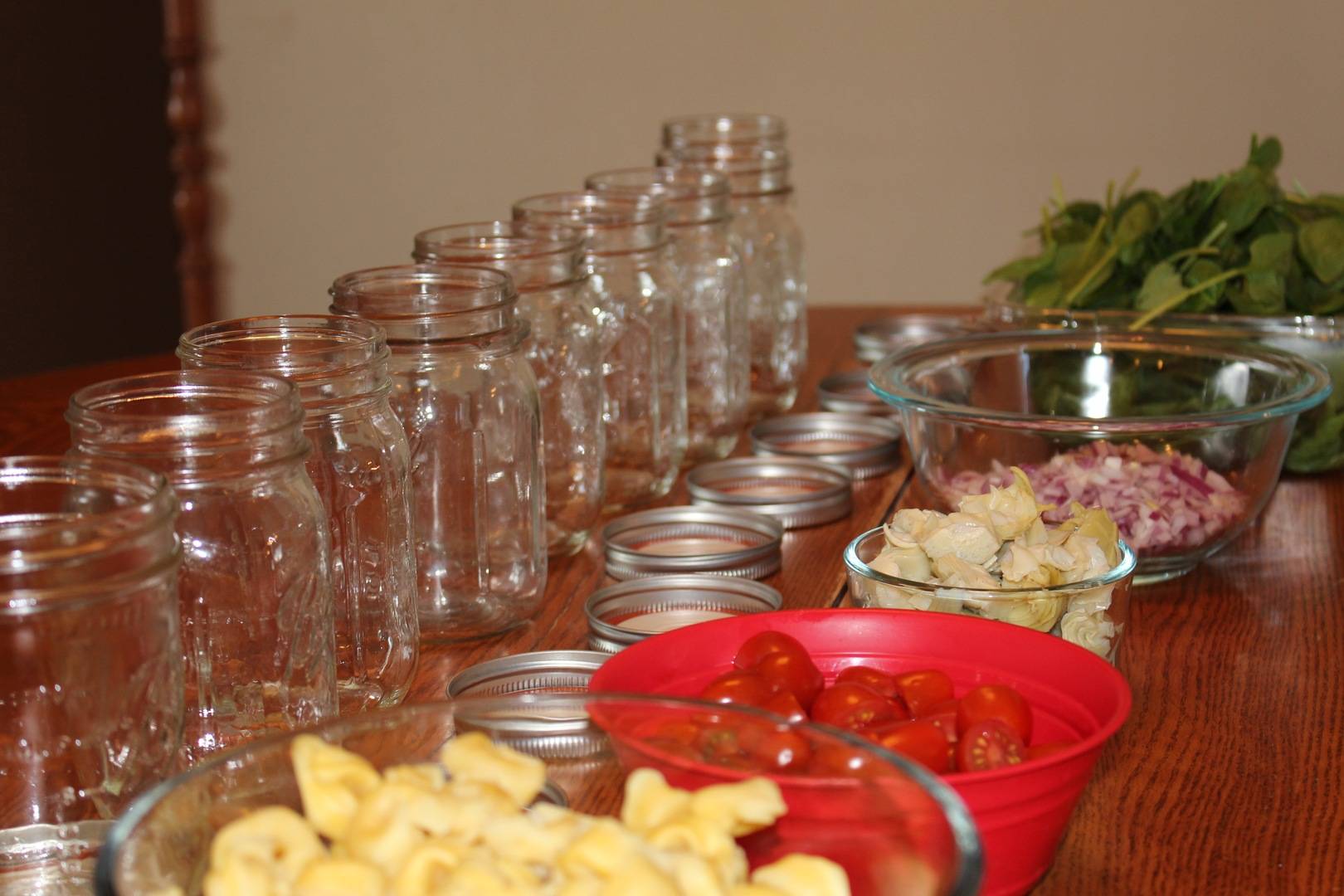
    After a trip to the grocery store and three hours of labor, we had 40 pints of salad in jars! We made 10 of each kind: Ranch Rotini, Tortellini and Artichoke, Taco Salad and Strawberry Vinaigrette. These recipes can be found here, along with 27 others!

    Those three intensive hours of cooking, chopping and packing led me to develop a list of ways to speed up this process in the future. Here are my top three takeaways:

    1. First cook the ingredients that must be cooled. Each recipe either called for noodles, quinoa or salad dressings that had to be cooled before being packed into the jars. Cooking these first minimizes downtown because you can be preparing other items while these are cooling.
    2. Cut up your veggies at the same time. There A LOT of veggies to cut, especially if you make four kinds of salad! Cutting all veggies at the same time reduces the need to continuously clean up plus results in fewer dishes to wash in the end.
      IMG_1007
    3. Make an assembly line. With multiple ingredients going into each jar, it’s easier to
      have everything laid out nicely. This is also a great way to create an assembly line if multiple hands are there to help! 

    Depending on the ingredients of your salad, you may want to prioritize the order in which you eat them. For example, I don’t want to save the taco salads for last because of the fresh avocado.

    A quick, easy and healthy lunch option is now doable with the Mason Jar Salads. Give it a shot and switch up your lunch!

    Webspec Admin

    February 25, 2016
    General, Recipes, Sides
  • Latham Hi‑Tech Seeds

    Food Labels Imply Danger, Not Nutrition or Health

    Screen Shot 2016 02 23 at 8.54.20 AM

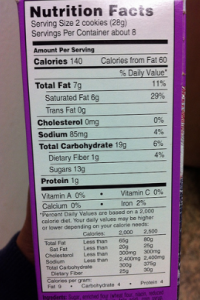
    Many Americans cannot even describe a GMO, or genetically modified organism, yet a vocal minority wants them banned. Last week GMO Free USA singled out four female members of the Senate Agricultural Committee, urging them “as mothers” to stop any legislation that would pre-empt Vermont’s mandatory labeling law. Fear is pre-empting common sense and science!

    Now Congress is once again considering GMO labeling.Screen Shot 2016-02-23 at 8.54.20 AM I’d like to help our elected officials get the facts…
    As a farmer, I’m very familiar with genetics. My farming career has spanned more than 40 years, so I have seen how the genetics of my crops and livestock have continually improved. When I was growing up in the 1950s and 60s, we were constantly battling insects and weeds in our crops. We used pesticides that were tremendously helpful but not environmentally friendly.

    New seed technology and plant genetics allow farmers to use safer pesticides at greatly reduced rates. I use much less fertilizer per pound of grain raised today as compared to when I started farming on my own in the 1970s. We now measure our pesticides in ounces instead of gallons. I also use much less water and energy to raise a crop, so production agriculture today makes fewer demands on our environment.

    The livestock I raise have been feed GMO feed for 20+ years, and my pigs have made spectacular improvements in how they grow! If there was a problem with GMOs, it would surely been evident in my operation. We eat the meat we produce because I know that GMOs are extremely safe! In fact, there has not been one illness or death anywhere attributed to GMOs!

    Labels are to warn us of a danger, or the nutrition in our food. I personally would like to see a ban on all food labels, which have really turned into a marketing ploy. (Have you seen Dirck Steimel’s recent article about consumers’ food confusion? Consumers are seeking foods labeled with the word “natural,” even though it’s one of the most ambiguous food marketing terms. Now the U.S. Food and Drug Administration (FDA) is reportedly pondering whether to define the word “natural” as it applies to food.)

    If we must label foods – and it sounds like Congress must act to prevent a patchwork of state food labeling laws from being enacted this year – then I say “Yes” to science-based standards and “No” to anti-GMO. Studies have shown that state GMO food and seed labeling laws, like the one that would go into effect this July in Vermont, will cost American families hundreds of dollars more in groceries each year. Without bioengineered crops, the price of food would be 5 to 10% higher than it is now. (Click here to read a recent Forbes article, detailing the real cost of eliminating GMOS.)

    U.S. Senate Agriculture Chairman Pat Roberts has introduced a Screen Shot 2016-02-23 at 12.35.43 PMcommonsense food-labeling proposal that will bring consistency and transparency to the marketplace. Food labels affect both farmers and consumers, so I urge you to take action today! Please contact your elected representatives in support of Senator Roberts’ proposal that would preempt state GMO food and seed labeling efforts and require USDA to set a standard for voluntary on-package disclosure.
    Do you enjoy eating nutritious, affordable food? Then I strongly urge you to take action to enact a fair and reasonable standard for GMO labeling! American farmers and consumers need Congress to bring transparency and consistency to the marketplace while protecting consumers’ food choice.

    Related Articles:

    • Iowa State Students Go Bananas Over Research
    • Scientist Answers Students’ Questions about Banana Research
    • $5.1 Billion in Economic Benefit for Farmers in India from Bt Cotton… It’s Time We Gave Science Its Fair Due

    Larry Sailer, Musings of a Pig Farmer

    February 23, 2016
    Agriculture, General, Industry News
  • Latham Hi‑Tech Seeds

    Faith is Alive in the Green Hills of California

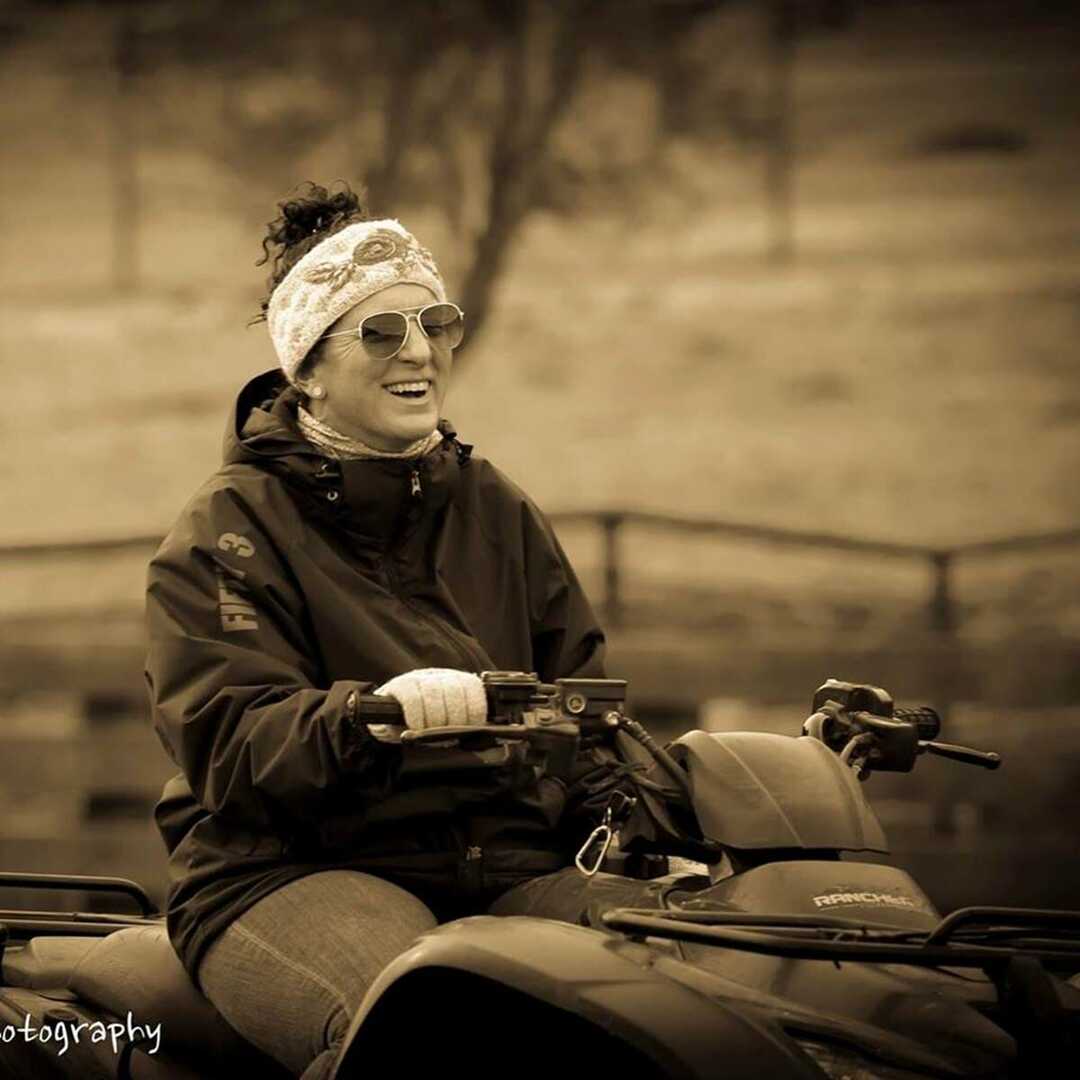
    Photo 1 4wheeler

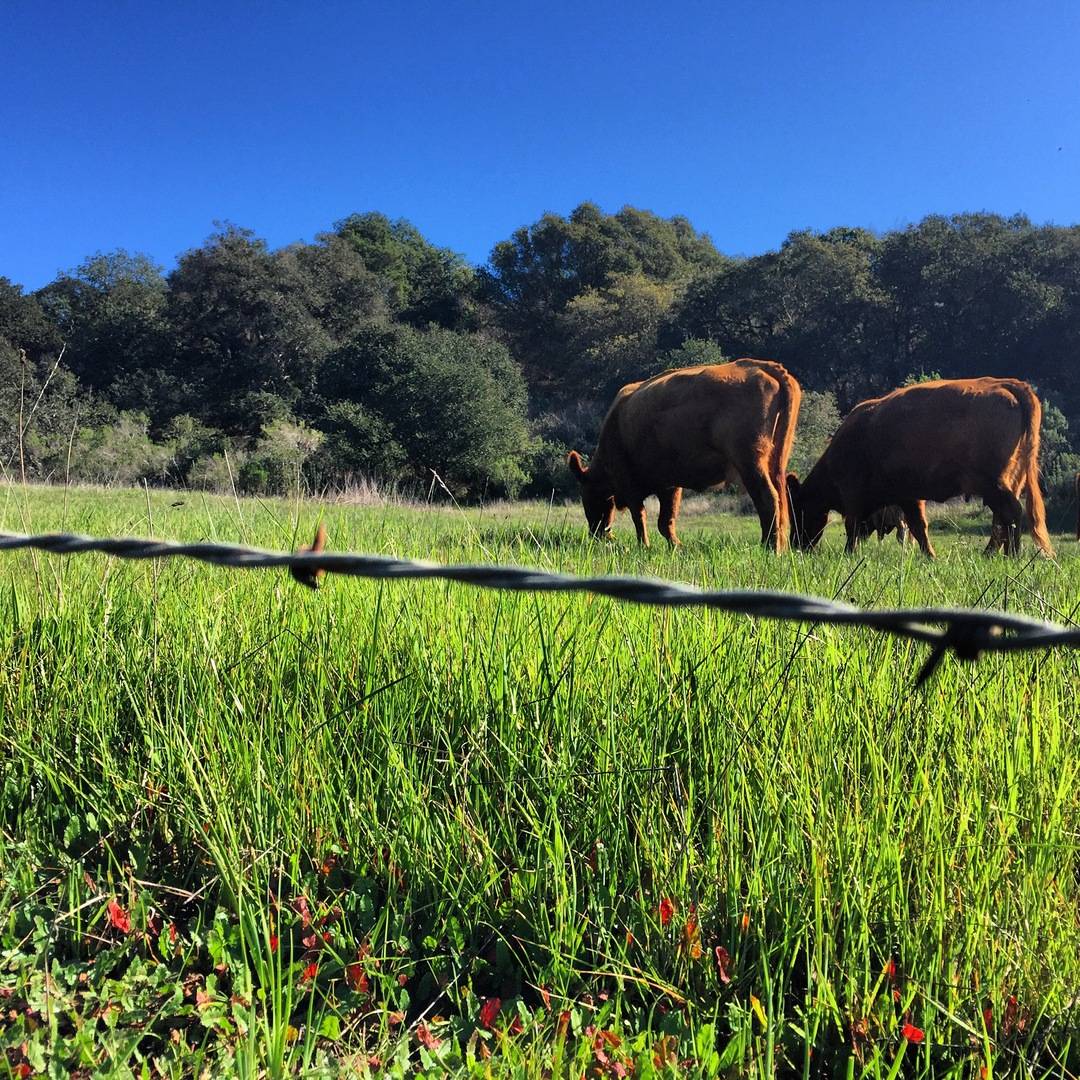
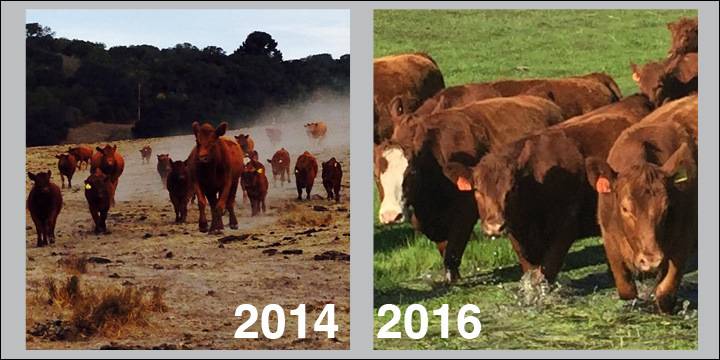
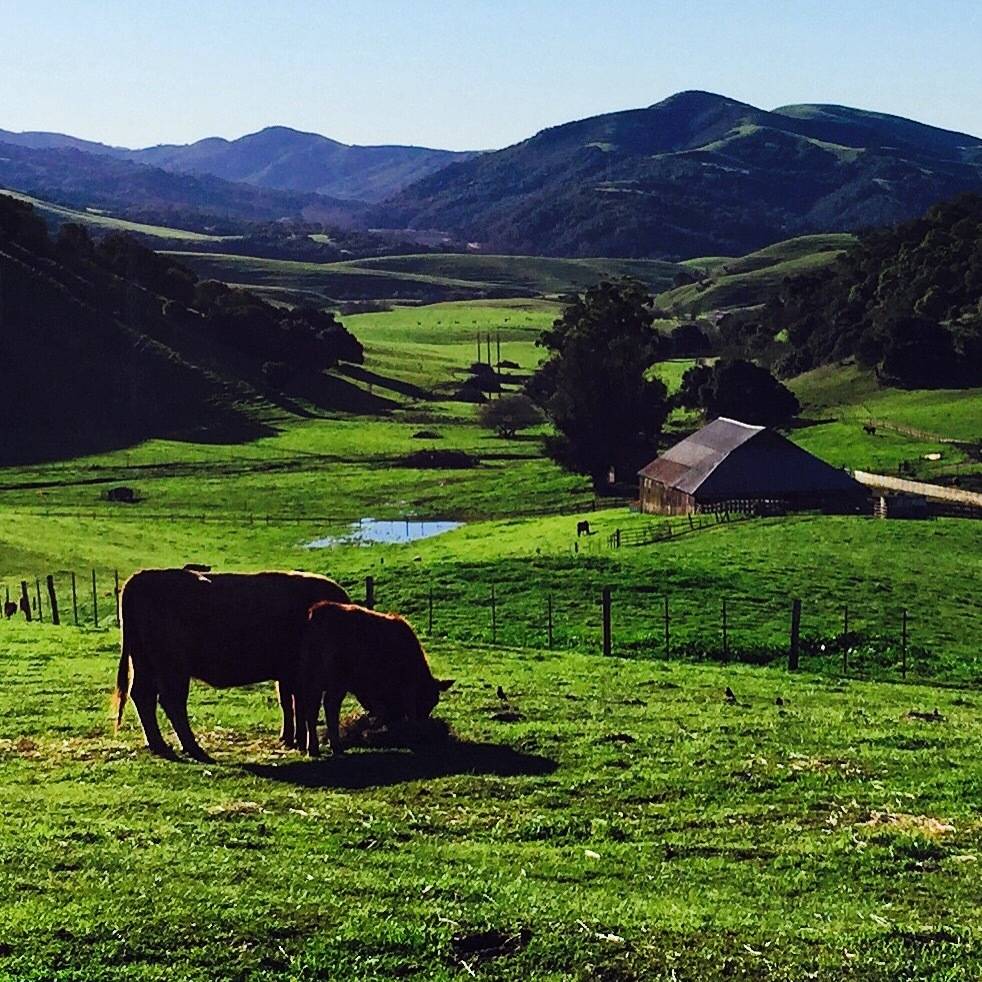
    Drought ComparedThe lush, green hills where Red Angus cows and calves graze today in the Salinas Valley is a stark contrast to the picture here at the height of the California megadrought. Zero rain fell in January 2014, making it the driest in 135 years of recordkeeping. January is typically California’s wettest month of the year, and about eight inches fell in Salina last month.

    “Each day I truly feel blessed that we have gotten moisture,” says Celeste Settrini, a fourth generation rancher who raises cattle with her brother, John. “We’re far from out of the woods in our drought situation, but it’s such a comfort knowing there is water in our ponds and green grass growing. If rains continue to come, then we will be in decent shape for the year ahead.”

    There’s nothing like scarcity to make a person appreciate what they have. Two years ago rain was so scarce that Celeste asked friends to join her for a day of reflection, prayer and fasting during a virtual event called “Havesting Faith.” Farmers, ranchers and non-farming friends from across the nation came together to pray for rain in California.

    photo 3, hills“I truly could not believe the response from the Harvesting Faith event!” says Celeste. “Hundreds upon hundreds of people ‘liked’ our event on Facebook. We all came together to share stories and to pray for relief. I was on radio segments. There were stories written about it – this event was bigger than anything I ever imagined. It made me feel so good that farmers and ranchers from across America came together to pray for relief.”

    Prayers were answered shortly thereafter. Celeste remembers being on a walk when dark clouds formed. “It looked really stormy and I thought, ‘Wow. I think God is listening to all of us,” she said. “It rained that day, although not a lot. It gave me the hope needed to realize that, yes, prayers are answered. God will take care of us in His time, so we must remain patient and hopeful.”

    Through the “Harvesting Faith” event, people from all walks of life focused on the bigger picture. Many times those of us in agriculture get crossways over different production methods or are worn down by others who don’t farm but want to influence the way we do.photo 2, cows

    “We are all a part of a very large family of wonderful people,” says Celeste. “I personally believe there are no better people on the planet than farmers and ranchers. We need to reach out and ask for help when we need it, not be afraid to share our thoughts with our off-farm friends, stand up for what we do and celebrate the good of American Agriculture. No matter what method you use to produce food for this growing nation YOU are an important part of that, big or small. Take pride in that and realize that you are a part of the bigger picture.”

    Celeste and her brother, John, have worked side-by-side daily since 2013 when a series of life events prompted her to leave a 20-year career as an ag commodities broker. They share day-to-day responsibilities for everything from feeding and working cattle to fixing fence and selecting breeding stock.

    “We’re always together. Where one is strong, the other assists and vice versus. As the ‘chatter box’ of the family, I enjoy being involved in cattlemen’s groups and anything pertaining to promoting or preserving our way of life,” says Celeste.

    Promoting agriculture and the people engaged in this industry is so much of a passion for Celeste that she started CS Connections. This boutique agency serves clients in the rodeo, stock show and agricultural industries. Services include social media management, website creation, as well as collateral and print ad design.

    A typical day for Celeste means waking up at 5 am and photo 1, 4wheelerfiring up her laptop. After answering emails and updating social media for about two hours, she leaves the home ranch and travels about 10 minutes away to the hills where she will either feed or take stock of the cattle.
    These days Celeste is riding through the fields, checking on mamas and their babies, She also keeps her eyes open for troughs or fences that must be mended. Around noon, she returns home and settles into her office where she resumes work for CS Connections.

    “A series of events led me to start my promotions business and run cattle. This is exactly where I want to be!” says Celeste. “It took a while to get here, so my advice to others is, ‘Don’t ever give up!’ Keep following your bliss.”

    Team Latham

    February 22, 2016
    Agriculture, General, Industry News
  • Latham Hi‑Tech Seeds

    “Surround Yourself with Dreamers, Doers and Believers” Advises This Advocate

    IMG 0018

    Always smile. Be kind. Work hard. Stay humble. And never stop learning.

    That’s how Kim Bremmer of Greenwood, Wisc., has been signing off from her weekly radio program for 13 weeks.

    Last January Kim resigned from her full-time job as a dairy nutritionist to launch Ag Inspirations. Her mission is to inspire farmers to tell their stories, connect consumers with where their food comes from, and represent the great successes in American agriculture today. She travels the country speaking to a number of different groups about modern agriculture.

    “Sharing the message about the people and places in Rural America is a step toward re-connecting people to their food,” says Kim. “An industry that feeds you is an industry worth fighting for!”

    Ag Inspirations Radio airs at aginspirations.com and through Loos Tales on more than 100 stations nationwide with 3 million listeners on-air and online. Recently I had the honor of being interviewed by Kim, so I turned the table on her and did an interview for TheFieldPosition.

    Because Kim is one of the warmest and wittiest people I’ve ever met, I decided to tell her story in her own words by taking a Q&A approach to today’s blog. I hope you enjoy “sitting down” with this agvocate as much as I did!

    Q: How did you start advocating? A friend of mine needed help in a CommonGround booth four yearsIMG_20131123_131925_435 ago, and isn’t that what we do?  A girlfriend calls and we help when and where we are needed.

    Q: Why did you decide to take the leap and start Ag Inspirations? I spent 15 years as a dairy nutritionist, so I know most cows eat better than people! I like to say, “If you have four compartments to your stomach, I’m your chick!” 😉

    As I got more involved with volunteering for CommonGround, I wanted to do more to help inspire farmers to tell their stories and connect people with where their food comes from. I was getting more opportunities to speak to groups, but it was taking away my family time and that wasn’t fair to them. I decided to make the big leap and start my own business where I could travel, speak and share perspective from my unique “front-row seat to farming.” I had the opportunity as a dairy nutritionist to work with great farmers of all sizes and types, so I have this unique perspective to share.

    Q: Why do you believe it’s important for farmers to share their farm stories? I don’t know that there has ever been a more important time to get involved in the conversation. It seems the story of agriculture is being told by everyone but farmers! There is so much misinformation about farming that it’s no wonder consumers are confused. Farmers have the most important message that matters because they care for their animals and the land like never before and continue to improve each and every day to provide safe food.  The miracle of modern agriculture is truly something we should all be proud of and it’s definitely time to speak up!

    Q: What is it important for farmers to try to bridge the knowledge gap with consumers? Food companies and restaurants will continue to market products.  That’s their job.  It’s not their job to educate consumers, whether we like it or not.  Unfortunately, fear sells. That’s why it’s more important than ever for farmers to speak up and share the truth. No two farms that are the same and every farmer knows what works and what doesn’t on their individual farm. My biggest fear is that people do not understand the unintended consequences of all the demands they are making on how food is grown and raised. We need to recognize that farmers are the experts on growing our food and I pray every day that I am able to help spread that message in hopes that we don’t regulate our farmers and ranchers out of business.

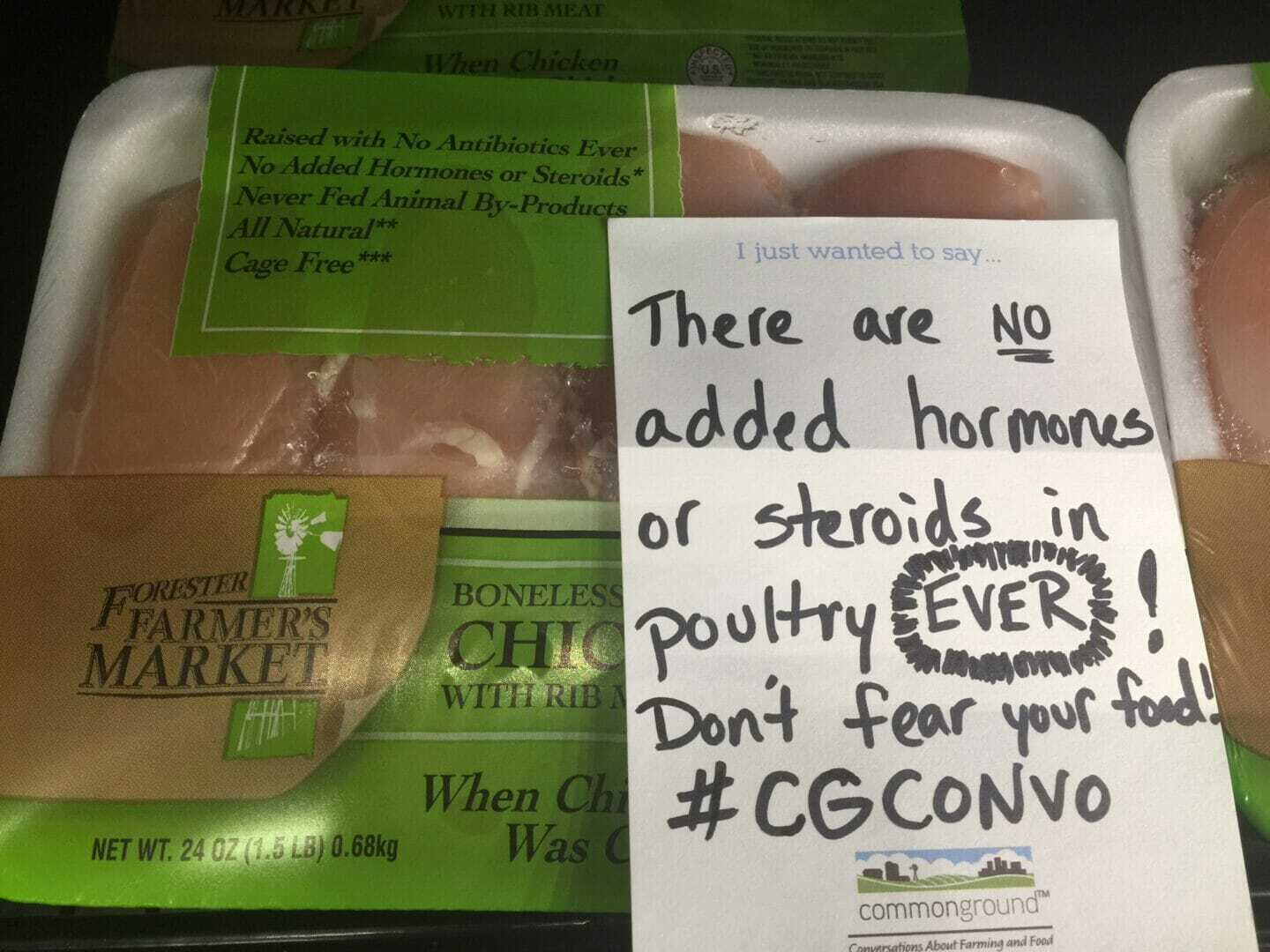
    I truly believe that one person can make a difference, so I take every opportunity available to talk to one IMG_0018person.  When my kids are in trouble at our house, the punishment is going to the grocery store with mom. (I shop at 5:30 PM on Friday or Sunday after church. I’ve been known to leave sticky notes on meat packages or engage in conversations anywhere from the meat counter to the checkout line.)  I never leave without talking to at least one person!
    Q: Did you grow up knowing you wanted to be involved with farming? I grew up on a farm and in 4-H, but I wasn’t interested in doing anything related to agriculture. When I was a senior in high school, my dad slipped into the manure auger at the end of our barn. He was quite lucky and only has pins in his ankle today. My senior year involved a lot of “sink or swim, figure it out” kind of moments on our farm, so our farm was the last place I wanted to return.

    When I went to UW-Madison, I began with a major in medical microbiology and immunology. This was right when the show, ER, was popular, and well, I wanted to work with George Clooney! I wanted to be an ER doctor.

    IMG_1958But it’s difficult to lose the love of agriculture – even when you don’t think you have it! It was only a matter of time before I found my way to the College of Ag and Life Sciences and began milking cows on the research farm in downtown Madison. I got involved in some really cool research as an undergraduate and met my husband in the ruminant nutrition lab. I helped him do liver biopsies when he was getting his PhD. (He admitted he liked working with me because I knew how to move cows… who knew that would be such an important life skill??!!)

    An Ag Journalism degree fit nicely with my Dairy Science degree. Since it only required a few more classes, I decided to double major.

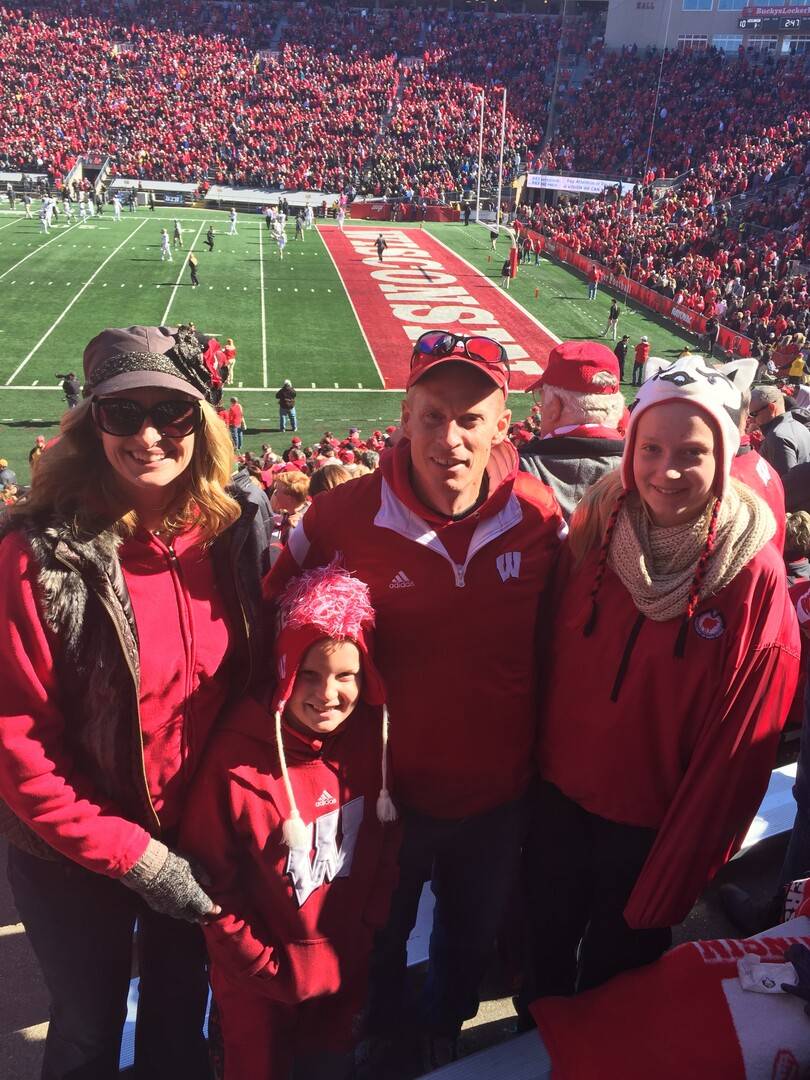
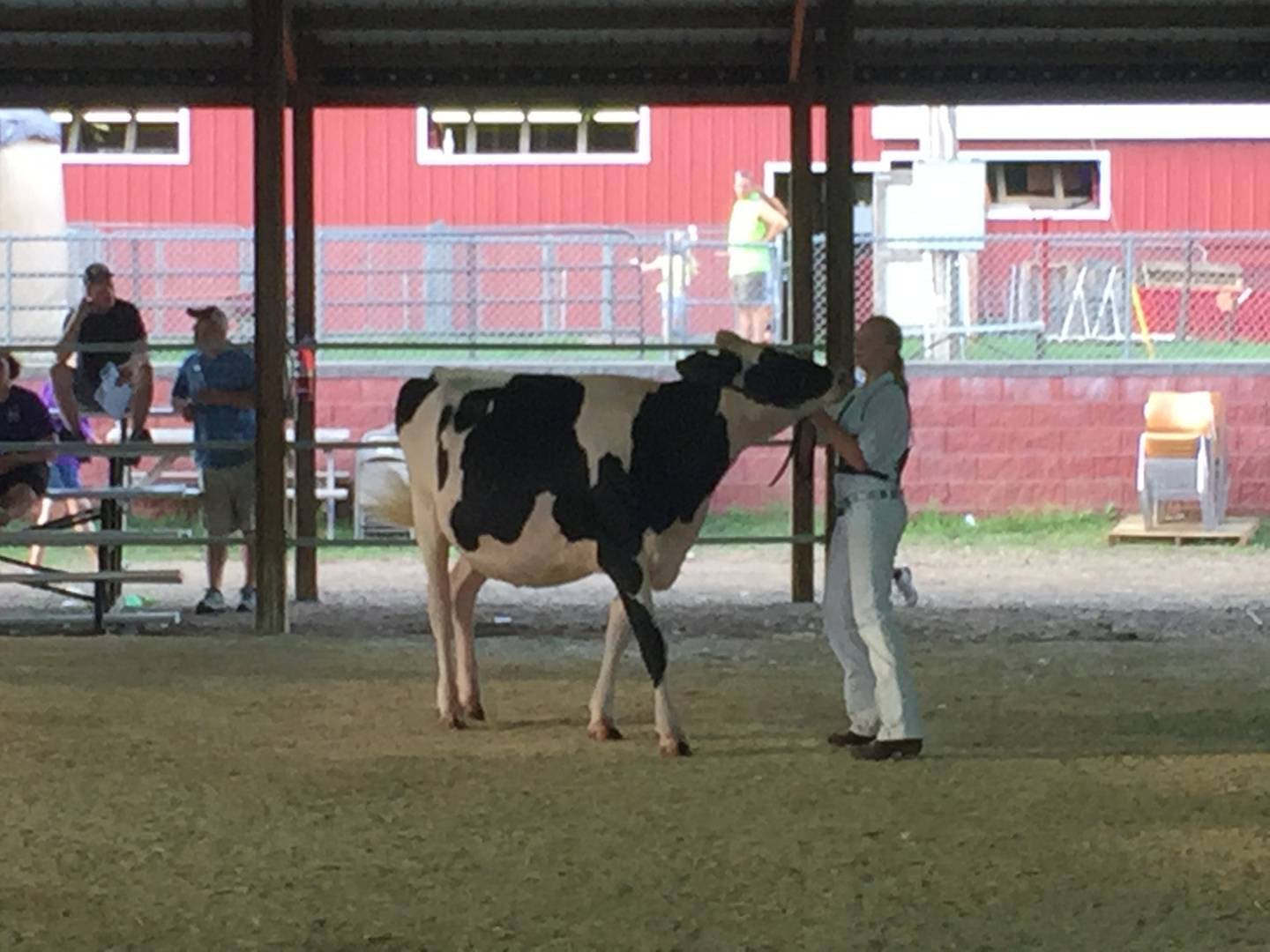
    Q: Please describe why your children show dairy cattle. I believe kids who are raised on farms and those lucky enough to spend enough time on one to learn, gain invaluable life lessons about life and death and hard work. We are so fortunate that an old college roommate who has a farm lives close by. My kids, Kayla (12) and Carson (8), love spending the summer at her farm. They get animals ready for shows and help with chores.

    It wouldn’t be Friday on TheFieldPosition without a featured recipe, so today Kim is sharing with us one of her favorite meals to make. This chicken and spinach salad is a great way to add color to you plate on a winter’s day. Plus, it can help you stick to that New Year’s Resolution of eating healthy with a balanced diet.

    IMG_1610 IMG_0816


    Team Latham

    February 19, 2016
    Agriculture, General, Industry News
  • Latham Hi‑Tech Seeds

    How the Presidents’ Outlook on Agriculture has Changed

    Wisest Pursuit 01

    Yesterday was President’s Day, a national holiday so Americans may remember our country’s great leaders. Did you know this holiday began as a way to remember our first U.S. President George Washington after his death? Then it became a way of honoring both Washington and Lincoln, and today it has been transformed into a day to honor all past presidents.

    Wisest Pursuit-01

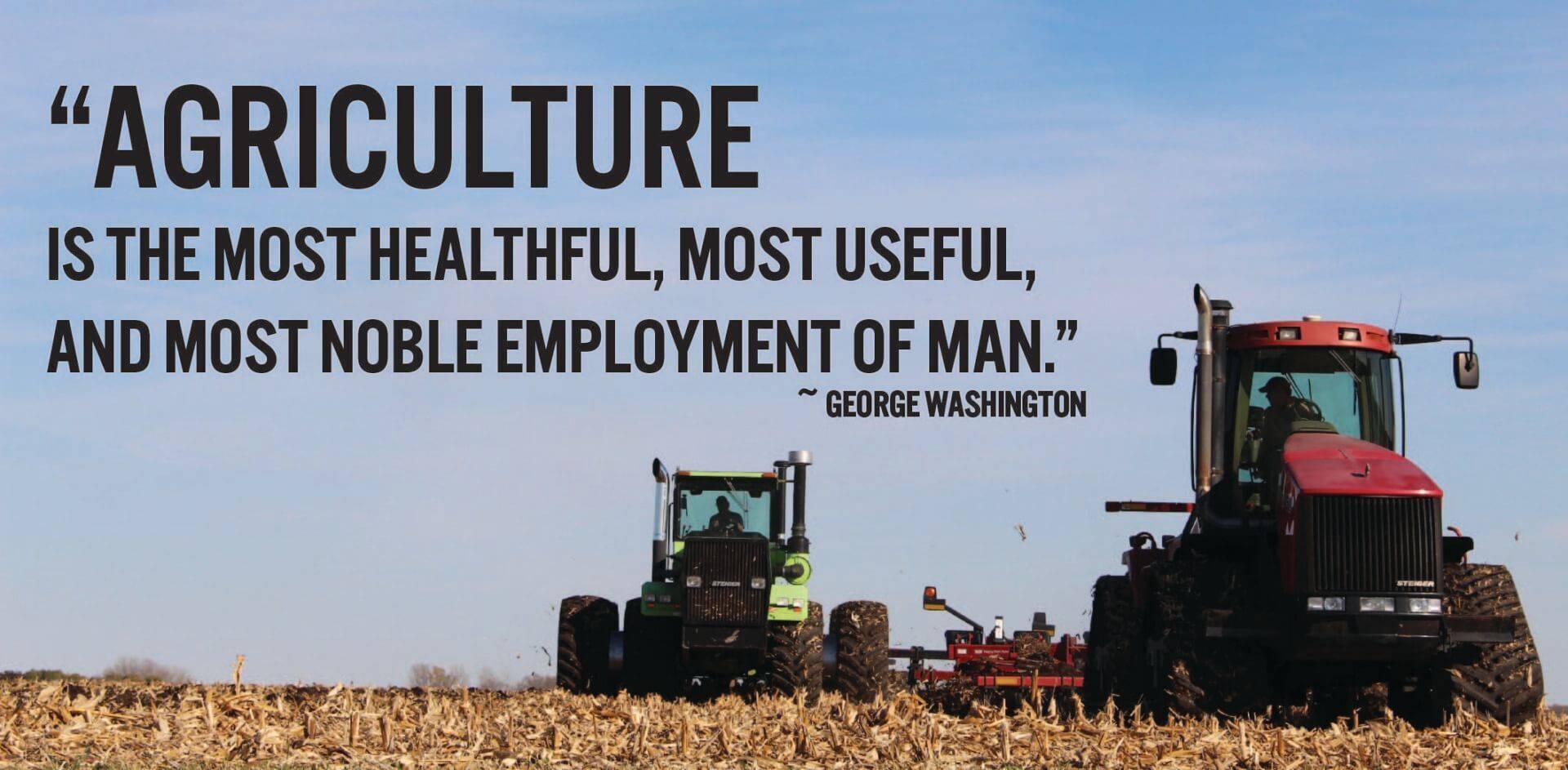
    My social media feed on President’s Day was filled with farm-related quotes by presidents. I expected quotes from Washington and Jefferson about agriculture because everyone had a connection to farming in the late 1700s and 1800s since food production required so much labor. However, I was shocked by the number of non-farming presidents who referenced the importance of agriculture. I always think of President Eisenhower as a soldier, yet I particularly like this quote of his:

    “The proper role of government, however, is that of partner with the farmer – never his master. By every possible means we must develop and promote that partnership – to the end that agriculture may continue to be a sound, enduring foundation for our economy and that farm living may be a profitable and satisfying experience.” 

    Cumbersome rules and regulations change the balance of the government-farmer relationship. Take for example, what I witnessed firsthand while visiting Ukraine during the Black Sea Farm Study Trip. Ukraine is, or at least could be, the bread basket of Europe!

    Ukraine’s fertile soils have so much potential that is not being realized due to government intervention. I saw acres and acres not being utilized! The country is trying to come back from communist control when the government decided the land should be farmed for the common good. What I saw – and what I have read – is how villagers could grow more food in their own backyards than in the vast fertile fields. Ukrainians had control of their backyards, but the government controlled the farm fields.

    Now I see this idea that “all must be done for the common good,” making its way across the United States. Our government wants to control all that we do, and property rights are being infringed upon. Environmentalists are pressuring people in power to make laws and rules with adverse effects on farmers’ livelihoods. Imagine how you’d feel if you were in our shoes. Say, for instance, your only source of income comes from the grass and a small garden in your backyard.

    You must grow enough food to feed your family plus sell excess food to earn money for all the things you want. Your “backyard” puts a roof over your head, as well pays for your kids’ clothing and your car. However, this lawn and garden is regulated by a bureaucrat sitting behind a desk in Washington, D. C. She’s telling her employees that you’re polluting the environment and using too much water to grow your crops.

    As if you don’t have enough to worry about, your neighbors are growing so much food that you’re forced to sell your produce for what it costs you to grow it. Now the government lady is saying you need to control all the rain water falling on your backyard. As the water passes through the ground, which you have worked so hard to make fertile enough to grow a crop, some of that fertility leaches. You aren’t making any profit from your backyard lawn and garden, but you’re required to build a system to stop that pollution! As a result of potential environmental impacts, you must complete a management plan. It’s so complicated that you hire someone to help you complete it.

    Not only are your bills mounting, but your crop is being threatened. Weeds are competing with your garden plants for nutrients and water, but your plants’ needs must be sacrificed due to an endangered species of butterfly that was found in your backyard. The butterfly feeds on the milkweeds, so you must let your garden go to weeds.

    Your backyard “farm” is costing you more to operate than you’re making. Will you make it through this season or will you look for a job in town with Obamacare as a benefit?

    Hopefully, this hypothetical situation helps you understand the situation facing America’s farmers and small business owners. Entrepreneurship and innovation made our country great. It’s what allowed us to “live the American dream.”

    Today our American way of life is being threatened. Some candidates for U.S. president believe everyone deserves to have equal things. Some believe incomes should be equal no matter how hard one works or doesn’t work. I remember seeing how that worked in Eastern Europe… it didn’t!

    The U.S. Constitution gives everyone an equal chance, not equal outcomes. Social equality reduces the will to work. We’ve seen a cultural shift in the way we’re raising future generations by rewarding them for everything. Not everyone deserves a prize! If you didn’t work for a ribbon, why should you get the same ribbon as the kid who worked hard and achieved better results?

    Farming is hard work that requires long hours in sometimes very trying conditions. Let’s not take away all incentive! Let’s remember what built America and what makes our nation great.

    Back to thinking about President’s Day… Elections matter. Be an informed citizen and make your vote count!


    Larry Sailer, Musings of a Pig Farmer

    February 17, 2016
    Agriculture, General, Industry News
  • Latham Hi‑Tech Seeds

    Latham Offers Xtend® Products for 2016 Planting

    Roundup ready 2 xtend soybeans logo 1 e1455735218852

    Latham Hi‑Tech Seeds is releasing five new Latham® soybeans brands and 15 experimental lines with the Roundup® Ready Xtend soybeans technology in maturities from Early Group Zero to Early Group 3. Midwest farmers can plant these Xtend products this spring to test product performance before full-size commercialization happens in 2017.Roundup Ready 2 Xtend

    We’ve been waiting for Xtend approval for years to fight weed resistance. It’s so exciting that this trait has finally been approved in China! The finish line is in sight for full-scale commercialization as the Xtend herbicide is pending approval by the Environmental Protection Agency (EPA).

    Because EPA has yet to approve dicamba for over-the-top use on these new soybean products, we’re treating 2016 as a trial year for Roundup 2 Xtend soybeans. Latham customers have come to expect strong genetics and disease packages from our company, so we’re especially excited about the potential of offering some of our most popular genetics with the Xtend technology. New Latham brand soybean products for 2017 include a RR2 Xtend version of our top-selling Latham 2084R2 with the IRONCLAD designation for unmatched disease protection with unparalleled yield.

    Farmers should treat RR2 Xtend soybeans the same as Genuity® Roundup Ready 2 Yield until the dicamba-based herbicides become approved. Roundup Ready 2 Xtend soybeans are tolerant to both glyphosate and dicamba herbicides. Until EPA grants approval, however, it’s illegal to use of dicamba herbicides.

    Liberty Link is currently the only non-selective alternative to the Roundup (glyphosate) weed control system. Latham Seeds offers a full lineup of LibertyLink® soybeans also in many different maturities and disease packages for 2016 planting.

    To learn more about the products that are best suited for your farm, visit lathamseeds.com or call 1.877.GO.LATHAM (1.877.465.2842) to be connected with a Latham representative in your area.


    John Latham, President

    February 17, 2016
    General, Industry News, Seed Technology
  • Latham Hi‑Tech Seeds

    “Will to Win” is Common Denominator Among Cyclones & Cancer Patients

    Charity Strip

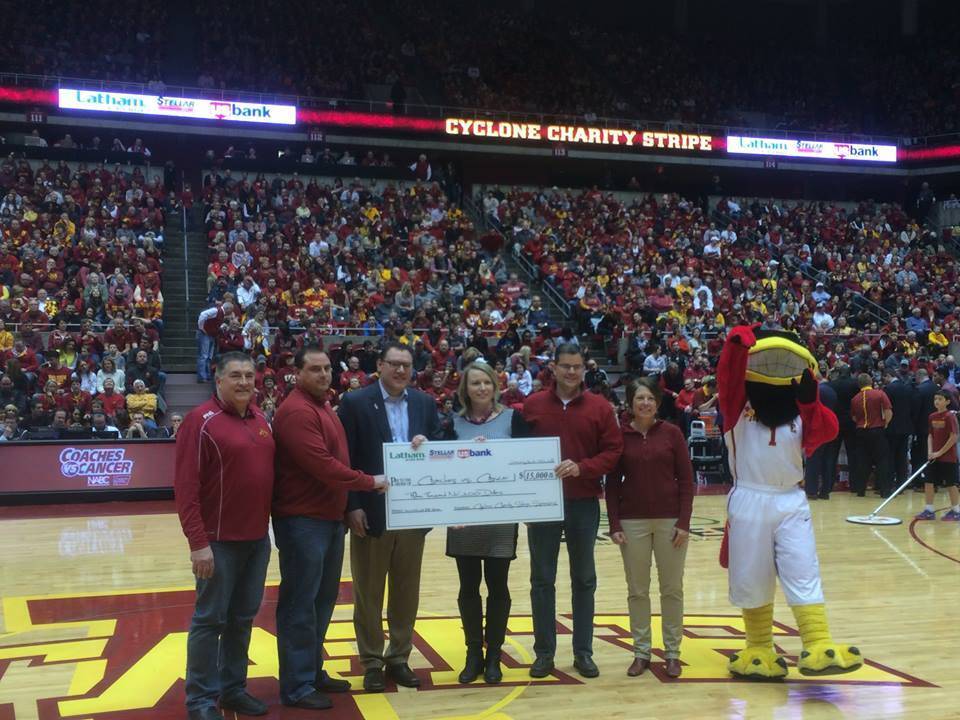
    For the fourth year in a row, Latham Hi‑Tech Seeds has partnered with two other Iowa companies to support the Cyclone Charity Stripe. This promotion raises money for every free throw that the Iowa State Cyclones Men’s Basketball team makes during the basketball season, and donations benefit the American Cancer Society through Coaches vs. Cancer.

    Coaches vs. Cancer was championed by Norm Stewart, Charity Stripformer head coach of the University of Missouri men’s basketball program.  As a cancer survivor and member of the National Association of Basketball Coaches (NABC), Stewart challenged fans to pledge a dollar amount for points made by his team.  The American Cancer Society and the NABC adopted that concept in 1993, transforming it into a nationwide effort “to provide help and hope to people facing cancer.”

    Providing help and hope to people facing cancer is something our family is passionate about due to first-hand experience. On February 20, 2010, former Latham Seeds’ president Bill Latham underwent a stem cell transplant to battle Acute Myelogenous Leukemia (AML). That transplant was extended his life more than five years, and we are grateful for the great care he received until he lost his earthly battle July 31, 2015.

    Bill, father of John and Chris, was an avid Cyclone supporter and a season ticket holder for both football and basketball. He would have loved the will to win on display last Saturday when the 14th-ranked Cyclones defeated No. 24 Texas in an 85-75 victory in a packed Hilton Coliseum. In the first half, Georges Niang scored 13 consecutive ISU points, including three consecutive 3-point baskets.

    During a break in the action last Saturday, three Iowa companies were recognized for their support of the Cyclone Charity Stripe. Latham Seeds is proud to support this great cause for four consecutive years. Click below for a season-by-season recap of our donations:

    · 2015

    · 2014

    · 2013

    Team Latham

    February 15, 2016
    Agriculture, General, Industry News
  • Latham Hi‑Tech Seeds

    Latham® Dealers Vacation like a Star at Hard Rock Cancun

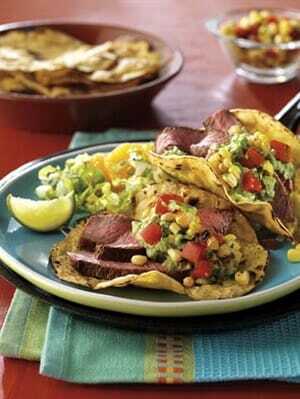
    4855 00 Cumin SeasonedSteakandGrilledCornSalsa pwm

    The gleaming silver motor coach pulled into the guitar-shaped lane and rolled to a stop in front of a side entrance just for VIPs. Luggage was attended to by a group of attentive bellmen. As Latham® dealers and special guests walked through the doors of the Hard Rock Cancun on January 30, they were greeted with a smile and a cold drink.

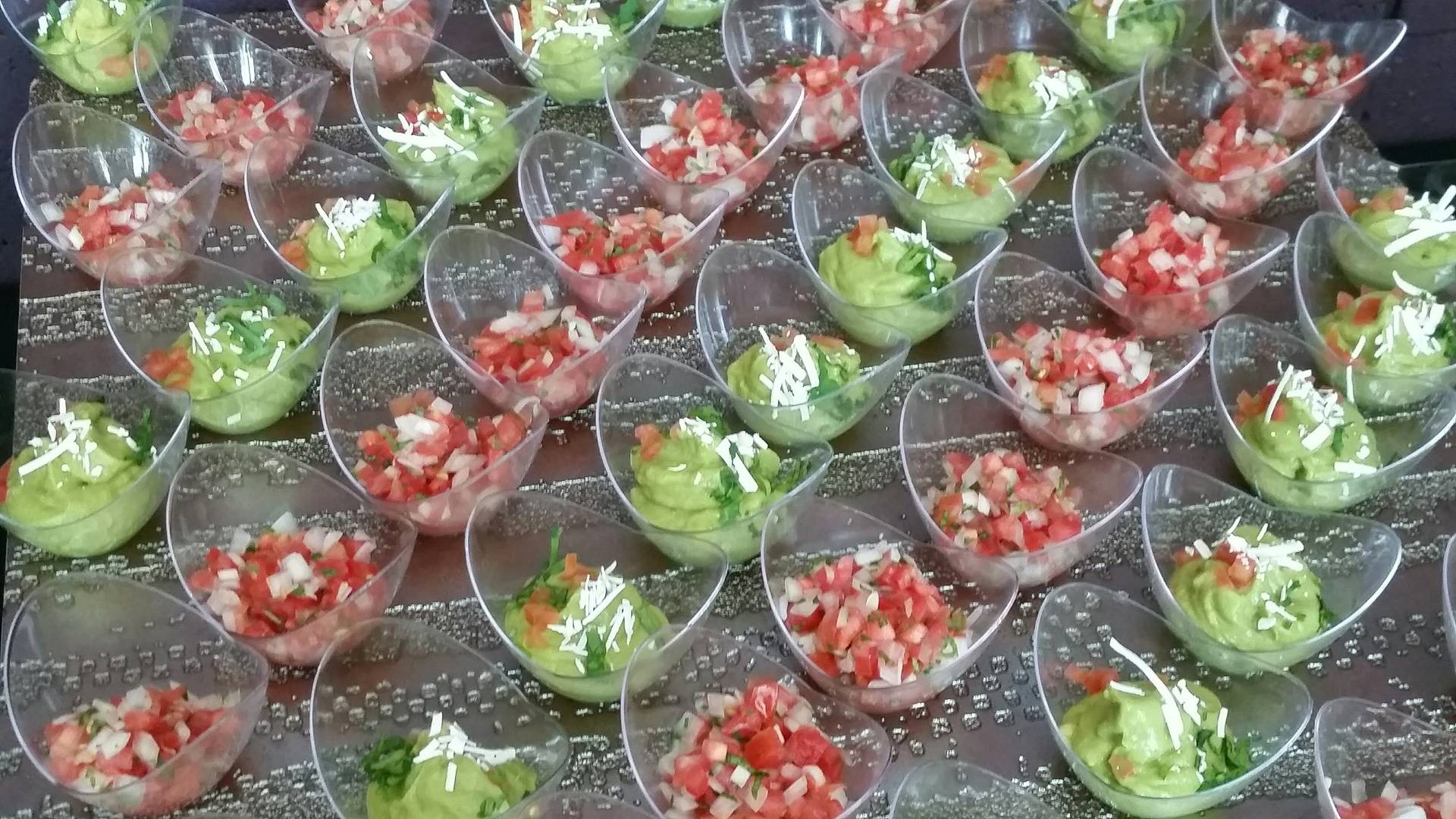
    A one-man band played popular cover tunes. A buffet of chips with guacamole and pico de gallo, beef skewers and a variety of Mexican appetizers was provided. Fender guitars were available for anyone wishing to get into the rock ‘n roll spirit. (Did you know guests at the Hard Rock can check out a guitar and then turn to a TV channel to learn how to play? This is just one of the cool amenities offered at this all-inclusive resort.)

    Pico and Quac

    What more does a rock star need… How about unlimited food and drinks? Complimentary room service? Multiple swimming pools, white sand beaches and turquoise waters? Some of our guests enjoyed the Rock Spa for a massage on the beach. Others treated themselves to facials, pedicure and manicures. The more adventurous went ziplining, snorkeling, four-wheeling or horseback riding.


    One especially notable excursion provided by Latham Hi‑Tech Seeds was a day trip to Chichén Itza (pronounced chee-chehn eet-sah), located on the Yucatan Peninsula. While visiting this wonder of the modern world, we learned many fascinating facts:

    • The sun and the moon were significant in the daily lives of Mayans, so there is symbolism throughout their architecture. El Castillo pyramid has four sides containing: 365 steps, or one for each day of the solar year; 52 panels, or one for each year in the Mayan century as well as for each week in the solar year; and 18 terraces, one for each month in the religious year. During the fall and spring equinoxes, the sun’s shadow forms an enormous snake’s body, which aligns with the carved stone snake head at the bottom of this pyramid.
    The Pyramid of Kulkulkán — also known as El Castillo — is probably the most recognized ruin of Chichén Itza.
    The Pyramid of Kulkulkán — also known as El Castillo — is probably the most recognized ruin of Chichén Itza.
    • Ball games, featuring a soccer-sized ball with a set of intricate rules, drew huge crowds of spectators. Carvings around the courtyard display rules of this sacred game. One carving even shows the captain of the losing game being beheaded, which was thought to be a way of dying with honor as a sacrifice to the gods.

    Ball Field

    • Corn (teosinte) was developed at least 7,000 years ago in Central Mexico. Early cultures literally depended on this staple for life, so corn greatly influenced religion and mythology. The Maya believed that gods mixed their own blood with corn flour to create humankind, and the elite members of society shaped their babies’ heads to resemble a tamale to honor the corn god.

    20160201_120141_resized

    While my family enjoyed visiting Chichén Itza and experiencing the Mexican countryside, we also loved every minute we spent at the Hard Rock Hotel. Honestly, our favorite restaurant at the Hard Rock Cancun was wherever we were dining that night! We tried them all: Zen hibachi grill, Ciao Italian, Ipanema Brazilian grill, Frida Mexican restaurant, The Market for International cuisine and Pizetto.

    In honor of our fabulous sales incentive trip to Cancun, today on TheFieldPosition we’re featuring a Tex-Mex recipe courtesy of the Iowa Beef Industry Council. Click on the posts below for a recap of some of our past company trips, including recipes from those regions. NOTE: If you’re interested in learning how you can earn your own trip to another tropical destination next February, call 1-877-GO-LATHAM (1.877.465.2842).

    Related Posts:

    • Hanging Loose in Hawaii
    • San Diego, a Cure for the Winter Blues
    • Cheeseburger in Paradise

    Team Latham

    February 12, 2016
    Beef, General, Recipes
  • Latham Hi‑Tech Seeds

    Winter Rains Cause Concerns about Nutrient Loss

    RacetheRain

    Many farmers are asking about the possibility of nutrient loss from the unprecedented rains we received in December. While there is definitely cause for concern, don’t assume all fertilizer that was fall-applied is lost. Also keep in mind that the amount of loss will depend on the specific nutrients that were applied, as well as whether it was in the dry, liquid or gaseous form.

    Phosphorus (P) and Potassium (K):  Most experts agree that P & K applications are very stable no matter the time of year of application.  It’s not unusual to have these products applied on frozen ground and see little, if any, loss prior to planting.  One “watch out” here is if the December rains caused soil loss due to runoff. If this happened, then it is most likely that you also lost some P & K.

    Nitrogen (N):  Two main reasons for N loss are leaching and nitrification. Leaching refers to the actual loss of nutrients from downward movement through the soil profile. Since the ground in most areas was not frozen prior to the rains, this process could have a significant effect. Because the rain came fairly fast, there was considerable ponding and runoff in some fields.  These will be the greatest areas of concern. Nitrogen loss here will not be uniform and will be extremely difficult to quantify.  If drainage tiles ran, that is another avenue for N loss that may need to be considered.

    The most common form of fall-applied nitrogen is anhydrous ammonia (NH3).  When applied, it quickly converts to ammonium (NH4), which is a positively charged particle.  Nitrogen is fairly stable in this form as it is held onto the negatively-charged soil complex. Ammonium eventually converts to the nitrate form by the process of nitrification.  Since this is a biological process, the rate of conversion is determined by the soil temperature.

    Nitrification does not stop, however, it slows down considerably when soil temps are below 50° Fahrenheit. This is the reason most agronomists recommend fall N applications after soils have fallen below this temperature.  The nitrate form of N is the most susceptible to leaching. There’s a very good chance of N loss from the nitrification process if you applied nitrogen before soil temps fell below 50°F.  Applications made later on (in colder soils) have a much less chance of significant loss.

    It’s too early to determine nitrogen loss from December rains. We’ll wait until early spring to see how the weather develops and see the fields look after they thaw.  For additional information on the potential for nitrogen loss, click here for an article from Dr. John Sawyer, Extension Soil Fertility Specialist, Iowa State University.

    Webspec Admin

    February 10, 2016
    Agronomics, Fertility, General, Season, Soil, Spring, Winter
Previous Page
1 … 34 35 36 37 38 … 159
Next Page

Latham Hi‑Tech Seeds

131 180th Street | Alexander, IA 50420

(641) 692-3258

SIGNUP FOR OUR NEWSLETTER
  • Contact
  • Legal
  • Dealer Center
  • Seedware Login
  • Latham Gear

© 2025 Latham Hi‑Tech Seeds. All rights reserved. | Iowa Web Design by Webspec | Privacy Policy

Latham® Hi-Tech Seeds is a trademark of M.S. Technologies, L.L.C., 103 Avenue D, West Point, IA 52656.