Latham Hi-Tech Seeds

(641) 692-3258

  • Home
  • Products
    • Corn
    • Soybeans
    • Soybean Blends
    • Alfalfa
    • Corn Silage
    • Seed Guide
  • Performance
  • Find a Rep
  • Media
    • Blog
    • News
    • Videos
    • Podcasts
    • TECHTalk
  • About Us
    • Company History
    • Our Mission
    • Careers
    • Become a Rep
    • Sowing Seeds of Hope
  • Contact Us
  • Latham Hi‑Tech Seeds

    Family Farm Expands Iowa’s “Farm to Table” Movement to Seafood

    Sweeney family1

    A typical Iowa family farm usually consists of approximately 360 acres that get planted to corn and/or soybeans. Sometimes the farm also includes a livestock enterprise, such as cattle or hogs. Some families, desiring to bring the next generation home, look for additional income opportunities such as a seed dealership.

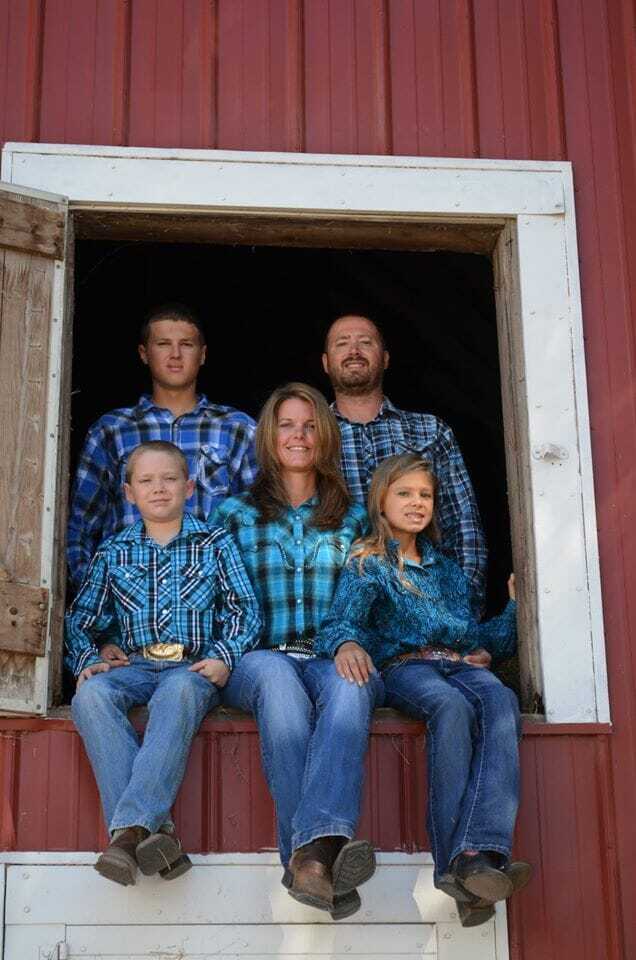
    With both of their sons interesting in returning to the family farm, Annette and Dave Sweeney are taking a non-traditional approach to make room for everyone. Joe Sweeney is pictured on the left; Jim in between his parents.
    With both of their sons interesting in returning to the family farm, Annette and Dave Sweeney are taking a non-traditional approach to make room for everyone. Joe Sweeney is pictured on the left; Jim in between his parents.

    “With farmland and cattle prices as high as they are, growing our existing operation wasn’t a viable option,” said Annette Sweeney, who in 1983 moved from Illinois where she was teaching middle school to take over her family’s 1,350-acre row crop and cow/calf operation upon her father’s untimely death. “Both of our sons would like to be a part of our family farm, so Dave and I decided to take a non-traditional approach to help make that happen.”

    The Sweeney’s youngest son, Joe, became interested in fish production. As a student majoring in Ag Business, Economics and Entrepreneurial Studies at Iowa State University (ISU), he learned there was a supply gap for fish. He wanted to make a mark for himself, and Joe was interested in owning his own business.

    “When an economics student hears ‘supply gap,’ he thinks ‘market opportunity’,” says Joes, a sixth generation Iowa farmer. “My entrepreneurial side identified ‘market opportunity’ with ‘business opportunity.’ Starting my own fish farm is a way to continue my family’s farming legacy while making my own mark.”
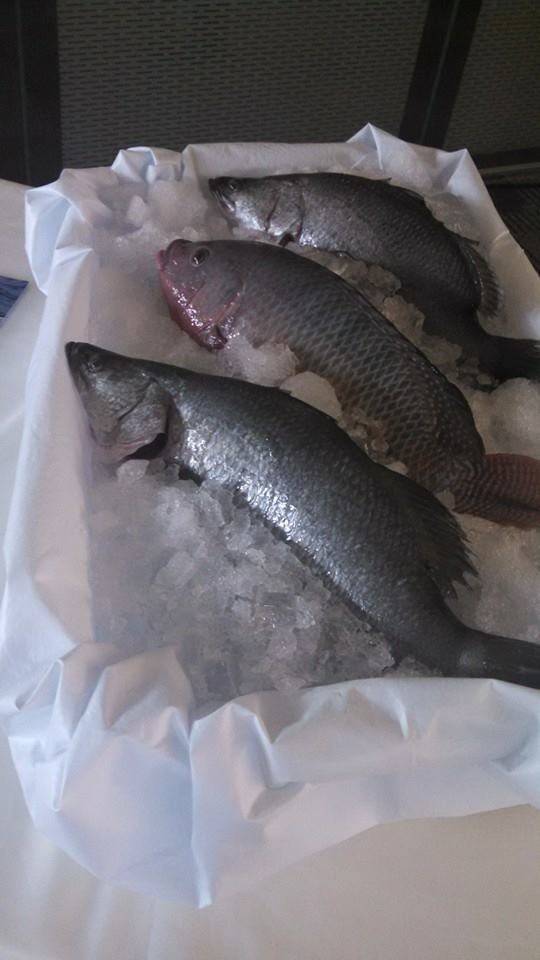
    Barramundi Seabass photo courtesy Randy Heitz
    Barramundi Seabass photo courtesy Randy Heitz

    Much research on fish production has been done at Auburn University, so Joe reached out to experts there. Once he graduated from ISU in May 2013, Joe spent that summer traveling and conducting his own research. He visited Auburn, as well as traveled to other fish farms and fish markets in Alabama, Arkansas, Mississippi and Georgia. Sometimes he traded “labor for lessons” from other fish farmers.

    Breaking ground in July 2014 for Buckeye Fish Company’s production facilities was the result of two years’ preparation. Joe wrote a business plan and secured funding. His parents sold him land on which to build the fish farm. His older brother, Jim, designed the solid core insulated panel building. From the outside, the building resembles a machine shed. On the inside, you’ll find state-of-the-art systems that regulate air and water flow. Lighting simulates daytime and nighttime.

    Jim earned a degree in structural engineering from Iowa State and has worked since 2011 as an engineer for Energy Panel Structures in Graettinger. The brothers worked together innovating floor plans and materials typically used for hog and chicken production, so they would be better suited for the higher humidity environment created by fish production.

    After eggs from Barramundi Seabass hatch, the fry are flown from Australia to the Minneapolis airport. From Minneapolis, the fry are trucked to a bass farm in Webster City where they’re grown to about four inches long. The fingerlings are then transported to Buckeye Fish Company where they’ll be fed to 2 pounds.

    The first fingerlings are expected to arrive mid-March. Buckeye Fish will take a staggered approach to filling and emptying tanks, so fingerlings will be placed in 2 of the 24 tanks at first. Two more tanks will be filled each week for the next 6 months. When running at full capacity, Joe and the other five farm families involved will produce nearly one-quarter million fish annually. It takes approximately 6 months for each tank of Barramundi Seabass to be market-ready.
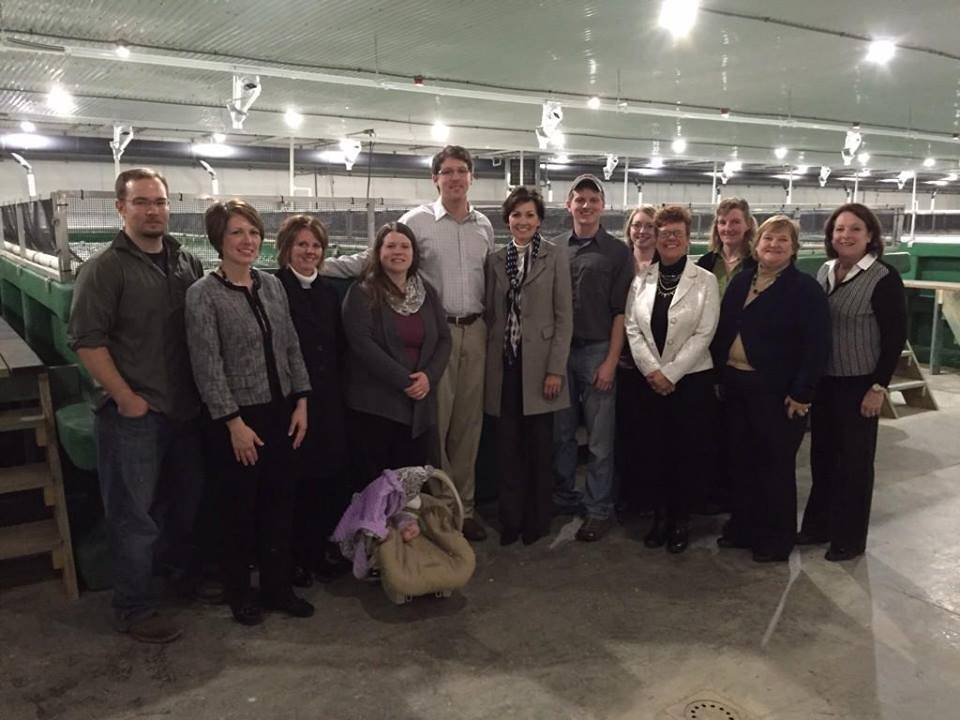
    As part of her statewide tour, Lt. Governor Kim Reynolds on Wednesday toured Buckeye Fish Company with a group of women in ag from North Iowa.
    As part of her statewide tour, Lt. Governor Kim Reynolds on Wednesday toured Buckeye Fish Company with a group of women in ag from North Iowa.

    “The trend toward farm-raised seafood represents a great opportunity for us to enter this market early,” says Joe. “Farm-raised seafood has surpassed beef in worldwide consumption. China, which has been the primary seafood supplier to the U.S., is expected to reduce its exports in coming years. The demand for U.S. farm-raised fish should continue for the next 30+ years as the world population is expected to reach 9 billion people to 2050.”

    Barramundi Seabass is the species of choice for Sweeney as it’s becoming more popular in U.S. markets. This particular type of fish is sought after for its affordability, mild flavor, versatility, ease of cooking plus health benefits. Barramundi Seabass is full of heart- and brain-healthy Omega 3s and Omega 6s, so it’s becoming known as a Super Food.

    Home cooks will enjoy learning that Barramundi Seabass is not a “fishy fish” and won’t leave an odor in your kitchen. Moms will like knowing there are no little bones that create choking hazards. Health-conscious Americans will appreciate knowing it’s raised without antibiotics or hormones, and specially formulated feed ensures that every bite is free of mercury.

    The Lenten season is a perfect time to experiment with new fish recipes like Barramundi with Lemon Basil Sauce from Hy-Vee. Click here for additional recipes from Iowa’s First, the fish farm in Webster City that raises fry for Buckeye Fish.


    Team Latham

    March 6, 2015
    General, Recipes, Seafood
  • Latham Hi‑Tech Seeds

    Pros Share Tips for Creating Heart Healthy Meals

    HealthySnacks
    1000 anne individual pic
    Anne Hytrek

    Not only are hearts synonymous with Valentine’s Day on Saturday, but February is National Heart Month. Today we’re sharing tips from health professionals to help you prevent heart disease. Adequate exercise and healthy meals are key to wellness.

    “A healthy meal is balanced by eating something from every food group,” says Anne Hytrek, Dietitian and Diabetes Educator at the Ankeny Prairie Trail Hy-Vee, and member of the Iowa Food & Family Project’s Advisory Committee. “Many times excess calories are consumed when one eats more than the serving size for meat and grains per meal and thereby eating less vegetables.”

    Eating a well-balanced diet is extremely important for overall health, adds Hytrek. Eating fruit and vegetables daily lowers the risk of serious health problems like heart disease, stroke, type 2 diabetes and obesity. In spite of all these benefits, only 1 in 5 Americans eats the recommended 5 servings of fruits and vegetables each day.

    A healthy meal centers on the USDA’s food guidance system MyPlate, which recommends half the plate is composed of fruit and vegetables.  Hytrek explains the other half the plate is divided between protein like meat or cheese and grains such as bread, pasta or rice.  A serving of dairy, such as 1 cup low fat milk or yogurt, is also included. Pack fruits and vegetables for mid-morning and for mid-afternoon to help reach the 5 A Day goal.

    HealthySnacks

    To eat healthier Hytrek suggests:

    • Select any lean meat or protein first followed by a low fat cooking method such as grilling, broiling, roasting or baking.  Choose at least two different colors of vegetables to include in your meal.  Finally, choose whole grain foods to balance your meal that provide fiber to not only fill you up, but also help lower LDL “bad” cholesterol.
    • Cook from scratch as much as you can rather than relying on processed foods.  Use low fat dairy products and reduced fat/light condiments according to their serving size on the nutrition label.  Switch to Kosher salt, which is naturally one-third less in sodium than iodized salt. You will not notice a taste difference since the salt crystal is hollow inside and “pops” on the tongue a lot like pop rock candy!
    • Put a new twist on traditional foods. Try Greek yogurt topped with blueberries, aronia berries or strawberries that are rich in antioxidants. Replace traditional lettuce salads with greens like kale and spinach. Add fiber into your diet with 100% whole grain or ancient grains like quinoa or faro. Salmon and tuna are great sources of Omega 3 healthy fats.

    “Hy-Vee dietitians are happy to set up personal shopping appointments where we can suggest heart healthy foods,” says. Hytrek “We can also provide a meal planning consultation with a physician’s referral to individualize meals, according to food preferences and schedules. And on Hy-Vee.com, you can select meal solutions and access recipes tailored to special diet restrictions and individualize healthy eating.”

    Team Latham

    February 13, 2015
    General, Recipes, Sides
  • Latham Hi‑Tech Seeds

    Farmer Ingenuity Leads to Family Owned Business

    Horse judging team

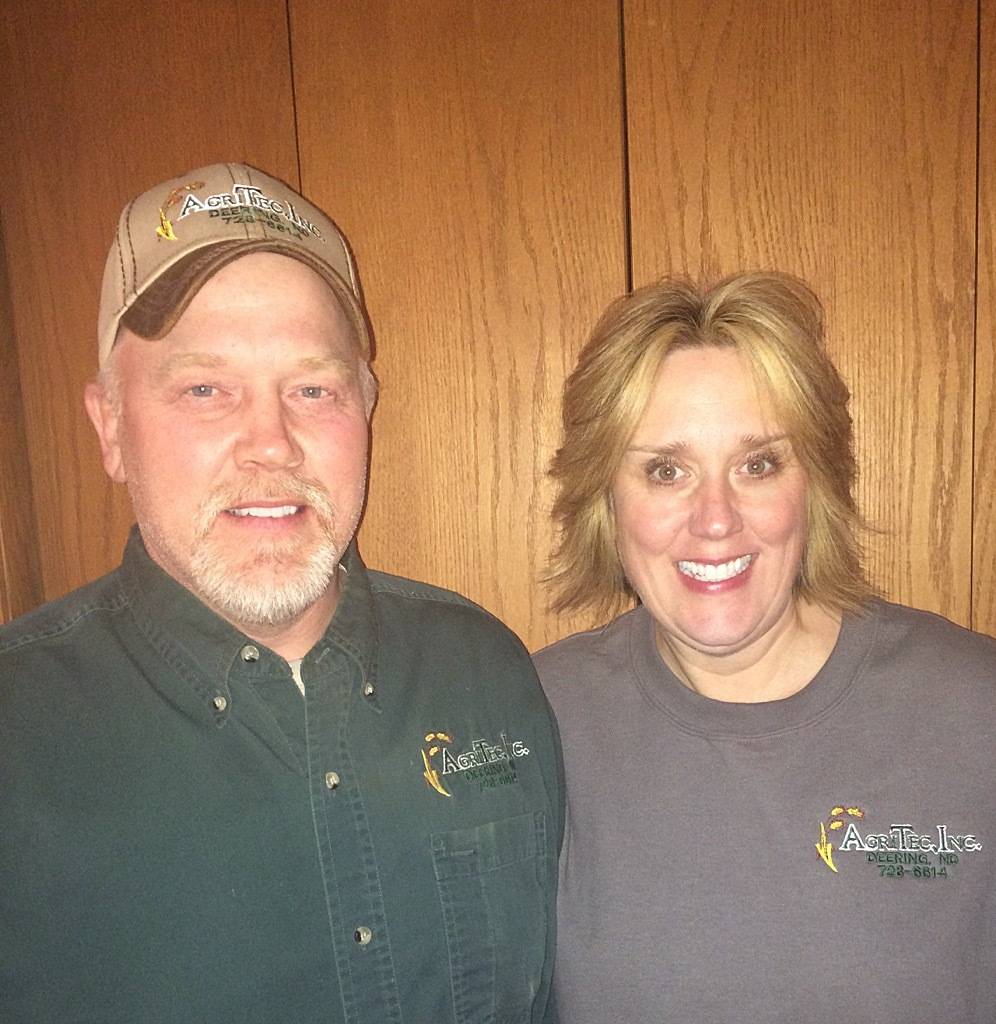
    IMG_1161.JPGFarmer ingenuity led Jerry Miller of Deering, ND, to start his own business. This third generation farmer couldn’t find a provider for the type of fertility program he was interested in using, so he founded AgriTec.

    “AgriTec looks for high quality, cost-effective products that are biologically superior,” says Jerry. “We want to be the one stop for all the products and services a farmer needs to have a successful growing season, so we also sell seed.”

    Desiring to work with a family-owned seed company that offers a broad and deep lineup, last year Jerry and his wife, Dana, planted Latham® brand soybeans on their own farm. Impressed by the high quality and performance – with yield gains as high as 10 bushels per acre over the competition – the Millers decided to make Latham products available to their customers for the 2015 planting season.

    Saving time, reducing risk, simplifying decisions and providing options are shared promises of Latham Hi‑Tech Seeds and AgriTec. AgriTec strives to provide unequalled service including: custom fertilizer blending, chemical and seed sales, seed treatment, plus custom application of dry and liquid fertilizers and chemicals, both on the ground and aerial.  Soil testing, prescription farming services and agronomy consultation also are offered.

    “We enjoy working with everyone at Latham because, although they are personable and friendly, they are also very professional and competent,” says Dana. “Information, orders, deliveries and questions are all addressed with precision.  Dealings are stress free and accurate.”

    Raised in a small town in central Saskatchewan, Canada, Dana came to North Dakota for college. She earned a bachelor degree in deaf education and a master’s degree in special education diagnostics from Minot State University. She had served as diagnostic team coordinator for Minot State University but left her job in 1996 to help with Agri-Tec.

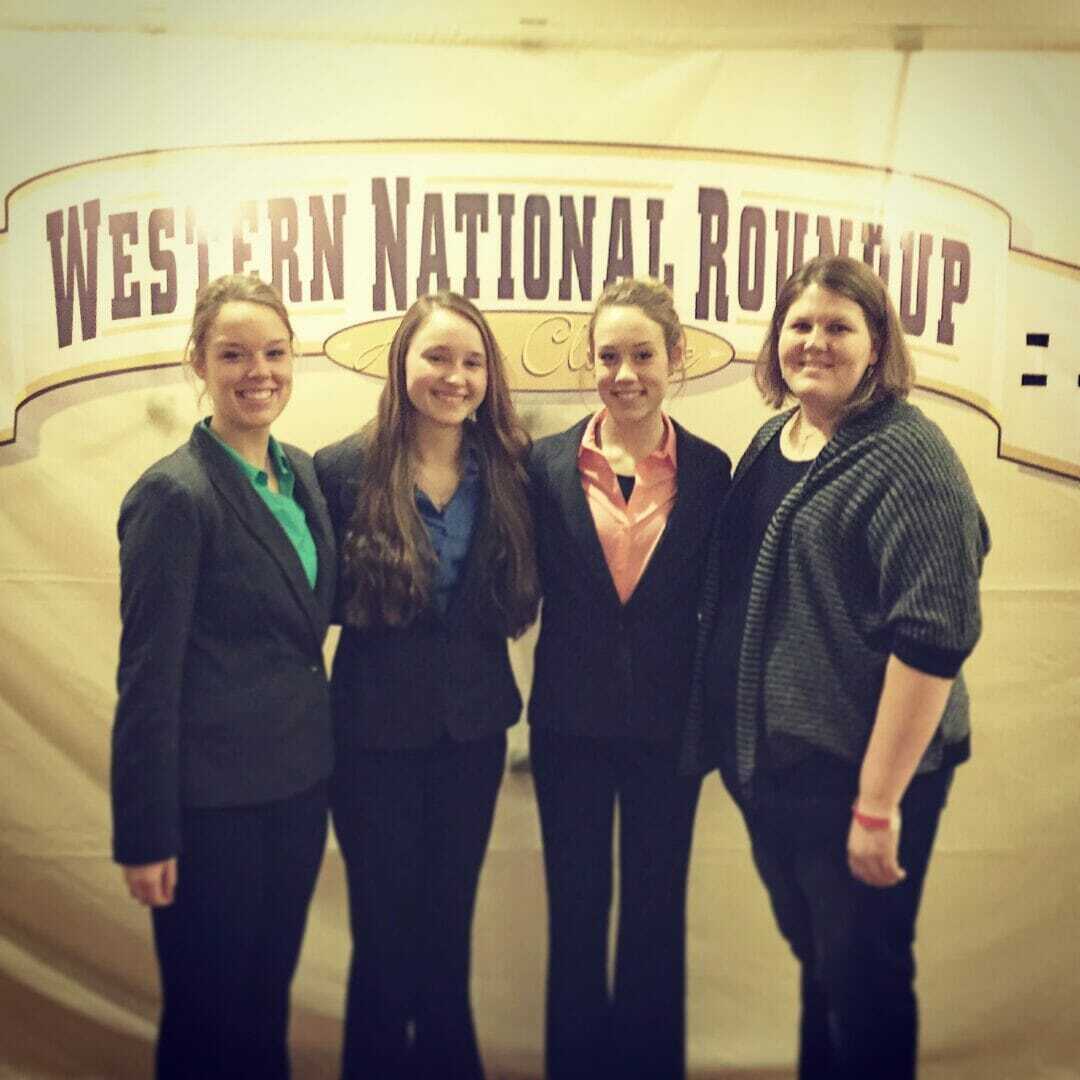
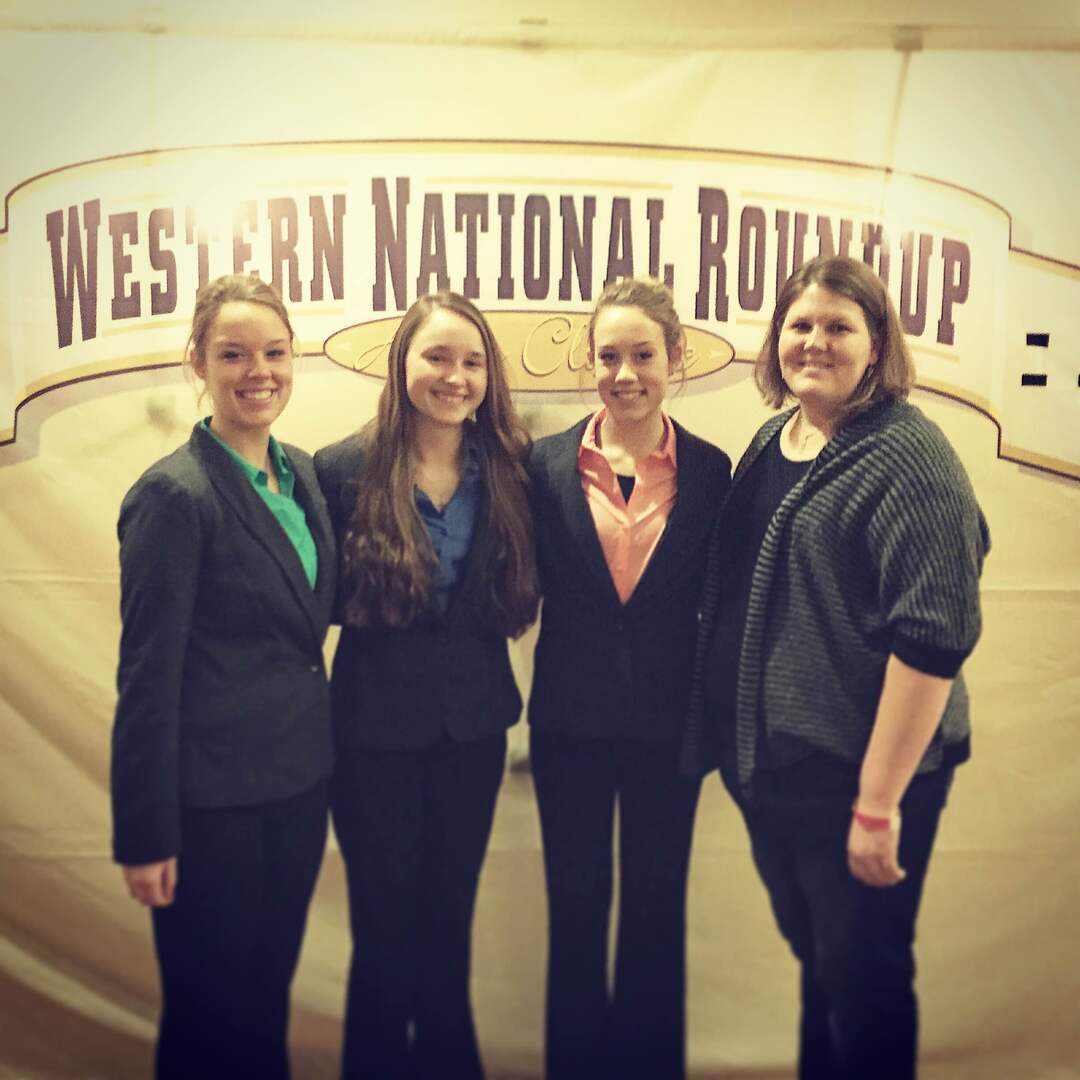
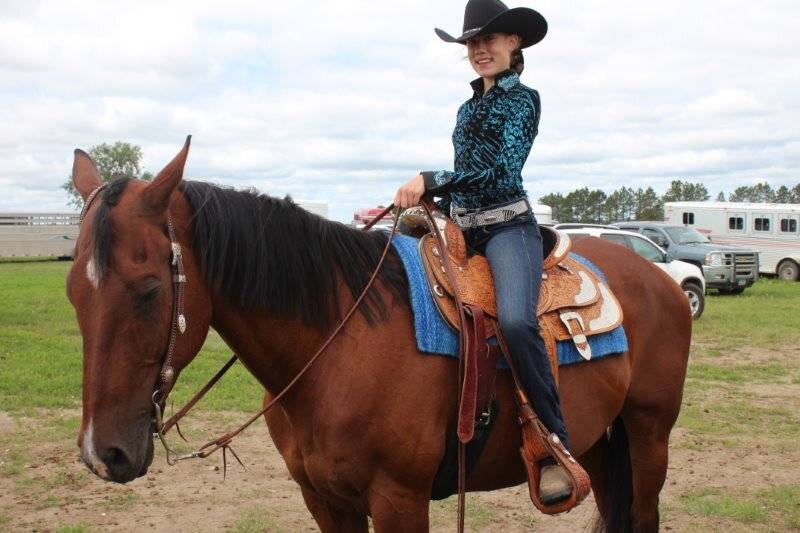
    The Ward County horse judging team placed fifth overall at the Western National Roundup in Denver last month. Pictured from left to right are coach Paige Brummund and team members Shaylee Miller, Kara Scheresky and Kali Miller.
    The Ward County horse judging team placed fifth overall at the Western National Roundup in Denver last month. Pictured from left to right are coach Paige Brummund and team members Shaylee Miller, Kara Scheresky and Kali Miller.

    In addition to growing a business, Jerry and Dana have raised their three children on the same farm where Jerry grew up. Their 21-year-old son, Jory, will graduate in May from the University of North Dakota (UND) with a degree in Marketing and Communications. He interned with the North Dakota State Fair in 2014 and is very involved with his fraternity and philanthropy projects.

    Jory-Miller

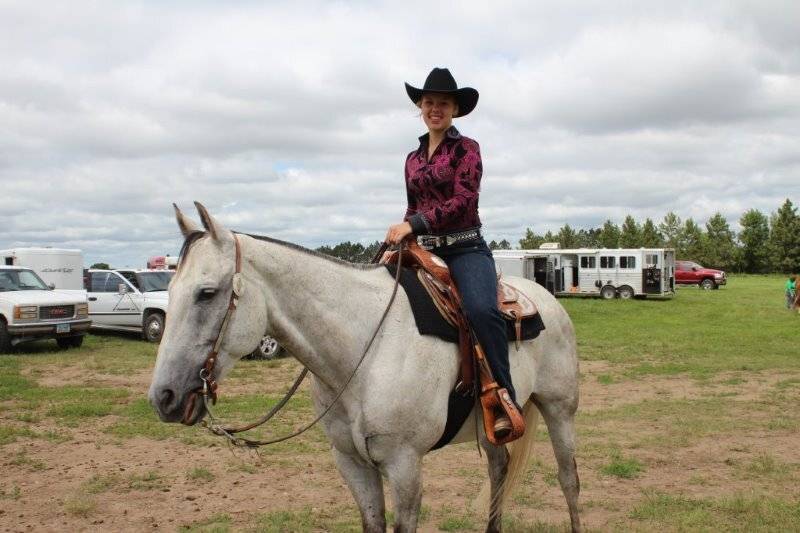
    The Miller’s oldest daughter Kali, 19, is in her first year at UND. She’s planning to pursue a career in the medical field.  Kali was an active 4-H member, and in 2014, she won the state 4-H horse judging competition in Fargo.

    Kali-Miller

    Judging horses is a passion Kali shares with her 15-year-old sister, Shay. A freshman at Surrey High School, Shay is active in volleyball, basketball, track and student council.  She also is very active in 4-H. She enjoys showing horses including: Western riding, English riding and games, such as barrels and poles.

    Shay-Miller

    Shay and Kali have participated in Hippology contests and were important parts of the team representing North Dakota at the national competition last month at the National Western Stock Show. In March 2014, the Miller sisters along with teammate Kara Scheresky competed in the state 4-H judging competition in Fargo. They took first place in horse judging and were invited to judge at the Western National Roundup in Denver, Colorado. More than 900 youth from 33 states plus Alberta, Canada attended the Roundup from January 8-11, 2015, and the North Dakota team proudly placed fifth overall.

    Although Dana wasn’t raised on a farm, she says she’s enjoyed raising her children on a farm where they can pursue their own interests. Growing up on a family farm has also taught them responsibility, she says.

    “Our children enjoy the quietness and the open spaces of the farm. They spend a lot of time in the barn with their animals,” adds Dana. “Our girls can be found all summer long with their horses. They have learned independence, responsibility and compassion from owning and caring for animals.”

    Caring for livestock and running an agribusiness, plus attending extracurricular activities, means there’s limited time to spend in the kitchen. Dana enjoys recipes that are quick and easy. Today she’s sharing a favorite recipe for Easy Lemon Bars, which is like a vacation for your taste buds.

    Team Latham

    February 6, 2015
    Desserts, General, Recipes
  • Latham Hi‑Tech Seeds

    Scrambling to Prep for Super Bowl Sunday?

    Beer cheese soup

    It feels like we just gathered together to celebrate the New Year, yet January Soup Month ends today. While I’m trying to come to terms with how quickly the month has passed, most Americans have moved on to the next big thing… Super Bowl XLIX!

    Scrambling like a quarterback about to get sacked, I sat down at my laptop this morning to come up with a game plan to help feed a crowd tomorrow! Fortunately, I didn’t have to search very long or hard to find recipes for Game Day Grub like dripping roast beef sandwiches or ideas to serve up a little Super Bowl-themed fun.

    Below are links to some recipes that will help you keep it simple on Super Bowl Sunday, so you can spend less time in the kitchen and more time in front of the television watching top commercials like “Lost Dog.” As touching as this new #BestBuds spot is, nothing pulls at my heart strings like “So God Made a Farmer.”

    If you’re in need of some last-minute ideas, check out Latham Seeds’ “Super Bowl” board on Pinterest. Below are a few Super Bowl recipes that our customers and ag friends have shared with us in the past:

    • Take it to the House with Pork
    • Something Delicious is Stirring
    • Cheer On the Cheeseheads with Meatball Soup

    Soup sounds like an ideal meal tomorrow for two reasons: (1) I can fix it ahead of time and forget about it until we’re ready to eat; and (2) there’s an 80% chance of snow. We may just need to warm up with Beer Cheese Soup!

    Beer_cheese_soup

    Team Latham

    January 31, 2015
    General, Recipes, Sides
  • Latham Hi‑Tech Seeds

    Get Yourself in a Jam—in a Good Way!

    JamToast Maulsby

    Guest Blog by Darcy Maulsby

    Darcy Maulsby is a farm cook whose family operates a Century Farm in Calhoun County between Lake City and Yetter. Darcy also runs her own ag marketing/communications business (www.darcymaulsby.com) and enjoys teaching cooking classes, reading and improving her photography skills in her free time. Darcy’s motto? “As long as people need to eat, agriculture will never be irrelevant.” 


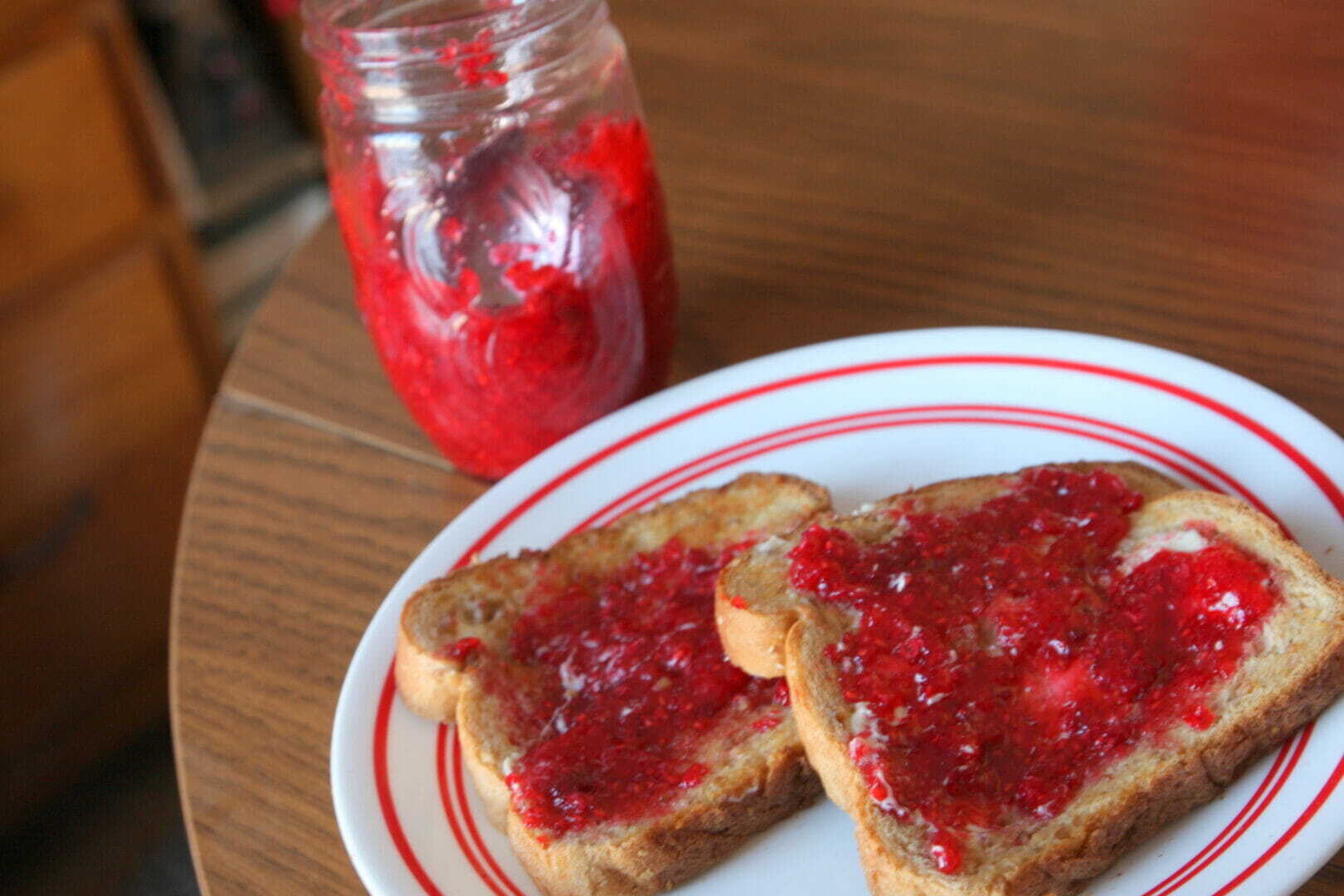
    Got 30 minutes? You’ve got enough time to make freezer jam. Once you’ve tried this amazing spread, you may never buy the jarred stuff from the store again.

    I can speak from experience, because I got hooked on home canning nearly a decade ago. During my class at the recent Women in Denim seminar in Storm Lake, I showed how making a simple, homemade freezer jam is the best way to break into canning. It’s easy, delicious and will make you feel like a major-league home cook.

    JamToast-Maulsby

    Jam isn’t just for toast, however. I use it for all sorts of recipes, from sweet to savory. In case you’d like to know what defines a jam, jelly or preserve, here’s the scoop:

    • In jelly, the fruit comes in the form of fruit juice.
    • In jam, the fruit comes in the form of fruit pulp or crushed fruit (and is less stiff than jelly).
    • In preserves, the fruit comes in the form of chunks in a thick syrup.

    Here are a few of my best recipes to get you started:

    30-Minute Raspberry Freezer Jam

    You can use red raspberries or blackberries with this recipe, which is fast, fun, and fabulous!

    3 cups prepared fruit (about 6 cups fully ripe red raspberries)—can also use frozen berries
    5 cups sugar, measured into separate bowl
    ¾ cup water
    1 box fruit pectin (I use the regular kind, not freezer pectin)
    Canning jars

    Crush raspberries thoroughly, one layer at a time. Press half the pulp through sieve to remove seeds, if desired. Measure exactly 3 cups crushed raspberries into large bowl. (If using frozen berries, drain off much of the liquid, and save for jelly making). Stir in sugar. Let stand 10 min., stirring occasionally.

    Mix water and pectin in small saucepan. Bring to boil on high heat, stirring constantly. Continue boiling and stirring 1 min. Add to fruit mixture; stir 3 min. or until sugar is almost dissolved and no longer grainy. (A few sugar crystals may remain.)

    Fill containers immediately to within 1/2 inch of tops. Wipe off top edges of containers; immediately cover with lids. Let stand at room temperature 24 hours. Jam is now ready to use. Store in refrigerator up to 3 weeks, or freeze extra containers up to 1 year. If frozen, thaw in refrigerator before using.

    ChocoalteTorte_Maulsby

    Team Latham

    January 30, 2015
    General, Recipes, Sides
  • Latham Hi‑Tech Seeds

    Through True Grit and Determination, Lacina Family Reaches Dreams

    Lacina Family Picture
    John and Niikia Lacina with their children: Alan, 17; Kaylee, 13; and Adam, 11.
    John and Niikia Lacina with their children: Alan, 17; Kaylee, 13; and Adam, 11.

    When John Lacina was a young boy, he literally walked in his dad’s shadow. He loved helping with chores, and he knew he wanted to grow up and be a farmer. Even though John was only 7 when his father passed away, his dream lived on – and became a reality thanks to hard work and determination.

    “What I enjoy most about farming is the chance to create something new each season. You prepare the soil and put seeds in the ground. Then you do what you can to help the crop thrive throughout the growing season and hope you harvest your best crop yet each fall,” explains John. “You’re responsible for managing that crop. When you see the results, you’re either going to kick yourself or give yourself a pat on the back.”

    Personal responsibility, true grit and determination defines him. In 1995, John graduated from high school in May and turned 18 in July. In September that year, he married his high school sweetheart. John and Niikia (pronounced na-key-a) had spent their high school years side-by-side. Niikia wasn’t raised on a farm, but she realized helping with farm work or riding in the tractor was a way to spend more time with John.

    “There wasn’t going to be money for a movie if John didn’t earn it first,” says Niikia, “so I would help him cut eye teeth (on pigs) or whatever needed to be done. Sometimes I just rode in the tractor or combine – and still do – to keep him company during the busy seasons.”

    As newlyweds, John and Niikia took off-farm jobs to help fund their dreams. John started as a floater operator at a local co-op, and spent all of his “free time” helping two local farmers. The long-term goal was for John to buy into Danny Dencklau’s farming operation over time, but fate moved up the time table.

    Sadly, Danny developed cancer and John left his position at the co-op to assume more of the day-to-day responsibilities with Danny’s farm and his trucking business. John and Niikia had to decide whether to finish buying Danny’s half of John’s semi or whether to sell the truck. After Danny passed away, the Lacinas had to determine how they were going to buy ground and equipment to continue farming.

    A local banker and a few others from the community had faith in the young couple. Today John is happy to be farming full-time and operating a Latham® seeds dealership. Niikia works off-farm as a Health Insurance Agent for KHI Solutions. The couple feels blessed to raise their three children on a farm where they can chase their own dreams.

    Their oldest son Alan, 17, is a junior in high school. He loves everything about farming. “From the time he could walk, Alan was my shadow,” says John. “He’s happiest when he’s behind the wheel of a tractor. He’s also enjoys snowmobiling and four-wheeling.”

    Their 13-year-old daughter, Kaylee, is an accomplished barrel racer. She got her first barrel horse when she was seven years old. In 2014, she started competing in larger events through the Professional Rodeo Cowboys Association (PRCA). In her just her third PRCA race, she placed 3rd out of 50 racers. Kaylee also won a saddle as the 2014 Senior TMRA Barrel Racing Champion with her 8-year-old Palomino named Scarlett Bandit.

    The Lacina’s youngest son, Adam, has been riding Tuff-N-Nuff Miniature Buck-N-Bulls for seven years. He got interested in bull riding after seeing live Pro Bull Riding (PBR) events and watching the movie 8 Seconds, based on the life story of Lane Frost. Adam won a Tuff-N-Nuff event in Fort Dodge when he was just 4, and he’s placed in the Top 5 every year since. He finished in second place over all in 2014, just one point behind the first place Junior Bull Rider. Adam also qualified for and rode January 10 at the 2015 National Western Stock Show & Rodeo (NWSS).

    “We’re making memories,” says Niikia. “Rodeos are something we enjoy watching and our kids enjoy participating in. We also like camping together and spending time with other families who share similar interests.”

    Working and relaxing together is the Lacina family’s mantra. Today they’re sharing a favorite recipe that hits the spot, especially during the fall harvest season when a home-cooked meal on weekends is an extra special treat. It also sounds like a perfect recipe to celebrate the Super Bowl – or to enjoy any Sunday Supper.

    Team Latham

    January 23, 2015
    General, Pork, Recipes
  • Latham Hi‑Tech Seeds

    Secrets to Turning a House “Divided” into a House United

    IMG 0849 1

    1508586_10152990709793080_7994767553956698845_n copyWhile Jody (Cole) Dvorak grew up in the Land of Deere, she says she had never ridden in a tractor or spent any time on a farm before she started dating the man who became her husband. Her parents operated a professional photography studio in Waterloo, and that’s where she discovered an interest in business.

    She enrolled at the University of Iowa, and her career path seemed clear. She would earn a bachelor’s of Business Administration degree, move to Minneapolis or Chicago and work for 10 years before starting her own company in the fashion industry.

    Two months before graduation, however, Jody and her roommate went to watch a rugby match at City Park in Iowa City. David Dvorak was “the handsome wing forward” who explained the game to them. David had graduated the previous year from Iowa State University with a bachelor’s degree in Agriculture Business and played for the Iowa City Ducks when his scheduled allowed.

    “That day he told me that he’d like to call me in about six weeks,” said Jody. “My first thought was, ‘Whaaaat?” Dave explained that he would be busy with harvest until then, but I was still surprised when he actually didn’t call until the crops were out.”

    It goes without saying that love changed the course of Jody’s career plans. She found herself following new dreams that led her down a moonlight path near West Liberty in eastern Iowa.

    “Farming is a life unlike any other, and I discovered right away how little I knew about agriculture. But I was excited about the completely new lifestyle. Marriage is marriage. A supportive spouse is there at the end of the day to listen, to understand that her needs don’t come first every day and to provide a safe space for her husband,” says Jody.

    When the Dvoraks were married and getting started in the 80’s, one of the most supportive things Jody said she could do was have a paycheck. She worked off farm for 22 years. She was an ad executive for three newspapers and advertising manager at the Iowa City Press-Citizen. She also served as membership director for the Iowa City Chamber of Commerce and as a coach for the Susan G. Komen 3-Day for the Cure. Plus, she owned two Curves fitness centers.

    Jody gets involved on the farm when her experience allows her to add value to the operation. Dvorak Farm became ISO-9000 certified about 15 years ago, so she became more involved at that time. She helped create sales and marketing materials for Innovative Growers, which produced expeller pressed soy oil, when David served as president of that group. They attended food shows to find new markets for their oil. Recently, Jody says she’s “dipped a couple toes into the pool of grain marketing.”

    Today Dvorak Farm raises primarily corn and soybeans. They lean toward value-added crops, growing white and waxy corn plus non-GMO corn and soybeans, seed corn and seed soybeans. They also grow some organic corn and soybeans. Their business is “driven by ethical principles and land stewardship while maintaining honest and fair relationships with landlords, employees, and everyone with whom they do business.”

    Dave and Jody Dvoark with son, John, and daughter, Casey.
    Dave and Jody Dvoark with son, John, and daughter, Casey.

    In addition to raising crops, David and Jody raised a family on their farm. Their 24-year-old daughter Casey works at an ad agency in Chicago, Their son John, 22, is working on his Master’s Degree in Computer Science at Rochester Institute of Technology (RIT) in Rochester, NY.

    “While my childhood was spent with a lot of neighborhood kids, Casey and John’s memories include each other. They played outside on the swings or built forts in their rooms together. They walked to and from the school bus every day, and did homework together. They had a mix of life on the farm like their dad had, but they also got time in the ballet studio and wrestling meets like my childhood. But unlike me, they had plenty of space to learn to drive!”

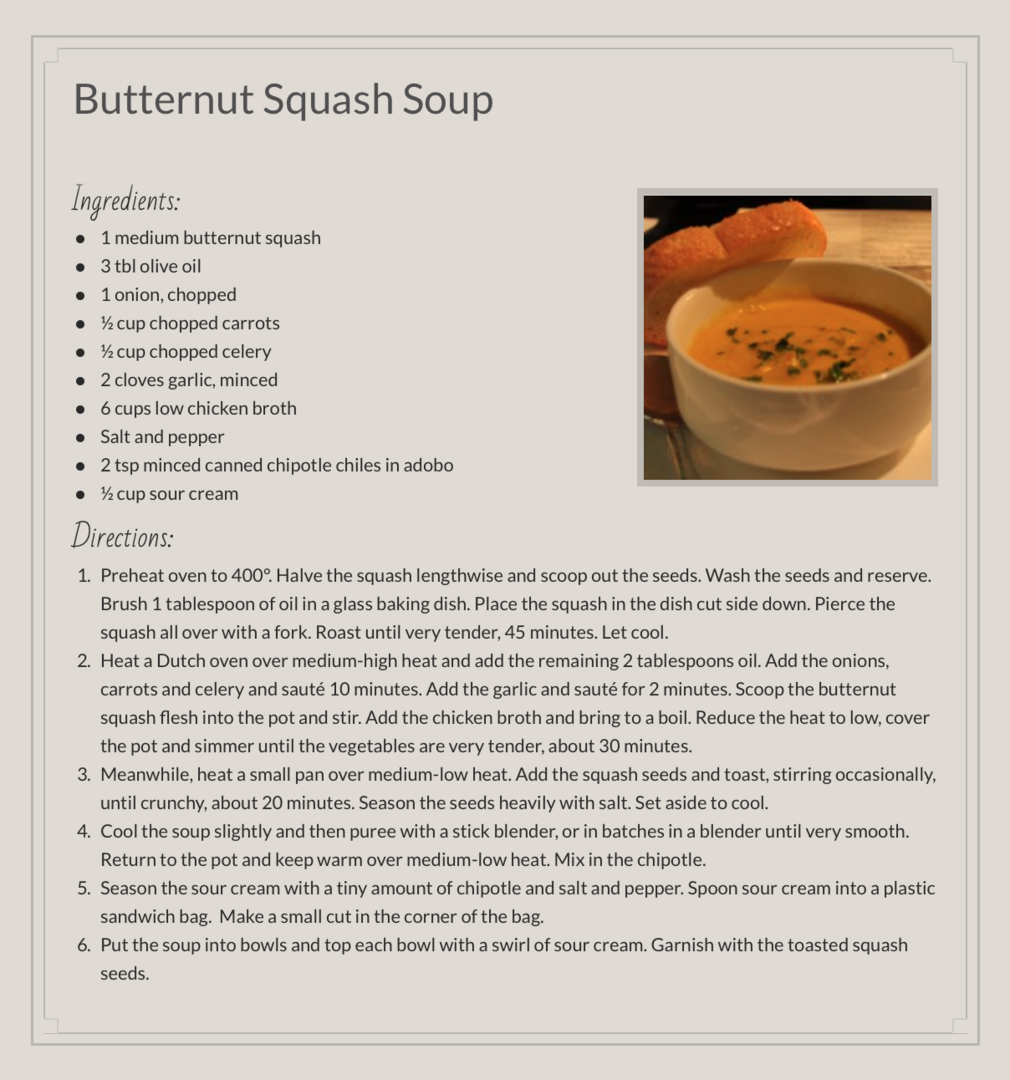
    The Dvorak’s children are following their dreams in far-away cities now, but they enjoy trips back home for a good home-cooked meal. In honor of January soup month, today Jody shares with us a favorite recipe for Butternut Squash Soup. She’s also sharing another recipe for bruschetta, which Jody says has become a favorite tailgating recipe.

    “Our family enjoys a good-natured competition every September although the Iowa – Iowa State rivalry hasn’t been as enjoyable for me the last few years,” says Jody good-naturedly. “When my Hawkeyes won the Big Game the first 12 years we were together, I should have been more gracious! Fortunately for me, Dave played rugby at Iowa State, not football, so it’s a pretty fun weekend no matter what happens.”

    P.S. Jody grew up in the city and graduated from the University of Iowa. David was raised on a farm and graduated from Iowa State University. While opposites attracted, they put their differences aside and work toward common goals. Be sure to read Monday’s blog when Jody shares advice for any girl who decides to marry a farmer! Monday’s blog is Part II in our “Bachelor series.” Click here to read Part I.

    Butternnu-Squash-Soup

    Team Latham

    January 16, 2015
    General, Recipes, Sides
  • Latham Hi‑Tech Seeds

    Get a Glimpse of “Farm Living”

    Image009

    Ever since the 19th season of ABC’s The Bachelor premiered on January 5, folks have been debating whether Iowa farmer Chris Soules can find a bachelorette who can become his life partner. Many experts have offered advice and shared secrets to a happy marriage. Others wonder if a beauty from one of the coasts can actually live happily ever after in the middle of cornfields, especially during the winter months.

    The truth is, a degree in agriculture or a background in farm life is not a prerequisite to become a supportive farm wife. Some of agriculture’s most well-known advocates were not raised on a farm. You might be surprised to learn that Carrie Mess, who blogs at “The Adventures of Dairy Carrie” was raised in Madison. Katie Olthoff, who blogs at “On the Banks of Squaw Creek,” never ever dreamed she’d become an advocate for agriculture and the turkey industry. Nor did Wanda Patsche grow up thinking she’d ever become well versed about #RealPigFarming.

    wanda patsche

    In fact, Wanda never thought she’d live on a hog farm. Her best friend during high school lived on a hog farm and had to clean pig pens every weekend. Wanda watched her friend work one Saturday morning and professed she would never marry a hog farmer, but those words were spoken before she started dating Charles Patsche!

    “My husband felt a calling to farm,” says Wanda. “He enjoys the feeling of planting a crop in the spring, watching it grow all summer long and then harvesting it in the fall. It’s experiencing the miracle of life that I’ve come to love, too.”

    Wanda has a way with words. I truly enjoy her writing style and find her blogs so insightful and relatable, whether she’s talking about everyday life on the farm or sharing stories about her family. That’s why today I’m simply going to share her candid responses to my questions.

    How long have you been blogging and why did you start?

    Prior to blogging, I was involved in agvocating through Twitter and Facebook. I really wanted to give blogging a chance but didn’t feel I was qualified because I didn’t have a journalism or ag communication degree. I’m a grandma who also farms from rural Minnesota… Who would want to listen to me? But I had things I wanted to say! Then a couple of years ago, I attended an AgChat national conference where I met many other agvocates from across the country. This conference inspired me to blog, and I’ve been blogging for two years.

    How did you get involved with agvocating and why do you believe it’s important for farmers to tell their stories?

    Both my husband and I have been involved in the pork industry for many years. We both had served on the county board level, and I was also a member of a few state pork committees. In 2012, my family was selected as the 2012 Minnesota Pork Farm Family of the Year. Our children were on their own or at least in college at that time, so I had some extra time to promote agriculture, or I should say, “Correct the enormous amount of misinformation about ag.” It’s important that farmers tell their story because there are people/organizations taking advantage of the fact that the numbers of farmers are small. Honestly, there wasn’t the need years ago to communicate with consumers because they already had a connection to farming, whether it was their own background of growing up on a farm or at the very least, their parents grew up on a farm. Today, “transparency,” or talking to consumers about what they do and why, is new to farmers. Many are busy farming and don’t understand the need to engage with consumers. Farming has modernized and doesn’t look the same as in the past, so consumers have questions about today’s agriculture. They want to know farmers. Anti-ag people/organizations are also taking advantage of consumers’ disconnect to agriculture by spreading information about agriculture that is misleading, deceitful and outright wrong. We need to stop that movement – and we can by giving agriculture a face and telling our story in whatever way is comfortable to farmers. It can be as simple as talking to family and friends about what farmers do and why.

    How do you respond to farmers who say, “I don’t have a story to tell”?

    Everyone has a story. I am a grandma, who lives in rural Minnesota – in the middle of nowhere – who also farms. I can relate to many people, such as other moms who are so confused about the food they are feeding their families. I listen to their concerns and engage in conversations about what we do and why we do it. We are just normal, regular people growing food for families. Consumers want and deserve to hear from us. image010

    What do you enjoy most about farming?

    There is nothing better than the feeling of growing and raising food for other families. It’s humbling and a huge responsibility. None of which we take for granted.

    What do you wish consumers understood better?

    Just this week I posted a blog with 7 things farmers wish for consumers (and families) in 2015. First and foremost, I wish for more truthful and less confusing marketing. Farmers care about our animals and our soils. We care for the environment. And even though nothing is perfect in farming, we try every single day to be better than the day before.

    How has your online presence helped you connect with consumers?

    It’s been amazing the connections I have made with consumers! People from all over the world read my blog. I actually had to use a translator to read comments left in German. It’s been an interesting journey. Through time and some training, I’m able to try and take “attack” statements and turn them into a conversation. Granted, it does not work every time because there are people who not want to converse. I’ve learned that it’s okay to walk away from them, but I have had so many other successes! And the unique aspect of an online social media presence is other people can also read the conversations. When I have online conversations, I think about other people who are lurking, reading and learning, too. image011

    How has your online presence connected you with more farmers?

    This has been special! I’ve gotten to know so many farmers across the country and Canada online. When we meet in person, it’s like we’re old-time friends. It’s a very special bond. And it’s great because if I have a question about farming that I’m not familiar with, I almost always have someone I know that I can ask. Now if you have questions about farming, you know to ask Wanda! Learn more about #RealPigFarming and crop farming in the Midwest by following “Minnesota Farm Living” on Facebook and on Twitter @MinnFarmer. From reading my blogs, you know I enjoy a good recipe as much as I enjoy a good story! I especially enjoy Wanda’s Whiskey Peach Pork Chops, which I downloaded this fall from Prairie Californian. Now I’m looking forward to trying her crockpot recipe for pulled pork. Hopefully, you will, too!

    Team Latham

    January 9, 2015
    General, Pork, Recipes
  • Latham Hi‑Tech Seeds

    Beginning a New Year with Family Traditions

    Ringing in the New Year for this Franklin County family means celebrating Christmas and then heading to Hilton Coliseum to watch the Iowa State Men’s Basketball game.

    Kari and the kids enjoying a New Years Eve game at Hilton Coliseum
    Kari and the kids enjoying a New Years Eve game at Hilton Coliseum

    “My parents, both of my sisters and one of my brothers-in-law all graduated from Iowa State, so we are truly a Cyclone Family,” said Kari (Berghoefer) Subbert of Hampton. “It’s a lot of fun to take our kids and teach them about Cyclone traditions.”

    Another Cyclone tradition for the Berghoefer family is participating each spring in Cy’s House of Trivia. The family has entered as a team since the contest began in 2006. They’ve earned a spot in the Top 10 each year, placing third in 2013 and winning it all in 2014!

    In addition to cheering on the Cyclones, Kari’s family shares a love of rural living. She and her husband, Nathan, lived in Cedar Rapids for nearly 10 years but knew they wanted to raise their children in a small town. Nathan grew up on a Century Farm in Greene County, north of Churdan, where his dad still farms. Kari grew up on a beef cattle and grain operation just south Hampton that has been in her family for three generations. When the opportunity came up to rent land upon her dad’s retirement, the couple jumped at the chance to pursue their dream of farming.

    Nathan feels fortunate that he’s been able to telecommute for his job as a software engineer at Rockwell Collins, which was his full-time job before he began farming. His background in engineering helps him keep up-to-date with the new technology being used in agriculture, too.

    Kari, who graduated with a degree in journalism, worked for a publishing company in Cedar Rapids. She still does freelance design work, and she’s a full-time mom to three very active children. Grant is almost nine and in third grade; six-year-old Maren is in kindergarten; and Henry is three. Grant enjoys reading, building with Legos, playing the piano and showing a bucket calf at the county fair. Maren likes her dance and tumbling classes, playing dress-up and drawing. Henry loves anything with wheels – especially trucks, tractors and trains.

    Subbert Family
    Kari, Nathan, Maren, Grant and Henry Subbert

    The Subbert children are learning life’s lessons from the farm. “This year was Grant’s second year taking a bucket calf. He’s learning that it takes a lot of time and responsibility to care for animals,” says Kari. “He knows that he must go feed the animals even if he doesn’t want to because they depend on him to take care of them no matter what. Grant is also learning perseverance. Those calves can be stubborn when you’re teaching them to lead, but you have to keep working at it.”

    Outside the home, Kari enjoys volunteering for the Hampton-Dumont PTO and serving on the Hampton Community Christian Daycare board. Her hobbies include reading, photography and baking, which were sparked by her nine years as a member of the Reeve Royalties 4-H Club for nine years.

    “We were always allowed to help in the kitchen growing up,” says Kari. “My mom would let me decide what kind of pies we were going to make for the 4-H and church food stands at the county fair, as long as I made them from start to finish. Those years of practice led me to become the official pie baker for all family gatherings, and I still make four pies each year for our church food stand at the Franklin County Fair.”

    Even though she’s known across the county for her aesthetically pleasing and equally delicious pies, Kari’s kids prefer her homemade banana bread. Today she’s sharing with us that recipe plus another one of their favorite soup recipes. “Both are easy to make and comforting, especially in the winter,” she says. Go ahead and celebrate January Soup Month, beginning this weekend!

    Sausage Vegetable Beef Soup

    1 lb ground beef
    1 T minced onion (dried or fresh)
    12 oz kielbasa sausage
    4 c (32 oz) beef broth
    1 can diced tomatoes (with juice)
    1 ½ c frozen mixed vegetables
    1 c Wacky Mac pasta
    Salt and pepper to taste

    Brown ground beef with minced onion. Add broth and tomatoes. Mix in vegetables and pasta. Bring to a boil and then turn down heat and simmer for about 10 minutes. Slice sausage into disks and heat in microwave. Add to soup with salt and pepper to taste, simmer 5 minutes and eat.

    This is a soup that everyone in our family will eat – even the picky three-year-old. It’s easy to throw together on a weeknight and makes a hearty, filling meal. You can add other spices such as oregano, thyme or basil to change the flavor slightly as well.

    Team Latham

    January 2, 2015
    General, Recipes, Sides
  • Latham Hi‑Tech Seeds

    Rich Holiday Traditions “Make the Yuletide Gay”

    YuleLogFact

    The holiday season is rich in tradition. So many family Christmas traditions are related to food! We look forward to our annual meals, whether its oyster stew on Christmas Eve or beef tenderloin with Béarnaise sauce with a side of scalloped oysters on Christmas Day.

    In response to a post by Latham Hi‑Tech Seeds on Facebook, customers and friends shared with us some of their family’s favorite holiday foods including: potato soup, squash casserole, cheesy creamed corn and spaghetti with homemade sauce. We definitely connote certain foods with special occasions. The taste and smell of certain foods can bring back beautiful memories and help us remember special people.

    Dried fruits and nuts reminds me of my late grandma baking stollen on a few occasions while visiting me and my parents. My husband associates the smell of popcorn with his grandmother. Each year Evelyn Latham, wife of company founder Willard Latham, was known for making Christmas special for her 12 grandchildren with homemade popcorn balls and ice cream dessert.

    As a family-owned company, Latham Hi‑Tech Seeds’ is rooted in tradition. Right after Thanksgiving we put up the company tree in the lobby of our office, and each employee hangs the ornament with his/her name on it. We also enjoy a holiday potluck, and this potluck is like no other! Of course, we have to find new ways to celebrate Christmas in 2020 due to COVID-19, but we hope the potluck will be able to pick back up next year!

    Each year there is such an abundance of food that we set up separate “buffet” tables for desserts, salads and hot dishes including pork loin, meatballs and cheeseburger soup. We were joking (at least I think we were) that it needs to become a two-day affair just so we have a chance to sample it all!

    treecupcakesNo matter how full we are, we still find room for sweets. Two of the most popular desserts we’ve had are mini Christmas Tree Cakes, which is the perfect size when you just want a little something sweet, and a beautifully decorated Yule Log.

    The level of detail put into the frosting “bark” was impressive, and it certainly sparked an interesting dinnertime conversation. Some of our younger team members hadn’t heard of the word, “Yule.” Others weren’t familiar with the term “yule log.” Because I was a little curious about the history of the yule log, I did a little research and decided to share my findings on today’s blog.

    “Yule” has several suggested origins, dating back to pagan religious festivals. The Old English word was geõla. The Old Norse word jõl. The Anglo-Saxon word for the Winter Solstice festival was lul, meaning “wheel” since old almanacs represented the Yule with a wheel. An important “turning point” in each year is Winter Solstice, which is the shortest day of the year and also the beginning of more daylight hours.

    The Yule Log was originally an entire tree that was carefully chosen and brought into the house with great ceremony. The largest end of the log was placed into the hearth, while the rest of the tree stuck out into the room and was slowly fed into the fire throughout the Twelve Days of Christmas.

    The Yule log tradition had been adapted throughout the years and varies by region. In parts of France, the whole family helps cut the log and a little bit is burned each night. If any of the log is left after Twelfth Night, it is kept safe until the next year. In some parts of Holland, the “leftover” log had to be stored under a bed until the following Winter Solstice. In some eastern European countries, the tree was cut down Christmas Eve morning and lit that evening. In the United Kingdom, the log was dried out and the bark was removed before it was brought into the house for burning.

    YuleLogFactNow that many homes have central heat, few people have wood-burning fireplaces. I’m guessing the Yule log is one holiday tradition that isn’t widely practiced anymore. After reading about its history, however, I’m inclined to adapt a new tradition for our family. We have a real Christmas tree, which could be chopped up in January and then enjoyed throughout the summer as a campfire. I learned that sprinkling different chemicals on a log will create different colored flames:

    Potassium Nitrate Violet
    Barium Nitrate Apple Green
    Borax Vivid Green
    Copper Sulphate Blue
    Table Salt Bright Yellow

    In honor of the Yule Log tradition, we are sharing a treasured recipe for the festive sponge cake.

    Team Latham

    December 19, 2014
    Desserts, General, Recipes
Previous Page
1 … 43 44 45 46 47 … 71
Next Page

Latham Hi‑Tech Seeds

131 180th Street | Alexander, IA 50420

(641) 692-3258

SIGNUP FOR OUR NEWSLETTER
  • Contact
  • Legal
  • Dealer Center
  • Seedware Login
  • Latham Gear

© 2025 Latham Hi‑Tech Seeds. All rights reserved. | Iowa Web Design by Webspec | Privacy Policy

Latham® Hi-Tech Seeds is a trademark of M.S. Technologies, L.L.C., 103 Avenue D, West Point, IA 52656.