Latham Hi-Tech Seeds

(641) 692-3258

  • Home
  • Products
    • Corn
    • Soybeans
    • Alfalfa
    • Corn Silage
    • Seed Guide
  • Performance
  • Find a Rep
  • Media
    • Blog
    • News
    • Videos
    • Podcasts
    • TECHTalk
  • About Us
    • Company History
    • Our Mission
    • Careers
    • Become a Rep
    • Sowing Seeds of Hope
  • Contact Us
  • Latham Hi‑Tech Seeds

    Life’s Lows Make Us Appreciate the Highs More

    I Wish U1

    Farming can be an emotional roller coaster. Spring is a season of excitement as the weather warms up, and the grass turns green. I always look forward to a new planting season. Planting season is a high point, but I’m bracing for the lows that are sure to come. You never know when weather, weeds or bugs will change the fate of one’s crop. Yes, farming is filled with peaks and valleys.

    Recently, I’ve been moving grain to town. I enjoy hauling grain, but the current market prices are a serious downer. More ups and downs…

    The past week has been filled with more highs and lows. On April Fool’s Day, I enjoyed reading about the pranks being pulled. Cristen Clark shared how she celebrates April Fool’s Farm Style. Another prank I enjoyed was a video about a marshmallow farmer talking about his ruined crop. As my wife Janice and I watched that video, she reminded me that many people will believe it’s true.

    Going from the high of enjoying the joke to the reality that we have not informed people how we grow food was another “roller coaster moment.” I couldn’t help but remember Desmund Adams asking me why we don’t we take Ag in the Classroom to Chicago because he grew up not knowing meat comes from animals.

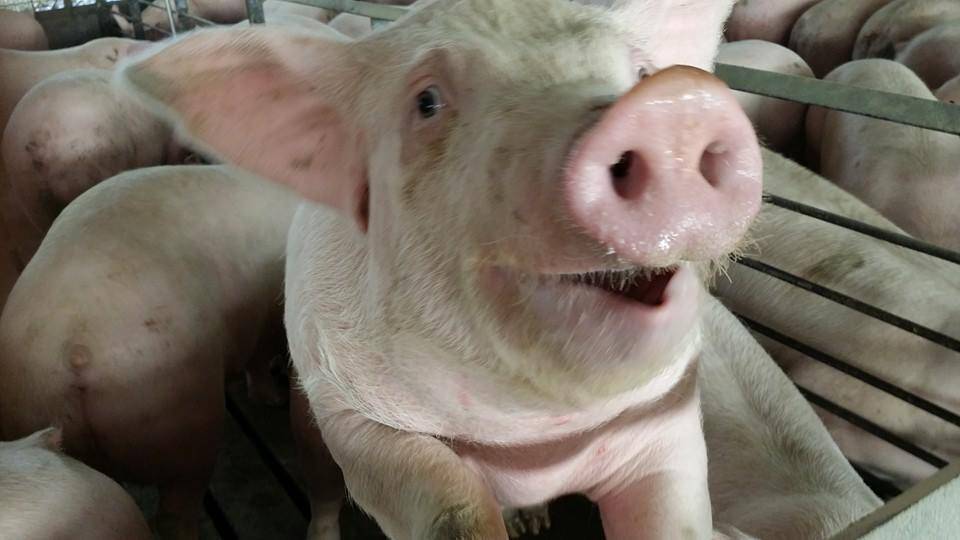
    Last Tuesday in my blog post, I shared how the way we care for livestock has changed throughout the years. In the “good old days,” we raised pigs outside in extreme cold or heat. They were exposed to disease and insects. Baby pigs were often sunburned because the momma sow was trying to stay cool in a mud puddle rather than seeking shade.group of pigs
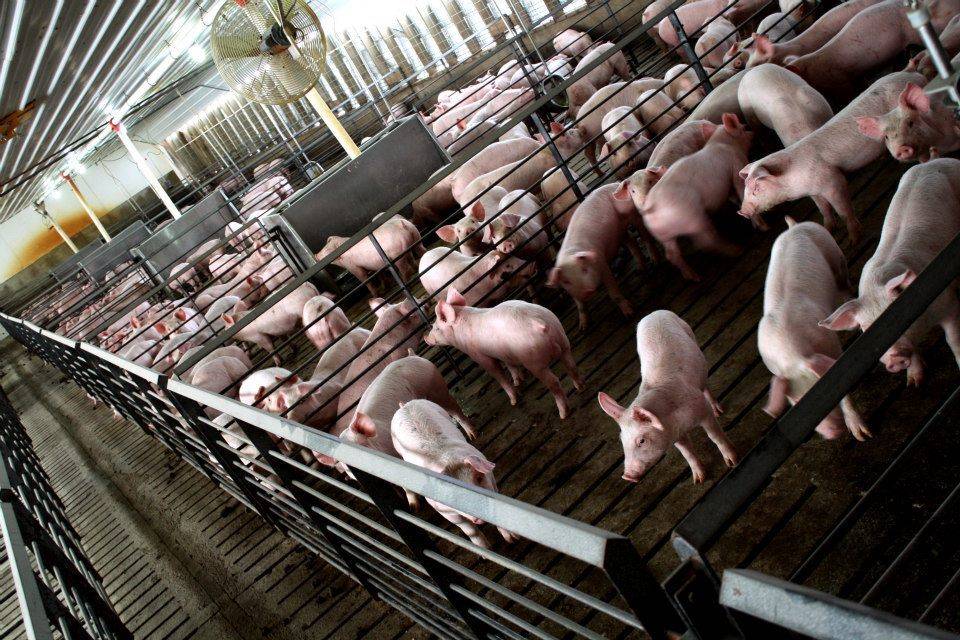
    Contrast the methods of yesteryear to today’s climate-controlled hog barns where there’s a barn designed to meet the pigs’ needs from the time they’re born until they’re shipped to market. Pigs in my feeder operation are content. When it’s below zero outside, my pigs are warm inside. When it’s rainy and damp – like this week’s forecast for North Central Iowa – my pigs don’t get chilled and they stay dry. When it is 100 degrees in the shade like it is during many summer days, my pigs stay cool and don’t suffer sunburn.

    I can see the huge improvements to animal agriculture made during my life time! Yet, comments left under my blog last week attack the way I farm! Situations like this make me doubt the price of advocating… Is sharing my story worth the ups and downs?

    Agvocating, just like the rest of my “chores,” is full of ups and downs. I know those comments on my blog came from the anti-animal groups. All of the talking points were the same old points, which tells me they were given to people to use that have never been on a farm! Nonetheless, advocating is definitely an emotional roller coaster.

    When I did my first “big” newspaper interview about antibiotics in animal agriculture, I almost said enough is enough! The reporter had his story written before he came to talk to me. He just needed to “interview” a real pig farmer to make it seem like he had researched pig farming. Of course, nothing I said was in the story. He only included my picture holding a pig! Since that first newspaper interview, I’ve learned to use pictures of pigs to my advantage! People love pictures of pigs. Highs and lows…

    Now I’m working to get my current group of pigs to market. Two pig barns will be emptied this week, and repairs will be needed. Each barn must be cleaned and disinfected before new pigs arrive. I always look forward to bringing in cute little pigs, and I’ll receive a new group this Thursday. That’s a time I enjoy, but the pigs can also develop problems.

    All I can do is try my best, and I was reminded of this “life lesson” in church on Sunday. Without the pain and suffering that occurred on Good Friday, we wouldn’t experience the joy of Easter morning.

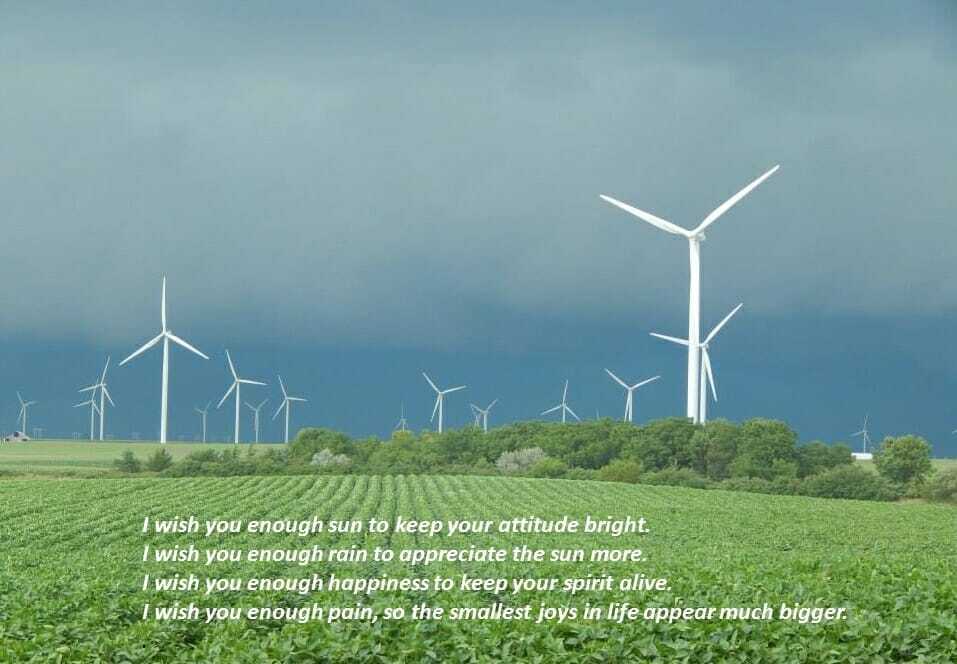
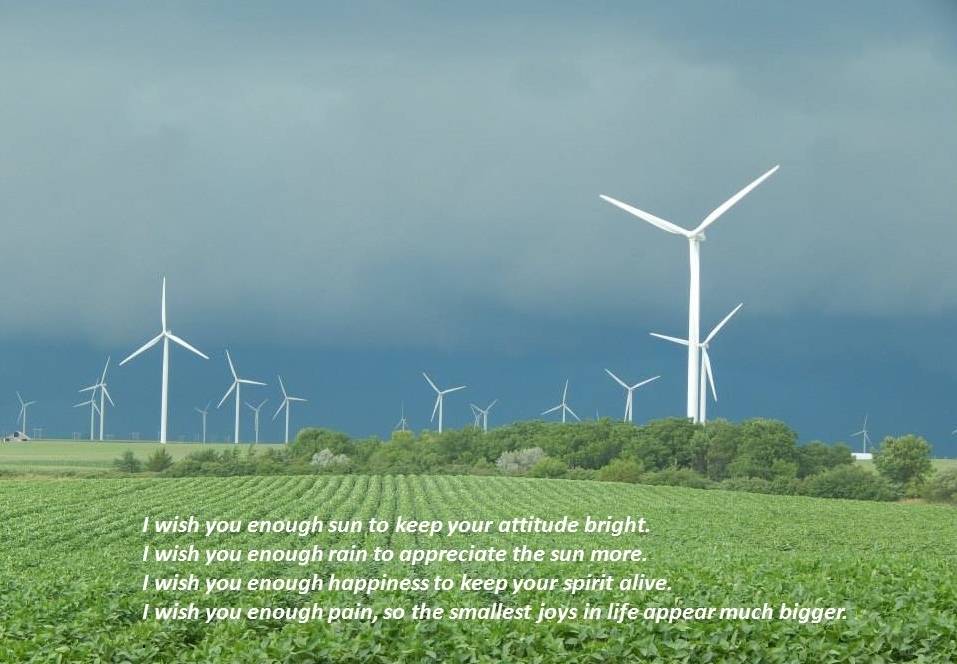
    Life’s low points definitely make you appreciate the highs. That reminds me of a short story, “I Wish You Enough,” which I recently read on Facebook:
    I-Wish-U

    I wish you enough sun to keep your attitude bright.
    I wish you enough sun to keep your attitude bright.
    I wish you enough rain to appreciate the sun more.
    I wish you enough happiness to keep your spirit alive.
    I wish you enough pain, so the smallest joys in life appear much bigger.
     

    Larry Sailer, Musings of a Pig Farmer

    April 7, 2015
    Agriculture, General, Industry News
  • Latham Hi‑Tech Seeds

    Showcasing Conservation Practices is a “Snap” with #FarmersCoverIowa

    Conservation for Shannon Grassed Waterway 5416

    The Iowa Food & Family Project is showcasing how farm families are covering Iowa – literally! From now through Earth Day on April 22, submit photos that show practices you have implemented to improve soil and water quality.

    Conservation for Shannon - Grassed Waterway-5416
    A photo project called #FarmersCoverIowa will depict environmental improvements farmers use including reduced tillage, cover crops, the proper application of livestock nutrients, grassed waterways and water retention ponds.

    “Iowa’s landscape is being transformed with the construction of modern livestock barns and the implementation of more soil conservation practices in more locations,” said Aaron Putze, coordinator of the Iowa Food & Family Project (Iowa FFP) and communications director for the Iowa Soybean Association. “With the added interest in the topic of water quality this spring, providing a forum for farmers to showcase the many practices they’re using to cover Iowa takes on added importance.”

    Farmers like Carl Roberts of Belmond, Iowa, use conservation tillage to protect against erosion and to preserve water quality. Larry Sailer of Iowa Falls has installed buffer strips and restored wildlife habitat. We know many other dealers and customers of Latham Hi‑Tech Seeds also have practices in place – planting cover crops and maintaining grass waterways – to conserve soil and preserve water quality.

    Conservation for Shannon - Grass Buffer-4096
    More than 92,000 crop and livestock farms dot Iowa with the farm families who own and manage them providing stewardship of nearly 31 million acres. Show us what you’re doing by sharing photos online using the #FarmersCoverIowa hashtag.

    Show us what you’re doing on your farm! Snap a photo of a conservation practice or landscape and post to Twitter, Facebook and Instagram using the hashtag #FarmersCoverIowa. Please identify the practice and the county in which it’s located, so we can help educate non-farmers about all that Iowa farmers are doing to keep soils productive and our water quality high. An ongoing album of photographs of how farmers are covering Iowa will be featured on the Iowa FFP Facebook Page.

    Latham Hi‑Tech Seeds is a proud supporter of the Iowa FFP, which champions the continuous improvement of Iowa’s farm families and their dedication to providing wholesome food for everyone. The Iowa FFP, which involves nearly 40 farm and foodservice partners, proudly serves as presenting sponsor of the Iowa Games and supports Live Healthy Iowa.

    Larry Sailer, Musings of a Pig Farmer

    April 6, 2015
    Agriculture, General, Industry News
  • Latham Hi‑Tech Seeds

    Gardening Can Be for the Birds!

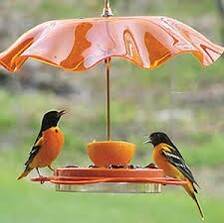
    Orioles

    Guest blog post by Nicole Jonas of Red Granite Farm

    With the recent warm spring weather, home gardeners are getting eager to get their hands in the dirt. April is National Gardening Month after all! Perhaps you’d like to celebrate by planning a new garden space or refreshing an existing space that will be more inviting to your feathered friends.

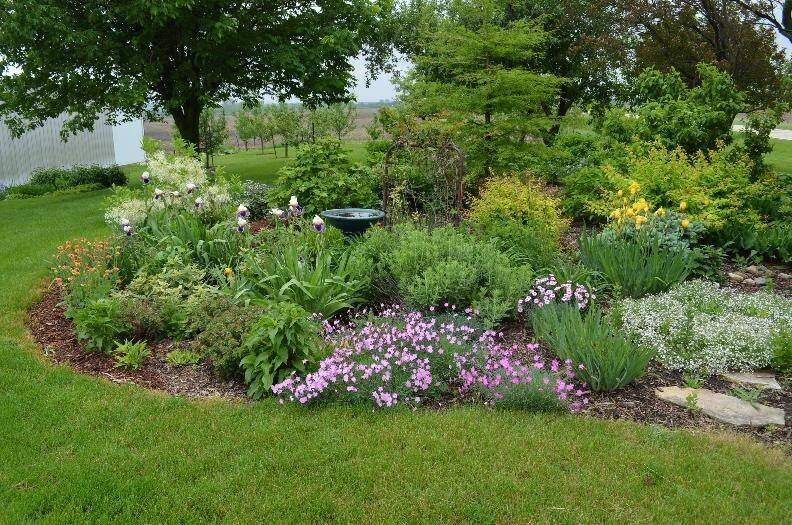
    The plants you choose will be dependent upon which birds you want to attract. Some families of birds will remain around your feeder all winter long, but most backyard birds will fly south when the Midwest weather turns cold.  If you plant a food source for birds, however, they are more likely to find your backyard on their migration pattern and return year after year.Beautiful Landscape

    Two things are essential for attracting and keeping birds in your backyard: (1) an environment that is attractive to insects, which is a main food source for birds; and (2) cover, which is a place for them to live and build nests. A diverse combination of plants – perennials, annuals, shrubs, trees, vegetable and even herb plants – can provide a year-round habitat and year-round food sources for many of our favorite backyard birds.

    When planning a year-round habitat, it’s important to consider garden design. Select trees, shrubs and perennials that will provide flowers and fall color for aesthetics, as well as fruit and cover for the birds. Some of my favorite trees and shrubs that can give you this include Serviceberry, Crabapple, Barberry and Chokeberry.

    The main foods of backyard birds include insects, seed (including nuts), fruits, berries and nectar. Because of their beak size and structure, some birds will be able to eat larger and tougher fruits while others will only be able to eat mushy fruit and smaller seeds from perennials and annuals. NOTE: Hummingbirds are in a class all their own. They sip sweet nectar from many perennial and annual flowers, especially those with a trumpet shaped flower.

    OriolesOrnamental grasses can be a good choice for attracting birds, as well. When left standing into the fall and winter, grasses provide the birds with cover and the seedheads can provide a food source.

    Even if you have a diverse plant pallet, you may still need to attract birds to your backyard with a feeder.  Woodpeckers especially love a suet feeder in the winter; a feeder of sunflower seeds attracts cardinals. In the summer months, you will find finches flocking to a feeder full of thistle seed. Orioles, however, will only stop if you have grape jelly and oranges ready at just the right time in May.

    Have particular questions about making your yard more enticing to birds? Feel free to leave comments on this post or send me a message on Facebook.

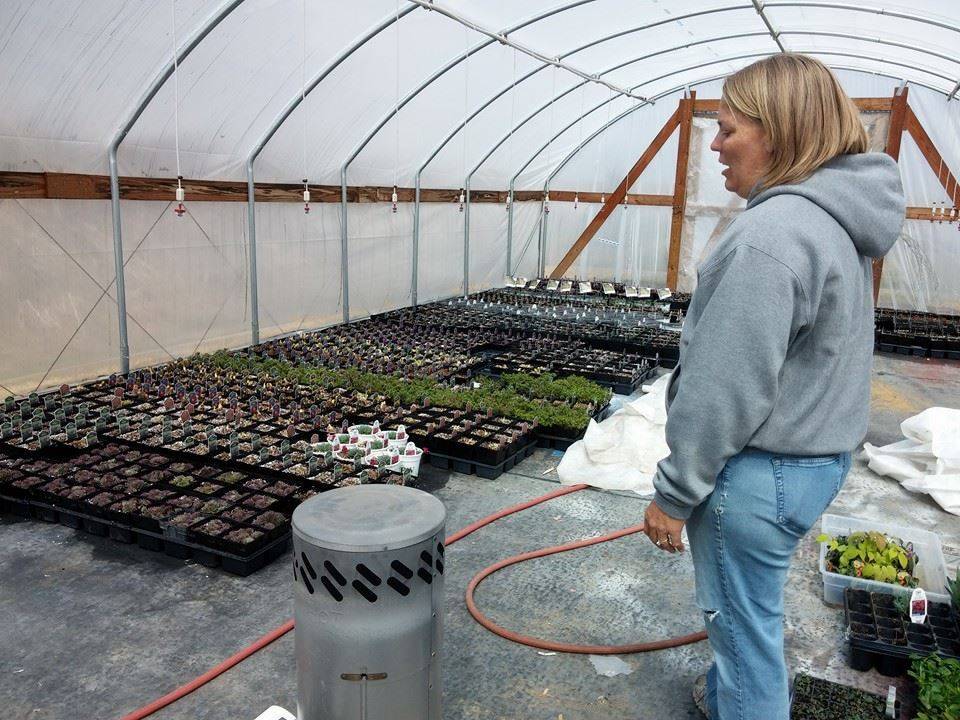
    Nicole in greenhouse
    Nicole in the Greenhouse Photo credit: Val Plagge of Corn, Beans, Pigs, Kids

    ABOUT THE AUTHOR: Nicole earned a degree in Ornamental Horticulture from Iowa State University (ISU). Her husband, Steve, earned a Horticulture degree from ISU in Fruit and Vegetable Production. On their farm near Boone, the Jonas family produces vegetables, fruits and perennial plants. Red Granite Farm will open May 1. Choose from more than 200 varieties of hardy perennials, vegetable and herb starts plus succulents. Red Granite produce is available at the North Grand Farmer’s Market in Ames. Farm fresh eggs from free range chickens are available at Red Granite Farm, Story City Locker and the Gateway Express station in Ames.

    Team Latham

    April 1, 2015
    Agriculture, General, Industry News
  • Latham Hi‑Tech Seeds

    One Barn Doesn’t Fit All: Take a Look Inside #RealPigFarming

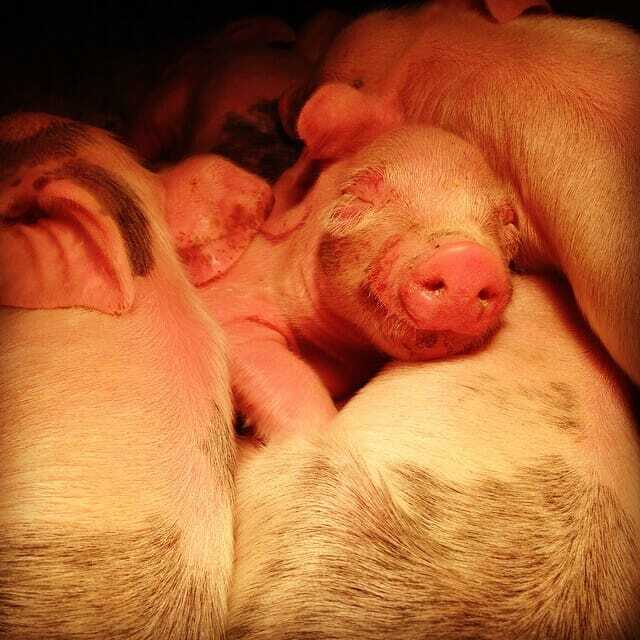
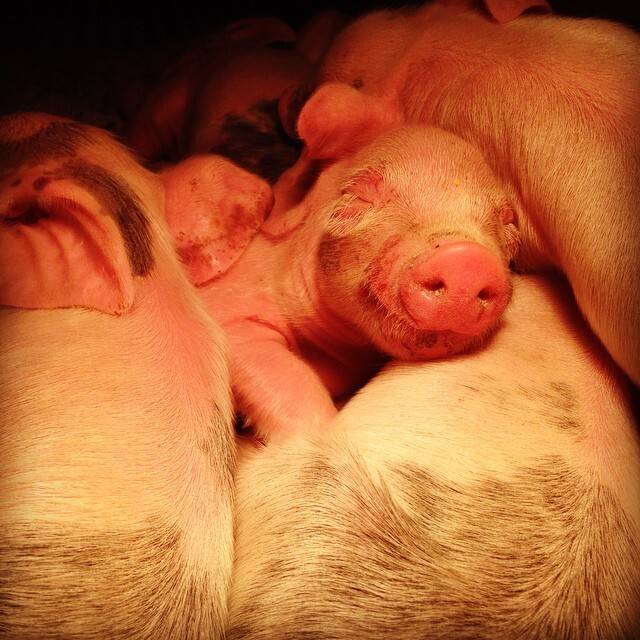
    Sweet dreams piglet

    It has been awhile since I’ve written about what I like to do every day… Take care of pigs! This week I have my first meeting to gather information about my next group of pigs. They will nurse on the sow (the female that gave birth to them) for three weeks, and then spend seven weeks in a nursery facility. When they are about 10 weeks old and weigh an average of 50 pounds, they will be transported to my finishing barns.

    Each type of barn has been designed to meet the pigs’ needs at a particular age. In the farrowing barn, a farrowing crate keeps the piglets safe from being laid on or stepped on by the sow. This environment has proven to take the very best care of pigs because the farrowing barn is warm, clean and free of disease. It’s also safer and easier for workers to do their best work. sweet dreams piglet

    The baby pigs are weaned at about 12-15 pounds and are moved into the nursery barn. Here they receive fresh water, fresh air, and the perfect feed ration to get them off to a good start.

    The pigs grow from about 12 to 50 pounds in the nursery barn. When they’re about 10 weeks old, they’re transported to a finishing barn. This is where I come in! Pigs arrive on my farm in a semi that has been cleaned and disinfected, complete with bedding and ventilation to keep them comfortable inside. To make sure the pigs have the best trip possible, the semi driver has been certified in the Trucker Quality Assurance (TQA) program. This is similar to the Pork Quality Assurance Plus program under which I am certified.

    I start planning for my next group of pigs before I’ve even finished with the pigs in my barn. As I mentioned, later this week I will have my first meeting about the next group of pigs I will receive. Next week I should have all of the current group finished and off to market. Then I’ll make needed repairs to the facility before cleaning and disinfecting it. Then it’s time to bring in the new pigs!

    The last group of pigs I finished had a daily rate of gain of two pounds per day. Their feed efficiency, or the amount of grain they eat to gain weight, was 1 pound of gain for 2.35 pounds of feed. Usually feed efficiency decreases as the pigs grow larger. When pigs are giving you numbers like 2.35, you know things are working well!

    Smiling pigToday’s pigs gain more weight but eat less feed than in the past. In fact, my pigs use only ¼ of the crop land that was used when I started farming. We’re raising twice as much corn per acre as when I started farming, and the pigs use only half as much now to reach market weight. Talk about an efficiency increase!

    Farmers have definitely improved and strive to be better. We will take even better care of the pigs and our farm ground. That’s what farmers do – and this is sustainable agriculture.

    To learn more about #RealPigFarming, follow along with me and these producers:

    • Farm Girl with Curls – Lauren incorporates great photography and videos into her blog.
    • Food and Swine – An award-winning baker and cook, Cristen shares her recipes as she tells how her family raises pork.
    • Minnesota Farm Living – Wanda explains “the how and why” behind pork production on her family’s farm. She has a unique ability to explain complex issues like “Why we use individual gestation pens” and “What you really need to know about the use of antibiotics in livestock production.”

    Larry Sailer, Musings of a Pig Farmer

    March 31, 2015
    Agriculture, General, Industry News
  • Latham Hi‑Tech Seeds

    Like Science & Math? Explore STEM Careers in Ag!

    Sally in lab

    Guest blog post by Sally Hollis of Lanehaven Farms

    Twenty-five years ago I received excellent advice as a high school student, exploring potential careers! “If you like science and math, you should consider a career in engineering.” I didn’t know anything about engineering and I didn’t even know an engineer. Because I was intrigued, I attended a summer engineering camp at Iowa State University (ISU) that ultimately inspired me to study engineering.

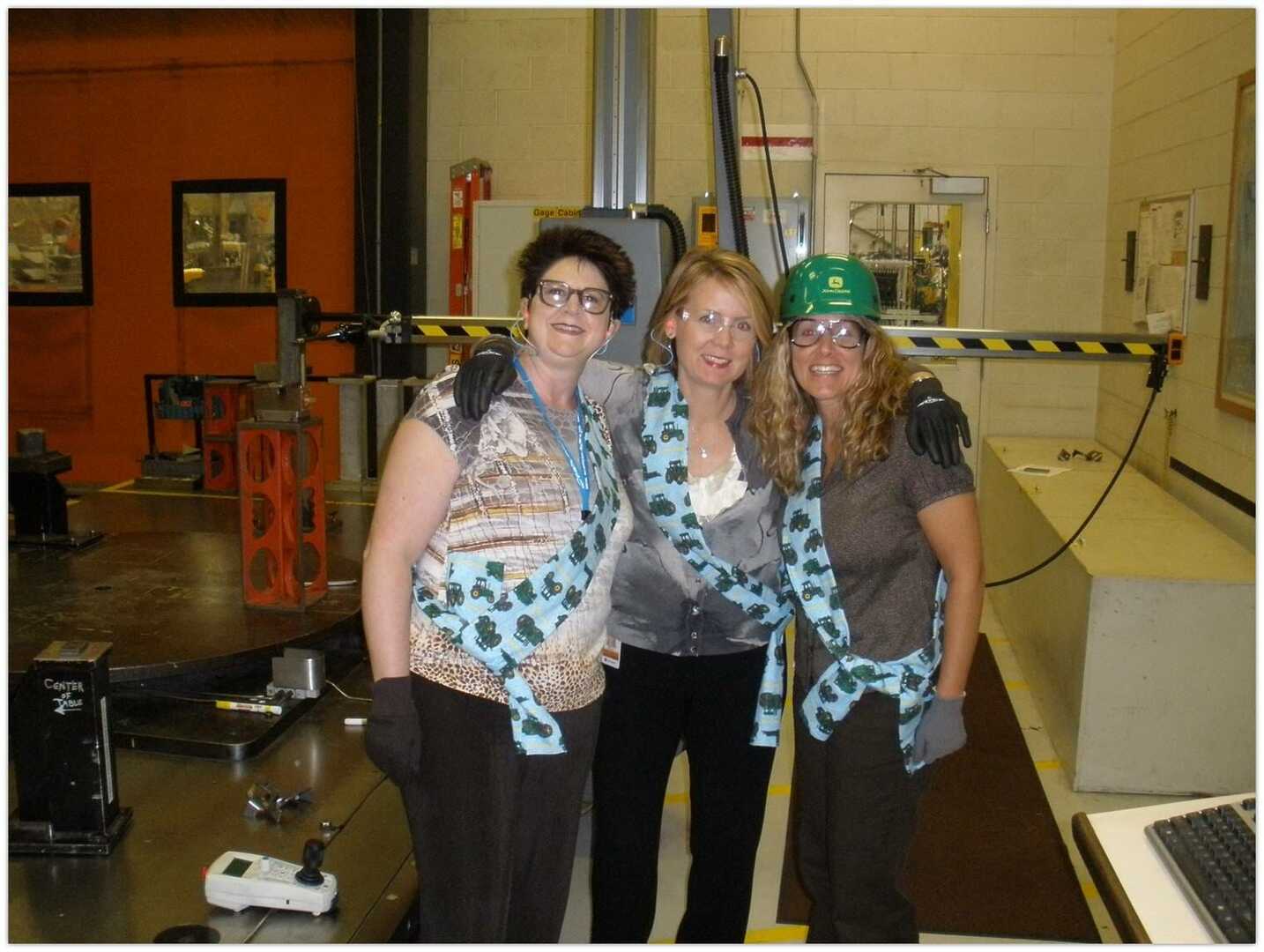
    Sally Hollis having fun in the metallurgical lab with two co-workers
    Sally Hollis (center) having fun in the metallurgical lab with two co-workers

    STEM EDUCATION
    An interest in science, math and engineering is now commonly referred to as STEM: Science, Technology, Engineering and Math. STEM education is a hot topic because STEM careers are globally in high demand. “In the 21st century, scientific and technological innovations have become increasingly important as we face the benefits and challenges of both globalization and a knowledge-based economy. To succeed in this new information-based and highly technological society, students need to develop their capabilities in STEM to levels much beyond what was considered acceptable in the past,” according to the National Science Foundation.

    I believe a focus on STEM education is beneficial for any career as we look to the future. It helps create individuals who can think creatively, solve problems, and innovate for the ever changing demands each career will face in the future.

    AGRICULTURAL CAREERS
    Today, I have some excellent advice for those exploring potential careers: “If you like science and math, you should consider a STEM career in the field of agriculture!” While I knew nothing about engineering 25 years ago, I did know a little about agriculture. I grew up in a rural area where my grandfather farmed. Nobody advised me to consider a career in agriculture, but I am pretty sure I would have dismissed it at the time. I am lucky now to have experienced both STEM and agriculture! I graduated from ISU with a degree in mechanical engineering, married a farmer, worked for John Deere for 15 years and now work on our family farm full time.

    I believe a career in agriculture is something all students should consider, especially Midwesterners! The Midwest IS the Silicon Valley for agriculture. Those of us fortunate enough to call it home live on top of some of the best farmland globally where outstanding crops and livestock are raised to help feed the world. Our youth have a unique opportunity to learn about agriculture firsthand as they prepare to save the world. Yes, I did say save the world.

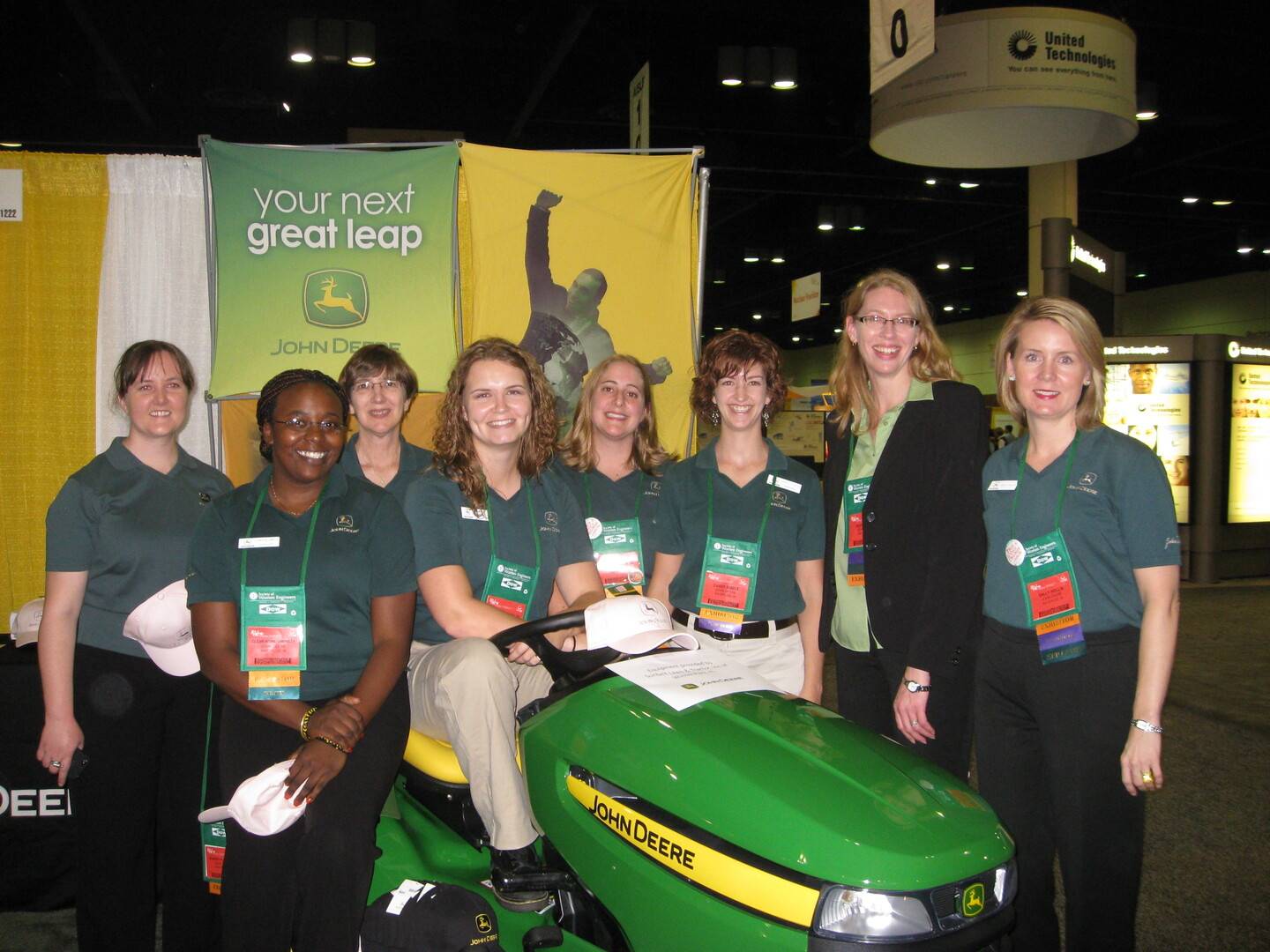
    Sally Hollis, recruiting for John Deere at the Society of Women Engineers
    Sally Hollis, recruiting for John Deere at the Society of Women Engineers

    The STEM Food & Ag Council published its first annual report last October. It includes excellent information on the global challenge ahead of us, and the many opportunities for millennials in agriculture. The report quotes Dr. David Acker, associate dean in the ISU College of Agriculture and Life Sciences (CALS). In the article he states agriculture means offering solutions to the world’s toughest problems, like mitigating the effects of climate change and providing enough food to sustain a population quickly approaching nine billion.

    And as the field of agriculture takes on a new focus, it also comes with a brand-new slogan: Save the world.  Dr. Acker goes on to say more and more young people are studying agriculture at ISU because they realize what a pivotal role agriculture will play in the future of human existence.


    SPREAD THE WORD
    Last weekend I attended a TEDx event at the University of Northern Iowa.  The theme “Charting Destiny” was intended to launch conversations and inspire positive growth for individuals, institutions, and for our culture.   Encouraging youth to explore STEM careers in the field of agriculture is an idea worth spreading. Please help spread the word and inspire someone’s destiny!

    Team Latham

    March 30, 2015
    Agriculture, General, Industry News
  • Latham Hi‑Tech Seeds

    Remove Sustainability Factors from 2015 Dietary Guidelines

    Cows pasture

    The public comment period has been extended through May 8 relating to proposed updates to the Dietary Guidelines for Americans that call for reducing red meat intake due to saturated fat levels and environmental impact.

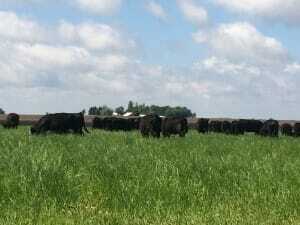
    Cattle on Grass at SkyView FarmsAs a Weight Watchers affiliate, I appreciate the DGAC’s efforts to emphasize eating more fruits, vegetables and whole grains. These are things I’ve strived to implement myself in my three-year health journey with Weight Watchers. As someone who has been raising beef in North Central Iowa for 15 years, I am disappointed that “dietary guidelines” question the sustainability of production practices.

    Below are three main points I will address in my comments to the federal government:

    1. Keep the focus on food nutrition, not on production practices.

    The call for a reduction in red meat consumption is based on the claim that a plant-based diet reduces the carbon footprint. Please remember that major agricultural states across the Midwest have about a six-month growing season. Right now my garden is frozen tundra. Does their study account for the carbon needed to transport fruits and vegetables to areas where they aren’t in season?

    I’ve been involved with the Weight Watchers organization for more than three years and have lost 54 pounds on the program. The program teaches members to enjoy all foods in moderation with emphasis on incorporating more servings of fruits and vegetables into daily choices. Because I’m a beef producer, the protein accompanying fruits and vegetables on my plate is usually beef. I’m on year two of maintaining my weight loss and enjoying great reports from the doctor. My focus is on balance, and I’ve learned to make great food choices. I don’t need another label on food to help complicate that decision. The dietary guidelines should focus on healthy foods, and lean beef is a healthy choice.

    2. Beef is an excellent source of lean protein and other important nutrients.

    Today’s beef is leaner than ever. According to a Fresh Beef Marketing Group survey, nearly 70 percent of all beef cuts sold at the grocery stores are lean. Popular cuts fitting this category include Top Sirloin, Tenderloin, T-Bone steak and 95% lean ground beef.

    Consuming beef daily as part of a heart-healthy diet can lower LDL cholesterol levels by as much as 10 percent. Beef is a primary source of monounsaturated fat, the same type of heart-healthy fat found in olive oil. Most importantly, lean beef is one of the most naturally nutrient-rich foods with 10 essential nutrients including protein, zinc and B vitamins for less than 10 grams of fat per serving.

    3. Farmers already incorporate sustainable practices to raise lean beef. While I don’t believe sustainability has a place in dietary recommendations, I’d like to point out that farmers are indeed implementing sustainable production practices. On my farm, we embrace a series of sustainable practices to raise our cattle and corn for feed.

    • During the summer and fall months, we graze our cattle on land that is not suitable for crop production.
    • We follow a rotational grazing system, which allows proper regrowth and recovery for the grasslands each season.
    • During the winter months, when our herd is housed in the barnyard, manure is collected and applied to corn acres as organic fertilizer. All of these measures ensure integrity of the land is maintained while reducing our need for additional fertilizers to raise the corn to feed the cattle.

    Let’s keep the focus on helping Americans select healthy, wholesome foods for their diet. Leave the task of implementing sustainable practices to provide those healthy foods in the hands of our farmers. If you’re a farmer, I urge you to submit comments by midnight May 8. If you’re a consumer with questions about cattle production and sustainability, I urge you to engage in a conversation with a farmer like me!

    Gary Geske

    March 26, 2015
    Agriculture, General, Industry News
  • Latham Hi‑Tech Seeds

    Broad Band Would Make Farming More Efficient and Sustainable

    Sometimes I get so confused. Consumers want us farmers to take care of our animals, yet they want us to put them outside in this idealistic pasture covered in beautiful sunshine. What they fail to realize is there are very few days of “ideal temperatures” in the Midwest plus animals on pasture have very little protection from disease and predators.

    This week a friend told me how she feels technology has hindered the personal touch farmers had with consumers. She misses the coffee meetings that were held every day at the local elevator. What she needs to realize is technology allows us to move those “coffee chats” online using Facebook, Twitter and other social media platforms. Farmers and consumers alike can engage in conversations following hashtags like #agchat, #foodchat and #cgconvo.

    Latham Hi‑Tech Seeds Seed-2-Soil Field DayMillennials as a group are said to have the most buying power and influence. They also are the most technology savvy, yet they use their smartphones and tablets to post comments about how technology doesn’t have a place in raising their food. Here again, I’m getting mixed messages. Many of these same people use Wi-Fi on their phones as they grab a quick bite for lunch. Again, this sends a mixed message. Technology allows farmers to produce food more efficiently. Efficiency leads to lower costs of production, which translates into lower prices paid by consumers.

    Whether it’s in the pocket of a millennial or in the tractor of the farmer, technology is here to stay. Technology is the best way to make farming more efficient and sustainable. The use of precision farming makes better use of inputs, but farmers aren’t yet able to maximize the technology available. In remote areas – and I’m not talking about in the mountains out west – there is very poor internet connection.

    You can’t get a good connection in many farm fields and even farmhouses in our state. My farm is a prime example of the struggles rural residents face. In recent years, I’ve struggled to get reliable Internet. Dial up was first but it was too slow to do anything more than send a very short email. With a need to do more online, Janice and I subscribed to satellite Internet. This option allowed us to SLOWLY download video, but we would go over our allowed usage if we watched the video!

    We pay $80 per month if we are very conservative with our usage, and going over the allowed usage is very expensive. As online communications technology has become more sophisticated, it requires more bandwidth. Our satellite Internet provider has upgraded once over the years, but is still way behind anything offered in town.

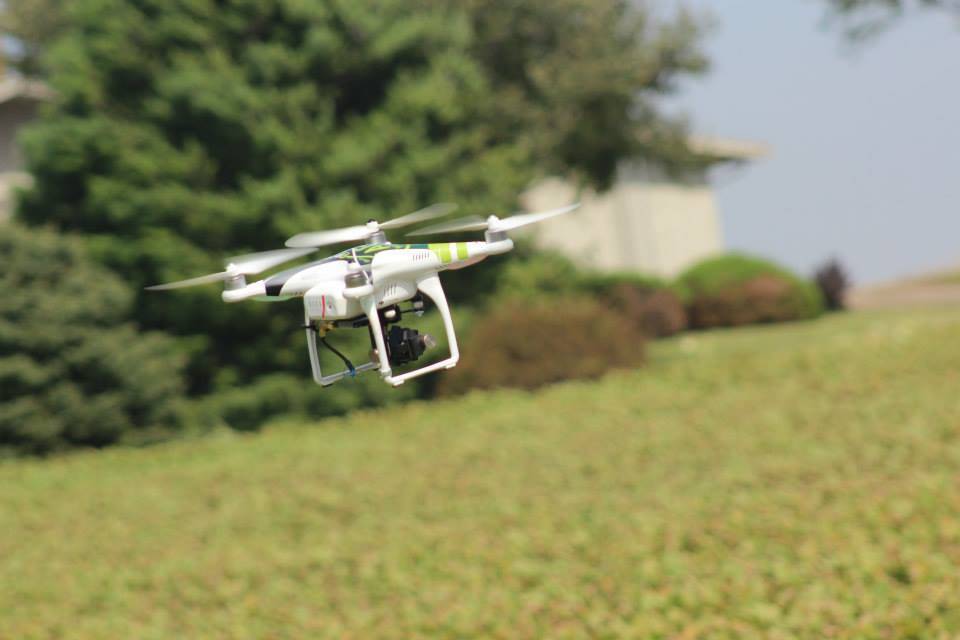
    Currently, I’m using a modem with access to cell phone signals. So far, it’s more dependable and even a little faster than our satellite service. There is no way, however, I would be able to send or receive the amount of information collected by a drone.

    Today’s farmers have the means to spoon-feed fertilizer and pesticides almost down to the plant as long as they have an internet connection. We can plant seeds according to soil type and switch the hybrid being planted as the planter crosses a field. Technology exists for sprayers to lower the rate of application where the crops do not need as much fertility. This type of technology can help prevent nitrates from leaching and can increase yields. Video cameras provide a live feed to mobile phones, allowing farmers to monitor livestock 24 hours a day.

    The need for reliable internet for economic development, business and farming is why Iowa Gov. Terry Branstad and Lt. Gov. Kim Reynolds in 2013 unveiled the “Connect Every Iowan” initiative. Access to broadband is key to farming with drones and benefiting from evolving planter technology that allows farmers to switch hybrids on the go.Not only would farmers benefit, but so would rural business owners and healthcare providers. Broadband access is key to improving the quality of life and increasing economic development here and across the state. Why wouldn’t we want to support that?

    Larry Sailer, Musings of a Pig Farmer

    March 24, 2015
    Agriculture, General, Industry News
  • Latham Hi‑Tech Seeds

    #AgWeek2015 Showcases Sustainability

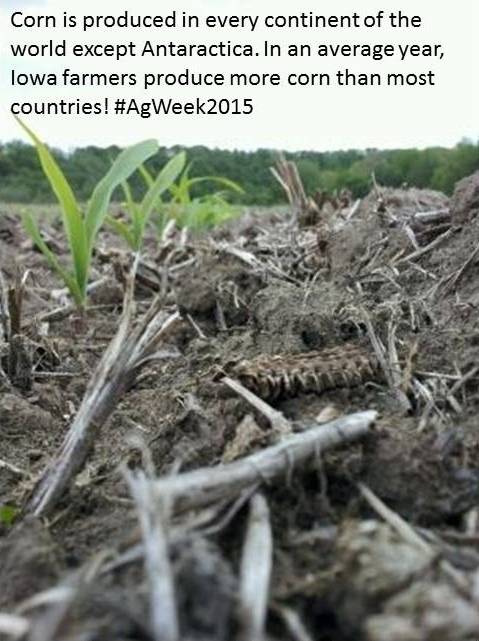
    My blog this week will be more of a pep talk as there are so many things happening that deserve recognition. National Ag Day falls on March 18, so this week presents us with an opportunity to shine the spotlight on agriculture.Latham Seeds Ag Week CornAgriculture’s contributions to the U.S. economy, as well as the roles food and fiber play in security, were highlighted March 7 during the inaugural Iowa Ag Summit in Des Moines. Bruce Rastetter, a fellow Iowa Falls resident, brought together major forces in today’s politics. I first met Bruce about 30 years inside a pig barn. (Imagine that!) He was busy treating sick pigs and doing chores, while I was doing some repair work to his barns.

    Over the years, Bruce has gotten very involved in politics. He wanted to make sure issues that are important to him and other farmers are being considered by presidential candidates. He hosted a forum to find out where political leaders stand on important ag issues like nutrition labeling, biotechnology and trade restrictions.

    And what a forum it was! Nearly 900 people and about 200 reporters attended the Iowa Ag Summit. I sat in the second row where I could see and hear how these movers and shakers actually felt about the issues. Even though only one Democrat showed up, there were stark contrasts between candidates. This election will be interesting, and it will affect the course of this country. Pay attention and vote!

    Last Wednesday I spent the day in Des Moines with a group of other farmers from across the state. First I visited with my state representative and Iowa House Majority Leader Linda Upmeyer. Then I had a much shorter talk with my Senator Amanda Regan because she was on her way to a committee meeting. Our elected officials are very accessible, and they want to your input! If you can’t visit the Statehouse, you can contact elected officials. Call, email or write a letter. It’s our government, so let’s run it!

    SIDE NOTE: Two gentlemen who accompanied me had never seen the Law Library in the state capitol. As one of the top most beautiful libraries in the world, a visit to that library is the worth the trip by itself!

    On Wednesday afternoon, I and eight other farmers toured the Des Moines Waterworks (DMWW). I noticed the security guard was packing heat, which made me think about how critical – and vulnerable – this facility is because it provides water for a half million people.

    Des Moines Waterworks is fascinating! The complex is huge. There are storage tanks of every shape and size both underground and inside buildings. I had no idea there were so many ways to filter and treat water! There are many laboratories and scientists. The really amazing part of this tour for an old farmer like me was a 5,500 horsepower generator and huge water pumps. Big boys like big toys!

    It was all impressive, but the highlight for me was seeing a sample of water – the size of a pin point – under a microscope. I watched a microscopic animal, with twin wheels spinning on its head, suck in all the bad stuff from the water! There good living things in your water and there are some not so good. Think about that next time you take a drink!

    All of the DMWW employees with whom we had contact were very friendly. They knew we were farmers, and they willing explained how, why, and what they do. We “listened” and we tried to understand. We were told there are 8 tanks for removing nitrates, but DMWW has never had to run all eight tanks. There was a seven-year period when this system didn’t run at all.

    This winter 3 to 4 of these nitrate removal tanks ran at a cost of approximately $1,000 per day per tank. If you divide that by 500,000 people served by DMWW, the cost is about $3 per customer. Contrast that to the approximate $13,000 it will cost each Iowa farmer to meet the nutrient reduction goal!

    “… We are seeing unprecedented investment,” says Iowa Secretary of Agriculture Bill Northey. “Certainly we’ve got a long road ahead of us and a lot of work to do, but we are really seeing a lot of progress and momentum all over the state.”

    Many state and federal officials believe Iowans’ collaborative efforts to protect water quality are making progress. Earlier this month Secretary Northey announced three watershed demonstration projects will receive Water Quality Initiative funding.

    So why won’t Waterworks leaders learn about farmers’ efforts? Instead of becoming part a collaborative effort, the DMWW is suing several county drainage districts for allegedly polluting Des Moines’ supply of water.

    To solve any problem, there must be some understanding and some sharing of information. A Northwest Iowa farmer tried to foster better understanding by inviting DMWW leaders to tour his farms. However, Des Moines water leaders declined the farmer’s invitation.

    As disappointing as the DMWW’s recent actions are, farmers will continue to improve. Farmer awareness of the Iowa Nutrient Reduction Strategy nearly doubled in the past year. Now farmers need technical assistance and resources to transform this awareness into action, says Roger Wolf, director of Environmental Programs and Services (EPS) for the Iowa Soybean Association.

    New technology and farmer ingenuity continues to improve our operations, but we must tell the public what we’re doing to get better! Farmers love to farm, but there is another chore we must do daily –and that’s share what we do! National Agriculture Week is a great time to show American how and why agriculture is sustainable for future generations.

    Tell your story. Write letters to the editor. Use social media. Share pictures of your soil conservation practices. Not only will this inform non-farmers, but it can give other farmers ideas as to what might work on their farm.


    Larry Sailer, Musings of a Pig Farmer

    March 17, 2015
    Agriculture, General, Industry News
  • Latham Hi‑Tech Seeds

    RFS is Iowa’s Battle Ground with EPA & Presidential Hopefuls

    ASweeney 111
    ASweeney-111
    Annette Sweeney

    Guest blog post by Annette Sweeney, co-chair of America’s Renewable Future campaign

    My husband and I still live and work on the farm where I grew up and where we raised our two sons. Both of our sons are pursuing careers in agriculture, and we want to help make it possible for future generations to have this option. That’s why it’s so important that Americans elect a president, who values on our way of life and understands the value of U.S. agriculture.

    Agricultural issues impact on our economy, and there is no single issue that merits more discussion and support than the Renewable Fuel Standard (RFS). Although the RFS has been in headlines recently, ethanol has been used as a fuel for more than a century.

    The battle between Big Oil and ethanol dates back to 1826 when Samuel Morey used alcohol to fuel the first internal combustion engine prototype. Henry Ford, who founded Ford Motor Co. in 1903, was a big proponent of what he called “the fuel of the future.” Ford’s first “flex-fuel vehicle” was introduced in 1908 as the Model T could run on ethanol or gasoline. It was cost-effective and convenient for farmers to make their own fuel, but “homegrown fuel” was considered to be too much competition for those with oil interests. Prohibition in the 1920s was not so much about keeping Dad or Grandpa out of the tavern as it about creating demand for oil and bolstering gas prices.

    Protecting Big Oil interests continues be the impetus of the battle being waged today. We’ve got a fight this election cycle against the monolithic and powerful outside influences of the likes of Big Oil that will pour millions upon millions of dollars to defeat the RFS and smear this successful policy with their lies. In 2013, anti-ethanol influences spent almost $70 million in advertising and promotion and over $9 million in lobbying.

    We must make sure our side of the story gets told because the Renewable Fuels Standard is American success story. The RFS is the only major U.S. policy that is reducing harmful greenhouse emissions, and it has already displaced millions of barrels of imported oil. Ethanol is perfectly safe for engines and actually provides higher quality and higher-octane fuel that improves engine performance. Ethanol is better than traditional fuel, which is precisely why NASCAR runs on American-made ethanol.

    ModelTThe Renewable Fuel Standard, which was originally mandated by the Environmental Protection Agency (EPA) in 2007, requires renewable fuels like ethanol and biodiesel to be blended into transportation fuel by an increasing amount each year. Despite its lack of statutory authority to do so, the EPA last year proposed cutting minimum ethanol use.

    The EPA has yet to issue a final decision, but we’re already seeing the effects of the uncertainty surrounding the RFS. Corn prices are lower and many ethanol plants have decreased production and employment. We must help protect 73,000 jobs in Iowa plus 400,000 related jobs nationwide that are related to ethanol production. Protecting the RFS is about protecting farm income plus promoting homegrown renewable fuels instead of conflict-ridden foreign energy sources.

    I urge you to stand with me! Please pledge to stand by a presidential candidate who will be a true supporter of the RFS. Together we can protect our livelihoods and our Iowa way of life by standing behind the RFS this election.In the words of Governor Terry E. Branstad at the first-ever Ag Summit, “Don’t mess with the RFS!”


    Team Latham

    March 16, 2015
    Agriculture, General, Industry News
  • Latham Hi‑Tech Seeds

    Iowa Women Blaze New Trails in Agriculture

    20150307 124619 resized

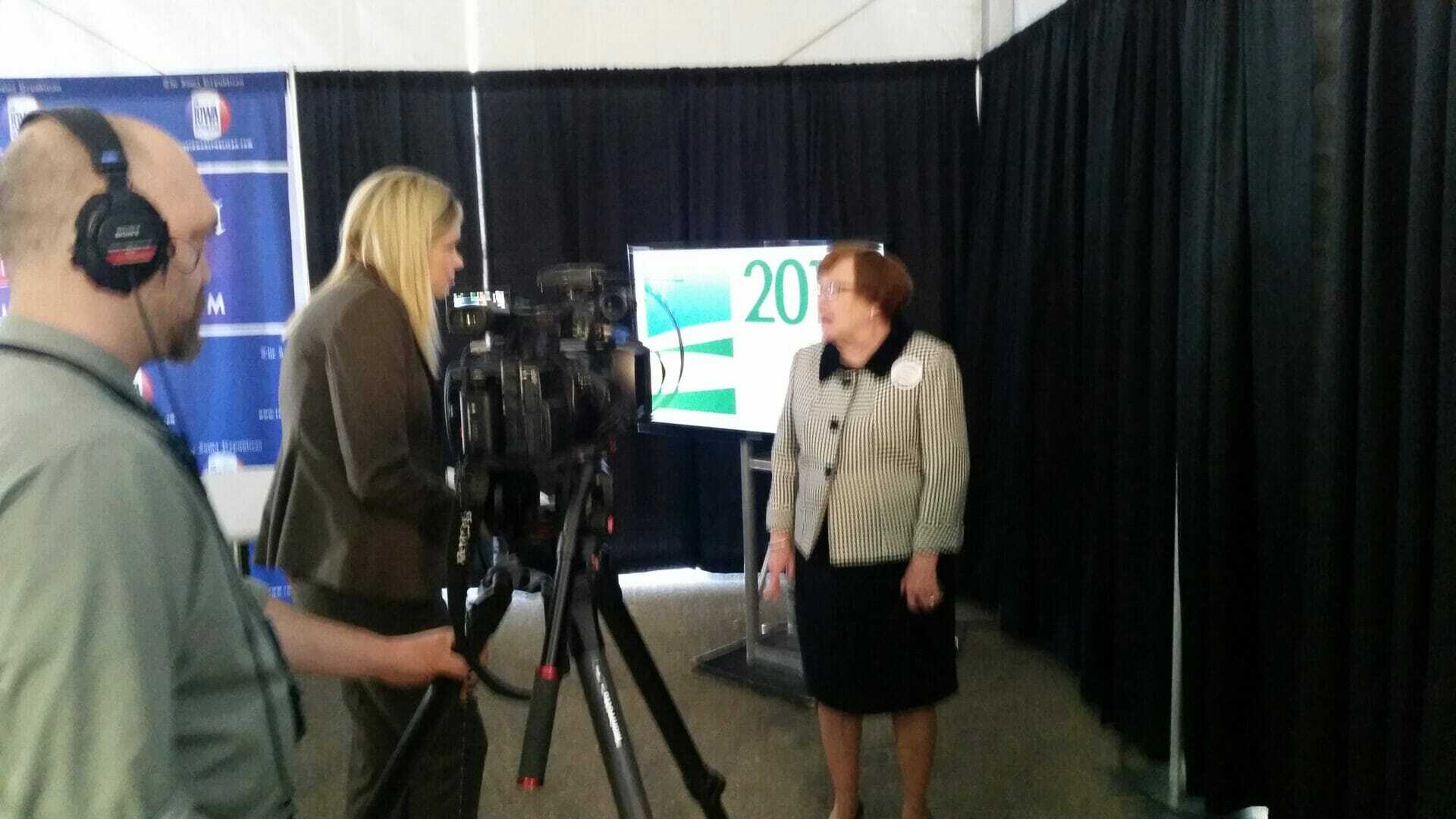
    Last Saturday I had the opportunity to attend the Iowa Ag Summit where elected officials and public policy leaders publicly discussed issues that are vital to the Iowa and American economy. Topics included modern agricultural production, renewable fuels, biosciences, GMOs, grain and livestock markets, land conservation, and federal subsidies.

    As l leafed through the Summit program, I was drawn to the names of Iowa women who are in leadership positions. As I scanned the audience, I couldn’t help but noticed the number of prominent Iowa women in attendance. My thoughts then shifted to the key role women play in the success of any farm business, including Latham Seeds.

    Evelyn Latham supported her husband, Willard, and their family-owned business in numerous ways. The family’s kitchen table also served as the company’s office, so she made numerous trips daily from the house to the outbuildings whenever Willard was needed to a phone call.  Known for her cooking skills and hospitality, Evelyn often fed a room full of hired men and customers. In addition to serving as company secretary and caterer in 1947, Evelyn was busy caring for four boys ranging in age from 6 to 1.  The Latham’s fifth son was born in July 1948. She had to have been tired, but I never heard her complain. When she told us stories of the company’s early years, she always had a smile on her face.

    “Women have played an important role in Iowa’s history and will continue to be trailblazers who serve as role models for current and future generations of Iowans,” said Iowa Lt. Governor Kim Reynolds as she kicked off her statewide tour during National Women’s History Month.

    In honor of Women’s History Month, I decided to feature some women who have taken Iowa agriculture to new levels. Regardless of your party affiliation or your personal beliefs, I hope you’ll agree with me that these women deserve a round of applause for all they’ve accomplished.

    Following her presentation during the Iowa  Ag Summit, Patty Judge answers questions from the media
    Following her presentation during the Iowa Ag Summit, Patty Judge answers questions from the media

    Patty Judge

    Patty Judge became the first woman elected as Iowa Secretary of Agriculture in 1998 and was re-elected in 2002. During her administration, Iowa’s wine industry began to flourish and Pseudorabies was eradicated from the state’s hog herds. Renewable energy became an integral part of Iowa’s economy, so it’s natural that Judge currently serves as co-chair of the Iowa RFA.

    Judge started her career as a registered nurse and as a partner with her husband in a southern Iowa farming operation. She purchased her parents’ real estate business in the 1980s. During the Farm Crisis, she helped hundreds of farm families and their creditors find solutions to financial troubles. Her reputation as a strong advocate for rural families helped Judge win election in 1992 to the Iowa Senate. She was re-elected in 1996 to the Iowa Senate. She served as Lt. Governor from 2007-2011.

    SIDE BAR: Delores Mertz (D-Ottosen) in 2007 became the first Democratic female to chair the House Ag Committee. Annette Sweeney (R-Buckeye) in 2011 was the first Republican female named House Ag Committee Chair.

    Joni Ernst

    Joni Ernst is Iowa’s first female U.S. senator, as well as the first female veteran in the history of the U.S. Senate. She developed a reputation as a “get-the-job-done Iowa farm girl with a conservative edge.” Serving her first term in Congress, Senator Ernst sits on the Armed Services Committee and Homeland Security and Government. She also serves on the Agriculture, Nutrition and Forestry Committee, as well as the Small Business and Entrepreneurship Committee.

    Ernst is known for her leadership and commitment to public service. She served in the Iowa Senate where she helped balance the state budget and turn Iowa’s $900 million budget deficit into a $1 billion surplus. She also served as the Montgomery County Auditor. In 2003, she served as a company commander in Kuwait and Iraq where she led 150 Iowa Army National Guardsmen during Operation Iraqi Freedom. She continues to serve as a Lt. Colonel in the Iowa Army National Guard.

    Wendy Wintersteen

    Dr. Wendy Wintersteen started working for Iowa State University Extension in January 1979, upon graduating from Kansas State University with a bachelor’s degree in crop protection. Ever since moving to central Iowa from her native Kansas, Wintersteen has served in a variety of positions with ISU Extension and the university.

    Since 2006, Wintersteen has served as the Endowed Dean of the College of Agriculture and Life Sciences at Iowa State University and Director of the Iowa Agriculture and Home Economics Experiment Station. In this position, she works with a team of associate deans, department chairs and center directors. She says the best way is when a student shares with her the great experience they had because of a scholarships, an internships or a study abroad opportunity.

    Colleagues and associates say Dr. Wintersteen is easy to work with she’s down-to-earth and conscientious. Her employees say she gives good direction. She has always treated me with the utmost respect, even when I was a new college grad and serving as a lobbyist for agribusiness. I often sought her opinion on bills relating to pesticide applications and input on related regulations. Dr. Wintersteen was always gracious with her time and patient with answering my questions.

    Savvy women have indeed been blazing trails in Iowa agriculture for decades. The definition of “woman’s work” has evolved over the years as women became more involved in the decision-making process. Today’s most successful female leaders, including Iowa Lt. Governor Kim Reynold who was raised on an Iowa farm, have “walked the walk” and worked their way to the top. They display both book smarts and emotional intelligence. They have a passion. They encourage others, and they will inspire the next generation.

    Whether a young girl aspires to farm her own ground like April Hemmes and Steph Essick or run for Iowa Secretary of Agriculture, she has female role models in positions of leadership. She has mentors – and an exciting future filled with opportunities!

    Related Posts:

    • Women are Changing the Ag Landscape
    • 3 Truths Every Female Needs to Hear
    • Financial Statements are Top of Mind

    Shannon Latham

    March 11, 2015
    Agriculture, General, Industry News
Previous Page
1 … 33 34 35 36 37 … 95
Next Page

Latham Hi‑Tech Seeds

131 180th Street | Alexander, IA 50420

(641) 692-3258

SIGNUP FOR OUR NEWSLETTER
  • Contact
  • Legal
  • Dealer Center
  • Seedware Login
  • Latham Gear

© 2025 Latham Hi‑Tech Seeds. All rights reserved. | Iowa Web Design by Webspec | Privacy Policy

Latham® Hi-Tech Seeds is a trademark of M.S. Technologies, L.L.C., 103 Avenue D, West Point, IA 52656.