Latham Hi-Tech Seeds

(641) 692-3258

  • Home
  • Products
    • Corn
    • Soybeans
    • Alfalfa
    • Corn Silage
    • Seed Guide
  • Performance
  • Find a Rep
  • Media
    • Blog
    • News
    • Videos
    • Podcasts
    • TECHTalk
  • About Us
    • Company History
    • Our Mission
    • Careers
    • Become a Rep
    • Sowing Seeds of Hope
  • Contact Us
  • Latham Hi‑Tech Seeds

    Reward for Black Labrador Reaches $10,000

    11010582 1616780395253309 4860585598226545539 n

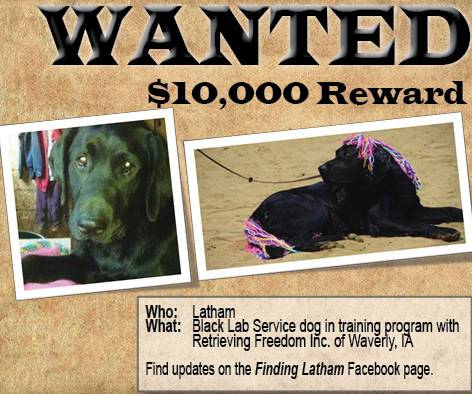
    WANTED: ARMY OF PEOPLE TO SEARCH FOR LOST SERVICE DOG        

    Faith. Family. Farming. Friends.

    These aren’t just words on plaques that hang in the homes of many rural America residents. These are values that embody rural America. They’re the values that prompt friends and neighbors to gather and harvest the crops of a sick farmer. They’re the values that bond a community, whether community is defined as the people who live in one town or a group of people from a region who share similar interests like hunting or farming.

    That’s why today, on Veteran’s Day, I’m making a heartfelt plea that extends to everyone in the Upper Midwest. We need everyone to be on the lookout for Latham, the black Labrador Retriever that is part of the program at Retrieving Freedom Inc. (RFI) in Waverly, Iowa.

    Veteran’s Day, as you know, was established for Americans to publicly honor U.S. veterans. For the volunteers and staff at RFI, however, Veterans Day is every day. They work tirelessly to train dogs to provide veterans with a new sense of freedom. In many cases, a trained service dog makes it possible for veterans to feel safe again in public settings. Service dogs also help open doors, turn on lights and perform tasks for veterans with mobility challenges. Dogs trained by RFI also aid children with autism, as well as children and adults with diabetes.

    image2
    Bailey, pictured above, was 7 1/2 weeks old when Broders brought her home. She is still all puppy at 7 1/2 months!
    We first introduced you to the puppy named Latham last December when we posted, “Help Freedom Ring for Those Who Fought to Defend Ours.” Donated by Craig Christians, Territory Sales Manager for Latham Hi‑Tech Seeds, our namesake puppy will become part of the RFI’s breeding program. We’ve all been eagerly awaiting the day when Latham could father pups from Bailey, the Labrador pup purchased by Latham Regional Manager Jerry Broders and his wife. 
    Latham the Lab has a legacy to create. He has a mission and a purpose in life, but first he needs to come home! Latham went missing from his foster family’s farm near Parkersburg in Butler County, Iowa. Sadly, Latham went missing shortly after his foster mom, Jenna, was diagnosed with Multiple Sclerosis. 
    Because MS causes nerves in the body to deteriorate or become permanently damaged, it has been inaccurately reported that Latham would become Jenna’s personal service dog. “We’ve said that Latham acted like a service dog through the trying times of Jenna’s diagnosis,” says Scott Dewey, founder of Retrieving Freedom in Iowa. “That dog was literally at her bed side and providing her with comfort while she was in the hospital this fall, but I’d like to set the record straight. Latham was going to be a breeding dog that stayed with Jenna as her companion, not her service dog.”
    You can just imagine how concerned Jenna – and everyone associated with the RFI organization – is about this dog! An army of concerned citizens has spent countless hours over the past 10 days searching for Latham. Local media has been aiding in the search by issuing updates and reports. A Facebook page, Finding Latham, has been created to keep everyone up-to-date on the search. Generous people have anonymously donated $10,000 as a reward for Latham’s return.

    We simply need to expand our search outside of the Iowa borders. Please share this page with friends and family members. Any and all help we can get will be greatly appreciated! If anyone has a lead on an approximately 1-year-old, male Black Labrador please contact 319-493-2046. ‪#‎BringLathamHome

    Finding Latham Ad

    Team Latham

    November 11, 2015
    Agriculture, General, Industry News
  • Latham Hi‑Tech Seeds

    Ban the Box… Why not Ban Bad Behavior?

    AuthorLarrySailer lg

    In last week’s blog post, I expressed my concern that Americans are no longer encouraged to accept “personal responsibility.” I referenced an article in The Des Moines Sunday Register about a women who said she was having a hard time finding a job due to a felony conviction. Today I need to revisit this issue because there is a movement to remove the consequences of inappropriate behavior.

    President Obama is directing federal agencies to “ban the box,” prohibiting them from asking prospective government employees about their criminal histories on job applications. This week The Des Moines Register ran an editorial, stating that Iowa needs to “ban the box.” An excerpt from this editorial reads:

     
    Over the past 20 years, government authorities have made 250 million arrests. The Federal Bureau of Investigation has more than 77 million individuals in its master criminal database and adds about 10,000 names each day. 

     
    Here’s the deal… I’ve been listening to the sermons lately as I have been attending church on Sundays. Saul, a very nasty man who was totally against Christians, became Paul, the man that started our tradition of organized churches. Talk about second chances!

    I truly believe in second chances, but I believe being clear and transparent is the best way to start again. People make mistakes. If that person who made the mistake really wants to turn his life around, hiding his criminal record is not a good start!

    We can’t all have a transformation such as Paul, but we should at least try. Making excuses or hiding information doesn’t make a person responsible for his actions. Lowering our standards and expectations doesn’t empower people nor motivate them to try harder or become better. This society has been going the wrong direction for quite some time, and it’s time to take personal responsibility!

    Larry Sailer, Musings of a Pig Farmer

    November 10, 2015
    Agriculture, General, Industry News
  • Latham Hi‑Tech Seeds

    We care every day. Do you?

    AuthorLarrySailer lg

    I’d like to talk about personal responsibility, which can cover anything I have ever talked about in this blog! Personal responsibility relates to how I take care of pigs and how I treat the people I work with. It includes what I choose to eat, as well as my actions and behaviors.

    Let’s bring it back to what I love to do for a living and that’s taking care of pigs. Rather than doing chores daily as I have for more than 50 years, my new job has me taking care of pigs by taking care of the facilities where pigs are raised.

    “We care every day” is the theme in our livestock vote_button_largeoperation. I take pride and ownership in what I do; doing anything less wouldn’t be right. Does this mean I get everything done perfectly and on time? Of course not! I admit that I try to do too much. I see such a need to volunteer that I stretch myself much too thin. I’ve given up many jobs I am still passionate about: volunteering with hospice, speaking for the National Pork Board and grilling pork burgers in Franklin County. These volunteer opportunities were all very important, but trying to do all at a high level was taking a toll.

    Why do some people see a need to help others while others look for ways to help only themselves? I believe the American culture is changing, and personal responsibility is being taken away from us. Government entitlement programs are building a class of citizens that has no sense of responsibility.

    Some people have learned they can make a better living off the government than they can by earning a living. This is why I have a problem with the minimum wage and food stamps (SNAP). The Supplemental Nutrition Assistance Program (SNAP) cost almost $80 billion in 2012 – twice the amount it cost just five years prior!

    Making Americans dependent on social programs and using taxpayer money to advertise welfare programs won’t lead to government efficiency or to a more productive society. Socially equality reduces the will to work. I can see the point of such government programs like minimum wage for entry-level jobs, whether by a young person or by someone getting back on their feet. When a job turns in to a career, however, a person should be paid what he or she is worth to that business!

    How can we teach work ethic and empathy when today’s kids receive ribbons and awards just because they participate? Does giving them an award for “showing up” teach them to try their very best, or does America’s trophy culture teach kids that working hard doesn’t matter because everyone gets treated equally?

    Today’s kids must develop critical thinking skills. 4-H and FFA have been fantastic training grounds, and these programs are not only for kids who grow up on farms! Learning the process of setting goals, planning, executing, and finishing a project are lessons that will serve these kids all their lives.

    Government regulations have gotten to the point where everything Americans do is regulated. We have so many rules that 37 cents of every dollar we spend pays for those regulations! If Americans would accept personal responsibility to understand what foods are good and which aren’t, would we need all the extra health care regulations and added expenses? If people researched what they’re buying, would we need so much regulation? If parents held kids responsible for their actions, would we have the problems we have in schools?

    I read an article Sunday in The Des Moines Register about a lady who is having trouble getting a job due to a felony on her record. She admitted to making some bad decisions in the past that are now keeping her from getting the job she wants. Do you think employers should not hold her personally responsible? She may very well be the best person for the job, but how does the HR department know that? There was even talk that that type of question shouldn’t be on the employment form. Is that really being responsible?

    Our founding fathers developed a system of government that would give opportunity to everyone without guaranteeing everyone would be treated equally. The U.S. government was created to be a representative democracy, not a communist government in which all members of that society are treated equally.

    Life is not fair, people! Rather than taking everything so personally, Americans must take personal responsibility. Part of accepting responsibility, in my opinion, is exercising your right to vote. Today is Election Tuesday. Remember, whom we elect makes a difference!

    Larry Sailer, Musings of a Pig Farmer

    November 3, 2015
    Agriculture, General, Industry News
  • Latham Hi‑Tech Seeds

    See a Common Denominator with Problems Facing the U.S.?

    CSBBQswVAAAe0DM

    It’s so difficult to choose a topic each week for this blog. Honestly, it’s tough for me to pick just one! That’s why this week I’m going to touch on several subjects:

    First… Ag in the Classroom. Do you know what your children or grandchildren are really learning in school? You might be shocked to learn The Omnivore’s Dilemma is being used as a textbook for all subjects – even art – for sixth graders in the Mason City public schools! Not only is this book very critical of modern farming, but Omnivore’s Dilemma is filled with half-truths and misinformation.

    Last September I found myself facing a dilemma: CSBBQswVAAAe0DMShould I combine my soybeans or head into the classroom to try and dispel the myths and correct the misinformation contained in that so-called “text book”? I whole-heartedly believe that concerned citizens, including farmers, must get involved in classroom education. So last fall, and again last Friday, I joined staff from North Iowa’s Ag in the Classroom program to meet with Mason City sixth grade students.
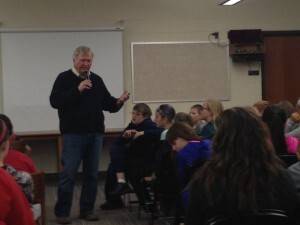
    Ag in the Classroom does such a great job of getting into schools throughout the region that most of these kids were very familiar with our program, and many students recognized Linda and Brenda right away. The students asked great questions again this year. One question stood out this year. One young lady asked if I’m lonely out there on my farm. I couldn’t help but wonder if she’s seen a television commercial for that “Farmers Only” dating site!

    I had a great time talking with the kids, and I’m encouraged that this school system will consider using “No More Food Fights!” as a textbook in the future. Written by food and farm advocate Michele Payn-Knoper’s (pronounced “Pain – Ka-nope-r”), “No More Food Fights!” is the first-ever book to speak to all sides of the food movement in an attempt to bridge the divide between farmers and consumers.

    Second… Empty pews in Iowa churches. In last Sunday’s The Des Moines Register was an article about empty pews in rural Iowa. The number of people who said they patronize a local church or place of worship declined in 96 of Iowa’s 99 counties from 1994 to 2014!

    The country church my wife and I attend is experiencing just the opposite of what this article reports. In fact, we’re in the process of finishing a new addition to handle all the people! Growth is truly a great “problem” to have.

    Our youngest granddaughter was baptized on 12065558_10205472814122207_6618194444485332624_nSunday, Oct. 25. During the service, the kids performed a song with the bell choir and sang two more songs. The front of the church was almost wall-to-wall kids! I’m not going to even guess how many kids were in attendance under one year of age, but let me just say, it was a noisy service! But believe me, I’m not complaining about such joyful noise. After all, “If you don’t hear crying, your church is dying.”

    So why is it that so many churches are quiet? The percentage of Americans who identify themselves as “Christian” dropped from 78.4 percent in 2007 to 70.6 percent in 2014, according to the latest survey on religion by the Pew Research Center. During this same time period, however, the number of American unaffiliated with any organized religion rose from 16.1 percent to 22.8 percent. Non-Christian faiths rose slightly, too.

    I wonder if some of the problems this country is facing today are are related to those empty pews. If I were a betting man, I’d bet there is a direct correlation!

    Third… The World Health Organization (WHO) made a claim that processed meat “definitely” causes cancer and red meat “probably” causes cancer! People really need to read more than just the headlines of these stories! While this WHO claim sounds alarming, it’s important to distinguish how confident the International Agency for Research on Cancer (IARC) is that red and processed meat cause cancer, not how much cancer they actually cause. To really understand what this means (and doesn’t mean), a blog posted yesterday by the Cancer Research UK advises us to understand the categories of risk.

    For example, salami, sausage and smoking all received a “1” level of risk for causing cancer. However, 86% of all lung cancers have been linked to smoking while 21% of bowel cancers have been linked to eating processed and red meats. (It makes me wonder how low the risk really is when “processed” is separated from “red” meats. Yes, even data can be interpreted to influence public opinion!

    Linking bacon to smoking is really absurd! What nutrition is there in smoking?

    “Research has continuously shown that beef can and should be part of a healthy balanced diet,” posted agvocate Ryan Goodman on I Am Agriculture Proud. The available scientific evidence simply does not support a cause and effect relationship between any type of red or processed meat and any type of cancer.”

    Healthy humans need to consume many kinds of food, and eating red meat definitely has nutritional benefits. I will definitely write more about this topic in the future!

    Fourth… Climate Change. An Oct. 24th article by Richard Oswald in Iowa Farmer Today outlines how climate change will affect family farmers! As I have always said, “The climate is always changing!”

    Although Osward makes it sound like all change is bad, I don’t view it this way. Warmer temperatures help plants emerge from the ground quicker, and later frost dates can help more plants reach full maturity before harvest. A longer growing season could lead to higher yields, which are needed to #feedthe9. With our world population predicted to hit 9 billion people by 2050, how will there be enough food unless yields increase so we’re able to produce more food on less farm land?

    Farming practices have evolved over time, and changes will continue because technology is always evolving. Remember the so-called “good old days” when farming required lots of manual labor from lots of family members because we didn’t have modern technology? Plowing the ground black was somewhat a source of pride as you were considered doing a bad job of farming if there was a corn stalk showing after you plowed! Lots of manure was spread back then, and most of it was spread close to the barns because it took too much time with horses or slow tractors to haul it to fields that were further away. No manure management plans were written. We needed lots and lots of tillage to control weeds because there weren’t herbicides and pesticides.

    By revisiting the past, we can gain appreciation for the future. Change – and adapting to change – is a constant. We must change with it. For the governments of the world to break many great businesses or force entire industries out of existence because their computer model says certain thing might happen is ludicrous!

    There’s a lot of information out there. Sort through it, question it, and do some research. Most importantly, use common sense when making decisions for yourself and your family!


    Larry Sailer, Musings of a Pig Farmer

    October 27, 2015
    Agriculture, General, Industry News
  • Latham Hi‑Tech Seeds

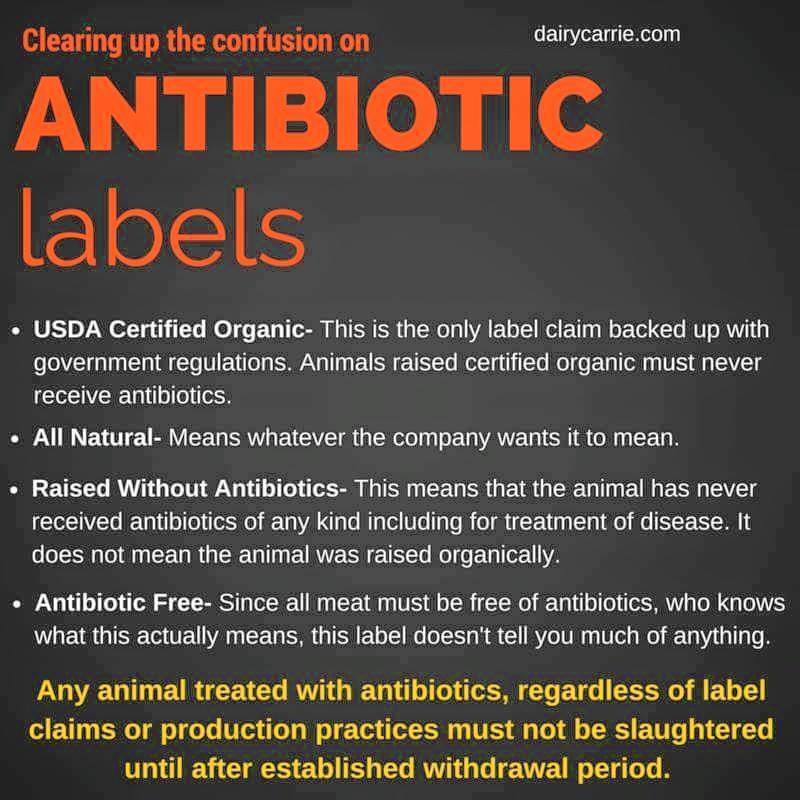
    Subway Decides to Give Antibiotics a Fair Shot

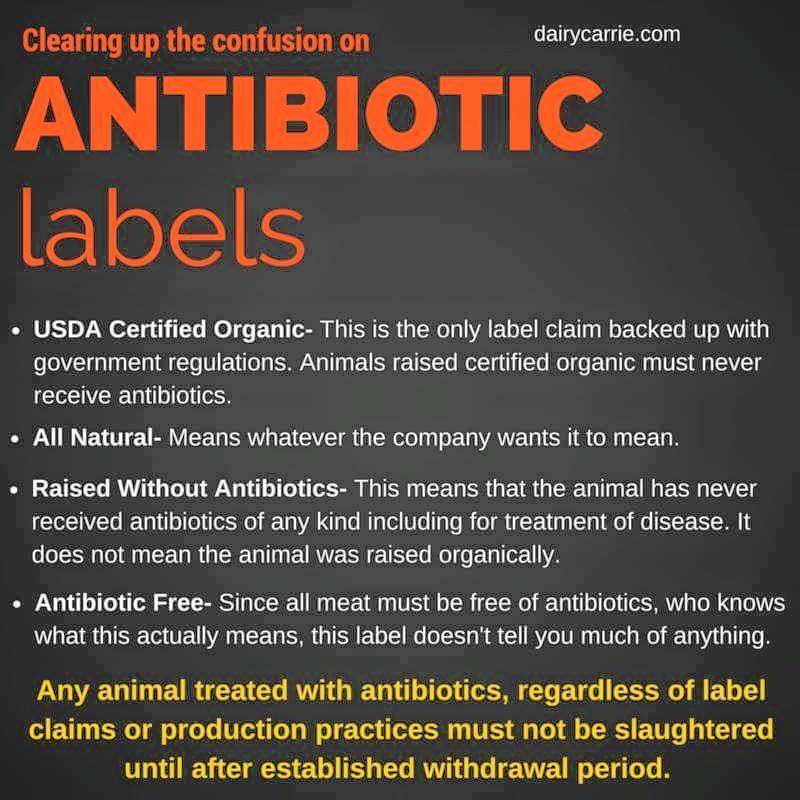
    Antiobiotics labels

    As I sat in front of my computer in an attempt to put thoughts together about last Tuesday’s announcement by Subway to source meat from animals that have never received any antibiotics, irony struck me. That same day my son was home sick because he had a sore throat. The soreness worsened and he developed a fever, so my husband took him to the doctor. Our son was diagnosed with strep throat. Obviously, a prescription was in order to get him on the mend.

    The safety and wellbeing of their children is the #1 priority for parents. Because you can empathize with other parents, you want to quickly stop the risk of your child spreading the illness. The same feelings are shared by livestock producers, who strive to be the responsible caretakers of their herds and flocks.

    Raising crops and livestock is something we take personally! My earliest memories include wrapping newborn lambs in blankets and placing them under heat lamps when they got chilled on a cold Iowa winter’s day. We’d sometimes bring sick lambs into the porch, so we could nurse them back to health.

    Last fall my favorite doeling became deathly ill, so I called the vet. Although I gave her medicine and prayed for her to get better, Bambi’s life didn’t have a storybook ending. I’ll admit that I cried when my dad buried her. Again this spring, one of my daughter’s newborn goats caught pneumonia. We treated her the best we could and we willed her to get better.

    When you spend that much time and energy taking care of something, you’re bound to be personally invested. That’s why when farmers’ motives or priorities are questioned – when their methods are criticized by non-farmers who haven’t even engaged in a conversation – advocacy is in order!

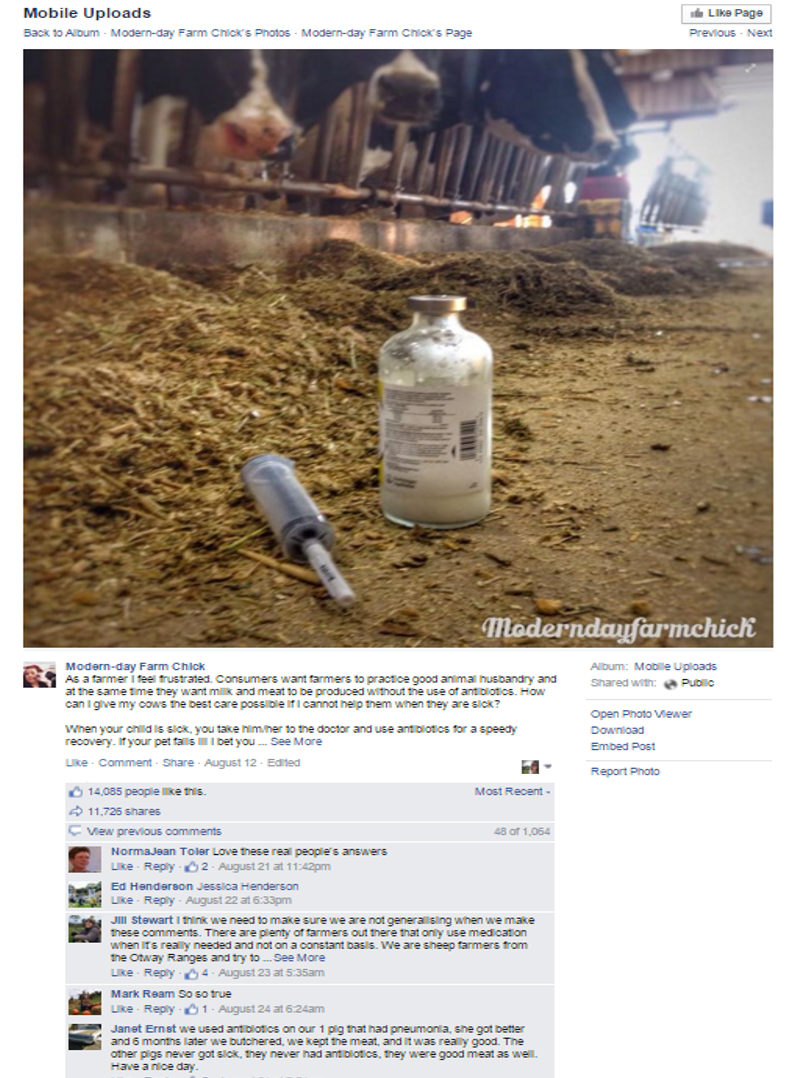
    My Facebook news feed last Tuesday (Wednesday, Thursday and Friday) was filled with personal experiences of my farmer friends, as well as related blog posts from industry advocates. Here are just a few posts that recap the situation and give personal insights into family farming operations:

    • 5 Things Subway Customers Need to Know
    • Following Up on Subway and Subway Announces Bullet is Their Treatment of Choice
    • Subway Updates Its Statement on Antibiotic Use and Subway Removing Antibiotics and Facebook Comments

    Modern Day Farm ChickAfter receiving public comments, Subway issued a revised policy:

    Our goal is to reduce and eliminate the use of antibiotics in the food we serve. Elimination of antibiotics use in our supply chain will take time, but we are working diligently with our suppliers to find quality solutions that also ensure our high quality and food safety standards are upheld and not compromised in any way. Our plan is to eliminate the use of antibiotics in phases with the initial focus on the poultry products that we serve in the U.S…

    That said, we recognize that antibiotics are critical tools for keeping animals healthy and that they should be used responsibly to preserve their effectiveness in veterinary and human medicine. Our policy is that antibiotics can be used to treat, control and prevent disease, but not for growth promotion of farm animals …”

    I can support Subway’s revised policy, which basically requests its suppliers to follow the U.S. Food and Drug Administration’s guidelines. It also requires their suppliers to consult with a veterinarian before implementing antibiotic treatments, as well as keep accurate medical records. Subway can “save face,” but even nine-year-old 4-H members are taught to follow withdrawal periods before animals are sold for meat, and “recordkeeping” is a paramount on a farm of any size.

    antiobiotics labels

    Food Labels & Other Marketing Tactics

    Subway’s recent announcement certainly isn’t the first time that shrinking margins, declining sales or a need to keep a company’s marketing campaign “fresh,” prompted a food company to succumb to pressure from activists. Last spring you might recall Chipotle implemented a few scare tactics of its own. A series of distasteful videos called into question how to humanely raise animals. In the spring of 2015, Chipotle made a misstep when it announced its ingredient list would no longer include GMO ingredients. That anti-GMO campaign led to a lawsuit for misleading claims.

    Food scares and food labeling confusion made headlines in 2013 when Panera Bread Company ran its “All natural, antibiotic free” poultry campaign. As Dairy Carrie wrote in response, “The problem isn’t [Panera] using chicken raised without the use of antibiotics; the problem is using a marketing campaign that uses fear to sell sandwiches.”

    There has been – and continues to be – so many food-related marketing tactics that even farmers are becoming confused by all of the food labels, says sixth generation North Iowa farmer Kody Trampel. “To help you choose nutritious food for your family, Kansas Pork Farmers published “How to Decode Dinner.” They teamed up with Janeal Yancey, who has a Ph.D. in meat science and authors the Mom at the Meat Counter blog. I encourage you to share this particular post with friends who want to feel confident the pork they’re feeding their families is really nutritious.

    In an attempt to help calm mothers’ fears, last fall I published “Tips for Choosing Safe, Healthy Foods for Your Family.” Realizing that consumers have questions about the food they’re feeding their families, more farmers are sharing their personal farming stories. I regularly read blog posts by farmers who raise type of livestock that I don’t, and I find their stories fascinating.

    Engage in conversations about food and farming with groups like CommonGroundTM, AgChat and the Iowa Food & Family Project.

    Team Latham

    October 26, 2015
    Agriculture, General, Industry News
  • Latham Hi‑Tech Seeds

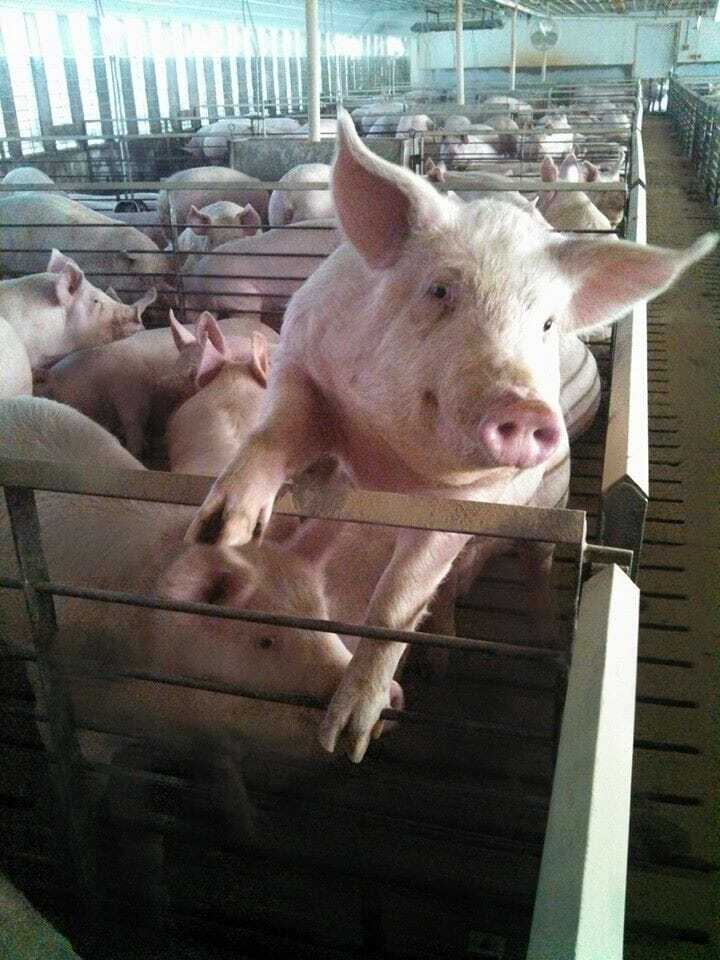
    Be Inspired during National Pork Month

    Pig Houdini

    I can’t let October Pork Month slip by without talking about pigs! Pork production is a real passion of mine as I grew up raising pigs. During the nearly 60 years I’ve worked with pigs, I’ve seen a lot of changes. I’ve raised pigs on pasture, in old barns, and in many kinds of pig barns designed in all kinds of different ways, which were all thought to be the best thing ever when we put pigs in them. By doing this, I’ve gained a little experience raising a pig!

    I would be the last person to say there is only one way to raise pigs. I have learned that some people can raise pigs in places not fit for any animal; other people cannot raise a pig even in perfect facilities. Like any job, some people are just better at pork production than others.

    Although I’ve moved past doing all the hard physical work ofPig Houdini raising pigs, I’m still involved in pork production. I started a new job in June that involves inspecting buildings where contract growers raise hogs. I analyze what’s wrong or what can be improved with the building. Then I hire crews to do the work and help round up parts needed to make the repairs. Then I go back and check on the work in progress. I also make sure the work that gets done actually made the buildings better.
    I’ve been putting a lot go energy and time in figuring out how to make pig barns better. I find myself asking these questions when I’m at a site: How can I make this barn more comfortable for the pigs? How can I make it easier for the person who does chores? How can I make this facility more efficient, so it uses less energy? What changes can we make, so this barn helps pigs grow better?”

    Pigs today are growing much faster with half the feed it once took to get them to market. And it’s not because we are stuffing them full of steroids and antibiotics! Like crops, livestock has been improved by genetics and nutrition. If we used as much science to feed our kids based on genetics and levels of activity, well, I think we would get bored eating “like pigs!”

    All joking aside, pork is one of the most nutritional foods we can eat! Ounce for ounce, pork tenderloin has less fat than a chicken breast. Pork chops deliver iron, potassium and other essential nutrients, while being about as lean as chicken. Studies have shown that lean proteins help power brain activity. Your memory, attention span and ability to learn are affected by what you eat.

    Pork chops deliver a big boost of complete protein, according to a Healthy Eating article. Men get 43 percent of their recommended daily intake and women get 52 percent from a 3-ounce pork chop.

    There are even health benefits to eating cuts of pork that contain fat because fat helps you stave off hunger. Another benefit of fat is that it adds flavor when cooking. No wonder Emeril Lagasse says, “Pork fat rules.” No wonder ham is popular and bacon is trending!

    Pork is the fastest growing food in the food consumed away from your home. Pork is gaining in popularity because it’s so versatile. I have to admit that I love experimenting with my smoker. Trying different cuts in different ways is just plain fun and tasty! Plus, the price is pocketbook friendly.

    Taste, price and nutritional benefits are factors in what consumers choose to eat. Pork has them all, so get your grill on! To learn more about the nutritional benefits of pork or to simply Be InspiredSM by new recipes, visit http://www.porkbeinspired.com or http://www.iowapork.org.

    Larry Sailer, Musings of a Pig Farmer

    October 20, 2015
    Agriculture, General, Industry News
  • Latham Hi‑Tech Seeds

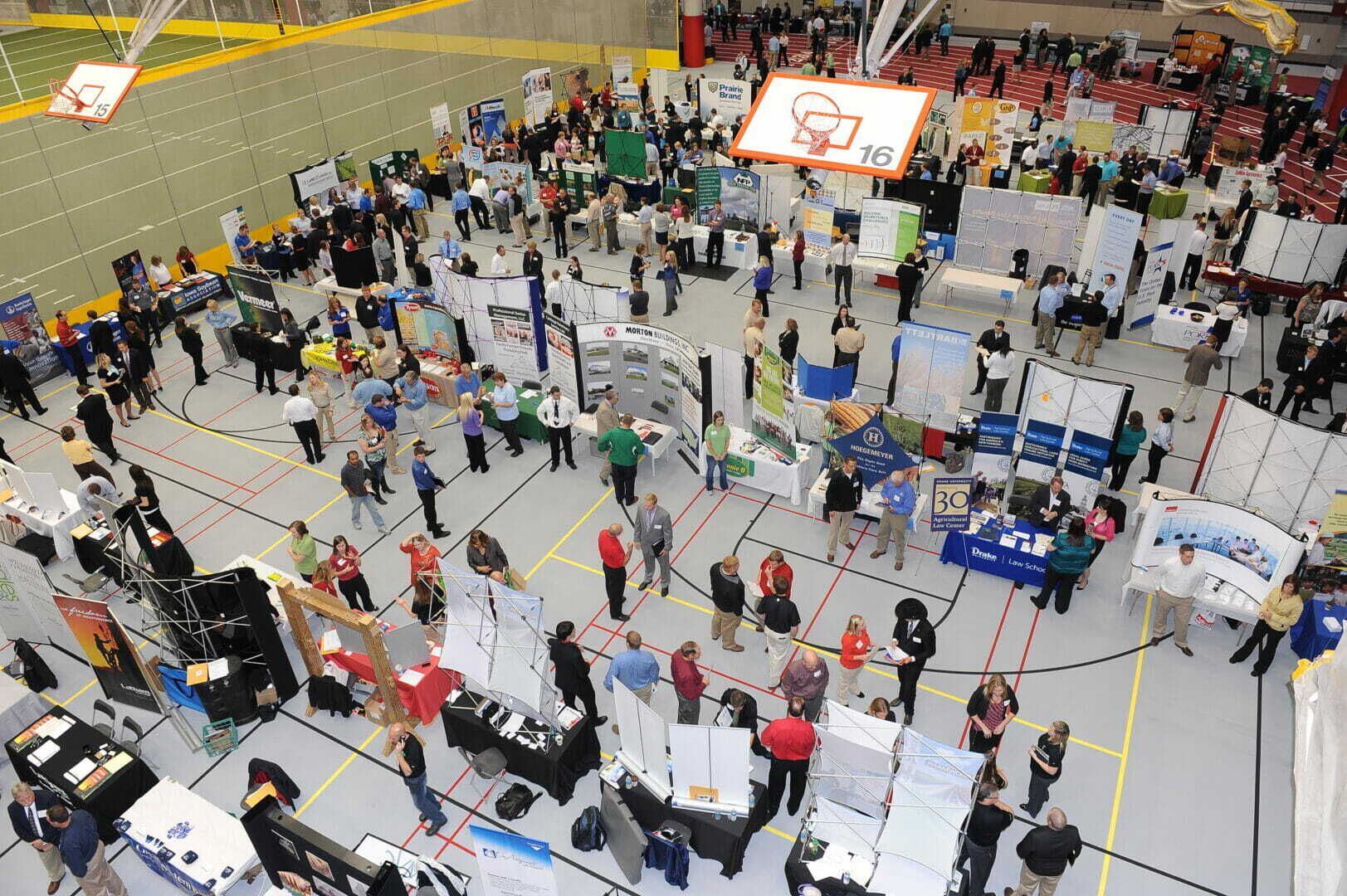
    ISU to Host Nation’s Largest Ag Career Fair Tomorrow

    094

    By Kilah Hemesath, Latham Hi‑Tech Seeds Marketing Intern

    Every year, the College of Agriculture and Life Sciences (CALS) at Iowa State University hosts a Fall and Spring Career Fair. The CALS Fall Career Day holds the status as the largest agricultural career fair in the nation! The Career Services office within CALS facilitates this event for students, alumni and employers for a chance to network within the industry.

    094There are currently 276 companies registered to attend the CALS Career Fair, which breaks a record high! Employers will be scouting for full-time and part-time employees, as well as internships and co-ops for students still in school. The CALS at ISU also holds a high placement rate of 98.4%. Click here to view the placement rates from 1997.

    Last year when I attended the career fair, I stopped by the Latham Hi‑Tech Seeds’ booth to inquire about internship opportunities. I was lucky enough the receive an opportunity with Latham Seeds as a Marketing Intern, where I was able to work on projects applicable to both my area of study and passion for the agricultural industry.

    During my summer internship at Latham Hi‑Tech Seeds, I was10450746_10153419115397138_7749644507690274240_n able to experience a broad range of experiences from sales and production to marketing and research. I enjoyed having a versatile and unique workday, every day. I was able to engage in these experiences, which helped me gain valuable knowledge that contributed to building my resume. I was also given the opportunity to take on my own projects, which gave me the chance to further develop my interest and skills.

    As a college student heading into the workplace, you can never have enough internship experience! Internships can help you discover both what you enjoy and what you’d rather not do. I had multiple internships that led me to find my interest in agriculture marketing and communications, and I’m happy to announce that my internship with Latham Seeds led to an offer for a full-time position!

    The agricultural sector across the Midwest is a very tight-knit industry, and that’s why networking is especially important. The CALS Career Fair provides that opportunity for student and industry representative to interact with one another.

    Be sure to visit us tomorrow (Tuesday, October 20) between 9 am to 3 pm in the ISU Lied Recreation Athletic Center! For Summer 2016, Latham Hi‑Tech Seeds is offering internships in Marketing / Communications and Agronomy Sales. We are also recruiting for new dealers throughout our six-state marketing territory.

    Stop by the CALS Career Day and learn more about job and internship opportunities!

    Webspec Admin

    October 19, 2015
    Agriculture, General, Industry News
  • Latham Hi‑Tech Seeds

    U.S. Education System Doesn’t Do Justice to Diversity

    7357608430 9ea61aacca z

    A few weeks back, I was having a conversation on Facebook about educating our kids. I was asked what my thoughts were on this important topic, and I deferred to give it the proper time and attention.

    Our country is so big and diverse that I don’t believe education should be generalized. Even in one small school system like my local school, kids are different. Kids are even different within one grade, one classroom. Standardized tests are nothing more than, well, “standard.”

    Curriculum developed on a national level cannot do justice to all the diversity this country has. For example, growing corn and soybeans on my North Central Iowa farm is nothing like raising cotton in Texas. Raising corn in Texas is even different from growing corn in Iowa as soil types, climate, annual rainfall, as well as disease and insect pressure differs greatly between these two states.

    There are some jobs that are very geographic-specific. If I took a test about raising cashews, I have no doubt that I’d flunk it! Test a medical student on how to build a bridge, and he or she would most likely flunk it! Does that make the medical student any less competent? Of course not!

    It takes all types of people to make this world work. People, including school-age children, have different interests and abilities. Some kids love reading and learn extremely well by reading in solitary. Some verbal learners grasp new information best in a social setting. Other people are kinesthetic learners, so they learn best by touching objects, feeling materials and simply “doing.” Then there are learners like me, who need visuals. I need to see it before I can learn it.

    The trick is leading students in the direction that is right for them, whether this path requires advanced studies or training in a specific field. Some children will grow up to truck drivers, and people with the ability to skillfully handle big rigs are certainly needed. How else would we get our crops to market or supplies on shelves in our local grocery stores or in national discount chain stores? Some children will become lawyers. Others will chose to return to a family business.

    A comment from a recent blog post entitled, “Career Ready,” really articulated some of my thoughts: 

    “… The idea of going to college is beat into the heads of all my students to the point of absolute insanity. During forecasting, I always ask my sophomores how many are planning on going to college. Almost everyone raises their hand including kids with a GPA under 1.0, kids reading and/or doing math at a third grade level, and kids who absolutely hate school. We convince these kids to go to community college where almost all of them languish for a term or two before dropping out with barely any credits but with several thousand dollars of debt along with feeling like a complete failure.  

    Due to budget cuts, our vocational classes at our high school have been cut to almost nothing. We had a great wood shop that was shut down during the recession. All the equipment was sold for a pittance and the room was converted to a community health center. Obviously, that’s a vital service but losing all that equipment and the room means we will never have a wood shop again. We had an amazing cooking program that is almost completely gone. Metals has been cut but is still around due to the bulldog determination of the metals teacher.

    Kids who do great in these vocational classes but poorly in academic classes are now forced to take math and English intervention classes in addition to their regular math and English every day. Those two subjects now take up four out of the seven classes they take each semester. Now they’re talking about having a science intervention class for the kids who won’t be able to handle the new Next Generation Science Standards so they’ll end up hating science, as well as math and English.

    How will they ever graduate if all they can take are core and intervention classes? All we’re doing is making kids despise school and learning.”

    Another response that was posted reads:

    “[Vocational students] are not any less smart, less capable, or less valuable than my college-bound hard-core honors students – they’re just using a different set of tools to travel a different sort of path.”

    The key to discovering what path is right for them is helping children discover the love of achievement. We need to motivate and inspire, not merely test! We need to expect the best from children and help them see how they can be successful even if their plans don’t include a four-year college.

    Larry Sailer, Musings of a Pig Farmer

    October 13, 2015
    Agriculture, General, Industry News
  • Latham Hi‑Tech Seeds

    Harvest Tour Showcases Ag’s Importance in Franklin County

    AuthorLarrySailer lg

    This past weekend was one of my favorite times as a farmer trying to connect with people, who are not close to farming. I was happy to be part of a group of farmers and local businesses that hosted the 5th Annual Harvest Tour for bloggers!

    Special thanks to the sponsors who make this possible: ABCM Corporation, the Greater Franklin County Chamber of Commerce, Franklin County Farm Bureau, Iowa Farm Bureau, Franklin County Tourism and Latham Hi‑Tech Seeds!

    This tour is held the first weekend of October, which is great timing because there is so much activity here at that time of the year. Harvest is always underway, although I remember one year harvest was early and last year it was a little later. This year the timing was perfect!

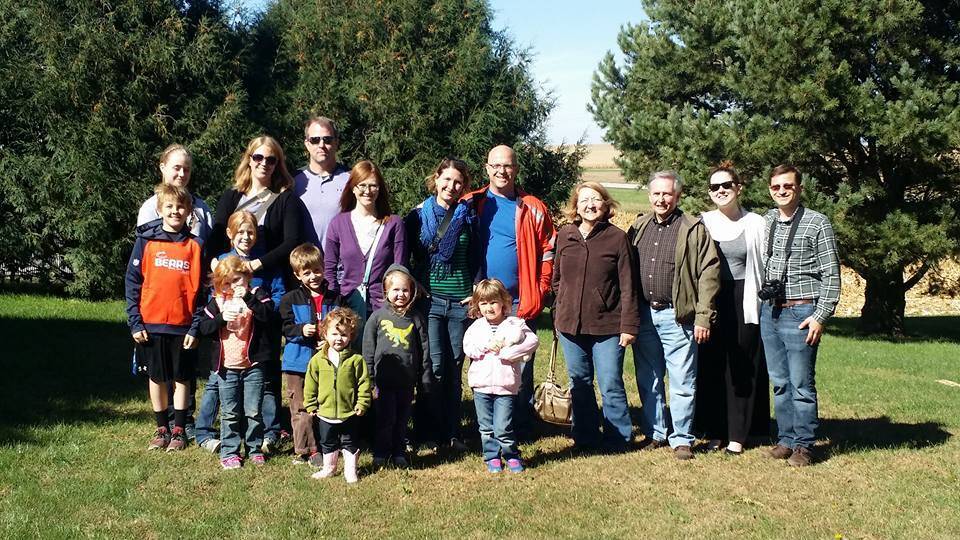
    Shown above is the bloggers and their families whom attended to tour.
    Shown above are the bloggers and their families whom attended the tour.

    Each year a different group of bloggers are invited to stay in our farming community. Those invited have little or no experience with farming and their blogs reach thousands of people, who for the most part, also have no experience with farming. Bloggers who participated this year included:

    • Simply, Live, Love
    • Her Heartland Soul
    • Oh My Omaha
    • The Gingered Whisk
    • Midwest Wanderer

    You can follow what they had to say on Twitter and other social media channels by searching the hashtag #FranklinCoHarvest. Most attendees are amazed by what they find on this tour, and then they share by blogging. Here’s an example:

    “This was my first time spending time in a farm town and I learned so much. Life is definitely different but it is so great,” wrote Erin Child in an October 5th post on Her Heartland Soul blog. “I met some of the friendliest people, who have so much pride in their community and I can see why. Farms are the backbone of the country and it is incredible getting to live so close to that!”

    This blogger tour has been a fantastic way to explain what we do out here in North Central Iowa! We started the weekend tour on a Friday evening at the REA Museum. This was the first farmer owned, electric power plant west of the Mississippi. This building still houses one of the huge generators that first brought easy electricity to farms. Before that, some farms had only small generators and a bank of batteries to power their farms!

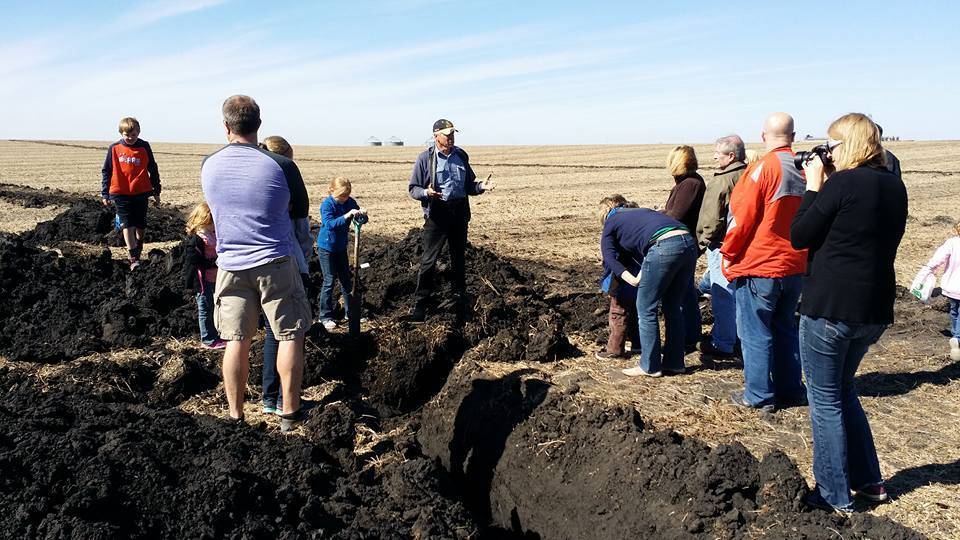
    Bloggers learning about the uses of tiling on farms.
    Bloggers learning about the use of tiling on farms.

    From the museum, we traveled a short distance for a welcome reception at the Townsend Winery. What could be better than food and wine tasting to set the mood to meet new friends?

    Saturday started with coffee and breakfast at Rustic Brew, a coffee shop and brewery on Main Street in our county seat of Hampton. After breakfast, we toured the Franklin County Historical Museum. Not only does this place show a couple hundred years of farming history, it shows how life has evolved in our area. It even goes back thousands of years with artifacts dug up from prehistoric times.

    Next up was time to explore downtown Hampton. Like many small towns, Hampton’s specialty shops offer unique items plus they play an important role in telling the history of our county. Everyone enjoyed either shopping or returning to the Rustic Brew for another refreshment.

    After our tour of the town, we traveled to rural Franklin County for lunch of “pork and beans” at Latham Hi‑Tech Seeds. Pulled pork, pumpkin bars and Val Plagge’s “Hog Wild Baked Beans” were once again crowd pleasers.

    As we ate another terrific meal, we learned farming facts from the North Central Ag in the Classroom. This is a program to share farming with our grade school kids. Even out here in the middle of farm country, we have found that kids need to hear about what happens on the farm. This organization reaches 10,000 students each year, providing classroom materials about #RealPigFarming, ethanol production and soil conservation to name a few.

    Bloggers learning about the Ag in the Classroom program.
    Bloggers learning about the Ag in the Classroom program.

    The next stop of the day was the one everyone had been eagerly awaiting! Roy and Jeanie Arends farm outside Alexander gave an interesting tour of their operation. Before the combine rides began, we learned about field tile. Roy did a good job explaining what tile do and why they’re needed here. Roy and Jeanie’s son, Drew, explained GMOs and why farmers use them. Of course, the combine and tractor rides were then a huge hit as always! The amount of technology in today’s equipment always surprises everyone!

    After a brief break back at the motel, we had supper, dinner to the city folk, in one of the local Mexican restaurants. This was a great time of conversation, sharing about the tour so far.

    To finish the evening, we attended a live production of “An Evening Like It Used to Be” in our local historic Windsor Theatre. Local musicians and actors put on an old Vaudeville-type show that had great live music and comedy routines. It was a great way to end the day!

    Sunday morning was the end of the planned activities for weekend. Bloggers enjoyed breakfast and a tour of the Leahy Grove Independent Living Center. Afterwards, they were invited to attend the annual Harriman-Nielson Fall Festival for another look at Franklin County’s Danish history.

    I’m looking forward to reading what the bloggers have to share about our weekend! Search social media for #FranklinCoHarvest to follow along. In the meantime, here are links to blogs about past years’ tours that were posted on TheFieldPosition:

    • Field Fare and Family Fun Abound
    • Proving the Power of the Internet
    • Harvest Tour is Leaning Opportunity

    Larry Sailer, Musings of a Pig Farmer

    October 6, 2015
    Agriculture, General, Industry News
  • Latham Hi‑Tech Seeds

    Social Equality Reduces the Will to Work

    AuthorLarrySailer lg

    President Obama on Sept. 15 signed an executive order requiring government agencies “to use behavioral science insights to ‘better serve the American people.’ According to a recent article in the Harvard Business Review, federal agencies have been instructed “to identify policies and operations where applying findings from behavioral science could improve ‘welfare, program outcomes, and program cost effectiveness’.”

    Striving to improve government efficiency is nothing new as governments have been “nudging” people since time began. Penalties are put in place to keep you from doing what government officials believe shouldn’t be done. Taxes are used to influence our decisions, and tax breaks are given to encourage certain behaviors or actions.

    Consider the breaks given for a business to locate in a certain town, a certain area or town or within a particular state. Before deciding whether to expand, relocate or change in their business, executives now factor in government programs to see which town or which state will give them the biggest breaks. Incidentally, Forbes magazine reports that Utah is the top spot for business. North Dakota comes in second; Nebraska ranks seventh; Minnesota is ninth; and Iowa ranks 12th.

    One of the biggest nudges right now is the penalties put on to our best sources of energy. “The EPA is worried about climate change and is making a huge push for clean air. Biofuels like ethanol fit so well into their plans, yet the EPA wants to reduce 2015 and 2016 blending requirements by at least 20 percent.”

    Another nudge is being given to improve water quality. Believe me, I support water quality but what concerns me is how government agencies have the ability to control public perception simply by choosing which information to release and when. As I’ve written before, today’s technology can detect smaller amounts of pollution in our waters. Standards have changed, so more bodies of water than ever before make the “polluted list.” However, farmers are doing a better job of adapting conservation practices that make a positive difference in improving water quality!

    A whopping six tater tots
    A whopping six tater tots

    Public school lunch programs scream behavioral change. “Big Brother” definitely has his hands on kids’ lunch trays, and the latest nutritional guidelines aren’t even being used for better health for the kids. Instead, federal guidelines released last spring call for a reduction in red meat consumption based on the claim that a plant-based diet reduces the carbon footprint. So… the overlying reason to change U.S. dietary guidelines is actually a political ploy to manage beef production practices that don’t even take into account what sustainable production practices are already in place by U.S. beef producers!

    Right or wrong, the party in power uses laws and regulation to push their agenda, and that’s why it matters who gets elected. I realize what I’m about to say next isn’t politically correct, but we’ve got to “stop feeding the bears!” (NOTE: This blog is entirely my own opinion.) The Supplemental Nutrition Assistance Program (SNAP) cost almost $80 billion in 2013, which is twice the amount it cost before President Obama took office on Jan. 20, 2009.

    Making Americans dependent on social programs and using taxpayer money to advertise welfare programs won’t lead to government efficiency or to a more productive society! Making it easier and easier for people to sign up for social programs is a nudge in the wrong direction!

    The big buzz now is that all Americans must be treated equally, but is everyone putting forth an equal effort?! Honestly, isn’t anyone else besides me concerned about President Obama’s mandate to use “social science” to serve people?

    The U.S. Government was set up with very specific powers. How have we gotten to the point where federal government controls what we eat, what we use for energy and essentially how we live? What’s happening to our individual freedoms? Every aspect of how we live is being nudged by government!

    Hopefully, my blog today is a “nudge” to all voters! Americans should have equal opportunity, equal potential. Hard work and ingenuity is what made our country great, and it can make this country grow again if we let it. Government “nudges” and social equality do not work because you can’t take from workers and give to the non-workers or the will to work fades! Remember, communist regimes in Germany and Russia fell for a reason.

    Larry Sailer, Musings of a Pig Farmer

    September 29, 2015
    Agriculture, General, Industry News
Previous Page
1 … 28 29 30 31 32 … 95
Next Page

Latham Hi‑Tech Seeds

131 180th Street | Alexander, IA 50420

(641) 692-3258

SIGNUP FOR OUR NEWSLETTER
  • Contact
  • Legal
  • Dealer Center
  • Seedware Login
  • Latham Gear

© 2025 Latham Hi‑Tech Seeds. All rights reserved. | Iowa Web Design by Webspec | Privacy Policy

Latham® Hi-Tech Seeds is a trademark of M.S. Technologies, L.L.C., 103 Avenue D, West Point, IA 52656.