Latham Hi-Tech Seeds

(641) 692-3258

  • Home
  • Products
    • Corn
    • Soybeans
    • Alfalfa
    • Corn Silage
    • Seed Guide
  • Performance
  • Find a Rep
  • Media
    • Blog
    • News
    • Videos
    • Podcasts
    • TECHTalk
  • About Us
    • Company History
    • Our Mission
    • Careers
    • Become a Rep
    • Sowing Seeds of Hope
  • Contact Us
  • Latham Hi‑Tech Seeds

    Ask the Agronomist—Weed Control

    James 2

    Soybean Product Manager, Mark Grundmeier, responds to frequently asked questions about post-emergence herbicide application and weed management.

    Q: What tips do you have for farmers who are applying post-emerge herbicides?

    A: Early season weed control is very important so that the crop can become well-established, but remember that haste makes waste! Double-check what type of seed you planted. Farmers today have a lot of options for seed products, from products that are resistant to either Roundup or Liberty to those that are resistant to both. It’s not uncommon to receive a call from someone who sprayed either Roundup on Liberty soybeans or Liberty herbicide on Roundup corn. No one likes to be out time or money, so just take an extra minute or two to double-check which traited products you have planted in each field before herbicide is applied.

    Q: What weeds are you seeing in the fields right now?

    A: We’re seeing a lot of water hemp, pigweed, as well as some winter annuals like marestail. In no-till fields we’re seeing a lot dandelions. Of course there’s always going to be the grasses like foxtail and large broad-leaf weeds showing up. It’s that time of year to get out in your fields and take a look for weeds!

    Q: It seems like each year it gets harder and harder to control weeds; are there any steps farmers can take that will help?

    A: There are 5 small steps farmers can take that will provide giant relief for weed control:

    1. Closely monitor known problem areas for tough-to-control weeds.
    2. Apply herbicides correctly. Follow the labels and guidelines, and remember that timing is critical.
    3. Don’t be satisfied with economic thresholds for weed control. Sometimes 85-95% isn’t enough; we need to fight weeds all season long.
    4. Clean equipment to prevent spreading to other fields.
    5. Surviving weeds must not be allowed to set seed. We need to get rid of as much as possible.

    Q: How are farmers preventing herbicide resistance?

    A: Rotating between herbicide traits is very important when fighting weed resistance. Especially with the newer traits becoming commercially available, especially in soybeans, we as a farming community need to be good stewards when handling this new technology.

    Q: Is rotating crops a need or a benefit?

    A: It’s best to be proactive in managing herbicide resistance before it becomes a problem. Rotating crops is a huge part of that, so is rotating the traits we’re using. We need to know what herbicides we’re using for what they do and don’t control, and what restrictions exist. Also be aware of the potential for crop injury. We have to get weeds out of fields before they get too large.

    Q: How often do we need to be scouting?

    A: Scouting should start right after emergence. Now is a great time to start monitoring fields weekly throughout the growing season for the most effective weed management practices. Be sure to take notes of what weeds are prevalent and where so that more informed decisions can be made for the 2017 growing season. Taking notes is critical.

    If you have a question about what you’re seeing in the fields, feel free to ask! Send your questions via Twitter to @LathamSeeds, in a private message on Facebook or call our office at 1-877-GO-LATHAM (1.877.465.2842).

    Webspec Admin

    June 9, 2016
    Agronomics, General, Weed Control
  • Latham Hi‑Tech Seeds

    Ask the Agronomist—Replanting Corn

    Ask the Agronomist Feature Photo 01

    Thanks for tuning into Week Five of our “Ask the Agronomist” Audiocasts. To listen to Mark’s response to this week’s question about replanting corn, play the audio file below.

    https://www.lathamseeds.com/app/uploads/2016/06/Latham-5_30.mp3


    Q: How late can I replant when I’m replanting my corn?

    A: Deciding whether or not to replant is never an easy decision. The cost of replanting is often the deciding factor. Many seed companies, like Latham Hi‑Tech Seeds, have shorter maturity hybrids available.

    There are several key factors that can determine a field’s overall yield potential. Iowa State University Extension has a publication called the Replant Checklist that will help you estimate the surviving plant stands, as well as estimate the yield based on planting dates and expected yield you could get.

    Estimating Yield Potential for a Replant

    If you have corn planted between May 25 and June 5, you can expect 65 to 70% of overall yield potential for that field. However, if the corn was planted more towards the middle of June, overall yield expectations go down to about 50% of normal yield.

    If a farmer decides to replant, make sure the fields are dry enough. There are still advantages to planting corn in the middle of June in certain areas, but each individual will have to define his/her own yield expectations. If corn is planted at the end of May, yield can be up to 65 to 70% of normal yield. If your field average is around 200 bushels per acre, you can expect to get 130 to 140 bushels per acre.

    Replanting Corn or Switching to Soybeans

    There are definitely situations where replanting is a no-brainer, such as small areas of a field that were drowned out or damaged by insects. When an entire field of corn is lost, it might be best in this stage of the planting season to replace the corn with soybeans. However, take into consideration what herbicides have been applied to the field so that your soybeans don’t die.

    There is certainly still time to receive good yields with soybeans. Most of the time in late May, we can achieve soybean yields of 85 to 90% of typical yields. June 20 to 25 is a target date for switching soybean maturities, depending on location. Soybeans can be planted into the beginning of July and still achieve decent yields.

    If you have a question about what you’re seeing in the fields, feel free to ask! Send your questions via Twitter to @LathamSeeds, in a private message on Facebook or call our office at 1-877-GO-LATHAM (1.877.465.2842).

    As always, you can access timely agronomic tips and information for your geographic location on TheFieldPosition.com. New articles are posted each week day on our blog.  You can even search for “topics” by simply typing key words into the search bar on the upper right-hand corner.

    Thanks for tuning in to this week’s Ask the Agronomist. We’ll be back again next week to field all of your questions during the 2016 growing season.

    Webspec Admin

    June 2, 2016
    Agronomics, Corn, Crop, General
  • Latham Hi‑Tech Seeds

    Ask the Agronomist: Replanting After a Freeze

    Ask the Agronomist Feature Photo 01

    Q: My corn was standing about 4 inches tall when we experienced a hard freeze last weekend. Now many of those plants look black, so I’m wondering whether to replant.

    To listen to Mark’s response, click below.

    https://www.lathamseeds.com/app/uploads/2016/05/latham-5_17.mp3


    A: Your newly planted crop may or may not bounce back, depending on its size when it was hit with the hard freeze. The growing point usually is above ground around V-6 to V-7. At this point of development, the corn seedling is about 6 to 8 inches tall, but that depends on the hybrid.

    Regardless of crop size, the best thing to do if your crop was damaged is to wait 3 to 5 days after the freeze to evaluate damage. If corn plants are going to “stand back up,” you should be able to see it by this time. If they plants are still down, you’ll be able to gauge if a total replant is necessary or if you can just replant certain areas.

    You can also dig up a few individual plants from different areas in your field and split them vertically to assess visual damage at the growing point. Typically, seedlings that have more than a 1/2 inch of healthy tissue above the growing point will develop into plants with high yield potential. Seedlings that have more tissue damage will likely not recover.

    Click on the audio link to hear Latham’s senior agronomist and product manager Mark Grundmeier provide more details on the air with farm broadcaster Liz Brown of KOEL.

    If you have a question about what you’re seeing in the fields, feel free to ask! Send your questions via Twitter to @LathamSeeds, in a private message on Facebook or call our office at 1-877-GO-LATHAM (1.877.465.2842).


    Also be sure to check out TheFieldPosition.com for timely agronomic information.  New articles are posted each week day on our blog.  You can even search for “topics” by simply typing key words into the search bar on the upper right-hand corner.

    Thanks for tuning in to this week’s Ask the Agronomist. We’ll be back again next week to field all of your questions during #plant16.

    Webspec Admin

    May 19, 2016
    Agronomics, Frost, General, Season, Spring, Weather
  • Latham Hi‑Tech Seeds

    Ask the Latham Agronomist: Seed Treatments

    Ask the Agronomist Feature Photo 01

    Q: I view seed treatment as a cost, so I don’t order treated soybeans. I prefer to wait and see what the conditions are at planting time to determine whether I want to add a treatment. Since the weather turned wet and cold after my seed went in the ground this spring, how could I evaluate if treatment would have been worth the money?

    Click to listen in on Mark’s responses:

    https://www.lathamseeds.com/app/uploads/2016/05/Latham5_11.mp3


    A: Seed treatments certainly help protect soybean seed while it’s laying in wet, cold soil. But remember, a seed treatment isn’t a bullet proof coating. View seed treatment instead as an insurance policy that helps protect your seed investment from unusual circumstances. After all, it takes less than a bushel of soybeans to pay for the cost of treatment!

    Also keep in mind that not all seed treatments are the same. For example, Latham’s signature SoyShieldTM, a fungicide-only package, while Latham’s SoyShield Plus with fungicide and insecticide. SoyShield Plus protects seeds and seedlings from disease and insect damage for up to 30 days. Latham Hi‑Tech Seeds also adds a proprietary blend of polymer and seed coating to our seed treatment.

    Taking a “wait and see approach” to applying seed treatment can be risky. Some Upper Midwest farmers planted soybeans in late April when the daytime temperatures were beautiful, although soil temperatures across the state were cooler than the 55 to 60 degrees we recommend for planting soybeans. Then the weather turned wet and cold once the soybeans have emerged.

    Those cold rains caused chilling effect in some areas as we discussed last week on “Ask the Agronomist.” I believe seed planted later into warmer temperatures will actually emerge quicker than those planted into cold, wet soils.

    We understand firsthand how hard it is to be patient when it’s planting season! Don’t let the date on the calendar override the need for soils to dry now. Wait for fit soils to resume planting. In the future, don’t let the temptation of early planting cause you to plant in April if conditions aren’t favorable for soybean seeds and seedlings.

    Click on the audio link to hear Latham’s senior agronomist and product manager Mark Grundmeier provide more details on the air with farm broadcaster Liz Brown of KOEL. Remember, you can “Ask the Agronomist” each week of the growing season. Send your questions to us via our website, Twitter (@LathamSeeds) or Facebook.

    Webspec Admin

    May 13, 2016
    Agronomics, General, Seed Treatment
  • Latham Hi‑Tech Seeds

    New for 2016: Ask the Agronomist

    Latham Leaderboard e1462218862511

    Ask the Latham Agronomist

    Mark3_AuthorBigThanks for stopping by! New this year we’re featuring a series called “Ask the Latham Agronomist”. Each week Latham Agronomist and Product Manager Mark Grundmeier will answer viewer submitted questions about agronomy and seed industry topics.

    We invite you to submit any questions weighing on your mind from agronomy diagnostics to new seed technologies. Mark will answer those questions on air during a weekly interview with Farm Broadcaster Liz Brown and we’ll post the audio cast here each week on Thursdays.

    We look forward to hearing from you! Submit your questions in the comments below, send us a tweet or post on our Facebook page. Together we’ll work to achieve more yield Field X Field™.

    Gary Geske

    May 2, 2016
    Agronomics, General
  • Latham Hi‑Tech Seeds

    Tips for Increasing Corn Yields in 2016

    IMG 0445

    There are literally a thousand variables that affect how good of a crop you raise. Many of these variables, like the weather, are out of your control. So why not control the ones you can?

    The decisions you make now can influence yield beforeIMG_0445 any seed goes in the ground. That’s why I’m sharing the factors I believe you can control to produce the best corn yields in the year ahead:
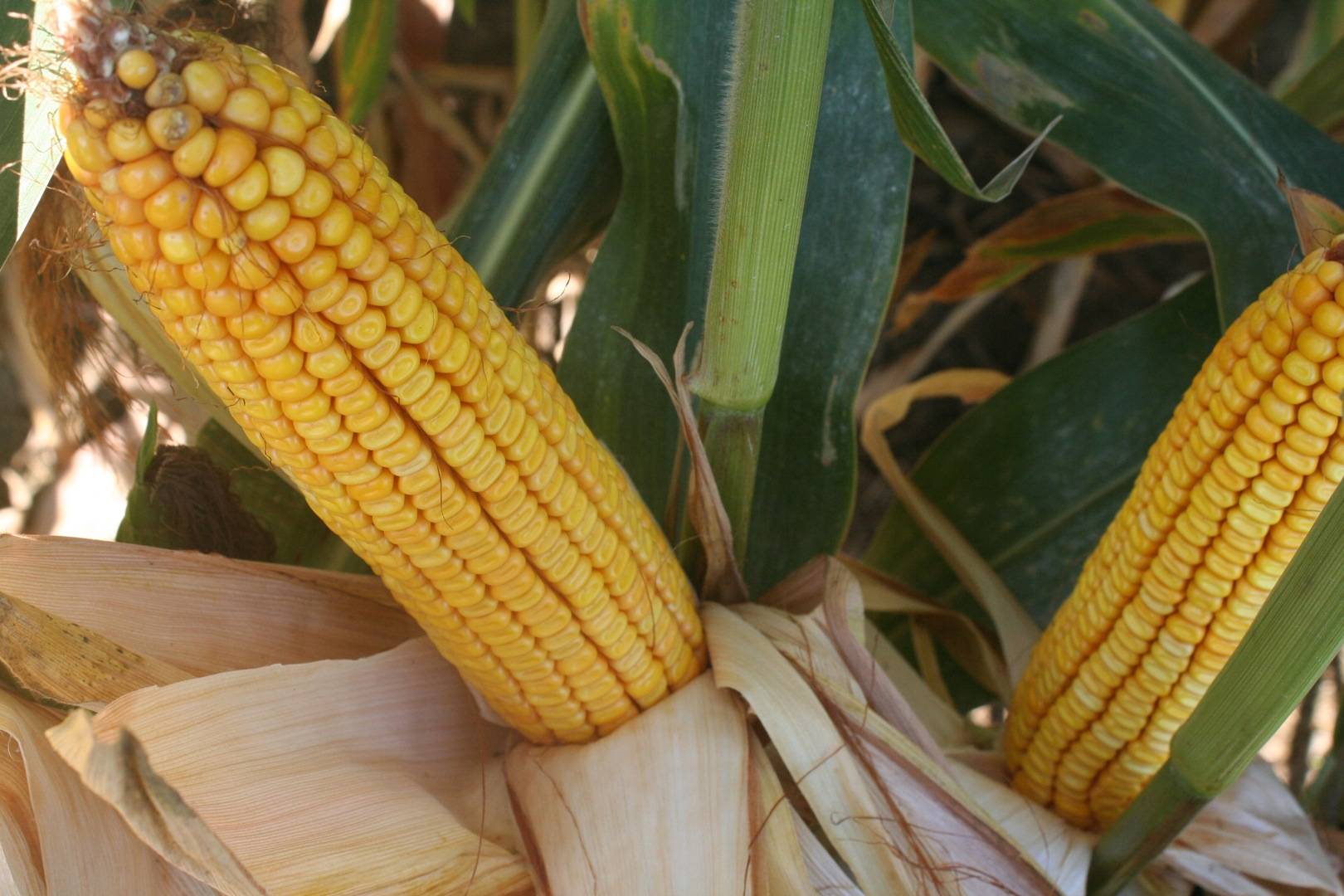
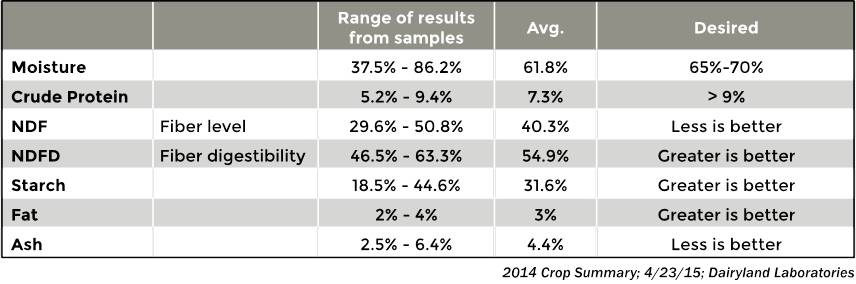
    1. Hybrid Selection. Selecting the right hybrid for a given field / soil type is probably the most important decisions a farmer makes. That’s why at Latham Hi‑Tech Seeds, we have developed a FieldXFieldTM worksheet to guide our customers through a proven process.
    2. Seedbed Preparation / Planting Date. Remember that early planting dates only have the potential to out-yield later plantings if conditions are right. Wait to plant until soil temps are consistently above 50° F and are expected to rise. Don’t “mud it in” just to be the first one in the field! Yield doesn’t significantly decline until later in the planting season, so practice patience.
    3. Planting Depth.The optimal planting depth for corn is 2 inches – for good reasons. If you plant to shallow, corn plants may germinate too quickly and then shut down if ground temperatures drop. Shallow planting also prohibits plants from developing the root system needed for plant health or stalk strength. If you plant too deep, emergence may be delayed.
    4. Planting Speed. While racing against time, some farmers have a tendency to plant at too high of speed. Planting speed affects the accuracy of seed placement, so travel between 4 and 5 miles per hour to encourage the best seed-to-soil contact.
    5. Soil Fertility. Accurate soil samples are necessary, so you can be sure the plants are getting the food they need. There are 16 essential nutrients for plant development, and each one is important in various amounts. A proper balance of macro- and micro-nutrients is necessary for optimal performance. Keep in mind that starter fertilizer, put down at planting time, can help get the crop off a quick start.

    Webspec Admin

    March 30, 2016
    Agronomics, Corn, Crop, General
  • Latham Hi‑Tech Seeds

    Winter Rains Cause Concerns about Nutrient Loss

    RacetheRain

    Many farmers are asking about the possibility of nutrient loss from the unprecedented rains we received in December. While there is definitely cause for concern, don’t assume all fertilizer that was fall-applied is lost. Also keep in mind that the amount of loss will depend on the specific nutrients that were applied, as well as whether it was in the dry, liquid or gaseous form.

    Phosphorus (P) and Potassium (K):  Most experts agree that P & K applications are very stable no matter the time of year of application.  It’s not unusual to have these products applied on frozen ground and see little, if any, loss prior to planting.  One “watch out” here is if the December rains caused soil loss due to runoff. If this happened, then it is most likely that you also lost some P & K.

    Nitrogen (N):  Two main reasons for N loss are leaching and nitrification. Leaching refers to the actual loss of nutrients from downward movement through the soil profile. Since the ground in most areas was not frozen prior to the rains, this process could have a significant effect. Because the rain came fairly fast, there was considerable ponding and runoff in some fields.  These will be the greatest areas of concern. Nitrogen loss here will not be uniform and will be extremely difficult to quantify.  If drainage tiles ran, that is another avenue for N loss that may need to be considered.

    The most common form of fall-applied nitrogen is anhydrous ammonia (NH3).  When applied, it quickly converts to ammonium (NH4), which is a positively charged particle.  Nitrogen is fairly stable in this form as it is held onto the negatively-charged soil complex. Ammonium eventually converts to the nitrate form by the process of nitrification.  Since this is a biological process, the rate of conversion is determined by the soil temperature.

    Nitrification does not stop, however, it slows down considerably when soil temps are below 50° Fahrenheit. This is the reason most agronomists recommend fall N applications after soils have fallen below this temperature.  The nitrate form of N is the most susceptible to leaching. There’s a very good chance of N loss from the nitrification process if you applied nitrogen before soil temps fell below 50°F.  Applications made later on (in colder soils) have a much less chance of significant loss.

    It’s too early to determine nitrogen loss from December rains. We’ll wait until early spring to see how the weather develops and see the fields look after they thaw.  For additional information on the potential for nitrogen loss, click here for an article from Dr. John Sawyer, Extension Soil Fertility Specialist, Iowa State University.

    Webspec Admin

    February 10, 2016
    Agronomics, Fertility, General, Season, Soil, Spring, Winter
  • Latham Hi‑Tech Seeds

    Top Ten Tips for Increasing Corn Yields

    IMG 0445

    As you know, there are about one thousand factors that determine the yield in any crop year. Continual crop improvement, including higher yield, is a common desire among farmers.

    IMG_0445Many of the decisions you make that influence yield the most are made before any seed goes in the ground, so today I’m sharing with you the Top 10 factors I believe are most critical to increasing corn yields in the year ahead:

    1. Hybrid Selection. Not all hybrids are created equal, so be sure to select the hybrids that are best suited to your need – and your ground. Some hybrids are better for suited for silage or grain. Some racehorse hybrids have different fertility requirements. Be sure to select the hybrid for each field in the correct maturity.
    2. Crop Rotation. Crop rotation requires more planning today. It’s not enough to rotate between crops. Remember to also rotate traits and chemistries. Consider management practices that include weed control and residue management.
    3. Planting Depth and Row Spacing. Planting depth should be between 1.5 and 2 inches but no shallower. Even planting depth with no seed bounce is imperative to a good stand and high yields. Uneven emergence can create uneven competition between plants that continues throughout the year. Plus, uneven tasseling can occur. The crop canopy should absorb about 95% of available sunlight so some hybrids with a more upright leaf angle may benefit from narrower rows.
    4. Soil testing and fertility. Accurate soil samples are necessary, so you can be sure the plants are getting the food they need. There are 16 essential nutrients for plant development, and each one is important in various amounts. A proper balance of macro- and micro-nutrients is necessary for the optimum use of applied fertilizers.
    5. Timely planting. Planting conditions greatly impact emergence and stand. Remember that early planting dates only have the potential to out-yield later plantings if conditions are right. Don’t “mud it in” just to be the first one in the field! Yield doesn’t significantly decline until later in the planting season, so practice patience. Plant when soil temps are consistently above 50° F and are expected to rise.
    6. Scouting Fields. Crop scouting begins at the planter. Check planting depth and then emergence. Mid-season crop scouting is especially important because different insect and disease pressures become evident. tissue sampling, fungicide application timing, and finally find out when the field is ready to harvest.
    7. Weed Pressure and Herbicide Selections. Manage troublesome weeds through crop rotation and other tactics. Know what weeds you are targeting, so you can apply the correct herbicide and rate. Follow up on applications for missed weeds or respray conditions.
    8. Fungicide applications. Some hybrids in some growing conditions will benefit from one or two applications of a fungicide to keep the plant growing and healthy. You’ll see in the Latham Hi‑Tech Seeds’ product guide that we recommend fungicide for certain hybrids. Remember, the application timing is key for maximum benefit.
    9. Timely Harvest. Everyone would like to harvest dry corn but sometimes that’s not practical for maximum yield. Scout your fields often to prioritize fields for harvest. Check for stalk lodging potential. Determine stalk integrity with the pinch and push tests. Are the plants getting “rooty,” or leaning and lodging from the root? Conduct a shake test to make sure the ears are still hanging on with less chance of ear droppage and plant health to allow for delayed harvest if necessary.
    10. Soil Prep for Next Year. Soil tillage or preparation for next year’s crop should help improve soil tilth. Avoid working wet soils to prevent compaction and to provide a consistent seed bed across the field to help achieve good seed-to-soil contact.

    Related Posts:

    • Resolving to Increase Soybean Yields
    • Increasing Your Bottom Line
    • Achieving Record-Setting Yields in 2015

    Webspec Admin

    January 27, 2016
    Agronomics, Corn, Crop, General
  • Latham Hi‑Tech Seeds

    TIPS FOR INTERPRETING CORN SILAGE DATA

    Now that most farmers have finished with harvest and fall tillage, it’s time to head inside and finalize plans for next season’s crop! Similar to corn and soybeans, YIELD IN THE FIELD IS IMPORTANT FOR CORN SILAGE. There are some additional metrics that help us compare corn silage varieties.

    Corn silage reports can get complicated, so I’ll try to simplify a few major elements:

    • Milk 2006 – an evaluation system that helps provide an energy score from a combination of Fat, Ash, Neutral Detergent Fiber (NDF), Neutral Detergent Fiber Digestibility (NDFD), Protein and Starch.
    • Milk/ Ton – The amount of milk or animal response is predicted per ton of corn silage, which directly reflects the quality of the corn silage. Higher numbers indicate better corn silage.
    • Milk / Acre – The amount of milk is predicted per acre of corn silage. It’s a combination of dry matter tons harvested and the quality of the corn silage. Higher numbers are better.

    Our goal is to provide quality information to help guide you, and your team of agronomy and nutrition professionals to help achieve best return on investment including:

    • Excellent Tonnage comes from top yields with top quality.
    • Excellent Quality is a result of hybrid selection and management. Corn Silage management practices are the most vital factor to achieving peak quality, from planting to harvest.
    • Prime harvest moisture of 65% to 70% whole-plant moisture helps ensure proper packing and fermentation, which helps reduce free oxygen and potential for mold and mycotoxin growth.

    Feel free to contact me if you need help discerning starch types or selecting the best trait package for each field. Top performance is a team effort at Latham Hi‑Tech Seeds!

    112415 Graphic copy

    Webspec Admin

    November 25, 2015
    Agronomics, Corn Silage, Crop, Tech Tuesday
  • Latham Hi‑Tech Seeds

    Note Disease Ratings when Purchasing Seed

    20150811 083953 resized

    These crisp, cool mornings remind us that fall harvest is just around the corner. While farmers are making plans to harvest #Crop15, they’re also planning for next year’s crop. That’s why today we’re sharing tips on selecting corn hybrids and soybean varieties that best fit your fields, your farming practices and your local growing challenges.

    20150811_083953_resized
    Combat waterhemp in 2016 with LibertyLink Soybeans from Latham Hi‑Tech Seeds.

    Did you know that many of the corn and soybean diseases – as well as the weed pressure – that we’re seeing now in the fields can actually be combatted in 2016 with seed selection and seed treatment?

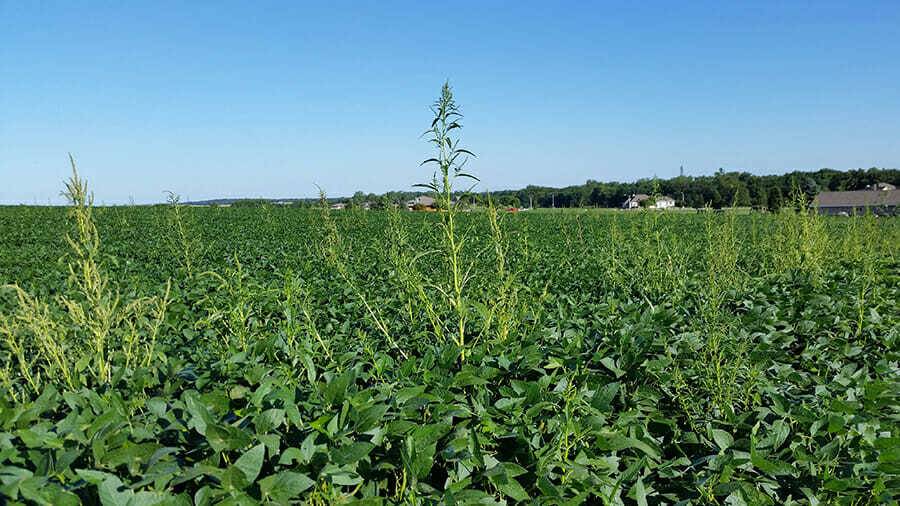
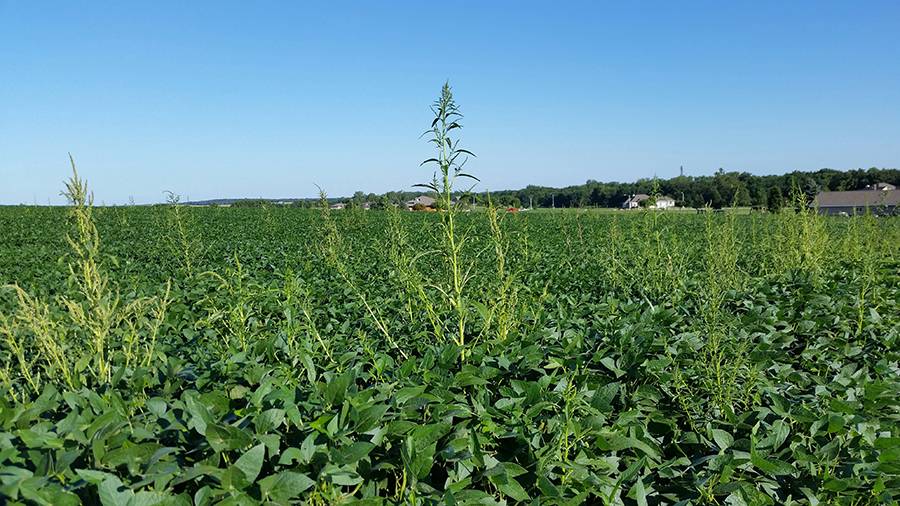
    Waterhemp is a growing problem, literally. As you drive through the Upper Midwest now, you can see waterhemp standing tall in many fields. The best way to battle weeds is to use herbicides from different groups. Demand for our LibertyLink products is expected to increase dramatically for 2016, so get your orders placed before harvest for the best availability and the best prices of the season.

    In addition to weeds, we’ve seen late-season outbreaks of White Mold and Sudden Death Syndrome. Earlier this season, Iron Deficiency Chlorosis was prevalent in North Iowa and southern Minnesota. If your fields looked yellow this spring or early summer, than you need IRONCLADTM Soybeans from Latham Hi‑Tech Seeds.

    Many corn leaf diseases also can be managed through seed selection, as well. Note the ratings listed in the seed catalog for Goss’s Wilt and Northern Corn Leaf Blight. Talk with your local Latham® representative or contact our office with specific questions about the pressures you faced. Be sure to also take note of stalk strength and other important ratings in our seed guide. Our goal is to help you select the best products to help you increase your yield, FieldXFieldSM, in 2016.

    Remember, significant leaf disease pressure in the upper canopy of the corn plant increases the risk of stalk rot this season. Disease can have an impact on standability and harvestabilty, so now is a good time to walk fields and prioritize fields for #harvest15.

    Saturated soils early in the growing season may have limited the growth of root hairs and brace roots, making the total root mass much smaller. When those plants grow close to full size, a lot of stress is placed on the plant. Late-season wind or rain events can lead to downed corn. Note these fields, so you can harvest them early. That way more kernels go in the hopper rather than on the ground.

    We wish you a safe harvest season!

    20150702_134739_resized

    Webspec Admin

    September 14, 2015
    Agronomics, Disease, General
Previous Page
1 … 44 45 46 47 48 … 67
Next Page

Latham Hi‑Tech Seeds

131 180th Street | Alexander, IA 50420

(641) 692-3258

SIGNUP FOR OUR NEWSLETTER
  • Contact
  • Legal
  • Dealer Center
  • Seedware Login
  • Latham Gear

© 2025 Latham Hi‑Tech Seeds. All rights reserved. | Iowa Web Design by Webspec | Privacy Policy

Latham® Hi-Tech Seeds is a trademark of M.S. Technologies, L.L.C., 103 Avenue D, West Point, IA 52656.