Latham Hi-Tech Seeds

(641) 692-3258

  • Home
  • Performance
  • Products
    • Corn
    • Soybeans
    • Soybean Blends
    • Alfalfa
    • Corn Silage
    • Seed Guide
  • Find a Rep
  • Media
    • Blog
    • News
    • Videos
    • Podcasts
    • TECHTalk
  • About Us
    • Company History
    • Our Mission
    • Careers
    • Become a Rep
    • Sowing Seeds of Hope
  • Contact Us
  • Latham Hi‑Tech Seeds

    Flying Drones and Flaming Peaches Turn Heads on Farm Tour

    Chef Brice flame

    PhilflyingOn a mission to help consumers understand how their food is produced and to dispel food myths, last week Latham Hi‑Tech Seeds in cooperation with the Iowa Food & Family Project hosted a series of farm tours across North Iowa. A charter bus filled with people from all walks of life – farmers, life coaches, retired school administrators and even Iowa Games CEO Chuck Long – departed from Ames and traversed the countryside.

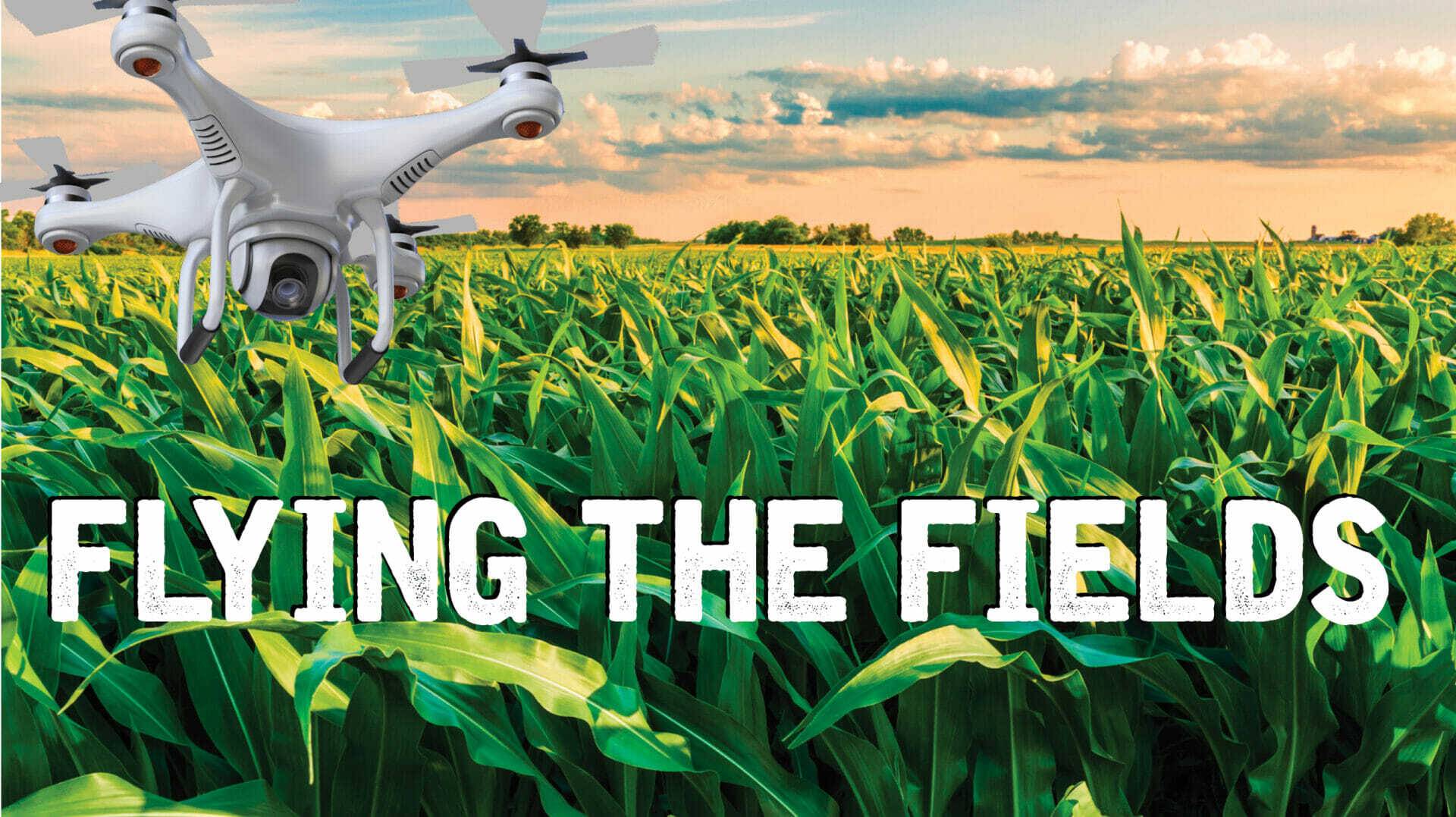
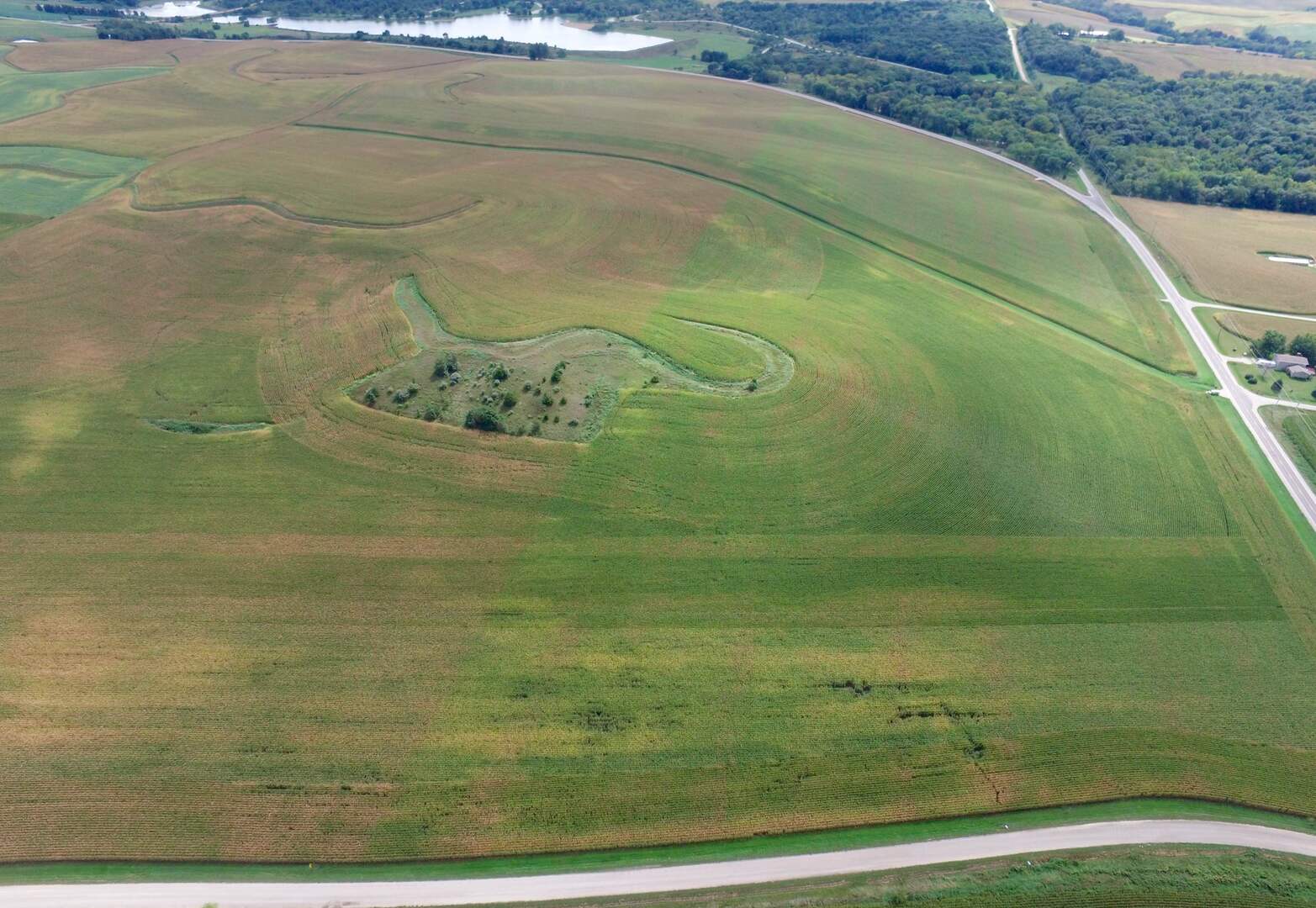
    Thursday afternoon the group stopped in Alexander where we talked about how our family-owned business produces corn and soybean seed that farmers then plant in the spring. We answered their questions about why it doesn’t pay for farmers to save their own seed and why farmers who save patented seeds get sued. We also worked to define commonly misunderstood foodie terms and to debunk common misperceptions about GMOs. While we played a riveting game of “Fact or Fiction,” the real show stopper that afternoon was Latham® seed stock grower Phil Pitzenberger’s drone demonstration. Phil deployed his drone and talked about how he’s able to make better farming decisions as a result of this “eye in the sky.”

    Photo credit to Joseph L. Murphy / Iowa Soybean Association
    Photo credit to Joseph L. Murphy / Iowa Soybean Association

    The evening ended with a farm-to-table meal prepared by Chef Brice Peterson of The Clear Lake Supper Club. “Delicious” doesn’t do this meal justice! Honestly, this meal was something out of Bon Appétit magazine!

    Strawberry Garden Salad

    Tender Spinach, Cilantro-Butter Lettuce, Spring Mix, Ruby Red Berries, Sweet Bermuda Onions, Candied Walnuts, Crumbled Greek Almond Cheese with a Maple-Soy Vinaigrette

    Slow Roasted Smoked Pork Chop

    Old Fashioned Sage and Feta Dressing, Brandy Glazed Peaches, Sour Cream Mashies and Green Beans Almondine

    Participants in the Expedition Farm Country tour were treated to a farm-to-table meal prepared by Chef Brice Peterson at the Clear Lake Yacht Club. The meal – and the setting – were something most of us see only on the pages of magazines but never experience in real life.
    Participants in the Expedition Farm Country tour were treated to a farm-to-table meal prepared by Chef Brice Peterson at the Clear Lake Yacht Club. The meal – and the setting – were something most of us see only on the pages of magazines but never experience in real life.

    The table setting – complete with a view of Clear Lake as the sunset – also was something straight out of a magazine photo shoot. Just when you think the evening couldn’t possibly get any better, Chef Brice demonstrated the peach flambé. This flaming concoction of fresh peaches in brandy was served over the most succulent pork chop from Lewright Meats & Deli in Eagle Grove.

    The following day was equally impressive. After enjoying another great meal at the Historic Park Inn, the group once again boarded the bus and headed to farm country. Here’s an overview of the farm stops they made:

    • Wayne and Ruth Fredericks, Building Soil Health for Generations to Come
    • Scott and Julie Neiss, Building on a Foundation of Family Farming
    • Dan and Lynn Bolin, Experiencing a Great Day at New Day Dairy

    Special thanks to these North Iowa farmers for graciously opening their machine shed or cattle shed doors and giving of their time to talk with consumers. Tours like these that help bridge the gap between producers and consumers and lead to greater understanding. Here are a few excerpts of comments received from participants:

    • “I knew nothing about where my food comes from. It’s exciting to see firsthand how farmers are using technology. The Expedition helped me better understand how much farmers really care about what they’re doing and I’m very impressed by that. I only wish 100,000 people could have participated on an expedition like this!”
    • “Even though my husband is a farmer, I learned more in those two days than I have in 28 years on the farm.”
    • Wow! Thank you so much for the hospitality and the opportunity to go deep on all things Iowa, food and farming – many good facts and lessons, new friends and great memories too. And now the current plan is to get these four children out there, well fed and smartened up! I have marked August 10-20, 2017, in my calendar for the Iowa State Fair!”

    If you’d like to get a taste of what these folks experienced on Expedition Farm Country, sit down to a home-cooked meal this weekend! Cristen Clark of Food & Swine shares this recipe with us for the Best Dang Mashed Potatoes, which are similar to the “sour cream mashies” that we enjoyed during the tour.

    Team Latham

    September 2, 2016
    Agronomics, General, Precision Ag
  • Latham Hi‑Tech Seeds

    ASK THE AGRONOMIST: SEED TREATMENTS

    Ask the Agronomist Feature Photo 01

    Thanks for checking out the last week of our “Ask the Agronomist” series! Read below for Mark’s response to this week’s question about seed selection for your 2017 planting season!

    Crisp, cool mornings remind us that fall is just around the corner.  Time is of the essence!  Plan a successful harvest by scouting fields and evaluating standability.  Identify potential problem areas.  Note crop progress, as well as insect and disease pressure.  Pay particular attention to fields that were damaged by wind and hail, promoting stalk rot.

    Q: Silage harvest is going strong and soon field corn will be ready to combine. What should Upper Midwest farmers keep in mind as they’re preparing for #Harvest16?

    A: There are 3 things to keep in mind for the harvest season: (1) Assess crop progress. (2) Develop a harvest plan. (3) Make sure your equipment is ready to go.

    A good plan outlines which fields to harvest first. The main consideration when contemplating your harvest order is focusing on fields exhibiting potential for Stalk Rot and subsequent Stalk Lodging. Secondary concerns include hybrid maturity, crop residue management and logistical concerns.

    Q: Let’s talk about hybrid maturity. It looks like harvest is going to be early this fall.

    A: All of those warm summer days pushed along maturity this season. Wet, humid conditions have also created ideal conditions for leaf diseases and some stalk rots in corn, as well as Sudden Death in soybeans. In other areas of Latham’s sales territory, drought conditions will cause an early harvest. Make sure you check machinery and conduct necessary maintenance well ahead of the expected harvest date. I have witnessed farmer who, due to conditions like Stalk Rot, should have harvested a week earlier than they actually did.  They simply weren’t prepared for an earlier harvest, and as a result, they lost thousands of dollars’ worth of crops that could have been saved.

    Q: How can farmers determine which fields are in jeopardy of downed corn?

    A: Check stalk strength and integrity by pinching the lower internodes on the plant and feel for weakness.  Also, the root mass can affect the plant’s ability to stand up against late-season winds.  Roots can be more of an issue than stalks in a wet growing season like we experienced.  Saturated soils limit the growth of root hairs and brace roots, making the total root mass much smaller.  If those plants grow close to full size, that puts a lot of stress on the plant later in the year –either it may not have the ability to take up enough nutrients or the plants may lodge if there is a late-season wind or wind and rain event.

    Q: Even before this crop gets harvested, farmers are already planning for their next crop year. What advice do you have as farmers are making their seed corn decisions now?

    A: I like to recommend that a farmer chooses seed corn not only for certain plant characteristics but also by maturity. Relative maturities are just that –relative. Accumulated Growing Degree Units (GDUs) determine whether full crop maturity comes early or late in a year. Different hybrids react differently to growing conditions, too. That’s why I recommend planting 50% of one’s corn acres to the normal maturity for that area with 25% of the acres planted to an earlier maturity and 25% to a later maturity. Planting a portfolio of hybrids each year maximizes your chances of a good harvest.

    Q: I’ve noticed in your seed product guide that it lists whether hybrids move north or south out of its zone. What does this mean?

    A: Our product team spends countless hours taking field notes about hybrid characteristic, such as how it emerges and when it flowers. When you talk about moving out of zone, we look at when that hybrid flowers. If a hybrid flowers early for its relative maturity (RM), that hybrid typically moves north better than south. A hybrid that flowers late usually moves better south of its zone. A few hybrids are neutral, so they can move north or south well. Maturity is also a determining factor when corn must be replanted later because obviously the length of its growing season has been shortened.

    Q: What types of research does Latham Seeds use to determine relative maturity, as well as to select products for its lineup?

    A: As far as where do we get the info for rating our releases, we take into consider our sales representative’s recommendations along with our SuperStrips information. These SuperStrip trials split our corn lineup into maturity groups and are conducted on our home research farm in North Central Iowa, as well as on more than 70 of our dealers’ and customers’ farms throughout the Midwest.

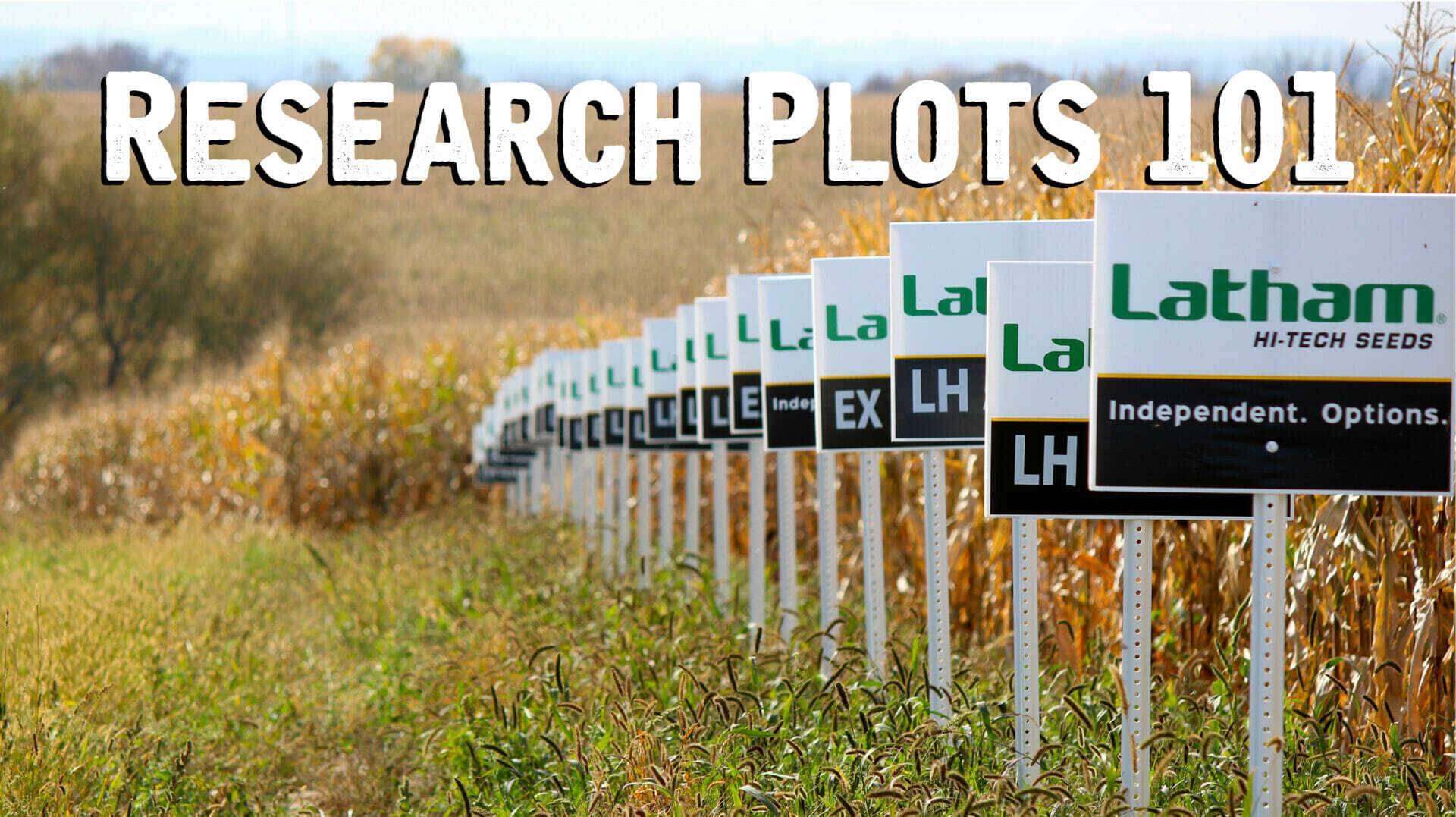
    Q: What else would you like to add? A: Learn more about Seed Treatments, New Corn and Soybean Technologies and Corn Hybrid Stress Research at Latham’s home farm on Wednesday, Aug. 31. We’ll be giving tours of our research plots, and Latham® seed grower Phil Pitzenberger will demonstrate how Drone Technology is improving operations on his family farm. Visit LathamSeeds.com for more details!

    Webspec Admin

    September 1, 2016
    #AskTheAgronomist, Agronomics, Seed Treatment
  • Latham Hi‑Tech Seeds

    ASK THE AGRONOMIST: SEED TREATMENTS

    Ask the Agronomist Feature Photo 01

    Thanks for tuning in to our weekly “Ask the Agronomist” Audiocast! Play the audio file below to listen to Mark’s response to this week’s question about choosing seed with the right treatments for your fields.

    https://www.lathamseeds.com/app/uploads/2016/08/latham-8-23.mp3

    Q: My soybean plants are the tallest I’ve ever seen them! Should I be concerned that all of the energy is going into stems and leaves rather than into pods?

    A: This is what makes soybeans such an interesting crop!  With the weather we’ve had this growing season, it does not surprise me that plant height is taller than normal. Vegetative growth can occur through the R5 stage if moisture, temperature and nutrients are readily available. R5 is the “beginning seed” stage when seeds start to develop on one of the 4 top nodes of the plant.  We’ve even had a few varieties over the years that shot extra pods out the top of the plant after R5.

    This season I believe disease will have more impact on soybean yields than anything else.

    Q: We’ve talked in recent weeks about how Sudden Death Syndrome and Brown Stem Rot are a factor this season. Now farmers are starting to see White Mold in their soybean fields. What can be done?

    A: Cool, wet conditions this spring followed by saturated soils and high humidity this summer have been favorable for development of many diseases in both corn and soybeans.  White Mold usually shows up when we have a closed soybean canopy that traps excess moisture.  If farmers are proactive and can catch the disease in the early stages, there are some foliar fungicides that can help reduce the severity of the disease.  However, each product has different application rates and timing so contact your local chemical retailer to see what they have available to fight White Mold.  Again, the key is to scout your fields and catch the disease early.

    Q: So farmers need to scout their fields…  We’ve heard this before and it seems like good advice.  Anything else they can do to prevent outbreaks in the future?

    A: For future crops, seed selection is key to reducing risk and minimizing damage. If you notice problem areas, your Latham® rep can help you select varieties with the highest level of disease resistance. Also ask about ILeVO, the latest seed treatment to protect seedlings against SDS and soybean cyst nematode. In fact, you can learn more about ILeVO at Latham Seeds’ field day on Aug. 31.

    Q: What is ILeVO?

    A: ILeVO seed treatment from Bayer CropScience has received lots of positive press for its effectiveness against Sudden Death Syndrome (SDS). In recent years, fields stricken with the SDS disease have lost so much yield that some researchers are calling it the #2 pest affecting U.S. soybeans. It’s second only to Soybean Cyst Nematodes (SCN).  Interestingly enough, some of Bayer’s studies have shown that ILeVO may also have some effect on SCN as well as SDS. We’re researching ILeVO this season in our proprietary Latham SuperStrip research plots and you can be sure we’ll let you know if there is a correlation in our tests.

    Q: Is ILeVO a new seed treatment that Latham Seeds is testing this season. What other seed treatments are available for 2017?

    A: As an independent, family-owned seed company, Latham Hi‑Tech Seeds is all about options! New for 2017, we now have 5 different formulations available of our trademark SoyShield seed treatment:

    1. SoyShieldTM
    2. SoyShield Plus
    3. SoyShield with IleVO
    4. SoyShield Plus with ILeVO
    5. And our brand new SoyShield Select

    Q: What is SoyShield Select?

    A: SoyShield Select is Latham Seeds’ new seed treatment offering that contains a different fungicide and insecticide formulation that is more value-priced.  To qualify, customers must order a minimum of 250 units or increase their order by 100 units over 2016 purchases and these orders must be postmarked or received by August 25, 2016, to receive an additional $4/unit discount. Orders of SoyShield Select received between August 26 and October 15 will receive an additional $2/unit discount.

    Q: What else would you like to add?

    A: Learn more about Seed Treatments, New Corn and Soybean Technologies and Corn Hybrid Stress Research at Latham’s home farm on Wednesday, Aug. 31. We’ll be giving tours of our research plots, and farmer Phil Pitzenberger will demonstrate how Drone Technology is improving operations on his family farm. Visit LathamSeeds.com for more details!

    Webspec Admin

    August 25, 2016
    #AskTheAgronomist, Agronomics, Seed Treatment
  • Latham Hi‑Tech Seeds

    Ask the Agronomist: Brown Stem Rot or SDS?

    Ask the Agronomist Feature Photo 01

    Thanks for tuning in to our weekly “Ask the Agronomist” Audiocast! Play the audio file below to listen to Mark’s response to this week’s question about how to determine whether a soybean crop is affected by Brown Stem Rot or Sudden Death Syndrome.

    https://www.lathamseeds.com/app/uploads/2016/08/Latham-KOEL-8_17_16.mp3


    Q: I thought my field was showing signs of Sudden Death Syndrome. Now I’m not sure if it’s really SDS or Brown Stem Rot. How can I tell the difference?

    A: Late-season crop scouting is so important because we see different symptoms, depending on the point we’ve reached in the growing season as well as environmental conditions. We’re seeing both SDS and BSR, sometimes even in the same field!

    The best way to tell to the difference is to split the soybean stem. Brown Stem Rot (BSR) infection causes vascular and pith tissues to turn brown to reddish brown. When disease is severe, discoloration is continuous from the base of the plant up. Discoloration only occurs at nodes disease when the disease is less severe, and you’ll see healthy, white tissue between the nodes.

    Q: What causes Brown Stem Rot?

    A: BSR is caused by a fungus that enters through the plant’s root system. Severe infestation occurs when soil moisture is high and air temperatures are cooler throughout the summer, which promotes the growth of the fungus in the stems. Symptoms worsen if the disease development is followed by drought stress during pod fill. BSR also increases in severity if Soybean Cyst Nematode populations are high.

    Q: How does Brown Stem Rot spread?

    A: Brown Stem Rot is a soil-borne pathogen. It survives in infected soybean residue left on the soil surface. The fungus is not carried with seed.

    Q: What can be done if you find Brown Stem Rot in your fields now?

    A: Unfortunately, just like Sudden Death Syndrome, nothing can be done for a field once it has been infected with BSR.  Scouting now for Brown Stem Rot is important for two main reasons: (1) To determine if management practices may have had an impact on the severity this season; and (2) To select soybean seed for the following season based on BSR score and Soybean Cyst Nematode tolerance.

    Q: What management practices can help control Brown Stem Rot?

    A: The most effective way to manage Brown Stem Rot, Soybean Cyst Nematode and Sudden Death Syndrome is through seed selection. Latham® brand soybean varieties with the IRONCLADTM designation offer the best control, but be sure to read disease ratings of each product. For fields with a history of severe brown stem rot problems, plant a variety with a rating of 1.5 or better. A Latham rep also can help you select the best product on a field-by-field basis.

    In addition, crop rotation can help reduce the likelihood of Brown Stem Rot. Going away from soybeans for 2 years is more effective than 1 year. Reducing soybean residue helps because then the BSR inoculum doesn’t have a place to overwinter.  Tillage can also be effective.

    Webspec Admin

    August 18, 2016
    #AskTheAgronomist, Agronomics, Disease, Soybeans
  • Latham Hi‑Tech Seeds

    Building Soil Health for Generations Ahead

    Fredricks 7
    Fredricks 2Building soil health is a key component on Wayne Frederick’s farm as he plans for the future. However he’s not just building up his soil. He’s also building a network and connection of people who are looking to accomplish the same goal.Fredericks is an encouraging leader, as he leads by both example and passion. He’s serving as president of the Iowa Soybean Association and is in the midst of his second year on the American Soybean Board.

    After graduating from Iowa State University in 1973, Fredericks returned to farm in Osage, Iowa. While farming in Osage, Wayne met his wife Ruth and they were married in 1975 and have lived on their current home site since 1979. Their daughter, Angela, stayed in the agricultural industry, too, now working for the National Pork Board.

    The Fredericks grow corn and soybeans, with an emphasis on leaving the land better than they found it. Their passion is clear.

    Fredricks 3“Soil health and quality can and do improve, depending on your farming practices,” said Fredericks. “Implementing practices of no-till and strip-till helps us raise better crops while improving the soil health. We are trying to raise the bar even further with the adoption of cover crops and pollinator habitat to further enhance water quality, soil health and the environment.”

    The Fredericks will host a group of consumers on August 26, for Expedition Farm Country, which is part of the Iowa Food and Family Project, sponsored by the Iowa Soybean Association and supported by Latham Hi‑Tech Seeds.

    If you’re interested in attending this tour, email lfoss@iasoybeans.com and state why you’d like to embark on the farm tour!
    Fredericks is looking forward to hosting this group and is excited to answer questions and have a conversation about agriculture.Fredricks 7“They’re going to see the excitement of what we having going on in North Iowa. They’re going to see the cutting edge practices of conservation, and we are hoping this excitement will rub off on others,” Fredericks said.Watch for more blog posts about Expedition Farm Country! In the meantime, try this recipe from the Iowa Food and Family Project, sponsored by the Iowa Soybean Association. Cool down with these State Fair Peppermint Ice Cream Bars!

    Webspec Admin

    August 12, 2016
    Agronomics, General, Soil
  • Latham Hi‑Tech Seeds

    Ask the Agronomist: Goss’s Wilt

    Ask the Agronomist Feature Photo 01

    Thanks for tuning in to our weekly “Ask the Agronomist” Audiocasts! Play the audio file below to listen to Jerry’s response to this week’s question about Goss’s Wilt.

    https://www.lathamseeds.com/app/uploads/2016/08/Latham-8_10.mp3


    Listen to this week’s Ask the Agronomist for everything you need to know about Goss’s Wilt.

    Q: More cases of Sudden Death Syndrome are evident across the country this week, and I’m starting to see Goss’s Wilt in fields where I haven’t seen it before. What can be done to combat these diseases?

    A: Sudden Death Syndrome, commonly referred to as SDS, is a cold-borne organism that attaches to the plant. The disease starts in the spring after planting, but symptoms won’t show up until late July to early August. Goss’s Wilt is usually caused by previous damage to the plant, such as hail, and this damage provides passage into the plant for the bacteria.

    The best mode of action against these diseases is seed selection. That may sound self-serving coming from a seed salesman, but it is a proven fact that diligent seed selection is key to managing future outbreaks.

    Q: Last week we talked extensively about managing SDS in the future. What are some best management practices for Goss’s Wilt?

    A: There are other management practices that can be implemented to reduce risk for SDS and Goss’s Wilt. Rotation of corn production for one year allows residue to break down and reduce bacteria populations. Tillage and other practices that encourage residue decomposition will also reduce the amount of bacteria present to infect future corn crops. Good weed management practices can also help control weeds that serve as a source of these diseases.

    Q: Goss’s Wilt is something we typically think of as a “western disease.” Why is it becoming more of an issue in the East now?

    A: Goss’s Wilt is a disease like any other that will progress and move beyond its initial borders. It is now being seen as far East as Indiana. In 2008, it was reported that Goss’s bacterial wilt and leaf blight caused yield losses of up to 60 bushels per acre in northwestern Indiana. Goss’s Wilt is a growing problem, so to combat this issue, Latham Hi‑Tech Seeds has identified 23 hybrids that handle Goss like a Boss.

    Q: How can farmers learn more about Goss’s Wilt and Sudden Death Syndrome?

    A: We’ll be talking more about weed management strategies and new seed technologies during Latham’s Technology Road Show. The first stop on this tour is Friday, August 19, in eastern Iowa for the 2016 Latham Freedom of Independence Ride.

    Q: What is the Freedom of Independence Ride?

    A: The Freedom of Independence Ride is Latham’s field day on two wheels! We encourage farmers – even if they’re not Latham® customers – to join this ride. We’ll be covering broad topics that include:

    • Precision Agriculture
    • Cover Crops
    • Next-Generation Weed Management Systems such as Xtend, Balance GT and Enlist

    We’ll also make two fun stops. One of those stops has 90 restored antique tractors and another stop will be at Antique Archeology in Le Claire. We’ll also see a demonstration by service dogs in training with Retrieving Freedom Inc. In fact, this ride will help raise funds to train RFI service dogs.

    To register for the Freedom Ride and more information on this fun event, visit www.lathamseeds.com.

    Thanks for tuning in to this week’s Ask the Agronomist. We’ll be back again next week to field all of your questions during #grow16.

    Webspec Admin

    August 11, 2016
    Agronomics, Corn, Crop, Disease, General
  • Latham Hi‑Tech Seeds

    Ask the Agronomist: Sudden Death Syndrome

    Ask the Agronomist Feature Photo 01

    Thanks for tuning in to our weekly “Ask the Agronomist” Audiocasts! Play the audio file below to listen to Mark’s response to this week’s question about Sudden Death Syndrome.

    https://www.lathamseeds.com/app/uploads/2016/08/Latham-8_4.mp3


    Listen to this week’s Ask the Agronomist for everything you need to know about Sudden Death Syndrome.

    Q: We’ve received a question from a farmer this week saying “Sudden Death Syndrome is breaking bad in my soybean fields. Why does it appear to be affecting more fields this year and what can I do about it?”

    A: Sudden Death Syndrome appears after flowering in the growing season, and usually we see issues in early August. Cool, wet planting conditions, like what the Upper Midwest experienced earlier this year, can increase severity of sudden death later on in crop development.

    Q: What symptoms should we be looking for?

    A: Farmers should first be scouting for yellow blotches on leaves. These will progress into larger patches, but keep in mind that leaf veins remain green while the rest of the leaf will eventually turn brown and leaflets will fall off. However, petioles will remain on the stem. SDS can cause rotted root systems, too.

    Q: Are there certain soil types or fields more prone to SDS?

    A: There isn’t a certain type of soil that is more prone, but there are specific areas of a field that can more easily develop SDS. High moisture areas such as low spots can have higher severity, and it is also often correlated with compacted soils in margins of a field or low-lying bottoms.

    Fields with a history of SDS should be planted when soils are warmer and drier. No-till practices allow soils to remain cooler and wetter during the spring, so these fields are more at risk as well. Sometimes, tillage on a field with a history of SDS is a good practice as long as those fields aren’t worked in wet conditions.

    Q: What can farmers do if they begin to notice SDS in their fields this year?

    A: Unfortunately, there is not much that can be done to stop SDS once it begins. Prevention is the best defense against SDS. Prevention tactics include: responsible tillage practices to reduce soil compaction, waiting for soils to dry up towards the end of planting seasons, and testing for presence of soybean cyst nematodes. Soybean Cyst Nematodes (SCN) are associated with SDS.

    Q: What can be done if farmers test their soils and find a soybean cyst nematode presence?

    A: The best way to combat SCN is to plant resistant varieties, or avoid susceptible varieties. Be sure to keep Latham IRONCLAD™ soybeans in mind when mapping out which varieties will be used on different fields for 2017.

    To bear the IRONCLAD™ name, each soybean variety must be SCN resistant, phytophthora root rot resistant, and an iron deficiency chlorosis rating of 2.2 or better. Depending on the geographic location needs, IRONCLAD™ varieties must protect against either white mold or SDS with a rating of 2.2 or higher.

    Q: Wasn’t there a new seed treatment that was supposed to fight against SDS?

    A: ILeVO seed treatment from Bayer CropScience received a lot of positive press in 2015 for its effectiveness against SDS. That prompted Latham research staff to conduct 2016 studies using ILeVO treated seed side-by-side with seed that was not treated with ILeVO. Preliminary reports aren’t showing any significant visual differences, but that final determination will be made after harvest. This information will be shared at post-harvest meetings in the fall. Like it or not, this new tool will most likely not be that “silver bullet” cure farmers are hoping to find.

    Q: If there is no cure for SDS, why should farmers be scouting for it?

    A: An ounce of prevention is worth a pound of cure. Scouting for SDS is important to determine if management practices were at fault and to help select the right seed for each field next year based on SDS score and Soybean Cyst Nematode tolerance.

    Walking fields and taking notes will help farmers determine an action plan for next year. What we’re seeing now in the fields can have an impact on what we see in 2017.

    On August 19th, the Latham Freedom of Independence Ride will be taking place near Eldridge, Iowa. This one-of-a-kind, “plot tour on wheels” is a fun day that anyone can bring a motorcycle or vehicle to travel on while Latham representatives share information about what is coming down the pipeline for 2017.Freedom-Ride-2016-logo-01-328x220

    Thanks for tuning in to this week’s Ask the Agronomist. We’ll be back again next week to field all of your questions during #grow16.


    Webspec Admin

    August 4, 2016
    Agronomics, Crop, Disease, General, Soybeans
  • Latham Hi‑Tech Seeds

    Ask the Agronomist: Corn Rootworm

    Ask the Agronomist Feature Photo 01

    Thanks for tuning into Week 12 of our “Ask the Agronomist” Audiocasts. Guest Agronomist and Latham Hi‑Tech Seeds Regional Sales Manager for Eastern Iowa, Jerry Broders, is filling in for Latham’s Senior Agronomist, Mark Grundmeier. To listen to Jerry’s response to this week’s question about Corn Rootworm, play the audio file below.

    https://www.lathamseeds.com/app/uploads/2016/07/Latham7_18.mp3


    Listen to this week’s Ask the Agronomist to learn about effective strategies for fighting Corn Rootworm.

    Q: We’ve gotten some damage from Northern Corn Rootworm. What else are you seeing out in the fields across your territory?

    A: Western and Northern Corn Rootworm are common insects that are well versed in overcoming control practices. That’s why we recommend farmers scout all fields for corn rootworm. Northern Corn Rootworm feeds on corn silks, but Western Corn Rootworm can feed on leaves, too.

    The wide range in planting dates this spring creates a perfect opportunity for rootworm beetles to move between fields. A late-maturing corn field may attract a large number of beetles if neighboring corn has stopped producing pollen.  Beetles may also move into corn and/or soybean fields that have an abundance of pollen-producing weeds, including volunteer corn, ragweed or foxtails.

    Q: What type of damage should farmers look for?

    A: Corn rootworm larvae feed on roots. Check fields for lodged plants, especially now that storms might be affecting stands. However, don’t assume lodging is a result of corn rootworm as compaction from planting into wet soils can cause poor stands.

    Preventative maintenance needs to be done to reduce risk for next year’s crop. Especially in corn-on-corn fields, spray insecticide to rid the field of any larvae that may have been laid. Also make sure that fields with corn rootworm problems this year get traited corn next year that protects against corn rootworm. Latham Hi‑Tech Seeds has hybrids referred to as Gladiator™ hybrids that have undergone rigorous testing to ensure they perform well under intense corn rootworm pressure.

    Q: With a name like Gladiator, it sounds like we’re declaring war on insects! What “weapons” make these hybrids effective against insects?

    A: Latham has a full lineup of products ranging from 92 day to 114 day maturities.  We use Genuity® SmartStax® products, as well as Syngenta’s Agrisure 3122 since these contain two modes of action for below-ground insects.  In addition, we are eagerly waiting for full approval of Syngenta’s new Duracade double rootworm trait that looks very promising.

    If you have a question about what you’re seeing in the fields, feel free to ask! Send your questions via Twitter to @LathamSeeds, in a private message on Facebook or call our office at 1-877-GO-LATHAM (1.877.465.2842).

    Also be sure to check out TheFieldPosition.com for timely agronomic information. Crop reports from specific areas across Latham’s six-state marketing area are published every Wednesday during the growing season by Latham’s regional sales managers in each of those locations. New articles are posted each week day on our blog. You can even search for “topics” by simply typing key words into the search bar on the upper right-hand corner.

    Thanks for tuning in to this week’s Ask the Agronomist. We’ll be back again next week to field all of your questions during #grow16.

    Webspec Admin

    July 21, 2016
    Agronomics, Corn, Crop, General, Insects
  • Latham Hi‑Tech Seeds

    ASK THE AGRONOMIST: Foliar Diseases

    Ask the Agronomist Feature Photo 01

    Ask the Agronomist: Foliar Diseases

    Read this week’s Ask the Agronomist to learn about which foliar diseases you should be looking for in your fields at this point in the growing season.

    Q: Should I be thinking about spraying foliar insecticides yet?

    A: We’re about midway through the growing season, and it’s the time of year when leaf diseases and insect pressure prevails.  Watch for these three situations in your corn fields:

    • Northern Corn Leaf Blight
    • Western Corn Rootworm
    • Eye Spot

    Also check your soybean fields for Soybean Aphids, and all fields for redheaded flea beetles.

    Q: What can you tell us about Soybean Aphids?

    A: In last Wednesday’s weekly crop reports, none of our regional sales managers reported soybean aphids at threshold levels but aphid populations can double every two to three days! With the varying stages of soybean development due to an extended planting season and many late replants, continue scouting past your first insecticide application and all the way through pod development.

    Q: Soybean Cyst Nematodes are the #1 yield robber of soybeans; are we seeing signs of SCN damage yet?

    A: It’s a bit early for Soybean Cyst Nematodes to appear, especially for those late-planted fields and replants. However, farmers can dig roots to check for SCN presence before symptoms can be seen. Digging roots is the best way to monitor fields for SCN, and female SCN will be on soybean roots through early August.

    Q: If symptoms aren’t present, why do you recommend checking for Soybean Cyst Nematode females on the roots?

    A: Farmers should evaluate effectiveness of their seed treatments all throughout the growing season. The most effective way to manage SCN and many other diseases is by selecting quality soybean seed. At Latham, we urge our growers to consider selecting our unique IronClad™ Soybeans. To bear this brand, every variety must be SCN resistant and have an Iron Deficiency Chlorosis rating of 2.2 or better. It must also contain a Phytophthora-resistant gene as well as a 2.2 or better rating against Brown Stem Rot and either White Mold or Sudden Death Syndrome.

    Q: On the corn side, what leaf diseases should farmers be scouting for, especially considering the high-moisture spring and humid summer we have had?

    A: Plentiful moisture is ideal for fungal corn diseases. Check your fields weekly for these common diseases:

    • Gray Leaf Spot
    • Southern and Common Rust
    • Northern and Southern Leaf Blight
    • Eyespot

    There are confirmed cases of Northern Corn Leaf Blight (NCLB). Now is a critical time to scout fields, especially for fields planted with NCLB-susceptible hybrids. If the disease is present on 50 percent of the field (one or more lesions per plant) at tasseling, a fungicide application may be warranted to protect yield.

    Q: In the future, how can farmers lessen their chances of NCBL presence in their fields?

    A: To prevent NCLB from becoming a larger problem in the future, rotate to a non-host crop. A two year rotation away from corn may be necessary in no-till and reduced tillage fields with a history of NCBL. Hybrid selection is also key for reducing future threats of NCLB

    If you have a question about what you’re seeing in the fields, feel free to ask! Send your questions via Twitter to@LathamSeeds, in a private message on Facebook or call our office at 1-877-GO-LATHAM (1.877.465.2842).

    Also be sure to check out TheFieldPosition.com for timely agronomic information. Crop reports From the Field® across Latham’s six-state marketing area are published every Wednesday during the growing season by Latham’s regional sales managers in each of those locations. New articles are posted each week day on our blog. You can even search for “topics” by simply typing key words into the search bar on the upper right-hand corner.

    Thanks for tuning in to this week’s Ask the Agronomist. We’ll be back again next week to field all of your questions during #grow16.

    Gary Geske

    July 7, 2016
    Agronomics, Corn, Crop, Disease, General
  • Latham Hi‑Tech Seeds

    Ask the Agronomist: Rapid Growth Syndrome

    Ask the Agronomist Feature Photo 01

    Thanks for tuning into Week Nine of our “Ask the Agronomist” Audiocasts. Guest Agronomist and Latham Hi‑Tech Seeds Regional Sales Manager for Eastern Iowa, Jerry Broders will be filling in for Latham’s Senior Agronomist, Mark Grundmeier. To listen to Jerry’s response to this week’s question about rapid growth syndrome, play the audio file below. (more…)

    Webspec Admin

    June 30, 2016
    Agronomics, General, Growth Stages
Previous Page
1 … 43 44 45 46 47 … 67
Next Page

Latham Hi‑Tech Seeds

131 180th Street | Alexander, IA 50420

(641) 692-3258

SIGNUP FOR OUR NEWSLETTER
  • Contact
  • Legal
  • Dealer Center
  • Seedware Login
  • Latham Gear

© 2025 Latham Hi‑Tech Seeds. All rights reserved. | Iowa Web Design by Webspec | Privacy Policy

Latham® Hi-Tech Seeds is a trademark of M.S. Technologies, L.L.C., 103 Avenue D, West Point, IA 52656.