Latham Hi-Tech Seeds

(641) 692-3258

  • Home
  • Products
    • Corn
    • Soybeans
    • Alfalfa
    • Corn Silage
    • Seed Guide
  • Performance
  • Find a Rep
  • Media
    • Blog
    • News
    • Videos
    • Podcasts
    • TECHTalk
  • About Us
    • Company History
    • Our Mission
    • Careers
    • Become a Rep
    • Sowing Seeds of Hope
  • Contact Us
  • Latham Hi‑Tech Seeds

    Gary Bennett Retires After Nearly 28 Years

    GaryB21
    It is only the farmer who faithfully plants seeds in the spring, who reaps a harvest in the autumn. — B C Forbes

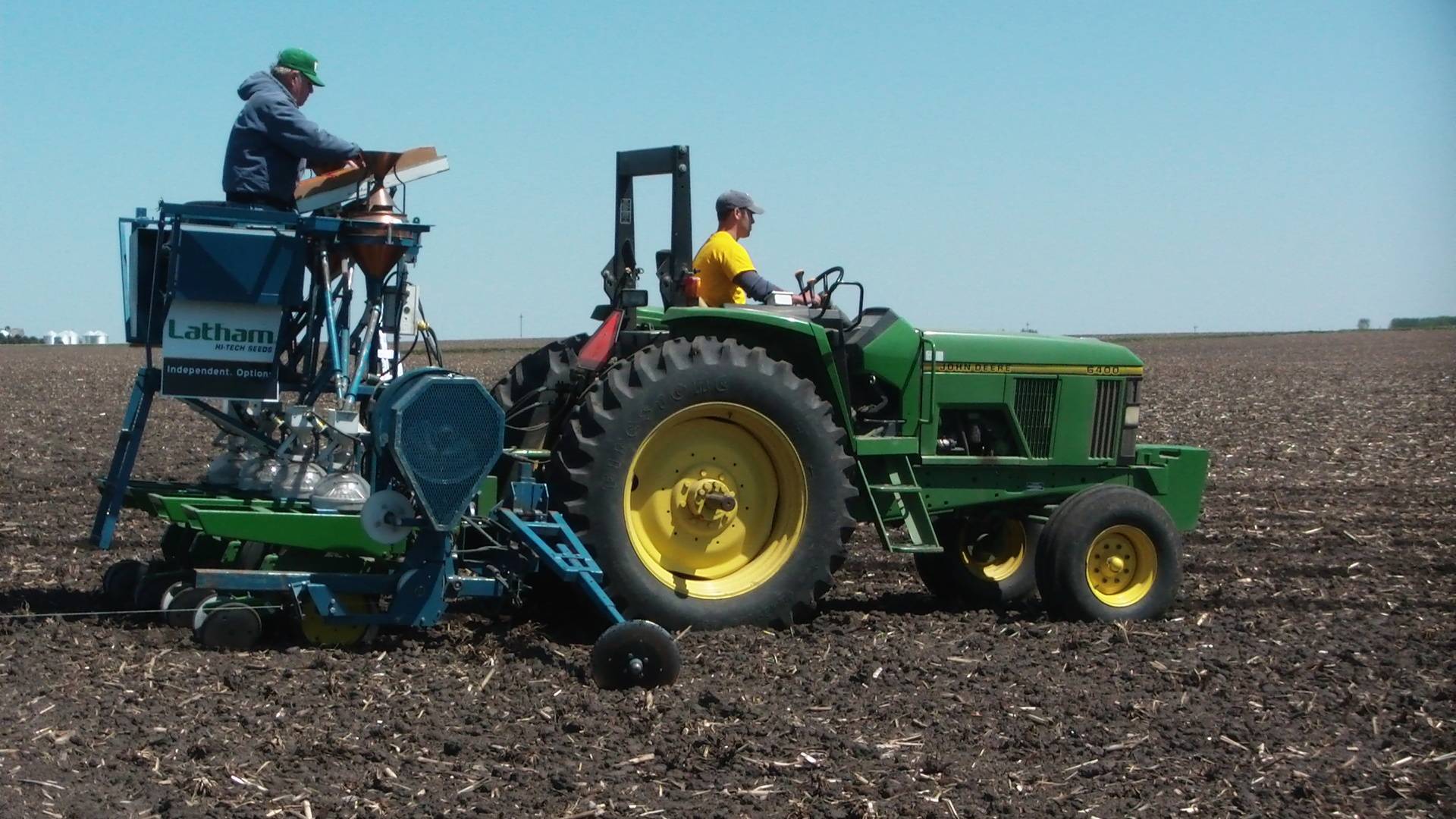
    Trips to Oregon and Alaska top the “top do” list for Gary Bennett, who retired in December after serving nearly 28 years as a research coordinator for Latham Hi‑Tech Seeds.  Then like any other Iowa farmer, he’ll look forward to spring when he can till the soil and plant the 2013 crop.

    “I’m not sure how I ever had time to work!” says Gary with his signature easygoing smile.  He’s stayed busy this past month by insulating and paneling the garage, as well as remodeling barn stalls.  He’s getting everything in order for the spring arrival of bucket calves, which his grandkids will break to lead and exhibit at the 2013 Franklin County Fair.  Then they finish out the steers and sell the beef by the quarter.  This tradition started 10 years ago when his first grandchild was old enough to show in the open class.
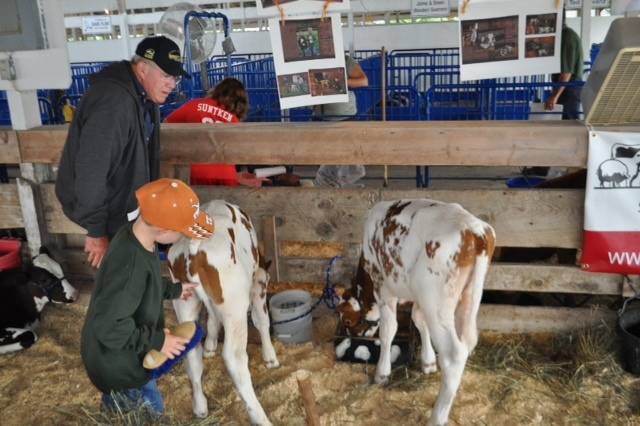
    “I really believe it’s important for kids to have responsibility,” says Bennett.  “Raising livestock teaches them every living thing has its purpose.  They learn the importance or completing a task and the feeling of accomplishment when a job is well done.”

    Raising livestock is something Gary has enjoyed since he was a child himself.  He grew up on a farm in Howard County where he was a member of both 4-H and the FFA.  He had the honor and pleasure of attending state and national conventions.  During his junior year of high school, he earned the Iowa Farmer degree and was also runner up to the Star Dairy Farmer.  When his kids were old enough to join 4-H, Gary served as their Northwest Franklin club leader.
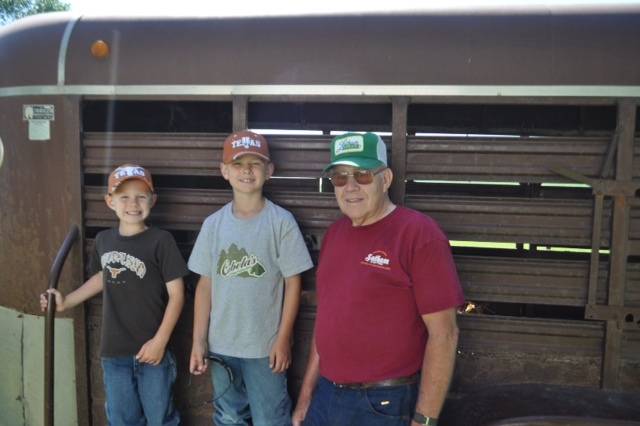
    Gary and his wife, Diane, moved to Franklin County in 1975 when he accepted a position as Dairy Herd Improvement Association (DHIA) supervisor.  After working five years for DHIA, milked his own herd of dairy cows for five years before joining Latham Hi‑Tech Seeds.

    “I really enjoyed my career with the company,” says Gary.  “It was always fun to plant the new varieties and see which ones made the cut.  Technology continued to change and genetics improved – many changes happened over the years.”

    Although Gary said he’ll miss seeing his colleagues, he’s looking forward to spending more time with family.  Oldest son, Kelly and his wife, Lisa, live in Ankeny, Iowa, with their son and daughter.  Middle son, Eric, and his wife, Peggy, live in a suburb of Portland, Oregon, with their son and daughter.  Youngest daughter, Karianne, and her husband, Scott, live in Altoona, Iowa, with their two boys.
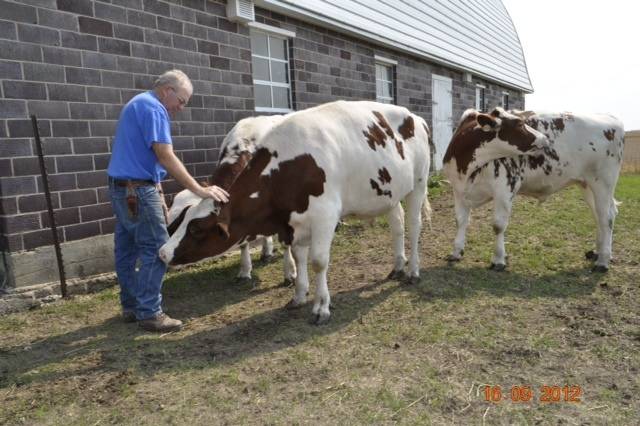
    Gary’s also looking forward to doing some landscaping around his farm this spring.  He’ll also enter a few tractor rides with his restored 1953 Super M Farmall.  We wish Gary many enjoyable days relaxing in the great outdoors this spring and summer.

    There are still a few winter months that all Midwesterners must endure before we can turn our attention to gardening and farming.  To help get us through a few more weeks of wintry weather, today Diane shares with us a few of the Bennett family’s favorite recipes for soup & cookies.  Enjoy!

    World’s Greatest Cookies (Gary’s Favorite):

    Ingredients:

    • 1 cup of peanut butter
    • 1 cup of softened butter
    • 1 cup of white sugar
    • 1 cup of brown sugar
    • 2 eggs
    • 2 cups of flour
    • 1 tsp of baking soda
    • 1/2 bag of chocolate chips

    Directions:

    1. Mix in order given.
    2.  Bake for 12 minutes at 350°.
    Team Latham

    February 1, 2013
    Agriculture, General, Industry News
  • Latham Hi‑Tech Seeds

    Pig Ties and All Things Pork

    PigTie1

    “Musings of a Pig Farmer”
    by Larry Sailer

    This past week was loaded with pork – not the kind that you hear about when Congress is discussed but really everything related to pork production.

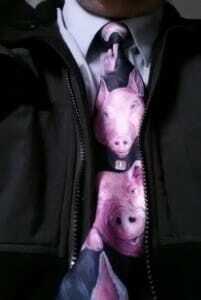
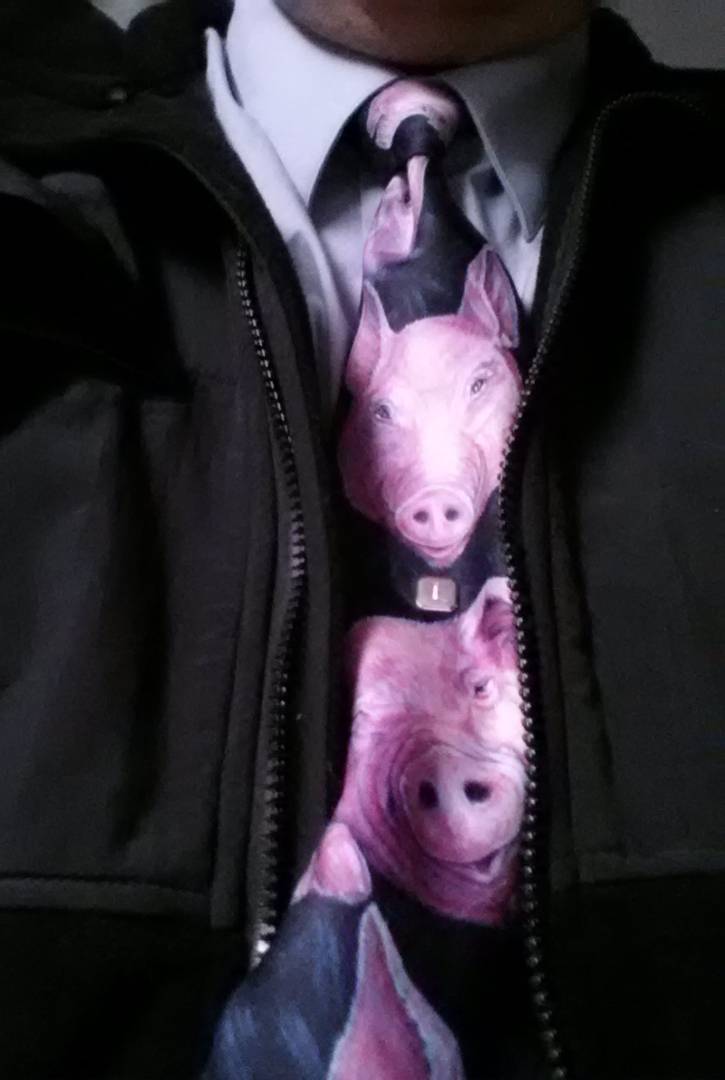
    Last week I had planned to spend three days in Des Moines at the Iowa Pork Congress.  Between uncooperative weather and farm chores, I was only able to attend on Thursday.  That morning I did hog chores in sub- zero temps, and it warmed all the way up to zero by the time I was ready to leave home!  I donned my favorite tie, snapped a photo for Facebook and headed out the door.  Turns out, my pig tie was a hit – my phone kept buzzing with comments about it during my entire two-hour drive.

    The walk across the parking lot to the convention hall was bitterly cold, and the bone-chilling wind felt like it was coming directly off an iceberg.  I was relieved to get inside the climate-controlled auditorium, which made me think about how I now raise inside a climate-controlled building where their warm and dry with all the feed and water they could want.

    A walk through the show site was a stark reminder of just how sophisticated pork production has become.  The amount of equipment and technology on display was amazing!  It’s really mind boggling when you consider everything that goes into building a new site for hog production today.  One day wasn’t enough time to take it all in, so I started looking at exhibits along the outside corridor.  I stopped at the booth for the Coalition to Support Iowa’s Farmers and learned some older hog buildings are being used to raise fish in Iowa.  Since I have an old site that’s not suitable for raising pigs, this tidbit gave me all the more reason to be at this show!

    Next I ran into Jeff Hansen and and Jen Sorenson.  Jeff owns Iowa Select Farms and Jen makes people aware of the great things that company does.  Since Jeff grew up on a farm near me, we shared concerns about the lack of moisture and rising feed costs in our area.  Then I stopped to talk with Rodney Dykstra, a recent past president of IPPA.  Because he lives in northwest Iowa, we talked about how farmland prices have topped $20,000 per acre in his area.

    Time passed too quickly and before I knew it, I had to make my way to the seminars.  I listened to Laurie Johns with the Iowa Farm Bureau share insights on how pork producers can deal with the media.  Following her presentation, I sought Laurie’s professional opinion on how to handle some of my projects.

    Next I attended a seminar about federal policies.  It’s important for farmers to understand how their operations might be impacted.  Former Iowa House of Representatives Agriculture Committee Chair Annette Sweeney provided valuable information and thought-provoking comments during this session.  Annette introduced HF 589, a bill making it illegal to apply for a job in a farming operation under false pretenses is close to becoming law in one of the nation’s largest livestock and commodity production states.  Thanks to Annette’s passion for animal agriculture and her tenacity, this bill was signed into law by Gov. Terry E. Branstad in March 2, 2012.

    Honestly, the policy session gave me another wakeup call!  Hearing what folks in the Beltway are considering reaffirmed the importance of advocating for agriculture and the need to bridge the communication gap between farmers and consumers.  We must help them understand how their decisions impact our livelihoods.  #tellyourstory

    Larry Sailer, Musings of a Pig Farmer

    January 29, 2013
    Agriculture, General, Industry News
  • Latham Hi‑Tech Seeds

    Be Assured “Quality” is in the Bag

    Trays1

    High heat and low moisture levels created several production challenges – for farmers and seed suppliers alike – in 2012.  Dry growing conditions have affected seed germinations, seed size and seed quality nationwide.

    Not all seed brands will be able to offer top quality products for 2013 planting. Be sure to read the bag tag and consider switching product numbers or adjusting plant populations accordingly.

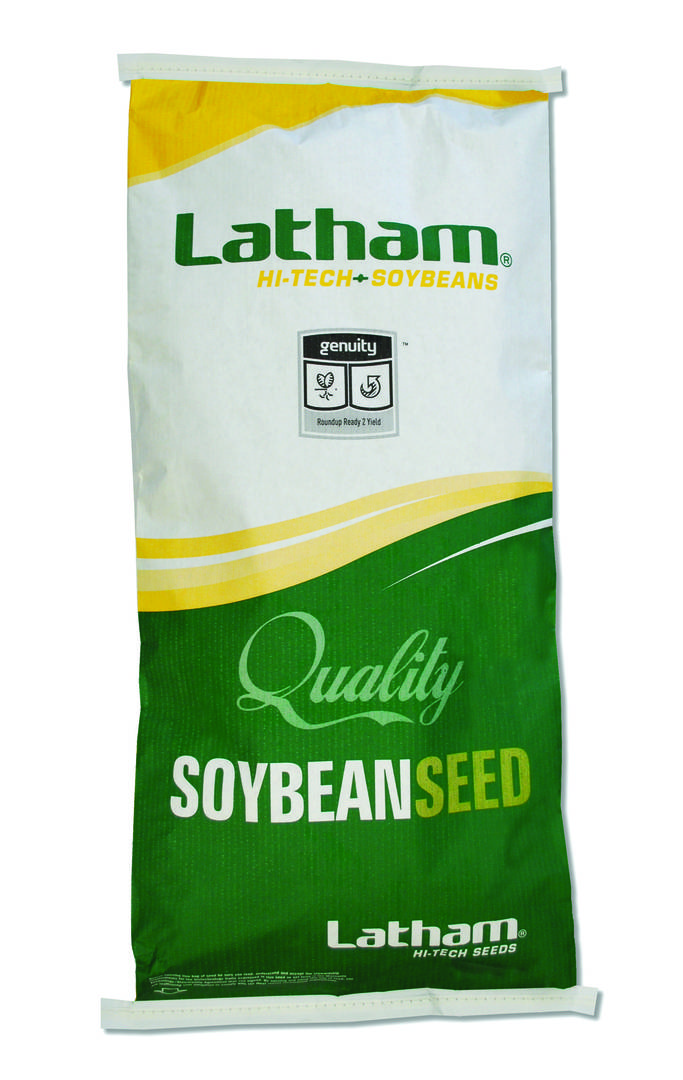
    Rest assured when you plant Latham®, you’re planting quality. Latham Hi‑Tech Seeds’ hands-on production process allows for less handling, which leads to higher germination rates.

    The vast majority of our seed beans are brought to Latham’s production facility in Alexander, Iowa, immediately upon harvest.  Bringing the soybeans directly to our plant allows Latham to control the seed from the production field to our customer’s shed.

    The trays we use to bring soybeans from the cleaner to the bagging system are so gentle they’re used to make corn flakes!

    We also don’t bag in extremely cold conditions, which can lead to splits and cracks and further reduce the chances of having that seed germinate. Our bagging line was shut down most of this week due to cold temperatures.

    We take great pride in producing soybeans that contain the industry’s top genetics with leading technologies like Genuity® Roundup Ready to Yield® and LibertyLink.  We’re also proud to offer top hybrids featuring the industry’s top genetics – and one of the broadest, deepest trait lineups in the country.

    As a family-owned company, Latham Hi‑Tech Seeds can offer hybrids with the following technologies: Genuity® SmartStax® and RIB Complete™; Agrisure Viptera 3111 and 3000GT; and Herculex Xtra™.  (Click here for our full hybrid lineup.)

    Contact your Latham® representative or call 1-877-GO-LATHAM for more information about top-shelf Latham brand products on inventory that will meet your needs for spring 2013 planting.

    [youtube]http://youtu.be/6IyB97uF2nI[/youtube]
    “The gentle handling of Latham® seed through each part of the bagging and delivery process helps preserve seed quality.”

    John Latham, President

    January 24, 2013
    Agriculture, Corn, Crop, General, Industry News, Soybeans
  • Latham Hi‑Tech Seeds

    We Should Sit Down with HSUS?

    U.S. Secretary of Agriculture Tom Vilsack, during a speech Jan. 14 at the American Farm Bureau Federation’s annual meeting, encouraged farm leaders to create strategic alliances and reach out to groups that might have differing opinions.  Here’s an excerpt from that speech:

    Now I know that there are not too many fans of the Humane Society in this room. But egg producers thought it was in their best interest to avoid 50 different referendums, 50 different sets of rules.  So they sat down with folks and they reached common ground. After all, isn’t that what we’re asking our Congress to do?  Isn’t that what we’re asking our political leaders to do – to sit down and make common cause?  I think the egg producers have the right idea.  Now, the issues may be different for different types of producers but we need to be constructively engaged at all times and conversations. We may not find agreement.  But I think we will substantially reduce those who oppose farming and substantially reduce the reach of those and hopefully be able to get enough proactive activity that results in a five year bill.

    If you follow what I preach, you know that I insist we listen to all sides.  As much as I agree that farmers must engage in conversation with non-farm groups, I honestly don’t believe sitting down with the Humane Society of the United States would be constructive.

    Vilsack sites the chicken and egg folks as a textbook example of how ag groups can find “common ground” with HSUS.  Say what?  How can we find “common ground” with a special interest group that wants to put livestock producers out of business?  Animal rights activities don’t really care what we do because they’re only concerned with pushing their twisted agendas.

    HSUS has teamed with some cattle producers to file suit against the Beef Checkoff, and now HSUS is going after the National Pork Checkoff.  Here’s where I’m going with this: the U.S. Secretary of Ag oversees all checkoff programs.  As a pork producer, I vote on whom I want on the commodity checkoff board but Secretary Vilsack actually decides who gets a seat on that board.  Now Vilsack says we must listen to extreme animal right group, and herein lies the problem!

    A few of this administration’s moves in recent months cause me great concern:

    • Calling rural America less relevant while addressing the 2012 Farm Journal Forum
    • Proposing to stop farm kids from helping with livestock or crop production
    • USDA Memo in Support of Meatless Mondays
    • Promoting less meat consumption by replacing the food pyramid with the” food plate”
    • Limiting meat proteins available through new school lunch rules

    Because some farmers and advocates of the agricultural community made their voices heard, the USDA retracted its memo in support of Meatless Mondays.  The new school lunch rules have been relaxed, and the U.S. Department of Labor put new child labor laws on hold.  That doesn’t mean these issues won’t resurface sometime over the next four years, so we must remain vigilant in our agvocating efforts.

    The U.S. agriculture community must spend as much time advocating for agriculture within the U.S. Department of Agriculture – which should be a natural ally – as it does with consumers and anti-farming groups.  Now the U.S. Secretary of Ag is trying to convince the mainstream that groups like HSUS are best buds with the small farmer—it’ more than I can handle!

    I must admit that I’m extremely concerned about our new administration, and some of the people who are serving and their beliefs.  We already know there are former HSUS employees high in the ranks of the USDA.  Now I’m reading that Raú Grijalva is being considered for U.S. Secretary of the Interior, and he’s being heavily backed by groups that want to eliminate animal ag!

    When governmental agencies are infiltrated by this type of fanatics, they’re in place to make policy.  We can’t afford to let this happen!  Speak up.  Write emails.  Contact your elected officials.  It’s important that people in office understand what we do on the farm.

    Larry Sailer, Musings of a Pig Farmer

    January 22, 2013
    Agriculture, General, Industry News
  • Latham Hi‑Tech Seeds

    Latham Competes in Paint-A-Pig Fundraiser

    Paint a pig1
    This little piggy is going to market, and you could take it home! Visit booth #100 at Iowa Pork Congress on Wed., Jan. 23.

    Iowa State University NAMA, challenge accepted!

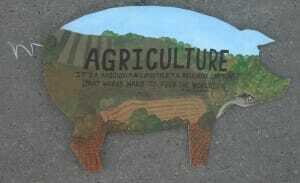
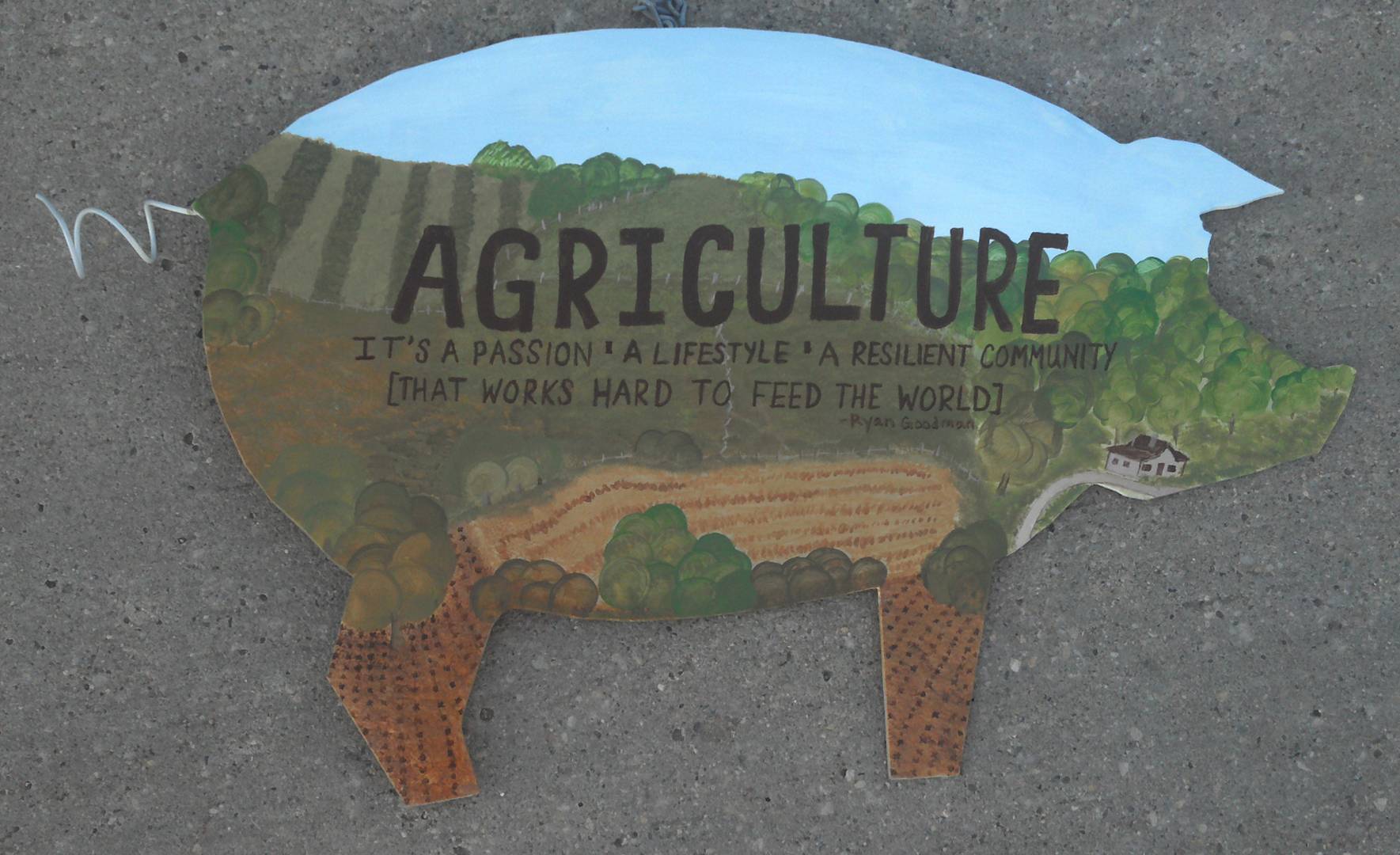
    Latham Hi‑Tech Seeds is excited to announce that our entry for the ISU NAMA Paint-A-Pig Fundraiser is complete!  This 2’X2’ metal pig will travel to Des Moines, Iowa, on Wednesday, January 23, for the Iowa Pork Congress where it will compete for top bid against entries from across the agriculture industry in a silent auction.

    Our theme for this year’s entry features a Grant Wood-inspired painting by one of Latham’s own employees and ISU NAMA Marketing team alum, Laura Cunningham.  Our entry also includes a quote by Ryan Goodman of the I Am Agriculture Proud website and blog: “AGRICULTURE.  It’s a passion, a lifestyle, a resilient community that works hard to feed the world.”

    This quote attests to a shared goal we have as agriculturists.  Be it a seed company or a pork producer, we all work together to feed the world.

    We invite all Iowa Pork Congress attendees to visit the auction and check out our entry in booth 100.  Thank you ISU NAMA for the opportunity to participate!

    Gary Geske

    January 17, 2013
    Agriculture, General, Industry News
  • Latham Hi‑Tech Seeds

    HSUS or AFBF: Which Would You Consider a Front Group?

    FrontGroups1

    “Musings of a Pig Farmer” by Larry Sailer

    Every cloud has a silver lining or so the saying goes.  Last week I had a cloud over my head.  I was literally “down and out” with a torn ligament in my foot.  Fortunately, the silver lining was that my grandson Devin was still on winter break from college and was able to do chores.  That left me with idle time, which I used to catch up with some reading.

    Today I’d like to share some of the information I read from a particular site called sourcewatch.com.  That site talks about Front Groups, or a group that claims to support a public cause while actually serving a special interest or another group that’s objective might be obscured or concealed.  It shocked me to see Source Watch call the American Farm Bureau (AFBF) a front group!

    Here’s the first sentence:  The American Farm Bureau Federation is a right-wing lobbying front for big agribusiness and agribusiness-related industries that works to defeat labor and environmental initiatives, including climate change legislation. A side box on the Source Watch website reads: Front Groups…Appearances may be deceptive.

    WOW… talk about deceptive!  This Source Watch website is truly deceiving readers about the AFBF.  I’m very involved in the workings of the Farm Bureau, and I can tell you that Source Watch is way wrong here.

    While farmers in general tend to be a little conservative, the Farm Bureau does not represent huge agribusiness corporations.  I’m a small farmer, and I’ve been involved in the process of choosing candidates we believe will support our position.  During this selection process, we very much keep the candidates political affiliation out of the picture.  We analyze their positions and interview them to find out their current stance. Yet, sourcewatch.org makes it look like the entire agriculture community is made of big corporations out to make a quick buck at the expense of the environment and its citizens.

    More than 90% of farms are family owned and managed.  Family farm come in all sizes, and yes, some are even incorporated.  I own an LLC myself.  An LLC is a business structure, and I use it just like any Main Street business would.

    I’ve often said that urban and rural residents “speak different languages, and this is another example of that.  Some of the other things that Source Watch accuses AFBF of are completely hog wash!  (Yep, I’m using old hog farmer term because it’s fitting.)

    We must communicate with one another.  I urge consumers to talk with and listen to the people who raise your food.  Ask questions.  Listen to the answers from someone who farms.  I’m always willing to listen to your concerns, too.

    Larry Sailer, Musings of a Pig Farmer

    January 15, 2013
    Agriculture, General, Industry News
  • Latham Hi‑Tech Seeds

    “Rewriting History” to Benefit Franklin County 4-H

    Rewriting history
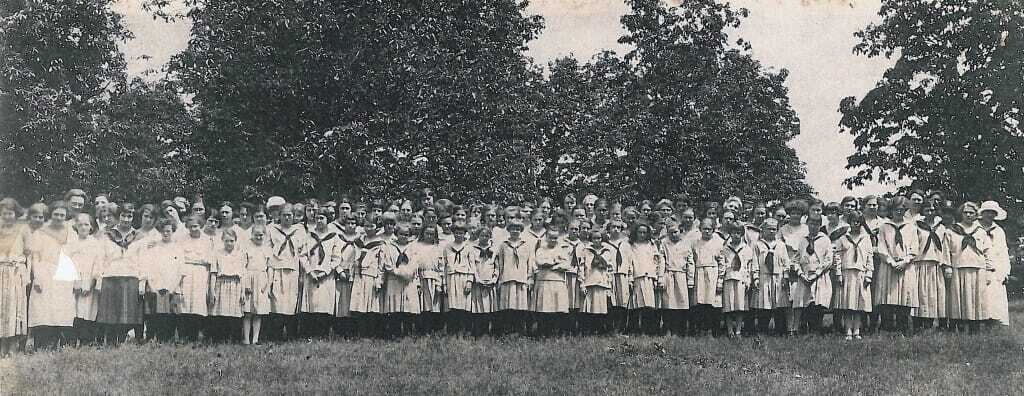
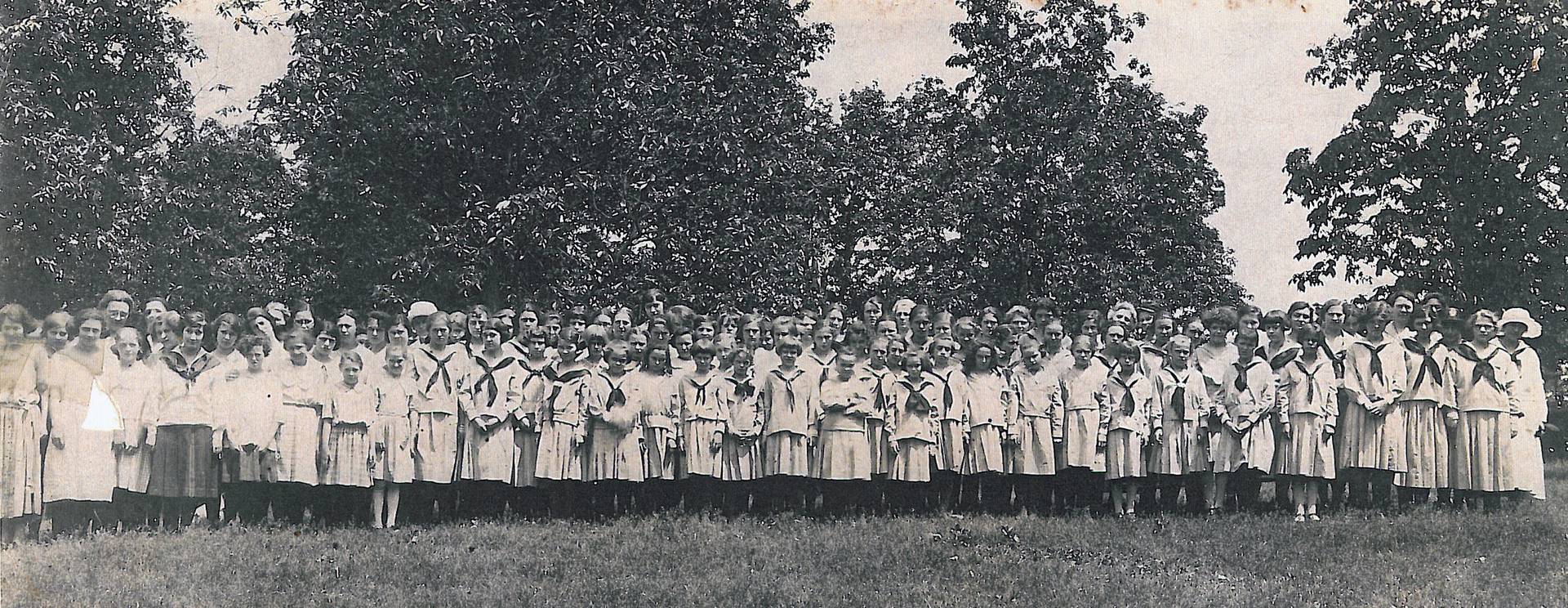
    Iowa’s first 4-H camp for girls was held in Mayne’s Grove in June 1923. It was attended by 135 girls and 28 leaders from 18 clubs.

    At the start of a new year, Americans often reflect upon the past and prepare for the future. One of my 2013 resolutions is to print a coffee table book that provides interesting stories about Franklin County farm families, as well as historical accounts of the 4-H organization. Proceeds from this book will go toward a permanent scholarship for county 4-H’ers who are interested in pursuing higher education.

    Getting this book to print is going to be a “project,” no doubt! I put skill that I gained through 4-H to use in early 2013 by developing this project outline:

    Goal: Print a coffee table book by December 2013 that will benefit the Franklin County 4-H Scholarship

    Objective: Collect stories from 25 county farm / 4-H families

    Tactics:

    • Conduct a communications workshop
    • Feature 12 county farm families on TheFieldPosition.com
    • Feature “Franklin County 4-H Facts” each Friday this year
    • Recruit each county 4-H club reporter to submit one story
    • Invite residents to submit stories about their Century Farms or in honor of their loved ones.
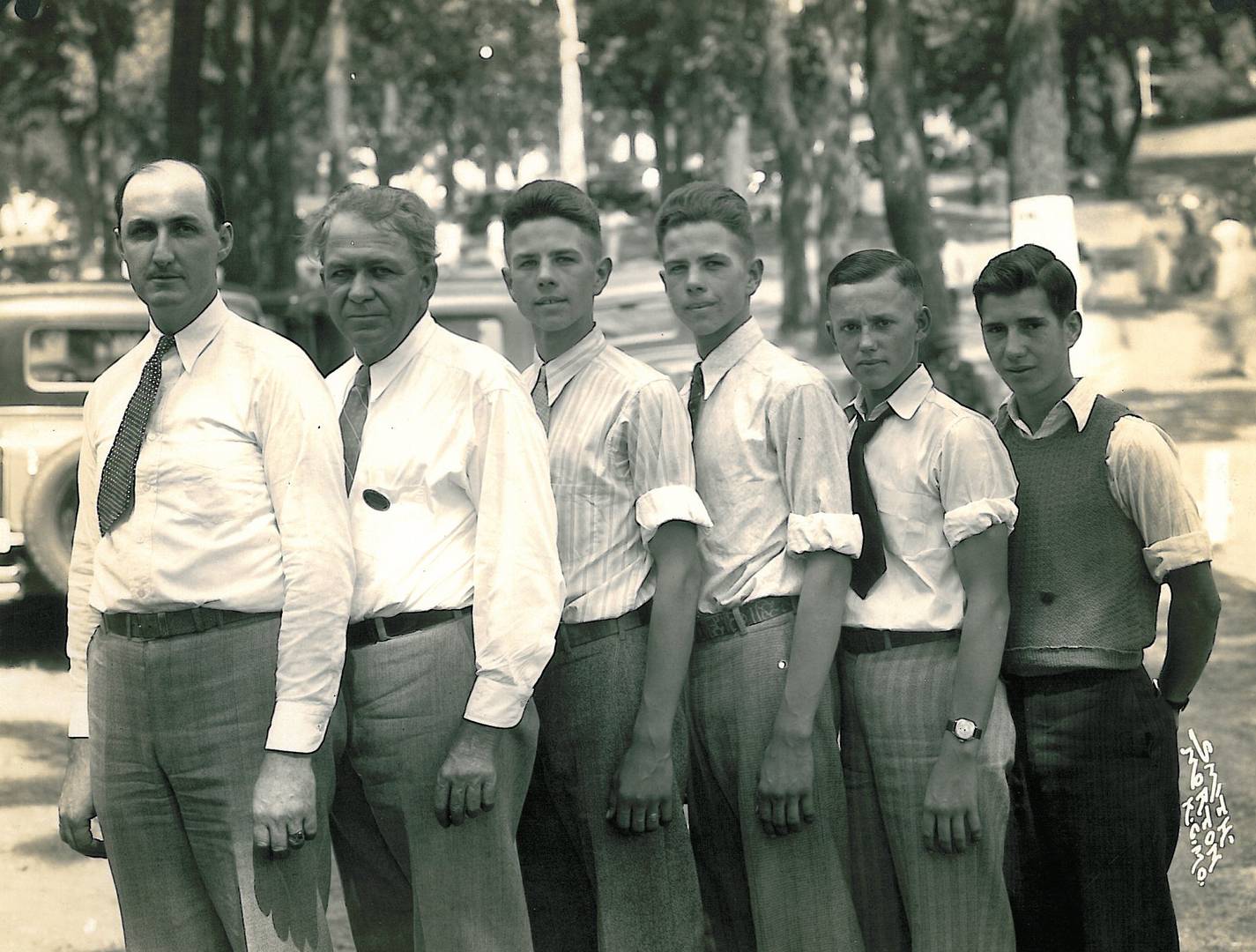
    A team of Franklin County farm boys, coached by V. B. Hamilton, was named the 1930 Iowa Champion Judging Team. Team members were Wilbur and Willard Latham, Earl Shaull and J. Verald Brown.

    Tactic #1 will take place on Saturday, Jan. 12. 4-H club reporters and anyone interested in exploring communications careers are invited to attend this workshop, from 10 AM to 2:30 PM, at the Franklin County Extension Office in Hampton.

    Tactic #2 begins tomorrow when feature April Hemmes and Ruth Kazmerzak on TheFieldPosition.com. Be sure to “tune into tomorrow” for their story.

    Tactic #3 involves sharing 4-H facts. Although it’s only Thursday, I couldn’t resist sharing a few facts today:

    • Cooperative Extension in Franklin County began with the organization of the Franklin County Farm Bureau in 1918. Extension work was a service offered through Farm Bureau.
    • The first 4-H club formed was a countywide Purebred Sow and Litter Club.
    • Because of the success of the first club, the next year they started a Pure Bred Short Horn Calf Club.
    • Girls clubs were organized with an emphasis on home furnishings, music appreciation and health.
    • Until 1955, girls who wanted to raise and show livestock could only do so by belonging to a boys’ club. This was also the year they began a county girls livestock 4H club and the Livestock Queens were formed.

    We hope you’ll join our efforts, too! “Like” Franklin County Extension on Facebook and watch for “Fun Fact Friday.” Watch for “Friday Farm Family Features” on TheFieldPosition.com. Share your own family’s farm and/or 4-H story. Click here to download a form and to learn more about the donor levels. Feel free to contact me directly to see how I might help tell your story.

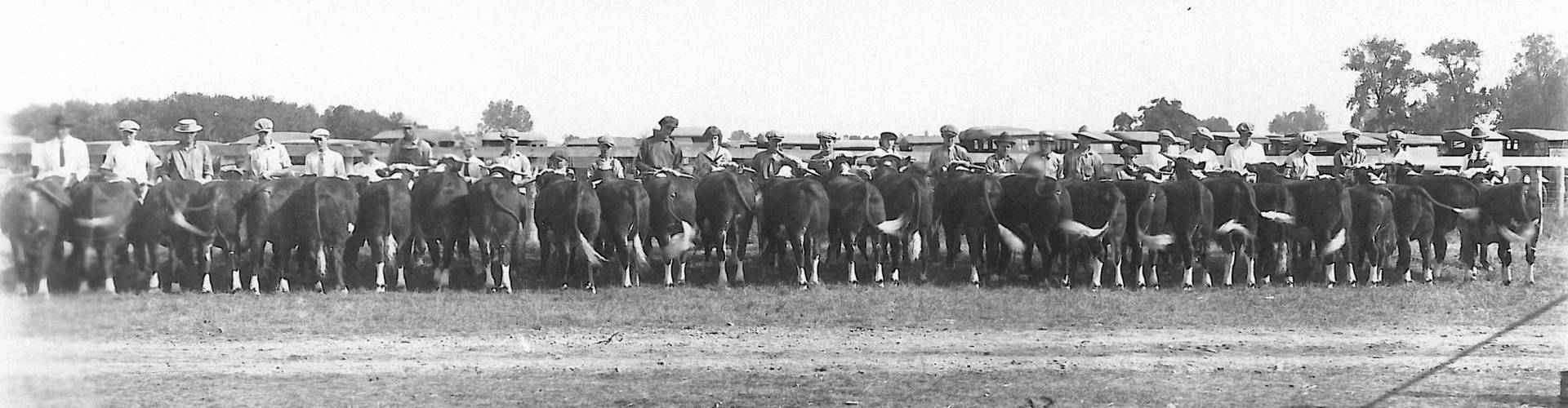
    Twenty-eight baby beeves were exhibited at the 1925 Franklin County Fair. 4-H members sold each for $150 and netted $30/animal.

    Team Latham

    January 10, 2013
    Agriculture, General, Industry News
  • Latham Hi‑Tech Seeds

    My Pigs Stay Safe and Warm Despite Harsh Winter Conditions

    Tuesday41

    “We will open the book. Its pages are blank. We’re going to put words on them ourselves. The book is called “Opportunity” and the first chapter is New Year’s Day.” – Edith Lovejoy Pierce

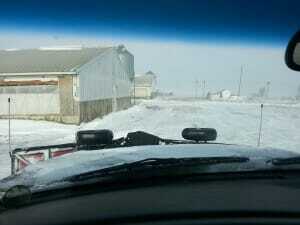
    It’s hard to believe that another year has already come and gone! Before we totally close the book on 2012, I have one more page to write about my hog enterprise. I recently loaded pigs into a semi during a cold, snowy December day. We began at about 6:30 p.m. and the last semi load left after midnight. With snow on the ground and a north wind blowing in our faces, it was a sharp contrast to the conditions we faced on Aug. 29 when this group of pigs arrived.

    It takes about 120 days for little 35-pound pigs to become 290-pound market hogs.  I’m still amazed at how quickly and how large our market pigs grow.  When I was kid on our family farm by Geneva, we wouldn’t have dreamt of keeping pigs past 220 pounds because we’d be paid less for them.   “Back in the day” these pigs were considered too fat for market, yet today’s pigs remain lean at 290 pounds.

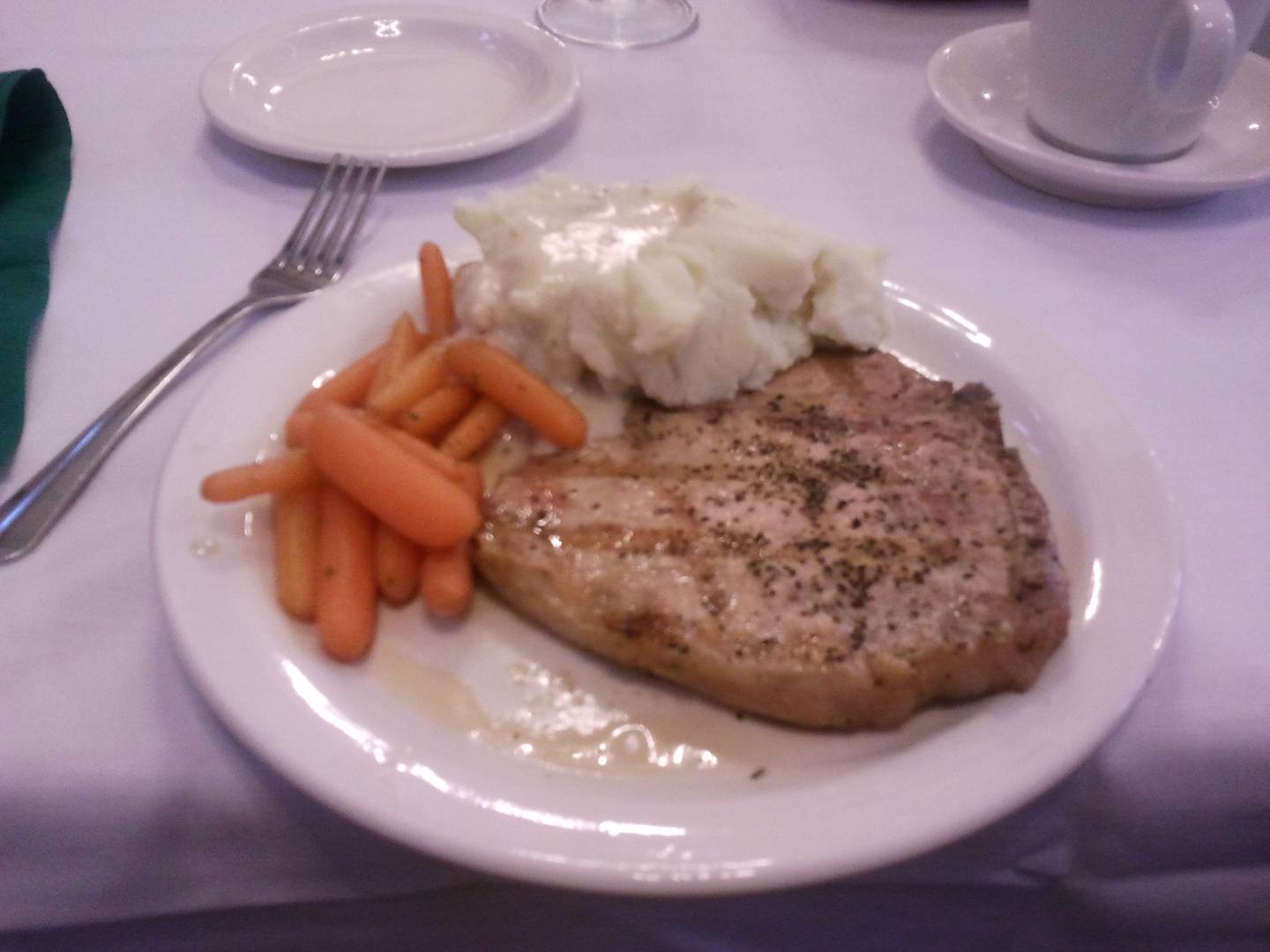
    Iowa Pork Chops

    Changes to genetics and feed allow us to raise extremely lean pork today, which makes some really nice pork chops.  Iowa chops are some of my favorite food to grill, even in the winter.  But, I digress… (It’s funny how quickly food diverts my attention!)

    Another huge benefit for the pig and the buyer of pork, or consumers, is the fact that pigs are healthier inside these buildings.  When I raised pigs outside, we had to worm them and treat them for mange.  I haven’t treated a pig for either of these since I began raising pigs inside.  Trichinosis is unheard of now that pork is raised inside, so you can cook most pork to 145 degrees for some really tasty tender pork.

    By keeping our barns isolated and by cleaning and disinfecting our barns, I use way less medication than I did while raising pigs outside.  My outdoor pigs were always fighting the flu and colds!  It was a challenge to keep them warm plus supply them with fresh food and water in freezing temperatures.

    Winter in Iowa

    I remember, during one winter storm about 20 years ago, I was trying to get to a neighbor’s farm in a blizzard because his Dad couldn’t get there to do chores.  I made it on a snowmobile.  Snow had blown into the hog sheds and made all of the bedding wet.  There were already some dead pigs because of the cold.  This is just one example of what our Iowa weather can do to livestock in old-style buildings.

    As we changed the pig, we had to change the way we took care of them.  The modern hog barn has been a big help as it’s always warm and dry.  Pigs are safe from predators, and they have the best feed we can make plus fresh water available to them at all times.  As you can see in my pictures and video, these pigs are content and healthy.  I’m not alone.  Click here to see how this Nebraska farm family uses similar methods to keep their pigs safe and warm although the outside weather is frightful.

    So much has changed during the last 50 years!  Thanks to modern pork production practices, we’re able to raise pork more efficiently.  I cannot even guess what the price of pork would be in the grocery store if we hadn’t made changes throughout the industry.  We certainly wouldn’t be able to produce enough to export pork to feed a hungry world.

    I am very happy going into this New Year knowing that farmers and ranchers are always trying to improve and do a better job, doing what we do.  Happy 2013!

    LathamSeeds's Larry Sailer 1-8-13 album on Photobucket

    Larry Sailer, Musings of a Pig Farmer

    January 8, 2013
    Agriculture, General, Industry News
  • Latham Hi‑Tech Seeds

    Iowa Agri-Women to Meet

    AnetteSweeny1
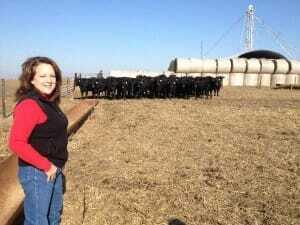
    Annette Sweeney served two terms in the Iowa Legislature, but she and her husband, Dave, have continued to raise Angus cattle.  DAN PILLER/REGISTER PHOTOS

    Annette Sweeney of rural Buckeye in Hardin County, Iowa, has worn many hats: farmer’s daughter, teacher, farmer, cattle producer, wife, mother and state legislator.  She’s starting the New Year with a new title as president of Iowa Agri-Women, the newly formed legislative advocacy arm of the Iowa Women in Agriculture organization and is affiliated with American Agri-Women.

    Agriculture is Sweeney’s passion and advocacy remains her sacred cow.  She’s on a mission to make women aware of policy that affects their families and their farming operations.  That’s why she reaching out to women statewide, inspiring them to become involved with Iowa Agri-Women.

    “Women in agriculture must be actively engaged in the lawmaking and rule-making processes because there are fewer people who understand the day-to-day workings,” says Sweeney.  “Ag literacy is a real concern.  Too many individuals in places of power have never set foot on a farm, yet their making laws and rules that greatly impact our businesses and livelihoods.”

    Anyone and everyone who is concerned about how legislation could impact agriculture is invited to an inaugural meeting later this month.  The group will meet again in March at the Wallace State Office Building, Des Moines.

    “We want to make ourselves known to legislators, so that if a related issue comes up, they will feel comfortable visiting with us to see how our farms and related businesses might be impacted. We want to provide a ‘local resource’ for in each legislative districts (50 Senate; 100 House).

    For more information, call 641-373-4899 or e-mail annette@annettesweeney.com.

    Team Latham

    January 7, 2013
    Agriculture, General, Industry News
  • Latham Hi‑Tech Seeds

    Resolution #1: Get Organized!

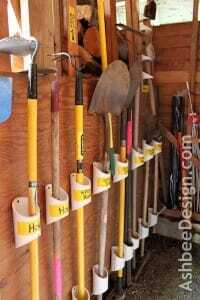
    PVC holders for shovels

    Cute tricks and easy tips for getting your house in order

    Nearly everyone talks about making New Year’s Resolutions, yet only 45% of Americans actually do.  Six short months later, less than half of those who made resolutions are still committed to keeping them.

    This year I’m determined to make only New Year’s Resolutions that I can keep!  I’ve set a goal to be part of the 10% of Americans who are still committed to their resolutions at the end of the year.  Here’s how I’m going to beat the odds…

    “Make passion your true power” and “develop a community of support” are two strategies that experts say increase one’s probability of success.  I’m passionate about these three things: home, hearth (family) and health.  That’s why I’m going to make resolutions focused on my passions and then build a community of support online through TheFieldPosition blog, Facebook and Pinterest.  You’re invited to join the fun!

    Today I’m kicking off a three-part blog series on “Setting Successful New Year’s Resolutions.”  I’ll share some Pinterest-inspired ideas for organizing the home, and tomorrow Rebecca Ramage will share some tips for healthy cooking. The third part of our series – and one I’m especially looking forward to reading – will feature fun ideas that Laura Cunningham “pinned” to inspire quality time together as a family.

    GETTING THE HOUSE IN ORDER

    My personal philosophy is, “everything has a place and everything belongs its place.” Apparently, several hundreds of people on Pinterest feel the same way!  I was first Pinspired by Laura Cunningham’s Organize board.  Then I checked out On the Banks of Squaw Creek’s boards for Organizing and Organization.  These boards offered up so many unique and interesting ideas that I had 18 pins in a matter of minutes!  If I implement just one of these, I’m going to call it a success!

    Here are some Pinterest-inspired ideas to help get a house in order:

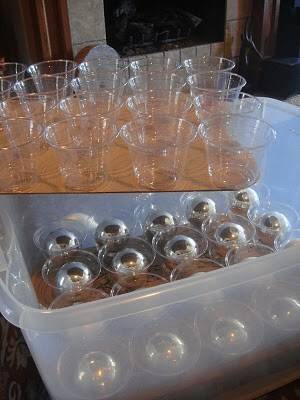
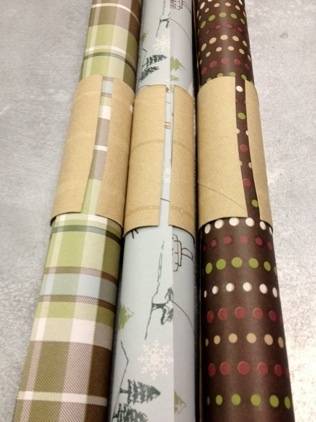
    1. ‘Tis the season to put away the holiday decorations.  I love this inexpensive and simple way to store glass ornaments.  Check out this clever way to store wrapping paper, too.  Thanks to an ordinary toilet paper roll, no wrapping paper will be ripped or wasted due to rubber bands or tape!
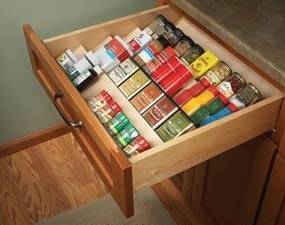
    2. Spice up the Kitchen.  I already have a spice drawer, and yes, my spices are stored in alphabetical order.  I love not having to search for ingredients!  (I pinned this one just so my husband knows there are other people who think like me.)
    3. When I saw the pitcher of flour and sugar, it was a “light bulb moment.”  My pantry will look tidier and there will less chance of me making a mess while measuring ingredients.
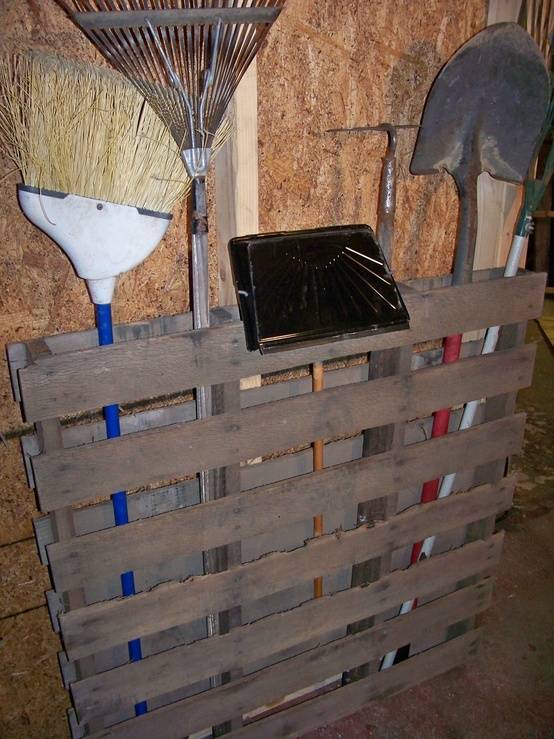
    4. Garage Barrage.  I just happen to know where I can find a few pallets  This idea could even be taken to the livestock barns at the county fair.  I also like the  inexpensive idea of using PVC pipes with labels, so you know if something goes missing.
    I’m always looking for ways to store an overflow of kids’ toys, whether its basketballs, footballs and baseball bats or video games.  Feel free to share your ideas with me via Facebook, Pinterest or our blog!

    Team Latham

    January 2, 2013
    Agriculture, General, Industry News
Previous Page
1 … 58 59 60 61 62 … 95
Next Page

Latham Hi‑Tech Seeds

131 180th Street | Alexander, IA 50420

(641) 692-3258

SIGNUP FOR OUR NEWSLETTER
  • Contact
  • Legal
  • Dealer Center
  • Seedware Login
  • Latham Gear

© 2025 Latham Hi‑Tech Seeds. All rights reserved. | Iowa Web Design by Webspec | Privacy Policy

Latham® Hi-Tech Seeds is a trademark of M.S. Technologies, L.L.C., 103 Avenue D, West Point, IA 52656.