Latham Hi-Tech Seeds

(641) 692-3258

  • Home
  • Products
    • Corn
    • Soybeans
    • Alfalfa
    • Corn Silage
    • Seed Guide
  • Performance
  • Find a Rep
  • Media
    • Blog
    • News
    • Videos
    • Podcasts
    • TECHTalk
  • About Us
    • Company History
    • Our Mission
    • Careers
    • Become a Rep
    • Sowing Seeds of Hope
  • Contact Us
  • Latham Hi‑Tech Seeds

    “Listening” Should be a Two-Way Street

    The Des Moines Register did it again… the first editorial on the Opinion page of Sunday’s paper fueled another blog post. I’m glad the Register gives me material, but I’d rather these editors would just get the facts straight!

    “Farmers must lead, not resist, change” reads the Sunday headline.  Further down the article, the copy reads: “Iowa and other Midwest agricultural states should acknowledge changing consumer attitudes and take the lead on improving food safety, livestock conditions and environmental protection.”

    Paragraph two reads: “Iowans have grown skeptical of, if not hostile to, some aspects of modern farming, including genetically modified seeds and chemical additives in food. They want to know what is in their food and how livestock is treated.”

    I doubt the writers realize their editorial is sending conflicting messages. On one hand, Iowa farmers are asked to be more environmentally responsible. On the other hand, we’re being asked to farm the way we did in the “good old days.” These two trains of thought of incongruent! So, which is it?

    The Sunday Register editorial makes it seem so simple… Listen and change to meet consumers’ desires. What these writers (and consumers) don’t understand how complex agriculture is and how many different types of farming operations there are. What works for one farmer may or may not work for his neighbor. What works in one state may not work in another given different climates and practices.

    When I listen to consumers, I hear them telling me ways to farm that don’t make sense. For example, I must be sustainable. Yet, I shouldn’t use the new technology that actually allows me to be sustainable. GM crops have made it possible to no till, which is a win for the environment, but they don’t want me to plant such crops.

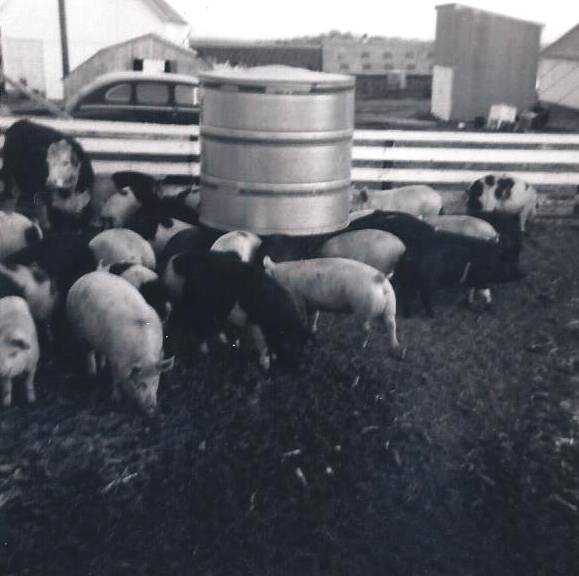
    Another consumer outcry is for farmers to raise pigs outside in a more “natural environment.” I used to raise pigs outside. Because I try to eliminate all the stress that I can for my animals, today I raise my hogs inside climate-controlled barns. Disease and death loss has significantly decreased since I have been raising pigs in a climate-controlled environment. On a cold, windy day with wind chills of 45 degrees below zero, the reality is that my pigs are way better off inside. On a night like last night where winds were gusting at 70 mph and rain was pelting down like bullets, the reality is that my pigs are way better off inside.

    You see, farmers are leading and farming practices have changed over the years for good reason. The practices I use on my farm are done for a reason, and “the consumer” could at least try to understand. Consumers also must listen to what farmers have to say.

    Listening goes both ways! As a farmer, I try to listen but I must do what I believe is right for my livestock and my land. I must use the farming methods that work best for me and my farm. I will keep listening, and speaking about why I do what I do!
    Larry Sailer, Musings of a Pig Farmer

    June 17, 2014
    Agriculture, General, Industry News
  • Latham Hi‑Tech Seeds

    “Behind the Mic” with an Iowa Hog Farmer

    TrentLoos Sailer1

    This past seven days was one of those weeks when it was difficult to remember if I was coming or going! The week of World Pork Expo is always busy, but this year several speaking engagements made my schedule even tighter. I didn’t want to say no to any of them because I believe each one had merit. Today I’m sharing diary excerpts to give you an idea of what goes on “behind the scenes,” or perhaps I should say “behind the mic,” at an Iowa hog farm.

    Barb & I at National Pork Board
    Barb & I at National Pork Board

    Monday I had the opportunity to meet this year’s class of leaders being trained by the National Pork Board as Barb Determan and I were asked to serve on a media panel. Barb shared tips on how to work with “old school media” by conducting radio and TV interviews. I talked about how communicating has changed in recent years and shared why I believe we must tell our stories through social media. No matter the medium, Barb and I agree that farmers must be honest and open with what we do inside our hog barns!

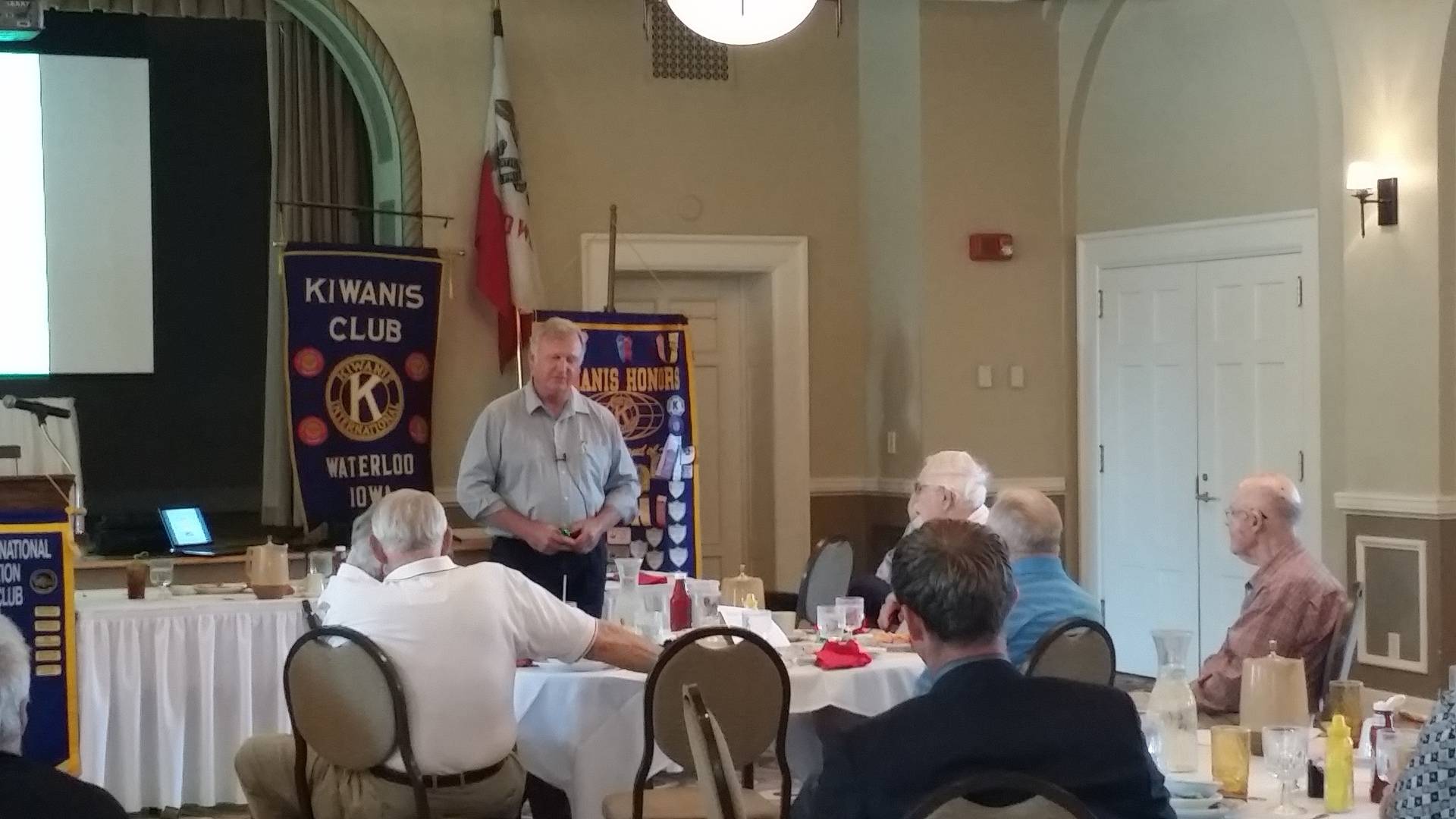
    SpeechWaterlooTuesday I traveled about an hour away from home to meet in person with a group of Kiwanis. They had invited me to their meeting in Waterloo to talk about how raising pigs has changed over the years. I always enjoy meeting face-to-face with curious and interested individuals.

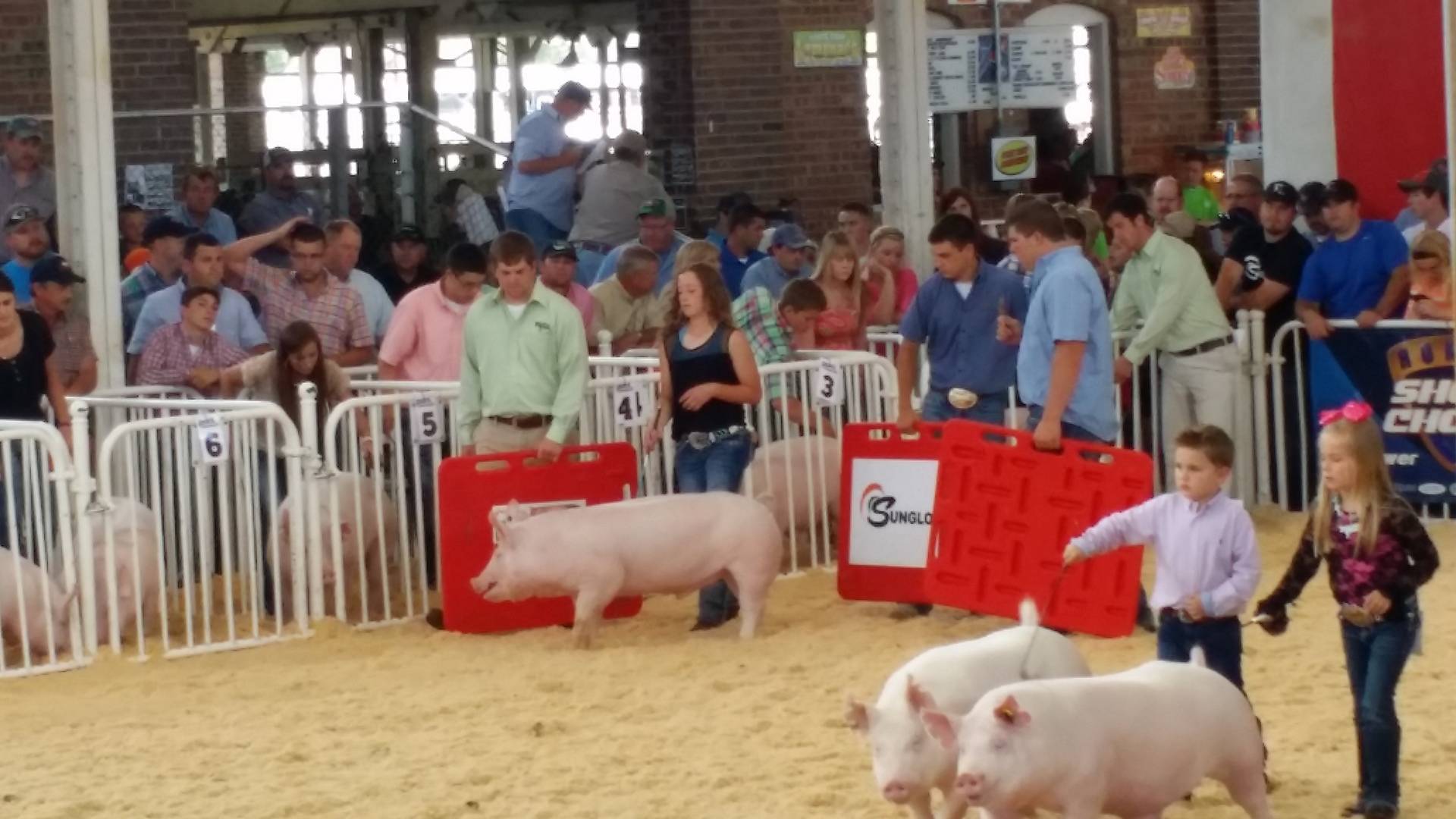
    Wednesday began early with a breakfast in Parkersburg where I shared my message about Operation Main Street (OMS) with the Rotary club. Then my wife, Janice, and I made the nearly two-hour trip to Des Moines for the first day of World Pork Expo. We stood in a long line for a pork burger before watching the pig judging.

    I love the little kids in the right-hand corner! Trent Loos’ daughter is the older girl in the center.
    I love the little kids in the right-hand corner! Trent Loos’ daughter is the older girl in the center.

    It’s always great to watch the kids circle their pigs in front of the judge, vying for the perfect spot for him to see their pig. There were so many fantastic looking pigs this year! These judges have a tough job! In the hog barns, we ran into the Loos family from Nebraska. Trent’s wife, Kelli, told us the sad story about a tornado hitting their farm while they were in Des Moines. More about that later…

    Also on Wednesday, I attended a meeting to learn what’s new with PEDv. Several industry leaders told of what has been learned about this virus, which has killed more than 7 million baby pigs within the last year. Janice and I returned home after a full day of attending meetings and meeting up with old friends.

    Thursday I returned to Des Moines and recorded a video for National Pork Board to use when someone calls in with questions about raising pigs. This is just one more way to get the word out about what I do.

    That afternoon I attended more OMS training on how to become a better spokesman. It’s amazing what you can learn when you get out of the hog barn!

    Thursday evening’s reception with food company execs
    Thursday evening’s reception with food company execs

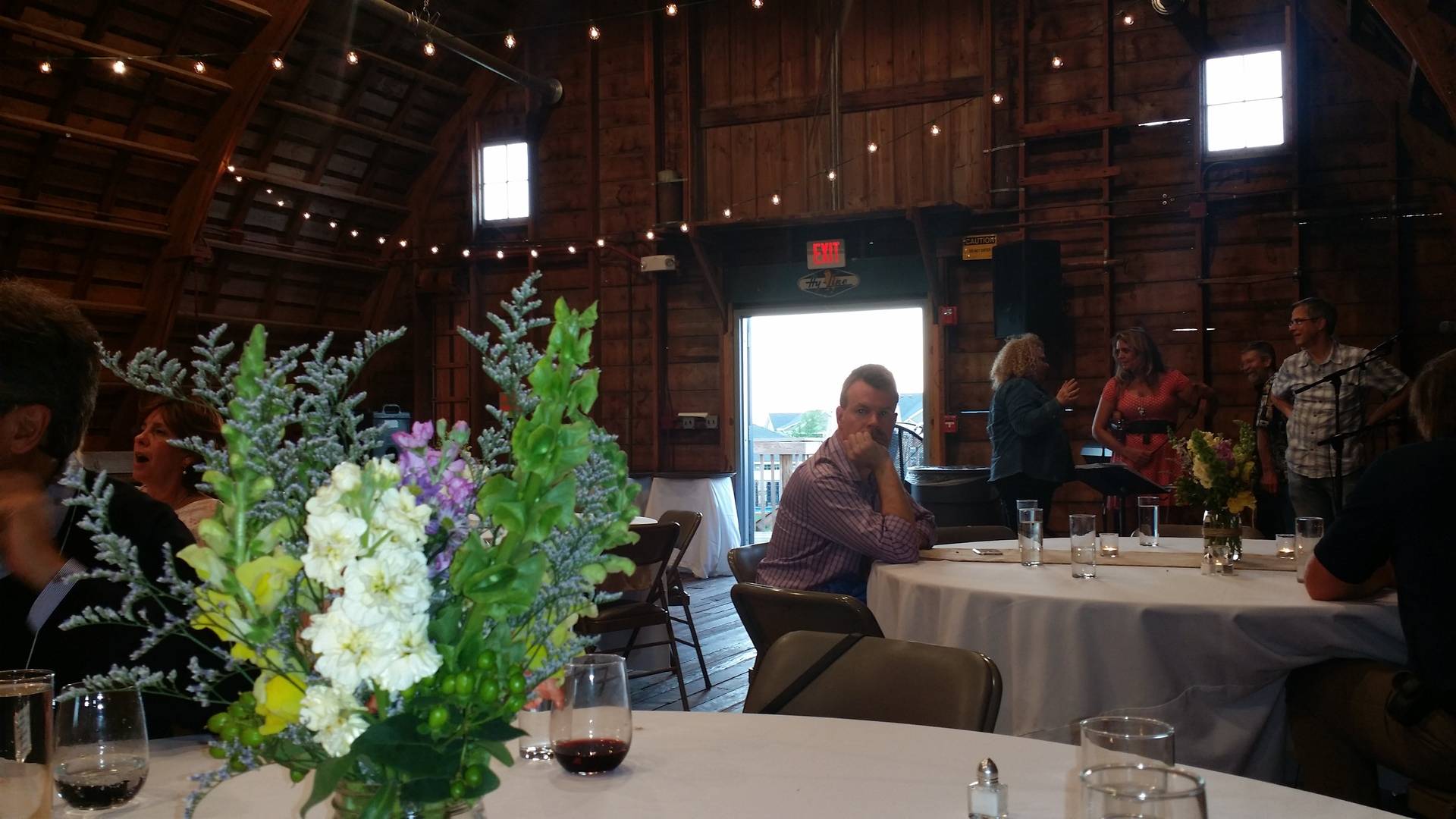
    Thursday evening I was invited to a reception for the International Food Information Council, a group of top executives representing large food companies from around the world. Companies like DuPont Pioneer, which sponsored this event, invited a dozen farmers like me. Can you imagine an old hog farmer explaining to a couple of top executives, from big cities, why and how we dock tails and castrate pigs? The old hog farmer wasn’t even me, but I was fascinated as I listened to this conversation. Watching their facial expressions was priceless! (Click here to read a recount from Dan, an Iowa cattle producer who was also in attendance Thursday evening.)

    Honestly, we need more events like this. Great information sharing took place. I talked with executives from Coke, McDonalds, Kraft and Nestlé, General Mills and more. They wanted to learn about farming, and I wanted to hear their concerns. I also made some great connections like Tony Flood, senior director for Food Safety & Defense with the International Food Information Council Foundation in Washington, D.C. He wants to continue our talk, and that’s always a good indicator!

    Thursday night I stayed with our son Corey and his kids, who live in Pleasant Hill. Fortunately, they live near the fairgrounds because Friday started early! The fairgrounds were eerily empty at 6:30 AM. As I made my way to breakfast, I ran into Doug Fricke. As director of Trade Show Marketing for National Pork Producers Council, Doug is the top person responsible for making this show great. We talked about the weather, of course! The great weather we experienced last week made a great show even better.

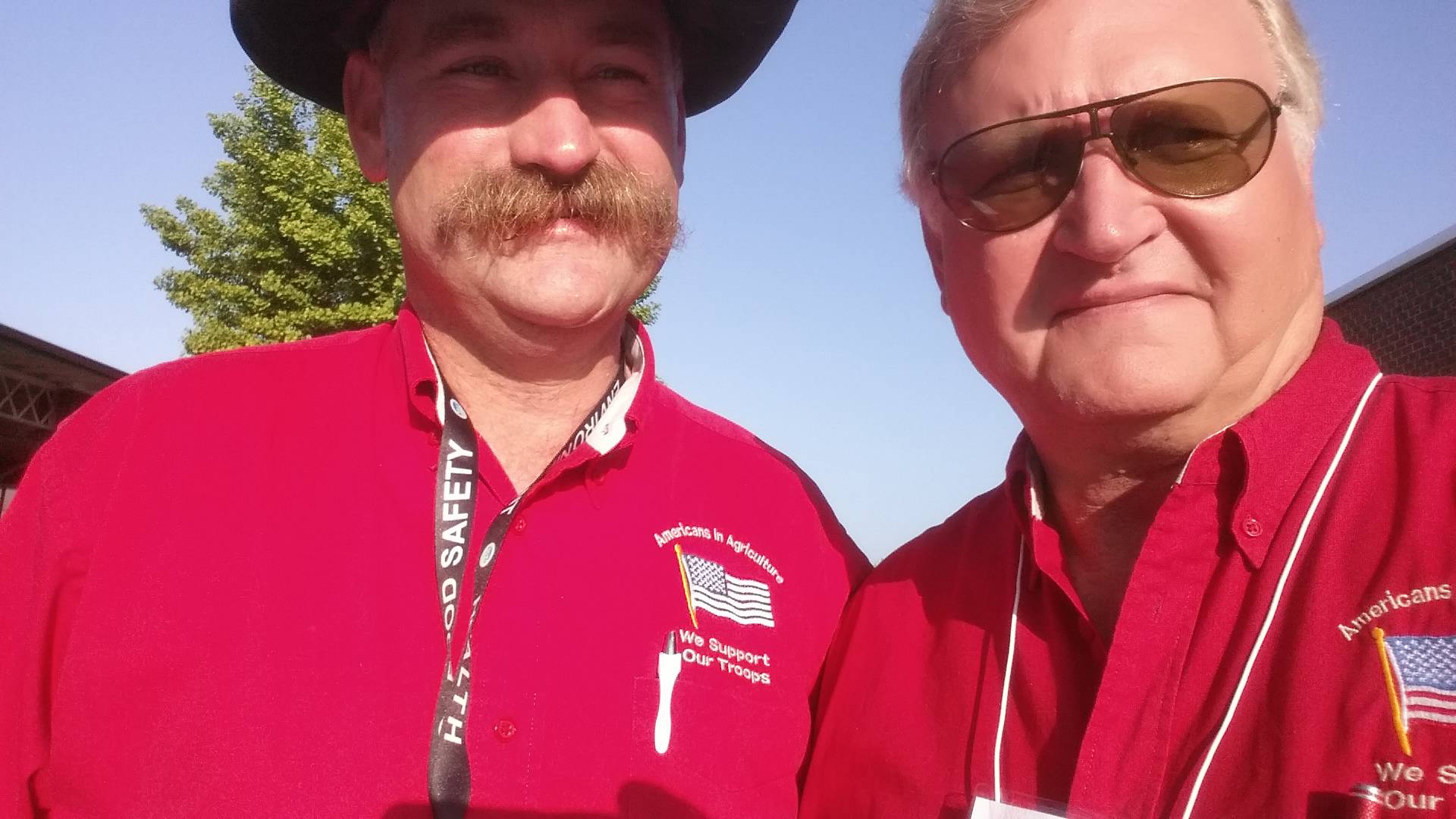
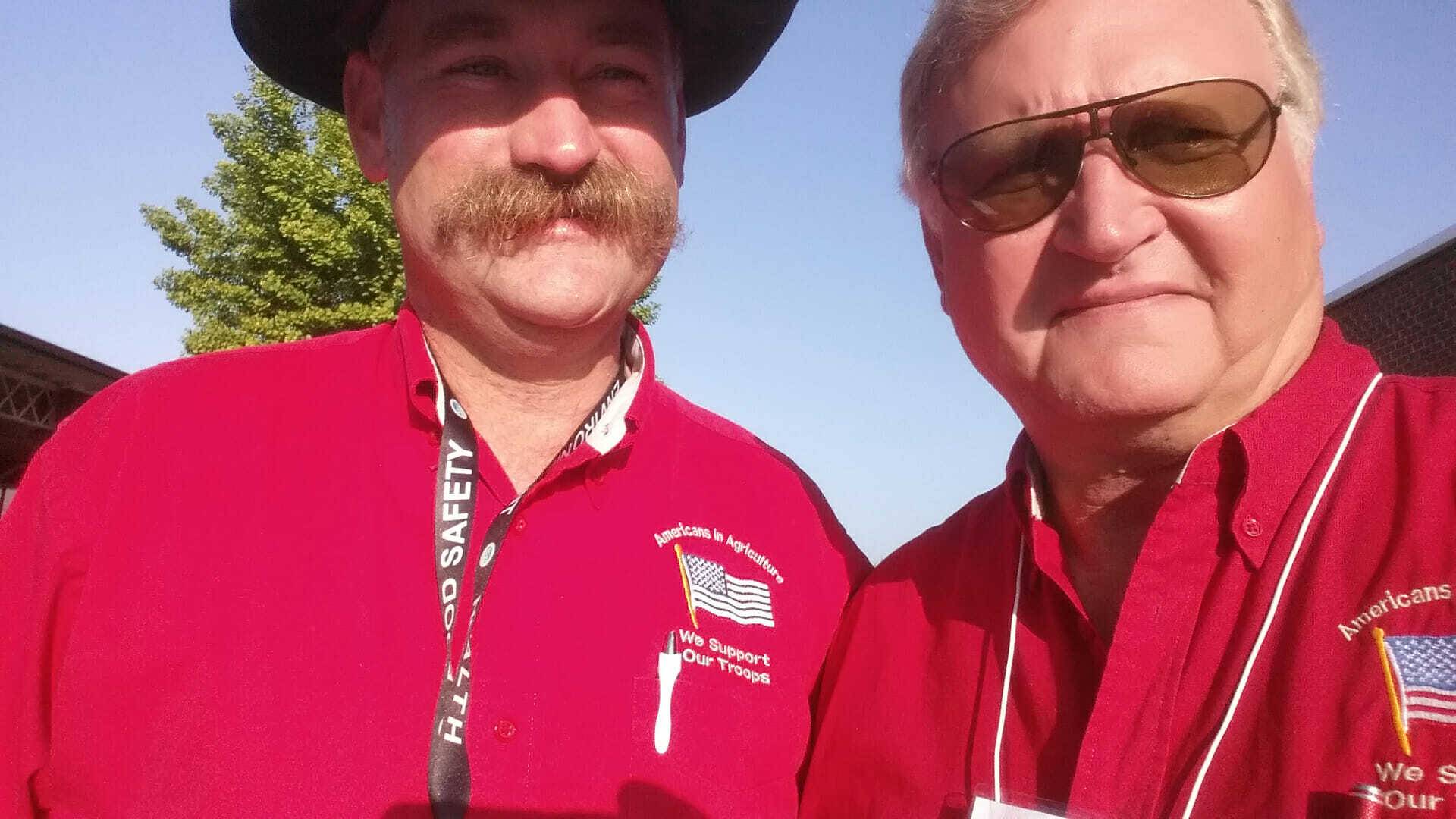
    Pig farmer Larry Sailer and farm broadcaster Trent Loos sport red shirts to show appreciation for our nation’s troops, carrying on a tradition that started by the women’s Auxiliary to thank troops returning from WWII.
    Pig farmer Larry Sailer and farm broadcaster Trent Loos sport red shirts to show appreciation for our nation’s troops, carrying on a tradition that started by the women’s Auxiliary to thank troops returning from WWII.

    Next I literally crossed paths unexpectedly with Trent Loos! We were the only two people on the street, and he asked if I had 48 minutes. I thought he needed a ride to the airport and said, “Sure.” I always try to make time for friends. Then I learned Trent really needed a guest for his daily Loos Tales radio show, which is 48 minutes long! What an honor to be a part of that show, celebrating the 70th anniversary of D-day.

    During this radio program, I learned the extent of damage from the tornado that Kelli mentioned earlier in the week. Their house is still standing but the roof was 100% damaged, so Trent thought he could just live in a grain bin. It’s always interesting talking to Trent because I never know what direction the conversation is going to take!

    Even though I literally took a detour on my path to Friday morning’s OMS training, I got there in time to gain a few tips on how to improve my talks with high school VoAg and culinary classes. Then I finished my day WPX by attending a class on social media. Finally, I had to say “enough is enough!”

    Larry Sailer, Musings of a Pig Farmer

    June 10, 2014
    Agriculture, General, Industry News
  • Latham Hi‑Tech Seeds

    Voting for “Change”

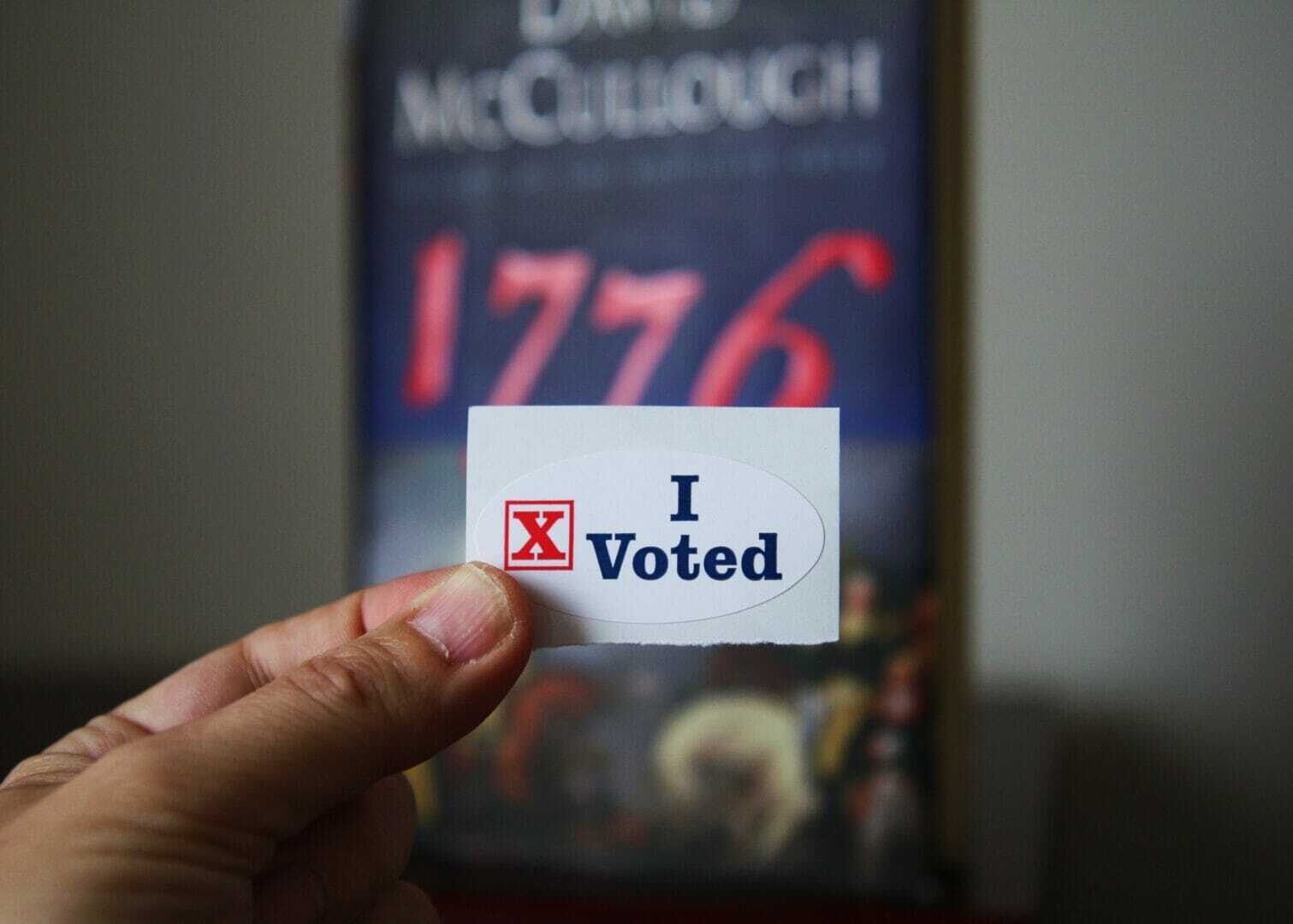
    IVoted sticker

    iVoted_stickerI had a hard time deciding what to cover in this week’s blog post because there are so many things on my mind. First of all, the #schoollunch program is still being discussed across social media platforms. World Pork Expo, which opens to the public tomorrow on the Iowa State Fairgrounds, is a huge event for pork producers across the globe. Even if you don’t want to show hogs or learn about modern pork production techniques, you should attend just for the great food and entertainment!

    Barbecued ribs, smoked loins and grilled pork chops are among my favorite foods. I’ve been known to brake for a good hog roast! However, I can’t head for Des Moines without first stopping to vote in Iowa’s primary election.

    Primary elections limit the field of candidates for the general election, and I truly believe this November’s elections will be the most important our country has ever had! Our country has certainly “changed” since 2009. It’s time to return to America’s tried and true system of checks and balances. (If you’ve read any of my past blog posts, you know how I feel about government regulations.) One branch of federal government should not be able to push such a one-sided agenda.

    America cannot continue its prosperity if government takes more control. *According to our representative form of government, U.S. elected officials shouldn’t make decisions based on one person’s view of the world. Ideology is great for making goals, but U.S. politicians must exercise common sense and exhibit leadership. America’s position as “world leader” is in jeopardy. Think of being paranoid or overly dramatic? Read on…

    Sunday night I saw a Facebook friend post a story about an energy agreement between Russia and China. They have agreed to build hundreds of miles of pipeline to provide cheap oil in to China. Is anyone else scared to death about China and Russia agreeing to a 30-year natural-gas deal? Cheap energy gives cheap political power. Russia has already expanded its borders, and China is on the verge of doing the same. What power does the U.S. have in foreign relations now? We have a serious national security threat when these two countries make agreements like they just did!

    Consider this:

      • Russia is the world’s largest oil producer.
      • Russia is poised to export more natural gas than any other country. The Russia-China gas deal narrows the window for U.S. exports.
      • Russia is one of the top producers and consumers of electric power in the world

    Another conversation I’ve recently had online was about how China –in just 30 years– brought one-half billion people out of poverty. Abject poverty in China was reduced from 85% of their population to 13%. That’s an unbelievable accomplishment, but at what cost? Coal plants and factories spew pollution so intense that no one can see or breathe. Much of China’s farmland is so polluted that it can’t be farmed. More farm ground was lost as dams are built on rivers to generate electricity.

    If developing countries continue their path, I’m afraid America could become a third-world nation with no power! I mention this because the U.S. EPA is making rules to control water rights, which WILL damage our economy and limit job growth.

    This country needs CHANGE! I encourage you to actually research each candidate running for election; don’t depend on a candidate’s TV commercials to tell you why you should or shouldn’t vote for him or her. Understand each candidate’s position on issues impacting your livelihood. Know the consequences of rules made by bureaucrats. Discuss with your friends, and make your voice heard!

    *Footnote to paragraph 4: Democracies did not originate with the founding of the United States. Founders actually preferred the term “REPUBLIC” to “DEMOCRACY.”

    P.S. Since I didn’t have enough room to talk more in more detail about the school lunch rule changes, I’m sharing links to recent articles related to it:

      • Move to Relax School Lunch Rules
      • “Let’s Move” Campaign Goes Too Far
      • Michelle Obama ignoring problems caused by new school lunch standards
      • Michelle’s Meals Turn Off Kids
      • Don’t Skimp on School Lunches

    Larry Sailer, Musings of a Pig Farmer

    June 3, 2014
    Agriculture, General, Industry News
  • Latham Hi‑Tech Seeds

    Tips to Stretch Your Beef Dollars

    Homecoming13
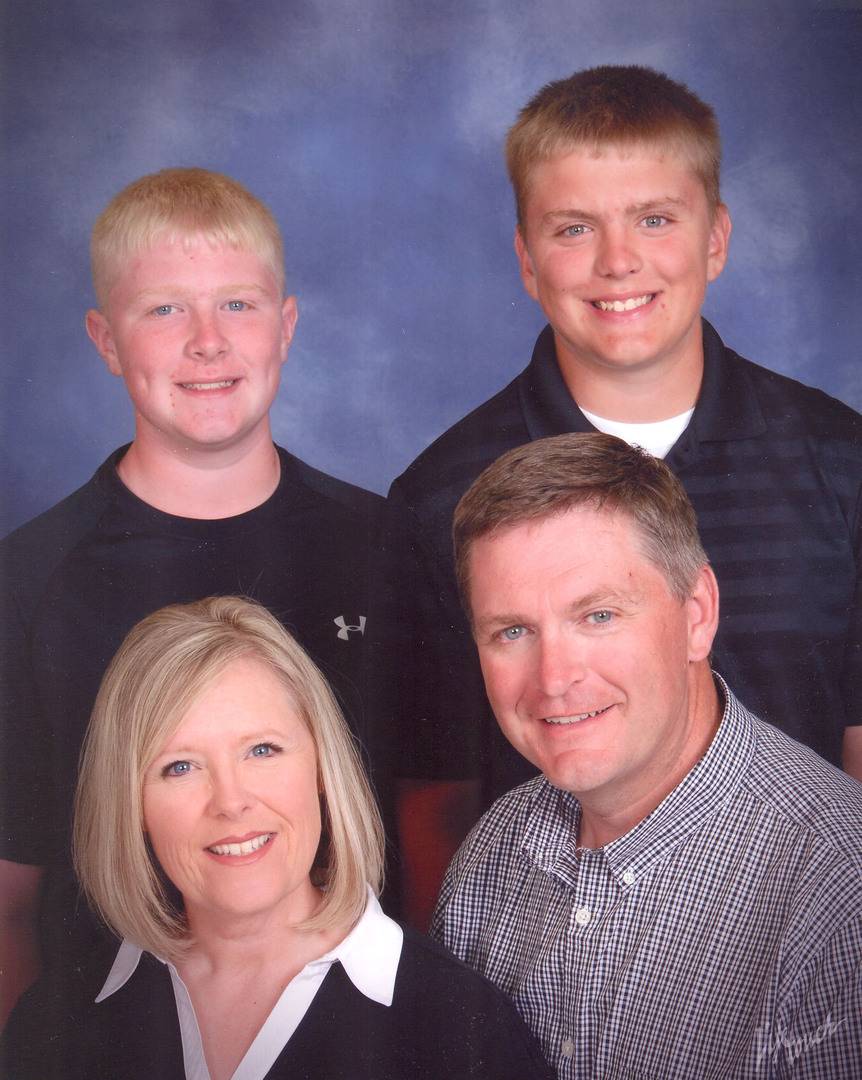
    The Baumhover Family
    The Baumhover Family

    by Michelle Baumhover
    Director of Consumer Marketing
    Iowa Beef Industry Council

    Finally, spring temperatures have finally arrived!  Sunshine and warmer weather means more grilling opportunities for our family.

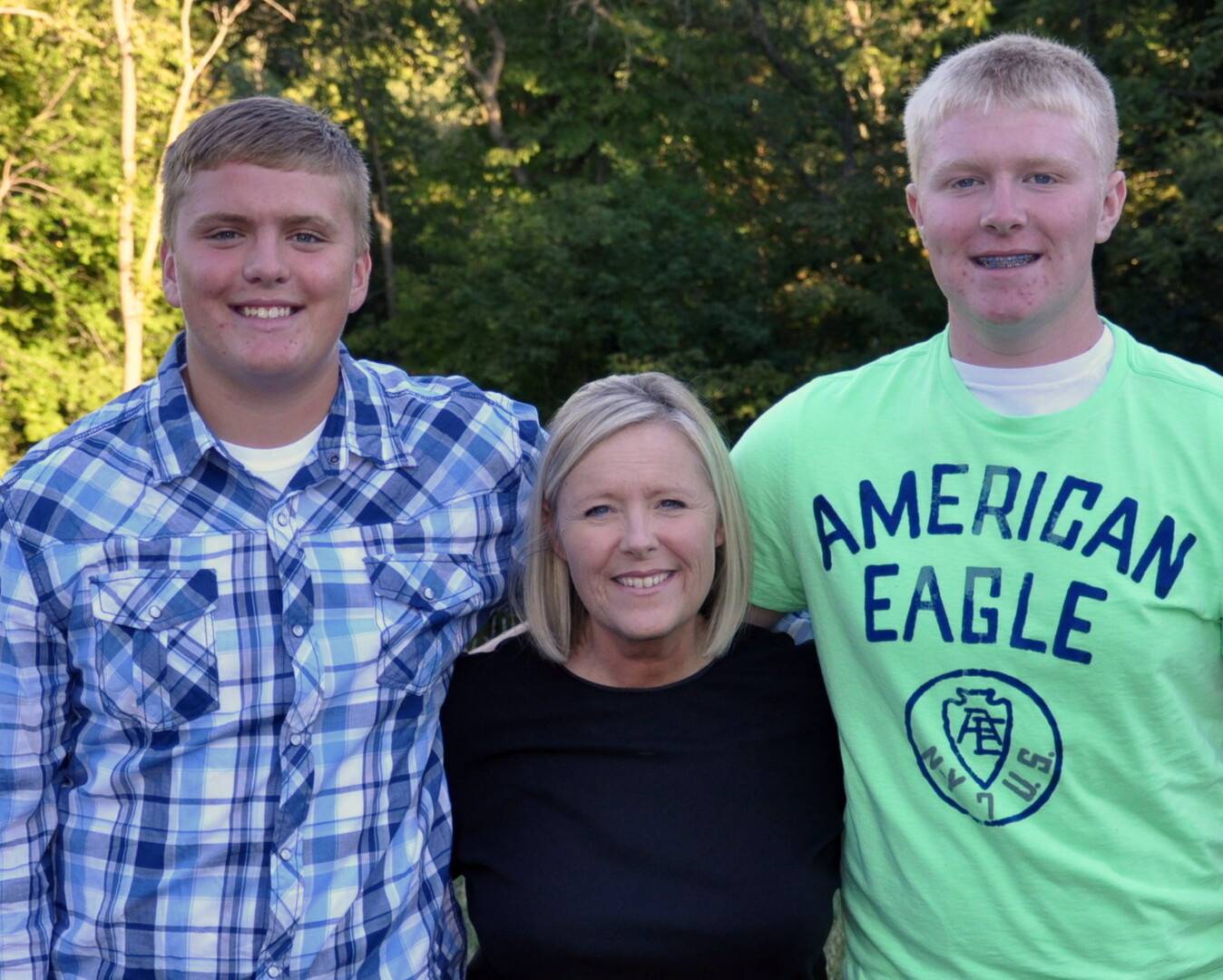
    Our family includes two very active teenage boys, who are both very involved in sports and need high quality protein.  Both boys love beef, especially steak and burgers. Beef is a great source of protein, so it’s on our table several times a week.

    Anyone who’s visited the meat counter lately has noticed rising prices. Drought has reduced cow herds in the west, plus the global demand for beef is strong. That’s why today I’m sharing with you a few tips

    tips our family uses to stretch our beef dollar:

      • Try new cuts. The Flat Iron and the Chuck Eye Steak are two hidden values in the meat case.  Economical cuts of beef are sometimes less tender, however, with a little know-how you can create a great meal. Use a tenderizing marinade and grill to medium rare or medium doneness. Slicing across the grain will enhance tenderness, too.
        • The Flat Iron Steak is a hidden gem, says Michelle Baumhover with the Iowa Beef Council.  Today she’s sharing with us a link to one of her favorite recipes for Flat Iron Steak with Grilled Corn and Cumin Lime Butter.
        • She’s also sharing a recipe for Tangy Lime Grill Top Round Steak. Remember, Round Steak is a value cut so marinade makes it better.
      • Watch your grocery ads for beef features.  Buying beef on sale is an easy way to save money. If you’re not familiar with the cut that’s on sale, use our Interactive Butcher Counter to find preparation and cooking information along with recipes for all cuts of beef.
      • Buy in bulk.  Beef can be frozen in family-friendly sizes and stored in your freezer. Ground beef can be frozen up to 4 months and steaks up to a year. Purchase whole loins or ribeyes, and cut your own individual steaks.
      • Purchase lower lean ground beef.  If a lower lean ground beef is at significant cost savings, you can easily reduce the fat in ground beef.  When ground beef is on sale I purchase a few extra pounds.  I often brown multiple pounds of ground beef at a time, and then freeze 1 pound in individual freezer-safe bags. Other times I’ll buy a 10-pound tube of hamburger when it’s on sale, and then cut the fresh ground beef into smaller portions before freezing it.

    homecoming13The beef checkoff has developed resources and tools to help you.  Our online brochure, Confident Cooking with Beef, offers great information on choosing, storing and preparing beef.  Utilize beef as an ingredient.  Add a protein punch of beef to sandwiches, salads, stir-fry and one-dish meals.  We have a large database of triple tested beef recipes.

    Finally, remember that beef offers you great taste and nutrition.  Beef is a good to excellent source of 10 essential nutrients, and it provides nearly half of your daily protein needs for around 180 calories packed in 3-ounces of cooked beef.  Think of beef as a delicious nutrition powerhouse and calorie-saver!

    Team Latham

    May 30, 2014
    Agriculture, Industry News
  • Latham Hi‑Tech Seeds

    Stop Using School Lunch to “Play Politics” with Kids

    Lunch tray
    (Photo: Rodney White/The Register)
    (Photo: Rodney White/The Register)

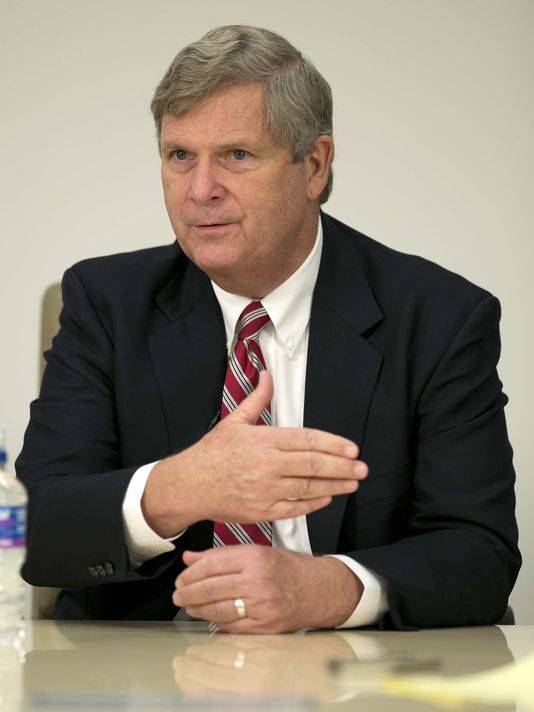
    Think the school lunch program is “old news”? Think again! Last Friday The Des Moines Register ran an article by Christopher Doering detailing how U.S. Secretary of Ag Tom Vilsack defends new school nutrition guidelines.

    The USDA, since 2010, has been phasing in new nutrition guidelines for school lunches to address the childhood obesity epidemic and to help those at risk of going hungry. The Healthy, Hunger-Free Kids Act of 2010 requires lunch programs that receive federal dollars to provide healthier meals. The latest sets new limits for calories, increases whole-grain requirements and lowers sodium levels.

    Vilsack “lashed” out at critics of the program for playing politics with our kids, but this is no real surprise and “playing politics” has become the standard argument whenever Congress disagrees with the current Administration. President Obama has even accused our founding fathers of setting up Congress wrong, claiming the Senate should have representation like the House. Think about that one for a couple minutes!

    Before I digress too much, let’s take a closer look at Secretary Vilsack’s comments. He says, “I don’t believe that politics and politicians should trump good policy and policy that’s established by experts when it comes to the future of our children.”

    Vilsack makes quite the emotionally-charged statement, but fact is, new school guidelines are being criticized by more than politicians. The School Nutrition Association claims over 1 million fewer students are eating school lunches! With fewer students eating the lunches, schools are having trouble covering the costs.

    Last week in The Hill, a representative for the School Nutrition Association is quoted as saying 1,445 schools have dropped out of the program since the standards went into effect as costs mount. A House spending bill approved by a subcommittee last Tuesday would force the USDA to give a temporary waiver to school lunch programs that can show they were operating at a net loss for the last six month.

    lunch-trayNot only are they operating at a loss in many cases, but schools are having trouble finding some of the required foods. The USDA has confirmed that schools could not find whole-grain pastas that did not fall apart in the giant cauldrons used to prepare school meals, which prompted an announcement last Tuesday by the USDA that it would allow schools to obtain a two-year delay in implementing a whole-grain standard coming into effect.

    “The first lady has from day one made the health of our children a top priority, and that means keeping the pressure on to ensure that school nutrition standards already implemented by 90 percent of our schools stay intact,” says White House spokesman Jay Carney said.

    “Michelle’s meals turn off kids.” That’s why I’d like to raise these questions:

      • Did the experts take food costs and sources into consideration when they developed the new guidelines?
      • What about taking regional differences into consideration? There are food items available in larger markets than in rural areas, for example.
      • Did anyone think about the alternative to eating school lunch might simply be to skip lunch altogether?

    Let’s remember that many low income students receive most of their nutrition at school. Even if they do take the lunch, how much of it are they throwing away? Placing “nutrition” on the plate doesn’t ensure that kids are going to eat it. Kids are being hurt by hunger!

    Vilsack’s experts may be experts, but that doesn’t mean they don’t have something to learn!  They need to humble themselves enough to listen. I’m always amazed how much I learn when I listen, but this administration and Sec. Vilsack are doing a very poor job of listening. I strongly feel this IS all about politics and saving face on their part. Let’s make school lunch rules about kids, not politics! Contact your legislators.

    Related Posts:

    • New School Lunch Regsc, One Hot Potato
    • The Quest for a Balanced Diet
    • Act Now to Restore Sense to School Lunch Program

    Larry Sailer, Musings of a Pig Farmer

    May 27, 2014
    Agriculture, General, Industry News
  • Latham Hi‑Tech Seeds

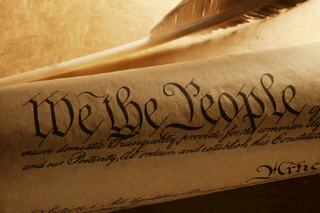
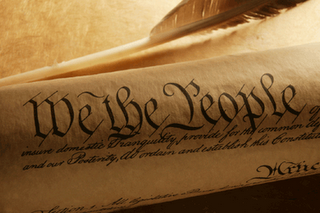
    What Happens When Government Takes Control?

    Wethepeople

    America’s “Win All, Lose All” Position Has Led to Invention & Innovation

    “Freedom of choice” has been the American Way ever since our forefathers fought – and won – freedom from Great Britain. Little by little, however, our freedoms are being threatened. Obamacare is one case in point.

    wethepeople

    Believe me, I’m not trying to politicize this issue. I would oppose this U.S. healthcare law regardless of who authored it. As one Iowa congressman wrote, “… the law is not the common sense path our nation should be taking on much needed health care reforms.” It creates instability, restricts patient choice and explodes costs that will hamper the economy. Even the presidents of three of the nation’s largest labor unions, including the International Brotherhood of Teamsters, released a letter to Democratic leaders in Congress warning that Obamacare would “shatter not only our hard-earned health benefits, but destroy the foundation of the 40-hour work week that is the backbone of the American middle class.”

    Such comments were made before Obamacare became the law of the land. Now we’re seeing how much American’s freedom of choice is being restricted. “We have to break people away from the choice habit that everyone has,” said Marcus Merz, chief executive of PreferredOne, one of the largest Preferred Provider Organizations (PPOs) in the Upper Midwest.

    What’s even more disconcerting to me than limited American’s ability to choose the healthcare plan that best suits their needs is how our government is paying to deceive us! Just last week I watched a video of a worker given a huge government contract to basically do nothing. While she was hired to sign up people for health insurance, she said most days she and her coworkers just sit around talking. They’re told to look busy when inspectors come in to ensure taxpayer money is being spent correctly. They pretend to type, look busy and put on a good show. Talk about government waste at its finest!

    When government takes over a business like they have health insurance, the efficiency disappears. That’s just plain economics, and I don’t need a degree to understand.

    I have always believed there must be risk for a business to succeed. To succeed big, there must be big risk. There should be the possibility to lose it all because that makes the drive to succeed much greater. “Necessity is the mother of all invention.” The goal of success leads to innovation, too. People have an incentive to try new ways to improve efficiencies and improve their lives. This drive to succeed has made our country great. However, the comfort of everyone being “comfortable” was not a part of making this country great.

    The post office is another example of government waste and inefficiency. When there is unlimited tax money to spend – money that wasn’t earned, borrowed or associated with any risk – there’s no incentive to make the business lean.

    My trip to Ukraine made it very clear how a country can change by a little push from free enterprise. Where there was risk and effort, that country was making much progress in agriculture. I’m really hoping the current crisis, including protests against corrupt government leaders who have mismanaged the economy, doesn’t ruin all the progress that has been made. Government intervention can undo overnight what it takes a life time to build.

    Another example of government intervention being showcased on a morning radio shows is government-owned resorts. Why are we letting government parks and cabins compete with private enterprise? Some of these parks have been made to be super nice, but at what cost to tax payers? Does this resort property pay property taxes? It’s my contention that taxpayer money is being used to create resorts that will take money away from private enterprises, yet private enterprises return a large portion of that money to the U.S. Department of Revenue in the form of taxes.

    Government agencies should not be making rules and regulations that control business. Unless America remains “government of the people by the people,” what is happening in Ukraine can and will happen here! We must remain watch dogs for government control.

    What’s happening in health care is happening in many other areas of business. Look at banking, investments, and my favorite… agriculture! New water rules by the EPA are a blatant grab for control. EPA and the Army Corps of Engineers proposed the rule in March to clarify which bodies of water — such as wetlands and streams — come under the agencies’ authority to protect under the Clean Water Act. Basically, they want to control every drop of water.

    We can’t farm without water. If you don’t believe me, just talk with a California farmer suffering from drought. Water is needed to produce everything from milk, beef and wine to some of the nation’s largest fruit and vegetable crops, including avocados, strawberries and almonds. Because California accounts for one-third of U.S. vegetable output and two-thirds of fruit and nut production, lack of production will increase retail prices. Retail tomato prices jumped 10 percent in the 12 months. U.S. retail prices for beef, bacon, lettuce and broccoli posted double-digit gains last year.

    Giving the EPA control agriculture gives the U.S. government control of FOOD! Many governments in this world control their populations by controlling the food supply, and we’re having a huge discussion about food in this country. Consumers want to know where their food comes from and how it’s grown. If we are not careful, you might not have any say about your food. Government control can come a little at a time. Freedom can slip away very silently.

    Preserve life, liberty and the pursuit of happiness! Stay informed about the issues. Research political candidates. Exercise your right to vote.

    Larry Sailer, Musings of a Pig Farmer

    May 20, 2014
    Agriculture, General, Industry News
  • Latham Hi‑Tech Seeds

    Reminiscing about the “Good Old Days”

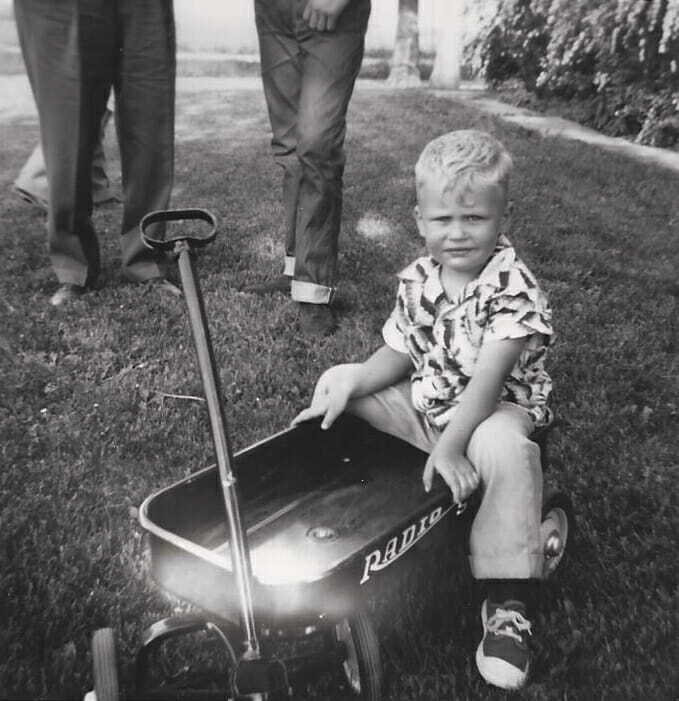
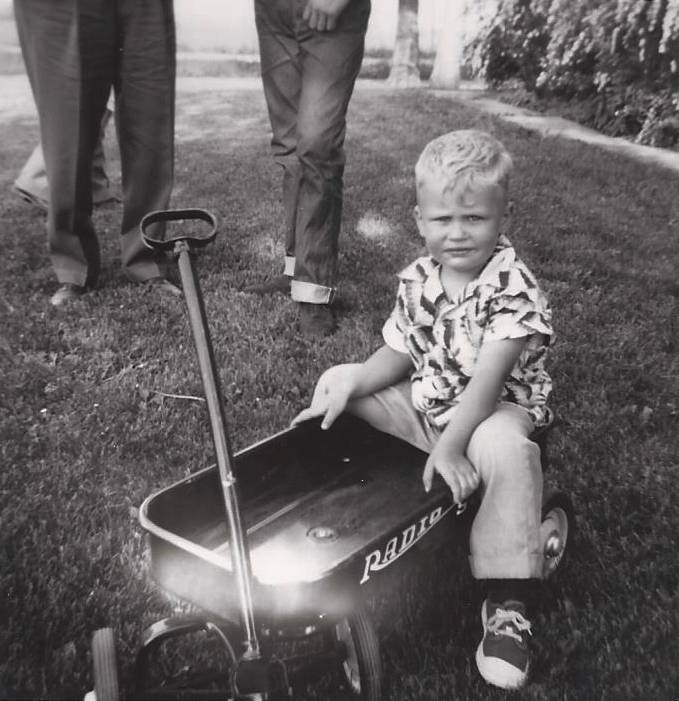
    Little red wagon

    Little red wagonMy wife, Janice, and I have been looking through family photos and gathering material to make a historical video for our grandson Zach’s high school graduation present. Seeing all of these old pictures made me reminisce about my farming career.

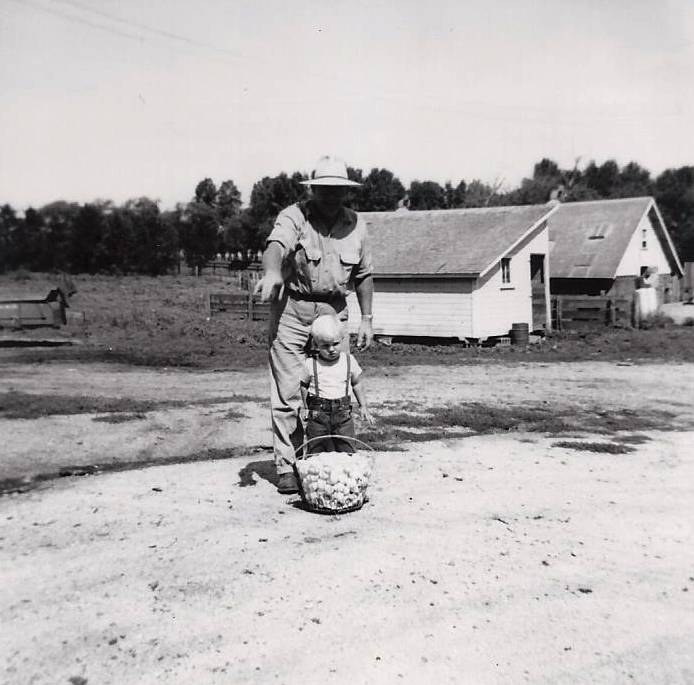
    Growing up, I have fond memories playing with one of those little red wagons. I also remember spending my fair share of time doing chores. Multi-generations were involved on the farm, and I remember learning from my grandfather Jake. Mom had a chicken house full of laying hens that earned grocery money for our growing family that included seven kids. Gathering eggs in a wire basket was something we all learned at an early age!

    Gathering Eggs
    Gathering Eggs

    In addition to fresh eggs, we drank milk from our cows. We also ate home-raised chickens, beef from our own cattle and pork from our hogs. That’s the way it was done.

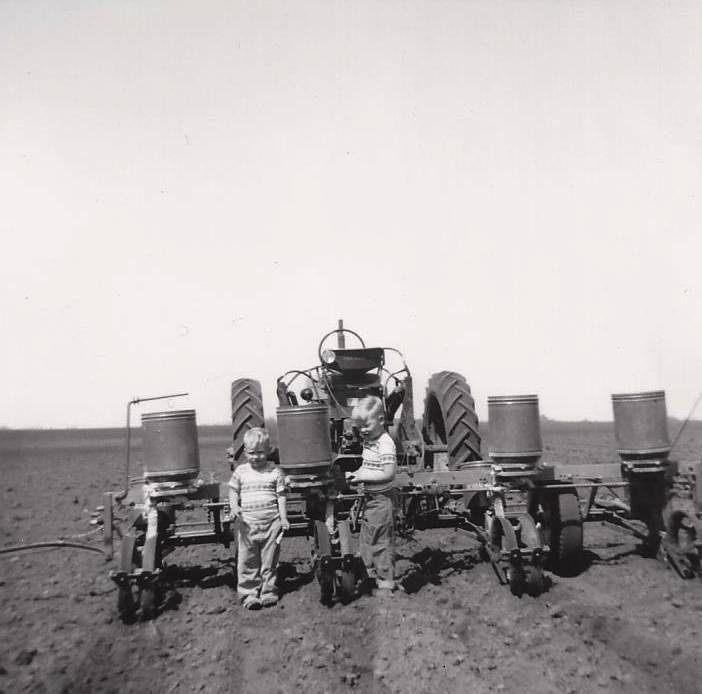
    Farming required lots of manual labor from lots of family members because we didn’t have modern technology! Plowing the ground black was somewhat a source of pride as you were considered doing a bad job of farming if there was a corn stalk showing after you plowed! We spread lots of manure, usually close to the barns because it took too much time with slow tractors to haul it to fields that were further away. No manure management plans were written. We needed lots and lots of tillage to control weeds because there weren’t herbicides and pesticides.

    Sounds great… right? Not so!

    PlanterDirtEven though we used very few chemicals, the wildlife populations were scarce on our farm compared to now. We had more fox and jack rabbits, but I can only remember one deer as a kid.

    I also remember seeing so much soil erosion, and black dirt filled the air when the wind blew. Soil filled the ditches, which needed to be cleaned. Each spring we’d have to plow the dirt “drifts” away from the fence rows, and we’d have to fill in gullies that washed through the fields. Yields were pitiful compared to today, too!

    Do we want to talk about livestock? The weather was harsh and housing conditions were crude by today’s standards, so I don’t think we even need to go there!

    1stVoAgI will say, however, that we thought we were doing a great job of raising food back then. Each year we implemented new ideas, and we got better! Agriculture has continued to evolve. Fast forward to today, and we’re even better. Of course, we’re not perfect but we are better than we were 50 years ago. And you can bet that every year we will continue to get better and better at raising food!

    I loved growing up on the farm, but I wouldn’t go back to “the good old days.” We produce much more output (food), with much less input (herbicide, pesticides, erosion). There’s no doubt in my mind that farmers today are doing a much better job of taking care of the environment, our soil, and our water. After all, I’ve “lived” farming for 50-plus years!

    Larry Sailer, Musings of a Pig Farmer

    May 13, 2014
    Agriculture, General, Industry News
  • Latham Hi‑Tech Seeds

    Midwest Farmers Make Tracks!

    RacetheRain

    While we were broadcasting live yesterday on 1040 WHO Radio at JDM Farms near Redfield in Central Iowa, Latham® dealer Michael Meyers was turning up a little dust as he finished planting corn. Around noon, he and his father were switching over to begin planting soybeans.

    RacetheRain
    Skyview Farms starting #plant14

    Meanwhile, many farmers in North Central Iowa were working ground in hopes it would be fit for planting today. We have yet to plant a seed at Latham HQ, and once we get in the field, we’ll likely have to plant around many wet spots. This Facebook post yesterday by Laura Cunningham of Skyview Farms near Nora Springs in North Central Iowa sums up the feeling of many locals:

    Hear that? That’s a sigh of relief from all farm wives in the area with pent up farmer hubbies. Field work has begun, thank the Lord! Now if only we could miss this rain coming…

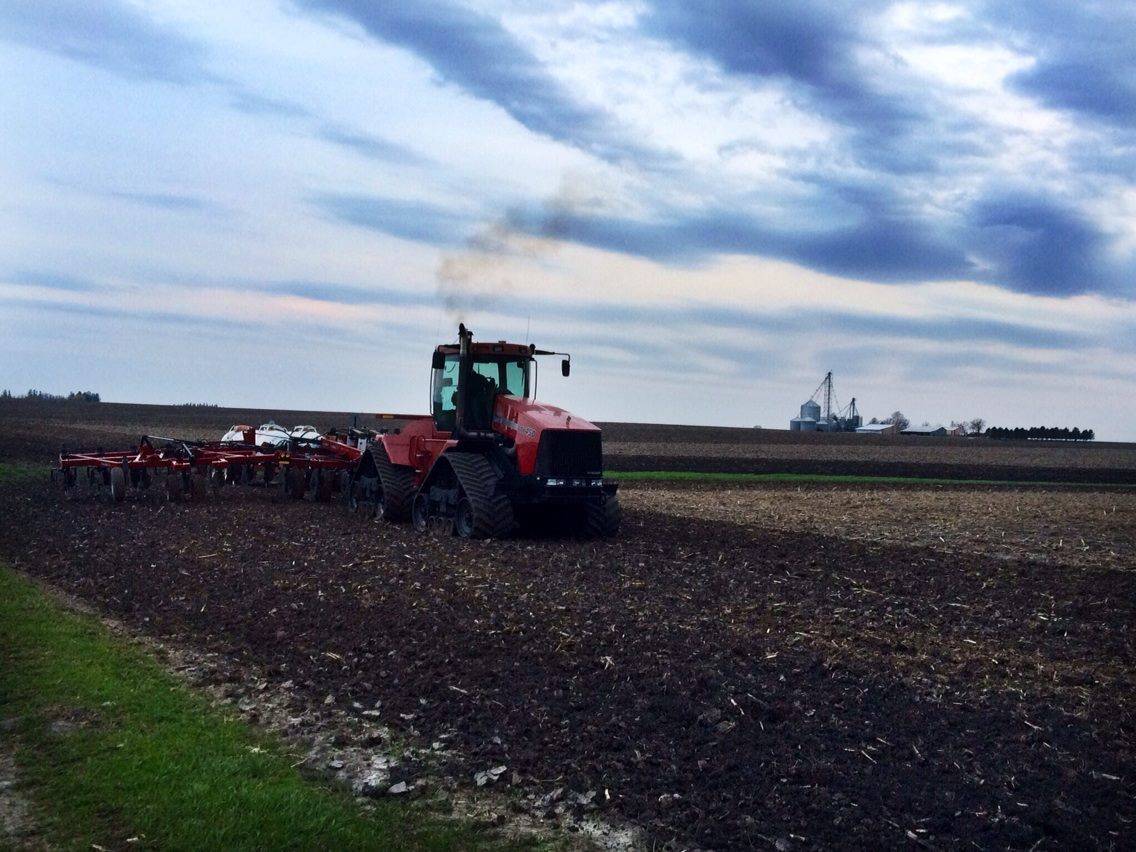
    Today’s local forecast calls for a high of 80° with 20% chance of precipitation. Those numbers change tomorrow when a storm system is predicted to move into the area, bringing a 70% chance of rain that continues into the early hours of Friday. You can bet farmers will be making tracks, covering as much ground as possible while the skies are clear!

    Team Latham

    May 7, 2014
    Agriculture, General, Industry News
  • Latham Hi‑Tech Seeds

    Volunteering is the Gift that Gives Back

    Govt2

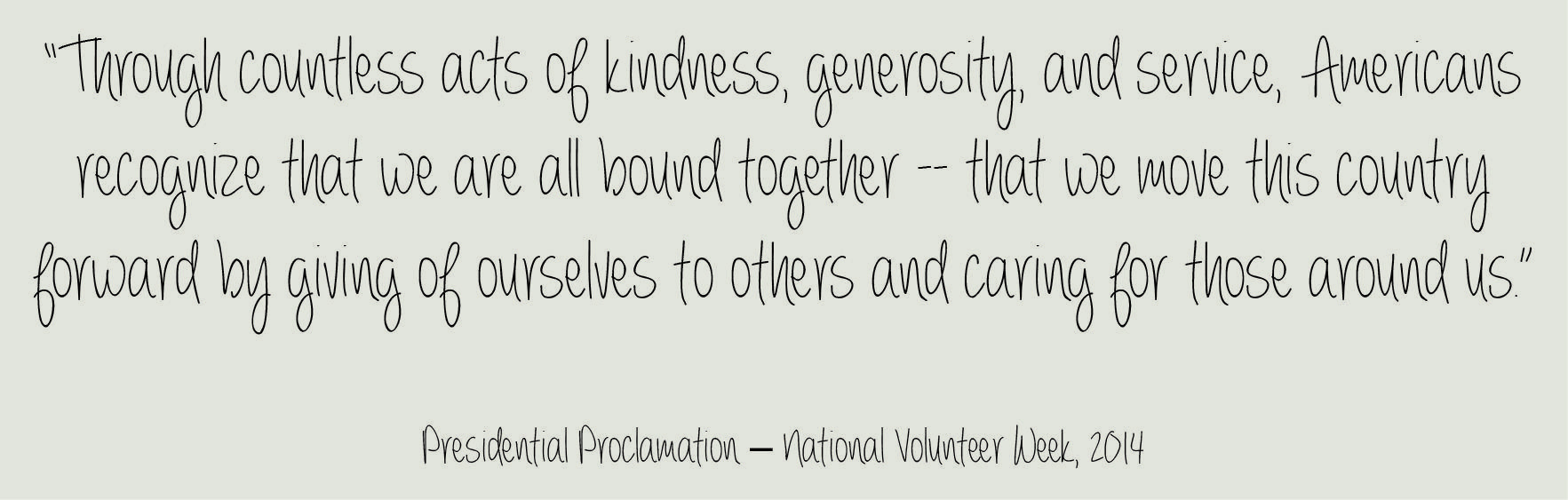
    JFK_QuoteGiving to others, without any expectation of receiving anything in return, can be one of the most satisfying works in life. Even though I volunteer without expecting anything, the rewards have been so great! It’s hard to describe the feelings I’ve experienced while watching a child learn about life by doing a 4-H project or an elderly hospice patient enjoy one last time fishing.

    The fact that fewer Americans are willing to give of their time may be leading to larger government. When I think about how much the U.S. government has grown, I wonder what society would be like with less government. Apathy grows as society decides to depend more on government and less on themselves.

    Volunteering to teach ag at local HS
    Volunteering to teach ag at local HS

    Because I care deeply about what happens on my family farm, I began volunteering with farm organizations during the 1980s Farm Crisis. Times were very tough, and change needed to happen! I can tell you from personal experience that our government’s efforts at that time were a dismal failure. Huge amounts of money were thrown at problems, and often times, government involvement just making things worse.

    No one understands the problem like the people living it! That’s why it’s so important to get involved at the grassroots level. Through the National Pork Board’s speaker corps, Operation Main Street, I have had the opportunity to present to groups such as the Kiwanis, Lions Clubs, and many civic organizations that I had never before heard of. The definition of a civic organization is “a structure that benefits a community.” It has been eye-opening to learn what civic groups can accomplish! One commonality between these groups, however, is the growing lack of volunteers.

    Hospice also is in need of people. I began involved with this organization about five years ago. While it has been the most emotional volunteer work I do, it also has been most fulfilling.

    "Government of the people, by the people, for the people” begins by citizens getting involved at the local, country and district levels.
    “Government of the people, by the people, for the people” begins by citizens getting involved at the local, country and district levels.

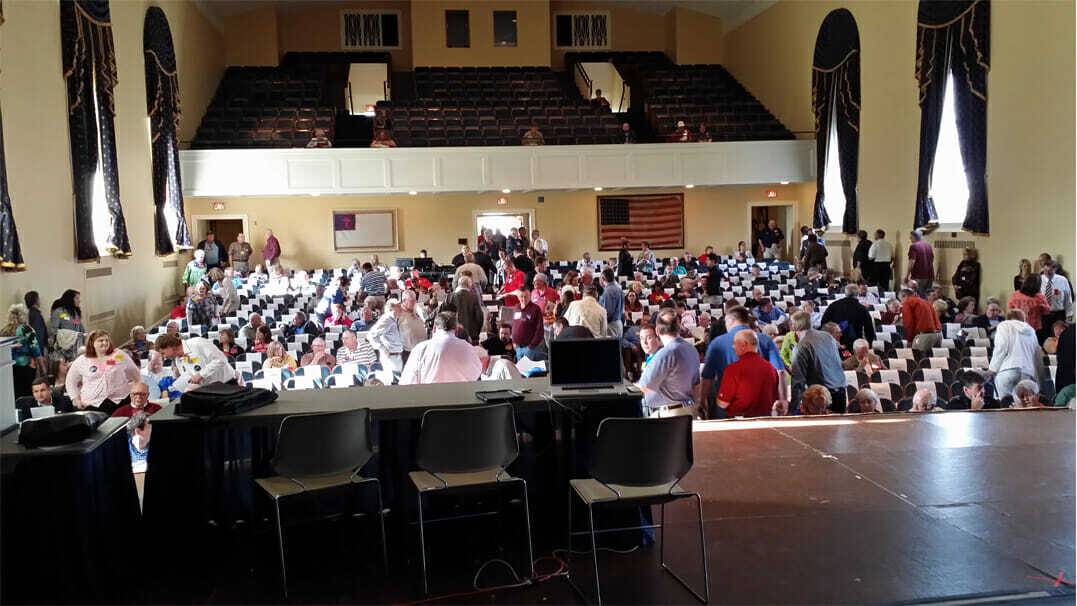
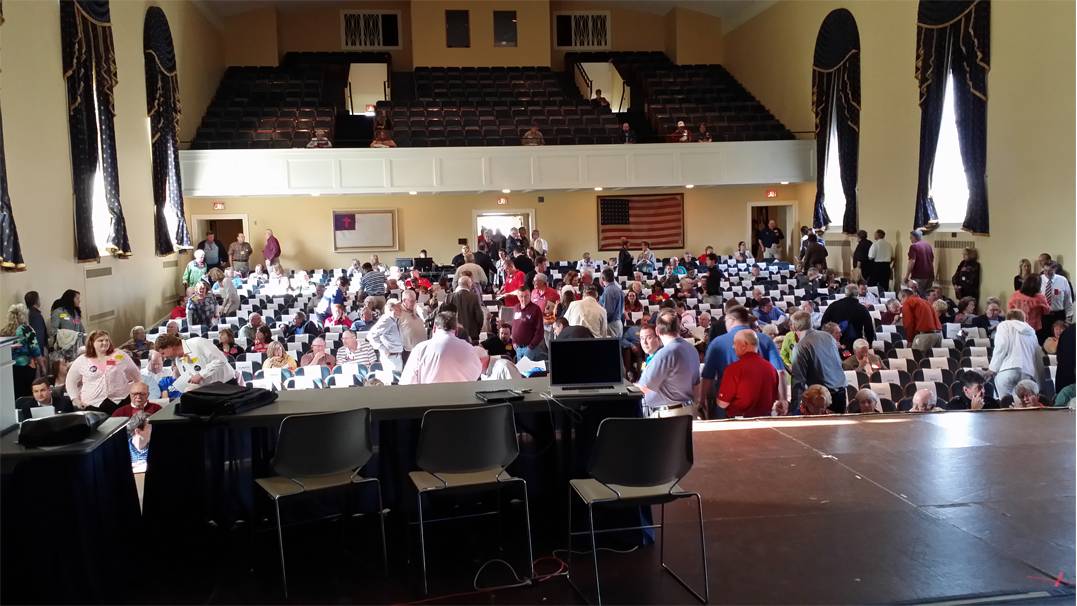
    Another area where volunteers are needed is farm organizations. Grassroots efforts lead to better representation. I have done much lobbying and have gotten to know many elected officials. What I can’t understand is why more folks don’t have a voice in “our” government! This process starts on the local level, so I started by attending our caucus in the little town near my farm where I was elected as a delegate to the county and district levels. At the district level, we developed an agenda to help us decide what candidates “fit” with our beliefs. Of course, not every delegate had the same belief system. Developing a platform definitely required compromise, but we worked together and got the job done.

    It takes the involvement of many people to make a civilized society work. If like me, you prefer a volunteer society over government control and regulation, then I hope you’ll get involved in the policy making process.

    Quote2

    Larry Sailer, Musings of a Pig Farmer

    May 6, 2014
    Agriculture, General, Industry News
  • Latham Hi‑Tech Seeds

    What it Takes to Become “Race Ready”

    ClaghornFamily
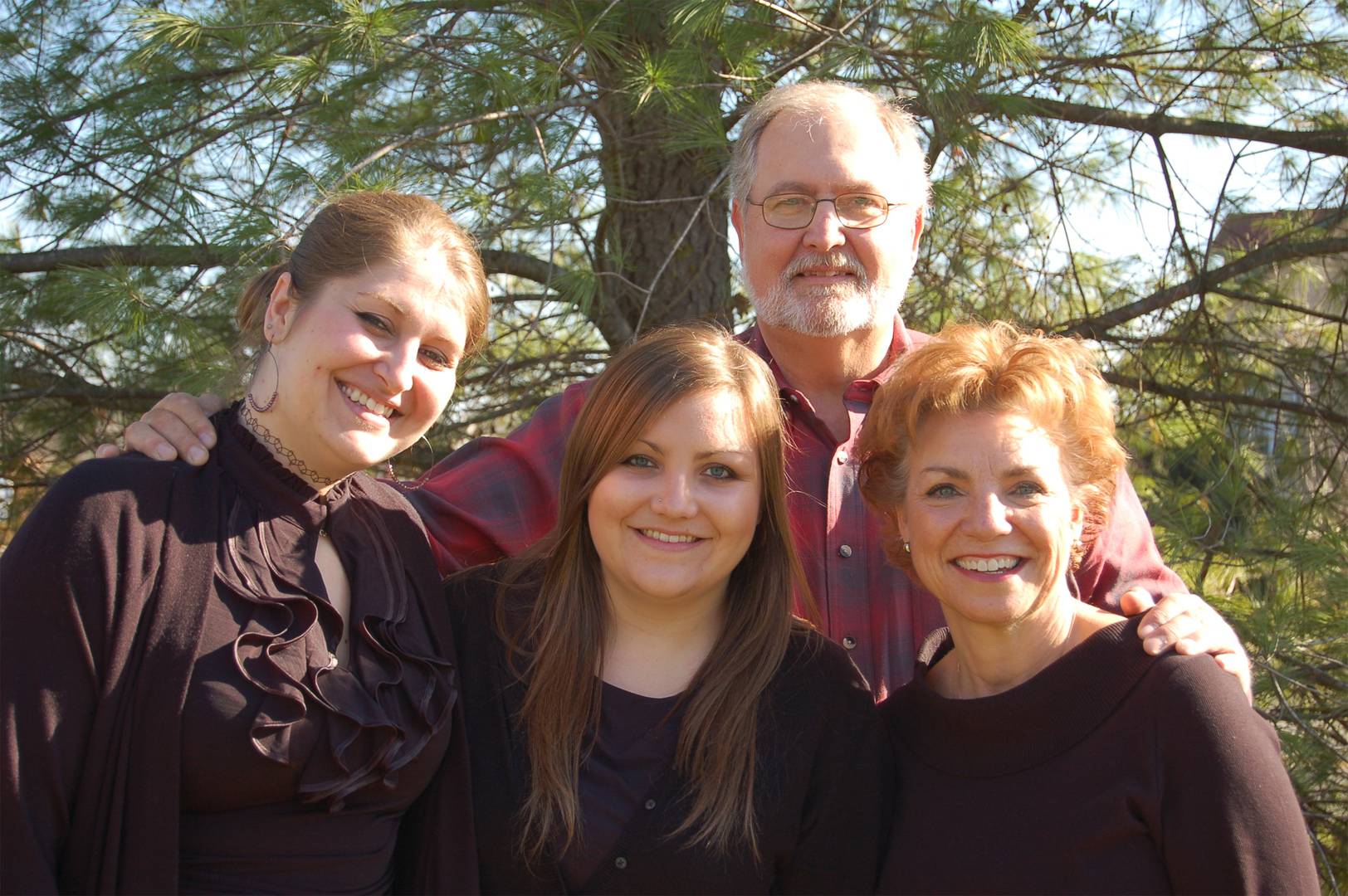
    The Claghorn family of Milo, Iowa, raises Thoroughbreds that race primarily at Prairie Meadows in Altoona. Pictured from left to right are Alan and Karey with their daughters Erin (the tallest one) and Emily (the youngest).
    The Claghorn family, of Milo, Iowa, raises Thoroughbreds that race primarily at Prairie Meadows in Altoona. Pictured from left to right are Alan and Karey with their daughters Erin (the tallest one) and Emily (the youngest).

    As part of Latham Hi‑Tech Seeds’ sponsorship of the Cyclone Charity Stripe, we get the pleasure of attending the Kentucky Derby Gala at Prairie Meadows Racetrack in Altoona, Iowa. A highlight of the evening will be recognizing all of the cancer survivors in the crowd, including both of my in-laws. Another highlight will be the opportunity to mug for the camera with our state’s three Division I basketball coaches, who participate in this Coaches vs. Cancer event.

    Proceeds from the Coaches vs. Cancer Kentucky Derby Gala support the American Cancer Society’s mission to eliminate cancer as a major health problem by preventing cancer, saving lives, and diminishing suffering from cancer through research, education, advocacy and service. How fitting this event is held at Prairie Meadows as everyone loves to bet on a winner, and the American Cancer Society certainly has a great track record!

    In light of this weekend’s big events, I thought it would be particularly interesting to interview a Thoroughbred breeder for today’s TheFieldPosition blog post. Thankfully, Alan and Karey Claghorn of Otter Creek Farm in southern Warren County graciously obliged. You may recall Karey served as Iowa Deputy Secretary of Agriculture before resigning in 2001 to become Chief Operating Officer of the Iowa Soybean Association.

    Both Karey and Alan grew up riding horses, mostly for pleasure and trail riding. As an adult, Alan started showing Arabians and Foxtrotters. When they moved from Indiana and bought an Iowa farm in 1995, Alan discovered the Iowa bred program for Thoroughbred racing at Prairie Meadows. He studied Thoroughbred genetics, and about 15 years ago, the Claghorns became seriously involved with raising race horses.

    “Raising and/or owning a horse that races at the Kentucky Derby is the ultimate goal for everyone in the Thoroughbred world,” says Karey. “Only the 20 most elite two-year-olds race in the Derby every year. Think about it… nearly 22,000 Thoroughbred foals are born every year and only the top 20 of that class will make it to the Derby. Those are some long odds! Nevertheless, many continue the pursuit.”

    “The ceremony and the excitement around the Derby are unlike any other horse race in the world,” adds Karey. “After all, it is the Super Bowl of horse racing! But I can honestly tell you that watching any horse race is exciting. The sheer beauty of the horses, coupled with their athletic abilities, amazes me every time I watch horses being saddled. It is especially exciting if you own one of the horses and doubly exciting if you have raised that horse and watched it develop from the day it was born.”

    The Claghorns’ program focuses on Iowa-breds, so their horses race mainly at Prairie Meadows in Altoona. They occasionally send a horse to some other tracks in Minnesota, Indiana or Texas.

    Nearly 22,000 Thoroughbred foals are born every year and only the top 20 of that class will make it to the Derby. Those are some long odds!
    Nearly 22,000 Thoroughbred foals are born every year and only the top 20 of that class will make it to the Derby. Those are some long odds!

    “When one of our horses is racing, I get nervous. My heart pounds, and I worry about it getting hurt,” says Karey. “I want it to have a good, clean ride. A certain amount of every race’s outcome is luck: Did the horse get off to a good start? Did another horse bump your horse? Did the jockey ride correctly by either holding them back or letting them run wide open? There are so many variables that affect the outcome of a race.”

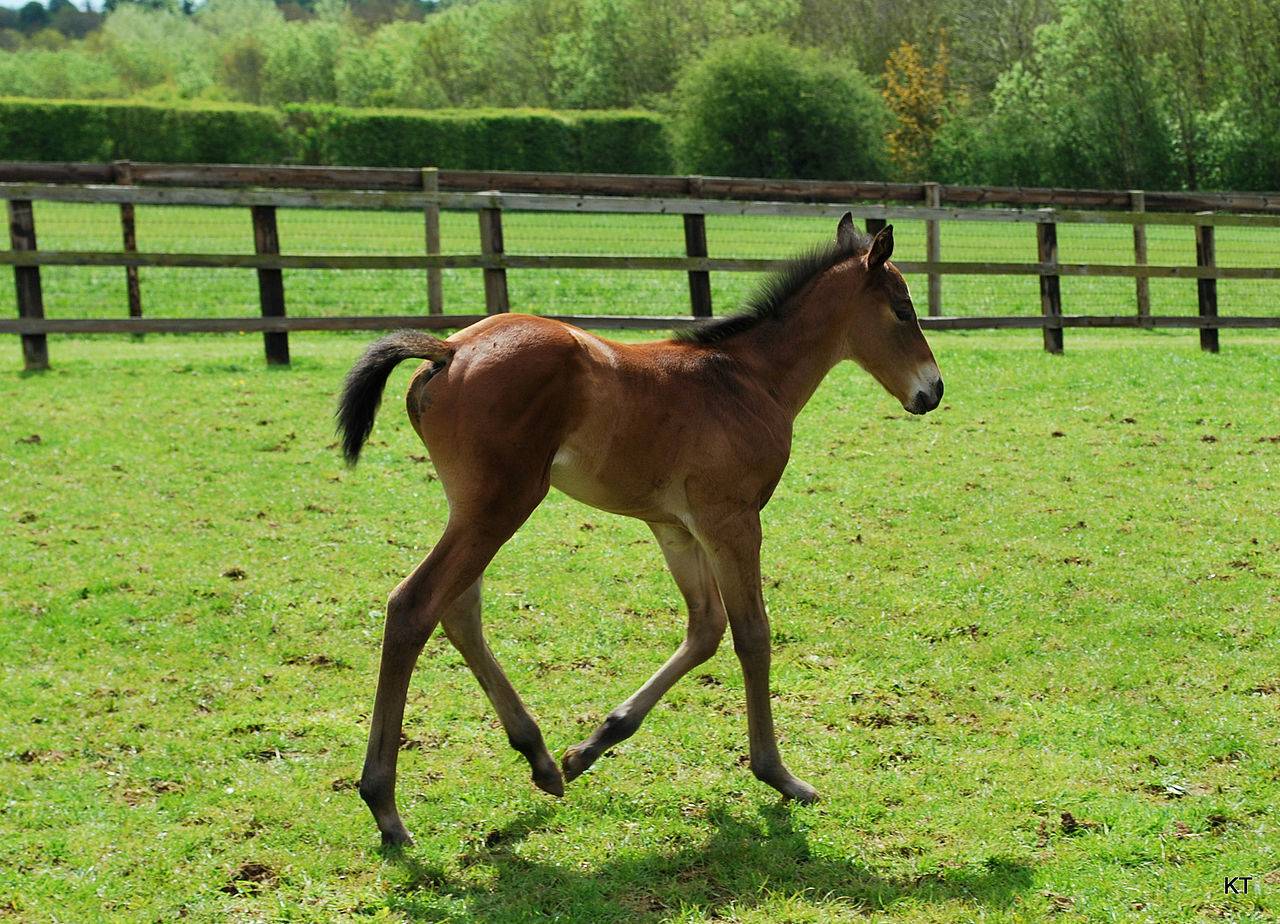
    Although a horse race may last for only 60 seconds, years of preparation go into getting those horses “race ready.” A filly that was born earlier this week at Otter Creek Farm, for example, will go into training for the next three years before she ever makes it to the gate for a race. As you watch a race, remember someone has been very committed to getting every horse race ready – win or lose!

    “A good friend told us years ago that horse racing is not for the faint of heart,” says Karey. “But having said that, it can be incredibly rewarding! The Iowa-bred program is very important to us and many owners. The Iowa Thoroughbred Breeders and Owners Association is very supportive of new folks getting involved. If you’re interested in getting involved in horse racing, go to the ITBOA website for contact information or head to the track and ask questions!”

    Not only is April through August racetrack season in Iowa, it’s also gardening season. Soon rhubarb and strawberries will be ready for picking, which means we can all enjoy these in-season fruits. Karey says her family often requests Strawberry-Rhubarb Pie, and today she’s sharing her recipe with us.

    Team Latham

    May 2, 2014
    Agriculture, Desserts, General, Industry News, Recipes
Previous Page
1 … 42 43 44 45 46 … 95
Next Page

Latham Hi‑Tech Seeds

131 180th Street | Alexander, IA 50420

(641) 692-3258

SIGNUP FOR OUR NEWSLETTER
  • Contact
  • Legal
  • Dealer Center
  • Seedware Login
  • Latham Gear

© 2025 Latham Hi‑Tech Seeds. All rights reserved. | Iowa Web Design by Webspec | Privacy Policy

Latham® Hi-Tech Seeds is a trademark of M.S. Technologies, L.L.C., 103 Avenue D, West Point, IA 52656.