Latham Hi-Tech Seeds

(641) 692-3258

  • Home
  • Products
    • Corn
    • Soybeans
    • Alfalfa
    • Corn Silage
    • Seed Guide
  • Performance
  • Find a Rep
  • Media
    • Blog
    • News
    • Videos
    • Podcasts
    • TECHTalk
  • About Us
    • Company History
    • Our Mission
    • Careers
    • Become a Rep
    • Sowing Seeds of Hope
  • Contact Us
  • Latham Hi‑Tech Seeds

    Everyone – Especially Animals – Loses When Emotion Trumps Science

    Larrys dog

    There has been a lot of chatter since the American Farm Bureau Federation recently presented a Distinguished Service Award, its highest honor, to Dr. Temple Grandin during the 96th AFBF Annual Convention.

    “There’s no question that Dr. Grandin’s work has transformed the livestock industry,” said AFBF President Bob Stallman. “Her groundbreaking (livestock processing) systems have become popular across the country for their capacity to reduce animal fear and stress while making handling and transport easier.”

    While Mr. Stallman says there’s no question that Dr. Grandin’s work has changed the livestock industry, I believe we raise a few questions: How many of these changes were based on science rather than emotion? How has Dr. Grandin moved the conversation forward between foodies and farmers? How does autism affect how she’s perceived?

    One thing I do know for certain, Grandin’s achievement award has been a conversation starter among farmers and ranchers for the past 10 days or so!

    Farmers and ranchers use science every day! How I take care of pigs is all based on science, and yes, a little instinct. Feeding these pigs in a controlled environment and keeping them healthy has been done through research and experience – that’s science! Many of the words and terms I use to explain how and why I farm are like a foreign language to non-farmers.

    “Emotions” are a universal language. When I traveled to the Ukraine a couple years ago, I found that scientific terms did not translate but the Ukrainians could see my passion (emotion) for crops and livestock. We discovered common ground through the passion and emotion.

    So not only do we have a problem speaking the same language, science can be interpreted in different ways. For example, the Des Moines Water Works (DMWW) is claiming the rivers from which they draw water are more polluted now. If you study DMWW’s own data, however, you can clearly see the nitrates have decreased 25 percent in the past 15 years. Of course, that information doesn’t work in to their emotional plan to sue three Iowa counties!

    But back to Temple Grandin… I had the opportunity to hear her speak in Des Moines a few years ago. She explained all that she has done for cattle, and not being a cattle guy, I couldn’t argue with what she was saying. When she started talking about pigs, however, I could tell right away she had no experience raising pigs. Her presentation condemning gestation stalls was based on just emotion!

    Temple told this crowd of Iowa farmers that we “had” to get rid of gestation stalls because consumers would demand that we do. That is just plain wrong! I have personal experience raising gestating sows many different ways, and I can tell you these stalls were designed for the welfare of the sow! There have been several studies (real science) that show, given the choice between being in a gestation crate or in with a group, she picks the crate over 90 percent of the time. Why?
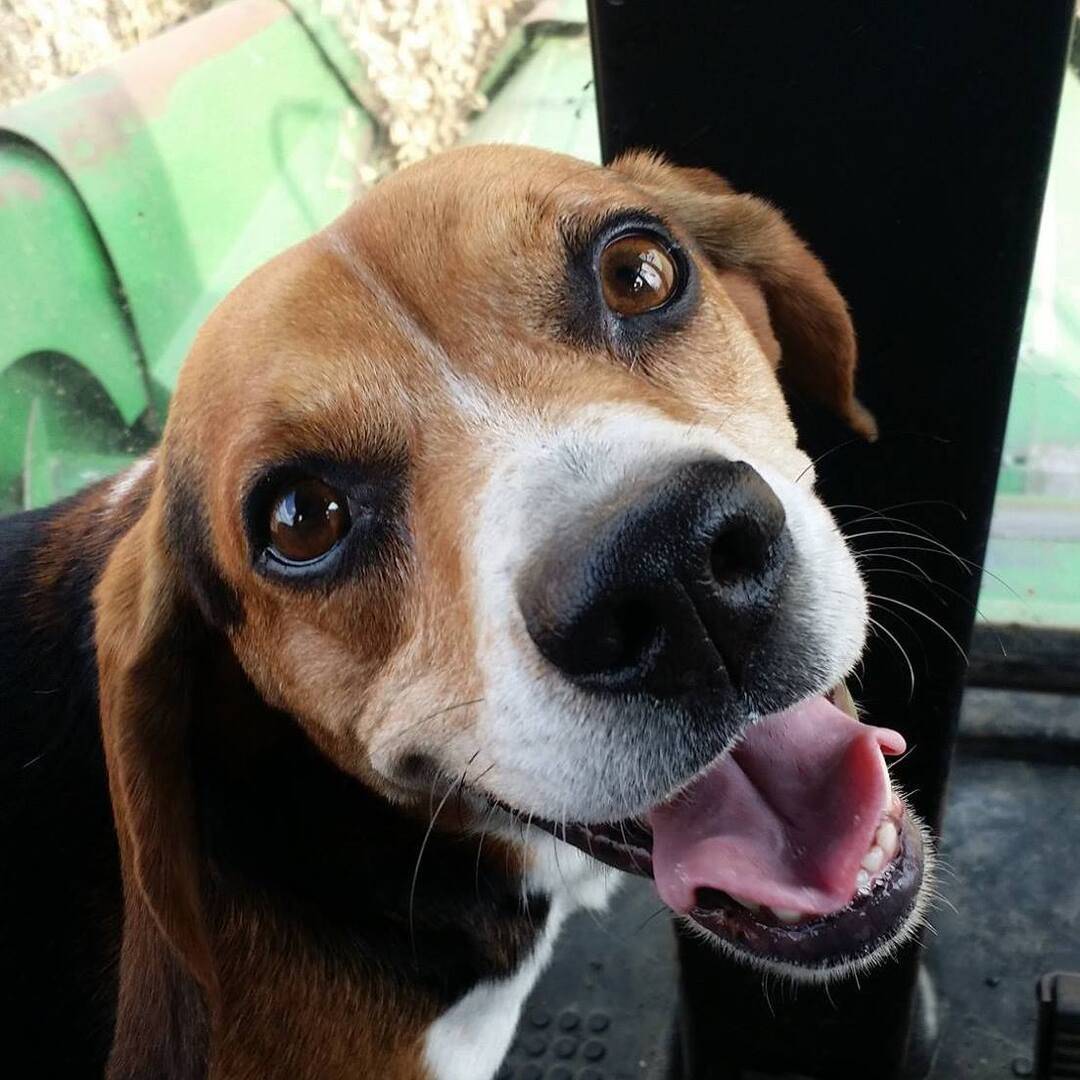
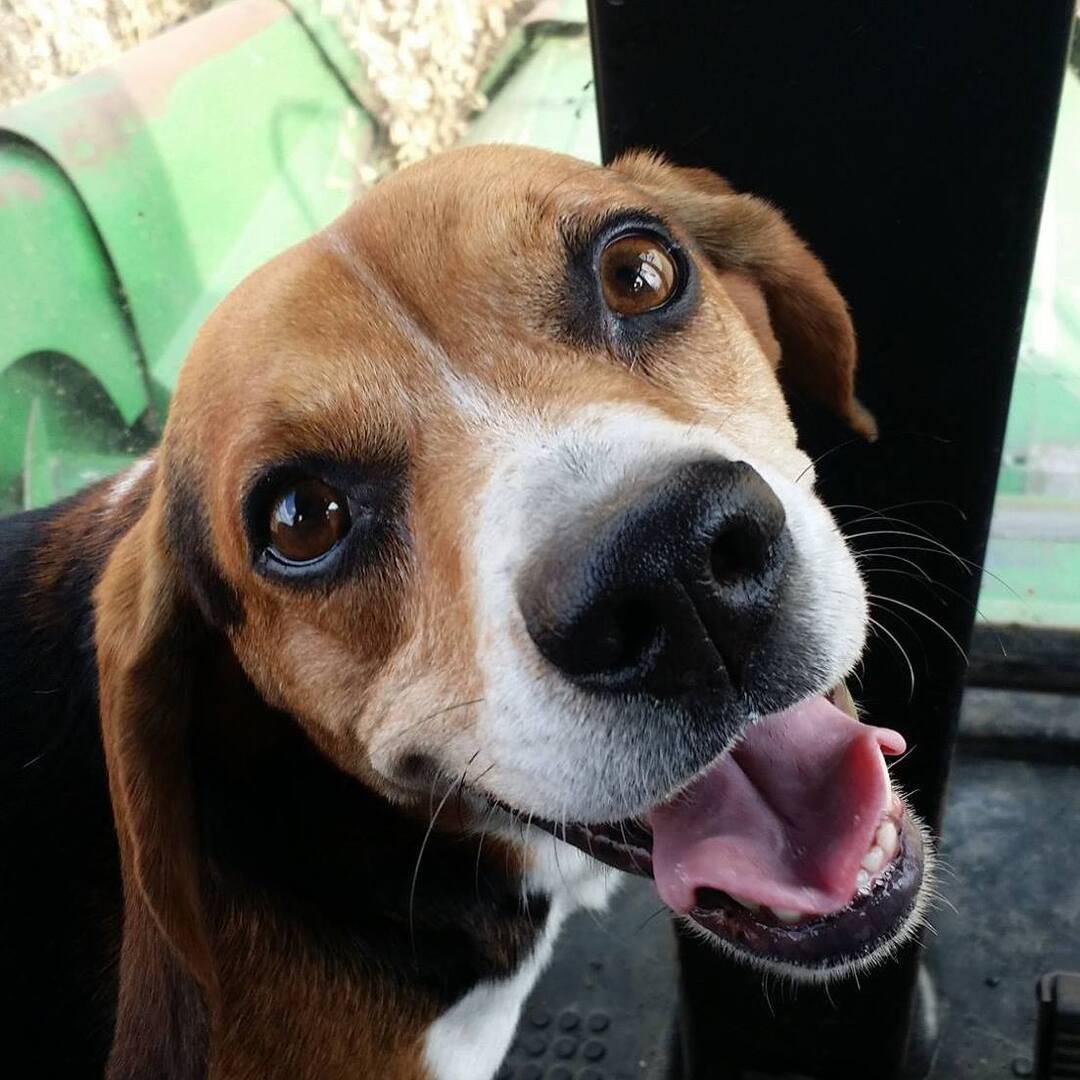
    larrys-dogSows feel comfortable being in a crate, similar to how some dogs prefer to be inside their kennels when they feel threatened. My dog, Tucker, feels safer inside his kennel. Sows are the same way… and I’m fine with using “emotion” this time to help people understand pork production.

    I’m not fine, however, using “sensationalism in place of science” as Trent Loos goes on to explain. A sixth generation United States farmer and host of the daily radio show, yesterday Trent outlined some reasons why “Temple Grandin is the greater threat to the future of a domestic food supply than all of the animal rights groups combined.”

    Here’s an excerpt from Trent’s article, “Choose a Better Path,” that published January 19, 2015, by the High Plains Journal:

    “One of her (Temple’s) favorite sayings is, “Gestation crates for pigs are a real problem. … Basically, you’re asking a sow to live in an airline seat. … I think it’s something that needs to be phased out.”

    Here again she comes to that decision based on emotion and not one shred of science. She leads the discussion regarding sow gestation housing by saying the consumer chooses pork production systems with group housing. However, in every study done that compared the two systems, when sows were allowed to choose they preferred to go lay in gestation stalls rather than in the group housing area. So are we doing this for the pigs or not?”

    When Temple tells farmers how to raise livestock to appease consumer’s emotion instead of using a science-based way to raise livestock, everyone – and the animals – lose!


    Larry Sailer, Musings of a Pig Farmer

    January 20, 2015
    Agriculture, General, Industry News
  • Latham Hi‑Tech Seeds

    5 Pieces of Tried and True Marriage Advice for Bachelorettes

    BachelorSeries2 2

    BachelorSeries2_2Marriage is marriage, whether the couple is living on or off a farm, as Jody Dvorak so wisely reminded me last week when the two of us were chatting about ABC’s reality show “The Bachelor”.

    “A supportive spouse is there at the end of the day to listen, to understand that her needs don’t come first every day and to provide a safe space for her husband,” said Dvorak.

    Words of affirmation are a love language for all men, according to 10 Secrets of a Happy Marriage as penned by author Karen Kingsbury in her bestselling book Forever. Women need respect and nurturing. Always show appreciation and remember to say “thank you.”

    While both partners must “work” at a marriage, I’m focusing on what women can do. Why? Iowa bachelor Chris Soules has a worldwide stage now, which provides an opportunity to showcase Iowa in particular and agriculture in general. Last Monday on TheFieldPosition.com we addressed 5 misperceptions bachelorettes had about Iowa agriculture during the season premiere. Today I’m offering marriage advice from experienced farm wives.

    The following 5 Tried and True Pieces of Marriage Advice are the result of me sifting through Facebook comments and emails from my farm friends and summarizing them for bachelorettes:

    1. Keep the faith.
    2. Never doubt for one moment that you are loved.
    3. Date nights are weather dependent, regardless of the season.
    4. Learn to speak “farm talk” or “ag talk,” an unofficial love language.
    5. Enjoy life’s simple pleasures.

    Keep the faith. “Pray for safety for your ‘man’ and for patience to sustain you throughout the season,” as Chris Cornelius of Andrew, Iowa, wrote lovingly in a letter to the lady who is now happily married to Chris’ oldest son. Farming is a consuming business. Both the body and mind are taxed during the busiest seasons of the year. Remember, “This too shall pass.”

    Never doubt for one moment that you are not loved. There will be weeks of long hours and sacrifice,” adds Chris. During the planting and harvest seasons, recognize it’s “not about me,” it’s about the business. “Farming is a matter of attitude.”

    Attitude is everything, agrees Laura Cunningham. Growing up on a North Central Iowa grain and beef operation, she knew what to expect when she married a farmer. It’s also why she chose to become a third generation Iowa farmer herself! Laura and her husband Aaron are partners in SkyView Farms. Aaron focuses on raising row crops and feed for their livestock. Laura’s focus is the cow-calf operation and marketing their locally raised beef products.

    On the other hand, Jody Dvork says she was clueless about how long a farmer’s hours are. “Before cell phones, it was tough to know what was going on in the field or even what field he was in! I also didn’t realize how much time I’d be spending alone.”

    It’s times like this when many supportive farm wives look for opportunities to rendezvous. Laura and her husband share a May birth date. Sometimes they share birthday cake in the tractor cab. If it’s too windy to spray or the soils are too wet to work, the Cunninghams may find themselves celebrating their birthdays with a boat ride or a day at the lake. They spent their fourth wedding anniversary with a romantic picnic in a field of beautiful purple flowers – never mind that Aaron stepped down from combine and took time out from harvesting monarda.

    skyviewfarms-couple

    “Date nights during planting and harvest equals time in the tractor or combine with your husband,” shares newlywed Jenny Dewey Rohrich on her Prairie Californian blog. “Dates during any other time of the year besides winter equals checking crops. If you want to see him or spend time with him, this is where you will be.”

    Most dates are weather dependent. Unlike your non-farming friends, you’ll be happy for rain on Saturdays in the summer adds Jody Dvorak. “Rain means you may go to a movie or out to dinner with your guy, and your guy is usually happy for the rain because it makes his crops grow.”

    Know that a majority of the conversations during your meal time will be about farming, advises Jenny Rohrich. Farm talk will become table talk during supper. “Talking farming” is a love language. It’s okay to let your farmer talk; you can practice your listening skills. J You will get to hear all about how the crops are growing. You’ll get an update on commodity prices. You’ll probably hear about equipment that broke down, equipment needs or his equipment wish list.

    Regardless of the season, weather is always a favorite topic of conversation. Weather dictates what farming operations can be performed during spring, summer and fall. Summer weather plays a major role in crop yield, which greatly affects farm income. And in Midwest during the winter, weather dictates whether or not you’ll be leaving home. Prepare yourself for delays, postponements and cancellations due to inclement weather.

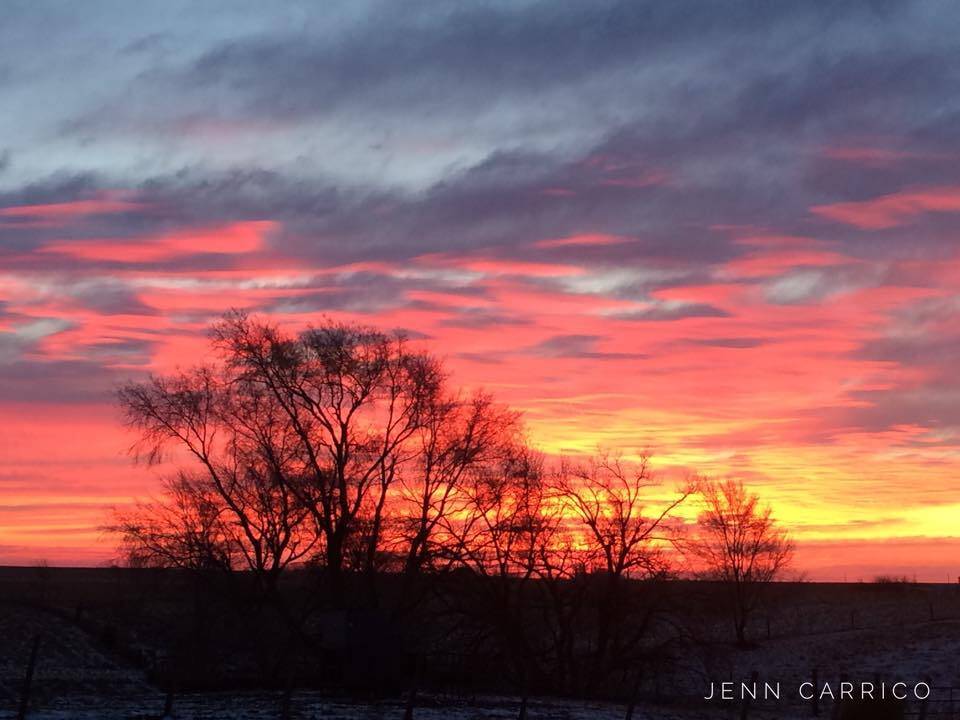
    Even though Iowa’s average daytime temperature in January is 15°, you’ll find beauty in the countryside. While the constellations are a sight to behold in the fall and summer, they shine even brighter on a cold winter’s night. On the coldest days, you’ll find beauty in the form of sun dogs. Sunrises and sunsets can be brilliant, too.

    Winter sky

    Learn to enjoy life’s simple pleasures.“I really enjoy sitting around the fire pit and admiring the view,” says Jody. “Even though I rode the city bus to hang out with my friends on weekends as a kid, I’ve learned that my little town doesn’t need a mall or even a spa to be awesome. I cherish the friendships I’ve made here, too.”

    It’s possible for a woman who wasn’t raised on a farm to find happiness on one, but Jody advises the bachelorettes to know what they’re in for! Here are three things she wishes she would have known:

    • That “slow time” between harvest and planting seasons is pretty much a myth. The work is hard, and the laundry is dirty. When that pricey equipment breaks down, you’ll just shut off the stove, throw the kids in the car, run to pick up your stranded farmer. Later that night, you eat gluey potatoes and are happy that everyone is home safe and sound.
    • Most of that beautiful corn growing in all those fields you drive past doesn’t end up in cans of Del Monte niblets. The majority of Iowa’s corn is made into livestock feed, and there is definitely a difference between “feed” and “food”! Field corn goes into feed; sweet corn goes on your supper table.
    • Strategically choose your seat at the annual seed dinner. Make it a point to stop and “tie” your shoe casually as you pass one of the banquet tables. If you see a red dot under one of the chairs, take that seat. There might be a centerpiece or Latham® spatula in your future!

    Team Latham

    January 19, 2015
    Agriculture, General, Industry News
  • Latham Hi‑Tech Seeds

    Add “Juggler” to the List of Skills a Farmer Needs

    Walk through testament

    A farmer has been described (at least by Paul Harvey in his “So God Made a Farmer” speech) as “somebody with arms strong enough to rustle a calf and yet gentle enough to deliver his own grandchild. Somebody to call hogs, tame cantankerous machinery…”

    This week I feel like the farm broadcaster’s legendary speech should be amended to read: “… somebody with shoulders broad enough to carry the weight of the world but humble enough to know he can’t do it alone. Somebody with the acrobatic artistry to juggle eight balls for eight days without dropping a single one.”

    One of the issues that’s currently weighing heavily on my heart and mind is the vote by Des Moines Water Works to sue three Iowa counties over nitrates. On Monday of this week, Iowa farmers and the Iowa Soybean Association spoke out against the intent to sue. Yesterday, Iowa farmer and cattle producer Dan Hanrahan posted follow up comments on his blog where he writes:

    “Soil and water quality have always been a concern and a focus of many producers’ efforts. If anything has changed… it is Des Moines Water Works’ approach to the problem. I believe you would find LD Mc Mullen (Stowe’s predecessor as director of Des Moines Water Works) was a proponent of the collaborative approach and built many relationships in that regard with the community upstream. Stowe has ended many of those and seems to be intent on going it alone. At the end of the day the challenge for improved water quality is such a complicated issue, I don’t see how it is going to take anything less than all of us working together to find a solution.”

    With many fellow Iowa farmers sharing their stories about soil conservation and water quality efforts this week, it frees me up to talk about some other projects in which I’m involved. Winter, although considered the “off season” for farmers, is one of my busiest times of the year. I have pig chores to do, regardless of the season. I also have year-long responsibilities and obligations to my family and my community, which includes attending meetings for everything from church to the local chamber.

    Winter is truly the meeting season. This week has reminded me of a circus performer who juggles three, four or more objects in the air at the same time. The trick is, of course, not to let a single ball drop. This week I felt like I had eight balls in the air, and I really don’t want to drop a single thing! It’s a week filled with many meetings and events that I am really proud to be a part of, but each more meeting has given more projects to coordinate.

    TownCountryPlease understand that I’m not “playing the violin” here. I know community involvement (and over commitment) isn’t a farmer-specific problem. I do, however, want to give you a snapshot of what my week is like:

    • Sunday, January 11, I was ordained as an elder of our church.
    • Monday was filled with many phone calls, as I worked to tie up loose ends for this week’s events. I had two meetings Monday night, a political responsibility at 5 PM and a church meeting at 7 PM.
    • Today will start with the Franklin County social media breakfast on the importance of using hash tags, followed by some more detail work for the Greater Franklin County Chamber’s inaugural Town & Country Expo (#towncountry).
    • Tomorrow I’ll travel to the Des Moines airport to where I’ll greet California cattle baroness, Celeste Settrini, who will keynote Thursday’s Expo. I also have a few errands to run before that evening’s Meet & Greet. This day will pass way too quickly!
    • Thursday is a BIG event! The Town & Country Expo, which is FREE and OPEN to the public, will take place inside the convention center on the fairgrounds in Hampton, from 10 AM until 3 PM. At 6 PM, I have a county Farm Bureau board meeting.

    walk through testamentP.S. One of my grandsons is wrestling on Monday, Tuesday, and Thursday evenings. I can only be at one place at a time, and I have to tell you that I’m always feel guilty when I have to miss something!

    • Friday will bring a very early trip to the airport and a good bye to Celeste.
    • Saturday there is another wrestling tournament, plus a kick off banquet for a membership drive.
    • Sunday, January 18, I’ll return to church for an all-day event that I have helped plan for nearly a year. “Walk through the Old Testament” is a hands-on, interactive learning experience that begins at 9 AM with the service at Bethel Reformed Church in Aplington. You don’t have to be a member to attend, so let me know if you’re interested!

    Meeting season to me is very important, yet I just need to remember to include those near and dear to me. This week I was reminded that as one works so hard to serve the greater good, those closest to you may not be getting the attention they deserve. My church and my family deserve more of my attention. My farm operation needs more of my attention, too. I feel called to promote agriculture and share my farm story because I want to help consumers understand what farmers are about and why they farm the way they do.

    Advocating can be a juggling act in itself… Here’s to eight days of not dropping the ball!

    Larry Sailer, Musings of a Pig Farmer

    January 13, 2015
    Agriculture, General, Industry News
  • Latham Hi‑Tech Seeds

    5 Things a Bachelorette Should Know before Saying “I Do”

    BachelorSeries2

    Talk at the water coolers and comments on Facebook have been heavily focused on ABC’s “The Bachelor” since last Monday’s premiere. Even if you’re not a fan of this reality show, chances are you know the 19th edition features Iowa farmer and Iowa State University alumnus, Chris Soules.

    In a recent interview with the ISU alumni magazine, Iowa’s most recognizable bachelor answers five questions. Soules’ notoriety certainly provides him with a worldwide stage to advocate for agriculture, and he hopes people understand that most modern farms are still run as family businesses. In fact, 98% of all U.S. farms are family owned. Soules says, “The people who run those family businesses are not just farmers, they are also business people who have a lot of pride in what they do.”

    There is something to be said for the person who not only puts food on the table for his own family but feeds 155 people worldwide! One way Americans can gain a better understanding of the hard work and dedication it takes to be a successful farmer is to get a real look inside Soules’ life. Will Hollywood producers accurately portray our great state or its “bread and butter” industry?

    BachelorSeries2From what I saw during last Monday’s premiere, misperceptions abound. That’s why I put together this list of things I believe all the bachelorettes should learn about Iowa agriculture and life in our state:

    1. Your life will drastically change when you marry a farmer. Chris Soules is a farmer, and he can’t “relocate” his ground. Hopefully, the woman who chooses to marry him wants to become his partner in life – and that includes being a supportive farm wife. As Prairie Californian Jenny Rohrich writes in her blog post, 10 Ways Marrying a Farmer Will Change Your Life, “Date nights during planting and harvest = time in the tractor or combine with your husband. Dates during any other time of the year besides winter = checking crops. If you want to see him or spend time with him, this is where you will be.”
    2. Pork fuels Iowa’s economy. Iowa is the number one pork producing state in the nation. Chris’ farm plus approximately 6,265 more Iowa hog farms produce 49 million hogs per year and employ nearly 40,290 Iowans. We invite all the bachelorettes and The Bachelor fans to learn more about Chris’s role in hog production by following the hashtag #RealPigFarming in social media. This tag is meant to bring together the many ways that hogs are raised on farms across the country and show how farmers focus on management and care of their animals.
    3. Most farmers don’t use a moldboard plow; they practice conservation tillage. Ninety percent of Iowa’s crop land is farmed using some form of conservation practices. Since 1987, farmers have applied conservation methods that have reduced wind and water erosion on American crop land by more than a third (33%). The Iowa Farm Bureau, an organization in which Chris is actively involved, has launched an initiative called Conservation Counts to help more farmers implement new conservation methods. These methods include soil testing, nutrient management planning, tillage and crop residue management, crop rotation and precision agriculture techniques.
    4. Iowa is nicknamed the Tall Corn State. (Kansas is nicknamed the Sunflower State, although North Dakota leads the nation in sunflower production.) Iowa leads the nation in corn, soybean, pork and egg production. Here’s a little known fact: There are 20 times the number of chickens in Iowa as there are people! For more facts about Iowa, including our capitol city and state bird, click here. Be sure to also note the average January temperature here is 15°F, but don’t be surprised if you find yourself facing blizzards with wind chills of 30 below (yes, negative) zero!
    5. Iowa is the Hawkeye State but a CyclONE nation! Chris Soules gives a “politically correct” answer by saying he graduated from Iowa State and is a Cyclone fan but also cheers for the Hawkeyes. But bachelorettes should take note that Soules is the exception, not the rule. Most Iowans root for one team or the other because, well, bragging rights are at stake! If a woman is going to immigrate to Northeast Iowa, she needs to know about the Cy-Hawk Series. She’d be well served to study these tips for hosting a spirited tailgate.

    The girls whom Chris is getting to know in California don’t appear to have been “picked fresh off the farm,” but that’s not to say that one of them can’t or won’t play an important role on his Northeast Iowa farm someday. Hopefully, this season of The Bachelor will open these girls’ eyes and allow all of America to enjoy a real look at agriculture in Iowa. Like Chris stated in his interview for the ISU Alumni Association’s magazine, VISIONS, we’d love for viewers to see how important Iowa agriculture it is to our state, our country and our world food supply.

    P.S. Watch for Part 2 of this series to post one week from today on Monday, January 19!

    Team Latham

    January 12, 2015
    Agriculture, General, Industry News
  • Latham Hi‑Tech Seeds

    Update On New Soybean Traits & Technologies

    1274848 10151896062987138 626713682 o

    1274848_10151896062987138_626713682_oU.S. seed companies and farmers were handed an early Christmas present when China approved imports of hybrids with the Agrisure Viptera® corn trait, and many in the ag industry had hoped this one approval signaled a more consistent Chinese regulatory process. As a result, I’ve fielded a fair number of phone calls and e-mails from farmers wondering when they can expect final approval of various new soybean traits and technologies.

    Here’s a quick update on those that are reasonably close to hitting the marketplace:

    • ENLIST™ (2,4-D resistant trait from Dow AgroSciences):
      The U.S. Department of Agriculture (USDA) in January 2014 announced completion of the Draft Environmental Impact Study for the Enlist™ corn, Enlist soybean and Enlist E3™ soybean traits. Following a comment period, the USDA announced on September 17, 2014, the Enlist corn and soybean traits have been deregulated.
      On October 15, 2014, the EPA announced Enlist Duo™ herbicide is approved for use with Enlist corn and soybean traits for the 2015 cropping season. This was the final step in the U.S. regulatory process, but one fairly large hurdle remaining is overall foreign approval.
    • ROUNDUP READY 2 XTEND™ (Dicamba-resistant trait from Monsanto):  Like the Enlist soybeans, this trait went through a comment period that ended September 25, 2014, and U.S. approval is expected any day. Roundup Xtend™ is a premix of dicamba and glyphosate. Xtendimax™ will be a straight dicamba formulation that will be used for tank mixing with other herbicide products.  Both of these new herbicides will be available with VaporGrip™ technology, designed to help significantly reduce the volatility of the dicamba active ingredient.
    • BALANCE GT™ (Balance-resistant trait from Bayer CropScience):  The Balance GT soybean trait has full U.S. approval, however, full global approval is still pending. It’s possible that Balance GT soybeans will be available for testing and plots in 2015, but a full commercial launch isn’t expected before 2016. As far as the herbicide system is concerned, Bayer has applied for registration of Balance® Bean herbicide and EPA approval is expected in early 2016.

    There is uncertainty as to when these new traits will receive approval from foreign countries like China and the European Union. At Latham Hi‑Tech Seeds, we will continue to do our own testing to see which technologies and genetics will be the best fit for our market area. We’ll also keep you updated on the approvals of these exciting new technologies. And, yes, we expect to have them in our lineup as soon as they’re commercially available!

    Webspec Admin

    January 8, 2015
    Crop, General, Industry News, Seed Technology, Soybeans
  • Latham Hi‑Tech Seeds

    Consumers Begin New Year with Confidence

    Consumer

    More Iowans are starting the New Year with the know-how to eat healthier and with more confidence that farmers are doing a good job growing their food, according to recent findings of an Iowa Food & Family Project (Iowa FFP) survey.

    consumerThe Consumer Pulse Survey, conducted by Campaign HQ of Brooklyn, polled 353 health-conscious Iowans who make the majority of their household’s food purchases. Respondents were asked about a variety of food topics, their familiarity with the Iowa FFP and how that familiarity changes their perceptions about today’s farms and food system.

    Ninety-five percent of respondents said they are “very” and “somewhat” knowledgeable about how the food they purchase is produced, up 6 percentage points from last year’s poll and up 9 points from the previous year. The survey also found 81 percent of people have a positive impression about farming.

    Fifteen percent of respondents said farmers “do things right regardless of financial benefit,” up 6 percentage points from the last poll. Sixty-one percent believe growers “balance doing what’s right” with profit, while just 14 percent think farmers are “driven solely by profit,” down 4 points from last year.

    Such results indicate the Food & Family Project is having success, bridging the communications gap between producers and consumers. This year’s survey shows consumers are:

    • Ten percent more confident that farmers care for the well-being of their livestock.
    • Nine percent more confident that farmers protect the environment.
    • Nine percent more trusting that farmers balance doing what’s right with financial considerations.

    “What these numbers tell us is that we’re influencing the food influencers,” said Iowa FFP Coordinator Aaron Putze. “Those involved in the Iowa FFP have a passion for helping Iowans be healthier, happier and more informed about the food they love and the farmers who grow it. Our work is groundbreaking and the results are real, positive and measureable.”

    Results like these are exactly why Latham Hi‑Tech Seeds is a proud supporter of the Iowa FFP, and why I feel honored to be a part of the Iowa FFP Advisory Team. Launched in 2011 by the Iowa Soybean Association (ISA), the Food & Family Project facilitates greater confidence among food-minded Iowans about how food is grown and acquaints them with the farmers who grow it. Watch for an exciting announcement coming soon about the third year of the Iowa FFP’s Join My Journey project!

    Team Latham

    January 7, 2015
    Agriculture, General, Industry News
  • Latham Hi‑Tech Seeds

    Truth Is, Protein is Part of a Healthy Diet

    20150106 082146

    I was going to just write about why I vaccinate pigs in today’s blog, but that was before I read the January 4th issue of the Waterloo-Cedar Falls Courier. On the front page of the Cedar Valley section, in a “Dr. K column,” was a question about whether adults should drink protein shakes.

    There are several reasons our bodies need protein, was the reply. Then Dr. K went on to explain how and why we need to consume a certain amount of protein every day. He even said there is no difference between proteins from plants and meat. However, the “good doctor” advocated for a diet rich in plant proteins because of fat in meat. You can about imagine what I was thinking when I read that!

    Folks, a mistake was made about 40 years ago when many of our ailments were blamed the consumption of too much fat. And meat was blamed as the source of that fat!

    New studies show we actually need fat in our diets. Yes, we must be careful with the amount we eat and we must balance what we consume. You know I like my bacon! As with everything, we should eat in moderation. We should not, however, avoid protein from meats.

    Protein helps keep hunger at bay between meals and may facilitate weight loss. Studies even show that pork can be a healthy part of a well-balanced diet. Many cuts of pork are as lean as skinless chicken. Lean pork is a great source of lean protein and many essential vitamins and other nutrients. A 3-ounce serving of pork tenderloin is an “excellent” source of protein, thiamin, vitamin B6, phosphorus and niacin and a “good” source of riboflavin, potassium and zinc.

    Going back to the advice from celebrity doctors… They are not always up on the latest information. They’re not always right. Half of Dr. Oz’s medical advice is baseless or wrong.

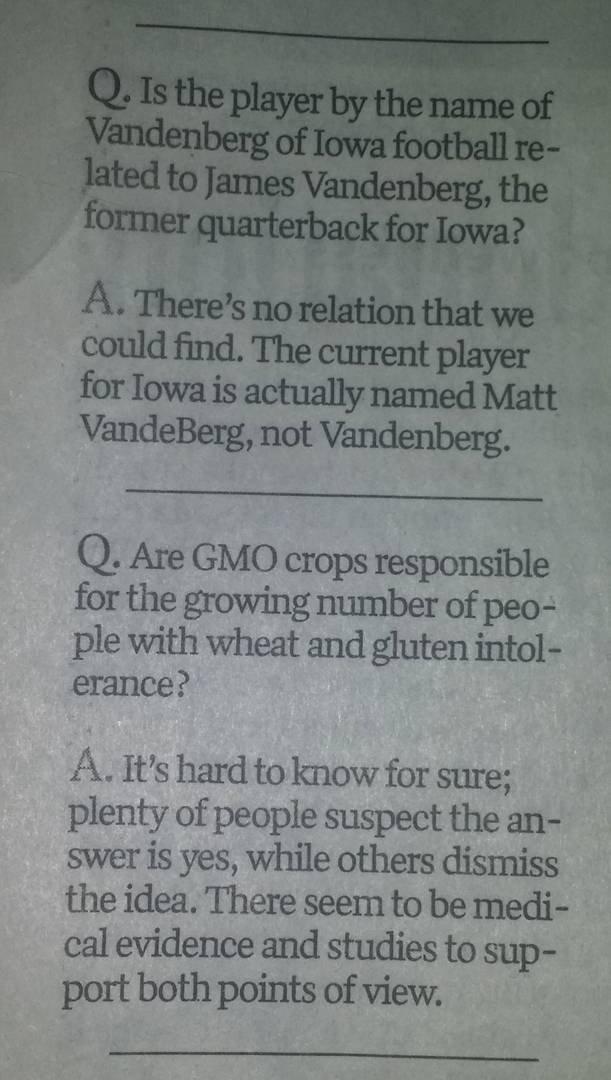
    20150106_082146 copyAs if the Dr. K column wasn’t enough to get me riled, I read in the same Sunday newspaper a Q&A section. Readers send in questions that are then answered by staff from the newspaper and the Waterloo library. The first question was about pot use in Colorado: “Can employees come to work with pot in their system?” I passed on reading that!

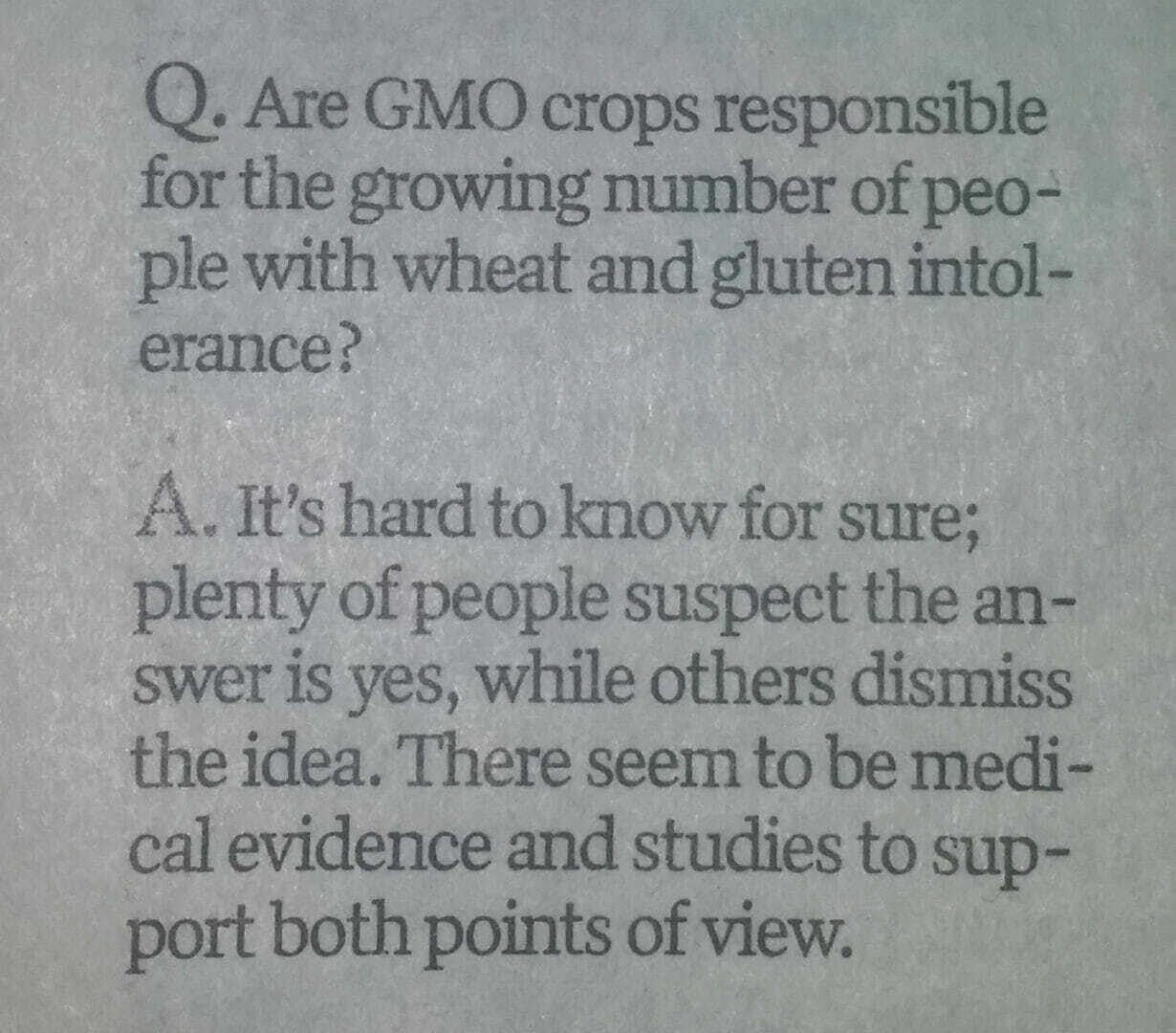
    The following question asked if a couple of football players could be relatives… Ok. The next question was “Are GMO crops responsible for the growing number of people with wheat and gluten intolerance?” This answer should be a no brainer, right? Wrong! The answer printed was, “It’s hard to know for sure.” WHAT?! What “medical evidence” supports this?

    There is no GMO wheat! On top of that, only about one percent of the population has a legitimate problem with gluten. The other nine percent (the growing number) only think they do! Really, 17 million people may unnecessarily believe they are gluten-sensitive.

    Many people are self-diagnosing today based on the amount of information available. But one can’t always believe doctors, the media or the library. Of course, the Internet isn’t always right. So whom can you trust? Talk to people who live it! This is the very reason I talk about my corn, soybeans, and pigs. I live this every day.

    I try to know the science, and the emotion behind the food I grow. Even though I don’t have first-hand experience with wheat and gluten, I read about it. I follow blogs of farmers who grow wheat. I read blogs from people involved in studying genetics. I follow people from seed companies, too. (You can trust what you read on TheFieldPosition.)

    To help me as a farmer connect with consumers, I also have joined our local Chamber of Commerce. This is why I’m very involved in the Town & Country Expo that will be held January 15 in Hampton, Iowa. I want to talk to people who have questions about their food because I want “No More Food Fights“!

    Come join us for the conversation. I promise I’ll listen!

    Larry Sailer, Musings of a Pig Farmer

    January 6, 2015
    Agriculture, General, Industry News
  • Latham Hi‑Tech Seeds

    Join Us January 15th at the Town & Country Expo

    Cookbook

    Although farming and ag-related businesses are an important part of Franklin County’s economy, one can’t assume that even life-long residents have an understanding of why or how farmers do what they do. That’s why the Ag Committee of the Greater Franklin County Chamber is hosting the inaugural Town & Country Expo on Thursday, January 15, from 10 AM until 3 PM in the Franklin County Convention Center on the fairgrounds in Hampton.

    “We know consumers of all ages want to feel confident that they’re making safe, healthy food choices for their families. That’s why we’re providing an opportunity at the Town & Country Expo for farmers and consumers to actively engage in conversations about how food is grown,” says Larry Sailer, who farms in southern Franklin County, has been telling his ag story for years to groups from across the state and even internationally through his weekly Tuesday “Musings of a Pig Farmer” blog on TheFieldPosition.com.

    The day-long Town & Country Expo offers opportunities for farmers and consumers to engage from trade show booths to a panel discussion about how being involved on a local level can carry your message to an even larger audience. Thanks to social media, Franklin County residents can carry their messages and share their stories with a worldwide audience.

    Connecting families with their food is “old hat” for Celeste Settrini, a fourth generation rancher from Salinas, California, who also operates a boutique graphic design, media and communications agency. Settrini will be presenting the Expo’s keynote address, “Connecting Families: The Intersection of Pasture and Pavement.” Celeste will share with the audience what it’s like to live on a California ranch and offer suggestions on how producers and consumers can make a better connection.

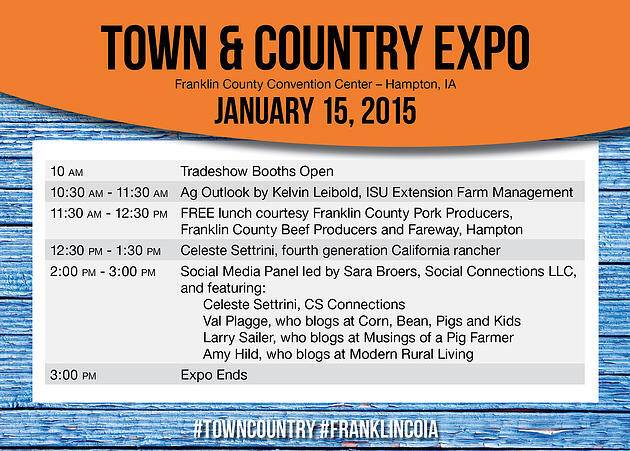
    Town & Country Expo

    Franklin County Convention Center – Hampton, Iowa | January 15, 2015

    10:00 AM Tradeshow Booths Open
    10:30 – 11:30 AM Ag Outlook by Kelvin Leibold, ISU Extension Farm Management
    11:30 AM – 12:30 PM FREE lunch courtesy of Franklin County Pork Producers, Franklin County Beef Producers, Triple T Meats of Ackley and Fareway of Hampton.
    12:30 – 1:30 PM Celeste Settrini, fourth generation California rancher
    2:00 – 3:00 PM Social Media Panel led by Sara Broers of Social Connections LLC and featuring:

    • Celeste Settrini, CS Connections
    • Val Plagge, who blogs at Corn, Bean, Pigs and Kids
    • Larry Sailer, who blogs at Musings of a Pig Farmer
    • Amy Hild, who blogs at Modern Rural Living and also works
      in social media for Latham Hi‑Tech Seeds
    3:00 PM Expo Ends


    “At the end of the day, we want consumers to have a greater trust of farmers and a better understanding of farming practices,” says Sailer.

    People who know farmers or are engaged in conversations with farmers have a more favorable impression about production agriculture, according to a recent survey by the Iowa Food and Family Project of which Latham Hi‑Tech Seeds is a proud sponsor. People familiar with the Iowa FFP are:

    • 10% more confident that farmers care for the well-being of their livestock.
    • 9% more confident that farmers protect the quality of the state’s water, air and soil.
    • 9% more trusting that farmers balance doing what’s right with financial considerations.

    CookbookAwareness of the connection between farming, food and families jumped 6 percentage points from last year’s poll to 31 percent. Poll results also show that consumers who are familiar with the Iowa FFP are more likely to pay attention to food labels and seek details about how food is grown. They also have a more favorable impression about today’s farm and food system.

    We’re really encouraged by the results of the Iowa Food and Family Project’s poll and hope similar connections will soon be made among Franklin County residents. Because we believe the Town & Country Expo is a great first step in building that connection on a local level, Latham Hi‑Tech Seeds is proud to help sponsor this local event.

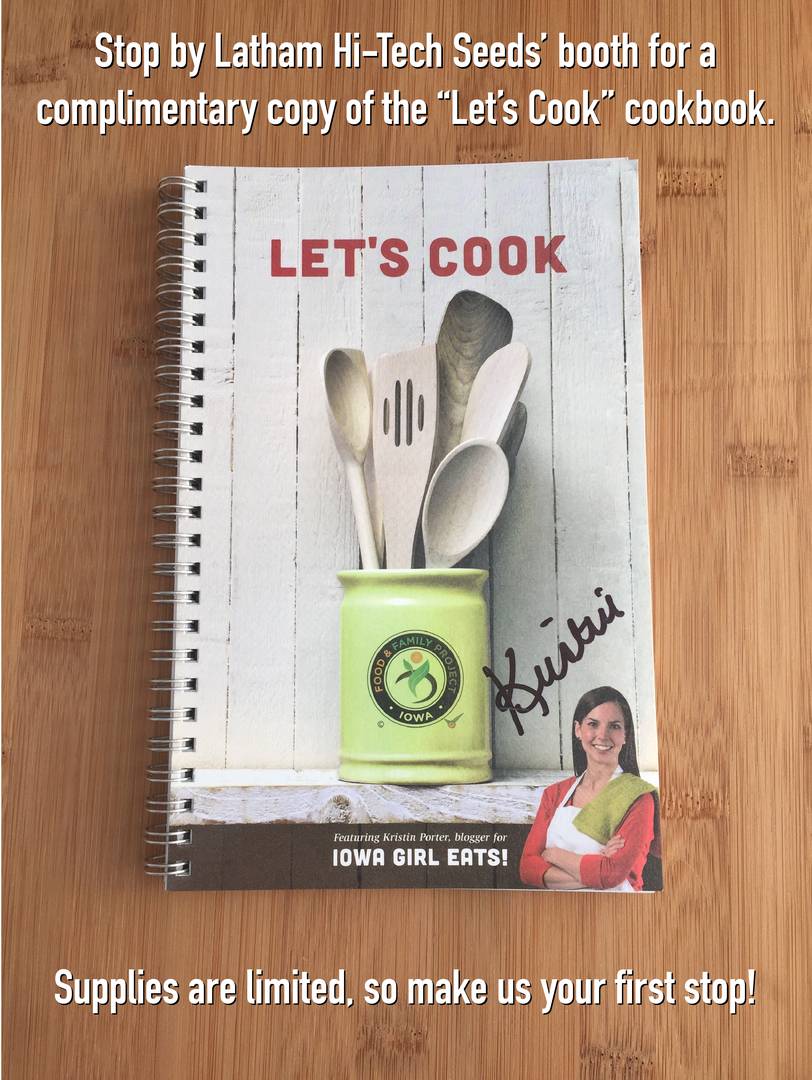
    Be sure to stop by our booth for a complimentary copy of the “Let’s Cook” cookbook, including the recipe I made with Iowa Girl Eats blogger Kristin Porter. Available while supplies last!

    Larry Sailer, Musings of a Pig Farmer

    December 31, 2014
    Agriculture, General, Industry News
  • Latham Hi‑Tech Seeds

    Stop the Train before it Wrecks Your Property!

    Larrys windturbinesunset

    larrys_windturbinesunsetThere have been disputes over land to serve a public service as long as there has been ownership of land. Winners and losers are determined by where a public service is located. Big money may be made… or lost! Towns can be created – or abandoned – based on the location of public services.

    The little town of Maynes Grove, near where I grew up, was abandoned when the railroad track went through seven miles farther north of Franklin County’s first settlement. As a result, the town of Hampton was born and became our county seat; Maynes Grove is known today only as a recreational area.

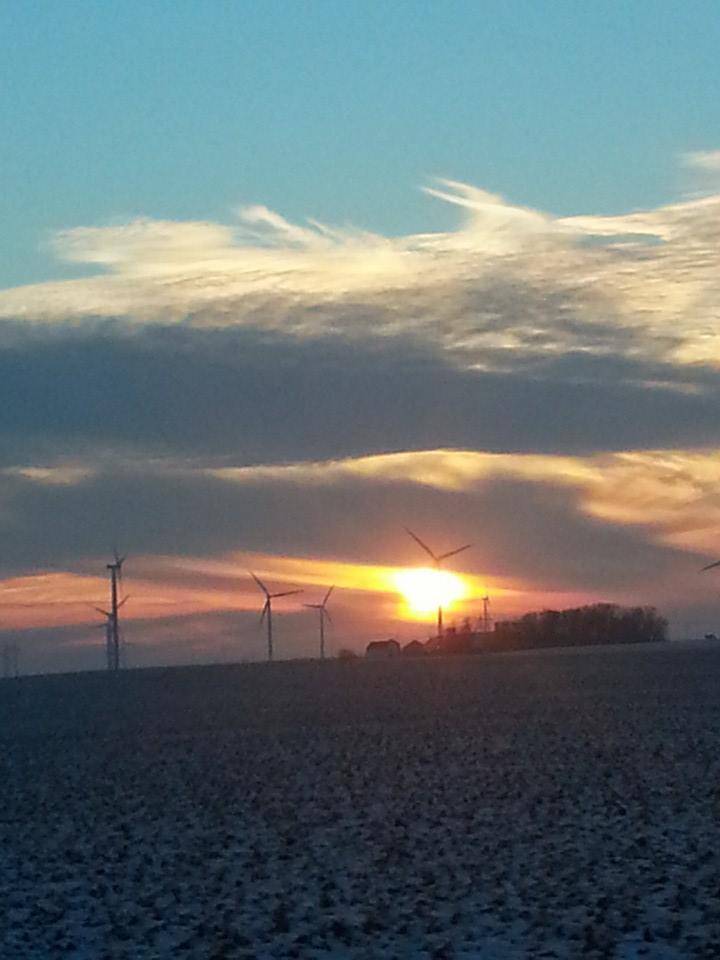
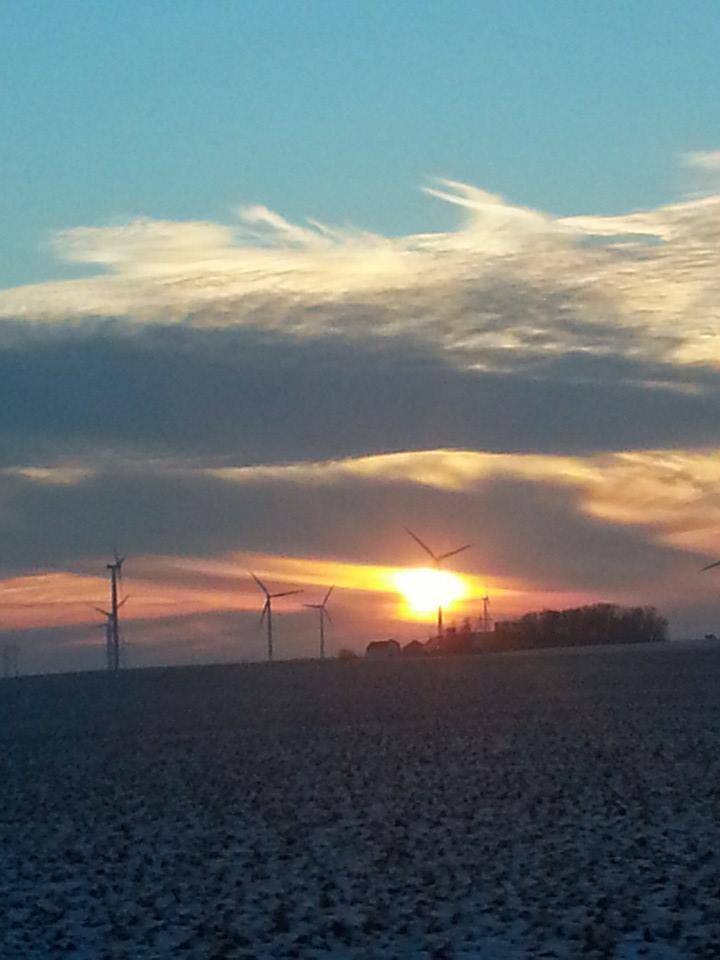
    Over time, more utilities have been put into place. I’m trying to count how many utilities I farm over, under or around. I farm around wind turbines and under power lines. I farm over an anhydrous pipeline. Numerous power lines, phone cables, and fiber optic lines are buried on land I farm. Some of these aren’t too much of an obstacle but others (like the wind turbines) are a big pain!

    Farmers have had to sacrifice for “the public good.” U.S. transportation and energy infrastructure systems are often built with use of eminent domain, which gives government the authority to take private property for public use such as an interstate. I’m sure the decision to put Interstate 35 through Franklin County at an angle was decided by a non-farmer. To a non-farmer, this would seem to be no big deal. As a farmer, it’s a huge deal! The location of the interstate makes farming inefficient as crop rows (point rows) run into each other at odd angles. The location of I-35 also divided many local farms into little pieces. Some farms, which had been in families for generations, disappeared completely.

    Now Franklin County is in the midst of a battle to put a huge power line all the way down the west side and then across the south side called the Rock Island Clean Line (RICL). With a name like “Clean Line,” why would anyone want to block the building of more wind turbines?

    All of the electrical current is put in at one end in Northwest Iowa and comes out somewhere southeast of Iowa. If there is an excess of energy generated by the wind turbines I farm around, for example, it cannot be added to this line. If there is a shortage of electrical power somewhere along the line, tough.

    While grid infrastructure is one challenge, a larger concern is public vs. private good. The RICL is being developed by Clean Line Energy Partners, an investment company looking for big profit. These investors have petitioned the ICC to “act” as a transmission “public” utility to build, operate and maintain this line. Doing so gives them the right to use eminent domain!

    How can you justify the government giving private companies the power to take private property away from landowners? “I am not against pipelines or power lines per se: the country has to have them as a key component of economic growth – but private companies should not be able to skate in under the radar as a guise of being a public service provider by use of eminent domain power,” writes David Kruse, author and producer of The CommStock Report.

    Many issues are building around this transmission line:

    • Is RICL a public utility?
    • Is ground being priced as farm ground or as commercial? What’s the difference in price between the two?
    • Is there a health risk?
    • How will this affect future ways of farming (drones, GPS, spraying with planes)?
    • Should there be a one-time payment or should payments be made every year?

    The Illinois Commerce Commission approved the RICL plans, so now the focus shifts to whether Iowa will fall in line. Eminent domain is one of those issues that is easily ignored – until it affects you! Get involved. Do some research. Make your opinion heard by talking to your elected officials. Why now? Once a precedent is set, it’s hard to stop the “train!”

    Larry Sailer, Musings of a Pig Farmer

    December 30, 2014
    Agriculture, General, Industry News
  • Latham Hi‑Tech Seeds

    It’s Official: China Approves Agrisure Viptera® Trait

    AgrisureVipteraApproved1

    AgrisureVipteraApprovedEven though it wasn’t gift wrapped and placed under a tree, U.S. seed companies and farmers alike were handed a gift last week when China officially announced it will approve imports of hybrids with the Agrisure Viptera® corn trait. This approval covers grain and corn processing byproducts, such as dried distillers grains (DDGs), for food and feed use.

    China’s approval of Viptera is great news for several reasons. First of all, this approval has the potential to increase demand for U.S. corn. China was the third-largest market for U.S. corn in 2012, but corn trading between the two countries essentially shut down in November 2013 when Beijing began turning away cargoes containing the Syngenta AG strain.

    Not only has China’s trade been unreliable in recent years, but its trait approval process has been unreliable. Syngenta originally submitted the import approval dossier in March 2010 to Chinese authorities and approval was just now granted. Hopefully, this signals a more consistent Chinese regulatory process that bodes well for future approvals of traits like Agrisure Duracade, Roundup Ready® Xtend Crop System, Enlist and Balance GT.

    Approval of Viptera by China comes at a good time for those of us in the seed industry. At Latham Hi‑Tech Seeds, we’re planning our 2015 seed production acres now. We expect to have our 2015 production plan complete in February. Then we’ll announce our new product lineup to our dealers mid-summer as our 2015 crop becomes Latham’s 2016 corn product lineup.

    Only a limited amount of Agrisure Viptera 3111 trait stack had been in Latham’s corn product lineup since it wasn’t approved for import by China. It was, however, already approved for import by these countries: Australia/New Zealand, Belarus, the European Union, Indonesia, Japan, Kazakhstan, Korea, Mexico, Philippines, Russia, South Africa, Taiwan and Vietnam.  Viptera, which offers broad-spectrum control of 14 yield- and quality-robbing insects, as well as tolerance to glyphosate and glufosinate herbicides .has been approved for cultivation since 2010 in these countries: Argentina, Brazil, Canada, Colombia, Paraguay, Uruguay and the USA.

    John Latham, President

    December 29, 2014
    General, Industry News, Seed Technology
Previous Page
1 … 36 37 38 39 40 … 95
Next Page

Latham Hi‑Tech Seeds

131 180th Street | Alexander, IA 50420

(641) 692-3258

SIGNUP FOR OUR NEWSLETTER
  • Contact
  • Legal
  • Dealer Center
  • Seedware Login
  • Latham Gear

© 2025 Latham Hi‑Tech Seeds. All rights reserved. | Iowa Web Design by Webspec | Privacy Policy

Latham® Hi-Tech Seeds is a trademark of M.S. Technologies, L.L.C., 103 Avenue D, West Point, IA 52656.