Latham Hi-Tech Seeds

(641) 692-3258

  • Home
  • Products
    • Corn
    • Soybeans
    • Alfalfa
    • Corn Silage
    • Seed Guide
  • Performance
  • Find a Rep
  • Media
    • Blog
    • News
    • Videos
    • Podcasts
    • TECHTalk
  • About Us
    • Company History
    • Our Mission
    • Careers
    • Become a Rep
    • Sowing Seeds of Hope
  • Contact Us
  • Latham Hi‑Tech Seeds

    3 Truths Every Female Needs to Hear, Part II

    Multiasking

    Sometimes a woman is her own worst enemy! We find ourselves saying “yes” to one more thing, especially during the holidays.

    “Do less. Be More. That’s my goal this Christmas season,” Lysa TerKeurst, author of The Best Yes: Making Wise Decisions in the Midst of Endless Demands,” posted last Saturday on Facebook. Limiting items on the to-do list is one sure fire tactic to reduce stress during this season and always.

    ColetteCarlson2We end up stressing because we try to put too much into our day, said certified professional speaker and human behaviorist Colette Carlson December 5 to a group of about 300 women in attendance at the Executive Women in Ag (#EWA14) in Chicago. “The truth is you’re never going to get it all done,” she said. “What you really need to do is create a Not-To-Do List.”

    Items that bog you down should be moved from the “To-Do” to the “Not-To-Do” list. Some tasks currently identified as Not-To-Do’s may someday make your To-Do List, says Carlson, but right now other values and goals take priority.

    It’s time to speak your truth, says Carlson. Women – in general – must learn to express themselves. When you say “yes” to everyone else, you’re saying “no” to yourself!

    So why do women agree to take on more when we really want to say “no”?  Most of us are afraid of disappointing or angering someone we love or respect. We don’t want to be criticized, talked-about or judged. (Hmmm… Isn’t it ironic that women tend to be more critical and judgmental of other women?)

    To help determine whether accepting a request to help is worth your time and effort, Carlson recommends asking yourself these questions:

      • Will this task give you access to, or recognition or respect from, a connection you’re cultivating?
      • Will it simply take energy, focus and time away from other vital deliverables?
      • Or will it develop a skill set you’re looking to grow?

    MultiaskingRecent research by Lise Vesterlund, economics professor at the University of Pittsburgh, reveals that women in the workforce are more likely than men to: (1) Volunteer to do non-promotable tasks; (2) Be asked to do non-promotable tasks; and (3) Agree to do these tasks.

    “No” just may be your password to the next level. The second “truth” that Carlson shared during her presentation to Executive Women in Ag is “To go to the next level, you must grow to the next level.”

    No matter your position or career goals, you can benefit from adapt these truths to fit your situation. “Leadership is a state of mind, not a job title,” says Carlson. Whether we’re managing our own household or leading a Fortune 500 company, all women know what it’s like to feel overcommitted. That’s why it’s so important to know when to take control and when to let go. “Let it go, let it go!”

    “Get your ask in gear,” advises Carlson. By multi-asking rather than multi-tasking, you just may find yourself singing a new tune this holiday season.

    Team Latham

    December 17, 2014
    Agriculture, General, Industry News
  • Latham Hi‑Tech Seeds

    Mechanization Transforms Everything from Household Chores to Exercise

    7 Plowing

    I was listening to NewsRadio 1040 WHO early one morning last week as talk show hosts Van & Bonnie were broadcasting live from a Des Moines-area mall. Van mentioned how the “mall walkers” were surprised by the station’s early morning activities. My first thought was, “Why would anyone be in the mall that early to walk?

    That thought prompted me to consider how physical activity has changed during the last century. We all know that our eating habits have changed throughout the years. We consume far more calories today than we ever have, but these calories come from different foods than those that graced our ancestors’ tables. Many foods today are processed, unlike a generation or two ago when homegrown foods were eaten fresh or canned to last throughout the winter months.

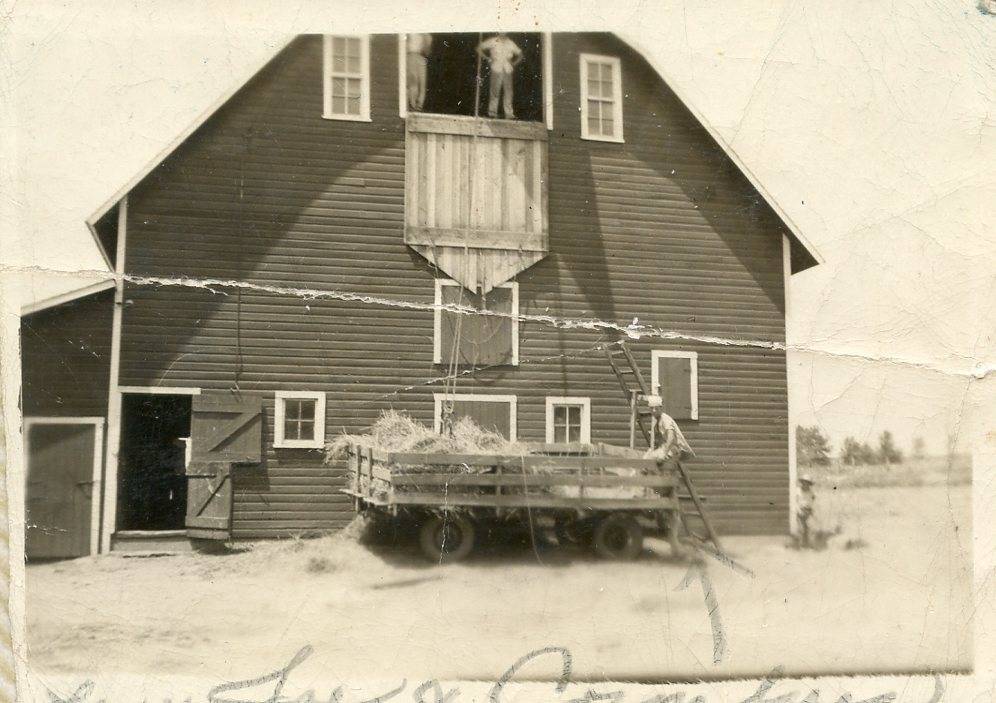
    Putting hay in the barn
    Putting hay in the barn

    In the old farm house where I grew up, there was a “potato room” in the basement that was like a root cellar. There also was a “fruit room” where home canned goods were kept. A dumb waiter, or manual elevator, lowered food onto the basement floor where it was keep it cool since there wasn’t any refrigeration at the time this house was built.

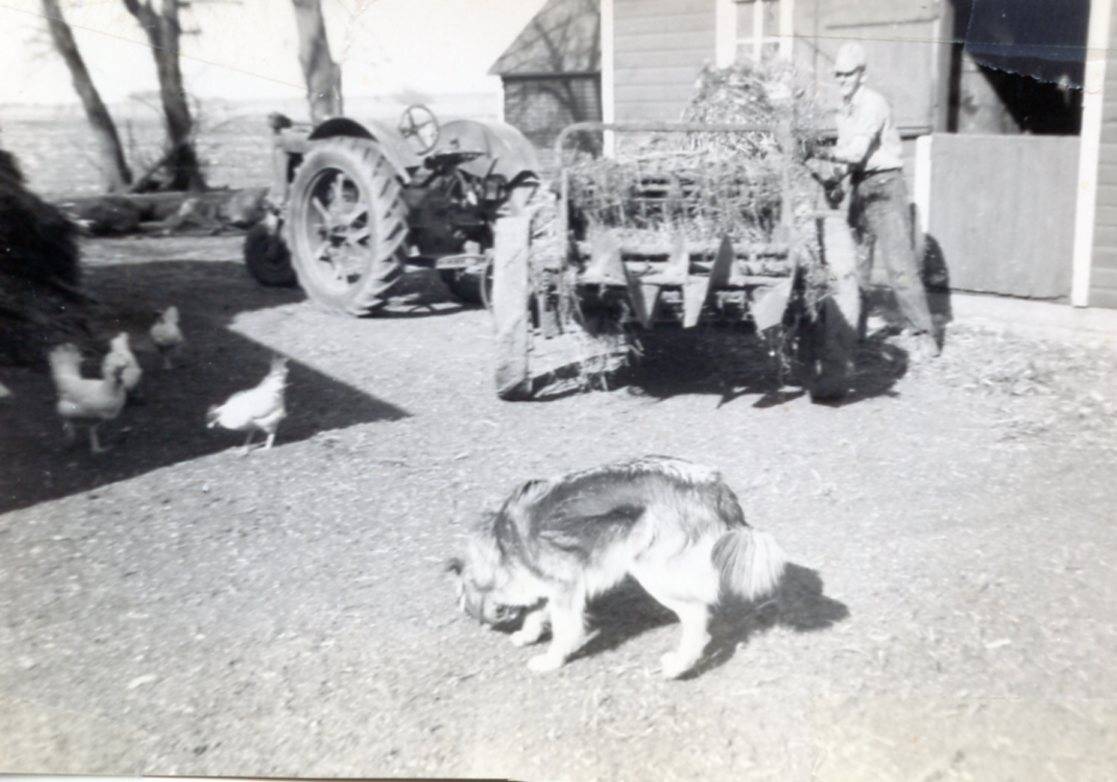
    Now back to the mall walkers… When I was young, walking was something we did to get to the barn or to a field. Chores on Saturdays involved a pitchfork and a shovel. Three or four times during the summer months, we baled and stacked hay. No wonder farm kids were in pretty good shape for sports!

    Pitching manure
    Pitching manure

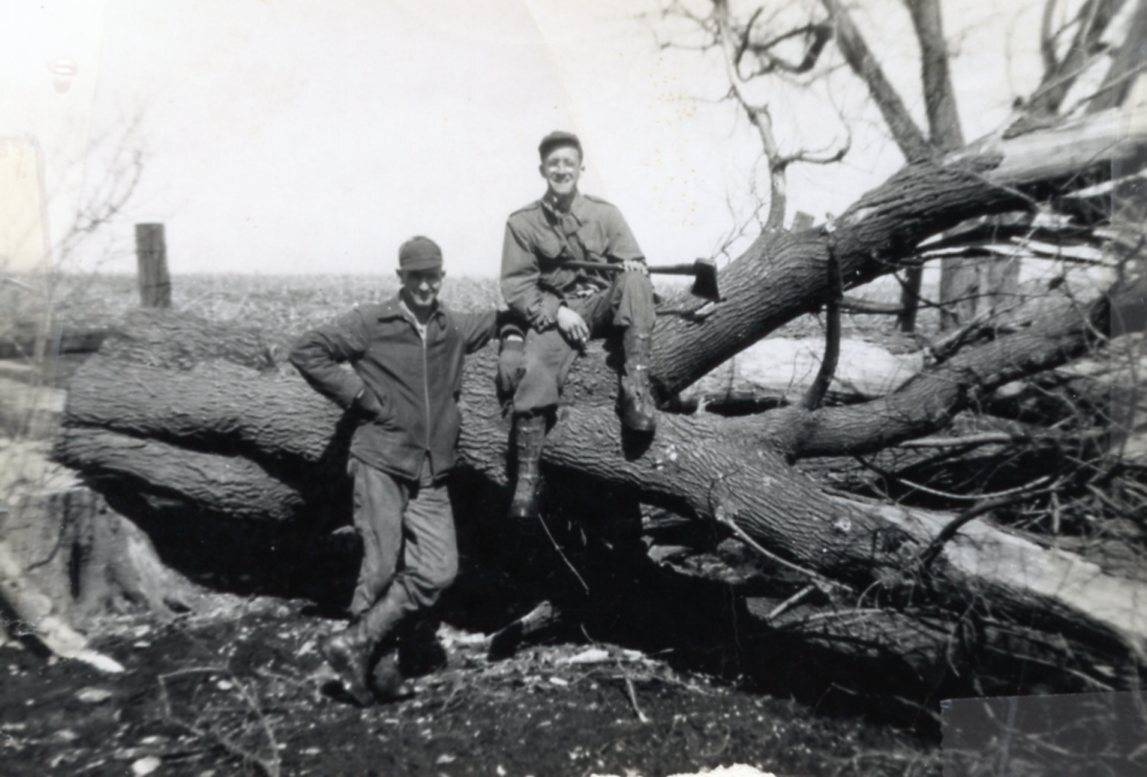
    In “the good old days,” cows were milked by hand. Barns were cleaned by hand. Even corn was picked by hand. This has changed to where today many farmers do not even need to steer their tractors across the field! In fact, 41% of the U.S. workforce in in 1900 was needed to grow food. As of 2000, only 1.9% of Americans farmed.

    It stands to reason that just as farm chores transformed in the 20th Century, off-farm jobs also have become more mechanized during the past 100 years. A pallet of seed that I plant is now stacked neatly by a robot. Much of the welding in a factory is done by robots. I toured a factory where my hog feeders were built, and the steel is cut and placed by robots!

    Chopping down a tree with an axe
    Chopping down a tree with an axe

    Even households chores are different today. Central vacuums have eliminated the need to pull around a big vacuum, and coming on strong is the Roomba… you guessed it, a robot vacuum!

    Entertainment has changed through the years, as well. When I was young – after chores, of course – neighborhood kids would get together to play football or basketball. I either rode my bicycle or my horse to get to the neighbors. Going outside to play was the most entertaining “option” as we only had three TV channels, and cartoons only aired on Saturday mornings. Video games were nonexistent.

    The mechanization of American has created a new industry. Instead of “working off” calories, today we must “work out” to stay fit. Don’t get me wrong – I admire those early morning walkers in the shopping mall. But I can only imagine

    Plowing
    Plowing

    what my grandmother, who milked cows by hand, would think of someone driving to the shopping mall to go walking. Come to think of it, I wonder what she would think of an actual shopping mall. Times have certainly changed!

    “The most peaceful thing in the world is plowing a field. Chances are you’ll do your best thinking that way.” – Harry S. Truman

    Since I practice minimum tillageand no longer plow, I do my best thinking early in the morning while listening to the radio. Thanks for allowing me to share my thoughts with you today!

    Larry Sailer, Musings of a Pig Farmer

    December 16, 2014
    Agriculture, General, Industry News
  • Latham Hi‑Tech Seeds

    The Truths Every Female Needs to Hear, Part I

    ExpressYourself

    ColetteCarlson2Women tend to look at themselves in the mirror and think, “Today is not a good hair day.” (Yes, some women actually begin the day with a personal put down! I just may be speaking from personal experience.) When someone offers us a compliment, we downplay it. For example, someone might say to me, “I love your scarf.” I might respond, “This old thing? I got it on clearance last year for $9.99.” Sound familiar?

    The truth is that every woman has incredible strengths, said motivational speaker and author Colette Carlson as she addressed a group of about 300 U.S. farm women, who gathered Dec. 5 in Chicago for the 4th annual Executive Women in Ag conference.

    “Learn to express your success” is one “truth” Carlson shared during her breakout session entitled, “3 Truths Female Business Leaders Need to Know.” Start playing to your strengths by taking three relatively simple steps:

    1. ExpressYourselfMilk a compliment. Humbly accept kind words rather than diluting a compliment. When you devalue a compliment, you send the message that you either aren’t confident in your work or that you don’t respect the opinion of the person who gave you the praise. Learn 7 ways to accept compliments graciously – and then make the most of them!
    2. Be a human highlighter. It’s much easier to compliment someone else; highlight the accomplishments of a professional ally, who will in turn, make others aware of your achievements. If you’re a business leader, be sure to champion the strengths of every individual on your team, advises Carlson.
    3. Talk yourself into, rather than out of, opportunities. Studies show that women’s lack of confidence consistently holds them back. Whether speaking your truth, delivering a presentation, requesting a promotion, or undertaking some other fear-inducing endeavor, Carlson says confidence is the catalyst propelling us forward.

    Clear and direct communication is necessary whether we’re dealing with customers, employers or employees. Employees stay more engaged in work environments with sincere communication and clear expectations.However, when women are too direct, Carlson says it’s mistaken for arrogance. When they’re too succinct, they sound abrupt.

    To avoid sounding *itchy, match your tone and body language to the words you’re saying. Carlson demonstrated this by asking the ladies in her #EWA14 workshop to say the word “oh.” This simple two-letter word can convey a host of meanings, depending on tone: curiosity, understanding, disappointment, surprise and affection.

    The same hold true when saying “no.” The meaning of this two-letter word also takes on different meanings depending on the tone used. Quite honestly, I have a hard time saying “no” because I don’t want to disappoint anyone. (After all, I grew up providing customer service and made a living providing client service!) But as Carlson points out, we don’t have to be mean when we’re saying what we mean. It’s all about the words we chose and the tone we use, so I’m going to practice saying “no” with clarity.

    Saying “yes” all the time can be a career-limiting factor, adds Carlson. Plus saying “yes” adds to our stress levels. This holiday season – and all year long – I’m resolving to practice ways that take off stress. If this sounds like something you want to try, be sure to read Part II of my “The Truths Every Female Needs to Hear” series where I explain how (and why) “No is your password to the next level.”

    P.S. My husband and children had been watch out because I’m “getting my ask in order” as Colette Carlson would say!

    Colette Carlson, CSP, www.speakyourtruth.com

    Team Latham

    December 15, 2014
    Agriculture, General, Industry News
  • Latham Hi‑Tech Seeds

    New Study Shows Education is Key to Consumer Appreciation

    ASTA CSS Infographic

    People generally fear what they don’t understand. Nearly 98% of the American population is no longer engaged in food and fiber production, so it’s easy to see why so many consumers have questions about choosing safe and healthy foods for their family.

    So how can be bridge the gap between consumers and producers? It stands to reason that greater understanding leads to greater appreciation… and results from a survey recently commissioned by the American Seed Trade Association (ASTA) prove just that!

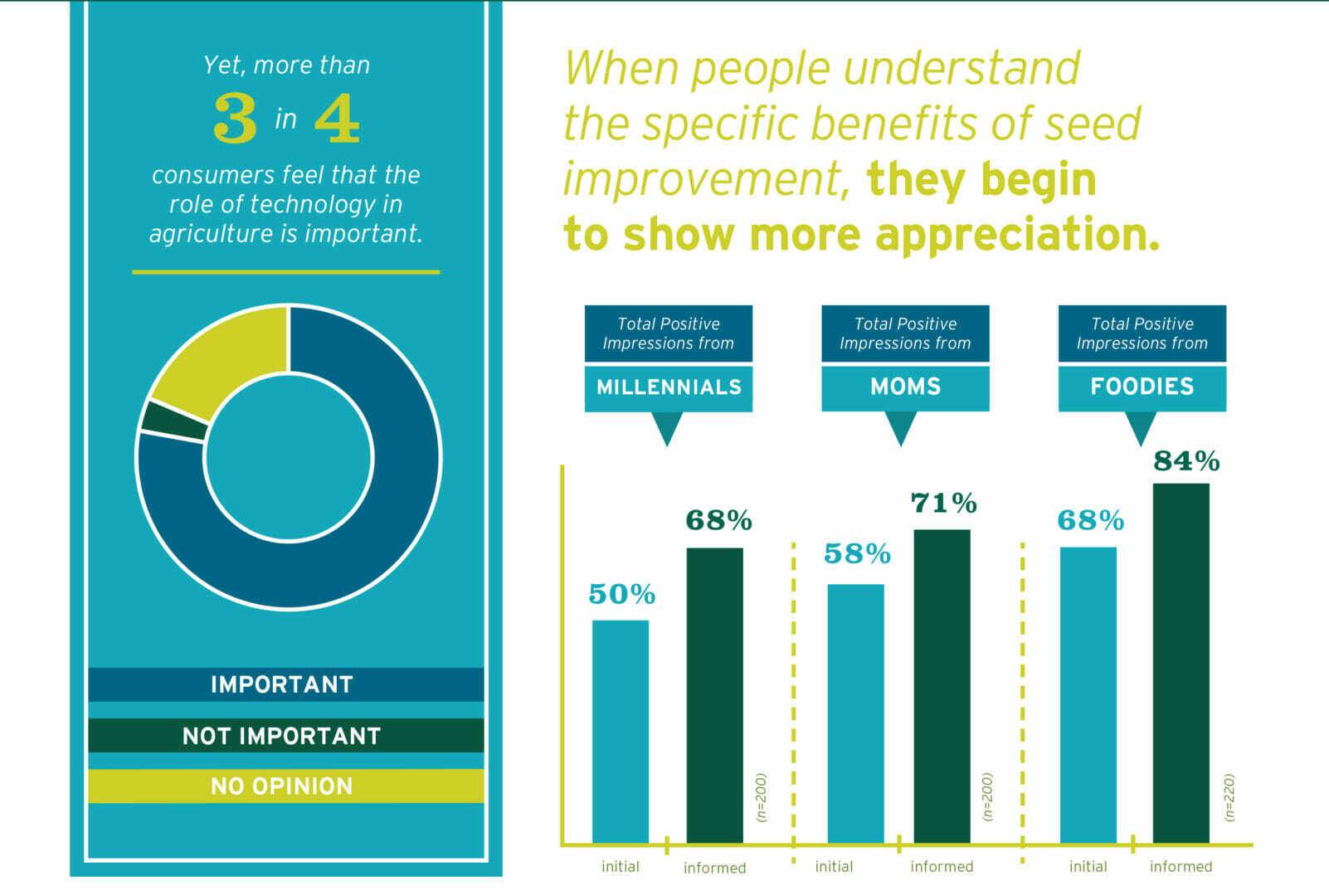
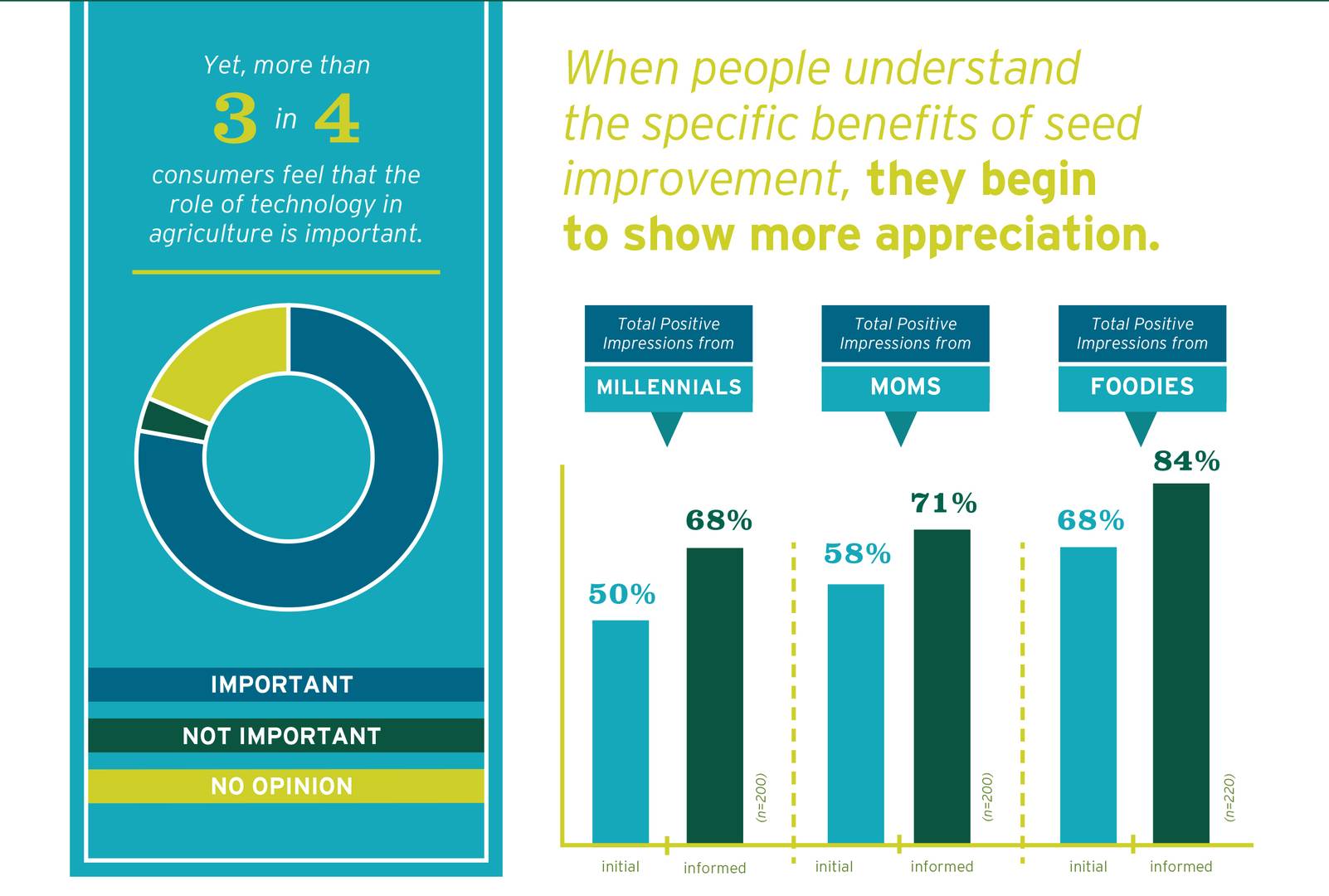
    During a news conference held yesterday during the 2014 Seed Expo in Chicago, ASTA leadership shared research findings from a study of 600 moms, millennials and foodies. These three consumer segments are recognized for driving conversations about food issues, and survey findings verify that they greatly undervalue the role of seed and seed improvements in their everyday lives.

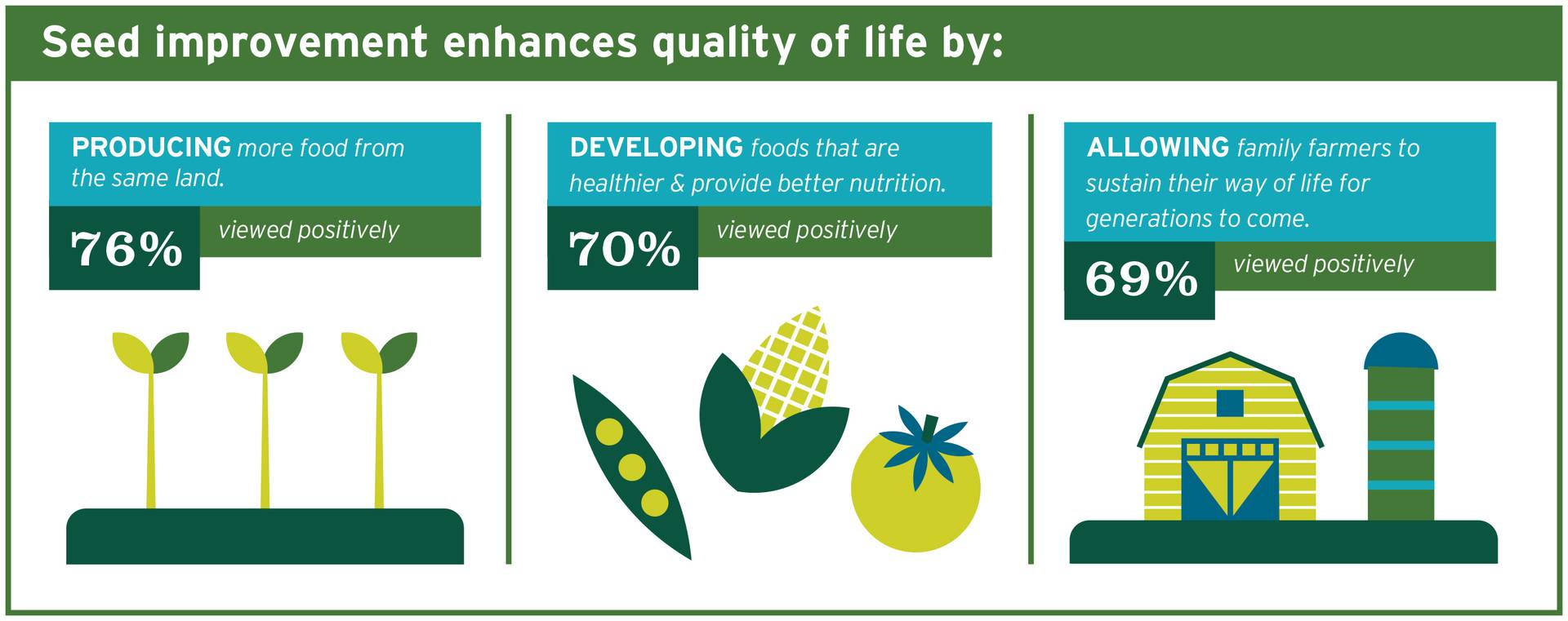
    Once consumers were presented with specific examples of environmental, economic and health benefits of seed, however, they had a greater appreciation for how seed innovation contributes to quality of life. Survey respondents were provided examples of seed improvements in areas of food, feed, fuel and fiber. Total positive impressions among millennials increased by 18%; total positive impressions among moms increased by 13%; and total positive impressions among foodies increased by 16%.

    ASTA CSS Infographic

    These results are extremely encouraging! I couldn’t be more excited about the three-year campaign that’s getting underway to reach consumers with positive messages about seed improvements.

    “ASTA is uniquely positioned to help educate consumers about seed improvements that are providing solutions for the increasing demands of a growing world,” ASTA President and CEO Andy LaVigne. “It also gives our organization an opportunity to focus on ‘why’ we do what we do.”

    ASTA CSS Infographic

    The seed industry – like the farmers we serve – has an honorable story to tell. That’s why Latham Hi‑Tech Seeds is committed to doing whatever we can to help consumers understand – and appreciate – how better life begins with seed. Better seed equals better life, here and around the globe!

    Team Latham

    December 11, 2014
    Agriculture, General, Industry News
  • Latham Hi‑Tech Seeds

    In this busy holiday season, we remind you:

    WW Soybean1

    WW-Soybean1

    Team Latham

    December 10, 2014
    Agriculture, General, Industry News
  • Latham Hi‑Tech Seeds

    R-E-S-P-E-C-T… Find out what it means to me

    As another busy year draws to a close, I’ve been reflecting on all the people I have met in 2014. Most people want to make the world a better place, but we have different ideas on how to do this. Even though I don’t always agree with everyone, I make it a point to listen and be respectful.

    I also want to be heard. That’s why I’m extremely active in promoting what I do as a farmer. I want to help others understand what farmers do and why we do it. I want consumers to ask their questions to a real farmer!

    Too many rules and regulations are being determined by people who have no idea the consequences of their actions. That’s why I’ve been active in a lot of political issues. Regulations of any kind hit my radar: farming, conservation, healthcare, finance, school lunch, and more.

    Anytime you enter the political arena, you know you’re going to find people – who are very passionate about their beliefs – on both sides of the issue. Both sides, at least for the most part, believe the world would be a better place if everyone just agreed with them! Take for example the issue of soil and water conservation…

    Last year at this time my Letter to the Editor was published in The Des Moines Register. Because of my letter, I received hate mail. Some of the filthiest language imaginable came back to me in the form of “anonymous letter” simply because I’m a farmer. The person who responded to me believes all farmers are polluting all the drinking water in Des Moines.

    Am I just hated because I farm? I tried to consider why another person would send me an anonymous letter. I honestly believe this person wants cleaner water, but I don’t believe his distasteful actions will help accomplished his goal. I’m sure he does not have the same life experiences I have had growing up farming. Has he had a terrible experience due to unclean water? Did he live beside a farmer who did not care? (Believe it or not, I have known a few farmers who didn’t care. As with every profession, there are some rotten apples.) I would have liked to have had a conversation with this person, so I could understand where he was coming from but I honestly don’t believe he was interested in either talking or listing. Listening should be a two-way street.

    When one listens before speaking, understanding can be reached. Last week I had a conversation with a young lady, who asked why we can’t make gestation stalls larger. I explained to her how gestation stalls actually protect the pregnant pig (sow) from hurting other pigs and more the farmer.

    I’m sure this particular lady’s questions were raised after the singer Cher got herself involved in the debate over gestation crates, probably at the request of the Humane Society of the United States (HSUS) Yes, the majority of the people who donate their $19 every month are just trying to help the poor little puppies and kitties they see in the commercials on late night TV. It’s just too bad that their money doesn’t get used as intended. Only one half of one percent of the funds raised by HSUS goes toward animal care! To ensure abandoned animals or displaced pets find a forever home, donate to your local (no kill) animal shelter.

    The HSUS is a prime example of how a person can “follow the money and find the motive.” If research is cited, who paid for it? Did the information come from a special interest group? If a consumer is concerned about food safety, did he or she consult with a dietician or a doctor? Or did the consumer get his or her information from the “experts,” like those who set up the new school lunch program?

    Speaking of the school lunch program, I’d like to believe that the First Lady wants our kids to grownup healthier. But I’d like to know where she gets her information. Why does she promote the choices for kids that she does? Why not let concerned “experts” like head cooks at local schools choose the best food for their areas?

    Another issue I’ve been pondering is the debate on GMOs. Our nation has done such a great job of raising large quantities of food that Americans enjoy the luxury of food choice. Because most Americans want to make healthy food choices, multi-billion (yes, “billon”) dollar anti-GMO campaigns are causing people to fear what they don’t understand. Consider the source before you believe the rhetoric!

    Increase your comfort level by engaging in productive conservations. Conversation is a great thing. Really listening is a fantastic thing! Understanding where even the nastiest conversation is coming from brings a whole new light to the conversation.

    People are different. Life experiences and information sources makes us that way. As we work to make a positive difference in the world around us, we must remember to disagree without being disagreeable. And keep in mind, the outcome of change affects more than just you!

    Larry Sailer, Musings of a Pig Farmer

    December 9, 2014
    Agriculture, General, Industry News
  • Latham Hi‑Tech Seeds

    Baby, Take Your Stress Off!

    13883201 m

    … It’s the happ- happiest season of all!

    These lyrics to the classic Christmas song by Emmy award winning performer Andy Williams could lead one to believe that the holidays are the Most Wonderful Time of the Year. However, studies show this season is among the most stressful time of the year for many Americans and especially for women.

    A survey by the American Psychological Association found that more women than men feel stressed at Christmas — and have a harder time relaxing and enjoying the season. According to a Washington Post article, women find themselves trying to meet everyday obligations, finish year-end projects and set goals for the next year, as well as fit in a plethora of concerts and other holiday activities into an already jam-packed schedule.

    Many moms work overtime to create magical Christmas memories for their families by decorating children’s rooms with miniature Christmas trees to making homemade Christmas ornaments and DIY Christmas gifts plus baking Christmas cookies.

    “We feel stress because we can’t slow down,” says Certified Speaking Professional and author Vicki Hitzges, who led a session entitled “Baby, Take Off Your Stress,” last Thursday during the 4th Annual Executive Women in Agriculture (#EWA14) in Chicago. I found myself nodding in agreement with many of Hitzges’ nuggets of truth and laughing at some of the (admittedly) crazy things I do that add more stress to this season of peace and goodwill.

    The trick is not learning ways to reduce stress, says Hitzges. The trick is following is these simple tips:

    1. 13883201_mExercise. Research shows that as little as a 5-minute walk can elevate your body’s level of endorphins, which lead to positive feelings. The higher your level of endorphins, the greater your sense of calm and well-being. We’ve all heard the reports that we should walk 20 to 30 minutes a day, but honestly, 5 minutes is better than nothing! It can help boost your energy levels throughout the day.
    2. Talk it Out. Taking a problem through can help to put it in to perspective and throw a new, objective view on it. You might want to speak to a good friend, a partner or a family member. Perhaps you would prefer to speak to a colleague or manager at work. You could even look in to talking to your doctor or a trained therapist. No matter how alone you may feel, remember there is always someone there for you.
    3. Take a Break. Just as electronics sometimes freeze, so can your brain! To reboot your system, step away from the problem momentarily. Get some fresh air. Walk around a bit or climb the stairs in your home or office building. Chat briefly with a friend.
    4. Laugh and/or Cry. There’s good reason people say laughter is the best medicine. Laughter is like a mini workout as it stretches muscles throughout our face and body. Our pulse and blood pressure go up, plus we breathe faster. Sometimes we laugh until we cry, and other times all we can do is cry! Tears can provide a release for stress, fear, anxiety and grief.
    5. Map It. Walking away from a problem doesn’t solve anything, Hitzges reminds, but working through problems can provide a sense of calm. Implementing an action plan helps put you in control of making the situation better.

    Chances are, the five tips above aren’t anything you didn’t already know. Hitzges offers the following unique ideas:

    • 759124_mPop a bubble. A survey conducted by Kelton Research reveals that just over one minute of popping Bubble Wrap® provides stress relief equivalent to a 33 minute massage. If you find yourself with a “need to pop” but don’t have any shipping wrap, download the BubbleFREE App for Apple or the Bubble Pop Fun! Android App.
    • Work wonders with warm water. Bathe in water that’s 100-101 degrees. Warm (not hot) water provides your entire body with a level of relaxation that reduces some anxiety symptoms and can also relieve physical aches and pain.
    • Melt away stress with ice cold water. Someresearchers believe drinking extra water can help 18224138_mrelieve some anxiety symptoms. Plus, drinking cold water burns calories because your body temperature goes down when you drink it. You burn 8 calories for every 8 ounces of ice cold water you drink. Drink 8 cups per day and burn 64 calories. Burn 448 calories in one week just by sitting on the couch, sipping ice cold water!

    By implementing some of these tried and true stress-relieving tips, may you find yourself singing a new tune this holiday season!  … With kids jingle belling and everyone telling you “Be of good cheer …
    … It’s the happ- happiest season of all!

    Team Latham

    December 8, 2014
    Agriculture, General, Industry News
  • Latham Hi‑Tech Seeds

    New Latham® Releases for 2015

    14570869 l

    Product selection is an ongoing process at Latham Hi‑Tech Seeds. That’s why the following products have been added mid-season to an already outstanding lineup of Latham® brand corn and soybean products.

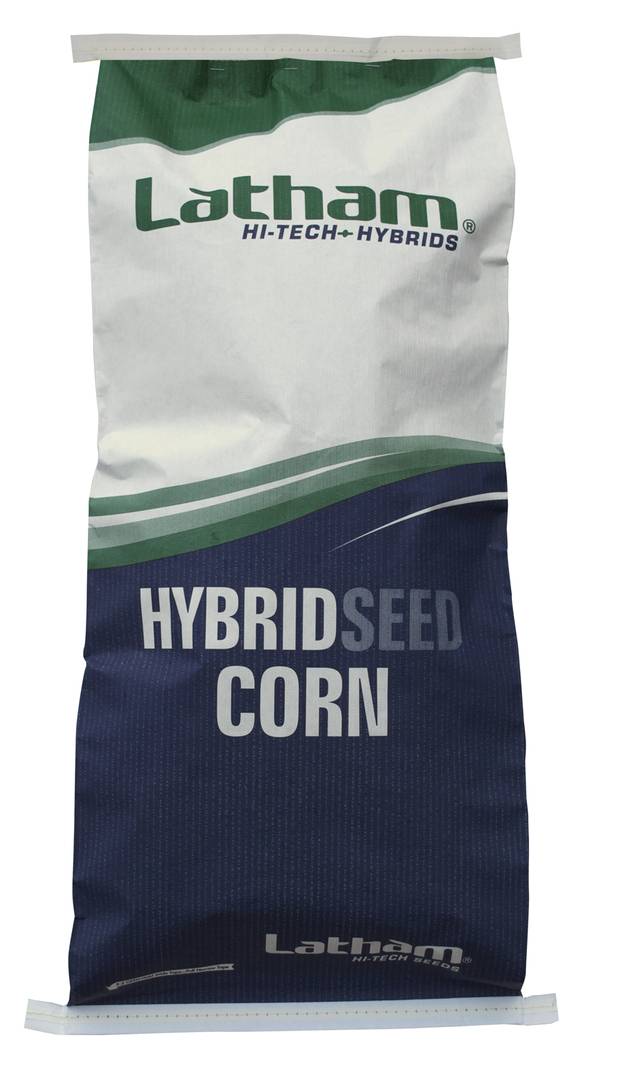
    To help “answer the call” for additional supply of conventional corn, we are pleased to introduce two new hybrids for 2015 planting:CornSeed_Bag

      • LH 5120 – This 101-day hybrid features high-quality grain on ears that flex well. This medium-tall plant has excellent roots and responds very well to higher populations with top-end management. An application of a foliar fungicide is highly recommended, especially in areas where Gray Leaf Spot is a concern.
      • LH 5400 – This hybrid responds best to top-end nitrogen management in medium to heavy soils. It should be kept in its maturity zone but will move south well. This medium-tall plant has very good late-season intactness. It also carries very good tolerance to Goss’s Wilt and Northern Corn Leaf Blight.

    We’re also adding one new Genuity® SmartStax® and two new VT2 PRO RIB (refuge in the bag) hybrids to our lineup:

      • LH 5465 VT2 PRO RIB – This is the Double-Pro version of our LH 5466 VT3 PRO. This medium height plant has excellent stalks and roots. It fills a need in our lineup between the LH 5215 and LH 5715 Double PROs. This new hybrid shows a noted suitability to tight, clay soils and is widely adapted east to west as it has excellent drought tolerance.
      • LH 5509 SS RIB – A high-yielding, widely adapted product has high test weight and excellent quality grain. It responds well to top-end management and higher populations. It has excellent tolerance to eyespot and Southern Leaf Blight. In the 2014 F.I.R.S.T. trials, it placed 2nd overall in the Southwest Minnesota regional summary and was 9th at the Flandreau location of the Southeast South Dakota region.
      • LH 6045 VT2 PRO RIB – Tremendous yield potential and stability under stress are two key strengths of this new 110-day hybrid. It has a very fixed ear, so higher populations and fertility are necessary for optimum performance. The SmartStax version of this hybrid placed very well in the East Central and West Central Iowa regions of the 2014 F.I.R.S.T. trials.

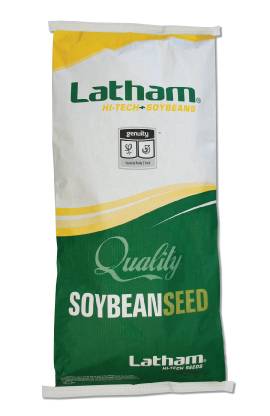
    We are also releasing a new 2.3 maturity soybean product:Soybean_FullBag_4i

      • L2328R2 – This new IroncladTM soybean topped many 2014 SuperStrip plots across Latham Country. This medium-tall plants carries the SCN gene from PI88788, the C-gene for Phytophthora and is resistant to Brown Stem Rot. In addition, it features very good tolerance to Iron Chlorosis, Sudden Death Syndrome and White Mold.

    For more information on the above listed products, visit www.lathamseeds.com. Click on the “Products” section and then select the product number.

    We also will have very limited amounts of two new experimental soybeans, E0836L and E3448R2. E0836L is a new 0.8 maturity LibertyLink® soybean and E3448R2 is a 3.4 maturity Genuity® Roundup Ready to Yield® Soybean (RR2Y). For more information about these two products, contact your Latham representative or call 1-877-GO-LATHAM (1.877.465.2842).

    Webspec Admin

    December 4, 2014
    Agriculture, Corn, Crop, General, Industry News, Soybeans
  • Latham Hi‑Tech Seeds

    Wordless Wednesday | Getting in the Holiday Spirit

    JohnOrnament

    JohnOrnament

    Team Latham

    December 3, 2014
    Agriculture, General, Industry News
  • Latham Hi‑Tech Seeds

    Less Government Would Help More Farmers

    Here in the Upper Midwest, we have produced ourselves into a period of low prices. Times like these show us which farmers have the deepest pockets as they’re the ones who are taking on more ground.

    Last week I heard that another young neighboring farmer is losing most of his crop acreage to an older, larger farmer who is able to pay more in rent. That makes three that I’ve heard about in the last three weeks!

    It’s no wonder that the average age of the principal U.S. farm operator is 7.5 times higher than the average age of a farmer in the 1980s. Farmers are 17 years older than the average American worker, according to a recent National Geographic article.

    Truth is, there are many young farmers – many with a college degree in hand – who are for an opportunity to farm. It’s just that there are many barriers to entry, including the high price of farmland and equipment.

    Any business is hard to start from scratch. But the very capital intense business of farming, with very low or even non-existent margins, makes it next to impossible to get started without help. There are many USDA programs to jump start a farm. There are even tax benefits for those who rent to a young farmer, yet too many barriers remain.

    Here are a few barriers that must be removed to help younger farmers:

      • Reduce cumbersome regulations that cost farmers’ money. Research shows farmers are likeable people, yet some vocal consumers hate the practices we use. This has led to many regulations. What we need are more people who understand farming and know that farmers – not the government – should decide the best way to farm.
      • Remove death tax. If a young farmer is fortunate enough be part of a family farm, then our government shouldn’t make it impossible to keep that farm in the family.
      • Our current administration claims to support the middle class, yet life is getting more expensive.  The cost of energy tops my list. By limiting how electricity is generated, costs can only rise. Coal and atomic power are by far our most reasonable priced. Making our abundant oil supply more efficient with pipelines and rail also would be a huge help.

    Plus, the U.S. needs to stop throwing dollars at our competition! The new Farm Bill is a SNAP for foreign farmers. Building roads and infrastructure in other countries may be a great cause, but we shouldn’t build them with dollars that the American public already thinks of as “American Farmer Welfare.”

    The U.S. Farm Bill should not decide who the winners and losers. We can’t keep throwing the huge amount of dollars at the farmers that know how to “farm” the government. I’ve been studying the new farm program that we need to sign up for, and it’s a complicated mess. What a farmer decides right now can make or break a farm, and you have to live with your decision for the life of the Farm Bill!

    The U.S. government is getting too complicated and expensive. Too much money thrown at problems that don’t get fixed. I believe most farmers can make it if we can keep the government at bay.

    Bottom line: Let the economy and the hard work of farmers decide how the farms in this country will transition. They may get bigger, or they may start many new small specialty farms. However, the current system of government meddling is just going to tilt the transition the wrong way.

    Larry Sailer, Musings of a Pig Farmer

    December 2, 2014
    Agriculture, General, Industry News
Previous Page
1 … 32 33 34 35 36 … 85
Next Page

Latham Hi‑Tech Seeds

131 180th Street | Alexander, IA 50420

(641) 692-3258

SIGNUP FOR OUR NEWSLETTER
  • Contact
  • Legal
  • Dealer Center
  • Seedware Login
  • Latham Gear

© 2025 Latham Hi‑Tech Seeds. All rights reserved. | Iowa Web Design by Webspec | Privacy Policy

Latham® Hi-Tech Seeds is a trademark of M.S. Technologies, L.L.C., 103 Avenue D, West Point, IA 52656.