Latham Hi-Tech Seeds

(641) 692-3258

  • Home
  • Products
    • Corn
    • Soybeans
    • Alfalfa
    • Corn Silage
    • Seed Guide
  • Performance
  • Find a Rep
  • Media
    • Blog
    • News
    • Videos
    • Podcasts
    • TECHTalk
  • About Us
    • Company History
    • Our Mission
    • Careers
    • Become a Rep
    • Sowing Seeds of Hope
  • Contact Us
  • Latham Hi‑Tech Seeds

    Spring is a Time for Rebirth and New Ideas

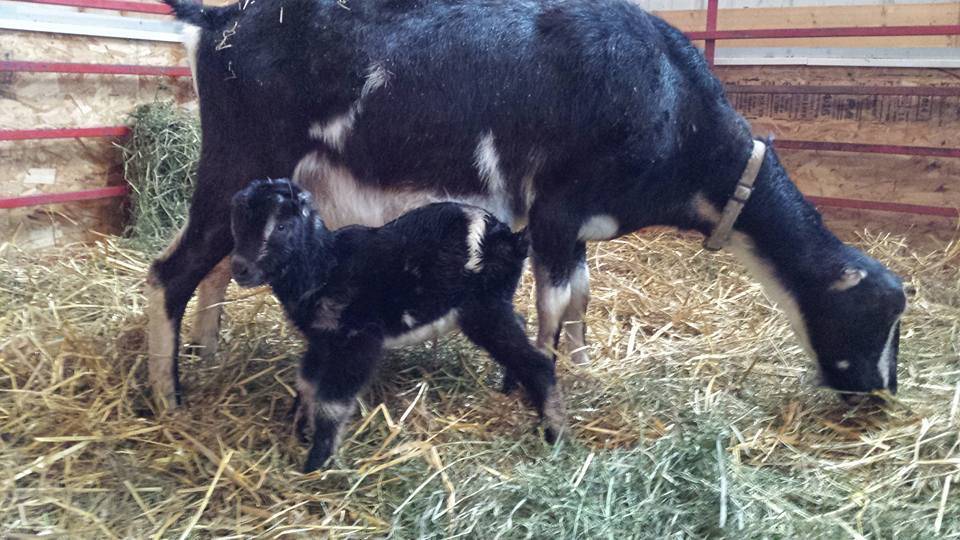
    AmazingGraceBaby
    Photo from Farm Girl with Curls at https://farmgirlwithcurls.com/
    Photo from Farm Girl with Curls at https://farmgirlwithcurls.com/

    I love this time of year when everything comes back to life! The grass is greening up, and planting season is underway. My Facebook feed has been filled with photos of new life on farms and ranches across the country. I enjoy seeing newborn calves, lambs and kittens, as well as newly hatched chicks that become “spring chickens.”

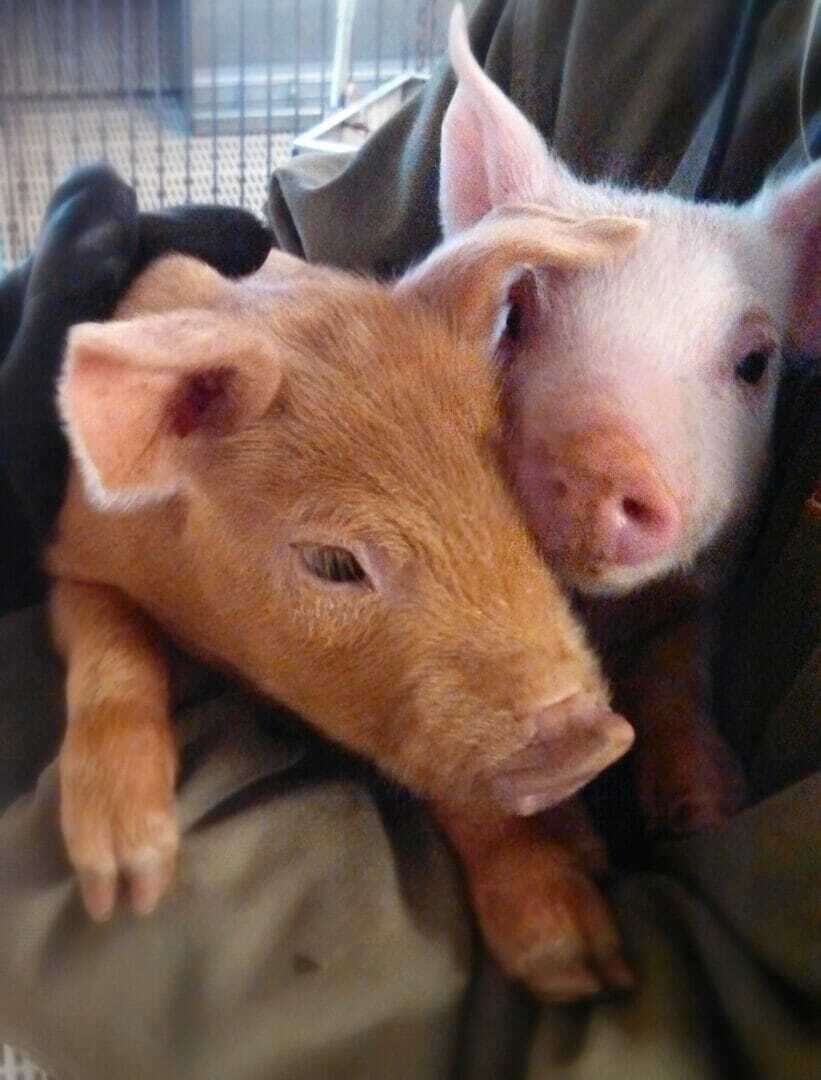
    While spring is typically the season when new animals are born, new technology allows pigs to be born any time of the year. This wasn’t possible when I was a kid and we raised hogs outside. Then we could only get two litters from our sows. If we were really lucky, we could wean 12 pigs annually from each sow. Today we can get 30 pigs per sow per year due to better genetics, better feed and care, less stress, and different types of hog barns.
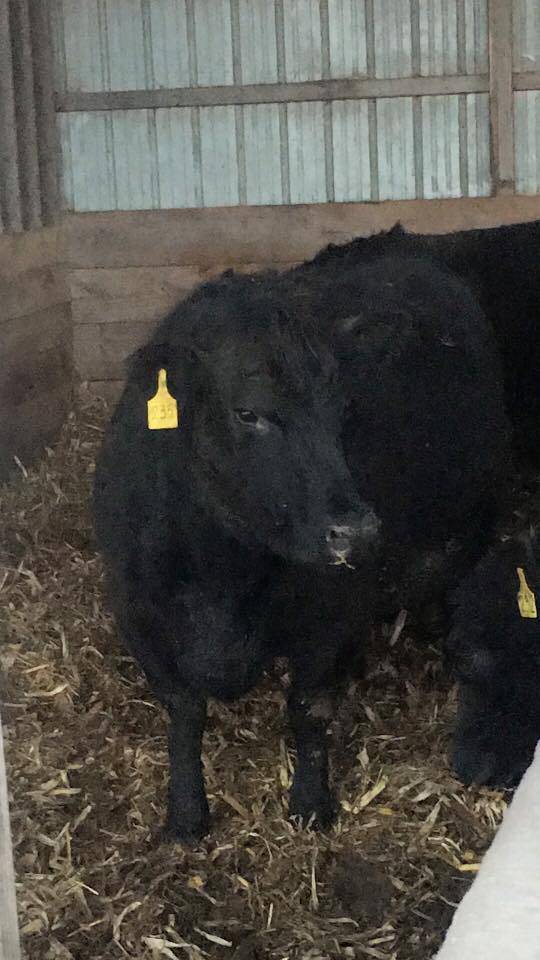
    Photo from Life on SkyView Farms at http://www.lifeonskyview.com
    Photo from Life on SkyView Farms at http://www.lifeonskyview.com

    We need to raise more pigs – and all types of food – if we’re going to feed the growing world population. I’m all for long-term goals of raising enough food with all the technology that fits the needs of hungry people, and this shared goal is how I started to become involved with the Farm Journal Foundation’s Farm Team to help combat world hunger.

    While researching the Farm Team initiative, I came across its logo with an apple that looks like a globe. Underneath it are the words, “Farmers Feeding the World.” Feeding the world is a noble mission! While we might not all agree on how to do that, I believe we can find ways to work together and help the almost one billion people who are food insecure.

    Not everyone can be a farmer and grow food, but everyone needs a way to earn enough income to buy a decent diet. This will not be done by eliminating technology and going GMO-free. This will not be done by only raising organic produce or cage-free eggs.
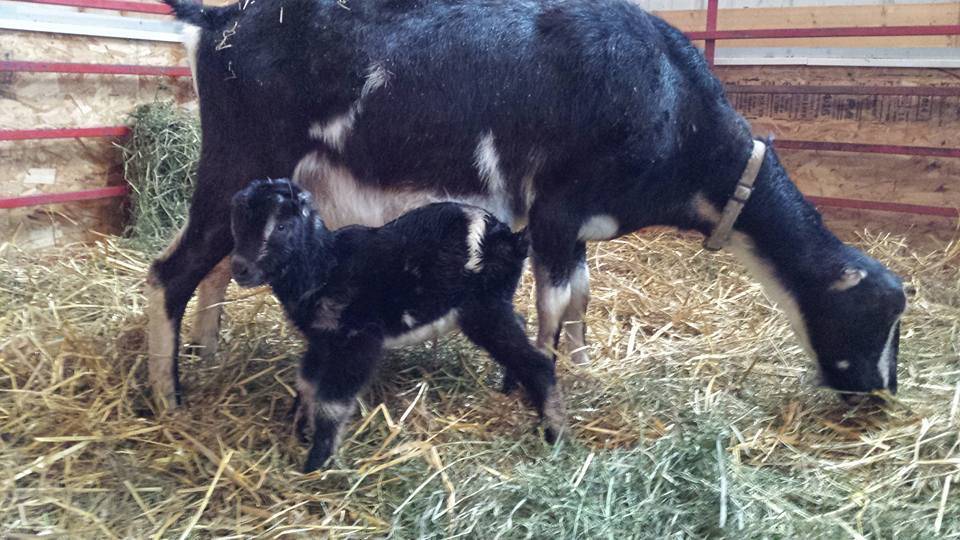
    Photo from Amazing Grace Milk Shoppe at https://www.facebook.com/Amazing-Grace-Milk-Shoppe
    Photo from Amazing Grace Milk Shoppe at https://www.facebook.com/Amazing-Grace-Milk-Shoppe

    Feeding the world will be done if we take an “all hands on approach” that makes use of every food system available! We must join together to provide a means to the end. My farm is different than my neighbor’s, and our farms here in North Central Iowa are much different than farms in California or even southern Illinois where I have been spending most of my time lately.

    People must understand that it’s going to take all types of farms to feed this world. That’s why it’s so important for you to speak out and share your ideas. It takes many solutions to feed the world – and to make it possible for all people to afford their food!
    Larry Sailer, Musings of a Pig Farmer

    April 5, 2016
    Agriculture, General, Industry News
  • Latham Hi‑Tech Seeds

    Make Soyfoods Your Go-To Potassium Source

    Screen Shot 2016 04 01 at 3.20.30 PM

    Guest blog post by Iowa Food & Family Project

    People often think of bananas when they think of a good source for potassium, a mineral that helps stave off muscle cramps. While bananas provide potassium, soyfoods actually provide it at higher levels.

    Here’s a list of the highest potassium-containing foods, and look what is at the top and listed throughout:

    • 1 cup dry-roasted soybeans: 1269 mg
    • 1 baked sweet potato: 694 mg
    • 1 cup prepared edamame (green soybeans): 676 mg
    • 8 ounces plain yogurt: 531 mg
    • ½ cup canned black soybeans: 443 mg
    • Banana: 422 mg

    NOTE: ½ cu extra firm tofu: 225 mg

    Potassium is essential for good health because big leg muscles, small eye muscles and even the heart muscle use potassium to communicate with nerves. The goal for adequate intake of potassium, as set by the National Academy of Sciences, is 4,700 milligrams per day.

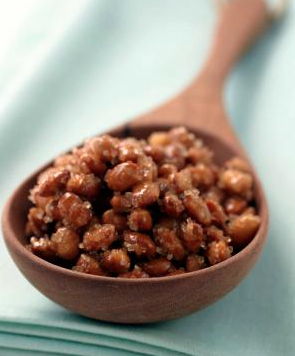
    Remember to pack healthy snacks to fuel your body as you enjoy outdoor activities like bike riding, hiking and sporting activities like baseball, softball and soccer. Make ahead Honeyed Soynuts to include in your snack mixes.

    April is Soyfoods Month, making it an excellent time to learn all about soyfoods like tofu, soymilk and edamame. For more recipes and research information, visit thesoyfoodscouncil.com.

    Team Latham

    April 1, 2016
    General, Recipes, Sides
  • Latham Hi‑Tech Seeds

    Different Pathways Can Lead to Ag Career

    Students1

    By Kilah Hemesath, Latham Hi‑Tech Seeds Marketing Intern

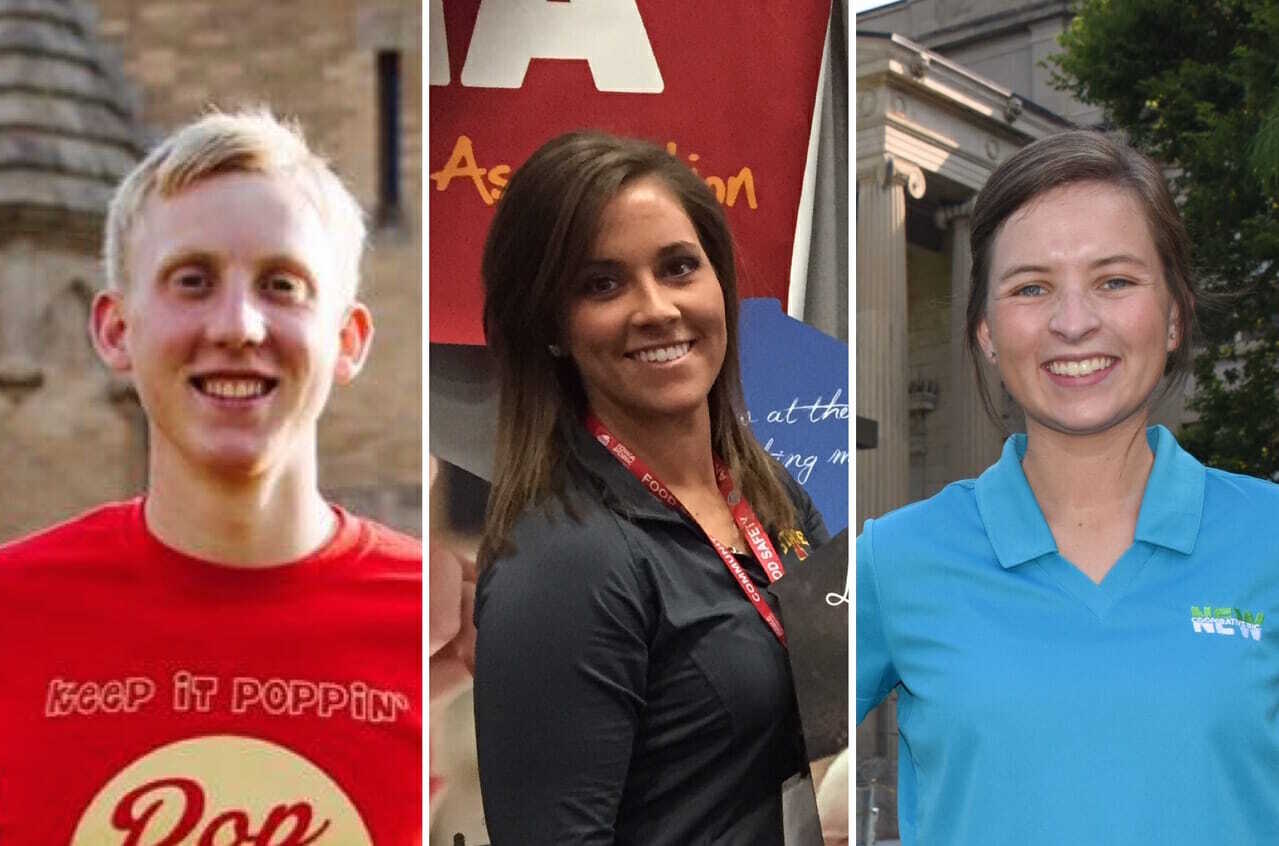
    Garrett Ley with two of his favorite flavored popcorn products.
    Garrett Ley with two of his favorite flavored popcorn products.

    We’re constantly presented with choices, but I didn’t understand the magnitude of my choices until I came to Iowa State University (ISU). There are numerous facets in the agricultural industry and it can be challenging to choose a college major. I chose Agricultural Business because this major offers ample opportunities to tailor it with electives. I really enjoyed choosing electives, but it was the experience I gained through multiple internships that led me down a career path in agricultural marketing.

    Many of my peers also have chosen their career paths through involvement in on-campus organizations or internship experiences. Today I’m sharing personal experiences of five ISU students, who will be involved in agriculture but in very different ways.

    Many people view popcorn as snack but Garrett Ley of Alleman, Iowa, is passionate about producing it. Upon graduating in May with a bachelor’s degree in Agricultural Business, he plans to amplify his G-Pop’s popcorn business. G-Pop’s was founded in May, 2014 when he discovered his new passion of entrepreneurship and value-added products for the consumer. Garrett is active on all levels of agriculture, from field to food.

    Kayla Degner
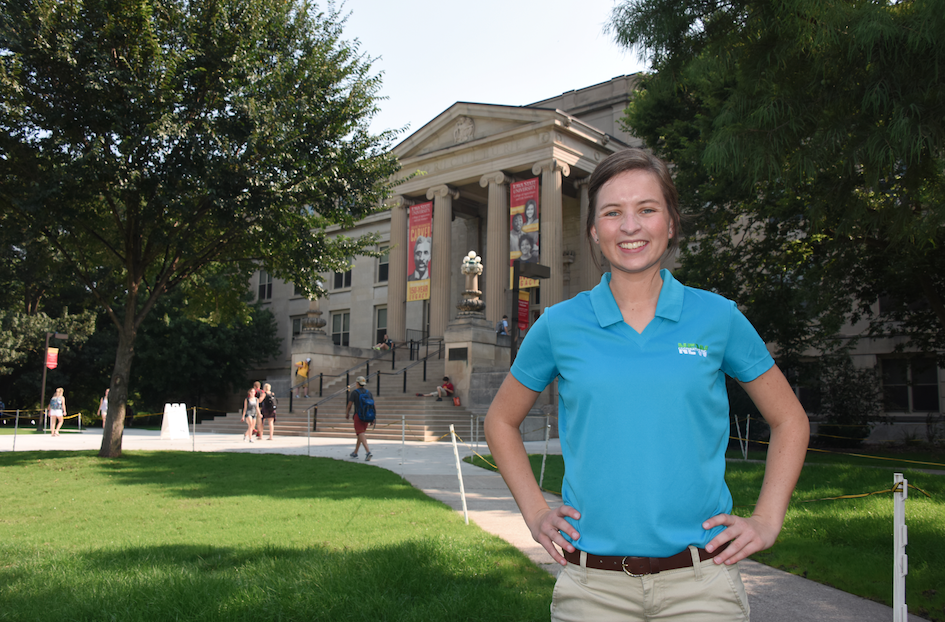
    Kayla Degner, Marketing and Communication Assistant for New Cooperative Inc.

    After May 31, you could find Adelai Swanson in Washington, D.C., working for Dow AgroSciences in Government Affairs and Sales. Adelai has always had a passion for agriculture policy. Her degrees in Agricultural Business and Public Relations will help make that dream become reality.

    Coming from a farm in West Central Iowa, Kayla Degner knew she wanted to be involved in agriculture. Kayla graduated from Iowa State University in May 2015 with a bachelor’s degree in in Agricultural Communications and is working at NEW Cooperative Inc. as a Marketing and Communication Assistant. Kayla couldn’t imagine herself doing anything different.

    Returning to his family’s farm upon graduating in May is what Brett Roquet describes as living his dream. He explains that he couldn’t see himself doing anything else. Brett and his younger brother raise show pigs. He also raises corn and soybeans with his dad and grandpa.

    Jennifer Elliott, soon to be Sales and
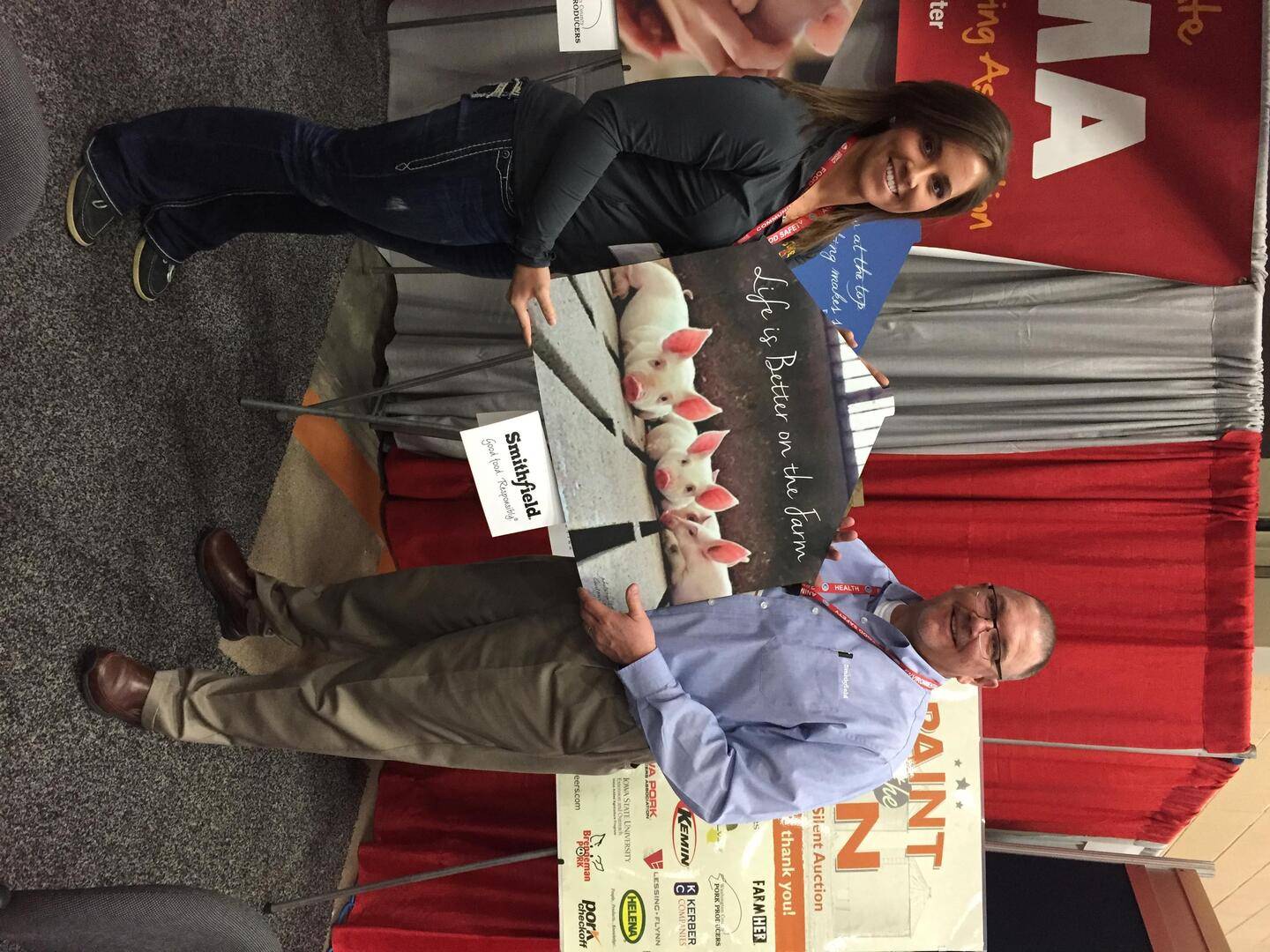
    Jennifer Elliott, soon to be a Sales and Business Trainee for Smithfield.

    Because some of her best memories happened when she was growing up on her family’s farm in Monmouth, IL, Jennifer Elliott was active in the College of Agriculture and Life Sciences. She will graduate in May 2016 with a degree in Agricultural Communications. She’s looking forward to when she’ll move to the East Coast and become a Sales and Business Trainee for Smithfield. Jennifer couldn’t be happier than to explore the different career paths offered through Smithfield through her trainee program.

    These five stories showcase the various directions students can take in agriculture. From entering the food industry to becoming involved in government affairs, there’s a career suited for all interests!

    Webspec Admin

    March 31, 2016
    Agriculture, General, Industry News
  • Latham Hi‑Tech Seeds

    Tips for Increasing Corn Yields in 2016

    IMG 0445

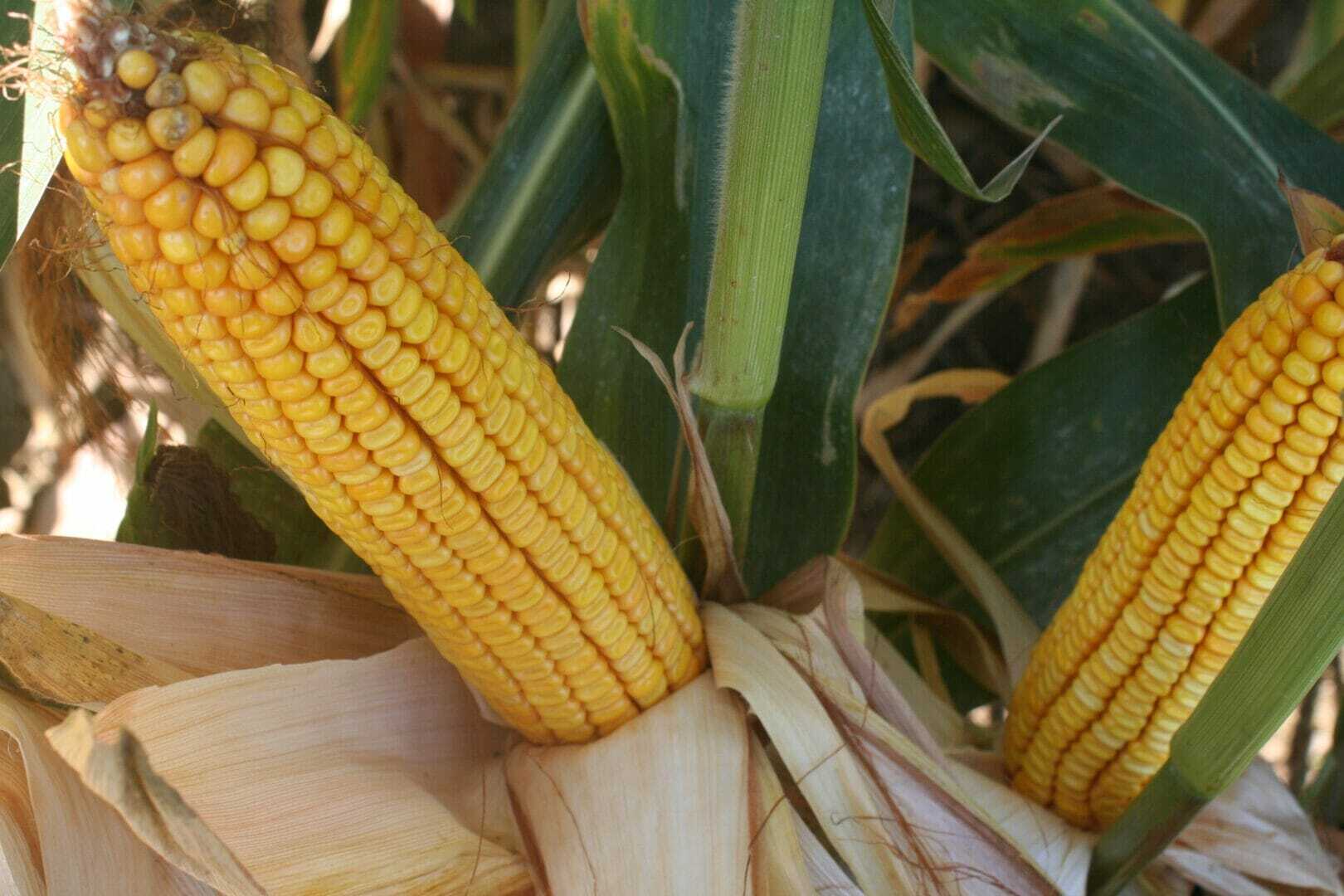
    There are literally a thousand variables that affect how good of a crop you raise. Many of these variables, like the weather, are out of your control. So why not control the ones you can?

    The decisions you make now can influence yield beforeIMG_0445 any seed goes in the ground. That’s why I’m sharing the factors I believe you can control to produce the best corn yields in the year ahead:


    1. Hybrid Selection. Selecting the right hybrid for a given field / soil type is probably the most important decisions a farmer makes. That’s why at Latham Hi‑Tech Seeds, we have developed a FieldXFieldTM worksheet to guide our customers through a proven process.
    2. Seedbed Preparation / Planting Date. Remember that early planting dates only have the potential to out-yield later plantings if conditions are right. Wait to plant until soil temps are consistently above 50° F and are expected to rise. Don’t “mud it in” just to be the first one in the field! Yield doesn’t significantly decline until later in the planting season, so practice patience.
    3. Planting Depth.The optimal planting depth for corn is 2 inches – for good reasons. If you plant to shallow, corn plants may germinate too quickly and then shut down if ground temperatures drop. Shallow planting also prohibits plants from developing the root system needed for plant health or stalk strength. If you plant too deep, emergence may be delayed.
    4. Planting Speed. While racing against time, some farmers have a tendency to plant at too high of speed. Planting speed affects the accuracy of seed placement, so travel between 4 and 5 miles per hour to encourage the best seed-to-soil contact.
    5. Soil Fertility. Accurate soil samples are necessary, so you can be sure the plants are getting the food they need. There are 16 essential nutrients for plant development, and each one is important in various amounts. A proper balance of macro- and micro-nutrients is necessary for optimal performance. Keep in mind that starter fertilizer, put down at planting time, can help get the crop off a quick start.

    Webspec Admin

    March 30, 2016
    Agronomics, Corn, Crop, General
  • Latham Hi‑Tech Seeds

    Make Your Voice Heard on Capitol Hill

    Dome

    Even though there is a lot going on with the election cycle and the huge push to find the final capitol
    candidates to run for the Presidency, we must stay vigilant to what is going on currently in our state legislatures.

    The legislative process is a fascinating process, yet at one time, I couldn’t get far enough away from it! I was under the impression that I couldn’t make a difference – but I was wrong! In fact, I’ve been told that sometimes an experience shared by one constituent can affect a vote.

    Elected officials need our input to know how we’ll be affected if certain bills are or are not signed into law. You can write e-mails to them. You can go to town hall meetings. You can even call them on the phone when they are in session. However, I have found that going to the Capitol and meeting with elected officials in person during the legislative session is the most effective way to express my ideas. Attending committee meetings allows one to see how elected officials operate and negotiate. I’ve been able to watch the action from the gallery, and I’ve been invited to sit on the floor right in the midst of all the action! Nothing can replace person contact.

    Tomorrow is one of the days that there will be many Farm Bureau members at the statehouse. Actually, any Iowan can visit the statehouse to meet with elected officials on any day that the Legislature is in session. All you have to do is walk to the chamber door to either the House of Representatives or the Senate. You simply fill out a slip to request to talk with a specific official, and then hand that slip of paper to the doorkeeper, who will find out whether the representative or senator is available. If he or she is available, he or she will come to the door and talk with you.

    There are many issues discussed daily: taxes, education and other topics that may affect you directly. It’s important that you make your voice heard. I can assure you, someone will be “twisting arms” on any given issue and he or she (or a particular special interest group) may not share your opinion!

    Voting for a person who’s running for office is just the beginning of the political process. It’s important that you remain engaged! You might feel comfortable calling on elected officials by yourself, or perhaps you’d be more comfortable joining a group effort through an organization that shares your interests. Either way, grassroots efforts can lead to better representation. The time spent contacting legislators and regulators is an investment – and you just may enjoy the experience!

    Larry Sailer, Musings of a Pig Farmer

    March 29, 2016
    Agriculture, General, Industry News
  • Latham Hi‑Tech Seeds

    Maintaining Important Easter Traditions

    Filling Eggs16
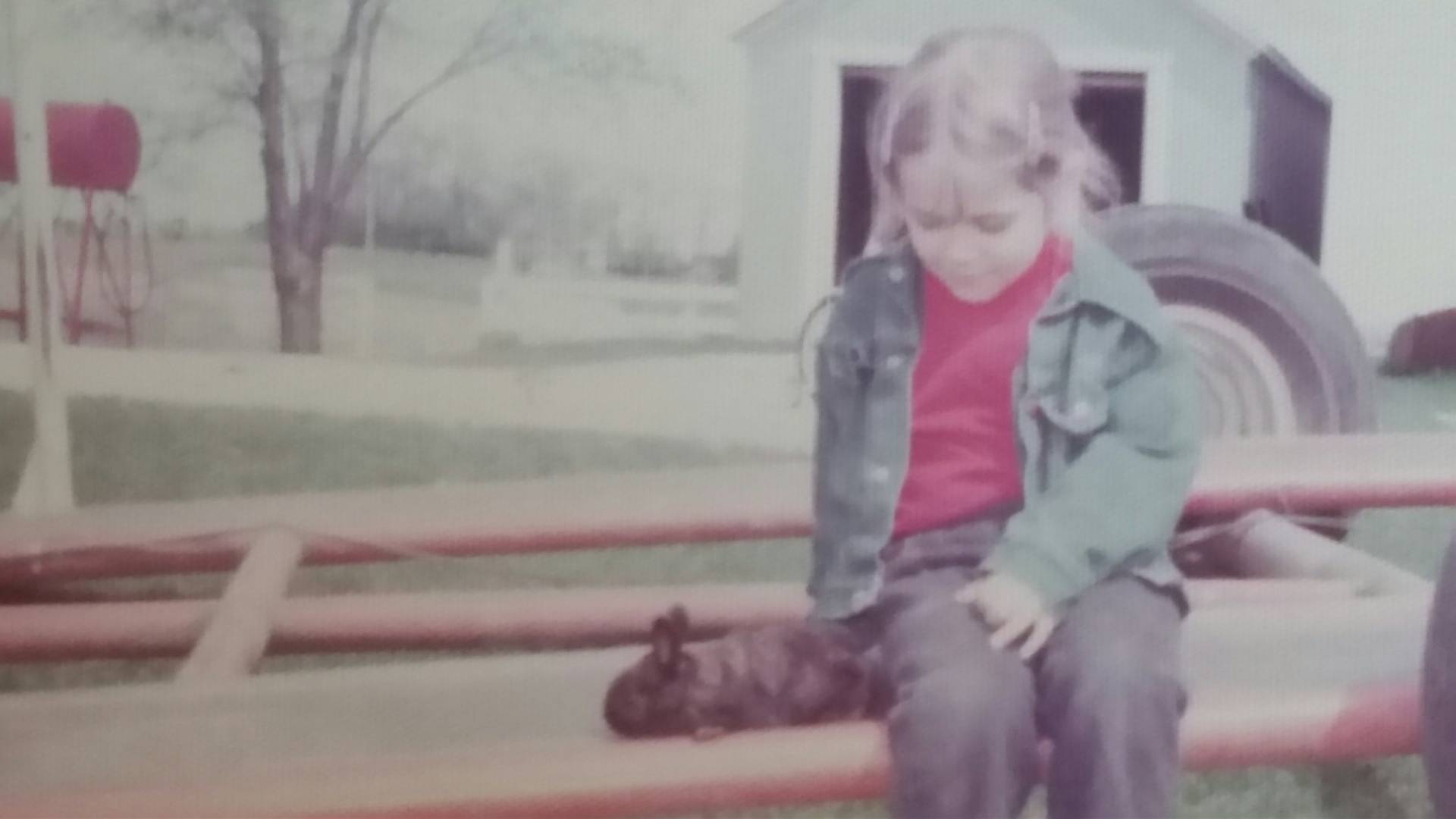
    When Shannon Latham was 5 years old, the Easter bunny delivered a live rabbit.
    When Shannon Latham was 5 years old, the Easter bunny delivered a live rabbit.

    When I was a child, I remember walking into the kitchen and finding my mom reading church cookbooks for new recipes to try. Fast forward to 2016, and I find myself saving recipes from my Facebook feed or pinning them to board on Pinterest.

    There are so many photographs of beautiful dishes in my newsfeed! I was intrigued by the thought of making Baked Potato Cupcakes or Krispy Eggs. I toyed with the idea of making the Iowa Girl Eats’ Easiest Fruit Salad because it’s so colorful – and I could use a little color after this week’s winter storm. Egg Lasagna sounded like an interesting side dish to ham.

    I’ll probably try my hand at some of these recipes in the future, but I won’t be making them for Easter. I’ve decided to stick with Asparagus Casserole. Any one of my family members could probably guess what’s inside my dish before the cover comes off, and that thought made me realize that my casserole has become a tradition. I honestly look forward to the Deviled Eggs that my brother makes. My daughter looks forward to the Corn and Macaroni hot dish that my cousin brings. Without intending to, we’ve created family holiday traditions by the foods we serve.

    Family traditions provide a constant in our otherwise ever-changing world. “Tradition gives us an opportunity to live in the moment and enjoy something that we have created as a family. It gives us the chance to slow down, appreciate and express gratitude towards the things in our lives that are not run by technology and busy demands.”

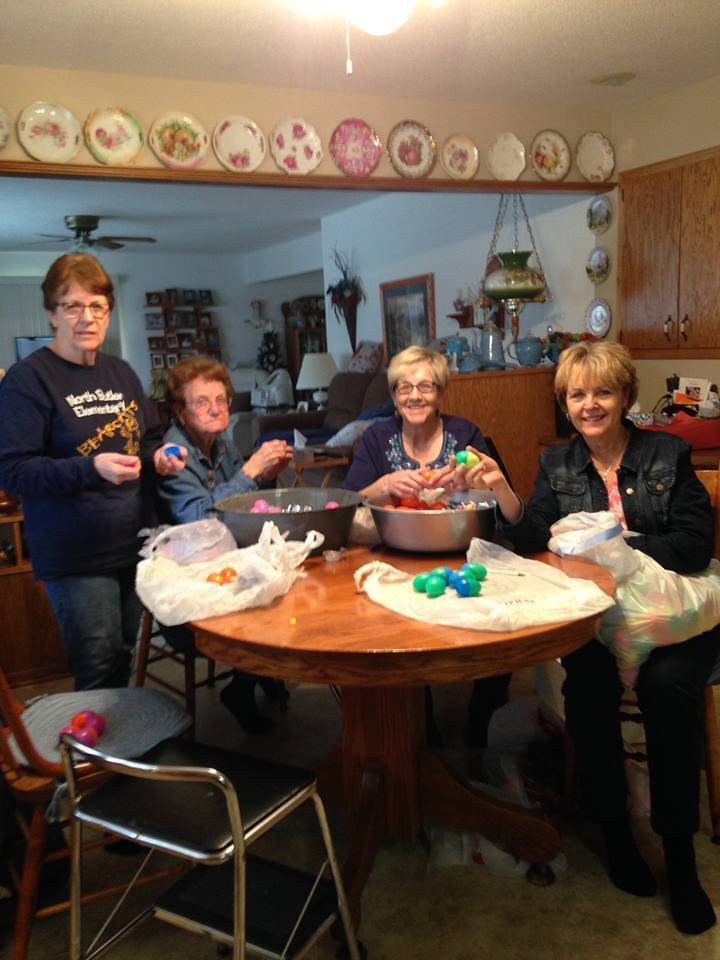
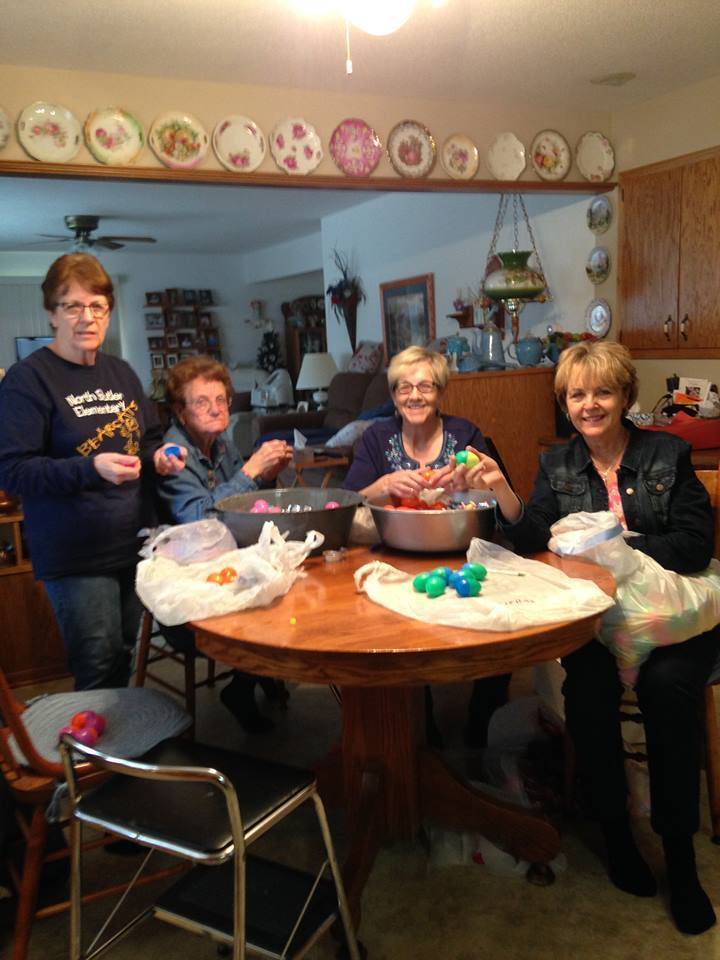
    Shannon’s mom and her aunts helping her 91-year-old grandma fill Easter eggs for the 2016 hunt.
    Shannon’s mom and her aunts helping her 91-year-old grandma fill Easter eggs for the 2016 hunt.
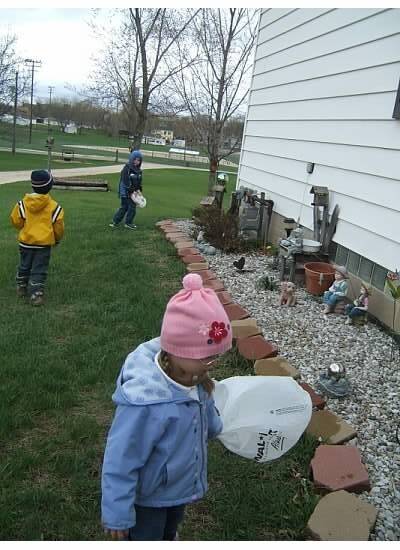
    Shannon's kids, at age 5, enjoying their family’s annual Easter egg hunt.
    Shannon’s kids, at age 5, enjoying their family’s annual Easter egg hunt.

    The case for preserving family traditions was made in a HuffPost Home blog article:

    1. Traditions give us something to look forward to.
    2. Traditions won’t preserve themselves.
    3. Traditions keep us grounded.

    The tradition I look forward to most each Easter is our annual egg hunt. My grandparents began hiding eggs more than 50 years ago. This weekend five generations will gather together to search for brightly colored plastic eggs filled with candy. Afterwards, we’ll enjoy a potluck meal. Like Pavlov’s dogs, my mouth is watering just thinking about it!

    What traditions do you look forward to this holiday season? Perhaps you can start a new one… Included below is a recipe for Cherry Red Raspberry Cheesecake, courtesy of Food and Swine. Photo credit to the Iowa Food and Family Project.


    Related Posts:

    • “Round 2” Recipe Ideas for Easter Leftovers
    • Bring New Meaning to “Colored Eggs”
    • Easy Easter Desserts and Crafts

    Team Latham

    March 25, 2016
    Desserts, General, Recipes
  • Latham Hi‑Tech Seeds

    5 Things High School Students Should Consider When Choosing a College

    Campus copy 2

    By Kilah Hemesath, Latham Hi‑Tech Seeds Marketing Intern

    Laundry, home cooked meals and roommates will all have different meanings after you move into the dorm of your new college town. I won’t forget the day I moved into Maple Hall at Iowa State University. A helpful move-in crew greeted my family and me, and then I was left with a new roommate in a tiny room that resembled the feeling of living in a box. Although the college experience was intimidating at times, it all contributed to finding my adventure at ISU.

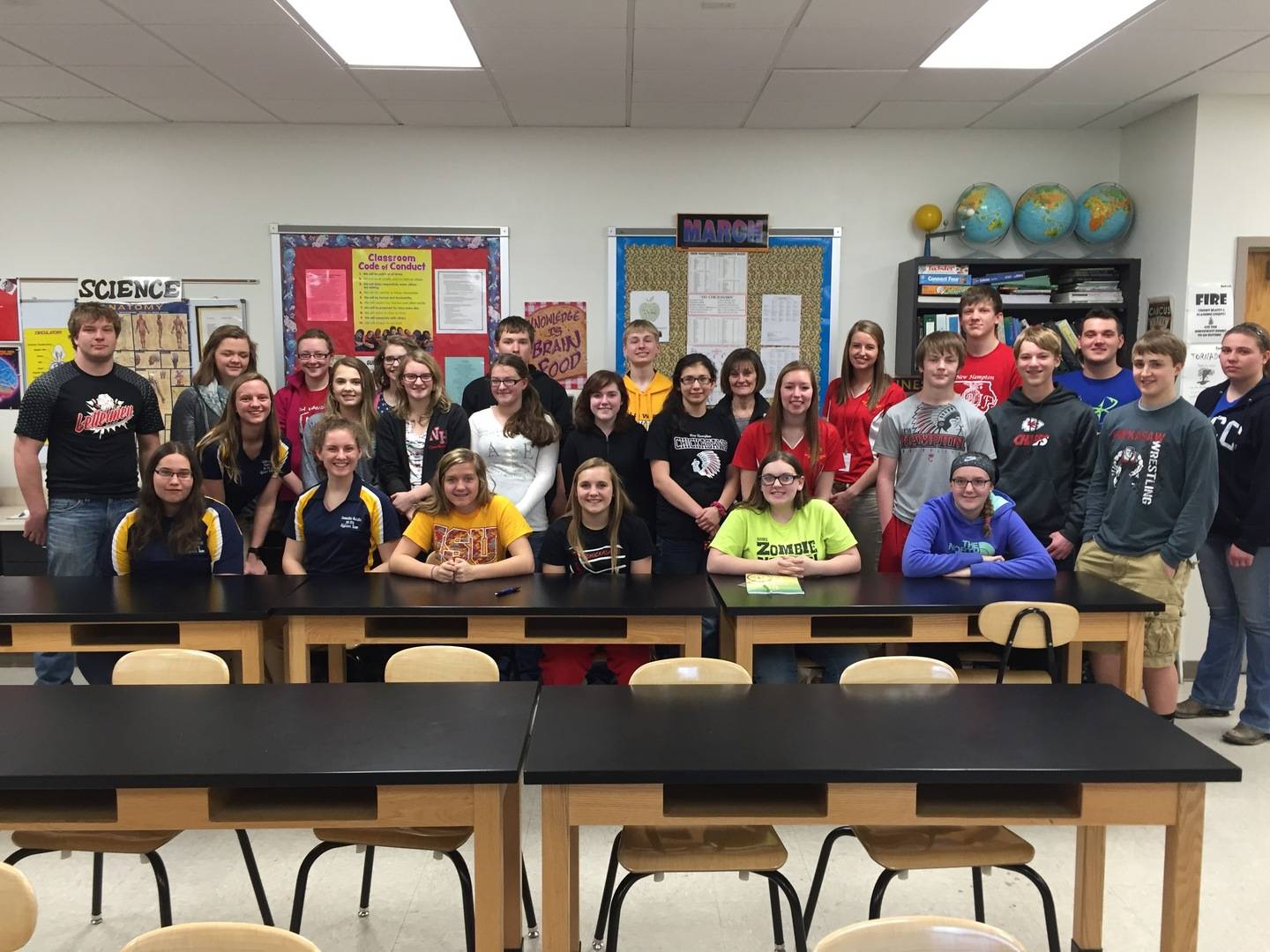
    Pictured above is 1 of 3 groups I had the opportunity to speak to about college and FFA.
    Pictured above is 1 of 3 groups I had the opportunity to speak to about college and FFA.

    Last week, I had an opportunity through the ISU College of Agriculture and Life Sciences to talk to middle school and high school students about everything from FFA to college and what to expect during transition times. From those conservations, I found a few items high school students should consider when choosing a college.

    In addition to using your gut reaction, I highlighted five checkpoints to deliberate before clicking Accept Attendance:

    1. What is the price you are willing to pay for your education?

    There’s no doubt college is expensive. College tuition can range from $4,000/year to $40,000/year. In addition to paying tuition, you will need to pay living expenses whether you live in a dorm or an apartment. Secondly, you will need to buy food, either a meal bundle through campus dining services or groceries. In most cases, clubs require a small yearly fee to join and participate in the club trips offered.

    1. What are your interests?

    Recognizing your interests can assist tremendously when choosing a college. For example, if you have an interest in agriculture, then Iowa State University, Purdue, Kansas State and Oklahoma State have noteworthy agricultural programs. Even if you are uncertain on which major to choose, starting at a college that fits your interests will provide you with a solid foundation.

    1. How many years will you be in college?

    Your years in school will depend on the type of degree and major you plan on attaining. It’s important to know this before choosing a college, as the length of schooling can vary by each college. Laying out a few short-term and long-term goals can help outline your future, factoring in the number of years you will be in school for.

    1. How much are you willing to travel?

      Iowa State's campanile on a nice fall day.
      Iowa State’s campanile on a nice fall day.

    It is important to consider the location of different colleges when making your decision. You should note how often you would like to go home and how feasible it is to travel the distance! In some cases, students may want to branch out and travel further away from home.

    1. Does it feel like home?

    The college you choose will become your second home for the next few years. You should feel comfortable and confident in the school, campus and the environment. I was greeted with smiling faces from the faculty and tour guides at Iowa State, and I knew it was the place for me!

    Choose your college based upon your career goals and aspirations. The opportunity to further your education is irreplaceable, so take advantage of it!

    Webspec Admin

    March 24, 2016
    Agriculture, General, Industry News
  • Latham Hi‑Tech Seeds

    3 Keys to Conducting Your Own On-Farm Trials

    Meade corn plot

    Spring is here and Midwest farmers are eagerly awaiting another planting season. I’m sure you’ve done a great job of selecting seed and planning where to plant each Latham® hybrid. Remember, pre-planning is also required for your own on-farm research trials.

    Farmers are always interested in continual improvement, so it’s only natural that many are interested inMeade corn plot seeing how new releases or experimental products will yield on their own farms. As a farmer myself, I plant some newer genetics alongside some of my tried and true favorite hybrids to help determine which products I’ll plant next season. As a member of Latham’s Corn Product Team, I also understand how important it is to properly place products in these tests.

    Here are a few suggestions for conducting a fair test in your own on farm trials:

    1. Compare similar hybrids. Make sure you’re comparing hybrids with the same trait package and relative maturity. Harvest moistures must be fairly close, so the samples are fairly consistent. You may have an average moisture but there could be some long-term storage issues if you put grain in a bin that is too wet.Also make sure you’re comparing hybrids of similar height, or at least plant enough rows of each one so you don’t have a shading effect that can reduce the yield dramatically on a shorter hybrid. Try and plant a row sequence that fits the width or number of rows for your combine header. Combines run more efficiently and the yield monitor is more accurate if the harvest width is consistent across the trials.
    2. Plant a large enough trial to get a fair test. While many research plots use shorter rows to test several varieties in a manageable amount of space, seed companies like Latham Hi‑Tech Seeds also use testing equipment that is very specialized for data recovery. Make sure you plant enough of the new hybrid to fit your combine header in a large enough area to get a good readout from your yield monitor. Accuracy is important because you will be making next year’s purchasing decisions based on your findings.
    3. Keep the trial on even ground. Unless you split the planter and cover the entire field, there is no better way to compare hybrids than side-by-side on a piece of flat ground to take soil variability out of the equation.

    Speaking of new product testing, I’m very excited about the production plan our Latham Product Team has assembled for the 2017 selling season! As an industry-leading independent seed company, we’re able to focus on traits from all sources including GT, VT2 Pro, Artesian, SmartStax and Powercore – pending approval. Information gained from Latham SuperStrip Trials plus our own research plots across our sales footprint enables us to strengthen our already strong corn lineup.

    I’m looking forward to another exciting year of plot analysis! How about you? The Latham Product Team is here to provide additional background information and insights, so feel free to call upon us!

    Webspec Admin

    March 23, 2016
    Agriculture, General, Industry News
  • Latham Hi‑Tech Seeds

    Pig Farmers Have Animal Welfare in Mind

    IMG 0229 2

    There are so many subjects that I’d like to talk about today but I must go back to my favorite topic… pigs!

    Admittedly, action by the Humane Society of the United States (HSUS)IMG_0229 (2) is forcing me to advocate today! This organization has purchased a full page insert scheduled to run tomorrow in USA Today, which is our nation’s largest newspaper by circulation. The objectives of the HSUS ad buy are:

    • To cause concern about the care of animals raised for food.
    • To question animal confinement by describing it as a shift from family farms to industrial agribusiness.
    • To insinuate that “factory farms” jeopardize the welfare of animals, damage public health and harm the environment.

    HSUS is paying to spread lies about what I do, and I take that personally! The term “factory farms” is being used because of its negative connotation, and it’s certainly a term I dislike very much. Sure, the average farm size has increased over time due to economies of scale. Economies of scale is defined as the cost advantage that occurs when output is increased and variable costs are reduced from operational efficiencies and synergies.

    Increased volume (or output) is simply a business concept exercised by a lot of other businesses and industries. Retail stores use size to be more efficient. Stores use technology to be better! Why is it so bad when farmers use proven business techniques?

    As I have shared many times, I have raised pigs many different ways during the past 50 years. I have been a part of this fantastic transition! In the old days, I watched sows tear each other apart when they returned to a pen after nursing their pigs. I fought blizzards to feed and water my pigs, struggling to keep them from freezing to death. I have farrowed sows in that beautiful looking pasture only to find that the sow had her pigs in a mud hole, and baby pigs don’t have good odds of surviving in water and mud! Modern production practices have allowed us to remove many variables that led to injury and illness.

    Recently I returned to a full-time job in the construction side of raising pigs. My job is to improve the buildings in which pigs are housed. Getting pigs raised inside has been a huge improvement, but we don’t stop there. One thing I’ve noticed by visiting hog barns across the Midwest is that the pigs’ welfare is always top of mind. There is zero tolerance for abuse, and signs are hung telling readers to call a listed number if they see ANY animal abuse. We have even gone to having our certification meetings for Pork Quality Assurance (PQA Plus Certification®) program every year instead of every three years!

    There is a lot of research going on all the time to make these momma sows more comfortable and stress free. Animals grow better and have more babies when they are comfortable and less stressed! And, yes, more live pigs per liter can lead to increased profits for farmers. This is a win, win. That’s why it’s just unbelievable to me that we get attacked for doing what’s right!

    Now keep in mind that HSUS is not actually thinking about animal welfare. After all, how do you think they can afford to run such ads? HSUS is very good at raising money. In fact, HSUS raises than $100 million annually but less than one half of one percent is spent to improve the life of animals. Most of the money raised goes toward the comfort and wealth of HSUS employees!

    If you happen to see the big expensive HSUS ad, please remember that my fellow pig farmers and I are the ones with the welfare of our pigs in mind!

    Larry Sailer, Musings of a Pig Farmer

    March 22, 2016
    Agriculture, General, Industry News
  • Latham Hi‑Tech Seeds

    Lathams Participate in Seed Industry Legislative Fly-in

    20160315 142831

    John and I were among the 55 seed industry representatives, who gathered last week in Washington, D.C., to “Storm the Hill.” Hosted by the American Seed Trade Association (ASTA), “Storm the Hill” provides a unique opportunity for seed-industry partners from every sector across the nation to join together as a unified voice on Capitol Hill.

    Approximately 90 visits were made to U.S. senators and 20160315_142831representatives about a number of issues that will impact the future of the seed industry, including the efficient movement of seed across state lines and country borders. We had the pleasure of attending a Spring Break Reception (#IAinDC) where we thanked Senators Grassley and Ernst for supporting a national solution for the labeling of foods made with GMO ingredients. We also visited each Iowa congressman’s office to thank them for supporting this issue, as well as other issues that impact the livelihood of Iowa farmers and small business owners.

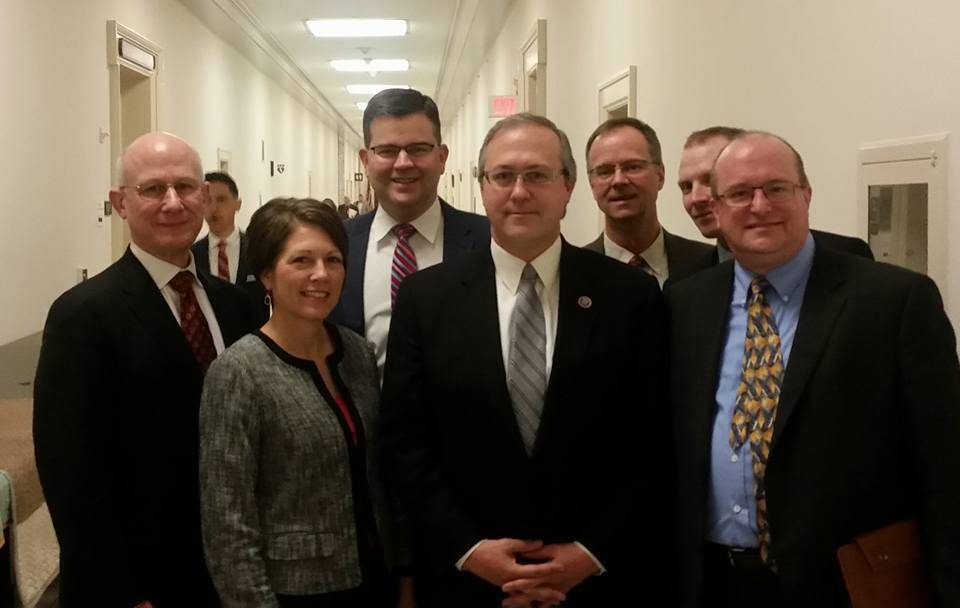
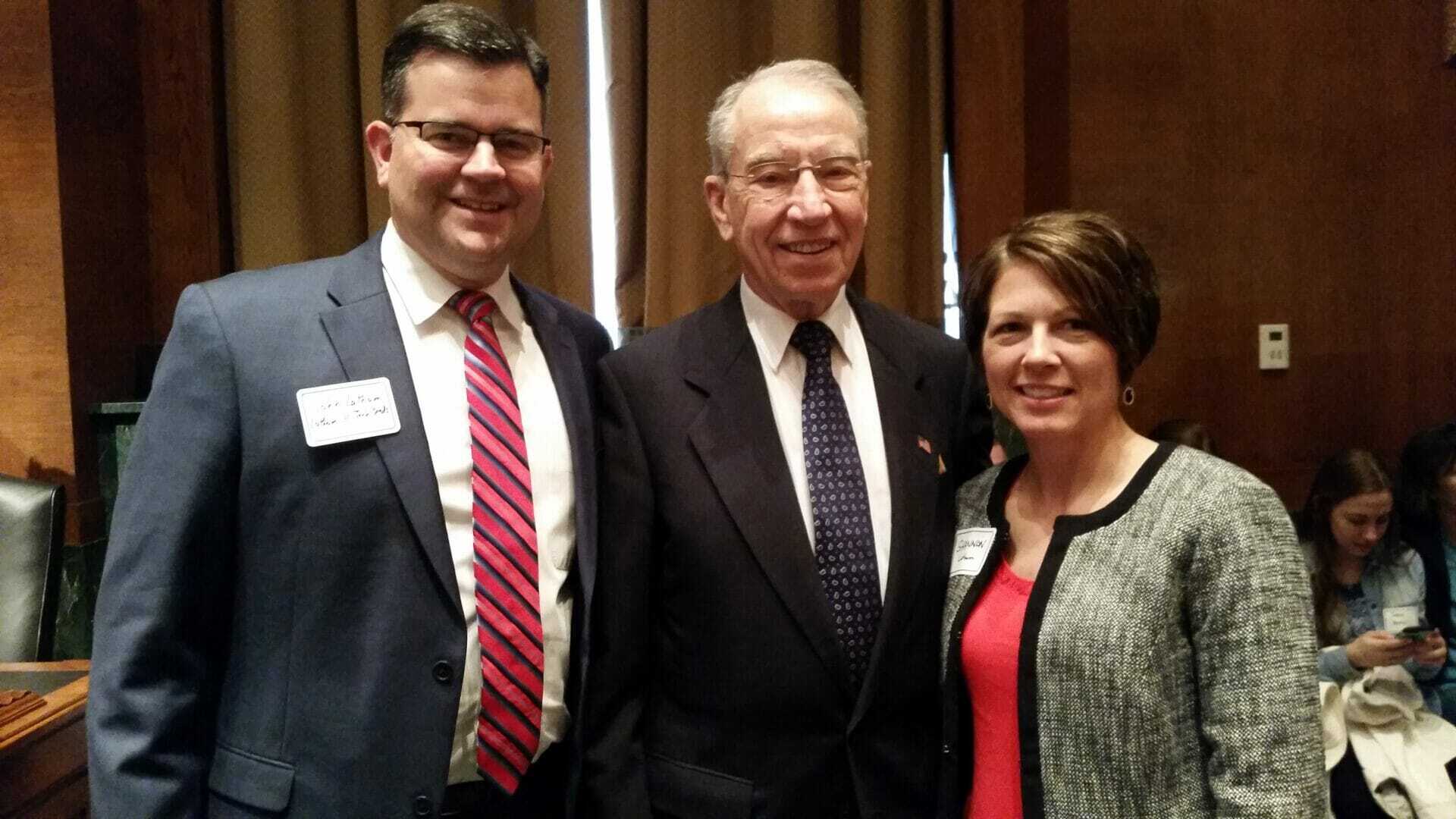
    John and Shannon Latham joined seed company representatives from the state – and the nation – last week on Capitol Hill. They met with both Iowa senators and all four representatives including Rod Blum (R–Dubuque), who is pictured here on the left.
    John and Shannon Latham joined seed company representatives from the state – and the nation – last week on Capitol Hill. They met with both Iowa senators and all four representatives including Rod Blum (R–Dubuque), who is pictured here on the left.

    Last week’s congressional visits couldn’t have been better timed as they were made the day before the Senate was scheduled to debate the GMO labeling bill. Seed industry representatives called upon elected officials to prevent a costly and confusing patchwork of state labeling laws by passing a uniform, voluntary labeling bill. We encouraged them to vote “yes” for science and “no” for anti-GMO standards.

    U.S. Senator Pat Roberts, Chairman of the Senate Committee on Agriculture, Nutrition and Forestry on March 16 released a statement regarding the Senate’s failure to invoke cloture on the Biotechnology Labeling Solutions Bill:

    “For more than a year, I have called on my colleagues across the aisle to come to the negotiating table to address the problems facing the nation’s marketplace should states continue to mandate confusing and differing biotechnology labeling standards… “My approach to labeling acknowledges what many American consumers forget: our food is abundant, affordable and safe. We must continue our reliance on science and technology to ensure our continued prosperity.”

    The Senate failed to invoke cloture on the bill with a vote of 48-49. However, there is still hope that negotiations will continue after the Easter break. You can bet that we’ll be following this issue, as well as several others that impact the seed industry’s shared commitment to producing better seed for a better quality of life.

    Seed industry reps spent ‪#‎AgDay2016‬ on Capitol Hill, meeting with elected officials including Congressman David Young (R-Iowa-03).
    Seed industry reps spent ‪#‎AgDay2016‬ on Capitol Hill, meeting with elected officials including Congressman David Young (R-Iowa-03).

    A diverse array of genetic resources are the building blocks of better seed.  Sophisticated breeding programs allow the seed industry to help meet the need for a wide variety of nutritious and high quality products, while supporting sustainable agriculture practices that preserve our environment’s natural resource and biodiversity.  To ensure full access to the plant materials needed for continued innovation, ASTA members last week called on Congress to pass the International Treaty on Plant Genetic Resources for Food and Agriculture and increase funding for the National Plant Germplasm System and Germplasm Enhancement Maize (GEM) Project.

    Seed plays an important role in preserving, rehabilitating and reclaiming fragile lands, as well as maintaining habitat for wild species. As chair of ASTA’s Legislative & Legal Affairs Committee, John also advocated for a number of priority issues related to conservation and the environment including: Congressional oversight in the implementation of the National Seed Strategy; the importance of close collaboration between the U.S. Department of Agriculture (USDA), Department of Interior and the seed industry on pollinator strategies; continued investment in USDA Farm Service Agency and Natural Resources Conservation Service (NRCS) Programs; and full funding for the USDA-NRCS Plant Material Centers.

    Click here for more information on national seed industry legislative priorities.

    Team Latham

    March 21, 2016
    Agriculture, General, Industry News
Previous Page
1 … 32 33 34 35 36 … 159
Next Page

Latham Hi‑Tech Seeds

131 180th Street | Alexander, IA 50420

(641) 692-3258

SIGNUP FOR OUR NEWSLETTER
  • Contact
  • Legal
  • Dealer Center
  • Seedware Login
  • Latham Gear

© 2025 Latham Hi‑Tech Seeds. All rights reserved. | Iowa Web Design by Webspec | Privacy Policy

Latham® Hi-Tech Seeds is a trademark of M.S. Technologies, L.L.C., 103 Avenue D, West Point, IA 52656.