Latham Hi-Tech Seeds

(641) 692-3258

  • Home
  • Products
    • Corn
    • Soybeans
    • Alfalfa
    • Corn Silage
    • Seed Guide
  • Performance
  • Find a Rep
  • Media
    • Blog
    • News
    • Videos
    • Podcasts
    • TECHTalk
  • About Us
    • Company History
    • Our Mission
    • Careers
    • Become a Rep
    • Sowing Seeds of Hope
  • Contact Us
  • Latham Hi‑Tech Seeds

    Notes from the Field – PreHarvest 2021

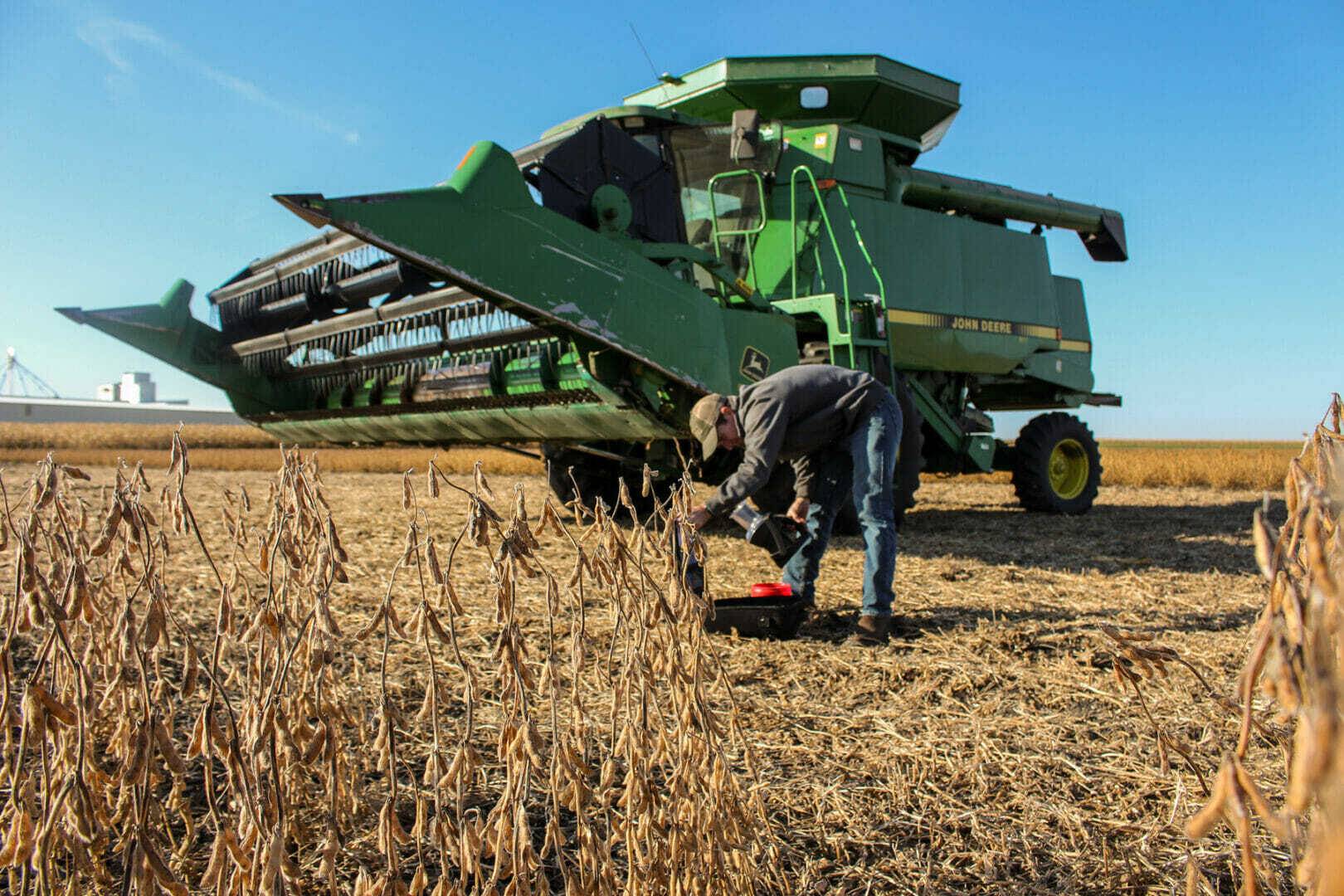
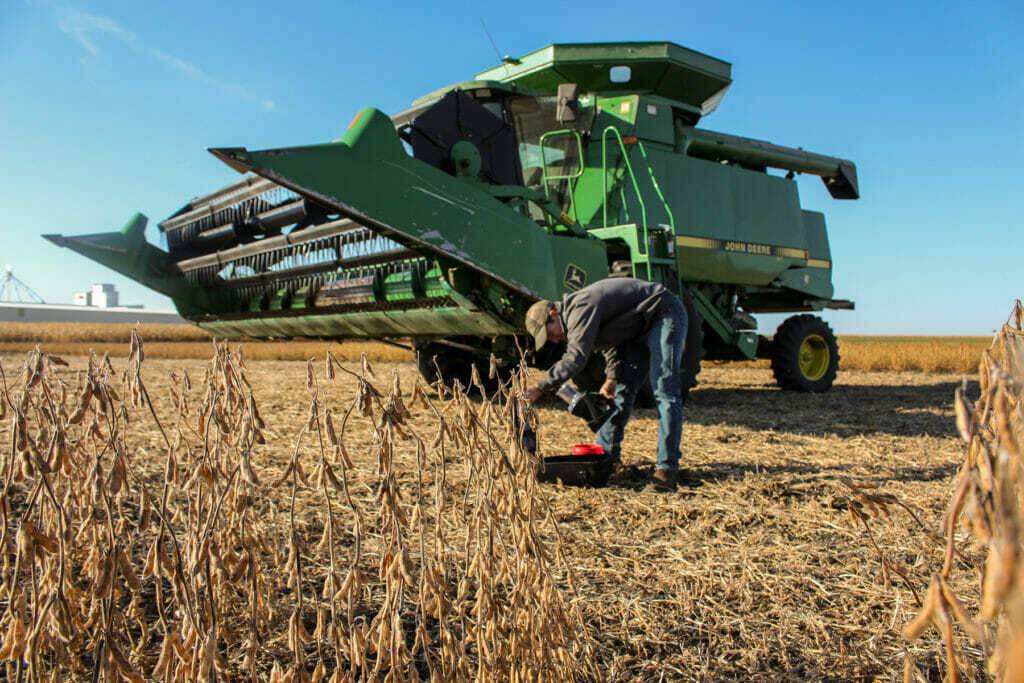
    Mark soybean article image

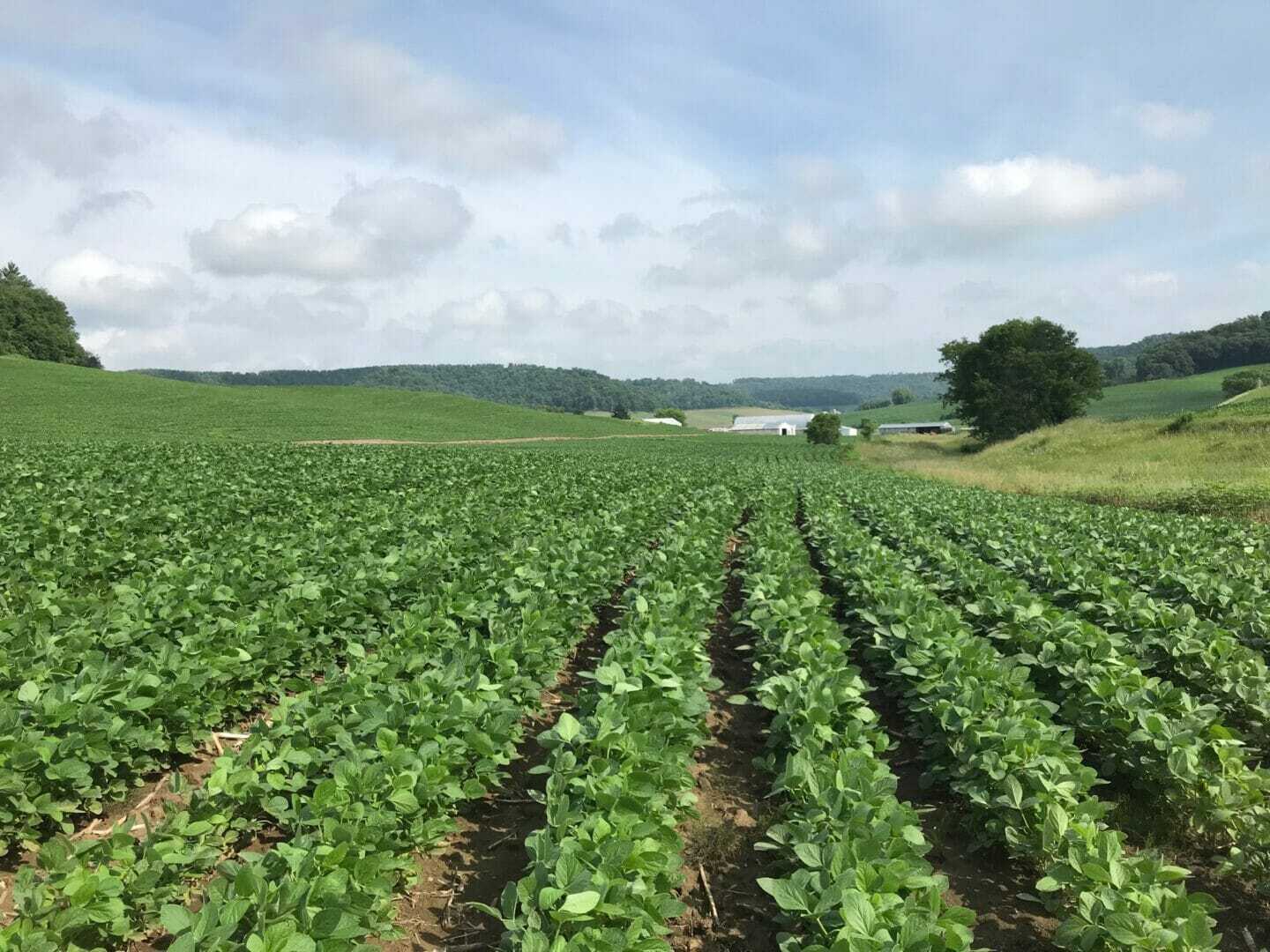
    Mark soybean article imageI’m very hopeful that – even with the dry weather – our production fields can achieve an overall average year for production with sufficient seed for soybean sales in 2022.

    Most soybean farmers’ biggest concern across Latham Country has been lack of moisture. Many have noticed aborted flowers, dropped pods, and restricted pod fill. Thankfully, our production fields in South Central Minnesota received a nice two-inch rain during the first week of August. Most of the growers in our area around Alexander, Iowa, got a nice one- or two-inch rain on August 20-21. That rain will help those fields fill out pretty well. Some of our fields in northern Minnesota also got a nice inch or more that weekend.

    Rainfall has been extremely variable throughout the summer. On August 20, the Des Moines airport reported no rain but most cities throughout the metro got about 1.5 inches! “Spotty” rains have been the norm rather than the exception this season.

    Besides the drought, infestations of two-spotted spider mites are popping up almost everywhere across Latham Country. This is common in periods of dry weather. Most growers seem to be willing to apply pesticides for control, especially when the market price for soybeans is high. Farmers in a few areas have reported Bean Leaf Beetles and Soybean Aphids at very low levels, so insecticide applications have not been necessary.  Grasshoppers also flourish in dry conditions, and I have heard of farmers spraying to control this pest.

    On the disease side, I’ve seen and heard of Sudden Death Syndrome (SDS) and White Mold this season. Dry weather usually hinders huge outbreaks of diseases, but it’s not unexpected that some areas will see things like this. Remember, SDS CANNOT be controlled with a foliar application of fungicide but there are some that can help on White Mold. I’ve also seen some Frogeye Leaf Spot (FLS) in a few fields but not enough to warrant a fungicide except in Southeast Iowa. I’m hearing about and seeing FLS in regions further north than usual, which is evidence this disease is moving farther north every year.

    Call the Latham Team if you need help to diagnose situations or to recommend solutions. Be sure to keep field notes from these problem areas because that will be useful when you select seed in the future.
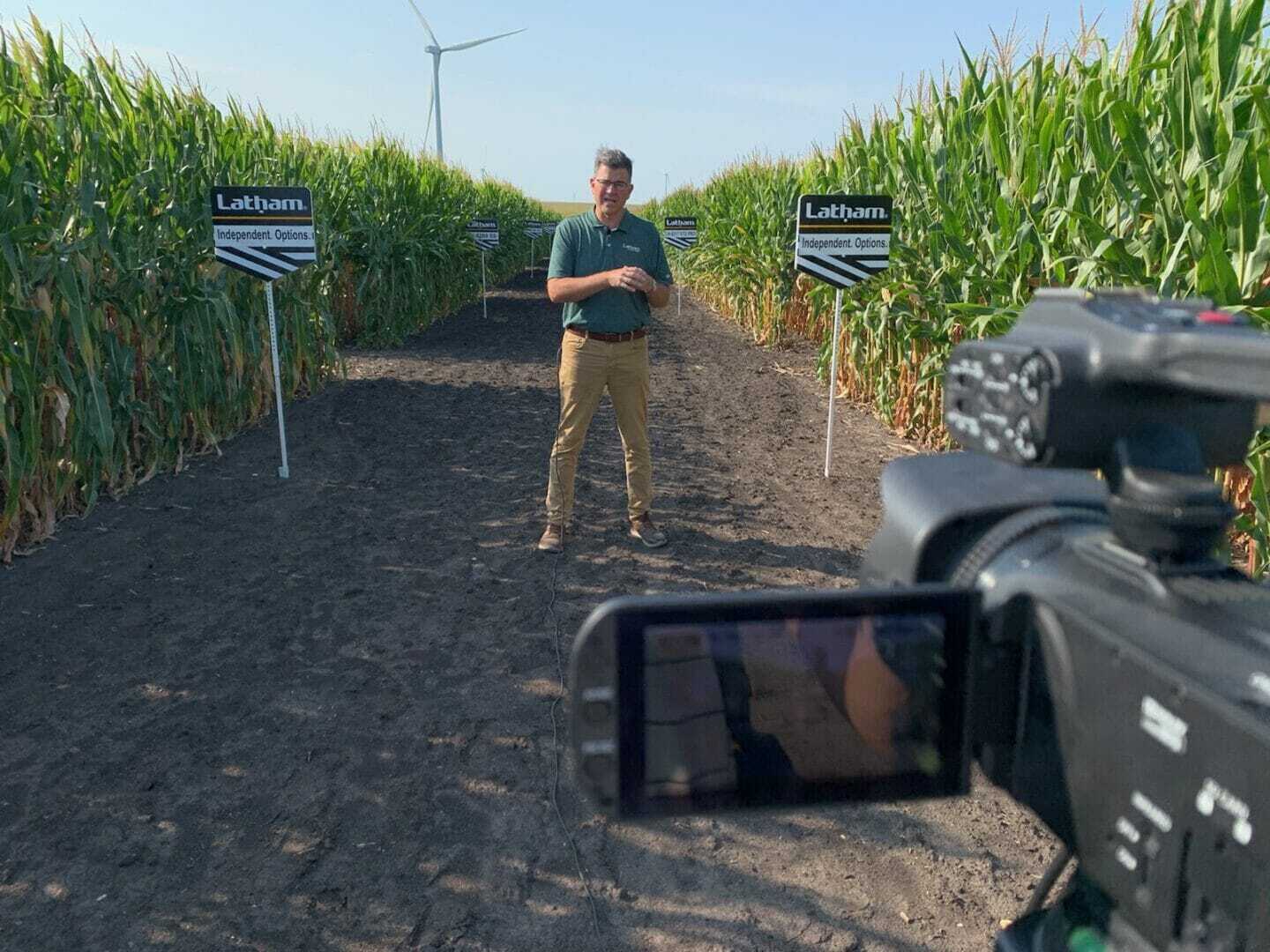
    Mark Grundmeier, Product Manager

    September 24, 2021
    Agronomics, Crop, Disease, Drought, Fall, Fungicide, General, Insects, Season, Soybeans, Weather
  • Latham Hi‑Tech Seeds

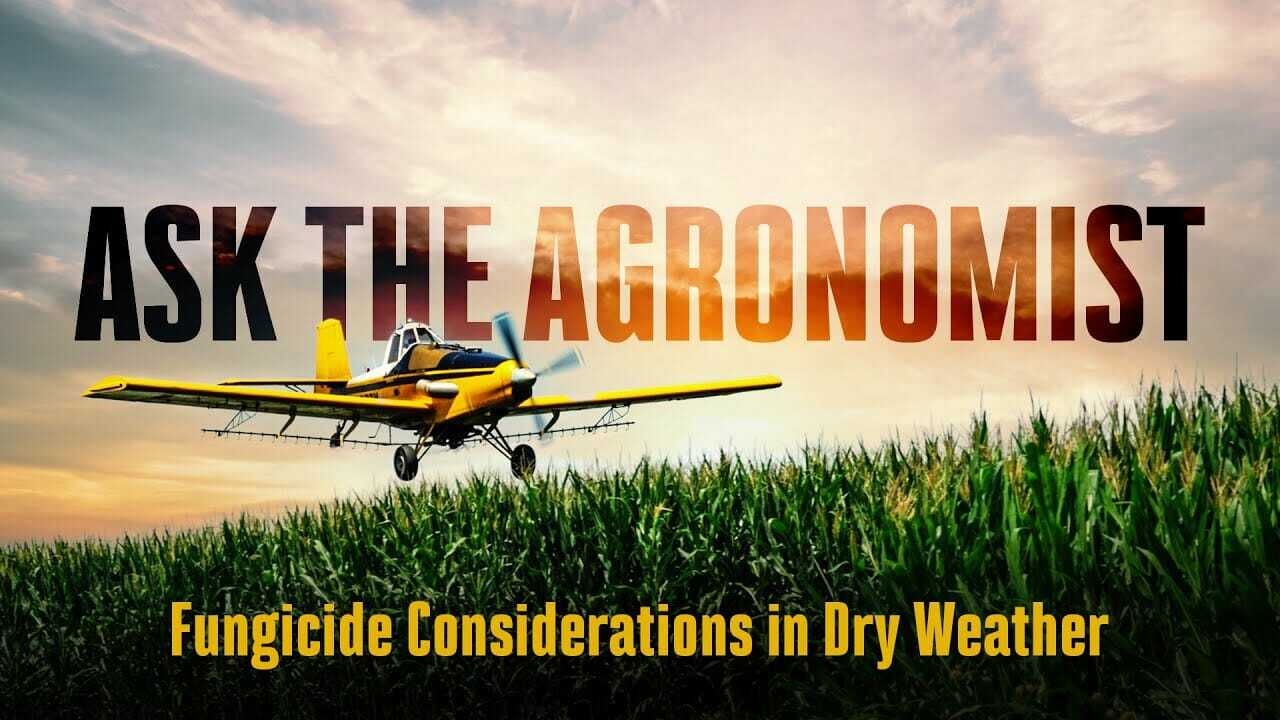
    #AskTheAgronomist: Fungicide Considerations in Dry Weather

    Maxresdefault

    To apply fungicide or not to apply fungicide? This question is on the minds of many growers as we continue through a relatively dry growing season. Precision Agronomist Phil Long discusses the pros and cons of fungicide in both corn and soybeans.

    Webspec Admin

    July 7, 2021
    #AskTheAgronomist, Agronomics, Corn, Crop, Drought, Fungicide, Season, Soybeans, Summer, Weather
  • Latham Hi‑Tech Seeds

    Latham’s 2020 Virtual Field Day Was “Made for You”

    IMG 6752

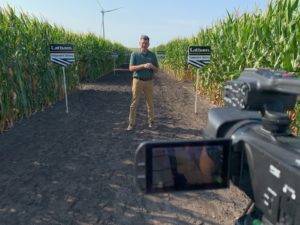
    Virtual cover imageAt Latham Hi‑Tech Seeds, we have hosted multiple field day on wheels. We’ve showcased emerging technologies that allow us to check crops from the air, but this is the first year we didn’t have to worry about the weather on our field day. It’s also the first time we a virtual day event.

    Welcome to 2020! The worldwide COVID-19 pandemic has forced businesses around the globe to deliver information using technology like Zoom, Facebook Live and YouTube. Although we prefer to meet with farmers in person, our team of industry experts has developed some interesting and informative content for you. We hope you enjoy it and find it of value!

    Below is a recap of our 2020 Latham® Virtual Field Day with links, so you can watch agronomic presentations from the comfort of your office or the cab of your tractor or combine:

    • Fortunately, weather events did not affect our production fields. It looks to be another banner year for Latham seed production! You’re invited to join us for this 40-minute industry roundtable with Latham’s Product Team.
    • IMG 6752In this “challenges of harvest” roundtable hosted by Bob Foley, farmers from across the Upper Midwest tell us how they’re managing harvest in not-so-ideal conditions.
    • Put products and practices to the test on your on farm! Precision Agronomy Advisor Darin Chapman discusses on-farm research and the benefits. He covers how you can use “small data” to work on your own farm.
    • Soybean Product Manager Mark Grundmeier provides tips for Selecting Soybean Products that are Built for Battle. Did you know farmers don’t have to give up yield when planting defensive soybeans? Mark talks about how Latham’s exclusive IRONCLADTM products are bred to combat local diseases.
    • Latham’s Northern Product Manager Gary Geske explains how seed treatment helps maximize yield potential. He explains what makes Latham Seeds’ SoyShield® so unique, so elite and so effective.
    • Latham Corn Product Manager, Lyle Marcus, shares how to maximize performance and reduce risk with Latham® corn hybrids in 2021. He also introduces eight new hybrids for spring planting.
    • In this 20-minute workshop on seed placement and performance, Precision Agronomy Advisor Phil Long explains how to use Latham’s product guide to choose seed products for 2021. Did you know that placement can affect yield by up to 20 percent? That’s a 20- to 50-bushel yield swing! Phil walks us through how to match management style to product characteristics for best placement and performance.

    One of the things we enjoy most about hosting field days is sitting at the table with Latham® dealers and customers. We always enjoy hearing about our customers’ families and learning more about farming operations. If you attend a Latham Seeds’ event, you can count on great conversation and a wonderful meal.

    In true field day fashion, we are sharing with you a typical field day menu. Below are links to some of our favorite fall recipes:

    • Harvest BBQ Pulled Pork Sandwiches, a recipe shared by Iowa’s Deputy Secretary of Agriculture Julie Kenney
    • Sweet & Spicy Baked Beans
    • Cranberry Waldorf Salad (Although this recipe isn’t from “The Field Position” blog, it’s a hit every time I make it for a group that visits Enchanted Acres pumpkin patch.)
    • Apple Crisp

    With the cool fall weather this week, we thought it would be the perfect time to share a new crockpot dish.  Scroll down to find a recipe for Slow Cooker Cajun Chicken Fettuccine. Recipe and image sourced here.

    Shannon Latham

    September 11, 2020
    Agronomics, Corn, Crop, Disease, Emergence, Fertility, Food & Family, Fungicide, Growth Stages, Insects, Poultry, Precision Ag, Recipes, Seed Treatment, Sides, Soil, Soybeans, Weed Control
  • Latham Hi‑Tech Seeds

    2020 Latham Virtual Field Tour Recap

    Virtual cover image

    Find a recap of our 2020 Latham Virtual Field Tour. Latham’s product team shares insights on a variety of key topics geared toward success this harvest and into the 2021 growing season.  If you missed the live session, no worries! Find our on-demand videos below of the field tour.


    TUESDAY, SEPTEMBER 8, 2020: KICKOFF TO LATHAM’S VIRTUAL FIELD TOUR WEEK 2020
    2
    Join us for the first session of our 2020 Virtual Field Day as John Latham shares about our 73 years of quality and innovation. What does this mean for our dealers and customers across Latham Country? Tune in to find out! #LathamSeeds
    • Watch on YouTube: https://youtu.be/38HPu0W5AG0
    • Watch on Facebook: https://www.facebook.com/watch/?v=716833985567673&extid=wucYcQA8x7m2HAf4

    Tune in above for a roundtable with Latham’s Product Team hosted by President John Latham.
    • 0:35 — Introductions
    • 2:06 — What soybean technologies can farmers be looking forward to in the future?
    • 3:50 — Has any of the extreme weather affected our corn supply?
    • 5:45 — What additional agronomy videos are coming down the pipeline?
    • 8:50 — Can the Data Forward app help with yield estimates?
    • 11:25 — How to prepare yield monitors to gather accurate yield data?
    • 16:30 — Late-season visible differences in treated and untreated seed
    • 18:00 — Update on XtendiMax renewal
    • 20:25 — 2021 corn line-up sneak peak
    • 24:00 — What makes the word INDEPENDENCE so meaningful at Latham Seeds?
    • 28:30 — Can we fix yield data after harvest?
    • 29:25 — When is the best time to soil sample?
    • 32:40 — Seed treatments: where can farmers cut some costs?
    • 35:45 — John Latham’s update from ASTA

    Watch on Facebook: https://www.facebook.com/watch/?v=2668478816588211&extid=ca2iM5vffbodkI4Y

    Watch on YouTube: https://youtu.be/O8FHM7ESu9M


    WEDNESDAY, SEPTEMBER 9, 2020: MAXIMIZING YOUR 40 CHANCES

    Join us for a 35 minute segment as farmers tell all about managing no-so-ideal harvest scenarios hosted by Bob Foley.

    • Watch on YouTube: https://youtu.be/wapZOMosW9w
    • Watch on Facebook: https://www.facebook.com/watch/?v=2769613716607152&extid=qtyQfwe76nz099nQ 

    Join us as Precision Agronomy Advisor Darin Chapman discusses on-farm research and the benefits of testing ideas for the future.

    • Watch on YouTube: https://youtu.be/dQGiV3n9SwQ
    • Watch on Facebook: https://www.facebook.com/watch/?v=230182775092324&extid=2gNkqUOjZDfEUmW4

    Join us as Corn Product Manager, Lyle Marcus, discusses how to maximize performance and reduce risk with Latham® corn hybrids in 2021.

    • Watch on YouTube: https://youtu.be/TqU1IGTj-VU
    • Watch on Facebook: https://www.facebook.com/watch/?v=313068009801743&extid=LSYK1tpv18TZXFtt

    SPECIAL FEATURE! 20 Minute Workshop hosted by Precision Agronomy Advisor Phil Long. Did you know that placement can affect yield by up to 20%? That’s a 20-50 bushel yield swing! Phil will walk through how to match management style to product characteristics for best placement and performance.

    • Watch on YouTube: https://youtu.be/3GijMR2w6nw
    • Watch on Facebook: https://www.facebook.com/watch/?v=887477738448432&extid=vfxO7xfB1W1Jr5XH

    THURSDAY, SEPTEMBER 10, 2020: MANAGING SOYBEANS ON OFFENSE AND DEFENSE

    What does it mean for a product to be Built for Battle? Mark Grundmeier shares insight into our highly offensive and defensive soybean product options.
    • Watch on YouTube: https://youtu.be/_EGw1UA4-b4
    • Watch on Facebook: https://www.facebook.com/watch/?v=1233891166969244&extid=LS56ewVr5vxXKVKA

    Join us as we discuss how to protect the yield potential of soybean genetics from day one with expert Gary Geske.
    • Watch on YouTube: https://youtu.be/mNxBtFDryHk 
    • Watch on Facebook: https://www.facebook.com/watch/?v=1945198385604293&extid=9ycIGoHLwzgBYFjq 


    Mark Grundmeier and Gary Geske share key insight on diversifying your soybean options to maximize performance and reduce risk.
    • Watch on YouTube: https://youtu.be/Q9I5hS-y8fU
    • Watch on Facebook: https://www.facebook.com/watch/?v=1233891166969244&extid=LS56ewVr5vxXKVKA

    Laura Cunningham

    September 10, 2020
    Agronomics, Corn, Crop, Disease, Emergence, Fertility, Fungicide, Growth Stages, Insects, Precision Ag, Seed Treatment, Soil, Soybeans, Weed Control
  • Latham Hi‑Tech Seeds

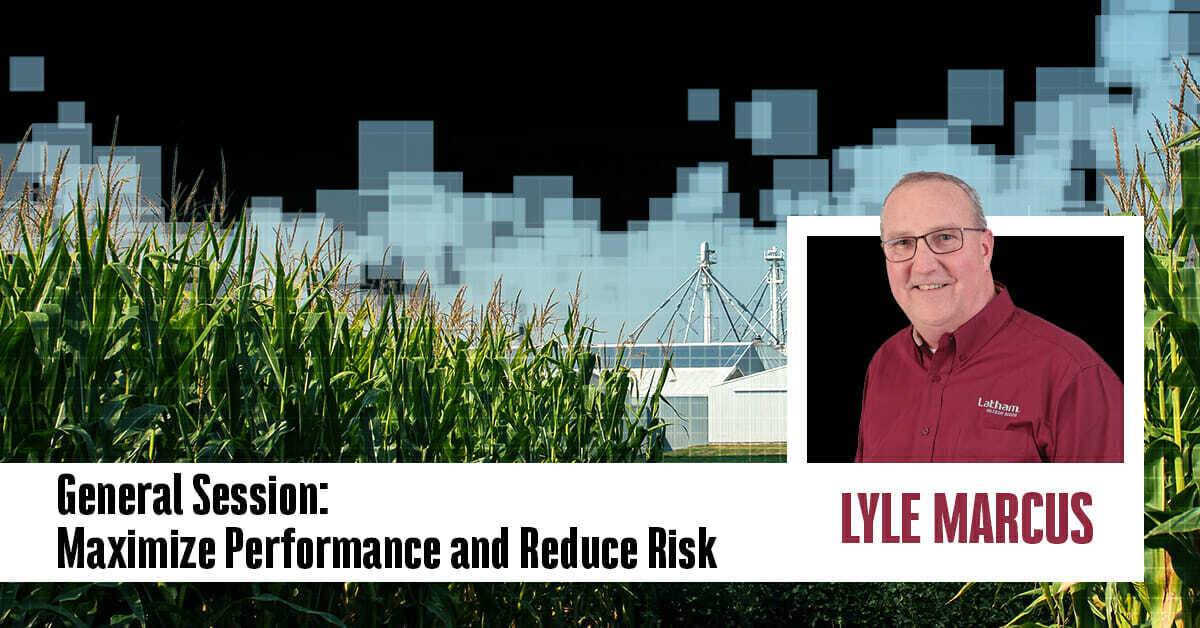
    Maximize Performance and Reduce Risk with Latham Hybrids

    Field day presentation slide lyle marcus

    Join us as Corn Product Manager, Lyle Marcus, discusses how to maximize performance and reduce risk with Latham® corn hybrids in 2021.

    Laura Cunningham

    September 9, 2020
    Agronomics, Corn, Crop, Disease, Emergence, Fertility, Fungicide, Growth Stages
  • Latham Hi‑Tech Seeds

    Corn Silage Fungicides

    Corey

    Forage Product Specialist, Corey Catt, dives into the benefits of fungicide application on corn silage. View a breakdown of topics below:

    0:25 — Topic introduction

    :35 — Yield in the field

    :50 — Economics of fungicide application

    1:30 — Tissue health

    2:20 — Final thoughts

    Latham Seeds Agronomy Team

    July 27, 2020
    Agronomics, Corn Silage, Crop, Fungicide
  • Latham Hi‑Tech Seeds

    Considerations for Applying Foliar Fungicide to Soybeans

    IMG 7174 2

    The use of foliar fungicide on soybeans during any growing season is a tough decision. There are many factors that enter into the equation like growth stage of the crop, weather, presence of diseases and history of the field.

    Years ago, when fungicides were first made available for post-emergent application on soybeans, many farmers took a “shotgun approach.” Rather than scout their fields, they applied fungicide as more of an insurance against disease. We’re seeing the effects of those decisions as many diseases are becoming resistant to fungicides, especially those in the Qoi (Quinone outside inhibitor) family, commonly called the strobilurins.

    Before pulling the trigger on using any foliar-applied fungicide on soybeans, I encourage farmers to walk their fields or hire a competent scout. Here are a few ideas and suggestions for the more common soybean fungal diseases that show up in Latham Country:

    • White Mold, or Sclerotinia Stem Rot, is widespread across our territory. Infection usually occurs at or just after the R1 (flowering) stage during periods of high humidity and temperatures below 85° Fahrenheit. Look for leaves that are starting to turn yellow after R1 but well before normal senescence should happen. Once leaves turn brown and the stem starts to develop that white, cottony growth leading to dark sclerotia (like mouse droppings) along the stems and pods, it is too late to save that plant. Research from the University of Wisconsin indicates that applications of foliar fungicides registered for use against White Mold can be helpful if applied in the R1 to R3 stage. If you miss the target window for application and the disease becomes severe, harvest that field last so you don’t spread the sclerotia to your other fields.
    • Septoria Brown Spot is found in most fields in Latham Country but it’s seldom the primary source of lost yield. It can, however, contribute to overall yield loss in fields where Fusarium Root Rot is a problem and when damage from Soybean Cyst Nematode is severe. Severe infestations also can occur in the early part of the season where rainfall is over-abundant. Symptoms are small, irregular-shaped spots on leaves and typically start in the lower canopy and can show up as early as V2 stage and as late as R6. Leaves that are severely infected will turn prematurely yellow and drop from the plant. If warranted, foliar fungicides can be helpful when applied at the R3 to R5 growth stage.
    • Frogeye Leaf Spot is caused by the Cercospora sojina fungus. Symptoms appear as small, round gray spots on the upper leaf surface with dark reddish-brown borders. Infection can occur anytime throughout the season but is most common after flowering and after periods of warm, humid weather. Check the upper canopy of plants, especially in the R3 to R6 growth stage. Iowa State researchers have shown that an application of a foliar fungicide containing two or more different active ingredients at R3 is fairly effective in reducing the severity of Frogeye Leaf Spot damage. Application of a product containing only strobilurin chemistry (Qoi) was not effective at all due to resistance.

    Latham Seeds Agronomy Team

    July 22, 2020
    Agronomics, Crop, Fungicide, Soybeans
  • Latham Hi‑Tech Seeds

    #AskTheAgronomist: Corn Scouting & Fungicide Application

    106555769 206303947399571 7246731837785119414 n
    This week on our #AskTheAgronomist segment we discuss corn pollination, the impacts of current plant stress and fungicide application. Watch below to learn more! #LathamSeeds

    Laura Cunningham

    July 16, 2020
    #AskTheAgronomist, Agronomics, Corn, Crop, Fungicide
  • Latham Hi‑Tech Seeds

    Fungicide Application

    Bob feature
    Tune in below for fungicide application information from Bob Foley! From discussing the need for fungicide application to predicting the ideal application window, Bob walks us through the process of determining what’s best for your field. #LathamSeeds

    Latham Seeds Agronomy Team

    June 30, 2020
    Agronomics, Corn, Crop, Fungicide
  • Latham Hi‑Tech Seeds

    Product Observations Can Identify Seed Needs

    IMG 6543

    Latham product team members have been busy traveling to our SuperStrip™ and other research plot locations across the Upper Midwest.

    It’s our job to take notes to help our company offer the best possible product lineup, as well as to assist our customers in choosing the best products for their given situations.

    IMG 6543

    We also encourage you to take notes on your own fields to help identify your seed needs for next year. We recommend keeping an eye out for the following:

    Physoderma in corn: While this isn’t a new disease, it’s been getting more publicity recently because some fields have suffered economic damage. Physoderma is a soil-borne fungus that seems to surface when there are warm early season temperatures followed by rainy periods, causing water to sit in the whorls during the v5 to v9 stage. Sporangia release huge amounts of zoospores that can literally swim their way to attack plant cells. Leaf symptoms include yellow-to-brown spots on the leaves and dark purple oval spots along the midrib. The real damage happens on the lower nodes of the plant that become weak and thus susceptible to breakage. Look for a brown to black ring of decay around the node. I’ve heard reports of fields in Illinois where 75% of the plants have broken. While physoderma seems to be more of a problem on the eastern side of our area, it has been identified in Nebraska.

    Soybean Gall Midge: This insect pest is so new that entomologists aren’t entirely certain what species it is. It was reported in Nebraska in 2011 and South Dakota in 2015. Just last fall SGM was recorded in 69 counties of Nebraska, Iowa, Minnesota and South Dakota.

    Sudden Death Syndrome and White Mold: Scout your fields all the way to maturity, So you don’t have any big surprises come harvest. Also remember to plant Latham® IRONCLAD™ products in these affected areas in the future. I’ve heard of some areas In southern Iowa and northern Illinois that are showing signs of Frogeye Leaf Spot, but I haven’t seen any of those myself – yet!

    Weed resistance continues to be a growing issue. Last year I noticed serious problem fields in Wisconsin. Previously, Wisconsin farmers controlled weeds with glyphosate and some tank mix combinations. It’s becoming very obvious that weed resistance in Wisconsin is catching up quickly with the rest of the Upper Midwest. Exercise your weed control options in 2019 with Independent Latham Hi-tech Seeds.

    Mark Grundmeier, Product Manager

    September 8, 2019
    Agronomics, Corn, Crop, Disease, Fungicide, Insects, Soybeans, Tech Tuesday
Previous Page
1 2 3 4 5
Next Page

Latham Hi‑Tech Seeds

131 180th Street | Alexander, IA 50420

(641) 692-3258

SIGNUP FOR OUR NEWSLETTER
  • Contact
  • Legal
  • Dealer Center
  • Seedware Login
  • Latham Gear

© 2025 Latham Hi‑Tech Seeds. All rights reserved. | Iowa Web Design by Webspec | Privacy Policy

Latham® Hi-Tech Seeds is a trademark of M.S. Technologies, L.L.C., 103 Avenue D, West Point, IA 52656.