When harvest decisions come down to dollars and cents, grain moisture deserves a place in the conversation.
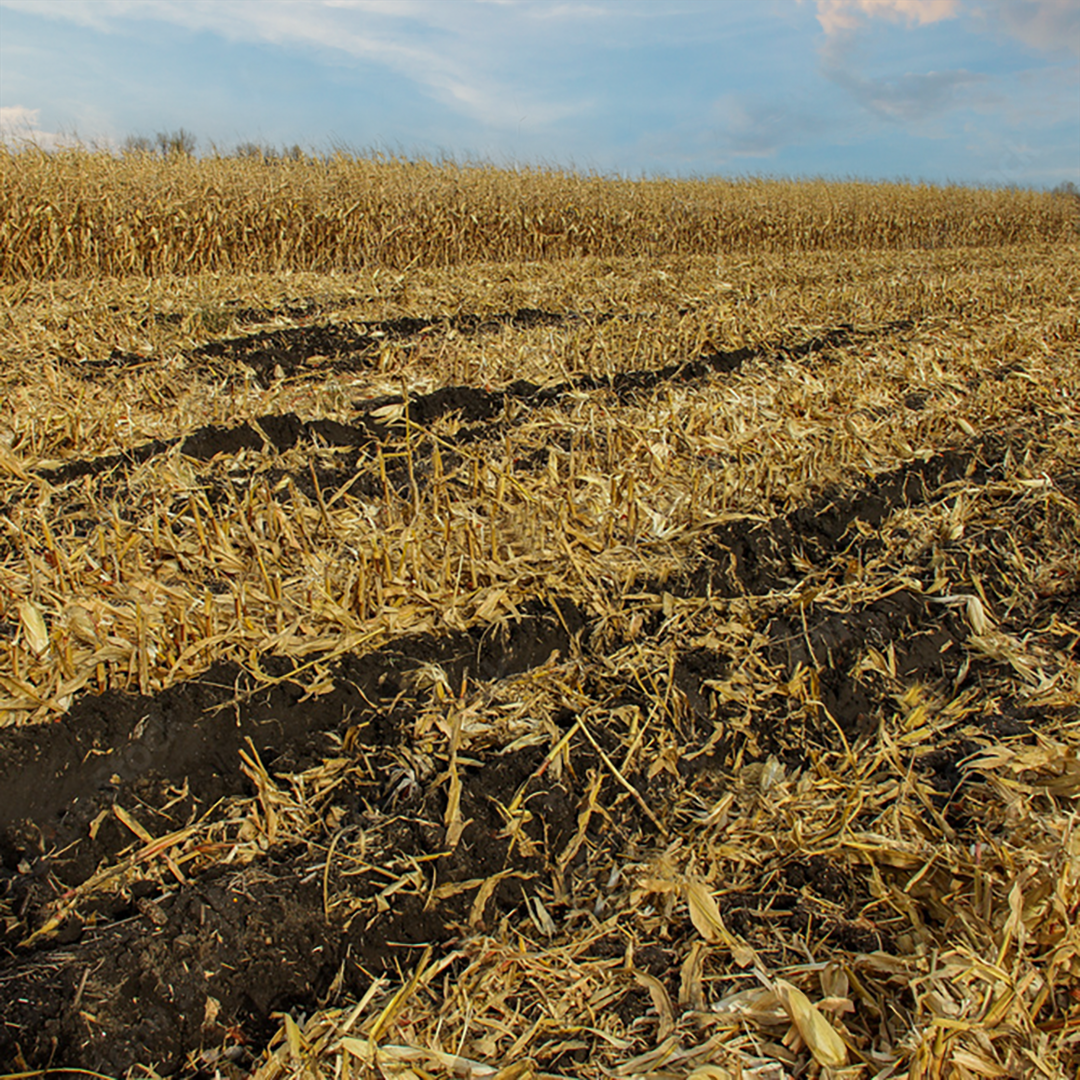
Waiting for corn to dry naturally in the field may reduce drying expenses. But leaving a crop standing longer can introduce other costs, especially when stalk integrity, lodging or changing weather conditions become concerns.
So how do you decide when it’s time to roll?
Consider More Than Drying Costs
Harvesting wetter corn typically means additional drying expenses. Those costs depend on grain moisture, fuel prices, drying equipment and the amount of water that needs to be removed.
But delaying harvest isn’t automatically the less expensive option.
Field losses from lodging, dropped ears or deteriorating stalks can quickly change the economics.
Know Your Field Risks
Walk fields before making harvest-order decisions.
Check stalk strength, root condition, disease pressure and lodging potential. A field with compromised standability may deserve priority even if its grain moisture is higher than you’d prefer.
Conversely, a healthy field with strong stalks and roots may provide more flexibility.
Relative maturity, drydown characteristics, stalk integrity and harvest timing all influence how a hybrid fits your operation.
That’s why Latham evaluates more than yield when considering product performance. The goal is to help farmers understand how hybrids fit different acres and management systems.
Look at the Whole Equation
The lowest drying bill doesn’t always produce the best financial outcome.
Compare expected drying expenses with the potential risks of leaving corn in the field. Consider the weather forecast, available equipment and the condition of the crop.
Sometimes harvesting a little wetter is the better decision. The key is knowing what waiting could cost you. Talk with your local Latham representative to learn more.
As harvest gets underway across Latham Country, we’re watching more than the numbers flashing across the yield monitor. We’re also paying attention to standability, drydown, ear development and how products finish across different yield environments.
Here are four Latham® corn hybrids we’re especially excited to watch this harvest.
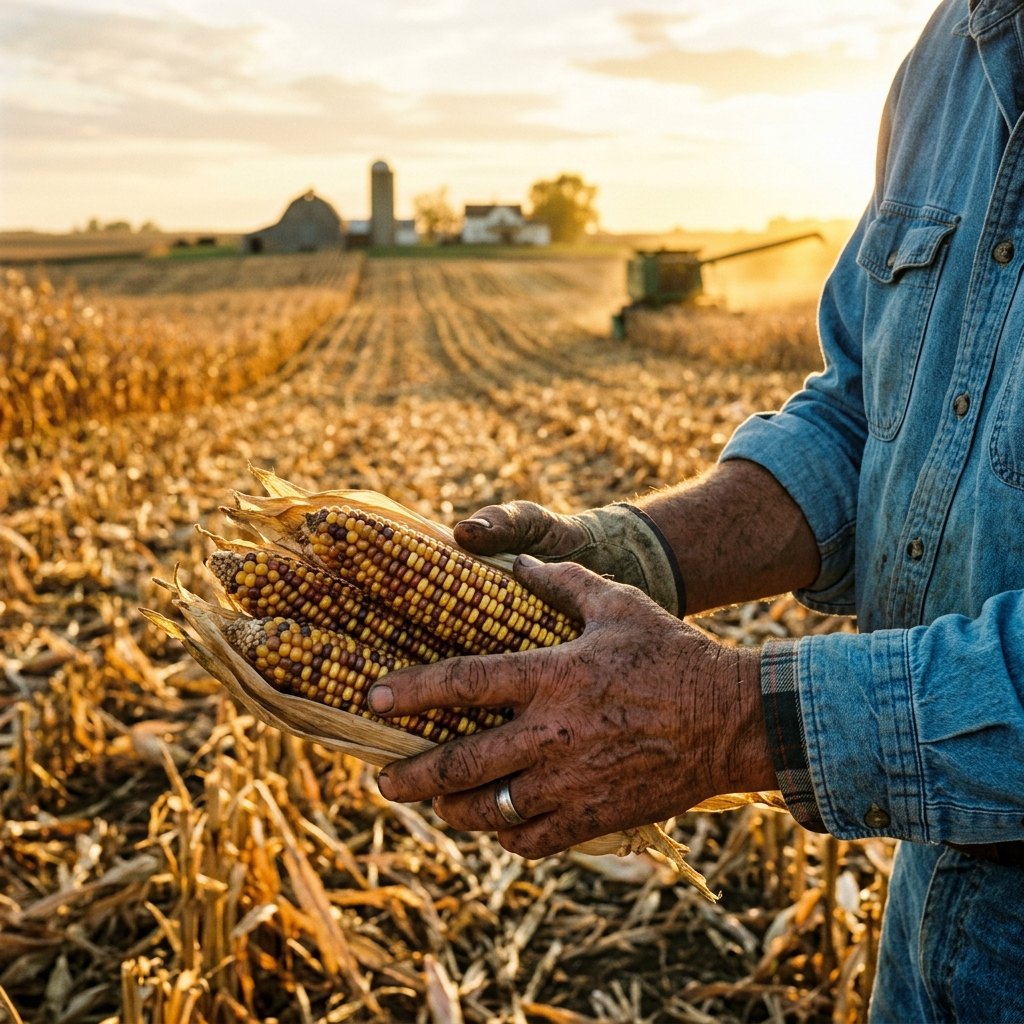
There’s a reason we’re calling LH 6226 PCE RA a Yield Trend-Setter. It’s one of the top hybrids we’ve seen in years, combining strong yield potential with excellent disease resistance and agronomics.
Strong ear flex also makes it a good fit for moderate-to-lower populations, while its dual-purpose potential adds another layer of flexibility.
Big yields are great. Big yields that come with excellent drydown are even better.
LH 5626 PCE RA pairs high yield potential with an outstanding yield-to-moisture ratio. Strong agronomics and very good disease tolerance help it perform consistently across yield environments, while efficient drydown can pay dividends when the combine starts rolling.
Sometimes you can see the potential standing in the field.
LH 5976 PCE RA produces large, girthy flex ears with huge top-end yield potential. This exciting PowerCore® hybrid thrives at medium densities and brings excellent greensnap scores to the package.
It’s one we’ll be watching closely as harvest results come in.
This 108-day PowerCore hybrid combines high yield potential with excellent late-season plant health and very strong stalks and roots. Its dual-purpose potential gives farmers flexibility at harvest without sacrificing standability.
Follow the Results
Of course, what happens in one field never tells the whole story. Growing conditions, soils and management all play a role in product performance.
That’s why we’ll be watching results from across Latham Country as harvest continues.
we’re eager to see these varieties cross the scale
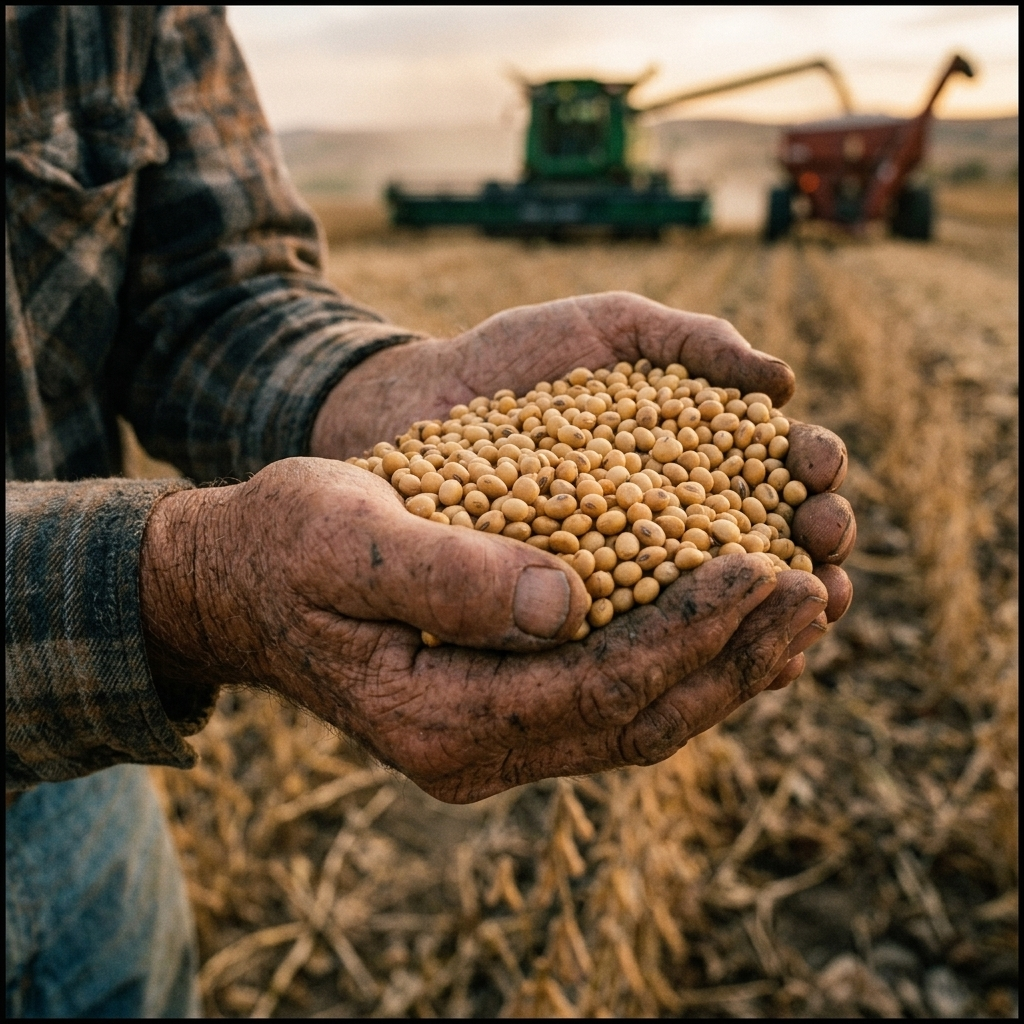
From proven performers to exciting new genetics, this year’s Latham® soybean lineup offers different combinations of yield potential, disease defense and agronomic strength.
Here are four varieties we’ll be watching as harvest results roll in.
We called this one a defensive beast for a reason.
New L 1912 E3 combines huge yield potential with a serious defensive package, including strong defense against Brown Stem Rot, Iron Deficiency Chlorosis, soybean white mold, Sudden Death Syndrome and Phytophthora Root Rot.
Add excellent emergence and extremely strong standability, and this new superstar has plenty to watch at harvest.
Want a reason to pay attention to L 2337 E3? Start with this one: It’s a yield-contest winner.
But yield isn’t its only calling card. L 2337 E3 also brings strong emergence, the Rps1k gene for Phytophthora Root Rot and PI88788 for Soybean Cyst Nematode protection.
That combination of yield and defensive traits makes it an intriguing package.
L 1181 E3 came into the lineup with “superstar” attached to its name — and there’s plenty behind the nickname.
This variety combines high yield potential with Peking-source SCN resistance, excellent standability and exceptional tolerance to IDC and Phytophthora Root Rot. It has also delivered consistent performance across yield environments.
In other words, there’s more than one reason we’ll be watching the numbers.
Not every variety we’re watching is the newest kid on the block.
L 1558 E3 has delivered multiple years of strong yield performance across Latham Country. Strong emergence and standability combine with the Rps3a gene for Phytophthora Root Rot and resistance to Brown Stem Rot.
Sometimes the most exciting harvest result is seeing a proven performer do it again.
Follow Along This Harvest
Individual fields and plots provide valuable information, but the bigger picture develops as results come in across different soils, environments and management systems.
We’ll be following that bigger picture throughout harvest.
Follow Latham on social for John’s Harvest Reports and more results straight from fields across Latham Country.
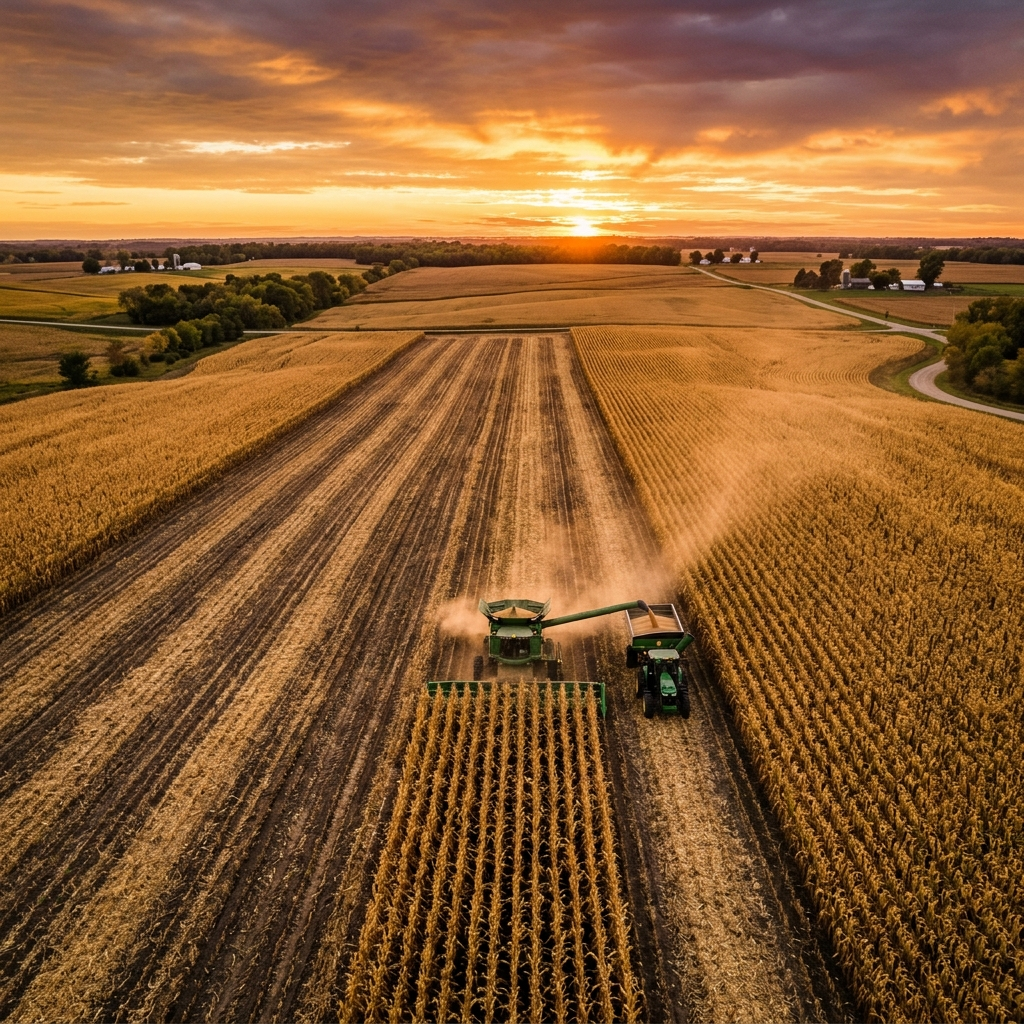
As the combine moves across the field, it’s also revealing where disease showed up, which products stood strong, how different acres responded to stress and where management decisions paid off.
Those observations can provide valuable clues for 2027.
Where Did Disease Show Up?
Make note of disease pressure while the evidence is still easy to see.
Did Sudden Death Syndrome appear in certain soybean fields? White mold in others? Did stalk disease affect standability in corn?
Field history matters. Knowing where problems occurred — and how different products handled them — can help guide variety selection, seed treatment decisions and management strategies for next season.
What Stayed Standing?
Yield matters, but so does getting that yield into the combine.
Pay attention to stalk and root strength in corn and standability in soybeans. Which products maintained late-season plant health? Where did lodging occur? Did certain fields or growing conditions create more problems than others?
Those observations can help identify where stronger defensive characteristics may deserve more consideration in 2027.
What Happened on Your Tougher Acres?
Some of the most useful harvest information may come from fields that didn’t have ideal growing conditions.
Look at how products handled drought stress, excess moisture, disease pressure and variable soils. A product that held its own under challenging conditions may tell you just as much as one that topped the yield monitor on your best ground.
Where Did Population and Placement Matter?
Did a flex-ear corn hybrid respond well at a moderate population? Did another product seem better suited to your highest-yielding acres? Were there differences between soil types or management practices?
The goal isn’t simply to identify the highest-yielding product. It’s to understand where each product performs best.
Maybe one field needs stronger disease protection. Another needs a product better suited for stress. Perhaps this season reinforced the value of spreading risk across different genetics, maturities and trait packages.
Every field is different — and every growing season teaches us something new.
Before the details of 2026 fade, take a few notes. Talk through what you’re seeing with your Latham® Dealer. Look beyond the final yield number and consider the story behind it.
Because your fields may already be telling you what they need in 2027.
There’s weather coming. Another field is ready. Trucks are waiting. Daylight is disappearing. And after a long day in the cab, it’s tempting to save a minute wherever you can.
But some minutes aren’t worth saving.
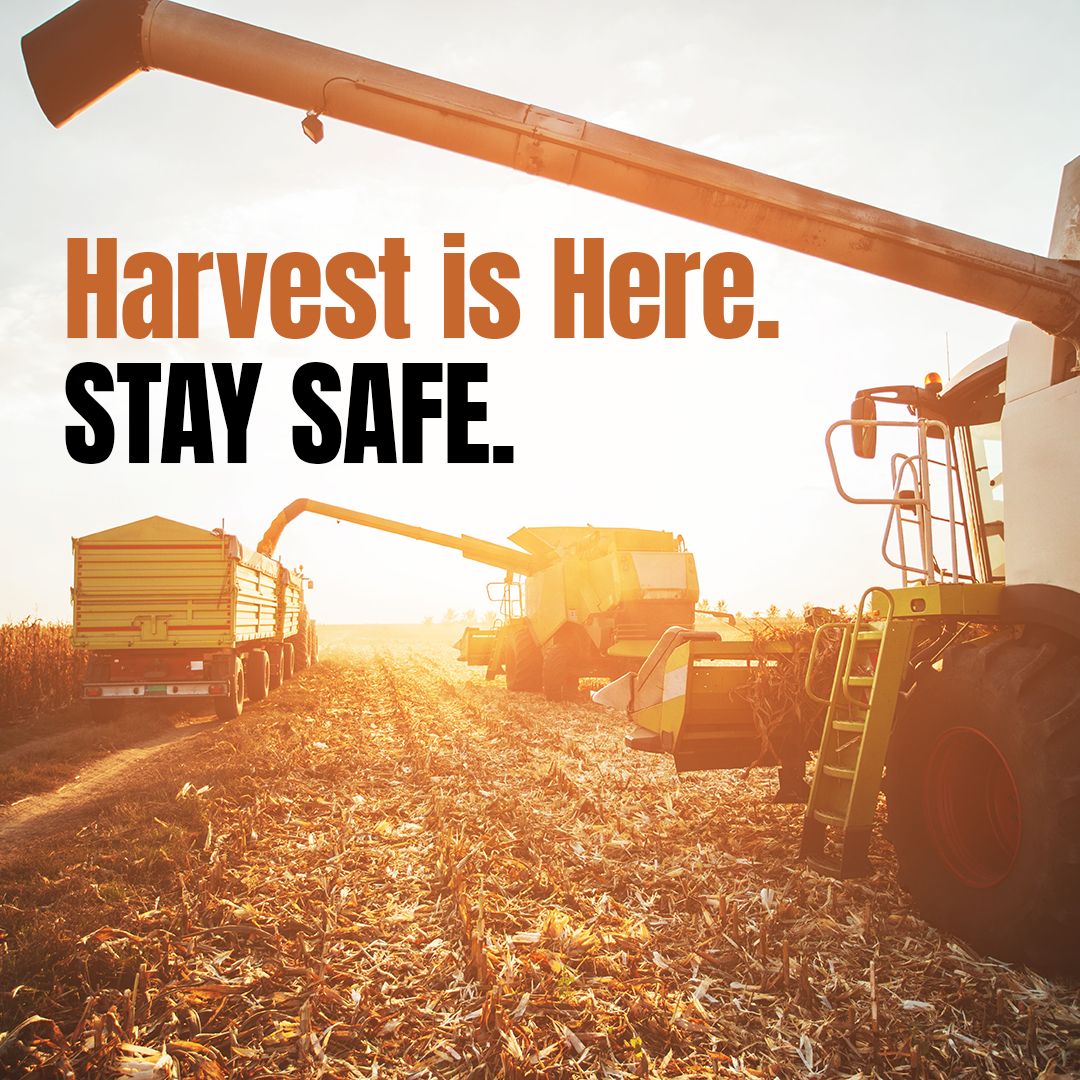
As National Farm Safety and Health Week comes to a close, it’s a good reminder that safety doesn’t end with Safety Week. It matters every day of harvest.
Slow Down Around Equipment
Before clearing a plug, making an adjustment or working around moving parts, shut equipment down completely. Keep guards and shields in place and take the extra few seconds to walk around equipment rather than stepping over moving components.
Those few seconds are always worth it.
Don’t Let Fatigue Make Decisions for You
Harvest means long days and late nights. Fatigue can affect concentration and reaction time, so build in breaks, stay hydrated and recognize when you’re too tired to safely keep pushing.
The crop will still be there after you rest.
Stay Visible on the Road
Harvest puts more combines, tractors, grain carts and trucks on rural roads — often early in the morning or after dark.
Before heading out, make sure lights, signals, reflectors and slow-moving vehicle emblems are clean and visible. Give other drivers plenty of warning when turning and remember that large equipment comes with large blind spots.
And for everyone sharing the road this fall: slow down, be patient and give farm equipment room.
Keep Everyone in the Loop
Whether you’re harvesting alone or with a crew, make sure someone knows where you’re working. Communicate when equipment is moving between fields and take extra care when children and family members are around the operation.
Harvest is one of the most rewarding times of the year. It can also be one of the busiest.
So take the extra minute. Shut it down. Look twice. Get some rest.
Because no bushel is worth risking the people who make harvest possible.
When choosing a corn silage hybrid, yield matters. But tons per acre only tell part of the story.
The real value of silage is ultimately measured in the feed bunk. That means selecting the right hybrid requires looking at agronomic performance alongside tonnage, starch digestibility, fiber digestibility and the needs of your livestock operation.
Here are a few factors to consider as you evaluate silage hybrids for next season.
Start with Agronomic Fit
A great silage hybrid still has to perform in the field.
Consider soil type, crop rotation, disease pressure, maturity and the trait package needed for each acre. Strong plant health and standability are also important, particularly because silage hybrids need to maintain plant integrity until the crop reaches the right harvest window.
The goal isn’t simply to select a hybrid with excellent feed characteristics. It’s to find one that combines those characteristics with the agronomic package needed to perform on your farm.
Tonnage Matters — But So Does What’s in It
More tons per acre can certainly add value. But livestock producers also need to consider how efficiently animals can use what’s in those tons.
That’s why Latham evaluates silage hybrids for factors including starch digestibility and fiber digestibility, in addition to tonnage.
Starch makes up a significant portion of corn silage dry matter and provides an important source of energy. Fiber digestibility influences how much feed an animal can consume and use.
Put simply: producing more feed is important. Producing feed that animals can use efficiently is important, too.
Consider Your Options at Harvest
Another factor worth considering is flexibility.
Dual-purpose hybrids can provide growers with the option to harvest a field for silage or take it through to grain, depending on growing conditions, feed needs and other factors at harvest.
That flexibility can be especially valuable in a year when Mother Nature doesn’t follow the plan.
Latham evaluates dual-purpose hybrids for both grain performance and silage characteristics, helping farmers understand where products may offer options without sacrificing agronomic fit.
Look at Performance Across Environments
One plot, one field or one growing season doesn’t tell the entire story.
Growing conditions affect tonnage, plant health and feed characteristics. Evaluating performance across locations and years provides a better picture of how a hybrid may perform under different conditions.
That’s why Latham continues to collect silage performance information across the Midwest and evaluates more than raw grain yield when assessing silage hybrids.
As you plan for next season, look beyond the biggest yield number. Consider the whole package: agronomic fit, tonnage, digestibility and harvest flexibility.
Because the best silage hybrid isn’t simply the one that produces the most.
It’s the one that delivers the most value for your operation.
Deep Roots, Bright Future: Welcoming Dealer Ryan Knobbe
For as long as he can remember, farming has been at the center of Ryan Knobbe’s life. Growing up on his family’s diversified operation, he spent his days around cattle, corn, soybeans and alfalfa — and watching his dad run a custom spraying business. Those early experiences shaped not just his work ethic, but his appreciation for the relationships and responsibilities that come with agriculture.
“I’ve been around farming ever since I could walk,” Ryan says. “It’s always been my main priority.”
After graduating from Kuemper Catholic School, where he was active in FFA and football, Ryan attended DMACC in Ankeny before returning home to build his future. Today, he and his wife, Taylor, are preparing to welcome their first child at the beginning of the new year — the start of a new chapter for their growing family.
Family is also a big part of Ryan’s work life. One of five siblings, he now partners with his youngest brother, Ross, as a Latham dealer.
“Working with my brother and watching us grow something we started from the ground up means a lot,” he says.
Ryan’s connection to Latham Seeds goes back to childhood.
“I’ve honestly known about Latham since I was a kid,” he said. “When (a Latham RSM) called and asked if I’d be interested in becoming a dealer, it just felt right.”
What stood out most was the culture that feels more like family than corporate.
“The family atmosphere with Latham is what attracted me,” Ryan says. “I’ve never heard a negative thing about them. It’s not big corporate, and that really stood out to me.”
When he’s not helping farmers find the right products for their acres, Ryan enjoys spending time with family and friends or relaxing on the golf course. But whether he’s on the farm or off it, his passion for helping growers succeed remains constant.
“Working with other farmers makes it easy to start conversations because we share the same challenges and goals,” he says. “At the end of the day, it’s about relationships and helping each other grow.”
As Ryan and Ross continue building their seed business, they’re doing more than offering hybrids and varieties. They’re carrying forward the values their family has lived by for generations: hard work, commitment and the belief that farming is stronger when you grow together.
Ham Balls
Can be frozen!
mixing bowls
baking dish
Ham Balls
5 lb ham loaf
3 eggs
3 cups graham crackers, crushed
2 cups milk
Sauce
2 1/2 cups brown sugar
2 tsp mustard
2 cans tomato soup
3/4 cup vinegar
Combine ham ball ingredients well and make into balls.
Meet Jodi Lundt: Bringing Experience and Enthusiasm to Latham Hi-Tech Seeds
Latham Hi-Tech Seeds is excited to welcome Jodi Lundt as the newest member of our accounting team. Jodi joins us as our accounts payable specialist, bringing more than a decade of experience in agriculture and a passion for helping others.
Born and raised in Mason City, Jodi grew up as the youngest of three children. Her roots run deep in North Iowa, where family has always been a big part of her story.
“My dad is one of 16 kids and my mom was an only child,” Jodi says. “So, family gatherings were always a mix of big and small!”
An active athlete growing up, Jodi played volleyball and softball through high school and graduated from Newman Catholic High School. Today, she and her husband Doug live on a farm southeast of Rockwell, where they’re raising their two children, Kaylie and Cash. The Lundts stay busy on weekends, traveling to cattle shows or sports tournaments. Their farm is also home to two corgis, Ty and Trixie, who Jodi says are “definitely spoiled.”
“Both of our kids are involved in showing cattle and love sports,” Jodi says. “We have a few cows, along with their show cattle, so there’s always something going on.”
Although Jodi didn’t grow up in agriculture, she quickly found a love for the industry after meeting her husband.
“I honestly had no ag background until I met Doug, who farms,” she says. “After a few years together, I started working at Five Star Cooperative in the agronomy department.”
During her 12 years there, Jodi learned the ins and outs of fertilizer, chemicals and seed — and discovered her favorite part of the job was building relationships with growers, saying she loves getting to work with farmers and learning from them.
Outside of work, Jodi enjoys spending time outdoors, especially when it involves the beach. She also loves traveling, side-by-side rides with family and friends, reading and relaxing with a good Netflix series.
When asked what drew her to Latham Seeds, Jodi says it was the company’s reputation and culture.
“I had heard good things after a friend of mine started working here. I was super excited to join a family-owned business where you’re more than just a number.”
Now, Jodi looks forward to expanding her skill set in a new role.
“I’ve always worked on the other side of things — doing billing and accounts receivable,” Jodi says. “I’m excited to learn more about accounts payable and keep growing.”
Please join us in welcoming Jodi Lundt to the Latham Seeds family!
Copycat Cracker Barrel Meatloaf
This is a perfect replica of the original, with a tender meat mixture and flavorful topping the family will love!
sauté pan
whisk
Large bowl
Loaf pan
sauce brush
knife
1/2 tablespoon olive oil
1/2 cup yellow onion (finely diced)
1/2 cup bell pepper (finely diced)
2 pounds 80% lean ground beef
1 cup crushed Ritz crackers
2 eggs (whisked)
1 cup sharp cheddar cheese (shredded)
1/2 cup whole milk
1 tsp. salt
1/4 tsp. black pepper
For the topping:
1/2-3/4 cup ketchup
2 tbsp. brown sugar
1 tsp. yellow mustard
Preheat oven 350 degrees F.
Sauté the diced peppers and onions in a small pan with the olive oil until softened, about 5 minutes. This gives them a more subtle flavor and texture. Set aside and let cool.
Combined the whisked eggs, crushed crackers, onions, bell peppers, cheese, milk, and salt/pepper in a large bowl.
Add ground beef and mix until just combined. Don’t overwork the meat, we want tender results.
Form it in a loaf and place it into a loaf pan. Not using a loaf pan can result in the loaf falling apart. It also takes much longer to cook, which causes it to dry out.
Bake for 30 minutes.
Combine the topping ingredients while it bakes and set aside.
Remove the meatloaf and brush on the topping. Bake for an additional 30-40 minutes. (Pull it once it reaches 155 degrees.)
Let it rest for 15 minutes in the loaf pan prior to slicing in. It will increase 8-10 degrees in temperature during this time. Slicing in too early also causes the juices to leak out. Ensure the middle is 160 degrees before you slice it.
Greg Jaacks Retires After 50 Years As Latham’s ‘Boy Next Door’
The house where the Jaacks family lived next door to Willard Evelyn Latham.
Greg Jaacks was literally the boy next door. He and his three siblings – Jeff, Kim and Steve – grew up in the little house beside Willard and Evelyn Latham, who employed Greg’s dad at Latham Seeds.
Marvin had moved his family to a larger house a few miles away and rented his own ground to farm. To accommodate the growing Jaacks (pronounced “Jakes”) family, Willard offered to add on two bedrooms to the small house next to his own. That was just the incentive Marvin needed to return to Latham Seeds.
The connections run deep between the Jaacks and Latham families.
“Willard gave me my first haircut as a little boy in their basement,” Greg recalls. Willard and Evelyn’s oldest son, Bill, held baby Greg during the haircut.
Greg getting his first haircut by Willard Latham (Bill Latham is holding him).
Greg helped at Latham Seeds as needed while he was in high school. Upon graduating in May 1975, Greg took a full-time job with a local farmer. He loved everything about the job from tilling soil and baling hay to shelling corn and feeding cattle. One thing he didn’t like was the pay. Greg worked 10 hours a day, six days a week for $75 flat. He wanted his own place but needed to make more money first.
“I asked my dad if I could get on his crew at the (Latham) plant,” Greg says. “He told me I’d have to find out for myself. He said I’d better go talk to Willard.”
Greg mustered up the nerve to knock on Willard’s front door. Evelyn answered and welcomed him inside. Willard told Greg he could start work the following Monday if he got a haircut and shaved his beard — which he promptly did.
Greg’s dad, Marvin, with Bill and Don Latham. Marvin worked for 43 years at Latham Seeds.
“As long as you gave Willard what he was expecting, as long as you kept your promise and did your job, he was good to you,” Greg says.
Greg is grateful he got to work beside his dad for nearly 22 years at Latham Seeds.
“He really was my best friend,” Greg says of his dad. “It’s been a good, solid job here at Latham. When I started here, that’s what my grandpa said: Latham’s a good solid place to work.” Greg’s grandpa was a local farmer, who also worked on Marvin’s crew during the winter months.
Greg and his wife, Donna, have two daughters, Trisha and Sandy. They enjoy attending their two grandchildren’s activities and watching them play sports. In his spare time, Greg likes to fish, ride his Harley and watch NASCAR.
Ham Loaf
Greg also enjoys his mom’s Ham Loaf recipe, which reminds him of his childhood on the farm. He is sharing that cherished recipe here.
knife
mixing bowl
Baking Sheet
Parchment Paper
Meat Loaf
1-1/4 pounds ham
1 pound fresh pork burger
1/2 pound ground beef
2 eggs (beaten)
1 cup milk
1/2 cups graham cracker crumbs
Sauce
1 can tomato soup
1-3/4 cup brown sugar
½ cup vinegar (scant)
1 teaspoon dry mustard
Optional
½ onion (finely diced)
⅛ teaspoon black pepper
Preheat oven to 350 degrees.
Combine all meat ingredients; form into loaf.
Line baking sheet with parchment paper or use loaf pan.
Pour sauce over meat and bake for 1 hour, or until the inside of loaf reaches 160.
Rest for 5 to 7 minutes before slicing.
Cook's Tip
To freeze leftovers, slice into individual portions and tightly wrap with plastic. Place in an airtight container or Ziploc® freezer bag. Leftovers can easily be made into “do-over” sandwiches.
Cranberries, Careers and Community: A Wisconsin Legacy in Action
Cranberries may be small, but in Wisconsin, they carry a big legacy. For Heidi Slinkman, a generational grower and Business Manager at Gaynor Cranberry Company, cranberries are more than a crop. They’re a calling rooted in family, heritage and community.
Roots in Cranberry Country
Heidi grew up in Wisconsin Rapids, a town tied to agriculture and papermaking. Competitive and active, she and her twin sister spent their youth in sports and leadership activities. Student Council and the Badger Girls State program sharpened her confidence, but it was her grandfather’s wisdom about travel and land stewardship that truly shaped her outlook on farming. Today, Heidi and her husband, Brian, are raising two children who keep life busy and joyful.
Wisconsin: The Heart of Cranberries
Wisconsin grows more than 60% of the U.S. cranberry crop. With sandy soils, marshlands and generations of family farms, the state is uniquely suited for cultivation. Contrary to myth, cranberries don’t grow in water. They grow on woody vines and are flooded at harvest, when ripe berries float for collection. The industry contributes nearly $1 billion annually to Wisconsin’s economy and supports over 4,000 jobs. Through Ocean Spray Cooperative, Heidi has shared her farm’s story from New York to London.
A Family Story Woven into Cranberries
The Slinkman story is inseparable from cranberries. Heidi’s great-great-grandmother, Caroline Dempze, emigrated from Germany. Widowed, she and her children worked for the Gaynor brothers, who owned a cranberry marsh. Her son Charles began there at age 10 and later took over the farm when the Gaynor’s passed without heirs. Today, that farm is Gaynor Cranberry Company.
This fall marks the family’s 149th harvest. Heidi’s parents, Gary and Susan Dempze, raised their children with the expectation that they pursue education and careers off the farm before returning. That test of passion ultimately grounded Heidi in agriculture.
From Business to “Farm HR”
Now, Heidi and her sister Jenna manage the farm alongside their parents and crew. Jenna oversees crop production, while Heidi focuses on finance, HR and property management — what she calls “Farm HR.” Together, they lead eight full-time employees while carrying forward a culture of innovation and teamwork.
Beyond the farm, Heidi co-founded Cranberry Learning, Inc., a nonprofit creating STEAM-based resources for K–12 classrooms.
“We want students to see agriculture not just as farming, but as a world of opportunity,” Heidi says.
Looking Ahead
For Heidi, farming is about resilience and community. Whether mentoring students, advocating for agriculture, or supporting women’s soccer, she embodies stewardship.
Her message is simple: “Eat more cranberries and consider a Cran Career. Agriculture needs the next generation of leaders, which she calls “Ag-Force.”
Fresh Cranberry Salsa
Recipe from Cranberry Learning.
Food processor
small bowl
1 package (12 ounces) (fresh or frozen cranberries)
1 cup sugar
6 green onions (chopped)
½ cup fresh cilantro leaves (chopped)
1 jalapeño pepper; halved (seeded and finely chopped.)
Tortilla Chips or Crackers
Optional 8oz. Cream Cheese
Pulse cranberries and sugar in a food processor until coarsely chopped.
Transfer to a small bowl.
Stir in the green onions, cilantro and jalapeno pepper.
Modify to your preferred taste for tartness with less sugar and spiciness with peppers.
Cover and refrigerate for several hours or overnight.
Serve with crackers, tortilla chips, etc.
Or, spread cream cheese on a serving tray, drain salsa and spoon over cream cheese.