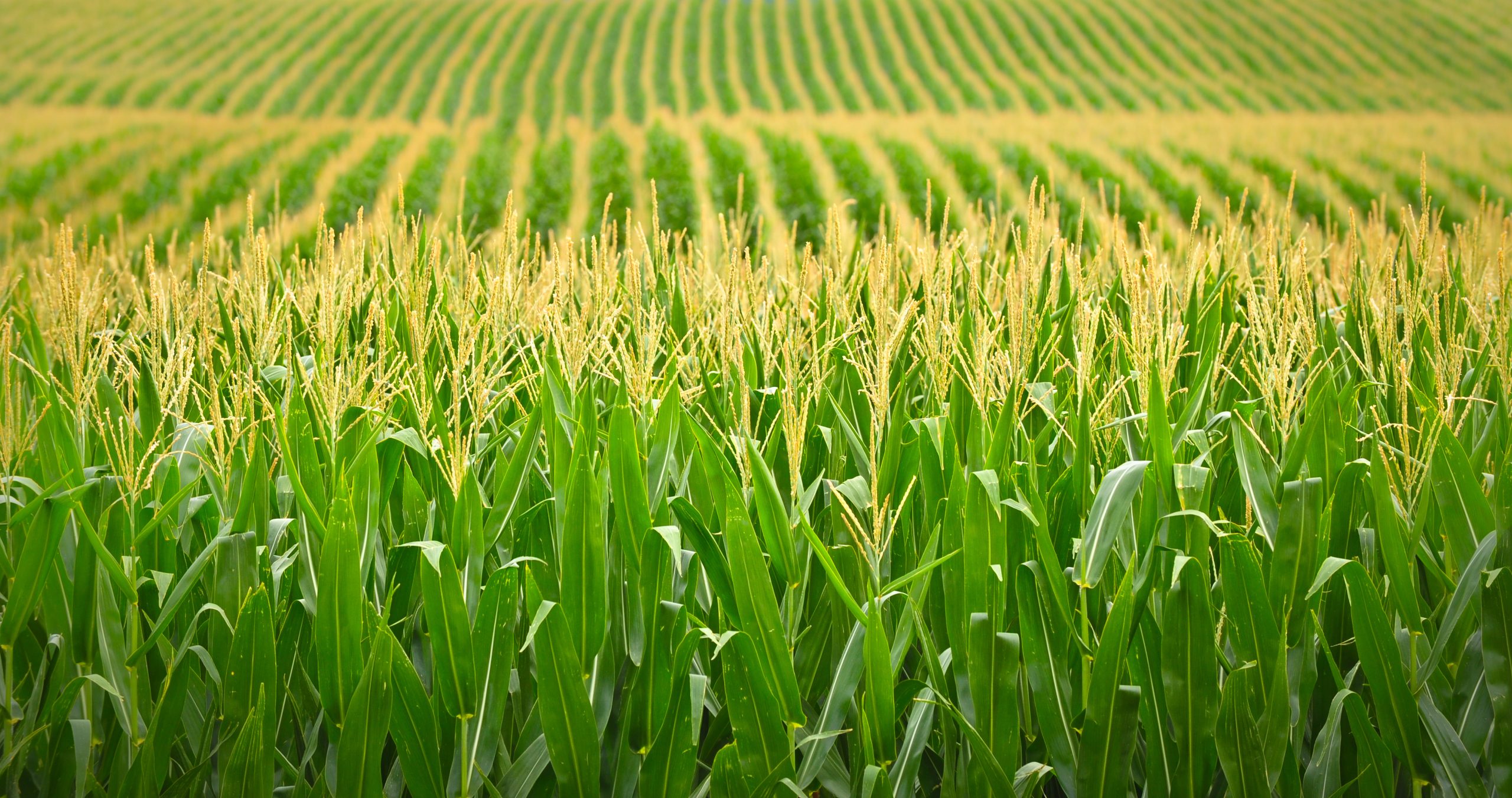
look beyond yield
When choosing a corn silage hybrid, yield matters. But tons per acre only tell part of the story.
The real value of silage is ultimately measured in the feed bunk. That means selecting the right hybrid requires looking at agronomic performance alongside tonnage, starch digestibility, fiber digestibility and the needs of your livestock operation.
Here are a few factors to consider as you evaluate silage hybrids for next season.
Start with Agronomic Fit
A great silage hybrid still has to perform in the field.
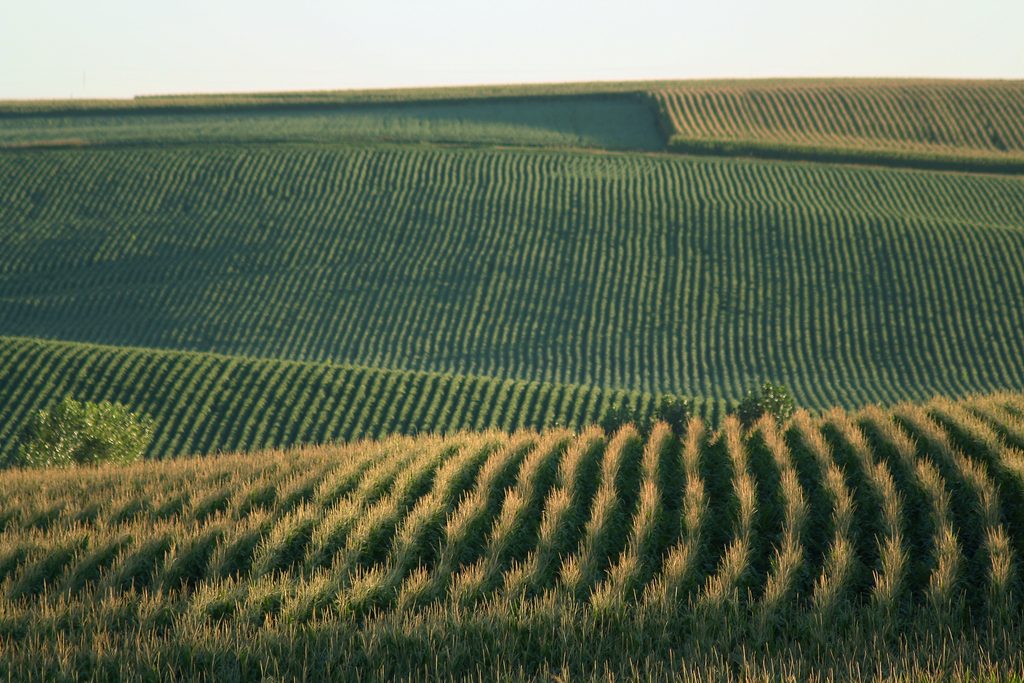
Consider soil type, crop rotation, disease pressure, maturity and the trait package needed for each acre. Strong plant health and standability are also important, particularly because silage hybrids need to maintain plant integrity until the crop reaches the right harvest window.
The goal isn’t simply to select a hybrid with excellent feed characteristics. It’s to find one that combines those characteristics with the agronomic package needed to perform on your farm.
Tonnage Matters — But So Does What’s in It
More tons per acre can certainly add value. But livestock producers also need to consider how efficiently animals can use what’s in those tons.
That’s why Latham evaluates silage hybrids for factors including starch digestibility and fiber digestibility, in addition to tonnage.
Starch makes up a significant portion of corn silage dry matter and provides an important source of energy. Fiber digestibility influences how much feed an animal can consume and use.
Put simply: producing more feed is important. Producing feed that animals can use efficiently is important, too.
Consider Your Options at Harvest
Another factor worth considering is flexibility.
Dual-purpose hybrids can provide growers with the option to harvest a field for silage or take it through to grain, depending on growing conditions, feed needs and other factors at harvest.
That flexibility can be especially valuable in a year when Mother Nature doesn’t follow the plan.
Latham evaluates dual-purpose hybrids for both grain performance and silage characteristics, helping farmers understand where products may offer options without sacrificing agronomic fit.
Look at Performance Across Environments
One plot, one field or one growing season doesn’t tell the entire story.
Growing conditions affect tonnage, plant health and feed characteristics. Evaluating performance across locations and years provides a better picture of how a hybrid may perform under different conditions.
That’s why Latham continues to collect silage performance information across the Midwest and evaluates more than raw grain yield when assessing silage hybrids.
As you plan for next season, look beyond the biggest yield number. Consider the whole package: agronomic fit, tonnage, digestibility and harvest flexibility.
Because the best silage hybrid isn’t simply the one that produces the most.
It’s the one that delivers the most value for your operation.