Latham Hi-Tech Seeds

(641) 692-3258

  • Home
  • Products
    • Corn
    • Soybeans
    • Alfalfa
    • Corn Silage
    • Seed Guide
  • Performance
  • Find a Rep
  • Media
    • Blog
    • News
    • Videos
    • Podcasts
    • TECHTalk
  • About Us
    • Company History
    • Our Mission
    • Careers
    • Become a Rep
    • Sowing Seeds of Hope
  • Contact Us
  • Latham Hi‑Tech Seeds

    Watch for Early Soybean Insects & Diseases

    Jones beans

    Guest post by Kilah Hemesath, Latham Hi‑Tech Seeds Marketing Intern

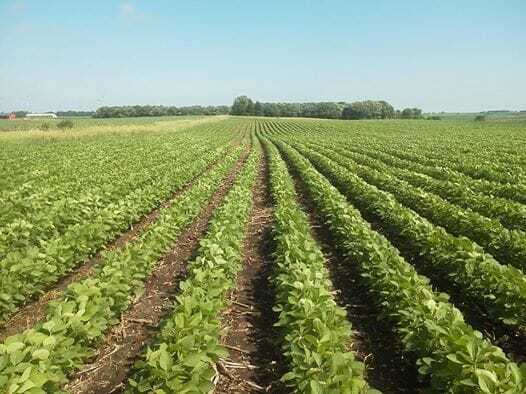
    With nearly all of the soybeans for the 2015 planting season in the ground, crop scouting becomes a necessity. Early soybean pests and diseases can create issues for newly emerged soybean seedlings. Becoming knowledgeable on what to look for in a field can make identification of these pests and diseases simpler.

    As soybeans emerge, the bean leaf beetle may make a presence in your fields. This pest is distinguished by a small black triangle located at the base of the forewings. Adult bean leaf beetles are approximately ¼-inch long. They feed on the cotyledons, stems, unifoliate leaves and emerging trifoliates. Discolored, moldy, shriveled or diseased beans may be the result of bean leaf beetles in your field.

    Even if seedlings are emerged, stay on the lookout for Pythium. Pythium can cause post-emergence damping off under wet conditions. This disease commonly occurs during wet and cool conditions, particularly in poorly drained fields with compacted soil. Properly manage soil drainage in your fields to combat this issue.

    Septoria leaf blight, more commonly known as brown spot, is a soybean disease that spreads from the soil to the soybean plant by splashing rain. The infection of the soybean plant will leave small, irregular brown spots on the lower leaves. Favorable weather for this disease is warm, wet weather. Brown spot can move up the plant, causing leaves to turn yellow and drop. It is necessary to be aware of this disease and what is going on in your fields.

    Not necessarily a disease, iron deficiency chlorosis (IDC) is described as poor condition between the soil and plant. If your fields have a history of high pH and without enough iron to grow a healthy plant, the best decision is to choose an IDC-resistant seed brand.

    At Latham Hi‑Tech Seeds, we make it easy to choose such brands by designating them as IRONCLADTM. Latham® IRONCLAD Soybeans include exceptional genetics and industry-leading protective traits, battling against yield-robbing threats from pests and diseases. To bear the IRONCLAD distinction, each soybean brand must be Soybean Cyst Nematode resistant and carry an Iron Deficiency Chlorosis rating of 2.2 or better.

    Also remember to watch for aphids, too. Latham Product Manager Mark Grundmeier stresses the importance of crop scouting regularly from within the field, not just a drive-by. To inquire about soybean pests or diseases in your area, contact your local Latham® representative by calling 1.877.GO.LATHAM (1.877.465.2842)

    Sources:
    • corn-states.com
    • aganytime.com
    • http://extension.entm.purdue.edu
    • http://extension.agron.iastate.edu
    • http://www.extension.iastate.edu
    • http://cropdisease.cropsci.illinois.edu

    Gary Geske

    June 12, 2015
    Agronomics, Crop, Disease, General, Insects, Soybeans
  • Latham Hi‑Tech Seeds

    There’s No Time like the Present: Scout Fields Now

    Arm worm 2

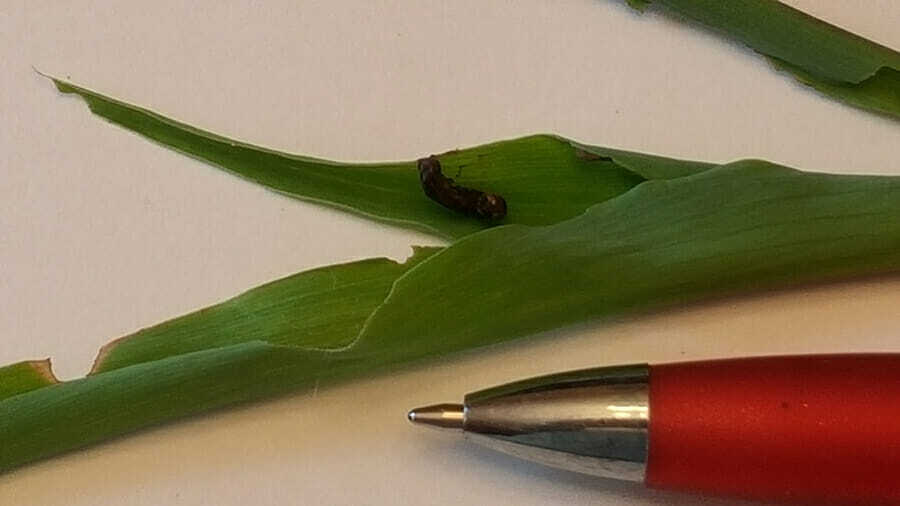
    Black cutworm moths have made their appearance across Latham Territory. Now is the time to scout your fields to determine if an insecticide application is the best economical decision for your particular circumstance.

    Black cutworm moths gravitate towards green vegetation for egg laying, so they will first appear in weedy fields and ones that are next to natural vegetation. Poorly drained, low laying fields also have a higher risk of black cutworm damage. Black cutworm moths travel in from southern states, laying eggs in the field, then producing black cutworm larvae.

    Damage from these insects usually begins above soil service. Newly hatched black cutworm larvae will leave small, irregular holes in the leaves. When walking fields, scout for feedings off the corn plant, which will become more substantial as the worms mature. Black cutworms can cut off young corn plants and reduce crop stands. It is advised to watch for signs of cutworm damage beginning when the corn emerges.

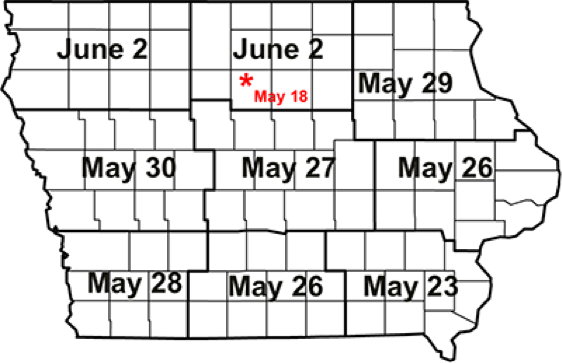
    The map below shows the predicted black cutworm cutting dates, provided by the Iowa State University Extension, based upon research performed throughout the state.

    IowaThis year, the pattern of the black cutworm moths has been irregular. This makes scouting even more essential.

    “With the recent cooler temperatures, emergence of both cutworms and army worms has been delayed,” said Jerry Broders, Latham® Regional Sales Manager for Eastern Iowa.

    The cutworm and armyworm are comparable in appearance with similar economic thresholds. The variance in eating patterns is where these insects differ. Black cutworms chew off more mature corn plants, whereas armyworms feed on the leaves.

    “My advice is to spray fields as soon you see these insects,” Broders said. “ I have seen cutworms take out a field overnight. They can do severe damage when seedlings are emerging.”

    Trait selection is no substitute for scouting, Broders said. He advises that farmers continually scout for insects, because it is going to be a dense year. Download the spreadsheet here to help with black cutworm management decision.

    Broders advises all farmers to continue scouting their fields and apply insecticide if necessary. Contact your Latham® Dealer or Regional Sales Manager to discuss the management decisions for your fields.

    Webspec Admin

    June 8, 2015
    Agronomics, Disease, General, Insects, Weed Control
  • Latham Hi‑Tech Seeds

    Watch for Sudden Death and Stink Bugs in 2015

    Each December researchers from across the Upper Midwest gather at Iowa State University in Ames for the Integrated Crop Management (ICM) conference where they present data and opinions on a wide variety of topics. Information, which I believe is most pertinent to the Midwest states in which we do business, is summarized below.

    SDS: Sudden Death Syndrome (SDS) was severe in many fields in 2014. Many Latham® Ironclad™ Soybeans were put to the test and did an excellent job of handling the disease! Understanding the extent of SDS infection in each field is key to effectively managing the disease. Future management tactics include: reducing soil compaction; planting fields with a history of SDS towards the end of a planting schedule when soils may be warmer and drier; and testing for the presence of Soybean Cyst Nematodes.

    However, the very nature of SDS makes it difficult to predict if and when an outbreak will occur. Dr. Daren Mueller, Iowa State University Extension Plant Pathologist, and his team shared years of extensive research on SDS including:

      • Glyphosate herbicide applications do not adversely affect or enhance the presence of SDS in soybean fields.
      • A side benefit of this study was a look at glyphosate applications versus manganese availability in plants. Fourteen field experiments were conducted in Iowa, Illinois, Indiana, Michigan, Wisconsin and Ontario, Canada. There were no interactions between glyphosate and the total manganese available in soybeans.
      • That same study did include a new treatment called ILeVO™ from Bayer CropScience. It showed significant effectiveness at reducing the severity of the disease, resulting in 2½ to 3 bushels of saved yield on average. Bayer expects full registration for this product soon.

    NEW, INVASIVE INSECT: The Brown Marmorated Stink Bug (BMSB) is a fairly new insect species that has the potential to cause serious crop injury. It is already considered a severe agricultural pest in New England and East Coast states. It was first noticed in Pennsylvania in 1998 and has rapidly spread to 41 states. It was first seen in Iowa in 2012; in 2014, BMSB was confirmed in eight Iowa counties. This particular species has the typical “shield-like” body of other stink bugs. However, BMSB also has rounded shoulders, white and dark bands along the edge of the body and along the antennae plus the marmorated (speckled) appearance on its back.

    This insect will feed on over 100 different species of plants, including many fruits, vegetables and field crops. In corn, BMSB feeds directly on developing kernels right through the husk causing aborted, shrunken and discolored seeds. Similarly, it will feed on soybeans directly through the pods and cause extensive damage to the seeds present. Control can be achieved with several insecticides but residual may not last long enough to prevent the insect from re-infesting the field.

    Webspec Admin

    January 15, 2015
    Agronomics, Crop, Disease, General, Insects, Soybeans
  • Latham Hi‑Tech Seeds

    Late-Season Scouting Leads to Better Seed Decisions

    RootwormPressure
    RootwormPressure
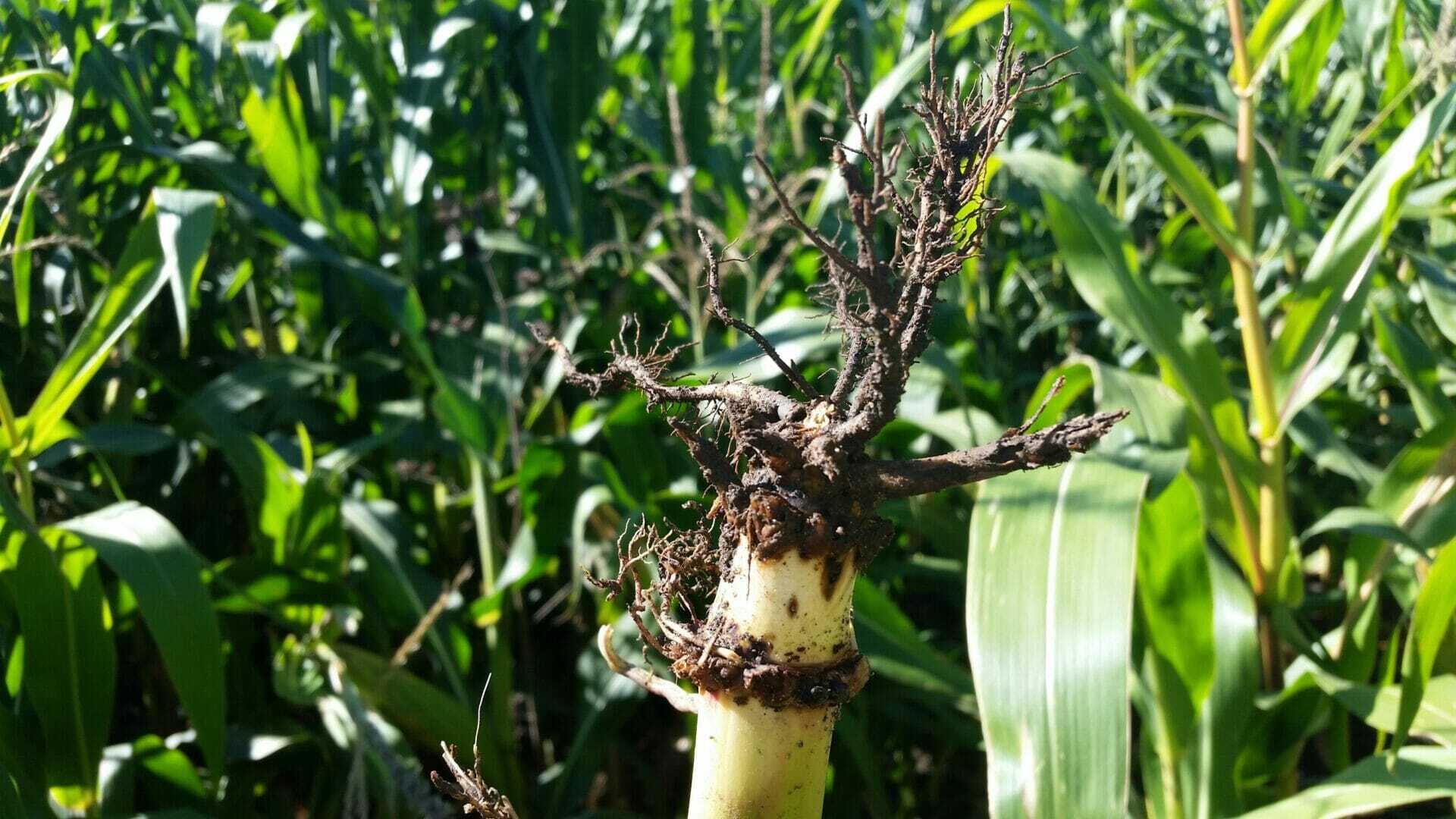
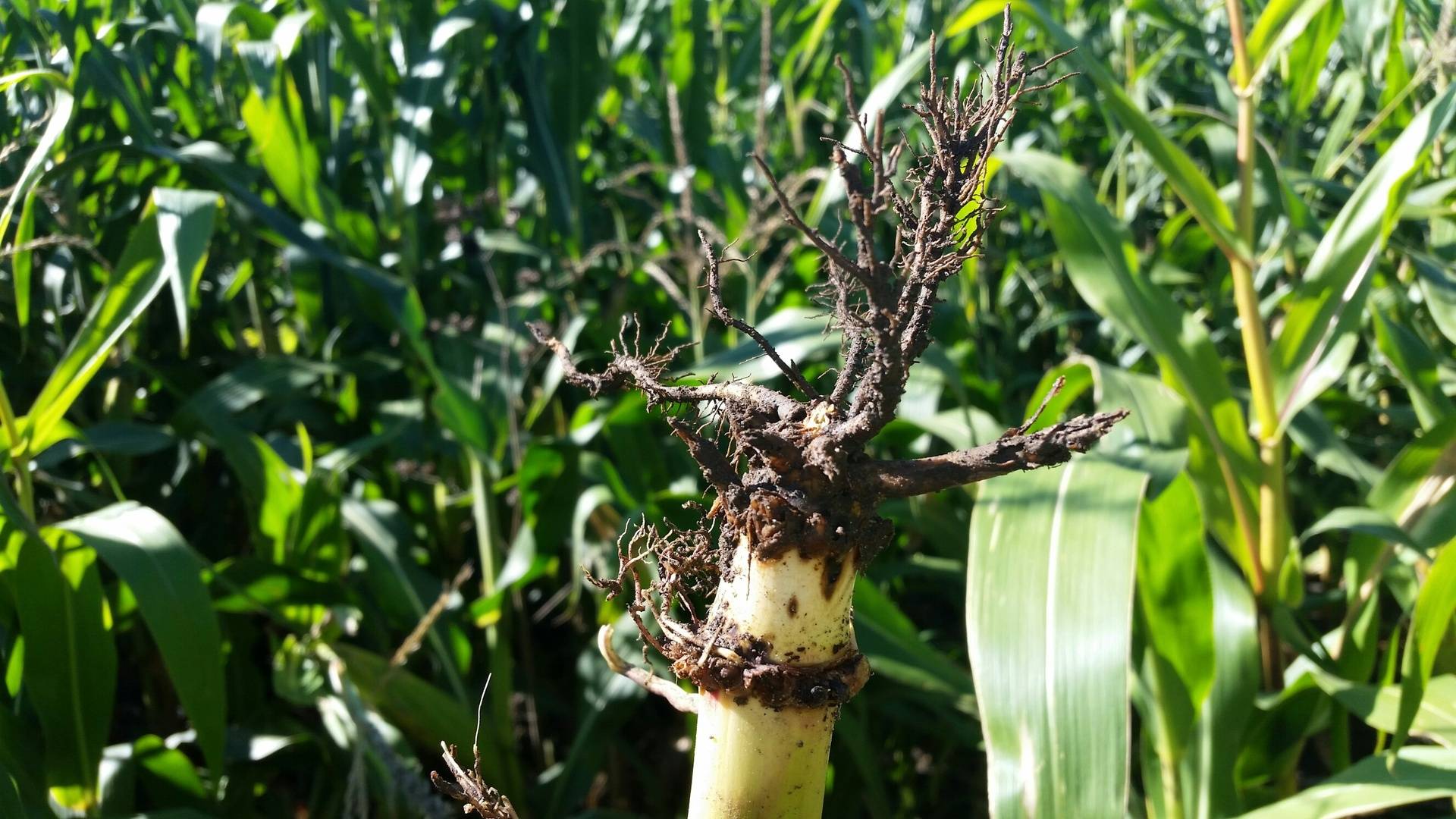
    Rootworm pressure may be low, but it’s present. Latham Corn Specialist Nick Benson (@LathamCornGuy) saw evident this week in a continuous corn field.

    The effects of our wet, cold planting season continue to surface. As one drives the back roads now, you’ll see where Sudden Death Syndrome (SDS) is affecting many soybean fields. You also may notice soybean fields turning yellow, which is a common symptom of Iron Deficiency Chlorosis (IDC).  IDC is a function of the soil type, so it’s most common in poorly-drained soils with higher-than-normal pH values.

    Plants under stress get taken advantage of by pests like Soybean Cyst Nematode (SCN). Doing a “drive by” or even walking through the fields may not be enough to detect SCN. Visual symptoms, such as above-ground stunting and/or yellowing, may not be evident for years. That’s why it’s best to check fields for the presence of SCN during the growing season by digging roots. You can also sample this fall for SCN by gently removing soil from the roots. Look for the egg-filled, round, white SCN females on the roots.

    While your shovel is at the ready, also be sure to conduct a few root digs in your corn fields. Latham Corn Product Specialist Nick Benson dug roots Sept. 2 in Fayette County Iowa, where he found evidence of rootworm feeding. In addition to looking for corn rootworm damage, note signs of sidewall compaction and hard pans. Also look at leaves and ears for signs of disease.

    It’s important to identify late-season corn and soybean diseases, as well as insect damage, so you can better manage them in the future. One way to control corn rootworms, for example, is to rotate rootworm-resistance traits developed by Monsanto, Syngenta and Dow.

    As an independent seed company, Latham Hi‑Tech Seeds has access to traits and technologies from all the major providers. We can work with you to develop a diverse crop plan that include Latham’s GladiatorTM Hybrids, which combine the best genetics and traits available to help maximize yields from corn-on-corn acres.

    To help simplify your soybean seed selection process, our website lists Latham® IRONCLAD™ Soybeans that include exceptional genetics and industry-leading protective traits to battle against yield-robbing threats from pests and diseases. Each IRONCLAD soybean brand must be Soybean Cyst Nematode resistant and carry an Iron Deficiency Chlorosis rating of 2.2 or better.  IRONCLAD brands must protect against either White Mold or Sudden Death Syndrome with a rating of 2.2 or higher.

    White Mold and SDS have both been an issue this season in different parts of our territory, so farmers will want to plant IRONCLAD soybeans on affected acres in the future. Plus, IRONCLAD products have strong defensive ratings against Phytophthora Root Rot and Brown Stem Rot.

    For more information about selecting the right seed for your situation, visit with your local Latham® representative. Also feel free to contact me at 1-877-GO-LATHAM (1.877.465.2842).

    Webspec Admin

    September 4, 2014
    Agronomics, Corn, Crop, Disease, General, Insects, Soybeans, Weed Control
  • Latham Hi‑Tech Seeds

    Combating Goss’s Wilt and SDS

    Sudden Death Syndrome Credit ISU Extension

    Last year Goss’s Wilt and Sudden Death Syndrome (SDS) reared their ugly heads for many growers throughout the Midwest. Unfortunately for those farmers who had to deal with the effects first-hand, Latham Product Manager Mark Grundmeier says likelihood is they will present challenges for Midwest growers again this year. Below are some tips to keep top of mind to help battle these diseases.

    Tips to Manage Goss’s Wilt

    • Hybrid selection. One of the best ways to protect against Goss’s Wilt is hybrid selection. If you battled Goss last year, Mark recommends either rotating to soybeans or planting only highly resistant hybrids to help avoid significant yield loss.
    • Bacteria versus fungus. Mark says oftentimes farmers will spray fungicide and believe they’re taking care of diseases like Goss’s Wilt, but because Goss’s is bacterial, the fungicide has no effect. To help farmers identify corn diseases, Iowa State University Extension has compiled a helpful Scouting Guide available here.
    • Tillage. Because Goss’s overwinters in the previous year’s crop residue, tillage will help prevent spread. If a field was affected by Goss last year, Mark recommends aggressive tillage to help suppress the susceptibility for the coming year.

    Tips to Manage SDS

    When SDS spread last year, Mark compiled a video series with tips from variety selection to SDS management to help farmers in the field. Below is a video about how to prevent SDS prevention. If time allows, take just a few minutes to read Mark’s previous blog posts that offer tips to help you identify and manage SDS.

    Sudden Death Syndrome Credit ISU Extension
    Pictured above is Sudden Death Syndrome. Photo Credit to Iowa State University Extension


    Mark Grundmeier, Product Manager

    September 3, 2014
    Agronomics, Corn, Crop, Disease, Soybeans, Tech Tuesday
  • Latham Hi‑Tech Seeds

    Seed Selection is Key to Avoiding Sudden Death

    Nematode01
    Photo courtesy of Purdue University Extension
    Photo courtesy of Purdue University Extension

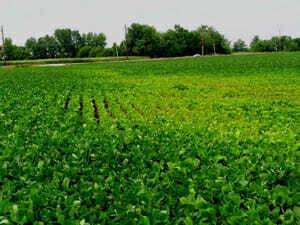
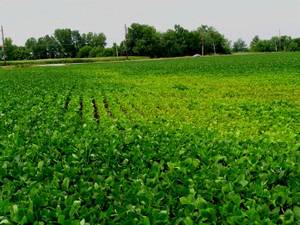
    The effects of our wet, cold planting season continue to surface. As one drives the back roads now, you’ll see where Sudden Death Syndrome (SDS) is affecting many soybean fields across Latham country.

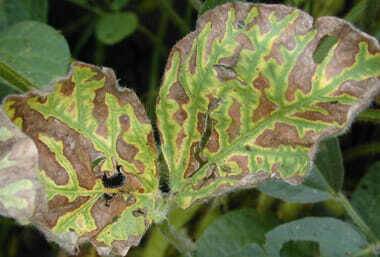
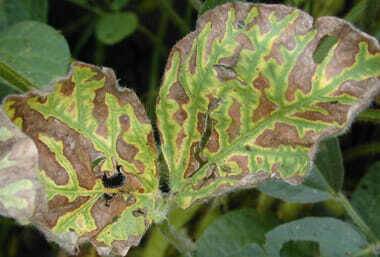
    Although SDS infects soybean plants right after germination and emergence, symptoms generally do not appear until mid- to late summer. Leaf symptoms first appear as yellow spots between leaf veins. Eventually, the leaves turn yellow and brown streaks develop between the leaf veins while the veins remain green. Leaflets eventually drop but the petioles remain on the stem. Diseased plants may have rotted root systems.

    Understanding the extent of SDS infection in each field is key to effectively managing the disease. Future management tactics include: reducing soil compaction; planting fields with a history of SDS towards the end of a planting schedule when soils may be warmer and drier; and testing for the presence of Soybean Cyst Nematodes.

    Dont-Feed-the-NematodesSoybean Cyst Nematode (SCN) is usually associated with SDS. You may see more severe cases of SDS in soybean varieties that are SCN-susceptible. When selecting soybean seed, it’s best to read through the SDS score rather than judge a bean solely by SCN tolerance.

    Planting tolerant varieties, or avoiding very susceptible varieties, is the most effective way to reduce losses from SDS. Keeping good field records from year-to-year will help determine which characteristics are most crucial when selecting soybean varieties to plant in a given field in a given year.

    To help simplify your seed selection process, we’ve made a list of Latham® brand soybeans with Excellent and Good Tolerance to SDS. Our website includes more information about each product. Also feel free to contact your local Latham representative or call 1-877-GO-LATHAM (1.877.465.2842) for additional information.

    Latham® Soybeans with Excellent SDS Tolerance (1.6 – 1.9 ratings): 

    L1383R2 L1968R2 L2128R2 L2787L
    L2884R2 L2978L L3158L L3248R2


    Latham® Soybeans with Very Good SDS Tolerance (2.0 – 2.2 ratings):

    L1985R2 L2083L L2084R2 L21B53R2
    L2183R2 L2253R2 L2258L L2558L
    L2585R2 L2758R2 L2948R2 L3184R2


    Webspec Admin

    August 28, 2014
    Agronomics, Crop, Disease, General, Soybeans
  • Latham Hi‑Tech Seeds

    Reduce Risk through Seed Selection

    DSC0754

    _DSC0754Shrinking grain markets, coupled with climate change, has more farmers than ever talking about risk management. We tend to associate “risk management” with crop insurance or financial portfolios, but there are some well-known ways to manage risk through seed selection.

    Just like managing a stock portfolio, you must determine whether you have an aggressive or a more moderate management style. Selecting all racehorse corn products with the most trait protection might be considered aggressive. A more moderate approach might be selecting very consistent products that have performed year after year but have only the traits you believe are needed on a particular field.

    Regardless of your risk management style, here are some ideas to help manage risk through product selection without making an additional cash investment:

      • Genetics – The conventional school of thought emphasizes planting several genetically unrelated products that works on your soils. Latham Hi‑Tech Seeds certainly endorses that practice, however, you might also want to consider another option. If you know a particular genetic family works well on your farm, selecting products with some of the same parentage but slightly different characteristics might also be a good fit.
      • Maturity – Spreading risk by planting different maturities is nothing new. However, planting products within the same genetic family in various maturities puts a much different twist on this risk management tactic. This stands in contrast to planting completely unrelated products in different maturities.
      • Pollination – If you’re concerned about pollination, spread risk by planting different maturities or products with the same maturity but different flowering dates. NOTE: Do not split your planter as that can be detrimental to pollination. Instead, plant these products on one side of a field or in a different field.
      • Ear Type – If you have a field that produces great crops but tends to dry out even in years with adequate rainfall, consider planting hybrids that produce a flex ear. A flex ear lets you

    decrease the population somewhat and gives you a little more margin for error than a determinate-eared hybrid, which requires higher population for optimum yields.

    Talk to your local Latham® representative about other risk management tools, including our signature Seed-2-Soil® program. Seed-2-Soil helps simplify the crop planning and seed selection processes plus maximize overall yield potential. It begins with a discussion with a farmer and his Latham® seed rep about all the variables that go into your farming practices each year. Then a scientific computer program helps fit the right seed to the field.

    Research has shown that correct product placement leads to a 3-7% yield improvement. Contact Latham Hi‑Tech Seeds today, and harness the power of Seed-2-Soil and fall soil sampling!

    Webspec Admin

    August 14, 2014
    Agronomics, Disease, General
  • Latham Hi‑Tech Seeds

    Soybean Scouting Tips for Sclerotinia Stem Rot

    Weed seeds aren’t the only yield-robbers that can lurk below the soil surface and come back years later to haunt your fields. Sclerotia, which encapsulate and protect the White Mold fungus, can lay dormant for years and then grow when the conditions are suitable. Suitable conditions include cool, damp soils.

    Cool and damp certainly is one way to explain this growing season, but weather isn’t the only factor affecting the likelihood of White Mold. Be sure to keep a close watch on fields with a history White Mold as it may be more severe this year with the current weather trend.

    White Mold usually has a larger effect on a brand with a denser, faster-closing canopy.  Symptomsappear as single soybean plants within a generally healthy canopy thatwilt and die rapidly – usually in July and August – when plants are in the early reproductive stages. The fluffy white mycelium of the fungus then forms on the stem and/or pods, giving it the name White Mold.

    Applying Foliar Fungicide

    Foliar fungicides may be applied when you see White Mold starting to attack. Wisconsin research data indicates that fungicides applied up to growth stage R3 (early pod) may have some effect on White Mold severity, but later applications will likely not be as effective. Once symptoms of white mold are evident, fungicides will have no effect on reducing the disease.

    Only fungal pathogens can be controlled with a fungicide, so it’s important to first scout and determine the type of disease or diseases present in a field. Scouting should be done prior to the R3 growth stage of the soybean plants, especially if weather has been rainy and/or humid as these conditions favor foliar diseases.

    Please note that you can’t do anything for the plants already infected with the White Mold fungus. Keeping the fungus from spreading is really the most effective defense against White Mold.

    Webspec Admin

    July 31, 2014
    Agronomics, Crop, Disease, General, Soybeans
  • Latham Hi‑Tech Seeds

    Quick Tips for Root Digs

    NodeScale

    Walking corn fields is not always enough. Sometimes you just have to do a little digging to discover the root of a problem in your corn field. Conducting root digs may sound like a lot of work, but the results are totally worth the effort.

    Quick tips for conducting a root dig:

      1. While digging roots, note:
        • Insect pressure, in particular rootworm beetle feeding.
        • Disease pressure, paying special attention to the leaves above ear leaf.
        • Runt plants and uneven emergence.
        • Make note of root structure after you wash off roots; notice any compacted zones and if there was any sidewall compaction during planting.
        • Look at plant spacing.
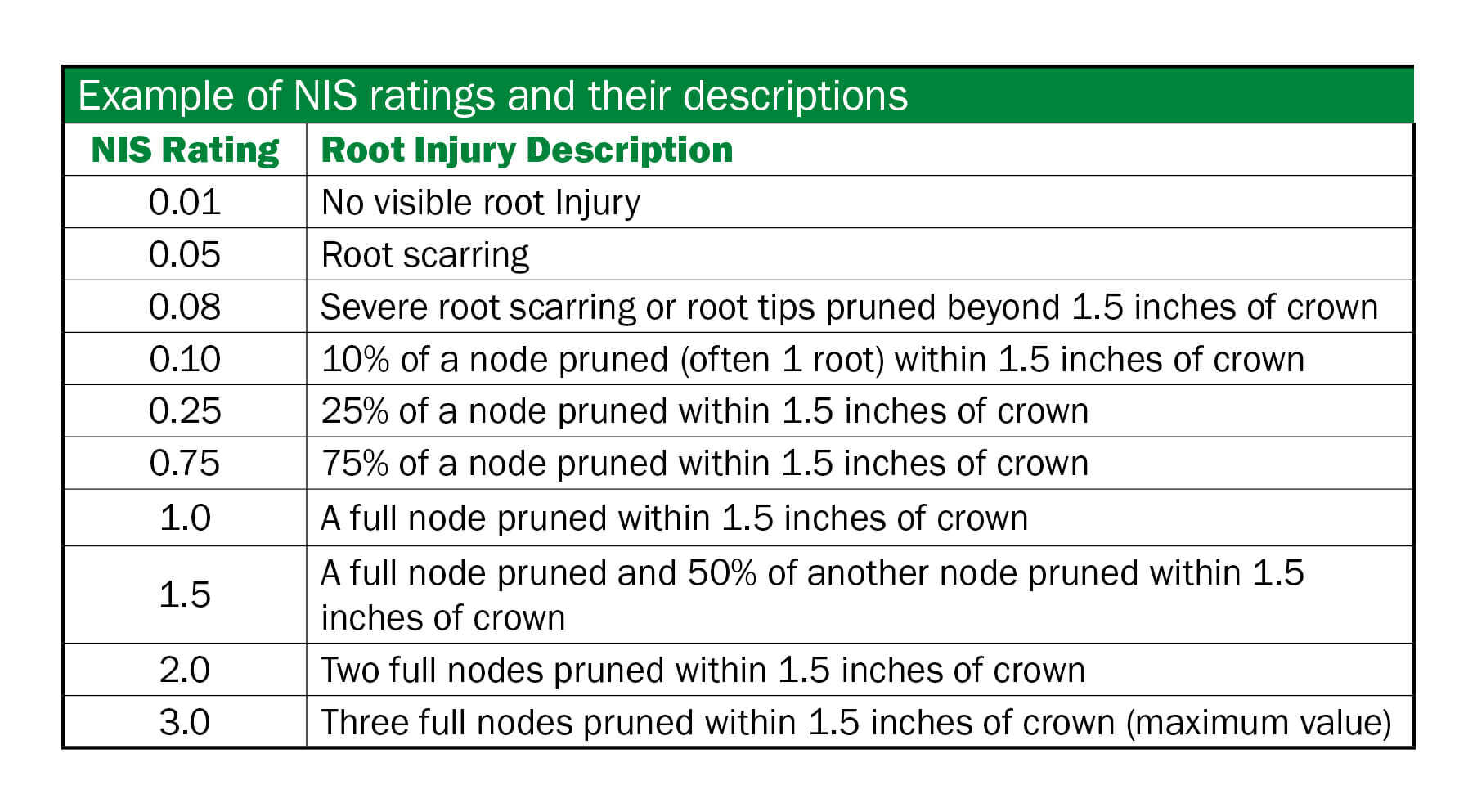
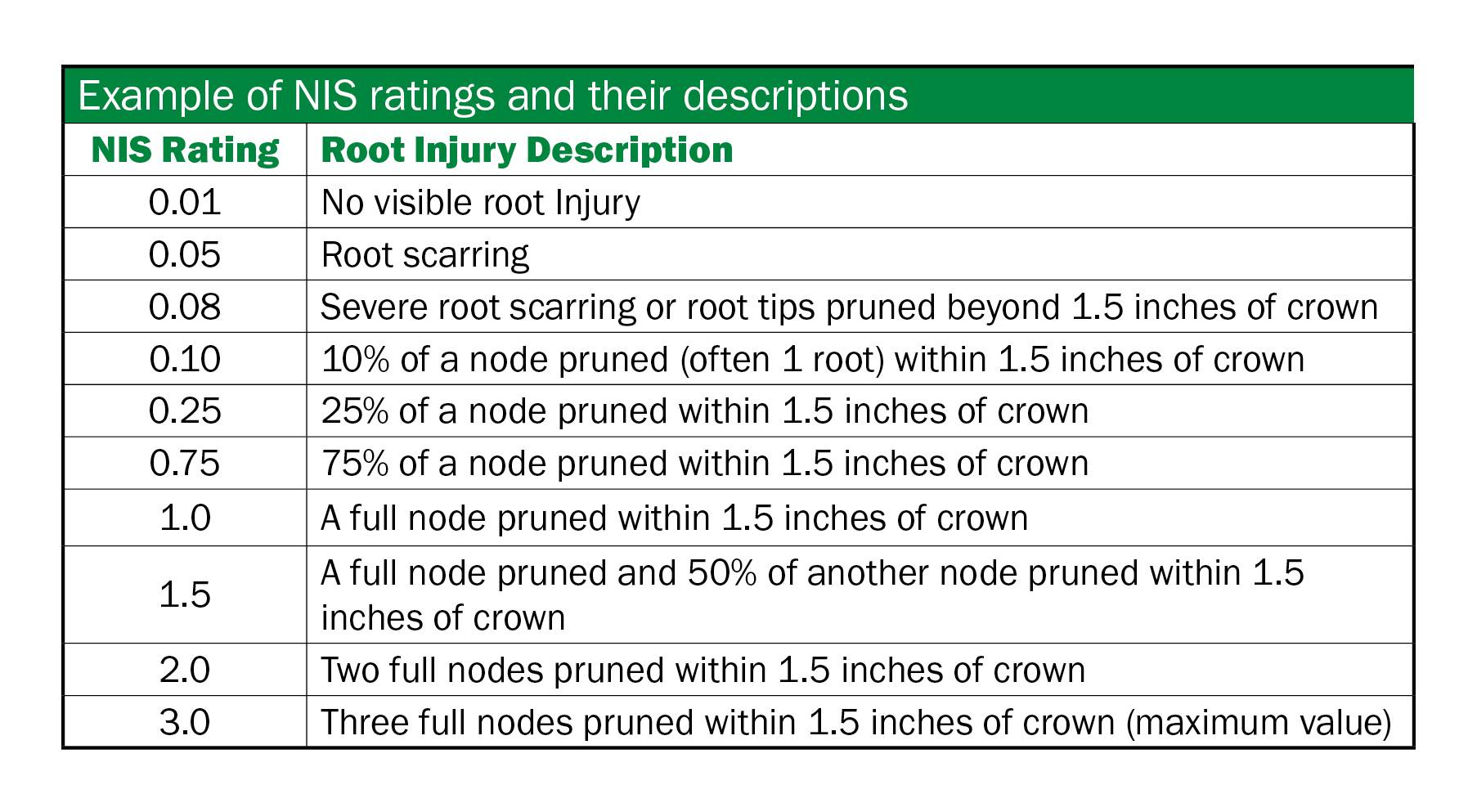
      2. You can’t always see feeding unless you actually wash off the roots. Look for bottle brushing and signs of root regrowth. Look for scarring and nodes that have been chewed. To use the interactive node-injury scale, click here.
      3. Rootworms can have “hot pockets” in the field, so the more locations from which you dig samples, the better.

    While you’re walking through fields, take a close look at leaves and ears for signs of disease. Also be on the lookout for insects like western corn rootworm beetles and Japanese beetles. Under the ground, look for signs of sidewall compaction and hard pans.

    NodeScale


    http://youtu.be/-5xVFhsGRrA

    Webspec Admin

    July 24, 2014
    Agronomics, Corn, Crop, Disease, General, Insects
  • Latham Hi‑Tech Seeds

    Tips for Preventing Soybean Seedling Diseases

    Post-planting is an ideal time to begin early season crop scouting. Many soilborne pathogens strike as soon as the seed begins to take on water; others strike young seedlings.

    While walking fields this spring, I’ve noticed everything from poor stand counts caused by inadequate seedbed preparation, soil compaction or soil crusting. All of these situations can promote seedling diseases. Understanding the symptoms of common diseases and diagnosing the problems will help you manage these diseases in the future.

    The first step in combating soybean seedling disease is to choose high quality soybean seed. There’s a reason “quality” is literally stamped on each bag of Latham® High-Tech Soybeans. The Latham family has nearly 70 years of experience, producing the highest quality seed. Also be sure to check disease ratings in the seed product catalogs.

    The second step to achieving higher soybean yields is seed treatment. Recently released research results show seed treatment is the best defense against seedling disease. Choose a seed treatment like Latham’s proprietary SoyShield® fungicide and SoyShield Plus, a fungicide-insecticide combination. It’s especially important to protect early-planted soybeans from seedling diseases and insects.

    While it stands to reason that earlier-planted soybeans will have more potential for yield due to greater access to sunlight, there are risks associated with early planting. Plant in fit conditions to set up your crop for success. Optimal planting conditions for soybeans include dry soils that are consistently 60 degrees at planting time. Soybeans are a light-sensitive crop, so yields are strongly influenced by the amount of solar radiation the crop receives throughout the growing season.

    Learn what you can this season to increase soybean yields in the future. If there’s an area where seedlings aren’t emerging, dig into the soils and see what’s happening underground. Some pathogens attack the seed. Some seeds are killed before germination. You may notice rotting seeds. Sometimes “damping off” occurs right before or right after emergence.

    There are three main categories of seedling diseases: seed rot, seedling mortality, and root or lower stem decay. Watch for these in 2014:

      • Seed rot occurs during the VO-VE growth stages and may be caused by three pathogens; Pythium, Phytophthora, and Phomopsis. Typical symptoms are soft decay of seed, missing seedlings in the row or poor emergence.
      • Seedling Mortality, commonly damping-off or seedling blight, occurs during the VE-V4 growth stages. Pythium, Phytophthora, and Rhizoctonia, can cause seedling mortality.
      • Root or lower stem decay may take place during the seedling stage or may not be apparent until later reproductive stages (VE-Rn). Pathogens that cause root stem decay during the seedling stage are the same as those that cause seedling mortality.

    Webspec Admin

    June 5, 2014
    Agronomics, Disease, Emergence, General
Previous Page
1 … 7 8 9 10 11 … 13
Next Page

Latham Hi‑Tech Seeds

131 180th Street | Alexander, IA 50420

(641) 692-3258

SIGNUP FOR OUR NEWSLETTER
  • Contact
  • Legal
  • Dealer Center
  • Seedware Login
  • Latham Gear

© 2025 Latham Hi‑Tech Seeds. All rights reserved. | Iowa Web Design by Webspec | Privacy Policy

Latham® Hi-Tech Seeds is a trademark of M.S. Technologies, L.L.C., 103 Avenue D, West Point, IA 52656.