Latham Hi-Tech Seeds

(641) 692-3258

  • Home
  • Products
    • Corn
    • Soybeans
    • Alfalfa
    • Corn Silage
    • Seed Guide
  • Performance
  • Find a Rep
  • Media
    • Blog
    • News
    • Videos
    • Podcasts
    • TECHTalk
  • About Us
    • Company History
    • Our Mission
    • Careers
    • Become a Rep
    • Sowing Seeds of Hope
  • Contact Us
  • Latham Hi‑Tech Seeds

    Harvesting Faith during the California Drought

    Worry ends
    I love dressing up and painting my nails, but when need be, I can wrestle a calf or fix fence.” -- Celeste Settrini, 5th generation rancher from Salinas, Calif.
    “I love dressing up and painting my nails, but when need be, I can wrestle a calf or fix fence.” — Celeste Settrini, 4th generation rancher from Salinas, Calif.

    California experienced its driest year on record in 2013. The New Year brought hope of much needed moisture, but those hopes have diminished with each passing day.

    “In 135 years of record-keeping, this has been the driest,” said climatologist Bill Patzert of NASA’s Jet Propulsion Laboratory in a January 27 VOA report. “Since July 1, we’ve had less than an inch of rain. In January, which is historically our wettest month, we’ve had zero rainfall.”

    So what’s a rancher to do when pastures turn brown and water supplies dry up? Celeste Settrini, a fourth generation rancher from Salinas, California, is drawing on the strength of those who have gone before her. Her ancestors moved to southern California 100 years ago, started dairying and then built a commercial Hereford herd. When Celeste’s father took over the family ranch, he switched to Red Angus beef.
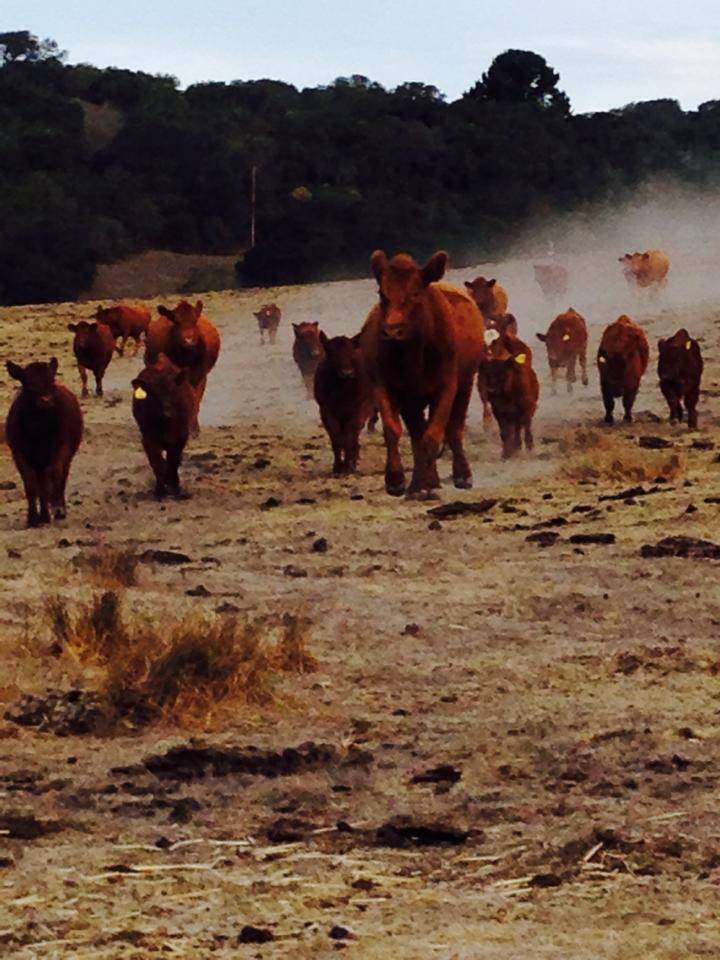
    Drought 2013“We’ve spent years building our herd and investing in genetics,” says Celeste, who lives in the same house her grandfather called home. Her father passed away suddenly last June, so now she and her brother manage the cow herd while their mother does the books.  “Ranching is our legacy, and we’re committed to it.”

    In an interview January 28 with Trent Loos on Rural Route Radio, Celeste described the dire situation facing farmers and ranchers in the west.

    “… I was throwing hay off the back of our truck and saw our cows coming over the hill,” she says.  “It was so warm out, and there was so much dust following them. I just sat there and cried because I’m so anxious and so worried about this drought we’re going through.”

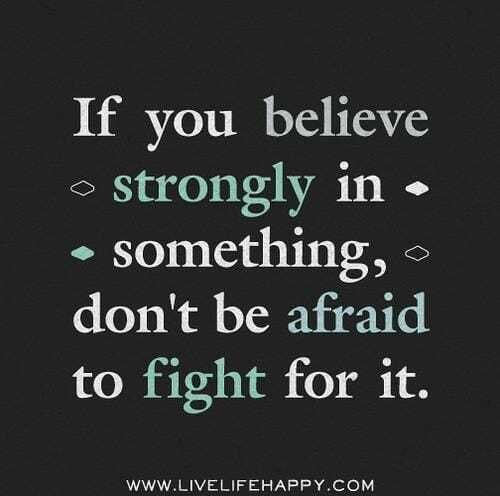
    That day was a turning point for Celeste.  She realized it was time to do something. With encouragement from a friend, Celeste decided to share her faith and invite others to ask God in unity for help. She created an event called Harvesting Faith – a day of reflection, prayer and fasting and scheduled it for Sunday, February 2.  She asked all of her friends on social media to pull together to support friends in need by praying for rain.

    Winter is normally the time that California ranchers rely on the rain to turn the grass green and restock their water supplies.  Without rain, there’s no grass for the cattle.  Many ranchers are purchasing hay, and some fear their production costs will triple.
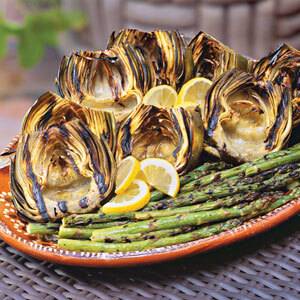
    Photo Source: MyRecipes.com Photo: Ralph Anderson; Styling: Mindi Shapiro Levine
    Photo Source: MyRecipes.com
    Photo: Ralph Anderson;
    Styling: Mindi Shapiro Levine

    California ranchers won’t be the only ones feeling the economic impact of this drought, however.  Drought in Southern California could impact world food prices as this area produces 400 different crops.  Volumes of fruits, vegetables and cattle are sold throughout the U.S., as well as exported.

    This week I was fortunate enough to get to taste test a few of this region’s specialties firsthand during a trip to southern California.  Celeste introduced me to grilled artichoke in Monterey, and I taste-tested some of state’s freshest extra virgin olive oils and artisan vinegars at the Quail and Olive in Carmel Valley.  Celeste says she LOVES grilled cauliflower (which I’m looking forward to trying soon) and believes chunky blue cheese dip makes fresh vegetables all the more enjoyable.

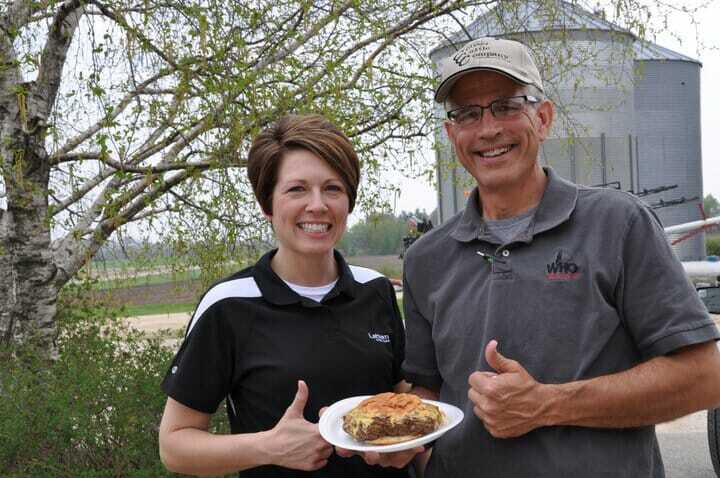
    Because strawberries also are grown on the Settrini Ranch, today Celeste is sharing with us one of her “guilty pleasures.”  She says this strawberry treat is simple but heavenly.  Try her recipe below or click on the links above to add some new flavors to your Super Bowl Party.  If you chose to fast as part of the Harvesting Faith event this Sunday, keep these recipes in mind for another day soon to enjoy some of California’s finest produce.
    Team Latham

    January 31, 2014
    Agriculture, General, Industry News
  • Latham Hi‑Tech Seeds

    Why resent the “Foodie” label?

    ShannonBurger

    Me, a foodie? I almost spewed my coffee as I read that one of my friends had called me a “foodie” on Facebook.  After all, I’m an agriculturist!  I’m pro-GMOs but I’m not anti-organic.  I believe in food choice.  I also support locally grown foods.  I support all types of animal agriculture and believe farmers should choose the practices that best fit their operation. I want to help children understand where their food comes from and how it’s produced.  I want to plant my own veggies and harvest my own pumpkin crop.

    Then I looked up the definition online and realized, indeed, I resemble a foodie!

    Foodies are a distinct hobbyist group. Typical foodie interests and activities include the food industry, wineries and wine tasting, following restaurants, food fads, health and nutrition, cooking classes, culinary tourism, and restaurant management. A foodie might develop a particular interest in a specific item…

    Culinary tourism is something I’d love to pursue, beyond taking a pie making class from the American Gothic Pie Lady and enjoying a cooking demonstration in Branson.  I’ve been known to hike for miles just to savor the popovers at Jordan Creek Pond House in Acadia National Park, and I made my husband circle the same block in Key West until – at last – we found the Blonde Giraffe for Key Lime Pie.  I’ve also been known to reroute while traveling to visit customers just so I can try another one of Iowa’s Best Burgers, and I’m a little obsessed with posting new recipes each Friday on TheFieldPosition.com.

    Admittedly, I really appreciate good food and good drinks. I believe calories are a terrible thing to waste.  Since we all need to eat to live, why shouldn’t we enjoy our food?

    Yes, I might just be a foodie!  But I’m not alone.  Consumer surveys shows that Iowans are becoming increasingly interested in the foods they serve – and more and more Iowans are following a trend to produce more home cooked meals.  Interest in cooking, baking and canning classes is on the rise!  Instead of being called “old fashioned,” now me and all of my cooking / farmer friends are trendy!

    Agriculture is trendy… And that’s cause for celebration! It’s also just one more reason that Latham Hi‑Tech Seeds is hosting a virtual Super Bowl Party from now through Sunday at kickoff.  Have a little fun on another cold Midwest winter’s day… Join us for Felfies, Foodies & Football!  Click here for contest details.

    Team Latham

    January 29, 2014
    Agriculture, Industry News
  • Latham Hi‑Tech Seeds

    Foodie Mommies NEED to Hear from You

    Fightforit

    As I write this, North Central Iowa is experiencing absolutely frigid conditions again! The sunshine is very deceiving. Once I step outside a warm building, the raw wind gives me an instant ice cream-headache. This winter’s unseasonably cold temps makes me believe in my hog barns more and more!

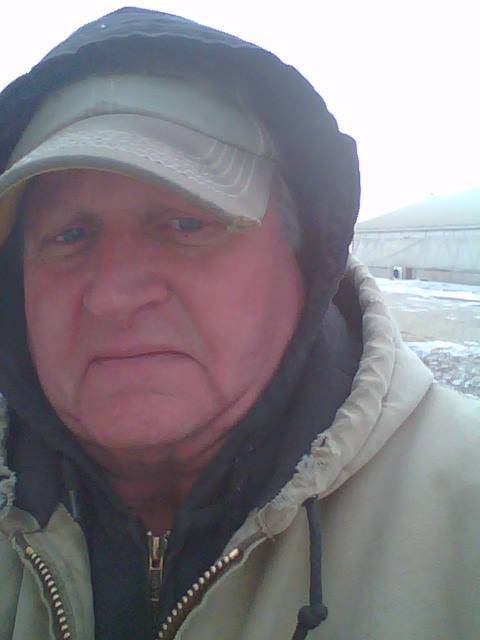
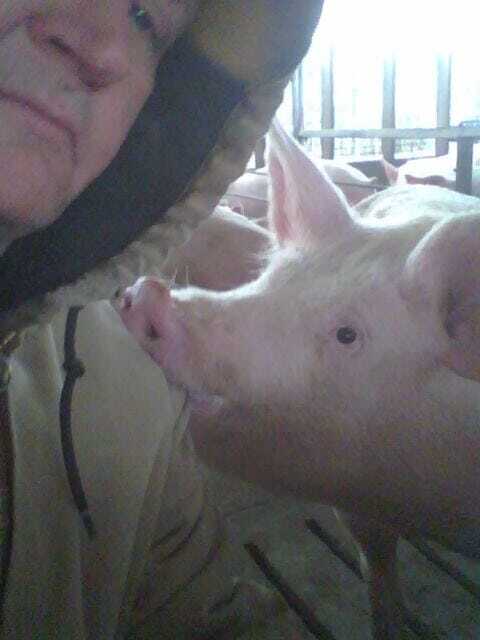
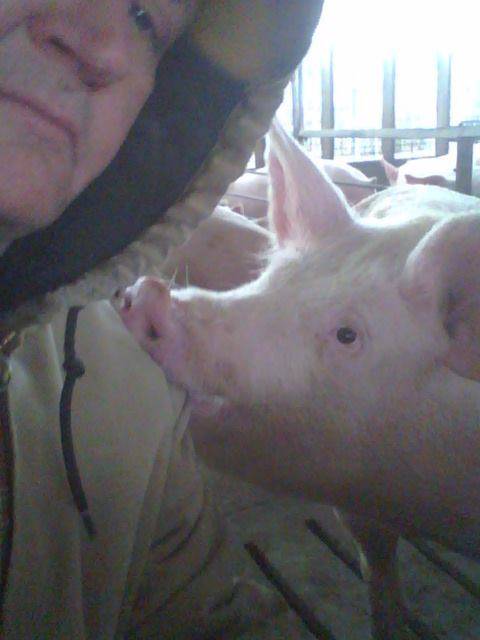
    Larry frozen felfie
    With a true temp of -9 F & wind chills nearing 30 below, this weather isn’t fit for man nor beast!

    Not everyone believes hogs should be raised indoors. Misperceptions run rampant, especially on the Internet. That’s one reason I’m so gung ho about advocating.  Others don’t know what we’re experiencing unless we share it with them, so I post #felfies of myself while working outdoors and videos of my hogs all toasty warm in their barns.

    People involved with agriculture must explain why we farm the way we do because just doing it right doesn’t cut it anymore. If we’re not careful, farmers will be legislated into farming the way a small minority of well-fed people think it should be done.

    “We’re allowing 5% of consumers who are very vocal to appear to represent the majority,” radio personality Trent Loos said last week during a presentation at the Iowa Pork Congress. “Very clearly, there are people who have questions. And we should be as transparent as possible…  But we need to lead and drive that discussion.”

    Trent did a great job firing up the crowd, encouraging pork producers to speak out and get involved. So, the next day I expected to see a nice crowd of farmers wanting to learn how to communicate with consumers. But I was greatly disappointed! More than 200 people listened to Trent; fewer than 10 listened to the social media class.

    Ag folks want to listen to Trent, but Trent cannot tell consumers about their operations! Each farmer, each rancher must share how he or she farms and why. The non-farming grocery shopper wants to hear from a farmer who raises their food. The foodie mommy wants and needs to hear from unpaid #agvocates!

    Operation Main Street (OMS) a National Pork Board Speaker Corps, formed in 2005 because there was a need for farmers to truthfully talk with consumers about how and why we have made changes to our farms.  The OMS program even started to address college classes and groups of dietitians and county commissioners.  I’ve been active in OMS for about 8 years, but last week was the first time I was asked to be one of the teachers for a culinary class. Besides sharing tips for cooking pork, I’ll talk about how many people live on our planet.

    Did you know 50 percent of the world’s 7 billion try to survive on $2 a day? Three and a half billion people live on $730 per year… and that humbles me greatly!

    Unfortunately, this week’s Operation Main Street training session was postponed due to inclement weather. I will look forward to presenting these stats and sharing my passion for advocating on the next go round.

    Weather is certainly creating hardships from the Polar Vortex extending across the Midwest to the drought in California.  Farmers and ranchers depend on the weather to make a living raising the food that we all take for granted.

    fightforitFood is so readily available and relatively cheap that many people really do take it for granted. But 3.5 billion people worldwide do not have that luxury! More than 49 million Americans, including kids and adults, are food insecure. It’s so important that food plentiful and affordable for everyone!  But, regulations only increase food costs.

    We must look for regulations hiding in new legislation – not just the Farm Bill – that force costly restrictions on food and fiber producers. Talk to your elected officials about the bills they will vote on! New legislation must be read and understood. Amendments must be read and understood. Our government has become so burdensome and restrictive, that even the courts are legislating. And the back door presidential legislating by executive order seems to be unrestricted!

    Farmers are passionate about what we do, but we must take that passion beyond the “choir!”  Grocery shoppers, including foodie mommies, want to hear from a farmer. Consumers are increasing interested in how their food is grown, according to survey results released earlier this month.

    It’s time for more farmers to jump in and advocate! I know how intimidating social media seems at first, but I promise there are resources there to guide you along the way. I’ve learned that the hardest part is taking the first step.  I’ve found that the more active I’ve become, the more interest I attract from media and legislators who are interested in hearing a “real farmer’s” point of view.  Think one person can’t make a difference?  Think again.  YOU can make a lasting impact…  Agriculture needs YOU!

    Larry Sailer, Musings of a Pig Farmer

    January 28, 2014
    Agriculture, General, Industry News
  • Latham Hi‑Tech Seeds

    Coaches vs. Cancer Nets $17,000

    CVC 2014

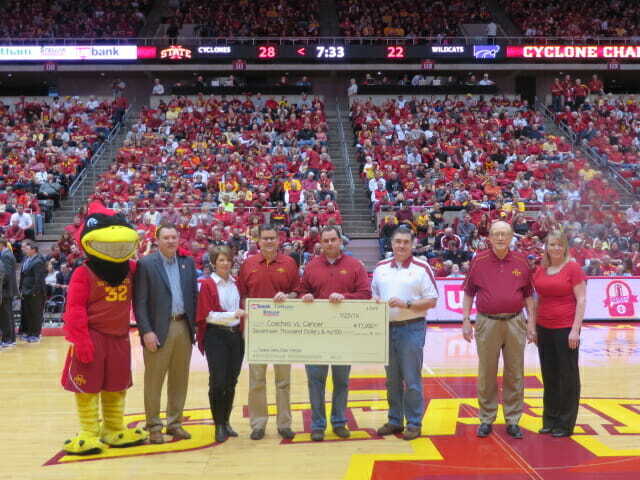
    Cy Charity Stripe LogoRepresentatives from Latham Hi‑Tech Seeds took to center court Saturday in James H. Hilton Coliseum in Ames, Iowa, as we were one of three Iowa-based companies being recognized for supporting the Cyclone Charity Stripe.  This promotion raises money for every free throw the Iowa State Cyclones Men’s Basketball team makes during the 2013-14 basketball season; donations benefit the American Cancer Society through Coaches vs. Cancer.

    Latham Hi‑Tech Seeds is proud to support the Cyclone Charity Stripe, which raises money for Coaches vs. Cancer with every free throw the ISU Men’s Basketball team makes during the 2013-14 season
    Latham Hi‑Tech Seeds is proud to support the Cyclone Charity Stripe, which raises money for Coaches vs. Cancer with every free throw the ISU Men’s Basketball team makes during the 2013-14 season

    Coaches vs. Cancer evolved from a concept championed by Norm Stewart, former head coach of the University of Missouri men’s basketball program.  As a cancer survivor and member of the National Association of Basketball Coaches (NABC), Coach Stewart challenged fans to pledge a dollar amount for points made by his team.  The American Cancer Society and the NABC adopted that concept in 1993, transforming it into a nationwide effort “to provide help and hope to people facing cancer.”

    Providing support for the American Cancer Society and helping raise awareness for cancer prevention and early detection is a cause that’s near and dear to our family.  John’s mother and his paternal grandmother, Evelyn Latham, are both breast cancer survivors.  John’s dad and our company’s past president, Bill Latham, is about to celebrate the four-year anniversary of his stem cell transplant.

    ISU Men’s Head Basketball Coach Fred Hoiberg sports tennis shoes in support of Coaches vs. Cancer during Saturday’s game in Hilton Coliseum. Iowa State defeated #22 Kansas State, 81-75.
    ISU Men’s Head Basketball Coach Fred Hoiberg sports tennis shoes in support of Coaches vs. Cancer during Saturday’s game in Hilton Coliseum. Iowa State defeated #22 Kansas State, 81-75.

    Because we know first-hand what a gift “hope” can be, we’re glad to help support the American Cancer Society and Iowa State University’s Cyclone Charity Stripe Promotion.

    Free throws this season have net $17,000 for the American Cancer Society, and points in the charity stripe helped the Cyclones defeat the Kansas State Wildcats.  Now that’s what I call a “win, win situation”!  Click here to see video highlights of Saturday’s game in Hilton.

    coaches-vs-cancer-logo

    Team Latham

    January 27, 2014
    Agriculture, General, Industry News
  • Latham Hi‑Tech Seeds

    Super Bowl XLVIII: Felfies, Foodies & Football

    LarrySailer Felfie
    #Felfie
    #Felfie

    Super Bowl Sunday XLVII had us reaching for a tissue and wiping our eyes as the nation was overcome with emotion when Dodge Ram’s God Made a Farmer television spot aired.  That commercial, featuring a poem recited by Paul Harvey during the 1978 FFA annual convention, paid tribute to Americans farmers.

    Dodge’s “Year of the Farmer” commercial made those, who tend to livestock and nurture the land, feel rightfully proud.  It made those who aren’t farmers wish they had such a noble calling.

    We believe farmers deserve to be in the spotlight once again, so we’re proclaiming Super Bowl 2014 as “Year of the Felfie.”  Join Latham Hi‑Tech Seeds as we host a virtual Super Bowl party!  Enter for a chance to win freebies by participating in Felfies, Foodies & Football:

    a Rafflecopter giveaway

    Between now and the kickoff on Sunday, Feb. 2, take time to take a #felfie. They say a photo is worth a thousand words.  In this case, it could be worth a stadium blanket and chairs!  Plus, your felfie could help non-farmers gain a better understanding how their food is produced.

    Speaking of food…  Everyone knows the key to hosting a good party is having ample quantities of wonderful food. That’s why, beginning tomorrow, we’ll post simple yet delicious “Game Day” recipes on our company’s Facebook page.  We hope you’ll join us throughout the week as we prepare for Super Bowl 2014!

    Larry Sailer, Musings of a Pig Farmer

    January 23, 2014
    Agriculture, General, Industry News
  • Latham Hi‑Tech Seeds

    Differentiating Between “Challenges” and “Problems”

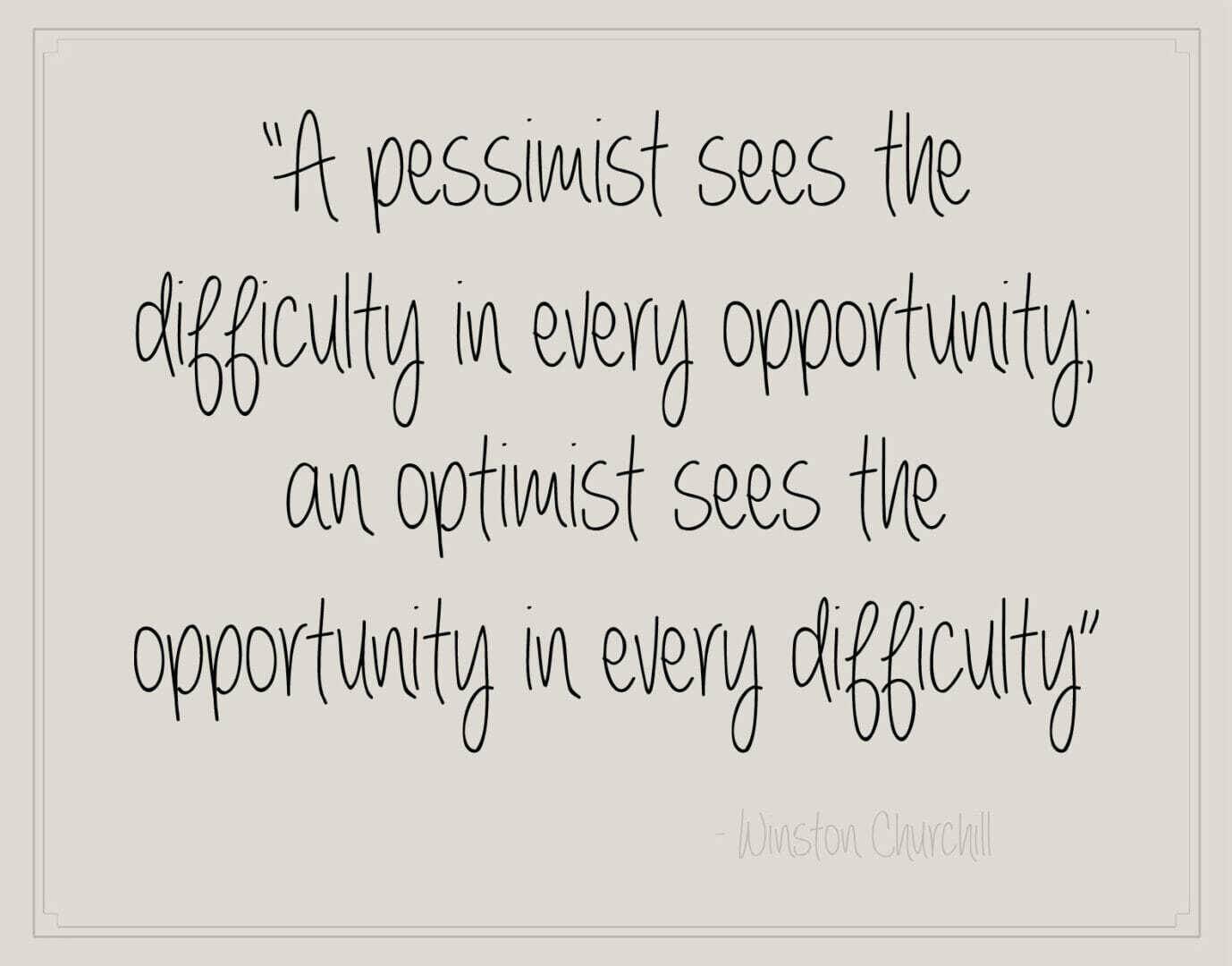
    Churchill Quote

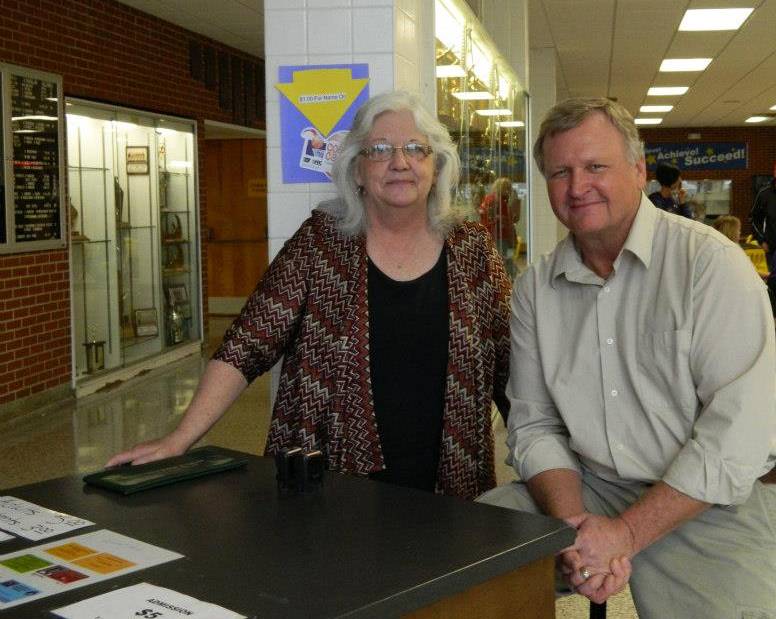
    Larry JaniceMy wife, Janice, and I were having a discussion last week about the time of our lives when we will no longer be working.  With us being in our sixties, Janice thinks retirement planning is a problem that needs to be solved immediately.  Feeling like I’m not much over 40, I believe retirement is a challenge that I still have time to address.  After all, I’m still making career plans.  I’m opening a seed dealership for Latham Hi‑Tech Seeds, and I’d like to actually build a new set of hog buildings for myself.  I built hundreds of modern hog buildings when I operated my own construction business, but the last one I built on my own property was in the 1970s – and I haven’t used it in 20 years.

    Because I’m making future plans for my farm, last week I attended the Coalition to Support Iowa Farmers’ annual “Farming for the Future” conference with the theme of “Doing Things Right.”  We all  know farming for the future can be a real challenge, especially given our current political and regulatory climate.  The real problem, in my opinion, is the last few years have been profitable for farmers.

    “Often, the worst decisions are made during the best of times,” said Dr. David Kohl, professor emeritus at Virginia Tech, who was serving as the keynote speaker at last week’s conference.  “When you’re rolling along, you get complacent and forget about the basics.  But always remember that you can’t simply grow your way to wealth.”

    Dr. Kohl reminds us that farming has always been a game of cycles: Good weather, bad weather. Good prices, bad prices.  The cycle will continue, he said.  But for the farmers who can channel their emotions while managing their operations, there will be more opportunities than ever in the years ahead!

    Churchill_QuoteWhile farming is very competitive, capital intensive and risky, it’s also enjoyable.  There is so much to be made… and long as you’re looking for a challenge and enjoy solving problems.  Farming reminds me of this quote by Winston Churchill, “A pessimist sees the difficulty in every opportunity; an optimist sees the opportunity in every difficulty.”The hope of future opportunities in agriculture led to a sold-out crowd last week inside the Scheman Building on the Iowa State University campus.  Farmers packed the room to listen to a panel discussion on “Emerging Opportunities in Iowa Agriculture.” On-farm dairy processing, calving under roof and niche pork production.  There was even talk about raising fish in Iowa.  If you are interested in the content but weren’t able to attend, video from the conference will be available soon. You can also sign up for an e-newsletter.

    Challenges keep me going.  But as much I hate to admit it, Janice makes a good point about my age!

    Larry Sailer, Musings of a Pig Farmer

    January 21, 2014
    Agriculture, General, Industry News
  • Latham Hi‑Tech Seeds

    “Cold Run for Warm Meals” to Benefit Food Bank

    Race6485 logo.bsZUbV

    Guest blog post by Lindsay Pingel
    Communications Manager, Food Bank of Iowa

    race6485-logo.bsZUbV

    Recently, I was doing my weekly grocery run on a busy Saturday afternoon. I weaved my cart up and down the aisles, fought my way through the crowd and finally made it to the checkout line. As I was waiting in line and flipping through the latest magazine selections, something caught my eye.

    The family in front of me was taking items out of the cart because they didn’t have enough money. “The car repair made us extra short this month,” said the man, red with embarrassment and shame, as he repeatedly ran his debit card through the machine until finally it worked.

    When they left, the cashier was shaking her head and said to me, “I just wish there was something I could do to help them.” My thoughts exactly!

    What I witnessed is not uncommon for many Iowans today. One in eight Iowans – approximately 400,000 – is food insecure, meaning they lack the resources to live an active and healthy lifestyle. One out of 5 Iowa children does not know where his next meal will come from. Many of these individuals have been faced with a job loss or unforeseen expense that has brought on the burden of wondering how they will put food on their tables.

    FoodBankIowaDuring my time at the Food Bank of Iowa, I have wondered what more can be done to help those in need. What am I not doing to make this problem go away? Thankfully, I am reminded and inspired by the compassion and support I see each day. Individuals, businesses, organizations and civic groups show support through monetary donations and food drives; volunteers generously donate their time; and advocates speak about the issue of hunger and its impact on struggling Iowans.

    NAMA-IAToday especially I’m excited to announce a partnership with the Iowa National Agri-Marketing Association (NAMA) on the Cold Run for Warm Meals, a 2.5-mile run with all proceeds benefitting the Food Bank of Iowa.  The fun begins at 9 AM on Saturday, March 29, when Confluence Brewery opens for non-runners.  (That’s right!  It’s just as fun to be part of the cheer squad!)  The race beings at 9:30 with awards to be presented at 10:30 AM.  Create a team or register individually.

    Together, we can help their neighbors, colleagues, friends and family members struggling with food insecurity!

    Gary Geske

    January 20, 2014
    Agriculture, General, Industry News
  • Latham Hi‑Tech Seeds

    Staying Independent, the American Way

    Joseph Charles Plumb

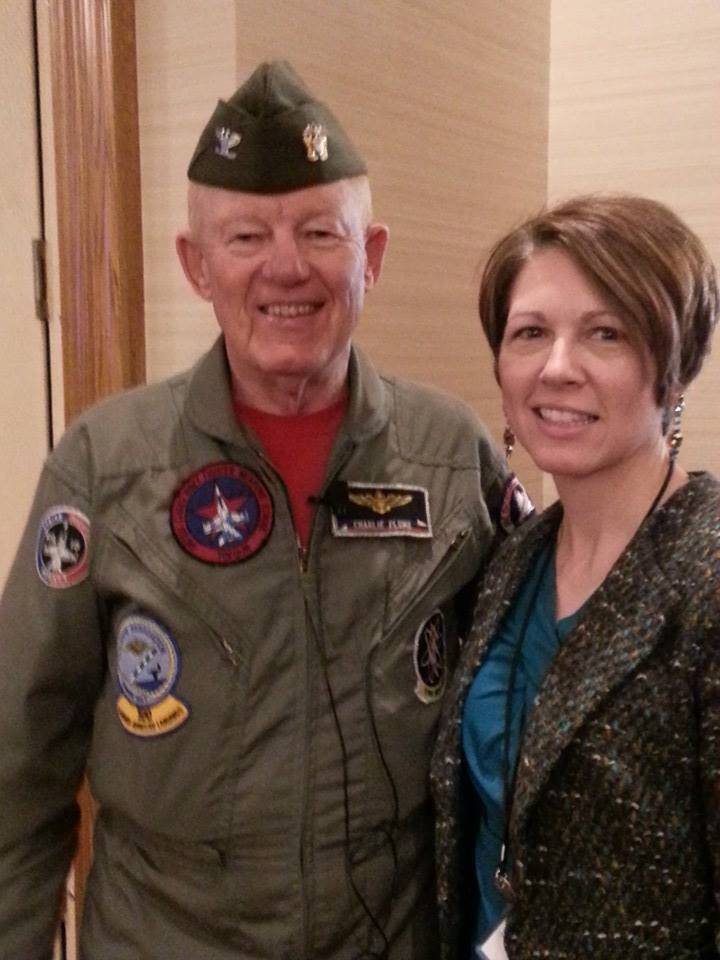
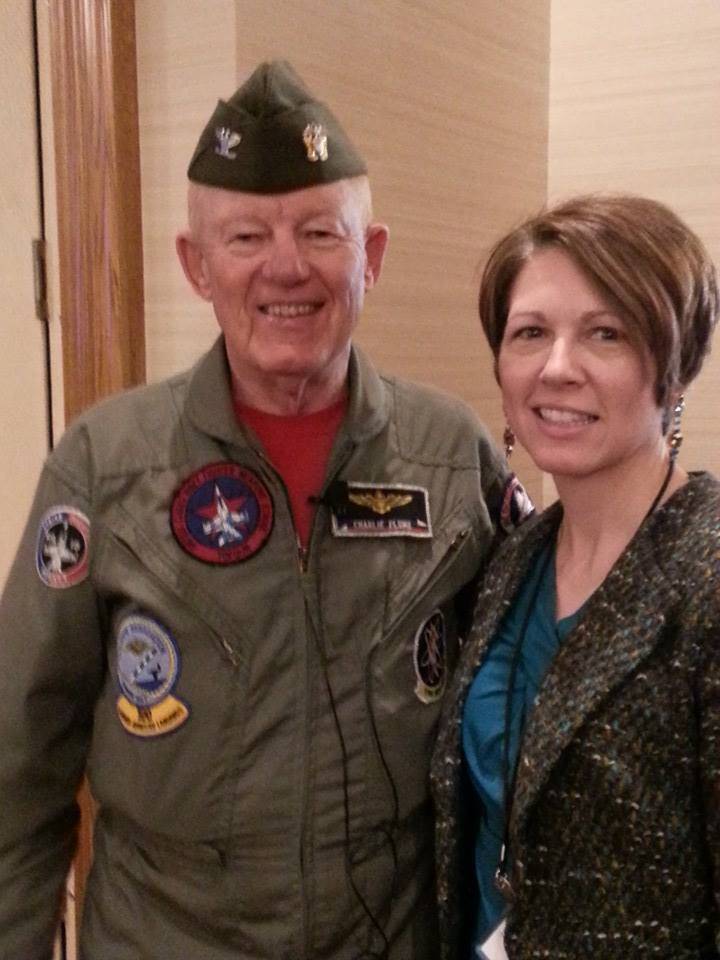
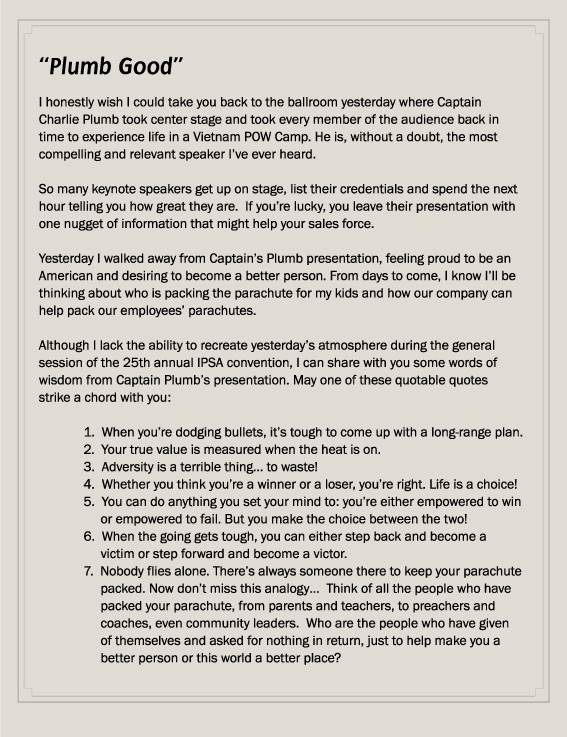
    Joseph Charles PlumbWhen Captain Charlie Plumb took the stage yesterday for the opening general session of the Independent Professional Seed Association 25th Annual Conference in St. Louis, the only noise in the room was the sound of a soldier’s footsteps in the dark.  When he began to speak, you could have heard a pin drop.

    “Today I want to take you back to a Prisoner of War camp in Vietnam where you can feel the intense heat baking on the tin roof of your 8 by 8 cell,” said the man, who lived as a POW from ages 24 to 30.  Just five days before his tour of duty was to end, he was shot down and spent the next 2,103 days in a prison.  “It’s important that you get a vivid mental picture. Try your best to smell the stench in the bucket I called my toilet, and taste the salt in the corners of my mouth from my sweat, my tears and my blood.

    If I am effective in these few moments we spend together today, you’ll see that the same kind of challenges you face, are the same basic challenges I faced in a prison cell: feelings of fear, loneliness, failure and a breakdown of communication. More importantly, your response to those challenges will be the same response I had to have in the prison camp just to survive.”

    “Even though I’m telling a story about myself, the real story is not about me,” he continued. “It’s about you… You won’t face the 8-foot walls that I did, but you will encounter the 8-inch ones.  Those eight inches between your ears can become your biggest barrier.  That’s why it’s important to remember that you can do anything you set your mind on.”

    Captain Plumb went on to tell the room full of independent seed company executives how honored he was to be with us because, as the son of a Kansas farmer, he knows we’re the first link in the chain that produces the world’s safest and most abundant food supply.

    “This great nation wasn’t built on fairness.  It was built on independence,” he says.  ‘As independent business owners, you have the freedom to go and be!  You also have the freedom to fail.”

    If you blame others for your problems, Captain Plumb says you’re giving them control over you– and your life.  He shared tips on he prevented the enemy from having total control over him inside the POW Camp and made them relevant to our lives as civilians:

    1. Believe.  Tap into sources of strength that are larger than you.
    2. Courage. Have courage to face the day and step up to the plate.
    3. Integrity. Be honest. Have moral principles.
    4. Humor. Have fun. Laugh. Prank.
    5. Return with honor.  Thanks to leadership inside the POW Camp, Plumb says this became their new mantra.

    Life is about taking choices, taking risks.  Captain Plumb’s time in the POW camp taught him that sometimes the solution is take another risk.  “The last thing you want to do is get further outside your comfort zone, to get into deeper water, to hurt more,” he’s quoted as saying in a Juneau Empire article.  “The human response is to fall back and seek safety.”

    Captain Plumb said he learned in that POW camp that he could still control his attitude.  He could choose to laugh or to cry; he could choose to be positive or negative… but choosing to be negative gave the enemy control over his destiny.

    We can all chose to make a positive difference, whether we make a living as a farmer or a seed company owner.  We’re Americans and we enjoy the freedom of independence!

    PlumGood2

    Team Latham

    January 16, 2014
    Agriculture, General, Industry News
  • Latham Hi‑Tech Seeds

    Non-Farmers Need a Little “Conventional” Wisdom

    Headlines are written to grab attention, as we all know.  But the sensationalism of the headline, “Large-scale farming is Iowa’s ‘Breaking Bad’,” in The Des Moines Register last Sunday nearly caused me to spew my morning coffee.  By the time I finished reading this Op-Ed by Kamyar Enshayan, I practically needed to breathe into a paper bag.

    “The TV series ‘Breaking Bad’ has ended, but the real thing goes on in Iowa just as bad or much worse,” writes Enshayagn.  At this point, I google “Breaking Bad” and learn it’s a about a struggling high school chemistry teacher diagnosed with inoperable lung cancer.  To secure his family’s financial future before he dies, the teacher begins producing and selling methamphetamine.

    Now I’m curious to learn how Enshayagn relates this to farming, so I go on to read: “Meth is indeed uniquely suited to Middle America, though this is only tangentially related to the idea that it can be made in the sink. Meth’s basic components lie equally in the action of government lobbyists, long-term trends in agricultural and pharmaceutical industries, and the effects of globalization and free trade.”

    I read this statement a second time, trying to gain a better understanding. I know he’s making the connection between agriculture and meth but I can’t quite understand it.  Is Enshayan really making the connection that large farming is the same as manufacturing an illegal drug?  WOW!

    It’s time to stop reading and start googling “Kamyar.”  I learn that he’s director for the University of Northern Iowa’s Center for Energy and Environmental Education.  This tells me he is a major influence on a significant amount of young people in our state… Anybody see a problem?

    Without further ado, Enshayan outlines what he believes is bad with “Industrial Commodity Agriculture.” He cleverly uses key words for emotion as he write, “Industrial commodity agriculture is entirely based on acres. It does not need stable communities. All that is needed are land, machinery, energy and chemical inputs to produce one or two products for distant markets. Civic organizations, schools, churches, libraries, rural businesses are all unnecessary to “feed the world” or to fuel ethanol plants. Long-term anthropological studies in many rural communities in the U.S. have confirmed these realities.”

    Realities? His reality is certainly different from mine!

    Enshayan goes on to explain that this has set up our rural areas as desperate situations that are the habitat for meth!  He shares many more of his “ideas” on why modern farming is ruining Iowa and gives credit to those Iowans, who are striving to change, like those who are producing for small niche markets or selling produce at Farmers Markets.

    Honestly, I have nothing against these types of operations as I believe we should relish our food choices.  However, I have a problem when advocates for these production practices attack how I farm!  I am a conventional, and conventional farming is the main type because it’s successful.  Conventional farming has evolved to where we are today because it works!  Conventional farming today does do a good job of taking care of the environment and our soil, using less inputs and energy to produce more crops.  Conventional is sustainable.  Conventional uses new technology (yes, GMOs) to get even better!

    Yet so many folks, who don’t live near farms feel, entitled to advise farmers – especially on environmental matters.  “There is a romantic notion of environmentalism, and then there is actual environmentalism,” Walter De Jong, a potato breeder and geneticist at Cornell University in Ithaca, New York, is quoted as saying in an article entitled, “GMOs May Feed the World Using Fewer Pesticides.”  He continues by saying, “Farmers are very conscious of the environment. They want to hand off their operation to their kids and their kids’ kids, so they maintain the land the best they can while doing what they need to do in order to sell their harvest.  My guess is that the majority of people who are anti-GMO live in cities and have no idea what stewardship of the land entails.”

    Most farmers I know are very proud of their local communities, including their schools and churches. In fact, farmers very much are a part of helping local to keep going. The loss of business on Main Street, I believe has more to do with the loss of manufacturing and the consolidation of retail business and more cheap imports. Smaller margins and stiff competition make it tough for stores on Main Street to survive without having some niche type of market.

    Naysayers need to get off the university campus and find out what’s happening out here on the farm.  There is a revival going on right now with the huge demand in agriculture for young people to fill jobs that require training and pay a very good “starting” wage. The need for more brains than brawn is also prompting more women than ever to return to farming.

    In Iowa, we have much more demand for skilled labor than we have people. Agricultural colleges and high school FFA programs are experiencing record enrollment. If we can keep our government from ruining business with regulations that stifle jobs (ethanol), we can have a bright future!

    Larry Sailer, Musings of a Pig Farmer

    January 14, 2014
    Agriculture, General, Industry News
  • Latham Hi‑Tech Seeds

    Protect Your Hearing, Reduce Your Risk!

    Hearing loss2

    Guest Blog from Farm Safety For Just Kids

    Photo courtesy of The Great Plains Center For Agriculture Health
    Photo courtesy of The Great Plains Center For Agriculture Health

    Hazardous levels of noise are produced by many things on the farm, including grain dryers, tractors, combines, livestock, chainsaws, and firearms. Any noise that leaves you with ringing in the ears or you are in a noisy location and you have to raise your voice to be heard, the noise is too loud!

    Protect your hearing by doing the following:

    • Reduce sound levels – When selecting new equipment, ask about sound levels and pick the quietest option.
    • Perform routine equipment maintenance – For example, fixing mufflers on engines, lubricating bearings, and replacing worn parts will reduce noise levels and improve farming operations.
    • Isolate yourself from noise – Working in motorized equipment equipped with cabs or enclosures will reduce noise exposure.
    • Use personal protective equipment – Since purchasing newer, quieter equipment is not always an option, use hearing protection when working in noisy settings. The earmuff style offers the best protection and is easy to use. Expandable ear plugs are the next best option but these require proper insertion to be effective: roll them up, insert into the ear, and hold in place while they expand to fill the ear canal.
    • Mark “High Noise Zones” – anywhere there is risk of excessive noise exposure. Have a set of earmuffs or earplugs in or near every high noise setting on the farm.
    • Choose the highest Noise Reduction Rating (NRR) – This is usually between 15 and 30 decibels. Chose the hearing protection with the highest NRR value.
    • Limit daily exposure duration – Reducing the amount of time you are exposed to noise can limit its harmful effects.

    Check out the Great Plains Center For Agriculture Health for more information about preventing hearing loss among our nation’s farmers and agriculture workers.

    Gary Geske

    January 13, 2014
    Agriculture, General, Industry News
Previous Page
1 … 46 47 48 49 50 … 95
Next Page

Latham Hi‑Tech Seeds

131 180th Street | Alexander, IA 50420

(641) 692-3258

SIGNUP FOR OUR NEWSLETTER
  • Contact
  • Legal
  • Dealer Center
  • Seedware Login
  • Latham Gear

© 2025 Latham Hi‑Tech Seeds. All rights reserved. | Iowa Web Design by Webspec | Privacy Policy

Latham® Hi-Tech Seeds is a trademark of M.S. Technologies, L.L.C., 103 Avenue D, West Point, IA 52656.