Latham Hi-Tech Seeds

(641) 692-3258

  • Home
  • Products
    • Corn
    • Soybeans
    • Soybean Blends
    • Alfalfa
    • Corn Silage
    • Seed Guide
  • Performance
  • Find a Rep
  • Media
    • Blog
    • News
    • Videos
    • Podcasts
    • TECHTalk
  • About Us
    • Company History
    • Our Mission
    • Careers
    • Become a Rep
    • Sowing Seeds of Hope
  • Contact Us
  • Latham Hi‑Tech Seeds

    Act Now to Restore Sense to School Lunch Program

    School lunch1

    Two weeks ago, I stayed with my son Corey and his kids in Pleasant Hill because they live close to Des Moines where I was attending meetings.  I had barely settled into his home when Corey turned to me and said, “You have to do something about the school lunches!”

    The U.S. Department of Agriculture backed the Healthy, Hunger-Free Kids Act of 2010 to “make real reforms to the school lunch and breakfast programs by improving the critical nutrition and hunger safety net for millions of children.”  Unintended consequences resulted, however.  Many school children were starving by the end of the school day, and schools nationwide were burdened with $75 million in implementation costs.

    Public outcry led to the USDA relaxing the rules in December, but the federal government still regulates how our kids are fed.  Kids in our schools are about as diverse as farmers!  Some kids have higher metabolism rates.  Other kids are very active in sports.  There are differences between kids and their nutritional needs: you have skinny kids, muscular kids, tall kids, short kids – kind of like snowflakes, no two kids are alike.  So how can a one-size-fits-all school lunch program be right for all of our kids?

    The Administration needs to remember that most kids eat one third of their calories in school.  Quite a few kids are eating two thirds of their calories in school.  And if we were entirely honest, we’d have to admit that some kids consume all of their daily calories within the walls of the school building because parents no longer bear all the responsibility for providing for their children.

    (Photo courtesy of Kelsie Jenkins – Featured on Wag ‘n Tales blog)

    How did it get to this point?  School programs have evolved.  As nuclear families and religion went by the wayside, schools began to take on additional responsibilities.  We have come to depend on our schools to not only teach our kids but to feed them, as well.  With this trend in mind, I believe more emphasis needs to be put on teaching nutrition rather than shoving certain menu items down kids’ throats (pun intended).  All kids are different, so what they eat needs to be different!  It’s just common sense.

    The good news is that parents and grandparents have another opportunity to help restore common sense to the school lunch program.  The Sensible School Lunch Act, introduced on March 1, would ensurethat school lunch regulations are both effective and reasonable.  It would permanently lift the cap on proteins and grains in school lunches while continuing to promote increased amounts of fruits and vegetables.

    This bill was introduced by Sen. John Hoeven, R-N.D., and co-sponsored by a bipartisan group of senators including: Mark Pryor, D-Ark.; Jerry Moran, R-Kan.; James Inhofe, R-Okla.; John Thune, R-S.D., Dan Coats, R-Ind.; Pat Roberts, R-Kan.; Tim Johnson, D-S.D.; and Mary Landrieu, D-La.  A companion bill is expected to be introduced soon in. the U.S. House of Representatives.

    Contact your two state senators and your U.S. Congressmen in support of the Sensible School Lunch Act.  You might also want to “like” the Sensible School Lunches page on Facebook

    Larry Sailer, Musings of a Pig Farmer

    March 12, 2013
    Agriculture, General, Industry News
  • Latham Hi‑Tech Seeds

    Why "1994" is Significant to Agriculture

    1994 Hey1

    I’m talking 1994 – hey!

    Jason Aldean’s hit single, “1994,” is prompting country fans like me to reminisce about the year when musicians like Billy Ray Cyrus made a fashion statement with a mullet, Justin Bieber was born, the OJ Simpson trial was headline news and a gallon of gas cost $1.09.  Also during that time, Joe Diffie was a platinum recording artist.

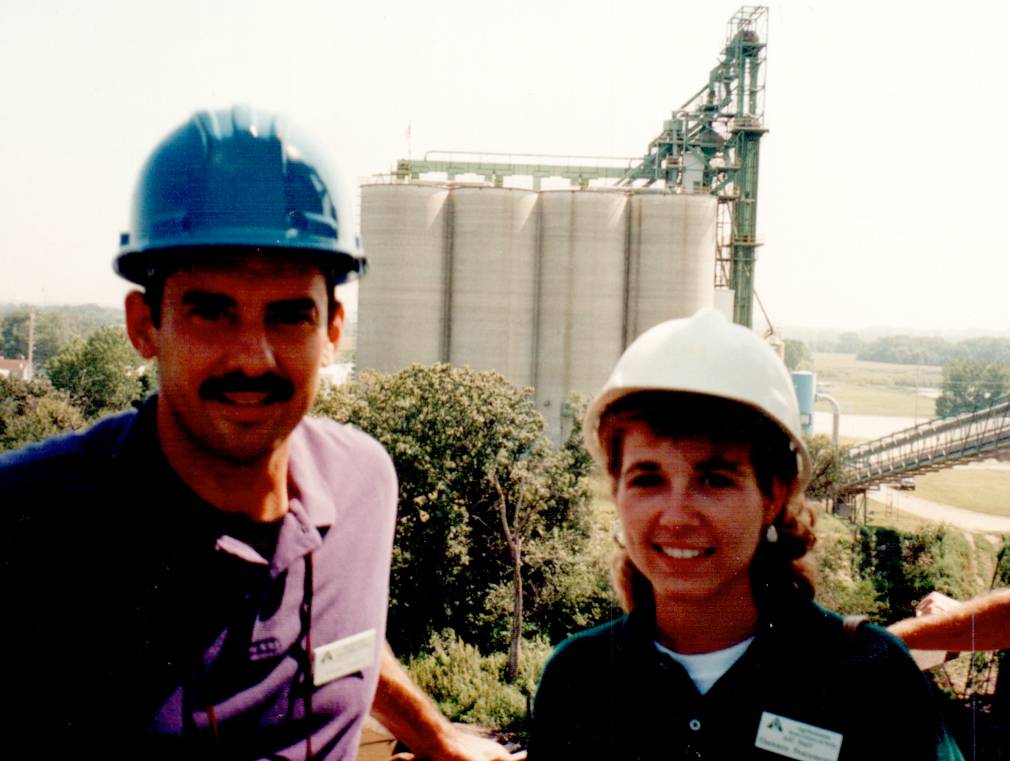
    Shannon was serving as a lobbyist for the Agribusiness Association of Iowa. One highlight that year was coordinating barge tours to help legislators understand how altering water flows would impact getting farmers’ crop to market.

    Diffie’s music greatly influenced Aldean, who was a high school senior in 1994.  That’s why lyrics to “1994” reference at least eight of Diffie’s hits including: “Pickup Man,” “Honky Tonk Attitude,” “So Help Me Girl,” “Third Rock from the Sun,” “C-O-U-N-T-R-Y” and more.

    Country music stars like Luke Bryan, Keith Urban and Dierks Bently have joined in the fun by posting photos of themselves, circa 1994.  Although these musicians are in a class of their own, I thought it would be fun to share a few photos from the Latham family album today on TheFieldPosition.com.

    I also wanted to highlight a few historical events that greatly shaped the agricultural community including the seed industry:

    • Amendments to the Plant Variety Protection Act strengthened intellectual property rights, which provided more protection for companies to develop new seed varieties.
    • Roundup Ready® Soybeans were being widely tested in the United States.
    • The American Farm Bureau celebrated its 75th anniversary as a new era began and private property rights were challenged.  Production practices were scrutinized, and environmental challenges surfaced.
    In 1994, Chris Latham was a junior at Drake University in Des Moines.

    Fast forward nearly two decades, farming practices are still coming under scrutiny and some people are still debating the merits of biotech seeds.  But you can’t dispute the fact that today’s farmers grow more food, using barely half the energy and fewer resources for every bushel of grain, gallon of milk, egg and pound of meat.

    The next time you reflect upon “the good ol’ days,” I hope you’ll keep in mind these facts on farming and the environment:

    • Due to seed improvements, better conservation practices and proper fertilization methods over the last 20 years, soybean yields have increased by more nearly 30%.  Corn yields have increased six times since 1940.
    • No-till acreage for corn in 2010 was 30% and as more acres in the United States are planted to corn than any other crop, more corn is in no-till production than any other crop.
    • No-till acreage in the U.S. has increased for corn, cotton, rice and soybeans by about 1.5% per year since 2000.
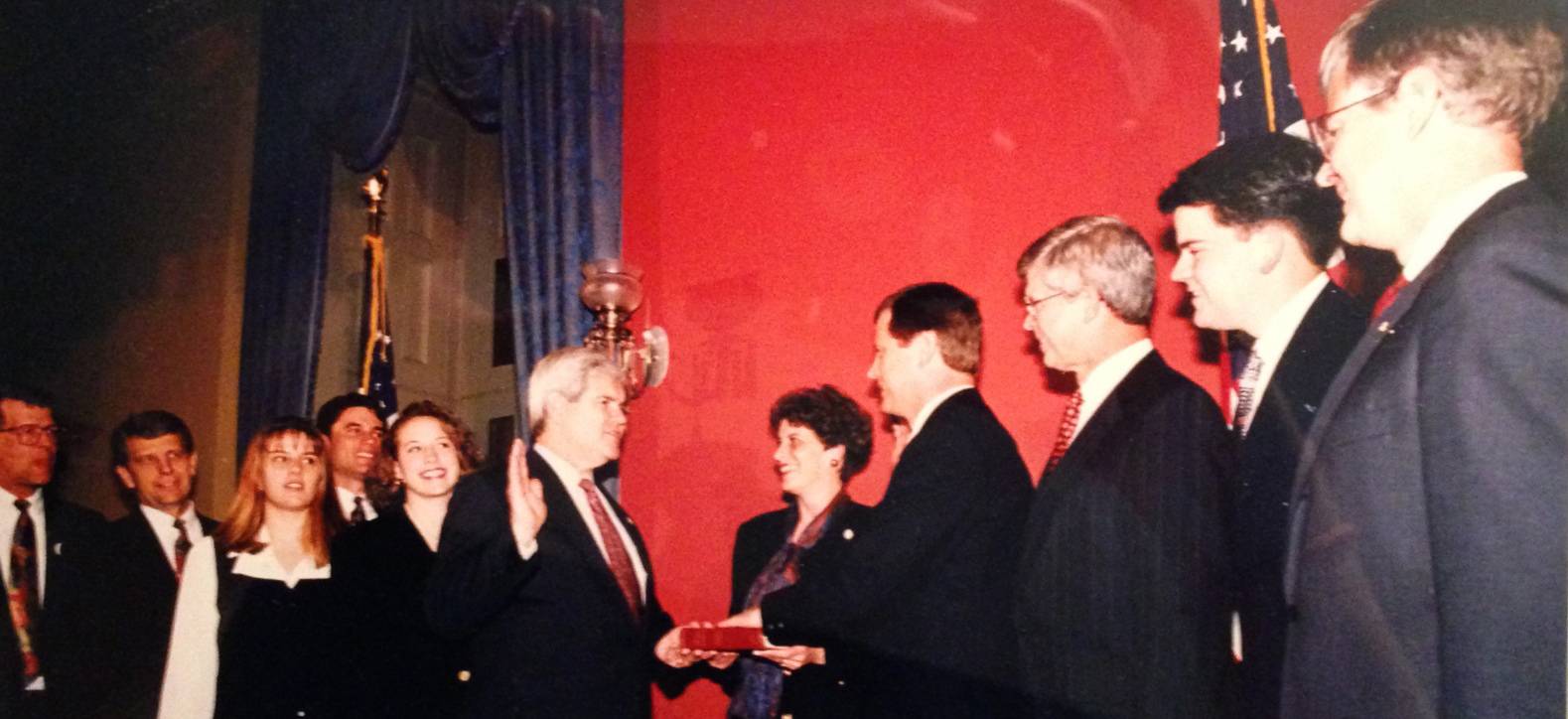
    The year 1994 is significant to John Latham because that’s the year Tom Latham was elected as a U.S. Congressman. Tom’s absence from day-to-day operations with the family’s seed business created an opportunity for John to come onboard as a salesman. (John is pictured second from the right.)

    Team Latham

    March 11, 2013
    Agriculture, General, Industry News
  • Latham Hi‑Tech Seeds

    Æbelskivers Give 4-H Cooking Club a Taste of County History

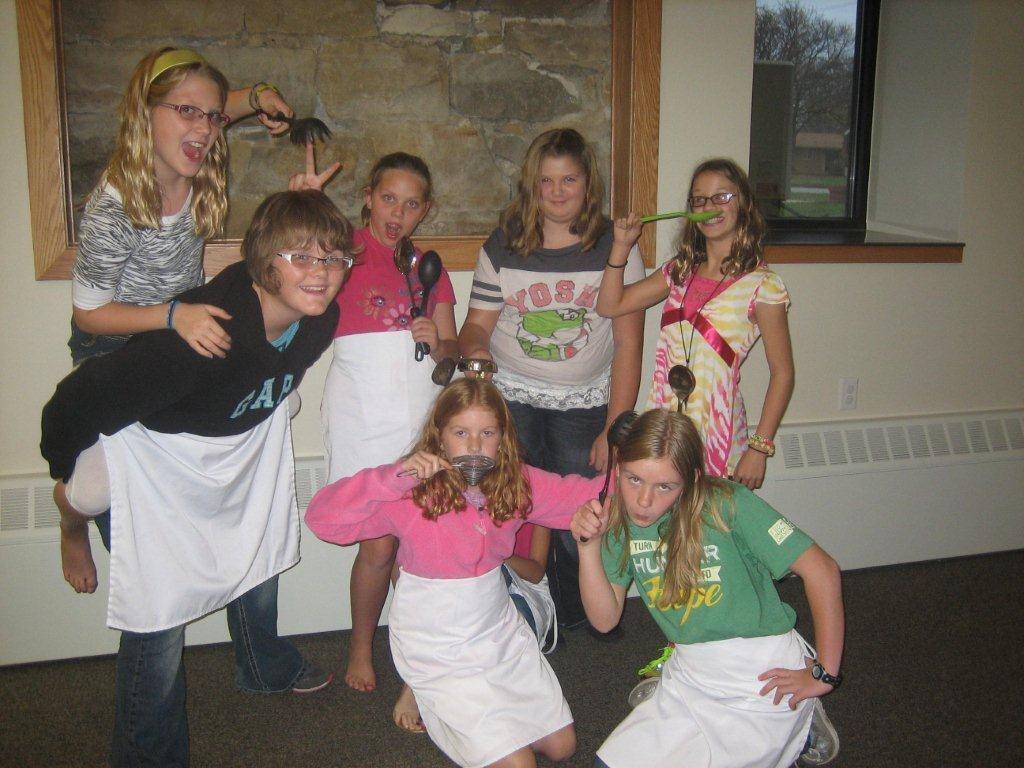
    “Having fun while learning to cook” is the goal of Franklin County’s 4-H Kitchen Krew. Club leaders are Pat Sackville and Michelle Sackville. Club members, from left to right, in the back row are: Meg Christensen, Emma Sackville, Mary Winsor, Ashlyn Hanson and Ellie Latham. Pictured in front, from left to right, are Jenna White and Keturah Sauke. Members not pictured include Benji Sauke, Max O’Dell and Anika Miller

    Whether admiring the boat-shaped ceiling of Nazareth Lutheran Church in Coulter, walking through St. John’s cemetery in rural Coulter or visiting the historic Harriman-Nielsen house in Hampton, the community’s Danish heritage is apparent.

    Danish heritage is also celebrated annually when local churches host an annual Æbelskiver Dinner.  Æbelskivers are traditional Danish pancakes in a distinctive shape of a sphere.  When translated from Danish to English, æbelskiver literally means “apple sliced.”  Traditionally, a very thin slice of raw apple is pressed into the dough.  Fillings also may include jam or small fruits like raisins or blueberries.  After it’s baked to golden brown perfection, æbelskiver may be topped with apple sauce, baked apples, syrup, jam, brown sugar or powdered sugar.

    4-H Kitchen Krew

    Last Sunday members of the Kitchen Krew 4-H Club got a taste of county history during a field trip to St. John Lutheran Church in Coulter, Iowa, to see first-hand how aebelskivers are made.  While the Krew didn’t actually make æbelskives that day, club members are used to making their own meeting treats.  About 10 members, including my daughter, meet monthly after school at the Methodist church in Hampton.

    Designed to teach life skills for members in fourth through eighth grades, the Kitchen Krew is in its second year.  The mother-in-law / daughter team of Pat and Michelle Sackville decided to start the club due to Emma Sackville’s interest in spending time in the kitchen with her friends.

    Each club meeting focuses on specific skills needed for contestant in the “Cook This!” youth culinary competition:

    • Cutting, chopping
    • Braising, broiling
    • Grating, peeling, blending

    Club leaders introduce tools needed and demonstrate the skills.  Then club members are given as homework assignment, which involves practicing that skill at home.  Roll call for the next club meeting includes each member reporting on how they practiced a given cooking skill at home.  Members shared what worked well for them in the kitchen and what they learned from their experience.

    Part of the “Cook This!” challenge involves a three-minute presentation, so Kitchen Krew members practice their communication skills monthly. In addition to gaining cooking skills, they talk about balanced diets and portion control.

    The next challenge for Franklin County’s Kitchen Krew is catering a meal on March 19 for participants in Annie’s Project.  For more information about Kitchen Krew or Annie’s Project, contact Michelle Sackville at 641-386-2138 or sackvill@iastate.edu.  Farm women also may register online https://www.ucs.iastate.edu/mnet/annie/quickregister.html.

    While æbelskivers aren’t likely to be on the menu for March 19, you can have a ball with Danish aebelskivers at home.  Our daughter is looking forward to making a batch of aebelskivers at Easter time with her grandparents.  We’re sharing a recipe today on TheFieldPosition.com.  Click here for Top-Rated Æbelskiver Pancake Recipes from Williams Sonoma: Lemon-Mascarpone, Blueberry-Filled Pancakes, Cinnamon-Bun Filled Pancakes, Spiced Apple-Filled Pancakes, and Bacon & Cheddar Filled Pancakes.

    Team Latham

    March 8, 2013
    Desserts, General, Recipes
  • Latham Hi‑Tech Seeds

    Your Story May Seem Ordinary, but to Someone It’s Extraordinary

    Agchat logo

    Recently, my Latham Hi‑Tech Seeds marketing colleagues and I traveled to Rochester, Minnesota, for the first ever AgChat Upper Midwest Regional Conference. The goal of the conference was to teach participating farmers and industry contributors how to communicate with consumers by using social media platforms to tell our agriculture stories.

    I have to admit, when I signed up for this conference, I was wearing my “seed company hat.”  I wasn’t thinking about how I could tell an ag story from the voice of SkyView Farms, which my husband and I own.  We plant crops and raise cows, and honestly, I couldn’t see any of our friends or family members wanting to read about that since they’re also engaged in farming.  And then I had a light bulb moment…

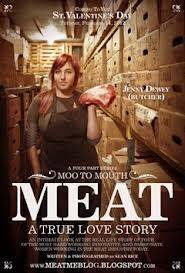
    Jenny Dewey

    “Your story may seem ordinary to you, but it’s extraordinary to someone else,” said conference speaker Jenny Dewey, whose family operates the Chico Locker & Sausage Co.  She pointed out that day-to-day operations are interesting to the majority of Americans who don’t experience it daily.  It’s so important for those of us who understand food and fiber production to tell our stories.

    “Tell your story or someone else will – and you might not like it!” is a line often used by Larry Sailer, who writes “Musings of a Pig Farmer” each Tuesday for TheFieldPosition.com.  When told by the wrong person, stories about production agriculture can be downright frightening!  Misinformation and half-truths lead to fire storms.

    “Social media fires” break out often when it comes to hot agricultural issues, said keynote speaker Katie Pinke (pronounced ‘pink-e’), author of the Pinke Post.  As she spoke these words, my mind was immediately filled of thoughts about biotech crops and antibiotic use in livestock production.

    Katie Pinke

    Katie said that when it comes to ag issues, we all must work together to put these fires out with “social media water.”  Uh… what?  Simply put, the more voices there are telling the truth about agriculture, the better the chances of debunking the misconception.

    Think of it this way…  When you’re skeptical about an issue, you Google it, right?  If a person Googles a topic or key phrase related to farming or agriculture and the only results are from people writing mistruths, it gives more credibility to that side of the story.  However, if people are blogging, posting and pinning true stories, then consumers have more sources for correct information that will put their minds at ease on the issue.

    Now that you understand why it’s so important to make your voice heard, the big question lingers… where does one start?

    1. The first step is to listen.  What is your audience talking about?  Where do they spend their time online?  What are they asking about?  This will fuel your topics and can also set a tone for how to respond.
    2. Pick a platform.  How do you want to communicate?  This could be a blog, Facebook, Twitter, YouTube, Pinterest, the list goes on.  We all love TheFieldPosition, so let’s use a blog as an example.  There are several blog hosting sites out there with pros and cons.  It just comes down to personal preference and will take practice to learn the ins and outs.  Here’s a good article on options.
    3. Create content.  Katie Pinke advised us to think of our content like pages in a magazine.  Topics may vary but should focus on a common theme, so your audience knows what to expect.
      1. As you write your stories, be leery of industry jargon or how your story is perceived by consumers.  Kristie Swenson of FindOurCommonGround.com shared some eye opening facts from the most recent U.S. Farmers and Ranchers Alliance Consumer Perception study.  One example from the study is the word “abundant”.  In agriculture, we might say, “We need to strive to provide an abundant source of food for our growing population.” This is intended to convey that we will soon have more people on the planet than we can feed, so we must be proactive.  The average consumer thinks, “We have an obesity problem, we have enough food already.”  Two totally different perceptions of one sentence and there are more like it in the study.
      2. Be conversational and don’t be afraid to take a stand on issues.  Do you have an opinion on the changes to school lunch programs or use of antibiotics on farms?  Blog about how you handle it at home or on your farm.  It’s a non-defensive way to share an opinion on an issue in a relatable way.
      3. Reach out.  Find 20 non-ag blogs and comment on those blogs.  This will help draw people “beyond the choir” to hear about your positive agriculture messages.  Find a few more blogs that are related to ag topics you have in common and get involved on them.  This can help build your group of “Ag Ninjas” that can help reinforce your content through comments and sharing.

    Agvocating overall is a very simple process.  It’s taking your day-to-day and putting it “out there” for people to learn.  It can be as simple as writing a story about your first newborn calf of the spring or as bold as to stand up to proposed changes in legislature.  The important take-home message is that consumers need our help understanding the “how and why” of food production.  Tell your farm story so the news reporters don’t tell it for you!  As Katie Pinke says, her mom blogs about their family farm story so Katie Couric doesn’t!

    Related Posts:
    Meat, a True Love Story
    Social Media’s Role in Agriculture
    Tell your story so Katie Couric doesn’t
    Goal from #ACFR13

    Larry Sailer, Musings of a Pig Farmer

    March 7, 2013
    Agriculture, General, Industry News
  • Latham Hi‑Tech Seeds

    Riding the Roller Coaster of Life

    It’s been a week filled with highs and lows, and I’m not talking about the commodity markets!  I’ve been experiencing a roller coaster of emotions, and the “heartline roll” began with continued talks about the Sequester.

    After reading about nine U.S. senators asking USDA Secretary Tom Vilsack to explain the rationale for furloughing meat and poultry inspectors, I had all intentions of writing a follow up piece to my post last Tuesday.  I wanted to hammer on all the essential programs being cut.  There are many non-essential programs that could’ve been cut, but then again, those wouldn’t have gained the politicos nearly as much attention.  I also wanted to shed some light on new programs in the works while everyone’s attention is diverted by budget cuts.

    Every loop on a roller coaster is followed by a high point, and one high point for me last week was a class on PQA Plus certification.  Other high points were the two, town hall meetings I attended last Thursday and Friday.  I visited with Majority Leader Linda Upmeyer, Senator Amanda Regan, Senator Bill Dix and House Ag Committee Chairman Pat Grassley.  I also had the privilege of meeting Iowa Secretary of Agriculture Bill Northey.  Great discussions with these folks made me think that some things, at least here in Iowa, are moving along the way they should.

    Saturday was another good day.  Grandson Devin came up from Iowa State to help me with farm work.  Devin moved snow while I did chores, and then we put together an old pool table my grandfather gave me years ago.

    The next two days were emotional.  We had planned to attend church on Sunday morning, but instead, I ended up driving Janice to the emergency room.  She’s still in the hospital, but thankfully she is getting better.  Then Monday morning I received word that my Aunt Cleva had passed away.  When I was in college, I lived with Cleva and her husband, Carl.  I helped them farm because Carl had had back surgery the previous winter, and Cleva treated me like the son she had never had.  Great memories!

    After all the emotion of the last few days, ups and downs, I received this message on my Facebook page:

    You are an amazing Iowan. I appreciate how you represent rural Iowa and farmers. I find your articles interesting. Thanks for putting farmers in a positive light. Thanks for your hard work, your passion for agriculture and for being a great friend.

    Thanks, Tammy Sneller, for making my day!  You gave my spirits a big lift just when I needed it.

    In my circles of agriculture and social media, we don’t often say “thank you” or “nice job.”  I know I should thank more people for having conversations with those who do not understand what farming and ranching is about, but perhaps we take one another for granted.  Thank you, Tammy, for reminding me about the things I take for granted every day!  And to all my fellow advocates out there, thank you for also putting farmers in a positive light!

    Larry Sailer, Musings of a Pig Farmer

    March 5, 2013
    Agriculture, General, Industry News
  • Latham Hi‑Tech Seeds

    Duracade Approval Puts New Trait in Arsenal to Fight CRW

    Agrisure Duracade logo1

    Farmers need multiple options to fight corn rootworm (CRW), and the efficacy of Agrisure DuracadeTM appears promising.  With its new and unique mode of action, Agrisure Duracade will be combined with the Agrisure® RW trait to provide dual modes of action on corn rootworm.

    When more than one trait is added to individually control corn borer and CRW, studies have shown the yield advantage increases by an additional 6-8 bushels per acre over the single-traited CRW protected hybrids.  Research by the United States Department of Agriculture has reported that the Agrisure Duracade trait delivers the highest reduction in beetle emergence (99.79%) of any commercial CRW trait.*

    Corn rootworm is the single most destructive pest in U.S. corn production.  Before the availability of corn-rootworm-resistant biotech traits, populations of western corn rootworm and northern corn rootworm caused annual yield losses and control costs that exceeded $1 billion.  To prevent corn rootworm damage from reaching such devastating levels again, it’s important for farmers to plant a portfolio of products and to reduce risk with rotation.  Rotation involves rotating modes of action, and that’s why Agrisure Durcade will be an important defense mechanism in farmers’ ongoing battle with CRW.

    Supplies of Latham® Hi‑Tech Hybrids with the Agrisure Duracade trait will be available for the 2014 sales/planting season.  For more information, talk to your local Latham® representative or call 1-877-GO-LATHAM (1-877-465-2842).

    *Field measures of Western corn rootworm mortality caused by transgenic corn expressing the mCry3A (MIR604) and eCry3.1Ab (5307) proteins. (Hibbard et al. ESA Meeting December 2010)

    John Latham, President

    March 4, 2013
    General, Industry News, Seed Technology
  • Latham Hi‑Tech Seeds

    San Diego, Cure for Winter Blues

    Chef Aaron Sanchez1

    Whenever I travel, this is usually my mantra:  “It’s always good to go away but it’s always better to come back home.”

    I love traveling to new places, trying new foods and seeing the sites.  Usually, I get homesick after just three or four days away.  This week, however, I couldn’t get enough of the sites or of the food in San Diego!

    Take a look at today’s featured recipes shared by House of Blues San Diego Award-Winning Chef Aarón Sánchez and you’ll get a flavor of what this unique Californian city has to offer: Mexican-, Italian-, Asian- and Delta-inspired cuisine just to name a few.

    Tuesday evening a group of about 40 dealers and customers of Latham Hi‑Tech Seeds had the pleasure of enjoying the House of Blue’s special creations, including a Rock & Roll Dessert Buffet.  I have to admit that the mac ‘n cheese was my fave.  (Seriously, I’ve never had mac done like this!  It was sooo worth the calories.)

    Another special treat on Tuesday was a behind-the-scenes tour of the Concert Hall and green rooms.  I couldn’t help but feel somewhat giddy, knowing I was standing on the very stage where artists like Selena Gomez, Jonas Brothers, One Direction, Britney Spears and Katy Perry performed sold-out shows.  (Even my two tweens were impressed!)

    The House of Blues was certainly a highlight of our getaway to San Diego, which promises to the city where “happiness is calling,” and it didn’t disappoint!  I’ll be the first to tell you that I’m not a City Girl, but San Diego doesn’t feel like a big city.  There are plenty of things to see and do outdoors from viewing Harbor Seals in La Jolla and walking around Torrey Pines to watching the “Blue Horizons” show at Sea World and visiting the baby panda at the San Diego Zoo.

    U.S.S. Midway

    Other highlights of our trip included a docent-led tour of the U.S.S. Midway, dining along the boardwalk and browsing through shops in Seaport Village.  Our group also enjoyed taking a gondola ride through Coronado Bay and feeling the warm sand tickle our toes along Coronado Beach.

    A self-guided tour of the Hotel del Coronado makes me long to rent Some Like it Hot, starring Marilyn Monroe.  Some folks in our group also visited the Kansas City Barbecue where Top Gun was filmed.  Hmm… what could be better snuggling in front of the fire with a bowl of popcorn while watching a video on cold winter’s Friday night in the Midwest?  TGIF!

    Sunset Hills, Coronado Island, Old Town, Little Italy… this week’s trip to San Diego left me wanting more.   You can bet that I’ll be back… and none too soon!

    In the meantime, perhaps I’ll savor my warm memories of San Diego as I try these recipes by Chef Sanchez.  I’m not sure I can make the Ahi Salad look photo-worthy, but I’m quite certain that I’ll enjoy  making (and especially eating!) the Champagne Vinaigrette.  ¡Buen provecho!

    Team Latham

    March 1, 2013
    General, Recipes, Seafood
  • Latham Hi‑Tech Seeds

    Latham Employees “Do Battle” to Support Local Food Pantries

    Breakfast Battle 20131
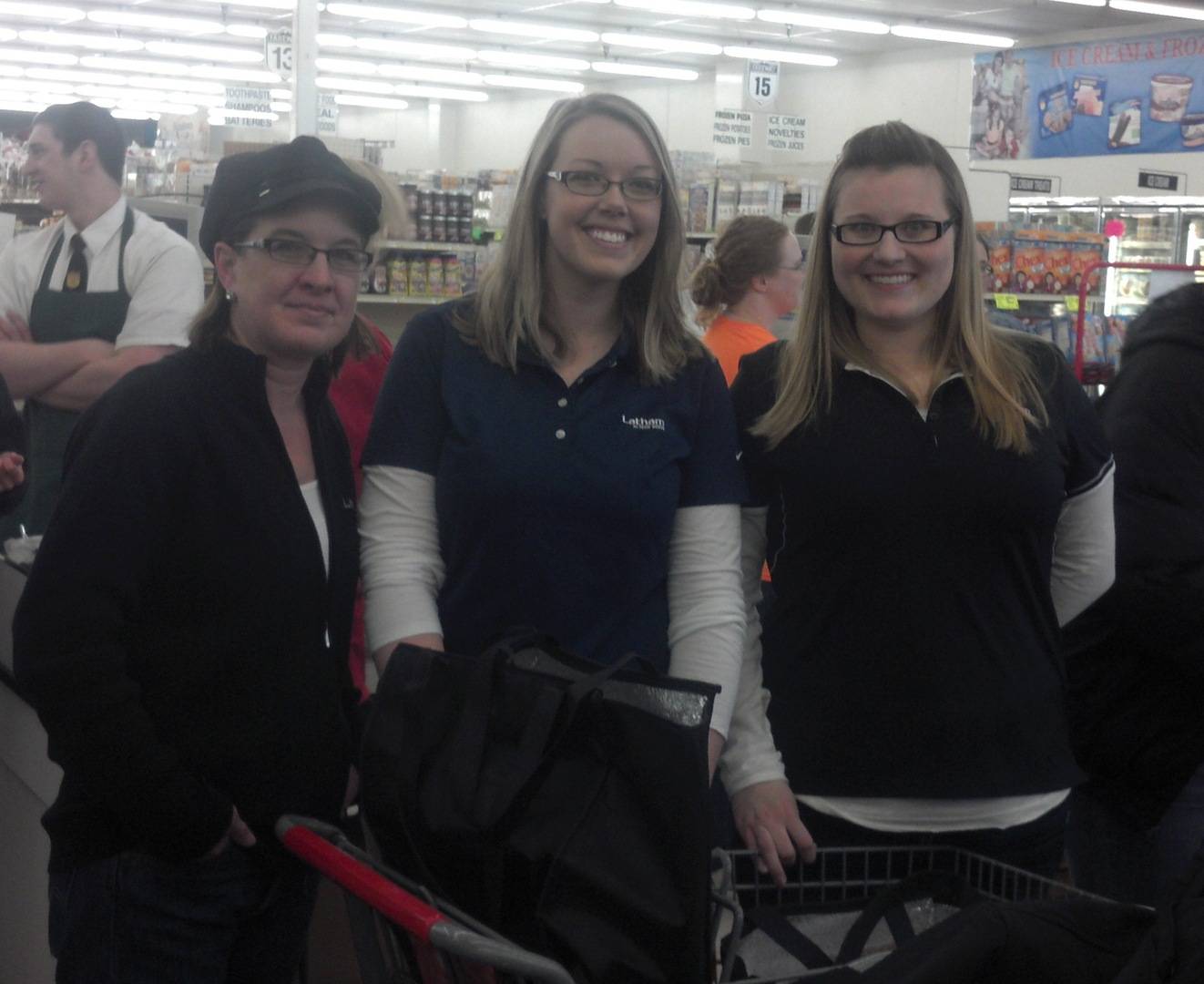
    Julie, Laura, & Amy at the end of the “Breakfast Battle”

    Just yesterday, Latham Hi‑Tech Seeds participated in the 2nd Annual Franklin County Farm Bureau Breakfast Battle.  This event, held in honor of National Food Check-Out Week, promotes the abundance and safety of our country’s food supply.  One interesting fact shared during the event was that each year National Food Check-Out Week is celebrated at the time that most Americans have earned enough of their annual income to purchase all the food they will need in a year.  How fortunate we are to have an abundance of safe and affordable food to be able to pay for it in two months’ time!

    National Food Check-Out Week celebrates the time when most Americans have earned enough of their annual income to purchase enough food for one year.

    Latham Seeds was one of 9 businesses participating in this event.  Battle began early last week with a “Facebook Fan Favorite” poll on Facebook.  Many of you may have seen our calls for help in voting, and we THANK YOU for the great response!  Latham Hi‑Tech Seeds was voted “fan favorite” of the event – an honor we’ve captured for the second year in a row.  Team Latham edged out the number two team this year by almost 10 votes, receiving 10 seconds off our total time.

    Yesterday at 8 AM teams met at Fareway in Hampton, Iowa, to compete in additional events including a challenging round of Ag Trivia.  Each correctly answered question was worth 10 seconds off your grocery shopping time for the latter part of the competition.  While the questions were tough, the Latham team brought down one correct answer for an additional 10 seconds off our total time.

    The next step of the competition required each team to draw a menu from the stack.  Our menu consisted of Chewy Granola bake for breakfast; lunch was a Creamy Egg Salad sandwich; and supper was Creamy Chicken and Vegetables.  The challenge then was to race through the store selecting each of the required ingredients while spending between $45 and $50.

    This year’s competition was even more intense than last year!  While we didn’t come in first place, we did a great job of selecting items with a total of $46.66.  Nine families will receive groceries and additional monetary donations collected through this event will go to neighboring food banks.

    Having another battle under our belt, team Latham is feeling experienced and has already begun training to “do battle” again in 2014!

    Team Latham

    February 28, 2013
    Agriculture, General, Industry News
  • Latham Hi‑Tech Seeds

    Will March 1 be Armageddon for Agriculture?

    The countdown is on… just three days remain until the “world ends” due to sequestration.  Who knows what will really happen on Friday, March 1?  There have been so many threats made about the Federal budget; half-truths and mistruths abound.

    Reading the White House fact sheet on how the sequester would impact the middle class, jobs and economic security could make a person question whether anyone will be able to survive.  The last news release I read talks about cuts to education, small business, food safety, mental health, and the list goes on – and on!

    U.S. Secretary of Agriculture Tom Vilsack, in an article posted Feb. 21 on agweb, said the USDA might be forced to make big cuts to its budgets that will disrupt service to farmers and consumers including:

    1. Food safety;
    2. The Farm Bill; and
    3. Small businesses, which could have a negative impact especially on rural communities.

    What troubles me the most is that all of the areas on the chopping block are vital to some American or some U.S. industry.  Meantime, expenditures like aid to foreign countries and less vital programs, are never mentioned.

    There are claims that we will have food shortages and many problems with food safety due to a lack of Federal workers.  A potential furlough requiring every meat and poultry inspector nationwide to stay home for two weeks could effectively shut down the meat industry.  These particular claims concern me since my livelihood is based on producing pork.

    Consumers must be able to purchase food from the meat counter with confidence, so that we’ll continue to have strong markets for our products.  But wait… Some have said that Americans would be healthier with less meat in their diets.

    “A meat industry shutdown would actually give consumers — and their bodies — a much-needed break from the foods that are causing our nation’s worst health problems,” writes Susan Levin on thecalifornian.com.

    Talk about misleading!  It’s clear from reading Levin curse “factory farms” that she’s never visited with a family farmer like myself.

    Why can’t we just agree that eating healthy can include meat as a very good source of protein and vitamins?  Eating fruits and vegetables play an important role in a healthy, and getting enough exercise should always be one’s goal.  “Balance” and “moderation” are often overlooked in favor of self-interest and special interests groups.

    This whole process of “working on the federal budget” has turned into a publicity stunt.  There will be disruption and hardships for many people as a result, but it’s doubtful that we’ll starve.  Food is still being produced by farmers like me.  Grocery stores will remain open. This country will eventually move ahead.  But, the next few days will be telling as to whom and what floats to the top!

    Larry Sailer, Musings of a Pig Farmer

    February 26, 2013
    Agriculture, General, Industry News
  • Latham Hi‑Tech Seeds

    Goal: To Consistently Raise 300-Bushel Corn

    PeterBixel1
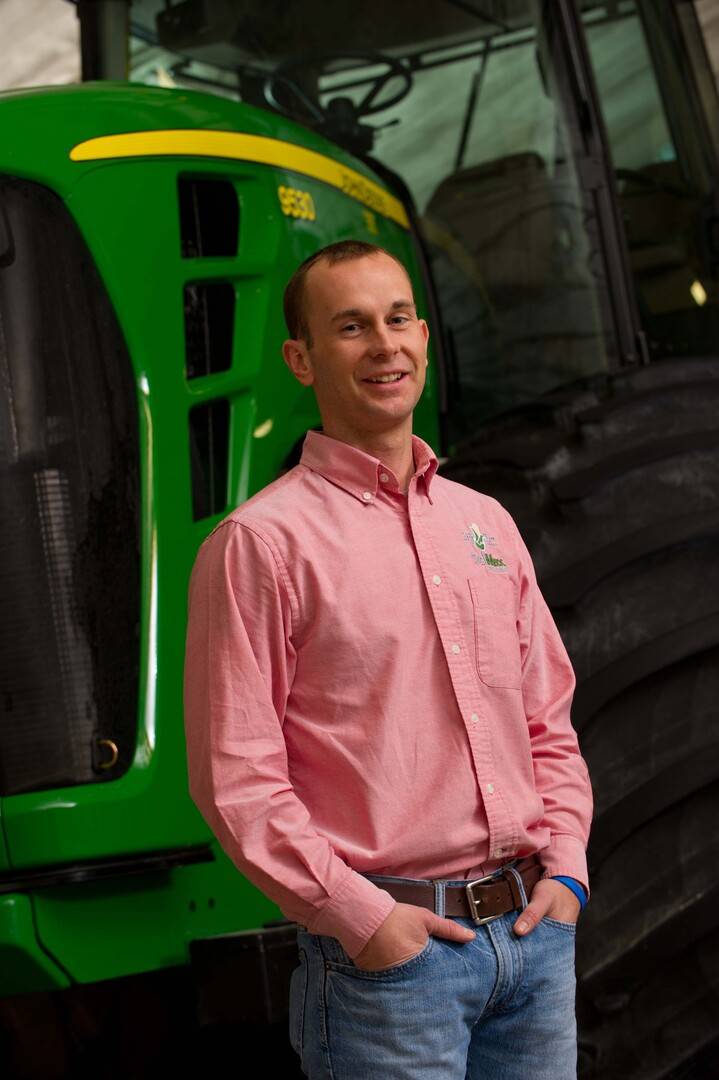
    Peter Bixel

    Farmers throughout history have raised corn yielding 300 bushels per acre (bu/A).  In 1985, Illinois farmer Herman Warsaw produced corn yields of 370 bu/A.  Warsaw spent years working toward his goal.  He patiently built up soil nutrition and tilth for better plant health.

    So what do we need to do to raise 300-bushel corn?  Like Warsaw, we must commit to plan.  Our plan must involve soil fertility, which takes into account nitrogen and micronutrients.  Weather dictates when nitrogen (N) can be applied, its availability to the plant and its usability by the crop.

    Nitrogen loss can occur immediately after application, and leaching can occur after N has been incorporated into the soil.  That’s why renowned corn yield researcher Dr. Fred Below uses a stabilizer when applying his nitrogen.  His fertility program also includes aggressive rates of Phosphorus (P) and Potassium (K) to push for higher yields. Potassium is very important but is often lacking, especially in a drought year like 2012.

    “As growers, we need to look at agronomy first.  It’s important to build a good database for each field, understand interactions of nutrients and use the tools to apply the agronomy,” said Ron Olson, who was one of the first consultants nationwide to use GPS/GIS tools to assist farmers in managing Precision Ag databases.  From 1974 to 1996, Ron owned an independent agronomic consulting company based in Illinois.

    Today Ron serves as Research and Development Manager – New Products for the Mosaic Company.  During a recent presentation in Des Moines to Seed-2-Soil and SciMax client, Ron admitted that a lot of work must be done to consistently achieve 300-bushel corn yields.  However, he says taking incremental steps will lead to higher yields overall.

    Nutrient management is key to increasing yield, according to research done in cooperation with Dr. Below and the University of Illinois.  This research uses “omission plots” that compare corn both with and without fertilizer, fungicide, insecticide and seed treatments.  While yields increase with each of these additions, fertility has the most impact.

    In addition nutrient management, other factors influence yield.  Click here to see Dr. Below’s 7 Wonders of the Corn World, which are the seven factors that have the most influence on yield.

    Team Latham

    February 25, 2013
    Corn, Crop, Fall, General, Season
Previous Page
1 … 90 91 92 93 94 … 159
Next Page

Latham Hi‑Tech Seeds

131 180th Street | Alexander, IA 50420

(641) 692-3258

SIGNUP FOR OUR NEWSLETTER
  • Contact
  • Legal
  • Dealer Center
  • Seedware Login
  • Latham Gear

© 2025 Latham Hi‑Tech Seeds. All rights reserved. | Iowa Web Design by Webspec | Privacy Policy

Latham® Hi-Tech Seeds is a trademark of M.S. Technologies, L.L.C., 103 Avenue D, West Point, IA 52656.