
Latham Hi-Tech Seeds

(641) 692-3258

  • Home
  • Products
    • Corn
    • Soybeans
    • Alfalfa
    • Corn Silage
    • Seed Guide
  • Performance
  • Find a Rep
  • Media
    • Blog
    • News
    • Videos
    • Podcasts
    • TECHTalk
  • About Us
    • Company History
    • Our Mission
    • Careers
    • Become a Rep
    • Sowing Seeds of Hope
  • Contact Us
  • Latham Hi‑Tech Seeds

    Try Something New!

    Nebraska Cornfield
    Phil Long, Precision Agronomy Specialist
    Precision Agronomy Advisor, Phil Long

    A common theme you will hear when listening to national corn/soybean contest winners is they always use a few acres to try something new. Latham’s Forage Products Manager, Corey Catt, has written numerous articles, encouraging growers to use a few acres to experiment on their own farms with products, seeding rates and management practices.

    While third-party research plays an important role in helping us choose seed products, it’s also important to conduct your own on-farm research. Here are a few ideas to try this growing season. If you have acres that struggle with Sudden Death Syndrome, try treating a few soybean units with Latham® SoyShieldTM Plus with Saltro and run a side-by-side comparison. Another idea is to apply sulfur to soybeans and measure your results. Experiment on a few corn acres with Xyway® 3D in-furrow fungicide or try a phosphorus-enhancer, such as Encompass from TALC USA.

    You could create quite a list of new products, different tillage/planting practices, in furrow fertilizers, or in-season practices that you could try to break your farm’s yield plateau. Here are some tips to make the most of your on-farm research efforts:

    1. Use a decent farm, or part of a decent farm, to do your research. Use a farm that has soil types and drainage/topography characteristics that represent a lot of your acres. Don’t pick the less desirable ground in terms of fertility. If pH, phosphorus (P), and potassium (K), levels are wacky, you won’t learn much when trying a new in-furrow treatment, biological or fungicide. Basic needs must be taken care of before you can add more yield.
    2. Keep it short and simple (K.I.S.S.). Weather and soil types cause enough variation in any research that you don’t need to add complexity. Try one thing at time, so you’re not adding multiple factors into the equation. For example, run a planter pass with Xyway mixed in your starter fertilizer and then shut it off the next pass. Do these two “treatments” at least three more times across your field to reduce the influence of soil types on your results.
    3. Garbage in, garbage out. Make sure your monitors/globes/planting equipment have the latest update, so you can capture the data when it’s go time. Layout your research, so your combine can capture it. This is very important! For example, if you harvest with an 8-row head, change “treatments” on 20-foot increments.

    Mapping what you do this spring will allow you to analyze it next fall. You will want to look at how that new product did in your heavy soils, lighter soils and whether it is worth expanding on more acres next year. Every year is different, so keep weather in mind as it is usually the #1 influencing factor. Start small to find out what works best on your farm. I am happy to help you figure out what new thing to try on a few acres. Give me a call and we can chat more about it at: 641-692-0370.
    Phil Long

    April 21, 2022
    Agronomics, Alfalfa, Corn, Corn Silage, Cover Crops, Crop, Disease, Emergence, Fertility, Fungicide, General, Precision Ag, Season, Seed Treatment, Soil, Soybeans, Spring
  • Latham Hi‑Tech Seeds

    #AsktheAgronomist – Final Planter Tips

    Candid 2

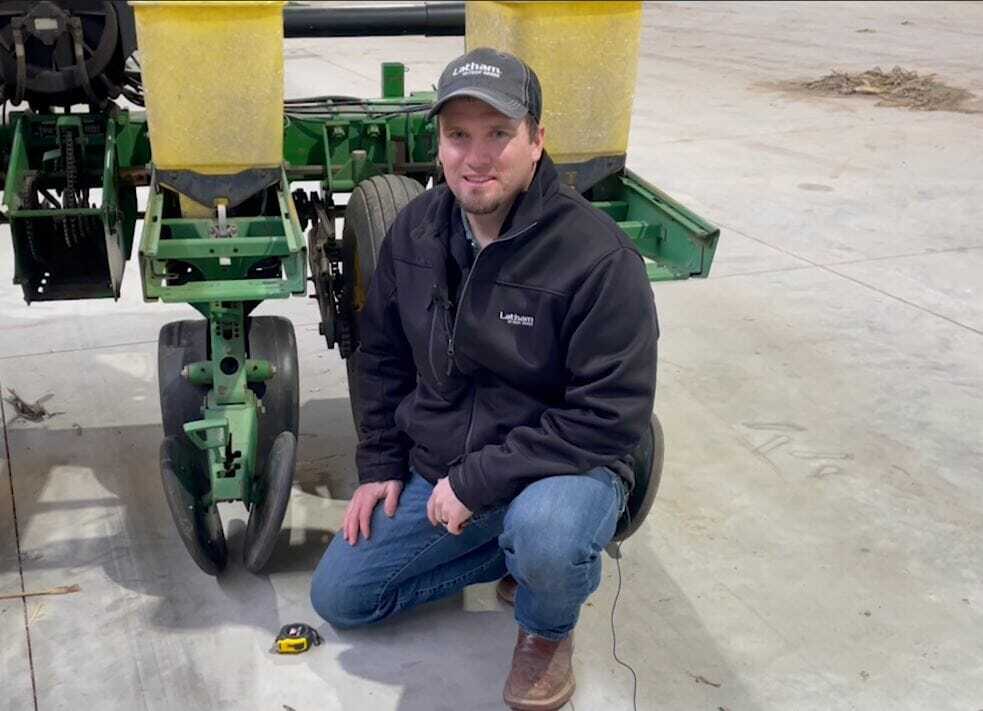
    Precision Agronomy Advisor, Phil Long, highlights the closing wheels on the planter for his final #AsktheAgronomist – Planter Series. He advises when they should be replaced and how you can test them to make sure they are in alignment.

    Latham Seeds has lots of great agronomy videos on our YouTube Channel. Subscribe today!


    Webspec Admin

    April 12, 2022
    #AskTheAgronomist, Agronomics, Corn, Crop, Emergence, Season, Soil, Soybeans, Spring
  • Latham Hi‑Tech Seeds

    #AsktheAgronomist – Planter Prep

    Ask the agronomist planter prep

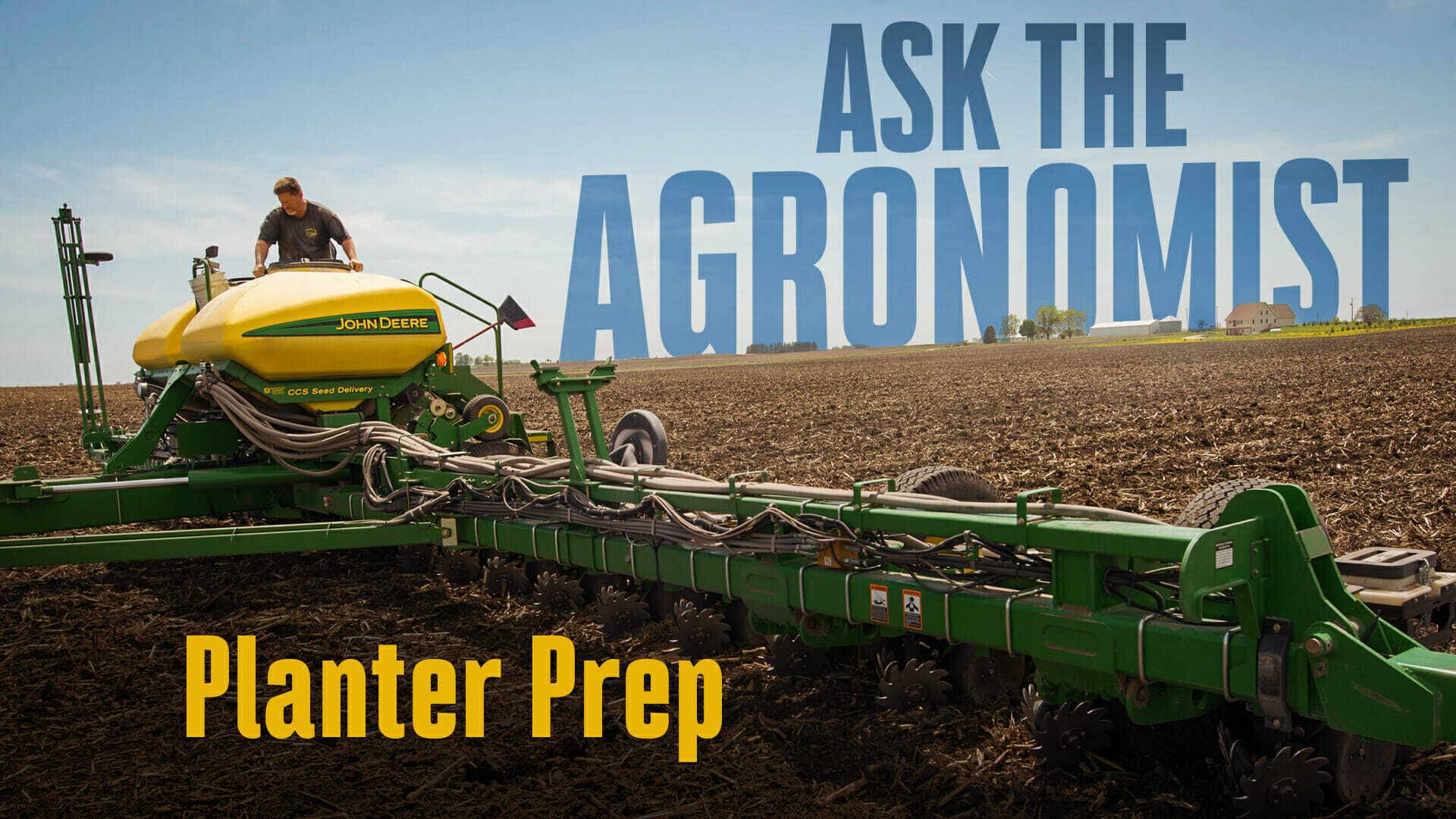
    Phil Long, precision agronomy advisor, is doing a new mini series on prepping the planter! This week he discusses seed depth and when to replace your disc openers. Phil shares more tips on getting your planter ready on Latham’s YouTube Channel.

    Webspec Admin

    April 5, 2022
    #AskTheAgronomist, Corn, Crop, Soybeans, Spring
  • Latham Hi‑Tech Seeds

    #AsktheAgronomist – How to Keep Residue Out of the Furrow?

    Ask the agronomist keep residue out of the furrow

    Residue in your fields can play a major factor on how your seed is planted. Phil Long, precision agronomy advisor, unpacks tillage/no-till, row cleaners and other factors to improve your stand when dealing with residue. Subscribe to our YouTube Channel today to learn more agronomy tips and industry news. 

    Phil Long

    March 29, 2022
    #AskTheAgronomist, Agronomics, Corn, Crop, Emergence, General, Growth Stages, Soil, Soybeans
  • Latham Hi‑Tech Seeds

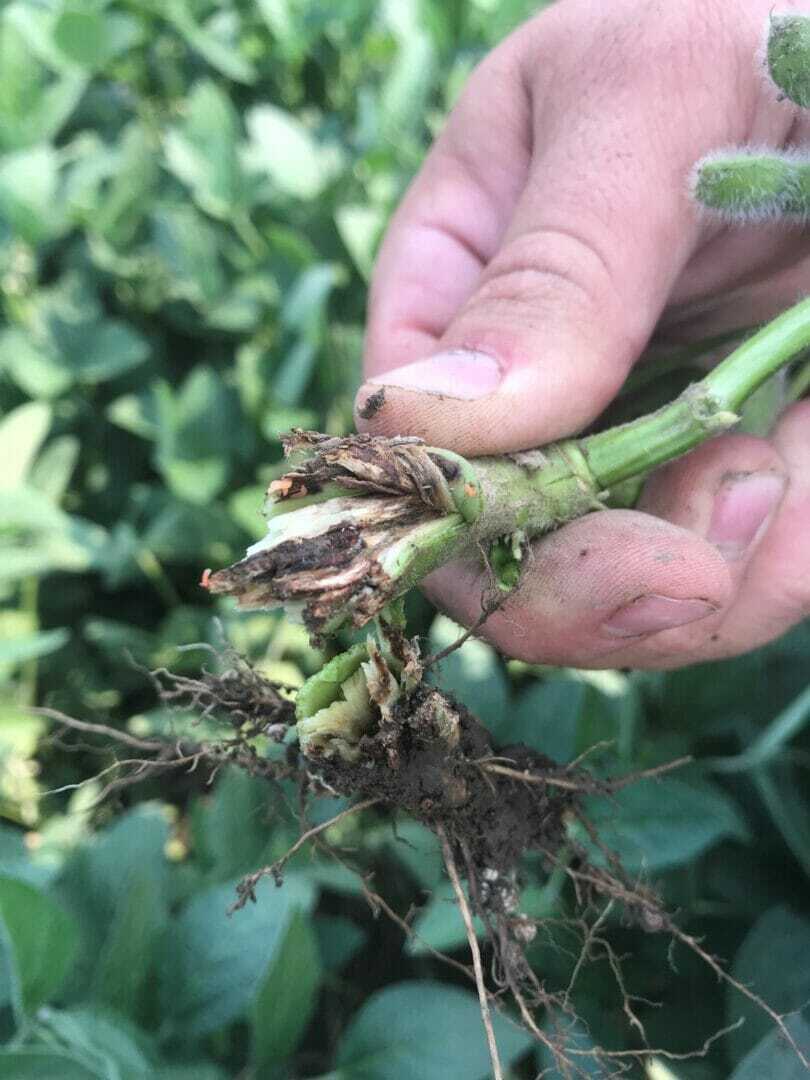
    #AsktheAgronomist – How to Take on Soybean Gall Midges

    Gall Midge 1

    Phil Long, precision agronomy advisor, unpacks new research that was conducted on soybean gall midges. He highlights ways that farmers can combat them including tillage, spray nozzles and learning about their life cycle. Subscribe to Latham Hi‑Tech Seed’s YouTube Channel for other agronomy topics and industry news.

    Webspec Admin

    March 16, 2022
    #AskTheAgronomist, Agriculture, Agronomics, Crop, General, Industry News, Insects, Soil, Soybeans
  • Latham Hi‑Tech Seeds

    Planter Upgrades with Quick ROI

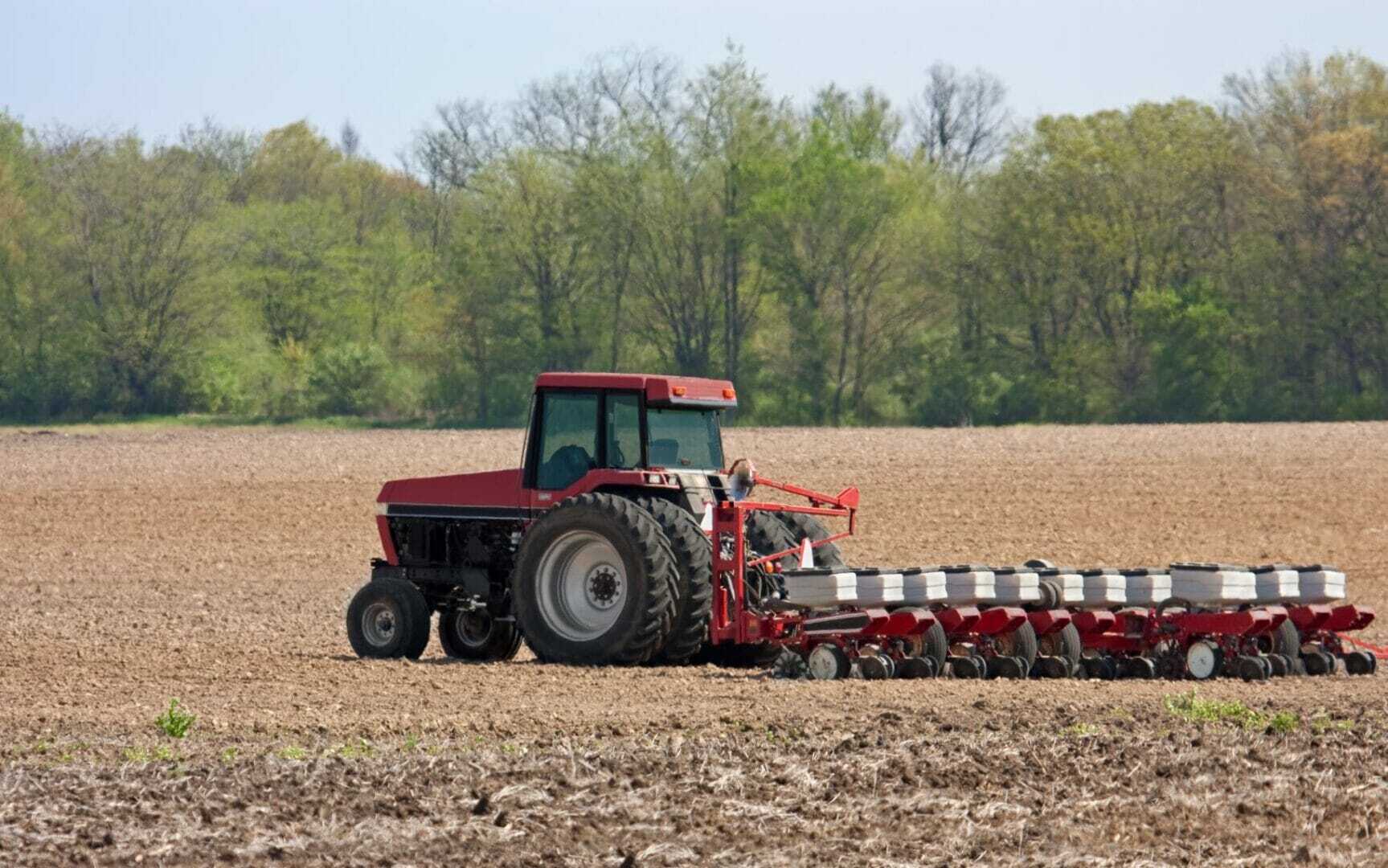
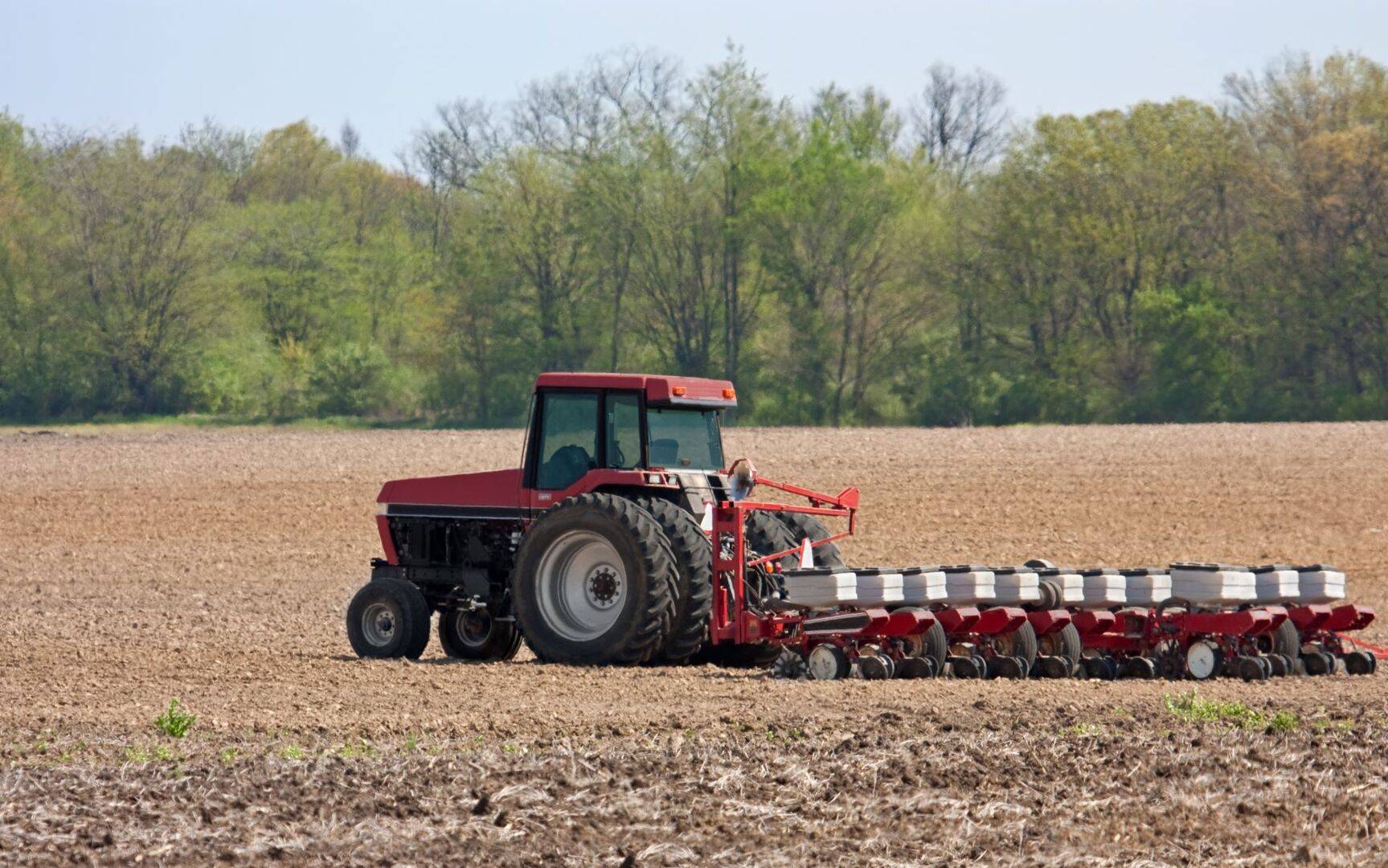
    Planting Resized Istock

    Your planter is the most important piece of equipment because it has the largest impact from emergence to final yield. Making these three upgrades will provide a return on your investment (ROI).Planting Resized Istock

    1. Closing Wheels in No-Till or Limited-Till Conditions. Closing wheels on a planter ensure the furrow is closed and there is adequate seed-to-soil contact. In a dry spring, this can be the difference as to whether the seed can pull enough water to germinate. If there are air pockets around the seed, it either won’t germinate or it will rot trying. There are many different types of closing wheels and closing wheel systems. Look at your management style and determine if you need spiked wheels to help crumble the furrow wall in tough soil conditions or if you need more aggressive closing action. Then look at the closing wheel systems or one with a walking axle on it. If you conventionally till all your fields in the spring before planting, you likely don’t need this upgrade.
    2. Floating Row Cleaners. Rigid or pin adjust row cleaners have been the standard for many years and can perform well in certain circumstances. However, their limitation is not being able to adjust for changing terrain. Any tillage situation that leaves some residue on top of the soil can benefit from a residue cleaner. Consider switching from fixed to floating if you have been noticing uneven emergence in spots of the field as you roll across different terrain. The row cleaner could be riding high and not clearing a path, resulting in hair pinning, uneven planting depth and residue in the furrow.
    3. Downforce Adjustment. On-the-go downforce adjustments is not the easiest upgrade, but it will likely provide the best ROI in any tillage situation. This upgrade can keep your planter units riding smoother, so more uniform depth is achieved. Depth robs more yield than spacing. Having too little downforce means the unit could be riding up and not getting the seed placed where it should. If conditions are wet, you don’t need as much weight on the unit. Wet conditions or too much weight compact the furrow walls, causing root and early season growth issues. A study done by Agco in 2017 revealed on-the-go downforce adjustments had a 20 bushel per acre (Bu/A) advantage in situations when the down pressure was too light and 6 Bu/A advantage over too much down pressure.

    Remember, your operation is not the same as your neighbors’. Be sure to align these planter upgrades with your specific soils and management practices, and they will provide a return for your operation.

    Phil Long

    March 9, 2022
    Agronomics, Corn, Crop, Emergence, General, Growth Stages, Precision Ag, Season, Soil, Soybeans, Spring
  • Latham Hi‑Tech Seeds

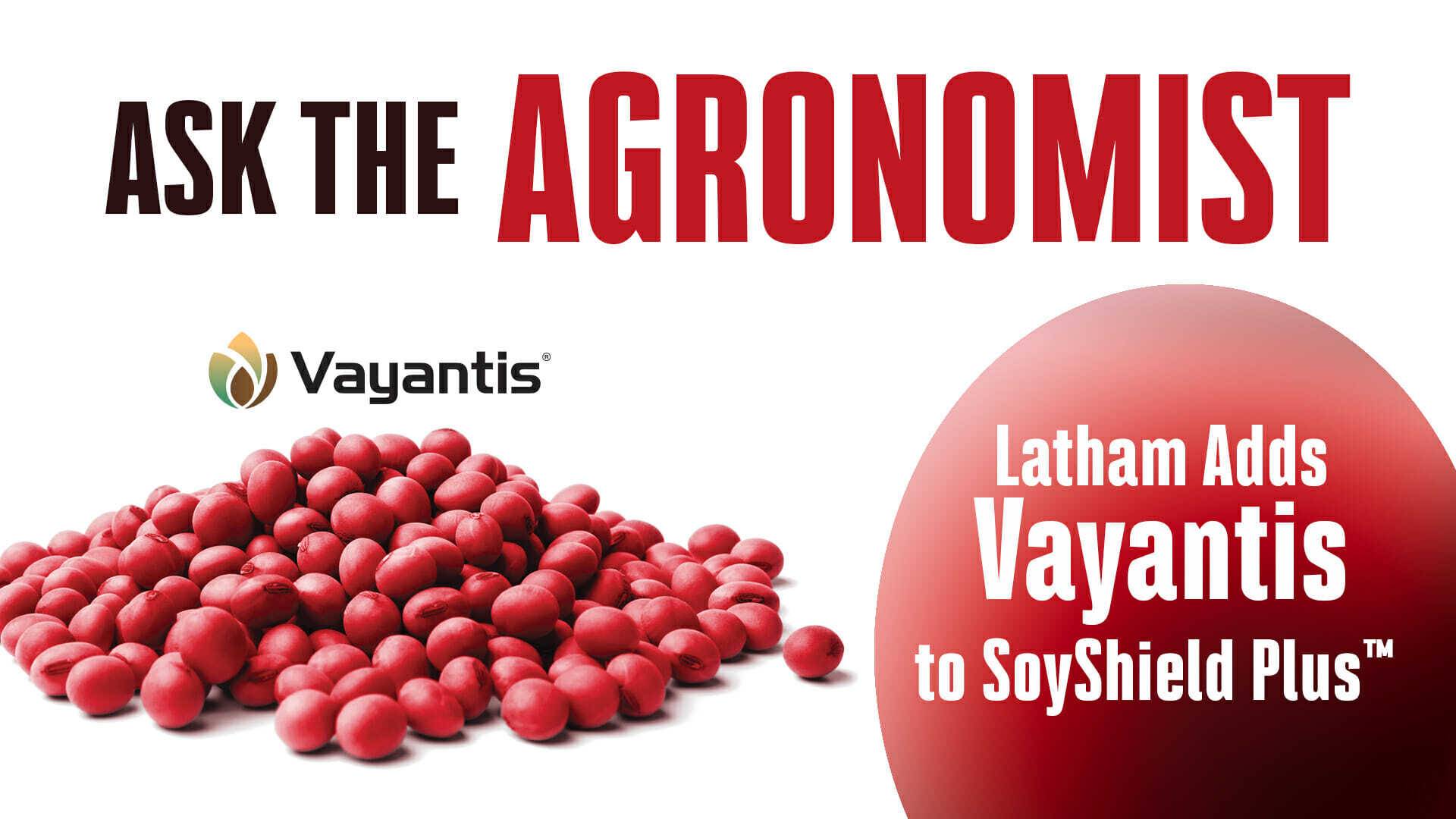
    #AsktheAgronomist – Latham Adds Vayantis

    Ask the agronomist latham adds vayantis

    Latham Seeds adds new Vayantis® to SoyShield® Plus! On this week’s #AsktheAgronomist, Phil Long, precision agronomy advisor, and Matt Moore, soybean product manager, discuss soybean treatments and how the addition of Vayantis is really exciting going into the 2022 planting season! Learn more about Vayantis fungicide. 

    Webspec Admin

    March 8, 2022
    #AskTheAgronomist, Agronomics, Corn, Crop, Disease, Fungicide, General, Industry News, Seed Technology, Seed Treatment, Soybeans
  • Latham Hi‑Tech Seeds

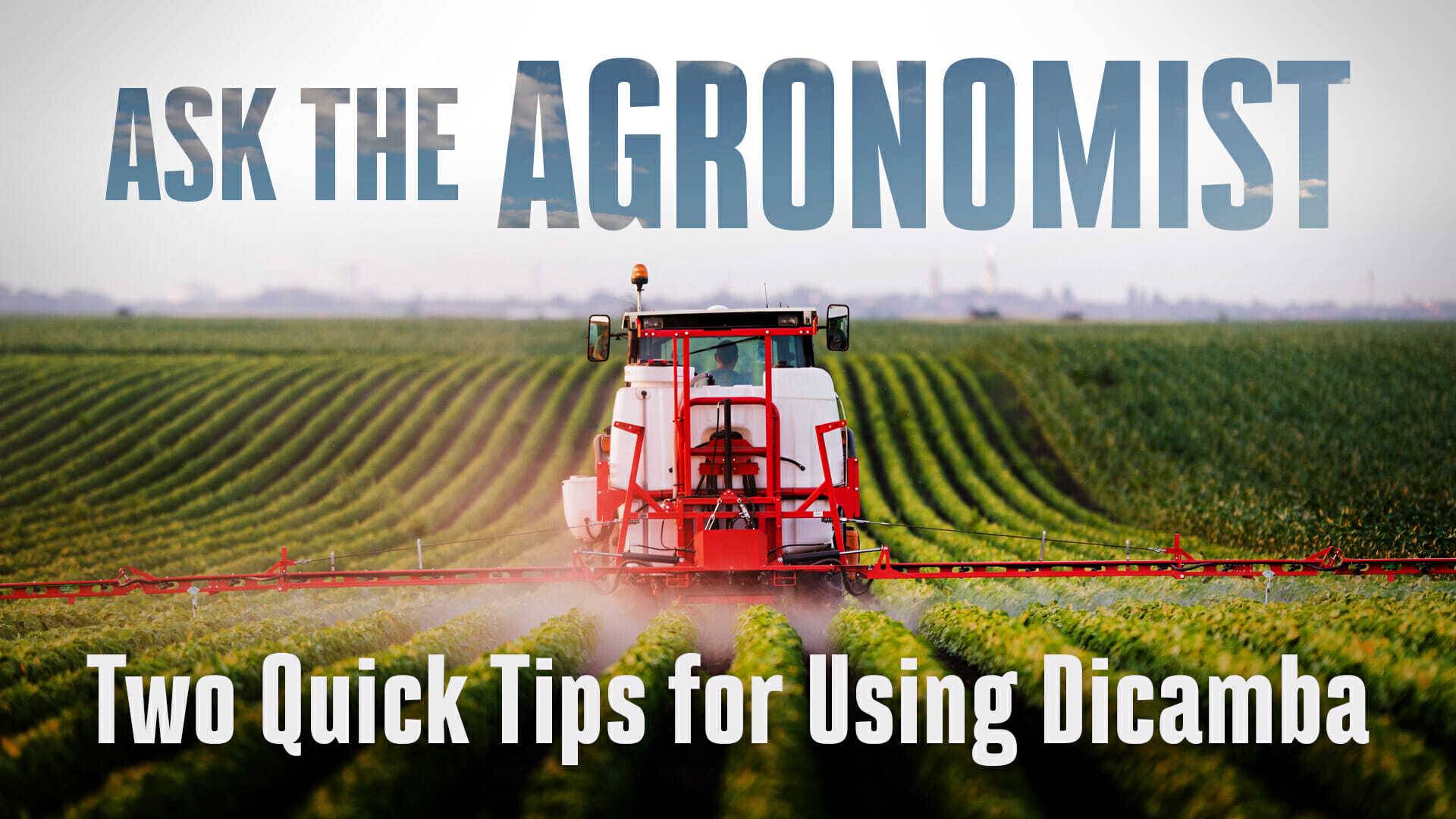
    #AsktheAgronomist – Dicamba Tips

    Ask the agronomist 2 tips for dicamba

    Phil Long, precision agronomy advisor, dives into Dicamba and highlights ways it can be affective in your herbicide regime.

    Webspec Admin

    March 8, 2022
    #AskTheAgronomist, Agronomics, Corn, Crop, Disease, Herbicide Technology, Soybeans, Weed Control
  • Latham Hi‑Tech Seeds

    #AsktheAgronomist – Dicamba Tips

    Ask the agronomist 2 tips for dicamba

    Phil Long, precision agronomy advisor, dives into Dicamba and highlights ways it can be affective in your herbicide regime. Subscribe to our YouTube channel and stay up-to-date with agronomy news in the industry.

    Webspec Admin

    March 1, 2022
    #AskTheAgronomist, Agronomics, General, Herbicide Technology, Soybeans, Weed Control
  • Latham Hi‑Tech Seeds

    #AsktheAgronomist- 2022 Soybean Considerations

    Ask the agronomist soybean considerations

    What are the top three challenges facing soybeans this year? Precision Agronomy Advisor, Phil Long, addresses planting, weeds and Soybean Cyst Nematode issues in Latham Country. Check out our #AsktheAgronomist series to learn more about industry news and agronomy.

    Shannon Latham

    February 24, 2022
    #AskTheAgronomist, Agronomics, Crop, Emergence, Insects, Soybeans, Weed Control
Previous Page
1 2 3 4 5 6 … 32
Next Page

Latham Hi‑Tech Seeds

131 180th Street | Alexander, IA 50420

(641) 692-3258

SIGNUP FOR OUR NEWSLETTER
  • Contact
  • Legal
  • Dealer Center
  • Seedware Login
  • Latham Gear

© 2025 Latham Hi‑Tech Seeds. All rights reserved. | Iowa Web Design by Webspec | Privacy Policy

Latham® Hi-Tech Seeds is a trademark of M.S. Technologies, L.L.C., 103 Avenue D, West Point, IA 52656.