Take a look across Latham Country! We’re coming to you every week.
Latham Hi‑Tech Seed’s Corn Plot going in Northern Iowa!

Take a look across Latham Country! We’re coming to you every week.
Latham Hi‑Tech Seed’s Corn Plot going in Northern Iowa!

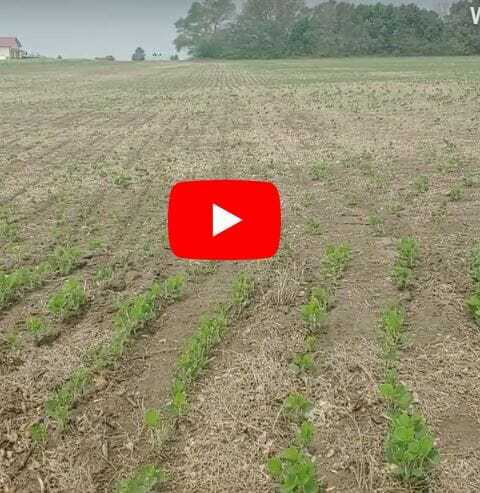
Phytophthora root and stem rot is a significant disease affecting soybeans across Latham Country. It can kill and damage seedlings and plants from planting almost through harvest. This disease especially favors saturated conditions early in the growing season.
You’re most likely to find Phytophthora in the following places:
Begin scouting as early as emergence where soils are saturated by heavy rains following planting. Where gaps in the row appear, carefully dig down to the seed zone. Infected seeds may rot before germination. Others may germinate but fail to make it to the surface.
In other instances, soybean plants may emerge from the soil and then die. These dying or dead plants often show a “pinching” of the stem just at or slightly below the soil line. This symptom is commonly referred to as damping-off.

If damping-off is a problem in the spring, watch for Phytophthora infection following rainy periods later in the season. The stem rot phase is easily recognizable by the presence of a distinct chocolate-brown lesion moving up the stem from the soil line. Initially, the upper stem of the plant may remain green. The plant will eventually wilt, turn yellow, and then die with leaves remaining attached.
The root rot phase of Phytophthora is not as readily recognized as the stem rot phase. Infected plants can be stunted and less vigorous, although this is hard to spot unless the infected plants are near a healthy comparison. A close inspection of the root system will reveal a significant reduction in the number of secondary roots and fine root hairs that help the plant take up moisture and nutrients. Plants with the root rot phase may mature a week or two earlier than healthy plants in the field.
Management
Many soybean varieties have resistance genes. The most common group of genes are known as Rps genes (“Resistant to Phytophthora sojae”). Varieties with “stacked” genes can show significantly higher resistance to Phytophthora. Specific information on PRR genes for each of Latham® soybean varieties is included in our 2023 Seed Guide.
Using Latham’s SoyShield® and SoyShield Plus seed treatments is a proven, effective way to protect against early-season diseases like Phytophthora. Using our seed treatment gives you the confidence and flexibility for a strong start to the growing season.
*Sources:
Did you enjoy this article? We want to (TECH)talk with you! Sign up for our newsletter to receive agronomy articles (and delicious recipes) in your inbox! We’ll talk soon.

Did you enjoy this video? We want to (TECH)talk with you! Sign up for our newsletter to receive agronomy articles, videos (and delicious recipes) in your inbox! We’ll talk soon.

Weather concerns are top of mind as farmers across Latham Country look ahead to spring 2023 planting. Customers frequently ask us how to mitigate risk from the 2022 wet planting season.
While we want to maximize the yield potential of early planting, 2022 data shows us that delayed planting can result in very good yields — and better yields than planting when conditions are unfit.
Consider these factors to successfully mitigate potential risks of delayed planting:
We suggest staying with a hybrid selection plan that does not vary significantly from previous years. A couple management changes at planting time to get your crop off to a great start will result in more success than totally changing your hybrid selection.
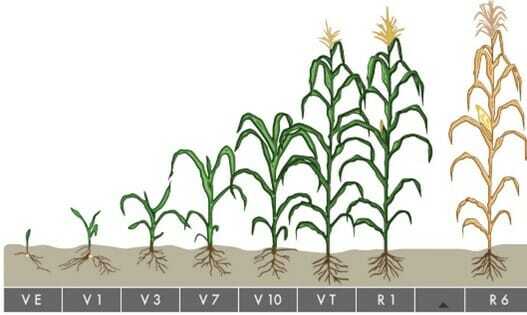
Remember, most corn yield is created in July and August. Get your plants off to the best start, so they can take advantage of that part of the growing season. Don’t get discouraged if you encounter a bit of a delay. Stick to the hybrids in your original plan through the end of May.
Did you enjoy this article? We want to (TECH)talk with you! Sign up for our newsletter to receive agronomy articles (and delicious recipes) in your inbox! We’ll talk soon.

Our focus for Latham Premier Agronomy Center in Alexander, Iowa, is to showcase a broad lineup of independent options and to demonstrate how genetics interact with the environment and management styles (G X E X M).
In the Premier Agronomy Center this year, we tested 26 Latham® soybean varieties using 28 different management practices. My top take-home messages for our 2022 soybean plots are:
The key to higher yields is how all three components – genetics by environment by management – interact. Fertility tops my list, so I always make sure potassium is sufficient. Potassium is what gets soybeans (and corn) through stressful times and helps them better manage water loss on hot days.
Latham® soybeans have outstanding yield potential. But like all living and breathing organisms, our soybeans struggle to perform when they’re stressed at the wrong time. The key to top soybean yields is management: reduce as much stress as possible during the growing season because we can’t control the weather.
Did you enjoy this article? We want to (TECH)talk with you! Sign up for our newsletter to receive agronomy articles in your inbox! We’ll talk soon.

Latham Hi‑Tech Seeds’ Premier Agronomy Center at our company headquarters in North Iowa provides us with opportunities to collect data on real-world challenges. It also provides us with an opportunity to talk about the exciting new Latham® products, as well as management practices, that help you raise more bushels. This year we have 18 different plots (10 corn and 8 soybean) to demonstrate different techniques.
Interested in seeing Latham’s Premier Agronomy Center? Plan a visit! Latham Dealers are encouraged to make arrangements with their regional sales manager (RSM), so they can bring their customers throughout the growing season. We will be open for public tours on Thursday, Sept. 8, at 4 p.m.
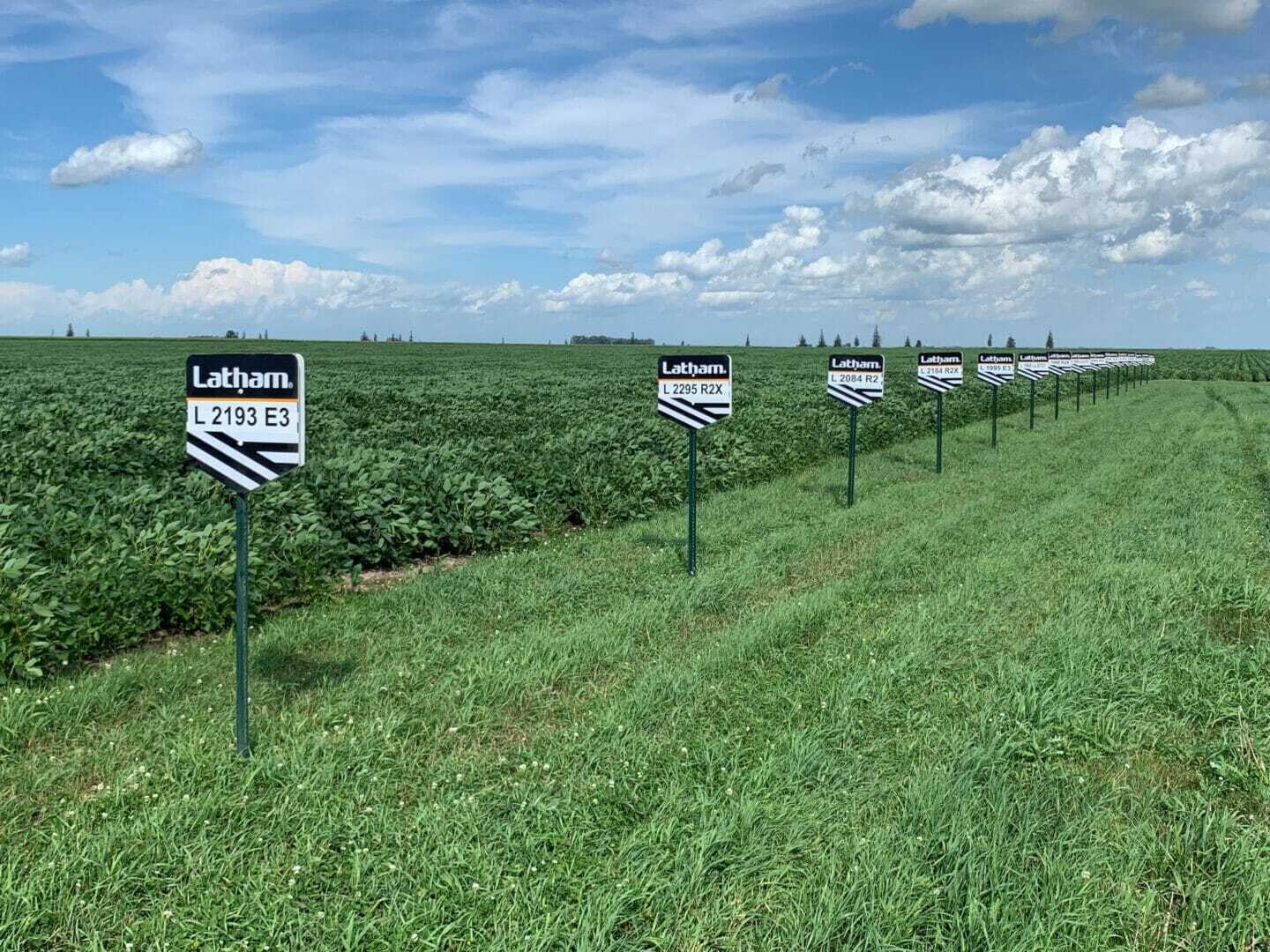
Here’s what you can see inside Latham’s Premier Agronomy Center… As you drive west on 180th Street in Alexander, Iowa, you will see our Latham Showcase plots featuring our top corn and soybean products. Next to that are corn and soybean seed treatment demonstration plots. I also planted my hybrid stress research up front. Twenty different Latham hybrids were planted from 22,000 to 36,000 plants per acre, so we can pinpoint when each hybrid flexes and how we can better manage them in-season.
The second tier of plots contains high-yield plots (corn/beans) where we “throw the kitchen sink at it,” so to speak, to try to add some extra bushels. Our soybean Iron Deficiency Chlorosis (IDC) plot uses tactics like in-furrow chelated iron products with increasing population to overcome the challenges IDC can bring. We have a silage demonstration plot with a planting date demonstration. You’ll also see a sneak peak of Latham’s corn breeding program alongside some great observation plots featuring planting depth.
The third tier of plots are “long-term plots” that include cover crops, no-till and continuous corn. These practices come with many challenges, so we have several different products/treatments including in-furrow fertilizer, biologicals, in-furrow fungicide, and biological products for providing nitrogen to corn. We also have included herbicide demonstrations, showing how cover crops can increase water infiltration during pounding rains, as well as also reduce herbicide costs and improve weed control in soybeans.
All growing season long we’re providing opportunities to learn from our demonstrations in the Premier Agronomy Center. Follow @LathamSeeds on Facebook, Twitter, Instagram and YouTube. We share our weekly “Ask the Agronomist” videos, as well as season-specific information.

It’s been a tough start to the 2022 season with delayed planting and cool weather. Phil Long, precision agronomy advisor, unpacks GDUs across Latham Country and when corn and soybean stands will really take off. Check out more agronomy videos.


Precision Agronomy Advisor, Phil Long, brings us an update from the field. He shares what to keep an eye on with this late spring and how emergence may be quicker than normal.

From the time he was able to follow in his father’s shadow, Troy Johnson of Odebolt in West Central Iowa, spent as much time farming as possible. He began farming full-time with his father, Reese, upon graduating from high school. Shortly thereafter, Troy had the opportunity to purchase his first 40 acres.

The Johnsons raise corn, soybeans and alfalfa. They started using cover crops in 2015 and have expanded their cover crop acres every year. Benefits include increasing organic matter, controlling erosion, as well as better weed control and water infiltration.
“I’ve been planting Latham® soybeans since the beginning and started planting Latham Hybrids when they came out in 2004,” says Troy, a fourth generation Iowa farmer. “I’ve planted other brands for neighbors, and it’s easy to see the difference in quality when you open a bag. Latham is known for its high-quality standards, and its reputation is well deserved.”
When the Johnson’s neighbor Russ Wilken retired as a Latham® dealer, he asked if Troy would be interested in the dealership.
“I was already planting Latham, so it was a no brainer,” says Troy. “I always enjoy trying new things, so I appreciate getting to learn about new Latham products early. I really appreciate having a team of professionals available whenever I call. Latham Seeds provides us with great customer service.”
Just as Troy’s farming enterprise has grown throughout the years, so has his family. He and his wife, Kathi, are the proud parents of three daughters. Jaci is a sophomore at Odebolt-Arthur-Battle Creek-Ida Grove (OABCIG). She enjoys singing, reading and babysitting. Jaci also is involved in FFA. Sophi is in eighth grade. She plays the saxophone and is a volleyball player. In addition, Sophi enjoys designing cards with calligraphy. Tori, sixth grade, plays the piano and trumpet. She also plays volleyball, basketball and softball.
“We have been blessed to raise our children on the family farm,” says Kathi. “There are many values and lessons the girls have learned that will benefit them in the future. Although farming has its ups and downs, we are grateful to God for the life He has allowed us to live.”
A Tradition of Hospitality
Evelyn Latham, wife of Latham Seeds’ founder Willard Latham, was known for her gracious hospitality. She was sure to invite family, friends, neighbors and customers to sit down at the table to enjoy a fresh cup of coffee with a plate full of homemade cookies. It’s no wonder she was named Master Farm Homemaker in 1962 by Wallaces Farmer!
Throughout the years, we have shared some of Evelyn’s favorite recipes with our dealers and their families. We were delighted when Kathi shared with us that Jaci’s Monster Cookies advanced from the county 4-H competition to the 2017 Iowa State Fair. We can only imagine how delighted Evelyn would have been, knowing Jaci was creating wonderful memories with her mother in their kitchen.
“It was an honor to have my cookies selected to go to state,” Jaci, who earned a blue ribbon at the Iowa State Fair with her Monster Cookies. “I was not expecting that because 2017 was my first year exhibiting 4-H projects at the fair.”
Today we’re once again sharing Evelyn’s Monster Cookie recipe with our readers. We hope you’re able to share a cup of coffee and a few heartwarming smiles with friends, families and neighbors as you enjoy a few homemade cookies. Perhaps you can enjoy a few cookies this planting season!