Latham Hi-Tech Seeds

(641) 692-3258

  • Home
  • Products
    • Corn
    • Soybeans
    • Alfalfa
    • Corn Silage
    • Seed Guide
  • Performance
  • Find a Rep
  • Media
    • Blog
    • News
    • Videos
    • Podcasts
    • TECHTalk
  • About Us
    • Company History
    • Our Mission
    • Careers
    • Become a Rep
    • Sowing Seeds of Hope
  • Contact Us
  • Latham Hi‑Tech Seeds

    Sclerotinia Stem Rot or “White Mold” in Soybeans 

    White Mold University of Wisconsin
    White Mold Field University of Wisconsin
    Credit: University of Wisconsin

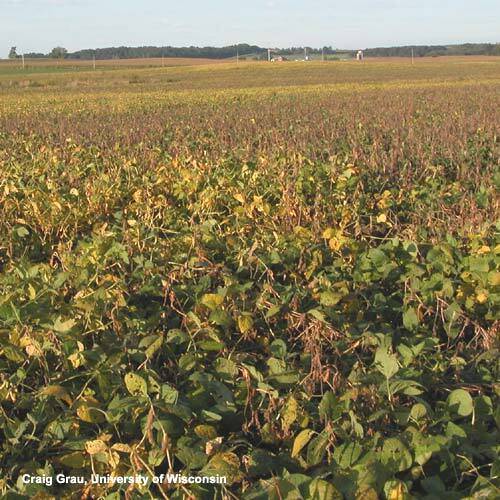
    Sclerotinia stem rot – also known as White Mold –can lead to significant yield loss in soybeans. Yield loss from white mold is attributed to the damage it causes to leaves, pods and stems. Research from the University of Wisconsin estimates the disease has costed growers in the U.S. and Canada 101 million bushels of soybeans – equal to $1.2 billion.

    White mold is caused by the fungus Sclerotinia sclerotiorum and overwinters in the soil for a number of years. After the fungus emerges from the soil, mushroom shaped structures known as apothecia will form on the soil surface. The apothecia, ranging between ¼ and ½ an inch wide, will first infect through soybean flowers before it reaches the stem.

    While the fungus primarily spreads through the air via spores, moisture is required for infection to take place. As a result, cool and wet weather along with high humidity are the main causes of white mold.
    White Mold University of Wisconsin
    Credit: University of Wisconsin
    Scouting for White Mold 

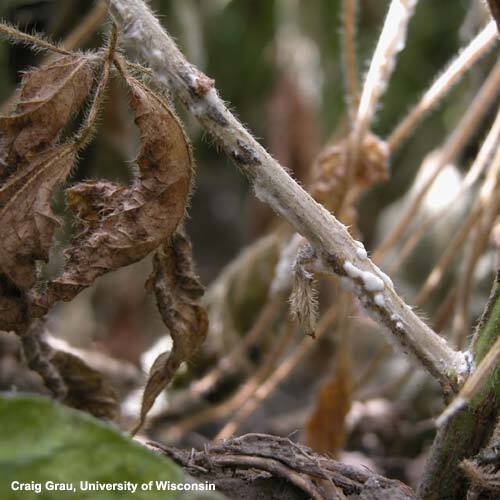
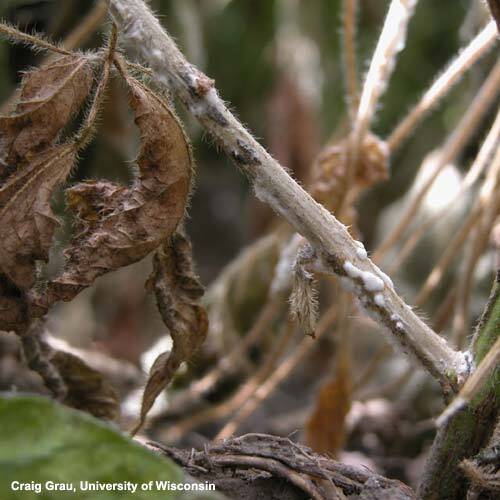
    While Sclerotinia sclerotiorum is often confused with other fungal pathogens, the sclerotia distinguishes white  mold  from other look-alike diseases. Symptoms of white mold will be most prevalent between R3 and R6. Infected plants will exhibit white fuzzy growth on the lower stem.

    Soybean blossoms are the first area of the plant to exhibit signs of infection and neighboring stems and pods may appear water-saturated. After infecting blossoms and pods, white mold may eventually spread through the entire stem causing it to turn tan or bleached of color. As the mold growth becomes thicker, black spots will begin to surface throughout the fuzzy white surface.

    White mold also creates foliar symptoms, causing leaves to completely die while still attached to the stem. In infected soybeans, the tissue area between the leaf veins will turn gray and cause leaves to become wilted and curled.

    Treatment Options 

    Due to the overwintering nature of the sclerotia, a two to three-year rotation away from soybeans is advised. When it comes to genetics, some soybean varieties are more resistant to white mold than others. Varieties with resistance to the fungus may recover better than others. It is also important to consider planting practices that cause white mold growth. Shade created from high plant density and growing canopies can lead to the fungal disease. Increasing  row width and reducing planting populations are the best methods to  improve airflow through the canopy and reduce infection from white mold.

    In addition, broadleaf weeds are notorious for hosting white mold and herbicides should  be used to control weeds. Fungicides are a viable method for treating white mold and can reduce the negative impacts incurred by soybeans. However, they are most effective when applied just before infection takes place. Be sure to consult with your local Latham representative to determine the best treatment plan for white mold.
    Latham Seeds Agronomy Team

    April 1, 2019
    Agronomics, Crop, Disease, Fall, Season, Soybeans, Summer
  • Latham Hi‑Tech Seeds

    Physoderma Stalk Rot 

    Physoderma Stalk Rot Crop Protection Network

    There are a variety of stalk rots that infect corn, causing extensive damage to crops and losses in yield. Common factors make corn susceptible to stalk rot including warm and wet weather, stress after pollination, fertility issues, stalk boring insects, and the presence of other foliar diseases. There are key signs, symptoms and differences that distinguish the different types of stalk rot.

    Physoderma Stalk Rot Crop Protection Network
    Credit: Crop Protection Network
    Scouting for Signs and Symptoms 

    Physoderma stalk rot is caused by the pathogen Physoderma maydis, the same fungus responsible for causing Physoderma brown spot. The fungal disease seems to be showing up in more and more corn fields each year, but typically shows up on random plants and  and  has minimal impact on yield. Like most stalk rot diseases, warm and wet weather favor the development of Physoderma stalk rot.

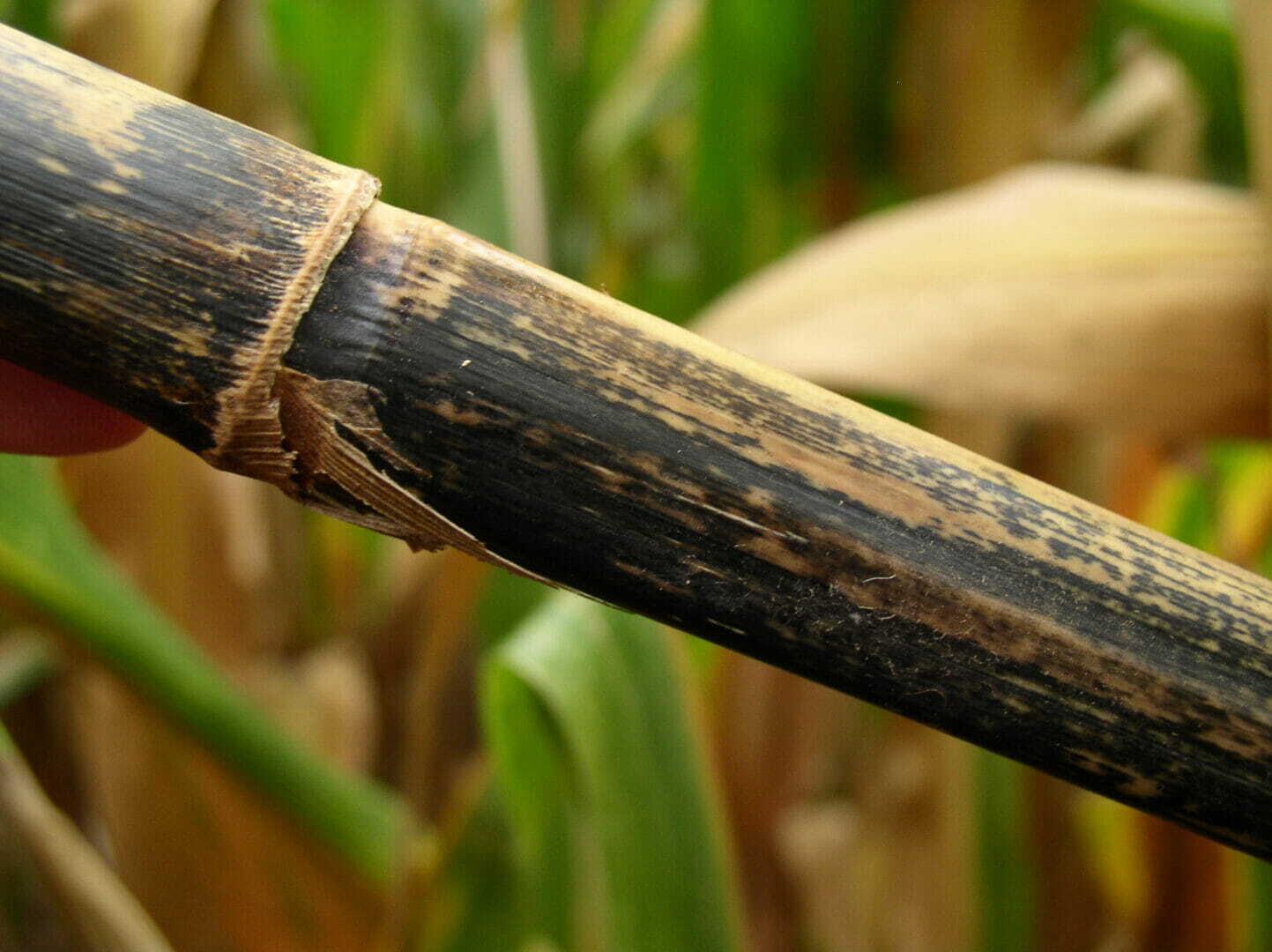
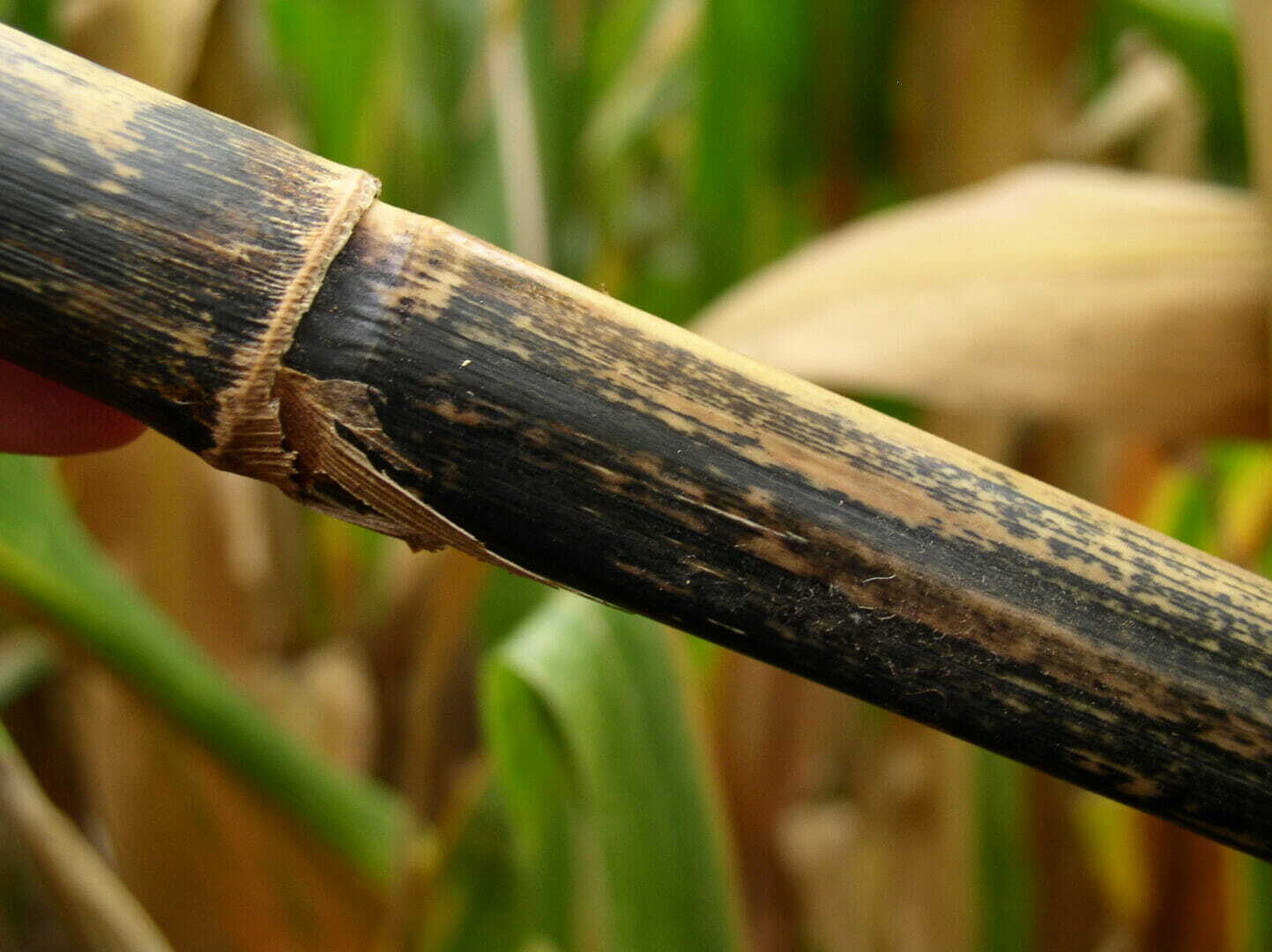
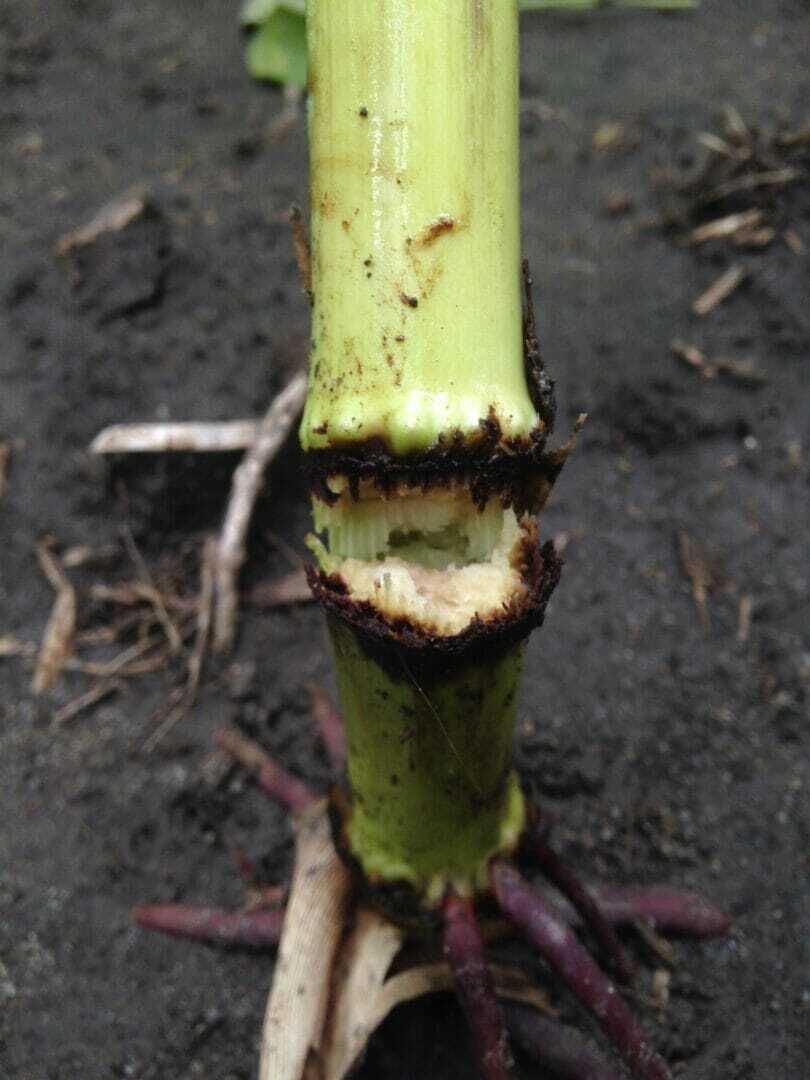
    Physoderma stalk rot infects corn between the V4 and V9 stages. The disease is not associated with any foliar signs, so it is important to inspect plants closely at the base. Dark brown or black lesions will appear at the base of the stalk, and rotting of the pith will be observed upon splitting the stalk open. Overtime, blackening of the pith will move to higher nodes. Sporangia can also be found on the outside of nodes and within the rotted pith tissue.

    Scout for symptoms of Physoderma stalk rot across five areas of the field. Stalks will make a distint “pop” and snap at one of the first 3 nodes above the soil line. If more than 10 to 15% of plants exhibit stalk rot, the field should be harvested early.

    Management Strategies 

    With this being a newer disease we are still learning differences in hybrid tolerances to both stalk and foliar phases of this disease.

    As a majority of stalk rots overwinter, one to two-year rotation away from corn and controlling corn residue are key for preventing the return of the disease. Fungicides may also be applied to prevent Physoderma leaf blight , but these studies are in early phases as well given the novel nature of this diesease

    Latham Seeds Agronomy Team

    April 1, 2019
    Agronomics, Corn, Crop, Disease, Fall, Season, Summer
  • Latham Hi‑Tech Seeds

    Corn Aphids 

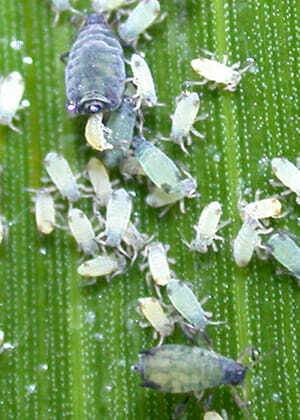
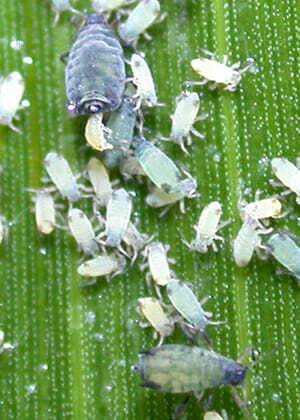
    Corn Aphids Purdue University (2)
    Corn Aphids Purdue University (2)
    Credit: Purdue University

    Corn aphids have the ability to negatively impact yield end of year. Proper identification and management can protect your crop. 

    Identification 

    Corn aphids have a blue-green to gray appearance and are 1/16 inch in length. Aphids extract sap from corn plants and excrete honeydew. The honeydew creates sooty-looking mold that can interfere with pollination.  

    As opposed to laying eggs, female aphids reproduce by giving birth to nymphs. The insects can build large colonies comprised of more than one species such as bird-cherry oat aphids. Aphids are most often wingless, but when the size of their colonies begin to grow, some can form wings to migrate to other corn plants. Corn leaf aphids cannot overwinter and usually migrate to southern states ahead of the cold months. 

    Scouting and Implications 

    Aphids will begin to appear in corn around mid-June and early July. Mature aphids can be found near the tassels, silks and the base of the corn stalk. The insects predominately live in the whorls where they are protected from outside elements. Infected corn plants may exhibit stunting or wilting and curling of the leaves  

    When scouting for aphids, select 20 non-consecutive plants from five different areas of the field. Unroll the whorl to count the number of insects present. The general treatment threshold advised by Iowa State University is when 50% of corn plants have more than 100 aphids per plant. 

    Overall, aphid infestations have been found to reduce grain quality and decrease kernel size. A study from Penn State University finds that 30-40% of aphid-infested corn stalks will become barren or earless. Drought stress can also worsen the impacts of aphid feeding and should be included when considering a treatment plan.  

    Treatment Options 

    The best time to begin manage aphid-infested corn is two to three weeks prior to tasseling. Corn plants with aphid colonies above the ear are more susceptible to yield loss than plants with aphids found below the ear.  

    Since aphids mainly colonize inside corn whorls, spraying insecticides is not the most effective solution. Insecticide application is most effective when aphids are found on the outermost areas of leaves.  If corn plants that have reached the hard dent stage, applying insecticides will not pay. 

    Fungi and other beneficial insects including lacewings and lady beetles can reduce aphid populations. Look for signs of bloating or discoloration in aphids – this could be evidence of fungi at work. If over 20% of aphids appear to be parasitized, consider holding off on a management plan. Be sure to talk with your local Latham representative to develop an effective treatment strategy for managing aphids.  


    Latham Seeds Agronomy Team

    April 1, 2019
    Agronomics, Corn, Crop, Insects, Season, Summer
  • Latham Hi‑Tech Seeds

    Japanese Beetle in Corn and Soybeans

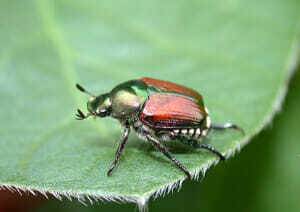
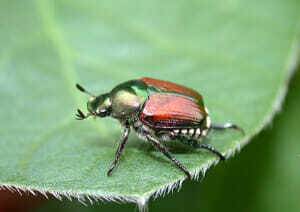
    Japanese Beetle Purdue (1)
    Japanese Beetle Purdue (1)
    Credit: Purdue University

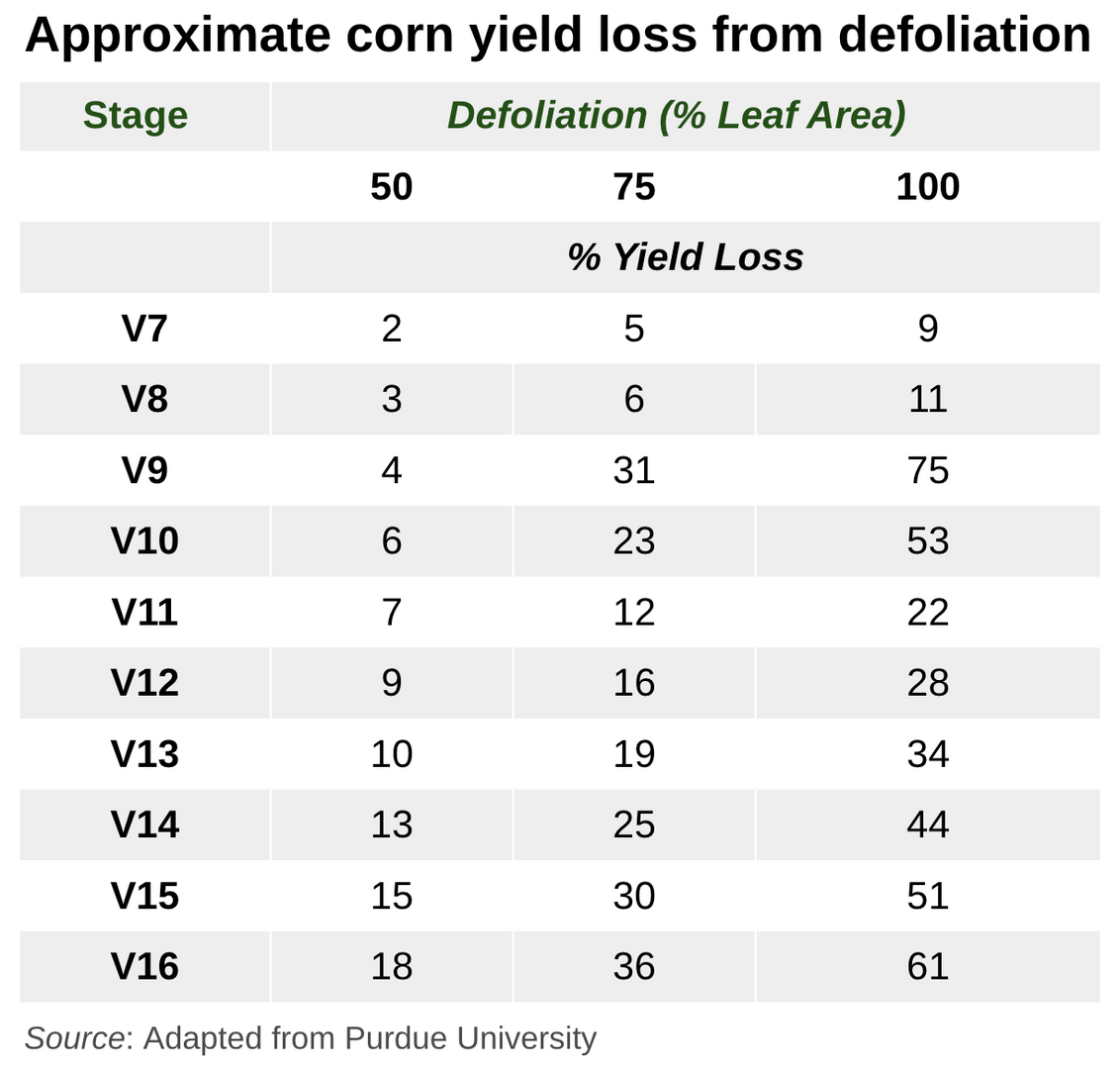
    Japanese beetles cause damage to corn by interfering with pollination and lead to defoliation in soybeans. Their distinct metallic-green heads and bronze wings make them distinguishable from other look-alike beetles. The insect undergoes one life cycle per year with adults reaching 5/16 inches in length.  

    Eggs are laid during July and August and overwinter until temperatures rise in the spring. For both corn and soybeans, adults migrate from grass and begin feeding in late May or early June. The peak emergence for Japanese beetles occurs 4 to 5 weeks after feeding begins.  

    Japanese beetles tend to feed in concentrated areas and in groups. After the female burrows into the soil, she will lay 1 to 4 eggs at a time for several weeks. Adult grubs feed on turf grass in late summer and early spring before emerging to feed on crops.

    Corn Defoliation and Yield Loss (1)Corn  

    In corn, Japanese beetles can feed on silks and interfere with pollination. Though leaf feeding in corn is possible, a majority of the economic impacts are attributed to silk feeding. Plants should be treated if there are three or more beetles per ear. 

    Research from the University of Tennessee found that repeated clipping of silks did not always lead to yield loss. More importantly, the environment has a stronger influence on the damage Japanese beetles can cause. Higher yield loss in infested corn plants that were under drought stress as opposed to plants that were not.  

    Soybeans  

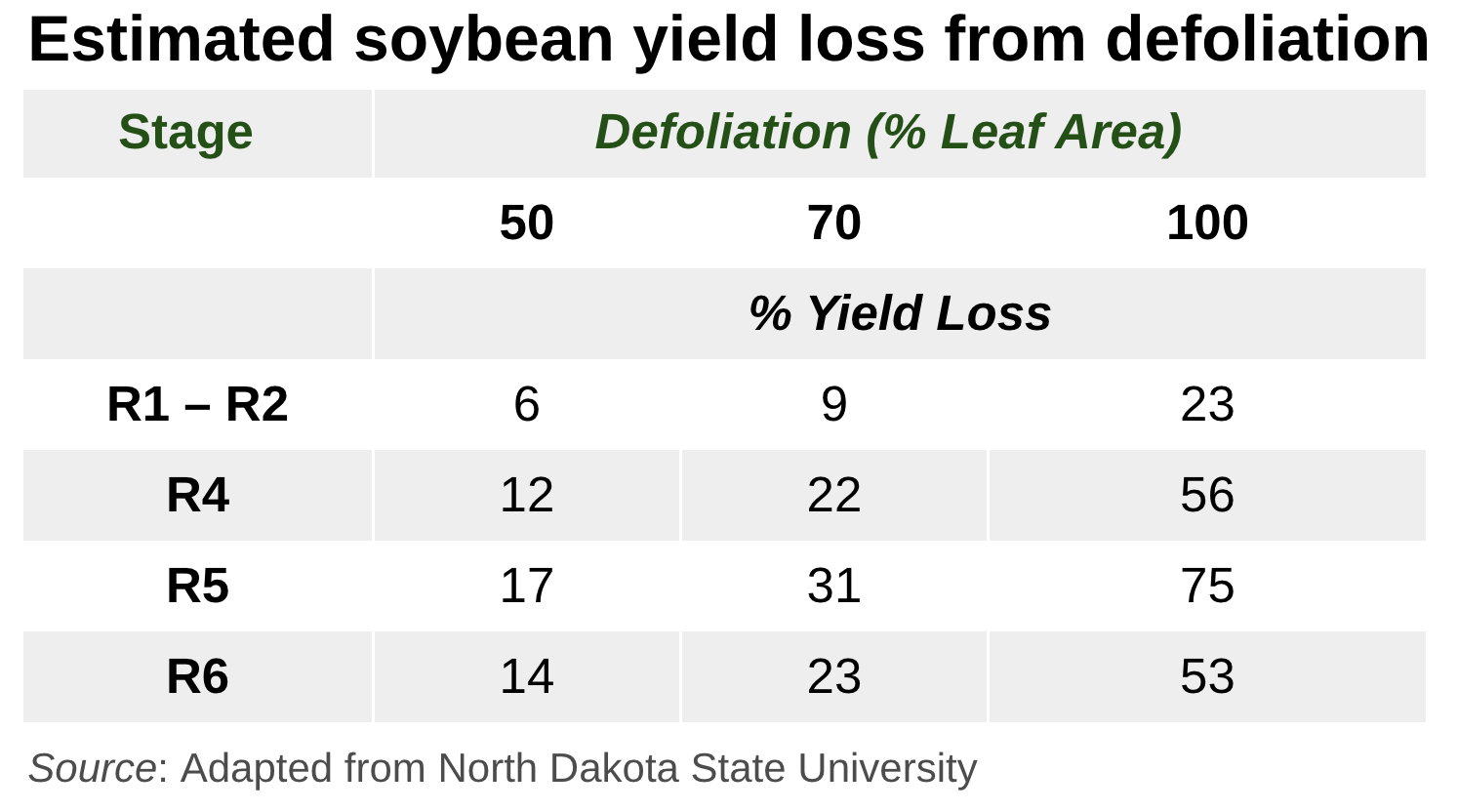
    Soybean Defoliation and Yield Loss (1)In soybeans, the beetle strictly feeds on the soft tissue bordering leaf veins, leaving them skeletonized. Soybeans growing in sandy soils are even more susceptible to defoliation from Japanese beetles. Though yield loss from Japanese beetles has not been quantified, figures from North Dakota State University (see table) point to the general yield impacts from defoliation. 

    Research from the University of Nebraska advises treatment when damage reaches 30% defoliation before bloom or 20% defoliation during flowering. As long as beetles appear to be actively feeding, insecticide application is advised.   

    Other Considerations  

    Japanese beetles are easily confused with other species of beetles, including masked chafers and May or June beetles. Be sure to consult with your local Latham representative to confirm suspected Japanese beetle infestations and determine the right treatment plan.  

    __________ 

    Photo Credit: Purdue University 


    Latham Seeds Agronomy Team

    April 1, 2019
    Agronomics, Corn, Crop, Insects, Season, Soybeans, Summer
  • Latham Hi‑Tech Seeds

    Frogeye Leaf Spot

    Frogeye University of Nebraska
    Frogeye University of Nebraska
    Credit: University of Nebraska

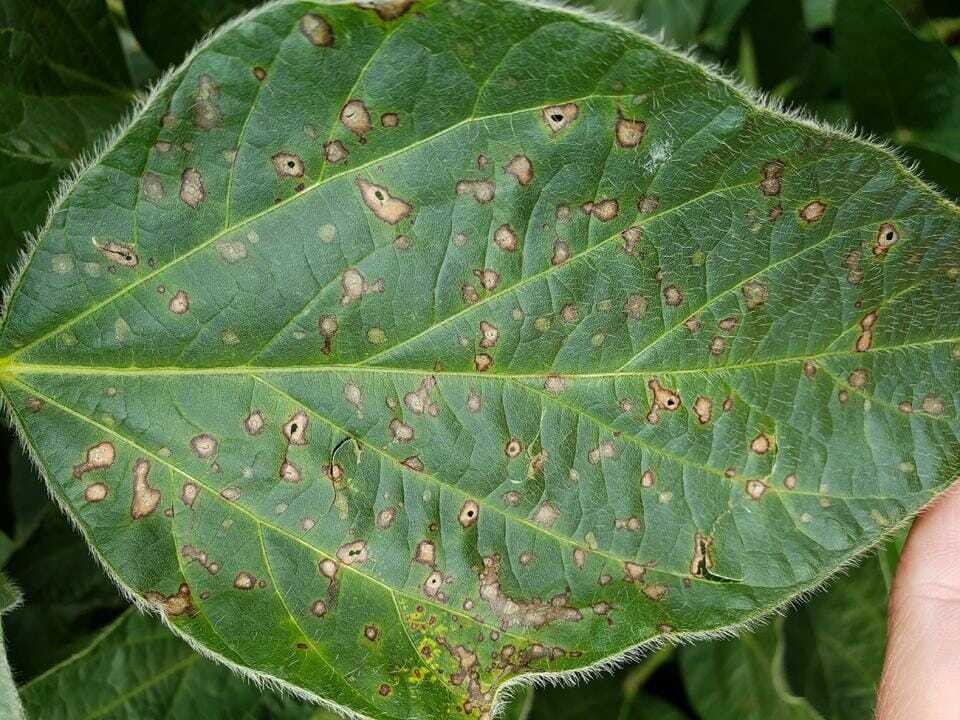
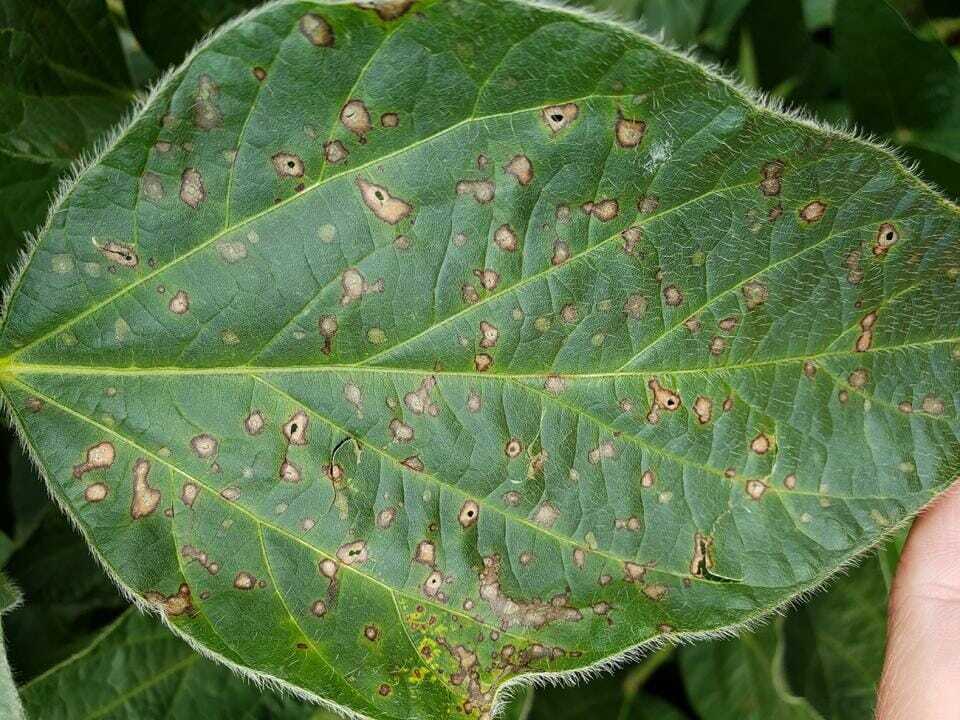
    Frogeye leaf spot is a foliar disease caused by the fungus Cerospora sojina. The fungus primarily spreads from infected plants through air and water droplets. During particularly wet years, frogeye leaf spot can lead to yield loss as high as 30%.  

    Warm, humid weather and heavy rainfall are key drivers of frogeye leaf spot. Areas with standing water and high moisture are notorious for hosting the fungus and fuel the damaging disease. Soybeans grown year after year in the same field are also more susceptible to frogeye.  

    Scouting for Frogeye 

    Frogeye leaf spot most often infects plants after flowering, and signs are most evident in the upper canopy of plants. Dark spots with a gray center and a red-purple border will form on infected eaves. The smaller spots can join to create larger lesions, leading to defoliation that can reduce photosynthetic leaf area.  

    In addition to causing defoliation, frogeye leaf spot often leads to premature leaf drop. The disease can also infect stems and pods. Later in the growing season, reddish-brown lesions will form on stems and turn the centers of the stems gray. Gray or brown cracked seeds can also form as a result of the disease and pods will be discolored with long lesions.  

    Treatment Options  

    Selecting varieties with resistance to frogeye leaf spot is the best way to prevent the disease. As the fungus Cerospora sojina is able to overwinter, tillage practices that reduce weeds    and  bury residue will decrease the likelihood of future infection.

    Fungicide application for treating frogeye leaf spot is most effective between the R2 and R5 growth stages. Be sure to consult with your local Latham representative to determine the best strategy for managing frogeye leaf spot.  

    Latham Seeds Agronomy Team

    April 1, 2019
    Agronomics, Crop, Disease, Season, Soybeans, Summer
  • Latham Hi‑Tech Seeds

    Anthracnose Stalk Rot

    OLYMPUS DIGITAL CAMERA
    OLYMPUS DIGITAL CAMERA
    Credit: Crop Protection Network

    There are a variety of stalk rots that infect corn, causing extensive damage to crops and losses in yield. Common factors make corn susceptible to stalk rot including warm and wet weather, stress after pollination, fertility issues, stalk boring insects, and the presence of other foliar diseases. There are key signs, symptoms and differences that distinguish the different types of stalk rot.

    Anthracnose stalk rot is the most common type of stalk rot and is caused by the fungus Colletotrichum graminicola. The fungus is favored by wet, warm weather and overwinters in corn residue. Signs of the disease will be observed four to six weeks following pollination.

    Scouting for Signs and Symptoms  

    The disease undergoes three phases with distinct signs and symptoms:

    • In the first phase, foliar lesions will appear in the early part of the growing season.  The leaf blight will begin on the lowest leaves, and will reach the upper leaves by late season.
    • During the second phase, top-dieback will appear in the middle part of the season after tasseling, killing the parts of the plant located above the ear.
    • In the third phase, shiny black lesions will appear on outside surface of stalks. Look for setae, or bristles that cover the surface of the stalk. A hand lens can be used to look for the bristle-like texture and black dots in the center of lesions.

    Stalks will exhibit fragility and appear to be brittle when handled. Different from other forms of stalk rot, anthracnose stalk rot will cause plants to lodge at the upper portion of the stalk. Pinching or bending at the nodes can be used to test for stalk lodging.

    Stalk rot can lead to death just before maturity and reduce yield. In addition, plants defoliated from hail damage and those that are nitrogen deficient are at an increased risk for being infected from the stalk rot.

    Management Strategies 

    Planting hybrids with resistance to stalk rots is a helpful defense against these diseases.

    Latham Seeds Agronomy Team

    April 1, 2019
    Agronomics, Corn, Crop, Disease, Fall, Season, Summer
  • Latham Hi‑Tech Seeds

    Rust Diseases in Corn

    Common Rust – Crop Protection Network
    Southern Rust – Crop Protection Network
    Southern Rust. Credit: Crop Protection Network

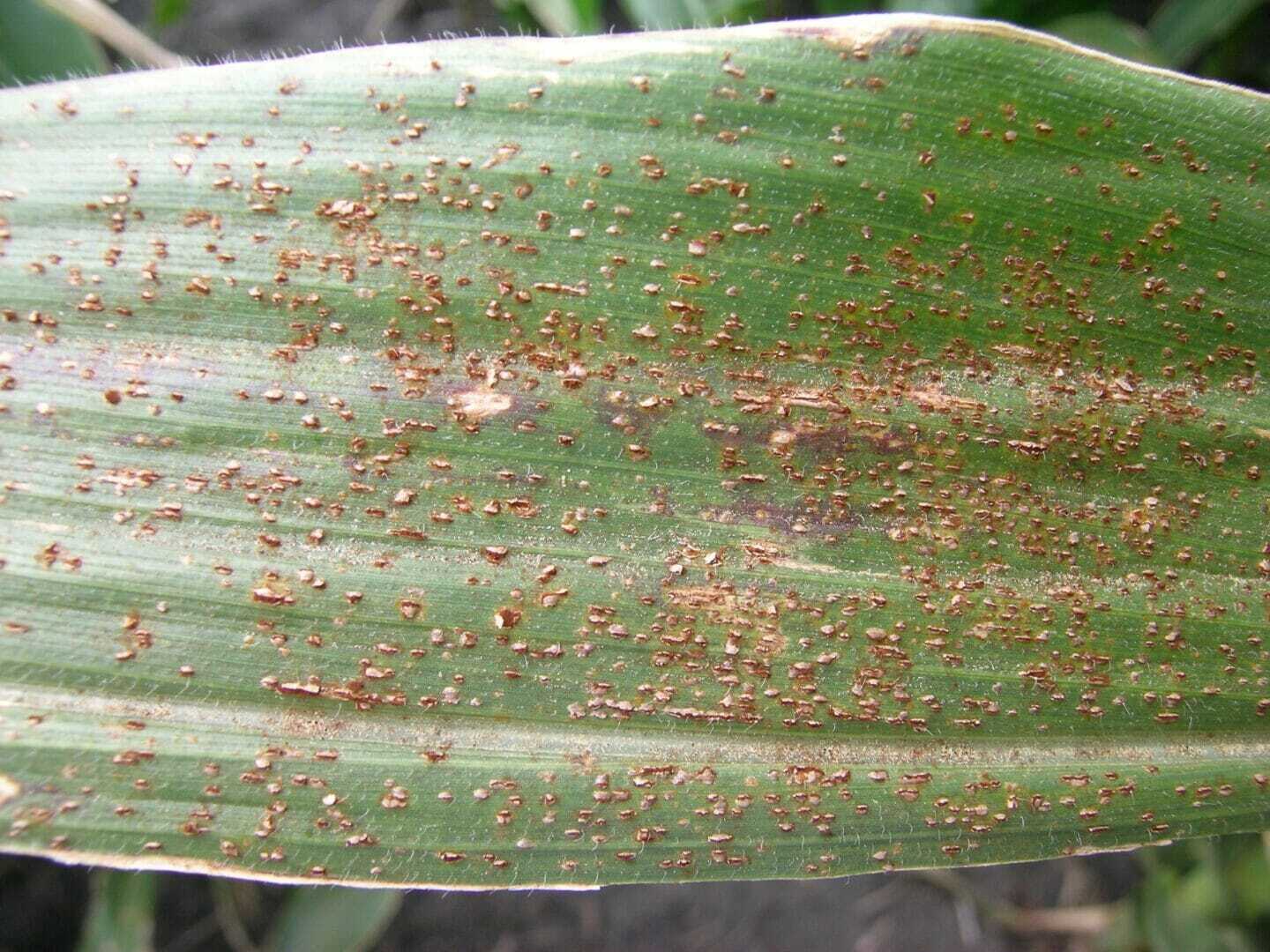
    Common Rust and Southern Rust infect corn in the late summer. The diseases generate raised spores known as “pustules” on the surface of leaves, leading to reduced yield  and poor grain quality.

    Common rust (Puccinia sorghi) and southern rust (Puccinia polysora) fungi are unable to overwinter in the Midwest and require a host plant to remain alive. The spores created by rust diseases are transported by wind to the Midwest from Southern states.

    Temperatures ranging from 61–77° fuel the growth of rust diseases. Cool and humid temperatures, especially when exhibited overnight, can further drive the development of the fungi.

    As long as the weather conditions are right for rust diseases, the cycle of spore development will continue. The return of hot and dry weather can prevent further development of the fungus and kill off the spores.

    Implications  

    Rust can reduce yield and decrease grain quality. Foliar damage from rust diseases can interfere with water  transpirationand reduce photosynthetic leaf area.

    Nutrients designated to support plant growth are rerouted in response to the damage incurred by leaves. Damage from rust diseases deplete carbohydrate reserves in corn leaves. As a result, the plant will begin sourcing the nutrients from stalks and roots, leading to reduced yield and stalk rot.

    Common Rust – Crop Protection Network
    Common Rust. Credit: Crop Protection Network
    Scouting for Rust Diseases 

    While common rust has less of an impact on yield, southern rust has been found to reduce yield by 25 bu/acre in corn with no fungicide application. The fungi can begin to infect plants under favorable conditions in as little as six hours.

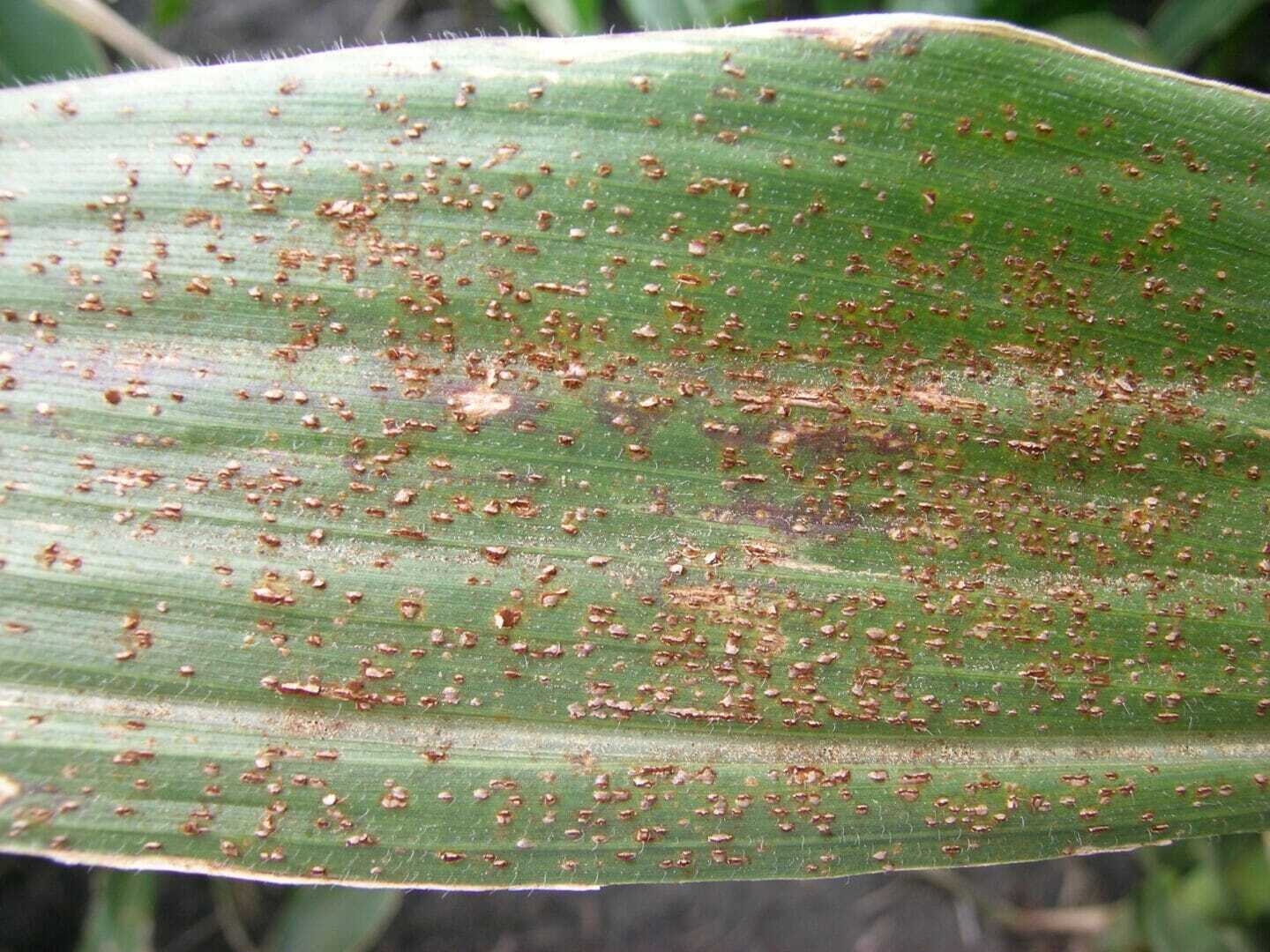
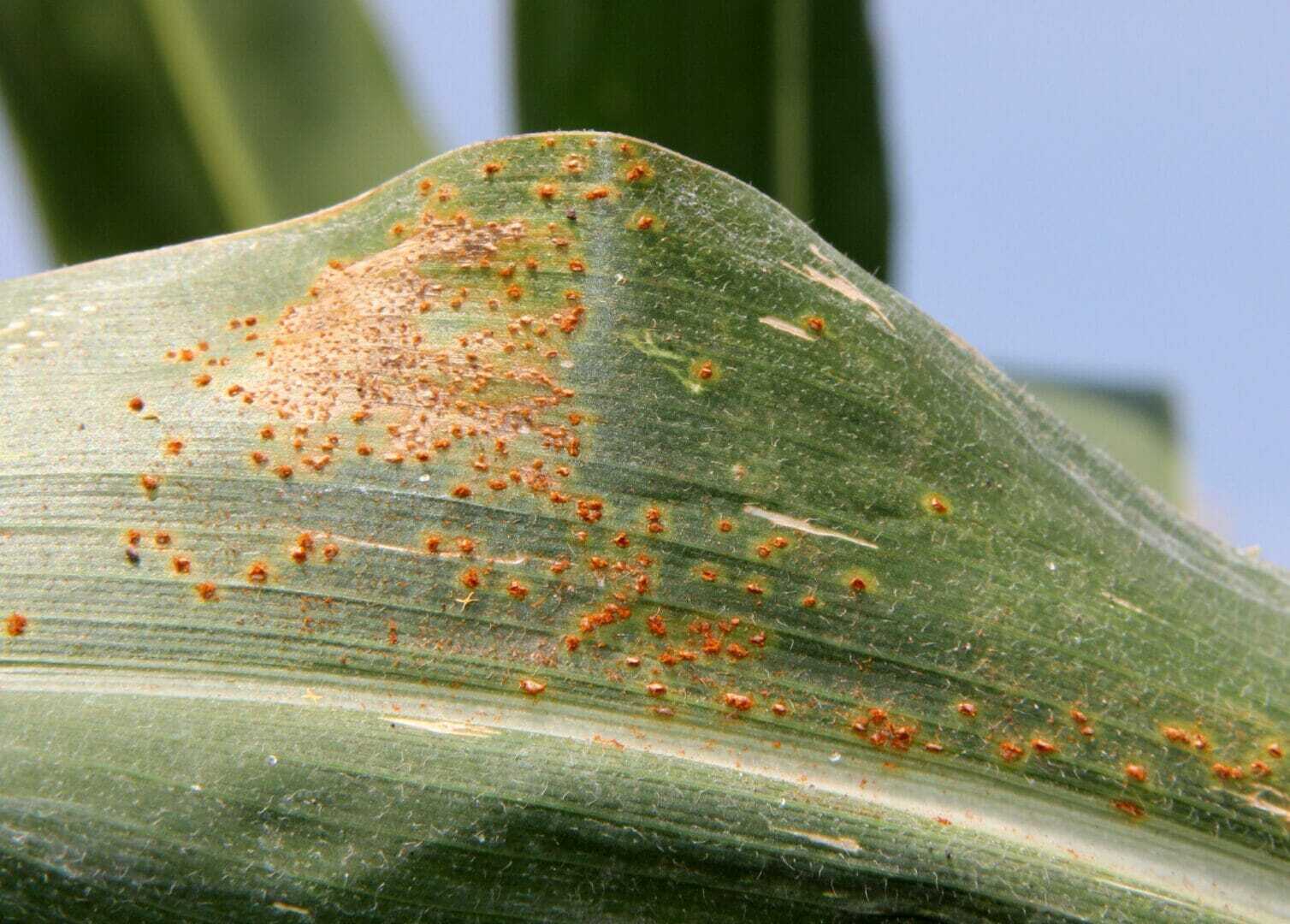
    Southern rust signs are evident  on the upper leaf surface and are round, as opposed to elongated in plants infected with common rust. The pustules will be orange compared to the darker color of common rust. Overtime, southern rust pustules will become brown or black.

    Common rust pustules are found on the upper and lower leaf surface and are oblong. Common rust pustules will be brick red in appearance and can coalesce to kill parts of leaves. In order to determine the difference between common and southern rust pustules, use a magnifying lens to inspect the leaf surface.

    Management 

    Planting early is one of the best ways to reduce corn’s vulnerability to rust diseases. Corn planted late in the season is most susceptible to experiencing yield loss and grain damage. Many hybrids are also equipped with resistance to rust diseases, though the extent to which they are protected from the fungus can vary.

    When pustules are observed on 50% of scouted plants, it is advised to begin implementing  a treatment plan. Fungicides can also be used to treat corn infected with common and southern rust. Be sure to consult with your local Latham representative to determine the best management options for rust diseases.


    Latham Seeds Agronomy Team

    April 1, 2019
    Agronomics, Corn, Crop, Disease, Fall, Season, Summer
  • Latham Hi‑Tech Seeds

    Herbicide Applications Update for Xtend® Soybeans in 2020

    Sprayer

    SprayerBefore you spray Xtend soybeans this spring with a dicamba-based herbicide, remember that federal law requires that all applications be made by a properly trained certified applicator. Both custom or private applicators must attend annual training, so they’re up-to-date on all new rules and regulations. 

    Most of the live training sessions have been cancelled due to the coronavirus pandemic. However, there’s still  time to complete online training. Listed below are websites, by state, where you can get information about online training courses. I’ve also added some comments from state Departments of Ag about possible 2020 changes to the herbicide labels.

    Iowa, North Dakota, South Dakota, and Wisconsin: No known changes to the state label in any of these states. The individual state DOA’s direct applicators to the various company websites listed below for their annual training.

    Minnesota online: Applications needing dicamba training should visit https://mcpr-cca.org/dicamba-information-trainings/. Some farmers were hoping the MDA would loosen its restriction on how late dicamba applications may be made. The MDA is holding fast to June 20 or the R1 stage of the crop, whichever comes first. No changes have been made from 2019 requirements.

    Nebraska: The Nebraska DOA is directing applicators to this UNL Extension website for dicamba training https://pested.unl.edu/dicamba. No listed changes to the 2019 guidelines for application.

    Illinois: The IDOA has further restricted applications of dicamba herbicide over the top of Xtend soybeans to no later than June 20 or the R1 stage of the crop, whichever comes first. NOTE: This is a change from 2019 when the last date of application was June 30. For training, the IDOA directs applicators to this website, sponsored by the Illinois Fertilizer and Chemical Association: https://ifca.com/IllinoisDicambaTraining.

    There are four dicamba herbicide formulations approved for use over the top of Xtend soybeans. They are XtendiMax® with VaporGrip® Technology from Bayer CropScience, Engenia® from BASF, FeXapan® with VaporGrip® from Corteva and Tavium® with VaporGrip® from Syngenta. 

    All four companies provide online dicamba application training for applicators. NOTE: You’re only required to attend one online session, regardless of which herbicide you eventually apply. Here’s the list of the various company sponsored training websites:

    • BASF:  https://bit.ly/2xTlJV9

    • Bayer CropScience:  https://bit.ly/2RjHt3e

    • Corteva:  https://bit.ly/2UTSpH7

    • Syngenta:  https://bit.ly/2V7OuFv

    May God keep you and your family safe as we work together to provide the world with much-needed food and supplies during this difficult time. You are a blessing to all!

    Mark Grundmeier, Product Manager

    April 1, 2019
    Agronomics, Crop, Herbicide Technology, Season, Soybeans, Spring, Weed Control
  • Latham Hi‑Tech Seeds

    Western Bean Cutworm 

    WBC Purdue University (1)
    WBC Eggs Iowa State University (1)
    Credit: Iowa State University

    The Western Bean Cutworm can dramatically reduce end-of-season corn profit. The Western Bean Cutworm does not cut stalks but feeds on ears, posing as a threat to grain quality and corn yield. The cutworm moths are gray to brown with a wing span of 1 ½ inches. As a late summer insect, moths first emerge in early July and only one generation is produced each year. 

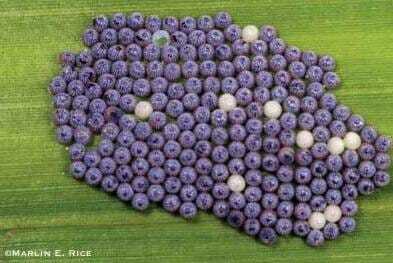
    Female moths lay eggs in whorls just ahead of the pollination stage and will lay an average of 50 eggs at a time. Eggs develop over the course of 5 to 7 days. Eggs will first be white, then become tan as they develop and will turn purple once they are close to hatching. 

    Only a small percentage of eggs typically survive, but larvae that reach full maturity can cause measurable damage to corn.  

    Scouting and Implications 

    Pheromone traps can be used to identify Western Bean Cutworm in fields. When multiple moths are caught at a high frequency, scouting for symptoms should take place. When scouting, focus on fields that are close to shedding pollen and examine 20 consecutive plants in 5 different locations.  

    WBC Purdue University (1)
    Credit: Purdue University

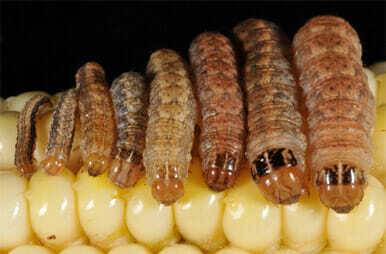
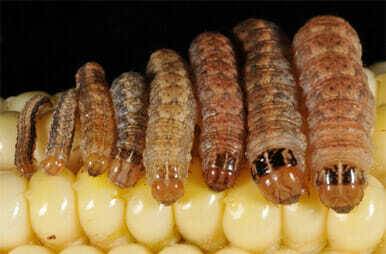
    Western Bean Cutworms feed on leaf tissue and silks as they approach the ear where most of the damage is incurred. The Western Bean Cutworm can be confused with other species of cutworm. The dark brown stripes behind their head that appear during the third instar distinguishes them from other cutworms.  

    The most mature larvae will feed on fully developed ears and can sometimes burrow into the sides of the ear. When scouting, it is important to pull back the husks to fully determine if the cutworms are present.  

    After feeding on the ears, the larvae will drop to the soil and burrow deep underground where they overwinter. It is common for many larvae to feed on one ear at once, increasing the severity of feeding damage. Ears with multiple larvae can exhibit up to 50-60% in kernel loss.  

    An average of one larva per plant has resulted in yield loss of 4 bu/acre in Iowa and Nebraska. Aside from yield loss, damaged kernels are prone to mold growth which reduces overall grain quality.  

    Managing Western Bean Cutworm   

    Managing Western Bean Cutworm should take place close to hatching, just before pollination. Once larvae hatch and move underneath tight leaves surrounding the ear, they become difficult to exterminate. Applying a foliar insecticide is recommended when 5-8% of plants have egg masses or young larvae present but not before at least 90% of plants have emerged tassels.  

    SmartStax, Viptera, and eventually we will have Duracade traited hybrids that provide aboveground protection against Western Bean Cutworm. Though Western Bean Cutworm overwinters, there is no evidence that tillage is an effective way to combat infestation. Be sure to consult with your local Latham representative to design the most effective treatment plan.

    Latham Seeds Agronomy Team

    April 1, 2019
    Agronomics, Corn, Crop, Insects, Season, Summer
  • Latham Hi‑Tech Seeds

    Potassium Deficiency

    K Deficiency NDSU
    K Deficiency NDSU
    Credit: North Dakota State University

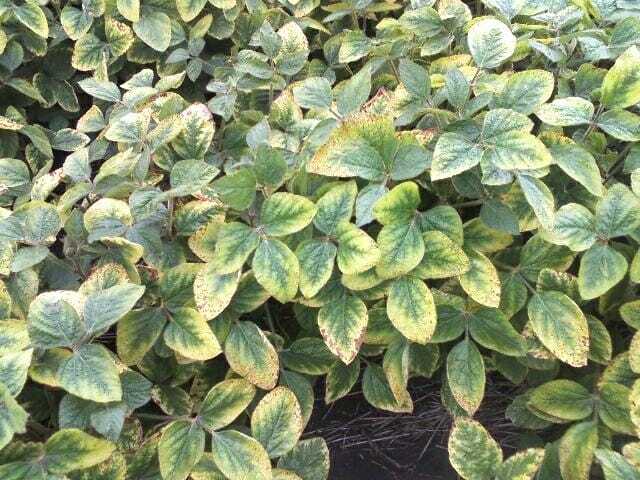
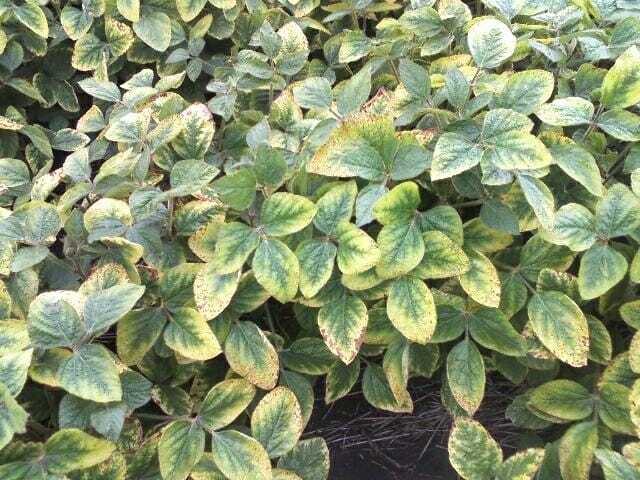
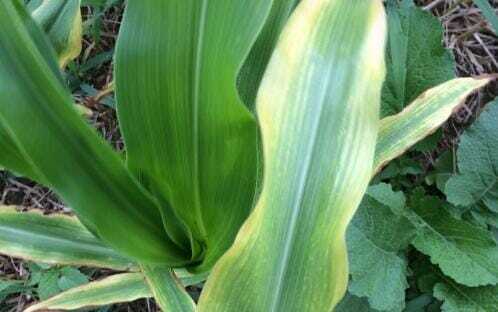
    Corn and soybeans can exhibit similar signs of potassium deficiency. Potassium deficient corn plants will begin yellowing along the outside edges of their leaves. Overtime, the lowest leaves of the plant may turn brown.  

    Similar to corn, potassium deficient soybeans begin yellowing along the edges of the newest leaves. This yellowing will start on the outer edge of the leaves and work inward. 

    Deficiency Causes  

    Compacted, dry soil can prevent proper potassium uptake and stifle root development, even if soil has adequate levels of potassium. Cool soils can also slow root development, resulting in slow nutrient uptake. 

    Potassium is an essential nutrient responsible for controlling the stomata. The stomata allow the plant to absorb water, carbon dioxide and oxygen. As a result, inadequate potassium absorption can reduce overall yield or lead to stunted growth in corn and soybeans. The majority of potassium uptake occurs four to six weeks after planting, so the effects of potassium deficiency may not be exhibited right away.  

    K Deficiency University of Maryland
    Credit: University of Maryland
    Treatment Options and What to Look For 

    Proper rainfall is the main solution for correcting potassium deficiency in-season. Minimum tillage would help break up compacted soil, leading to proper root development. 

    Applying potassium after planting will not always be effective if the soil is dry since water is still required for proper absorption. However, some positive effects from applying potassium may be seen in the following year’s crop.  

    Potash fertilizer should be applied before planting season in corn and soybeans where results have been the most effective. Sandy soils are associated with the lowest absorption rate of potassium and struggle to retain the nutrient after it is applied.  

    If signs and symptoms do not diminish following rainfall, this may be a sign of potassium-deficient soil. It is advised to apply potassium before planting in order to combat any future signs of deficiency.  

    Latham Seeds Agronomy Team

    April 1, 2019
    Agronomics, Crop, Season, Soybeans, Spring
Previous Page
1 … 29 30 31 32 33 … 62
Next Page

Latham Hi‑Tech Seeds

131 180th Street | Alexander, IA 50420

(641) 692-3258

SIGNUP FOR OUR NEWSLETTER
  • Contact
  • Legal
  • Dealer Center
  • Seedware Login
  • Latham Gear

© 2025 Latham Hi‑Tech Seeds. All rights reserved. | Iowa Web Design by Webspec | Privacy Policy

Latham® Hi-Tech Seeds is a trademark of M.S. Technologies, L.L.C., 103 Avenue D, West Point, IA 52656.