Skip to content
Latham Hi-Tech Seeds

(641) 692-3258

  • Home
  • Performance
  • Products
    • Corn
    • Soybeans
    • Alfalfa
    • Corn Silage
    • Seed Guide
  • Find a Rep
  • Media
    • Blog
    • News
    • Videos
    • Podcasts
    • TECHTalk
  • About Us
    • Company History
    • Our Mission
    • Careers
    • Become a Rep
    • Sowing Seeds of Hope
  • Contact Us
  • Latham Hi‑Tech Seeds

    See XtendFlex® Soybeans at Sept. 6 Field Day

    XF

    Field Day event cover

    Are you ready for the next new soybean technology?  XtendFlex® from Bayer is expected to attain full global approval by mid-spring of 2020.

    These soybeans will be the next triple-stack option for farmers, who continue to battle weed resistance.  XtendFlex soybeans will be tolerant to glyphosate (Roundup), dicamba (XtendiMax, Engenia, etc.) and gluphosinate (Liberty®) herbicides.

    The last hurdle for Bayer to clear is the European Union (EU). All other major soybean importing countries, including China and the Philippines, have granted their approval for this technology.  Bayer has recently received a positive opinion from the European Food Safety Authority (EFSA), which is a key milestone in preparation for full commercialization in all markets.

    Bayer has XtendFlex Ground Breaker Field Trials in place this growing season. In fact, Latham Seeds has an EPA-stewarded trial at our research farm near Alexander, Iowa.

    Get a first-hand look at XtendFlex soybeans during our annual field day on Friday, September 6!

    Join us to learn about all the exciting new traits and genetics that Latham offers in corn, soybeans and alfalfa! If you can’t make it to Alexander on September 6, contact your Latham® representative to set up a personal tour. You’re welcome to bring other farmers with you either to our field day or to a personalized tour. Load up the truck and head our way! We look forward to seeing you soon.

     

    Mark Grundmeier, Product Manager

    August 27, 2019
    Crop, Industry News, Seed Technology, Soybeans, Tech Tuesday
  • Latham Hi‑Tech Seeds

    #AskTheAgronomist: Corn Pollination

    8.22

    LIBSYN header 2 01

    Tune in as Phil Long discusses the current state of pollination in the field.

    00:20 – Topic Introduction: Pollination Failure
    1:02 – How much yield is left on the table?
    2:47 – Percent of yield left in the field in correlation to the stage of the corn plant
    6:32 – How to protect the final 40% of yield in the field
    8:07 – Prioritize fields for harvest
    9:27 – Remember to plan for 2020!
    10:46 – Identifying 3 types of pollination failures

    Laura Cunningham

    August 22, 2019
    #AskTheAgronomist, Agronomics, Corn, Crop, Growth Stages, Season, Summer
  • Latham Hi‑Tech Seeds

    Scout for Soybean Gall Midge

    Gall midge larvae credit Dr. Bruce Potter
    Gall midge larvae credit Dr. Bruce Potter
    Gall midge larvae and damage under the soybean stem epidermis. Photo by Dr. Bruce Potter, University of Minnesota

    Soybean Gall Midge (SGM) caused extensive damage in 2018. It already has been reported in Iowa, Minnesota, Nebraska and South Dakota this season.

    Scout around the edges of your soybean fields, especially those areas that are closest to fields where SGM was spotted last year.  The adult stage of this pest is a fly from the genus Resseliella. The adult insects are so small that they go unnoticed in everyday scouting activities. Other midge flies are the Hessian Fly and the Wheat Blossom Midge.

    The SGM may be spotted in the larval stages as they feed on a variety of items like decaying organic matter, fungi and, of course, galls on the stems of plants. Affected plants will appear wilted and eventually die.

    Wilting also is symptom of Phytophthora Root Rot and Fusarium Wilt, so you’ll need to split the base of the soybean stem to know if the problem is an insect or disease. Once you split the stem, look for orange or white larvae.

    You can see in this photo by Dr. Bruce Potter from the University of Minnesota that the larvae look like maggots. If find larvae, contact your local Extension Service immediately!  While SGM larvae are almost impossible to control once they have colonized plants, Extension personnel want to learn more about this pest’s lifecycle.  Any information you can give on how your field may have been infested will help all of us combat this pest in future years.

    Because so many soybeans across Latham Country were planted later this spring than in 2018, the concern is SGM might be even more problematic this year. Last fall SGM was recorded in 69 counties of Nebraska, Iowa, Minnesota and South Dakota.

    Very little is known about the biology of the Soybean Gall Midge and even less is known about methods to control it.  With your help, we can begin to know and understand more about this potential threat to soybean production.

    Mark Grundmeier, Product Manager

    August 13, 2019
    Agronomics, Crop, Insects, Season, Soybeans, Summer, Tech Tuesday
  • Latham Hi‑Tech Seeds

    #AskTheAgronomist: Fungicide & Insecticide Application Thresholds

    Cover image 8.1

    LIBSYN header 2 01

    What is the threshold for applying fungicide on your corn? Tune in for discussion on mid-season fungicide and insecticide application with Phil Long! #AskTheAgronomist

    Laura Cunningham

    August 1, 2019
    #AskTheAgronomist, Agronomics, Corn, Crop, Fungicide, Insects
  • Latham Hi‑Tech Seeds

    Mid-Season Foliar Fungicide Application

    Corn rust

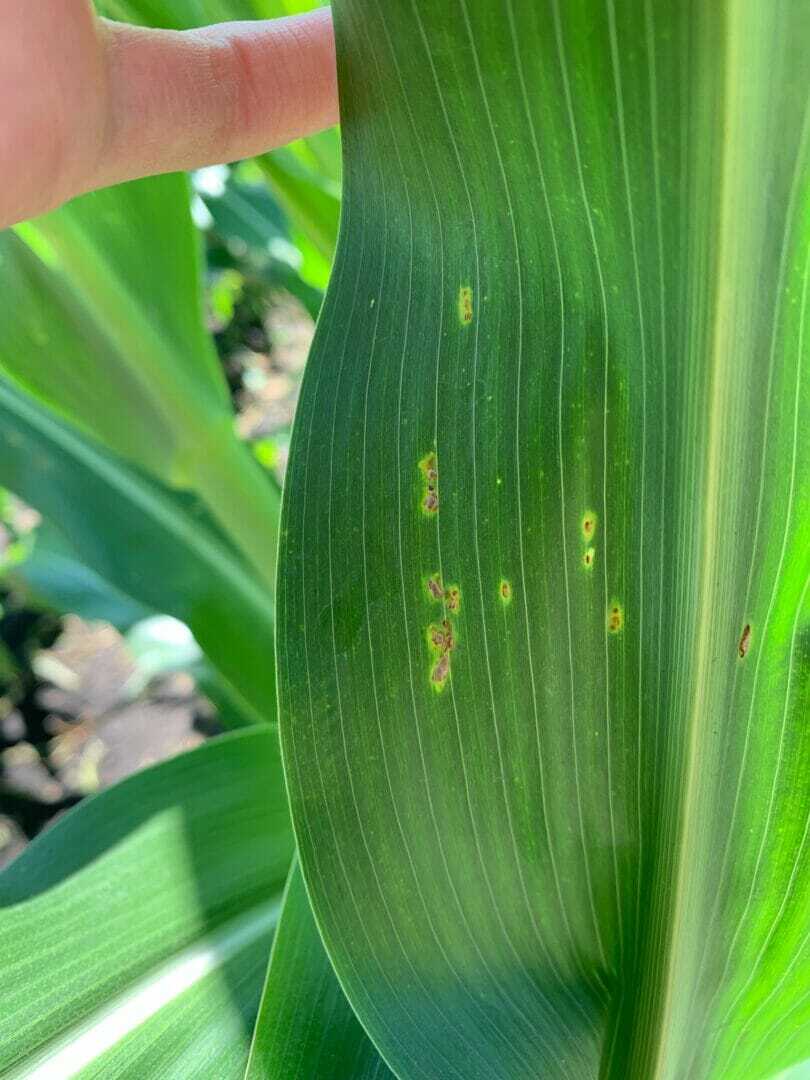
    With the hot, humid weather that has made its way into Latham Country this summer, conditions are prime for foliar diseases. Fields considered to be high risk are continuous corn fields, fields with conservation tillage and susceptible hybrids. Watch for Gray Leaf Spot, Southern Rust, Common Rust, Northern Leaf Blight, Goss’s Wilt, Tarspot and Eyespot.

    When it comes to weighing the costs and benefits of fungicide, there are many factors to consider. Price of corn, product, application and drying cost can all seem like daunting costs that would scare any farmer away from going the extra mile. However, investing in a fungicide could be a small tradeoff when it comes to protecting your yield potential. When scouting, look for disease on the third leaf below the ear. If 50 percent or more of the field is infected at tassel, we recommend spraying fungicide.

    The highest return on investment is going to be around VT to R2 time period because you will be able to suppress diseases that may be present on the leaves and protect them for a few weeks of any diseases trying to get into the plant. Corn is also done putting on new leaves at this point. Typically, a 5-8 bu/A yield increase will pay for the investment depending on grain price and application costs. If you are facing heavy disease pressure, be sure to select the right fungicide for the diseases you have. Fungicides with dual modes of action in the Group 3 (Triazoles) and 11 (QoI) will provide suppression and some lasting protection. Look for the active ingredients that end in “ole” (Triozoles) and “in” (QoI).

    We recommend doing your homework before applying fungicide. Scout fields to determine disease pressure, consider high susceptibility hybrids and the disease history of the field.

    Corn rust
    Shown above is common rust. To identify this in your fields, look for raised, brick-red pustules.


    Team Latham

    July 29, 2019
    Agronomics, Corn, Crop, Fungicide, Season, Summer, Tech Tuesday
  • Latham Hi‑Tech Seeds

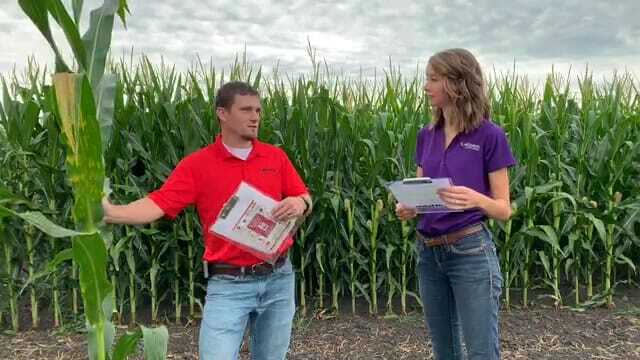
    #AskTheAgronomist: Greensnap & Root Lodging

    7.25.19 feature image

    LIBSYN header 2 01

    What is cause and effect of greensnap? Tune in to hear from Phil Long!#AsktheAgronomist

    0:15 – Updated Across Latham® Country
    1:25 – Why does greensnap happen?
    3:30 – Growth regulator herbicides & the relation to greensnap
    4:20 – Root lodging yield loss
    6:15 – Location of corn stalk snap & yield loss
    9:35 – Select the appropriate plant characteristics
    10:50 – Disease potential

    Laura Cunningham

    July 25, 2019
    #AskTheAgronomist, Agronomics, Corn, Crop, Growth Stages, Season, Summer
  • Latham Hi‑Tech Seeds

    The Cause & Effect of Greensnap

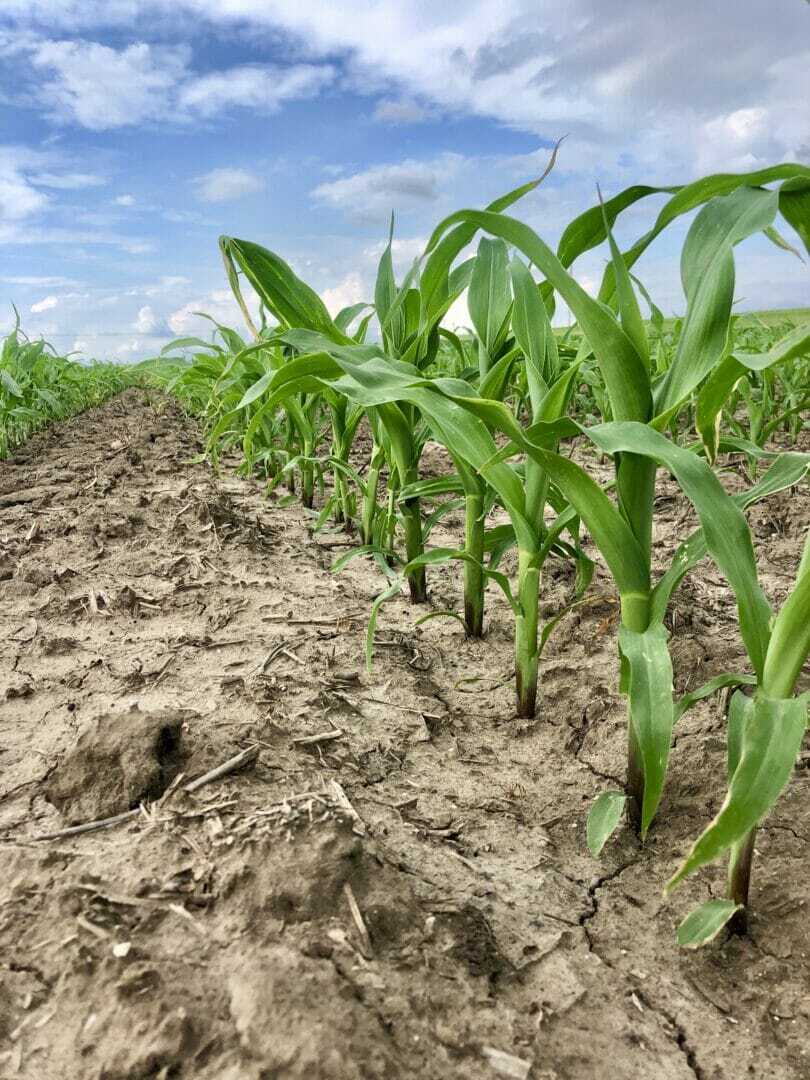
    IMG 4711

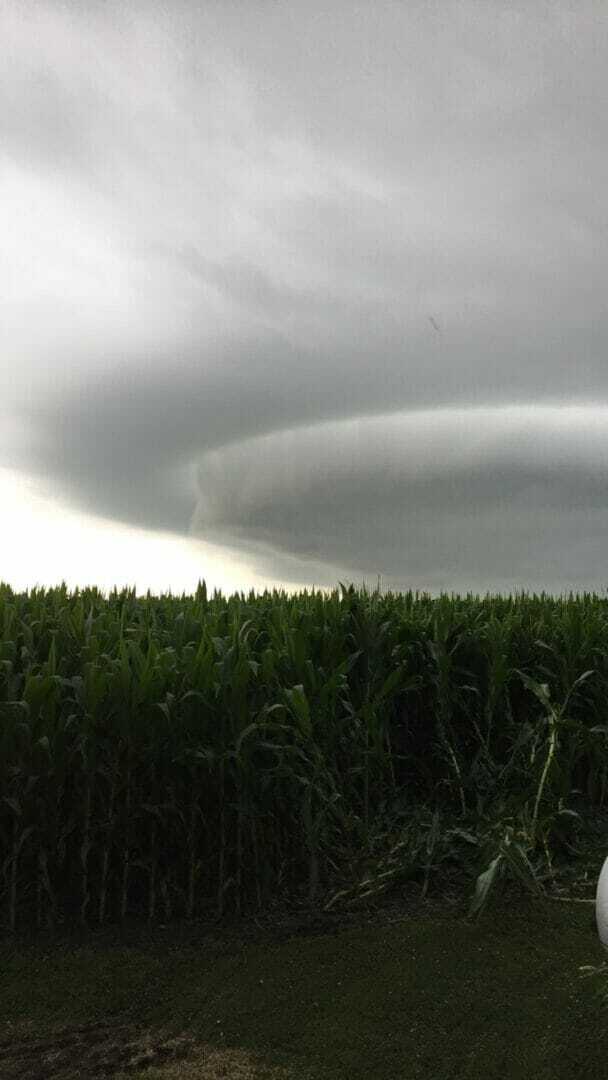
    Greensnap can occur during two of the most rapid vegetative growth stages of corn from V5 to V8 and from V12 to R1. During a corn’s rapid growth stage, internodes elongate and become susceptible to breaking off. From V12 to R1, a corn plant can grow up to 4 inches per day!

    When greensnap occurs, it happens at the primary ear node which is detrimental to corn yield in the fall. Aside from high winds, other factors can include planting conditions, farm management practices and genetics of the corn plant.

    When corn plants are in their first stage of rapid growth from V5 to V8, post-emergence herbicide is often applied. Growth-regulator herbicides can play a negative role in the integrity of the plant structure for short time after application. This combined with rapid plant growth weakens plant structure leaving it susceptible to greensnap.

    Here are three suggestions to manage for greensnap in future crop years:

    1. Choose hybrids that have strong plant characteristics. We suggest selecting hybrids with above average root strength, stalk strength and disease resistance.
    2. Take a second look at your herbicide management plan, specifically time of application or reduction of growth regulator herbicides.
    3. Set your corn crop up for success from the beginning of the season by planting into a favorable seed bed at the appropriate seed depth. Give the seed a chance to establish a strong nodal root system to help withstand harsh weather through the growing season.

    If you have questions on selecting the right hybrid for your field, let us know. We can connect you with one of our product specialists to ensure the right seed is placed on the right acre. This is the first step you can do to protect your corn crop from greensnap.

    Laura Cunningham

    July 23, 2019
    Agronomics, Corn, Crop, Growth Stages, Season, Summer, Tech Tuesday
  • Latham Hi‑Tech Seeds

    Soybean Aphids

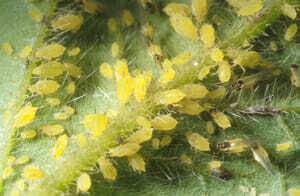
    Soybean Aphids – Purdue University
    Soybean Aphids – Purdue University
    Photo credit to Purdue University

    Soybean aphids can reduce yield by 10 to 15%. The insect is found in soybeans between May and August and are less than 1/16 inches long. Aphids have yellow bodies with a translucent appearance and may be winged or wingless.

    Unlike other soybean insects, female aphids can produce clones and can multiply the insect population during the summer months. With the rapid reproduction abilities of female aphids, it is possible for populations to double in as little as two to three days. Males typically do not appear for mating until the late summer.

    Apart from reproduction, environmental conditions that fuel infestation can also lead to a rapid increase in aphid populations. Temperatures between 72 and 77° and humidity below 78% drive the development of aphids. Drought conditions also make soybeans more susceptible to infestation.

    Implications for Yield

    Yield loss from aphids is attributed to the damage caused from feeding on leaves. Their destructive leaf feeding can reduce plant vigor and overall stand along with pod and seed populations.

    Aside from feeding damage, waste produced from aphid feeding can leave a soot-like mold on the surface of leaves and reduce photosynthetic leaf area.

    Scouting for Aphids

    Aphids are most often found on the backside of the newest leaves, especially during the earliest part of the summer when the insect first emerges. Sampling for aphids should begin once the first signs of the insect are spotted. It is recommended to sample 20 to 30 plants across many areas of the field.

    As the insect population increases, aphids can begin to inhabit the entire leaf canopy. If aphids are spotted on stems, this is a sign that aphid populations are above 400 insects per plant – an amount considered to be excessive. Be sure to scout for symptoms at least every 7-10 days until R6.

    Management

    Treatment of soybean aphids is advised if more than 80% of plants are infested and counts are in excess of 250 aphids per plant. Also, if it is evident that the population of the insect is increasing, this is also grounds for beginning treatment.

    Foliar insecticides are the best method for combatting aphid populations in soybeans. In addition, biological control plays a role in staving off high aphid populations including pirate bugs and Asian ladybird beetles. When assessing the best treatment options for soybean aphids, be sure to consult with your local Latham representative.

    Latham Seeds Precision Agronomy Advisors

    July 20, 2019
    Agronomics, Crop, Insects, Soybeans
  • Latham Hi‑Tech Seeds

    #AskTheAgronomist: Soybean Scouting Blitz

    7.18.19 Ask The Agronomist

    It’s time to scout soybeans!! Tune in for a 10 minute soybean blitz on what to look for in the field.

    Insects: Japanese Beetles 1:55
    Insects: Gall Midge 2:35
    Insects: Aphids 3:55
    Diseases: Sudden Death Syndrome 4:45
    Diseases: Frog Eye 6:10
    Diseases: Soybean Cyst Nematode 7:14
    Disorders: Iron Deficiency Chlorosis 8:22
    Disorders: Root Development 9:33
    Disorders: Herbicide Injury 10:55


    Laura Cunningham

    July 18, 2019
    #AskTheAgronomist, Agronomics, Crop, Disease, Insects, Season, Soybeans, Summer
  • Latham Hi‑Tech Seeds

    Early Season Fungicides

    Greg 1

    This year we have seen slow early growth, reduced tillage, persistent rain and heavy storms. We have also seen an increase in corn-on-corn acres and other agronomic challenges. All these problems can add up to more inoculum in the field and poor overall health leaving plants more susceptible to infection. The early season diseases we think about with corn are typically Anthracnose and seedling diseases (V2-V8); however, Gray Leaf Spot, Northern Corn Leaf Blight, Goss’s Wilt, Southern Rust and Tar Spot can all show early foliar symptoms (V8-R4). Its important to note that bacterial diseases like Goss’s can’t be controlled with a fungicide.

    There is very little economic support for early season fungicide application. Depending on the individual fungicide, you may see protection against disease for anywhere from 7 to 21 days. Be sure to check the label for specifics on how long they retain efficacy on the crop. If your focus is on Anthracnose, you may stave off the leaf blight phase of the disease, but this doesn’t mean that the stalk rot phase of the disease won’t infect the plant late season.

    It’s also important to remember that coverage is critical with fungicides. This not only means good coverage during your spray operation with correction nozzles, pressure and volume, but it also means that if you spray early in the season, your corn will grow a new leaf approximately every 3-5 days with average GDUs. That new tissue is not protected because fungicides are not very mobile in the plant.

    When to Spray? 

    The best bang for your buck is still going to be around VT to R2 time period because you will be able to suppress diseases that may be present on the leaves and protect them for a few weeks of any diseases trying to get into the plant. Corn is also done putting on new leaves at this point. Typically a 5-8 bu/A yield increase will pay for the investment depending on grain price and application costs. If you are facing heavy disease pressure, be sure to select the right fungicide for the diseases you have. Fungicides with dual modes of action in the Group 3 (Triazoles) and 11 (QoI) will provide suppression and some lasting protection. Look for the active ingredients that end in “ole” (Triozoles) and “in” (QoI).

    If you’re facing the fungicide decision to protect valuable yield in a tough year scout your fields for disease. If you don’t see any issues now, then skip an early application and focus on tassel. Take a look at the susceptibility of that hybrid to the disease you are seeing and then evaluate the weather outlook and if you’re in a corn-on-corn or reduced tillage situation. Lastly, monitor fields closely that had Tar Spot last season

    It has been an interesting year with all the weather components we have had to face. If you have any questions, don’t hesitate to call in to the Latham Office.

    Team Latham

    July 2, 2019
    Agronomics, Corn, Crop, Fungicide, Growth Stages, Season, Summer, Tech Tuesday
Previous Page
1 … 27 28 29 30 31 … 63
Next Page

Latham Hi‑Tech Seeds

131 180th Street | Alexander, IA 50420

(641) 692-3258

SIGNUP FOR OUR NEWSLETTER
  • Contact
  • Legal
  • Seedware Login
  • Latham Gear

© 2026 Latham Hi‑Tech Seeds. All rights reserved. | Privacy Policy

Latham® Hi-Tech Seeds is a trademark of M.S. Technologies, L.L.C., 103 Avenue D, West Point, IA 52656.