Tune in for the top three practices to remember when planting continuous corn. #AskTheAgronomist
1:25 — Insect protection
3:20 — Agronomist traits
5:30 — Fertility and nitrogen rates



 Guest blog by Bob Foley, Corn Breeder
Like you and I, each corn hybrid responds and reacts to environmental changes. For example, I’m not a bright lights and heavy traffic sort of guy. Vegas is not my happy place. I perform my best in solitude with wide, open green spaces and lots of coffee. Withdraw the coffee, and it affects my demeanor!
Corn hybrids are similar. Think of a situation when a crop emerged perfectly. If adequate rain doesn’t fall, yield suffers. The inverse is also true. When too much rain falls and nitrogen leaches, yield also suffers. Sometimes weeds develop resistance to herbicide, and yield suffers due to competition for nutrients and water.
Many of the practices we implement to push ROI (return on investment equates to yield) have both positive and negative impacts: planting early, pushing populations, field drying, and adopting traits. Each of these practices can swing the outcome pendulum either way:
• Planting Conditions. Planting remains the most critical first step of a great corn crop. You need fit soil conditions. Just the right mix of not too dry or not too wet, no slabbing, and no wet holes allows you to plant better and seedlings to emerge faster. Planting depth and spacing is also key, so it’s important to check periodically.
• Planting Population. It’s critical to plant a hybrid thick enough to maximize returns, but there is also a point of diminishing returns. If the plants don’t receive enough food or water, yield suffers. Consider that every ear you make comes from its own “production plants,” and each plant needs to run at its optimum. Planting population must reflect your field’s history, food availability and soil
type(s).
• Field Drying. This choice combines many things, including cost to dry, availability of dryer and storage, as well as your marketing commitments. Pushing a hybrid’s relative maturity (RM) means you’ll harvest it later, which could allow you to experience in triplicate when it comes to field drying versus standability.
• Adopting Traits. Everyone has his or her own position on farming with or without traits, and I tend to be like Switzerland in this conversation. I just want good hybrids. However, I do believe the adoption of traits has changed the way we steward our farms. We don’t walk the fields like we used to and scout for weeds, insects and disease. The concept of “I paid for traits to protect my crop” has somewhat given us permission to stop walking the fields (even more so after pollination). That’s a huge gamble! Without walking the field – or even flying the field – we usually aren’t aware of trouble spots in a field until we sit in the combine seat.
Give a “seat at the table” to emergence, population, standability, traits, yield and genetics. Deal them in, too, because they respond to your management decisions. What can you learn from the 2019 crop that could be a game changer for 2020? Due to the unpredictable outcome of our decisions, it’s always best to play the odds by planting multiple hybrids and relying on multiple experiences. One plot, one year, one environment or one hybrid is not a covered bet. Spread the risk by relying on tried and true practices. Making minor adjustments here and there can reap huge payouts. Making drastic changes, however, is like pushing all your chips in before seeing the cards dealt.
Like I said, I’m not a Vegas kind of guy. I’m all about increasing my odds – and yours – of winning.

It’s time to begin planning for 2020. Tune in as we discuss product placement and 3 important factors to consider! #AskTheAgronomist
:34 — Product placement for 2020 introduction
2:07 — Product placement can affect yield by 19 to 20%
3:05 — Use 2019 yield data cautiously
5:50 — Defensive hybrids vs. Offensive hybrids
8:45 — Keep plans in place and stay the course
11:15 — Population placement

Tune in for today’s #AskTheAgronomist as we discuss Fall fertilizer application.

Today on #AskTheAgronomist we are discussing late season cover crops and the benefits below the ground.
0:40 — Crop report update
1:50 — Dec. 1 Iowa cover crop planting deadline
2:42 — Cover crops and compaction
3:33 — Cover crop below-ground benefit
6:50 — Cover crop investment
8:30 — Cereal rye germination
11:35 — Final thoughts
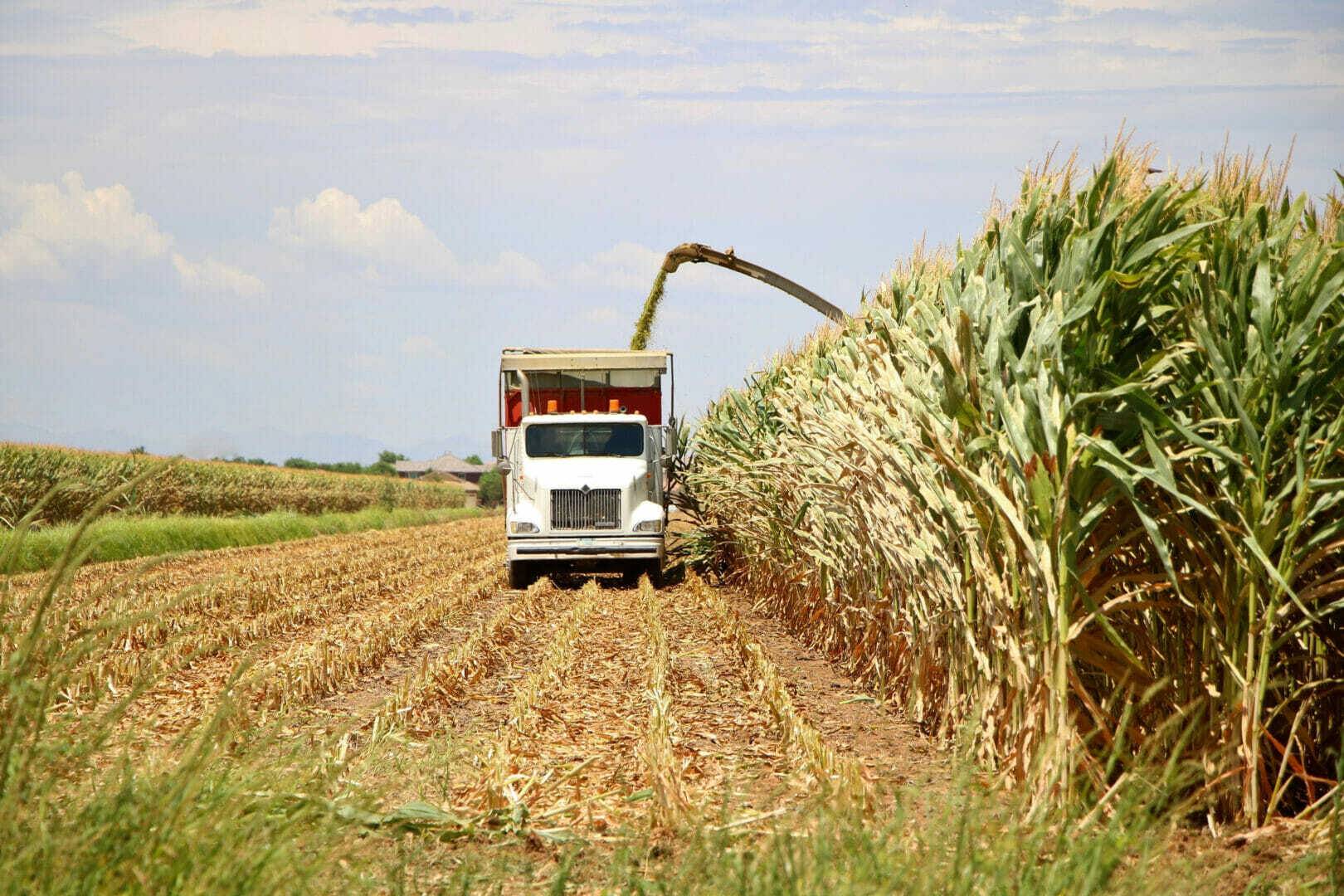
Science has enabled us to delve deeper into the feed bunk and discover some hidden secrets of the silage fermentation process. At Latham Hi‑Tech Seeds, we evaluate hybrids to help guide the selection process for both nutritionists and farmers.
Nutritionists are focusing on the conversion of indigestible starch to digestible starch over time. Each hybrid has its own unique starch digestibility, and research shows that it takes up to 240 days for some high prolamin zein hybrids to fully breakdown. Prolamin zein is a protein the encapsulates the starch molecule, making it unavailable to the digestion microbes for a food source.
Corn hybrids with lower levels of prolamin zein are more easily digested. Select Latham® forage products have low levels of prolamin zein and are more easily digested by cows, which is great news for our customers because undigestible feed turns into manure instead of milk.
Corn test weight also can be an indicator of how much prolamin zein is available. While higher test weights are good thing for grain farmers, higher test weight corn tends also to be higher prolamin zein. As the chart below from Progressive Dairy indicates, prolamin protein tends to break down and more of the starch is exposed over time in an ensiled environment. The challenge is that time isn’t always on a dairy or beef producer’s side.
When feed supplies are low, producers often start feeding corn silage right away. If feed is your end use, choose hybrids that are either lower in prolamin zein or tend to have a lighter test weight. Leafy hybrids from Latham Hi‑Tech Seeds tend to have better starch digestibility scores early. These Latham® Leafy Hybrids can improve early feed conversion: 5400, 5495, and 5742. Order now while our prices are lowest and our supplies are highest!


Is 40,000 plants per acre the answer every time? Tune in for a deeper dive into our LH 5245 VT2 PRO RIB hybrid and the results from our population test. #AskTheAgronomist
0:25 Crop Report Update
1:28 Population test introduction
2:30 LH 5245 VT2 PRO RIB hybrid introduction
4:15 Low population to high population and flex
5:20 Yield Estimates
7:00 How does LH 5245 VT2 PRO RIB flex?
8:13 Stalk quality
10:43 Final thoughts
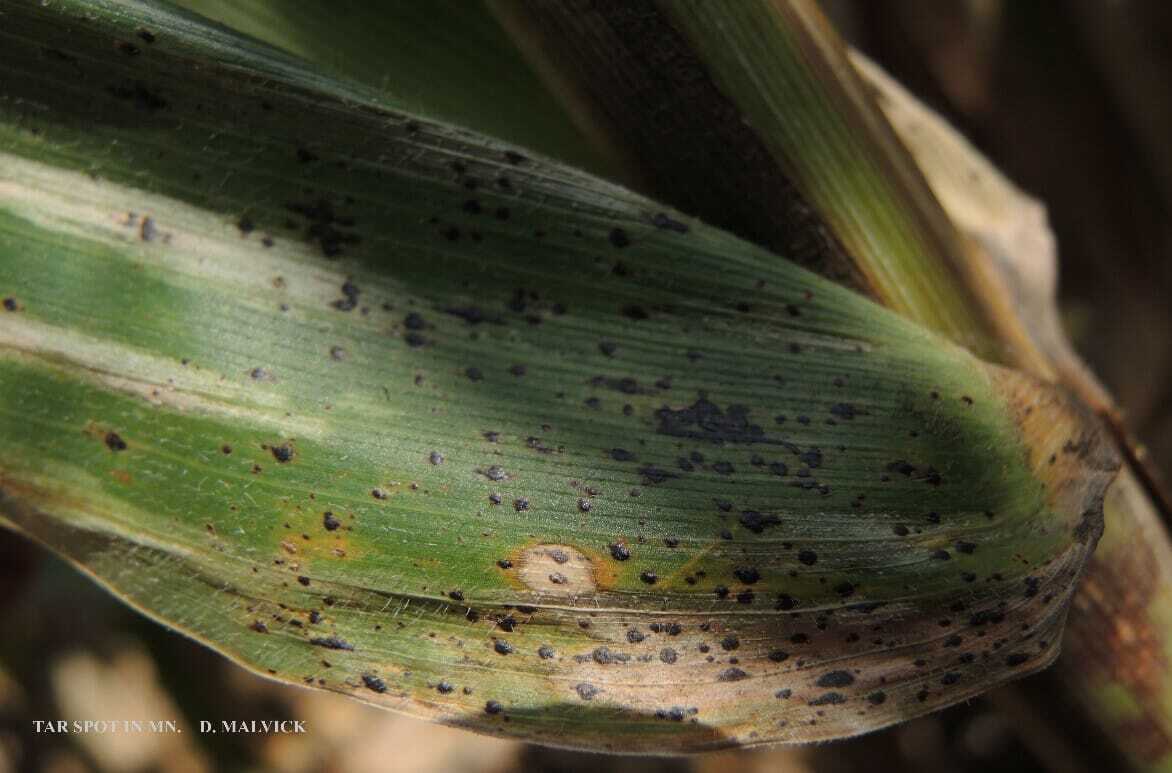
What is Tar Spot?
 Tar Spot is a corn fungal disease that has been infiltrating the Midwest within the last few years. Tar spot has the capability to severely impact yields up to 30%. Concern about the intensity of this fungus grows as researchers learn more about it. We urge farmers to scout their fields through harvest for tar spot since this fungus can survive over winter year to year.
Tar Spot Identification
Tar spot will show up as small, raised blacks spots, on the upper and lower corn leaves. The raised black spots are also known as stromata. If severe enough, it can spread to leaf sheaths and husks. Typically, it will start lower in the canopy and move upward. Tar spots are usually accompanied with a yellow halo or fish-eye effect around the black spots. Note the stromata, cannot be rubbed off unlike a common or southern rust pustule.
The Importance of Scouting
This corn fungus has nearly made it across Iowa and is continuing to spread in Wisconsin, Illinois, Indiana and Missouri. Tar Spot likes cool temperatures and humid conditions, with prolonged leaf wetness or heavy dew and will concentrate towards the middle of the field. It can cause lodging and hasten maturity.
Final Thoughts
This is one of the variables in farming we continue to learn about. Scout now and start planning for next season. Product selection is key when fighting these variables year to year and important to integrate into your plan for the next growing season.


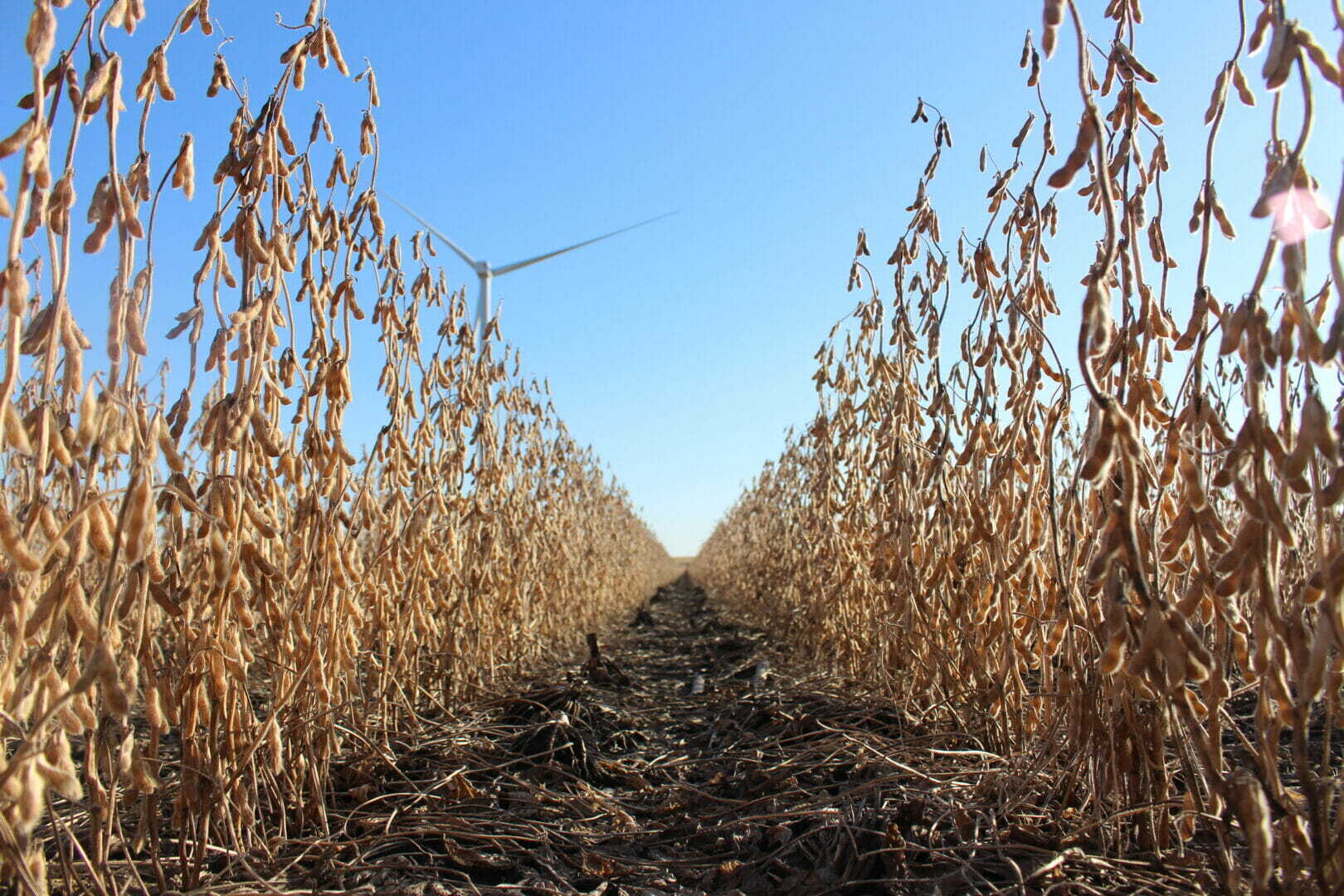
One comment I often hear from farmers is “I just can’t seem to get an increase in soybean yields as I do for my corn yields.” This is the perfect time of year to reflect on the growing season while analyzing yield results. It’s also the best time to sample for soybean cyst nematodes.
What is SCN?
Soybean cyst nematode is a microscopic ground worm. When analyzing soybean roots, it’s important to correctly identify the difference between nitrogen-fixing nodules and cysts. Nodules for nitrogen production are larger and the size of a pea. Cysts are microscopic and smaller than a grain of sand.
One of the biggest challenges when identifying SCN is that it is not accompanied with many symptoms, but can cause up to a 30% yield loss. Usually SCN shows up in hot spots, where you can see severe stunting, yellowing, shorter crop, lack of canopy or early maturity. These symptoms tend to show up on lighter soil or during tough growing seasons. Wherever soybeans are grown, typically SCN is an issue. Below are two maps to show the growth of SCN over the years.


What is the life cycle of SCN?
Essentially the cyst is the life cycle of a nematode. Juvenile nematodes come in and infect the root. Typically, just the females feed on the root which takes away nutrients from the plants results in a loss of yield. They will then mate and produce eggs. When they produce eggs, they expand in the root, erupt and spread 20 to 500 eggs throughout the soil. The cysts then harden on the root and the process begins again.
In Iowa, we can see that happen for at least three generations per season. Each cyst can have between 20 and 500 eggs inside, creating opportunity for juveniles to come back and begin feeding on the soybean root.
Once the eggs get in the soil, it’s important to understand the number that you have in the soil. Those eggs can stay dormant year-over-year in the soil. Since these eggs are so small, they require very little oxygen to survive.
Management of SCN
The most important management practice of SCN is IPM – Integrated Pest Management. In the Midwest, having a corn and soybean rotation is a great start. Corn is not a host crop whereas soybeans are. I also suggest soil sampling this fall to identify the egg population in your soil. Pull a core from about 8 inches down, right next to the soybean plant right in the root zone.
I also advise to stay away from sampling in the middle of a hot spot for SCN. Often the eggs are concentrated along the edge of the hot spot, so sampling that area will give most accurate results. Population thresholds vary by state. I suggest looking closely to your management practices if results are anywhere from 2,000 – 5,000 eggs per sample. Once you know what is in your field, you can begin to manage it.
Here are three ways to help manage this pest:
Feel free to call into the Latham Seeds office or email me at phill@lathamseeds.com with any questions.