Latham Hi-Tech Seeds

(641) 692-3258

  • Home
  • Products
    • Corn
    • Soybeans
    • Alfalfa
    • Corn Silage
    • Seed Guide
  • Performance
  • Find a Rep
  • Media
    • Blog
    • News
    • Videos
    • Podcasts
    • TECHTalk
  • About Us
    • Company History
    • Our Mission
    • Careers
    • Become a Rep
    • Sowing Seeds of Hope
  • Contact Us
  • Latham Hi‑Tech Seeds

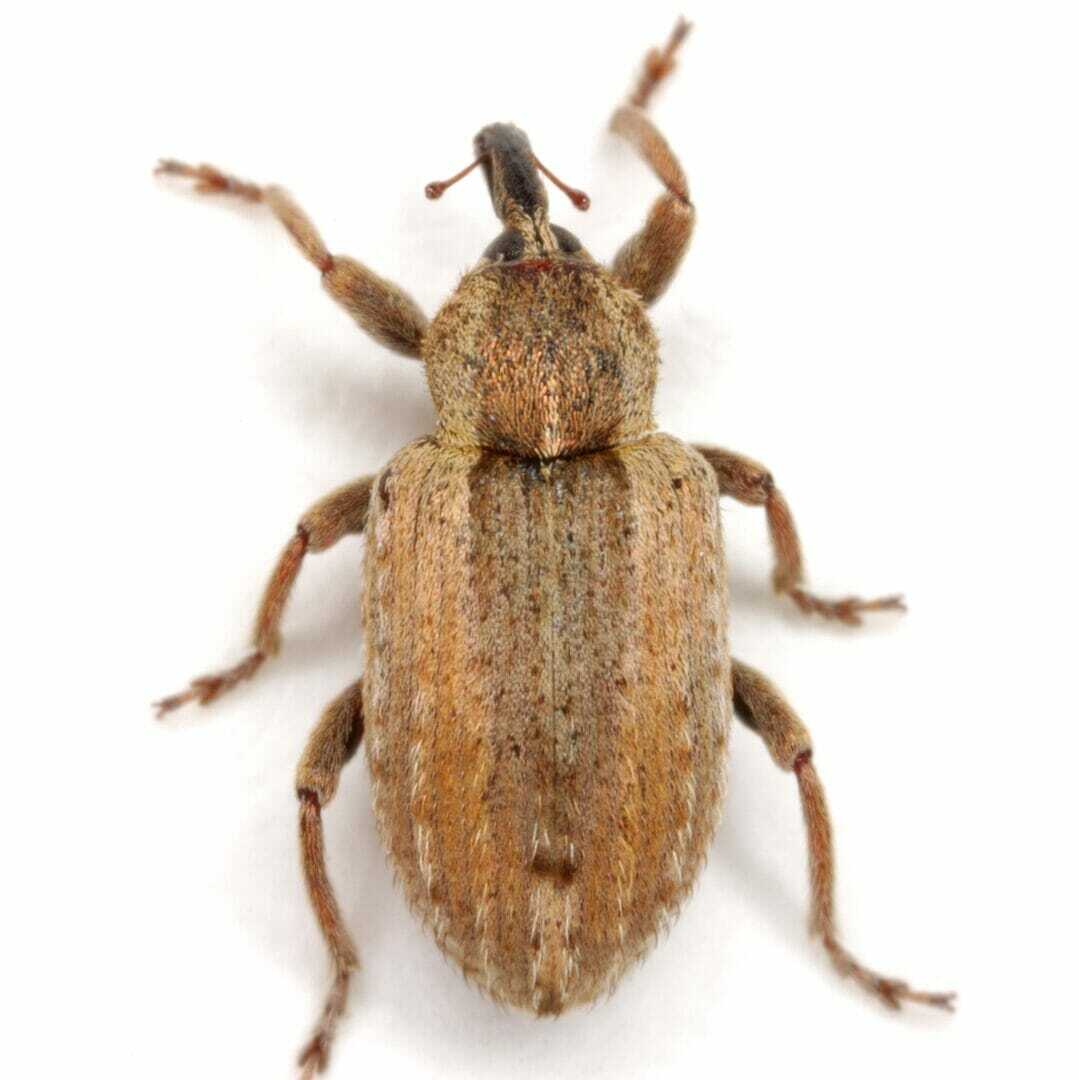
    Alfalfa Threats

    Alfalfa weevil
    Corey Headshot PNG
    Corey Catt, Forage Product Manager

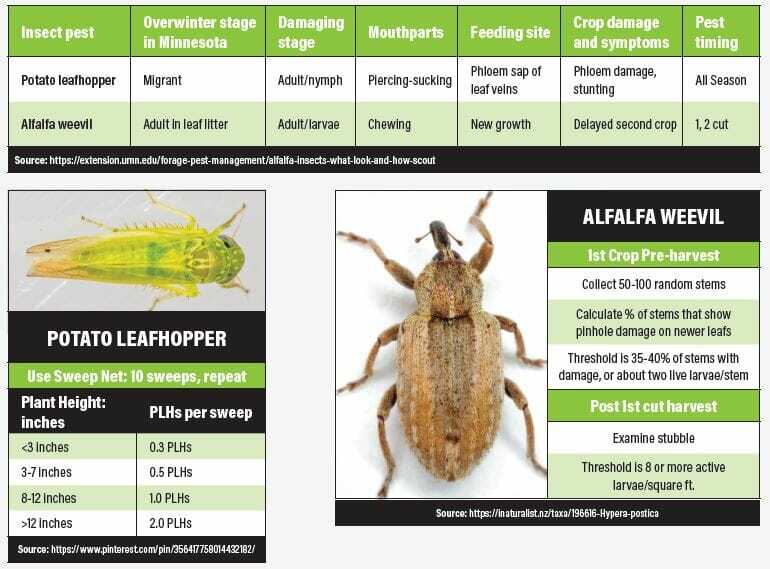
    Like other crops, high-quality alfalfa is commanding a good price. Strong market prices can change the economic thresholds, making it easier to justify investing in pest control. Below are some charts to help guide you.

    Many insects can damage alfalfa, so it’s important to build a plan that keeps alfalfa healthy. Insects can damage the plant so much that the plant can acquire a disease and die.

    Each alfalfa plant is like a factory. Crop scouting, spraying and fertilizing is like providing critical maintenance to keep the factory operating efficiently, as well as to optimize yield and quality.

    Controlling alfalfa insects generally involves two things: (1) spraying insecticide; and (2) cutting alfalfa early. Check out these two articles for more insight.

    Alfalfa insects: What to look for and how to scout

    Alfalfa Weevil

    Weevil and leafhopper


    Check out other alfalfa articles and videos from our experts.


    Webspec Admin

    June 22, 2022
    Agronomics, Alfalfa, Crop, Disease, Fungicide, General, Growth Stages, Insects, Season, Spring, Summer, Tech Tuesday
  • Latham Hi‑Tech Seeds

    More Tonnage on Less Acres… What’s Your Blueprint?

    Silage

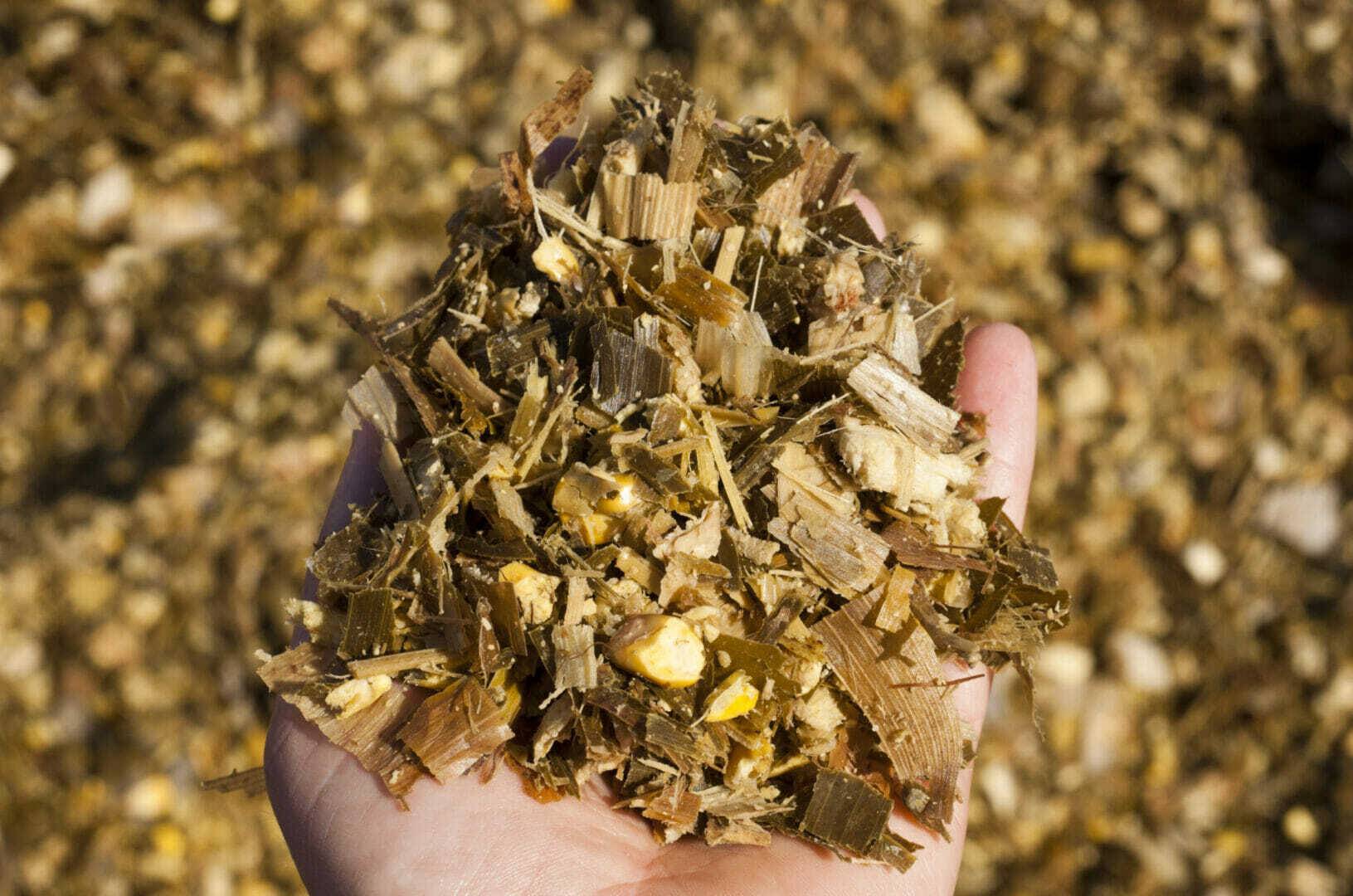
    Striving for tonnage and quality has never been more important than now with high cost of inputs and high commodity prices. More tonnage on less acres could mean more #2 yellow at a good price. Additionally, maximizing quality means more protein, more starch, more digestibility and greater feed efficiency.

    What’s your blueprint to success for 2022? Here are a few things to consider:

    Corey arrow graphic

    Hybrid Selection for Corn Silage: Review of Latham’s 2021 Wisconsin corn silage trials results = WOW.  This summary reveals the incredible tonnage some of our hybrids showed in the trials, blowing past the competition. We have many winning dual-purpose hybrids highlighted in our product guide, as well as our silage specific leafy hybrids. Check out these top-performing Latham® hybrid product numbers: 4937, 5245, 5742, 5965, 6285, 6477. Access to tonnage starts with hybrids that have historically had evidence of strong, known performance.  Using trusted genetics has never been more important.

    Seed Placement: Latham Seeds’ product guide provides specific placement details to help you achieve the best performance. Key in on the plant population for soil type, especially with the leafy hybrids. Leafy hybrids are massive plants, so they require a lot of in-row room to grow. To maximize leafy tonnage and starch, ensure proper seed depth. It’s important to promote the development of a superior nodal root system to hold up the large plant, as well as to bring in essential water and nutrients.

    Nutrients: With a high premium on nitrogen, use in-season tissue and soil testing to determine whether the plant needs supplemental nutrition. Additionally, think about booking fungicides early to make sure you have them. High input investment coupled with high value commodity means many farmers will protect the plant with fungicides, so book early to ensure you have access to them! It seems a lot of helpful inputs are short supply, and fungicides like Headline AMP® have shown to produce 2 to 3 more tons/acre average. This is a very valuable consideration. When corn is $6/bushel, corn silage is about $60/ton.  Adding 2 or 3 tons is about $120-$160/acre. A healthy corn plant adds more quality, as well as helps mitigate the expensive risk of mold and mycotoxins.

    Know and Maximize Manure and Alfalfa Credits: The adage “think outside the box” recommends that we think freely and openly, so that we’re not bound by old, nonfunctional, or limiting rules or practices. While I believe there is a time and a place for this type of thinking, today I’m suggesting that we think “inside the box.” We can leverage what we already have.

    What do you have on hand that can help reduce your expenses and minimize financial exposure?

    Because the 2022 crop cycle is likely to set a record for the highest input investment crop, many farmers are scrutinizing every input. They’re leveraging what is on hand or readily available, so manure has become a highly sought-after resource. Manure also is proving to be effective. These manure credit charts give an idea of some “inside the box” considerations of nitrogen sources.
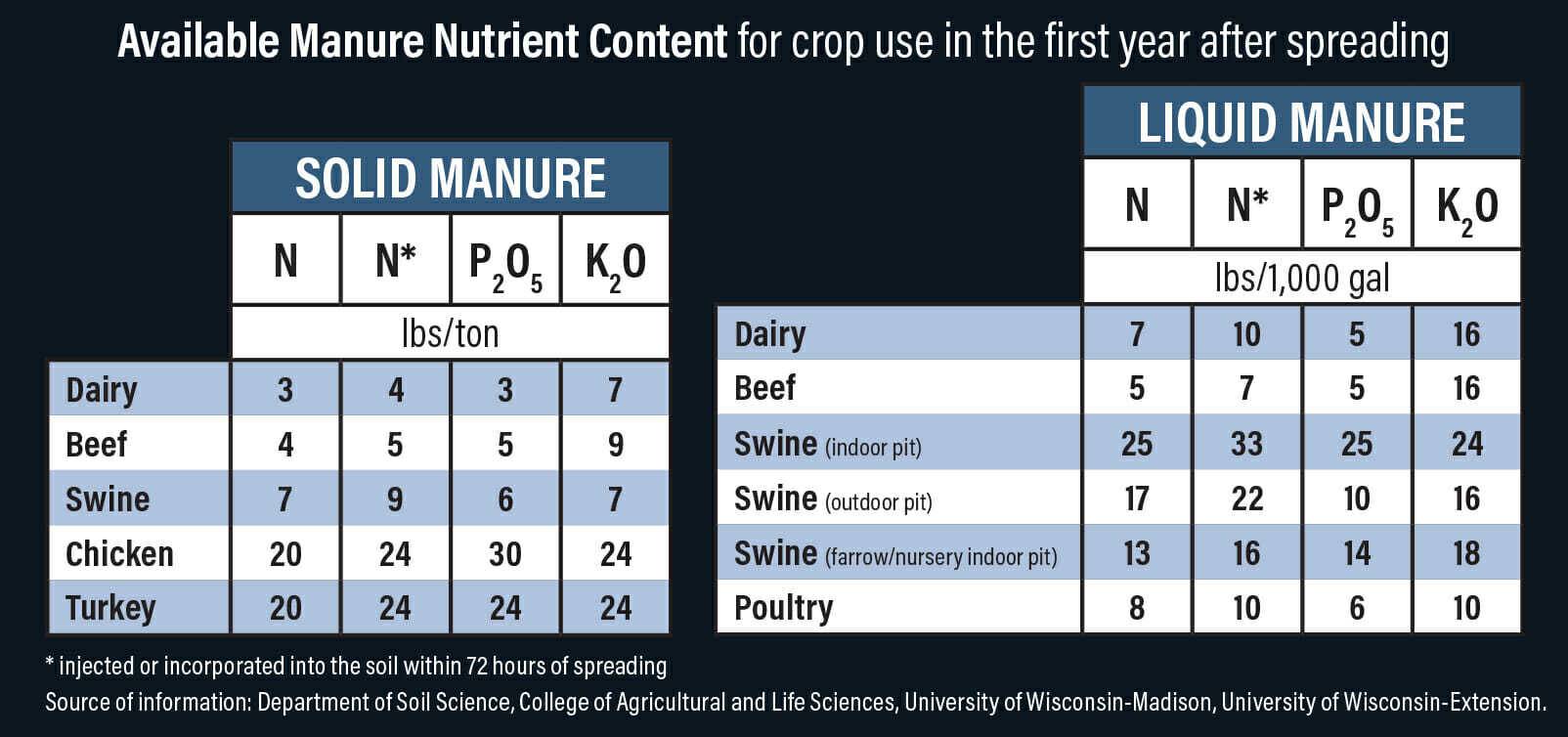
    Corey chart

    Additionally, corn planted on rotated alfalfa crop can yield as much as 20% more, especially in combination with manure. Applying manure requires some extra work and planning, here’s an online calculator to help you decide what manure is worth to your farm. Remember the intangibles. Manure provides the soil with needed nutrients, plus it unfolds a world of the living microbes.

    Every growing season starts with a custom tailored blueprint. Consider how powerful genetics and some “inside the box” thinking can help you create more tons from less acres this season!

     

    Webspec Admin

    March 16, 2022
    Agronomics, Corn Silage, Crop, Fungicide, General, Seed Treatment, Soil, Tech Tuesday
  • Latham Hi‑Tech Seeds

    With Fertilizer Prices Rising, Nitrogen Credits are Golden

    Companion Crop

    Fertilizer prices have put a lot of pressure on farmers to find creative ways to navigate the nutritional demands for the upcoming corn crop. Depending on the alfalfa stand health, farmers could capture 100 pounds of nitrogen per acre.  That’s why many are considering an early rotation of alfalfa fields in 2022.Graph 1

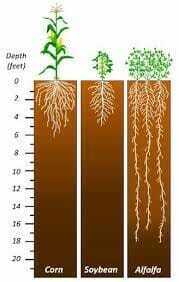
    Farmers who raise alfalfa have an opportunity to capture nitrogen credits and to also capture more yield. Research shows a 20% increase in yields for the subsequent crop planted onto those acres. A mature alfalfa tap root can grow down 20 feet, creating a channel that allows the newly developing root to easily access critical moisture.

    With commodity prices increasing, the goal should be to leave no yield in the field. Focusing on high-yielding alfalfa will vastly improve the productivity of all crops. It raises the yield ceiling of corn and soybeans in the traditional corn-soybean rotation upwards of 20% while improving the soil.

    Alfalfa Seeding Establishment

    Reviewing stand establishment details are important for the success of your alfalfa crop:

    • Soil pH. Soil pH is important to quickly establish the nitrogen-fixation bacteria. For best performance, try to maintain a soil pH of 6.8 to 7.2.
    • Seeding Rate. Although alfalfa is typically seeded at a rate of 16 to 20 pounds per acre, I encourage farmers to experiment on their farm. Simply double seed during one or two passes. More seed equals more plants. To run a successful trial, remember to apply a bit more fertilizer where plant populations are higher. You likely will be surprised with the life of stand. Latham Seeds has partnered with some innovative farmers to conduct replicated seeding rate trials on their farms, and results have been impressive! We have seen a multi-year yield advantage for higher seeding rates. During the first seeding year, our growers have seen an advantage of one-half dry matter (DM) ton and almost one full DM ton advantage in the second year. One ton of high-quality alfalfa is the Midwest is currently valued at $300.
    • Seed Bed/Seed Depth: A firm seed bed is critical to properly placing alfalfa seed at ¼ inch and no deeper than ½ inch.Companion Crop
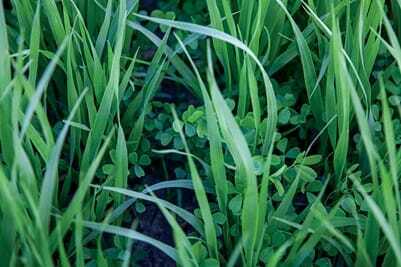
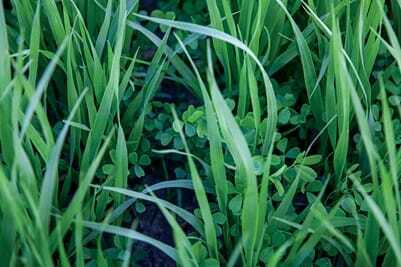
    • Companion Crop: Use caution when seeding alfalfa with a companion crop. The key is to not plant companion crops so thick that they actually compete for the critical soil moisture the alfalfa seedling desperately needs. I like a lower to medium rate of oats, say 1 to 1.5 bushels, depending on soil type. Oats emerge quickly, which helps shield the delicate little alfalfa seedling from the intense spring sun. The oat roots also help hold soil in place during intense spring rains. In addition, oats tend to help reduce weed pressure.

    Including high-yielding Latham brand alfalfa in your crop rotation is using a new interstate to increase soil biology and help meet nutrient demands of rotational crops. Research has shown that corn planted on rotated alfalfa can help unleash more of the genetic potential yield.

    Want to chat more about adding alfalfa into your rotation? Reach out to your dealer or reach out to me, Corey Catt, forage product manager, at coreyc@lathamseeds.com.

    Webspec Admin

    February 24, 2022
    Agronomics, Alfalfa, Crop, Fertility, From the Field, General, Tech Tuesday
  • Latham Hi‑Tech Seeds

    2021 Research Trials Show Seed Treatment Pays

    IStock 528984664 Reszied

    Advertisements and magazine headlines tout the opportunity to enhance yields through plant protection and the use of biologicals or naturals, but does it pay to use these products? Our research once again confirms that seed treatments are an investment that provides a return.

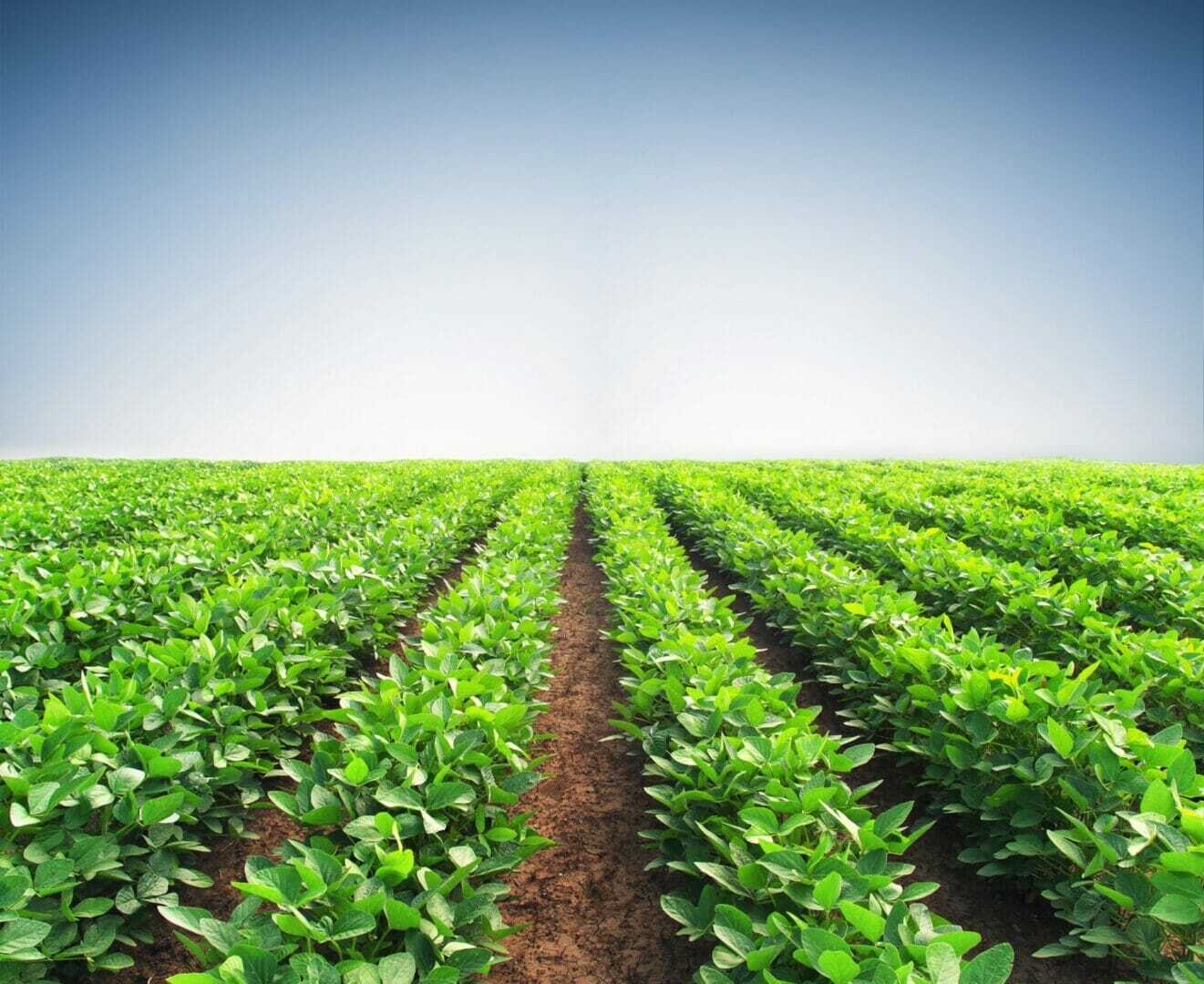
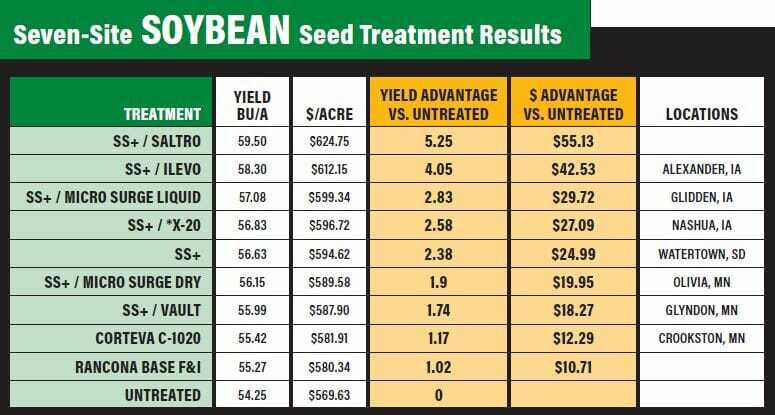
    Latham Hi‑Tech Seeds expanded its 2021 research trials to include seed treatments and biologicals. We wanted to determine whether the performance of the seed products we offer could be improved by seed protection and biologicals. Soybeans treated with Latham brand SoyShield® Plus had a 2.38-bushel yield advantage over untreated seed and a 1.2-bushel advantage over other leading fungicide and insecticide (F&I) seed treatments.

    Latham Seeds’ signature SoyShield Plus seed treatment is effective in protecting seedlings from early plant diseases for approximately 30 days, which is a longer window of protection than most seed treatments offered. SoyShield Plus includes an exclusive fungicide combination that provides excellent protection against seed and soil borne diseases including: Pythium, Phytophthora, Fusarium and Rhizoctonia.

    The addition of Saltro to SoyShield Plus increased protection against Sudden Death Syndrome (SDS) and soybean cyst nematodes. In fact, this treatment combination produced the highest yield in research trials across seven locations in multiple states. The SoyShield Plus / Saltro treatment had a 5.25-bushel yield advantage over untreated seed and provides Best-in-Class protection across environments. Soybean cyst nematodes are one of the largest yield-robbing pests and SDS is a growing concern for more areas, so it makes sense to order the Latham SoyShield+ / Saltro combination for 2022.

    Inoculants with biologicals continue to show increased yields over inoculants alone. Latham SoyShield Plus with Talc USA’s MicroSurge had a 2.83-bushel per acre advantage over untreated seed and more than one bushel per acre advantage over other premium inoculants.

    Soybeans

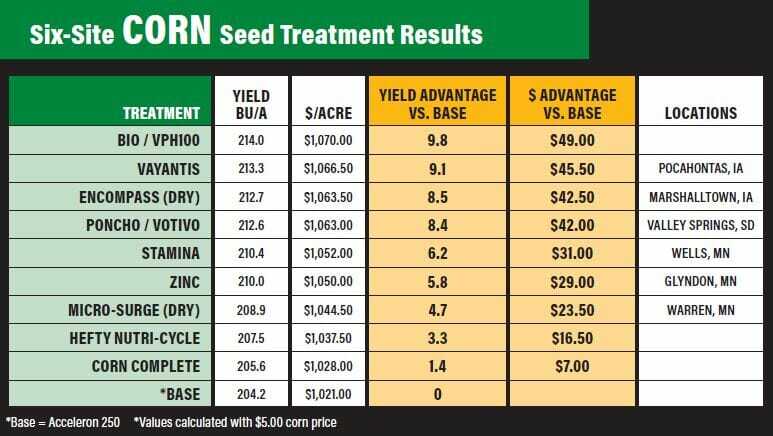
    Corn trials conducted at six locations in multiple states also showed significant yield increases over the base seed treatments with various applications of seed applied or planter box treatments. Talc USA’s MicroSurge dry corn inoculant is easy to apply with talc. With two strains of Azospirillum, MicroSurge produced a 4.7-bushel yield advantage over the base seed treatment.

    Encompass also was tested as a planter box treatment. It contains nitrogen-fixing microbials and helps mobilize phosphorous in the soils for easier nutrient uptake into the plant. Encompass showed an 8.5-bushel increase over base treatments in our 2021 trials. Now that’s a return on investment!

    Corn

    Contact your local Latham rep for more information about these and other products to protect your seeds and seedlings, so you can improve yields in your fields in 2022.

    Gary Geske

    February 16, 2022
    Agronomics, Corn, Disease, Emergence, General, Industry News, Seed Technology, Seed Treatment, Soybeans, Tech Tuesday
  • Latham Hi‑Tech Seeds

    Balanced Fertility to Optimize Yield

    IStock 1250506247 Resized

    High yields from 2021 combined with increasingly high fertilizer for spring 2022 have caused many farmers to scale back their fertilizer applications. While they may save on short-term input costs, they could lose more in yield than they’re saving.

    Spending lots of money on fertilizer doesn’t equal high yields, however, having a soil balance sustains a corn or soybean crop during a tough year. So how can you strike a balance? It’s important to start with pH, especially when growing legumes like soybeans, edible beans and alfalfa.

    A soil pH around 6.5 is important because it determines if nutrients are in usable form for the crop. If you struggle with high pH, fertilizers like MAP and AMS that are more acidifying will help lower pH over time. The micronutrient part of your fertility is also very important. In most cases, you don’t need to add as many micronutrients to fix a low test; you just need to be aware of which nutrients may be too high and thus limit the availability of other nutrients.

    Soil biology – fungi, bacteria, and other microbes – play a key role in cycling nutrients to available and unavailable forms. It’s more about having a balance and being in the right form than it is about applying lots of fertilizer. For example, Iron Deficiency Chlorosis (IDC) in soybeans results when iron is not in an available form for the plant to take it up; there is actually over 20,000lbs/acre of iron in the top 8 inches of our soils!IStock 1250506247 Resized

    A 200-bushel corn crop removes approximately 150, 70, and 50 pounds of N, P, and K respectively per season. A 60 bushel per acre (bu/A) soybean crop removes approximately 240, 50, and 75 pounds of N, P, and K per season. Do we need to apply exactly those amounts? No, but we must understand what the soil can provide and how it maintains a balance that is available to our crops. Soil testing is so important for gaining this understanding. When problem spots arise, then we tissue test, take additional soil samples, and use other information to diagnose.

    The key point is a lot more goes into maintaining a balance in your soils than just applying the same amount of fertilizer every year. The best place to start is with a soil test. Latham’s Data ForwardTM program helps takes some of the worry and complexity out of it while figuring out what your soils needs. Remember, your soils are not identical to your neighbors’. A soil test is key to finding the right balance for higher yields on your fields. I’d be happy to discuss with you any questions you have about your soil and how Latham’s Data ForwardTM could help you iron out your fertilizer needs. Call 1.877.GO.LATHAM (1.877.465.2842).


    Phil Long

    January 4, 2022
    #AskTheAgronomist, General, Soil, Tech Tuesday
  • Latham Hi‑Tech Seeds

    Soil-Available Water is Paramount in 2021

    Hand checking soil on ground at vegetable garden
    Phil Long, Precision Agronomy Specialist
    Precision Agronomy Advisor Phil Long

    We all know that 2021 was a unique year from a weather standpoint. Large portions of Latham Country were abnormally dry and several areas suffered a severe drought. Have you thought about how this year’s weather could affect next year’s crop?

    Below are key observations to make as you study your 2021 yield data and make plans for 2022 planting:

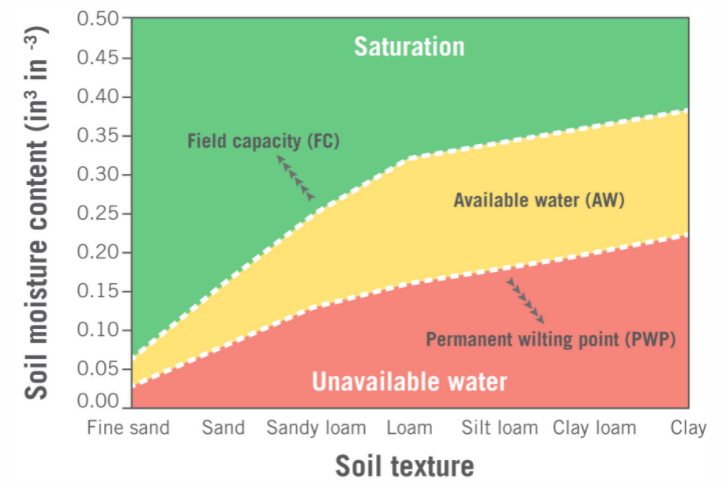
    • Pinpoint which fields can handle a “racehorse” and which ones cannot is valuable information when ordering seed and placing products. Categorize each field based on productive vs. stressed soils. Start by evaluating which hybrids and varieties excelled in soils with high moisture-holding capacity. That means those silt loams and loams will be at the top of the yield curve, and those tight clays or sandy soils will be on the losing end. Latham Seeds’ product guide includes Field x FieldTM Placement Rating.

    *NOTE: Highly Productive and/or irrigated fields correspond to your silt loam/loam soil types. The Moderately Productive category means fields that have a greater mix of variable soils can be high yielding or average yielding, depending on year. Your Less Productive will be lighter soils, including sandy loams/sands.

    • The impact of soil available water will show up dramatically on a yield map. This affects everything from emergence and nutrient uptake to standability and how the crop matures. Defining these areas provides opportunities for variable rate planting and nitrogen management. If you have your fertility in check, then fine tuning your nitrogen program can pay dividends. If you’re planting corn with a variable rate planter, then you should increase nitrogen in those same areas to support the higher nitrogen demands. Higher planting populations increase the stress on each plant for water and nutrients. Nitrogen moves to the plant by water, so having enough nitrogen present will help increase yields on highly productive soils. By using Latham’s Data ForwardTM program, or another precision program, we can use several years of yield data to create productivity zones. This will help you create a more accurate “soil zone” to manage all those factors.

    I always compare current yield to the long-term average of a field. If this year is an outlier from previous years, then be cautious about making major changes. Typically, the characteristics we see play out in our yields maps are inherent soil physical properties that don’t change over time. Changes in tillage practices, adding cover crops, or tile work can impact soil water holding capacity. However, you won’t change your soil types.

    Soil Textures
    Soil Texture to Soil Available Water – Resource from University of Georgia Extension

    I also wanted to include this graph from the University of Georgia Extension. I find it helpful in remembering how soil texture and soil moisture work together.

    If you have questions about how your yield data can be put to work or would like help making changes to your operations, feel free to contact me at 1-877-GO-LATHAM (1-877-465-2842).

    Phil Long

    December 14, 2021
    Tech Tuesday
  • Latham Hi‑Tech Seeds

    What’s in a Feed Sample Report?

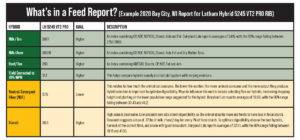
    Corn Silage Data 101Post-harvest is a time we find ourselves digging into the data. Harvest data that is! Corn silage data has several factors, and each livestock producer or nutritionist is different in which of those factors are most important. My main goal is to provide information needed to confidently compare hybrids for your spring crop plan.

    I have a Feed Report from one of our 2020 test plots with details on what each factor is telling us and how to apply that to product selections. For me, the top factors are: 1. Yield, 2. Starch Digestibility and 3. Fiber Digestibility. I’ve also appended the average ranges as typically reported by Dairyland Labs to help better understand the data.

    1. Yield: Yield froCorey silage table (004)m Latham® plots are measured in tons/acre and then adjusted to 70% whole plant moisture to remove the variability in results. Our goal here of course is higher, but there is a trade off on quantity per acre and quality per acre. This is where additional measures can come into play when making a final decision.
    2. Starch Digestibility: When it comes to starch content, high values are most desirable. Low prolamin zein aids in starch digestibility. An animal that absorbs more tends to result in less fecal starch (discarded nutrients). Research suggests a loss of .72 pounds of milk per head per day for every 1% of fecal starch. While I don’t have a standard set of results on the beef side, but the concept of unused nutrition can be thought of similarly in a beef operation. To optimize digestibility, choose the best hybrids, harvest at the correct time and ensile with good inoculant. Dairyland Labs reports averages of 32.61 for a starch metric.
    3. Fiber Digestibility: Fiber digestibility relates to how much the animal can consume. The lower the number, the more animals consume and the more output they produce. Ways to influence this metric include selecting flex ear hybrids, increasing chopping height and planting at the lower population range suggested for the hybrid. Dairyland Lab reports averages of 39.68, with the 90% range falling between 33.43 and 49.2.

    The rest of the feed sample report provides evidence to help further form an accurate comparison. Secondary factors I focus on include: Milk/Ton, Beef/Ton and Milk/Acre.

    1. Milk/Ton: Milk per ton is an estimate of the milk production from a ton of silage. It’s reported as an index that combines Crude Protein, Neutral-Detergent Fiber (and NDFD30), Starch, Ash and Fat. The goal is a higher number and Dairyland Labs reports averages of 3415.
    2. Beef/Ton: is an estimate of beef yield per ton of feedstuff. It’s reported as an Index combining NDFD30, Starch, CP, Neutral-Detergent Fiber, Fat and Ash.
    3. Milk/Acre: Milk per acre simply multiplies the milk per ton by the yield per acre. It’s reported as an index combining Crude Protein, Neutral-Detergent Fiber, NDFD30, Starch, Ash, Fat and Dry Matter Tons

    Your Latham representative is ready to work together to achieve more yield in the field for better production at the bunk next season. Call them today to place your order for high-performance corn silage options from Latham Seeds.

    Webspec Admin

    December 7, 2021
    Corn Silage, Tech Tuesday
  • Latham Hi‑Tech Seeds

    6 Tips for Harvesting Corn Silage in Drought Conditions

    Silage

    Drought-stressed corn can create a range of silage harvest issues. With much of Latham Country experiencing abnormal to extreme drought conditions, risks such as high nitrate levels, variable moisture content and potential for yeasts, molds and mycotoxins must be accounted for and well understood.

    Silage

    Taking extra precautions to ensure a safe and productive corn silage harvest is a worthy investment. Here are a few key considerations to keep in mind this summer and fall.

    1. Consult your team. Before you make any corn silage harvest decisions, verify your plan doesn’t impact your insurance coverage. It’s also good to discuss feed-out plans with an animal nutritionist so you have a plan for when and how the forage will be used.
    2. Test chopping height. As you prepare to harvest silage, test various chopping heights for nitrates. Nitrate concentration tends to lessen as chopping height increases. Measure your chopping height and then send a 5-inch stalk sample to the lab. It is best to send at least two samples. By testing different heights across the plant, it gives you a general idea of nitrate hot zones. Also, remember that recent rains can increase nitrate levels.If you harvest high on the stalk to avoid high nitrate levels, your tonnage will be reduced. It is estimated that you harvest 1 ton per foot of no ear or poorly eared corn.
    3. Monitor moisture content. As fields vary, so too will harvest moisture. Ideally, you want to get to 65% whole plant moisture. If it is drier, packing can be difficult but mixing in small particles can help if needed.
    4. Test on harvest day. Testing nitrate levels on harvest day will give you a good frame of reference for the final product. If it shows high, do not feed it to pregnant animals, and consult with your nutritionist regarding feeding to it the rest of your livestock. Allow this crop to ensile at least 21 days, and then retest.
    5. Innoculate. Anything to help ensile and preserve the forage after chopping is important. Because drought-stressed corn can be so variable in content, moisture and packing densities, it can lead to potential issues with high nitrates, mold, yeasts and mycotoxins. A good inoculant can help the fermentation process and reduce any further problems during feed out.
    6. Test before you feed. Ensiling can help reduce nitrate levels by as much as 40-60%, but the final nitrate levels can be dependent on good packing. It is always best to test before you feed silage to livestock. As a rule of thumb, take at least two samples from different areas of the silage pack. One sample is just a number, two samples start the trend and three samples add confidence. There is just too much at stake to risk nitrate poisoning.

    While Mother Nature can certainly throw some unexpected curve balls our way, these tips can help you make the best of a not-so-ideal harvest scenario.

    Webspec Admin

    August 11, 2021
    Agronomics, Corn Silage, Crop, Drought, Season, Summer, Tech Tuesday, Weather
  • Latham Hi‑Tech Seeds

    Scout Alfalfa for These Damaging Pests

    Alfalfa pest

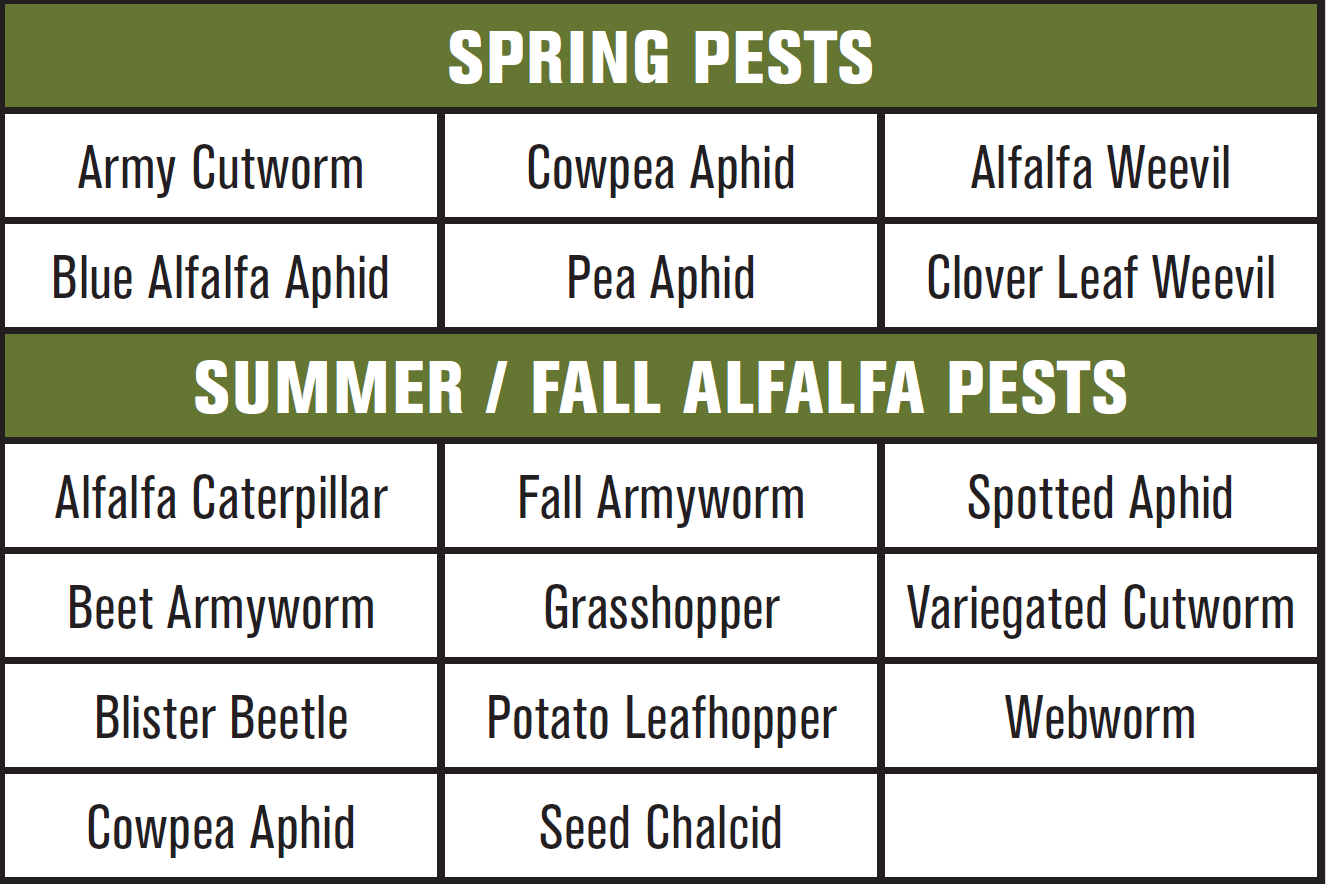
    As with all crops, scouting alfalfa acres is key to controlling pests. Each pest has a different life cycle based on different variables, such as heat and moisture. While weather plays a key role, there are still cyclical patterns in which pests are more common. Below is a chart showing the most damaging pests to scout for according to season.

    Pest calendar

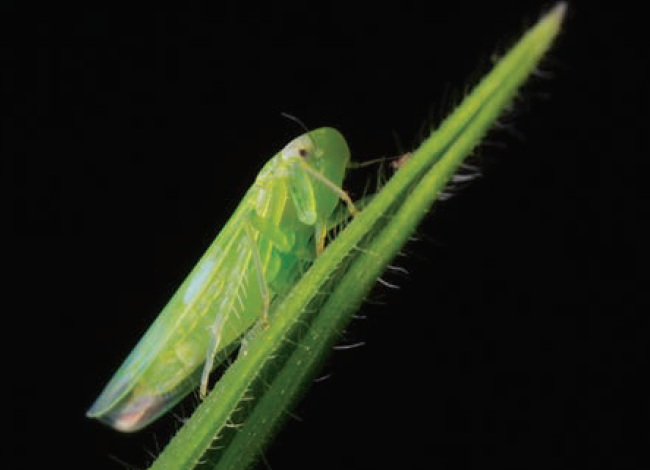
    Potato Leafhopper and Pea Aphids are the two pests that cause the most damage annually across Latham Country. Many farmers question how to judge when spraying an insecticide is a wise choice. Below are some tips to help you scout fields and arrive at a decision.

    1. WHAT TO LOOK FOR. Scouting should begin five to seven days after the first cutting is taken and should continue weekly or bi-weekly if population counts reach close to threshold on a particular day. When scouting for Potato Leafhoppers, look for stunted plants, yellowing leaves in a v-shaped pattern beginning at the leaf tip, as well as “hopperburn,” or a red edge found on the leaf. This red burn can be easily confused for Boron deficiency. Pea Aphids will cause plants to lose their green color and wilt.
    2. HOW TO TAKE SWEEP SAMPLES. The easiest way to scout for these insects is to use a small sweep net. Walk a W-shaped pattern in the field, taking samples from five randomly selected areas. Leafhopper infestations generally begin on the edges of the field, so include these areas in your checks. Tips for Taking Sweep Samples:
      •  Swing the sweep net in a 180-degree arc, so the net rim strikes the top 6 to 8 inches of growth. Each 180-degree arc is one “sweep.”
      • Take a sweep from right to left, walk a step, take another sweep from left to right, and so on.
      • After taking five sweeps, quickly close the net and count the number of each insect.
      • Divide this number by five to get the average for that area; record the average for each of the five areas in the field.
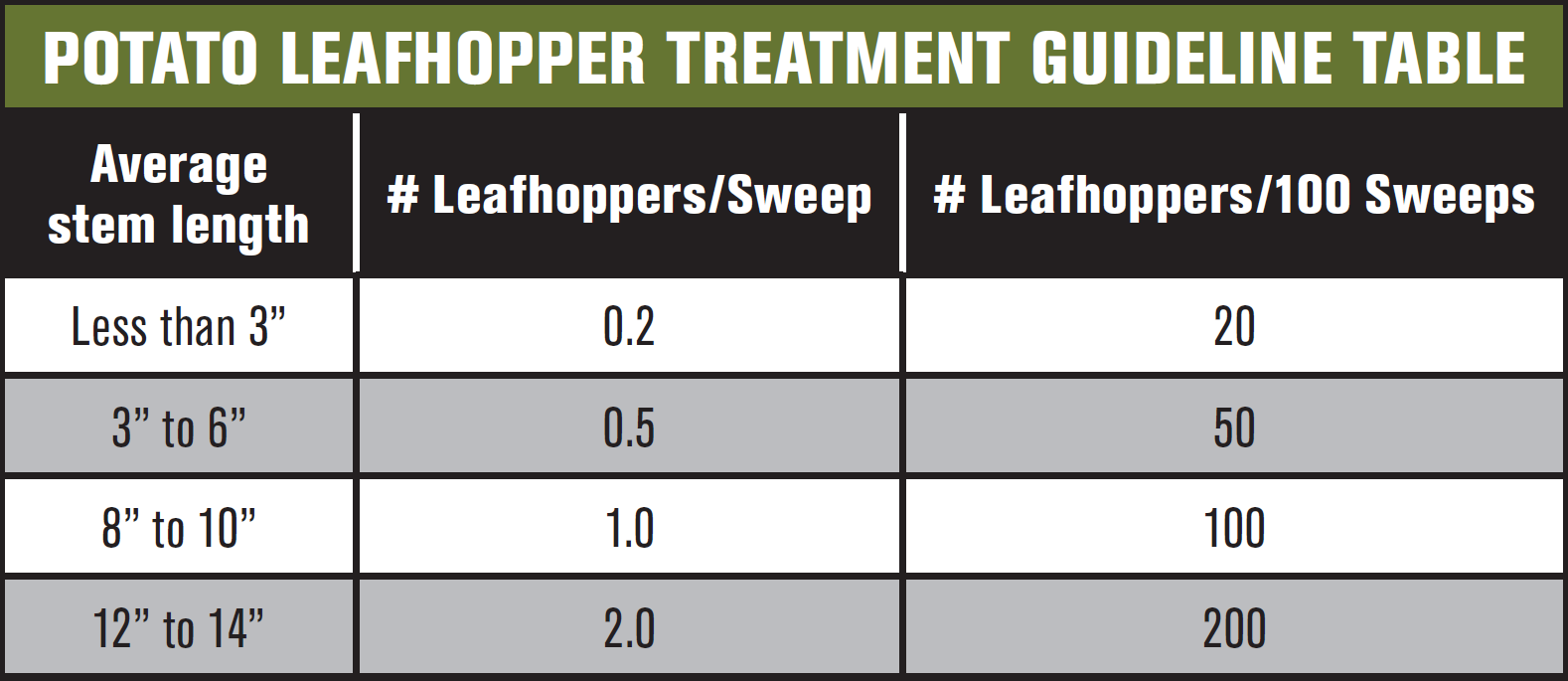
    3. THRESHOLDS AND TREATMENT. A plant’s immune system tends to handle more pressure as alfalfa matures, however, the harmful compounds that each insect species injects while feeding can reduce yields. When left unmanaged, severe cases can shorten the life cycle. Treatment for Potato Leafhoppers and Pea Aphids can follow these guidelines.Leafhopper1Leafhopper2

    Early harvests often can be used to control both leafhoppers and aphids. Insecticides are a tool to help alter the life cycle of a pest and are especially helpful if thresholds are reached when alfalfa is small. Several insecticides are labeled for alfalfa with different classes and modes of action. Most have a harvest wait period depending on class and rate used. Be sure to follow the label guidelines closely. As with herbicides, alternating modes of action reduces the risk of resistant pests.

    Webspec Admin

    July 14, 2021
    Agronomics, Alfalfa, Crop, Insects, Season, Summer, Tech Tuesday
  • Latham Hi‑Tech Seeds

    Finding the Right Products for Your Farm

    13661816 10154399657832138 1325590968138902139 o

    At Latham Hi‑Tech Seeds, we take pride in our ability to identify the best corn hybrids and soybean varieties to match our customers’ needs. We take time to listen to our sales team, which includes our dealers, talk about the needs of farmers across Latham Country. Their information about desired characteristics helps direct our research and testing efforts.

    The journey to finding new products begins with our robust collaborative access to germplasm. Latham’s Product Team works in conjunction with many germplasm sources, including our own, to fuel our search to find the best products for the specific geographic regions we serve. We also have great relationships with trait providers to bring needed traits into our products. After we either find or create the desired genetic combinations, we move into the evaluation stage of our process.

    Our Elite Trial program continues to grow with additional test locations across our sales footprint. We are testing in every corner of Latham Country. This means that we test products where they would be sold, which allows us to find unique niche products that excel in a local environment.

    To help position products to fulfill our needs assessment, our regional sales managers (RSMs) get an early look at the products we’re considering for our lineup. Having “in-trial” conversations about products with our sales team is a tremendous benefit to Latham’s Product Teams. In addition, conversations about products in trials helps builds confidence with our sales team to position products. We have consolidated both our corn and soybean evaluation processes into one Elite Trial system, which allows our product teams to assess data more easily.

    Once we identify products from the Elite Trials that meet Latham Hi‑Tech Seeds’ standards and fulfill our customers’ needs, we release them for sale. We also place these new products in our Latham Showcase plots, as well as in the independent F.I.R.S.T. Trials program, to once again showcase the performance of these new products and to provide opportunities for our customers to gain confidence in their performance.

    Latham’s track record of performance in our Showcase plots and F.I.R.S.T. Trials proves the system we have built works! Our process of beginning with a large diverse pool of genetics; testing potential new products thoroughly in all parts of our footprint; and proving our performance in our final stages of Latham Showcase and F.I.R.S.T. Trial plots complete our journey in finding outstanding products.

    I’m so excited about the products we’re testing this summer and look forward to talking about them in more detail at our upcoming field days. Watch your mail and social media for more details coming soon!

    Latham Seeds Agronomy Team

    July 14, 2021
    Agronomics, Corn, Crop, Season, Seed Technology, Summer, Tech Tuesday
Previous Page
1 2 3 4 5 … 15
Next Page

Latham Hi‑Tech Seeds

131 180th Street | Alexander, IA 50420

(641) 692-3258

SIGNUP FOR OUR NEWSLETTER
  • Contact
  • Legal
  • Dealer Center
  • Seedware Login
  • Latham Gear

© 2025 Latham Hi‑Tech Seeds. All rights reserved. | Iowa Web Design by Webspec | Privacy Policy

Latham® Hi-Tech Seeds is a trademark of M.S. Technologies, L.L.C., 103 Avenue D, West Point, IA 52656.