Latham Hi-Tech Seeds

(641) 692-3258

  • Home
  • Products
    • Corn
    • Soybeans
    • Alfalfa
    • Corn Silage
    • Seed Guide
  • Performance
  • Find a Rep
  • Media
    • Blog
    • News
    • Videos
    • Podcasts
    • TECHTalk
  • About Us
    • Company History
    • Our Mission
    • Careers
    • Become a Rep
    • Sowing Seeds of Hope
  • Contact Us
  • Latham Hi‑Tech Seeds

    What Farmers Grow, Makes Iowa Go!

    Guest blog post by Aaron Putze,
    Director of External Relations & Coordinator
    Iowa Food & Family Project, Iowa Soybean Association

    As farming goes, so goes Iowa.

    Example: During the depths of the prolonged recession that began in 2008, Iowa’s unemployment rate was consistently 3 points lower than the national average. Even with the recent uptick in the country’s economic performance, the gap stands at nearly two points (6.1 vs. 4.3).

    Indeed, agriculture is a driver of many good things in Iowa (including jobs and economic activity). The Iowa Food & Family Project, launched in 2011 by the Iowa Soybean Association and supported by nearly 40 partners including Latham Hi‑Tech Seeds, is proud of our state’s farming heritage and the benefits it provides. We’ve dedicated ourselves to better acquainting Iowans with farm families and the wholesome food they grow while showcasing how today’s agriculture sustains healthy families, communities and environment.

    Few locations are more prominent and effective to engage the 98% of Iowans who don’t farm than the Iowa State Fair, which will be held Aug. 7-17 in Des Moines. For the fourth consecutive year, Iowa Food & Family Project, with a helping hand from the Iowa State Fair and nearly a dozen partners, will showcase the spirit of today’s agriculture and its daily relevance.

    “What Farmers Grow Makes Iowa Go!” is the theme of this year’s exhibit, located in the south atrium of the Varied Industries Building.  It will feature the work of Greg and Brandi Glenn, 26-year veterans of sand sculpting and co-owners of Sandscapes®.

    The work of art will measure 20-by-24 feet and stand more than 12 feet tall and showcase how food is grown and where it’s enjoyed. Included in the sculpture will be farms and farm fields, grocery stores, restaurants and the all-important kitchen table.

    The heartbeat of the exhibit will be the presence of farmers and our committed volunteers, who will highlight three key points:

    • Farmers provide the wholesome food choices people want
    • They safeguard the quality of our air, soil and water by using a variety of proven conservation practices and
    • Iowa’s leadership in farming creates good-paying jobs that generate economic activity in every community – large and small

    Another highlight of this exhibit will be a guest appearance by “Iowa Girl Eats” Kristin Porter and host of “Join My Journey,”. She’ll greet and meet fairgoers and autograph the popular “Let’s Cook” cookbook on Friday, Aug. 8, 1-3 p.m. and Saturday, Aug. 16, 10 a.m. – noon.

    In honor of Kristin’s guest appearance, today we’re sharing with you one of the amazing recipes from the “Let’s Cook” cookbook.

    Other State Fair-Related Blog Posts:
    • Together We Can
    • Connect to Farming
    • State Fair Time, Time to Pat the Butter
    • Happiness is the Iowa State Fair
    • Blue Ribbon Caramel Corn
    • Breakfast, Lunch & Dinner on a Stick
    • Get a First-Hand Look Where Food Comes From

    Team Latham

    August 1, 2014
    Agriculture, General, Industry News, Recipes, Sides
  • Latham Hi‑Tech Seeds

    Technology Continues to Transform Agriculture

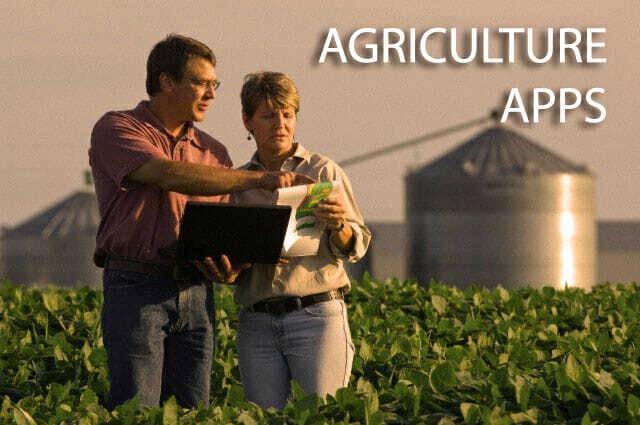
    Husband and wife farmers standing in their mid growth soybean field
    Talk about a wakeup call! The first slide shown during the Economic Summit illustrates that commodity prices are in the toilet.
    The first slide shown during the Economic Summit illustrates that commodity prices are in the toilet.

    I attend a lot of meetings. Some keep me informed about new regulations. Some keep me informed about the weather. Others try to help me figure out how to market what I raise. This past week, however, the Farm Bureau Economic Summit covered it all!

    The first slide shown during the opening session was of a toilet plunger. Talk about a wakeup call! Market prices for my crops are in the toilet, yet there was much optimism during this conference.

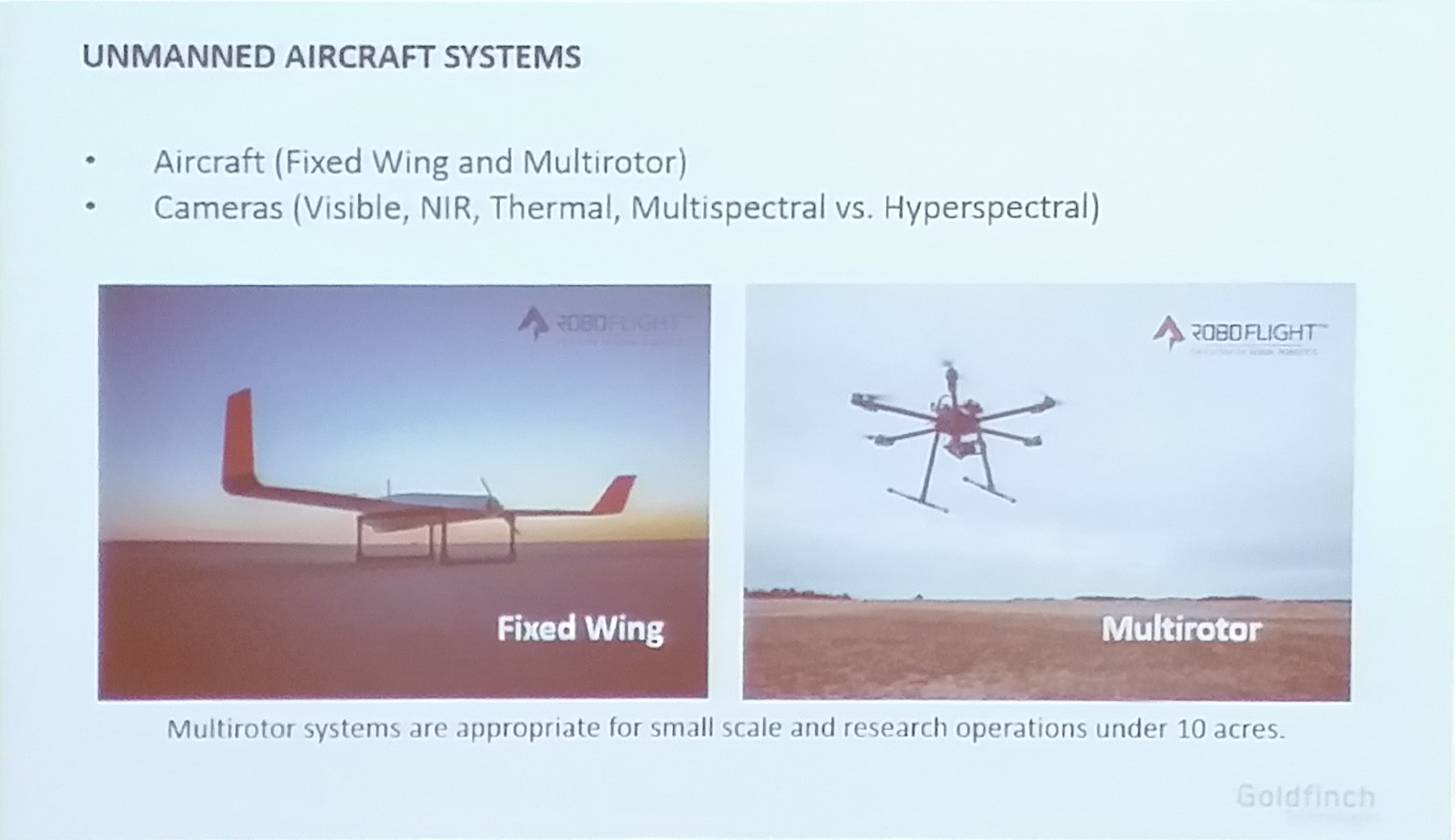
    Speakers covered exciting new uses for technology. For example, unmanned flights commonly called drones has great potential on my farm. One use that came to my mind is conservation. A drone could look over my farm ground for damage after huge rain events like those we received this past spring. By literally showing me how the water moves across my ground, I could see where tile is needed and how to construct better water Droneways. Based on the data I receive from drones, I could select different crops or event select different crop varieties as different genetics handle different types of weather.

    Different soil types and different types of stress… The potential of these little machines is just starting to emerge. My fear, of course, is government regulations. Will the potential for good be stopped before we really get it off the ground?

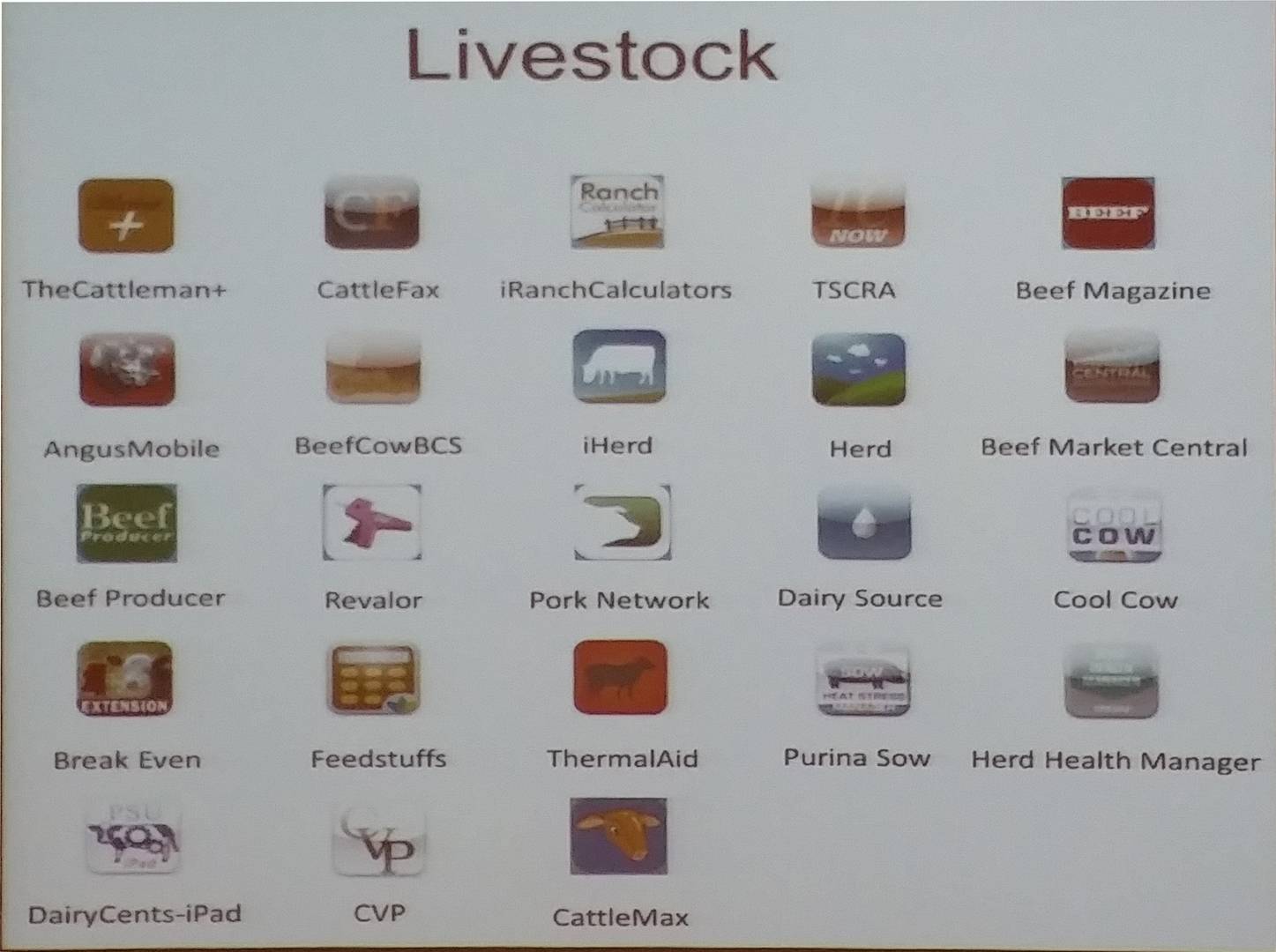
    Another interesting technology presentation covered apps. Now we all know about apps for social media, but I livestock_Barnsnow have the means to observe my livestock from my smartphone as I sit in a meeting! I can adjust how my barns operate sitting at my desk. I can check my grain bins while I’m sitting in my tractor. If you can dream it, there’s an app for it!

    Conservation and sustainability are topic concerns that can be addressed by today’s apps. Irrigation systems can be monitored from a phone. Farmers can remotely tell how much water a crop needs, and give them just the right amount!

    Now you can see why my farm really isn’t Old McDonald’s Farm. Old McDonald was not an efficient farmer, and there is a need for efficiency in agriculture today. I look for ways to grow more with fewer inputs, including water and fuel. I also look for ways to improve my farm, so I can leave it better than it was when I started farming. I’m striving to be better, and the things I learn from meetings like the Farm Bureau Economic Summit help me do just that!

    Husband and wife farmers standing in their mid growth soybean field Husband and wife farmers standing in their mid growth soybean field

    Larry Sailer, Musings of a Pig Farmer

    July 29, 2014
    Agriculture, General, Industry News
  • Latham Hi‑Tech Seeds

    School’s Out but Lunch Program is Still Hot Topic

    Grillingloin

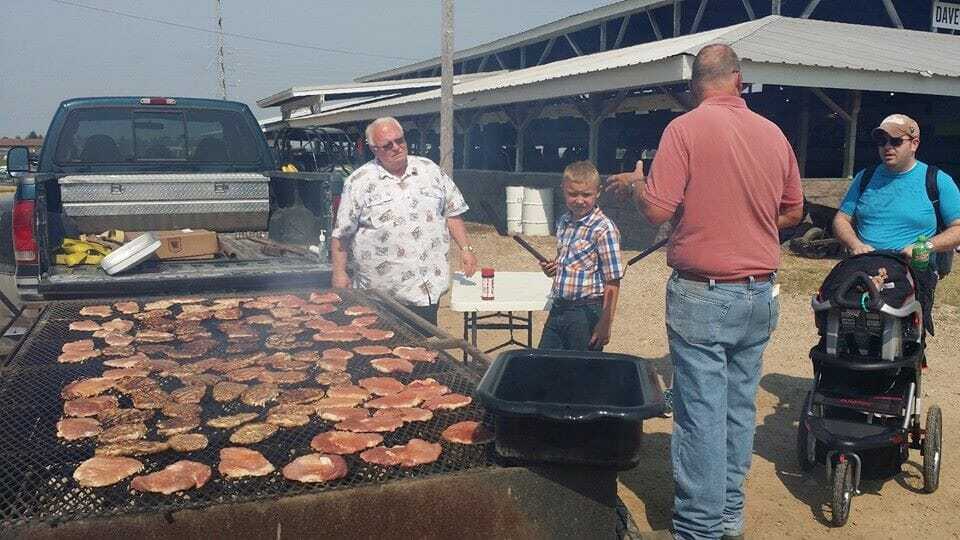
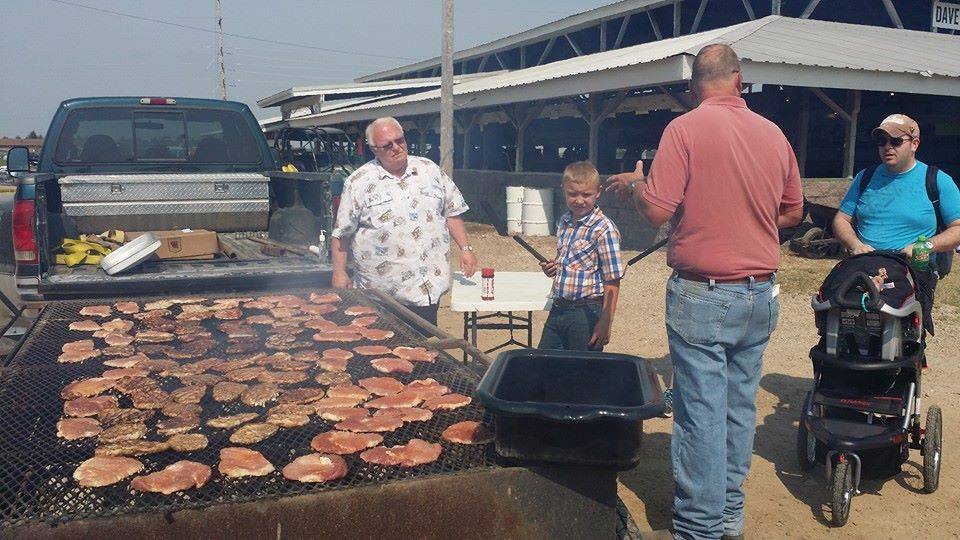
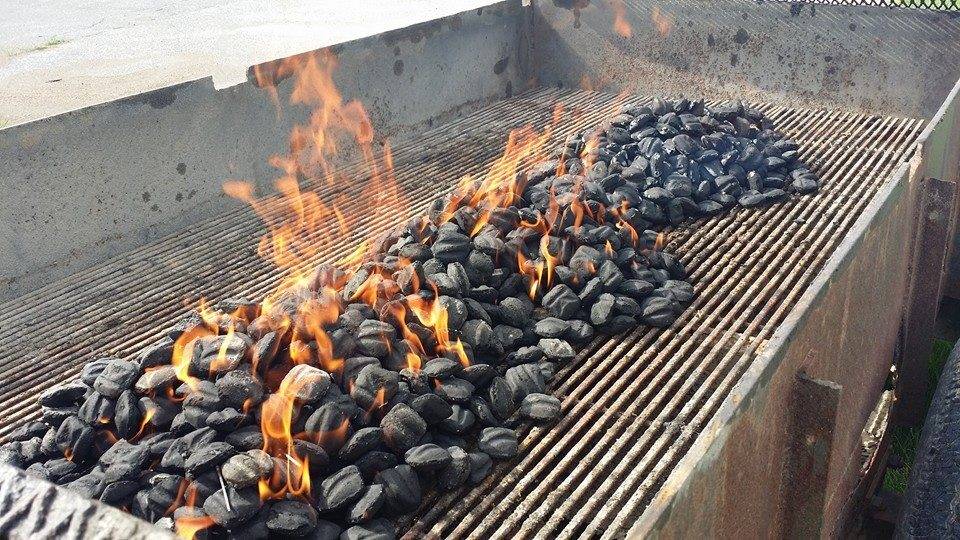
    grillingloinI had a great at the Franklin County Fair this past week, talking with friends, meeting new acquaintances and promoting pork! I started by grilling bacon pork burgers Tuesday night during the fair parade as I was riding the Republican’s float themed “party party.” Thursday we grilled 500 pork burgers for Farm Bureau Day, and Saturday we donated grilled loins that were donated and served for lunch in the 4-H food stand.

    During the fair, I even had an opportunity to talk to someone whom I’ve been trying to get together with for months! I’ve been chatting online with a woman in charge of the menu for a school system in my area. One of my biggest pet peeves is recent changes to the school lunch program, and I’ve been trying very hard to “listen” to someone with hands-on experience with this program. I was so glad to talk with her face-to-face and see her emotion. This woman certainly cares about the kids in her school, and she is obviously concerned for her job!

    grillingloin2We talked as her young daughter enjoyed the rides at the fair, and she told me of her personal experience. She said this young girl was coming home from school starved and looking for something to eat. Now just think about this for a minute… the daughter of the person responsible for the school lunch content was coming home starved!

    She said would then try to let her daughter eat an after school snack that wouldn’t ruin her appetite for the evening meal. If they eat the evening meal too late, how does that affect her daughter’s health? I could see the concern not only for her own child but also for the other school kids like the athletes, who come in at 7:30 AM to lift weights. How hungry they must be by the lunch time! These athletes get served the same lunch as all the rest of the kids, yet after school, they have practice that keeps them from getting that after school snack!

    As I was listening to how the same portions are served to athletes as to the rest of the school kids, I was reminded of this Trent Loos’ statement: “Only Michelle Obama would feed the herd to meet the fattest 10% nutritional requirements.”

    Those of us who raise livestock understand that you have to feed each animal a ration that is high enough in protein and fat to aid in their growth. High-performance animals, like dogs that jump from docks or horses that jump fences, have specially designed diets. Nutritionists help dairy producers design rations to keep their cows healthy and producing high-quality milk.

    In my hog barn, we bring in pigs that are close to the same size. That way their feed requirements can be adjusted as they grow. However, the school lunch program is designed for the smallest kids. One size does not fit all kids! Let’s quit being this nanny state that tries to make every decision for every person!

    Let’s quit dumbing down our society, so citizens don’t “need” to think!

    The First Lady says she is going to battle opposition to the new school lunch rules to the end because “experts” design this program. If FLOTUS is “listening,” I hope she’ll take regional food differences into consideration. The way we eat in Iowa – and in the Midwest in general – is certainly different than it is other regions. For example, you don’t see black eyed peas or collard greens regularly on the dinner tables here. You’re not going to experience a lobster boil or a clam bake unless the seafood is flown in special for the occasion. We can’t raise citrus fruits here either. But this time of year, you can feast on the nation’s most delicious sweet corn and tomatoes. We’re also known for producing high-quality pork and delicious corn-fed beef.

    Why not let concerned “local people” like head cooks at “local schools” choose the best food for their areas? “Fresh and local” is one of the hottest food trends after all! Let’s educate today’s school children about choosing a healthy diet and help them learn the correct portions to eat. If they aren’t starving when they get home, they just might eat healthier in the evening. Let’s empower them to make the right choices!

    How can we make changes to the school lunch rules? I guess we keep talking. I guess we need to keep pushing and hope someone is listening!

    P.S. It’s so ironic that as the number of calories are being reduced in schools, the amount of food that is wasted is no being reduced! Food wastage is the third largest source of greenhouse gas emissions globally. Why aren’t people outraged by this stat? Just because you put a whole apple or a whole orange on a kids’ plate doesn’t mean she’s going to eat it. Restore sense to the school lunch program!

    RELATED POSTS:

    • Stop Using School Lunch to “Play Politics” with Kids
    • Could “Banished Foods” Lead to More Cuts?
    • Act Now to Restore Sense to School Lunch Program
    • New School Lunch Regs, One “Hot Potato”!
    • The Quest for a “Balanced Diet”: New School Lunch Regs, Part 2

    Larry Sailer, Musings of a Pig Farmer

    July 22, 2014
    Agriculture, General, Industry News
  • Latham Hi‑Tech Seeds

    Jayson Lusk Urges Farmers to Tell their Stories: Part 2

    Jayson Lusk c
    Jayson Lusk The Food Police
    “The Food Police: A Well-Fed Manifesto About the Politics of Your Plate” by Jayson Lusk

    In this past Monday’s post, we introduced you to author and economist Jayson Lusk.  Jayson is a food and agricultural economist and author, was in Iowa to speak to an invited crowd at Iowa State University this past week. Latham was among the sponsors of Lusk’s Iowa State appearance.

    Lusk’s book “The Food Police: A Well-Fed Manifesto About the Politics of Your Plate” debunks many criticisms of modern agriculture — from claims of environmental plunder and cruelty to animals to recklessly using GMO crops and creating a “toxic food environment” — and warns against the rise of what he calls the “food police” and “food elite” who seek to use government power to damage consumers’ freedom of food choice and farmers’ freedom to operate.

    Here is Part 2 of our recap of Jayson’s speech on how to counter criticisms of conventional agriculture:

    Even though some of conventional agriculture’s harshest critics seem to be the least reasonable and open to discussion, Lusk urged farmers and ag advocates to not shy away from entering the arena.

    “You are being talked about. You might as well be part of the conversation. I know that is hard because you have a full-time job you don’t have time to do this kind of stuff,” said Lusk. “And it’s also a little uncomfortable. As someone who has written a book (defending modern agriculture), I get a lot of hate email, and I would be more comfortable if I didn’t get that hate email.”

    The key is to remember that authors of books that denigrate modern agriculture are a tiny minority, and that most consumers (and voters) are open to hearing what farmers have to say for themselves.

    Among the tactics Lusk suggested was offering to speak to school classes from elementary through college, reaching out to those who blog about home and family issues and using social media to put out positive messages. He praised efforts like the Iowa Soybean Association’s “Iowa Food and Family Project” which connects farm and non-farm families to create better understanding of the truth of American agriculture.

    “You don’t need to engage with people who don’t want their mind changed. You’re not going to change some people’s mind. Those aren’t the people you want to talk to you. You want to talk to people who are there who really want to listen to you.”

    During the past 10 years, Lusk has published more than 100 articles in peer-reviewed journals on topics related to consumer behavior, as well as food marketing and policy. Learn more about Jayson Lusk at his website, JaysonLusk.com. Lusk’s appearance at Iowa State was sponsored by Latham Hi‑Tech Seeds, the Iowa Soybean Association, Farm Credit Services of America, Nationwide Insurance Agribusiness and the Iowa Poultry Association. 

    Team Latham

    July 17, 2014
    Agriculture, General, Industry News
  • Latham Hi‑Tech Seeds

    Small Steps Lead to One Amazing Journey

    LarrySailer Kickoff

    LarrySailer_KickoffLast week I attended a conference that made me reflect on the last four years, and how circumstances have led me to become a dealer for Latham Hi‑Tech Seeds! It’s interesting to see how many small steps led to this journey.

    The first step was getting involved in the Franklin County Farm Bureau. I was asked to be on the county board and agreed only if I could help in the background. I wasn’t interested in holding any office, but that wasn’t to be! I also requested to be in as few pictures as possible, but that didn’t happen either.

    Playing an active role in Farm Bureau led me to become involved in the Franklin County Harvest Bloggers Tour. The influential bloggers, who toured Franklin County and wrote about their experiences riding in a combine and learned where their food comes from, attracted national media attention including CNN. As Deb Brown wrote in her post, Starting Point, “CNN found more stories about our bloggers tour. Residents of Franklin County were actually using social media! Suddenly the topic changed from politics to how rural communities were using social media.” A group of Franklin County residents, including yours truly, were invited to the Capitol City for a television interview.

    Since CNN mentioned on air that I was a farmer who blogged, Shannon Latham suggested I actually write a guest blog on TheFieldPosition.com. I’ve been telling my farm story every week – since Feb. 7, 2012 – through my “Musings of a Pig Farmer” blog! Each week it seems that I have more topic ideas than I have space because there is such a great need to bring policy issues to the forefront. Seeing a need is difficult to ignore.

    Speaking of seeing a need… Shannon and I share the same affliction of massive volunteering! While she was serving as a trustee on the Iowa 4-H Foundation, Shannon learned that Franklin County was one of the few Iowa counties without an endowed scholarship fund. She decided to change that!

    To raise money for a county 4-H scholarship, Shannon decided to host a fundraiser. She made lemonade from lemons by holding a Brown Bag Fundraiser during National 4-H Week, which just so happens to be in the heart of Iowa’s fall harvest season. And it’s working! Each year the fundraiser continues to grow. Last fall we grilled a record 600 burgers and ran out, so I can only imagine we’ll be grilling up even more come October. The community does a great job of coming out to support the cause, and we certainly appreciate the business owners who help sponsor the radio broadcast and some even help at the grill.

    Committed. That’s one word I’d use to describe Shannon. After blogging for over two years, I’ve had the opportunity to get to know other members of the Latham family and realize just how committed they are to helping family farming operations succeed. John Latham is extremely passionate about picking seed products that are bred and proven to perform in specific geographic areas. Helping farmers succeed is the only way the Latham’s family business will succeed and transitions someday to the fourth generation.

    For the past two years, I’ve planted 100% of my acres to Latham® seed products. I have had good results even with terrible weather and less than ideal growing conditions! This past spring I decided to take my commitment to Latham to the next level by signing on a seed dealer in Franklin County. As a result, last week I attended my first ever Latham Dealer Kickoff meeting in Dubuque.

    The Kickoff meetings were to introduce Latham dealers to the new products available for the 2015 growing season and to provide sales and marketing tools to assist dealers with growing their individual dealerships. However, I found this company to be more than just a seed company. Latham Hi‑Tech Seeds is a company that was literally founded on family values and remains committed to upholding founder Willard Latham’s values.

    But, Latham Seeds isn’t just focused on its own family. It’s focused on strengthening all families. Dealers’ families were invited to these meetings in Dubuque and special activities were planned for family members of all ages.

    The third generation of Lathams – John, Shannon, and Chris – are taking this company to new heights while still keeping it a family owned company. It’s impressive to see how they have put together a product lineup that’s broader and deeper than the competition’s because they have the ability to feature genetics from multiple “big” companies. I couldn’t be more excited about the programs they introduced and the services, like Seed-2-Soil® they provide to help farmers choose products that are best suited to their farms. It’s going to be fun sharing this information with farmers like myself!

    What services could a dealer provide to make seed buying easier or more enjoyable for you? I’m interested in your thoughts. In her closing comments last week, Shannon Latham challenged Latham dealers to find ways that they create unique and relevant customer experiences. You can bet I’m going to be thinking about answers to her question whenever I have windshield time, whether it’s behind the wheel of my truck as I drive to meetings or the wheel of my tractor!

    Larry Sailer, Musings of a Pig Farmer

    July 15, 2014
    Agriculture, General, Industry News
  • Latham Hi‑Tech Seeds

    Jayson Lusk Urges Farmers to Tell their Stories: Part 1

    Jayson Lusk c
    Jayson Lusk The Food Police
    “The Food Police: A Well-Fed Manifesto About the Politics of Your Plate” by Jayson Lusk

    When it comes to countering criticism of conventional agriculture, a noted food economist and farm advocate said last week that the most powerful thing farmers can do is tell their stories.

    “The research shows that guys like me, academics like me, can get up and give people all kinds of statistics and people roll their eyes, and that statistics do not convince people,” Jayson Lusk told a group of producers and ag advocates during a presentation July 8 at Iowa State University. “Often logic doesn’t convince people. What really convinces people are stories.”

    Jayson Lusk, a food and agricultural economist and author, was in Iowa to speak to an invited crowd at Iowa State before traveling to speak to the Iowa Grocers Iowa Grocery Industry Association Convention in Okoboji on July 9. Latham was among the sponsors of Lusk’s Iowa State appearance.

    Lusk’s book “The Food Police: A Well-Fed Manifesto About the Politics of Your Plate” debunks many criticisms of modern agriculture — from claims of environmental plunder and cruelty to animals to recklessly using GMO crops and creating a “toxic food environment” — and warns against the rise of what he calls the “food police” and “food elite” who seek to use government power to damage consumers’ freedom of food choice and farmers’ freedom to operate.

    Lusk, who is a professor in the Department of Agricultural Economics at Oklahoma State University, advised farmers and their representative organizations to “get in the game” and use the stories of their operations as a way to communicate the many benefits modern agriculture brings to consumers, such as:

    • Because of innovations in farming in the last 100 years, farmers produce dramatically more crops on less land than in 1900.
    • The American food supply is the largest, most diverse, safest and cheapest in the world.
    • The average American spends just 10% of his or her disposable income on food (including restaurant food), the lowest of any country in the world.  “That means we other 90% of our income to spend on things that make our lives easier and more enjoyable.”

    “Those of you involved in production agriculture are a lot more credible and a lot more compelling than I am,” he said. “The things  you can say, even if you haven’t read all he things I have, you know more about production agriculture than I do and you can talk about why you do the things you do, and the research shows that matters (when persuading others).”

    Tune in this coming Thursday for Part 2 of our recap on Jayson Lusk’s advice to farmers on how to counter criticism of conventional agriculture.

    Team Latham

    July 14, 2014
    Agriculture, General, Industry News
  • Latham Hi‑Tech Seeds

    Water Has the Power to Give and to Take

    Larrys wet field

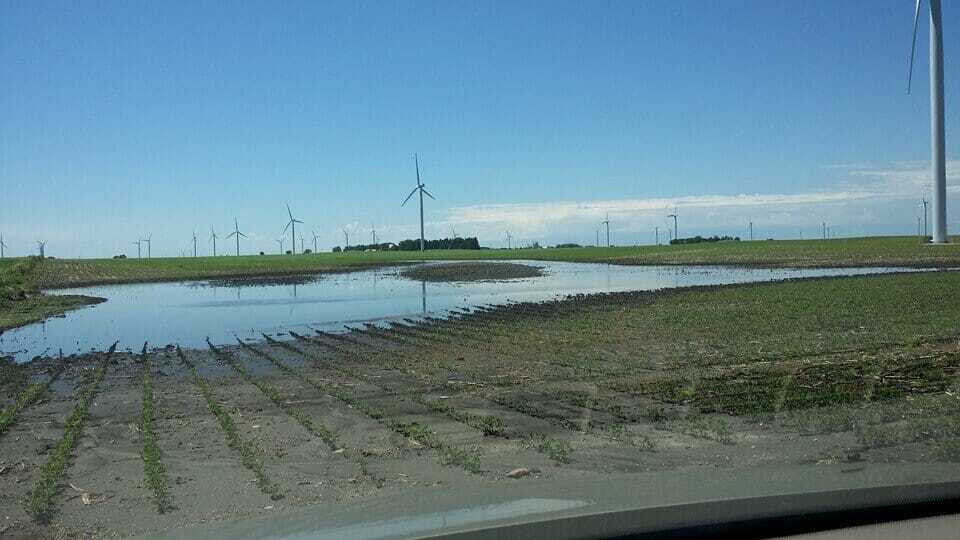
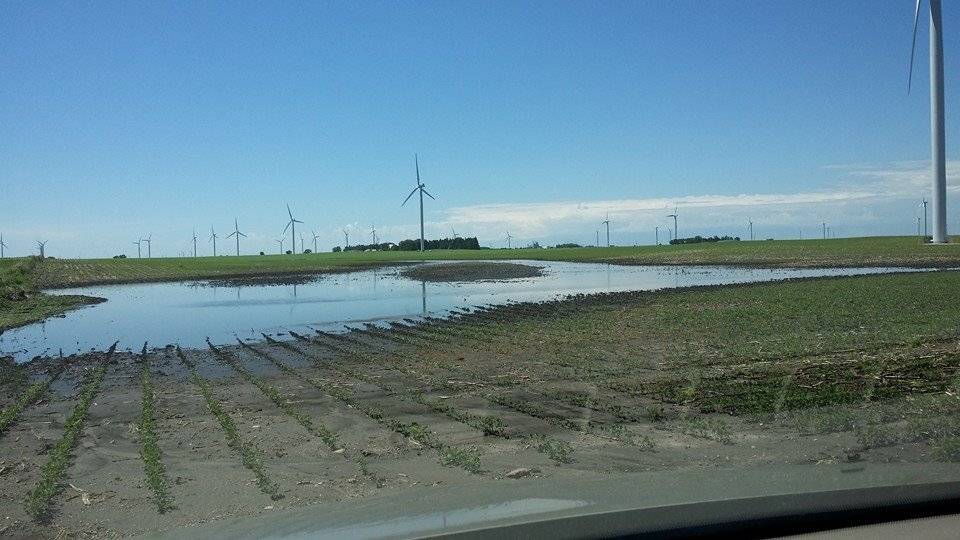
    Larrys wet fieldJune 2014 was the wettest on record for many portions of the Midwest, and my farm is no exception. Soils have been saturated for a good portion of the past month, making it a challenge to control weeds and apply plants foods (aka fertilizer).

    Plants need a well-balanced diet for optimal performance, so that’s why we “spoon feed” our corn by side dressing nitrogen. Fortunately, I finished applying nitrogen and the next day a 3-inch rain fell! Usually, getting “rained out” isn’t a big deal because the fields dry out and you go back taking care of your crops. This season’s series of rain events has made it difficult to walk through the fields to see what crop care is needed.

    Heavy rains have caused damage to everything from crops and buildings to the soil. Erosion is a concern, but there is a great deal of misunderstanding by the general public. I overhear comments like, “Those d@!# farmers should do a better job of taking care of the soil. They’re letting it all wash away with all that fertilizer, polluting our water.”

    Sometimes there is little that can be done. I have watched water ravage my crops during the past couple weeks with awesome power! When it rains three or more inches in just a couple of hours, that water must go somewhere because it cannot soak into the soil when it rains that fast and hard. The water builds force as it through the fields. It flows deeper and faster – and nothing can stop it.

    Such force of nature is evident as videos surface of bridges and roads being washed away. Many town’s storm sewers have been so overwhelmed that raw sewage is dumping straight into rivers, which is something farmers cannot do. Isn’t it interesting the same standards don’t apply to farmers and cities? There is a zero tolerance for livestock manure, so producers must build structures large enough to contain the biggest rain.

    Water improvements are occurring in Iowa. In an article published yesterday by The Des Moines Register, farmer and writer Darcy Maulsby does a great job explaining these improvements being made by farmers in her area:

    • Stream bank stabilization
    • Livestock nutrient management
    • Conservation farming

    Conservation farming – buffer strips, waterways – and even tile help make my flat, mucky soil farmable, as well as contain big rains and keep top soil from washing off the fields. Many improvements have been made in the 50 years that I’ve been farming, and new ways are being developed all the time.

    For example, we’re hearing more and more about using cover crops to help hold fertilizer where it is needed. Certain cover crops, with their huge root systems, make channels in the soil so more water seeps into the ground. Wetlands are being developed to filter out sediment, just like a coffee filter keeps grounds out of your morning cup of Joe. No till, made possible by biotechnology, has been a huge tool on my farm.

    While these practices have made strides in the right direction, we understand that we must practice continual improvement. Iowa farmers are leading change because it’s the right thing to do!

    Larry Sailer, Musings of a Pig Farmer

    July 8, 2014
    Agriculture, General, Industry News
  • Latham Hi‑Tech Seeds

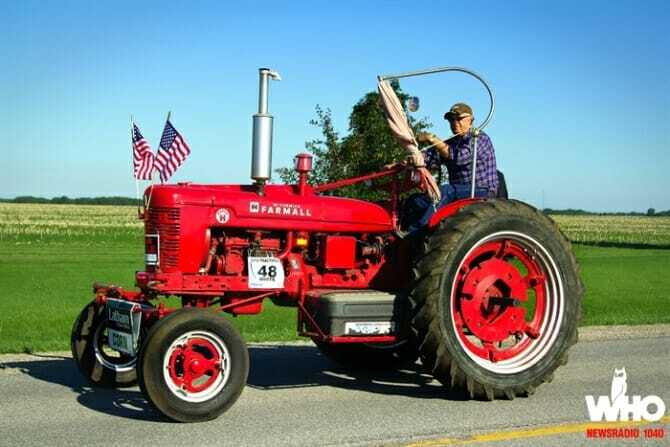
    WHO Radio’s Tractor Ride Rolls through Franklin County

    DadRide14.jpg
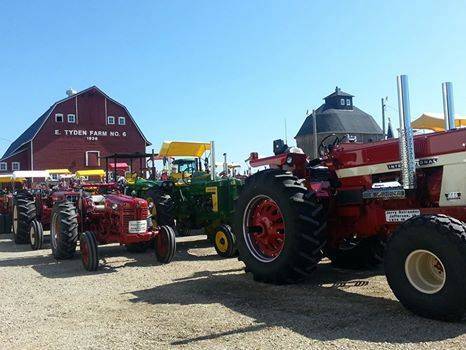
    Tyden Farm #6, owned and preserved by Ted and Judi Pitzenberger of Dougherty, was the first stop last Tuesday during the WHO tractor ride. Read more here: http://bit.ly/VkPmGh
    Tyden Farm #6, owned and preserved by Ted and Judi Pitzenberger of Dougherty, was the first stop last Tuesday during the WHO tractor ride. Read more here: http://bit.ly/VkPmGh

    After spending recent weeks writing about ongoing debates over modern farming practices and biased media sources, I really wanted to post a fun blog this week. Old tractors is a fun topic – at least to an old farmer!

    Why are old tractors top of mind? Last week WHO Radio hosted its 19th annual tractor ride across North Central Iowa, and one week ago today those riders made a stop in my home county! A steady stream of tractors paraded through the northern Franklin County town of Sheffield from about 10:30 AM until 3 PM. And these drivers came to town hungry, which is where I fit into the story…

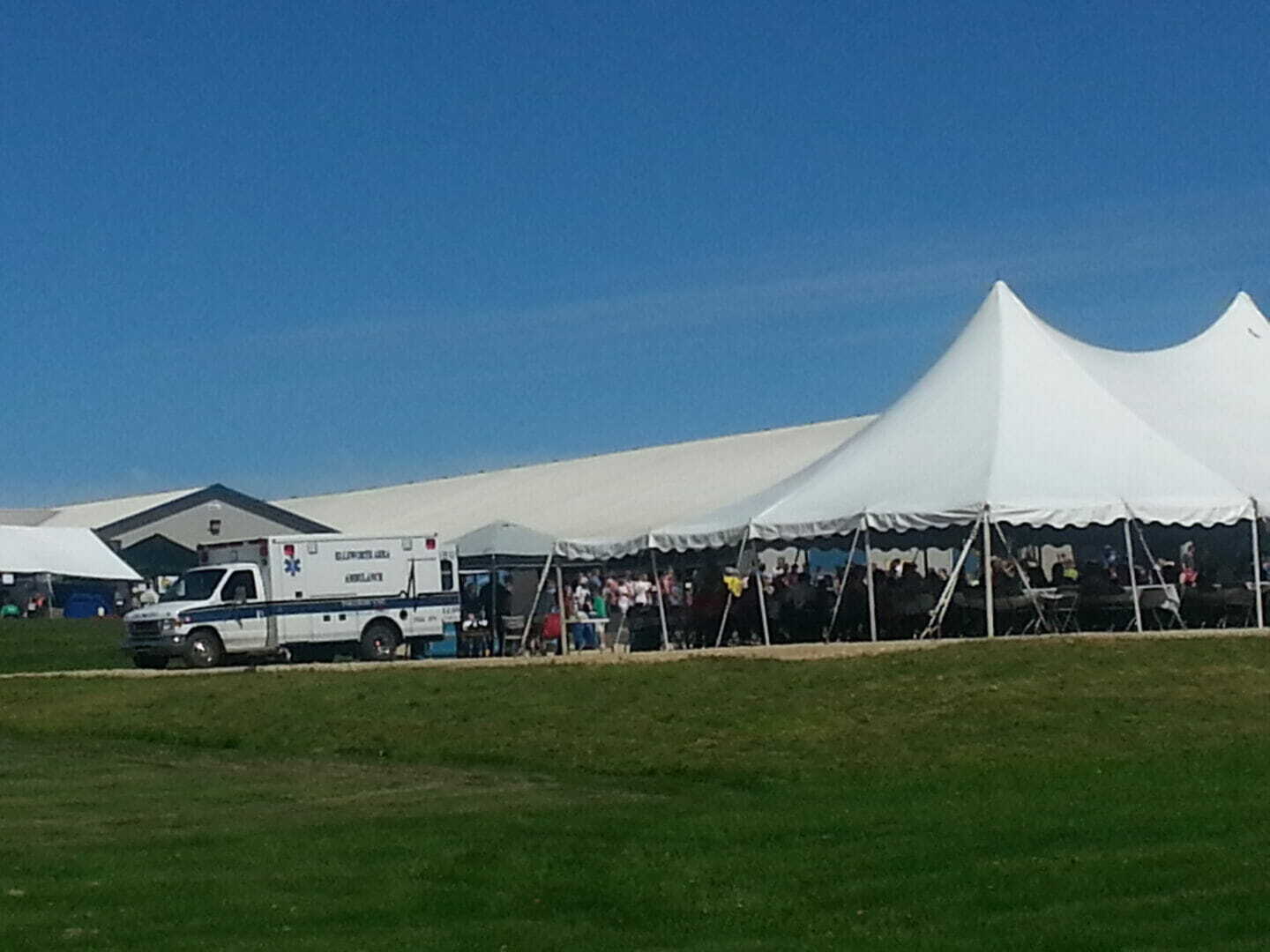
    The Franklin County Pork Producers were asked to serve a noon meal. Since I’m the guy with the grill, I got the call.  I have a lot of practice grilling hundreds of pork burgers during the Franklin County Fair each July and the Franklin County 4-H Foundation Fundraiser each October.

    So what’s a guy to do when he needs nearly 600 patties? I called my favorite supplier, Fareway in Hampton. Walt is meat manager extraordinaire, and I’ve had the pleasure of working with him for many years. Fortunately, he knows meat and he keeps a strong supply on hand!

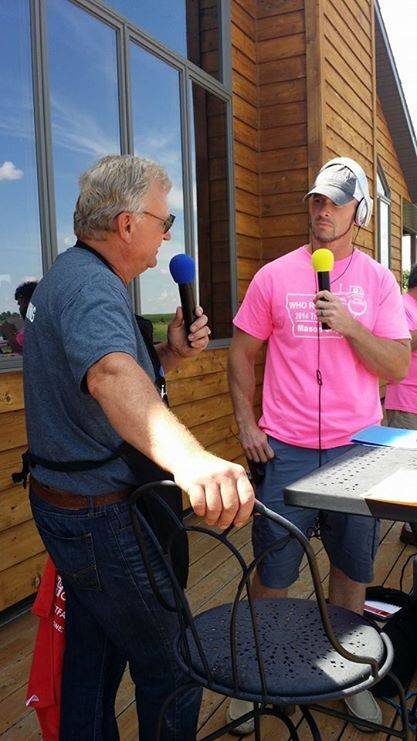
    During the tractor ride, Larry Sailer was live on “The Big Show” with WHO Radio farm broadcaster Mark Dorenkamp
    During the tractor ride, Larry Sailer was live on “The Big Show” with WHO Radio farm broadcaster Mark Dorenkamp

    The menu was rounded out, thanks to a great Franklin County restaurant. Mother’s Place from Latimer catered baked beans, potato salad and chocolate brownies. Plus, their staff did a fantastic job serving the food. We received many compliments, and some folks even said this was the best food served during the ride.

    To make the day even better, I didn’t have to spend all of my time flipping burgers. I think it’s the first time ever that I didn’t flip one burger thanks to great help including: Ron and Cody from the Iowa Pork Producers Association; Cory and Zach Greiman from Latham Hi‑Tech Seeds; fellow pig farmer, Paul; my wife, Janice; and two of our grandkids, Darin and Carlie. What a crew!

    They hard work freed up my time, so I was able to be interviewed live by WHO Radio’s “The Big Show” with Mark Dorenkamp, who was broadcasting from Ridge Stone Golf Club in Sheffield where the lunch was served. It’s always fun to talk live on WHO Radio! We talked about my weekly blog and the beautiful weather we were having that day. We even talked about a few of the tractors.

    There were more than 450 tractors, and I saw many brands that I hadn’t seen in years. Most of these tractors came from quite a distance. Some were trucked in from several states away just so these drivers could take in the scenic beauty of North Central Iowa!

    All in all, we couldn’t have asked for a better day. The WHO Tractor Ride visited Franklin County on a dry day when the sky was blue and the breeze was gentle. We hope folks from far and away will return again someday to visit our museums, golf at our local courses and shop our main streets. And if they ever have any questions about pork production, I hope they’ll ask me!

    Larry Sailer, Musings of a Pig Farmer

    July 1, 2014
    Agriculture, General, Industry News
  • Latham Hi‑Tech Seeds

    Consider the Source

    Recently I read this quote by the Dalai Lama: “When you talk, you are only repeating what you already know. But when you listen, you may learn something new.”

    How profound! I have said many, many times that we must listen and try to understand others’ viewpoints and concerns before we can communicate why we farm and ranch the way we do. We must try to understand where people are getting their information, and what this information portrays farming to be. Only then can we understand how people process information and what they think about farming.

    Others’ opinions are greatly influenced by outside sources. I’ve learned how crucial it is to find out to whom consumers are listening. In my experience, people with the strongest convictions on any certain subject are the ones who listen to rhetoric that feeds on emotions. The more their emotional heart strings are pulled, the tighter they hold onto their opinions!

    That’s why it’s so important to consider the source… Did it The Des Moines Register? (Mainstream media doesn’t always cover both sides of the story nor does it necessarily get the facts straight!) If research is cited, who paid for it? Did the information come from a special interest group? If a consumer is concerned about food safety, did he or she consult with a dietician or a doctor? Or did the consumer get his or her information from the “experts,” who set up the new school lunch program? Perhaps the consumer first consult google, which is always right. Right?

    All of these sources of information glean their information somewhere. For example, information may be from radical organizations with an agenda such as Humane Society of the United States (HSUS). This “non-profit organization” claims to care for animals, but it’s more about raising money to end animal agriculture. The more a person gets to know about HSUS, the better understanding they have the organizations true interest.

    It’s also important to follow the money to find out how it may influence opinion. Newspapers want large circulations to keep their advertising sales strong. As a result, editors may be listening to a group here in Iowa like the Iowa Citizens for Community Improvement. I often see opinions in our state’s biggest paper from this group. Ironically, ICCI supports regulations to “protect” small farmers. As a small farmer, regulations make it more difficult for me to farm.

    Regulations also have been a catalyst in farm consolidation. One example is the COOL law, or the Country of Origin Labeling. This law prevented me from sourcing my pigs from the best place I could find, which just happened to be in Canada. I had to turn to sources of pigs that were inferior, which puts me at a disadvantage because larger farmers raise their own pigs.

    As you can see, not all sources of information are true experts on a subject matter. Even bonafide experts’ information may be biased by an ulterior motive or influenced by politics. Cargill’s announcement to eliminate all gestation stalls wasn’t about being better caretakers of pregnant sows. It was an image ploy to help keep their position in the market place.

    Everyone has some kind of bias, I know. The way you were raised and your experiences all lead to the decisions you make and the advice you give. However, my experience has taught me there is a lot of information out there about farming. I’m all for letting consumers buy what they want, and I support food choice.

    When a certain group tries to tell that another groups its products are wrong, or worse yet, they try to get regulations passed that limit choices, then I speak up. We all should!

    Larry Sailer, Musings of a Pig Farmer

    June 24, 2014
    Agriculture, General, Industry News
  • Latham Hi‑Tech Seeds

    Rethink Your Drink as You Keep the Beat

    BlogMonday6 23

    BlogMonday6-23Dairy Days of Summer, which showcase the dairy industry and help promote a better understanding between producers and consumers, are a big deal in Wisconsin. Literally. An estimated 2,000 people attended an event Saturday on Son-Bow Farms near Maiden Rock.

    “Dairy breakfasts remain a tradition because they bring dairy farmers and consumers closer together to share appreciation of dairy heritage and the beauty of a Wisconsin dairy farm,” reads a recent article printed by the Red Wing Republican Eagle. “The dairy industry alone contributes $26.5 billion annually to Wisconsin’s economy. While it is understood dairy is important to diet and wellbeing, it is also important to showcase the effort going into producing our favorite food.”

    People traveled far and wide to enjoy favorite foods including Dad’s Belgium Waffles topped with fresh, Real® butter and whipped cream plus sausage, milk and fruit. While waiting in line to take a wagon tour of the 1,000-cow dairy, I couldn’t resist the lightly-breaded, deep-fried (to perfection!) cheese curds from Ellsworth Co-op Creamery.

    Antique tractors were on display. Other displays, like “Rethink Your Drink” that compared calorie and sugar levels of popular drinks from soda and sports drinks to milk, helped educate attendees about dairy nutrition.

    To encourage people to stay healthy, Latham Forage Product Manager Corey Catt and his emergency service colleagues gave demonstrations about Hands Only CPR. Hands-Only CPR, without mouth-to-mouth breaths, is recommended for use by people who see a teen or adult suddenly collapse. It consists of two easy steps:

      1. Call 9-1-1 (or send someone to do that).
      2. Push hard and fast in the center of the chest.

    When you call 911, the American Heart Association says you need to stay on the phone until the 911 dispatcher (operator) tells you to hang up. The dispatcher will ask for details like your location, which is especially important if you’re calling from a mobile phone that is not associated with a fixed location or address. Remember, answering the dispatcher’s questions will not delay the arrival of help.

    Take care of yourself! Eat properly and watch for signs of distress. Proper nutrition is key to making good decisions.

    Not drinking enough liquids can alter a person’s mood, decrease his energy level or affect his ability to think clearly. It’s especially easy to get dehydrated during hot, humid days of summer. Drink plenty! Water, dairy products, tea and fruit or vegetable juices can help you stay hydrated.

    Team Latham

    June 23, 2014
    Agriculture, General, Industry News
Previous Page
1 … 41 42 43 44 45 … 95
Next Page

Latham Hi‑Tech Seeds

131 180th Street | Alexander, IA 50420

(641) 692-3258

SIGNUP FOR OUR NEWSLETTER
  • Contact
  • Legal
  • Dealer Center
  • Seedware Login
  • Latham Gear

© 2025 Latham Hi‑Tech Seeds. All rights reserved. | Iowa Web Design by Webspec | Privacy Policy

Latham® Hi-Tech Seeds is a trademark of M.S. Technologies, L.L.C., 103 Avenue D, West Point, IA 52656.