Latham Hi-Tech Seeds

(641) 692-3258

  • Home
  • Products
    • Corn
    • Soybeans
    • Alfalfa
    • Corn Silage
    • Seed Guide
  • Performance
  • Find a Rep
  • Media
    • Blog
    • News
    • Videos
    • Podcasts
    • TECHTalk
  • About Us
    • Company History
    • Our Mission
    • Careers
    • Become a Rep
    • Sowing Seeds of Hope
  • Contact Us
  • Latham Hi‑Tech Seeds

    Showcasing the AG in RAGBRAI

    IMG 5867

    IMG_5782
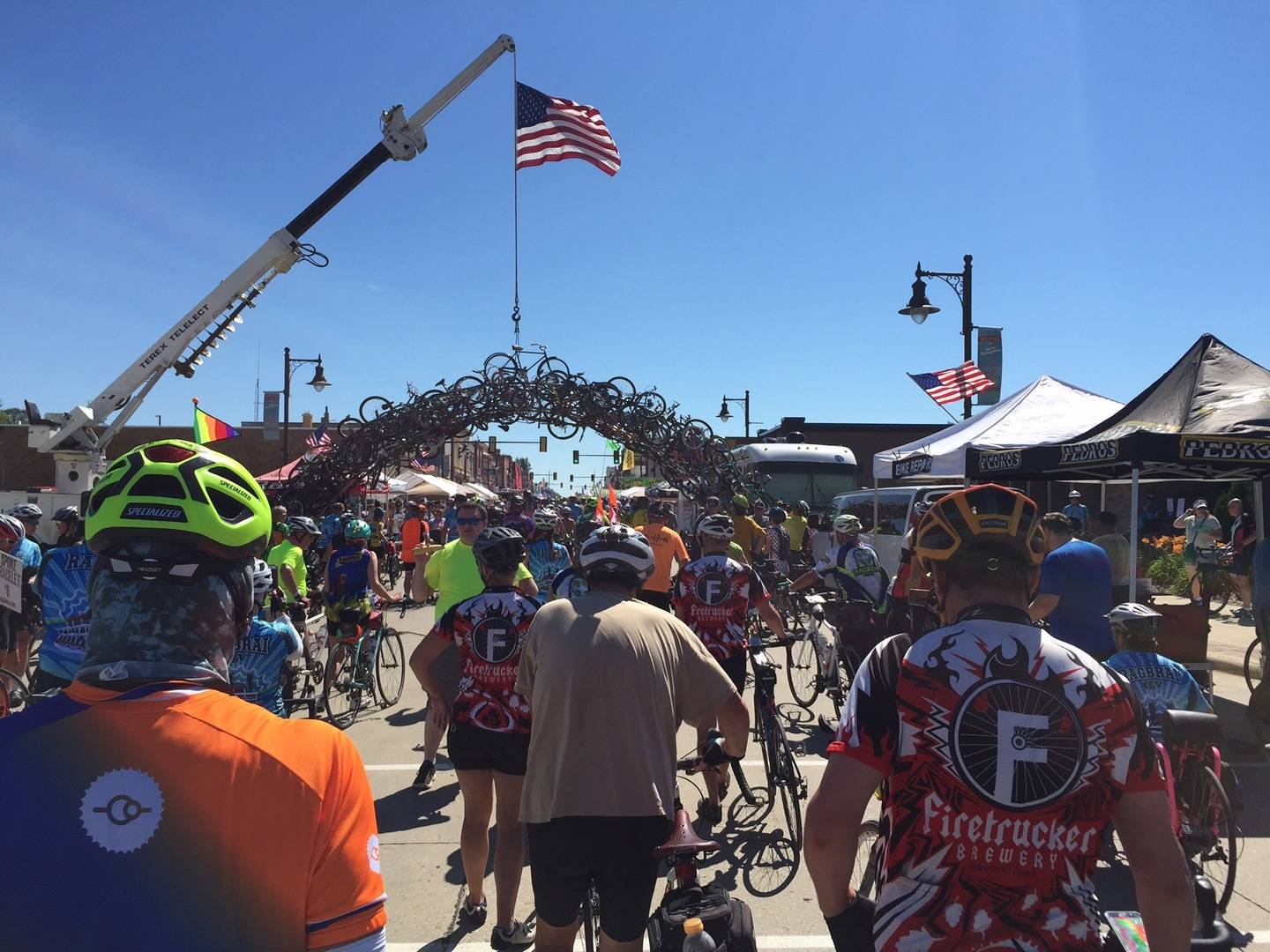
    The Des Moines Register’s Annual Great Bicycle Ride Across Iowa (RAGBRAI) began in 1973 when two reporters, who also were avid cyclists, decided to organize a non-competitive event. It has grown to become the world’s longest, largest and oldest bike touring event.

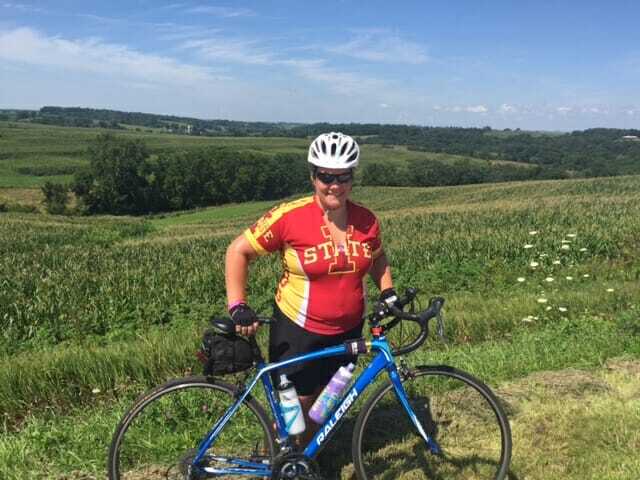
    It was so much fun being one of 10,000 people who participated in the 45th annual RAGBRAI! I joined RAGBRAI in Clear Lake where I met up with Team Must Have. The team was started by my uncle and some of his friends and has grown to consist of 30 riders. Most of us rode together last year, so it was fun to be part of their team again this year.

    Team Must Have before we took off from Clear Lake, IA!
    Team Must Have before we took off from Clear Lake, IA!

    When I returned to the office for work after the ride it was quite a different routine than I was used to on RAGBRAI. I was wearing khaki pants and a polo, rather than my biking shorts and jersey. Instead of packing up my tent, I was packing my lunch. I also used my feet to hit the brakes instead of my hands, and experiencing a much faster commute to my end destination.

    There is, however, one thing these two routines have in common. I couldn’t help but notice how much agriculture touches my life every day regardless of where I am. Most towns RAGBRAI riders passed through had an agricultural booth or display. Because I’ve been involved in this industry my whole life, I truly enjoyed seeing how my two passions of biking and agriculture merged together.

    In the first town I rode into, Thornton, IA, North Iowa Cooperative had a great Ag Display to greet riders. The display featured tractors, a planter, and sprayer. They were handing out Chapstick to lure people into their display. You are probably thinking, why would Chapstick draw a crowd? Riding your bike all day in the elements of an Iowa summer, your lips get very chapped, therefore Chapstick is a must have. After receiving their complimentary gift, I saw lots of people taking pictures on or next to the farm equipment. In my short-time at the display I also heard many meaningful questions and conversations about conventional agriculture.

    In addition to ag companies making an effort to showcase agriculture, 4-H clubs and FFA chapters can also be seen throughout the route. Most of the time you will find these groups in the meeting towns conducting a fundraiser for their club or chapter. This leads me to another great thing about the RAGBRAI culture, people show their support for local organizations when buying their lunch, a water to quench their thirst, or an afternoon snack. Personally, in any of the towns I will go out of my way to support the local 4-H & FFA chapters. The Lawler Lassies and Lads even set up farm- related games for riders to play. This included a hay-bale throwing contest, cow-chip throwing contest, and agriculture trivia. Many riders stopped to enjoy the games and view the animals they had on display!

    Although I enjoy supporting local organizations in my ride across the state I also enjoy eating at the Farm Boys breakfast stand. This stand travels with RAGBRAI riders and is by far one of the best ways to begin your day. In fact this is a routine for my team, almost every morning you will find Team Must Have chowing down on excellent breakfast burritos. The Farm Boys Hearty Food Company is a family, farm-based operation and was started by Iowa Farmers. It also adds to the experience because each day they set up at a new farm along the route. In addition, all their ingredients come from around Iowa! If you want to try one of these tasty burritos you can also catch this stand at the Des Moines Farmers Markets on Saturday Mornings.

    Another food stand that is an excellent staple of Iowa agriculture is Mr. Porkchop. You can spot this stand from miles away when you see the iconic pink bus with a pig face painted on the front. This stand was started by Paul Bernhard, a pig farmer from Bancroft, IA. This stand features a thick and juicy pork-chop served on a paper towel. While the chops are well known the owner was even more of a RAGBRAI celebrity. He had a signature rally cry of yelling “Pork chooooooop” at the top of his lungs that we would yell to attract riders to stop. Unfortunately, Bernhard passed away this past year and an entire day of the ride was dedicated to him. What a great way to honor an Iowa Pig Farmer that welcomed so many visitors to our great state!

    The final staple of agriculture on RAGBRAI is simply the Iowa Landscape. Iowa was built to be a farming community. One of the first things that everyone talks about on RAGBRAI is cornfields, cornfields everywhere. In fact, a RAGBRAI t-shirt featured at the merchandise booth the year read “In a corn field, far, far away.” Additionally, you ride past so many farms along the route. These farms really make the “Iowa Nice” culture shine through by handing out free water or snacks. Some even set up a display of their prized tractors or hang up signs to welcome riders and wave from the porch!

    The great thing about RAGBRAI is how it expands beyond Iowa. Riders come from all of the world to participate. As an agvocate, I am proud to see the story of agriculture being told across the state alongside such a great Iowa tradition!

    Since I raved about the breakfast burritos earlier I felt it was only appropriate for me to include the Farm Boy’s recipe! Remember to thank an Iowa Farmer after enjoying this delicious breakfast!


    Webspec Admin

    August 11, 2017
    Agriculture, Industry News
  • Latham Hi‑Tech Seeds

    Celebrate Iowa Ag at the State Fair

    IFFP ISF

    Guest blog post by Lindsey Foss, Iowa Soybean Association and Iowa Food & Family Project

    Want to show your support of Iowa farmers? You can do so by having fun with a few hundred balloons.

    I’m not full of hot air, either.

    Visit the “Celebrate Iowa Ag” exhibit, hosted by the Iowa Food & Family Project, at the 2017 Iowa State Fair, Aug. 10-20. The booth and display will be in the southeast atrium of the Varied Industries Building on the Iowa State Fairgrounds in Des Moines.

    Fairgoers will watch the exhibit take shape — literally — as balloon artists John and Johnna Perry of Kansas City’s Up, Up and Away create a farm-themed masterpiece made entirely of balloons. The work of art will take several days to complete, so be sure to check back often to see the farm-to-table connection brought to life.

    Photo by Joseph L. Murphy, Iowa Food & Family Project
    Photo by Joseph L. Murphy, Iowa Food & Family Project

    In addition to the colorful balloon sculpture, there are a variety of family-friendly activities and giveaways to enjoy:

    • Snag an exclusive, autographed copy of the Iowa State Fare Cookbook: chock-full of fair-inspired recipes by our friend and farmer Cristen Clark.*
    • Kids and kids at heart can try their hands at the food and farming trivia wheel (every spin wins!), or enter our grand prize drawing for a shot at a $500 meat and dairy bundle, Casey’s pizza for a year or a dream garden giveaway, courtesy of Earl May Garden Center.
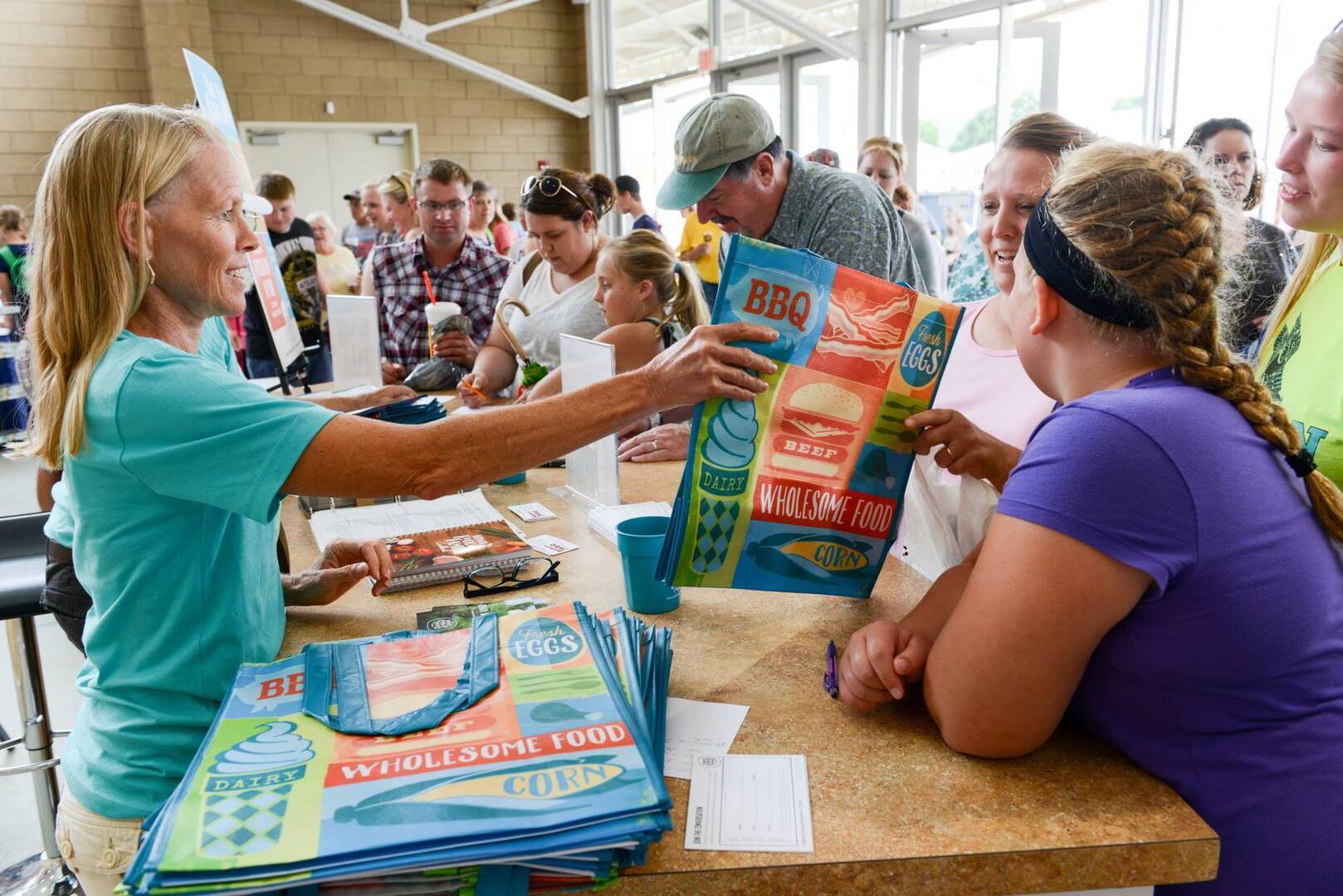
    • Once you’ve grabbed some free swag, toss it in the Iowa Food & Family Project tote bag — the perfect companion for a busy day at the fair or your weekly grocery run.

    The booth is powered by Iowa’s soybean, pork, corn, beef, dairy, egg and turkey farmers, with support from Casey’s General Stores, Earl May Nursery & Garden Center, Hy-Vee and the United Soybean Board. Latham Hi‑Tech Seeds is also a great partner of the Iowa Food & Family Project, collaborating in a common goal to connect farmers and consumers to engage in meaningful conversations about modern agriculture and today’s food system.

    From tote bags to temporary tattoos, we’ll have more fun than you can shake food-on-a-stick at — all while sharing the stories of Iowa’s farm families. We hope to see you at the great Iowa State Fair!

    Here’s a “taste” of the great recipes to be found in the Iowa State Fare Cookbook.*

    Team Latham

    August 4, 2017
    Agriculture, Industry News
  • Latham Hi‑Tech Seeds

    Branson Lives Up to Its Slogan, “It’s Your Show!”

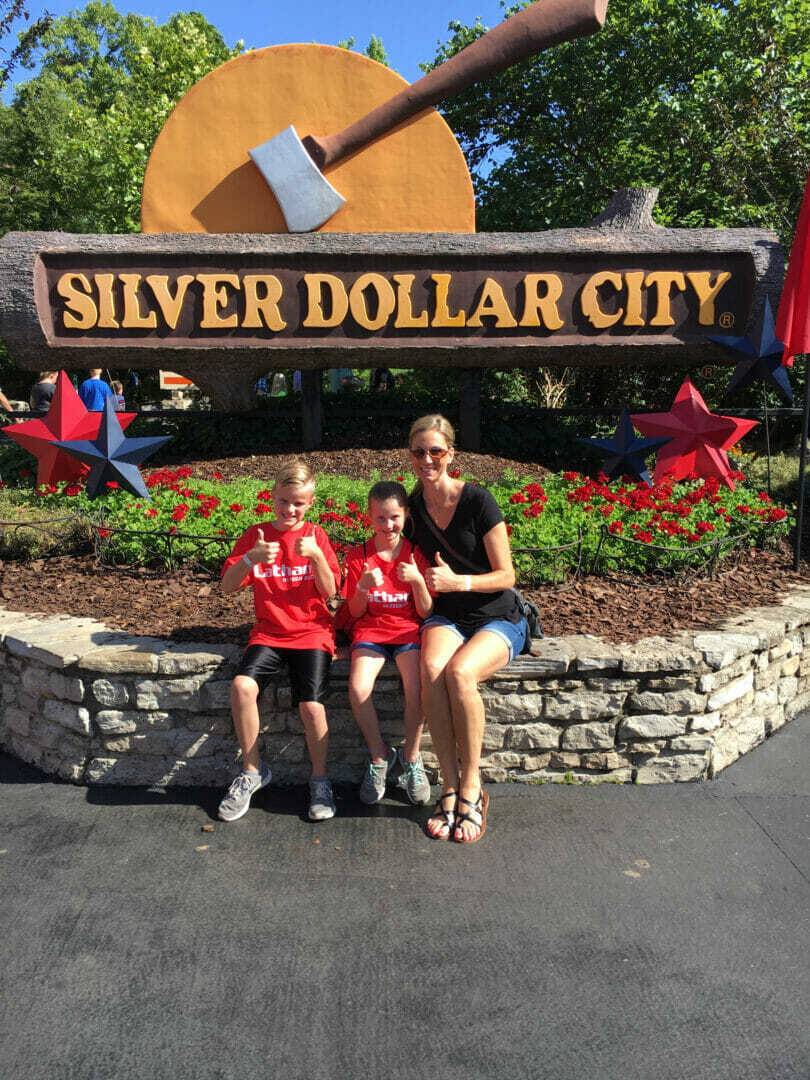
    Colemans Silver Dollar

    *Shannon Latham was sponsored by the Branson Convention and Visitor’s Bureau for this post, but all opinions are her own.

    One of the things I enjoy most in my position in marketing for Latham Hi‑Tech Seeds is visiting Midwest cities in search of unique experiences that our seed dealers and their families might enjoy while attending our annual sales meeting. Our 2017 event was recently held in The Show Me State at the Hilton Convention Center at Branson Landing.

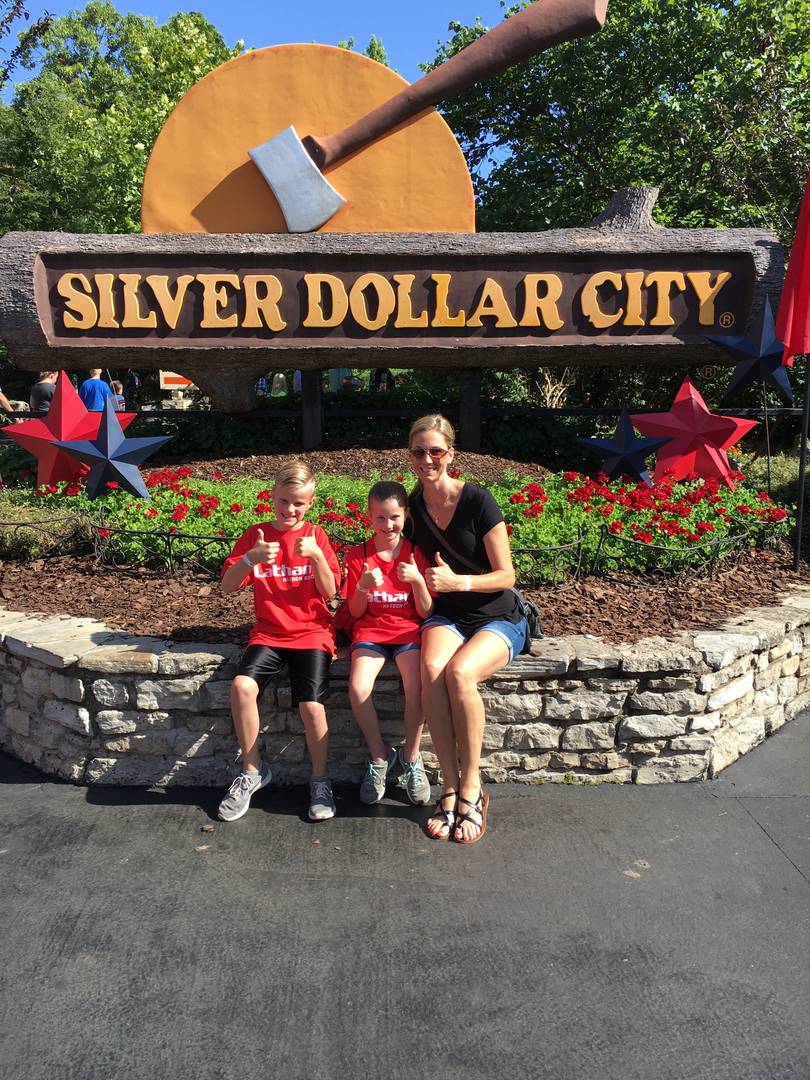
    Customer families enjoying Silver Dollar City
    Customer families enjoying Silver Dollar City

    One reason I chose Branson is because there is so much for people of all ages to see and do, from Silver Dollar City and farm-to-table dinners at the Keeter Center to championship golf courses and tournament fishing on local lakes to activities and attractions on The Strip.

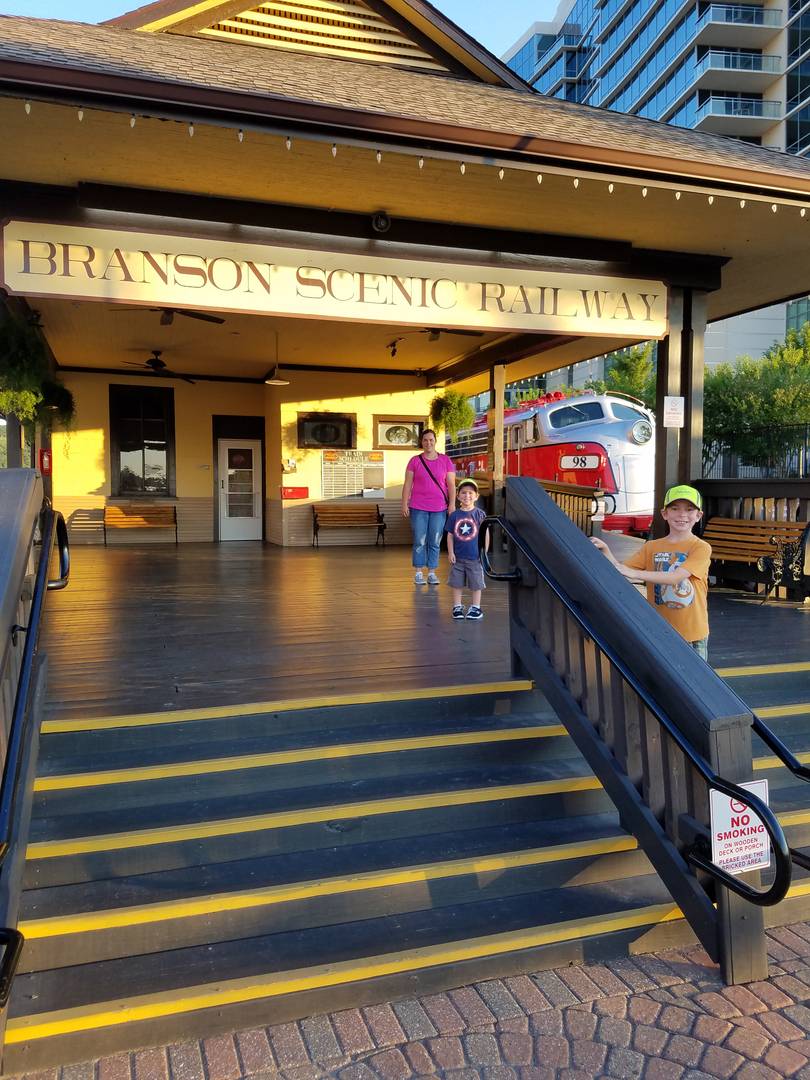
    Our hotel was near the Branson Scenic Railway.
    Our hotel was near the Branson Scenic Railway.

    In fact, there’s so much to see and do in Branson that I’ve lost track of the number of times that I’ve visited! Each time I go, I try something different. Two years ago my mom and my daughter joined me while I toured hotels and possible meeting sites, which were arranged through the Branson Chamber of Commerce. (Click here to read about our Branson culinary adventure.)

    It was a hot hot day during our visit to Silver Dollar City. The water rides and unlimited drink wristbands were perfect to help keep cool.
    It was a hot hot day during our visit to Silver Dollar City. The water rides and unlimited drink wristbands were perfect to help keep cool.

    Any experienced meeting planner will tell you the first step in planning a great meeting is contacting the local chamber. I’ve worked with many chambers during my 20-year marketing career, and I can honestly say the Branson CVB tops my list of favorites. Everyone I’ve ever worked with is professional, hospitable and focused on making a meeting planner’s job as easy as possible.

    Break time at Silver Dollar City, grabbing an Icee!
    Break time at Silver Dollar City, grabbing an Icee!

    When I asked to visit the Hilton Convention Center after I was already in Branson, the Branson CVB made it happen – with a smile. Hilton’s group sales manager also was gracious and made me feel like she would really enjoy working with me. My CVB contact pointed out all the things to see and do in Branson Landing that were within walking distance of this hotel. In the end, I selected the Hilton Convention Center  even though it wasn’t on my radar when I arrived in Branson.

    Branson Landing was the most wonderful place to host our meetings! From the first of the year through the Fourth of July, we published a series of related newsletter articles and sent a series of e-mails to Latham® Seed Dealers that included: Top 10 list of Branson shows; Top 10 Branson attractions; and five unique experiences to have at Branson Landing.

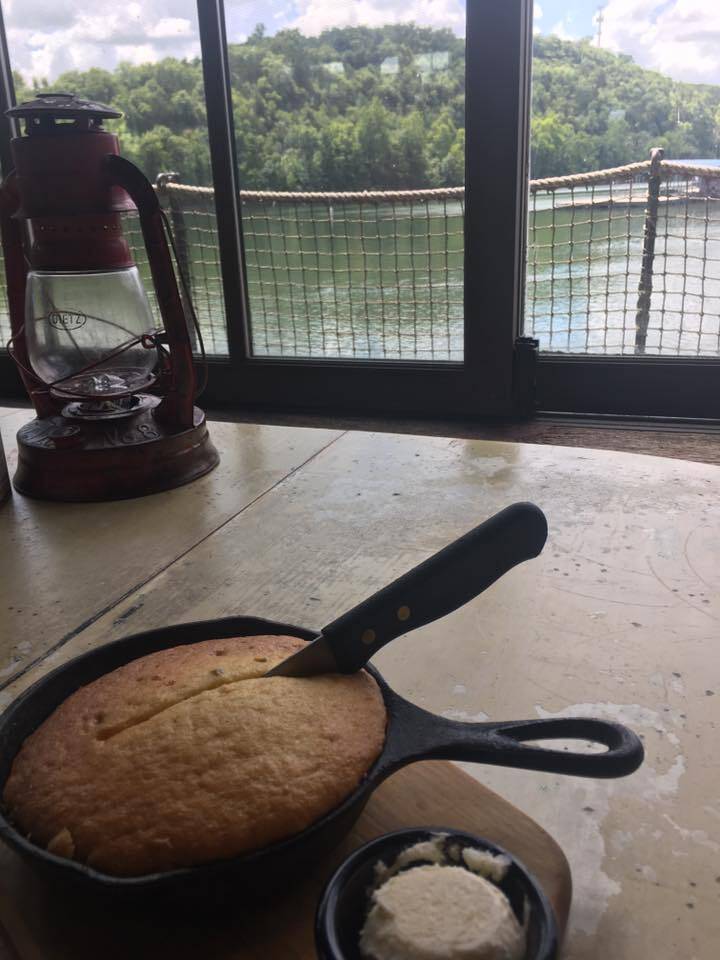
    View from White Fish House
    View from White Fish House

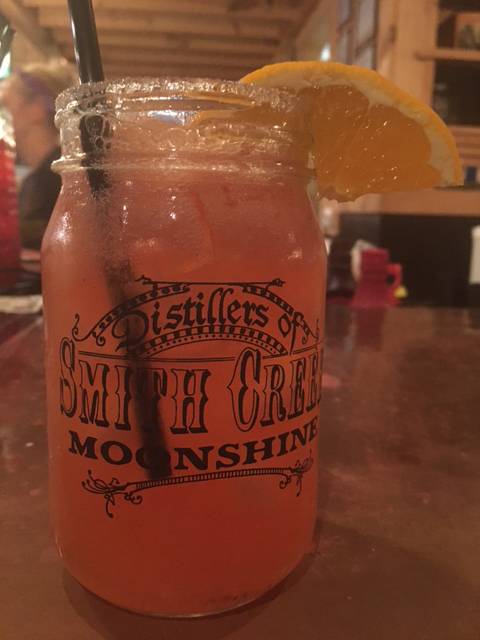
    One of the unique experiences we enjoyed at Branson Landing was Moonshine tasting. Smith Creek Moonshine is like the Baskin-Robbins of margaritas! You can choose from 13 unique flavors , including Strawberry Shortcake and Hillbilly Frappuccino.

    For added enjoyment, Latham Seeds chartered a bus to take our guests from the hotel to Silver Dollar City. This 1800s theme park that encompasses 100 acres with 12 stages, 30 rides and attractions, 12 restaurants and 60 shops. There also are 100 resident craftsmen that demonstrate everything from furniture making and baking to carving and cutting glass. Again, there was something to appeal to people of all ages and interests!

    Moonshine Margaritas were a perfect cap to the day during our stay in Branson
    Moonshine Margaritas were a perfect cap to the day during our stay in Branson

    Many of our families enjoyed the Harlem Globetrotters, and several ladies enjoyed a culinary demonstration inside the Midwest Living® Culinary and Crafts School at Silver Dollar City. Despite that temperatures neared 100 degrees plus the heat index, our guests enjoyed their day at Silver Dollar City. I’d like to give a special shout-out to our SDC group coordinator who worked with us. He provided a schedule of activities with maps in advance, as well as suggested meal and unlimited beverage tickets. He provided amazing customer service for two years as we’ve worked to plan this event.

    Everyone with whom our marketing team worked to plan our Branson meeting provided exemplary customer service. We hosted a sales meeting in 2010 in Branson, and you can bet that we’ll be back again!

    Related Blogs:

    • Get a Taste of Southern Hospitality
    • “The Covered Dish” Shares Simply Delicious Recipes
    • “Mis en Plus” is Key to Entertaining with Ease

    *Shannon Latham was sponsored by the Branson Convention and Visitor’s Bureau for this post, but all opinions are her own.

    Team Latham

    July 28, 2017
    Agriculture, Industry News
  • Latham Hi‑Tech Seeds

    Hard Work and Determination Makes Dairying Dream Come True

    IMG 4834
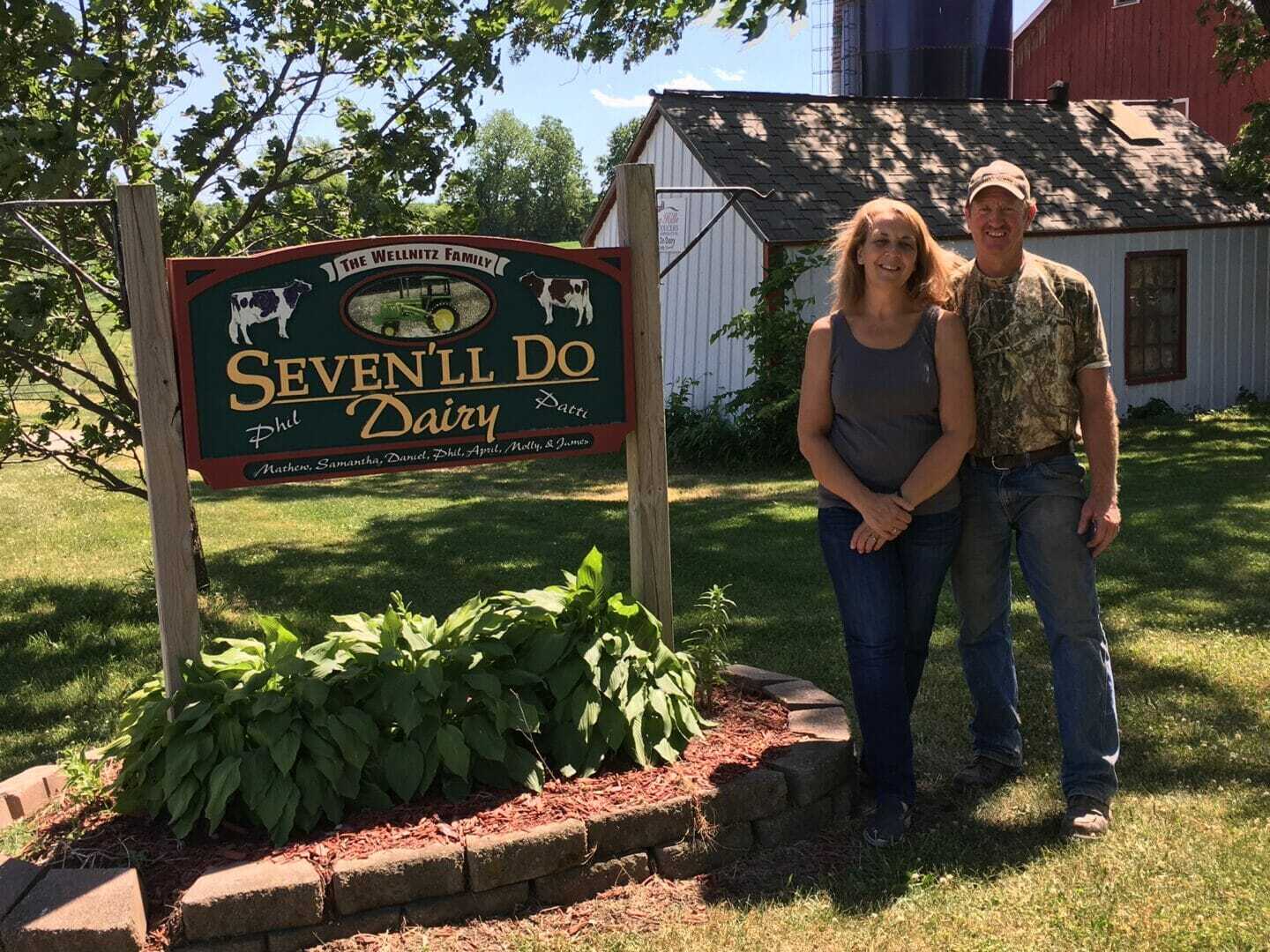
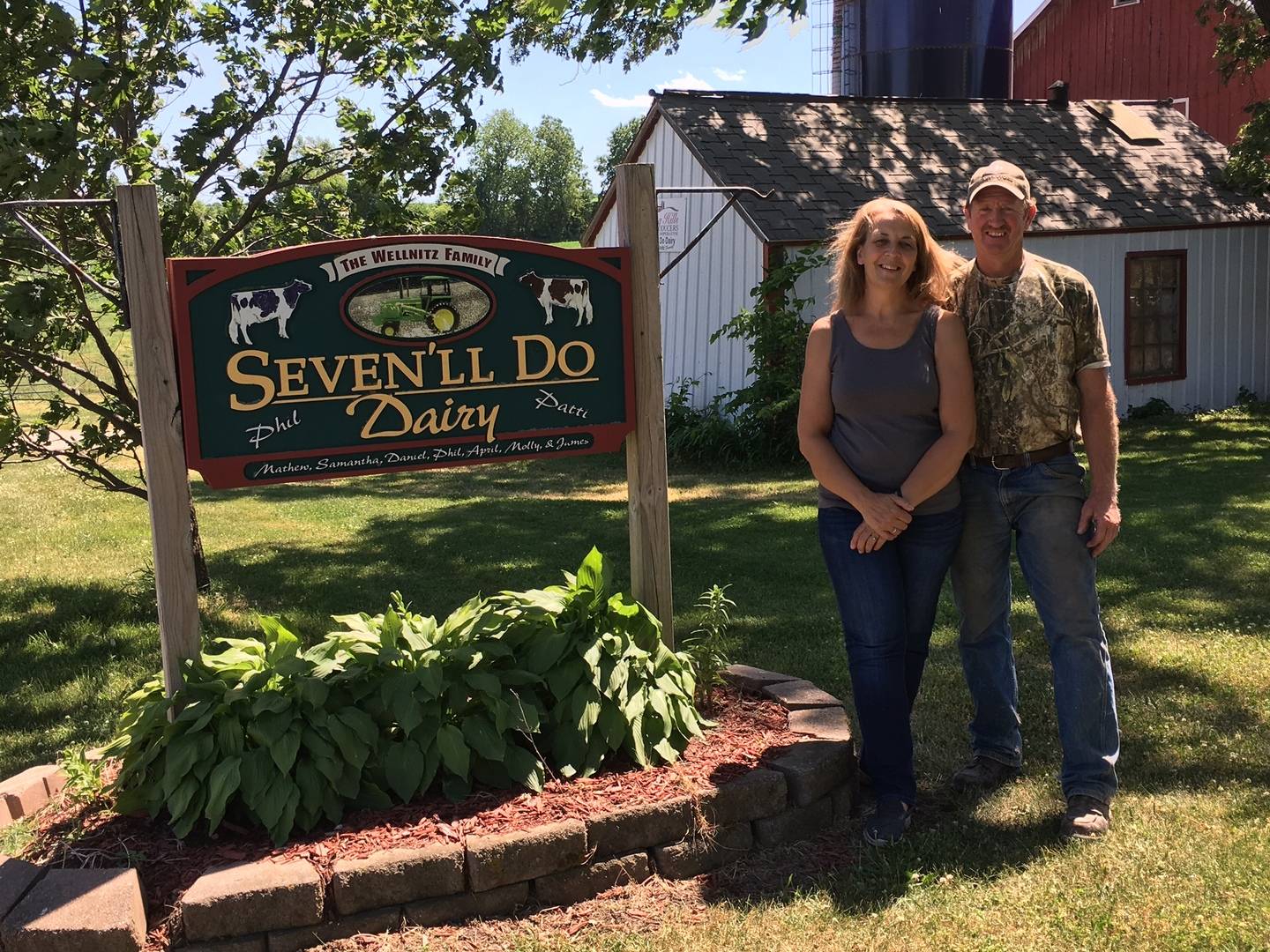
    Phil and Patti Wellnitz of  Seven'll Do Dairy in Orfordville, Wisconsin. The barn, silo and pumphouse are the remaining original outbuildings. Over time, a new free stall barn was built for cow comfort and to make room as the herd size increased. A calving barn and machine shed also have been built.
    Phil and Patti Wellnitz of Seven’ll Do Dairy in Orfordville, Wisconsin. The barn, silo and pumphouse are the remaining original outbuildings. Over time, a new free stall barn was built for cow comfort and to make room as the herd size increased. A calving barn and machine shed also have been built.

    Where there’s a will, there’s a way. Phil Wellnitz has been living that mantra since he was knee-high to a dairy cow.

    “One day when I was 10 years old, I was milking with my 16-year-old brother. He was complaining about having to haul milk using the old Surge buckets. I told Dad that I would do it instead,” says Phil, who is one of 11 kids raised on a dairy farm east of Janesville, Wisconsin. “I was so short at that time I had to set the bucket on my knee and then pour it into the strainer, but I was determined. From that day on, I was responsible for hauling milk.”

    With a desire to constantly improve efficiencies, at the age 17, Phil bought a fifth milk bucket.

    “Dad ran three buckets and I ran two. We carried pails until I graduated and then Dad put in the pipeline,” recalls Phil. “Two weeks after I graduated high school, I needed a way to make some money. I got a job for another dairy farmer. I would milk Dad’s cows early and then head over to milk 80 cows by Sharon. Then I’d do the same thing each evening.”

    After working at both dairies for three years, Phil asked his parents if there would be an opportunity for him to take over the family dairy. The answer was no. Instead of getting bitter or angry as some folks might do, Phil channeled his energy into pursuing Plan B. Within two weeks, he was milking on halves with another farmer by Milton.

    “I knew I was working toward my goal, but I couldn’t stay there long,” says Phil. “Fortunately, Bob Craves was a field man for Beatrice Foods at that time. One February morning Bob walked into the barn where I was working and said, “You got a couple minutes? I have a farm to show you.”

    “I got in Bob’s truck and we drove to this farm, and I couldn’t believe it,” adds Phil. “You’ve never seen such a mess! There was a fence all around the yard because sheep were brought in during the summer to keep the weeds down. Manure was piled everywhere. Two Saint Bernard dogs met us at the door of the house. No one was living here at the time, and those dogs had the run of the place.”

    Fueled by hopes and dreams, 22-year-old Phil met in March 1982 with the property owner. Ann Renly graciously offered to let Phil buy the farm on contract, and he soon got to work on getting the farm in working order.

    As they often do in rural areas, friends and neighbors pitched in to lighten the workload. Many people showed up to help the young dairyman clean up the farmstead. One of those who lent a helping hand was Patti, who grew up on a hog and tobacco farm two miles down the road.

    Phil and Patti were married in November 1983, and they’ve made their home here for the past 34 years. The house, which was built in 1911 by Ann Renly’s grandfather, has been completely remodeled and additions were made to make room for the Wellnitz’s seven children.

    “I always said that I was never going to marry a farmer,” said Patti, “but I married a good one. I couldn’t be happier with the place we have to raise my children. Our kids learned early on to work hard and to be team players. Although they had to work hard, they also have a lot of fun. There was often a game of kick ball or softball in the front yard after breakfast.”

    Two of the Wellnitz’s sons work full-time on the dairy. Both milk twice daily. James, 20, feed cows and helps Patti with the morning calf chores while Phil, and his 27-year-old son named Phil, milk cows. James and his brother Phil take turns mowing, chopping and raking hay. Their father Phil does all the planting and combining. Patti fills in where needed from milking cows to raking hay and feeding young stock.

    Summer months are especially busy for Patti as she runs the dairy trailer for the Rock County Dairy Promotion Council. Upcoming events include Rock County 4-H fair, July 24-30, and Thresheree over Labor Day weekend. She sells dairy products at several small-town summer celebrations, as well as June Dairy Days promotions and on-farm events.

    “Everyone is involved to some degree with our operation,” says the older Phil. “When our kids come home, the first place they go into the parlor and start helping.”

    Phil and Patti’s oldest son, Matthew, lives just two miles away. He’s a full-time electrician, so his skills often come in handy.

    Their second oldest son, Dan, lives on the second farm Phil bought on contract. Heifers and dry cows are kept there, so Dan takes care of them in addition to owning and operating a construction business.

    The Wellnitz’s daughter, Samantha, lives with her husband and their son in Evansville. She works in Madison and visits the farm about once a week, so her one-year-old son gets plenty of time to “farm” in the sandbox and see the cows. She’s expecting her second child in August.

    Daughter April, 25, had worked at the daycare at Orfordville and currently nannies for Samantha and Dan’s kids. She also milks nights at least three times per week.

    Twenty-three-old Molly is a dental assistant.

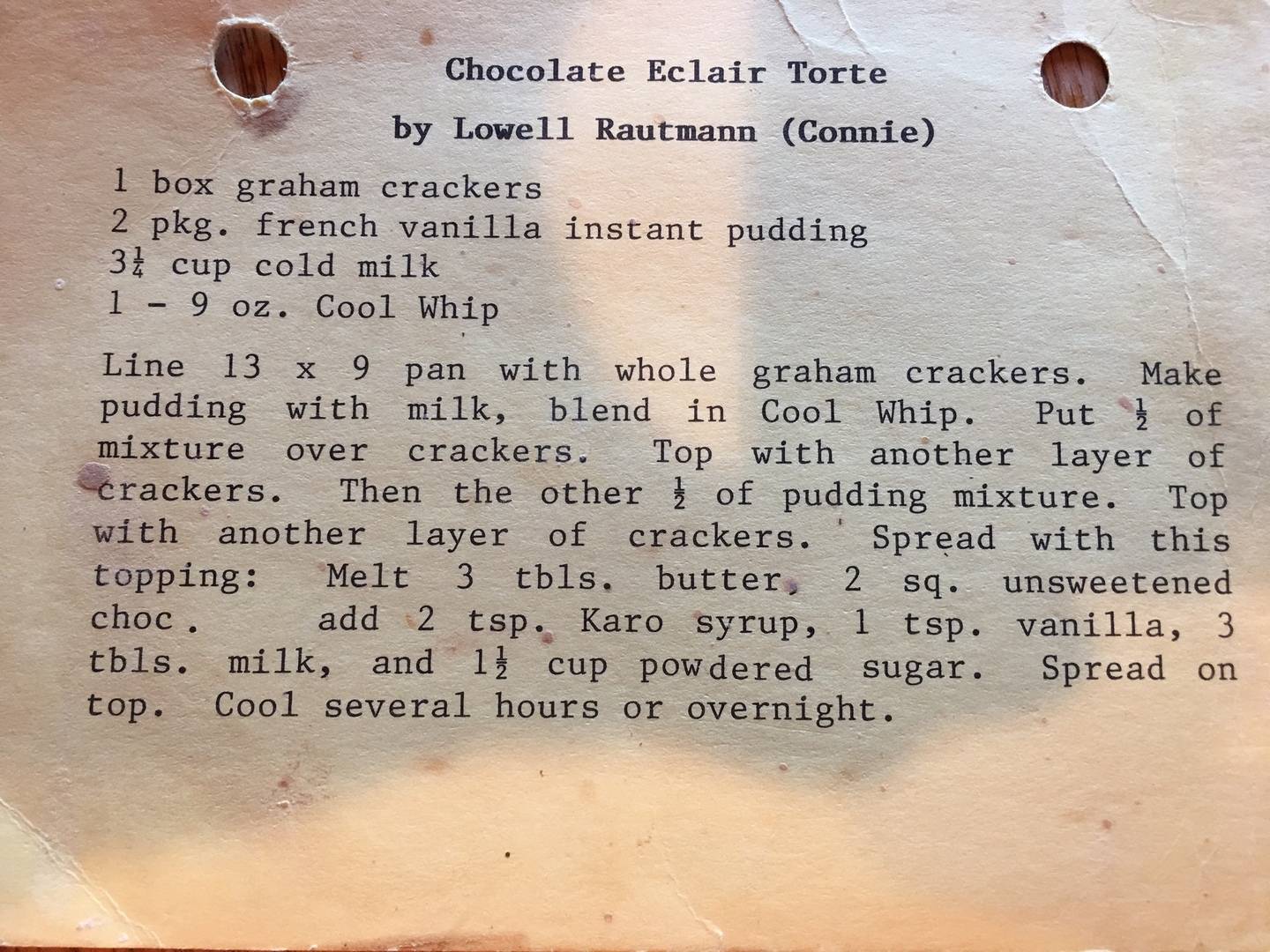
    The proud parents of seven, Phil and Patti named their dairy “Seven’ll Do.” All of their children enjoy working together as their schedules permit and gathering together as often as possible. When they all come home, you can bet the table will be filled with fabulous foods featuring dairy products. Today Patti shares with us two of her go-to recipes for family get togethers.

    IMG_4840

    Team Latham

    July 7, 2017
    Agriculture, Industry News
  • Latham Hi‑Tech Seeds

    China Approves Enlist™ Corn Trait

    Feature Tech Tuesday 01

    Tech Tuesday Header-01

    Dow AgroSciences on June 14 announced that corn stacked with the Enlist™ trait had been approved for import into China. This clears the road for U.S. farmers to plant hybrids with the Enlist trait in 2018. It’s especially good news for Latham® dealers and customers because they’ll soon have another tool to fight herbicide-resistant weeds!

    The enlist system is based on tolerance to Dow AgroSciences’ new formulation of 2,4-D with Colex-D® technology. The herbicide used is called Enlist Duo®, which is a premix of this new 2,4-D compound and glyphosate. Enlist Duo herbicide may be sprayed on PowerCore® Enlist hybrids and also Enlist soybeans once that trait has been approved. PowerCore hybrids will contain the Enlist herbicide tolerance trait, as well as a VT Double PRO® and Herculex® 1 stack. These hybrids are poised to provide the best above ground control on the market!

    Latham Corn Team members have been anticipating the approval of Enlist corn for several years and have identified several hybrids that can be added to our lineup under the PowerCore designation. We’re excited about adding this trait to hybrids with proven genetics, like LH 5402 RR and LH 5742 RR. We also plan to bring in new hybrids to complement our existing products.

    When Enlist Duo is used with Colex-D, it minimizes drift and has almost zero volatility. This has already been proven by U.S. cotton farmers, who have been able to grow the PhytoGen® brand of Enlist cotton since it was launched in 2016. A select group of Upper Midwest corn farmers also have tested the Enlist system on carefully controlled, stewarded acres during the past couple years. In addition, the Latham Corn Team has tested Enlist hybrids in other regulated fields.

    We’re optimistic that the approval of Enlist corn by China will soon lead to the approval of Enlist soybeans. As part of a trade deal with the United States, China has pledged to speed up its review of eight biotech products (including Enlist soybeans) that are pending approval. More information about PowerCore and Enlist hybrids, as well as Enlist soybeans, will be shared during our Seed-2-Soil® Technology Tour this fall. Make plans to join us in a field near you!

    Webspec Admin

    July 4, 2017
    Agriculture, Corn, Industry News
  • Latham Hi‑Tech Seeds

    SuperStrip Cooperators Play Key Role in Latham Research

    Feature Tech Tuesday 01

    Tech Tuesday Header-01Every planting season has its challenges and this year was no exception. After fit planting conditions early in the spring, North Iowa faced extremely wet and cold soil conditions. Nearly 17 inches of precipitation fell from the beginning of the year through the month of May, which is about double our average precipitation.

    You can imagine how eager farmers were to resume planting! To compound the situation, we were waiting for a few new products to arrive on a slow boat from the winter nurseries so we could test them in our SuperStrip plots.

    SuperStrips are an integral part of Latham’s research program as the same group of products is planted within a given maturity range, including: products currently being offered; products we plan to add to next year’s lineup; and “experimentals” that are being tested to see if they meet our standards.

    This same group of corn and soybean products is tested on several farms throughout Latham Country in the same year. We collect data on how they perform by soil type and under various environmental conditions. Hybrids and varieties are evaluated throughout the growing season for their overall characteristics and then taken to yield at harvest as a final comparison.

    Watch for growing season updates on TheFieldPosition.com blog. Harvest results will be posted this fall at lathamseeds.com. I’m positive the information we will gain from our research plots will reap big rewards for our product portfolio now and in the future!

    Webspec Admin

    June 20, 2017
    Agriculture, Industry News
  • Latham Hi‑Tech Seeds

    “Plant It Pink” like GardenHer Julie Kaduce

    Julie 2

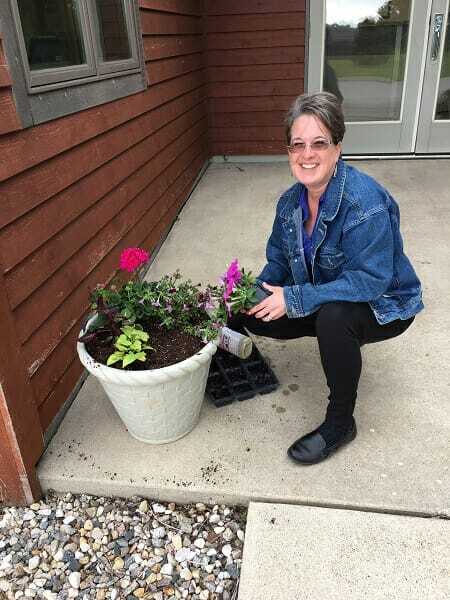
    Julie 2Many of us have heard of “painting the town red.” Chances are “plant it pink” isn’t a phrase you’re familiar with ––at least not yet. That could soon change thanks to the Garden Clubs of America and local organizations, like the Swaledale Federated Garden Club in North Iowa. These groups are encouraging communities to make a statement this spring by planting pink flowers for breast cancer awareness.

    Other club activities include the annual plant sale, which is held in May and is the club’s only fundraiser. Every year, they visit the garden of a club member. The gather at least one each year to learn about another North Iowa organization or business, Such as Trees Forever, Lime Creek Nature Center or a CSA. The club also hosts a public flower show each year around fall. In December, the club decorates the Christmas Tree at the Sheffield nursing home. The club also has planted trees in Swaledale, as well as flowers at libraries and other places throughout North Iowa.

    Because Latham Hi‑Tech Seeds is a proud supporter of the American Cancer Society and related organizations like the Franklin County Relay for Life, we’re pleased to promote breast cancer awareness by planting pink flowers in containers outside our office doors. These containers are maintained each season by Julie Kaduce, our customer service representative, who has been a member of the Swaledale gardening club for the past five years.

    “What I enjoy most about belonging to a garden club is visiting with people who have similar interests,” says Julie. “Gardeners tend to be curious and have creative thoughts. I learn something new or discover a new appreciation for something each time I attend a meeting or an outing or help with a club project.”

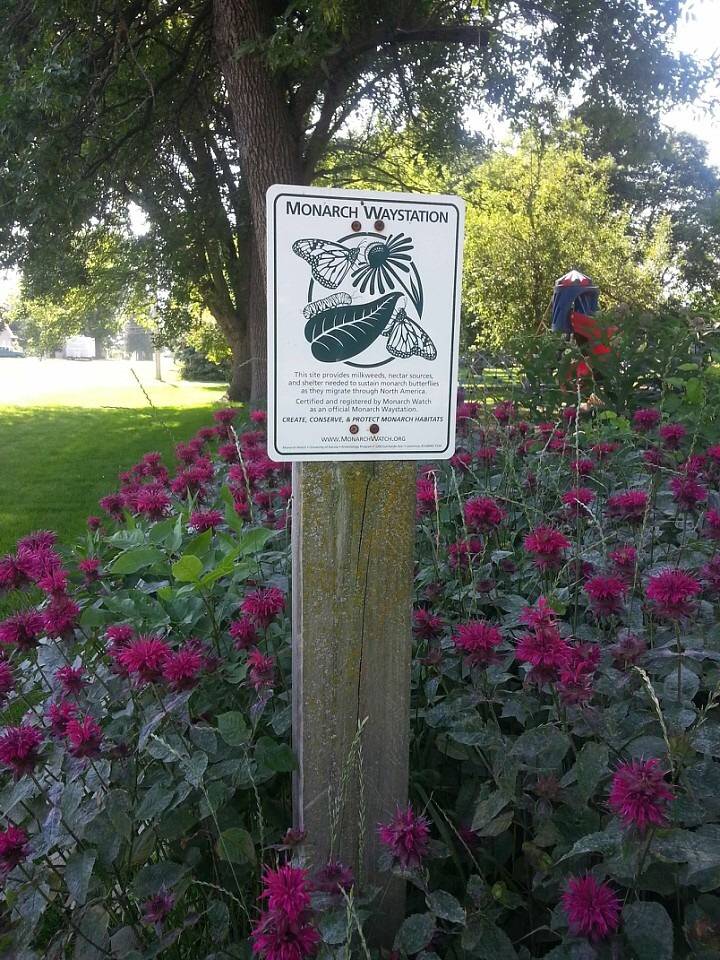
    One of the Swaledale Garden Club’s project is this butterfly garden in Swaledale City Park. Other club activities include the annual plant sale, which is held in May and is the club’s only fundraiser. Every year, they visit the garden of a club member. The gather at least one each year to learn about another North Iowa organization or business, Such as Trees Forever, Lime Creek Nature Center or a CSA. The club also hosts a public flower show each year around fall. In December, the club decorates the Christmas Tree at the Sheffield nursing home. The club also has planted trees in Swaledale, as well as flowers at libraries and other places throughout North Iowa.
    One of the Swaledale Garden Club’s project is this butterfly garden in Swaledale City Park.

    Julie’s appreciation for gardening stems from the time spent as a child with her mom in Iowa, her grandmother in southeast Nebraska and her aunts in Minnesota.

    “We moved around when I was growing up because my dad is a pastor and was called to other churches. My mom always managed to make each new place more beautiful than when we first arrived by planting flowers,” says Julie. “We always had big vegetable garden, too. My younger brothers and I learned how to plant seeds and how to harvest what was ready. We learned how to cook what was raised and how to preserve it for the winter months—it all tasted so good!”

    Although Julie loves eating fresh vegetables, she prefers to grow flowers. Time is committed differently when raising, tending to, harvesting, and preserving produce. Instead she joined a local CSA (community supported ag) to provide her with garden-fresh produce, which frees up her time for taking care of flowers.

    “When I’m taking care of the plants, the rest of the world disappears. My eyes and thoughts are totally focused on what’s before me,” says Julie. “I just like to have fun and allow others to enjoy our pretty corner of the world. My husband and I enjoy caring for the trees and bushes we have planted over the years, as well as for the flower beds and containers we put together each year.”

    To promote a passion for pink, plant pink flowers and share photos via social media using the hashtag #plantitpink.

    Plant Pink Jpg-01

    Team Latham

    May 29, 2017
    Agriculture, Industry News
  • Latham Hi‑Tech Seeds

    Showing Cattle Has Become a Year-Long Business

    Scan0003 top

    (Part Two of Friday’s blog, Knowing Family Lineage is Second Nature to these Producers)

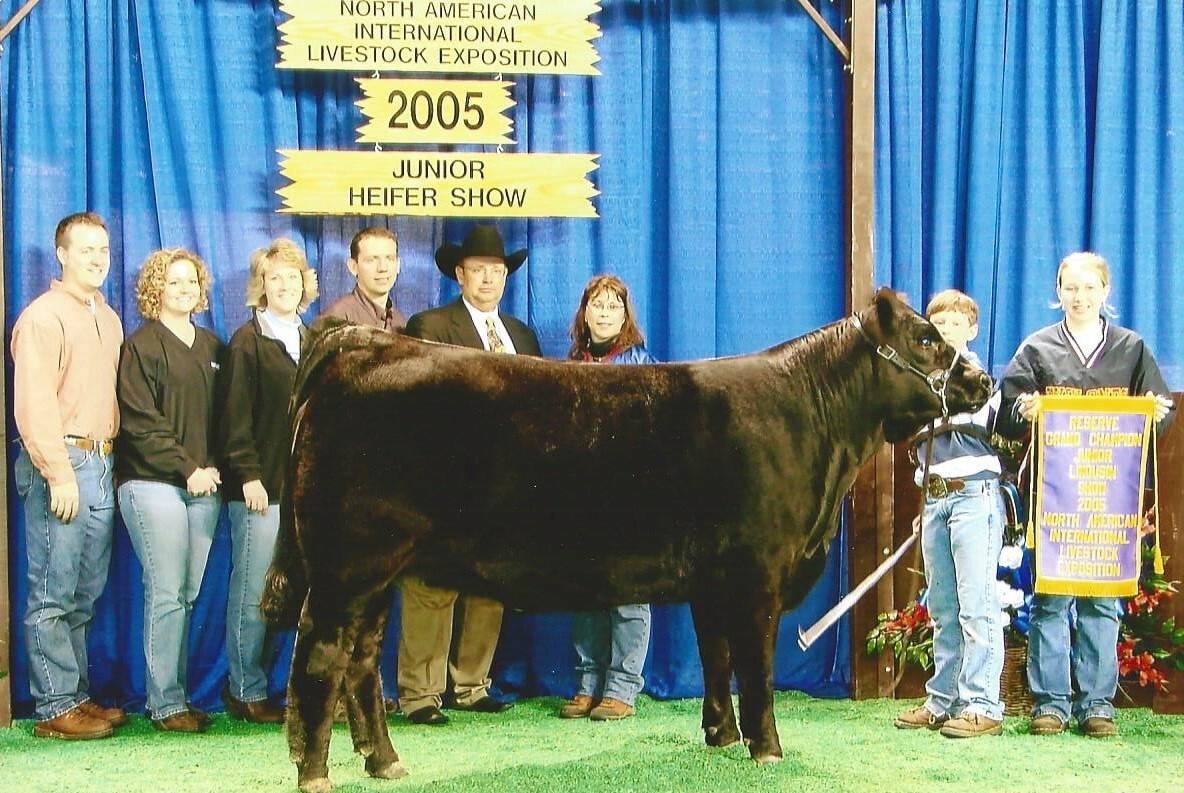
    Zach Greiman is pictured here with his Limousin heifer that was also Reserve Champion in the Jr Show at the North American International Livestock Exposition in Louisville, KY.
    Zach Greiman is pictured here with his Limousin heifer that was also Reserve Champion in the Jr Show at the North American International Livestock Exposition in Louisville, KY.

    It’s no wonder showing cattle is such a big part of Zach Greiman’s life as he literally grew up in and around the show ring.

    Zach was born on a Monday, weighing 10 pounds, 11 ounces. His mom, Sis, jokes that he was a good gainer because he weighed 12 pounds by that Saturday. Sis had responsibilities as a member of the Sale of Champions Board at the Iowa State Fair, so the new family of four hit the road that weekend and met other family members in Des Moines at the fairgrounds.

    “It’s like showing gets in your blood,” says Zach. “My Grandpa Cliff passed away when I was five, but Uncle Don was always at my shows. He usually had some great advice but even better stories.”

    In fact, Don Greiman has so many stories to tell that he’s literally written a book about living “A Blue Ribbon Life.”

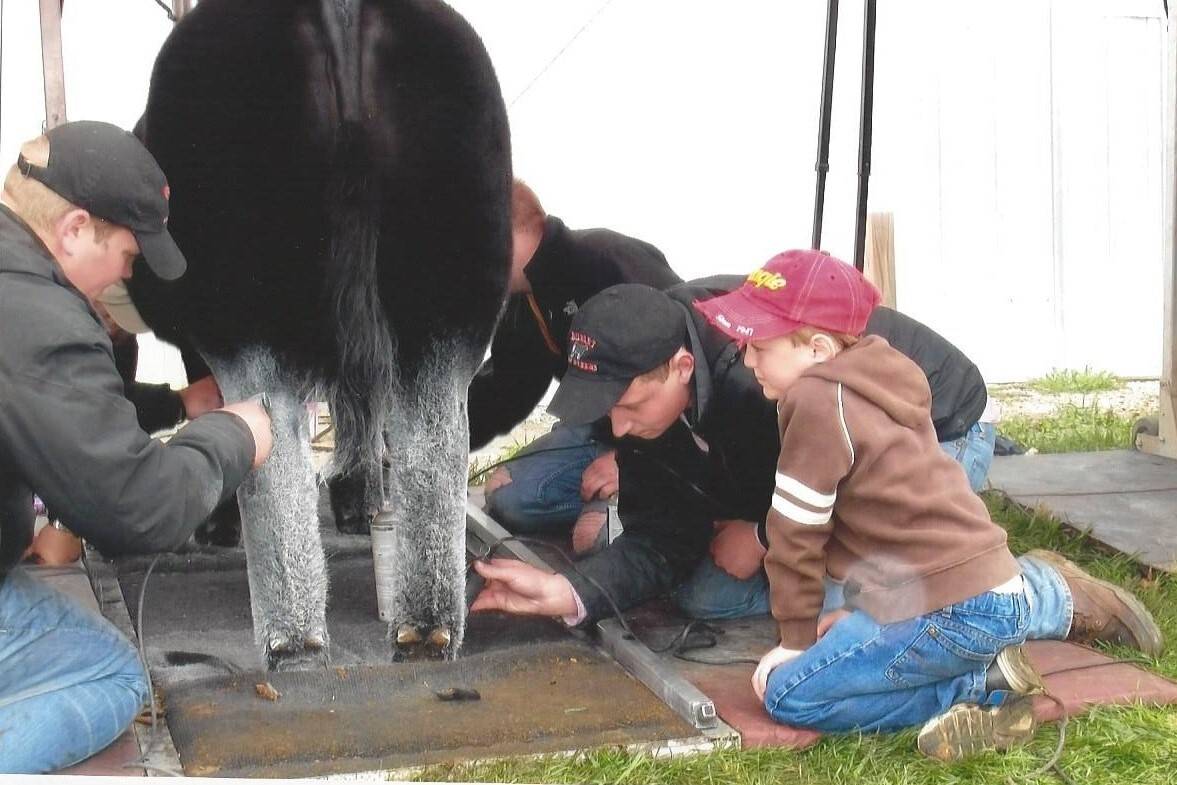
    Times have changed since Don and his brother, Cliff, showed cattle. At first, they took trains to shows. Later, they could haul their own cattle. Even showing and fitting standards have changed through the years. Don and Cliff just washed and brushed the hair to fit their cattle; very little clipping was done. By the time Cliff’s son, Cory, started to show, higher powered cattle blowers and better fitting products had been developed. Cory, who is Zach’s dad, also had more shows to attend than the generation before him.

    “My dad grew up showing cattle and working on the farm. He couldn’t wait to get out of school to farm and work on his show cattle. He traveled the county like I do clipping cattle. Our fitting products and clippers just keep getting better as do our choices in feed rations.  AI (artificial insemination) and embryos have improved genetics. As a result, cattle today look much different than those in the photos of Uncle Don and Grandpa at shows.”

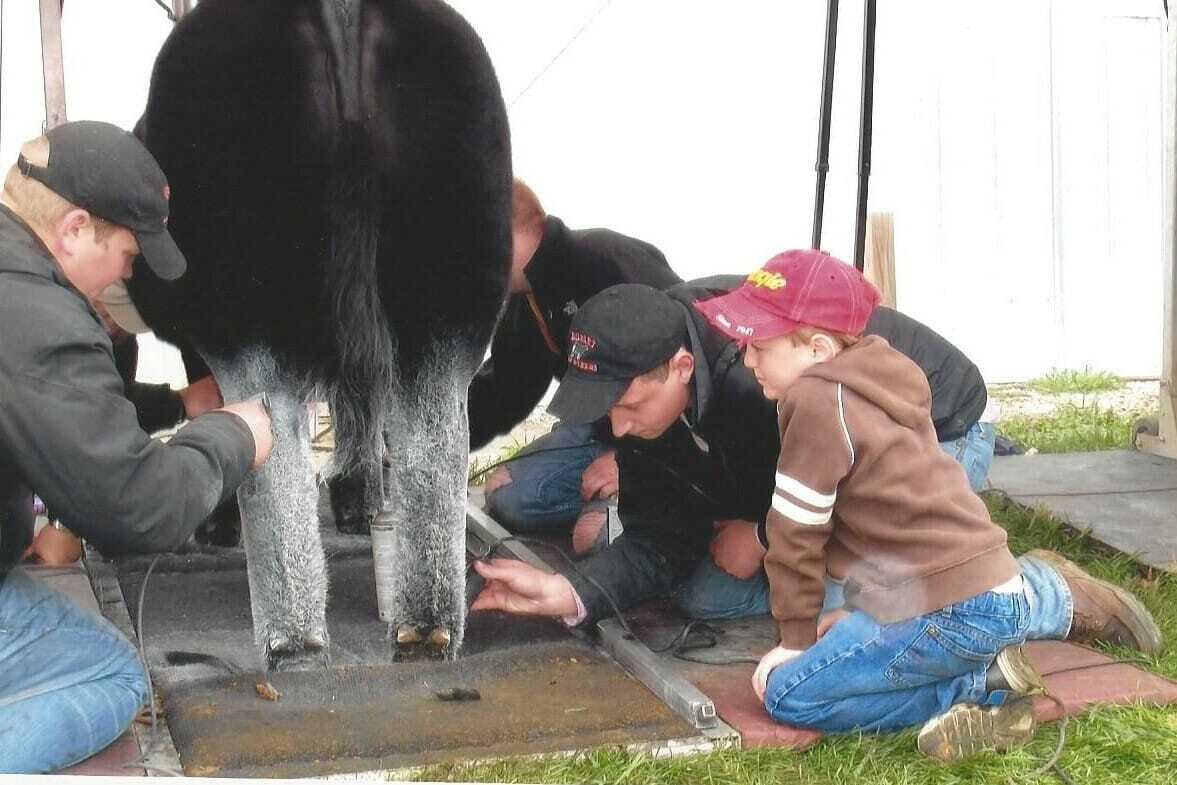
    Zach fitting the right hind leg at a show and instructing a young 4-Her on how to do it right.
    Zach fitting the right hind leg at a show and instructing a young 4-Her on how to do it right.

    Just as cattle shows have changed through the years, cattle sales have changed. Today a growing number of livestock is bought and sold online, which is a far cry from the way auctions were conducted when Zach Greiman’s dad was a 4-H member. It’s an even further departure from the way his great great grandfather began his Angus herd by corresponding via U.S. mail in the late 1800s.

    “When dad was my age, he put an ad in a magazine,” explains Zach. “When my parents were first married, they started an annual club calf sale that continued all the while I was growing up. We don’t have an annual club calf sale on our farm anymore because the Internet has totally changed how people buy and sell cattle.”

    Both on-farm and live auctions are promoted today through social media and Internet marketing. Some producers start promoting newborn calves as soon as they hit the ground.

    “Many producers are on Facebook, so potential buyers watch videos there or on YouTube,” says Zach. “Videos help me decide if I want to make the drive to a farm or ranch. If I like the video, I want to look at the calves before I buy them. I also sell cattle all year long by posting videos on Facebook and YouTube.”

    Zach helps fit other producers’ cattle for online auctions, and he also sells some of his own calves online. Firms that host online sales post the sale dates, send out email reminders, and post the sale including videos. A buyer scrolls through the lots and can bid on whichever one they like. The cattle can be viewed anytime once the page is up.

    “I have mixed emotions about online sales,” says Zach. “One advantage is that buyers and sellers can participate in multiple sales on the same day without leaving home. Buyers and sellers alike save on travel time and expenses. Another advantage is that I can take my time clipping and videotaping the animals for sale. However, the work is about the same for a live auction and an online sale because the calves still must be fed and clipped. Sometimes a sale is a combination live sale and online auction. A firm sends a rep who videos the cattle going through the sale ring and bids are taken from the stands, on the phone or via computer.”

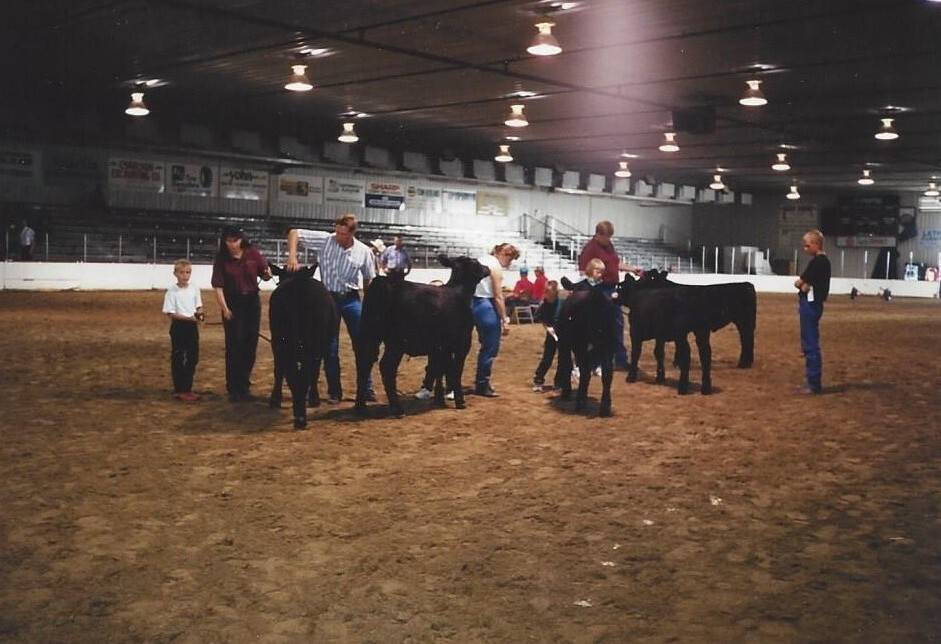
    Zach was about five years old when he showed for the first time at the North Iowa Fair, joining his sister and cousins in the showring. His mom, Sis, is in the ring giving him instructions.
    Zach was about five years old when he showed for the first time at the North Iowa Fair, joining his sister and cousins in the showring. His mom, Sis, is in the ring giving him instructions.

    Regardless of how a sale is made, raising show cattle is a year-long business. Zach travels most of January, and the largest event he attends that month is the National Western Stock Show. February is a busy month with the week-long Winter Beef Expo in Iowa. March and April are filled with Iowa Junior Beef Breeds Association (IJBBA) shows on weekends. The IJBBA show season is February through September. All breeds are shown, points are collected and it concludes with an awards program.

    Also during the spring months, Zach travels to several shows and sales in the southern states. He’s home most of May to help plant his family’s crops, but he attends an occasional weekend show as time allows. Then he’s gone three or four days at a time in June and July to attend field days and regional shows.  July is filled with county fairs and national shows, which last a week at a time. August and September are filled with state fairs last for one to two weeks, depending on how many breeds a person shows.

    Fall is especially busy. Calf sales start in September, so Zach spends his “free time” clipping entries for those. He focuses primarily on sale cattle in October, although Ak-Sar-Ben and the Kansas City Royal also are held that month. November is spent at sales and at the North American International Livestock Exposition (NAILE) in Louisville, Kentucky. Zach finds himself home more in December, but that’s also when he gets ready for his cows to begin calving.

    “I’m gone fitting other people’s cattle at least half, if not three-fourths, of my year,” says Zach. “I try to work my travel schedule around field work and seed sales.”

    To learn more about the Greiman family’s cattle operation, click on the links below:

    • Knowing Family Lineage is Second Nature to these Producers
    • Beef Industry Leader Says C.A.B. Benefits Producers & Consumers
    • Greiman Emphasizes Importance of Cattle Genetics

    Team Latham

    May 22, 2017
    Agriculture, Industry News
  • Latham Hi‑Tech Seeds

    Be Real, Advises this FarmHer and AgVocate

    Farmher 2

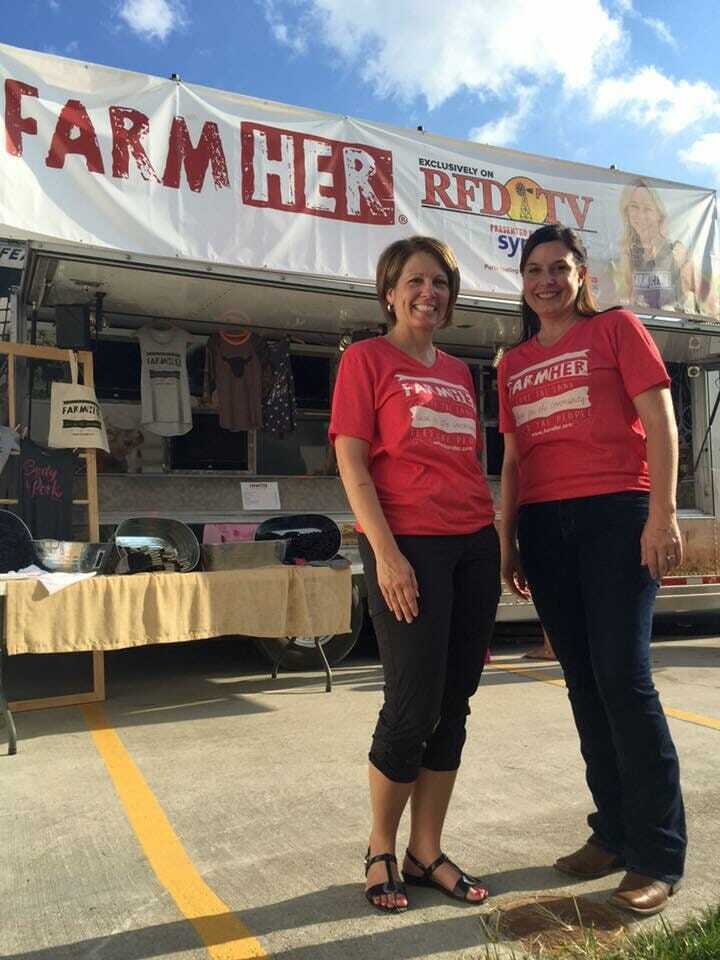
    Farmher 4Last Friday on The Field Position, we introduced you to beef producer Amber Kohlhaas and her husband, Jason, of Lu Verne, Iowa. Amber is a kindred spirit to those of us, who are passionate about the quality of crops and livestock we produce. Keep reading to learn why she believes it’s so important for all of us to share our stories with our urban friends.

    “From my experience, opening your mind to new opportunities can help to identify and reaffirm your passions,” says Amber. “All my life, I was around agriculture. It was all I knew. There came a moment that I questioned if agriculture was truly my passion or whether it was my passion because it is all I had ever known. I originally set out to obtain a degree in Marketing from Iowa State’s College of Business. Then I experienced a lightbulb moment that reaffirmed where my heart and true passions truly lied. It didn’t take me long in business school to recognize that I am most engaged and passionate about agriculture, which led me to switch to the College of Agriculture.”

    Farmher 3Amber knew she wanted to major in Agriculture but needed to find a focus, so she took an array of Agronomy, Animal Science, Ag Business classes to help identify the best fit.
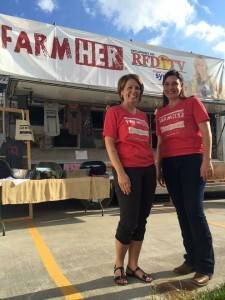
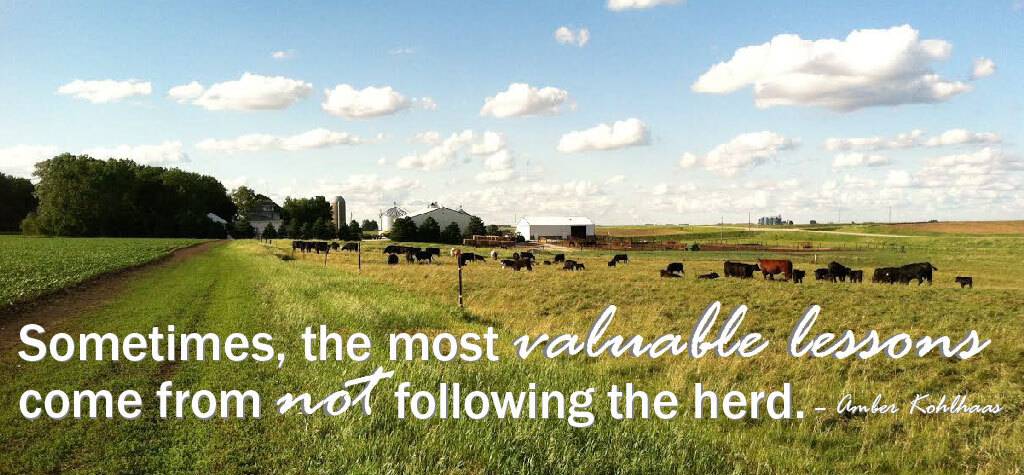
    “I never expected to enjoy Livestock Judging and Meat Lab classes. Eventually, I finished with an Agricultural Business degree in the College of Agriculture,” says Amber. “Don’t be afraid to think outside the box and to try new things. Get engaged, network, job shadow, and be proactive to immerse yourself in new experiences and opportunities. Sometimes the most valuable lessons come from not following the herd. You might unlock new passions.”

    Farmher 2To help others discover their passions, Amber and Jason enjoy providing on-farm opportunities.
    “We employ a young neighbor, who grew up on a grain and swine farm but had no experience or knowledge of cattle. It’s been an amazing experience to work alongside him and to help him develop skills and knowledge of the show cattle industry. We also are privileged to host a young FFA student on our farm, whom also was raised on a grain and swine farm. She has an interest in cattle but was lacking the knowledge and opportunities to grow in that field. We welcome her help on our farm often and it’s been gratifying for us to watch as she builds her confidence in an area of agriculture that she otherwise may not have had the opportunity to get engaged with.”

    Amber embraces opportunities to share her knowledge and passion with people both inside and outside of ag circles.

    “As an advocate, I strongly believe in the importance and power of telling agriculture’s story,” she says. “Not only do we welcome guests to experience our farm first-hand, I have also found social media to be an effective tool allowing me to invite people into our lives for an opportunity to follow along and experience the day-to-day aspects of life on an Iowa farm. It’s pretty impactful to not only share positive best practices and experiences but also to be open and honest with your audience about the challenges and loss that producers also face on our operations. While there are days that are rewarding, unfortunately, there are also some days that are heart wrenching on a farm. “

    Farmher 5
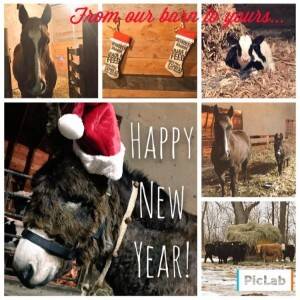
    “If you didn’t see much for Christmas lights around our farm this season, it’s because I put all my energy into making the inside of the barn festive instead! Priorities! 😉(Such a great day brightener doing chores everyday in a barn lit up for the holidays!) My four-legged friends are wishing you good times & amazing adventures in 2017! From our farm to yours…Happy New Year! 💛 — at Kohlhaas Cattle Company.”

    As urban areas expand, the number of farms continues to diminish. Fewer people being raised on farms means the overall knowledge base shrinks. That’s why Amber says it’s more important than ever for people in agriculture to share their stories.

    “From water quality, GMOs or antibiotic-free meat, we have all heard about controversial topics surrounding agriculture in the media that are contributing to public confusion and a general misconception,” says Amber. “As a grower and livestock producer, it is not only our responsibility but it is our privilege to share our stories in effort to bridge the gap and drive awareness for the agriculture industry as a whole.”

    Amber says she shares snippets from farm life to help consumers understand:

    • As producers, we opt to treat our livestock with compassionate care. We do what we believe is right and what is in the best interest of the well-being and quality of life for our animals. It’s no different than if we have a sick or injured family member or pet; we feel empathy and want to help ease their symptoms and speed up the healing process. We vaccinate our livestock in the most responsible manner possible. We work closely with our veterinarians for treatment recommendations, read the labels, understand the residuals, and are diligent in our responsibility to manage all product and ensure it is safe to go to market.
    • We eat the same food consumers do. That’s why we take a great deal of pride in performing responsible best practices and producing a quality product that not only feeds consumers, but also feeds our own families.
    • Gain a deeper understanding for what it truly takes to put food on your table. There are so many consumer choices on the market today; food labels don’t tell a complete story. Please take initiative to educate yourself, visit a farm, talk with producers, or do anything you can to make the best, most informed decisions about what is right for your needs and values as a consumer.
    • There are so many options in the market for consumers. Rather than a one-size-fits-all option, there are choices for consumers to make. My wish as a producer is that consumers would take initiative and arm themselves with the knowledge to make educated, informed choices about what they are choosing to, or in many cases, choosing not to consume.
    • Behind every meal, there are hard-working, passionate farmers who make it possible. Farm families gather around their dinner tables every day with plates containing the same food that consumers are feeding their own families. There is no one that has more money or time invested in the farm-to-fork progression than the people that are producing it. You will not find anyone more passionate about responsibly performing best practices and providing a quality product to consumers than the farmers themselves.
     Amber Graphic-01

    Team Latham

    May 15, 2017
    Agriculture, Industry News
  • Latham Hi‑Tech Seeds

    Turning Toys into Profitable Technology

    Philflying1

    Guest post by Easton Kuboushek, Communication Specialist, Iowa Soybean Association

    (article originally published in the March edition of the Iowa Soybean Review magazine)

    Every farmer can remember the excitement of Christmas morning. The rush of running to the living room and unwrapping a shiny new model tractor with a matching gravity box or the classic old-fashion wood barn complete with fences and plastic cows.

    The truth is the excitement never really fades. Farmers’ toys just get bigger and the technology becomes a tad more tantalizing.

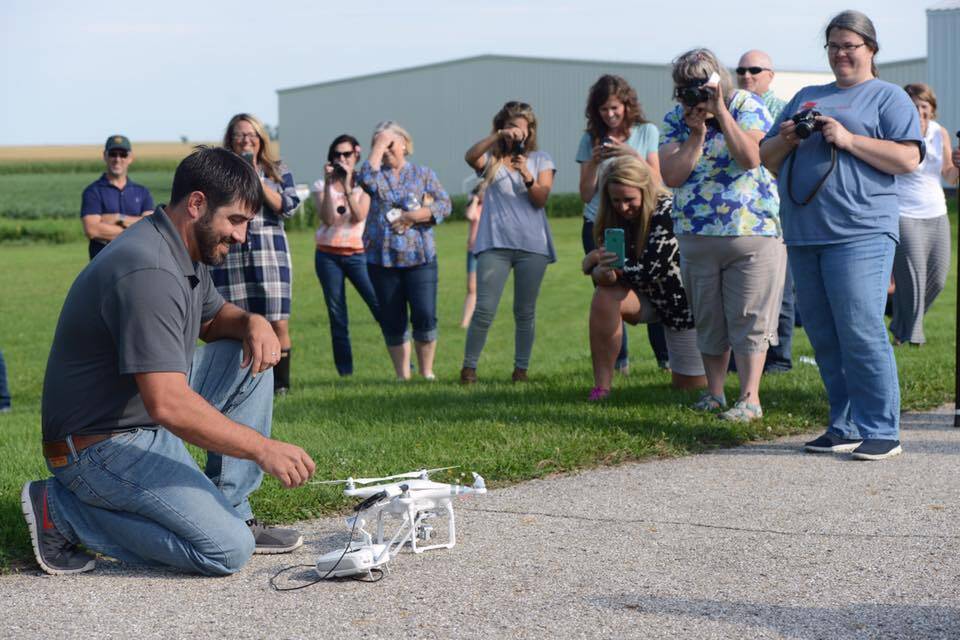
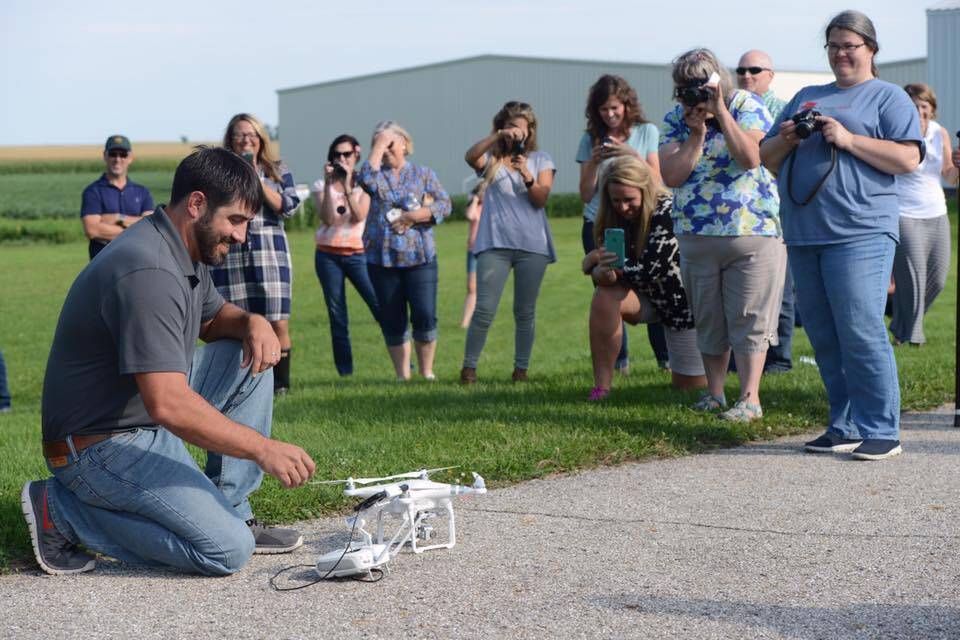
    In recent years, unmanned aerial vehicles (UAVs), commonly called “drones,” have literally taken off as one of these new toys. But within this high-flying tech lies an opportunity for farmers to improve profitability.

    “It’s not going to fix a problem immediately, but drones can help you make adjustments next season,” says Phil Pitzenberger, Iowa Soybean Association (ISA) farmer-member from Greene. “For me, it’s been identifying management changes for the future — that’s been the biggest value.”

    Pitzenberger has always been fascinated by technology. When drones came on the agriculture scene, it was natural he’d find a way to incorporate them into his corn-soybean and custom spraying operation.

    “When I first got started, I knew I was just going to be flying it over fields looking for problem areas,” says Pitzenberger. “I wasn’t sure what it was going to show me, but the results came  really quick.”

    Pitzenberger noticed patterns perpendicular to his corn rows. The birds-eye view revealed an aerial fungicide application was poorly done, covering only 50 percent of the field.

    “When it came to harvest I watched the yield monitor just to compare — it was like driving through waves,” Pitzenberger says. “I learned I need to improve how I apply fungicide.”

    As a result, Pitzenberger and his family bought a Hagie, which also turned into a custom spraying business. He laughs saying, “It’s funny, but I trace it all back to that one look from  the drone.”

    Pitzenberger also has used his drone to identify compaction, anhydrous and manure application issues.

    “Once I was up in the air, it was easy to tell but from the road you couldn’t make rhyme or reason out of it,” he adds.

    Abnormal patterns are also a key insight gleaned by Dennis Bogaards, ISA farmer-member from Pella.

    “I always tell farmers Mother Nature rarely works in patterns,” Bogaards says. “One of the first times I flew a drone, I noticed patterns in my fields and from the drones I couldn’t tell what it was. So I started walking through my field and realized it was a nitrogen issue.”

    Earlier that spring, Bogaards had applied anhydrous at a ten-degree angle to his intended corn rows. The drone revealed a pattern of varying plant sizes and stages of root development across the field. Seeds planted at the intersection of the row and the knifed-in nitrogen application were much healthier than those planted between the rows, which were as much as 15 inches away.

    The next planting season, Bogaards offset his nitrogen application 5 inches and ran parallel with the rows using GPS — a small change that payed dividends  at harvest.

    “It makes a big difference in evaluating and understanding the problems in your fields,” Bogaards says. You’re going to see a different view of your field and be able to ask questions on how to improve.

    Getting Started with Drones

    Both Bogaards and Pitzenberger insist getting started with drones is not as difficult as farmers think. In most cases, it just takes trying it out.

    “It’s really about getting your hands on the equipment,” Bogaards says. “Drones three years ago were easy to fly — today, they’re even easier.”

    Bogaards has been flying for four years. He now serves as a drone coach and consultant for farmers, and dealer for FlyingAg, a drone service and retailing company.

    “Most guys starting out just want to have something that’s easy to get out and up in the air to take a few pictures,” Bogaards says. “That’s a great place to start. Then after you get really comfortable with the controls and maneuverability, start looking at the more advanced things you can do.”

    Both Bogaards and Pitzenberger fly DJI brand drones. Pitzenberger has owned the Phantom II and Phantom III Advanced. Recently, he bought  an Inspire II.

    “We’re just beginning to see what we’re going to be able to do with these things,” Pitzenberger says. “They’re already telling us a lot of information but I can’t even imagine what’s going to come over the next  10 or 20 years.

    Photo credit to Joseph L. Murphy / Iowa Soybean Association
    Photo credit to Joseph L. Murphy / Iowa Soybean Association

    Team Latham

    April 6, 2017
    Agriculture, Industry News
Previous Page
1 … 8 9 10 11 12 … 85
Next Page

Latham Hi‑Tech Seeds

131 180th Street | Alexander, IA 50420

(641) 692-3258

SIGNUP FOR OUR NEWSLETTER
  • Contact
  • Legal
  • Dealer Center
  • Seedware Login
  • Latham Gear

© 2025 Latham Hi‑Tech Seeds. All rights reserved. | Iowa Web Design by Webspec | Privacy Policy

Latham® Hi-Tech Seeds is a trademark of M.S. Technologies, L.L.C., 103 Avenue D, West Point, IA 52656.