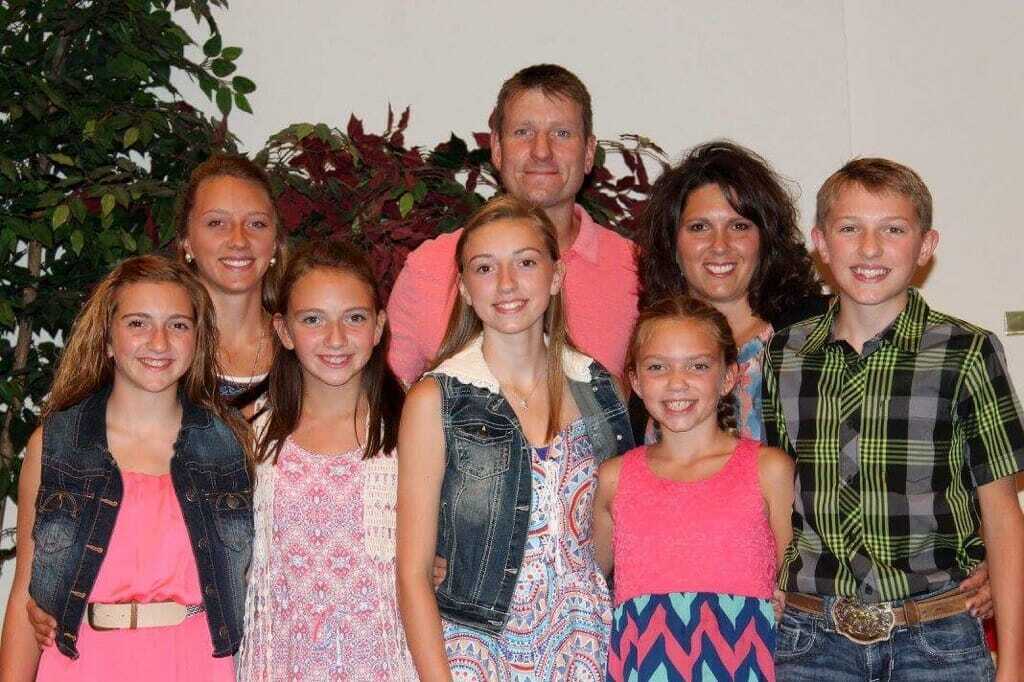
 Last Friday on The Field Position, we introduced you to beef producer Amber Kohlhaas and her husband, Jason, of Lu Verne, Iowa. Amber is a kindred spirit to those of us, who are passionate about the quality of crops and livestock we produce. Keep reading to learn why she believes it’s so important for all of us to share our stories with our urban friends.
“From my experience, opening your mind to new opportunities can help to identify and reaffirm your passions,” says Amber. “All my life, I was around agriculture. It was all I knew. There came a moment that I questioned if agriculture was truly my passion or whether it was my passion because it is all I had ever known. I originally set out to obtain a degree in Marketing from Iowa State’s College of Business. Then I experienced a lightbulb moment that reaffirmed where my heart and true passions truly lied. It didn’t take me long in business school to recognize that I am most engaged and passionate about agriculture, which led me to switch to the College of Agriculture.”
 Amber knew she wanted to major in Agriculture but needed to find a focus, so she took an array of Agronomy, Animal Science, Ag Business classes to help identify the best fit.
“I never expected to enjoy Livestock Judging and Meat Lab classes. Eventually, I finished with an Agricultural Business degree in the College of Agriculture,” says Amber. “Don’t be afraid to think outside the box and to try new things. Get engaged, network, job shadow, and be proactive to immerse yourself in new experiences and opportunities. Sometimes the most valuable lessons come from not following the herd. You might unlock new passions.”
 To help others discover their passions, Amber and Jason enjoy providing on-farm opportunities.
“We employ a young neighbor, who grew up on a grain and swine farm but had no experience or knowledge of cattle. It’s been an amazing experience to work alongside him and to help him develop skills and knowledge of the show cattle industry. We also are privileged to host a young FFA student on our farm, whom also was raised on a grain and swine farm. She has an interest in cattle but was lacking the knowledge and opportunities to grow in that field. We welcome her help on our farm often and it’s been gratifying for us to watch as she builds her confidence in an area of agriculture that she otherwise may not have had the opportunity to get engaged with.”
Amber embraces opportunities to share her knowledge and passion with people both inside and outside of ag circles.
“As an advocate, I strongly believe in the importance and power of telling agriculture’s story,” she says. “Not only do we welcome guests to experience our farm first-hand, I have also found social media to be an effective tool allowing me to invite people into our lives for an opportunity to follow along and experience the day-to-day aspects of life on an Iowa farm. It’s pretty impactful to not only share positive best practices and experiences but also to be open and honest with your audience about the challenges and loss that producers also face on our operations. While there are days that are rewarding, unfortunately, there are also some days that are heart wrenching on a farm. “

As urban areas expand, the number of farms continues to diminish. Fewer people being raised on farms means the overall knowledge base shrinks. That’s why Amber says it’s more important than ever for people in agriculture to share their stories.
“From water quality, GMOs or antibiotic-free meat, we have all heard about controversial topics surrounding agriculture in the media that are contributing to public confusion and a general misconception,” says Amber. “As a grower and livestock producer, it is not only our responsibility but it is our privilege to share our stories in effort to bridge the gap and drive awareness for the agriculture industry as a whole.”
Amber says she shares snippets from farm life to help consumers understand:
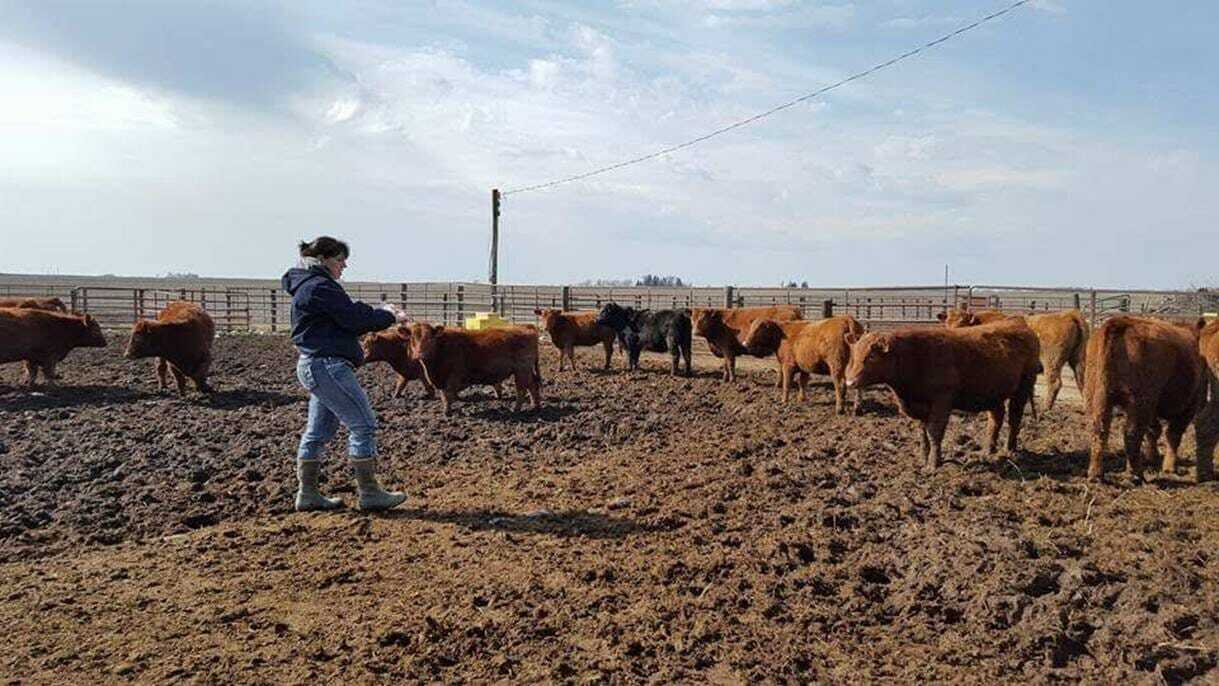
- As producers, we opt to treat our livestock with compassionate care. We do what we believe is right and what is in the best interest of the well-being and quality of life for our animals. It’s no different than if we have a sick or injured family member or pet; we feel empathy and want to help ease their symptoms and speed up the healing process. We vaccinate our livestock in the most responsible manner possible. We work closely with our veterinarians for treatment recommendations, read the labels, understand the residuals, and are diligent in our responsibility to manage all product and ensure it is safe to go to market.
- We eat the same food consumers do. That’s why we take a great deal of pride in performing responsible best practices and producing a quality product that not only feeds consumers, but also feeds our own families.
- Gain a deeper understanding for what it truly takes to put food on your table. There are so many consumer choices on the market today; food labels don’t tell a complete story. Please take initiative to educate yourself, visit a farm, talk with producers, or do anything you can to make the best, most informed decisions about what is right for your needs and values as a consumer.
- There are so many options in the market for consumers. Rather than a one-size-fits-all option, there are choices for consumers to make. My wish as a producer is that consumers would take initiative and arm themselves with the knowledge to make educated, informed choices about what they are choosing to, or in many cases, choosing not to consume.
- Behind every meal, there are hard-working, passionate farmers who make it possible. Farm families gather around their dinner tables every day with plates containing the same food that consumers are feeding their own families. There is no one that has more money or time invested in the farm-to-fork progression than the people that are producing it. You will not find anyone more passionate about responsibly performing best practices and providing a quality product to consumers than the farmers themselves.


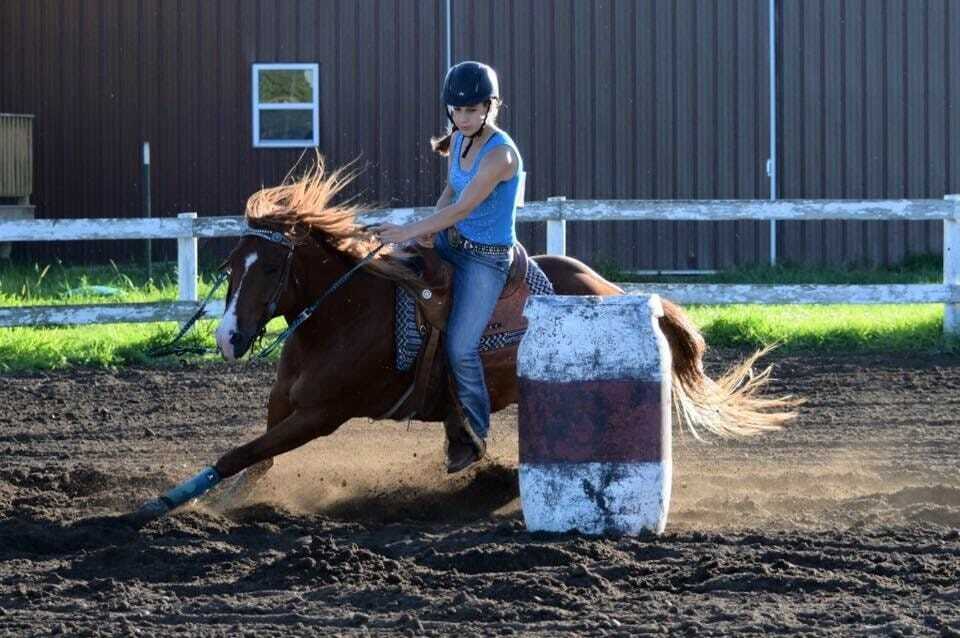


 what Caitlin says she enjoys most about training animals. “They do not speak words, but they are easy to understand. If they are scared, they show it. If they are angry, they show it. If they are calm, they show it,” explains Caitlin. “Horse training also teaches patience. Sometimes progress is slower than I would like it to be, but speed doesn’t matter as long as the horse is moving forward. The only thing that matters is that you do not stop or give up.”
 In her spare time, Caitlin enjoys playing tennis and showing horses. She caught “show fever” when Noel took her to a fun show in Allison hosted by the Butler County Young Riders, which is the saddle club to which she still belongs. The second show Caitlin participated in was the Big Four Fair, where she and Colorado placed in every class they entered. That day the dynamic duo took home fourth, third, second, and first place ribbons.
 “Exerting influence in her community.” As I thought about Caitlin’s response to my interview question, I couldn’t help but recall words from the FFA Creed: “… I believe that rural America can and will hold true to the best traditions in our national life and that I can exert an influence in my home and community which will stand solid for my part in that aspiring task.”








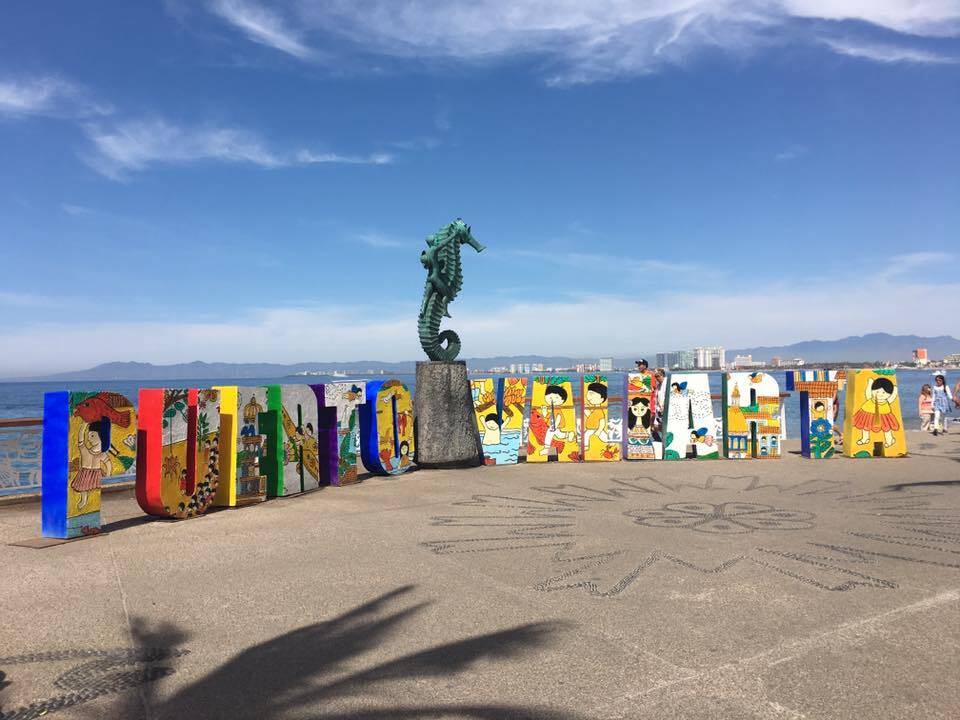

 from watching whales to ziplining through the jungle. Plus, they’ll find a city teeming with history and one-of-a-kind shopping experiences.
 telephoto lens was used. We had front row “seats” to the action.)
 room service? You get all the benefits of a cruise without having to leave port! Our housekeepers often fashioned towels into works of art, and the chefs were skilled at making cuisine from around the world.
![Soil Sampling[3]](https://lathamseeds.com/app/uploads/2017/01/Soil-Sampling3-e1485812566714.jpg)

![IMG_0562[2][1] copy](https://lathamseeds.com/app/uploads/2017/01/IMG_056221-copy.jpg)