Latham Hi-Tech Seeds

(641) 692-3258

  • Home
  • Products
    • Corn
    • Soybeans
    • Alfalfa
    • Corn Silage
    • Seed Guide
  • Performance
  • Find a Rep
  • Media
    • Blog
    • News
    • Videos
    • Podcasts
    • TECHTalk
  • About Us
    • Company History
    • Our Mission
    • Careers
    • Become a Rep
    • Sowing Seeds of Hope
  • Contact Us
  • Latham Hi‑Tech Seeds

    Celebrating the Freedom of Independence at Latham Dealer Kickoff

    Latham® Dealers gathered this week in Mankato, Minnesota, for our annual sales kickoff meeting. We celebrated two days of connection and prepared for what promises to be one of our most exciting sales years yet.

    This year’s event introduced our Freedom of Independence theme — a rallying cry that reflects exactly who we are and how we operate. As an independent seed company, Latham Hi-Tech Seeds is free to select the very best genetics and trait packages for the fields across our footprint. We answer to farmers and dealers, not shareholders or Wall Street. That freedom allows us to focus on what truly matters: helping you succeed!


    J-Class Soybeans Take Center Stage

    One of the most talked-about moments of Latham Dealer Kickoff was the debut of our J-Class Soybeans. Designed to give our dealers and customers an edge on every acre, Latham’s J-Class Soybeans are so good they’re in a class by themselves.

    We’re introducing 32 new J-Class varieties for 2026 planting, 12 of which carry our Ironclad™ protection for superior disease resistance and standability. With yield potential and agronomic strength like this, we’re confident J-Class will be a game-changer for farmers across Latham Country.

    Learning from the Experts

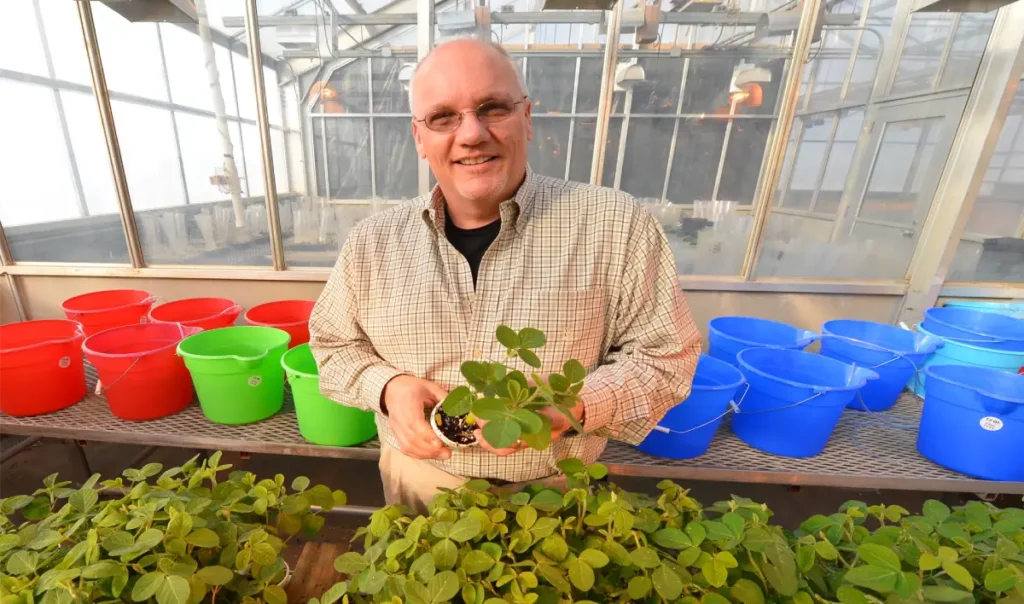
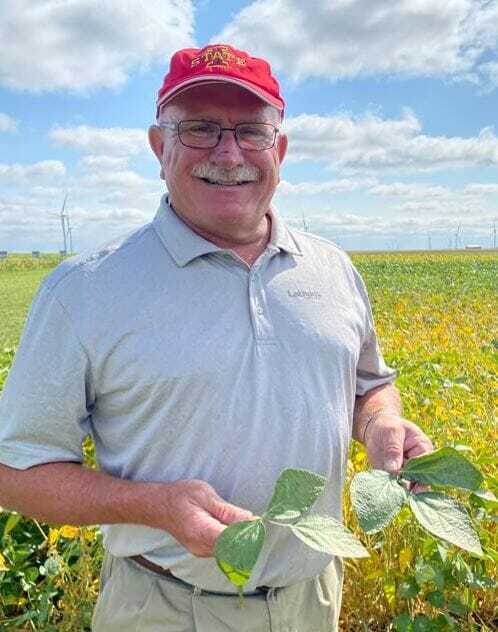
    Dealer Kickoff also featured an engaging presentation from Dr. Greg Tylka of Iowa State University, a leading authority on soybean cyst nematode (SCN) management. Dr. Tylka shared the latest research on SCN-resistant soybean varieties, how resistance is changing over time and the critical role of field scouting in protecting yields. His insights reinforced the importance of pairing top-tier genetics — like J-Class — with proactive SCN management strategies.

    Dr. Greg Tylka, Iowa State University

    Raising Money for Cancer Research

    Midwesterners mark celebrations with special foods, and Latham Dealer Kickoff is no exception. This year we held a dessert auction to raise money for our Seeds of Hope campaign and raised more than $4,600. Special thanks to Tony Friesen of 2 Pins Bakery in Mankato for working with us to provide 15 different types of delicious cakes and pies including Whopper, Reece’s, Andes Mint, Snickerdoodle, French Silk and more!

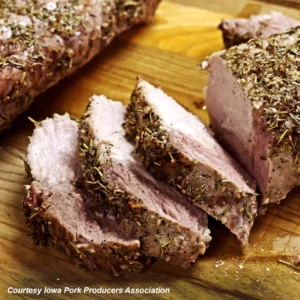
    During our annual banquet, we feasted on pork loin. Special thanks to Iowa Pork for sharing the following recipe with us! 

    Building Momentum for 2026

    Dealer Kickoff isn’t just about new products. It’s about building relationships, sharing strategies and setting the tone for the year ahead. From networking with fellow dealers to learning about programs designed to drive early orders, every conversation pointed toward one goal: helping farmers make the most of every field, every season.

    With the Freedom of Independence guiding our decisions and the unmatched performance of J-Class Soybeans in our lineup, we’re ready to make the 2026 sales year one for the record books.

    Thank you to every dealer who made the trip to Mankato. Your dedication is the reason we can remain independent, innovative and focused on what matters most.

    Pork Loin

    Print Recipe Pin Recipe
    Prep Time 1 day d
    Cook Time 1 hour hr

    Equipment

    • 1 Bowl
    • 1 Large resealable plastic bag
    • 1 Roasting pan, rimmed cookie sheet, or 9×13 pan
    • Aluminum foil

    Ingredients
      

    • 1/4 cup extra-virgin olive oil
    • 8 large garlic cloves chopped
    • 1 bunch of rosemary 1/2 cup, leaves only, coarsely chopped OR 2 1/2 Tablespoons dried rosemary
    • 2 teaspoons salt
    • 1/2 teaspoon ground black pepper
    • 2 pounds center-cut pork loin

    Instructions
     

    • Preheat the oven to 400 F.
    • In a small bowl, mix olive oil with the garlic, rosemary, salt and pepper.
    • Rub the mixture all over the pork. Transfer the pork and marinade to a large, resealable plastic bag and refrigerate overnight.
    • Spray oil in a roasting pan if you have one. If not, use a rimmed cookie sheet or 9×13 pan. To re-create the roasting rack, place a metal cooling rack in the bottom or use aluminum foil. Tear off approximately 12” of foil; form it into a snake and then into a ring. Make as many rings as you need to keep the pork loin off the bottom of the pan. This promotes circulation of the heat underneath and around your loin, which helps the meat to cook evenly.
    • Place your seasoned pork, fat side up, in your prepared pan.
    • Add oiled/seasoned vegetables around your pork loin to make it a complete meal. Use vegetables that require longer cook times like potatoes, squash, sweet potatoes, brussels sprouts, and carrots.
    • Roast in a 400 F oven for 15 minutes. This gives you that nice crispy crust that everyone loves!
    • Turn your oven temperature down to 325 F (no need to open the oven) and continue cooking until pork reaches an internal temperature of 145 F. The time will vary based on the size of your loin and what you are cooking with it. Check it after 30 minutes with a meat thermometer and add small time increments as needed. Do not exceed 145 F with any pork loin recipe! Pork is very lean, so overcooking it will result in a dry and tough product.
    • Once your pork loin has reach 145 F, remove it from the oven and cover it loosely with aluminum foil. A 3-minute rest will redistribute the juices throughout the meat before you cut into it. This is key to succulent pork!

    Shannon Latham

    August 8, 2025
    Food & Family, Latham News, Seed Technology, Seeds of Hope, Soybeans
  • Latham Hi‑Tech Seeds

    Unleash the “Madness” for Your Fields: Top Latham® Picks for 2024

    From the Field hero image

    Just like the excitement of March Madness grips basketball fans, spring brings a different kind of competition for farmers: the quest for maximum yield. But assembling a winning lineup for your field isn’t a matter of a lucky draft pick. It requires a strategic approach, and that’s where Latham Hi‑Tech Seeds steps in.

    Think of Latham’s R&D team as your expert recruiters, meticulously scouting and selecting the top-performing corn and soybean varieties for the Upper Midwest.

    Here’s a glimpse into Latham’s “bracketology” of seed picks for 2024:

    Starting Five for Latham Corn:

    1. 3937 VT Double PRO: The Point Guard. This early-maturing superstar gets your season off to a fast break. It is adaptive to all soil types and emerges quickly and strongly, setting the stage for a productive campaign.
    2. 4937 VT Double PRO: The Fan Favorite. Team Latham’s biggest seller the last couple of years, this hybrid has fast dry down and top-end yields. It’s a farm favorite in the north, delivering a winning shot even when the competition wilts.
    3. 4866 Tricepta®: The Power Forward. The high-yielding hybrid plays a critical role. With excellent standability and a multi-year track record, it’s ready to dominate even the most challenging fields.
    4. 5336 PowerCore®: The Quiet Leader. Exceptional disease ratings, impressive girth and high test-weight for this hybrid keeps the competition off guard to maximize harvest potential.
    5. 5815 VT Double PRO: The Clutch Performer. Known for its outstanding root strength, this beast stands tall even under harsh weather conditions — making it a reliable champion that delivers when the pressure’s on.

    Starting Five — Soybeans:

    • 0254 XtendFlex®: The MVP (Most Valuable Pod): One of the tallest in the market, this variety keeps the first pod higher off the ground, giving it champion rights against yield-robbing pathogens. Coupled with impressive IDC tolerance, it’s a must-have player in Team Latham’s portfolio.
    • 0888 XtendFlex: The Defensive Stopper. This showoff has excellent standability with good lateral branching, ensuring a harvest victory with consistent performance all season long.
    • 1881 Enlist E3®: The “And-One” Producer. It may be new to the lineup this year, but this Peking source SCN came to play. A new Ironclad® designation for the highest disease resistance makes it a high scorer across all soil types.
    • 2031 Enlist E3: The Fast Stealer: Another Peking source SCN, this variety flies out of the ground and moves easily north or south of zone. Its standability and solid IDC and SDS tolerances make it a high-yielding game changer.
    • 2551 Enlist E3: The “Moneyball” Choice. Latham coaches call this variety a “yield hog” that blew the doors off test trials last year. It’s a newly-crowned Ironclad® variety that’s itching to perform – and won’t disappoint.

    Beyond the Picks: Latham’s Coaching Advantage

    These are just a few of Latham’s all-star selections. Just like a strong coaching staff, the Latham Product Team is here to help you choose the perfect products for your specific field conditions and goals. They’ll guide you through Latham’s deep bench of options, ensuring you have the right variety for every position on your farm.

    Don’t settle for a mediocre “free agent” seed. Recruit Latham’s championship-caliber lineup and experience the satisfaction of a winning harvest. Let’s assemble your perfect plays for ultimate yield success! Learn more. 


    steve-sick

    April 3, 2024
    Corn, Crop, General, Soybeans, Tech Tuesday
  • Latham Hi‑Tech Seeds

    Your Planting Questions Answered

    Planting 4

    It’s hard to believe that spring is right around the corner, and planters will be rolling in two months’ time. There are many questions to consider before that first seed goes in the ground. Let’s take a closer look at three of them:

    1. How early is too early?
    2. Is the soil temperature warm enough to start planting?
    3. What depth should I be planting?

    Q1: Generally, farmers maximize corn yield when they plant in late April or early May.
    This holds true IF conditions are fit for planting. A mid-April planting date produces similar yield if young plants are not damaged by a freeze in May. In years with few growing degree days in late April and the first half of May, farmers can maximize corn yield when planting in mid-May.

    When spring arrives early, farmers should weigh the risks and benefits of planting earlier than usual. Farmers with federal crop insurance will lose replant coverage if they plant before the earliest allowable planting dates specified by the United States Department of Agriculture (USDA) Risk Management Agency — even if they must replant due to factors other than freeze damage or poor emergence.

    Seed treatments and planting high quality seed are a must with early planting.

    Q2: Before planting, check the weather forecast and soil temperatures for your area.

    It’s wise to check the soil temperature early in the morning of each field that you intend to plant. Wet soils and fields with more crop residue tend to have lower soil temperatures relative to drier soils or fields with less crop residue. Check the seed tag or talk to your seed dealer about the cold tolerance of your corn hybrids. Be aware that hybrids vary in cold tolerance.

    Certainly, plant hybrids that have more tolerance for colder temperatures first. However, be aware that “imbibitional chilling” is a physical phenomenon that can override genetics. Imbibitional water uptake occurs within the first 48 hours after a seed is planted.

    Once planted, corn seeds need a two-day (48-hour) window when the soil temperature at planting depth does not drop much below 50°F. When soil temperatures drop much lower than 50°F within that 48-hour time frame, chilling injury may affect seed germination and subsequent seedling growth.

    During the osmotic phase of water uptake, which starts about 48 hours after the initial imbibitional phase of water uptake ends, the risk of chilling injury approaches zero. Thereafter, temperatures below 50°F can slow germination and delay seedling emergence. This can result in a longer exposure to soil-borne pathogens, particularly in soggy wet soils. If you expect the latter, use fungicide seed treatment for at least your earliest planted corn fields.

    When corn seeds imbibe (take up) water, cell membranes stretch and cells expand. When a damaged cell membrane rehydrates, it may not return to its normal shape and size. This can create a “leaky” cell. Water is at its densest at about 39°F, so when cold water is imbibed additional membrane damage occurs. These ruptured membranes may occur in the cell walls and in the mitochondria. In the plant, this action may disrupt the embryo/endosperm enzymatic conversion to energy. It likely interferes with the emerging seedling’s development and reduces the plant’s growth rate.

    • Debate exists about what specific temperature and timing causes imbibitional chilling. However, corn seeds that imbibe cold water (in the low 40s) in the first 48 hours after planting undoubtedly are affected.
    • Planting when soil temperatures are above 50°F — and are not anticipated to drop much below this during the following 48 hours — alleviates concerns of imbibitional chilling affecting corn emergence.

    Q3: Check seed depth and seed depth consistency across your planter units.

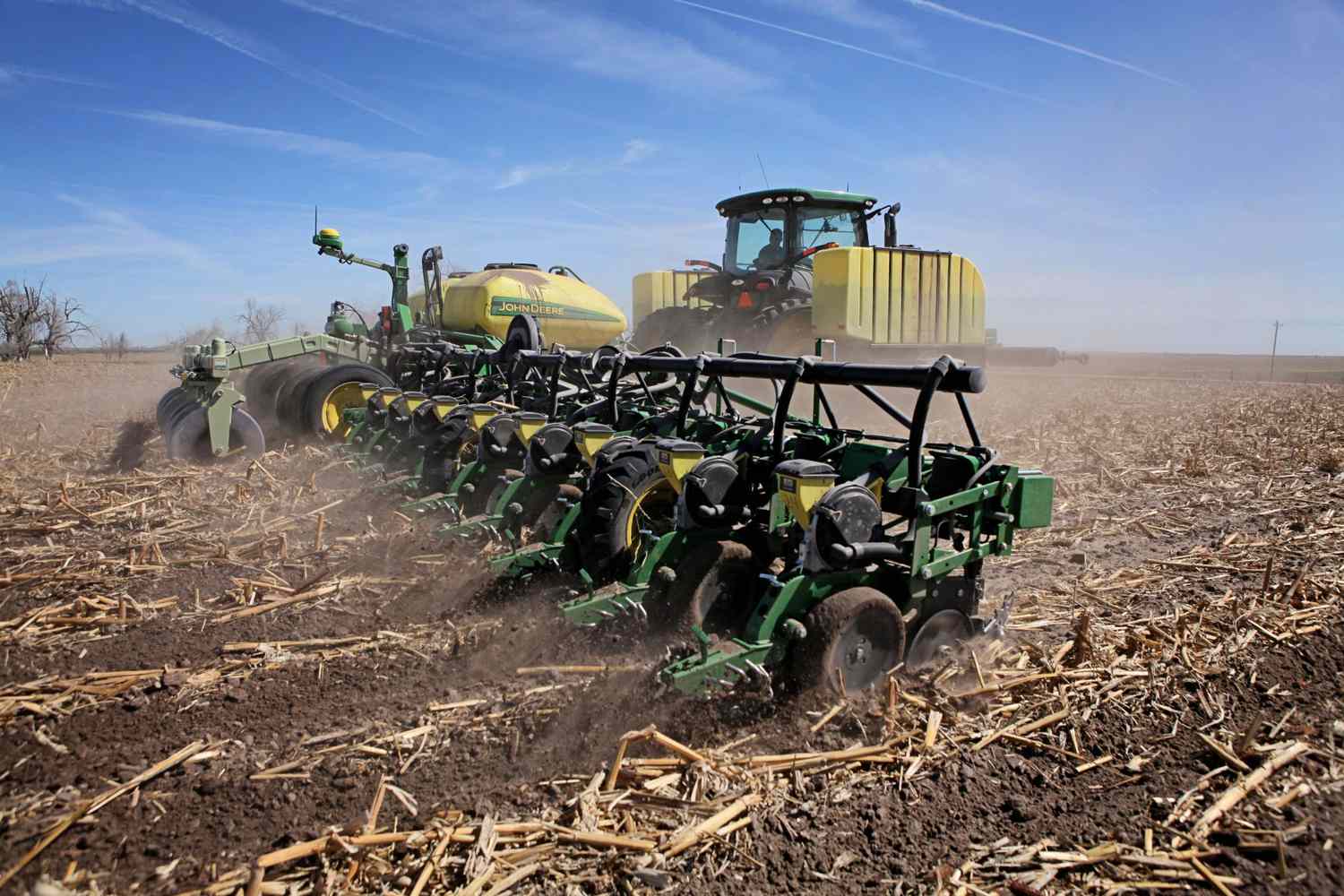
    The “set it and forget it” approach to seed depth isn’t the best idea. To get corn off to the best start, it is important to achieve both rapid and consistent emergence following planting.

    Planting 4

    One aspect of achieving rapid and consistent plant emergence is by choosing the correct seeding depth and ensuring there is adequate and uniform moisture at the chosen seeding depth. The most common seeding depths recommended for corn range between 2.0 and 2.5 inches deep, and these planting depths can work very well within most conditions. However, certain soil moisture conditions at planting may warrant further examination/change in seeding depth.

    A corn seed imbibes soil moisture within the first 24 to 48 hours after planting, therefore maintaining both adequate and uniform moisture at seeding depth (not too wet and not too dry) within the first 48 hours is important. If the soil remains too dry, then the seed may be delayed in emergence until precipitation occurs. Furthermore, if the soil remains saturated after planting, the seed may rot and die.

    Contact your local Latham® representative to find out more information about ideal planting depth for your area, or call 1.877.GO.LATHAM.

    steve-sick

    March 5, 2024
    Agronomics, Corn, Crop, Emergence, General, Growth Stages, Soybeans, Spring
  • Latham Hi‑Tech Seeds

    Set Up a Strong Start for an Even Stronger Finish

    Soybeans LauraC

    For soybean growers across Latham Country, 2024 looks promising. Not only is Latham offering the strongest portfolio in history, but soybean acres are also projected to increase. This offers growers the opportunity to plant high-quality Latham soybeans on more acres than in previous years. In early November of 2023, the USDA projected growers would plant 87 million acres to soybeans in 2024, up 3.4 million acres from 2023. Corn plantings would fall to 91 million acres, down 3.9 million acres, according to the USDA. This is in part due to better-than-expected corn yields in 2023 and an increase in soy demand fueled by the Renewable Fuels Act.Soybean Plant

    One way Latham Seeds is helping growers maximize production is through the release of high performing Peking source soybean varieties. Soybean Cyst Nematodes (SCN) damage often goes undetected or misdiagnosed. Stunted plants and uneven canopies are often obvious symptoms of SCN feeding. Chlorotic-looking plants is another common symptom of SCN damage and is often misdiagnosed with Iron Deficiency Chlorosis (IDC). Yield reductions of up to 40% on susceptible varieties are not uncommon without any above-ground visible symptoms of nematode damage. Fall is the best time to sample for SCN numbers, but sampling can be done anytime the ground is not frozen. More than 95% of SCN populations have elevated reproduction on PI 88788. Planting Peking source SCN varieties is more important than ever with these types of numbers.

    Another way Latham Seeds is helping growers maximize yields is through seed treatments. SoyShield Plus with Saltro provides industry-leading protection against SCN and Sudden Death Syndrome (SDS). SoyShield Plus with Saltro is also highly effective against Pythium, Phytophthora, Rhizoctonia and Fusarium. Getting your soybeans off to a good start is key to maximizing soybean yields — and seed treatments are the best insurance for making this happen. The combination of Latham Peking source SCN varieties and SoyShield Plus with Saltro will give 2024 a strong start and help the season end with a bang.

    Latham is expanding our list of Peking varieties for 2024 planting by adding three new varieties to the list. Peking varieties are offered from an early group 1 to mid-group 3. These varieties compliment an already strong portfolio of PI88788 source varieties to offer one of the most diverse portfolios in the industry. Here is a small sample of what you can expect from the Latham Hi‑Tech Seeds soybean lineup:

    L 0254 XF (0.2 RM) – 103% of trial mean

    L 1121 E3 (Peking SCN, 1.1 RM) – #1 in the late group 0, early group 1 trial at a whopping 108% of trial mean

    L 1881 E3 (Peking SCN, 1.8 RM) – 1 bu > P18A73E in Showcase data

    L 2551 E3 (Peking SCN, 2.5 RM) –
    Showcase Data
    3.5 bu > AG24XF3
    5.5 bu > P23A40E
    3.1 bu > P25A16E

    L 3123 E3 (3.1 RM) –
    Showcase Data
    Equal to AG30XF4
    5.5 bu > P28A65

    L 3384 XF (3.3 RM) – #1 in the full season trial at 106% of trial mean

    Contact your local Latham representative to find out more information about these and other top-performing Latham products or call 1.877.GO.LATHAM.
    steve-sick

    February 5, 2024
    Agronomics, Crop, Growth Stages, Soybeans
  • Latham Hi‑Tech Seeds

    Tips for Choosing the Hybrid Maturity

    Farm Proven Ad 1080 x 1080

    As farmers make their final seed purchasing decisions, some may wonder if the hybrids they selected in early fall are still the right ones today. The Latham Team will gladly help put your mind at ease.

    Let’s begin by reviewing a few product selection basics. Most selection decisions begin with relative maturity (RM). These ratings are relative to physiological maturity and largely driven by a combination of growing degree days (GDDs) and planting date. When building a plan for the upcoming growing season, identify the GDD range and average required for a hybrid to reach physiological maturity (black layer) in your geography.

    Planting multiple hybrids of varying maturity will reduce risk in three main areas:

    1. Agronomics (emergence, stalk strength, disease tolerance)
    2. Harvest management (harvest moisture)
    3. Genetic diversity (yield, drought tolerance)

    About 60 to 70% of a farmer’s portfolio traditionally is focused on the core RM zone (i.e. 100-day RM) with 10 to 20% focused on earlier RM and the remainder on later RM. Remember, there is typically more yield variability within a given RM group. Spreading risk across a wider maturity range is especially important given the moisture limitations across the Upper Midwest.

    Grain moisture at harvest also increases steadily with increasing relative maturity. On average, grain moisture at physiological maturity increases by 0.25 to 0.5% with each one-day increase in relative maturity. Selecting hybrids of appropriate maturity is important for a balance between yield potential and managing grain moisture at harvest, which ultimately grows more corn.

    The Latham Team is here to help you feel confident about your seed decisions. After harvest each year, we share results from our own research. We hire third-party companies to plant and harvest Latham Elite trials, so our Product Team members can observe products and take notes at a greater number of locations. As a result, we have recently tripled the number of trials conducted on both corn and soybean products in Iowa, Minnesota, Nebraska, Wisconsin, North Dakota and South Dakota!

    Once we identify experimental products from the Elite Trials that meet Latham Seeds’ standards AND fulfill our customers’ needs, we release them for sale. Check out multiple years and multiple locations of Latham® performance at LathamSeeds.com.

    Yield pays. Latham delivers on that promise, just as we have for more than 75 years. Feel free to contact your local Latham Seeds representative or call 877-GO-LATHAM (877) 921-3428.


    steve-sick

    December 14, 2023
    Agronomics, Corn, Crop, Data, Fall, General, Growth Stages, Season, Soybeans, Tech Tuesday
  • Latham Hi‑Tech Seeds

    Proof Points – Episode 15

    Proof points video graphic

    Shannon Latham

    December 13, 2023
    Corn, Crop, Industry News, Seed Technology, Seed Treatment, Soybeans
  • Latham Hi‑Tech Seeds

    Nothing fishy about this soy success story

    Soy Fish Feed Resized

    Guest Blog by Aaron Putze, Iowa Soybean Association

    When soybean farmers say their “real” customers are pigs, they truly mean it.

    That reference to the importance of swine rations in driving demand for soy, however, is in no way a slight to other important markets.

    That includes those with fins, scales and gills.

    As developing countries strive to feed their growing populations more protein, fish is increasingly on the menu . . . and not just species harvested from streams, rivers and oceans.

    According to the Food and Agriculture Organization, global average consumption of fish and other seafood reached a record high of 20.5 kilograms per person in 2019. That amount is expected to increase as the quality and affordability of fish improves.

    Enter Iowa and U.S. soybean farmers.

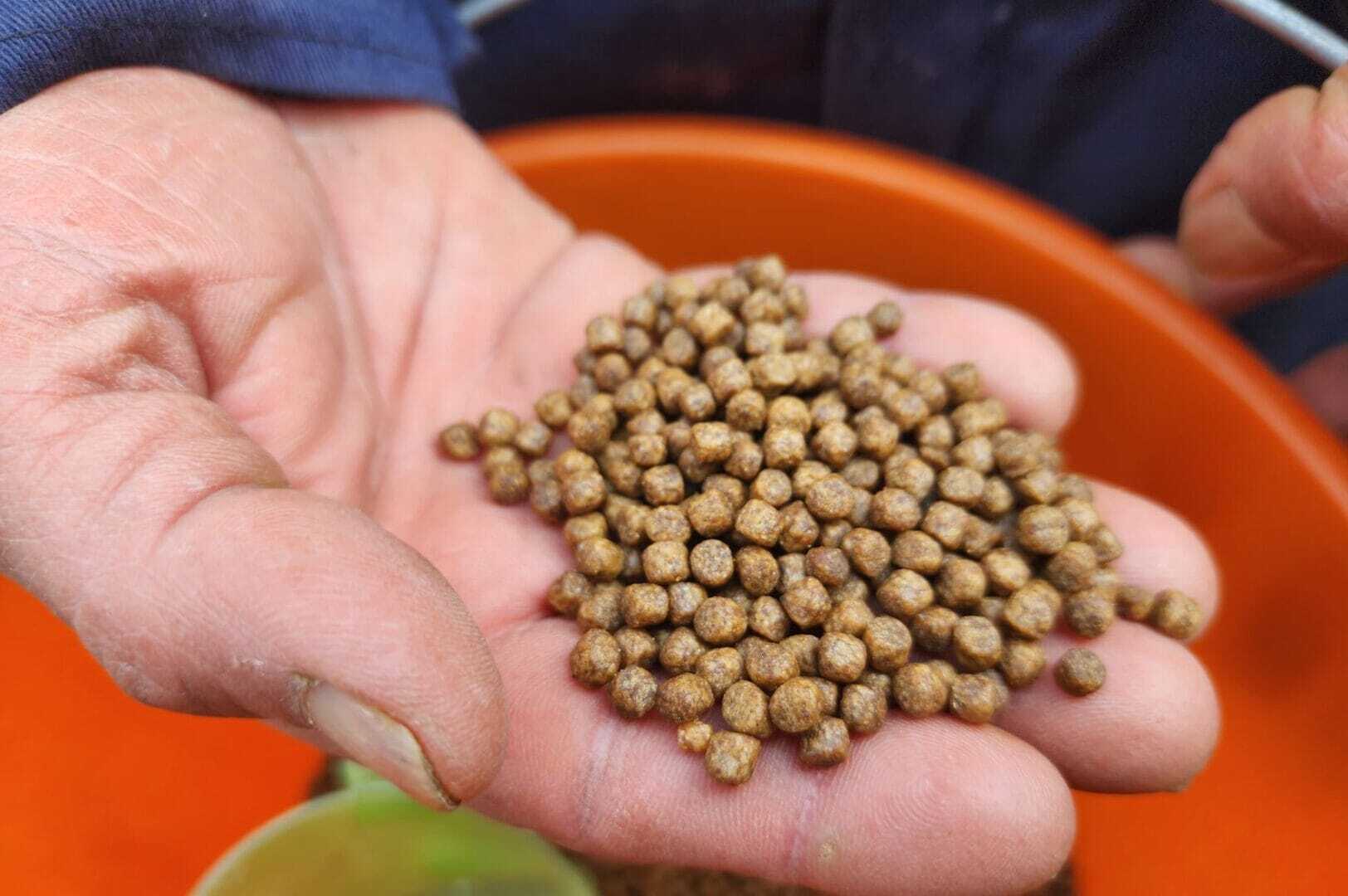
    To meet the growing demand and taste for quality, farm-raised fish, professional feed using ingredients other than fishmeal and fish oil are coming into vogue. Soy is the most-used protein source in aquafeeds worldwide. According to the Global Seafood Alliance, soybean meal, soy protein concentrates, and soybean oil are increasingly go-to feed ingredients required for many farmed species.

    Soy Fish Feed Resized
    Soy Fish Feed

    Research funded by soybean farmers has played a key role in developing this win-win demand driver. More appetite for sustainably produced and healthy fish is a boon to soybean demand.

    In addition to developing soy-based feeds ideally suited for hungry fish and shrimp, soybean farmers have also played a key role in developing new ways to produce farm-raised fish. They are advancing educational activities carried out by the U.S. Soybean Export Council (USSEC) to train people in developing countries on how to manufacture professional feed using soy.

    Iowa soybean farmers take great pride in the role they’ve played in developing better methods and feed for producing fish.

    But the story doesn’t end there.

    Soy Excellence Centers (SECs) were launched by USSEC in 2019. They offer professional training in a variety of curriculums including feed milling, soybean processing and refining and poultry, dairy, swine and fish production.

    More than 6,500 trainees have participated in SECs. One such center operates in Egypt – a facility I was able to see firsthand during a trade mission to the country of 110 million earlier this year. Better training, fish feed and production methods have had a profound impact. The metric tonnage of farm-raised fish production has increased from 600,000 in 2005 to nearly 1.5 million in 2019. Production is projected to surpass 2 million metric tons by 2030.

    Aaron Putze Resized
    Aaron Putze in Egypt at a Soy Excellence Center

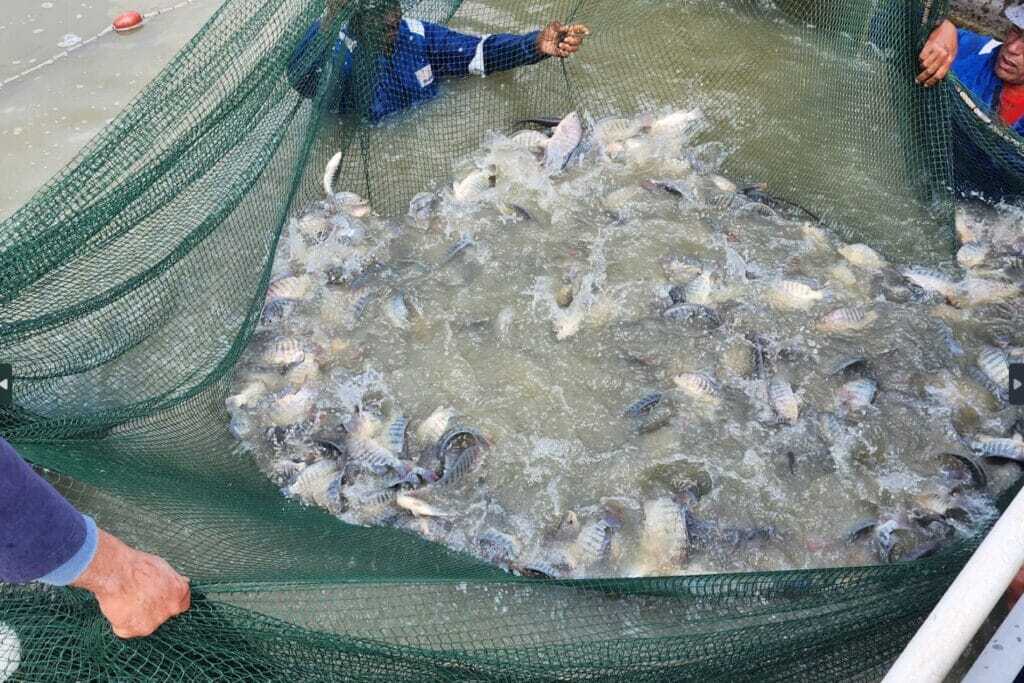
    Farm-raised fish account for almost 80% of Egypt’s seafood market, up from 50% in 2012. Tilapia is the choice of 80% of Egyptians. Other fish species include catfish, sea bass, mullet and carp. Shrimp production is gaining in popularity as farmers seek to diversify and capture greater premiums and profits.

    Fish Harvesting Resized
    Harvesting Tilapia in Egypt

    Give the people of a country a fish, and they’ll eat for a day. Teach them how to produce fish (and poultry and milk), and they’ll eat for a lifetime.

    That’s the power of soy and Iowa’s soybean farmers.

    Aaron serves as Chief Officer of Strategy and Brand Management for Iowa Soybean Association. You can reach Aaron at 515-975-4168 or aputze@iasoybeans.com.

    All this talk of fish made us hungry for a yummy Friday recipe! Check out this Lemony Shrimp Scampi Linguine from The Iowa Food and Family Project.

    Webspec Admin

    November 1, 2023
    Agriculture, Crop, General, Industry News, Soybeans
  • Latham Hi‑Tech Seeds

    Making Pork a Business and Dining Tradition

    Perry

    “Our family has been raising pigs practically since they got off the Mayflower,” says Andrew Perry, who farms with his father, Blaine, in Northwest Iowa. Andrew grew up also raising sheep, cattle and chickens. A Perry has been farming in Cherokee County for six generations. Blaine and his wife, Darlene, are the third generation to live on the home place near Aurelia.

    Perry
    The Perry Family

    The Perrys’ business relationship with pork goes way back, but they also enjoy the fruits of their labor. Pork is a mainstay on the Perry’s dinner table. While nutritious, lean, high-protein pork powers the humans in their operation, the Perrys also make sure to provide their pigs with the right diet.

    “We feed 80 percent of the corn we raise, so we keep corn for nine months before we haul any of it to town,” explains Blaine, who runs the combine while Andrew hauls grain from the field to the bins. They practice a 50-50 crop rotation and raise seed beans on contract.

    When selecting corn hybrids, test weight and quality of seed is their focus. That is why Blaine and Andrew rely on Latham® quality corn hybrids.

    “We raise corn that feeds our hogs. Then we use the manure our hogs produce to fertilize our fields,” Blaine says. “When you think about it, our operation comes full circle. Hog manure is ‘organic,’ but many people just don’t realize that manure has such a high value.”

    Until 2022, the Perrys were independent pork producers with one nursery that supplied them with the pigs needed for their wean-to-finish operation. Now they custom finish hogs.

    Conveniently, a neighbor built a feed mill one mile away. The Perrys haul their corn to the mill, which helps with biosecurity. Blaine and Andrew are the only two who enter their buildings. They credit controlling truck traffic and people inside their facilities with keeping their hogs healthier.

    Andrew lives in Alta with his wife, Liz, who is a teacher at Cherokee Community School. They have three daughters: Danika, Alexa and Becca.

    When they’re not busy on the farm, the Perrys enjoy taking tractor rides together. All three of Blaine and Darlene’s children — Andrew, Adam and Brooke — enjoy riding together in Peterson’s Annual Trip on Old Tractors (PATOOT).

    The Perrys know that pork can adapt to most any meal needs, even desserts, as proven by Liz’s Bacon Bourbon Apple Pie.

    Shannon Latham

    October 12, 2023
    Corn, Crop, Desserts, Food & Family, Pork, Recipes, Soybeans
  • Latham Hi‑Tech Seeds

    Multiplex Gene Editing: How It’s Transforming the Future of Farming

    Steve Resized #3

    Steve ResizedAt a time when the world’s population is increasing, cropland is decreasing and climates are changing, it’s more important than ever to equip farmers with new technology and tools to take the guesswork out of planting decisions. One such tool is multiplex gene editing, which quickly adjusts a plant’s DNA to improve its resiliency and to use fewer natural resources like land and water.

    Multiplex gene editing turns up the volume on regular gene editing by implementing multiple types of edits to plant genomes. For example, vegetables such as broccoli, brussels sprouts and kale all started from different parts of the same wild mustard plant — but didn’t fully develop into their own varieties until breeders chose to amplify certain traits. Today’s corn is no different, having been bred from a plant that looks nothing like corn looks to us now.

    Farmers recognize benefits from multiplex gene editing more quickly because no government agencies are involved. Additional benefits include:

    • More uniform seed size, which increases planting efficiency.
    • Increased water utilization.
    • Changing the leaf shape, which allows for better light interception and photosynthesis to improve yields.

    With a high-performing lineup designed specifically for your field, Latham Hi‑Tech Seeds is well-positioned to increase yields — year after year.

    Contact Latham’s product team or your RSM/DSM for more details on multiplex gene editing and other pioneering advancements that we’re working on for your future!

    steve-sick

    October 12, 2023
    Agronomics, Corn, Crop, General, Industry News, Seed Technology, Soybeans, Tech Tuesday
  • Latham Hi‑Tech Seeds

    Prepare Now for Increased Production in 2024

    Corncob background

    There’s more to fall than getting the combine ready. To ensure healthy, productive soils next year, think about doing these three things now:

    1. Review your field data
    2. Correct compaction
    3. Add a cover crop

    Whether your fields produce bumper crops or have lower-than-average yields, take the time after harvest to assess soil fertility levels, replenish depleted nutrients, determine reasons for high- and low-yielding areas and evaluate overall soil health. Doing this can help give your crops a head start for next season.

    Soil samples and yield maps can predict the future

    Begin next season’s preparations by pulling post-harvest soil samples and assessing this season’s yield maps. Soil samples will identify any phosphorus or potassium deficiencies, while yield maps will show the amount of nutrients removed from the soil by this year’s crops. This information will help you determine crop nutrient amounts for next season, based on actual numbers rather than estimates.

    If post-harvest conditions allow, farmers can make partial (or base) nitrogen applications in the fall. Then test soil nitrate levels in the spring to determine the additional amount needed to meet next season’s crop performance goals. This ensures that nitrogen will be available in the soil at planting, as well as throughout the remainder of the growing season. If weather delays spring applications, this nitrogen management strategy provides you with more time to assess fertility needs based on early-season crop and soil conditions.

    Consider fall nitrogen applications with a stabilizer

    If you can make a fall nitrogen application, consider the effects of soil texture, soil moisture levels and soil temperature to avoid leaching and denitrification issues. Fall nitrogen applications should not be made until your soil cools to 50 degrees Fahrenheit or lower, when soil bacteria begin to go dormant. Fall-applied nitrogen must be used with a stabilizer to prevent it from converting into a mobile nitrate form that can move off-target and run off into nearby waterways. If manure is part of your nitrogen strategy, consider also using a stabilizer.

    Ease spring workloads with simple steps

    If your fall soil samples identify phosphorus (P) or potassium (K) deficiencies, you can apply these nutrients any time after harvest. To ease spring workloads, broadcast applications may be made in the fall and incorporated into the soil. If a spring application works better, P and K can also be applied prior to planting.

    Another important issue to assess in the fall is soil compaction. Before doing any fall tillage, check compaction depth to help you determine the proper tillage tool to use. Accurate tillage depth and the tillage speed will loosen soil and prepare it for next season.

    steve-sick

    September 21, 2023
    Agronomics, Corn, Crop, General, Soil, Soybeans, Tech Tuesday
1 2 3 … 32
Next Page

Latham Hi‑Tech Seeds

131 180th Street | Alexander, IA 50420

(641) 692-3258

SIGNUP FOR OUR NEWSLETTER
  • Contact
  • Legal
  • Dealer Center
  • Seedware Login
  • Latham Gear

© 2025 Latham Hi‑Tech Seeds. All rights reserved. | Iowa Web Design by Webspec | Privacy Policy

Latham® Hi-Tech Seeds is a trademark of M.S. Technologies, L.L.C., 103 Avenue D, West Point, IA 52656.