Latham Hi-Tech Seeds

(641) 692-3258

  • Home
  • Products
    • Corn
    • Soybeans
    • Alfalfa
    • Corn Silage
    • Seed Guide
  • Performance
  • Find a Rep
  • Media
    • Blog
    • News
    • Videos
    • Podcasts
    • TECHTalk
  • About Us
    • Company History
    • Our Mission
    • Careers
    • Become a Rep
    • Sowing Seeds of Hope
  • Contact Us
  • Latham Hi‑Tech Seeds

    Phytophthora Root and Stem Rot

    Phytophthora Daren Mueller 20 1300x867

    Phytophthora root and stem rot is a significant disease affecting soybeans across Latham Country. It can kill and damage seedlings and plants from planting almost through harvest. This disease especially favors saturated conditions early in the growing season.

    You’re most likely to find Phytophthora in the following places:

    • Low, wet spots in a field
    • Fields with high clay content
    • Fields that have been in no-till for a few years
    • Weedy areas that may be the result of stand reduction earlier in the season

    Begin scouting as early as emergence where soils are saturated by heavy rains following planting. Where gaps in the row appear, carefully dig down to the seed zone. Infected seeds may rot before germination. Others may germinate but fail to make it to the surface.

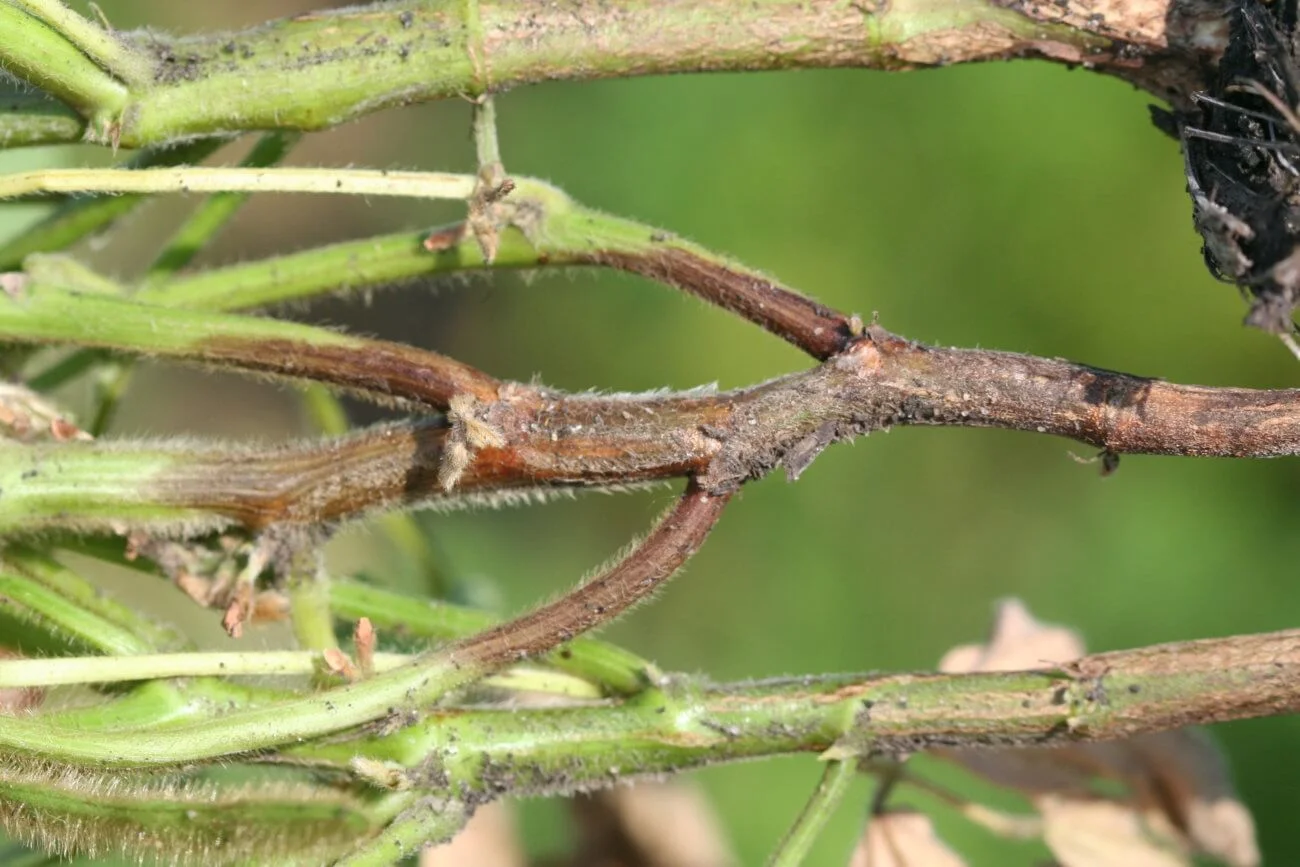
    In other instances, soybean plants may emerge from the soil and then die. These dying or dead plants often show a “pinching” of the stem just at or slightly below the soil line. This symptom is commonly referred to as damping-off.
    Phytophthora Daren Mueller 20 1300x867

    If damping-off is a problem in the spring, watch for Phytophthora infection following rainy periods later in the season. The stem rot phase is easily recognizable by the presence of a distinct chocolate-brown lesion moving up the stem from the soil line. Initially, the upper stem of the plant may remain green. The plant will eventually wilt, turn yellow, and then die with leaves remaining attached.

    The root rot phase of Phytophthora is not as readily recognized as the stem rot phase. Infected plants can be stunted and less vigorous, although this is hard to spot unless the infected plants are near a healthy comparison. A close inspection of the root system will reveal a significant reduction in the number of secondary roots and fine root hairs that help the plant take up moisture and nutrients. Plants with the root rot phase may mature a week or two earlier than healthy plants in the field.

    Management

    Many soybean varieties have resistance genes. The most common group of genes are known as Rps genes (“Resistant to Phytophthora sojae”). Varieties with “stacked” genes can show significantly higher resistance to Phytophthora. Specific information on PRR genes for each of Latham® soybean varieties is included in our 2023 Seed Guide.

    Using Latham’s SoyShield® and SoyShield Plus seed treatments is a proven, effective way to protect against early-season diseases like Phytophthora. Using our seed treatment gives you the confidence and flexibility for a strong start to the growing season.

    *Sources:

    • Phytophthora Root & Stem Rot – Soybean Disease – Soybean Research & Information Network – SRIN (soybeanresearchinfo.com)
    • Phytophthora root and stem rot on soybean | UMN Extension

    Did you enjoy this article? We want to (TECH)talk with you! Sign up for our newsletter to receive agronomy articles (and delicious recipes) in your inbox! We’ll talk soon.
    Webspec Admin

    March 2, 2023
    Agronomics, Crop, Disease, General, Soybeans
  • Latham Hi‑Tech Seeds

    Drive Yield with Soil Health and Customized Plant Nutrition

    Soil Health Resized

    It’s no secret that optimal yields result from a combination of many factors: environment, plant nutrition and nutrients to name a few.

    Soil Health ResizedPlant nutrition is key to maximizing the yield potential of today’s plant genetics. To meet the intensive nutritional demands of these plants, there must be a higher fidelity to soil condition and nutrition. Removing nutrients removes nutrition from the soil reserves.

    There is a no “one-size-fits-all” nutrition program, and there are many variations of soils and environments. So customizing nutrition programs by field can help optimize yield. Today’s technology allows us to do just that!

    Many years ago, we heard about a farmer who found a unique combination of cover crops that worked well for his soils and climate. He tracked everything precisely and found that soil organic matter (OM) increases by 0.1% each year. This may not seem like much, but the impacts are exponential. In 10 years, you gain 1% more OM. For every 1% OM, the soil can hold 1 acre inch of rain. That’s 27,000 gallons of water.

    This farmer is improving water and nutrient-holding capacity of the soil in the root zone. During drought years, his farm’s yield was only down 10 bushels while the average yield decrease was 60 bushels. Plus, his farm produced the same yields using less nitrogen (N), phosphorus (P) and potassium (K) because leaching is reduced.

    Why not experiment on your own farm? Start small and see how you can capture more yield on the same acre. Here are a couple resources to help you get started:

    • Try Something New
    • On-Farm Research Helps Find Palatable Solutions

    Did you enjoy this article? We want to (TECH)talk with you! Sign up for our newsletter to receive agronomy articles (and delicious recipes) in your inbox! We’ll talk soon.
    Webspec Admin

    February 22, 2023
    Agronomics, Cover Crops, Crop, Disease, Emergence, Fertility, General, Growth Stages, Soil
  • Latham Hi‑Tech Seeds

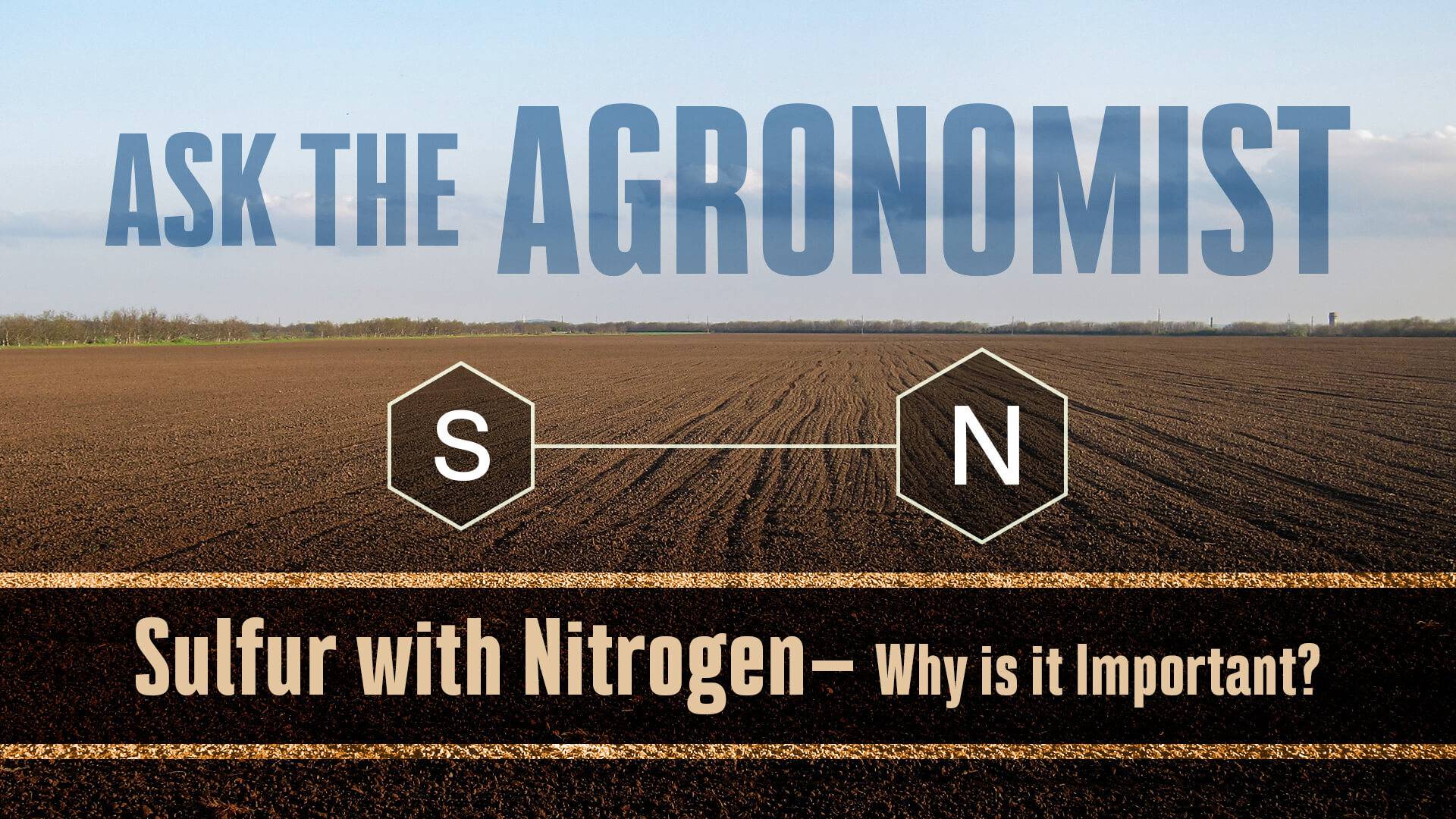
    #AsktheAgronomist – Why is Sulfur and Nitrogen Important?

    Ask the agronomist sulfur with nitrogen

    Did you enjoy this video? We want to (TECH)talk with you! Sign up for our newsletter to receive agronomy articles, videos (and delicious recipes) in your inbox! We’ll talk soon.

    Webspec Admin

    February 15, 2023
    #AskTheAgronomist, Agronomics, Corn, Crop, Emergence, Soybeans
  • Latham Hi‑Tech Seeds

    Mitigate Weather Risks with Best Management Practices

    Young green corn growing on the field. Young Corn Plants.

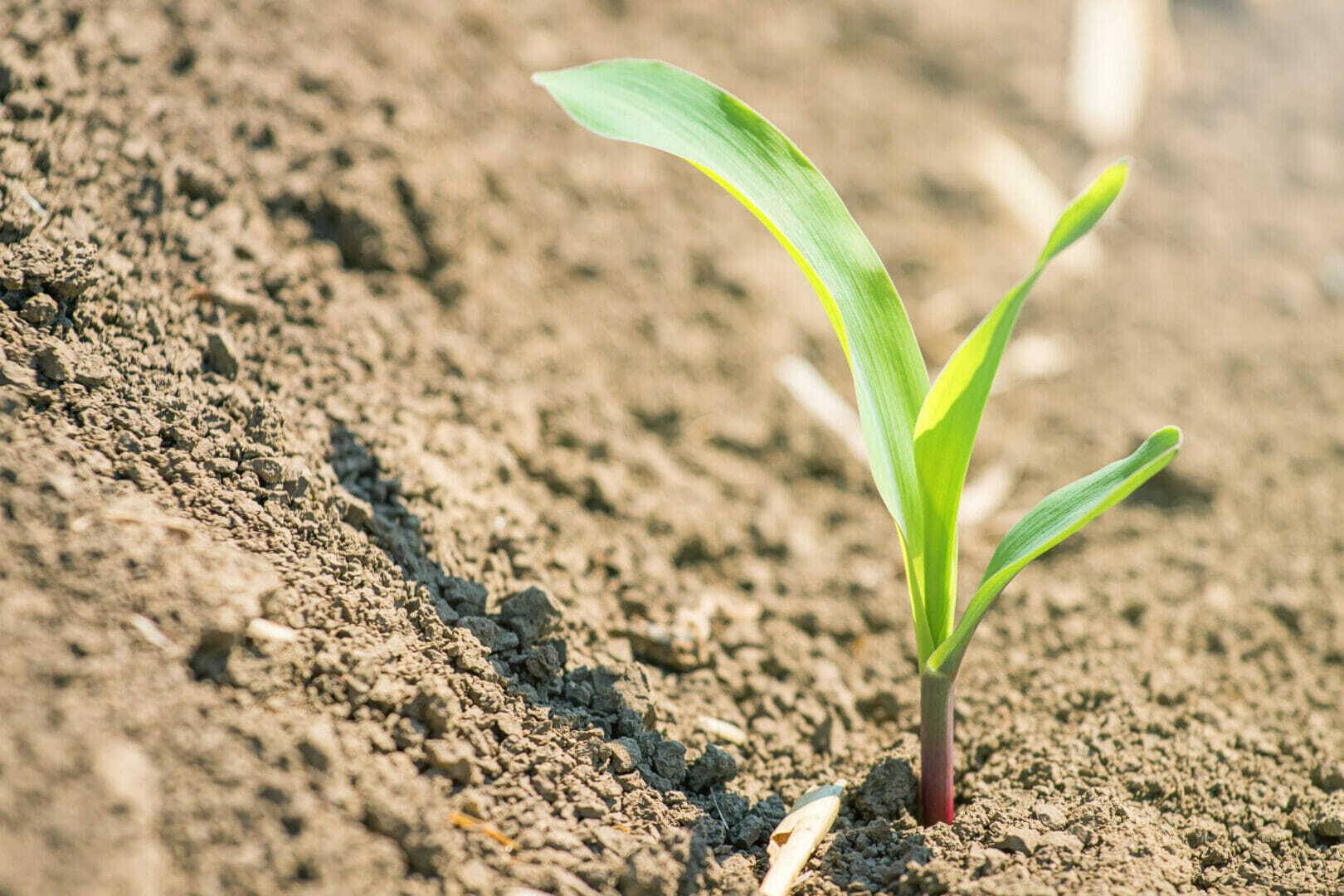
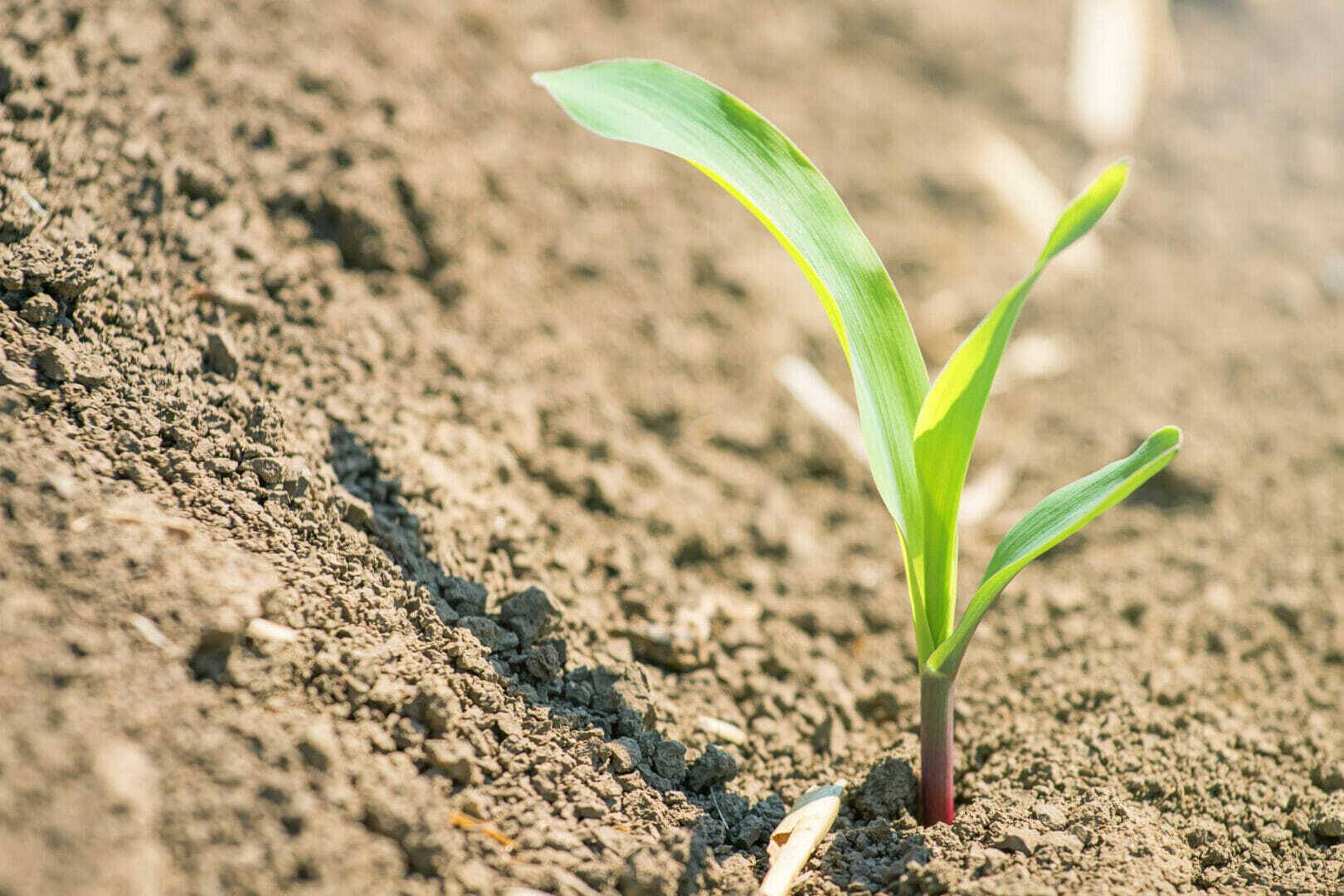
    Young green corn growing on the field. Young Corn Plants.Weather concerns are top of mind as farmers across Latham Country look ahead to spring 2023 planting. Customers frequently ask us how to mitigate risk from the 2022 wet planting season.

    While we want to maximize the yield potential of early planting, 2022 data shows us that delayed planting can result in very good yields — and better yields than planting when conditions are unfit.

    Consider these factors to successfully mitigate potential risks of delayed planting:

    1. Minimize compaction during field preparation.
      • A uniform seed bed creates the best opportunity to plant your crop with precision.
      • Minimize passes in the spring while creating a uniform seed bed.
      • Be careful not to cause sidewall compaction of seed trench at planting.
    2. Plant your corn crop with precision. We want all plants to emerge within 72 hours. This creates the best root system to maximize water use through the entire growing season.
      • Plant a consistent seed depth.
      • Check for consistent seed spacing.
      • Ensure great seed-to-soil contact.
      • Delay planting if cold temps or cold rain is forecasted within 72 hours after planting.
    3. Promote a healthy root system with fertility. Good fertility programs maintain a healthy, strong root system to effectively use available water.
      • Starter fertilizer gets corn plants off to the best start possible.
      • Side-dress Nitrogen in a timely manner to nurse optimum plant health.
      • Maintain a good fertility balance, using soil testing as a guide.

    We suggest staying with a hybrid selection plan that does not vary significantly from previous years.  A couple management changes at planting time to get your crop off to a great start will result in more success than totally changing your hybrid selection.

    Remember, most corn yield is created in July and August. Get your plants off to the best start, so they can take advantage of that part of the growing season. Don’t get discouraged if you encounter a bit of a delay. Stick to the hybrids in your original plan through the end of May.

    Did you enjoy this article? We want to (TECH)talk with you! Sign up for our newsletter to receive agronomy articles (and delicious recipes) in your inbox! We’ll talk soon.
    Webspec Admin

    February 14, 2023
    Agronomics, Corn, Crop, Emergence, General, Growth Stages, Precision Ag, Season, Soil, Soybeans, Spring
  • Latham Hi‑Tech Seeds

    Success with Biologicals Starts with Optimizing Your Soil Fertility

    Phil Long, Precision Agronomy Specialist
    Phil Long, Precision Agronomy Specialist
    Precision Agronomy Advisor, Phil Long

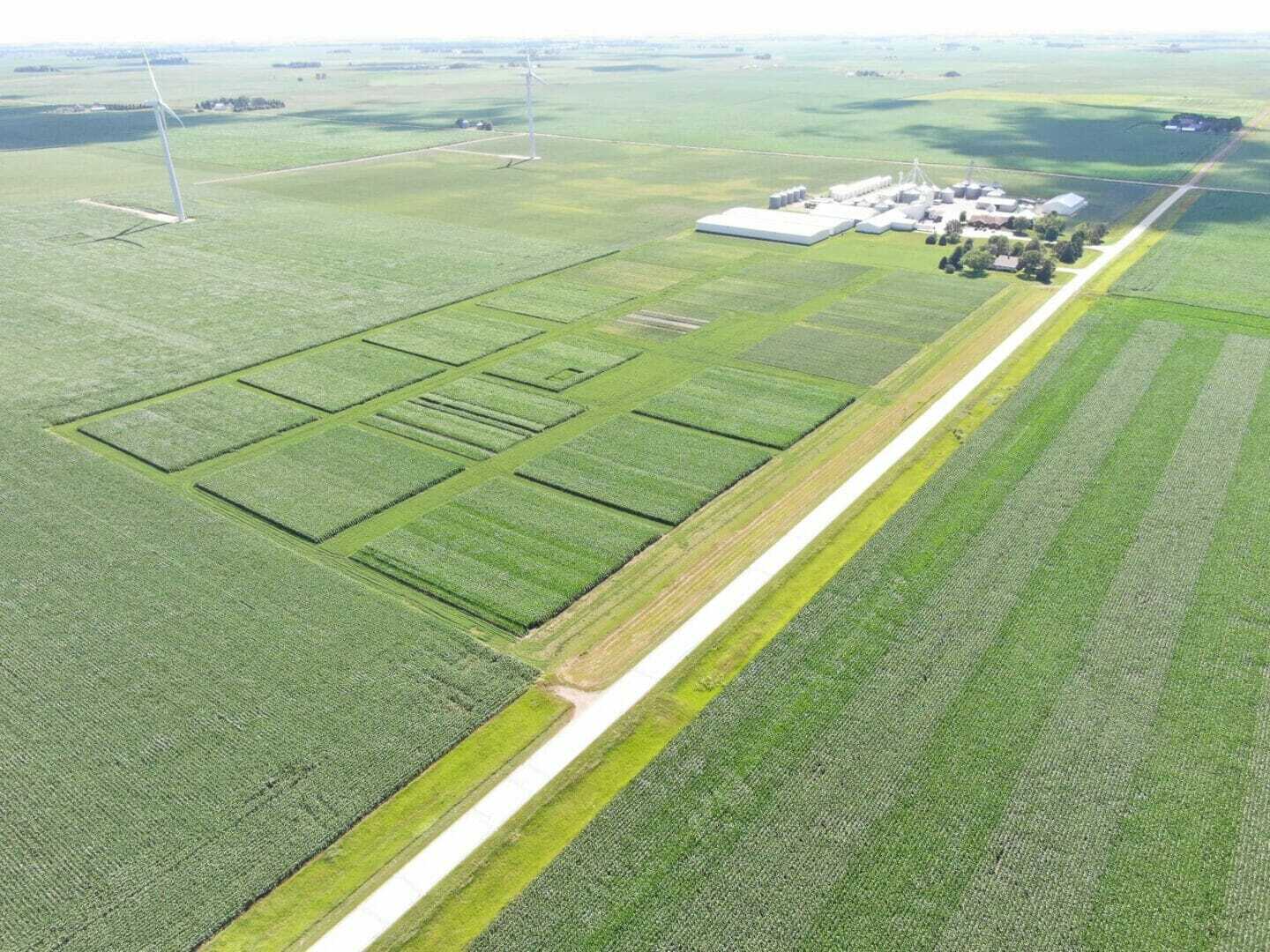
    One reason Latham Hi‑Tech Seeds opened its Premier Agronomy Center on the Latham family’s Iowa Century farm was to collect data using real-world practices and to research solutions for real-world problems. More farmers are interested in biologicals to reduce fertilizer and other input costs and/or to build soil health.

    A biological product, or biofertilizer, contains living microorganisms that promote fertilizer efficiency or plant growth. Most of these products are naturally occurring in the environment but likely do not occur in high amounts in your field.

    At Latham’s Premier Agronomy Center in 2022, we used Pivot Bio PROVEN® and Azotic Envita® on corn. Both nitrogen-producing bacteria products were trialed on a large scale and applied in-furrow with LH 5245 VT2 PRO RIB. PROVEN yielded 213.1 bushels per acre (bu/A), and Envita yielded 208.1 bu/A while the untreated LH 5245 yielded 206.2 bu/A. (Also please note that I applied about 40 lbs per acre less nitrogen on all the biological products, so I saved about $20 to $30 per acre when accounting for the product cost.) We have seen similar past results with PROVEN on our farm despite the dry conditions we have had. Envita also may be sprayed over the crop in-season — a process that our team will try in 2023.

    Another biological/foliar product that I’ve used on my own farm for soybeans is BW Advance from BW Fusion. This product has foliar nutrients plus biologicals. When applied around soybean reproduction time, it can help reduce flower and pod abortion plus reduce moisture loss during drought stress. It takes about a 1.5 bu/A yield increase to pay for the product at current soybean prices. In 2022, I saw an average of 2.3 bu/A advantage. Keep in mind, 2022 was very dry and this particular field has some underlying fertility issues.

    If you are going to try biologicals, you must take care of pH and other soil fertility deficiencies. The microbes in your soil, especially bacteria and fungi, thrive based on proper pH and physical soil environment. For example, if you have a pH of 5.0 or heavily compacted soils, you’re not going to see a boost in soil life until you correct those issues.

    This year I used two foliar/soil-applied products, Midwest Bio-Tech’s Chandler Soil and TerraMax’s Ag Soft. The goal of these products is for compaction alleviation and residue management. I’m using these products on our cover crop and no-till plots. During the next few years, I will share results and show any soil structure changes. We also use seed-applied products, including Talc U.S.A.’s Microsurge inoculant and Encompass, as well as TerraMax’s Vertex and Micro MX.

    How will we know which products may benefit our farm the most? Our plan is to try them! I will share soil health tests and how they can aid us in continuing to decipher the complex world of biologicals.

    Did you enjoy this article? We want to (TECH)talk with you! Sign up for our newsletter to receive agronomy articles in your inbox! We’ll talk soon.
    Phil Long

    February 2, 2023
    Agronomics, Corn, Crop, Fertility, From the Field, General, Growth Stages, Precision Ag, Soil
  • Latham Hi‑Tech Seeds

    Match Hybrids to Your Management Style

    Corncob background
    Phil Long, Precision Agronomy Specialist
    Precision Agronomy Advisor, Phil Long

    Agronomists often tout the merits of selecting hybrids to fit your soil types, but it’s also important to select hybrids that match your management style.

    Latham Hi‑Tech Seeds’ Premier Agronomy Center provides opportunities for us to learn and share how Latham® products interact with the environment and perform under different management styles. In 2022, we adapted our stress wheel study to show how different Latham brand hybrids react to population differences. We planted 20 different Latham hybrids at both 24,000 and 36,000 plants per acre (ppa) to track how each hybrid adjusts its ear flex – or yield – to high- and low-competition environments.

    Overall corn yield comes from three areas: (1) plants per acre; (2) ears per plant; and (3) weight per ear. If we look specifically at an individual corn plant, yield comes from these three areas: girth in the early season, length in mid-season and kernel depth in late season. The hybrid stress test helps us better understand how your favorite Latham hybrids adjust their yield in high- or low-stress environments, which in turn helps you better understand when to reduce stress for these hybrids.

    For example, if a hybrid gets most of its yield from flex in girth, you should reduce early-season stress. Plant these hybrids in warm soils; provide fertility at the planter, and make sure nitrogen is in an available form early in the season. All hybrids determine girth based on how healthy or stressed the plants are from emergence to V7, so anything you can do to help them at that stage retains more yield.

    The critical time for hybrids that flex in length is from V8 to R2. Making sure these hybrids are healthy in early summer is more important. Side-dress applications are beneficial to these hybrids.

    The last group is those that flex in kernel depth, which occurs from R3 to R6 when the corn is filling its kernels, so nutrients move from leaves to the ear. These hybrids can benefit greatly from fungicide because it gives them extra time in the grain fill stage to add weight to the ear.

    Although we always talk about hybrids flexing up for bigger yields, a corn plant thinks of it differently. It starts with very high expectations and then flexes down in each direction based on the stress it encounters during the season. Each hybrid’s genetics can vary by how much emphasis it puts on these three areas of yield.

    We were intrigued by what we learned from our stress test in 2022 and look forward to learning more in 2023 about how our hybrids adjust their yield. Talk with your local Latham® rep to help you match our hybrids to your management style. Each local salesperson is supported by a team of seed specialists located across our six-state territory.

    Did you enjoy this article? We want to (TECH)talk with you! Sign up for our newsletter to receive agronomy articles in your inbox! We’ll talk soon.
    Phil Long

    January 26, 2023
    Agronomics, Corn, Crop, Disease, Emergence, General, Growth Stages
  • Latham Hi‑Tech Seeds

    Not All Alfalfa is Created Equal — It Pays to Plant Quality

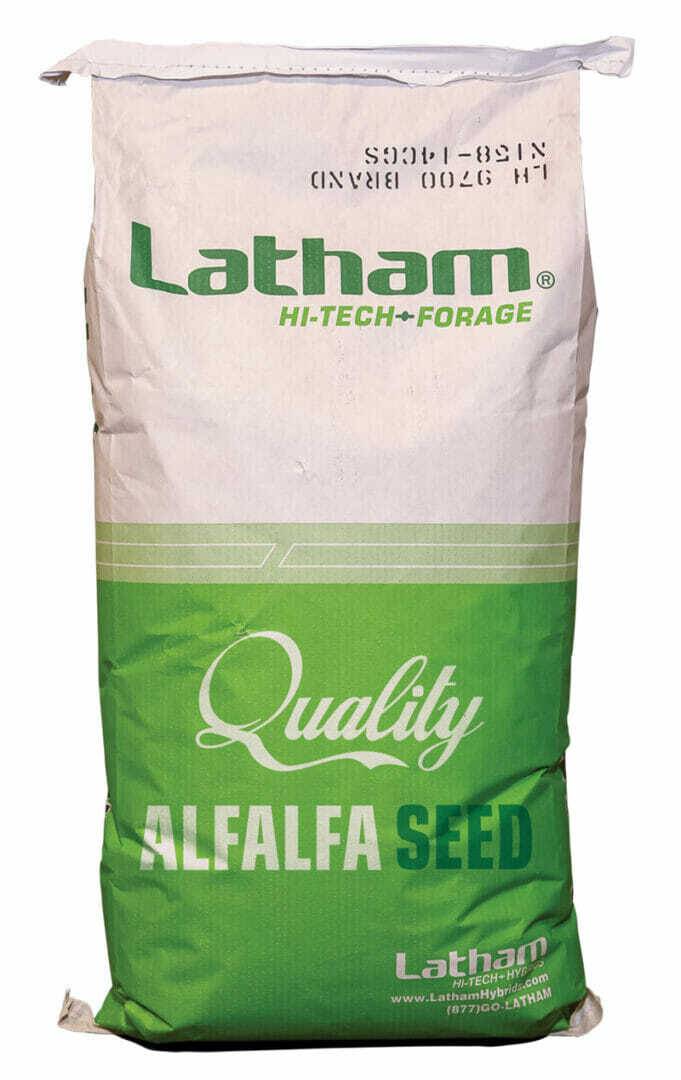
    Alfalfa bag clipped new

    Latham Hi‑Tech Seeds is a great source of top alfalfa genetics, and now’s the time to get in on these products!

    More farmers will diversify in seed alfalfa in 2023 to capture high markets. You’ll also get the benefit of up to 100+ nitrogen credit plus 20% more yield on the crop that follows rotated alfalfa.

    Review the features and benefits of the alfalfa products offered by Latham Seeds, so you can truly understand that not all alfalfa seed is the same.

    We are very intentional about finding the best genetics and seed treatments for your acres. Many competitors sell lower-yielding genetics with very basic seed treatments, which are cleverly wrapped with an alluring price. That “alluring” price can distract farmers from looking at the value of the features and benefits of each component.

    When you run a race, fly an airplane, or drive in the Indy 500, you can’t win with lower horsepower or by running half throttle. Yes, you might get to the finish line — but how will you celebrate? Your best chance of achieving top yields is running the yield race with the most horsepower, full throttle with proven seed genetics and seeding treatments.

    Features

    Benefits

    Newest generation plant genetics ·       Capture as much yield as possible each cutting

    ·       Have best chance at strong stand for life of rotation

    ·       Capture the soil’s full yield potential

    Best disease package ·       Healthier plants

    ·       Higher yield

    ·       Longer stand life

    Quick recovery after cutting ·       More yield
    Industry-leading seed treatment ·       Emerge fast

    ·       Grow stronger

    ·       Yield more

    Optimize® Gold alfalfa inoculant ·       Growth promoter

    ·       Enhances quick nodulation and nitrogen fixation

    ·       Boosts yields; improves quality

    Nitragin® Gold Alfalfa ·       Nitrogen-fixing inoculant

    ·       Helps stimulate early nodulation and nitrogen fixation

    ·       Boosts yield

    Stamina® fungicide ·       Newer class of fungicide

    ·       Helps reduce broader spectrum of pathogens, especially at emergence time

    ·       Protects against Aphanomyces races

    APRON® fungicide ·       Helps reduce pathogen risks like root diseases
    Micronutrients ·       Specific micronutrients that facilitate and promote emergence, health and vitality
    Polymer ·       Helps flowability for uniform distribution
    Coating ·       Encapsulate the blend of treatments

    ·       Helps seed absorb moisture for quicker germination

    Varieties
    LH 9120 Branch Root ·       Great in all soils

    ·       Works well in wetter soils

    Finer stemmed; great for dry baling

    LH 9700 Disease ·       Strong disease package

    ·       Works in all soils

    ·       Great for chopping, baleage, and dry bale

    LH 8101 ·       Basic alfalfa, short rotation,
    AA Harvxtra 481 Ultra Cut ·       Very special genetics

    ·       10%+ more yield vs non-ultra cut

    ·       Best disease package, especially involving Aphanomyces and anthracnose threats

    ·       Best forage quality potential

    ·       Unique HarvXtra Genetics with Ultra Cut features

    Did you enjoy this article? We want to (TECH)talk with you! Sign up for our newsletter to receive agronomy articles in your inbox or call 1.877.GO.LATHAM (1.877.465.2842).

    Webspec Admin

    January 12, 2023
    Agronomics, Alfalfa, Crop, General
  • Latham Hi‑Tech Seeds

    “CAN” Nitrogen-Fixation Products Improve Silage Quality?

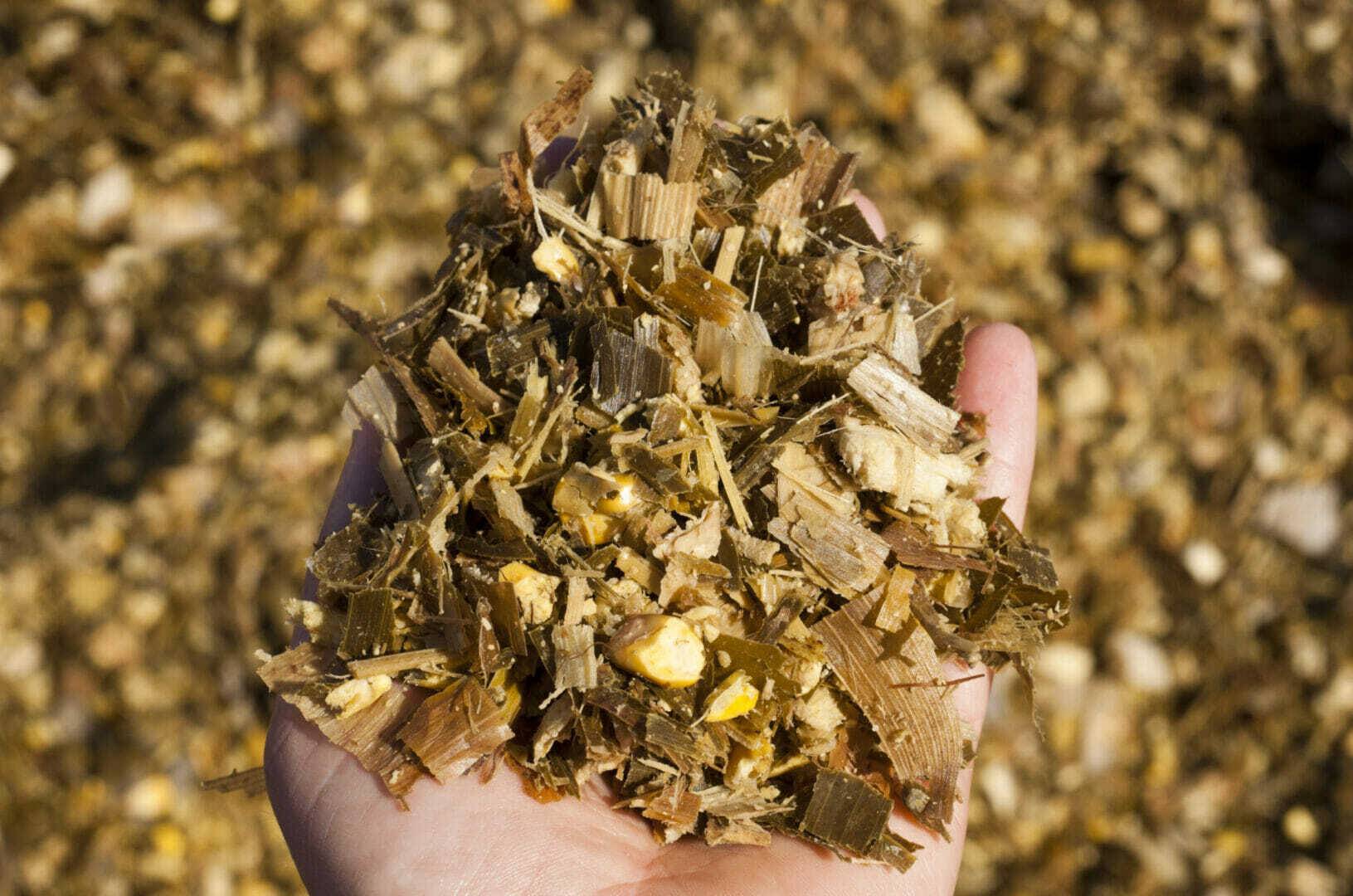
    Silage

    As quickly as we close the book on the 2022 season, we start the next chapter of 2023.

    This is referred to as “Constant and Never-ending Improvement” (CANI) by Tony Robbins — author, coach and motivational speaker. His CANI technique is about making consistent, small changes in your life that are often more effective than trying to change everything at once. I believe most farmers embody this spirit of growth and optimism.

    As we sharpen the pencil on our 2023 story, it’s beneficial to review observations from the 2022 growing season. One of the most expensive components in livestock feed is supplemental protein. Because I hope to find ways beyond plant genetics to help improve plant protein, I’m taking a closer look at nitrogen-fixation products.

    Forage quality is complex and has a lot to do with a combination of plant genetics x soil fertility x environment. In addition to the seed treatment trials conducted at Latham’s Premier Agronomy Center in Alexander, I did a small experiment with Envita in a small corn silage trial in Ellsworth, Wisc. I’m just learning about these nitrogen-fixation products on corn. I’m sharing my observations because I found them interesting.

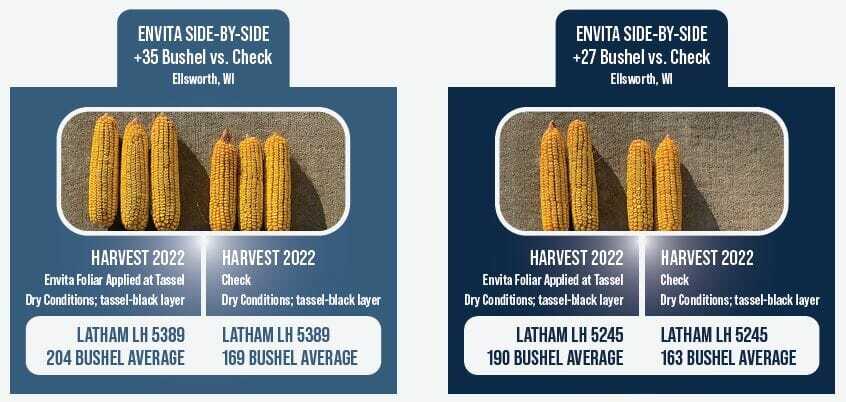
    I sprayed Envita in a foliar form on healthy plants around tassel time. After spraying, moisture was limited until corn silage harvest time. The following photos help show the harvest results.

    Corey Photos

    Corn Silage Yield Observations

    LH 5389 + Envita = 7.7 more harvest tons, and 3 more dry matter (DM) tons versus the check with no difference in quality.

    There is clearly a visual difference in ear size, so I’m curious to learn more about these types of nitrogen-fixation products. NOTE: This research was done only one year in one location. It will be interesting to see what type of yield response we see in subsequent years and at different locations. My hypothesis is Envita helped the silage plant better handle stress from dry conditions, but I need to test it further. There is so much to be learned!

    What types of experiments do you plan to conduct on your farm in 2023?

    Check out past articles for tips on conducting small scale, on-farm experiments:

    • Try Something New
    • Eight Inches Can Be a Yield Barrier
    • Set Up New Seeding for Success

    Did you enjoy this article? We want to (TECH)talk with you! Sign up for our newsletter to receive agronomy articles in your inbox! We’ll talk soon.
    Webspec Admin

    December 21, 2022
    Corn Silage, Crop, General
  • Latham Hi‑Tech Seeds

    Three Keys to High-Yielding Soybeans

    NW IA Latham Seeds Soybeans 8 13 19

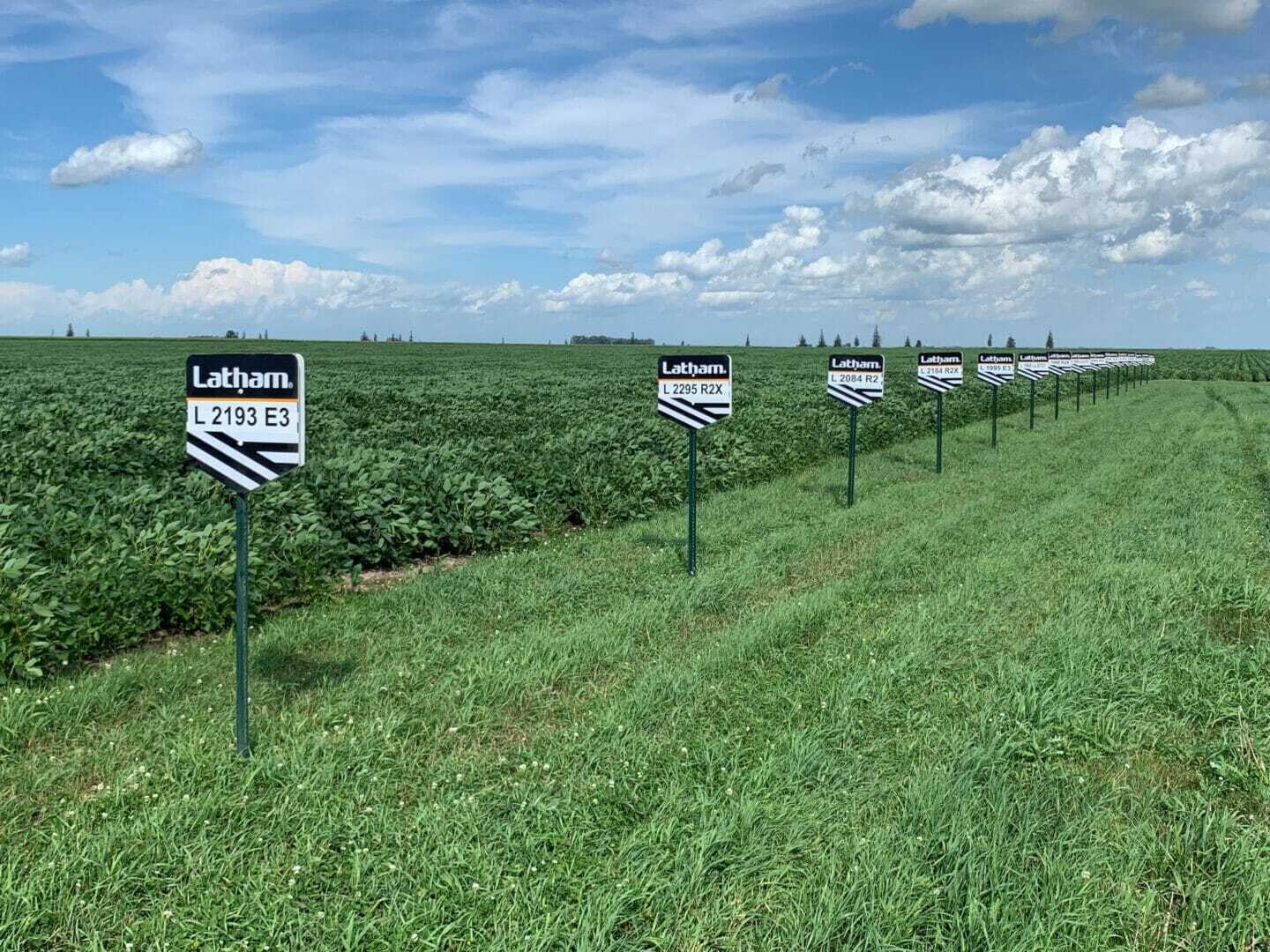
    Our focus for Latham Premier Agronomy Center in Alexander, Iowa, is to showcase a broad lineup of independent options and to demonstrate how genetics interact with the environment and management styles (G X E X M).

    LPAC Picture Resized

    In the Premier Agronomy Center this year, we tested 26 Latham® soybean varieties using 28 different management practices. My top take-home messages for our 2022 soybean plots are:

    1. August rains make soybeans. We received 11.8 inches of rain this season but 4.1 inches of it fell in August. Although we received below-normal moisture, the rain came at the right time. Our plots averaged 75 bushels per acre (bu/A) on about 12 total inches of rain!
    2. Don’t stress soybeans at early bloom. Weed control in soybeans is extremely important. I made a second pass of Liberty® in season, however, it reduced yields by 10 percent. Our showcase plots did not get the extra dose of herbicide and averaged 86 bu/A; the plots that received a second pass yielded an average of 78 bu/A.
    3. “Early” planting date is key to high yield. While earlier is better, “early” does not mean April 10 because we don’t want to risk stand loss to freezing temps. This year our first soybean plots were planted later than expected due to conditions. The plots planted May 13 averaged 5.5 bu/A better than the plots planted May 20. Seven days can make a difference in the number of nodes and pods retained, plus the canopy closes sooner.

    The key to higher yields is how all three components – genetics by environment by management – interact. Fertility tops my list, so I always make sure potassium is sufficient. Potassium is what gets soybeans (and corn) through stressful times and helps them better manage water loss on hot days.

    Latham® soybeans have outstanding yield potential. But like all living and breathing organisms, our soybeans struggle to perform when they’re stressed at the wrong time. The key to top soybean yields is management: reduce as much stress as possible during the growing season because we can’t control the weather.

    Did you enjoy this article? We want to (TECH)talk with you! Sign up for our newsletter to receive agronomy articles in your inbox! We’ll talk soon.
    Phil Long

    December 8, 2022
    Agronomics, Crop, Disease, Emergence, Fertility, Fungicide, General, Growth Stages, Insects, Seed Treatment, Soil, Soybeans, Weed Control
  • Latham Hi‑Tech Seeds

    LATHAM SEEDS LAUNCHES CAMPAIGN TO RAISE $75K FOR CANCER

    Hope hero image

    Wear Red in September for Blood Cancer Awareness

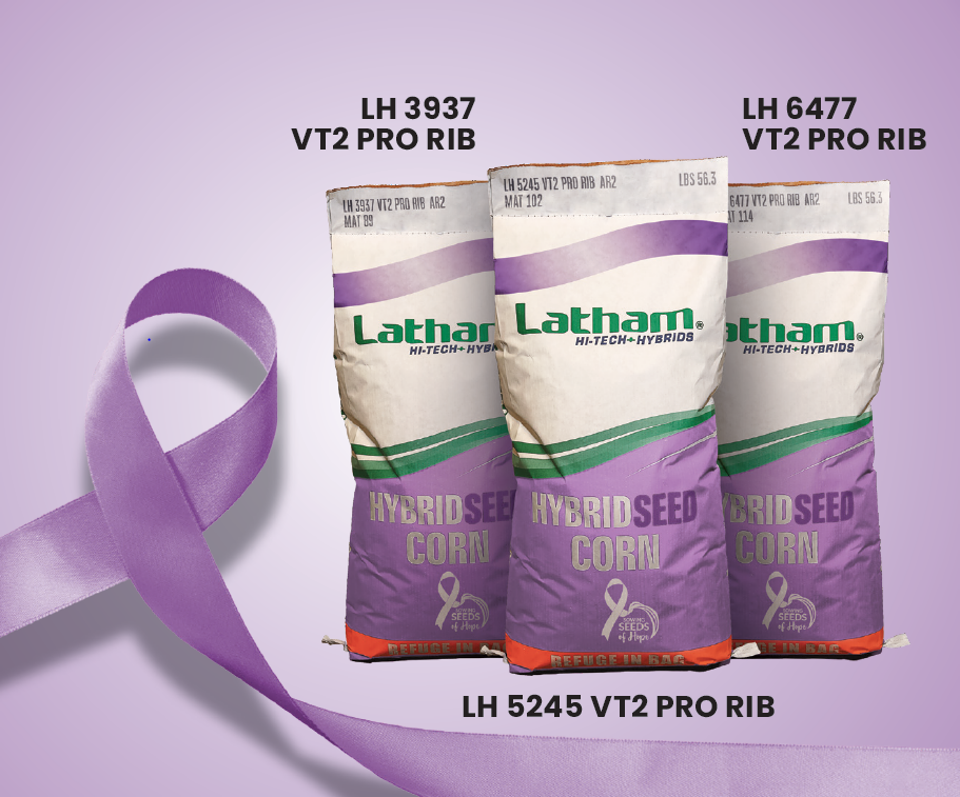
    All Three BagsLatham Hi‑Tech Seeds has launched its “Sowing Seeds of Hope” campaign, a three-year effort to raise $75,000 for the American Cancer Society. How will we reach our goal? For every unit of LH 3937 VT2 PRO, LH 5245 VT2 PRO and LH 6477 VT2 PRO sold, Latham Seeds will donate $1 to the American Cancer Society. Other fundraising efforts include supporting local Relay for Life events and providing an employee donation match.

    September is Blood Cancer Awareness Month and also coincides with the fall harvest day in 2009 when former company president Bill Latham was diagnosed with Acute Myelogenous Leukemia (AML).

    “I can recall that day like it was yesterday,” says third-generation seedsman John Latham, president of family-owned Latham Seeds in Alexander, Iowa. “Dad was doing what he loved, harvesting research plots, when he didn’t feel well at all. We rushed him to a nearby hospital and then he was transferred to Mayo Clinic.”

    Adds Chief Financial Officer Chris Latham, “We could see the look on the doctor’s face and knew it was serious. We didn’t know what AML was, but we learned very quickly.”

    Thanks to medical advancements and a stem cell transplant, Bill Latham’s life was extended for nearly six years. It was invaluable time that allowed Bill to meet his youngest granddaughter and enjoy time with his five grandchildren while also passing down business advice to his sons.

    “The extra years we had with our dad were a gift beyond words,” John says. “Our mom is a two-time cancer survivor. Because the American Cancer Society has provided our family with resources, support and so much hope, we’re committed to help raise cancer awareness and funds.” Watch the video below to learn more about “Sowing Seeds of Hope.”

    To help increase awareness of blood cancers, Latham Seeds is inviting the public to join its team members and sales organization in wearing red clothing.

    “We encourage you to share photos of you and your family members wearing red to Facebook, Twitter and Instagram using the hashtags #ThisIsBloodCancer, #BCAM2022 and #LathamSeeds,” says Shannon Latham, vice president, Latham Seeds.

    “You and your family also can recognize Blood Cancer Awareness Month by enjoying healthy meals at home,” says Shannon Latham. “It just wouldn’t be a Friday on ‘The Field Position’ blog without a recipe. Today we’re sharing one from the American Cancer Society for Tomato and Basil Frittata. Frittatas are a great way to use garden-fresh produce before cooler autumn temperatures arrive. Enjoy!”

    Shannon Latham

    September 23, 2022
    Corn, Crop, General, Seeds of Hope
Previous Page
1 … 3 4 5 6 7 … 62
Next Page

Latham Hi‑Tech Seeds

131 180th Street | Alexander, IA 50420

(641) 692-3258

SIGNUP FOR OUR NEWSLETTER
  • Contact
  • Legal
  • Dealer Center
  • Seedware Login
  • Latham Gear

© 2025 Latham Hi‑Tech Seeds. All rights reserved. | Iowa Web Design by Webspec | Privacy Policy

Latham® Hi-Tech Seeds is a trademark of M.S. Technologies, L.L.C., 103 Avenue D, West Point, IA 52656.