Latham Hi-Tech Seeds

(641) 692-3258

  • Home
  • Performance
  • Products
    • Corn
    • Soybeans
    • Soybean Blends
    • Alfalfa
    • Corn Silage
    • Seed Guide
  • Find a Rep
  • Media
    • Blog
    • News
    • Videos
    • Podcasts
    • TECHTalk
  • About Us
    • Company History
    • Our Mission
    • Careers
    • Become a Rep
    • Sowing Seeds of Hope
  • Contact Us
  • Latham Hi‑Tech Seeds

    Prepare Now for Increased Production in 2024

    Corncob background

    There’s more to fall than getting the combine ready. To ensure healthy, productive soils next year, think about doing these three things now:

    1. Review your field data
    2. Correct compaction
    3. Add a cover crop

    Whether your fields produce bumper crops or have lower-than-average yields, take the time after harvest to assess soil fertility levels, replenish depleted nutrients, determine reasons for high- and low-yielding areas and evaluate overall soil health. Doing this can help give your crops a head start for next season.

    Soil samples and yield maps can predict the future

    Begin next season’s preparations by pulling post-harvest soil samples and assessing this season’s yield maps. Soil samples will identify any phosphorus or potassium deficiencies, while yield maps will show the amount of nutrients removed from the soil by this year’s crops. This information will help you determine crop nutrient amounts for next season, based on actual numbers rather than estimates.

    If post-harvest conditions allow, farmers can make partial (or base) nitrogen applications in the fall. Then test soil nitrate levels in the spring to determine the additional amount needed to meet next season’s crop performance goals. This ensures that nitrogen will be available in the soil at planting, as well as throughout the remainder of the growing season. If weather delays spring applications, this nitrogen management strategy provides you with more time to assess fertility needs based on early-season crop and soil conditions.

    Consider fall nitrogen applications with a stabilizer

    If you can make a fall nitrogen application, consider the effects of soil texture, soil moisture levels and soil temperature to avoid leaching and denitrification issues. Fall nitrogen applications should not be made until your soil cools to 50 degrees Fahrenheit or lower, when soil bacteria begin to go dormant. Fall-applied nitrogen must be used with a stabilizer to prevent it from converting into a mobile nitrate form that can move off-target and run off into nearby waterways. If manure is part of your nitrogen strategy, consider also using a stabilizer.

    Ease spring workloads with simple steps

    If your fall soil samples identify phosphorus (P) or potassium (K) deficiencies, you can apply these nutrients any time after harvest. To ease spring workloads, broadcast applications may be made in the fall and incorporated into the soil. If a spring application works better, P and K can also be applied prior to planting.

    Another important issue to assess in the fall is soil compaction. Before doing any fall tillage, check compaction depth to help you determine the proper tillage tool to use. Accurate tillage depth and the tillage speed will loosen soil and prepare it for next season.

    Team Latham

    September 21, 2023
    Agronomics, Corn, Crop, General, Soil, Soybeans, Tech Tuesday
  • Latham Hi‑Tech Seeds

    #FromtheField – Central Iowa – September, 2023

    Snip


    It’s harvest time in Central Iowa! Aaron is southeast of Des Moines, scouting #FromtheField to determine where to start first.

    Shannon Latham

    September 19, 2023
    #FromTheField Crop Reports, Agronomics, Corn, Crop, Fall, From the Field, Season
  • Latham Hi‑Tech Seeds

    Late Summer Can Lead to Better Harvest Decisions

    Scouting
    Steve Resized
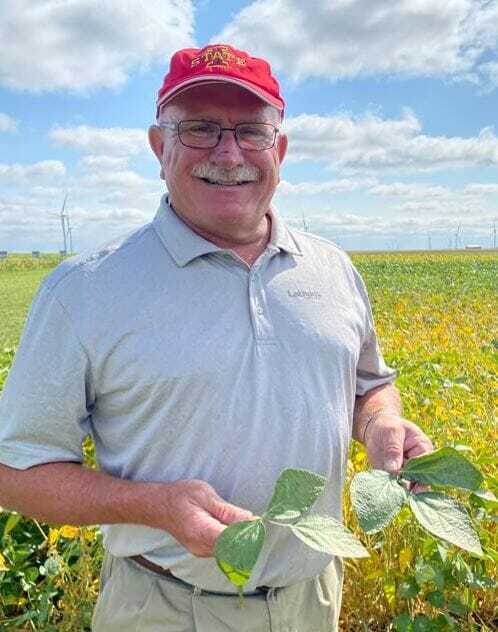
    Steve Sick, Latham Product Manager

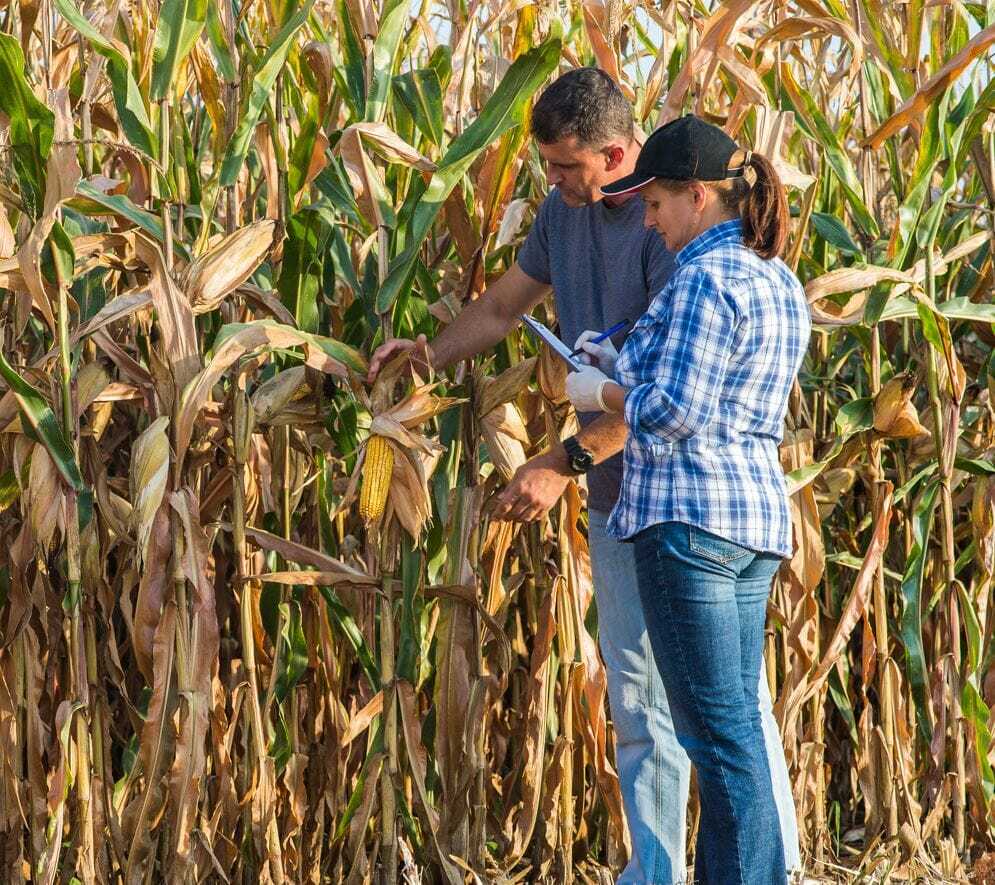
    Taking field notes on what you observe in late August and early September can provide valuable information as you move into harvest, as well as confirm or reprioritize agronomic goals for next year.

    Notes I take this time of year generally answer these questions:

    • What diseases are the most prevalent?
    • Which areas of the field exhibit poor growth or yield potential?
    • Should I conduct a pre-harvest yield estimate?

    Late-Season Scouting Suggestions

    Evaluate areas of poor crop growth and potential yield. There can be multiple reasons why a crop didn’t grow well in portions of a field or yield estimates are low in some spots.

    To help determine if soil fertility and health is the cause, try these steps:

    • Mark on a map or GPS reference the location, so you can take directed soil samples after harvest.
    • Pull paired samples. Take one composite soil sample in the poor growth area and then take another composite sample in an area of good growth nearby in the same field. (Soil sample bags are available from many sources and easily available through your local university or co-op.)
    • Use yield maps. These are another great data layer to compare and contrast what you observed during scouting in late August.

    Think About Pest Management While Scouting

    Observe the severity and distribution of diseases, insects, and weeds in a field to help make future adjustments to pest management plans.

    For example, Goss’s Wilt and bacterial leaf streak are two bacterial diseases found this year in cornfields with no previous history. Tar spot is also a new disease that carries over in residue the following year. Hybrid selection for improved tolerance or resistance to these bacterial diseases maybe something to talk about with your seed dealer this fall.

    Some hail and wind-damaged fields now have a late-season weed flush in portion that might warrant a more aggressive herbicide program next year.

    Scouting Now Can Help Predict Yield Potential

    The most compelling reason to scout fields in late summer is to estimate yield potential. There are differing techniques on estimating corn yield in terms of how to sample and the number of ears to pull. I suggest using information from satellite or drone images to direct sampling across the variability that exists in all fields.

    Another word of caution is with the seed size factor used to calculate kernels/bushel with the extremely dry grain fill period we have experienced in parts of Latham Country. For dry areas, that number may need to be much larger than normal.

    Scouting late in the growing season is almost always hot, itchy, sweaty, wet and uncomfortable! However, the insights gained with field observations — when paired with knowledge of the growing season — can help tweak management decisions going forward. This will ultimately lead to more productive growing seasons in the future.

    Did you enjoy this article? We want to (TECH)talk with you! Sign up for our newsletter to receive agronomy videos, articles (and delicious recipes) in your inbox! We’ll TALK soon.

    Team Latham

    August 30, 2023
    Corn, Crop, Fall, General, Growth Stages, Soybeans, Summer, Tech Tuesday
  • Latham Hi‑Tech Seeds

    Fall Alfalfa Seeding – What You Need to Know

    Alfalfa3

    Fall Seeding Alfalfa

    While we are rapidly approaching the optimal time to begin fall seeding alfalfa, there’s still time to get the crop established before a killing frost. Newly-seeded alfalfa requires five to six weeks after seeding before a killing frost or freeze.

    A major key to successful forage production is a good soil testing and fertilization program. It’s best to apply needed amendments to the soil prior to seeding establishment. If the soil analysis indicates a need for liming materials, apply agricultural lime in amounts called for by the soil test. If the soil will be tilled prior to seeding, till the lime into the soil.

    Applying Lime Takes Time

    If the seeding must be established no-till and the test calls for large quantities of lime (four or five tons per acre or more), care must be taken to not create a very high pH zone at the surface with a low pH zone just below. In this case, it might be best to apply the lime in equal annual amounts over a period of three or four years.

    Phosphorus and potassium are the two most critical fertilizer materials for establishing and maintaining alfalfa stands. An initial application may be tilled into the soil prior to planting. Fertilizer must be top-dressed in succeeding years. Band application of a starter fertilizer at seeding time may help ensure stands on soils testing low or very low in phosphorus.

    Get the Foundation Right for Planting

    Preparing a firm seedbed for planting is essential. This can be accomplished by firming the soil with a corrugated roller or cultipacker before seeding. After seeding, firm the soil again to cover the seed and obtain necessary seed-soil contact. Final seed placement should be no deeper than ½-inch in heavy soils and ¾-inch in light soils.

    If stands established in the spring are inadequate, they may be reseeded or inter-seeded the following late summer. For alfalfa, stand counts per square foot should be +25 for a good stand, 15 to 25 for a marginal stand, and less than 15 for a poor stand in the establishment year. Poor stands should probably be reseeded or inter-seeded.

    Evaluating Stand Quality

    The difficult decision comes with a stand of 10-15 plants per square foot, where, if the plants remain healthy, additional seeding and fertility operations under less-than-ideal conditions may damage the stand, ultimately doing more harm than good.

    Under those circumstances, producers should consider weather and soil conditions carefully. Reseeding marginal stands largely depends on the producer’s immediate need for forage and the resulting management of the stand going into fall and winter. A reseeded or inter-seeded area would not be harvested after the seeding to improve the chances for good stand survival through the winter.

    Interseeding a poor stand of newly-established alfalfa plants will likely be more successful than attempting to thicken an old, established alfalfa stand. In either case, the alfalfa stand achieved will probably not be uniformly thick.

    Finally, a general rule of thumb is to plant 12-15 pounds per acre of high-quality seed per acre. Products like LH 9400 and LH 9120 BR are ideal choices to plant this fall and will provide years of high-quality forage.

    Did you enjoy this article? We want to (TECH)talk with you! Sign up for our newsletter to receive agronomy videos, articles (and delicious recipes) in your inbox! We’ll TALK soon.

    Team Latham

    August 23, 2023
    Alfalfa, Crop, Fall, General
  • Latham Hi‑Tech Seeds

    Late-Season Soybean Scouting

    Soybean Plant

    As we roll into late summer, it’s important to continue to scout soybean fields for signs of disease, insect pests and weed escapes. The notes you take today can have a significant impact on this year’s crop and also help you make more informed decisions in future years. Soybean aphid scouting should be well underway at this point. Aphid pressure has been relatively low throughout most of Latham Country to this point, but it’s important to remain diligent in checking your fields. The generally accepted economic threshold for this pest is an average of 250 aphids per plant with more than 80 percent of plants infested and an increasing aphid population. You’ll need multiple scouting repetitions to determine what is happening with aphid populations in your field.

    Two-spotted spider mites are another insect pest in soybeans that have the ability to rapidly increase in population under the hot and dry conditions some of our geography has faced. If mites are positively identified and causing plant damage — and hot, dry conditions are expected to persist — control measures should be considered. Field border treatments may be an option as infestations of spider mites are often confined to field edges.

    Late summer is also when several soybean diseases show up, including Sudden Death Syndrome, Frogeye Leaf Spot, White Mold and others. South Dakota State University has a detailed article on late-season soybean diseases.

    Knowing which diseases are present in your fields can help determine which variety to plant next year. Planting varieties with disease resistance can be the most effective and the most economical method of disease control. Latham® soybeans have great resistance to the major diseases that occur in our trade territory including: Soybean Cyst Nematode (SCN), Sudden Death Syndrome (SDS), Brown Stem Rot (BSR), Iron Deficiency Chlorosis (IDC), White Mold and Phytophthora.

    Soybean pests and diseases can be very serious issues. If you have any questions, feel free to contact me at 402-620-5790 or check in with your dealer.

    Team Latham

    August 8, 2023
    Agronomics, Crop, General, Soybeans
  • Latham Hi‑Tech Seeds

    To Spray or Not to Spray…Here Are the Answers

    Resized

    By now you should be scouting your fields weekly for signs of disease. Other factors to consider when deciding whether to spray a fungicide include:

    • Anticipated environmental conditions. Environment plays a significant role in disease development. Hot, humid weather favors gray leaf spot. Wet, warm (64 to 81°F) conditions favor infection and spore production by the fungus that causes northern leaf blight. Dry weather halts the development of most fungal diseases.
    • Planting date. Infection at earlier growth stages will have a greater impact on yield. We usually see gray leaf spot starting on the lower leaves around the end of July and beginning of August. This year corn has been planted at essentially three planting dates. It is possible that the later planted corn (mid-May) will be at a greater risk for yield loss from foliar disease.
    • Corn-following-corn fields. Many foliar disease pathogens survive winters in crop residue. Infested residue on the soil surface significantly increases the risk and development of tar spot, gray leaf spot, northern leaf blight and eyespot.
    • Fungicide activity. Most fungicides are effective against disease for 14 to 21 days. Corn takes approximately 60 days from silking to physiological maturity, depending on the hybrid. Therefore, spraying a fungicide too early could negate any beneficial effect against disease development that occurs during grain fill.
    • Plant health. In the absence of disease, fungicides might only increase yields by five to six bushels per acre. This barely covers the cost of the fungicide plus application.
    • Stalk rots. Foliar fungicides will have no direct effect on stalk rots. The fungi that cause stalk rots systemically infect the corn plant, and available fungicides are not systemic enough to be effective against stalk rot pathogens. However, foliar disease severity is highly correlated with stalk rot prevalence. Leaf spot diseases reduce the area of photosynthetic tissue and increase susceptibility to stalk rot. Therefore, fungicide applications may indirectly reduce stalk rots by managing foliar disease and reducing plant stress.
    • Tar Spot. Currently, there are multiple fungicides from multiple companies that work to help control tar spot in corn. However, fungicide efficacy is often largely controlled by fungicide timing. In most instances, a fungicide application between the VT growth stage (tassel emergence) and R2 growth stage (blister) is most effective for controlling tar spot. Furthermore, a mixed-mode-of-action fungicide product is often more effective than a single-mode-of-action product. In severe tar spot situations, two fungicide applications may be required. However, this is often dictated by history of severe disease and conducive environmental conditions in a field.

    All these points reiterate the importance of tracking disease and continually scouting your field.

    Did you enjoy this article? We want to (TECH)talk with you! Sign up for our newsletter to receive agronomy videos (and delicious recipes) in your inbox! We’ll TALK soon.

    Team Latham

    July 20, 2023
    Agronomics, Corn, Crop, Disease, Fungicide, Growth Stages, Tech Tuesday
  • Latham Hi‑Tech Seeds

    Do Fungicide Applications Increase Yields? Scout Your Field Before You Decide.

    Aerial Spraying

    There is considerable interest across the Corn Belt in applying fungicides to field corn. When corn prices were down below $2 a bushel in the past, it was easy to say “no” to fungicide. This growing season, the high price of corn and rising disease risk due to increased corn-after-corn acreage has many farmers considering fungicide applications to increase yields.

    Before applying a fungicide to corn this season, it would be smart to know the resistance to foliar disease of the hybrid being grown. The most common foliar diseases are tar spot, common rust, gray leaf spot and northern corn leaf blight. Back in the mid-1990s, research demonstrated a single application of fungicide could be profitable; however, profitability was strongly influenced by gray leaf spot susceptibility. In other words, the chance of increased yield and making a profit was only likely for highly-susceptible hybrids. On intermediate and moderately-resistant hybrids, any yield benefit would not cover the costs of the fungicide application.

    Many foliar diseases start on the bottom leaves of a corn plant and gradually move up the plant, depending on environmental conditions. Scouting the field can give us a very good indication of disease pressure in that field.

    The best time to start scouting is now through tasseling. Look for disease development on the lower leaves of the corn plant up to, and including, the ear leaf. Remember: The ear leaf and leaves above that contribute 75 to 90 percent of the carbohydrates to grain fill. These are the leaves needed for protection. If disease is not present on the leaves below the ear leaf, a fungicide application may not be warranted. Continue scouting on a weekly basis.

    Did you enjoy this article? We want to (TECH)talk with you! Sign up for our newsletter to receive agronomy videos (and delicious recipes) in your inbox! We’ll TALK soon.

    Team Latham

    July 13, 2023
    Agronomics, Corn, Crop, Tech Tuesday
  • Latham Hi‑Tech Seeds

    #FromtheField – Week of July 3, 2023

    Carruth Snip

    Did you enjoy these videos? We want to (TECH)talk with you! Sign up for our newsletter to receive agronomy videos (and delicious recipes) in your inbox! We’ll TALK soon.

    Webspec Admin

    July 6, 2023
    #FromTheField Crop Reports, Agronomics, Corn, Crop, Disease, From the Field, Growth Stages
  • Latham Hi‑Tech Seeds

    #FromtheField – Week of June 26, 2023

    Snip

    Did you enjoy these videos? We want to (TECH)talk with you! Sign up for our newsletter to receive agronomy videos (and delicious recipes) in your inbox! We’ll TALK soon.

    Webspec Admin

    June 30, 2023
    #FromTheField Crop Reports, Agronomics, Corn, Crop, From the Field, Growth Stages, Insects
  • Latham Hi‑Tech Seeds

    #FromtheField – Week of June 19, 2023

    June 22

    Take a look across Latham Country! We’re coming to you every week.

    Did you enjoy these videos? We want to (TECH)talk with you! Sign up for our newsletter to receive agronomy videos (and delicious recipes) in your inbox! We’ll TALK soon.

    Webspec Admin

    June 22, 2023
    #FromTheField Crop Reports, Corn, Crop, Disease, Emergence, From the Field, General, Growth Stages, Soybeans
Previous Page
1 2 3 4 5 … 62
Next Page

Latham Hi‑Tech Seeds

131 180th Street | Alexander, IA 50420

(641) 692-3258

SIGNUP FOR OUR NEWSLETTER
  • Contact
  • Legal
  • Dealer Center
  • Seedware Login
  • Latham Gear

© 2025 Latham Hi‑Tech Seeds. All rights reserved. | Iowa Web Design by Webspec | Privacy Policy

Latham® Hi-Tech Seeds is a trademark of M.S. Technologies, L.L.C., 103 Avenue D, West Point, IA 52656.