Latham Hi-Tech Seeds

(641) 692-3258

  • Home
  • Performance
  • Products
    • Corn
    • Soybeans
    • Soybean Blends
    • Alfalfa
    • Corn Silage
    • Seed Guide
  • Find a Rep
  • Media
    • Blog
    • News
    • Videos
    • Podcasts
    • TECHTalk
  • About Us
    • Company History
    • Our Mission
    • Careers
    • Become a Rep
    • Sowing Seeds of Hope
  • Contact Us
  • Latham Hi‑Tech Seeds

    Tissue Test for Better Yields

    Phil Corn in late June

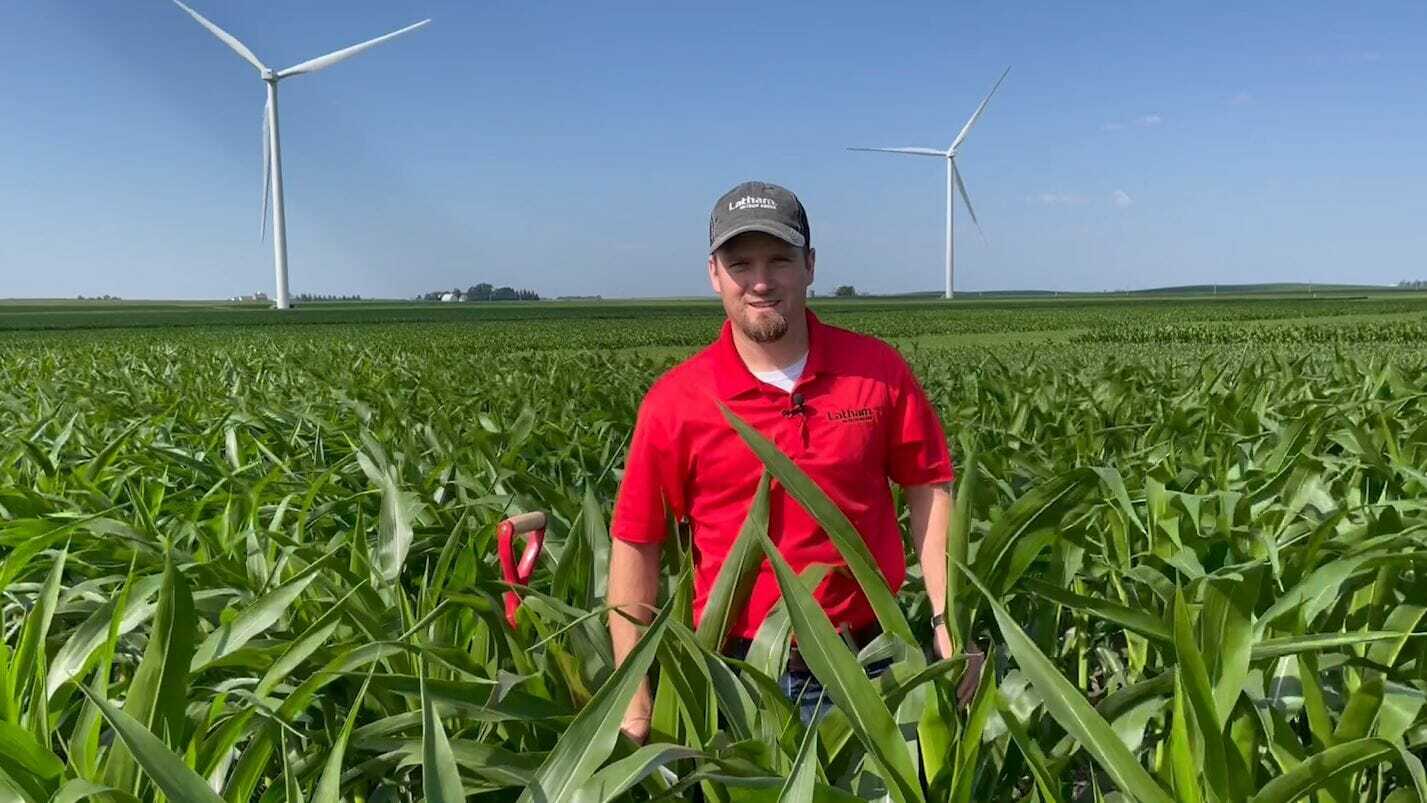
    Phil Long is in the field this week looking at the rapid growth phase of corn. He also shares what to scout for this time of year and how to send in a proper tissue test. Check out the video or read the article below to learn more.

    With current input and commodity prices, we must get the most from each crop. To help your crop reach its potential, start with fertility. Regular soil tests are great, but the next step is in-season tissue testing.

    Tissue testing supplements your soil test. You shouldn’t take a tissue test without a current soil test in hand. Once you take the tissue test, compare it to your soil test. See where the two tests match. Then make plans to address those needs either this season or next season.

    Tissue testing every two weeks shows how your crop is developing throughout the season. If you only can tissue test once or twice, I recommend pulling a sample early (V4 for corn or soybeans) and before grain fill (R1 for corn and R3 for soybeans). This will give you a good understanding of what needs are not being met during crucial development stages.

    Here are some tips on how to use tissue testing to your advantage this season:

    1. Sample whole plant (above ground) when shorter than eight inches. Once a plant gets to reproduction, use the leaf below and opposite the ear leaf for corn. For soybeans, use the most recently matured leaf (usually the 2nd or 3rd leaf from top of the plant). Take at least 15 leaves/plants per sample.
    2. Take multiple samples to compare locations in the field and to look for consistencies. If you are looking at a trouble spot, be sure to also take a sample from a good spot in the field. Send samples in a breathable bag (not a plastic Ziploc bag), or your results may not be good.
    3. Compare back to your soil test. Keep environmental conditions in mind at the time of sampling. Most labs will categorize the nutrient levels based on what growth stage the plant was in when sampled. Tissue testing is like taking your temperature; the tissue test can reveal consistencies in a field that must be addressed to break that next yield barrier.

    Check out other corn videos and articles on The Field Position.

    Team Latham

    June 29, 2022
    #AskTheAgronomist, Corn, Crop, Disease, From the Field, Growth Stages, Soil, Summer, Tech Tuesday
  • Latham Hi‑Tech Seeds

    Alfalfa Threats

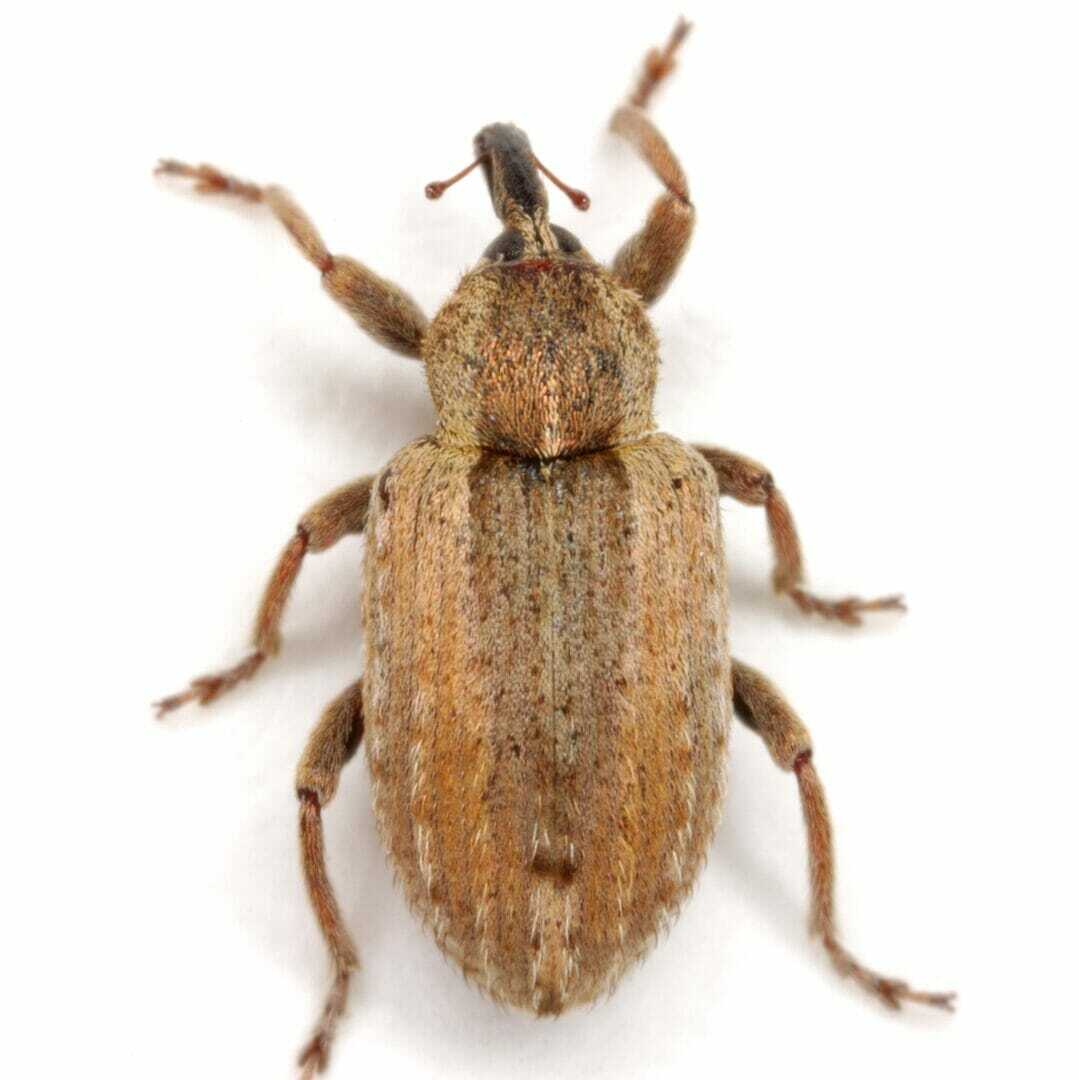
    Alfalfa weevil
    Corey Headshot PNG
    Corey Catt, Forage Product Manager

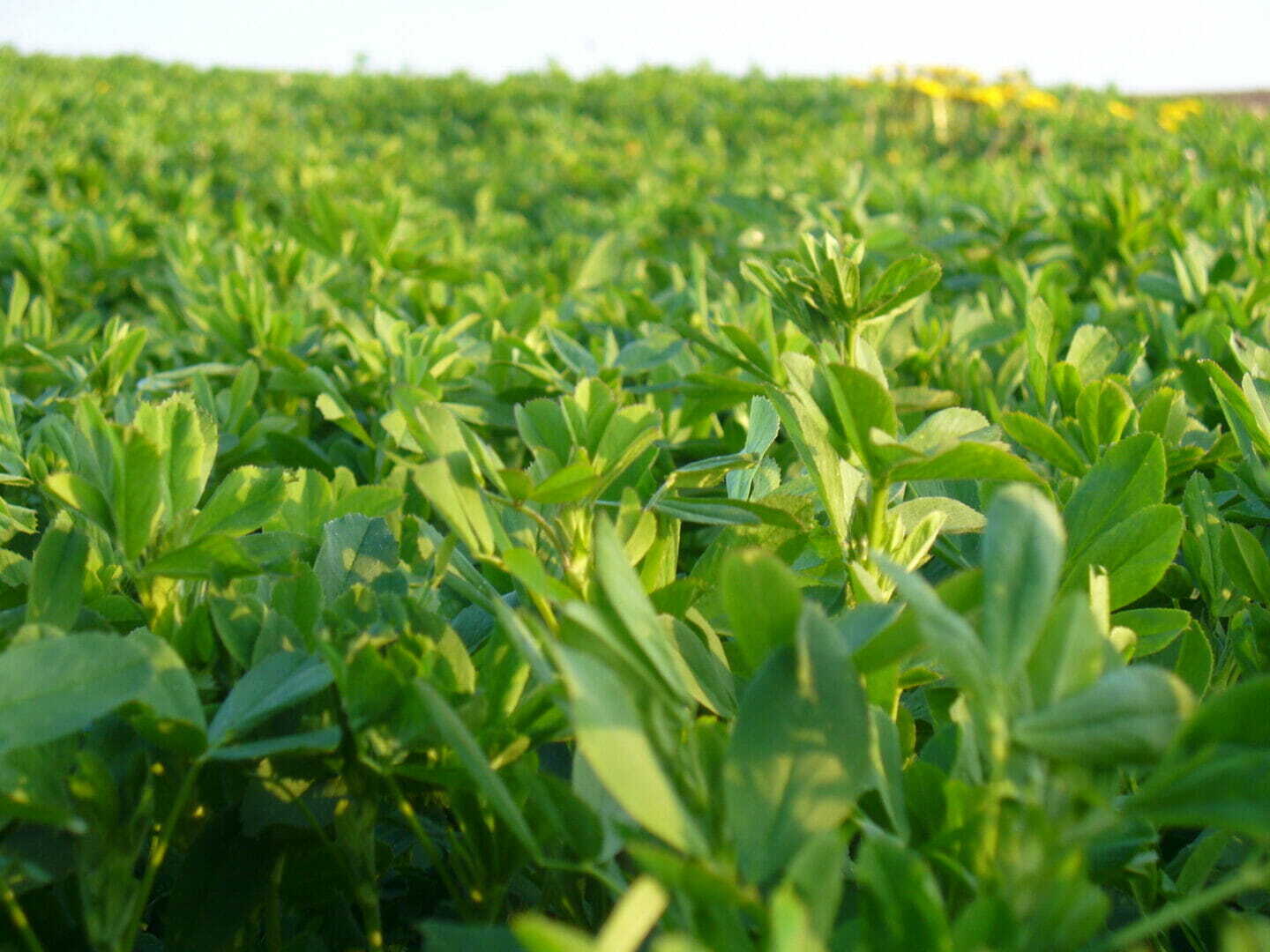
    Like other crops, high-quality alfalfa is commanding a good price. Strong market prices can change the economic thresholds, making it easier to justify investing in pest control. Below are some charts to help guide you.

    Many insects can damage alfalfa, so it’s important to build a plan that keeps alfalfa healthy. Insects can damage the plant so much that the plant can acquire a disease and die.

    Each alfalfa plant is like a factory. Crop scouting, spraying and fertilizing is like providing critical maintenance to keep the factory operating efficiently, as well as to optimize yield and quality.

    Controlling alfalfa insects generally involves two things: (1) spraying insecticide; and (2) cutting alfalfa early. Check out these two articles for more insight.

    Alfalfa insects: What to look for and how to scout

    Alfalfa Weevil

    Weevil and leafhopper


    Check out other alfalfa articles and videos from our experts.


    Webspec Admin

    June 22, 2022
    Agronomics, Alfalfa, Crop, Disease, Fungicide, General, Growth Stages, Insects, Season, Spring, Summer, Tech Tuesday
  • Latham Hi‑Tech Seeds

    #AsktheAgronomist – Tough Start

    Ask the agronomist tough starte

    It’s been a tough start to the 2022 season with delayed planting and cool weather. Phil Long, precision agronomy advisor, unpacks GDUs across Latham Country and when corn and soybean stands will really take off. Check out more agronomy videos.


    Team Latham

    June 7, 2022
    #AskTheAgronomist, Agronomics, Corn, Crop, Emergence, From the Field, Growth Stages, Soil, Soybeans
  • Latham Hi‑Tech Seeds

    #AsktheAgronomist – Stand Count

    Ask the agronomist stand count

    Team Latham

    May 26, 2022
    #AskTheAgronomist, Agronomics, Crop, Emergence, Growth Stages, Soybeans
  • Latham Hi‑Tech Seeds

    Estimating Optimal Time to Cut Alfalfa

    Tractor Towing Merger on Cut Alfalfa (Hay) Field


    Every grower tends to have a different strategy of when to begin cutting alfalfa. Some cut on a certain date in May no matter what and continue the cycle every 28 days. Some growers wait until the alfalfa has reached about 10% bloom, which historically provides a good balance between the highest yield without compromising quality.

    Tractor Towing Merger on Cut Alfalfa (Hay) Field

    To measure quality for an area of the field, you could use the scissors technique. This is a good method, but it takes a couple of days to get results from the lab. During that time, the plant has changed.

    Another method used to estimate the optimal first cutting date for alfalfa is Predictive Equations for Alfalfa Quality (PEAQ) method. Developed by the University of Wisconsin, PEAQ uses the alfalfa stand height and maturity stage (vegetative, bud or open flower) to estimate the relative feed value (RFV). In general, it is recommended to harvest alfalfa at about 150 RFV for milking dairy herds and 125 RFV for heifers, stock cattle and lactating beef cattle.

    You can order an actual measuring stick or use a tape measure and follow these steps as outlined in the May 2021 issue of “Integrated Crop Management News” by Iowa State University Extension and Outreach:

    1. Choose a representative two-square-foot area in the field.
    2. Determine the stage of the most mature stem in the area by using the definitions at the top of Table 1.
    3. Measure the tallest stem in the area. The tallest stem may not be the most mature stem. Measure the stem from the soil surface to the tip of the stem, not to the tip of the leaf. Straighten the stem for an accurate height measurement. Based on stem maturity and stem height, use Table 1 to estimate the RFV of standing alfalfa crop.
    4. Repeat steps 1-3 in five representative areas across the field.
    5. To estimate harvest quality, subtract 15-25 RFV units to account for harvest losses during the haylage or hay harvest process, respectively.
    6. Determine optimum harvest time using the PEAQ estimate, livestock forage quality needs, considerations of upcoming weather forecasts favorable for harvest and drying, and the general assumption that RFV drops three to five points per day.

    Source: Integrated Crop Management News, and Iowa State University Extension and Outreach.

    Maintaining Quality

    Alfalfa value is based on quality. For quick calculation, the old standard of $1/point of RFV. (NOTE: The current market is worth more than $1 per point, but we’re going to stick with this for easy math.) If your RFV is 200, one dry matter ton of this forage is worth $200 / dry matter ton. In the Midwest, four cuttings of alfalfa can yield 5 to 7 tons.

    High commodity prices also have us reflecting on ways to extend our alfalfa stand. It’s best to keep your cutting equipment sharp. It’s generally recommended to cut a pure stand of alfalfa at two or 2.5 inches from the ground. If you have a mixed species with grass in the mix, cutting it at 2.5 to 3 inches helps maintain the grass stand life.

    Good fertility programs, insect management programs and fungicide treatments also impact the quality of alfalfa and corn silage. We will provide information about these topics as the growing season progresses.

    Check out other alfalfa articles on The Field Position. 

    Webspec Admin

    May 25, 2022
    Alfalfa, Crop, General, Spring, Summer
  • Latham Hi‑Tech Seeds

    #AsktheAgronomist – Emergence

    Ask the agronomist emergence

    Precision Agronomy Advisor, Phil Long, brings us an update from the field. He shares what to keep an eye on with this late spring and how emergence may be quicker than normal.

    Team Latham

    May 19, 2022
    #AskTheAgronomist, Agronomics, Corn, Crop, Emergence, General, Growth Stages, Season, Soybeans, Spring
  • Latham Hi‑Tech Seeds

    Monster Cookies for Spring Planting!

    Monster Cookie H

    From the time he was able to follow in his father’s shadow, Troy Johnson of Odebolt in West Central Iowa, spent as much time farming as possible. He began farming full-time with his father, Reese, upon graduating from high school. Shortly thereafter, Troy had the opportunity to purchase his first 40 acres.

    Family Photo
    The Johnson Family

    The Johnsons raise corn, soybeans and alfalfa. They started using cover crops in 2015 and have expanded their cover crop acres every year. Benefits include increasing organic matter, controlling erosion, as well as better weed control and water infiltration.

    “I’ve been planting Latham® soybeans since the beginning and started planting Latham Hybrids when they came out in 2004,” says Troy, a fourth generation Iowa farmer. “I’ve planted other brands for neighbors, and it’s easy to see the difference in quality when you open a bag. Latham is known for its high-quality standards, and its reputation is well deserved.”

    When the Johnson’s neighbor Russ Wilken retired as a Latham® dealer, he asked if Troy would be interested in the dealership.

    “I was already planting Latham, so it was a no brainer,” says Troy. “I always enjoy trying new things, so I appreciate getting to learn about new Latham products early. I really appreciate having a team of professionals available whenever I call. Latham Seeds provides us with great customer service.”

    Just as Troy’s farming enterprise has grown throughout the years, so has his family. He and his wife, Kathi, are the proud parents of three daughters. Jaci is a sophomore at Odebolt-Arthur-Battle Creek-Ida Grove (OABCIG). She enjoys singing, reading and babysitting. Jaci also is involved in FFA. Sophi is in eighth grade. She plays the saxophone and is a volleyball player. In addition, Sophi enjoys designing cards with calligraphy. Tori, sixth grade, plays the piano and trumpet. She also plays volleyball, basketball and softball.

    “We have been blessed to raise our children on the family farm,” says Kathi. “There are many values and lessons the girls have learned that will benefit them in the future. Although farming has its ups and downs, we are grateful to God for the life He has allowed us to live.”

    A Tradition of Hospitality

    Evelyn Latham, wife of Latham Seeds’ founder Willard Latham, was known for her gracious hospitality. She was sure to invite family, friends, neighbors and customers to sit down at the table to enjoy a fresh cup of coffee with a plate full of homemade cookies. It’s no wonder she was named Master Farm Homemaker in 1962 by Wallaces Farmer!

    Throughout the years, we have shared some of Evelyn’s favorite recipes with our dealers and their families. We were delighted when Kathi shared with us that Jaci’s Monster Cookies advanced from the county 4-H competition to the 2017 Iowa State Fair. We can only imagine how delighted Evelyn would have been, knowing Jaci was creating wonderful memories with her mother in their kitchen.

    “It was an honor to have my cookies selected to go to state,” Jaci, who earned a blue ribbon at the Iowa State Fair with her Monster Cookies. “I was not expecting that because 2017 was my first year exhibiting 4-H projects at the fair.”

    Today we’re once again sharing Evelyn’s Monster Cookie recipe with our readers. We hope you’re able to share a cup of coffee and a few heartwarming smiles with friends, families and neighbors as you enjoy a few homemade cookies. Perhaps you can enjoy a few cookies this planting season!

    Shannon Latham

    May 13, 2022
    Corn, Desserts, Food & Family, General, Recipes, Soybeans, Spring
  • Latham Hi‑Tech Seeds

    #AsktheAgronomist – Spring Tillage


    Phil Long, precision agronomy advisor, breaks down spring tillage and when to know if the field is ‘fit.’ It’s been a challenging spring, but there is still plenty of time to get the crop in safely and efficiently! Subscribe to Latham’s YouTube Channel today!

    Webspec Admin

    May 12, 2022
    #AskTheAgronomist, Corn, Soil, Soybeans, Spring
  • Latham Hi‑Tech Seeds

    #AsktheAgronomist – Alfalfa Evaluation

    Ask the agronomist alfalfa evaluation

    The rain is causing some planting delays in Latham Country, so we thought we’d take a look at our alfalfa stand! Phil Long, precision agronomy advisor, dives into how to evaluate an alfalfa stand and how to gauge growth. Subscribe to Latham Seed’s YouTube Channel today!


    Webspec Admin

    May 5, 2022
    #AskTheAgronomist, Agronomics, Alfalfa, Crop, From the Field, General, Growth Stages, Season, Spring
  • Latham Hi‑Tech Seeds

    #AsktheAgronomist – Cover Crop Termination

    Ask the agronomist cover crop termination

    Phil Long, precision agronomy advisor, battles the wind to bring us a field update! He highlights cereal rye and when it should be terminated.

    Check out The Field Position for more industry and agronomy topics!

    Webspec Admin

    April 26, 2022
    #AskTheAgronomist, #FromTheField Crop Reports, Cover Crops, From the Field, General, Growth Stages, Spring
Previous Page
1 … 5 6 7 8 9 … 62
Next Page

Latham Hi‑Tech Seeds

131 180th Street | Alexander, IA 50420

(641) 692-3258

SIGNUP FOR OUR NEWSLETTER
  • Contact
  • Legal
  • Dealer Center
  • Seedware Login
  • Latham Gear

© 2025 Latham Hi‑Tech Seeds. All rights reserved. | Iowa Web Design by Webspec | Privacy Policy

Latham® Hi-Tech Seeds is a trademark of M.S. Technologies, L.L.C., 103 Avenue D, West Point, IA 52656.