Latham Hi-Tech Seeds

(641) 692-3258

  • Home
  • Products
    • Corn
    • Soybeans
    • Alfalfa
    • Corn Silage
    • Seed Guide
  • Performance
  • Find a Rep
  • Media
    • Blog
    • News
    • Videos
    • Podcasts
    • TECHTalk
  • About Us
    • Company History
    • Our Mission
    • Careers
    • Become a Rep
    • Sowing Seeds of Hope
  • Contact Us
  • Latham Hi‑Tech Seeds

    Focus on Precise Measurements for Best Results

    Aldinger

    Like many boys who grow up on a farm, Landon Aldinger was fascinated with equipment.

    Years later he would combine his fascination with equipment and farming with skills in technology and engineering to help others get more results using fewer inputs.
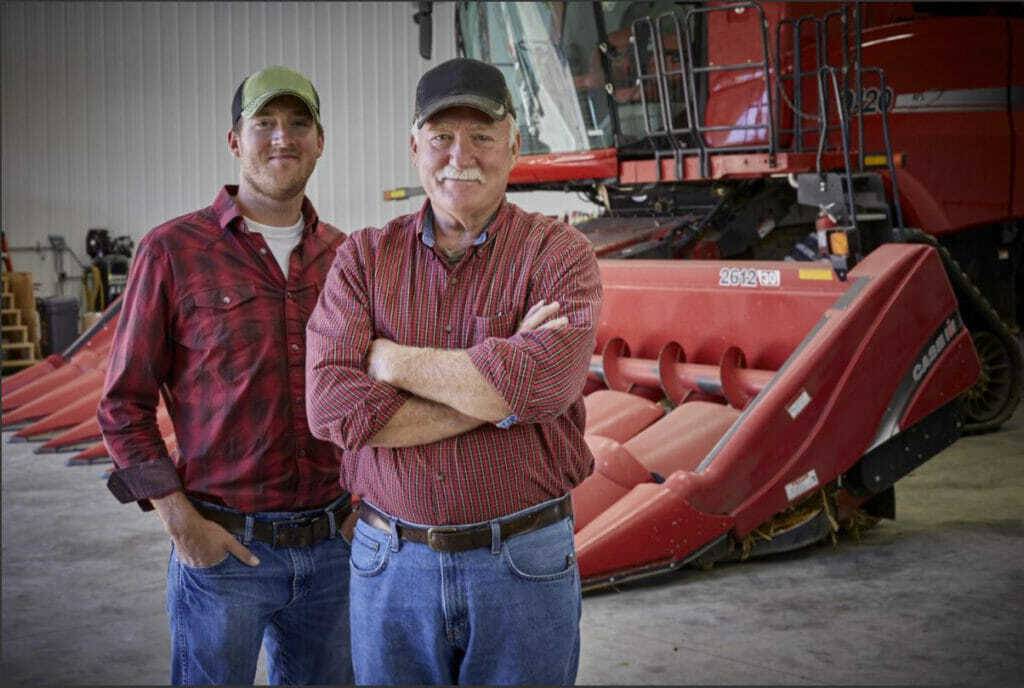
    Aldinger
    Landon (left) and Mike Aldinger own Precision Farm Management. It has evolved from a focus on acquiring and using the latest products to using technology to implement more precision agricultural services.

    Watching big machines on the family farm led to Landon getting a bachelor’s degree in Ag Engineering from Iowa State University.  He then worked nearly seven years, as a Senior Design Engineer, for the Toro Company in Minneapolis before his story finally came full circle. “I really enjoyed my time and my career in the cities,” says Landon. “But when I turned 30, my priorities started to shift. I was ready to head home and become more involved in the farming operation.”
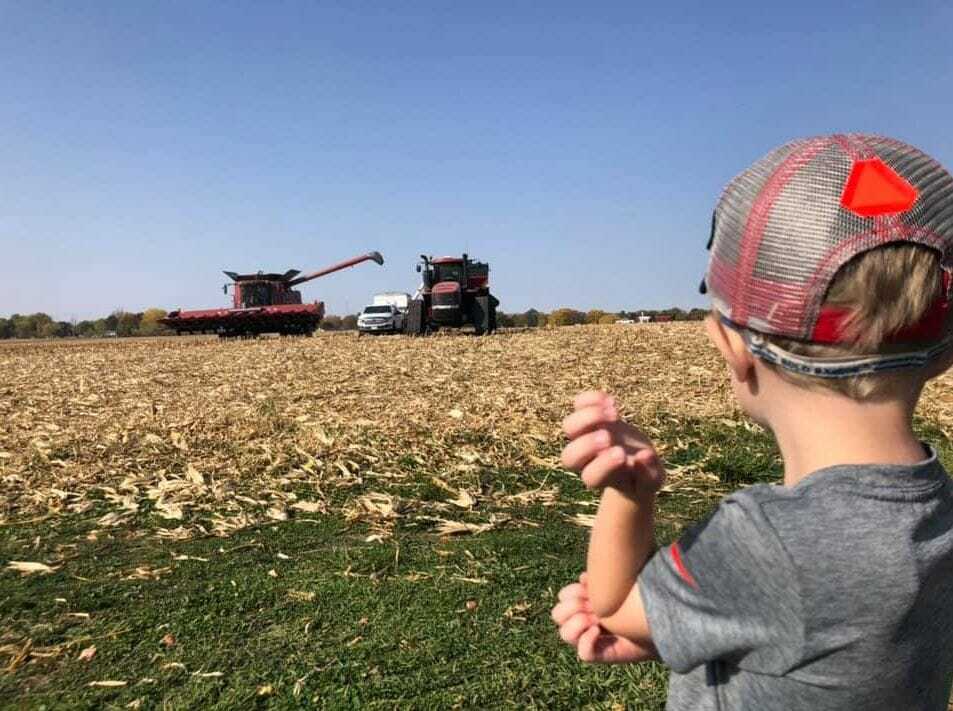
    Grady fall 2020
    Grady Aldinger loves being involved on the farm. Here he is during the fall 2020 harvest.

    Landon had been assisting his father, Mike Aldinger, since 2008 with their seed, chemical and consulting business. Mike started the business as Ag Fertilizer and Chemical in 1977 with his father (and Landon’s grandfather), Merle. After Merle retired, the business became Precision Farm Management, Inc.

    Like farming itself, Precision Farm Management has evolved from a focus on acquiring and using the latest products to using technology to implement more precision agricultural services like variable rate seeding and variable rate fertilizer, including variable rate nitrogen.

    We’re proponents of all things VR (variable rate) whether it’s nitrogen, fertilizer or seed,” says Landon. “Placing the correct amount of inputs in the appropriate areas just makes sense and offers opportunities for enhanced return on investment. We offer these services to our customers and find a plan that fits their capabilities and operations.”

    McCoy 6 months 2
    McCoy Aldinger (pictured at 6 months) was born March 2021.

    Once all their crops are harvested and the next year’s crop has been planned and the seed orders have been written, Landon works on projects related to his Aldinger Engineering LLC consulting business. He also spends time “carpet farming” and helping his oldest son, Grady, fix his equipment in their living room. Landon sees signs of a second generation engineer/farmer in his son.

    “Grady continues to love all things agriculture and equipment,” says his proud dad. “It is not uncommon for him to head out to the field for a few hours to ride along and ‘help’ any way he can. I love watching his excitement. He was beyond excited for fall 2021. We’ve been counting down the days to harvest!”

    There will soon be competition for the buddy seat as Landon and his wife, Kinsey, welcomed their second son in March 2021. “McCoy has been such a blessing to our family,” says Landon. “He is such a happy baby. We can’t wait for him to experience all things farm-related and to see what the future holds for him.”
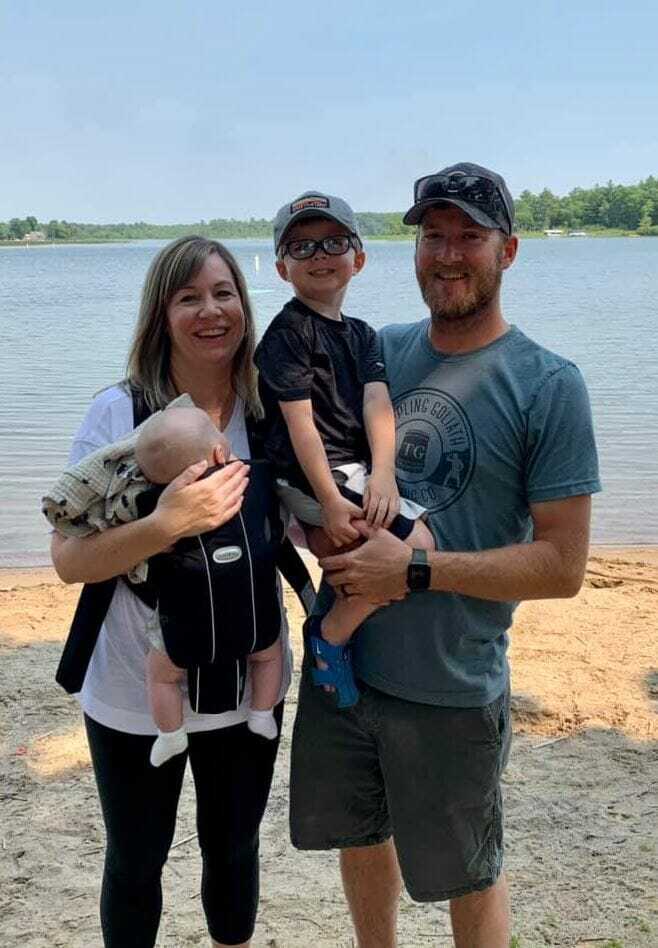
    Family Pic
    The Aldingers vacation with their extended family each summer in Brainerd, Minnesota. They enjoy fishing, playing miniature golf, boating and eating ice cream.
    Landon & Grady Fishing
    The Aldingers vacation with their extended family each summer in Brainerd, Minnesota. They enjoy fishing, playing miniature golf, boating and eating ice cream.

    In addition to raising kids and crops, the Aldingers also raise cattle and pork. About four years ago, they built a new wean-to-finish hog building.

    “The hog barns are a great source for fall fertilizer and offers us an alternative to using commercial fertilizer on some of our farms while improving our soils’ organic matter,” says Landon. “My parents built one hog barn about 15 years ago with the intent of building another one since the property was zoned as a two-barn site,” says Landon. “It made sense for me and Kinsey to build the second hog barn to diversity our farm income. Producing cattle and pork, the seed dealership, chemical sales, plus consulting helps us diversify.”

    In celebration of October Pork Month, today Landon and Kinsey are sharing one of their favorite pork recipes for Sausage & Squash Soup
    Shannon Latham

    October 8, 2021
    Agronomics, Fall, Food & Family, Pork, Precision Ag, Recipes, Season, Soups
  • Latham Hi‑Tech Seeds

    Keep Track of the Little Details

    DSC 0185

    How often do you make the same mistake?

    Repeat mistakes happen when we don’t record exactly where we saw an issue in a particular field. Every year has its curveballs, and 2021 is no different. Planting progressed quickly, but then we experienced cold soils followed by really hot temps. Some areas also received a late frost and hail. Now, most of Latham Country is experiencing extremely dry conditions.

    One of the best ways I’ve found to track environmental conditions and a crop’s response to it is Latham’s Data Forward™ app. I use this app to take specific field notes as I’m walking fields. This year IDC and other deficiencies made a big appearance once we received some rain and the soybeans started growing. You can use the Data Forward app to outline these areas. You can even create a management zone, using your phone, to make a map for spreading fertilizer or applying a product with your planter only in those areas.

    Data Forward also can be used to drop a pin in tough areas, so you can take tissue samples to the lab. When the lab results come back, they will show up in the Data Forward app. How cool is that? You will never lose results this way. All of the details help you can really dial in your management. The first management step for IDC is selecting a top IDC-rated, Ironclad™ soybean variety. Only the toughest Latham® soybeans earn this designation. If IDC is a recurring problem, you could invest in a planter set up to apply a chelated iron product close to the roots. Another option is to invest in tile to help drain those lower areas with high pH or salt issues.

    One unique tool on the premium version of our Data Forward app is satellite imagery. While sipping your morning coffee, you can discover problem areas in a field. Imagery is like that torque wrench in your toolbox… If you know how to use it, it can save you from breaking a lot of bolts. If you don’t, it’s just another ratchet in the toolbox.

    By tracking what happens and where,  we can make these changes to address agronomic challenges. Talk to your Latham dealer, Regional Sales Manager (RSM) or give me a call to learn more about how Data Forward can help you move your farm’s data forward with confidence!

    Phil Long

    July 14, 2021
    Agronomics, Precision Ag, Season, Summer, Tech Tuesday
  • Latham Hi‑Tech Seeds

    Gathering Planting Data Sets You Up for Success All Season Long

    Soybeans LauraC

    Planting really is the most important operation in terms of seeing your best yield potential. We have tools at our fingertips that can make farming a little easier during the rest of the season.

    Use planter maps on-the-go to your advantage. Some of the best maps to watch as you’re planting are the singulation/spacing or downforce maps. Tracking spacing and downforce per row is a huge asset in the cab. Although it doesn’t replace routine checks, it helps you focus on trouble rows or on certain parts of the planter. Load these maps into your iPad, so you can go back to those areas throughout the season and note the impact planter issues or upgrades have.

    Maintaining uniform seed depth and spacing is crucial. Uniform emergence can impact yields by up to 8 to 10 percent! Poor spacing creates unequal competition, so little corn plants can account for another 1 to 5 percent of your yield at the end of the season. Track how your planter performs. If you don’t have a monitor, you can still gather this information. Check your seed depth throughout the field. Stop in different soil types or areas where you know there may be some compaction. This will help you monitor the impact of seed depth and spacing throughout the season. Then next year you can plan how to adjust your planter for challenging conditions.

    Monitor corn/corn fields for depth but also for seed-to-soil contact. Heavy residue with corn/corn fields can cause seed to be in contact with residue and create delayed emergence. Seeds absorb water much better from soil than from plant residue, so row cleaners and tillage preparation are crucial.

    Pinpoint where the issues are. Today’s technology makes it easy to drop a pin where you are, so you can revisit that spot in the field. You can drop a pin on most any planter monitor, your phone, or an app like Data Forward™ that allows you to track your fields all season long. A pin also will let you make a late-season yield estimate or determine how much yield was lost or gained by fixing the specific issue that caused this problem area in your field.

    None of us likes to learn the hard way. We certainly don’t want to make the same mistake twice! Take the time this planting season, or as you spray post-emerge herbicides, to make notes that can help you make better planting or management decisions next year.

    Phil Long

    May 7, 2021
    Agronomics, Emergence, Fall, Precision Ag, Tech Tuesday
  • Latham Hi‑Tech Seeds

    Get More from Your Data

    Young corn plant sprout growing from the ground, Agricultural Farm

    We can learn so much from the past. The Data Forward program offered by Latham Hi‑Tech Seeds makes it easier than ever to gather and organize valuable information that can be used to make crop planning decisions, equipment investments, financial decisions and more.

    For example, you might be comfortable with the planter you own but would like to invest in newer technology. It might not be as costly or complicated as you think! By using Data Forward, you do not have to choose between “simple to operate” or “best performance.”

    Latham’s Precision Advisors can help you consider the options. For example, you might have noticed that late-emerging plants cost you money. Maybe you want consistent singulation and consistent spacing to achieve the highest profitability. Maybe you are considering a planter capable of applying at-plant fertility. We can achieve most of these upgrades by adding them to the planter you already have.

    If you are unsure how to assess best planter preparation and performance, we can help! Using your machine-generated data, we can use Data Forward to analyze your current situation. Then we can monitor your crop throughout the season, assess your yield data next fall, and help you make informed decisions for 2022.

    Below is an eight-step planter checklist for your consideration.

    1. Test Bushings– Parallel linkage maintains a level row unit and keeps the row unit running smooth. Test your bushings by moving the row unit up and down and side to side. If there is excess play in the parallel arms, it could be a worn bushing. Replace bushings as necessary.
    2. Check the Meter Drive System– A kinked chain in any part of the chain system can cause erratic seed spacing. If there is any possible concern, it’s best to replace the chain. If you have cable drives, check the ends for frayed cables. Also spin the cable to make sure they spin freely.
    3. Level the Planter– A level planter provides the proper orientation of the no-till coulter to the opening disc and seed tube angle. Even the closing wheels won’t perform properly if not level. Hook up the planter and put a level on the main bar to ensure it is perpendicular, running slightly uphill.
    4. Calibrate Meters– It’s always good practice to have your meters inspected and calibrated annually on a meter stand.
    5. Create a Proper Seed Trench– Double disk openers require a solid point of contact to create a perfect seed trench. Check your disc openers every season to see if replacement discs or shimming is necessary.
    6. Inspect Seed Tubes– Inspect your seed tubes for wear at the bottom the tube. Worn out or cracked seed tubes could cause seed ricochet and erratic seed placement in the furrow. There are seed tube replacement options with carbide tips to prevent wear from happening.
    7. Look at Gauge Wheels– Gauge wheel arms take a lot of stress. With the planter in transport position, raise the gauge wheel up and look at the tolerance between the edge of the gauge wheel and the opening disc. If the gap is large enough to fit your fingers in, you may need to look at adjusting the gauge wheel arm or even replacing.
    8. Align Closing Wheel– Be certain your closing wheels are centered over the seed trench. One way
      to check this is to lower the planter onto the concrete and pull forward about a foot. The disc openers should leave a mark on the concrete to gauge your closing wheel alignment.

    Webspec Admin

    March 17, 2021
    Agronomics, Precision Ag
  • Latham Hi‑Tech Seeds

    4 Factors to Improve Efficiency in 2021

    Pic 2

    It was a beautiful, extended fall season, giving us ample time to finish tillage, fertilizer applications, tilling and other field work. Our machinery was strategically tucked away in the shed before the snow fell. Speaking of strategic placement…

    Is your planter all the way in the back of the shed because you aren’t planning to touch it until March? Now is actually a good time to start thinking about your planter. New technology allows us to make our existing planter as good as – if not better than – the brand new planter on the lot at the implement dealership. One perk of working with us at Latham Hi‑Tech Seeds is using our Data ForwardSM services to help you make some unbiased decisions. Perhaps you weren’t happy with the way your corn was spaced in 2020 or maybe you noticed uneven emergence last spring. We can help you determine why this happened and fix these issues before going into 2021 planting season.

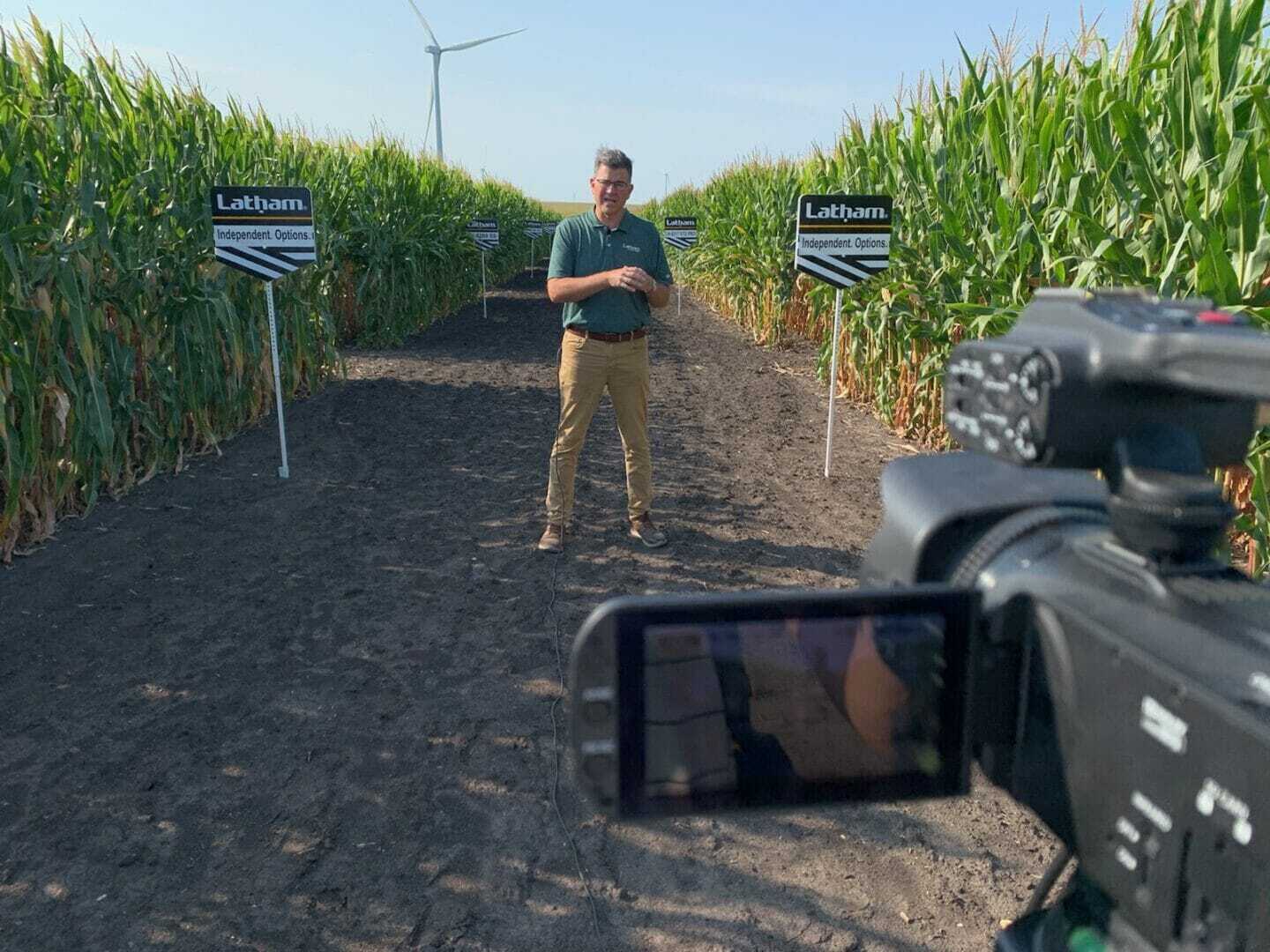
    If you attended a plot tour last summer or listened online to our Corn Product Manager Lyle Marcus, you know he emphasized the importance of planting depth. It can be difficult to stay consistent across the field; controlling planter speed is one of the simplest ways to achieve optimum seed placement. We can review planter speed. We also can explore technology options for your planter, so you can monitor and control variabilities throughout a field.
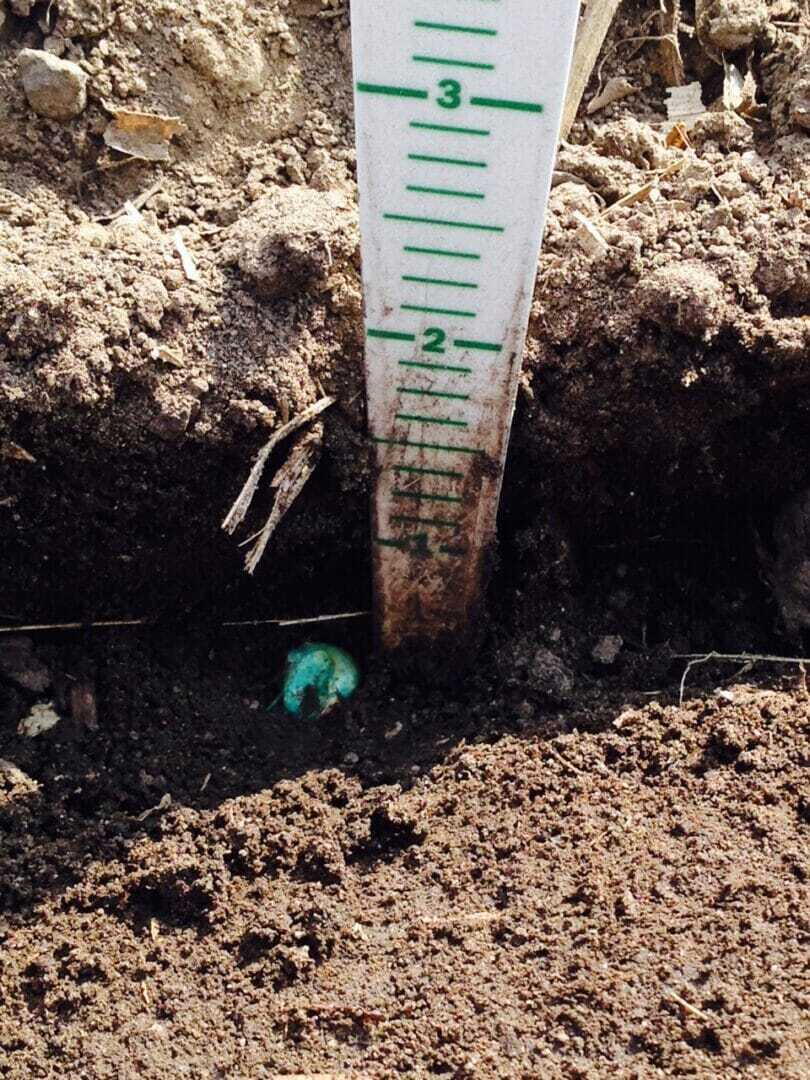
    Another factor to consider is planting depth. Oftentimes, we say 2.75 inches is a safe planting depth to allow adequate moisture and growing degree units (GDUs) to attain even emergence.

    There is a lot of talk around two-inch planting depths. This could be optimal if there is adequate moisture. Planting at 2 inches with adequate moisture can get you better emergence due to having faster GDU adaptation. This also means that it could come out of the ground better in crusting conditions, but keep in mind that the key to shallower planting is moisture. It’s risky to rely on moisture being available at that shallower depth.

    We spend a lot of time helping our Data Forward clients improve efficiency. While this can encompass many things, we focus on your planter, seed and equipment. We believe one of the most important assets to a farmer’s operation is the planter. If the planter is not equipped to place that seed where it is going to thrive, then other investments throughout the year are not going to be as valuable either.

    One of our biggest challenges is helping clients achieve uniform, speedy emergence. If one plant emerges 24 to 48 hours after its neighbor, that plant will compete for the sunlight that its neighbor is already harvesting. The plant starving for sunlight will be a runt for the rest of the growing season.
    Keep these four things in mind when trying to keep even heat and moisture to achieve even emergence:

    1. Manage residue.
    2. Maintain planting depth.
    3. Achieve good seed-to-soil contact (no air pockets).
    4. Eliminate compaction.

    If you want to improve efficiency, planter performance, and data management for 2021, it’s time to plan. Call your Latham Precision Agronomy Advisors now for unbiased recommendations to get your 2021 crop off to a better start!

    Latham Seeds Precision Agronomy Advisors

    January 11, 2021
    Agronomics, Corn, Crop, Emergence, Precision Ag, Soil, Soybeans
  • Latham Hi‑Tech Seeds

    Collecting Accurate Harvest Data is Key to Making Future Management Decisions

    IMG 8888

    Trying to be a more efficient manager is a common goal among farmers. How we manage our farming operations, from choosing seed trait options to herbicides, has changed greatly in recent years. We can only squeeze costs so far to achieve higher profitability. As the old saying goes, you can’t save your way to prosperity. You also need to drive higher yields. Whether you are producing low, moderate, or high yields, many costs are fixed and stay the same. That’s why return on investment (ROI) is such a popular topic of conversation these days.

    There is no better way to measure profitability than by measuring the agronomics of an operation. We do this by using Precision Ag technology to measure changes across a field. One part of the field may show us that it needs higher management and more investment while another part of the field may show there is no need to waste time and money.

    Agronomics in farming leads to economics. While much time is devoted to discussing “Big Data,” I believe “Small Data” is equally important. Phil Long and I get a lot of calls asking for data we have that shows response to fungicide treatments or nitrogen trials. My response is, “There is no better farm to do these trials on than your own.” Let’s see what works on your farm by using on-farm trials to measure and manage your agronomics and economics. Information about what your neighbor did on similar soils is still good information, but as you know, you run your operation differently than he does.

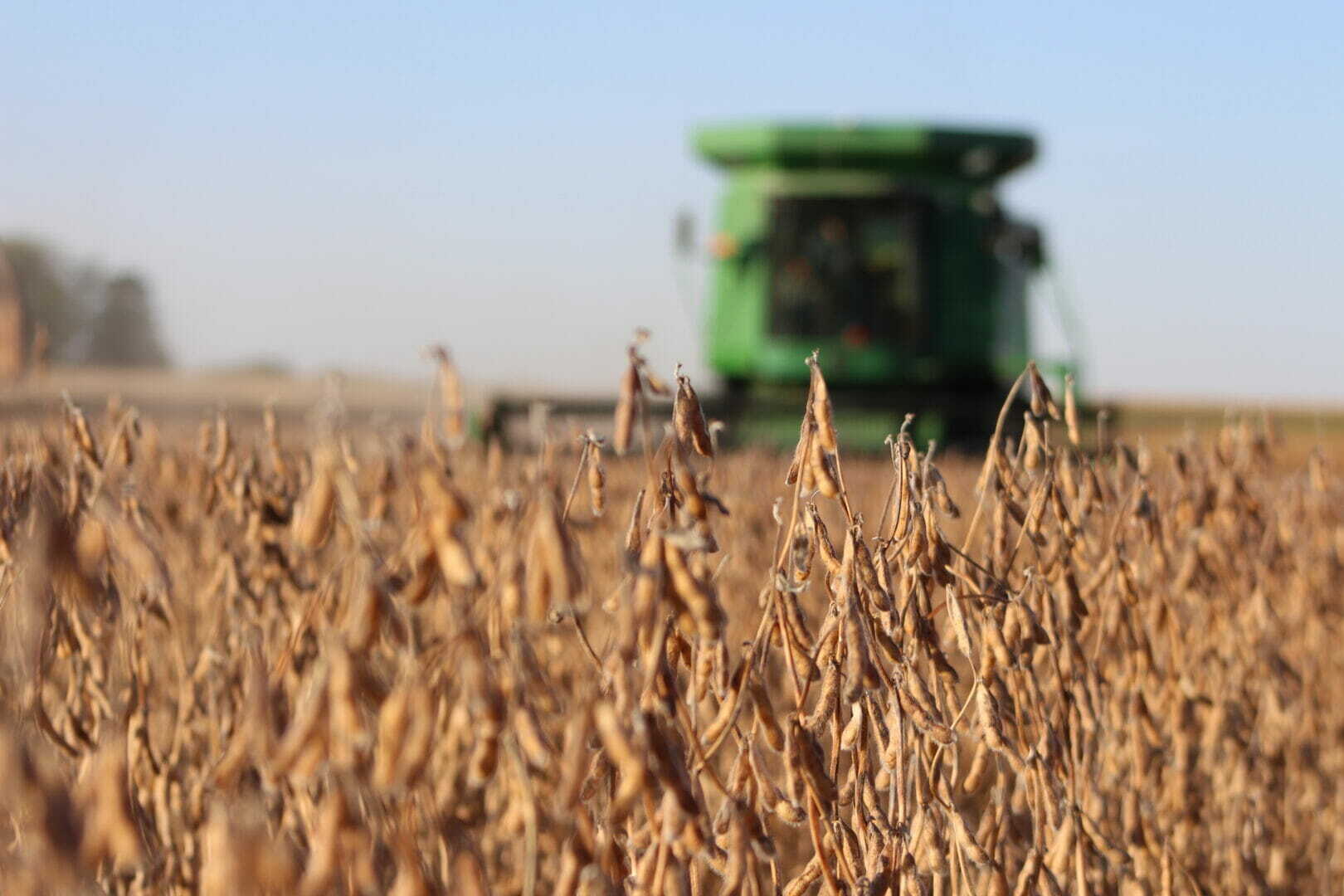
    As we go into harvest, keep in mind the importance of gathering good data. Yield data is key to measuring agronomics and economics. Take some time to inspect your yield monitoring system. Yield monitors have mass flow, temperature, moisture, and speed sensors that require inspections and may need calibration. Calibrating your yield monitor to start harvest can be somewhat time consuming. If you do not take the time to do this, it could affect the usefulness of the yield data you gather. Always think of the end game. We are gathering this data to measure and manage for the future.

    Call your Latham Precision Agronomy Advisors and ask how we can help get you started measuring your operation this fall!

    Latham Seeds Precision Agronomy Advisors

    September 28, 2020
    Agronomics, Precision Ag
  • Latham Hi‑Tech Seeds

    Latham’s 2020 Virtual Field Day Was “Made for You”

    IMG 6752

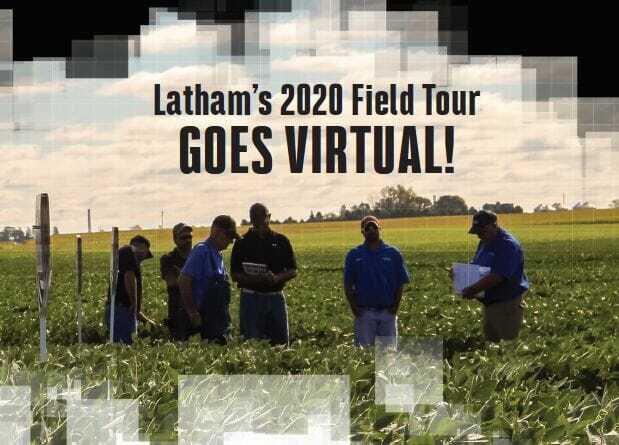
    Virtual cover imageAt Latham Hi‑Tech Seeds, we have hosted multiple field day on wheels. We’ve showcased emerging technologies that allow us to check crops from the air, but this is the first year we didn’t have to worry about the weather on our field day. It’s also the first time we a virtual day event.

    Welcome to 2020! The worldwide COVID-19 pandemic has forced businesses around the globe to deliver information using technology like Zoom, Facebook Live and YouTube. Although we prefer to meet with farmers in person, our team of industry experts has developed some interesting and informative content for you. We hope you enjoy it and find it of value!

    Below is a recap of our 2020 Latham® Virtual Field Day with links, so you can watch agronomic presentations from the comfort of your office or the cab of your tractor or combine:

    • Fortunately, weather events did not affect our production fields. It looks to be another banner year for Latham seed production! You’re invited to join us for this 40-minute industry roundtable with Latham’s Product Team.
    • IMG 6752In this “challenges of harvest” roundtable hosted by Bob Foley, farmers from across the Upper Midwest tell us how they’re managing harvest in not-so-ideal conditions.
    • Put products and practices to the test on your on farm! Precision Agronomy Advisor Darin Chapman discusses on-farm research and the benefits. He covers how you can use “small data” to work on your own farm.
    • Soybean Product Manager Mark Grundmeier provides tips for Selecting Soybean Products that are Built for Battle. Did you know farmers don’t have to give up yield when planting defensive soybeans? Mark talks about how Latham’s exclusive IRONCLADTM products are bred to combat local diseases.
    • Latham’s Northern Product Manager Gary Geske explains how seed treatment helps maximize yield potential. He explains what makes Latham Seeds’ SoyShield® so unique, so elite and so effective.
    • Latham Corn Product Manager, Lyle Marcus, shares how to maximize performance and reduce risk with Latham® corn hybrids in 2021. He also introduces eight new hybrids for spring planting.
    • In this 20-minute workshop on seed placement and performance, Precision Agronomy Advisor Phil Long explains how to use Latham’s product guide to choose seed products for 2021. Did you know that placement can affect yield by up to 20 percent? That’s a 20- to 50-bushel yield swing! Phil walks us through how to match management style to product characteristics for best placement and performance.

    One of the things we enjoy most about hosting field days is sitting at the table with Latham® dealers and customers. We always enjoy hearing about our customers’ families and learning more about farming operations. If you attend a Latham Seeds’ event, you can count on great conversation and a wonderful meal.

    In true field day fashion, we are sharing with you a typical field day menu. Below are links to some of our favorite fall recipes:

    • Harvest BBQ Pulled Pork Sandwiches, a recipe shared by Iowa’s Deputy Secretary of Agriculture Julie Kenney
    • Sweet & Spicy Baked Beans
    • Cranberry Waldorf Salad (Although this recipe isn’t from “The Field Position” blog, it’s a hit every time I make it for a group that visits Enchanted Acres pumpkin patch.)
    • Apple Crisp

    With the cool fall weather this week, we thought it would be the perfect time to share a new crockpot dish.  Scroll down to find a recipe for Slow Cooker Cajun Chicken Fettuccine. Recipe and image sourced here.

    Shannon Latham

    September 11, 2020
    Agronomics, Corn, Crop, Disease, Emergence, Fertility, Food & Family, Fungicide, Growth Stages, Insects, Poultry, Precision Ag, Recipes, Seed Treatment, Sides, Soil, Soybeans, Weed Control
  • Latham Hi‑Tech Seeds

    2020 Latham Virtual Field Tour Recap

    Virtual cover image

    Find a recap of our 2020 Latham Virtual Field Tour. Latham’s product team shares insights on a variety of key topics geared toward success this harvest and into the 2021 growing season.  If you missed the live session, no worries! Find our on-demand videos below of the field tour.


    TUESDAY, SEPTEMBER 8, 2020: KICKOFF TO LATHAM’S VIRTUAL FIELD TOUR WEEK 2020
    2
    Join us for the first session of our 2020 Virtual Field Day as John Latham shares about our 73 years of quality and innovation. What does this mean for our dealers and customers across Latham Country? Tune in to find out! #LathamSeeds
    • Watch on YouTube: https://youtu.be/38HPu0W5AG0
    • Watch on Facebook: https://www.facebook.com/watch/?v=716833985567673&extid=wucYcQA8x7m2HAf4

    Tune in above for a roundtable with Latham’s Product Team hosted by President John Latham.
    • 0:35 — Introductions
    • 2:06 — What soybean technologies can farmers be looking forward to in the future?
    • 3:50 — Has any of the extreme weather affected our corn supply?
    • 5:45 — What additional agronomy videos are coming down the pipeline?
    • 8:50 — Can the Data Forward app help with yield estimates?
    • 11:25 — How to prepare yield monitors to gather accurate yield data?
    • 16:30 — Late-season visible differences in treated and untreated seed
    • 18:00 — Update on XtendiMax renewal
    • 20:25 — 2021 corn line-up sneak peak
    • 24:00 — What makes the word INDEPENDENCE so meaningful at Latham Seeds?
    • 28:30 — Can we fix yield data after harvest?
    • 29:25 — When is the best time to soil sample?
    • 32:40 — Seed treatments: where can farmers cut some costs?
    • 35:45 — John Latham’s update from ASTA

    Watch on Facebook: https://www.facebook.com/watch/?v=2668478816588211&extid=ca2iM5vffbodkI4Y

    Watch on YouTube: https://youtu.be/O8FHM7ESu9M


    WEDNESDAY, SEPTEMBER 9, 2020: MAXIMIZING YOUR 40 CHANCES

    Join us for a 35 minute segment as farmers tell all about managing no-so-ideal harvest scenarios hosted by Bob Foley.

    • Watch on YouTube: https://youtu.be/wapZOMosW9w
    • Watch on Facebook: https://www.facebook.com/watch/?v=2769613716607152&extid=qtyQfwe76nz099nQ 

    Join us as Precision Agronomy Advisor Darin Chapman discusses on-farm research and the benefits of testing ideas for the future.

    • Watch on YouTube: https://youtu.be/dQGiV3n9SwQ
    • Watch on Facebook: https://www.facebook.com/watch/?v=230182775092324&extid=2gNkqUOjZDfEUmW4

    Join us as Corn Product Manager, Lyle Marcus, discusses how to maximize performance and reduce risk with Latham® corn hybrids in 2021.

    • Watch on YouTube: https://youtu.be/TqU1IGTj-VU
    • Watch on Facebook: https://www.facebook.com/watch/?v=313068009801743&extid=LSYK1tpv18TZXFtt

    SPECIAL FEATURE! 20 Minute Workshop hosted by Precision Agronomy Advisor Phil Long. Did you know that placement can affect yield by up to 20%? That’s a 20-50 bushel yield swing! Phil will walk through how to match management style to product characteristics for best placement and performance.

    • Watch on YouTube: https://youtu.be/3GijMR2w6nw
    • Watch on Facebook: https://www.facebook.com/watch/?v=887477738448432&extid=vfxO7xfB1W1Jr5XH

    THURSDAY, SEPTEMBER 10, 2020: MANAGING SOYBEANS ON OFFENSE AND DEFENSE

    What does it mean for a product to be Built for Battle? Mark Grundmeier shares insight into our highly offensive and defensive soybean product options.
    • Watch on YouTube: https://youtu.be/_EGw1UA4-b4
    • Watch on Facebook: https://www.facebook.com/watch/?v=1233891166969244&extid=LS56ewVr5vxXKVKA

    Join us as we discuss how to protect the yield potential of soybean genetics from day one with expert Gary Geske.
    • Watch on YouTube: https://youtu.be/mNxBtFDryHk 
    • Watch on Facebook: https://www.facebook.com/watch/?v=1945198385604293&extid=9ycIGoHLwzgBYFjq 


    Mark Grundmeier and Gary Geske share key insight on diversifying your soybean options to maximize performance and reduce risk.
    • Watch on YouTube: https://youtu.be/Q9I5hS-y8fU
    • Watch on Facebook: https://www.facebook.com/watch/?v=1233891166969244&extid=LS56ewVr5vxXKVKA

    Laura Cunningham

    September 10, 2020
    Agronomics, Corn, Crop, Disease, Emergence, Fertility, Fungicide, Growth Stages, Insects, Precision Ag, Seed Treatment, Soil, Soybeans, Weed Control
  • Latham Hi‑Tech Seeds

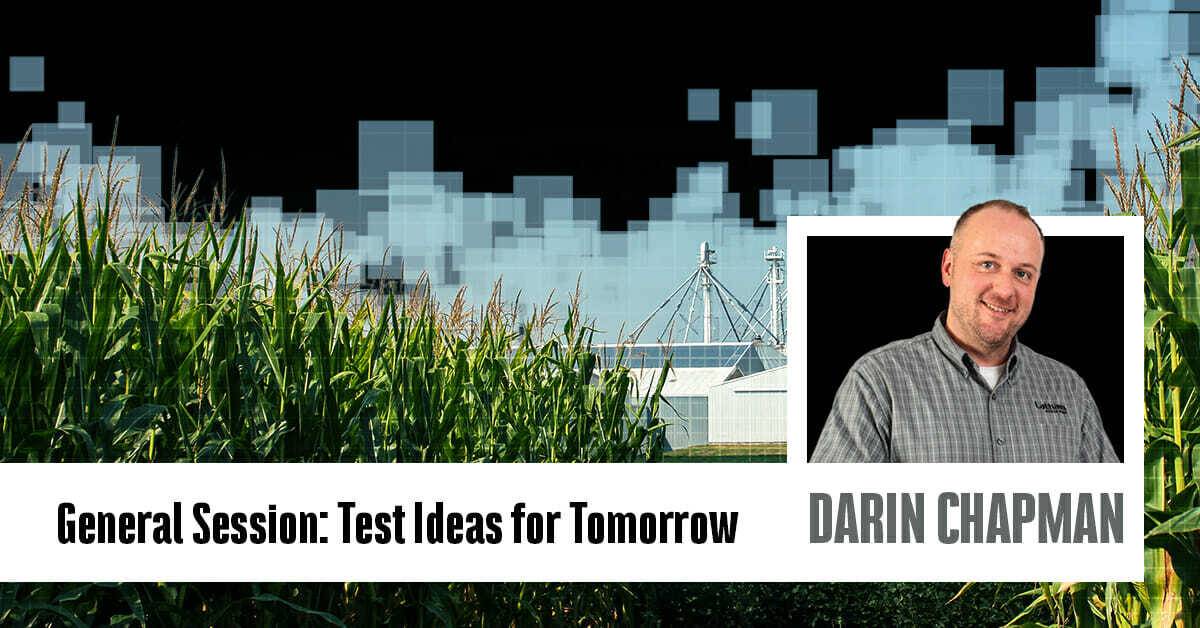
    Test Ideas for Tomorrow with Darin Chapman

    Field day presentation slide darin chapman

    Join us as Precision Agronomy Advisor Darin Chapman discusses on-farm research and the benefits of testing ideas for the future.

    Laura Cunningham

    September 9, 2020
    Agronomics, Precision Ag
  • Latham Hi‑Tech Seeds

    The Power of Precision Data

    IMG 3122

    IMG 3122What is Big Data? It sounds a little scary, maybe even intimidating. However, it doesn’t have to be. Farm data is so important, and Latham’s Precision Agronomy Advisors are here to help simplify the process by putting your data to work for you!

    At family-owned, independent Latham Hi‑Tech Seeds, we help our dealers and their customers by providing the latest technology whether its genetics, traits or programs like Data Forward.

    We have a “Dream Team” for picking and choosing the Latham® product lineup, as John Latham said during a recent virtual training held with Latham Dealers. Members of our product team study lots of data when choosing products. They bring forward only the products for specific geographies.

    Big data can help you select the very best products for your fields, too. While plot data can help choose products, whole-field average data is even better. Imagine what we could learn from a whole-field average versus plot data alone. We have the capability to anonymously aggregate all this data to see how products are performing across Latham Country. This year we also have entered every one of Latham’s SuperStrip™ and MiniStrip™ plot locations into our Data Forward program, so it will help us monitor product performance across multiple locations throughout the year. This really helps us place products and understand their characteristics.

    Farmers also can adapt precision agriculture to gain great insight into their operation. It can help you better manage input costs to be more efficient while still gaining yield. When you have access to all this data, you have the tools and insights to know where and when to place seed or fertilizer down to the micro level.

    Better seed and fertilizer placement can increase your profit per acre. Because there are so many variables that factor into figuring profit per acre, it can be complicated. Big Data can simplify the process by helping you analyze your operations. Big Data can help make precision ag users become more efficient and profitable.

    Big Data does not have to be scary or intimidating. Just work with people you trust to gather this data and put it to work for you, so you can better understand your fields and your overall operation. Feel free to reach out to your Latham Precision Agronomy Advisors to help you gather and organize this data, so you can put it to work on your farm.

    Latham Seeds Precision Agronomy Advisors

    August 24, 2020
    Agronomics, Precision Ag
Previous Page
1 2 3 4 … 8
Next Page

Latham Hi‑Tech Seeds

131 180th Street | Alexander, IA 50420

(641) 692-3258

SIGNUP FOR OUR NEWSLETTER
  • Contact
  • Legal
  • Dealer Center
  • Seedware Login
  • Latham Gear

© 2025 Latham Hi‑Tech Seeds. All rights reserved. | Iowa Web Design by Webspec | Privacy Policy

Latham® Hi-Tech Seeds is a trademark of M.S. Technologies, L.L.C., 103 Avenue D, West Point, IA 52656.