Latham Hi-Tech Seeds

(641) 692-3258

  • Home
  • Products
    • Corn
    • Soybeans
    • Alfalfa
    • Corn Silage
    • Seed Guide
  • Performance
  • Find a Rep
  • Media
    • Blog
    • News
    • Videos
    • Podcasts
    • TECHTalk
  • About Us
    • Company History
    • Our Mission
    • Careers
    • Become a Rep
    • Sowing Seeds of Hope
  • Contact Us
  • Latham Hi‑Tech Seeds

    Tips for Managing SDS in 2017 and Beyond

    LLeVO comparison

    Sudden Death Syndrome (SDS) in 2016 affected numerous soybean fields in the Upper Midwest. We saw SDS in fields where it had never been a problem, and some of that can be attributed to Mother Nature. Frequent or heavy rains can add to the severity of the disease, and irrigated fields are also at higher risk.

    While we cannot control the weather and it’s not possible to get rid of this soil-borne fungus, there are strategies you can implement to protect future yield:

    • Studies show SDS severity increases when high populations of Soybean Cyst Nematode (SCN) are present. Practices that lower the SCN population may also help decrease SDS, but note SDS and SCN can infect fields on their own.
    • Improving drainage and soil structure, as well as reducing compaction, can help reduce the severity of SDS.  Any movement of infected soil spreads both SCN and SDS within the field and to other fields.
    • Wait for fit soils. Working or planting into wet soils greatly enhances the disease. I spoke with farmers who rolled their fields in 2016 when conditions were too wet, which increased the severity and incidence of SDS in their fields.
    • Crop rotation. There have been reports of farmers using an oats and alfalfa/clover rotation in a third year that seemed to reduce SDS severity. However, crop rotation in general hasn’t been effective in managing SDS, as the SDS fungus readily invades corn roots. Legume crops like alfalfa, clovers, navy beans and pinto beans also can host the SDS fungus.
    • Plant soybean varieties that are tolerant to the disease. While no soybean brand is completely resistant, planting tolerant varieties can minimize yield loss. At Latham Hi‑Tech Seeds, we evaluate soybeans for a wide range of diseases, including SDS. Only those with the best defensive packages earn the IRONCLADTM distinction.
    • Delayed planting allows the soil to dry and warm. Because overall soybean yield research shows higher yield potential with early planting dates— even if SDS is present at moderate levels — I recommend delayed planting only when a field has a history of severe SDS and yields have been drastically reduced in past years.
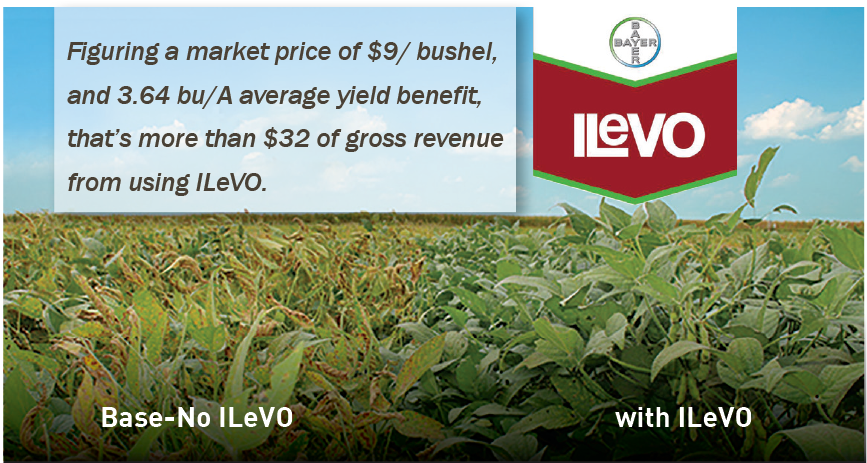
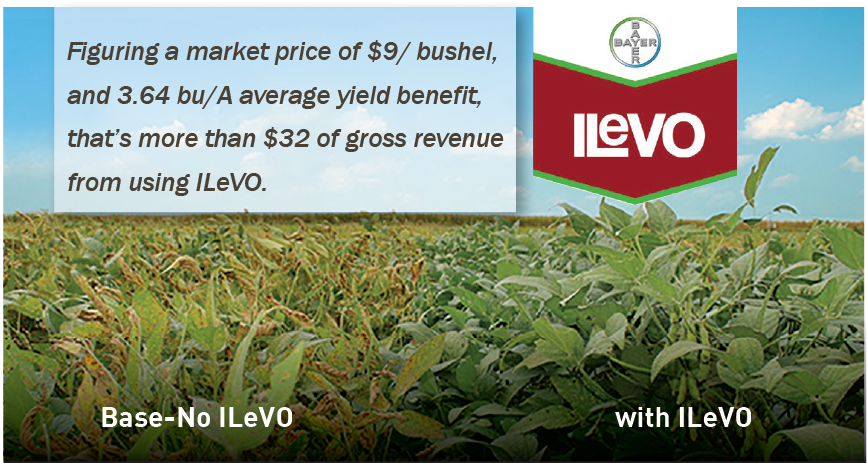
    • Employ ILeVO®. The most exciting new tactic for SDS management is ILeVO seed treatment from Bayer CropScience. Numerous university trials have shown IleVO effectively reduces SDS severity and protects yield.  Latham’s own research across 26 locations in 2016 showed an average benefit of 3.64 bu/A, which easily pays for the cost of the treatment.(See the January 2017 issue of TECHtalk for more details.) Other seed treatments claim efficacy on SDS, but university research shows the level of effectiveness from thiabendazole products like Mertect® are not quite as good as what ILeVO shows.

    If Sudden Death Syndrome is a potential problem in your area for 2016, do all that you can to limit its effect in the future.  Feel free to call me if you have any questions.
    lLeVO comparison

    Webspec Admin

    February 8, 2017
    Agronomics, Crop, Disease, Soybeans
  • Latham Hi‑Tech Seeds

    TIPS FOR MANAGING EAR ROT

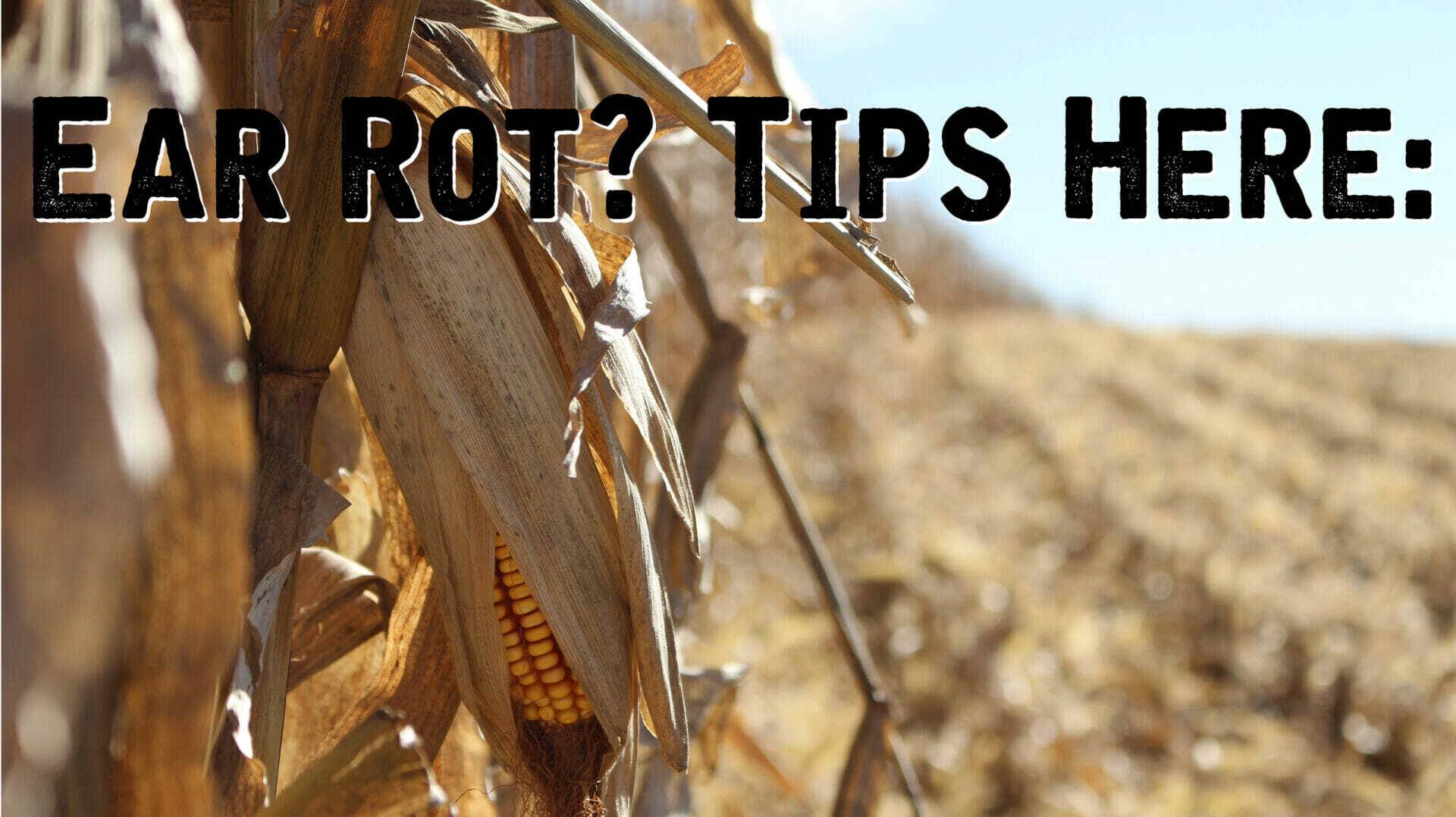
    Ear Rot Feature Image

    screenshot-33Ear rot has been present in some corn fields that were harvested this year. These diseases can reduce the quantity and quality of the corn being harvested, and they can also produce mycotoxins that might be harmful to livestock and even humans.  Lastly, they can continue to cause problems in stored grain unless it is closely monitored and maintained in the best possible condition.

    Scouting fields prior to harvest is key to avoiding situations caused by mold. A pre-harvest field check can help farmers to determine: (1) if ear mold is present; (2) what type of mold is present; and (3) how severe the infestation is.

    One method you can use when scouting fields for ear rots is to tear back the husks on 100 plants scattered randomly throughout the field. If you find 10% or more of the ears have mold on 25% or more of the ear, then that field should be harvested immediately and dried to at least 15% moisture. (NOTE: If you plan to turn a claim in for that field to your crop insurance provider, do that before harvesting. The insurance adjuster may need to see proof of the ear rots in the field as opposed to just seeing it in the stored grain.) 

    Samples of that grain should be tested to see what mycotoxins, if any, are present. You should then consult with someone like an extension specialist or veterinarian to decide the best method of using that grain. 

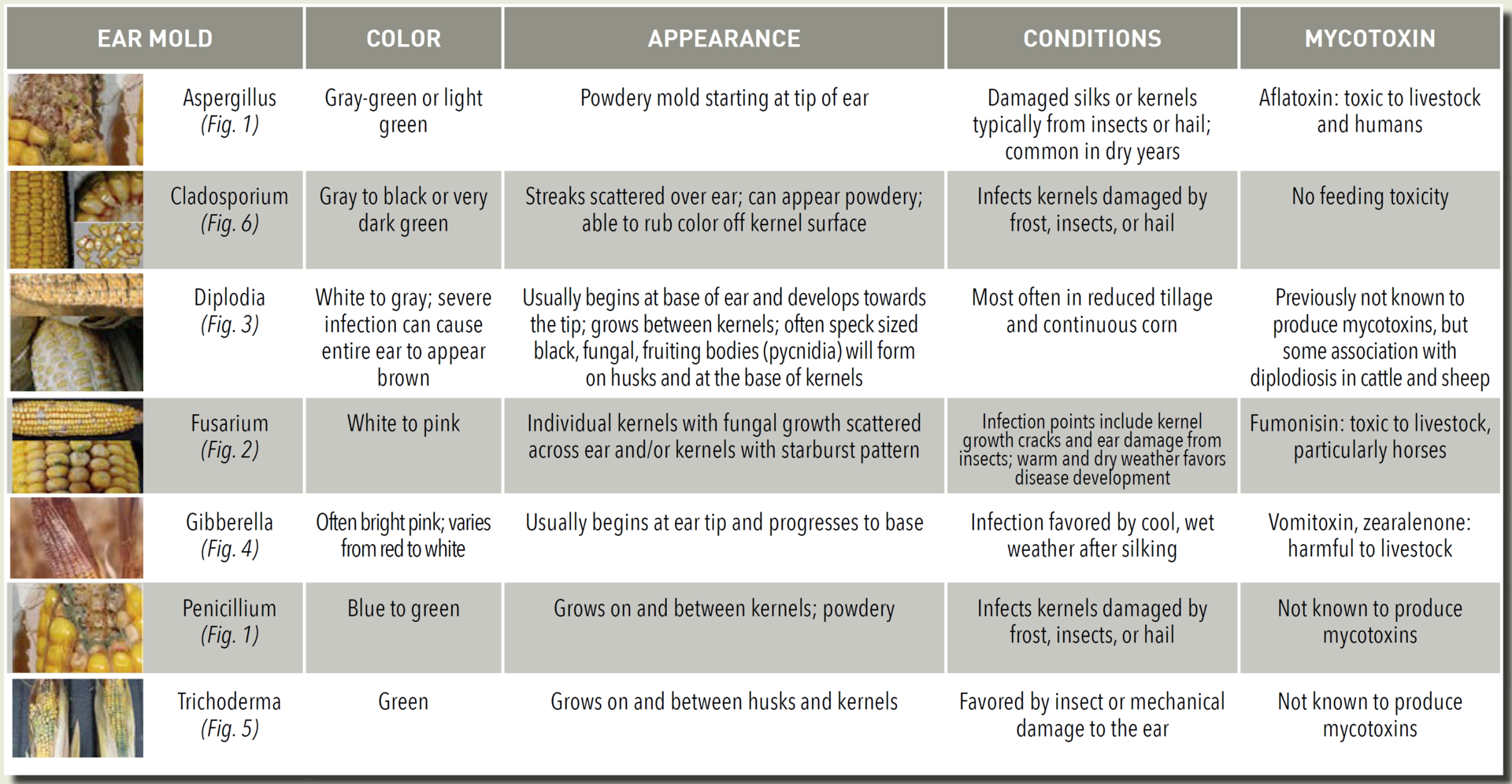
    To help determine which molds might be present in your fields, check out the table below:

    screenshot-36

    Corn ear rots and molds are present every year, but the severity and type of infestation is highly weather dependent and greatly depends on the region where the farm is located. Fungal pathogens that cause ear rots will remain in the soil for several years. Crop rotation and heavy tillage may help reduce spore survival. Planting hybrids with traits that provide above-ground insect protection and reduce ear damage might also be beneficial. 

    screenshot-34If you browse online for other ear mold management practices, you will see it’s suggested to plant hybrids with known tolerance to these diseases. Unfortunately, most companies do very little screening for ear mold pathogens simply because they are so varied and the instances of severe infestations are so rare.  In the case of corn ear rots, the best offense is the best defense! Make time to scout each field for ear rots before harvest.

    Webspec Admin

    November 16, 2016
    Agronomics, Corn, Disease
  • Latham Hi‑Tech Seeds

    Ask the Agronomist: Brown Stem Rot or SDS?

    Ask the Agronomist Feature Photo 01

    Thanks for tuning in to our weekly “Ask the Agronomist” Audiocast! Play the audio file below to listen to Mark’s response to this week’s question about how to determine whether a soybean crop is affected by Brown Stem Rot or Sudden Death Syndrome.

    https://www.lathamseeds.com/app/uploads/2016/08/Latham-KOEL-8_17_16.mp3


    Q: I thought my field was showing signs of Sudden Death Syndrome. Now I’m not sure if it’s really SDS or Brown Stem Rot. How can I tell the difference?

    A: Late-season crop scouting is so important because we see different symptoms, depending on the point we’ve reached in the growing season as well as environmental conditions. We’re seeing both SDS and BSR, sometimes even in the same field!

    The best way to tell to the difference is to split the soybean stem. Brown Stem Rot (BSR) infection causes vascular and pith tissues to turn brown to reddish brown. When disease is severe, discoloration is continuous from the base of the plant up. Discoloration only occurs at nodes disease when the disease is less severe, and you’ll see healthy, white tissue between the nodes.

    Q: What causes Brown Stem Rot?

    A: BSR is caused by a fungus that enters through the plant’s root system. Severe infestation occurs when soil moisture is high and air temperatures are cooler throughout the summer, which promotes the growth of the fungus in the stems. Symptoms worsen if the disease development is followed by drought stress during pod fill. BSR also increases in severity if Soybean Cyst Nematode populations are high.

    Q: How does Brown Stem Rot spread?

    A: Brown Stem Rot is a soil-borne pathogen. It survives in infected soybean residue left on the soil surface. The fungus is not carried with seed.

    Q: What can be done if you find Brown Stem Rot in your fields now?

    A: Unfortunately, just like Sudden Death Syndrome, nothing can be done for a field once it has been infected with BSR.  Scouting now for Brown Stem Rot is important for two main reasons: (1) To determine if management practices may have had an impact on the severity this season; and (2) To select soybean seed for the following season based on BSR score and Soybean Cyst Nematode tolerance.

    Q: What management practices can help control Brown Stem Rot?

    A: The most effective way to manage Brown Stem Rot, Soybean Cyst Nematode and Sudden Death Syndrome is through seed selection. Latham® brand soybean varieties with the IRONCLADTM designation offer the best control, but be sure to read disease ratings of each product. For fields with a history of severe brown stem rot problems, plant a variety with a rating of 1.5 or better. A Latham rep also can help you select the best product on a field-by-field basis.

    In addition, crop rotation can help reduce the likelihood of Brown Stem Rot. Going away from soybeans for 2 years is more effective than 1 year. Reducing soybean residue helps because then the BSR inoculum doesn’t have a place to overwinter.  Tillage can also be effective.

    Webspec Admin

    August 18, 2016
    #AskTheAgronomist, Agronomics, Disease, Soybeans
  • Latham Hi‑Tech Seeds

    Ask the Agronomist: Goss’s Wilt

    Ask the Agronomist Feature Photo 01

    Thanks for tuning in to our weekly “Ask the Agronomist” Audiocasts! Play the audio file below to listen to Jerry’s response to this week’s question about Goss’s Wilt.

    https://www.lathamseeds.com/app/uploads/2016/08/Latham-8_10.mp3


    Listen to this week’s Ask the Agronomist for everything you need to know about Goss’s Wilt.

    Q: More cases of Sudden Death Syndrome are evident across the country this week, and I’m starting to see Goss’s Wilt in fields where I haven’t seen it before. What can be done to combat these diseases?

    A: Sudden Death Syndrome, commonly referred to as SDS, is a cold-borne organism that attaches to the plant. The disease starts in the spring after planting, but symptoms won’t show up until late July to early August. Goss’s Wilt is usually caused by previous damage to the plant, such as hail, and this damage provides passage into the plant for the bacteria.

    The best mode of action against these diseases is seed selection. That may sound self-serving coming from a seed salesman, but it is a proven fact that diligent seed selection is key to managing future outbreaks.

    Q: Last week we talked extensively about managing SDS in the future. What are some best management practices for Goss’s Wilt?

    A: There are other management practices that can be implemented to reduce risk for SDS and Goss’s Wilt. Rotation of corn production for one year allows residue to break down and reduce bacteria populations. Tillage and other practices that encourage residue decomposition will also reduce the amount of bacteria present to infect future corn crops. Good weed management practices can also help control weeds that serve as a source of these diseases.

    Q: Goss’s Wilt is something we typically think of as a “western disease.” Why is it becoming more of an issue in the East now?

    A: Goss’s Wilt is a disease like any other that will progress and move beyond its initial borders. It is now being seen as far East as Indiana. In 2008, it was reported that Goss’s bacterial wilt and leaf blight caused yield losses of up to 60 bushels per acre in northwestern Indiana. Goss’s Wilt is a growing problem, so to combat this issue, Latham Hi‑Tech Seeds has identified 23 hybrids that handle Goss like a Boss.

    Q: How can farmers learn more about Goss’s Wilt and Sudden Death Syndrome?

    A: We’ll be talking more about weed management strategies and new seed technologies during Latham’s Technology Road Show. The first stop on this tour is Friday, August 19, in eastern Iowa for the 2016 Latham Freedom of Independence Ride.

    Q: What is the Freedom of Independence Ride?

    A: The Freedom of Independence Ride is Latham’s field day on two wheels! We encourage farmers – even if they’re not Latham® customers – to join this ride. We’ll be covering broad topics that include:

    • Precision Agriculture
    • Cover Crops
    • Next-Generation Weed Management Systems such as Xtend, Balance GT and Enlist

    We’ll also make two fun stops. One of those stops has 90 restored antique tractors and another stop will be at Antique Archeology in Le Claire. We’ll also see a demonstration by service dogs in training with Retrieving Freedom Inc. In fact, this ride will help raise funds to train RFI service dogs.

    To register for the Freedom Ride and more information on this fun event, visit www.lathamseeds.com.

    Thanks for tuning in to this week’s Ask the Agronomist. We’ll be back again next week to field all of your questions during #grow16.

    Webspec Admin

    August 11, 2016
    Agronomics, Corn, Crop, Disease, General
  • Latham Hi‑Tech Seeds

    Ask the Agronomist: Sudden Death Syndrome

    Ask the Agronomist Feature Photo 01

    Thanks for tuning in to our weekly “Ask the Agronomist” Audiocasts! Play the audio file below to listen to Mark’s response to this week’s question about Sudden Death Syndrome.

    https://www.lathamseeds.com/app/uploads/2016/08/Latham-8_4.mp3


    Listen to this week’s Ask the Agronomist for everything you need to know about Sudden Death Syndrome.

    Q: We’ve received a question from a farmer this week saying “Sudden Death Syndrome is breaking bad in my soybean fields. Why does it appear to be affecting more fields this year and what can I do about it?”

    A: Sudden Death Syndrome appears after flowering in the growing season, and usually we see issues in early August. Cool, wet planting conditions, like what the Upper Midwest experienced earlier this year, can increase severity of sudden death later on in crop development.

    Q: What symptoms should we be looking for?

    A: Farmers should first be scouting for yellow blotches on leaves. These will progress into larger patches, but keep in mind that leaf veins remain green while the rest of the leaf will eventually turn brown and leaflets will fall off. However, petioles will remain on the stem. SDS can cause rotted root systems, too.

    Q: Are there certain soil types or fields more prone to SDS?

    A: There isn’t a certain type of soil that is more prone, but there are specific areas of a field that can more easily develop SDS. High moisture areas such as low spots can have higher severity, and it is also often correlated with compacted soils in margins of a field or low-lying bottoms.

    Fields with a history of SDS should be planted when soils are warmer and drier. No-till practices allow soils to remain cooler and wetter during the spring, so these fields are more at risk as well. Sometimes, tillage on a field with a history of SDS is a good practice as long as those fields aren’t worked in wet conditions.

    Q: What can farmers do if they begin to notice SDS in their fields this year?

    A: Unfortunately, there is not much that can be done to stop SDS once it begins. Prevention is the best defense against SDS. Prevention tactics include: responsible tillage practices to reduce soil compaction, waiting for soils to dry up towards the end of planting seasons, and testing for presence of soybean cyst nematodes. Soybean Cyst Nematodes (SCN) are associated with SDS.

    Q: What can be done if farmers test their soils and find a soybean cyst nematode presence?

    A: The best way to combat SCN is to plant resistant varieties, or avoid susceptible varieties. Be sure to keep Latham IRONCLAD™ soybeans in mind when mapping out which varieties will be used on different fields for 2017.

    To bear the IRONCLAD™ name, each soybean variety must be SCN resistant, phytophthora root rot resistant, and an iron deficiency chlorosis rating of 2.2 or better. Depending on the geographic location needs, IRONCLAD™ varieties must protect against either white mold or SDS with a rating of 2.2 or higher.

    Q: Wasn’t there a new seed treatment that was supposed to fight against SDS?

    A: ILeVO seed treatment from Bayer CropScience received a lot of positive press in 2015 for its effectiveness against SDS. That prompted Latham research staff to conduct 2016 studies using ILeVO treated seed side-by-side with seed that was not treated with ILeVO. Preliminary reports aren’t showing any significant visual differences, but that final determination will be made after harvest. This information will be shared at post-harvest meetings in the fall. Like it or not, this new tool will most likely not be that “silver bullet” cure farmers are hoping to find.

    Q: If there is no cure for SDS, why should farmers be scouting for it?

    A: An ounce of prevention is worth a pound of cure. Scouting for SDS is important to determine if management practices were at fault and to help select the right seed for each field next year based on SDS score and Soybean Cyst Nematode tolerance.

    Walking fields and taking notes will help farmers determine an action plan for next year. What we’re seeing now in the fields can have an impact on what we see in 2017.

    On August 19th, the Latham Freedom of Independence Ride will be taking place near Eldridge, Iowa. This one-of-a-kind, “plot tour on wheels” is a fun day that anyone can bring a motorcycle or vehicle to travel on while Latham representatives share information about what is coming down the pipeline for 2017.Freedom-Ride-2016-logo-01-328x220

    Thanks for tuning in to this week’s Ask the Agronomist. We’ll be back again next week to field all of your questions during #grow16.


    Webspec Admin

    August 4, 2016
    Agronomics, Crop, Disease, General, Soybeans
  • Latham Hi‑Tech Seeds

    ASK THE AGRONOMIST: Foliar Diseases

    Ask the Agronomist Feature Photo 01

    Ask the Agronomist: Foliar Diseases

    Read this week’s Ask the Agronomist to learn about which foliar diseases you should be looking for in your fields at this point in the growing season.

    Q: Should I be thinking about spraying foliar insecticides yet?

    A: We’re about midway through the growing season, and it’s the time of year when leaf diseases and insect pressure prevails.  Watch for these three situations in your corn fields:

    • Northern Corn Leaf Blight
    • Western Corn Rootworm
    • Eye Spot

    Also check your soybean fields for Soybean Aphids, and all fields for redheaded flea beetles.

    Q: What can you tell us about Soybean Aphids?

    A: In last Wednesday’s weekly crop reports, none of our regional sales managers reported soybean aphids at threshold levels but aphid populations can double every two to three days! With the varying stages of soybean development due to an extended planting season and many late replants, continue scouting past your first insecticide application and all the way through pod development.

    Q: Soybean Cyst Nematodes are the #1 yield robber of soybeans; are we seeing signs of SCN damage yet?

    A: It’s a bit early for Soybean Cyst Nematodes to appear, especially for those late-planted fields and replants. However, farmers can dig roots to check for SCN presence before symptoms can be seen. Digging roots is the best way to monitor fields for SCN, and female SCN will be on soybean roots through early August.

    Q: If symptoms aren’t present, why do you recommend checking for Soybean Cyst Nematode females on the roots?

    A: Farmers should evaluate effectiveness of their seed treatments all throughout the growing season. The most effective way to manage SCN and many other diseases is by selecting quality soybean seed. At Latham, we urge our growers to consider selecting our unique IronClad™ Soybeans. To bear this brand, every variety must be SCN resistant and have an Iron Deficiency Chlorosis rating of 2.2 or better. It must also contain a Phytophthora-resistant gene as well as a 2.2 or better rating against Brown Stem Rot and either White Mold or Sudden Death Syndrome.

    Q: On the corn side, what leaf diseases should farmers be scouting for, especially considering the high-moisture spring and humid summer we have had?

    A: Plentiful moisture is ideal for fungal corn diseases. Check your fields weekly for these common diseases:

    • Gray Leaf Spot
    • Southern and Common Rust
    • Northern and Southern Leaf Blight
    • Eyespot

    There are confirmed cases of Northern Corn Leaf Blight (NCLB). Now is a critical time to scout fields, especially for fields planted with NCLB-susceptible hybrids. If the disease is present on 50 percent of the field (one or more lesions per plant) at tasseling, a fungicide application may be warranted to protect yield.

    Q: In the future, how can farmers lessen their chances of NCBL presence in their fields?

    A: To prevent NCLB from becoming a larger problem in the future, rotate to a non-host crop. A two year rotation away from corn may be necessary in no-till and reduced tillage fields with a history of NCBL. Hybrid selection is also key for reducing future threats of NCLB

    If you have a question about what you’re seeing in the fields, feel free to ask! Send your questions via Twitter to@LathamSeeds, in a private message on Facebook or call our office at 1-877-GO-LATHAM (1.877.465.2842).

    Also be sure to check out TheFieldPosition.com for timely agronomic information. Crop reports From the Field® across Latham’s six-state marketing area are published every Wednesday during the growing season by Latham’s regional sales managers in each of those locations. New articles are posted each week day on our blog. You can even search for “topics” by simply typing key words into the search bar on the upper right-hand corner.

    Thanks for tuning in to this week’s Ask the Agronomist. We’ll be back again next week to field all of your questions during #grow16.

    Gary Geske

    July 7, 2016
    Agronomics, Corn, Crop, Disease, General
  • Latham Hi‑Tech Seeds

    Note Disease Ratings when Purchasing Seed

    20150811 083953 resized

    These crisp, cool mornings remind us that fall harvest is just around the corner. While farmers are making plans to harvest #Crop15, they’re also planning for next year’s crop. That’s why today we’re sharing tips on selecting corn hybrids and soybean varieties that best fit your fields, your farming practices and your local growing challenges.

    20150811_083953_resized
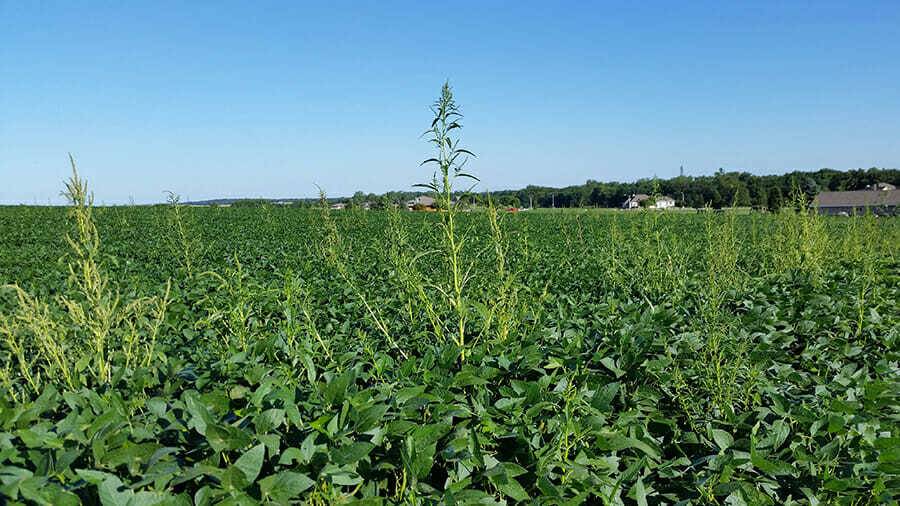
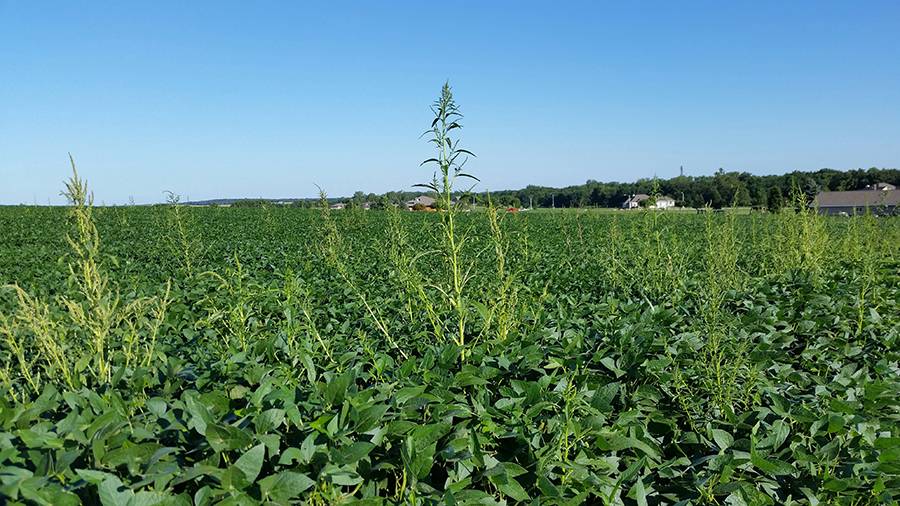
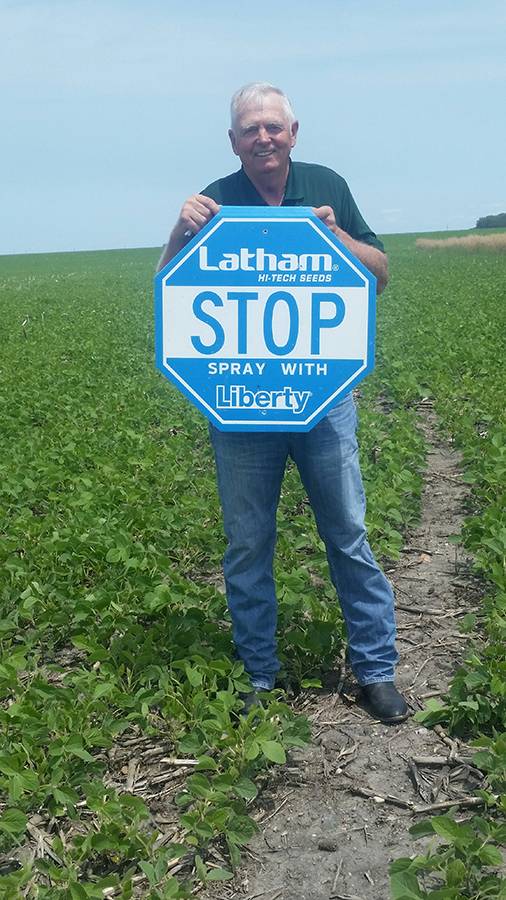
    Combat waterhemp in 2016 with LibertyLink Soybeans from Latham Hi‑Tech Seeds.

    Did you know that many of the corn and soybean diseases – as well as the weed pressure – that we’re seeing now in the fields can actually be combatted in 2016 with seed selection and seed treatment?

    Waterhemp is a growing problem, literally. As you drive through the Upper Midwest now, you can see waterhemp standing tall in many fields. The best way to battle weeds is to use herbicides from different groups. Demand for our LibertyLink products is expected to increase dramatically for 2016, so get your orders placed before harvest for the best availability and the best prices of the season.

    In addition to weeds, we’ve seen late-season outbreaks of White Mold and Sudden Death Syndrome. Earlier this season, Iron Deficiency Chlorosis was prevalent in North Iowa and southern Minnesota. If your fields looked yellow this spring or early summer, than you need IRONCLADTM Soybeans from Latham Hi‑Tech Seeds.

    Many corn leaf diseases also can be managed through seed selection, as well. Note the ratings listed in the seed catalog for Goss’s Wilt and Northern Corn Leaf Blight. Talk with your local Latham® representative or contact our office with specific questions about the pressures you faced. Be sure to also take note of stalk strength and other important ratings in our seed guide. Our goal is to help you select the best products to help you increase your yield, FieldXFieldSM, in 2016.

    Remember, significant leaf disease pressure in the upper canopy of the corn plant increases the risk of stalk rot this season. Disease can have an impact on standability and harvestabilty, so now is a good time to walk fields and prioritize fields for #harvest15.

    Saturated soils early in the growing season may have limited the growth of root hairs and brace roots, making the total root mass much smaller. When those plants grow close to full size, a lot of stress is placed on the plant. Late-season wind or rain events can lead to downed corn. Note these fields, so you can harvest them early. That way more kernels go in the hopper rather than on the ground.

    We wish you a safe harvest season!

    20150702_134739_resized

    Webspec Admin

    September 14, 2015
    Agronomics, Disease, General
  • Latham Hi‑Tech Seeds

    Late-Season Scouting Leads to Better Seed Decisions

    DSC0734

    The effects of our wet, cold planting season continue to surface. If you drive through the country now, you’re likely to see Sudden Death Syndrome (SDS) and White Mold affecting soybean fields. You may find Northern Corn Leaf Blight and Goss’s Wilt in corn fields. You’ll also see a growing number of weedy fields.

    _DSC0734Seed selection is the key to effective management in all the above instances. Planting tolerant varieties, or avoiding very susceptible varieties, is the most effective way to reduce yield loss. Be sure you note the rating given to each product in a seed catalog before you select it for a particular field.

    Weeds also can be managed through careful seed selection.

    This growing season we’ve had many farmers, like Mike Albertsen of western Iowa, seek out Latham Hi‑Tech Seeds for our strong lineup of LibertyLink soybeans. Due to increased weed pressure across the Upper Midwest, LibertyLink soybeans are in high demand for the 2016 planting season. It’s not too soon to place your order with Latham!

    To help simplify your seed selection process, Latham Hi‑Tech Seeds designates some of its most defensive products as IRONCLAD™ Soybeans. These brands include exceptional genetics and industry-leading protective traits to win the battle against yield-robbing pests and disease. These products are selected for their “defensive” characteristics, but that doesn’t mean you’ll sacrifice yield. In fact, our results in the 2014 F.I.R.S.T. Trials shows how Latham’s IRONCLAD brands actually protect yield.

    NOTE: Each Latham® soybean brand that receives the IRONCLAD distinction must be Soybean Cyst Nematode resistant and carry an Iron Deficiency Chlorosis rating of 2.2 or better.  In addition, it must protect against either White Mold or Sudden Death Syndrome with a rating of 2.2 or higher. Plus, IRONCLAD products have strong defensive ratings against Phytophthora Root Rot and Brown Stem Rot.

    We know that corn acres face their share of challenges, too. That why Latham brand hybrids with the GLADIATOR™ designation combine the industry’s top genetics and traits including a mandatory rootworm event. In our 2016 product guide, you’ll see that GLADIATOR hybrids with single modes of action against rootworm are denoted with a “G” distinction. Products with dual modes of action against root worm are denoted with a “2G.” If you’re planting corn-on-corn or you’re in an area with severe rootworm pressure, make these products part of your 2016 crop plan!

    We take pride in working with our customers to help them select the seed products that will help maximize yields and increase profitability. If you have questions about what trait might be best for your fields, please send us an email or call 1-877-GO-LATHAM (1-877-465-2842).

    Webspec Admin

    August 24, 2015
    Agronomics, Disease, General, Insects, Weed Control
  • Latham Hi‑Tech Seeds

    Mid-Season Crop Scouting is Especially Important

    A rabbits view1

    Mid-season crop scouting is especially important because different insect and disease pressures become evident at this time of year. Any type of stress greatly enhances the likelihood of opportunistic insects such as corn leaf aphids, European corn borer and armyworm to feed upon plants.  In soybeans, we might see soybean aphids, two-spotted spider mites and Japanese Beetles.

    There hasn’t been a great deal of insect or disease pressure yet this season, but that doesn’t mean we can rest on our laurels. High humidity and heavy dew creates ideal conditions for diseases like Northern Corn Leaf Blight (NCLB). Fungal diseases like Sudden Death Syndrome are more evident in late July and early August, too.

    Taking field notes now can help farmers develop a fall harvest plan. They’ll want to keep a close eye on stalks that have been damaged because those will be prone to stalk lodging, ear dropping and repeat infestations. Field notes also will help these farmers choose seed for 2016 planting.

    One reason stalks may be damaged is from corn borer feeding. At this point in the season, corn borers have burrowed into the stalk and foliar applications are no longer effective.

    Black cutworm could be a larger problem this year as they’re known to cause more damage in fields where corn is planted later.  Fields of higher risk also include those that are poorly drained and low lying; those next to areas of natural vegetation; and those that are weedy or have reduced tillage.

    Also due to the wide variance in planting dates, rootworm beetles may move between fields in search of the best “buffet.”  A late maturing corn field may attract a large numbers of beetles if neighboring corn stopped producing pollen, for example.  Rootworm beetles may also move into corn and/or soybean fields that have an abundance of pollen-producing weeds, including volunteer corn, ragweed or foxtails.

    Controlling weeds will help control corn rootworm populations, as well as other insects like Two-spotted Spider Mites and aphids. Mites and aphids begin feeding along field edges, especially in weedy areas, before eventually developing into a field-wide infestation. Many common insecticides aren’t overly effective on Spider Mites, so carefully read the labels of any products.

    A rabbits view of corn plants

    Another insect to watch for in both corn and soybean fields is Japanese Beetles. These beetles will literally eat anything that’s green! They seem to prefer the leaf tissue between the veins of soybean leaves and the soft silks of corn plants.  Both activities can result in significant yield loss, so that’s why it’s especially important to scout for Japanese Beetles.

    If you’re seeing Japanese beetles now, make note and watch from them again in early spring. Adult Japanese beetles emerge around early to mid-June and begin feeding on low-lying plants. They eventually move to trees and field crop foliage where they feed and mate. Mated females move back to grass in August and September to lay small egg masses in soil cavities. The eggs hatch into small grubs that feed on roots underground until late September when the temperature cools. The almost fully-grown grubs burrow down in the soil and remain inactive all winter. In the early spring, grubs become active again and feed until turning into resting pupae. The pupae hatch into adults and emerge from the soil – and the cycle begins again!

    Walking fields and noting where there is both weed and insect pressure will help farmers determine an action plan now, as well as in the future. Field notes in 2015 will help farmers determine whether they need to change modes of action when making their 2016 seed decisions.

    Remember, family-owned Latham Hi‑Tech Seeds offers the industry’s broadest product portfolio of corn, soybean and alfalfa products specifically designed to thrive in our geography. For more information, contact your local Latham® representative or call 1-877-GO-LATHAM (1.877.465.2842).

    Webspec Admin

    July 23, 2015
    Agronomics, Disease, General, Insects, Weed Control
  • Latham Hi‑Tech Seeds

    Watch for Leaf Diseases & Pest Pressure

    Thurs

    In yesterday’s weekly crop updates, our regional sales managers (RSMs) reported seeing leaf diseases and pest pressure as they’ve been walking fields.  Watch for these three situations in your soybean fields: (1) Soybean Aphids; (2) Soybean Cyst Nematodes (SCN); and (3) Sudden Death Syndrome (SDS). Also check your corn fields for Northern Corn Leaf Blight and Eye Spot.

    None of our regional sales managers have reported soybean aphids at threshold levels of 250 aphids per 811727276_328a2e4821_zplant on 80% of the plants, but RSMs this week reported aphid citings. Remember, aphid populations can double every two to three days! With the varying stages of soybean development due to an extended planting season and many late replants, continue scouting past your first insecticide application.

    Taking the time to scout for SCN within the next few weeks may not be at the top of your “to do list,” but perhaps it should be! Soybean Cyst Nematode is the number one yield robber of soybeans. Digging root samples is the best way to check for SCN; SCN females will be on soybean roots that are easy to dig from the soil through early August.

    SCN is usually associated with SDS. Sudden Death Syndrome infects soybean plants right after germination and emergence, but symptoms generally do not appear until mid- to late summer. Leaf symptoms first appear as yellow spots between leaf veins. Eventually, the leaves turn yellow and brown streaks develop between the leaf veins while the veins remain green. Leaflets eventually drop but the petioles remain on the stem. Diseased plants may have rotted root systems.

    The most effective way to manage SCN and SDS is through quality soybean seed selection. Latham® IronCladTM Soybeans offer unmatched protection. To bear the IRONCLAD distinction, each Latham soybean brand must be SCN resistant and carry an Iron Deficiency Chlorosis rating of 2.2 or better.  It also must contain a Phytophthora-resistant gene as well as a very good rating (2.2 or better) against Brown Stem Rot and either White Mold or Sudden Death Syndrome.

    Just as wet planting conditions followed by humid summer weather makes prime conditions for soybean pests, the same holds true for corn leaf diseases. Plentiful moisture or dew is ideal for most fungal corn diseases. Watch for Gray Leaf Spot, Southern and Common Rust, Northern & Southern Leaf Blight and Eyespot.

    Scout corn fields prior to tassel emergence, around V14 growth stage, to determine disease pressure. NCLBFungicides may help but consider cost and predicted weather conditions first. To prevent Northern Corn Leaf Blight (NCLB) from becoming a larger problem in the future, rotate to a non-host crop. A two-year rotation away from corn may be necessary in no-till and reduced tillage fields with a history of NCBL. Hybrid selection is also key for reducing future threats of NCLB.

    Cool temperatures, humid and wet conditions, continuous corn, conservation tillage, and susceptible corn hybrids/inbreds favor Eyespot. Once again, selecting resistant corn hybrids is key to managing this disease in the future. Other management strategies include crop rotation and tillage to reduce corn residue.

    Take good field notes now to help you select the right seed for the future. It’s not too soon to place your 2016 seed order! Latham Hi‑Tech Seeds last week took delivery of its new seed product guides. Contact your local Latham® dealer or contact us online for more information.


    Webspec Admin

    July 16, 2015
    Agronomics, Disease, General, Insects
Previous Page
1 … 6 7 8 9 10 … 13
Next Page

Latham Hi‑Tech Seeds

131 180th Street | Alexander, IA 50420

(641) 692-3258

SIGNUP FOR OUR NEWSLETTER
  • Contact
  • Legal
  • Dealer Center
  • Seedware Login
  • Latham Gear

© 2025 Latham Hi‑Tech Seeds. All rights reserved. | Iowa Web Design by Webspec | Privacy Policy

Latham® Hi-Tech Seeds is a trademark of M.S. Technologies, L.L.C., 103 Avenue D, West Point, IA 52656.