Latham Hi-Tech Seeds

(641) 692-3258

  • Home
  • Products
    • Corn
    • Soybeans
    • Alfalfa
    • Corn Silage
    • Seed Guide
  • Performance
  • Find a Rep
  • Media
    • Blog
    • News
    • Videos
    • Podcasts
    • TECHTalk
  • About Us
    • Company History
    • Our Mission
    • Careers
    • Become a Rep
    • Sowing Seeds of Hope
  • Contact Us
  • Latham Hi‑Tech Seeds

    From the Field Crop Report: August 2nd

    Ken 2

    Eastern North Dakota 

    Brian McNamee

    Test plots are starting to show well. Varieties are starting to stand out and separate themselves. Some of the newer products, especially 0263 R2x, look exciting.

    Southeast North Dakota

    Gary Geske

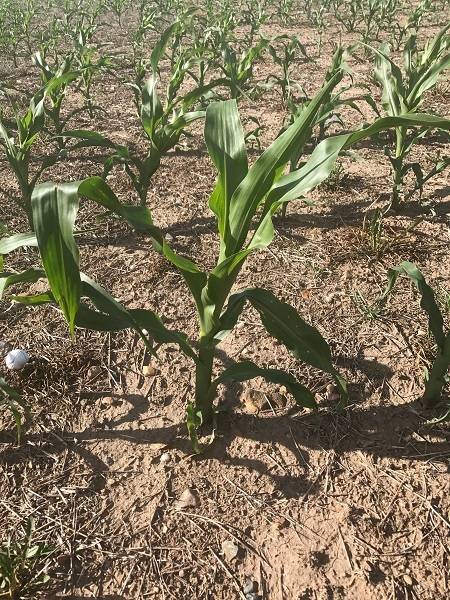
    You can’t scroll through Facebook or Twitter or tune into the radio this summer without hearing talk about herbicide-damaged crops. The buzz has been so centered on dicamba that many people are quick to make assumptions.

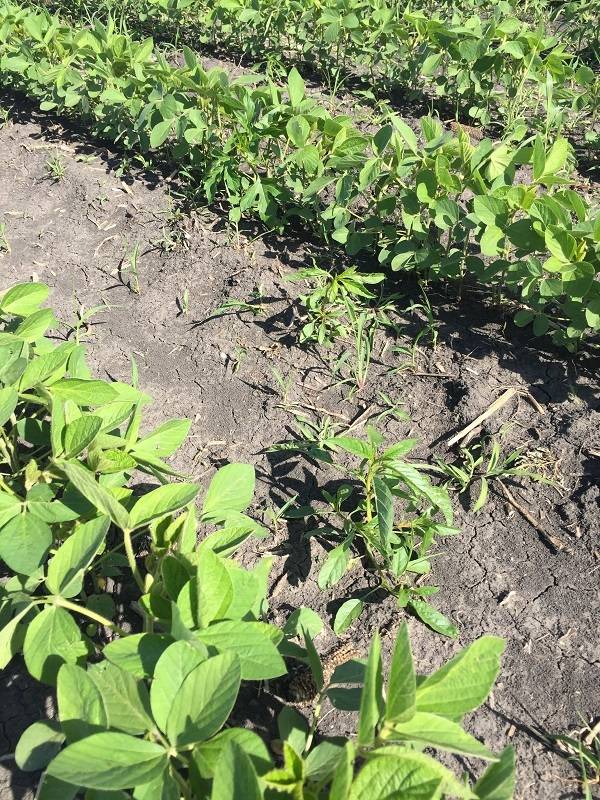
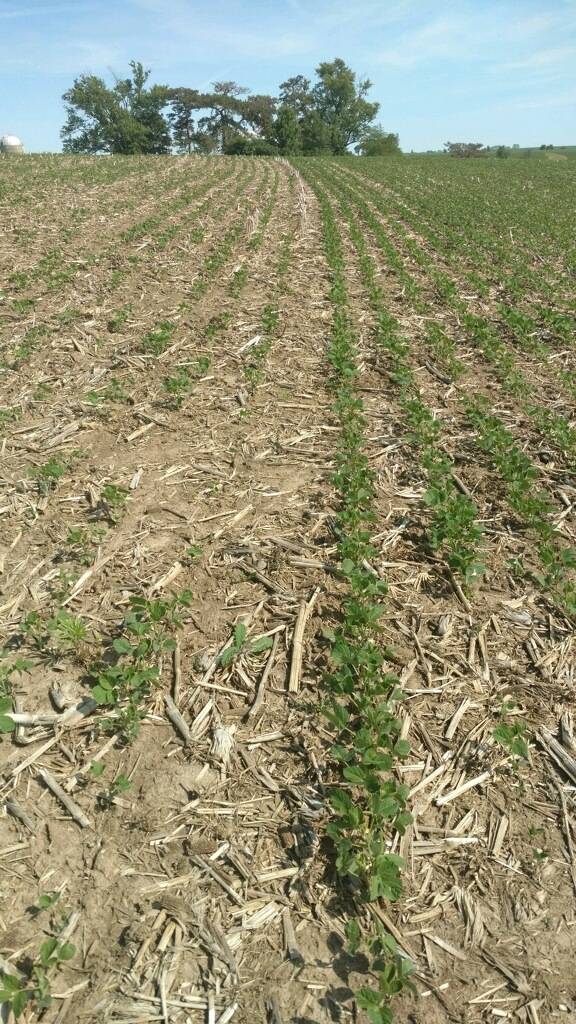
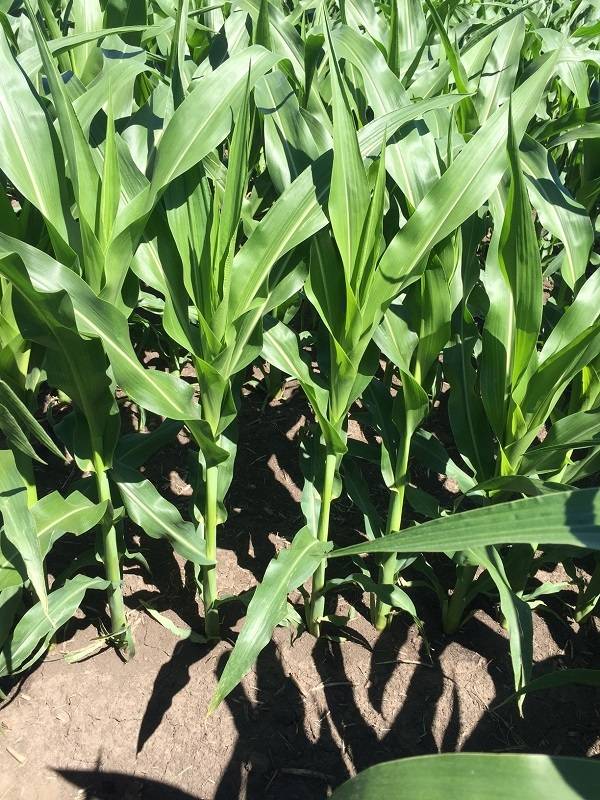
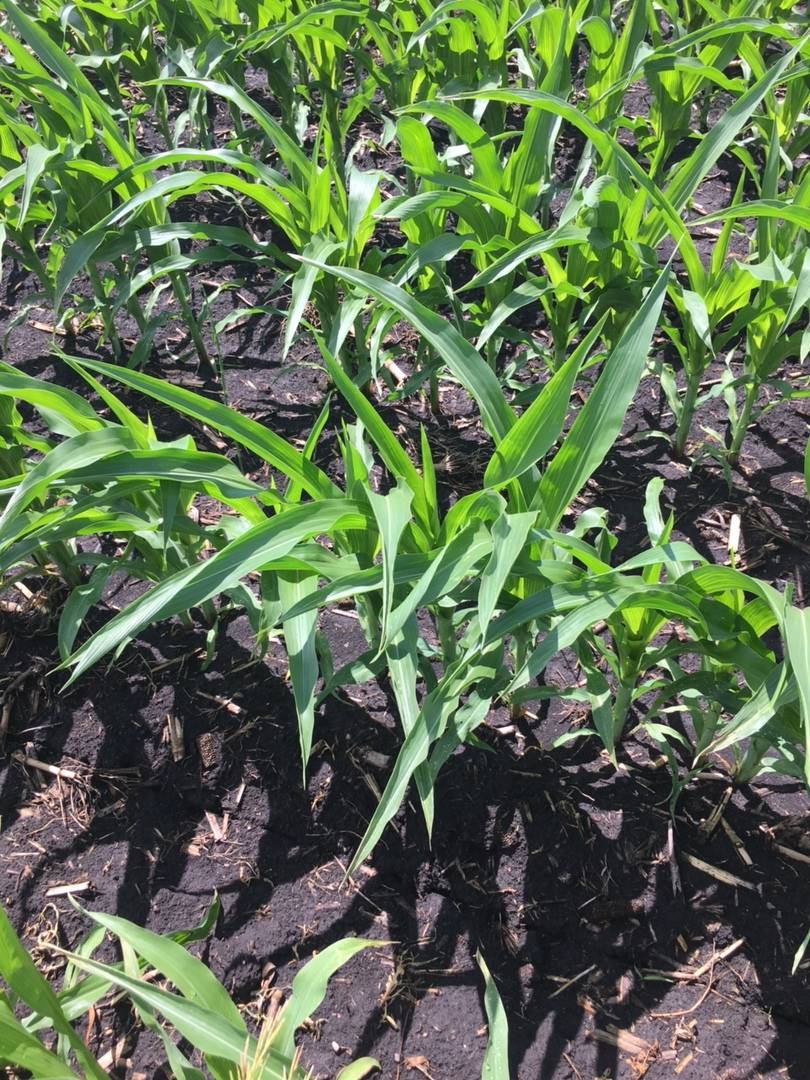
    In this photo, dicamba was blamed for the damage when it actually resulted from an HPPD-inhibiting herbicide like Balance or Callisto.

    How can you tell the difference? Check out this injury summary from Penn State, and learn the four signs of dicamba drift from the Prairie Farmer.

    Crop consultants and college diagnostic labs can aid in proper diagnosis. Correct diagnosis is needed, so the correct actions may be taken to correct the problem in the future. Correct diagnosis is also important for insurance purposes.

    Northeast South Dakota 

    James Keltgen

    Milder temperatures prevailed this last week of July, which coincided with much of tasseling. Many farmers are still waiting on rain. Pastures and crops have been damaged due to lack of rain. Soybeans are beginning to fill pods as some are now waist high. August rains can make a soybean crop, so we’re hoping precipitation is on the way!

    Southeast South Dakota

    Ramie Coughlin

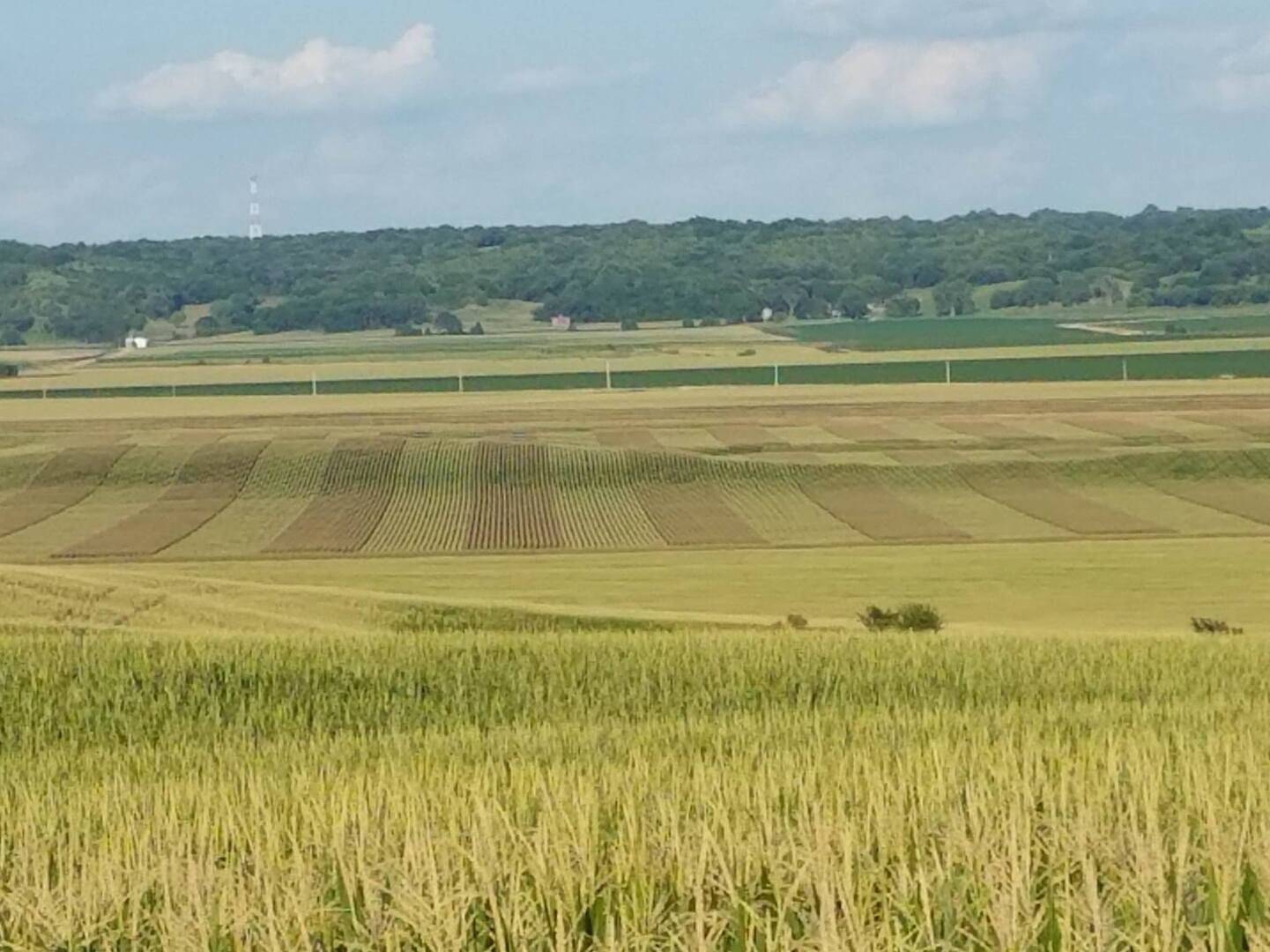
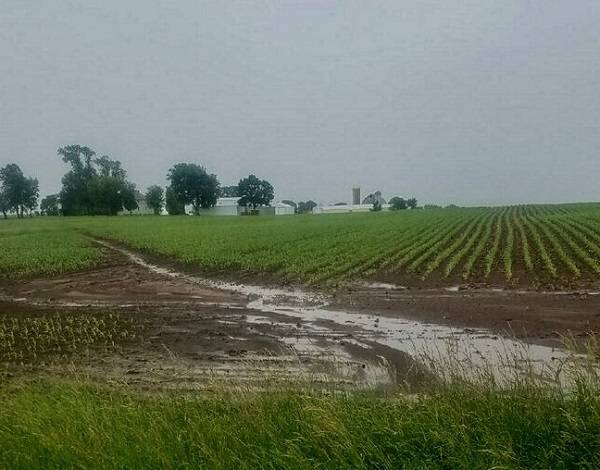
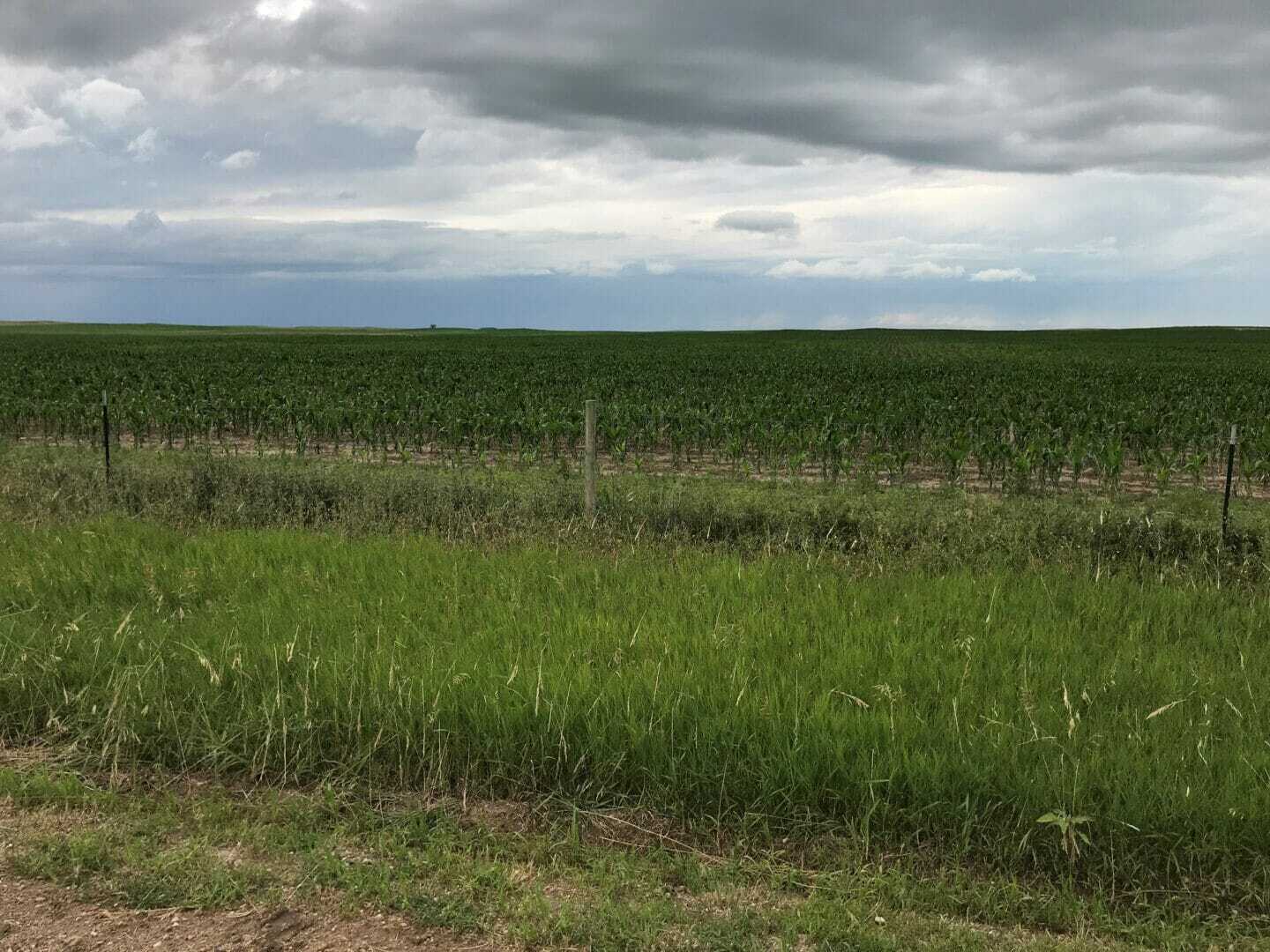
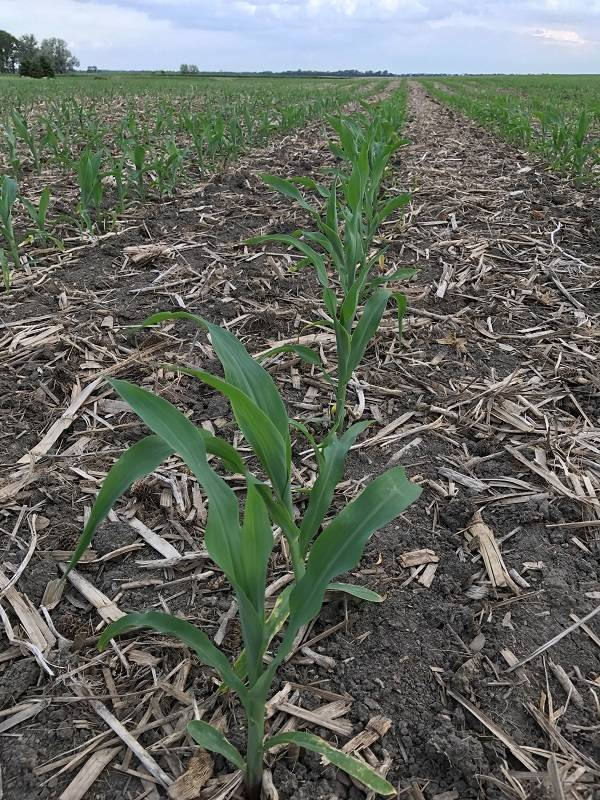
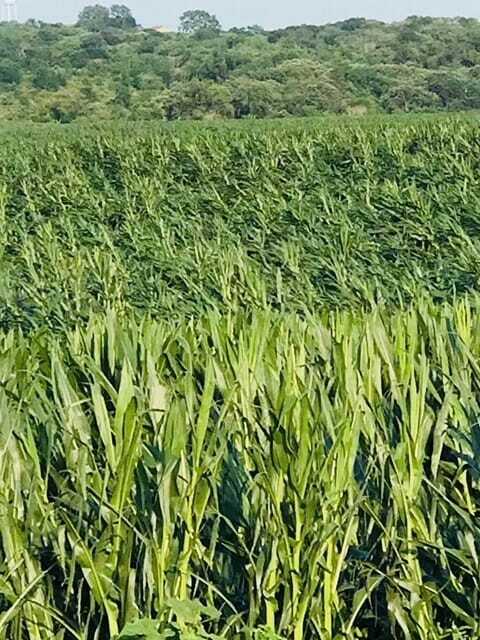
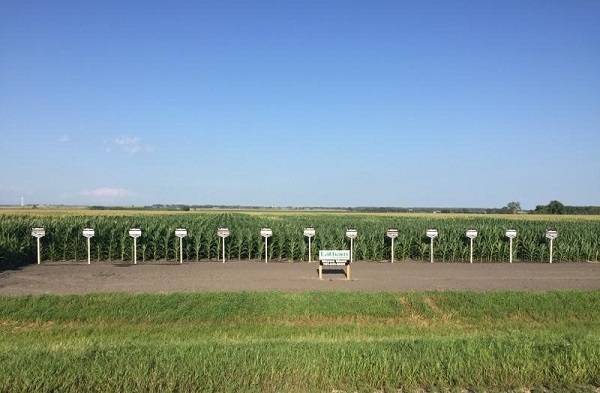
    The last two weeks have brought some much needed rain to South Dakota. Rain fall amounts ranged from one to 11 inches. These two photos were taken only a few miles away and 6 days apart. Wheat harvest is well under way, and yield reports are variable. Some wheat is coming out with good yields, test weight, and protein; other fields got hit by the drought. I have a feeling we’re going to see variable yields across the board this crop year, depending on where and when fields got rain.

    Northern Minnesota

    Ken Highness

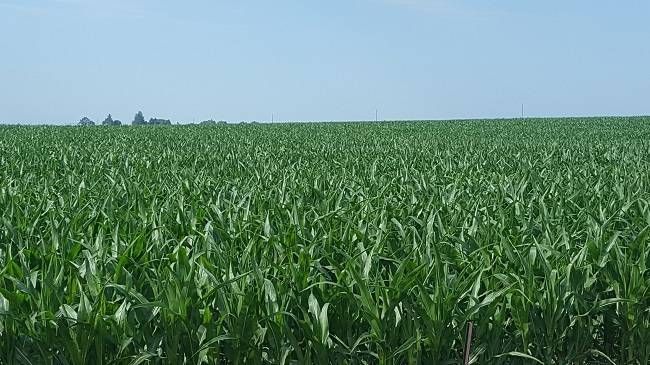
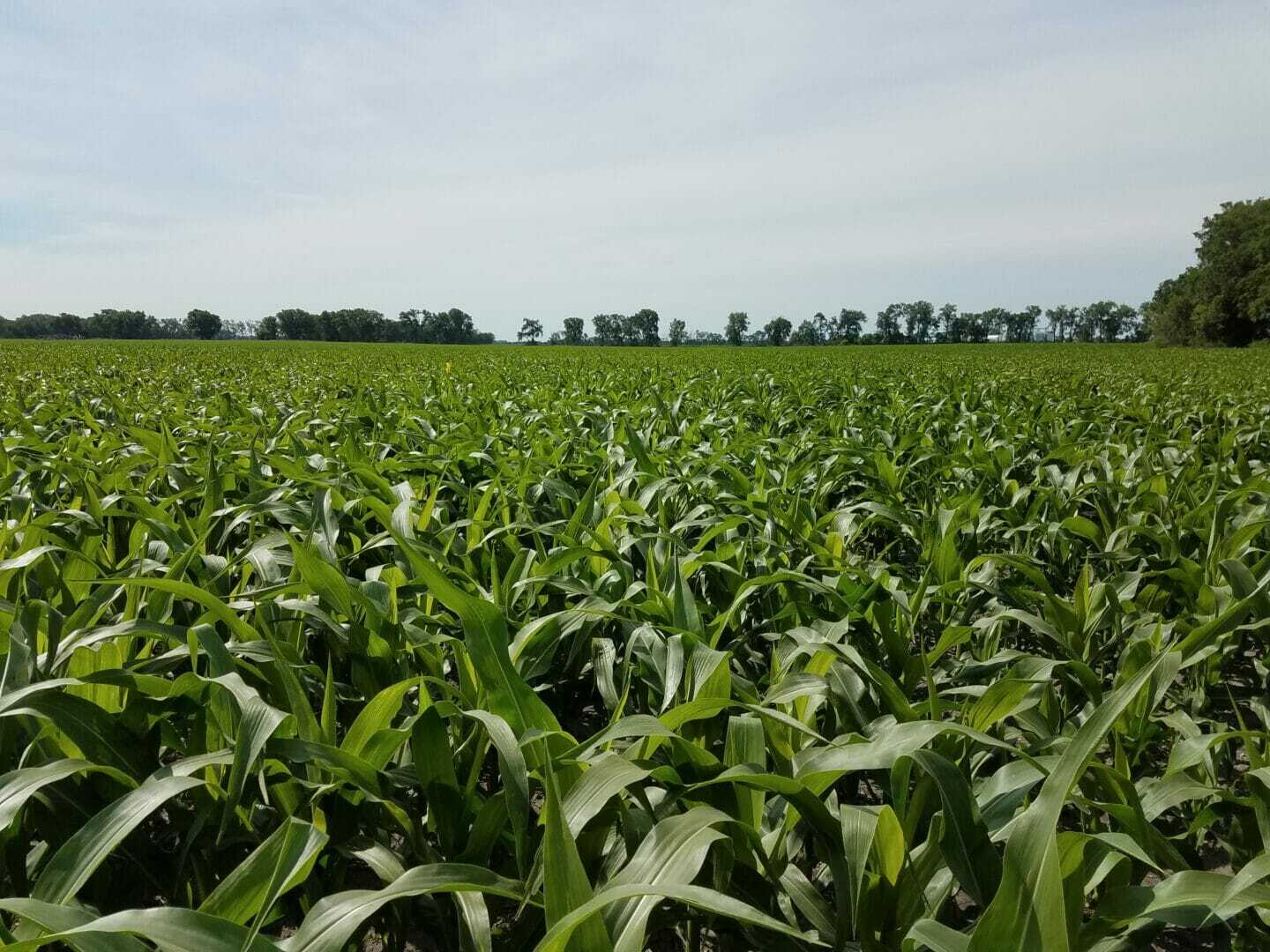
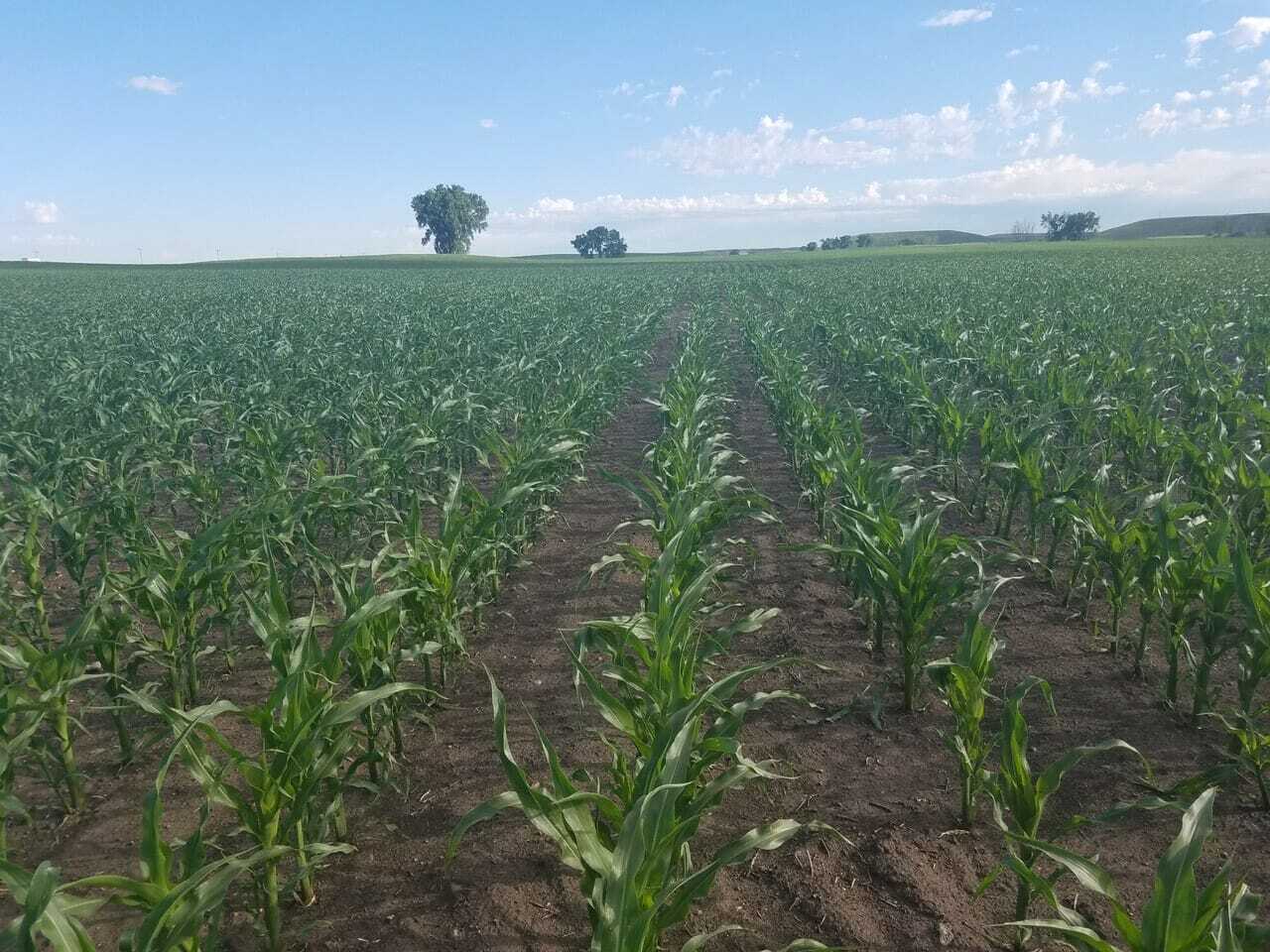
    This is 160 acres of Latham’s LH 4242 VT PRO planted April 18 in Clay County near Moorhead, Minnesota. This field is currently in the R2 stage (blister stage) where the kernels are white on the outside, with clear liquid inside. This is a great looking field of corn, but we could use rain to finish out strong at harvest!
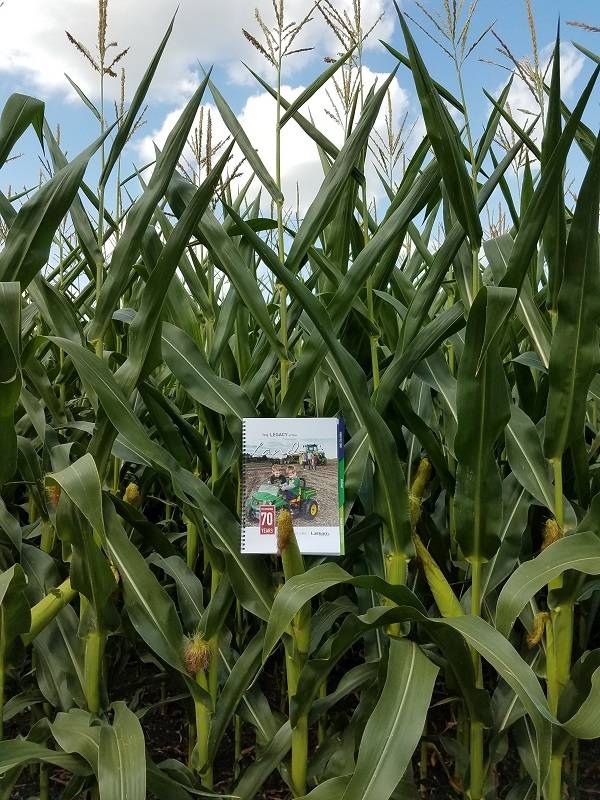
    Ken 2

    Southern Minnesota

    Brandon Wendlandt

    We’re having a great time at FarmFest! Be sure to stop by Latham Seeds’ booth (#4106) on Wednesday and Thursday to see the exciting new products we’re offering for 2018.

    Brandon


    Southern Wisconsin

    Greg Mair

    In Wisconsin, we have been spared the waterhemp resistance issues up until now.  Waterhemp is showing up in full force including the northwest, southwest, and northeast corners of the state.

    Latham® Seeds Rep Clinton Buss discusses weed escapes with a customer in Southwest Wisconsin.  Ignoring weed resistance issue will only create more resistant weeds.  Now is the time to evaluate your herbicide program and plan ahead for next season.  Keep in mind that Latham’s product lineup includes options such as LibertyLink and Xtend Soybeans.  Contact a Latham® Seeds rep to discuss the best option for your fields in 2018.

    Greg 1

    Northwest Iowa

    Darin Chapman

    These future Latham® Seed reps are excited to try flying the drone over their family farm! We took good look at our Northwest Iowa Regional Plot.

    South Central Minnesota & North Central Iowa

    Cory Greiman

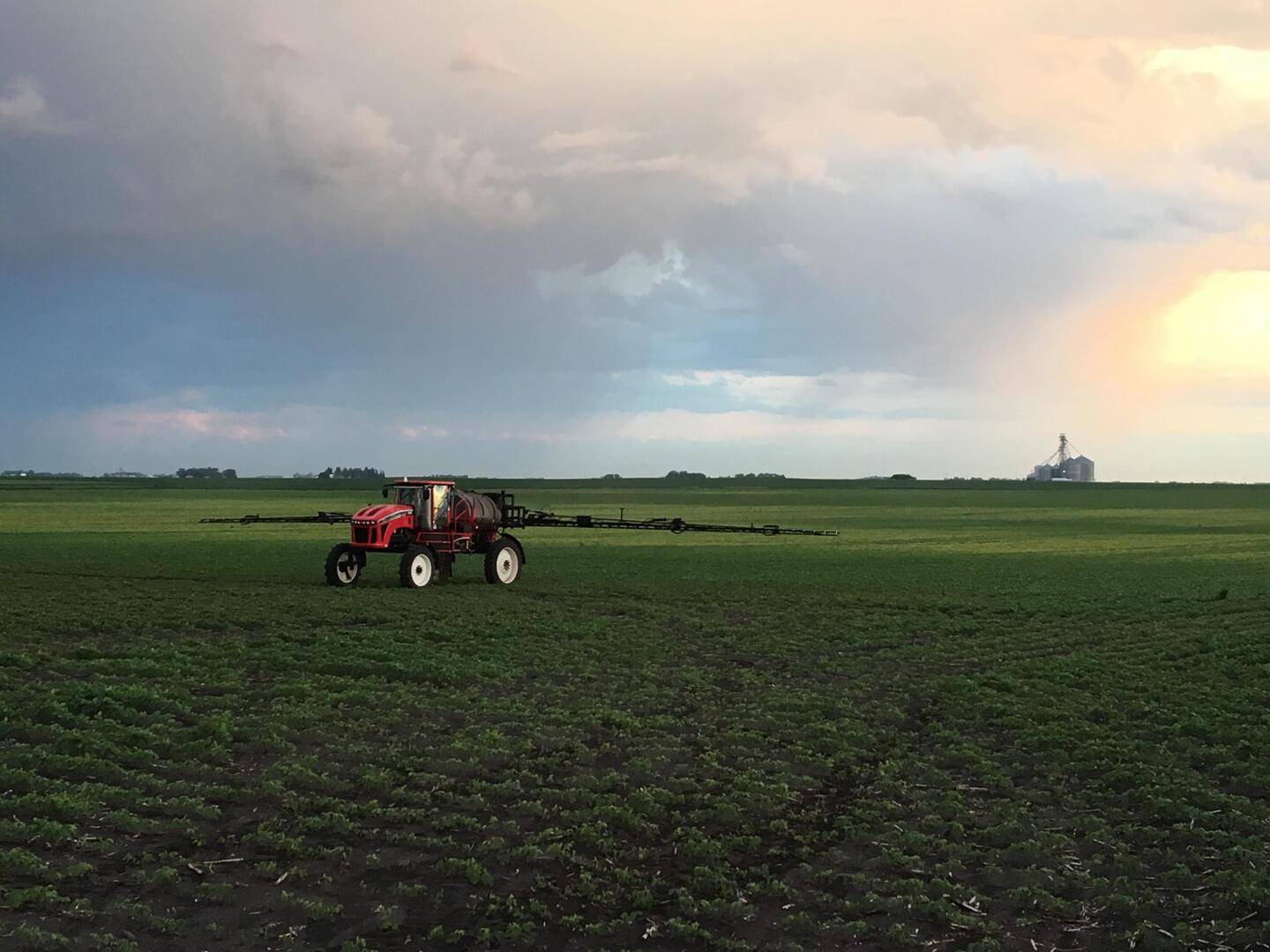
    These photos remind us of the importance of properly rinsing sprayer lines and tanks.

    Southeast Minnesota & Northeast Iowa

    Craig Haaland

    August is a key time for soybean fields to receive moisture. Soybeans in southern Minnesota are really taking off and growing rapidly now. It’s important to keep scouting as aphid populations are growing.

    Managing your corn and soybean fields is critical now. Planes, helicopters and ground sprayers have been really busy this past week putting on fungicide.

    Haaland

    West North Central Iowa

    Bart Peterson

    This field of LH 5939 SS was planted April 12 near Humboldt, in a corn-on-corn situation at 33,000 plants per acre. This field had some pollination issues due to very little rain in the last month in a half. Corn ears don’t look too bad, considering the lack of rain during grain fill.

    Eastern Iowa

    Jerry Broders

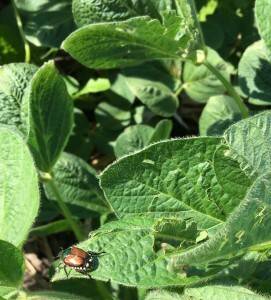
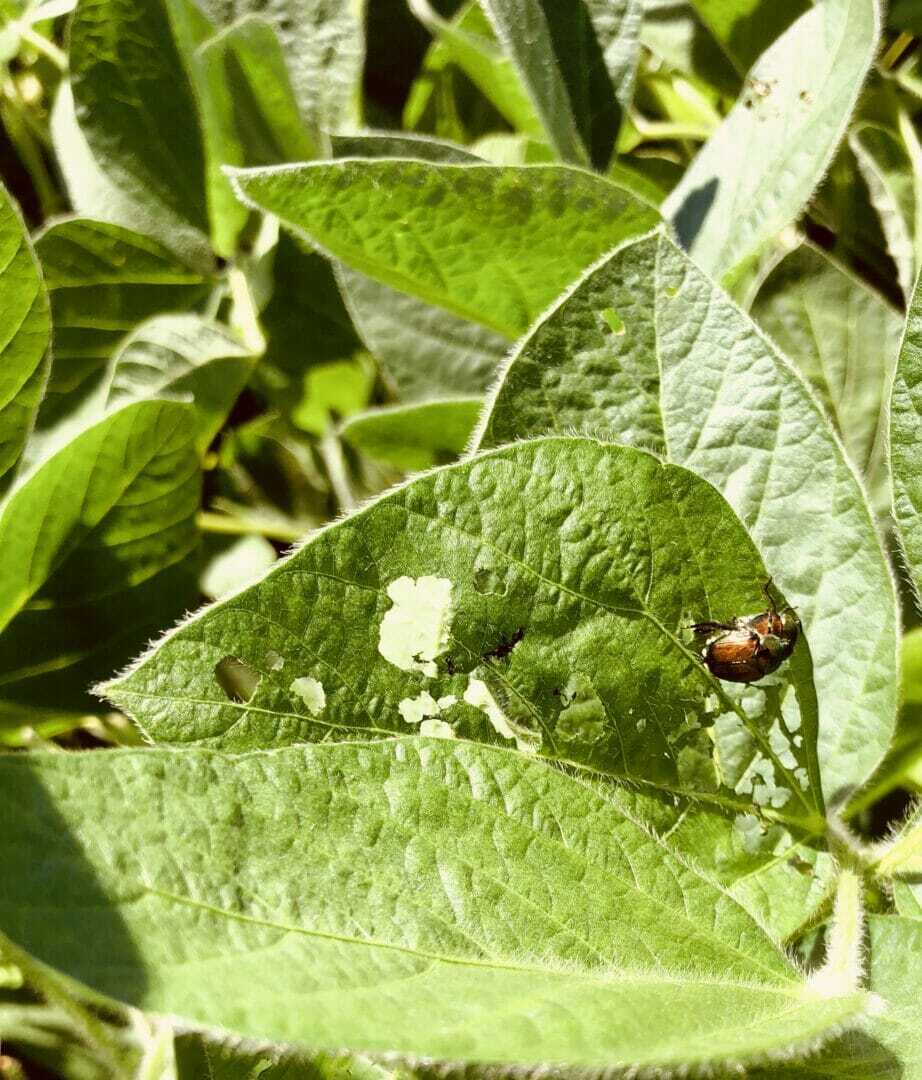
    Japanese beetles have been a problem in Eastern Iowa this summer, and some farmers are spraying for them now.  The economic threshold is 20% defoliation a reproductive growth stage in soybeans and 30% for pre-bloom soybeans. Also check your corn for silk clipping by the Japanese beetles.

    Central Iowa

    Bryan Rohe

    Japanese Beatles are showing up in fields near Madrid, Iowa. It’s important to scout fields and note defoliation as treatment might be warranted. Also look in corn fields for leaf clipping.
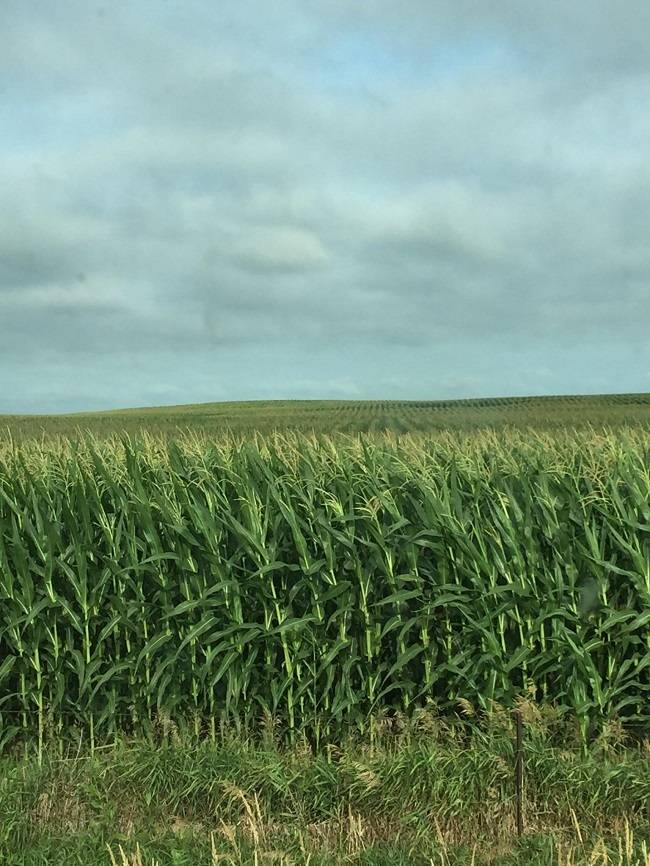
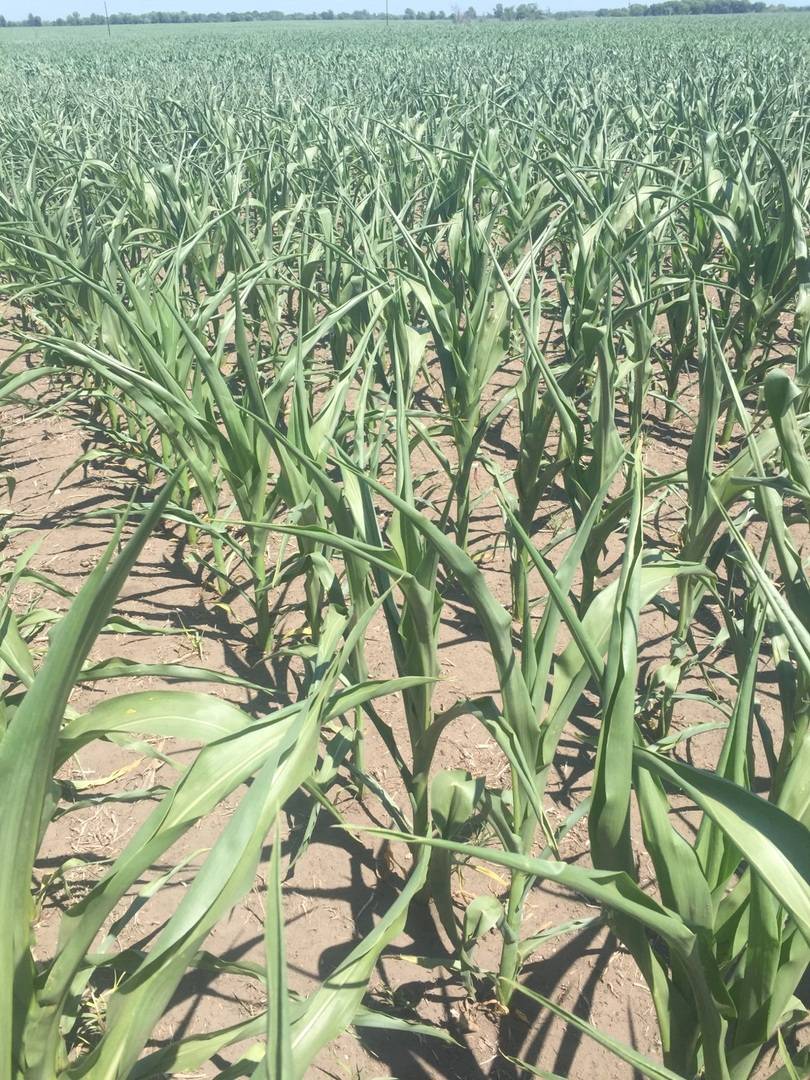
    Lack of moisture has been a problem for many fields across my territory this season, and we’re seeing signs of heat stress. For example, this field of corn near Cambridge is showing little tip back.

    Western Iowa & Eastern Nebraska

    Larry Krapfl

    Just as Iowa Secretary of Agriculture Bill Northey states last week, much of the state is very dry. Farmers are hoping for a good soaking rain as we enter August, which is a critical time for soybeans. Pastures also are in desperate need of rain, and livestock producers hope much needed moisture will fall soon.
     

    Webspec Admin

    August 2, 2017
    Corn, Crop, Season, Soybeans, Summer
  • Latham Hi‑Tech Seeds

    From the Field Crop Report: July 26

    Bryan

    Northern Minnesota

    Ken Highness

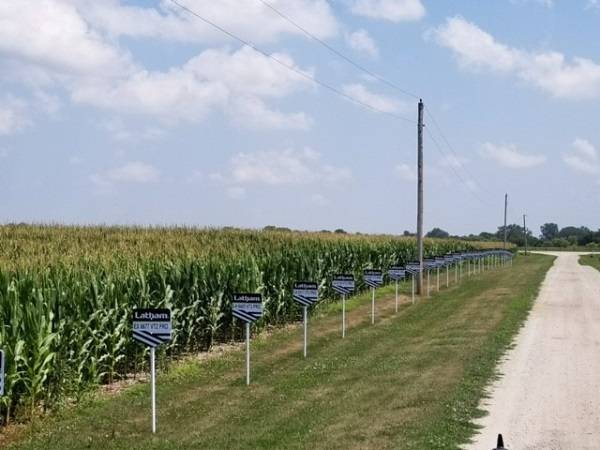
    Despite the many growing challenges we’ve had this season, Latham® Dealer Wayne Niemi’s SuperStrip plot on corner of Highway 9 and County Road 26 near Felton, Minnesota, looks great!

    Ken

    Southern Wisconsin

    Greg Mair

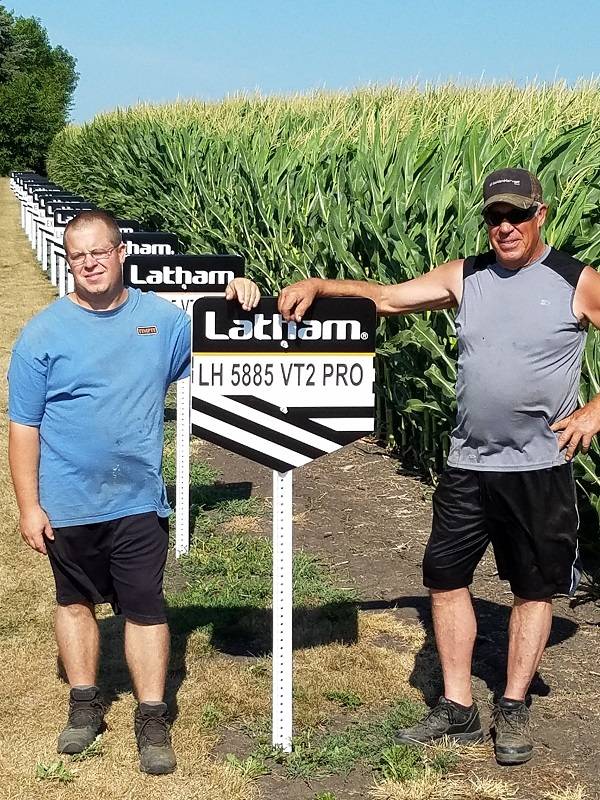
    This field of Latham LH 5885 VT2 PRO RIB withstood recorded winds of 103 miles per hour on June 28 in Livingston, Wisconsin! This field is currently at R1 and has plenty of moisture for successful pollination.
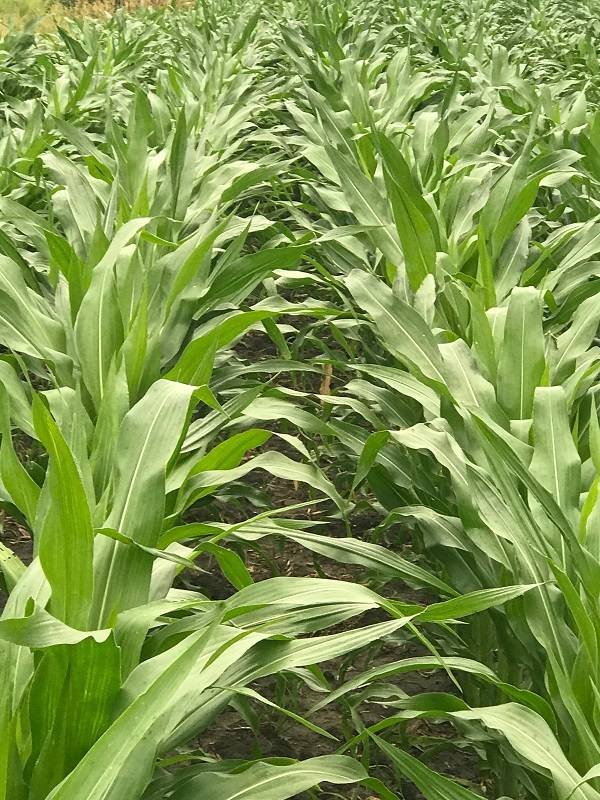
    R1 stage corn is fully tasseled and beginning to green silk. The largest yield reductions occur at this time when it is under stress.  Applying a fungicide at R1 improves disease control and protects the plant through harvest, meaning now is the optimum time for application.

    South Central Minnesota & North Central Iowa

    Cory Greiman

    Weather challenges continue. This spring farmers in this area had a hard time finding a window of dry weather to get seed in the ground, and now they can’t buy a rain to make the crop grow. These photos show a drought-stressed field of corn near Emmetsburg.
    Eastern Iowa

    Jerry Broders

    Picture from the regional plot location in South English. Go to www.lathamseeds.com/events to learn more about regional plots this year!

    Jerry 1

    Central Iowa

    Bryan Rohe

    Pollination was good in Central Iowa despite the lack of rain most areas experienced. There is still potential for good yields as long as we don’t start seeing tip back.

    The ear in this photo is 36 kernels around and 18 kernels long.

    Areas in the fields with sand knobs are showing most stress in the bean fields.

    Western Iowa & Eastern Nebraska

    Larry Krapfl

    It’s that time of year for fungicide applications! My wife shot this video from our deck, so you might say we had a front row seat to the action.

    Due to weather events earlier this season that made some fields of corn more susceptible to disease, fungicides are being applied. Even without hail, some hybrids just perform better with fungicide. That’s why you’ll see fungicide recommendations for some products in Latham’s seed guide.

    Western Iowa Crop Report Video

    West North Central Iowa

    Bart Peterson

    Thanks to this father-son Latham® dealer team for helping me sign this test plot near Rembrandt, Iowa. Mike and Chuck Specketer planted hybrids, ranging from 107 to 111 days, in this SuperStrip plot on May 6. We also put up 12 other signs in Buena Vista County. It was a very hot job to say the least, so I really appreciate their dedication.

     Bart 1

    Southern Minnesota

    Brandon Wendlandt

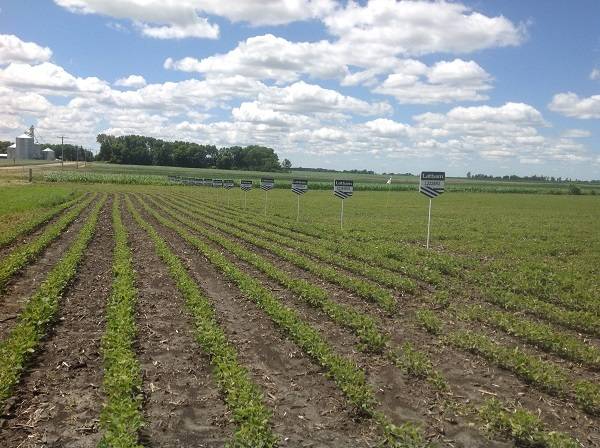
    This Latham SuperStrip corn plot in Vernon Center, Minnesota, features hybrids in maturities from 94 day to 105. Everything has tasseled and looks great. I can’t wait to get into this one in the fall!

    Screenshot (185)

    Northeast Iowa & Southeast Minnesota

    Craig Haaland

    Pictured below is Latham’s popular L2084R2 is treated with SoyShield® Plus and the other half is treated with SoyShield® Plus with ILeVo.

    A few planes and helicopters have been spraying fungicide this week. We’ve had plenty of rain in the last week, totaling about 4 inches with some damage being done by 60-70 MPH winds.

    Keep scouting your fields to stay on top of issues and to try and keep every possible dollar in your pocket.

    Latham 5062 versus a competitors grain corn. We will be testing to see how a true leafy silage corn does at tons per acre versus a standard grain corn. This field like most of my region is under considerable drought stress. The grain corn is tasseling, and the leafy silage has a lot of growth still to come. We will be putting the natural drought stress of our leafy lineup to the test this year!

    Brian M

    Northeast South Dakota

    James Keltgen

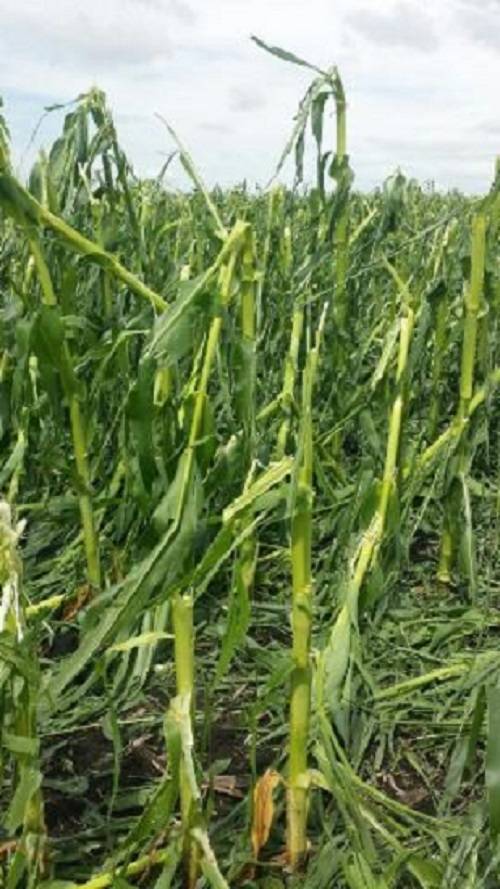
    Storms rolled through Northeast South Dakota last Friday night and again on Tuesday. Although the rain was welcome, there was damage to crops both times. Some green snap and gooseneck was observed in corn due to 60- to 80-mph winds. Hail also fell in some areas. Much of the corn is now pollinating and normal temps are forecast for this week.

    LH 4454 VT2 PRO RIB at Big Stone City, SD is pollinating and looks tremendous. Precipitation has been perfect in this location.

    James k

    Southeast South Dakota

    Ramie Coughlin

    Pollination is very uneven this year due to many early season challenges. Excessively warm nights during silking and/or lack of pollen when the tip silks emerged could lead to poor kernel set symptoms. Combine settings will be important this fall.

    Webspec Admin

    July 26, 2017
    Corn, Crop, Season, Summer
  • Latham Hi‑Tech Seeds

    From the Field Crop Reports: July 19th

    Bart2

    Southeast North Dakota

    Gary Geske

    Does anyone know what this is? I haven’t seen one of these for over 2 months! We finally got ¾” rain overnight without a lot of hail and this was the only puddle.

    Gary

    Northeast South Dakota

    James Keltgen

    Scattered rain fell again in Northeast South Dakota, leaving from a trace to 2 inches. It wasn’t widespread but some was in areas that needed it. Corn is beginning to tassel and soybeans are gaining height and flowers

    Southeast South Dakota

    Ramie Coughlin

    Latham® Dealers Matt and Taylor Sinkie took a balloon ride over their South Dakota farm this past week.

    Northern Minnesota

    Ken Highness

    This is Latham’s SuperStrip plot in Morris, Minnesota. What a great looking plot by a new dealer here.

    Ken

    Southern Minnesota

    Brandon Wendlandt

    Unsatisfied with you weed control in soybeans? Well maybe it’s time to try a different trait! Contact me to find out more details on our Roundup Ready 2, Roundup Ready Xtend and Liberty lineup!

    Brandon

    Southern Wisconsin

    Greg Mair

    Today was a good day to take crop report pictures!

    The Latham Corn SuperStrip in Ripon, Wisconsin, is nearing the VT stage. Latham’s new 99-day SmartStax LH 4919 SS is showing off its excellent roots and stalks in this plot.

    Meanwhile, across town in Ripon, the L 2482 R2 Soybeans are flowering and look excellent.  Timely rains in this area, while missing most of the heavy rains, have the area farmers hoping for another bin-busting crop in 2017.

    Northwest Iowa

    Darin Chapman

    Maximum corn water usage occurs during tasseling, and we could use some rain in Northwest Iowa. Growers will be starting to think about fungicide application. I have heard a 20 bushel advantage the last couple of growing seasons!

    Darin

    South Central Minnesota & North Central Iowa

    Cory Greiman

    This field of LH 5505 VT2 PRO in Mitchell County Iowa, and many other local fields, are starting to tassel. Corn fields have really taken off the past 7-10 days. A few fields are being sprayed with fungicide. Soybean fields are starting to fill there rows.

    We actually could use a little moisture since we’ve been getting these hot and humid days.

    West North Central Iowa

    Bart Peterson

    Yesterday I put up field signs with Latham® dealer EJ Wolter from West Bend, Iowa. His plot looks very nice.

    Bart

    Eastern Iowa

    Jerry Broders

    One advantage of working with Latham Hi‑Tech Seeds is access to seed options. You can see in this one plot that our dealer is showcasing Latham®  soybean with these traits and technologies: Balance GT, Roundup Ready 2 and Roundup Ready Xtend. We also have seed treatment options including SoyShield, SoyShield Plus, SoyShield Plus + Ilevo treated soybeans and Nemastrike.

    Western Iowa & Eastern Nebraska

    Larry Krapfl

    Fields of Latham 5405 and 5509 are looking pretty good by Castana, Iowa.

    Larry


    Webspec Admin

    July 19, 2017
    Corn, Crop, Season, Soybeans, Summer
  • Latham Hi‑Tech Seeds

    From the Field Crop Reports: July 12th

    Jerry 2

    Eastern North Dakota 

    Brain McNamee

    Once all the acres have been planted (and replanted), it’s time to clean out the sheds and get ready for the next season. Our 2018 sales season is underway now!

    Brian

    Southeast North Dakota

    Gary Geske

    Regional plot by Glyndon cleaned up and ready for signs!

    Gary G


    Northeast South Dakota

    James Keltgen

    The number of drought-affected areas is growing across South Dakota. Corn has pretty much burned up in Central SD up to about Redfield. It also looks pretty tough from Howard to Mitchell. Areas that received rains are still hanging on, but the 90- to 100-degree weather is taking its toll. Spotty rain came through Tuesday night and brought hail that ranged in size from tennis ball to softball. It’s been a rough go this year in this territory as those gentle, consistent rains needed to make a bumper crop just aren’t falling.

    Southeast South Dakota

    Ramie Coughlin

    As temperatures continue to hang out in the 90s, our corn has an onion-like appearance as a defense mechanism against the heat.

    Ramie

    Northern Minnesota

    Ken Highness

    Dairy cows on Latham® dealer Ray Beutz’s farm in Albany, Minnesota, eat contentedly.  Crops are coming along nicely. I’m standing in a very nice field of Latham’s LH 5492 GT.

    Southern Minnesota

    Brandon Wendlandt

    LH 5215 VT2 PRO RIB is starting to tassel in this field, which was planted on April 24.

    brandon

    Southern Wisconsin

    Greg Mair

    It’s important to be a vigilant scout! Japanese Beetles are just starting to feed on soybeans. They feed on green leaf tissue and fresh silks, potentially causing yield losses. Continue to scout your fields and be prepared to treat for insects if you reach thresholds. Click here for additional information about Japanese beetles, including threshold levels.

    greg

    Northwest Iowa

    Darin Chapman

    Farmers are happy with the looks of their Latham LibertyLink soybeans in Northwest Iowa! With all the different options we offer with Latham Hi‑Tech Seeds, it is good to have good communications. Remember to post flags and signs to notify others what herbicides are being used.


    South Central Minnesota & North Central Iowa

    Cory Greiman

    A big storm came through North Iowa on Monday Night. Softball size hail and 90 mile per hour winds damage near Garner, IA.Cory picture

    Southeast Minnesota & Northeast Iowa

    Craig Haaland

    This field was planted in late April near Osage, Iowa, to one of Latham’s most popular hybrids. LH 5509 SS, which was planted corn-on-corn field looks fantastic. Corn fields are looking great and the bean fields are really taken off now that we’ve had some heat. We had been experiencing a bit of a dry spell lately, so the splash of rain we received earlier this week was welcome.

    Haalands

    West North Central Iowa

    Bart Peterson

    Look at this great standing corn! This field of LH 5095 VT2 PRO RIB was planted April 11 near Rolfe, Iowa. This particular 100-day corn yield big. I’ve seen it beat LH 5215 VT2 PRO RIB, which is Latham Seeds’ #1 selling corn. Consider planting a multi-hybrid package, including these two numbers, in 2018!


    Bart

    Eastern Iowa

    Jerry Broders

    Latham corn and soybeans off to great start in Eastern Iowa @ Tim Meade plot near Iowa City. Contact your local Latham dealer to see the new products at plot near you.

    Central Iowa

    Bryan Rohe

    Tassels are forming on this corn, which was planted April 11 in Adel, Iowa.

    Western Iowa & Eastern Nebraska

    Larry Krapfl

    Adult Japanese beetles are active! Be sure you’re scouting fields to protect yield. Adults feed on soybean leaf tissues between veins. Considering treating soybeans at 20% leaf defoliation.

    Image result for japnese bean leaf beetle

    Webspec Admin

    July 12, 2017
    General, Season, Summer
  • Latham Hi‑Tech Seeds

    From the Field Crop Report: July 5

    Greg 2

    Eastern North Dakota 

    Brain McNamee

    We have had a very troubling spring with the dry planting conditions, hail, and all the replants and now the widespread drought in North Dakota.  There is a lot to feel down about, so let’s just focus on the end result and the not-so-distant past with terrific results. Here are a couple of my favorites pics from last fall.

    Southeast North Dakota

    Gary Geske

    We had a slim chance of rain Tuesday evening, but unfortunately it went around us. It would sure be nice to pick up an inch or two before this week of extremely high temps. Corn is already under significant stress.

    Geske

    Northeast South Dakota

    James Keltgen

    Hotter weather has moved in to our region, which is both a blessing and a curse. Crops are behind normal pace and need heat units, but many areas are extremely dry and need moisture. Damage already has been done to small grains and will likely incur to row crops this week if the needed rain doesn’t fall.

    Southeast South Dakota

    Ramie Coughlin

    Corn was well past knee-high this Fourth of July. While much of South Dakota is in a slight to moderate drought, there are still some areas in the southeast where moisture is not yet a limiting factor. The last couple weeks of June helped catch us up on GDUs. Although we’re just a little behind last year’s GDUs, we’re ahead of the 10-year average.

    Ramie

    Northern Minnesota

    Ken Highness

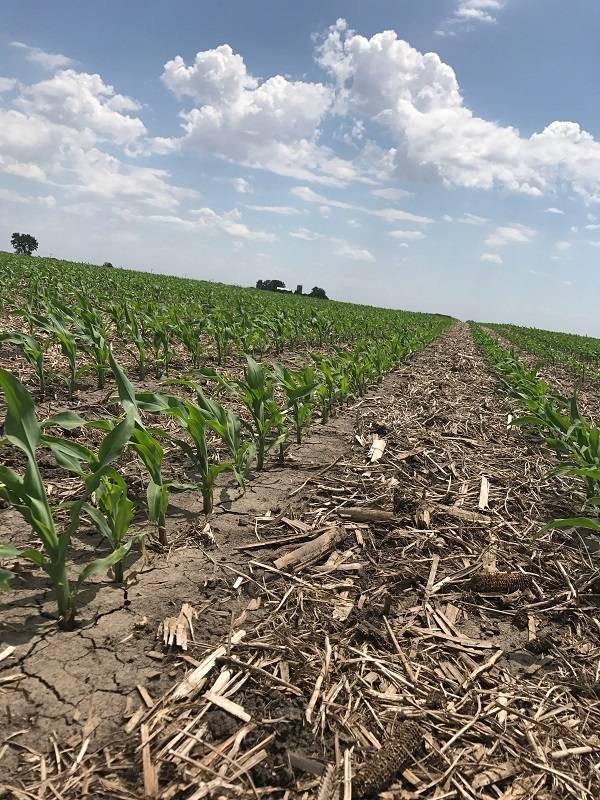
    Twisted whorl, also called buggy whipped corn, is evident in the northern part of my sales region. I took these photos July 3 near Beltrami, Minnesota.

    Although this syndrome is not fully understood by scientists, there is a correlation between its presence and weather patterns. Twisted whorl is often present when there has been a sharp transition from periods of slow corn to periods of rapid corn development, or from cool and cloudy weather to warm and sunny weather plus ample moisture.

    Southern Minnesota

    Brandon Wendlandt

    In last week’s crop report, I mentioned that I’d be eager to see the results after spraying Xtendimax on Latham brand soybeans L 2184 R2X. This picture was take three days after application. The giant ragweed is taking more time, but the waterhemp has keeled over!

    Brandon

    Southern Wisconsin

    Greg Mair

    We have had excessive moisture in Wisconsin since planting began, causing many areas of fields to be drowned out or never planted.  Due to the wet spring, these Latham Seed-2-Soil Technology and Soybean SuperStrip plots were not planted until June 1 along Highway 73 near Cambridge.  With this week’s projected forecast calling for high temps, we should see significant growth in the coming days.

    Now that spraying has been completed, it is a great time to scout your fields.  Identifying pests and determining a course of action now can potentially increase profits at harvest.

    Northwest Iowa

    Darin Chapman

    It was a great looking day at BA Farms! Hope you all enjoyed the holiday!
    Darin

    South Central Minnesota & North Central Iowa

    Cory Greiman

    Infection and disease is more likely after crops are damaged. To help protect their injured crop, farmers often apply herbicide after a hail event. Some foliar diseases, however, do not require wounds for infection. Foliar diseases favor rainy and/or humid weather like we’ve been experiencing here in North Iowa.

    Southeast Minnesota & Northeast Iowa

    Craig Haaland

    This plot conventional hybrids from of Latham Hi‑Tech Seeds is planted May 9 west of Chatfield, Minnesota. Corn around this area is really starting to take off thanks to the warm temps and rainfall we’ve been getting. Remember, it’s important to keep walking your fields to stay ahead of disease and pest pressure.

    West North Central Iowa

    Bart Peterson

    Potassium (Potash) deficiency appears as a firing or drying along the tips and edges of leaves.

    Eastern Iowa

    Jerry Broders

    The picture below shows some of the damage from a tornado near Prarieburg.

    Broders

    Central Iowa

    Bryan Rohe


    Western Iowa & Eastern Nebraska

    Larry Krapfl


    barn_flag_400


    Webspec Admin

    July 5, 2017
    Corn, Crop, Season, Soybeans, Summer
  • Latham Hi‑Tech Seeds

    From the Field Crop Report: June 28

    Highness 6.28 2

    Eastern North Dakota 

    Brain McNamee

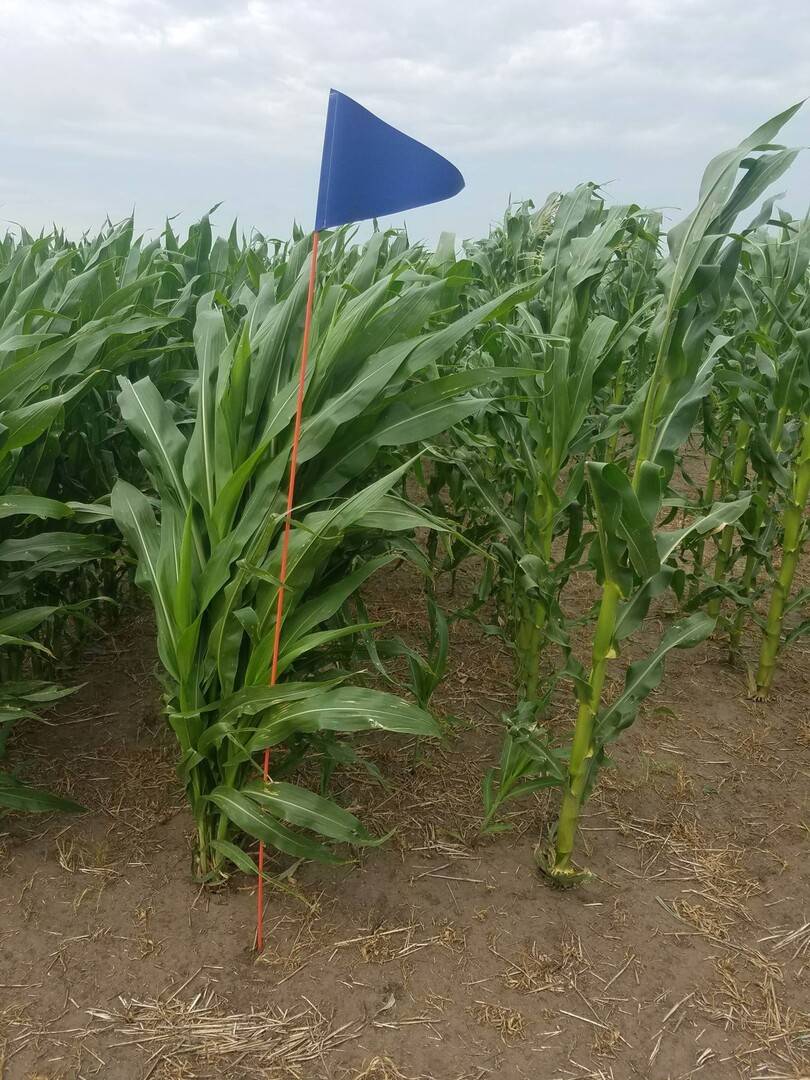
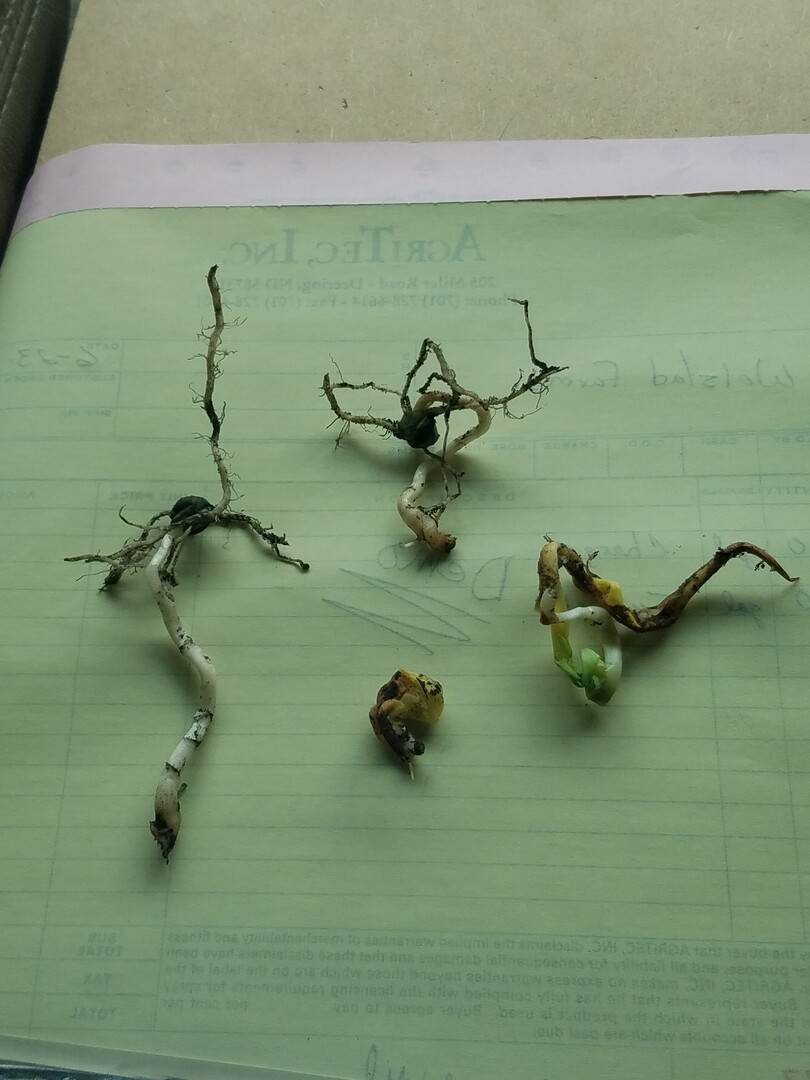
    An example of imbibitional chilling effect in Northern North Dakota. Due to cold, wet spring conditions, I’m seeing more cases of imbibitional chilling and soil compaction on more acres this growing season.

    McNamee 6.28

    Southeast North Dakota

    Gary Geske

    We’re expecting a big crop near Enderlin, North Dakota! Two slabs are ready for 35,000-bushel grain bins.

    Geske

    Northeast South Dakota

    James Keltgen

    Strong and severe storms came through Northeast South Dakota last Wednesday morning. Winds of 20 miles per hour (mph) combined with a 20-minute hail storm, leaving 2.5-inch drifts, south of Watertown. Crops and buildings were completely destroyed. There is still a fair amount of replant being put in due to the hail and poor stands from lack of moisture.

    Keltgen 6.28

    Northern Minnesota

    Ken Highness

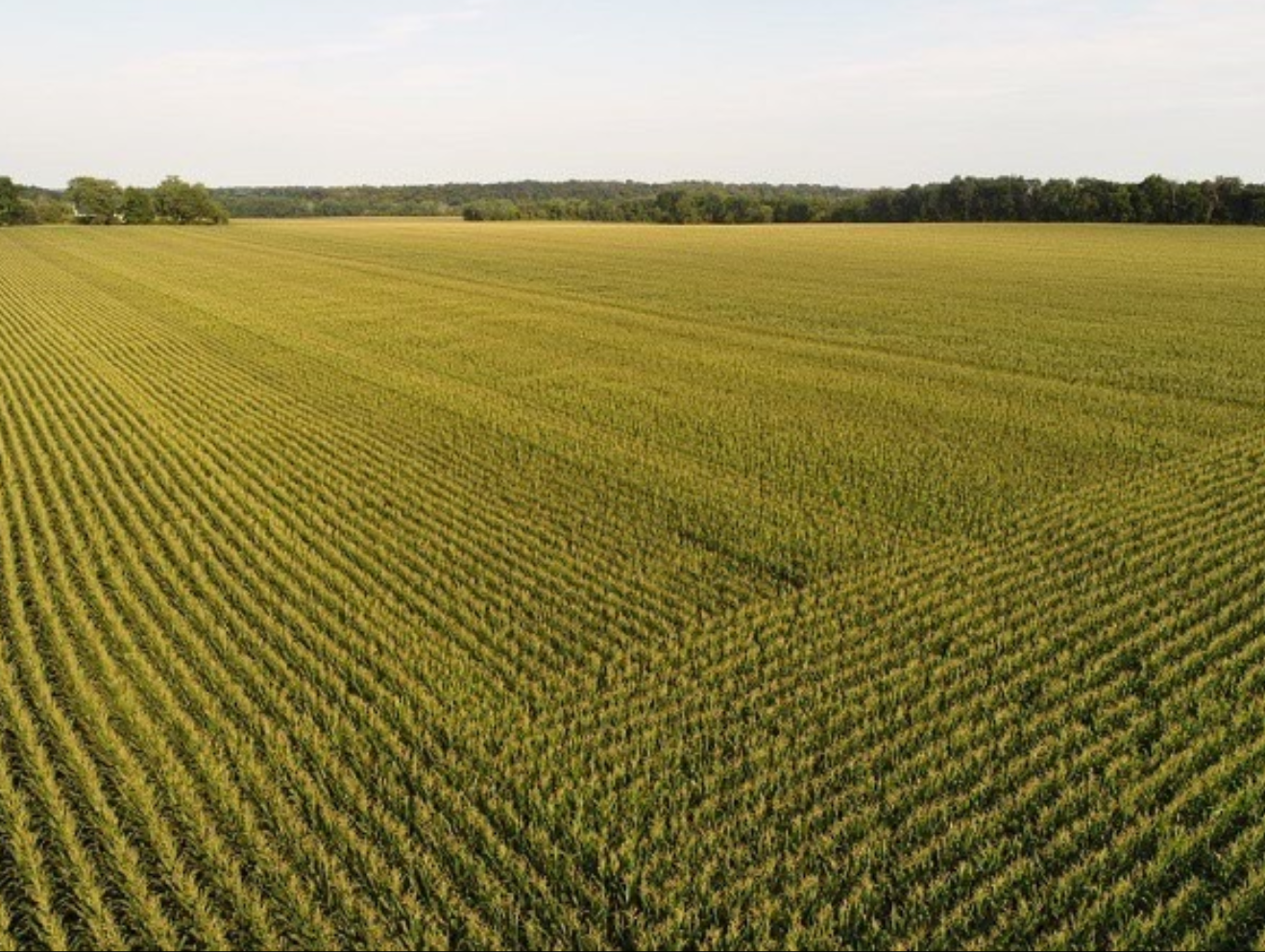
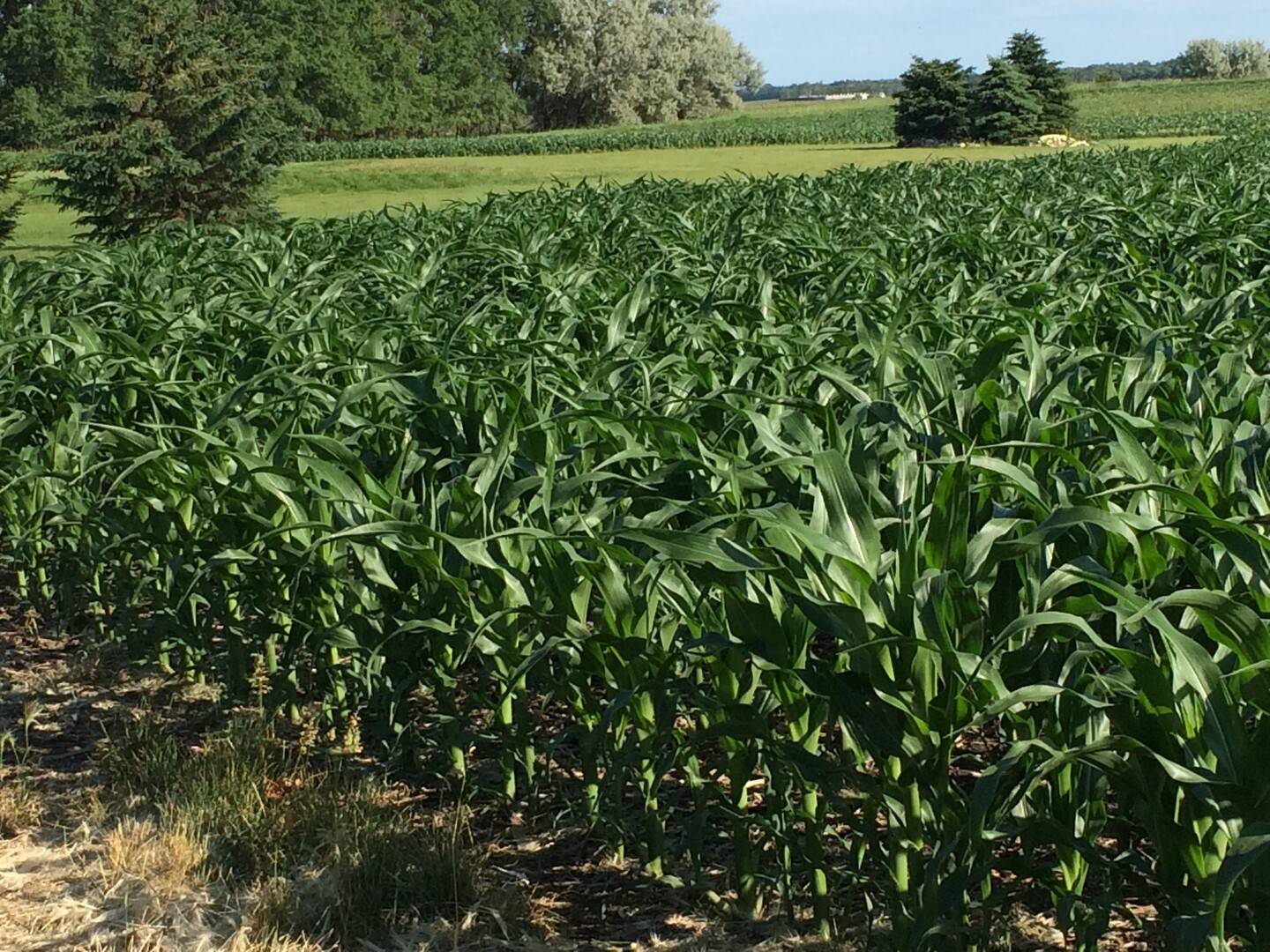
    This field of Latham 4454 VT2 PRO RIB was planted April 15 near Glyndon, Minnesota. According to an old farm adage, having corn knee-high by the Fourth of July was an important bench mark for your corn crop. Growing condition have been very favorable so far, and this farmer expects to have a good crop.

    Southern Minnesota

    Brandon Wendlandt

    XtendimaxTM was sprayed June 26 on this field of Latham® Hi‑Tech Soybeans L 2184 R2X. This photo shows glyphosate-resistant waterhemp and giant ragweed, so we’re eager to take a look at this field next week!

    Wendlandt 6.28 1

    Southern Wisconsin

    Greg Mair

    Latham® brand soybeans with the LibertyLink™ trait, pictured on the right, were planted before the rain and into good soil conditions. The Liberty soybeans on the left, however, were planted the day after the rain into wet soil conditions.  Compaction is evident in the field.  This portion of the field also crusted over severely affecting the emergence.


    Mair 6.28
    This photo emphasizes the important of planting into good soil conditions. Click here for Top 10 reasons to avoid soil compaction.

    Northwest Iowa

    Darin Chapman

    We continue to receive plenty of rainfall in Northwest Iowa along with cooler temps. Heat degree units would be beneficial!

    Chapman 6.28

    South Central Minnesota & North Central Iowa

    Cory Greiman

    It’s that time of year when Iron Deficiency Chlorosis (IDC) rears its ugly heads. Not all soybeans have the defensive package needed as evident in this field planted to a competitor’s soybeans. Keep in mind that Latham® IRONCLAD is Your Best Defense Against IDC.

    Cory 6.28 1

    Southeast Minnesota & Northeast Iowa

    Craig Haaland

    This Latham Soybean SuperStrip plot was planted May 13 north of Blooming Prairie, Minnesota, We have received adequate rainfall so far this growing season. In fact, corn and soyean fields have really changed during the last week to 10 days. It’s been amazing to watch how quickly the replanted acres have caught up with the rest of these fields. Remember to scouting your fields. Mid-season scouting is necessary to stay ahead of weeds, insects and pests!

    Haaland 6.28

    West North Central Iowa

    Bart Peterson

    Lots of spraying has been taking place in West Central and North Central Iowa this week. Here’s we’re spraying Liberty beans near Woolstock, Iowa, during a beautiful sunrise.

    Bart 6.28 1

    Eastern Iowa

    Jerry Broders

    The two photos I’m sharing this week demonstrate the resilience of corn to hail damage. One photo was taken on June 14 and the other photo was taken of the same field on June 26.

    Central Iowa

    Bryan Rohe

    Iron Deficiency Chlorosis is showing up in some soybeans fields in the area. Remember, your best defense against IDC is planting IDC-resistant soybean brands. Latham Hi‑Tech Seeds makes that easy to do with our IRONCLAD designation. These soybean fields near Story City, Iowa, are planted to Latham® brands L 2084 R2 and L 2228 R2.

    Western Iowa & Eastern Nebraska

    Larry Krapfl

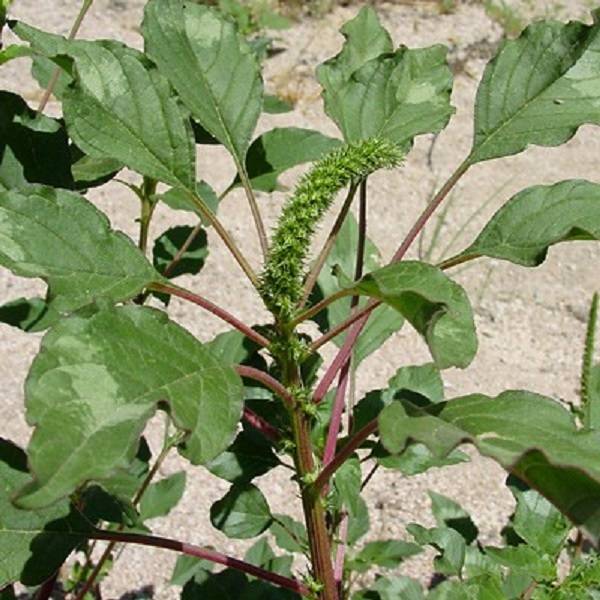
    In last week’s crop report, I began talking about the evasive weed of Palmer Amaranth. This aggressively invasive weed was found in only 5 of Iowa’s 99 counties at the beginning of 2016 but has spread to more than half the state’s counties now. Early identification is key to managing Palmer Amaranth, which is nearly identical to waterhemp.

    Another noxious weed that’s drawing serious attention is Wild Parsnip, which is commonly found in Iowa road ditches. Wild Parsnip might be confused with a wild flower, but don’t cut it for a bouquet! Touching this poisonous plant could land you in the emergency room! Sap on the plant causes a reaction on skin that turns into painful blisters, boils and scarring. Experts say if you do come into contact with the plant, to wrap up the area immediately to protect it from sunlight.

    Webspec Admin

    June 28, 2017
    Corn, Crop, Season, Soybeans, Summer
  • Latham Hi‑Tech Seeds

    From the Field Crop Report: June 21

    Brian 12

    Eastern North Dakota 

    Brain McNamee

    You can definitely see where pre-emergence herbicides worked and where they didn’t.  There are many environmental reasons, mainly dry weather, leading to really catastrophic weed control.

    Look at the Roundup Ready canola coming in this picture. You can see chemical-resistant weeds are a growing problem. This farmer will have not only a more expensive chemical bill, but his yield will be significantly less.

    Southeast North Dakota

    Gary Geske

    You’re right… this photo isn’t North Dakota. This field happens to be near Percival, Iowa. As a corn product specialist for Latham Hi‑Tech Seeds, I look at hybrids in multiple locations across eight states to take notes on stress tolerance and hybrid vigor.

    Gary

    Northeast South Dakota

    James Keltgen

    After the wild week of weather we experienced last week, things have mellowed down. Winds of 90+ miles per hour accompanied last week’s storms, ripping roofs off buildings, uprooting trees and blasting young crops. There has been a fair amount of soybeans replanted, and corn was hailed out in some areas.

    James

    Southern Minnesota

    Brandon Wendlandt

    Doing some crop scouting LH 5095 VT2, which is nearing the v7 growth stage. Now is a great time for lots of different scouting in corn. You can scout for herbicide effectiveness, plant health, bugs, and roots. Digging roots can tell you a lot about your soil structure, tillage decisions, and planting.

    Brandon

    Southern Wisconsin

    Greg Mair

    After a wonderful crop year in 2016, #crop17 has Wisconsin farmers scratching their heads.  Latham® dealer Adam Faust of Chilton continues to experience wet weather.  Northeast Wisconsin has received 7 inches (and counting) of rain this past week, causing washouts and flood warnings.  In some areas, road crews put plows on the trucks to move the mud and field debris off the road.
    Greg
    Photo Credit: Adam Faust

    Northwest Iowa 

    Darin Chapman

    Latham Hi‑Tech Seed corn and soybeans are progressing nicely in Northwest Iowa! We are looking forward to the results we see this fall. Stop by our Field Day on August 31 and see how #crop17 is coming along.

    South Central Minnesota & North Central Iowa

    Cory Greiman

    Soybean emergence is uneven due to dry conditions when planted. Now that rain has fallen, more seeds are germinating.

    Southeast Minnesota & Northeast Iowa

    Craig Haaland 

    This Latham® soybean plot was planted May 5 in Floyd County and was sprayed on Sunday. Fortunately, last week we received a total of one inch of much needed rain. Keep scouting your corn and soybean fields to stay ahead of any weed, insect or disease issues.

    West North Central Iowa

    Bart Peterson

    Got a kick out of this scene as I drove into the yard of a Latham dealer’s yard in West Central Iowa. Corn is in the V6 development stage and soybeans are between V1 and V3. We are not desperate for rain, but it is welcomed!

    Bart

    Eastern Iowa

    Jerry Broders

    We had a hail event go through the region on June 14, causing widespread damage in Linn County.

    Central Iowa

    Bryan Rohe 

    Hail the size of golf balls and baseballs caused severe crop damage around Earlham, Iowa. Many fields in the area are a complete loss.

    Western Iowa & Eastern Nebraska  

    Larry Krapfl

    It is that time of year to keep a watchful eye on fields for the most feared weed in the industry… Palmer Amaranth. This is a stock photo of an image that all producers should have seared into  brains.

    Larry

    Webspec Admin

    June 21, 2017
    Corn, Season, Soybeans, Summer
  • Latham Hi‑Tech Seeds

    From the Field Crop Report: June 14

    Darin2

    Eastern North Dakota

    Brain McNamee

    The good news is that rain finally fell in some drought-stricken areas. Too bad last weekends weather event also delivered damaging hail as pictured in this field near Rugby, ND. This field was a total loss with less than 5% viable plants left.

    Fortunately, the two showers that followed this storm delivered more rain and zero hail.

    Emergence before the storm was very erratic, causing plant stand evaluations to be difficult. Because we haven’t had rain for so long, soybeans were planted into dry dirt and laid dormant for three weeks.

    You know the hail damage is bad when cattail sloughs look like this!

    Southeast North Dakota

    Gary Geske

    My grandkids helping scout a field of Latham LH 3877 VT2 PRO RIB.

    Mid-season crop scouting is important for two reasons: (1) different weed, insect and disease pressures become evident this time of year; and (2) summer months are a crucial time to decide which traits to implement when buying seed for the next crop year. Click here for more crop scouting tips.

    Geske

    Northeast South Dakota

    James Keltgen

    It’s been an active week of weather in NESD. 3-6 inches of rain fell in the Clark and Watertown areas. Damaging winds and hail leveled fields northeast of Watertown. The good news is rain fell in the worst drought areas in central SD this week. There has been damaging storms this weekend in SD the last 3 years. Growers are baling winter wheat for feed near Gettysburg. Spring wheat may be too short to cut. Pastures are brown but corn and soybeans held on long enough to catch rains.

    Southeast South Dakota

    Ramie Coughlin

    Look what’s cropping up in Southeast South Dakota… This week my family and I welcomed our fourth member. Daxton Ryan said hello to the world at 12:40 am on June 13, weighing in at 6 pounds, 15 ounces and stretching to 20 inches long. He is loving life on the outside, and we are loving life with him!

    Ramie

    Northern Minnesota

    Ken Highness

    My grandson Casen and I are doing root digs on Latham’s experimental corn varieties in a SuperStrip plot near Felton, MN. This plot was planted May 7. At this stage, the root mass is well developed. The very white roots indicate an excellent healthy plant.

    Ken

    Southern Minnesota

    Brandon Wendlandt

    Storms came through much of southern Minnesota on Sunday and Monday and brought much needed rain. While some areas reported more, I received 2 inches of rain at my house. Some small hail was reported with the storm, but we haven’t seen crop damage from it here. Other areas did receive damaging hail and winds, so it will take a few days to assess the damage and decide a course of action.

    Brandon

    Southern Wisconsin

    Greg Mair

    The cold, wet spring has caused stand reductions in all crops across the Corn Belt. A final stand evaluation is a key component to yield at harvest.

    Using the Hula-Hoop method for soybeans, we determined this location in Deerfield, Wisc. had an average stand of 130,000 plants per acre (ppa). We threw a 36″ hula-hoop around the field and calculated the number of plants within by the corresponding factor (6,165) to get plants per acre. Click here for more tips on assessing corn and soybean stands.

    Northwest Iowa

    Darin Chapman

    Check out the picket fence stand and great emergence from Latham’s LH 4955 VT2 PRO!

    Northwest Iowa just received a couple shots of much needed rain in the last couple of days.  Unfortunately, some received damaging hail with that rain.

    Darin


    South Central Minnesota & North Central Iowa

    Cory Greiman

    When spring weather is wet, some farmers get overly anxious about getting seed in the ground.  We understand their sense of urgency, but we also know they’ll have better results if they wait for more suitable field conditions. Here’s a case in point see the wheel track compaction in a corn field due to working it when soils were too wet?

    Top 10 Reasons to Avoid Soil Compaction:

    1. Causes nutrient deficiencies
    2. Reduces crop productivity
    3. Restricts root development
    4. Reduces soil aeration
    5. Decreases soil available water
    6. Reduces infiltration rate
    7. Increases bulk density
    8. Increases sediment and nutrient losses
    9. Increases surface runoff
    10. Damages soil structure

    Click here for tips to avoid soil compaction.

    Cory

    Southeast Minnesota & Northeast Iowa

    Craig Haaland

    This nice looking field of LH 5010 conventional corn was planted around May 7 in Dodge Center, Minnesota. Fortunately, we’ve finally received some much needed rain. This hot, humid weather pattern is sticking. It’s going to be important to scout your fields to stay ahead of any insect and disease pressure.  Scouting fields also can help you note changes needed to your 2018 crop plan.

    Craig

    West North Central Iowa

    Bart Peterson

    LH 5095VT2 PRO, planted April 11, near Rolfe in West Central Iowa has already canopied. Corn is at V6 to V7 stage.

    Bart

    Eastern Iowa

    Jerry Broders

    Time of planting and soil conditions have played a huge role in soybean emergence this planting season.

    These photos were taken last week at planting time. Dry soil needs rain to help move along these plants.

    Central Iowa

    Bryan Rohe

    High heat and no moisture is casing corn plant in Central Iowa.

    Bryan

    Western Iowa & Eastern Nebraska

    Larry Krapfl

    Photo 1

    LH 3158 LL planted April 18  full shade on the 15-inch rows

    Photo 2

    This field of LH 6317 VT2 PRO DG RIB, which was planted April 12, will be knee high before the 4th of July.

    Photo 3 

    LH 6175 VT2 PRO RIB is nearly waist high on this Latham dealers farm in western Iowa


    Webspec Admin

    June 14, 2017
    Corn, Crop, Season, Soybeans, Summer
  • Latham Hi‑Tech Seeds

    From the Field Crop Report: Week of June 7

    James 2

    Eastern North Dakota

    Brain McNamee

    We talk about the importance of field-by-field placement, and here’s a textbook example. I was driving around my territory when I saw this field and stopped to visit with the farmer about his situation.

    Given the weed pressure in this field, different soybean seed technology should have been used. One advantage of working with independent Latham Hi‑Tech Seeds is that we sell all technology platforms, so we can work with farmers to help them chose the best system for a given situation.

    If this particular farmer could have a do-over, he would have selected a different pre-emergence herbicide. A full quart of Powermax® and Authority® Assist did nothing to this marestail. Fortunately, an agronomist found a recipe to take care of 90% or better of these glyphosate-resistant buggers.


    Northeast South Dakota

    James Keltgen

    Rain has yet to fall in the areas where it’s needed the most. Rain is desperately needed as both corn and soybeans have yet to emerged due to dry soils. In areas that received moisture, the heat is moving corn development along. Soybeans range in stages. Wet spring weather in some areas delayed planting, so farmer there are working to finish now.

    James 1

    Photo 1: LH5095VT2 nearing V5 stage

    James 2

    Photo 2: Soybeans aren’t poking through yet

    Southeast South Dakota

    Ramie Coughlin

    We’re starting to be able to row soybeans. Some plants even have the first trifoliate. Click here to see what each stage of plant growth looks like.


    Northern Minnesota

    Ken Highness

    My grandson Braxton and I were scouting a soybean field near Glyndon, Minnesota, for emergence and symptoms of any seedling diseases.

    Ken Highness

    Southern Minnesota

    Brandon Wendlandt

    A customer invited me to walk this field with him late last week. He was very impressed with his Latham® hybrids and was excited to show me the emergence of LH 4455 VT3 PRO RIB. This field was planted April 20 with a population at 35,500. The right half of this picture shows LH 4455 VT3 PRO RIB, and we assessed stand counts at 35,000 plants! The left half of the picture shows the competitor at 26,000 plants.
    Brandon

    Southern Wisconsin

    Greg Mair

    Wisconsin’s wet and cold weather has straightened out! We’re finally getting sun and heat. I can’t believe I am saying this, but some of the later planted fields could actually use a shower.   Around Janesville, Wisconsin, almost all of the soybeans are popping through the soil. This field of Latham® IroncladTM 2084 R2 Soybeans, which was planted on May 31, shows great growth in just one week.

    Greg

    Northwest Iowa

    Darin Chapman

    Following another wet spring, farmers in Northwest Iowa are in a position where they have to make the difficult decision whether or not to replant due to heavy rains, drowned outs, and crusting. The timing of rainfall is key, and we could use a gentle shot of rain here in Northwest Iowa!

    Darin

    South Central Minnesota & North Central Iowa

    Cory Greiman

    You see some interesting things while scouting fields.  Pink colored seed treatment shell is still on cotyledons of this emerged soybean plant.


    Southeast Minnesota & Northeast Iowa

    Craig Haaland

    This field of Latham® 2084 R2s was planted May 14 in 7.5-inch rows at 140,000 population into no-till. It’s looking good considering no rain has fallen since then in Mitchell County. Our crops could really use a drink.

    Craig Haaland

    West North Central Iowa

    Bart Peterson

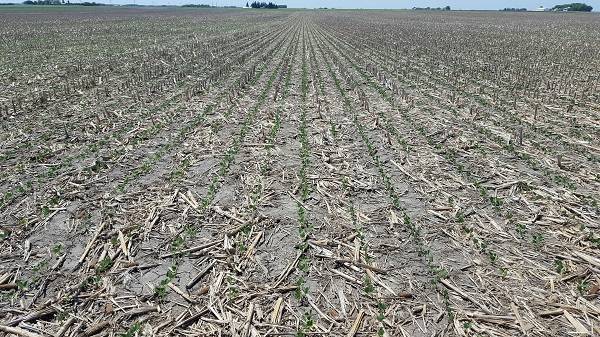
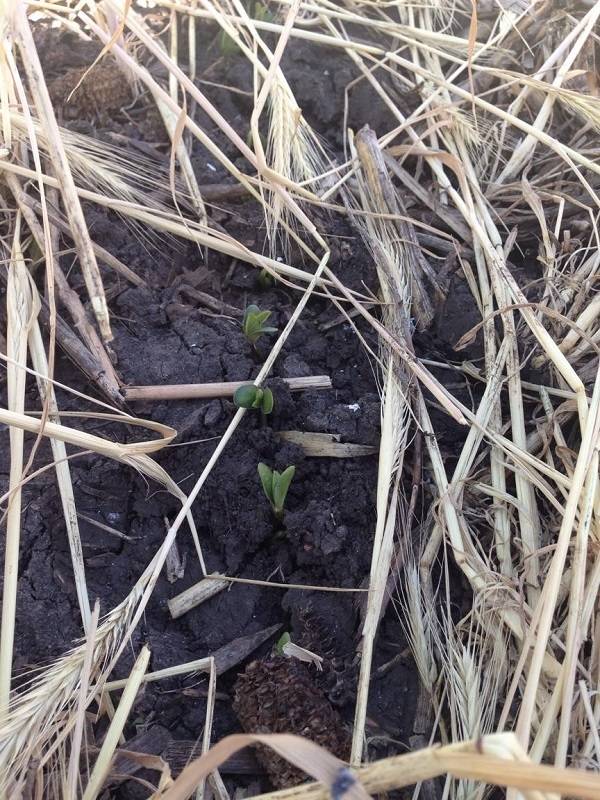
    If you look closely, you can see soybeans poking their heads above the ground into the dead rye cover crop. Marvin Beneke, a Latham dealer from Palmer Iowa, sent to pic to me last week.

    Bart 1

    Eastern Iowa

    Jerry Broders

    Many farmers are apply post-emerge herbicides on corn and soybeans. For best results, it’s important to follow label directions on all post-herbicide applications. Remember, it’s is not the height of the corn that matters but rather the stage of growth.

    Also be sure to keep an eye on your crops for cutworms and army worms. They are out there and can be devastating on your corn crop.


    Central Iowa

    Bryan Rohe

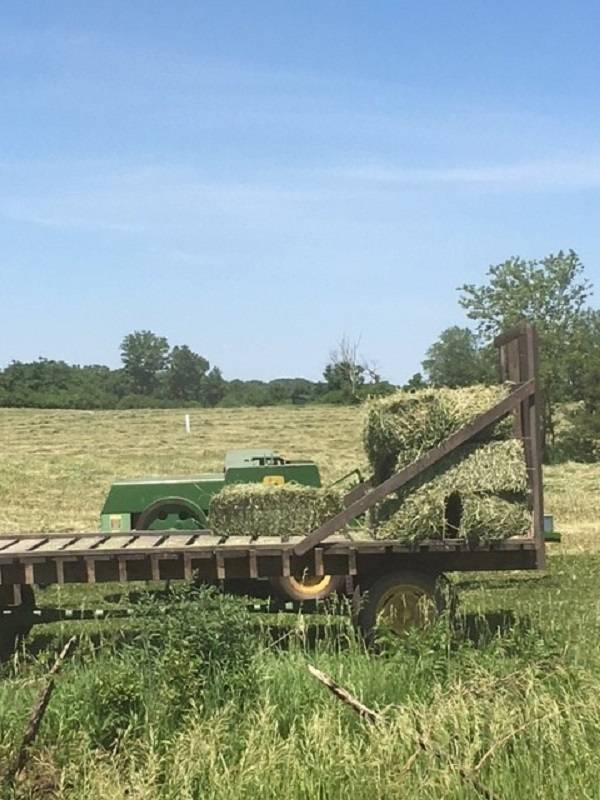
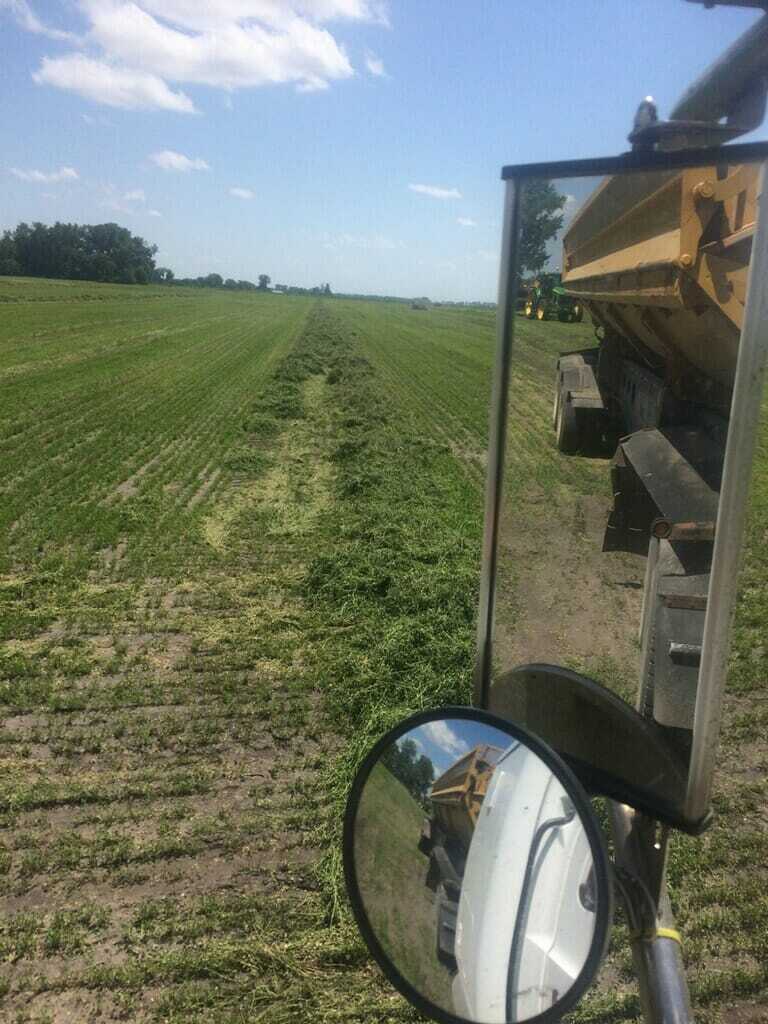
    You know what they say, “make hay when the sun shines.” This week lots of mowing, raking and baling is being done across Central Iowa.

    Rohe

    Webspec Admin

    June 7, 2017
    Corn, Crop, Season, Summer
  • Latham Hi‑Tech Seeds

    Field Notes Made Now Can Help Prioritize Fields for Harvest

    Week after week, in our Wednesday crop reports, we’ve reported the amount of rainfall that has been received from eastern Iowa to Nebraska and up to North Dakota. Continuous rainfall prolonged the planting season and made it a challenge for farmers to apply herbicides in a timely manner. Now we’re seeing the effects that wet weather has had on root development and stalk strength.

    Sunday’s wind and rain events across Latham Country caused corn to lodge in many fields. Hail damage, disease and other factors could put crop standability at risk. If this happened in your area, make notes now and take that damage into consideration as fall harvest approaches.

    Warm, moist soils are great breeding grounds for weeds and pathogens. That’s why so many farmers are considering whether to apply fungicide.  Mud that cakes on leaves and stalks from ponding or flooding encourages fungal and bacterial diseases to attack damaged plant tissue. If damage is severe enough, the plants won’t live through the growing season. That’s why farmers will be consulting their seed product guides and talking with local dealers to see on which hybrids fungicides are “highly recommended” or “recommended.”

    Knowing what has caused stalk lodging helps determine the best course of action. Four common cause of lodging include: (1) Weather, (2) Insects, (3) Diseases and (4) Other Stresses like extreme soil moisture or drought, nutrient deficiencies, and corn-on-corn rotations to name a few.

    More than anything, we’re seeing shallow roots developing as a result james downed cornof this spring’s wet weather. Saturated soils inhibit roots from developing deep into the soils. We’re also seeing poor root formation in fields that were planted too wet as soil compaction prevents roots from growing down into the soil.

    Root function deteriorates in saturated soils, making the corn more prone to green snap and root lodging. The risk of green snap is exacerbated because right now corn plants are growing so quickly given our hot, humid environment. Weak roots also predispose these corn plants to late-season root and stalk rots. Fields will need to be monitored; during September and October, harvest-strategies may need to be modified. Careful scouting now and prioritizing fields for harvest according to condition can help prevent field losses due to low stalk quality.

    Even before we received this last rain event, scouting was going to be more critical than ever this growing season because this crop has been stressed since seed went in the ground. Seed corn planted into wet soils is prone to problems throughout the growing season such as: stunted plant growth; slow infiltration of water and/or ponding; high surface runoff under normal or light rainfall; poor root system development, or rootless corn; and even nutrient deficiency.

    Webspec Admin

    July 9, 2015
    Agronomics, General, Season, Summer
Previous Page
1 … 11 12 13 14 15 … 17
Next Page

Latham Hi‑Tech Seeds

131 180th Street | Alexander, IA 50420

(641) 692-3258

SIGNUP FOR OUR NEWSLETTER
  • Contact
  • Legal
  • Dealer Center
  • Seedware Login
  • Latham Gear

© 2025 Latham Hi‑Tech Seeds. All rights reserved. | Iowa Web Design by Webspec | Privacy Policy

Latham® Hi-Tech Seeds is a trademark of M.S. Technologies, L.L.C., 103 Avenue D, West Point, IA 52656.