Latham Hi-Tech Seeds

(641) 692-3258

  • Home
  • Performance
  • Products
    • Corn
    • Soybeans
    • Soybean Blends
    • Alfalfa
    • Corn Silage
    • Seed Guide
  • Find a Rep
  • Media
    • Blog
    • News
    • Videos
    • Podcasts
    • TECHTalk
  • About Us
    • Company History
    • Our Mission
    • Careers
    • Become a Rep
    • Sowing Seeds of Hope
  • Contact Us
  • Latham Hi‑Tech Seeds

    From the Field Crop Reports 9/5/18

    James 1

    EASTERN IOWA

    Jerry Broders

    Eastern Iowa has received a lot of wind and rain during the past week. The crop continues to mature, and we’re holding plot tours around the region. Remember Latham’s Field Day will be Sept. 14 at the home farm in Alexander. You’re invited to road trip to North Central Iowa!

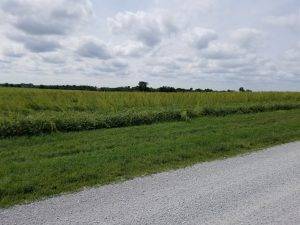
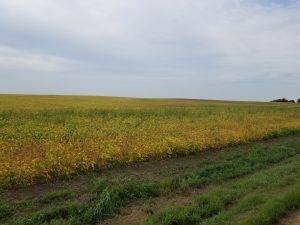
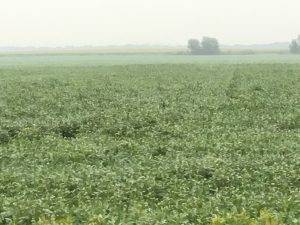
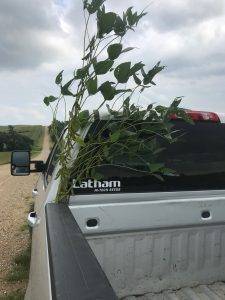
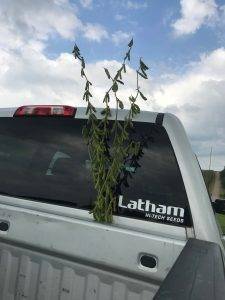
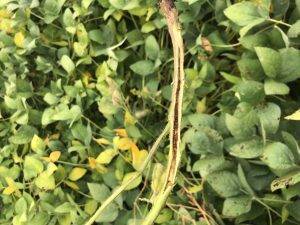
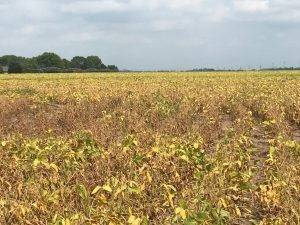
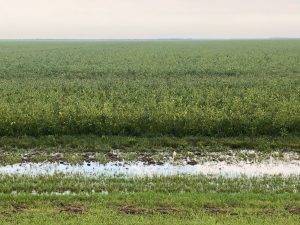
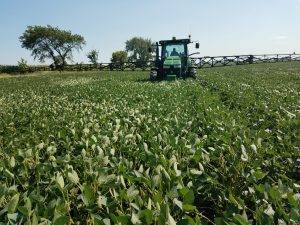
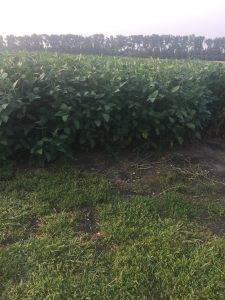
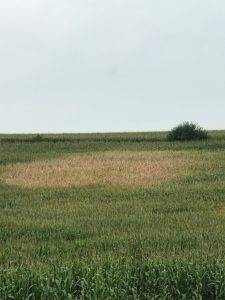
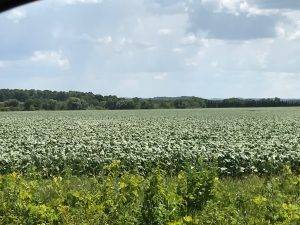
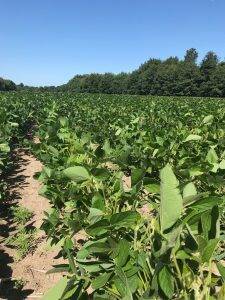
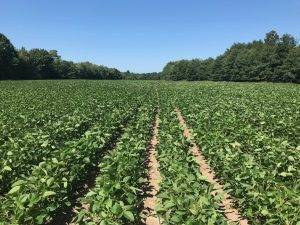
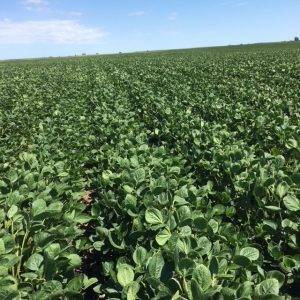
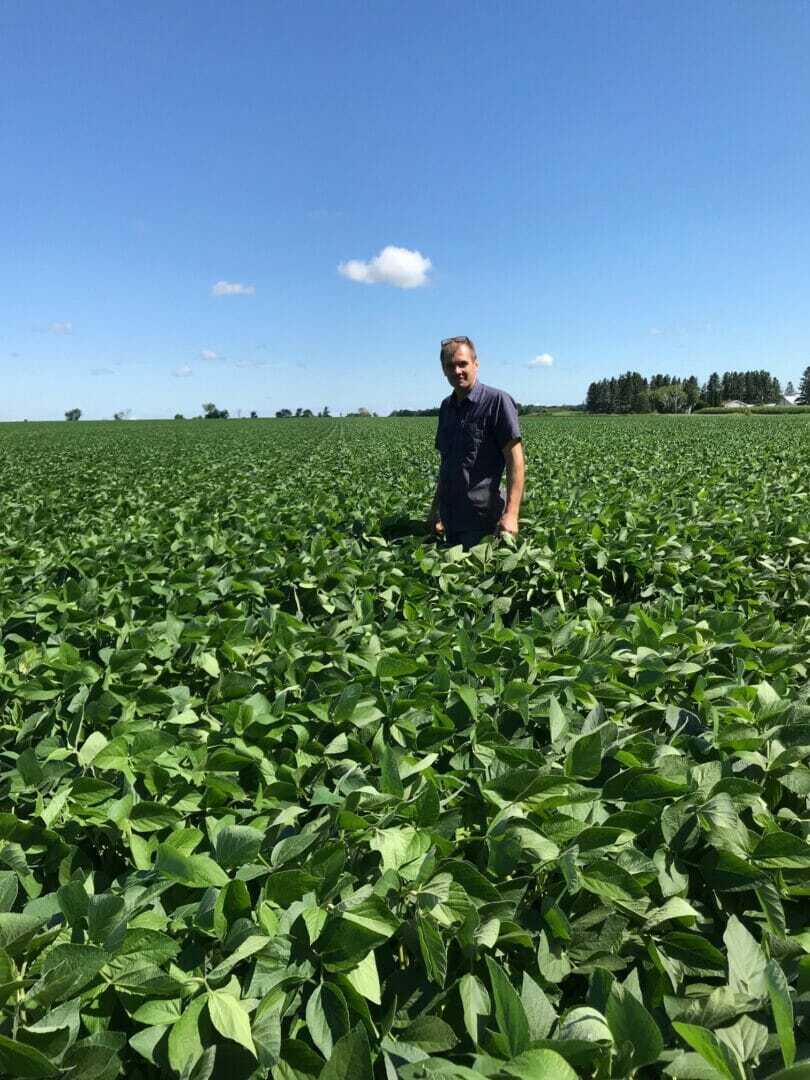
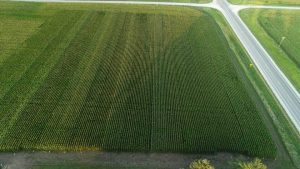
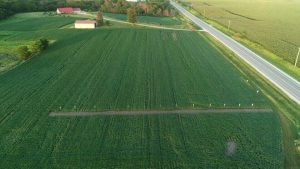
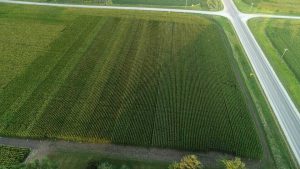
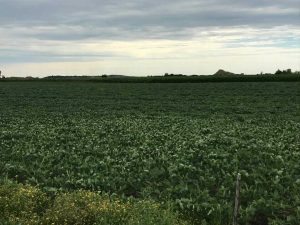
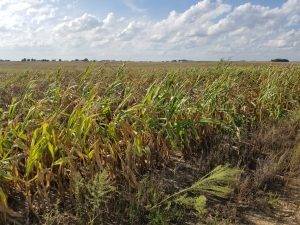
    At Latham Hi‑Tech Seeds, we’re all about options for farmers. Pictured here is a soybean field by Muscatine, Iowa. It is hard to tell if this is soybean or waterhemp field! We have trait options to take care of this issue, so talk to your local Latham® representative for the best choices for your operation. 
     Jerry 1

    Jerry 3

    Jerry 2


    CENTRAL IOWA

    Bryan Rohe

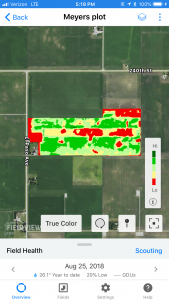
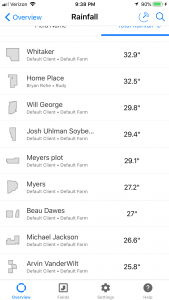
    Curious as to how much rain has fallen? Climate FieldView is a very helpful – and free – tool that allows you to check rainfall even when you’re away from your home. Plus, you never have to remember to dump the gauge. 

    Weather is one of the factors we can’t control. However, this data allows us to track how different hybrids respond to rainfall amounts. It’s one more way we can help select the best seed for each field.
     Bryan 1


    NORTHEAST IOWA & SOUTHEAST MINNESOTA

    Craig Haaland

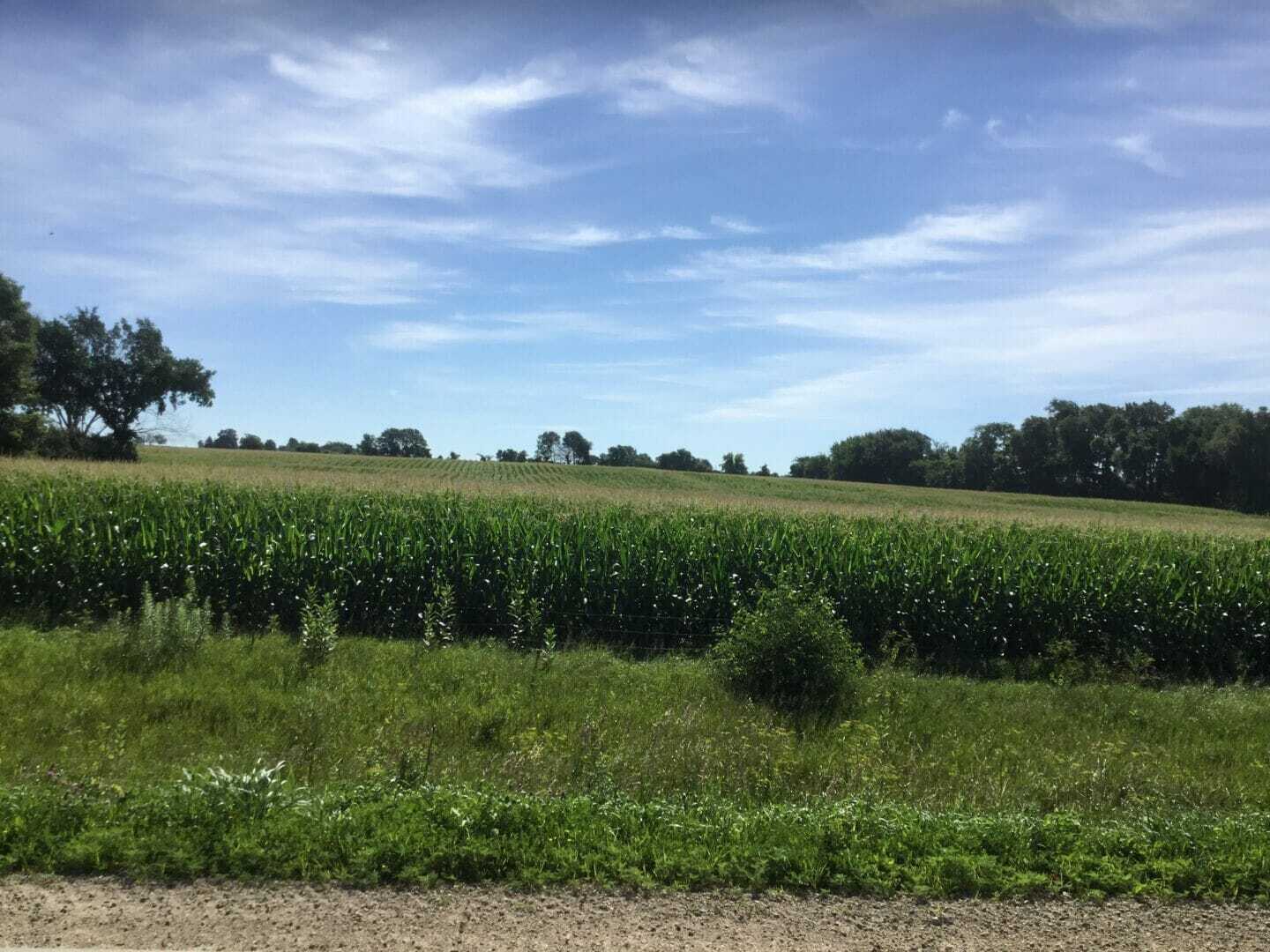
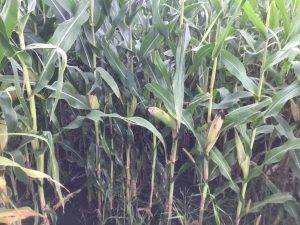
    Here is a field of Latham® LH 5099 SS RIB in Mitchell County, Iowa, that was planted corn-on-corn.

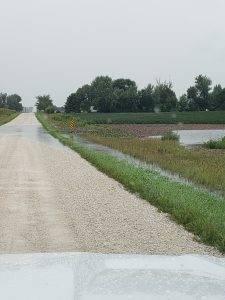
    Rain, rain and more rain! That’s what Mother Nature has been giving us during the past couple of weeks.

    Some areas have received 7 inches in just a few days. We hope fields dry quickly because harvest is inching closer.
    Craig 1

    WEST NORTH CENTRAL IOWA

    Bart Peterson

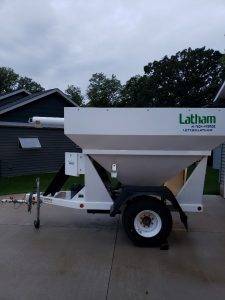
    Last week I got the weigh wagon tuned up and the oil changed. We’re ready for Latham® SuperStrip Plots, co-op plots and side-by-side checks!
    Bart 2

    NORTH CENTRAL IOWA & SOUTH CENTRAL MINNESOTA

    Cory Greiman

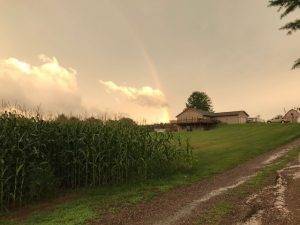
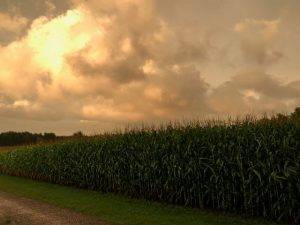
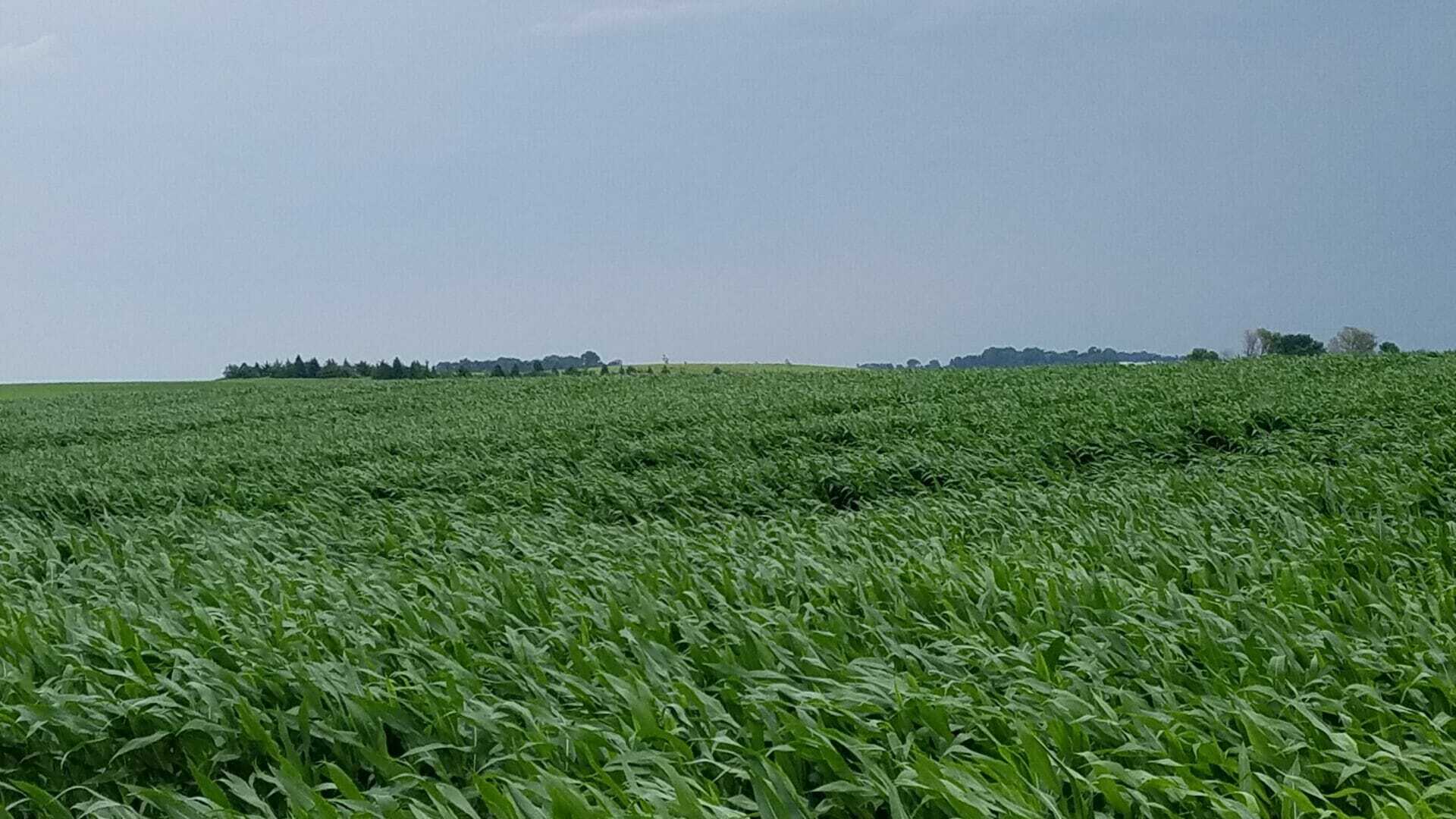
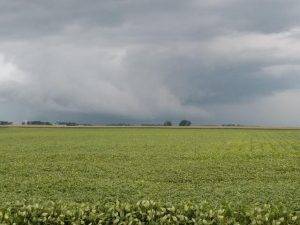
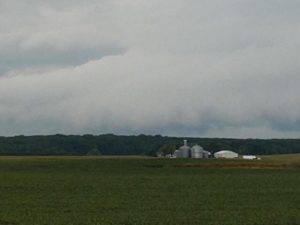
    We’ve experienced one storm after another. Pictured here are warning clouds and heavy rain near Algona, Iowa.
    Cory 1
    Cory 2


    NORTHWEST IOWA

    Darin Chapman

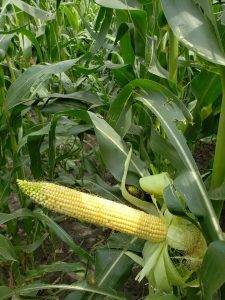
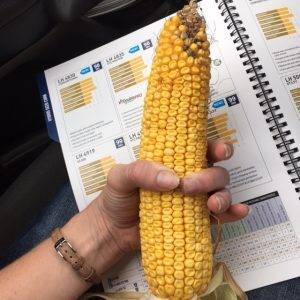
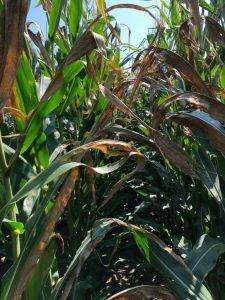
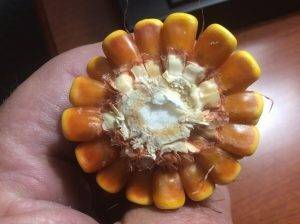
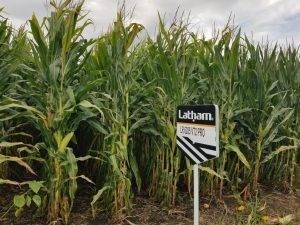
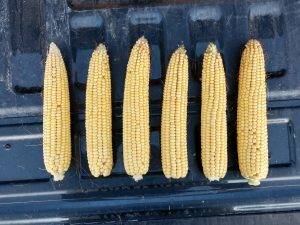
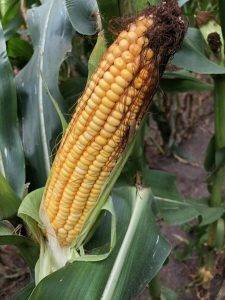
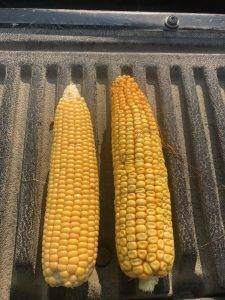
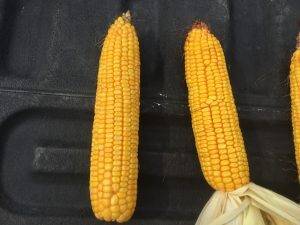
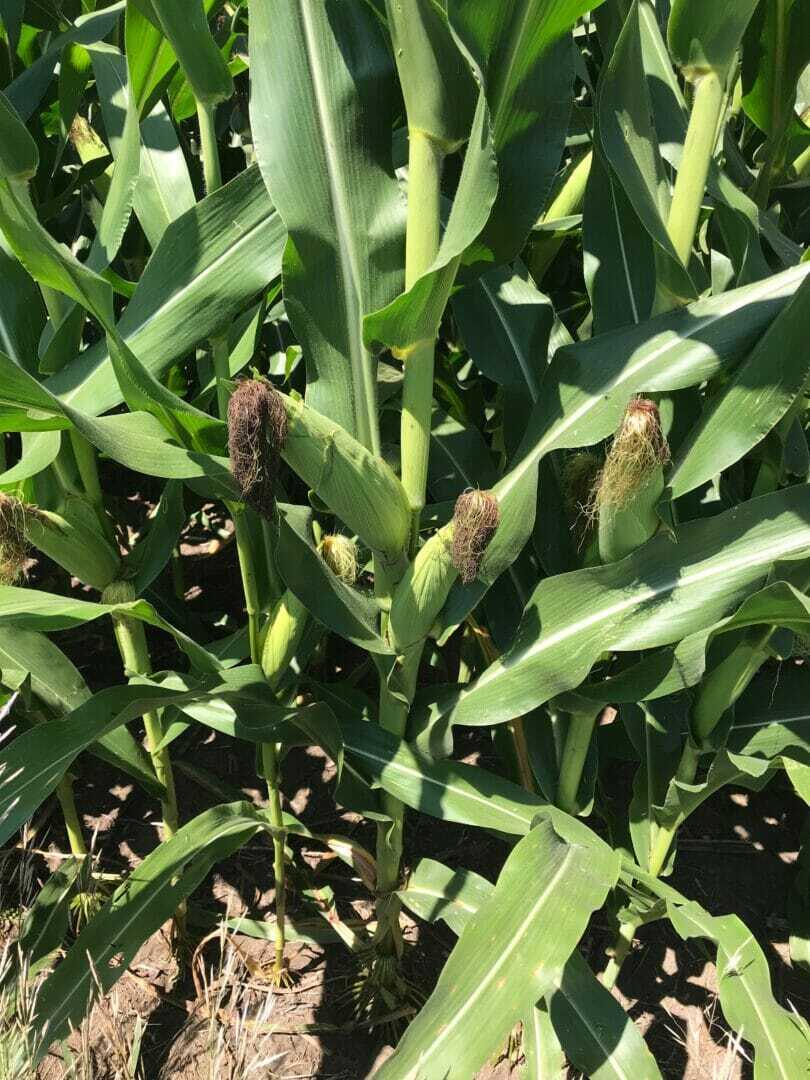
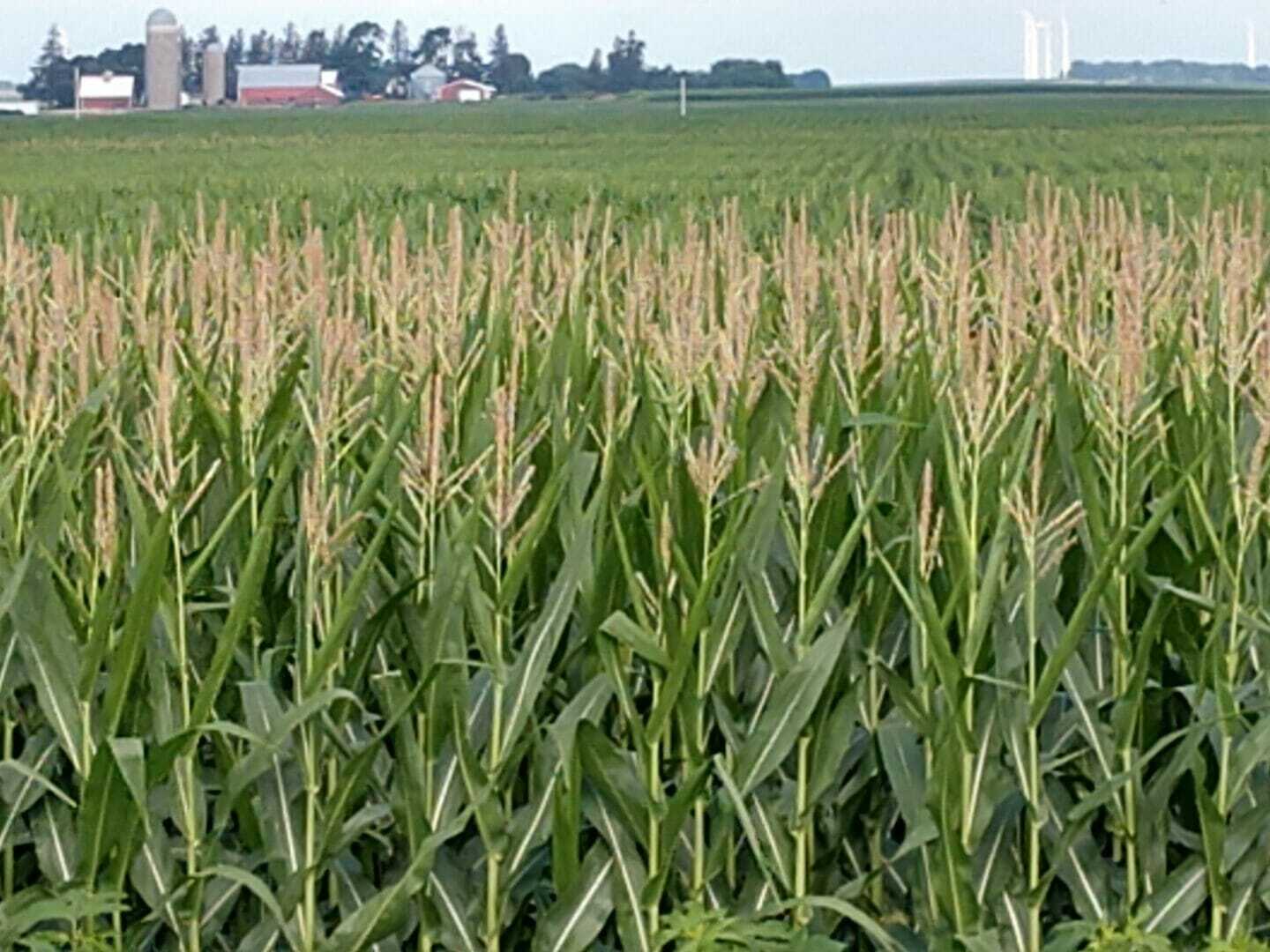
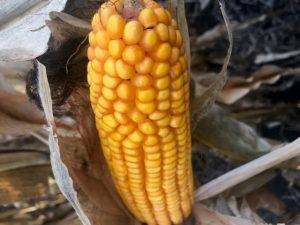
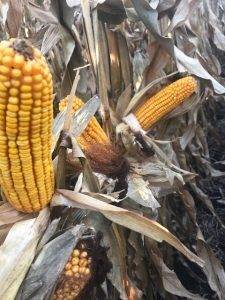
    By the looks of the bright orange kernels on these ears, we should be very pleased with the test weight on this Latham LH 5215 VT2 PRO!

    It has been raining steadily in Northwest Iowa for the past couple of days, and it’s supposed to continue raining the rest of this week. Hopefully, it stops soon. We don’t need a wet fall to match our wet spring!
    Darin 1

    Darin 2

    WESTERN IOWA & EASTERN NEBRASKA

    Larry Krapfl

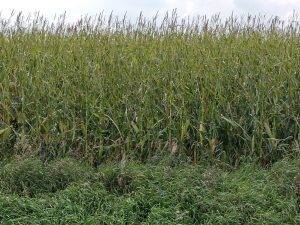
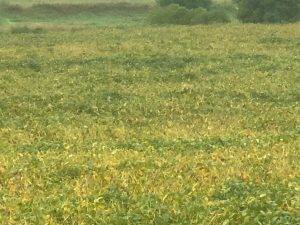
    Harvest is just around the corner on these LH 2682 R2X.
    Larry 1

    SOUTHERN WISCONSIN

    Greg Mair

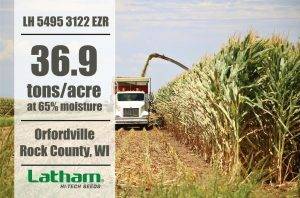
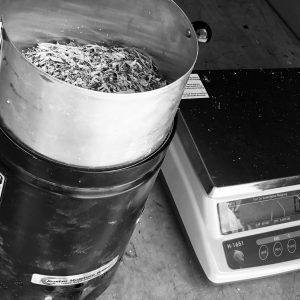
    Corn silage acres are drying fast.  Across southern Wisconsin, we’re seeing about 50% milk line in grain is consistently 63-65% whole plant moisture.  We’re also seeing some really great tonnage.

    Widespread rain across southern Wisconsin has kept choppers out of the fields this week.  Moisture at harvest is key to proper storage and feed quality.  Call me if you are interested in a “no strings attached” corn silage moisture test.  

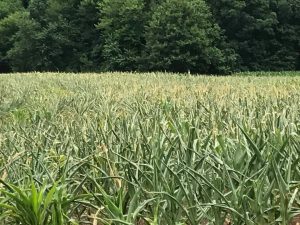
    While some corn acres are maturing, there are a lot of acres that are showing signs of a new disease in Southern Wisconsin.  Tar Spot has been at the forefront of growers’ minds.  We are still learning about this disease, but we know that timely harvest will allow you to capture the most yield.  Stalk quality may deteriorate very quickly in severely affected acres.  

    Greg 1

    Greg 2

    NORTHERN WISCONSIN

    Joey Salter

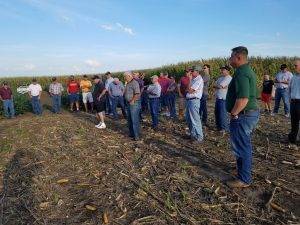
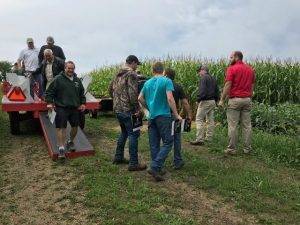
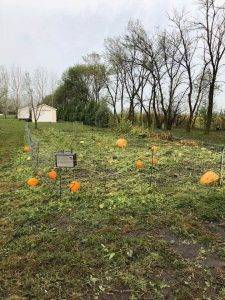
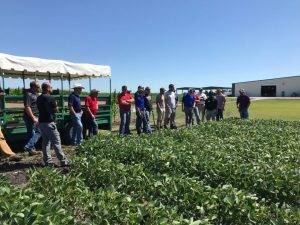
    Rain events and storms have been the story for the past week.  I didn’t think I would say this, but it can stop raining anytime now. Photos 1 and 2 were taken at Corey Catt’s  plot day. Corey did a fantastic job talking about Latham products, and we appreciate all of the farmers who showed up on a rainy day. The last picture was at my house in Fall Creek where I managed to catch some after shots of the storm. 

    Joey 1

    Joey 2

    Joey 3

    Joey 4


    NORTHERN MINNESOTA

    Ken Highness

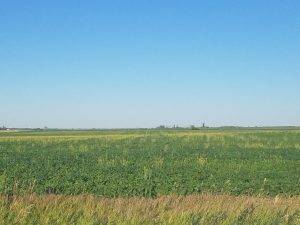
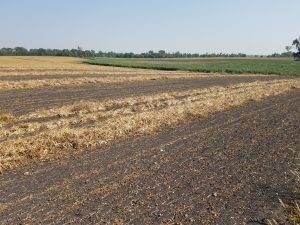
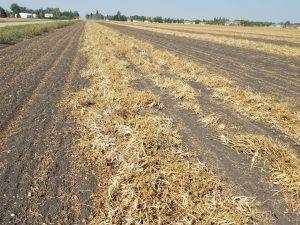
    Do you know Americans eat about 8 pounds of beans per person each year? North Dakota ranks first in the nation of all dry edible bean production. Harvest of edible soybeans is underway from the Canadian border to Morris, Minnesota. This is a field of kidney beans near Morris. Crops were stressed throughout this region from too little summer rain. Stalk integrity will be a challenge, so farmers are making harvest management a priority. Be sure to also monitor stalk quality in your corn fields and harvest the worst first.
    Ken 2

    Ken 1


    SOUTHEAST SOUTH DAKOTA

    Ramie Coughlin

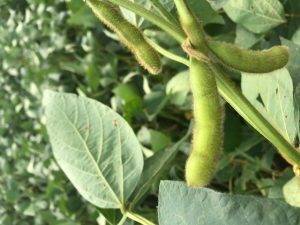
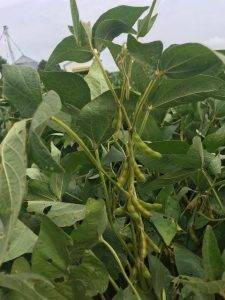
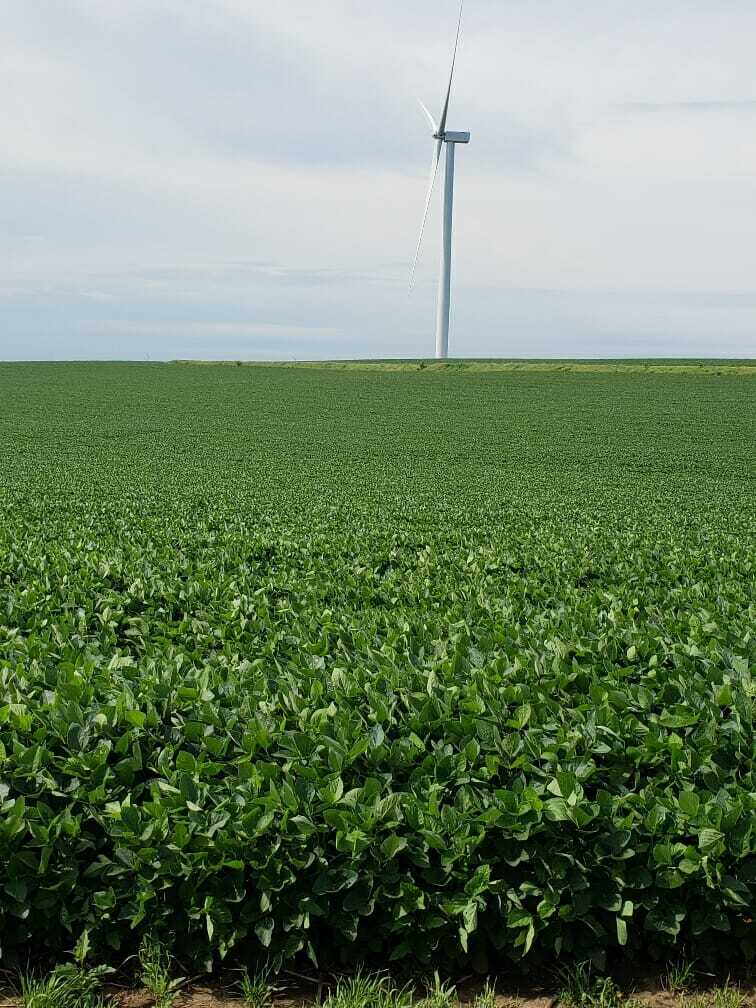
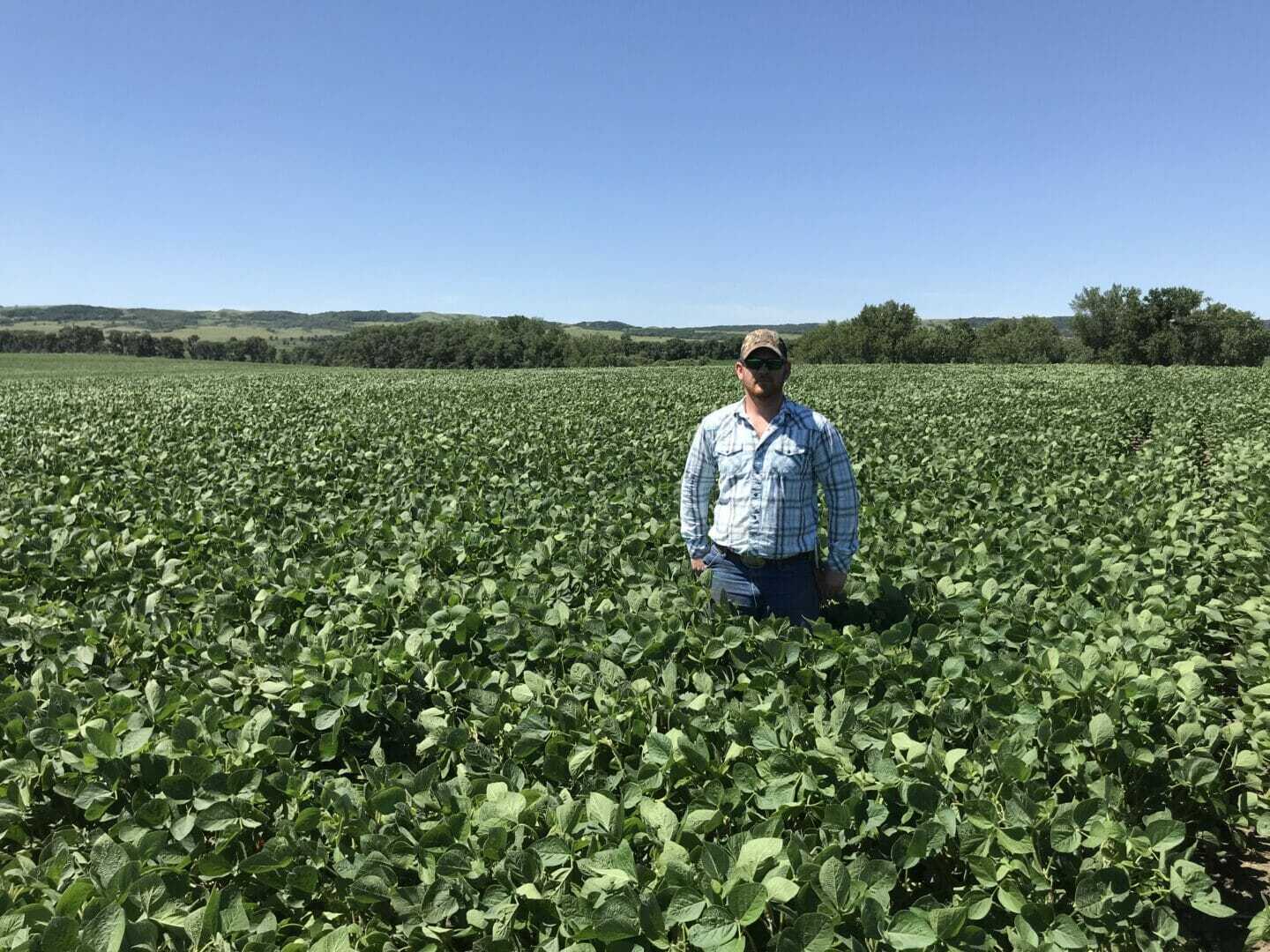
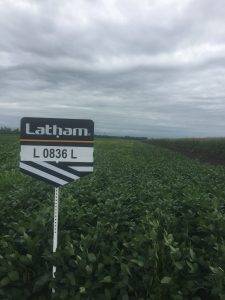
    This photo shows Latham® Liberty soybeans at their finest.

    When deciding which trait to use, look at the yield potential for your maturity zone and the trait YOU need to control weeds in YOUR fields. Many people ask me about yield potential on “old” traits verses “new” traits. Each trait group has some excellent products. Newer traits typically are stacked on the newer genetics, but many growers contend there are older soybeans that keep winning the farm year after year. I’ll be glad to meet with you about which products are best for you, field by field.

    Ramie 1

    NORTHEAST SOUTH DAKOTA

    James Keltgen

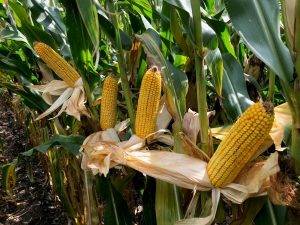
    LH 3937 VT2 PRO is nearly to black layer with kernel counts of 20X30 at 32,000.
    James 1

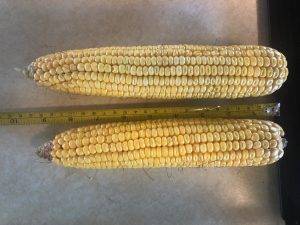
    LH 5175 VT2 PRO DroughGard® at 18,000 is putting on two to three ears at Hermosa, South Dakota.

    James 2

    SOUTHEAST NORTH DAKOTA

    Gary Geske

    As this year’s crop of soybeans reaches maturity, look at the different varieties you have planted. Some very healthy varieties may stay greener than you thought, so you may need to change your harvest rotation. Keep inspecting corn fields for stalk issues, which may require an earlier harvest.

    Gary g

    EASTERN NORTH DAKOTA

    Brian McNamee 

    It’s that time of year when silage testing is in full swing. Initial testing confirms that tonnage per acre will be down across the state, especially in drought-stricken areas. Ear sizes are down considerably due to little to no rain at optimal times. However, we are seeing positive results despite the adverse conditions and moisture limitations as pictures show. As always, Latham’s Leafy hybrids are on the leading edge.
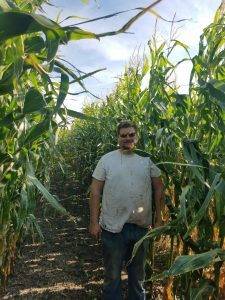

    Brian

    Brian 2

    Laura Cunningham

    September 5, 2018
    #FromTheField Crop Reports, Season, Summer
  • Latham Hi‑Tech Seeds

    From the FIeld Crop Report Update 8/29/2018

    Darin

    EASTERN IOWA

    Jerry Broders

    Crops are starting to turn in Eastern Iowa. It has the makings of an early harvest this year.

    Jerry 2

    Jerry 1

    CENTRAL IOWA

    Bryan Rohe

    Now’s the right time to plan for the 2018-2019 crop year! With technology like Climate FieldView, you can see where nitrogen or other inputs are needed to help you add bushels per acre. We can work with you to select seed products based on your maps, too. The best time to look at field imagery is during the growing season. If your interested in gleaning more information from your field maps, please call me. 

    Bryan

    NORTHEAST IOWA & SOUTHEAST MINNESOTA

    Craig Haaland

    Here’s a field of Latham’s Liberty soybean product L 1448 L in Mower County Minnesota. With the August rains that fell, these soybeans are finishing to the top of the plants. There’s potential for really good soybean yields. Corn fields seam to be coming along pretty good, too.

    Craig H

    WEST NORTH CENTRAL IOWA

    Bart Peterson

    Pictured is a randomly pulled one ear of a Latham SmartStax in Humboldt County. Just look at the size of that ear!

    Bart

    NORTH CENTRAL IOWA & SOUTH CENTRAL MINNESOTA

    Cory Greiman

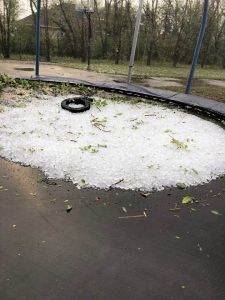
    It was another weekend of wild weather in my area. This photo shows recent hail damage along the Iowa- Minnesota boarder near Bricelyn, Minn.

    Cory G

    NORTHWEST IOWA

    Darin Chapman

    This week I was scouting fields with a Latham® dealer, and we’re both impressed with L 2186 LL soybeans!

    Darin

    WESTERN IOWA & EASTERN NEBRASKA

    Larry Krapfl

    Latham’s L 3158 LL looks to be a bin buster again in 2018! I’m eager for yield reports.

    Larry 1

    Larry 2

    SOUTHERN WISCONSIN

    Greg Mair

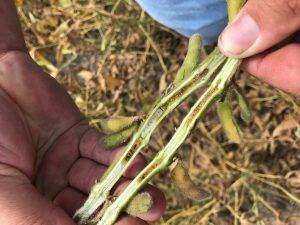
    Brown Stem Rot (BSR) is showing up in Southern Wisconsin more than we have seen it in recent years.  Since the symptoms are similar to that of Sudden Death Syndrome, the best way to diagnose BSR is to split the stalk of an infected plant.  Internal browning of the vascular tissue and pith with help determine BSR from the symptoms of SDS.  Since fungicides and seed treatments are ineffective against BSR, the best way to mitigate risk is to plant a variety with known resistance to BSR.

    Greg M 1

    Greg M 2

    NORTHERN WISCONSIN

    Joey Salter

    While Latham® IRONCLADTM soybeans aren’t covered with steel, they do have to meet stringent requirements.  Our high standards ensure IRONCLAD products can battle the toughest in-field challenges, including Soybean Cyst Nematode (SCN), Iron Deficiency Chlorosis (IDC), White Mold, Sudden Death Syndrome (SDS), Phytophthora Root Rot or Brown Stem Rot (BSR). 

    I drove past a field this week and just had to stop to take a close look.  Some fields of soybeans are turning from lack of rain, but this field was turning brown from BSR.  Since this field isn’t a current customer’s field, it provided an opportunity for me to talk to this farmer about Latham’s soybean lineup – and more specifically our exclusive IRONCLAD soybeans.

    Joey 1

    Joey 2

    NORTHERN MINNESOTA

    Ken Highness

    Severe weather last Saturday caused extensive damage to crops and residential properties. These pictures were taken near Hickson, North Dakota. In other areas of my territory, there are pockets of corn under stress from lack of rain. Watch your fields closely and monitor the stalks for integrity.

    Highness 1

    Highness 2

    Highness 3


    SOUTHEAST SOUTH DAKOTA

    Ramie Coughlin

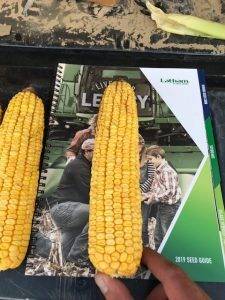
    This Latham® show plot is looking really good at  Montrose, South Dakota. This particular ear of LH 4835 VT3 PRO has 20 rows of kernels. 

    Silage choppers are starting to roll throughout my territory. The ideal plant moisture stage for silage is around 60 to 70 percent, which is approximately 50 percent milk line. Many fields have a week or better before they will be ready, but some of the earlier planted fields are ready to go. With the amount of moisture we have had this year, those chopped fields should easily support a late fall cover crop seeding. Growers are seeing lots of varying benefits to cover crops such as serving a nutrient source, controlling weeds and better planting conditions in the following spring.

     Ramie C

    NORTHEAST SOUTH DAKOTA

    James Keltgen

    We experienced cooler weather this past week but no frost is expected. Corn is still maturing ahead of pace. Northern Corn Leaf Blight is showing up in varieties that are susceptible to it. Soybeans are adding bushels thanks to the continued rains in some areas while other parts of the state would welcome moisture as drought is still present.

    James 1

    James 2

    SOUTHEAST NORTH DAKOTA

    Gary Geske

    With the extra heat units we received through this summer, corn may be more mature than anticipated. Here is an ear of LH 3397 VT PRO RIB that is already within a week of black layer. When crops mature this rapidly, we need to monitor fields for stalk rots or weakness. Do a pinch test often to identify fields that may need to be harvested early.

    Gary 1


    EASTERN NORTH DAKOTA

    Brian McNamee

    I can only assume that farmers here would agree with me… this drought map doesn’t do justice to the true condition of the crop. Soybeans are all but dead in certain geographies, and the corn is barely hanging in there. Choppers continue to roll on surrendered grain acres.

    After 4 or 5 weeks without measurable amounts, last Sunday rain fell across the most severely affected regions of North Dakota. I’ll bet soybeans will show a positive response and grain fill will benefit substantially. These past two days of rain are a life saver for many!

    Brian M

    Shannon Latham

    August 29, 2018
    #FromTheField Crop Reports, Season, Summer
  • Latham Hi‑Tech Seeds

    From the Field Crop Report Update 8/22/18

    Darin 1

    EASTERN IOWA

    Jerry Broders

    We received some welcome rain in Eastern Iowa during the past few days. Crops are moving along at a rapid pace. Pictured here are three awesome full season hybrids that everyone should here should consider planting in 2019: LH 6285 VT2 PRO, EX 6397 VT2 PRO, and LH 6425 VT2 PRO. 

    Jerry 1

    Jerry 3

    Jerry 2

    CENTRAL IOWA

    Bryan Rohe

    It’s a very busy time of the year as farmers are getting silage harvested; getting their combines ready to roll, updating precision equipment, and attending field days to make crop decisions for 2019 while they can take advantage of the highest cash discounts. 

    Bryan 1

    Bryan 2

    Bryan 3

    NORTHEAST IOWA & SOUTHEAST MINNESOTA

    Craig Haaland

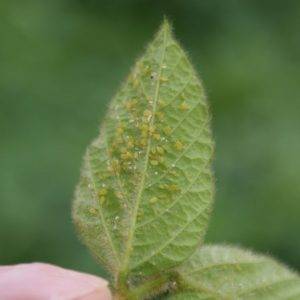
    Here is a nice looking Latham® corn plot in Black Hawk County. Combines will be likely roll here in another three weeks. Northern Iowa has received plenty of rain, so the top of these soybean plants have really filled out this past week. Some farmers have been spraying for aphids, and we’re starting to see some Sudden Death Syndrome (SDS). Remember to note areas with SDS, so you can choose IRONCLADTM soybean products the next time those fields are planted to soybeans.

    Craig H

    WEST NORTH CENTRAL IOWA

    Bart Peterson

    The Fort Dodge, Iowa, received six inches of rain on Monday, Aug. 20. Another four inches fell there on Aug. 21. Ten inches of rain in a short amount of time is causing flooding.

    Bart

    NORTH CENTRAL IOWA & SOUTH CENTRAL MINNESOTA

    Cory Greiman

    Latham’s LH 4454 VT2 PRO RIB is looking good! This particular field was planted during the first week of June near Emmetsburg, Iowa.  The average size of the six ears I picked from one row is 16×36 at final stand of 36,000 plants per acre.

    Cory G

    NORTHWEST IOWA

    Darin Chapman

    It’s been great seeing all of the late new growth on the soybeans from the late August rains. Latham LH 4835 VT2PRO RIB looks like it’s coming along nice, as well!

    Darin 2

    Darin 1

    WESTERN IOWA & EASTERN NEBRASKA

    Larry Krapfl

    Sudden Death Syndrome is showing up in susceptible soybeans. Remember, the best way to combat SCN is to plant resistant varieties or avoid susceptible varieties. Be sure to keep Latham IRONCLAD™ soybeans in mind when mapping out which varieties will be used on different fields in the future.

    Larry

    SOUTHERN WISCONSIN

    Greg Mair

    Crops are moving along very quickly in Southern Wisconsin and development is 5 to 7 days ahead of the average.  Corn Silage Harvest is just around the corner. Latham’s  LH 5215 VT2 PRO looks fantastic in Platteville, Wisc.  While grain yields are good with this product, the milk per ton makes this an excellent dual-purpose corn hybrid.

    Greg

    NORTHERN WISCONSIN

    Joey Salter

    Although dry weather seems to be the norm, crops in Northern Wisconsin still look good. I walked several fields this week and noticed some denting in a few fields but the majority of corn is still in milk stage. 

    Pictured below are two impressive hybrids in one of my plots that was planted May 16 at a plant population of 32,000. LH 4437 VT2 PRO RIB is a girthy hybrid with a semi-flex ear. I pulled a random ear that had 18 rows and 38 kernels per row. Latham’s Super Star LH 4454 VT2 PRO RIB is a very good looking hybrid with a determinate ear and excellent stay green. I counted an ear with 16 rows and 40+ kernels per row. These two hybrids are in a plot with later day maturity hybrids yet are holding their own.  I look forward to watching the yield monitor on this plot!
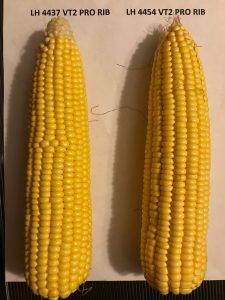
    Joey


    NORTHERN MINNESOTA

    Ken Highness

    Wheat harvest is wrapping up in my region. Spring wheat yield and protein vary, depending on rainfall and variety. Overall, the wheat crop is average to above-average in my region. We are finding aphids in fields this week, so farmers are spraying. These pictures were taken in a great looking field of L 0858 R2X south of Barnesville, Minn.

    Ken 1

    Ken 3

    SOUTHEAST SOUTH DAKOTA

    Ramie Coughlin

    Pictured here is a field of LH 4450 CNV at its finest. The corn is at 50% milk. As usual, I found plants standing less than 6′ tall with ears of 18 rows around and 32+ kernels long. This is such a rock star hybrid, but you have to actually walk in the field to see it. Most areas across the state picked up some much needed rain this past week. Soybeans are trying to fill pods but needed a drink to finish filling nicely. While the crops continue to put on bushels this week, we’re getting to visit with growers at Dakota Fest in Mitchell.

    Ramie

    NORTHEAST SOUTH DAKOTA

    James Keltgen

    Saving rains, ranging from 1 to 5 inches, fell across many areas during the last week. Many areas in the east that were showing drought stress should be in better position to finish off the crop after a 2-inch rain. Corn is packing in dry starch now. Soybean pods are filling, as well as adding pod clusters on lateral branches and tops. Central South Dakota missed the rains again, so areas west of Highway 281 are especially dry.

    James

    SOUTHEAST NORTH DAKOTA

    Gary Geske

    This field of Latham L 0842LL  soybeans look extremely healthy. I can’t wait for harvest results!

    Gary

    EASTERN NORTH DAKOTA

    Brian McNamee

    Crops in the southern part of North Dakota caught a two-inch rain last weekend. It literally turned the crop around in 12 hours. Grass turned green again in the ditches and yards. Now our Latham® dealers and customers in the north and western part of the state are praying for the same. These photos were taken of fields that have received barely a ¼ inch of rain in the last 30 days and about 8 inches during the entire growing season. Surprisingly, the quality of the corn crop is still above average. Farmers, who spent more money per acre on balanced fertility and soil health, are see a difference in their crops as we head down the final stretch under such adverse growing conditions.
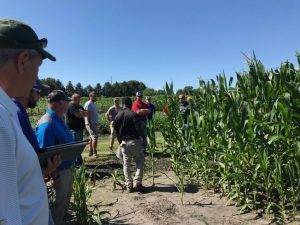
    Brian 2

    Brian 1

    Laura Cunningham

    August 22, 2018
    #FromTheField Crop Reports, Season, Summer
  • Latham Hi‑Tech Seeds

    From the Field Crop Report Update 8/15/2018

    Cory G

    EASTERN IOWA

    Jerry Broders

    Soybeans are looking great in Eldridge, Iowa. This soybean SuperStrip™ plot also includes the newly approved trait package LLGT27® soybeans. Many of these plants have 4-bean pods. All we need is some August rain to fill the pods!


    Jerry B

    CENTRAL IOWA

    Bryan Rohe

    The picture below shows the stark difference of soil type within the field. You can see the top of the hill is severely affected from drought like conditions where the soil has higher clay content. These areas are turning brown and prematurely dying off.

    Bryan

    NORTHEAST IOWA & SOUTHEAST MINNESOTA

    Craig Haaland

    Here is a picture of our popular LH 5245 VT2 PRO RIB in Butler County. Corn is coming along really well. Most of the corn is dented in that area. In another month, harvest could be underway. Rain fall last week ranged from 1 to 4 inches, so that will help fill the pods in soybean fields.

    Craig H

    WEST NORTH CENTRAL IOWA

    Bart Peterson

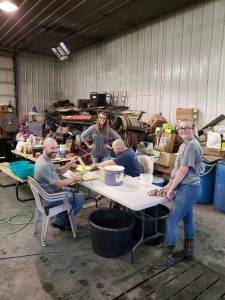
    We are cooking and freezing sweet corn today at the Sandven Farms! Picture includes Latham® dealers Tyler & Michelle Sandven, daughter Sydnie Sandven and brother Craig Sandven. Those who also helped but are not pictured: Rylie Sandven, Cindy Sandven, Braydon Sandven, Doug Sandven and summer help Jake Heslop. They used Grandma Joann Sandven’s recipe. 


    Bart Peterson

    NORTH CENTRAL IOWA & SOUTH CENTRAL MINNESOTA

    Cory Greiman

    We saw tremendous ear size when we were out scouting this week. All three were planted on May 10th in the Garner, Iowa region.
    Top hybrid pictured is LH 4454 VT2 PRO RIB 16 kernels wide and 40 long at 35,000 final stand.

    Middle hybrids is LH 5099 SS RIB 16 kernels wide and 38 long at 36,000 final stand.

    The bottom hybrid is LH 5245 VT2 PRO RIB at 18 kernels wide and 42 long at 36,000 final stand.

    Cory G

    NORTHWEST IOWA

    Darin Chapman

    We had a successful day scouting fields this week! We were happy to see the clusters and 4-bean pods all the way to the top of the plant on Latham L 2184 R2X soybeans. Look forward to seeing the results this fall.

    Darin

    WESTERN IOWA & EASTERN NEBRASKA

    Larry Krapfl

    Latham LH 6069 SS RIB is out performing the competition in Mapleton, IA. This hybrid has an average of 16 kernels wide and 36 kernels long. There are approximately 32,250 ears per acre. We are looking forward to harvesting this hybrids in the fall! 

    Larry

    SOUTHERN WISCONSIN

    Greg Mair

    Early signs of Sudden Death Syndrome in soybeans are starting to show up in areas of Southern Wisconsin.  Selecting a soybean variety tolerant to SDS and also using ILeVo® seed treatments are two of your best options to combat SDS and leave yield unaffected. Call me for an in-field evaluation to determine if ILeVo seed treatment should be on your soybeans in 2019.

    Greg

    NORTHERN WISCONSIN

    Joey Salter

    We are now starting to see white mold pressure in areas with heavy rains this season. Keep in mind that if white mold has been an issue, your best future defense is selecting seed with good white mold ratings. Only Latham Hi‑Tech Seeds offers IRONCLAD® soybean brands. We can work with farmers to choose the right soybean products on a field-by-field basis. It will be fun to watch the tolerance of some of our defensive varieties over the next few weeks in plots.

    In photos below, a new Latham Dealer and I were scouting for aphids.  Aphid numbers were very high but not to threshold. They will monitor the aphid population over the next few days to see if spray is warranted.

    Joey S 1

    Joey S 2

    NORTHERN MINNESOTA

    Ken Highness

    Another good year for American Crystal Sugar Company of the Red River Valley. Opening of fields was Tuesday, August 14, 2018! They started earlier than usual and above normal temperatures have given the growers a very good crop this year! This picture was taken Tuesday on the farm of Riverton seed in Glyndon, MN.

    Ken

    SOUTHEAST SOUTH DAKOTA

    Ramie Coughlin

    We spotted have denting corn in Southeast South Dakota! While many fields I have been in this week are still in the milk stage, a few are beginning to dent. Early planted, early maturities, and the moisture (drought) stressed fields are moving right along. Some areas have reached moisture stress levels. I’ve also seen a few soybean fields that could really use a drink of water to fill those pods.

    As a cold front moves in, watch aphid numbers. Temperatures of 75 to 83 degrees Fahrenheit are prime for aphid reproduction and they reproduce very quickly! A few areas have hit threshold levels (250/plant). Most soybean fields have a couple of weeks before they hit that R6 stage where aphids are no longer a concern or threat. Scout, scout, scout! Do NOT spray until insect pressure has hit threshold levels in YOUR field. Economic threshold for aphids is 250/plant.

    Ramie C

    NORTHEAST SOUTH DAKOTA

    James Keltgen

    Dry weather has been the theme  for the past few weeks in Northeast North Dakota. Very little rain has fallen and above-normal temps are taking their toll on the crops. Soybeans are wilting and corn is firing on lighter soils. We hope the expected cooler weather with a chance of rain makes it’s way here!

    Yields look to be best on the Eastern and Southern parts of my territory. Corn is now in the milk stage and soybeans are beginning to fill seeds in the pods.

    Pictured below is Latham’s Branch Root Alfalfa. It has customers impressed! This is third-year alfalfa.


    James K

    SOUTHEAST NORTH DAKOTA

    Gary Geske

    While inspecting soybean fields for aphids, also look for this pest. Thistle caterpillar can cause significant damage with leaf feeding. More extensive damage can be seen where upper leaves are rolled together with a web-like fiber. According to Iowa State University, economic thresholds are seldom reached. If you  find an insect on approximately every other plant or see about 20-25% leaf feeding, consider insecticide applications.


    Gary G

    Gary G 2

    EASTERN NORTH DAKOTA

    Brian McNamee

    Small grains harvest across the state is in full swing. There are quality issues in wheat this year with high (rejectable) amounts of ergot found in some areas. Yields are all over the board as moisture accumulations across a widespread area of the state has fallen to a four-week lull. Later season crops, especially the soybeans, are digressing by the day. Whole fields of both soybeans and corn are dying.

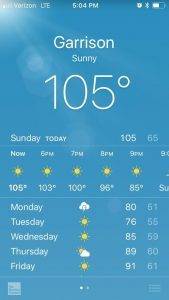
    We hit a 10-day stretch of extreme heat with highs in the triple digits 4 four of those days, topping out at a miserable 105. Cattle in the western part of the state died of heat stroke. We are seriously in need of rain for the second year in a row. Grain corn is starting to be chopped for silage. If we miss out for the next week or so, a lot more acres will be added to the pile.

    Brian M 1

    Brian M 2

    Laura Cunningham

    August 15, 2018
    #FromTheField Crop Reports, Season, Summer
  • Latham Hi‑Tech Seeds

    8/8/18 Crop Report Update

    Joey 1

    EASTERN IOWA

    Jerry Broders

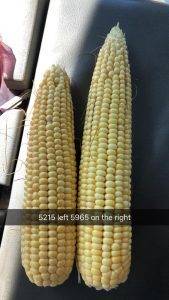
    Pollination has gone well in my area. These ears were grabbed from a field near Aurora in Eastern Iowa. Latham’s LH 5215 VT2 PRO RIB is 18 rows around and LH 5965 VT2 PRO is 16 rows around.


    Jerry

    CENTRAL IOWA

    Bryan Rohe

    Are you using precision for planting and harvest? Do you have a tough time understanding the maps and drawing conclusions? 

    Latham customers see value in working with us to use maps to select products and other inputs on a field-by-field basis. We’re here to help farmers understand their data or show them ways do get this data with no cost. Contact Phil Long at the Latham Seeds office at 877-GO-LATHAM to get started!


    Bryan

    NORTHEAST IOWA & SOUTHEAST MINNESOTA

    Craig Haaland

    WEST NORTH CENTRAL IOWA

    Bart Peterson


    NORTH CENTRAL IOWA & SOUTH CENTRAL MINNESOTA

    Cory Greiman

    NORTHWEST IOWA

    Darin Chapman

    We have been working hard in Northwest Iowa to get ready for plot tours! Darin 3

    Darin 2

    Darin 1

    WESTERN IOWA & EASTERN NEBRASKA

    Larry Krapfl

    This new seeding LH 455TQ RR was seeded April 10. First cutting was made July 2, and it was ready to cut again on August 1. The regrowth on this product is amazing! We will definitely get three, if not four, cuttings this season. I’m keeping my fingers crossed!

    Larry 3

    Larry 2

    Larry 2


    SOUTHERN WISCONSIN

    Greg Mair

    It’s hard for growers in Wisconsin not to show off their fields of LH 5245 VT2 PRO RIB. This field was planted early into cold soils. Quick emergence with a good early vigor score has helped this get off to a strong start. Excellent growing conditions have helped it develop nicely. It should be fun to see monitors when harvest rolls around.

    Greg M

    NORTHERN WISCONSIN

    Joey Salter

    Crops in Northern Wisconsin are hanging in there.  I checked some fields with a dealer and his customer, who is very satisfied with our products. LH 4241 RR, a strong silage hybrid with excellent starch digestibility and very good fiber digestibility. We also looked at LH 3547 VT2 PRO RIB and LH 3877 VT2 PRO RIB, which looked very good as well. 

    Joey 1

    Below you can see L 1184 R2X on the left and E 1159 R2 on the right. They are both looking very strong and showing consistent stand height.

    Joey 2

    The last photo shows the consistent height of L 0982 R2. Its standability was put to the test! This field was hit with heavy wind and rains. Now I’m seeing some white mold. Remember to note areas with white mold and plant IRONCLAD brands, exclusively from Latham, on those affected fields. The best offense against white mold is a great defensive product.


    Joey 3

    NORTHERN MINNESOTA

    Ken Highness

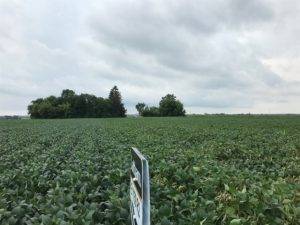
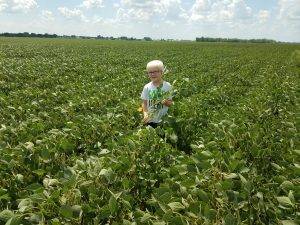
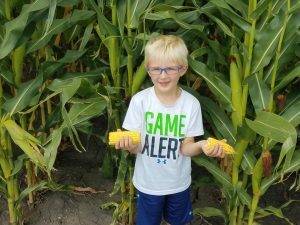
    Pictured here is a field of Latham L 0982 R2 that I was scouting for aphids. The corn picture was taken in a 160-acre field where LH 3877 VT2 PRO is looking very fine. My grandson Casen was helping me that day and was rewarded play time at the local playground!


    Ken 1


    Ken 2


    Ken 3


    Ken 4

    SOUTHEAST SOUTH DAKOTA

    Ramie Coughlin

    Temps were below normal in perfect timing for the corn to flower in July. With most of the pollination done, temps have soared back to the 90s. These hotter temps should help keep the aphid populations in control and help put up some heat units that were lost in July. Now that August is here, harvest is just around the corner.


    Ramie

    NORTHEAST SOUTH DAKOTA

    James Keltgen

    SOUTHEAST NORTH DAKOTA

    Gary Geske

    As small grains and pulse crops ripen and harvest begins, keep scouting soybean and corn fields for insects. Insects migrate across to crops that still have green foliage as crops ripen and green tissue dries. If caught soon enough, we can often spray the borders of a field rather than applying insecticide to every acre.


    Gary G

    EASTERN NORTH DAKOTA

    Brian McNamee

    Laura Cunningham

    August 8, 2018
    #FromTheField Crop Reports, Season, Summer
  • Latham Hi‑Tech Seeds

    From the Field Crop Report: August 1, 2018

    Joe 1

    EASTERN IOWA

    Jerry Broders

    Eastern Iowa has been lucky enough to have ideal weather for spraying fungicide and insecticide! Below is a video from this week.

    CENTRAL IOWA

    Bryan Rohe

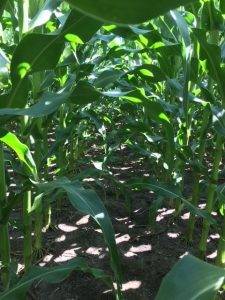
    While scouting corn fields in Central Iowa, Goss’s Wilt has been spotted. Now with the cooler weather in the north, it is starting to show up. 

    Did you spray fungicide? It looks like the growers who did will be happy with their decision. Enjoy this nice weather!

    Bryan

    WESTERN IOWA & EASTERN NEBRASKA

    Larry Krapfl

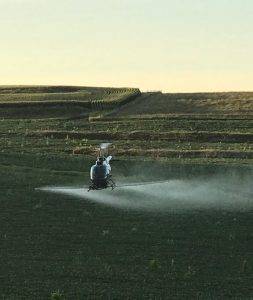
    Perfect evening for fungicide and insecticide application on soybeans in Western Iowa.

    Larry JPG

    SOUTHERN WISCONSIN

    Greg Mair

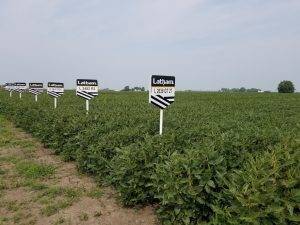
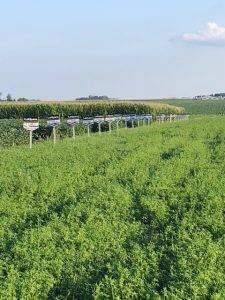
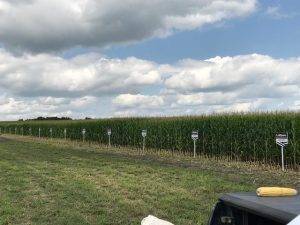
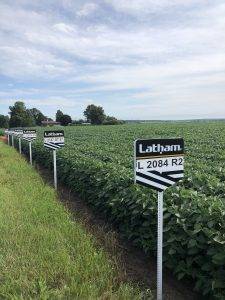
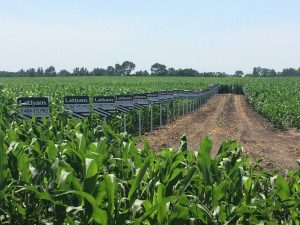
    Signs are up on this FieldxField trial plot in Janesville, Wisconsin. The brands in this plot were selected by maturity for the soil type and environment on this farm. As an independent seed company, Latham Hi‑Tech Seeds has the opportunity to try different technologies and genetics from year to year.  Without on-farm research trials across the region, we wouldn’t have product performance data to support new traits or varieties such as the L 2187 GT27 soybeans that were released last year.

    Greg

    NORTHERN WISCONSIN

    Joey Salter

    Our late-planted Latham® soybean plot in northern Wisconsin, which was planted on heavier ground, looks pretty good. On the flip side, the soybeans in the second photo were planted just 15 minutes south on sandy soil. In my July 11 crop report, I posted about the drought across our region. Now we’re seeing more fields were plants appear gray and leaves are curling. Our region has some good crops, but more rain would be a blessing.  On a side note, every year I see a few field with deer damage. In photo 3, you can see where the tops of the soybeans in the middle row were clipped.

    Joe 2

    Joe 3

    Joe 1

    NORTHERN MINNESOTA

    Ken Highness

    This picture was taken July 30 on the farm of Riverton Seed where they’re preparing equipment for wheat harvest that will start by the end of this week. Crystal Sugar Company also announced it will start opening fields the Week of August 12, which is a week earlier than last year. This picture was taken in the shop where the beet lifter is being prepped for opening week.

    Ken H

    Ken

    SOUTHEAST SOUTH DAKOTA

    Ramie Coughlin

    Soybean traits are all the buzz. When it comes to deciding what trait to plant on your farm, my advice to do what you need to control weeds. FieldxField crop planning is key. Don’t worry about what your neighbors are doing. And no matter what program you choose, start with a pre-emerge herbicide! This field of Latham® Liberty Link soybeans is practically picture-perfect clean.

    Ramie

    SOUTHEAST NORTH DAKOTA

    Gary Geske

    Now is the time to begin scouting for soybean aphids. I’ve only seen low numbers that don’t require spraying, but it’s important to keep checking your fields because populations can explode in only a few days. Some insects, such as spider mites, are so small that you need to shake the plant over a piece of white paper to see them. Keep scouting but spray only when necessary. Click here for more mid-season crop scouting tips.

    Garg G


    Shannon Latham

    August 1, 2018
    #FromTheField Crop Reports, Season, Summer
  • Latham Hi‑Tech Seeds

    From the Field Crop Reports: July 25, 2018

    James 1

    EASTERN IOWA

    Jerry Broders

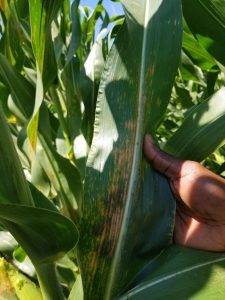
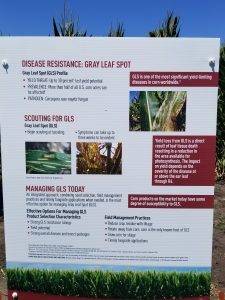
    Pollination is nearly complete in Eastern Iowa and Western Illinois. Gray Leaf Spot is showing up with the hot, humid conditions we have had in the last few weeks. Scout for GLS and make fungicide decisions. 

    Jerry 1

    Jerry 2

    CENTRAL IOWA

    Bryan Rohe

    We had a great turnout at an in-field agronomy training in Central Iowa. Dealers were thrilled to gain tangible agronomic information to bring back to both their customers and their own farm.

    Bryan 4

    Bryan 3

    Bryan 2

    NORTHEAST IOWA & SOUTHEAST MINNESOTA

    Craig Haaland

    The soybeans in this LibertyLink® SuperStripTM plot in Mitchell County are coming along really well. Fungicide is going on a lot of corn fields. Some fields look spotty after all the rain we received earlier, which caused nitrogen lost. 

    Craig 1

    WEST NORTH CENTRAL IOWA

    Bart Peterson

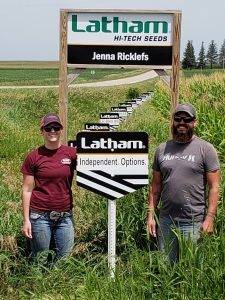
    Last week Jon and Jenna Ricklefs signed their Latham® SuperStrip plot. It looks awesome!

    Bart

    NORTH CENTRAL IOWA & SOUTH CENTRAL MINNESOTA

    Cory Greiman

    This nice looking field of Latham® 1787 LL soybeans were no-till drilled into cereal rye on June 20 near Garner, Iowa.

    Cory G.

    NORTHWEST IOWA

    Darin Chapman

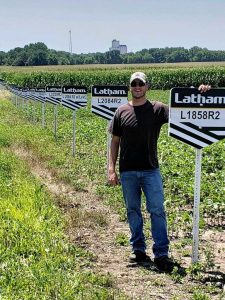
    The 2018 growing season has been a challenge in Northwest Iowa. Initial crop planning and seed placement didn’t necessarily come together due to weather conditions. With the help of Climate FieldView, we can make sure we scout fields and place signage appropriately. These L 1958 LL are well worth showing off with a field sign!

    Darin 2

    Darin

    WESTERN IOWA & EASTERN NEBRASKA

    Larry Krapfl

    An estimated 30,000 RAGBRAI riders rode past on Sunday past Latham® corn and soybeans plots on Hwy 37 east of Turin in western Iowa.

    Larry 2

    Larry 1

    SOUTHERN WISCONSIN

    Greg Mair

    Pollination has mostly wrapped up in this SuperStrip Corn Plot in Cambridge, Wisconsin, that was planted on May 8.  You can see the different varieties on the left of the picture.  So far LH 5742 RR is visually the clear standout, but I’m looking forward to seeing what tops this plot for yield when the combine rolls. 

    Up to this point in the growing season, I haven’t seen much for disease pressure in the fields. The crops continue to impress me in fields where there was not excessive moisture.

    Greg

    NORTHERN WISCONSIN

    Joey Salter

    Crop conditions are still good across the bluffs of Minnesota and Wisconsin.  Areas to the north across Wisconsin Highway 10 are very dry.  Fungicide applications have been in full force on both corn and soybeans.  While checking on a Latham® SuperStrip in Menomonie, WI, I took some footage of an aerial application of fungicide on corn with a helicopter. The tender truck driver was very kind and answered all my questions. He said the helicopter has about a 200-gallon tank and sprays 5-7 gallons per acre.  They spray several fields in the area but are very selective of which ones.  That same day I saw a Haggie covering a corn field in Minnesota where the corn was equally as high as the floor on the cab.

    NORTHERN MINNESOTA

    Ken Highness

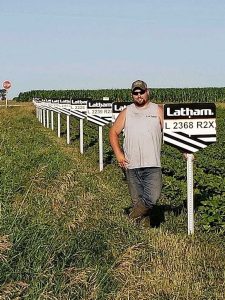
    Our Latham® dealer’s SuperStrip plot by Felton, Minn., looks great!Ken


    SOUTHEAST SOUTH DAKOTA

    Ramie Coughlin

    This farmer near Wessington Springs, South Dakota, flew on a cover crop of radishes and turnips into standing corn just before tasseling. At the same time, he applied nitrogen. You can see emergence was great, and his cover crop will have plenty of growth well before the corn will be harvested. Farmers in this area have had ample rain fall this year, so there are some amazing looking crops. This year is a huge turn around after last year’s drought.

    Ramie

    NORTHEAST SOUTH DAKOTA

    James Keltgen

    More rain fell this past week in parts of Northeast South Dakota. Six to seven inches fell at Brookings and Gettysburg, causing flooding. Unfortunately, other areas are still very short on moisture. Most corn has pollinated and kernels are beginning to fill in the blister to milk stage. Soybeans are nearly canopied and pods are starting to form.

    James 1

    LH 5175 VT2 PRO DG is 16×40

    James 2

    LH 5175 VT2 PRO DG looks great even with abundant moisture. Although this area has been dry, 6.5 inches of rain caused flooding at Gettysburg.

    James 3

    SOUTHEAST NORTH DAKOTA

    Gary Geske


    EASTERN NORTH DAKOTA

    Brian McNamee

    Looks like a double crop, doesn’t it? This is a perfect example of a “resistant weed” that we deal with in North Dakota that is unique to our rotations and climate. Roundup Ready® Canola has become a trouble weed for corn/soybean growers throughout the region. Just like our more standard resistant weeds, the tiny seed of canola can remain in the soils for seasons and germinate at will. Fortunately, this problem can be controlled with a proper pre-emergence and weed control system.

    Fields like this lose yield to weed competition. That’s why it’s important to keep previous crops, like Roundup Ready Canola and LibertyLink Canola, in mind when you’re crop planning for soybeans. Don’t just think about what crop you planted in that field last year; note whether you had a canola shatter event within the past seven years to avoid volunteer crops from growing. It’s important to talk about trait rotation and “weed control” with your seed rep or agronomist to keep your fields clean. 

    Brian M

    Shannon Latham

    July 25, 2018
    #FromTheField Crop Reports, Season, Summer
  • Latham Hi‑Tech Seeds

    From the Field Crop Reports: July 18

    Joe

    EASTERN IOWA

    Jerry Broders

    Latham® Hi‑Tech Seeds field signs are popping up across Eastern Iowa and Western Illinois. The crops are ahead of schedule due to maximum heat units per day. It’s time to be making decisions on fungicide treatment on your corn and soybeans.
    Jerry
     

    CENTRAL IOWA

    Bryan Rohe

    Latham 6175 VT2 PRO RIB, shown here, is a very healthy hybrid that works well on many soil types without much management.

    Bryan

    NORTHEAST IOWA & SOUTHEAST MINNESOTA

    Craig Haaland

    Keep scouting your fields for pests and disease. We got 2.5 inches of rain late last week. Overall, crops look pretty good. Soybean fields are starting to close up in some areas while other areas have a ways to go. Corn fields are all pretty much all tasseled. Fungicide is being applied, so we’re seeing lots of planes and helicopters flying.
    Craig

    WEST NORTH CENTRAL IOWA

    Bart Peterson

    This beautiful field of L 2684 L near Arthur, Iowa, is weed free.

    Bart

    NORTH CENTRAL IOWA & SOUTH CENTRAL MINNESOTA

    Cory Greiman

    This field of Latham® LH 4454 VT2 PRO RIB was planted May 16 and is tasseling near Emmetsburg, Iowa.

    Cory

    NORTHWEST IOWA

    Darin Chapman

    Latham’s LH 5245 VT2 PRO RIB and LH 5215 VT2 PRO RIB really pair well together. With all the weather events we’ve had in Northwest Iowa, these two hybrids look great! I look forward to the yield analysis.

    Darin 1
    Darin 2

    WESTERN IOWA & EASTERN NEBRASKA

    Larry Krapfl

    As you can see, LH 6425 VT2 PRO RIB looks beautiful. This ear is 18 kernels around and 40 long.
    Larry 1

    SOUTHERN WISCONSIN

    Greg Mair

    Scouting fields during the growing season is beneficial to determine if there are any yield-limiting factors that can cause even thinner margins.

    Risk management needs to be in the forefront of every decision on the farm when margins are this thin. This field of glyphosate-resistant corn in Green County is infested with armyworms. This field was sprayed pre-emerge with an insecticide and then sprayed again with a pesticide last Friday.  Armyworm presence still exists and will need to be addressed again.

    Planning ahead to 2019, this farmer will likely be plant fully traited genetics to limit exposer to insect pressure.

    Greg 1
    Greg 2


    NORTHERN WISCONSIN

    Joey Salter

    The soybean plot of Latham® dealer Bruce Sellent’s in Almena, Wisc., looks great! Here are a few things that I noted while walking this plot:
    • L 0838  R2 is the check.
    • L 1184 R2 X looks really good. It’s a tall, bushy plant that filled in the 30-inch rows with ease.
    • E 1159 R2 is also a tall, bushy plant with a distinct darker green appearance.
    We received some much needed rain last week and more is in the forecast for this week.
    Joe
     

    NORTHERN MINNESOTA

    Ken Highness

    Gary Geske conducts a root dig for Latham® Dealer Steve Gades and one of his customers from Morris, Minn. It’s important to evaluate corn root worm pressure in fields and start making plans for 2019 seed needs.
    Ken 1
    Ken 2
     

    SOUTHEAST SOUTH DAKOTA

    Ramie Coughlin

    Most South Dakota crops are looking great! We have had good heat units with some nice cool days and nights, along with good moisture. The rains have taken a bit of a break, so growers have had a chance to spray soybean fields. Many producers are finishing up second cuttings of hay, and the spring wheat is ripening.

    Ramie

    NORTHEAST SOUTH DAKOTA

    James Keltgen

    Lighter soils are starting to show stress in the Watertown area where pollination is in full swing. Rain is still badly needed in many areas. Corn in the Northern areas is further along and nearing the end of pollination. Soybeans are beginning to set some pods and continue to near canopy. No disease or insect pressure is showing up yet.

    James 1

    SOUTHEAST NORTH DAKOTA

    Gary Geske

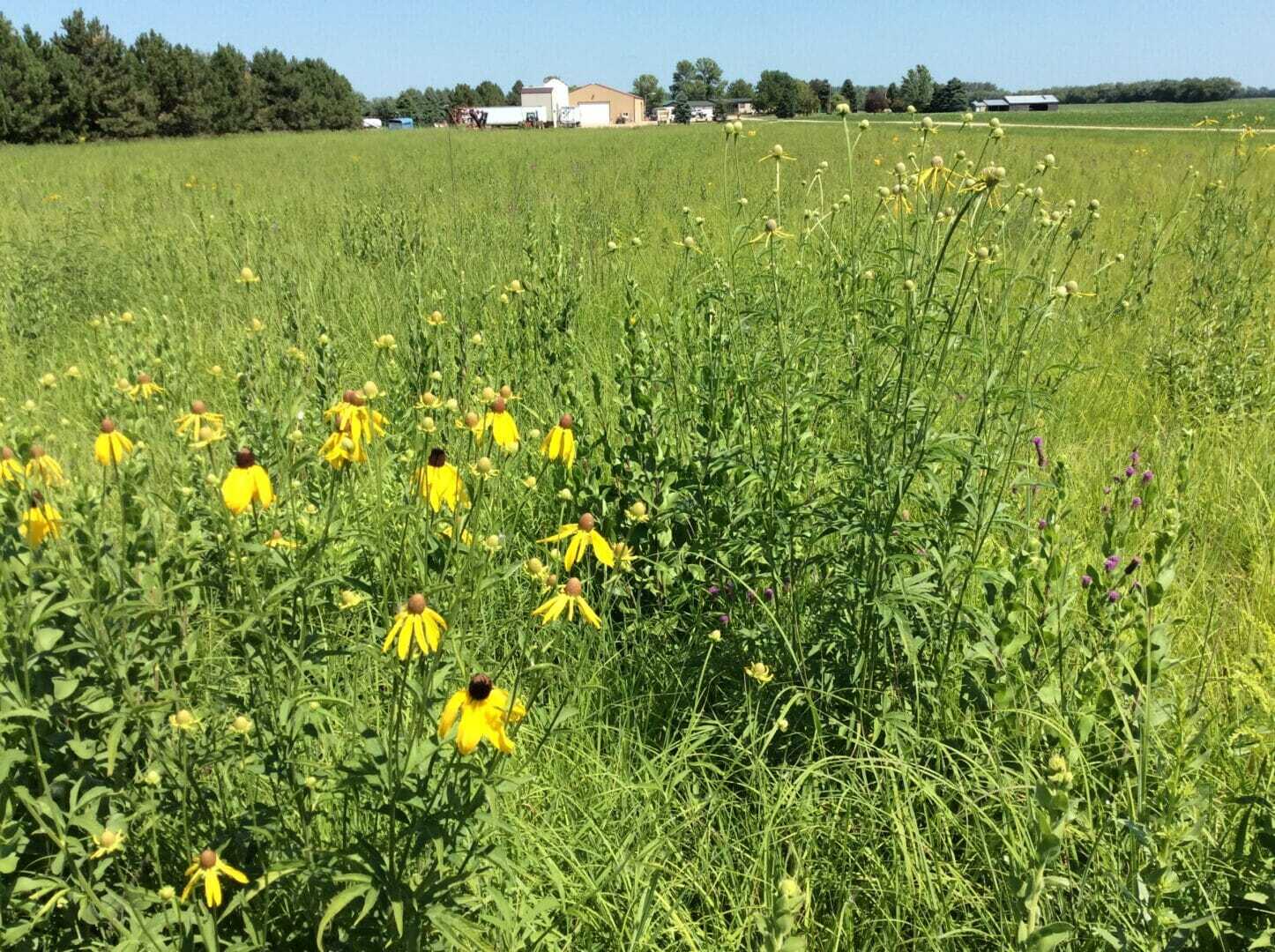
    Wild flowers, like those planted in this two-acre prairie plot that has been restored to long grass, help pollinators remain healthy. My wife, Sandy, and I planted and care for this Prairie Restoration Plot in cooperation with the United Prairie Foundation. Seed costs for this complete mixture of grasses and flowers costs about $2,000 per acre.
    Gary

    EASTERN NORTH DAKOTA

    Brian McNamee

    It looks like we’ll have a perfect weather pattern for tasseling and pollinating corn. Highs will be in the low 70s to mid-80s, and night-time temps will get down to around 60 degrees Fahrenheit. We have a terrific corn crop across the entire region. Yield predictions and assessments have already started.
    Harvest is coming fast. Small grain harvest likely will begin next week.
    Brian
     

    Shannon Latham

    July 18, 2018
    #FromTheField Crop Reports, Season, Summer
  • Latham Hi‑Tech Seeds

    From the Field Crop Reports: July 11

    James 2

    EASTERN IOWA

    Jerry Broders

    Things are looking good in Eastern Iowa! This Latham® corn plot was planted April 29, and the 114-day hybrid has already tasseled. This soybean plot was planted May 16.

    Jerry 1
    Jerry 2

    CENTRAL IOWA

    Bryan Rohe

    These photos were taken this week at a Latham plot near Oskaloosa, Iowa. It’s time to start looking at plots and planning for next year’s seed needs. “Independent Options” will make the difference! Latham Hi‑Tech Seeds will offer six different soybeans technologies and many different corn hybrids to maximize your profit per acre.

    Bryan 1
    Bryan 2
    Bryan 3


    NORTHEAST IOWA & SOUTHEAST MINNESOTA

    Craig Haaland

    It’s important to keep scouting your fields. Here’s a field of our popular LH 5245 VT2 PRO RIB in Black Hawk County. It’s been a dry week, so farmers were able to finish spraying. Soybean fields are finally starting to come around and looking better.

    Craig 1

    WEST NORTH CENTRAL IOWA

    Bart Peterson

    Latham® Dealers are busy putting signs in corn and soybean SuperStrip plots.

    Bart 1
    Bart 2

    NORTH CENTRAL IOWA & SOUTH CENTRAL MINNESOTA

    Cory Greiman

    NORTHWEST IOWA

    Darin Chapman

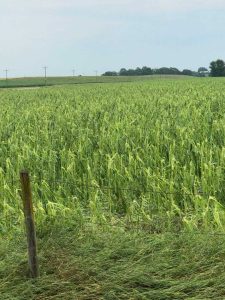
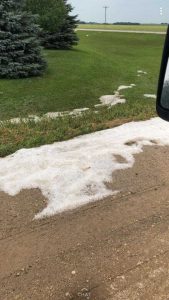
    Weather events just keep happening in Northwest Iowa. Just as we finished with replants, Mother Nature delivered hail.

    Darin 1
    Darin 2

    WESTERN IOWA & EASTERN NEBRASKA

    Larry Krapfl

    Soybeans have begun to flower in my territory and we are beginning to see a lot of sprayers in the field with the dryer weather conditions this week.

    Larry 1
    Larry 2
    Larry 3

    SOUTHERN WISCONSIN

    Greg Mair

    LH 5495 3122 EZR has excellent plant health at flowering in southern Wisconsin.  This field’s end use will be corn silage this fall because of the tonnage and flexible use of this product.  I have not noticed much for corn diseases in the fields in 2018.

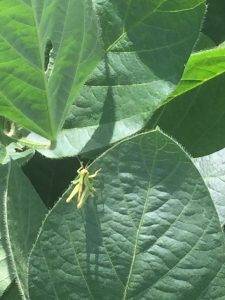
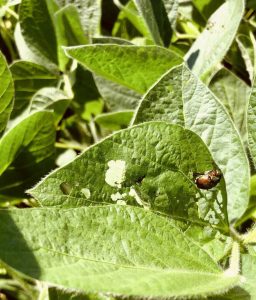
    The only pests I have seen in fields are Japanese Beetles.  The Japanese Beetles are just starting to chew on soybean plants as seen in this field of L 2228 R2.  Now is the time to scout your fields for weed and pest issues. It’s also time to start planning for 2019.

    Greg 1
    Greg 2

    NORTHERN WISCONSIN

    Joey Salter

    Overall, crops are still in pretty good condition across Northern Wisconsin. However, signs of drought are present on lighter soils. As leaves curl and turn gray, farmers are becoming more concerned about yield loss. This link to an Iowa State University article includes some very good information about yield loss in both corn and soybeans: https://crops.extension.iastate.edu/cropnews/2017/07/influence-drought-corn-and-soybean

    Joey 1
    Joey 2

    SOUTHERN MINNESOTA

    Jay Nelson

    As I’m looking at crops, it’s apparent that Latham products are awesome. This Field was split planted and LH 5245 stood strong against some heavy wind. This area also received 11 inches of rain over three days.

    Jay

    NORTHERN MINNESOTA

    Ken Highness

    This picture was taken July 7 near Morris, Minn. This field of LH 455TQ RR was planted this spring and spayed twice with Roundup®. You can see the great weed control in this first cutting.

    Ken 2
    Ken 1

    SOUTHEAST SOUTH DAKOTA

    Ramie Coughlin

    This week winter wheat harvest has kicked off in South Dakota. With some long awaited dry warm weather, the wheat finished drying and combines started rolling. Little Jett looks on while his dad, Jim, unloads a hopper full of wheat.

    Ramie

    NORTHEAST SOUTH DAKOTA

    James Keltgen

    Warm weather has pushed the corn crop along. Even with late planting this spring, corn development is ahead of average. Tassels will pop on much of the corn this week, and cooler temps will be beneficial to pollination. Soybeans have been coming along slowly due to wetter conditions, and Iron Deficiency Chlorosis (IDC) is showing up this year. Research has proven that planting IDC-tolerant soybean brands is really the best management practice. To help farmers better identify those soybeans that have high tolerance to IDC, Latham Hi‑Tech Seeds has designed a lineup of soybeans as IRONCLAD™.

    James
    James 2

    SOUTHEAST NORTH DAKOTA

    Gary Geske

    Growing conditions have been pretty good this spring, so Kyle Geske is applying more nitrogen to help maximize yield in some of his fields. Crop scouting is important this time of year even if you don’t plan on applying more fertilizer now as next year’s fertilizer maps can be adjusted based on areas that are insufficient this season.

    Geske

    EASTERN NORTH DAKOTA

    Brian McNamee

    Latham® LH 4940 CONV/LFY continues to impress everywhere its grown. I can’t wait to do pre-harvest tests for tons per acre and silage quality. It looks to be an exciting new addition to our Latham portfolio.

    Brian

    Shannon Latham

    July 11, 2018
    #FromTheField Crop Reports, Season, Summer
  • Latham Hi‑Tech Seeds

    FB LIVE: Green Snap

    LIBSYN header 4 1024x576

    LIBSYN header 2 01

    Today’s live discussion features green snap and the implications on your corn crop!

    FB Live Link: https://www.facebook.com/LathamSeeds/videos/10156533940542138/

    Laura Cunningham

    July 5, 2018
    #AskTheAgronomist, Corn, Crop, General, Season, Summer
Previous Page
1 … 24 25 26 27 28 … 46
Next Page

Latham Hi‑Tech Seeds

131 180th Street | Alexander, IA 50420

(641) 692-3258

SIGNUP FOR OUR NEWSLETTER
  • Contact
  • Legal
  • Dealer Center
  • Seedware Login
  • Latham Gear

© 2025 Latham Hi‑Tech Seeds. All rights reserved. | Iowa Web Design by Webspec | Privacy Policy

Latham® Hi-Tech Seeds is a trademark of M.S. Technologies, L.L.C., 103 Avenue D, West Point, IA 52656.