Latham Hi-Tech Seeds

(641) 692-3258

  • Home
  • Products
    • Corn
    • Soybeans
    • Alfalfa
    • Corn Silage
    • Seed Guide
  • Performance
  • Find a Rep
  • Media
    • Blog
    • News
    • Videos
    • Podcasts
    • TECHTalk
  • About Us
    • Company History
    • Our Mission
    • Careers
    • Become a Rep
    • Sowing Seeds of Hope
  • Contact Us
  • Latham Hi‑Tech Seeds

    Put Americans Back to Work

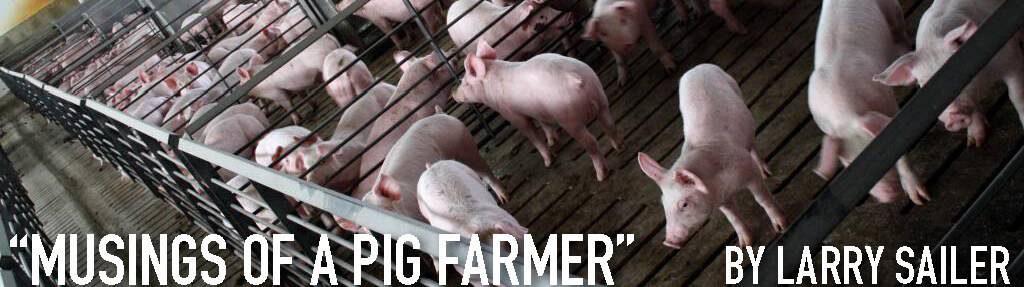
    MusingsHeaderThis week I’ve been spending lots of time doing research and writing about GMOs for a presentation I’ll be giving Thursday at the request of Iowa State University Extension (ISUE). One might think I’d decide to write about GMO’s in today’s blog post, but I’ve decided to instead cover a topic that’s been bugging me for a long time. Yep, it’s political!

    The current Administration claims that rebuilding “the middle class” is one of its highest priorities. In actuality, the middle class has been shrinking… Or so we’ve been told. Millions more people have been added to some type of welfare rolls during the Obama presidency. I’ve read reports stating as much as 50% of our population is collecting some type of aid!

    One reason this figure is cloudy is because it’s hard to consistently define “aid.” Regardless of how its defined, entitlements are holding back job creation. Contracts negotiated by unions when the economy was expanding and workers could demand whatever they wanted has come home to roost! Money was not put away as it should have been to fund the future draw of the retirees. The current workforce is being made to fund the retirements.

    Yet, our current administration claims “putting Americans to work” is one of its highest priorities! The stated goal is to create more jobs and get our workforce strong and growing. I want to examine where our president thinks we should go and why I don’t think that’s the direction needed: 

    • Close tax loop holes and keep our jobs from going overseas. Now, being trained as a farmer and not an economist (although that is part of my job), I don’t see how more taxes creates new jobs.
    • Build and improve infrastructure to increase jobs. Here again, more taxes are needed to fund the building. Taxes stymie business growth.
    • Fund energy-saving, “green” jobs. Solar panel fields, wind turbines and new ways to fuel our transportation needs will certainly stimulate the economy from new energy efficiency, right? Here again, more taxes are needed to fund them. Unfortunately, America has taxed its cheapest types of energy out of existence. We’re losing cheap energy from coal, nuclear and oil, but cheap energy makes jobs – period!

    Speaking of creating jobs… we have a major shortage of semi-skilled workers in Iowa. Folks with a trade school education are needed as welders, electricians and assembly folks. Almost anyone with some type of computer skills can be trained and these types of candidates are in high demand.

    When I was trying to hire for my construction company, it was tough to find someone willing to run a cordless drill or operate an air nailer. It didn’t matter what I paid. Honestly, it was hard to motivate people to come to work when they can stay at home and make the same amount of money with better benefits!

    Now, I have no problem with someone being on temporary unemployment. It happens. Believe me, I know! Some jobs come and go. Jobs get finished and sometimes the next project doesn’t start right away. But unemployment was never meant to replace employment. After a certain period, say three or six months, something needs to change.

    Let’s implement a training program instead. Line up jobs that serve a public purpose, so American taxpayers see some benefit and “underemployed” Americans can regain pride in having a purpose. Not everyone can work just any job, as we all know, but some type of service can be done by a lot of the people “looking” for work. Plus, a training program will help equip people with skills they’ll need to hold full-time employment. Win-win.

    Notice that I’m not advocating for a higher minimum wage because honestly, that’s a double whammy: (1) People are less incented to work; and (2) Small businesses can’t afford to pay what the government programs do. I’ve heard those who know how to “work the system” are drawing upwards of $50,000. Minimum wage in Iowa is $7.25, so this person is going to need overtime to make $50K. Why work that hard? Our current system leads to a disincentive to work.

    Healthcare is a whole other story. Requiring young workers who don’t need health insurance to have it, or a potential employer to buy it for them, is a serious financial drag. Young, healthy workers should be in huge demand! Let’s not shut them out of the job market. There’s more that I could go into on this topic, like paperwork, but I’m going to keep it simple today.

    Let’s keep job creation simple:

    1. Seek low-cost energy options.
    2. Eliminate costly regulations that hamper business.
    3. Provide training rather than entitlements.
    4. Practice fair trade and supply the world, rather than buying from the world.
    5. Keep the government out of jobs that private enterprise can do!

    Larry Sailer, Musings of a Pig Farmer

    March 4, 2014
    Agriculture, General, Industry News
  • Latham Hi‑Tech Seeds

    10 Ways to Fight Cabin Fever

    SpringBackground2Last week my kids had three Snow Days. Fortunately, the temperatures were warm enough that they could actually go ahead and enjoy the snow. They built a snowman. They made a snow fort in large drifts. They also played King of the Hill with our energetic Black Lab. Plus, they spent quite a bit of time at the local sledding hill.

    But what’s a person to do when you wake up to wind chills of 35° below zero?

    This week I decided Mother Nature might dictate the weather outside but she wasn’t going to control my mood – at least anymore! Instead of plopping on the couch in front of the television after supper on Monday, I grabbed a bucket of Murphy’s oil soap and scrubbed my kitchen cupboards. The next morning I awoke extra early to take down all of our light fixtures and wash them before work. It’s amazing how much better I felt after seeing my kitchen sparkle!

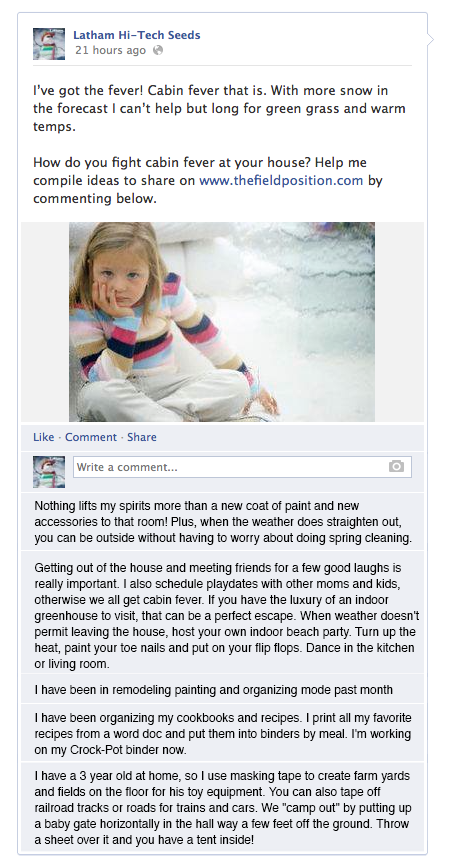
    When I posted my “spring cleaning status” on Facebook, many of my friends posted their ideas.

    1. Update Facebook cover photo with a beach scene. There are few things more beautiful (in December and January) than a fresh blanket of snow on farm fields and barn roofs. After pushing snow and doing chores in the cold for weeks on end, however, white sand beaches now sound more appealing! I updated my Facebook cover photo, so I’m virtually transported to a beach each morning. 🙂
    2. FacebookCommentsPaint yourself happy. A few weeks ago, I picked out a beautiful blue color palette for a room in our house. The walls are now light and airy, plus I’ve brought nature inside by decorating with bird nests and pussy willow.
    3. Lighten the fare. Usually, I look forward to snow days so I can bake and cook for our kids and their friends. Cheeseburger Chowder, baked tacos, brownies and chocolate chip cookies are among their favorites. But after numerous snow days this winter, I’m starting to feel heavy! That’s why I’m searching for new recipes that are full of color like Sunshine Chopped Salad and Mediterranean Chicken Skillet by Iowa Girl Eats.
    4. Accessorize.  I recently read an article that “Radiant Orchid” is one of the top Pantone® colors for spring. Feeling as though the four walls were enclosing around me, last night I visited a nearby mall to get a color fix. I tried on a Celosia orange shirt and admired a Kelly green Michael Kors purse. (I should have bought this very purse last Saturday night at the Iowa 4-H Foundation auction.)
    5. Lather up with lotion. Last night I was momentarily transported to Oahu and Maui, Hawaii, by  three new signature lotions from Bath & Body. 
    6. Get creative with cosmetics. Buy new lipstick in a soft pastel or a bright color inspired by spring flowers. I didn’t have time to set down at the cosmetic bar last night, but I plan to do sometime within the next 30 days.
    7. Buy a bouquet. I always look forward to the arrival of tulips and daffodils, but it’s going to be a while before the snow melts and these little beauties peek their heads above the ground. I’m thinking about buying myself a bouquet just to brighten my day! Why should fresh flowers be reserved for occasions like Mother’s Day and anniversaries?
    8. Treat yourself to a spa pedicure and/or manicure.  I’ve been known to schedule customer visits around a trip to Faust Institute of Cosmetology in Spirit Lake. It’s been far too long since I’ve had “happy toes.” Northwest Iowa, here I come!
    9. Order flower and vegetable seeds. April is national gardening month, so it’s time to plot what gets planted. Not only do I need to plot, I need to buy seeds. (I need a lot of seeds since my pumpkin patch will be close to 7 acres this year!)
    10. Haircut and highlights. My mom was a cosmetologist, so she taught me that “highlights in your hair puts spring in your step.” 🙂 Even my 13-year-old daughter finds it fun to get a few highlights.

    How do you fight cabin fever? I’d love to hear your thoughts and suggestions. For more ideas, click on the related posts below.

    Related Posts

    • Fighting Cabin Fever with Fun
    • Fighting Cabin Fever with Food
    • The Cabin Fever App

    Team Latham

    February 27, 2014
    Agriculture, General, Industry News
  • Latham Hi‑Tech Seeds

    Is Big Brother Watching You?

    Watching the Winter Olympics’ closing ceremonies Sunday and hearing some good news from the Ukraine, made me reflect more upon speakers from our recent policy meeting at Farm Bureau headquarters in Des Moines. All of pondering also heightened my concern about how much access to farm data the U.S. has and how it could be used. It’s no secret that Big Brother keeps a close eye on farmers, but recent meetings have unveiled to me that today’s technology is giving government officials access to more farm data than ever.

    “I’m from the government and I’m here to help you.” That was the opening statement made by the first speaker at our recent Iowa Farm Bureau policy meeting. At first, I thought the man was joking. Then I realized he was dead serious.

    Bill Bing, Policy Administration Branch Chief for the United States Department of Agriculture, explained how the new Farm Bill ties crop insurance to conservation. I’m thinking, “No big deal. I farm in a very conscience manner about my soil. I no till when possible, and I try to not waste any resources.”

    But fear started to run like ice through my veins as Mr. Bing explained the power our new Farm Bill gives government employees. Google maps allows government officials to zoom in on particular farming operations, and the level of detail that can be viewed has this old farm boy concerned about “the facilities” behind the barn anymore! If something catches an official’s eye, the government can come on to my property and investigate. (Will the government view that I am polluting the environment by using “facilities” behind the barn? Is this just cause for a search?)

    Bing even went so far as to say that the government wants information from yield monitors in our combines directly linked to their databases! Years of information will be fed into computer and analyzed, so officials can find reason to investigate. And I thought their budget was being reduced!!

    Another speaker at the policy conference was Matt Bechdol, president of GeoSilos, who talked about how data is collected by companies. GPS can enable a vast amount of information to be collected, down to where your tractor is operating, what it’s doing and for how long. New planters can transmit how many kernels of corn is being planted and at what depth. Where does this information go and who has access to it? If a company or entity collects enough of this information about planted acres and yields, it can play the markets or even influence them! (How scary is that?)

    Day 2 of the policy conference delivered the same message by Vickie Friedow, Ag Program Specialist for Iowa Farm Service, and Soil Conservationist Don Carrington from the Iowa Natural Resources Conservation Service: Government pretty much has free access to check out your operation for something they think they have found odd. And while they are there, you can bet the farm they’ll look at any storage tank, piles of spare parts, and your burn pile. What can and can’t be burned on a farm has personally been read to me, and it’s baffling. Don’t try using any common sense to guess what can and can’t be in that pile!

    Yep, today I’m reflecting on Ukraine and Russia. I’m hoping and praying for freedom the Ukrainians have the freedom to farm and sell their products in a way that makes sense, so they can improve their future. There is much potential in the Breadbasket of Europe… Potential I’m hoping and praying we Americans can maintain!

    Larry Sailer, Musings of a Pig Farmer

    February 25, 2014
    Agriculture, General, Industry News
  • Latham Hi‑Tech Seeds

    Be Prepared to Survive Winter Weather

    Photo Source: Ready Wisconsin
    Photo Source: Ready Wisconsin

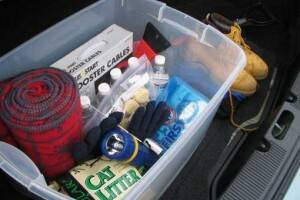
    Earlier this winter Polar Vortex blanketed the Midwest, followed by subsequent days of below-zero temperatures and dangerous wind chills. Most recently, our region has been hit by a serious of blizzards. These winter weather events remind us just how important it is to carry a Winter Weather Emergency Kit.

    You might think, “I’m just driving 10 miles down the road to check on pigs at another farm.” or “I’ll just run into town for a few supplies.” During inclement weather, it doesn’t matter if you’re whether you’re one mile or 100 miles from home. You can get stranded anywhere, particular in the rural areas many of us travel.

    Whiteout conditions are disorienting. Vehicles have been accidentally hit when motorists have lost their bearings and stopped in the middle of the road. Sometimes we decide we can’t go on, but other times our vehicles simply can’t make it through the extreme weather. Whatever happens, it’s best to be prepared to handle the most extreme circumstances.

    Photo Source: Preppers Warehouse | Sold for $6
    Photo Source: Preppers Warehouse | Sold for $6

    Keeping a thermal blanket (the one that looks like aluminum foil), as well as a heavy wool blanket plus wool socks in your vehicle is a smart winter survival tactic. Wool helps keep you warm and dry. In fact, wool blankets are commonly used in our ambulances and for winter rescues.

    Not only can winter weather be a hazard for travelers, but we also have to watch our bodies for signs of stress while we’re removing snow. Weather like we experienced last week is literally a heart-attack snow because it’s so heavy and wet. Be extremely careful, so you don’t overexert yourself!

    I recall hearing a story of a stoic, elderly farmer was determined to shovel to his mailbox to get mail after a heavy wet spring snow. He overexerted himself and passed out on a snowbank. The snowfall that day was extremely heavy, and the wind was blowing fiercely. By the time the ambulance arrived, he was covered with snow. He was wet and hypothermic. Fortunately, this story had a happy ending but not all do. Please take precautions to avoid frost bite and hypothermia situations, even in spring.

    March 1 may be just around the corner, but chances are, we’ll experience more snowfall before the grass turns green. Historically in Wisconsin, March is heavy snowfall month. Eleven inches of snow fell here March 7 last year, and snow was on the ground through the end of the month. Watch out for snowdrifts, too.

    Be prepared to survive winter until the final flake falls! Throw extra blankets, matches, snacks and other survival tools into your vehicle if you must travel.

    Shannon Latham

    February 24, 2014
    Agriculture, General, Industry News
  • Latham Hi‑Tech Seeds

    Grassroots Efforts Lead to Better Representation

    IFBF policy
    IFBF policy
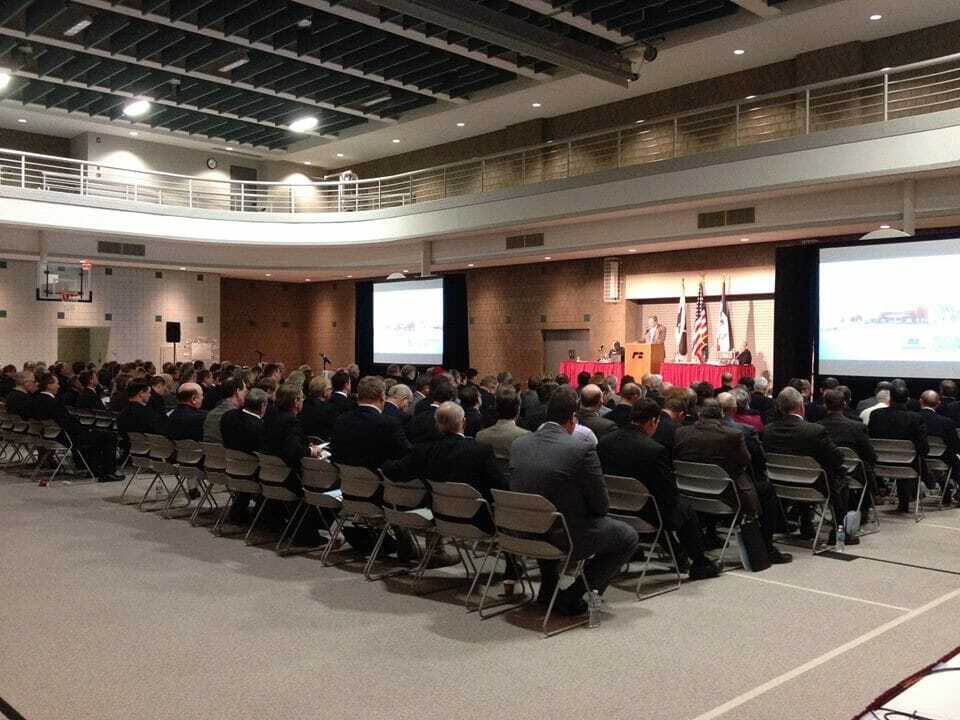
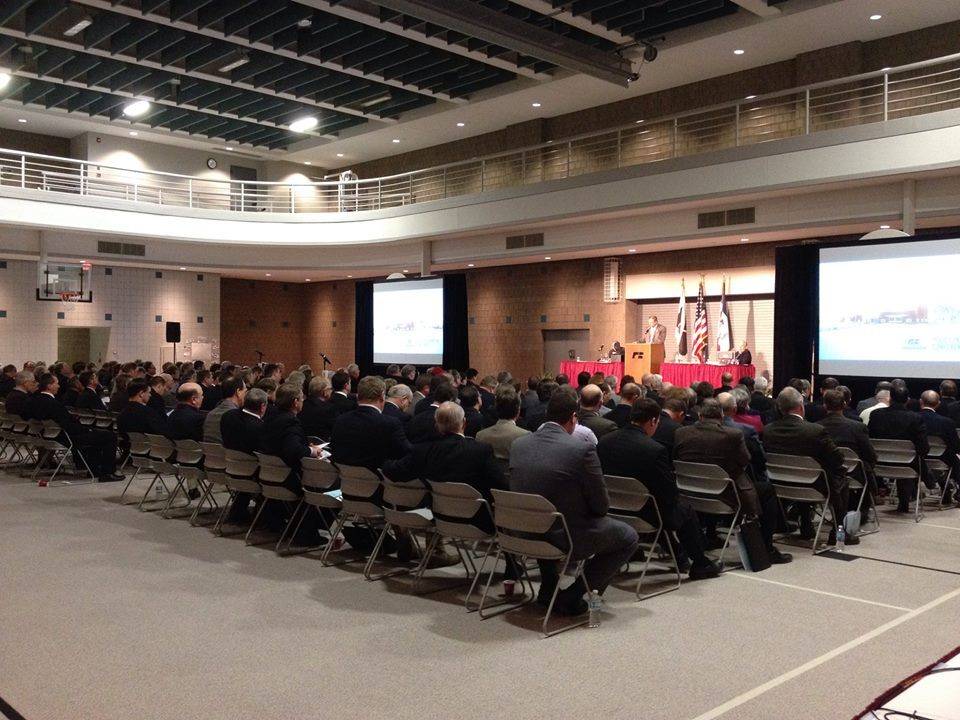
    Iowa Farm Bureau delegates, who attended last week’s meeting in Des Moines, to help set policy.

    Every year the Iowa Farm Bureau Federation hosts a grassroots policy conference in Des Moines for voting delegates, president and vice presidents from each county. Issues that have been brought up by county organizations and individual members are discussed. In fact, the opportunity for each and every person to voice concerns about issues that impact his or her livelihood and family is one advantage of Farm Bureau membership.

    Last week I had the privilege of attending this two-day policy meeting in Des Moines where we discussed all sides of these issues. There are many sides to these issues because Farm Bureau has such a diverse membership: small farmers, large farmers, non-farmers, farmers who raise about every crop they possibly can grow in Iowa, plus those who have tried growing crops and found out the hard way that they won’t grow here. Yes, our members are very diverse!

    Yet, we all come together to develop policy. After this meeting, the draft state policy goes the county level where it is discussed by members there. Any IFBF member can attend these local meetings plus each member can also submit their policy comments online. This lengthy process is great for anybody who wants to be heard.

    Engaging in the lawmaking process is one of the most important privileges – and responsibilities – we have in a free society. (I’ll cover free society in another blog. Some of what was discussed by government employees at this conference do not fit in to a free society!) Often times I hear people make comments like, “I’m too busy to make a trip to the State House. I wouldn’t know how to contact my elected officials. One person can’t possibly make a difference.”

    Here’s my response to that…  If you’re not representing your interests, who will? You have a legislator’s ear because he or she wants your vote. There are several ways to contact your elected official: (1) phone; (2) email; (3) standard mail; (4) Town Hall meetings within their district or (5) a personal visit to The Hill.

    Anyone can go to the second floor of the State House. All you have to do is fill out a little slip of paper requesting to visit with a member of the General Assembly, and then hand that paper to one of the door keepers outside the House or Senate chambers. These messengers will tell you if your official is present or not, and they will go inside the chambers to find them.

    Last week I was able to talk to House Majority Leader Linda Upmeyer, my elected representative. A group of us from my district inquired what was being discussed by the Legislature and shared our concerns with her. On the Senate side, we talked with Amanda Ragan. I also visited briefly with Senator Sandy Greiner.

    One of the biggest issues facing our state is worn out bridges, which were designed for little wagons and trucks used back in the 1950s. The high cost of maintaining our roads is also a concern. How do we find the money to fix them without bonding, which puts counties into debt?

    Other concerns we discussed are mental health services, property taxes and education. How do we get Iowa back into the lead of education where we were for decades? We also had a conversation about the need to keep our soil and nutrients in place, and this is a topic that everyone seems to interest everyone. We talked about the state budget, as well. Our state’s budget is once again on solid ground, and we must keep it there!

    As you can see, many of the issues we discussed are important to Iowans whether or not they farm. One of the reasons we feel strongly that farmers need to make their voices heard is because ag literacy is a real concern.  Too many individuals in places of power have never set foot on a farm, yet their making laws and rules that greatly impact our businesses and livelihoods. Engage in the lawmaking and rule-making processes because there are fewer people who understand the day-to-day workings. These lawmakers need to hear from you!

    Larry Sailer, Musings of a Pig Farmer

    February 18, 2014
    Agriculture, General, Industry News
  • Latham Hi‑Tech Seeds

    President’s Day: a Celebration of American Agriculture

    Bad seed

    While many government offices, financial institutions and schools close annually on the third Monday of February, President’s Day seems to get little attention. Since this holiday began as a way to honor the life and work of our first U.S. president, it seems only fitting today on TheFieldPosition to highlight some of George Washington’s contributions to agriculture.

    Washington was called the “foremost farmer.”  He began keeping records of his planting activities as early as 1760. In fact, precise records was one of his first steps on the path to agricultural improvement and innovation. Washington believed America should become a “granary to the world,” so he was interested in improving productivity. He pioneered many aspects of farming including advanced crop rotations, the use of fertilizers, crop experimentation, and farm equipment.

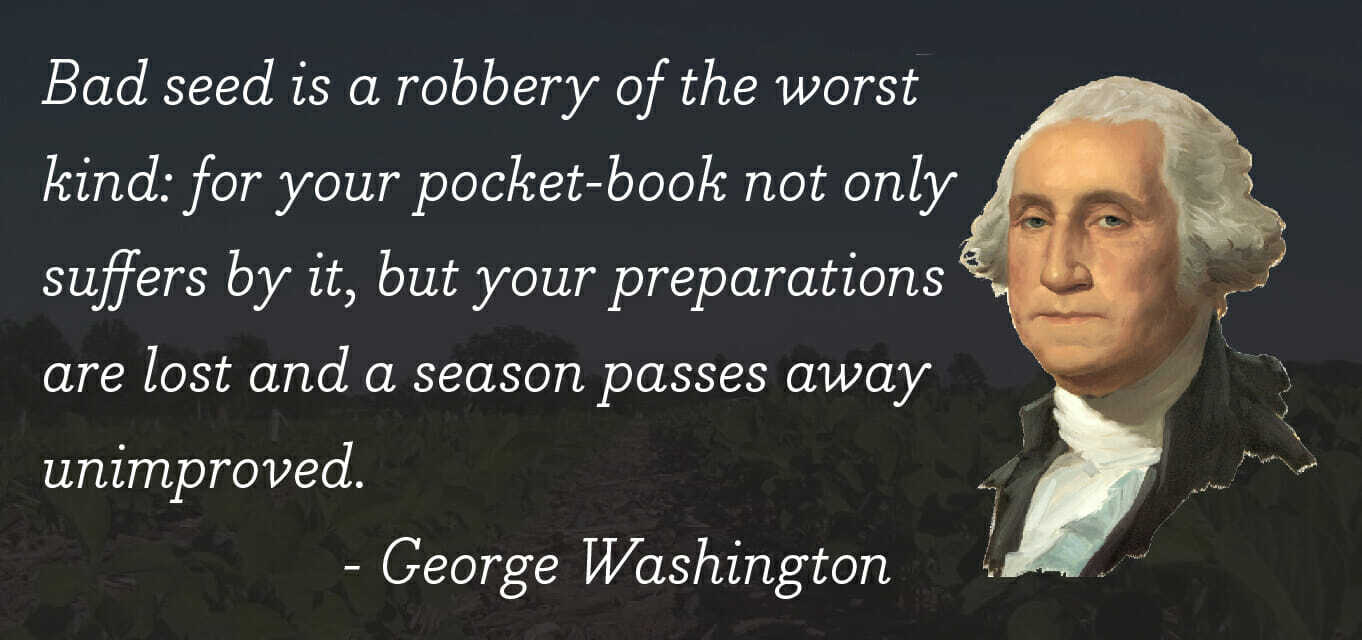
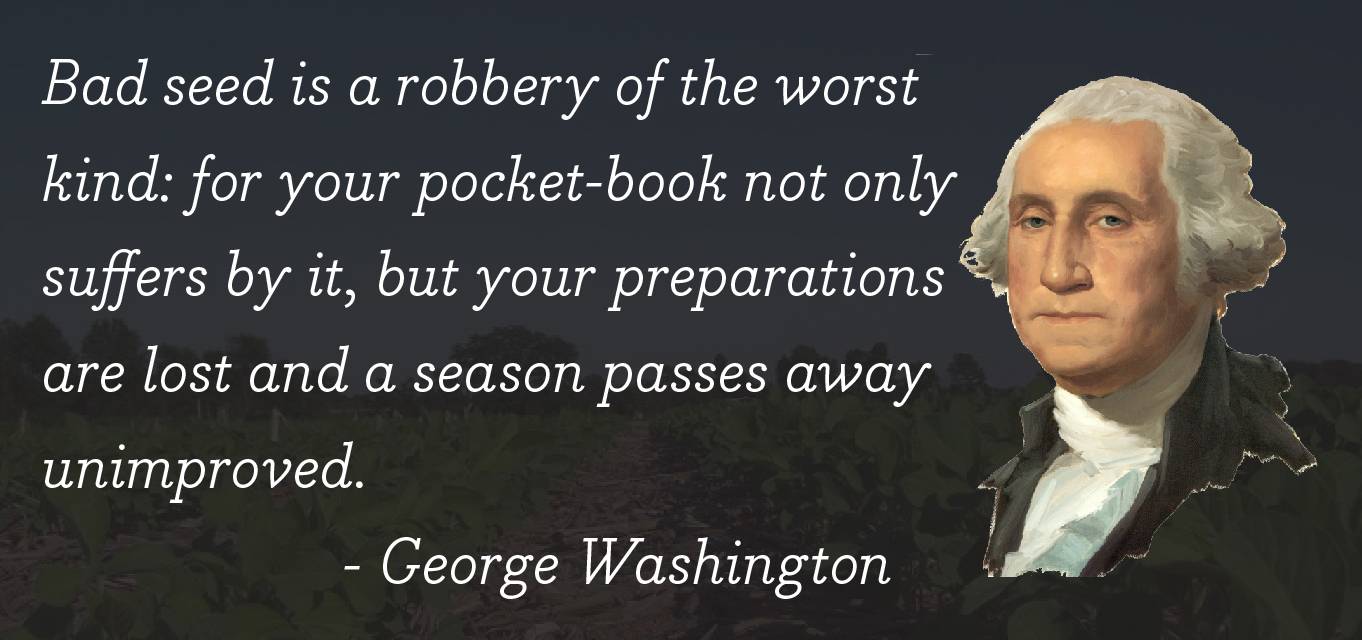
    Bad seed“Bad seed is robbery of the worst kind for your pocketbook not only suffers, but your preparations are lost and a season passes away unimproved,” said Washington.

    At Latham Hi‑Tech Seeds, we find this particular quote by Washington to be especially fitting for our business. We understand the hard work and hope that goes into the ground with each new crop year. As a third generation family-owned business – founded on what is today an Iowa Century farm – we understand the desire to create a legacy for future generations.

    We’re proud to carry on the tradition of producing quality seed, which was started in 1947 by our founder Willard Latham. In fact, seed production is something we take so seriously that the word “quality” is stamped on every bag of Latham® soybeans. Our hands-on production process allows for less handling, which leads to higher germination rates.  Be assured there’s quality in the bag when you open a bag from Latham!


    Team Latham

    February 17, 2014
    Agriculture, General, Industry News
  • Latham Hi‑Tech Seeds

    Needed: Advocates for Seed

    John-SciMaxMtgAs vice president of American Seed Trade Association’s (ASTA) North Central region, I was invited to speak yesterday during the Iowa Seed Association’s annual meeting in Des Moines. This was somewhat of a daunting task since I was asked to address my industry colleagues about issues that ultimately affect everyone involved with agriculture.

    Fortunately, I was joined on stage by ASTA Vice President of Government and Regulatory Affairs Jane DeMarchi. Jane gave a federal update on a vast number of topics including food safety, intellectual property rights, seed testing and biotech. She then ended our presentation with this call to action:

    • Legislative Advocacy – Become a Seed Advocate
    • Regulatory Advocacy – Be a good steward
    • Public Opinion Advocacy – Listen and learn how to respond

    Advocates are needed for the seed industry, so we can continue to access the seeds that make today’s farmers more productive and efficient than ever before.  As Annie Dee writes in a blog for Common Ground, “Make Food Choices Based on Facts Not Fear.” She goes onto to write:

    On our family farm, for instance, we use varieties of biotech-enhanced corn that are resistant to a common Alabama pest called the southwestern corn borer. Similar varieties help farmers manage pests, diseases and environmental stresses in soybeans, corn and many other crops. These varieties help us increase our yields and provide an abundant supply of food, feed, fuel and fiber to the world.

    The use of GMO crops has also reduced the number of chemical applications needed to produce the crop.  This is beneficial for the environment because we’re conserving fuel, reducing emissions from our tractors as well as reducing the amount of actual chemicals being applied. Overall, our carbon footprint is being reduced because of GMOs.

    There are numerous reasons for using GMOs, but the final one I’ll mention is because I know the seeds went through a rigorous safety-approval process. Not one, not two, but three government entities — the U.S. Department of Agriculture, the U.S. Food and Drug Administration and the Environmental Protection Agency — work together to inspect and approve each and every genetically altered seed variety and plant brought to the market. This process is thorough and time-intensive, lasting between 10-15 years. What is really reassuring is that in the 12-plus years modern biotech crops have been commercially grown, there has not been a single ecosystem disrupted or person made ill.

    Even though the fear is unfounded, there is opposition to GMOs that is causing a clear and present danger to the seed industry. Fear of the unknown is causing agriculture to come under attack on the Hawaiian Island of Kauai, known as the Garden Island. Activists from the mainland are funding a campaign against four seed and technology companies in Kauai.

    Other activist groups are pushing to label GMO foods. A compulsory GM label would encourage consumers to think that GM foods should be avoided, writes Cass R. Sunstein, the Robert Walmsley university professor at Harvard Law School and “Bloomberg View” columnist. He also writes:

    The American Medical Association has similarly proclaimed, “The main conclusion to be drawn from the efforts of more than 130 research projects, covering a period of more than 25 years of research and involving more than 500 independent research groups, is that biotechnology, and in particular GMOs, are not per se more risky than e.g. conventional plant breeding technologies.”

    It’s important for farmers and seed company executives alike to be good stewardship of not only the land but of the technologies. It’s also our responsibility to listen to the public and learn how to respond to their concerns.

    John Latham, President

    February 13, 2014
    Agriculture, General, Industry News
  • Latham Hi‑Tech Seeds

    Flat Aggie’s Not in Kansas Any More!

    Flat Aggie1
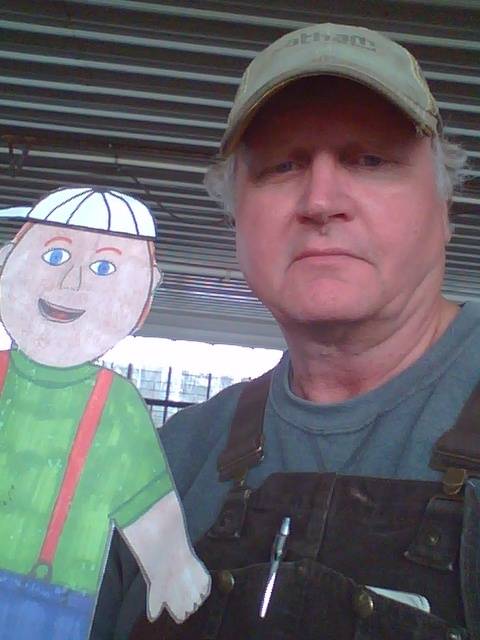
    Since farmer selfies (#felfies) are all the rage right now, we couldn’t resist snapping one while we were loading out hogs for market.
    Since farmer selfies (#felfies) are all the rage right now, we couldn’t resist snapping one while we were loading out hogs for market.

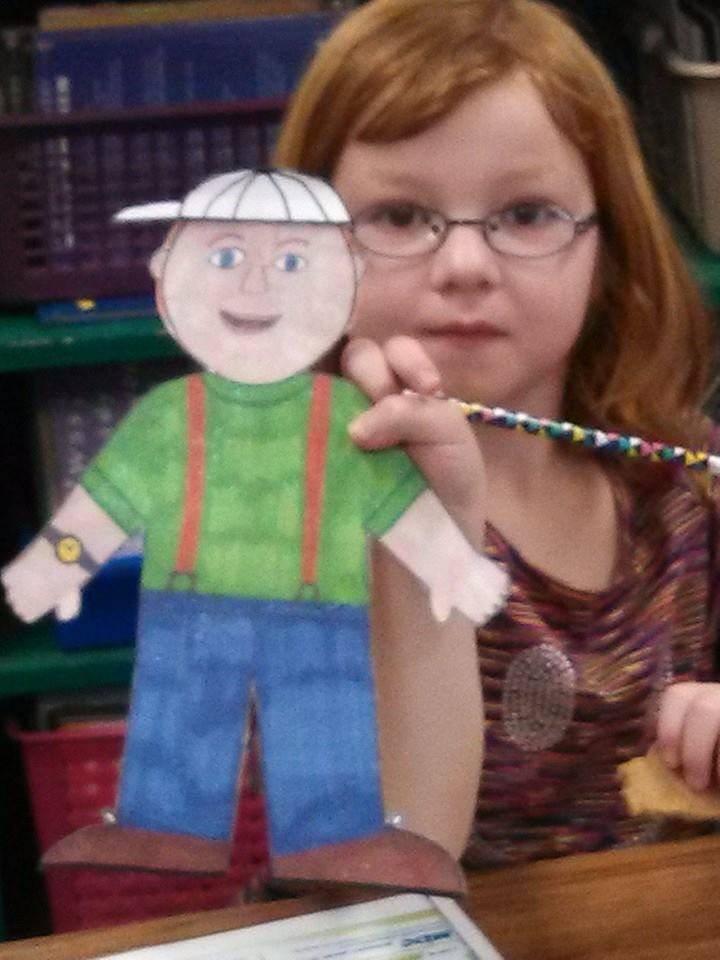
    Move over, Flat Stanley! There’s a new kid in the country, and he’s been enjoying daily adventures on a North Central Iowa Farm for nearly one month.

    Flat Aggie came to me Jan. 13 from a classroom in Southeast Kansas at the request of Nicole Small, who blogs at Tales of a Kansas Farm Mom.  She asked me to show Flat Aggie my farming operation since crops and even livestock operations vary by state. Getting to know other kids from different farming operations and schools around the country is a great experience and learning opportunity.

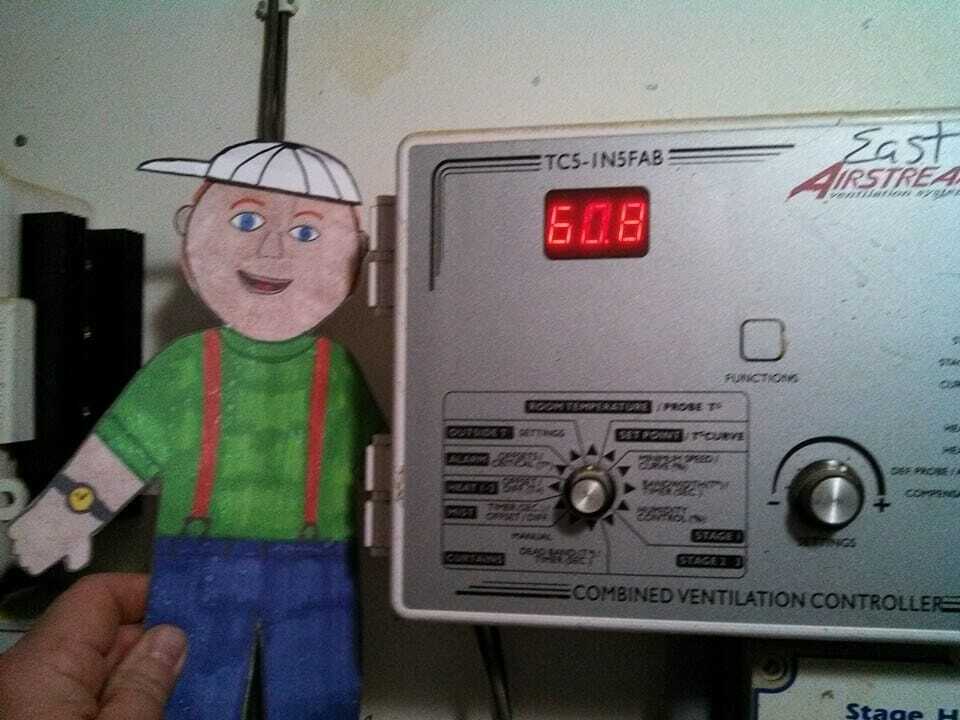
    For new pigs, the thermostat inside the barn is set at 80 degrees. Because it was well below zero outside, the barn didn't warm up to temperature until the pigs were inside. Pigs give off a huge amount of heat and moisture. That's why we need fans running at all times to exhaust this moisture.
    For new pigs, the thermostat inside the barn is set at 80 degrees. Because it was well below zero outside, the barn didn’t warm up to temperature until the pigs were inside. Pigs give off a huge amount of heat and moisture. That’s why we need fans running at all times to exhaust this moisture.

    What a great experience for Aggie to learn just what it takes to grow food! Aggie and I have had a lot of fun, but we’ve also had some challenges due inclement weather. We did chores inside a warm hog barn (thermostat is set at 80 degrees), and talked about how much better it felt to be out of the negative 40- degree wind chill that stung our faces as we ran from the truck to the barn. I told Aggie that years ago I did chores outside, and he couldn’t believe we used to raise our pigs outdoors in this harsh weather.

    Aggie has visited me at a time when there was so much going on with my operation. During a snowstorm, we loaded big pigs into semi trailers for market. Then we cleaned out the barns, disinfected them and made a few repairs before new small pigs were delivered.

    Flat Aggie also learned that winter is the meeting season. He went with me to Des Moines, our capitol city, for the Iowa Pork Congress and to Speaker Corps training at the Iowa Farm Bureau Federation’s office.  Aggie also joined me on visits to several North Central Iowa schools as part of Ag in the Classroom. Along with the school children, Aggie learned about dairy operations and how to make butter. He also learned the difference between comic book animals and real animals.

    Flat Aggie visited West Fork Schools in Sheffield to talk about where milk comes from and how it’s used to make butter
    Flat Aggie visited West Fork Schools in Sheffield to talk about where milk comes from and how it’s used to make butter

    It’s so important for our kids – and I don’t mean just farm kids – to understand how food is raised. Every day the news is filled with examples of how people, who are disconnected from food production, are pushing for the control of the food industry. Just last week PETA distributed a pamphlet entitled, “A Cow’s Life,” at Calabash Elementary school in Woodland Hills, California. The comic book drawing of a cow on the cover was harmless enough, but the illustrations of mutilated cows inside the publication were so horrendous that some outraged parents are considering legal action.

    People have the right to know how their food is grown but they deserve the facts, not some propaganda spread by an activist group trying to scare them away from one type of food. Americans are blessed to have an abundance of good, nutritious food available at affordable prices. We all have the right to choose the food we want, but food choices should be based on facts not fear.

    The need is great to educate consumers about where their food comes from and how it is produced. I’m seriously concerned about ag illiteracy, a so I’m doing things like hosting Flat Aggie, blogging and speaking when invited. A couple years ago, I spoke at a 140 conference in Des Moines about our Ag in the Classroom program. A young man, who grew up in Chicago, asked why we didn’t have programs like this in Chicago. He claimed to not know where meat came from until he was 18 years old.

    It takes a real effort for a busy farmer to leave his/her farm and drive to a school or civic group meeting – or to a 140 conference – where people can listen, ask questions and share experiences. But if we don’t tell agriculture’s story, who will?

    Larry Sailer, Musings of a Pig Farmer

    February 11, 2014
    Agriculture, General, Industry News
  • Latham Hi‑Tech Seeds

    WHO Tractor Ride 2014 to Stop in Alexander

    WHOTractorRide
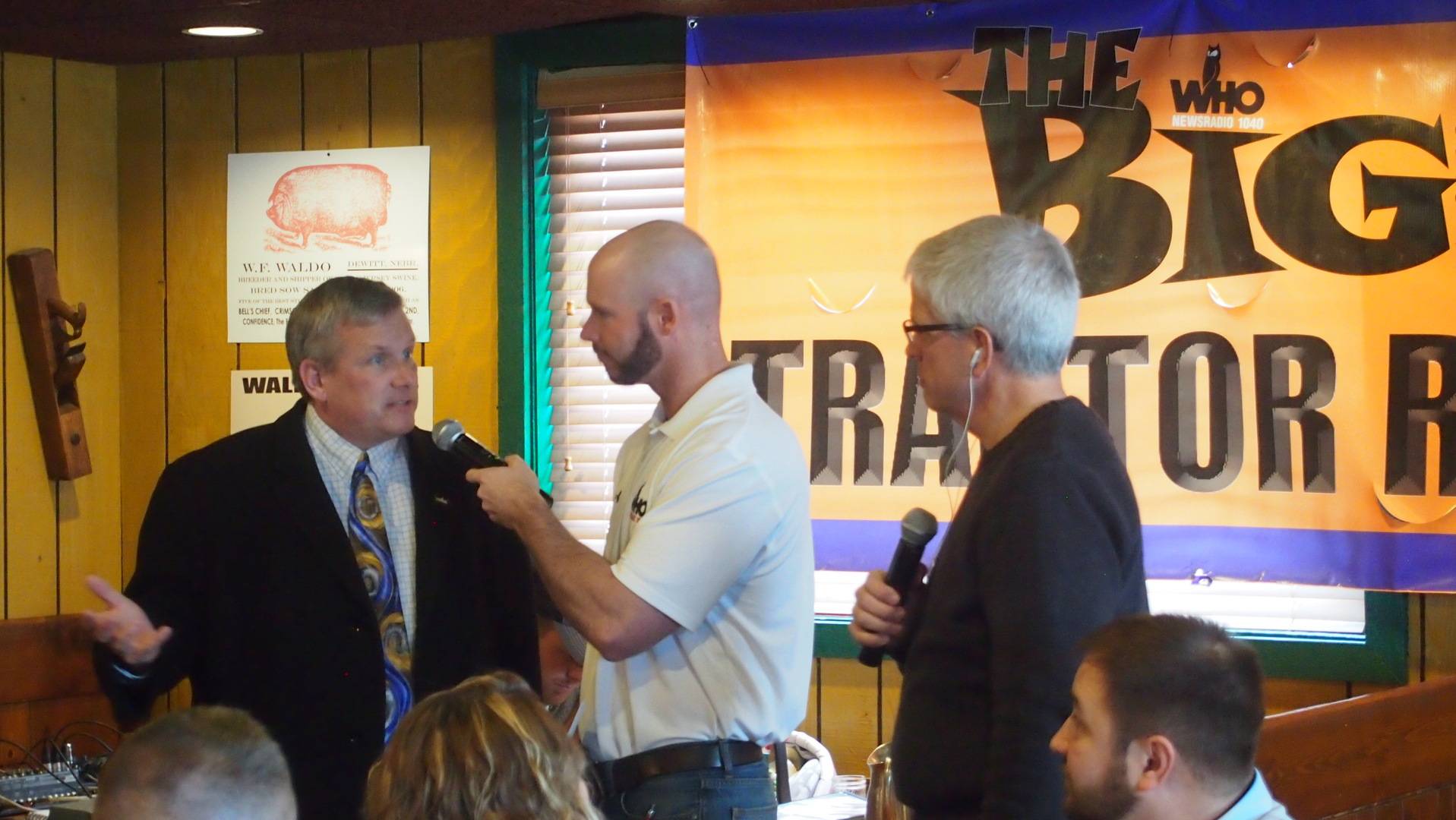
    Join Iowa Secretary of Agriculture Bill Northey on WHO Radio’s 2014 Tractor Ride
    Join Iowa Secretary of Agriculture Bill Northey on WHO Radio’s 2014 Tractor Ride

    March to the beat of the drums and sound the 76 trombones…  1040 WHO Radio has announced its 18th Annual Tractor Ride will be based out of historic River City! Latham Hi‑Tech Seeds is a proud sponsor, so make plans to join us June 22-25 as we traverse the beautiful North Iowa countryside.

    Applications are available now, and you won’t want to delay in completing one as only 400 riders will be accepted this year. With so much to see and do in North Iowa, you won’t want to miss it! Mason City is the hometown of Meredith Willson, who composed The Music Man. Mason City is also home to Prairie School Architecture with several community buildings, including the Historic Park Inn, designed by Frank Lloyd Wright. Just down the road in Clear Lake is the iconic Surf Ballroom and the site where Buddy Holly’s plane crashed.

    Latham Hi‑Tech Seeds will host lunch June 25 for 2014 Tractor Ride participants
    Latham Hi‑Tech Seeds will host lunch June 25 for 2014 Tractor Ride participants

    When visiting North Iowa, be sure to include a visit to Latham Hi‑Tech Seeds. We’re looking forward to hosting lunch Wednesday, June 25, on our family’s Century Farm which now serves as our company headquarters. Stay tuned to the Tractor Ride blog for more announcements and updates.  In the meantime, click here for more information about local accommodations including hotels and camping.

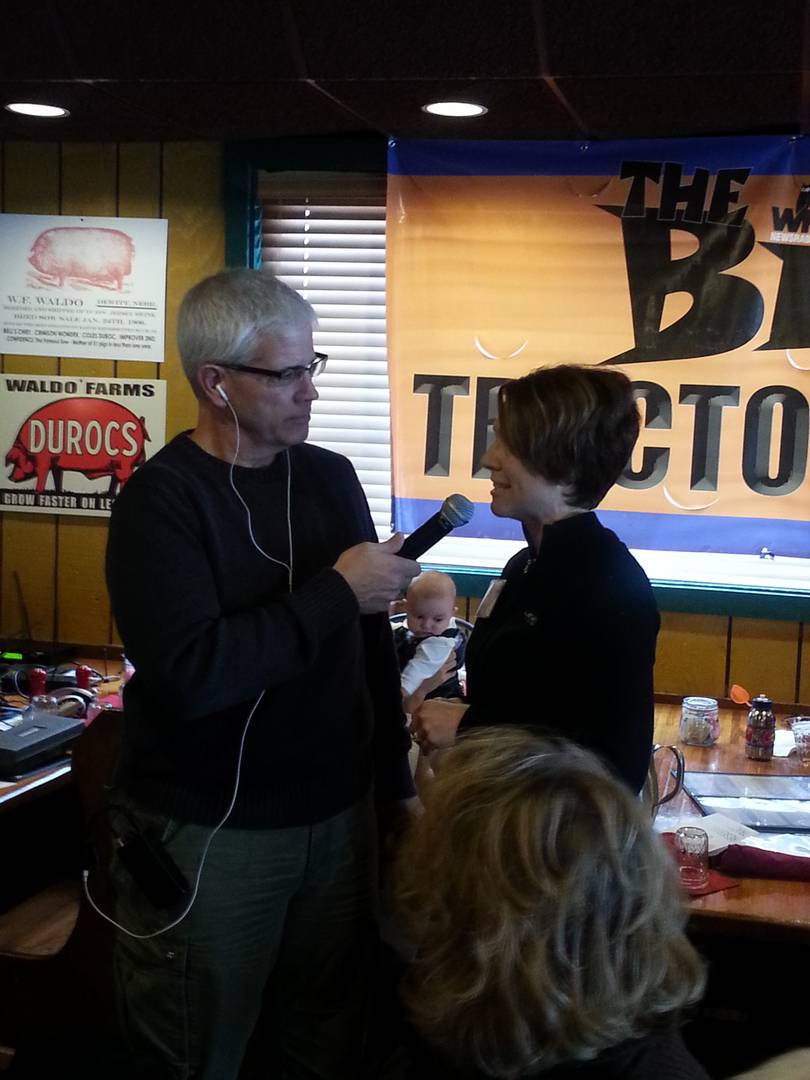
    Farmers gathered inside the Iowa Machine Shed Restaurant last Friday for the route announcement of the 2014 Tractor Ride
    Farmers gathered inside the Iowa Machine Shed Restaurant last Friday for the route announcement of the 2014 Tractor Ride

    Team Latham

    February 5, 2014
    Agriculture, General, Industry News
  • Latham Hi‑Tech Seeds

    Finding Happiness on the Job

    JimFisher CattlemanQuote

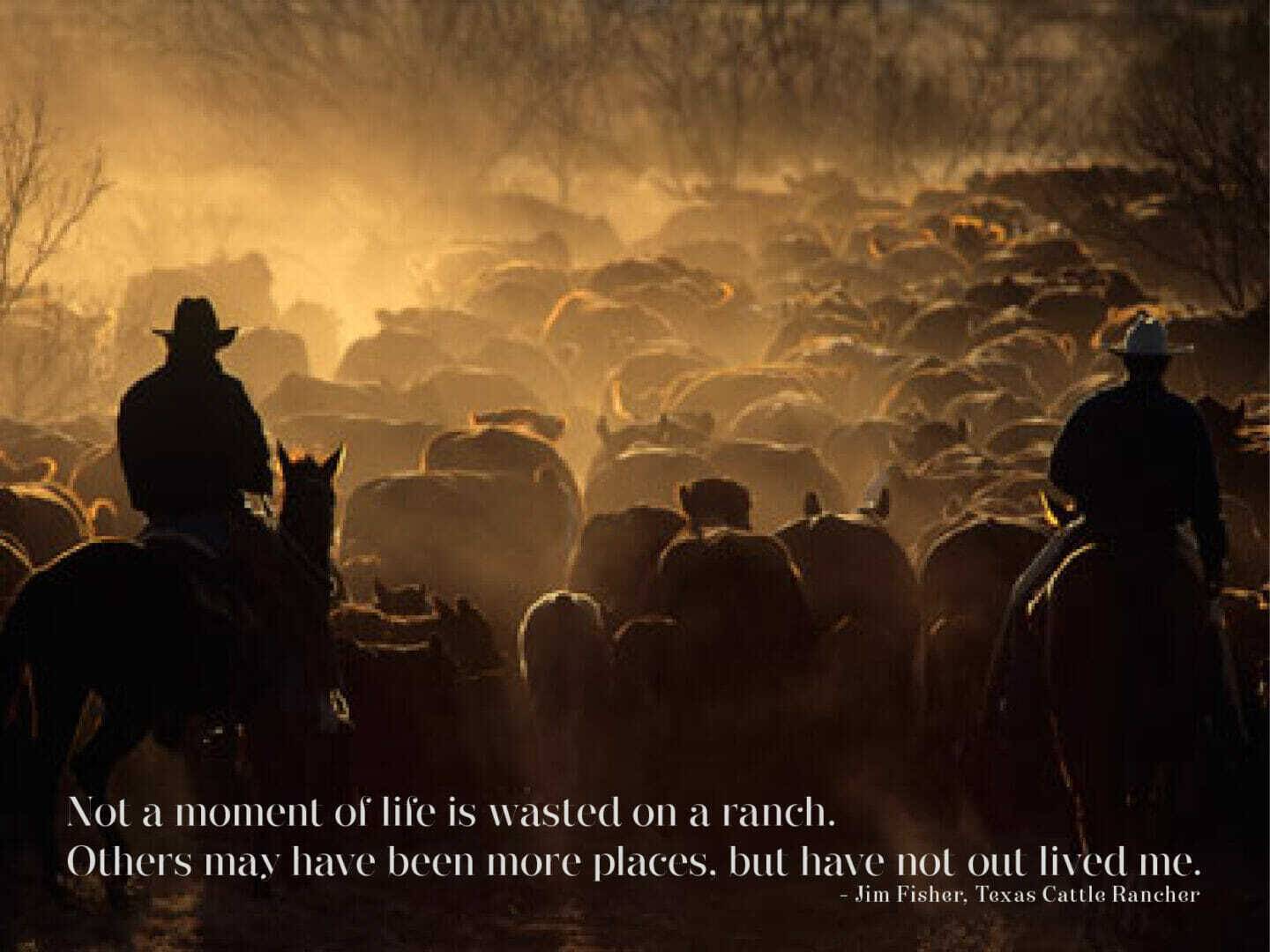
    Last Sunday was a big day, beginning with our local church service and ending with The Big Game. (The Super Bowl showcased good defense, and I like defense. I also enjoyed watching many of the TV commercials. While none of them quite struck an emotional cord nationwide like last year’s God Made a Farmer spot, America’s farmers and ranchers were well represented on a regional level by the Blythe family of Kansas in Begins with a Farmer – A Mother’s Love.

    Farming and ranching is certainly a labor of love. It’s also a cyclical business:  Good prices, bad prices. Good weather, bad weather. The Polar Vortex and seasonably cold temperatures have created a few more challenges for Midwest farmers, especially livestock producers, this season.

    JimFisher_CattlemanQuoteFarmers and ranchers in the West are plagued with problems of their own as zero rain fell in many areas throughout the entire month of January, which is typically California’s wettest month of the year. The drought in southern California is turning into one of the worst in history. No wonder my friend Celeste Settrini on Sunday spearheaded the event, Harvesting Faith, a day of reflection, prayer and fasting.

    During our local church service on Sunday, we lifted up the West in prayer and asked God to bring rain to drought-stricken areas. That’s why it seemed, at first, to be complete irony when Pastor Scott delivered a sermon about job happiness. He reminded us that Adam and Eve’s lives in the Garden of Eden were meant to be joyful. Before the serpent and apple, they were happy taking care of God’s creations.

    Similarly, sin has caused all of difficulties. Thinking of difficulties makes me think of farming. (Yes, my mind tends to wander during sermons!) Through all of the hardships and risk, there are still folks like me who enjoy farming. I love watching small pigs when they first come into my hog barns. They scuffle and jockey for position, making a new pecking order. I watch for a sick pig, treat it with the right medicine because “it’s the right thing to do,” and am happy when it makes a full recovery. I enjoy my pigs, even watching Houdini, who jumps out of her pen every day.

    I love smells in the spring like freshly planted ground and even the aroma of the natural fertilizer my pigs make, which gets recycled back into the ground to grow feed the pigs will eat and then promptly turn back into natural fertilizer again.

    I love watching crops grow from the small seeds I plant in the ground. I wonder how such a tender little plant has the power to break through a crusted soil after a hard rain. Last summer I was amazed how six-foot-tall corn could stand back up after getting pounded by a heavy wind that beat it flat to the ground.

    I also enjoy watching wildlife. I see deer play in the field as I combine. Bald eagles have made a great come back, and I enjoy watching them circle overhead as I work in the field and wonder if my little dog, Tucker, is safe outside the tractor.

    I have watched baby colts be born after what seemed like an eternity. I have watched my young son’s pet goat get killed by the neighbor’s dog and felt my heart break by from his anguish. But I also experienced the joy of watching my kids grow up to understand how and why we farm; they learned to understand the cycles of life and the meaning of hard work. I enjoy my grandkids’ long stays on the farm where they, too, enjoy playing with livestock.

    I have operated new, big machinery, when times were good. I have farmed with junk machinery discarded by other farmers. And I must admit, I’ve been happier to get my farming done with the old junk than I was with new machinery during good times. Tough times can make you appreciate what you have gone through. Sometimes the toughest lessons are the best ones to learn!

    While many other occupations can be very fulfilling, I’m glad to be a farmer. The job of growing food, fuel and fiber just takes me back to thinking of the Bible, creation and that Garden of Eden. Yes, there’s still joy in living!

    Larry Sailer, Musings of a Pig Farmer

    February 4, 2014
    Agriculture, General, Industry News
Previous Page
1 … 45 46 47 48 49 … 95
Next Page

Latham Hi‑Tech Seeds

131 180th Street | Alexander, IA 50420

(641) 692-3258

SIGNUP FOR OUR NEWSLETTER
  • Contact
  • Legal
  • Dealer Center
  • Seedware Login
  • Latham Gear

© 2025 Latham Hi‑Tech Seeds. All rights reserved. | Iowa Web Design by Webspec | Privacy Policy

Latham® Hi-Tech Seeds is a trademark of M.S. Technologies, L.L.C., 103 Avenue D, West Point, IA 52656.