Latham Hi-Tech Seeds

(641) 692-3258

  • Home
  • Products
    • Corn
    • Soybeans
    • Alfalfa
    • Corn Silage
    • Seed Guide
  • Performance
  • Find a Rep
  • Media
    • Blog
    • News
    • Videos
    • Podcasts
    • TECHTalk
  • About Us
    • Company History
    • Our Mission
    • Careers
    • Become a Rep
    • Sowing Seeds of Hope
  • Contact Us
  • Latham Hi‑Tech Seeds

    Day 18: Organic: The food trend that’s here to stay.

    Bestfoodfacts1

    Guest Blog post from Bethany Asbell of Best Food Facts

    Going organic is a trend that’s here to stay. A reported $63 billion worldwide industry – it seems that organics won’t be leaving the food conversation anytime soon. And, that’s something we should all celebrate. After all, we all want choice, right? Organic fruits and veggies, just like conventional produce, are dense with nutrients, low in calories and contain antioxidants that help promote health. So what about claims that consumers need to buy some types of fruits and vegetables only if they are organic? These recommendations exist, but what if you can’t afford to go organic? Is it a detriment to your health to eat fruits and vegetables grown conventionally? What about the fact that the Environmental Working Group – the organization that publishes the ‘Dirty Dozen’ – says, “eating conventionally-grown produce is far better than not eating fruits and vegetables at all?”
    bestfoodfactsAt BestFoodFacts.org, we celebrate consumer choice and work to provide our readers with facts, directly from unbiased experts, so that you can consider all the angles before making the food choices that are best for yourself and your family. To that end, we consulted a few university-based experts to get answers to some of the most popular questions related to organic and conventional foods.

    Is there a nutritional difference between organically and conventionally grown foods? 

    RuthDr. Ruth MacDonald, professor and chair of the Department of Food Science and Human Nutrition at Iowa State University:

    “From a nutritional perspective, no. There is very little evidence that organic and conventionally (“non-organic”) grown foods vary significantly. Both are excellent sources of many nutrients and bioactive compounds. Some studies have shown differences in some compounds when grown using these techniques, but in general, the differences are minor and will not have a significant impact on overall nutrient intake.

    Read the rest of what Dr. MacDonald had to say.

     Is conventional produce loaded with pesticides?

    CarlDr. Carl Winter, food toxicologist from the University of California at Davis:

    “We have a saying in toxicology: It’s the dose that makes the poison. It’s the amount of the chemical, rather than the presence or absence, that determines the potential for harm. In the case of pesticide residues on food, we can detect them, but generally at very tiny levels. I think consumers are concerned because they’re aware that these chemicals, which have potential toxic effects, show up on foods. However, the levels at which we detect these pesticides are so low consumers have nothing to worry about.

    “As for pesticide use, organic food is not guaranteed to be free of pesticides. Organic food production allows the use of several EPA registered pesticides, mostly being of natural origin. Although studies claim you are much less likely to find pesticide residue in organic foods, some surveys found nearly 30% of the organic samples tested had some detectable level of pesticides.

    “Fortunately, consumers in the U.S. frequently have the choice between purchasing organic and conventional foods and make food purchasing decisions that reflect their values, concerns, and lifestyles. For optimal health, consumers should continue to eat a balanced diet that includes significant amounts of fruits, vegetables, and grains, regardless if such foods are produced by organic or by conventional practices.”

     Check out Dr. Winter’s full response on the Best Food Facts website.

    Is organic food overall better for your health?

    DiezDr. Francisco Diez, associate professor of food safety microbiology in the Department of Food Science and Nutrition at the University of Minnesota:

    “For the average American consumer, the term “organic” has a very positive connotation and very often, the beneficial properties of organic foods are misinterpreted and even exaggerated. These consumer beliefs are frequently fueled by the popular press, and more recently by many Internet sites.

    “The term ‘healthful’ is a relatively broad and ambiguous concept and its use by consumers may be founded on a variety of motives. The most frequent reason why organic foods are referred as healthful, is because of the reduced use of synthetic ingredients for their production and processing. Organic foods are also regarded as better for health because of the belief that they are more nutritious and contain more health-promoting substances as a result of being produced under more natural conditions.

    “In light of the complexity of the food production system, blank statements such as “organic foods are more healthful than non-organic” are oversimplifications that are often sustained by a  lack of knowledge or evidence. Depending on the specific property of a given organic food, this may or may not be considered as health promoting. Consumers are encouraged to critically evaluate the information in the popular press and attempt to obtain an opposing view, including preferably at least a scientific source. We live in an age in which the information on any issue is within our reach – just “a click away.”

    See the rest of Dr. Diez’s response here.

    At the end of the day, nothing is more important than making the choice we feel is best for our families – especially when that choice is something we’re putting into our bodies. We celebrate the broad range of choices that our food system provides, and hope consumers will make facts one of the factors they consider when they visit the grocery store, the farmers’ market, the local CSA, their own garden or wherever they get their food. To learn more about food, or to submit your question to a food expert, visit www.BestFoodFacts.org.
    Team Latham

    November 18, 2013
    Agriculture, General, Industry News
  • Latham Hi‑Tech Seeds

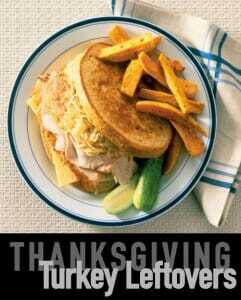
    Day 17: Slow Food Sunday: Turkey Leftovers

    TurkeyLeftovers

    Top Turkey Recipes From TheFieldPosition.com

    1. “Buffalo Chicken” Dip
    2. Turkey Tortilla Hot Dish
    3. Turkey Pot Pie
    4. Easy Turkey Salad with a side of French Onion Soup
    5. Turkey Reuben
    6. Southwestern Turkey Soup
    7. Garden “Turkey” Casserole
    8. Wild Turkey Casserole (a.k.a. “Wild & Cheesy Chicken Casserole”)
    9. White Turkey Chili
    10. Fiesta Turkey Chowder
    11. Turkey Mandarin Poppy Seed Salad

    P.S.  Say you’re “cooking once and eating twice.”  Call them “do-overs.”  Whatever you do, don’t call them leftovers!  That’s like calling DDGs byproducts when everyone knows they’re coproducts, right? 😉

    Team Latham

    November 17, 2013
    Agriculture, General, Industry News
  • Latham Hi‑Tech Seeds

    Day 15: Hands-On Farm Experience Leads to Understanding

    Van Manen fam

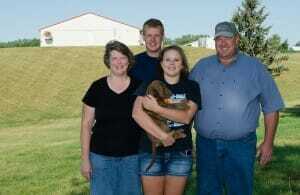
    Van Manen famBecause they believe “seeing is believing” the Van Manen family of Kellogg, Iowa, hosts several tours annually on their farm in Jasper County in Central Iowa.  Kevin and Julie’s children are the fifth generation to live and work on a farm where animal agriculture has always been an important way of life.
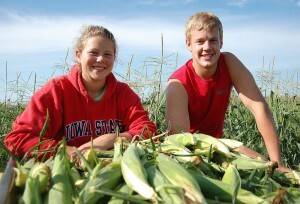
    Their son, Jacob, is a senior at Central College in Pella where he’s majoring in Business and Accounting.  Jacob comes home to help on the farm whenever he can; he especially enjoys running the combine and other field work. Their daughter, Emily, is a freshman at the University of Northern Iowa.  She’s planning to transfer to Iowa State University next fall for Agricultural Education!  She especially enjoys feeding bucket calves.

    Because Kevin grew up milking Holsteins and raising hogs, both continue to play a major role on their farm today.  They feed Holstein steers and purchase newborn bull calves directly from a dairy.  In 2006, the Van Manens constructed a modern hog barn.  They celebrated the completion of the new building with an open house, co-sponsored by the Coalition to Support Iowa’s Farmers.  That event was attended by hundreds of family, friends, neighbors, church members and local residents.

    Thanks to pre-construction PR and ongoing communications with neighbors and local residents, the Van Manen’s construction project went off without a hitch.  This experience also showed the Van Manens how much value there is in allowing visitors on their farm to ask questions that lead to better understanding.

    “We love sharing the way we live by hosting local Scout troops, church groups, international visitors and our city cousins,” says Julie, who taught junior high math, but left her off-farm job two years ago to join the family’s farm on a full-time basis.  She returns to the classroom frequently to share ag-related lessons.  In addition to caring for livestock daily and helping with other seasonal chores, Julie has led on-farm tours for about 230 kindergartners plus others who are interested in experiencing the miracle of food.  “It’s fun to answer questions and visit with people about animal agriculture.”

    Last August the Van Manens hosted “U on the Farm II” sponsored by the Iowa Food and Family Project that provided a first-hand farm experience to an Ottumwa family.  Following that tour, Soyna Davis posted this message on the Iowa Food & Family Project Facebook page:

    “We had the greatest time yesterday on the Van Manen farm!! I want to THANK the Iowa Food and Family project for U on the farm and the Van Manen family for a fun, memorable and educational day on the farm!! The Van Manens are such a great and hardworking family.  It was so wonderful to see how well they take care of their animals and farm! We got to see pigs and cows.  The kids dug up potatoes, carrots and picked sweet corn and tomatoes.  We had a delicious dinner with foods from their farm and even got to help feed the baby calves! They gave us corn, tomatoes a bag full of goodies.  We made lots of fun memories, but best of all, now the kids know where their food really comes from and all the hard work it takes to produce it! The kids are already asking to go back to the farm today!!! Kind of makes me wish we lived on a farm!!” 

    Helping families create positive memories that lead to a better understanding of how food is produced is why the Van Manens take the time to host guests.  In June, several Iowa business owners and health professionals toured the Van Manen farm to learn more about agriculture and farming.

    J & E Sweet Corn 1“Dedicated” is a word that comes to mind when I think of the Van Manens.  It’s no wonder they were recognized in 2009 as one of the first recipients of “The Way We Live” award at the Iowa State Fair.  It’s awarded to Iowa families who “exemplify farm values derived from hard work and a love for the occupation of farming.”
    Caring for and living off the land are a legacy passed down for five generations.  Jacob continues to enter his homegrown vegetables at the Iowa State Fair. He earned first place in all three divisions of sweet corn.  He earned 2nd place with potatoes and 3rd place with Jalapeño peppers at the 2013 Iowa State Fair. Emily was Reserve High Point Exhibitor for the FFA Horticulture show and was champion jumbo vegetable exhibitor at the Iowa State Fair.

    The Van Manens enjoy making meals from the vegetables and meat they produce, so today they’re sharing one of their favorite recipes for Breakfast Omelets.

    Team Latham

    November 15, 2013
    Agriculture, General, Industry News
  • Latham Hi‑Tech Seeds

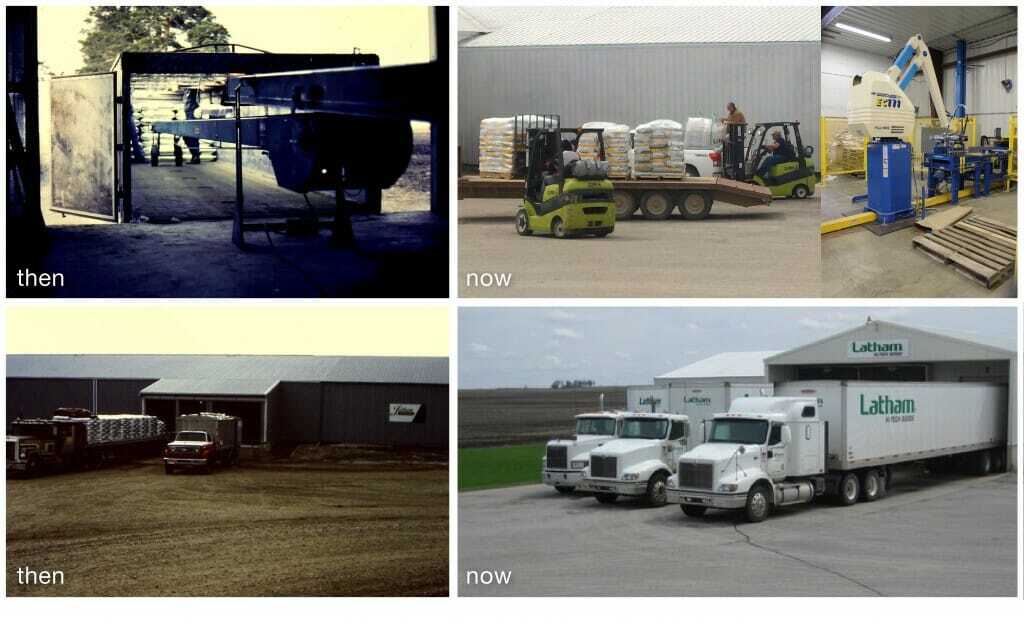
    Day 14: Throwback Thursday: Shipping Seed Products Then and Now

    TBT 1

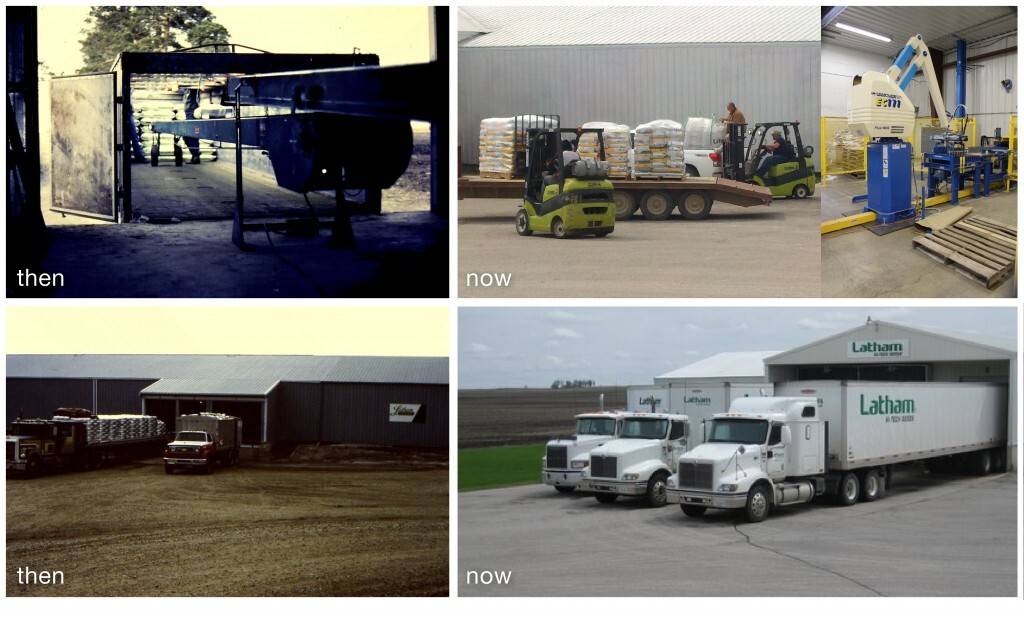
    It’s throwback Thursday!  Technology has had tremendous impacts on the seed industry over the years from seed technology to shipping!  Yesteryear would’ve included loading by hand or conveyor.  Today we’re fortunate to have robotic technology, forklifts and state of the art tractor trailers to help move seed products quickly and safely to each customer’s farm.

    TBT

    Team Latham

    November 14, 2013
    Agriculture, General, Industry News
  • Latham Hi‑Tech Seeds

    Day 13: Wordless Wednesday

    Day131

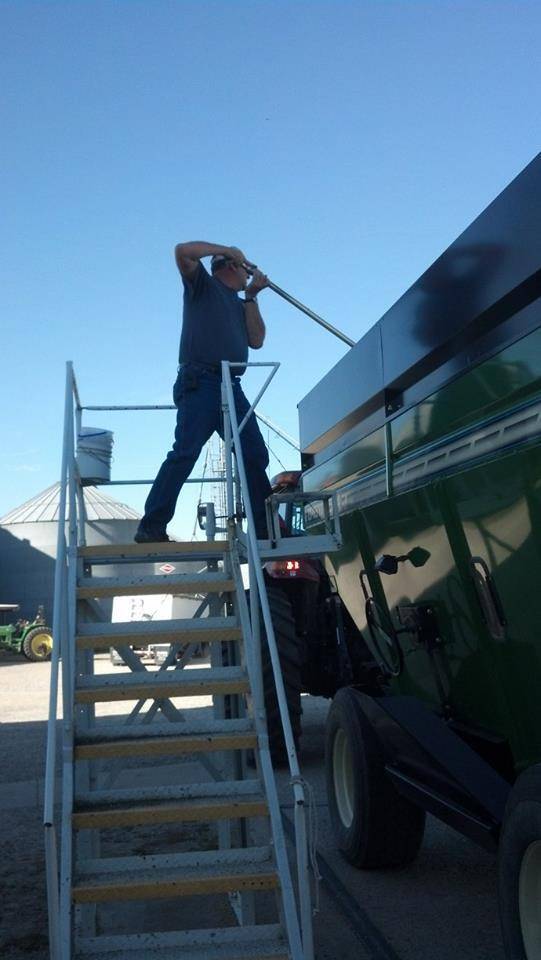
    Each load of soybeans that gets delivered to our plant is hand-inspected to ensure it meets our stringent quality standards.

    Day13

    Team Latham

    November 13, 2013
    Agriculture, General, Industry News
  • Latham Hi‑Tech Seeds

    Day 12: Top 10 Things for Which I’m Thankful

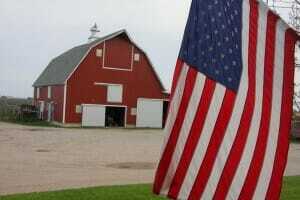
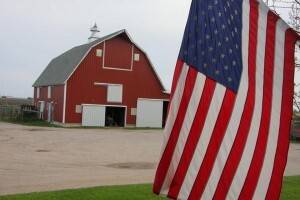
    Darcy patriotic farm
    photo credit to Darcy Maulsby
    photo credit to Darcy Maulsby

    During all the “windshield time” I had while combining #crop13, I found myself thinking about all the blessings in my life.  Today, in the midst of this 30 Days of Thanks, I’ve decided to share my Top 10 list publicly.

    10. Democracy.  Those who read my “Musings of a Pig Farmer” blog regularly might find it ironic that the U.S. government makes the Top 10 List of Things for Which I’m thankful.  I’ve certainly written my fair share of critiques about regulations and aired my concerns about the Farm Bill.  While it’s far from perfect, I believe America has the world’s most fair political system.

    9. Food Choice.  I am thankful for the many, many choices of food we have in this country from gluten-free and organic to local foods.  Americans are blessed with the world’s safest, least expensive, and most abundant food supply.  We spend about 10% of our annual incomes on food, which is quite low when compared to other countries.  For the most part, Americans are able to choose foods for enjoyment rather than necessity alone.

    8. Freedom.  I am thankful for the freedom we cherish in this country: free speech, freedom to bear arms, freedom of religion… and the list goes on.  It’s important to protect these freedoms and to stand up for our convictions.

    7. Technology and Innovation.  I am so thankful to live during this time in history.  Just think of all the technology and innovations we enjoy!  People often reminisce about the “good ol’ days,” yet they forget how tough they really were.  I remember doing farm work in the winter without a heated tractor cab!  I remember when we didn’t have central heat, so we warmed our frozen hands and feet by the potbellied stove.  I even remember the time before we had central plumbing…  Enough said!  While much of the Midwest enjoys a long legacy of agricultural success, but technology is redefining agriculture.  We must continue to embrace technology to help grow enough food to meet global demand.

    6. Pride in America.  I’m so thankful for the good old US of A, the melting pot of the world.  The exchange of ideas and blending of cultures is what has made this country great.  Synergy was created.  As an old farmer, “synergy” makes me think of corn hybrids and the strength that comes from breeding different corn plants together.  I’m proud of those who pioneered – and continue to innovate – our food systems.

    5. Clean Air and Water.  I am thankful for our clean air and water. Yeah, I know some folks will not agree with me on this one.  After all the reading I have done about the Dust Bowl – and reflecting upon how we farmed in the sixties and seventies – I know we have greatly improved our air and water quality.  If you compare our environment to that in other developing countries, hands down, we are ahead!

    4. Military Service.  Yesterday was Veterans’ Day, a day to recognize past and present members of the military.  Honestly, I believe they deserve our thanks each and every day.  I also want to be sure and recognize their family members, who are often overlooked.  A soldier’s family most certainly makes a sacrifice when they’re loved ones are serving.  Those on the home front are filled with worry and anxiety, plus are left to take care of all the day-to-day tasks and responsibilities that the solider isn’t able to do while on active duty.  Yes, military families deserve our thanks and praise!

    3. Grandkids.  I am very thankful for my grandkids!  Everyone is different and unique.  I enjoy watching them discover their passions.  They give me direction and purpose, and sometimes they make me use of ALL my faith!

    2. Kids.  At one time in my life, I was very afraid I would not have a family.  On my 30th birthday, I married Janice and had an instant family.  What a blessing.  I love you guys!

    226523_1749837548192_1255057_n1. The Love of my Life.  The number one thing for which I am thankful is the love of my wife, Janice!  How she puts up with all my quirks and my farming habit, I do not understand.  She is the one who has led me to my faith, and without her, there would be none of the other numbers on this list.  Love ya, Babe!

    I’m feeling so grateful and humble right now.  There is so much more I could write about each item on my Top 10 List.  There are also many things for which I’m grateful that I didn’t even list.  What are you most thankful for? (more…)

    Larry Sailer, Musings of a Pig Farmer

    November 12, 2013
    Agriculture, General, Industry News
  • Latham Hi‑Tech Seeds

    Day 11: Thinking differently about “local” food

    Soybeanoil1

    Aaron Putze

    Guest Blog by Aaron Putze
    Director of External Relations & Coordinator
    Iowa Food & Family Project, Iowa Soybean Association


    I have fond memories of growing up on the farm near West Bend, Iowa (Palo Alto County). Strangely, perhaps, most are work related: walking beans, picking up rocks, detasseling, sorting hogs for market and spending warm (make that “hot”) summer afternoons baling hay and straw.

    OK, it’s true. Memories – just like wine – often improve with age.

    Truth be told, the work was indeed hard. But it wasn’t unbearable. Keeping busy generates results and few things are more satisfying than accomplishment.

    That lesson, forged with sweat and accompanied by dirt under the nails, has clung.

    So, too, has my appetite for local food.

    Like the Casey’s pizza our family enjoys every Saturday night. Or the Hellmann’s mayonnaise that tops our sandwiches. Or the steak from Fareway, pork loin purchased at the West Des Moines Costco or Cold Cut Combo served by Subway®.

    Local food? Surprised?

    Don’t be.

    Sure, most people equate “local” with a trip to the farmers’ market or the apple plucked from the backyard tree. But “local” is so much more, especially if you live in Iowa, as much of the food and food ingredients we enjoy are sourced from farms next door or just down the road.

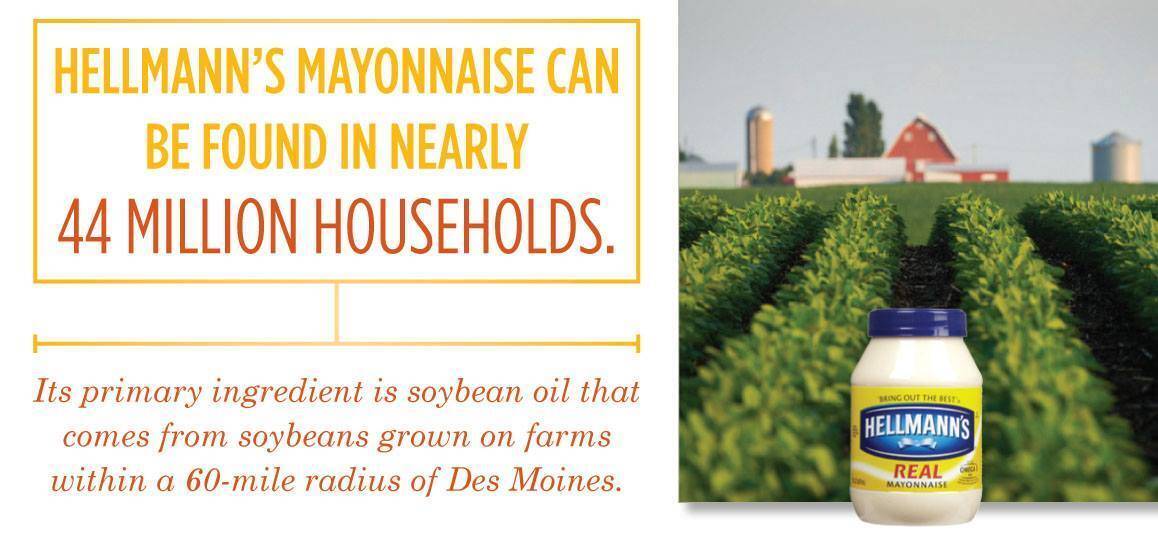
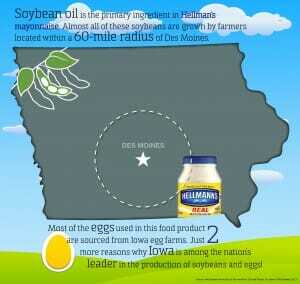
    soybean_picTake the jar of Hellmann’s. You’ll find one in nearly 40 million homes. The primary ingredient (by far) in this $1 billion brand for Unilever is soybean oil. Almost all of these soybeans are grown by farmers located within a 60-mile radius of Des Moines. In addition, most of the eggs used to make Hellmann’s (ingredient no. 3 on the label) are sourced from Iowa egg farms. Just two more reasons why Iowa is among the nation’s leader in the production of soybeans and eggs.

    The Hawkeye State also ranks first in pork production. While consumers worldwide have become very fond of this lean, white meat, ample servings of chops, bacon and loins are baked, grilled, fried and savored close to home. In fact, the odds are in your favor that the pork you buy at Costco and Fareway or enjoyed at your neighborhood Applebees was sourced from an Iowa farm owned and managed by an Iowa farm family who shares your passion for wholesome food, a quality environment and community vitality.

    Casey’s is “famous for pizza” and the numbers prove it. Casey’s Homemade Pizza to Go, introduced in 1985, bakes and serves nearly 15 million pizzas annually. It’s the nation’s 6th largest pizza chain and uses almost 12 million pounds of cheese annually. Casey’s also tops its pizzas with a whole lot of sausage, ham, beef and pepperoni – tasty meats prepared by a company in Ames.

    The list goes on. My family is on the go and hardly a week goes by that Subway isn’t on the menu. It’s good, fast and yes, local. West Liberty Foods in West Liberty, Iowa, is the supplier of fresh turkey to Subway. Enjoy a Cold Cut Combo and you’re enjoying delicious turkey sourced from an Iowa farm.

    And if you’re lovin’ local, add McDonald’s to the list of patrons. Each year, the restaurant purchases more than $500 million of quality ingredients sourced from Iowa’s farms including 1 billion eggs (Egg McMuffins are a favorite!), more than 16 million pounds of beef, 140 million pounds of pork, 2 million bushels of corn and more than 12 million bushels of soybeans.

    Yes, local food is popular these days. In a survey of 500 Iowans conducted this fall on behalf of the Iowa Food & Family Project (www.iowafoodandfamily.com), participants overwhelmingly agreed that “local” food is “better” food.

    As Iowans, we don’t have to go far to find it.


    Putze serves as director of communications for the Iowa Soybean Association (ISA). He also coordinates the Iowa Food & Family Project, an initiative launched in 2011 by the ISA that better acquaints Iowans with farmers and how the food they enjoy is grown, prepared and served. He can be contacted at aputze@iasoybeans.com.

    Team Latham

    November 11, 2013
    Agriculture, General, Industry News
  • Latham Hi‑Tech Seeds

    Day 10: Slow Food Sunday: Southwestern Turkey Soup

    In celebration of November #TurkeyMonth, we’re sharing a few of our favorite recipes.

    Click Here for the full Blog

    Team Latham

    November 10, 2013
    Agriculture, General, Industry News
  • Latham Hi‑Tech Seeds

    Day 9: Best of the Blogs: Your Story May Seem Ordinary, but to Someone It’s Extraordinary

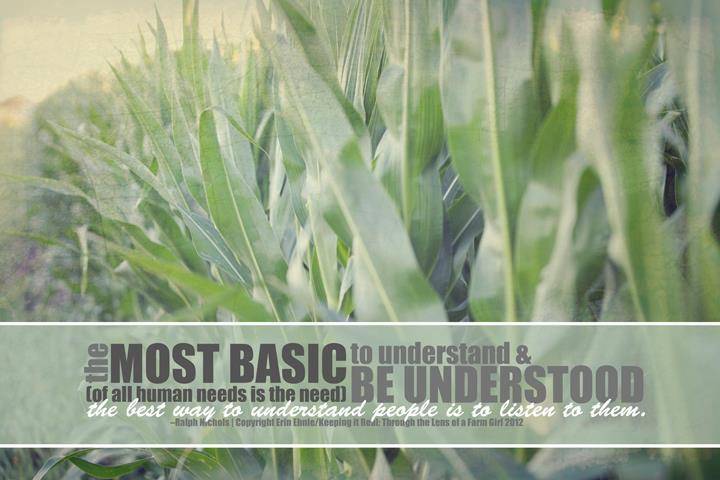
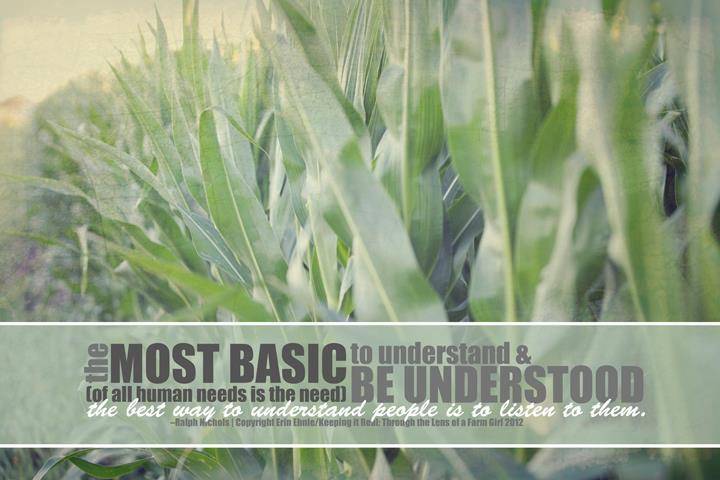
    Be Understood Through the Lens of a Farm Girl

    “Tell your story or someone else will – and you might not like it!” is a line often used by Larry Sailer, who writes “Musings of a Pig Farmer” each Tuesday for TheFieldPosition.com. When told by the wrong person, stories about production agriculture can be downright frightening! Misinformation and half-truths lead to fire storms.

    “Social media fires” break out often when it comes to hot agricultural issues, said keynote speaker Katie Pinke, author of the Pinke Post during the Upper Midwest Regional AgChat Conference. Katie said that when it comes to ag issues, we all must work together to put these fires out with “social media water.” Simply put, the more voices there are telling the truth about agriculture, the better the chances of debunking the misconception.

    Click here to read the full blog about how to understand and be understood while telling your agriculture story.

    Be Understood Through the Lens of a Farm Girl

    Larry Sailer, Musings of a Pig Farmer

    November 9, 2013
    Agriculture, General, Industry News
  • Latham Hi‑Tech Seeds

    Day 8: Blin Uses Bling & Beef to Build Bridges

    Crystal Blin blogs about her life as a farm girl and everything that comes with it.  That means if the cattle must fed but she has a wedding to attend, she just might wear a dress and heels while doing chores.  After all, a girl’s gotta do what has to be done!

    “Cattle are my first love, and they still touch every part of my life,” says Crystal, who grew up raising purebred Simmental cattle in Breton, Alberta, Canada, with her parents and younger sister.  A livestock judging scholarship took her to Butler Community College in El Dorago, Kansas.  She later transferred to Kansas State University where she double-majored in Animal Science and Ag Communications. Upon graduation, Crystal became the assistant director of communications for the American Angus Association in St. Joseph, Missouri.

    “I started blogging to help eliminate some of the distance between me and my family,” explains Crystal, who launched her Crystal Cattle blog in 2009.  “I thought it would be a good way to stay in touch and give them a glimpse of my life here.”

    What she learned is that a blog gave her a platform to promote her passions.  The turning point came when Crystal posted a response on her blog to an article that the Kansas State campus newspaper had published, promoting vegetarianism, veganism and animal rights.

    “If that was happening on a campus where there is such an ag focus, I couldn’t imagine what was happening in less ag-focused areas,” says Crystal.  “I had to refute some of the claims being made.  When I got so many responses to that particular blog posts, I realized the impact my blog could have on helping others understand agriculture and farming practices.”

    Today Crystal continues to advocate from her home on a northeastern Iowa farm with her husband, Jon. They couple met in 2010 at the National Western Livestock Show in Denver.  Now they’re building their own herd of purebred Herefords, which is the breed Jon grew up raising and showing.  In addition to raising stock and heifers that become show prospects for junior members, Jon and Crystal sell freezer beef.

    Marrying an Iowa farmer meant Crystal had to relocate once again.  So how did this native Canadian feel about that?  “The transition to Iowa was easier because I was involved in agriculture,” says Crystal, who feels fortunate to be able to office from home doing a job she loves.  She’s responsible for the sales and marketing of a livestock vitamin and mineral supplement called VitaFerm, which keeps her on the road about one-third of the year.

    “Agriculture is really one big family no matter where you are.  The people you meet in ag always have their arms and homes open, so you never really feel like you’ve met a stranger.  Even if you’re with a new group of farmers, you’ll find something in common.”

    Crystal also seeks for common interests among non-farmers as a way to build relationships and bridge gaps.  That’s why she blogs about more than agriculture.

    “I love MAC makeup, clothes and interior design,” says Crystal.  “I’ve formed a lot of great online relationships with other non-farmers who share these interests.  As a result, these consumers have started to ask me questions about farming.  I’d rather have them ask me instead of Google for an answer.  Online engagement helps consumers understand that farmers are real people.  I want to help them get an accurate portrayal of farm life.”

    Turquoise Thursday and Watching Corn Grow are regular features on Crystla’s blog.  She also covers “tough subjects” like why they give cows antibiotics when they’re sick.  In addition, she promotes the livestock industry and beef production by sharing recipes on Hunk of Meat Mondays.  A little “consumer education” occurs with the recipes Crystal posts like this one for Flat Iron Steak with Green Peppers: “Flat Iron steak is one of the 29 lean cuts of beef.  It’s the second most tender cut of beef and is pretty reasonably priced. You could also use a flank steak or round steak for this recipe.”

    Today Crystal is sharing another one of her go-to recipes with us.  She shares my desire to make homemade, wholesome and delicious meals in a matter of minutes.  I’m looking forward to giving this recipe for Baked Tacos a try!  How about you? 

    Team Latham

    November 8, 2013
    Agriculture, General, Industry News
Previous Page
1 … 44 45 46 47 48 … 85
Next Page

Latham Hi‑Tech Seeds

131 180th Street | Alexander, IA 50420

(641) 692-3258

SIGNUP FOR OUR NEWSLETTER
  • Contact
  • Legal
  • Dealer Center
  • Seedware Login
  • Latham Gear

© 2025 Latham Hi‑Tech Seeds. All rights reserved. | Iowa Web Design by Webspec | Privacy Policy

Latham® Hi-Tech Seeds is a trademark of M.S. Technologies, L.L.C., 103 Avenue D, West Point, IA 52656.