Latham Hi-Tech Seeds

(641) 692-3258

  • Home
  • Products
    • Corn
    • Soybeans
    • Soybean Blends
    • Alfalfa
    • Corn Silage
    • Seed Guide
  • Performance
  • Find a Rep
  • Media
    • Blog
    • News
    • Videos
    • Podcasts
    • TECHTalk
  • About Us
    • Company History
    • Our Mission
    • Careers
    • Become a Rep
    • Sowing Seeds of Hope
  • Contact Us
  • Latham Hi‑Tech Seeds

    Women Are Changing the Ag Landscape

    ExecWomenInAg1

    Recently I had the opportunity to spend two, action-packed days attending Top Producer’s Executive Women in Agriculture (EWA) event in Chicago. It was a great opportunity for farm women to connect with others who have similar interests and to also attend many professional development seminars. Hats off to Top Producer magazine and Farm Journal companies for acknowledging – and celebrating – the fact that agriculture is a career path for women!

    The definition of “woman’s work” has evolved over the years as women became more involved in the decision-making process. “The percentage of farms now influenced by women is significant,” says Danny Klinefelter, Texas A&M economist and director of The Executive Program for Agricultural Producers (TEPAP). In an article posted by Top Producer editors on agweb.com, Klinefelter said more women than ever are graduating from TEPAP. They’re becoming key decision makers and often the point person for purchasing decisions.

    This trend is also apparent at Iowa State University where 47% of the students enrolled within the College of Agriculture are female. Majors most popular among the female students include: Animal Science, Dairy Science and Pre-Vet. Agronomy has risen in popularity and Ag Business remains strong. There also is a high percentage of women enrolled in Ag Education with the communications option. Food Science, Nutritional Science and Dietetics attract a high percentage of female students, as well.

    “It’s refreshing to see headway made on dissolving the stereotype that agriculture is a male-dominated industry,” says Mike Gaul, Director of Career Services for the ISU College of Ag. “Subsequent progress is being made to lower the ‘glass ceiling’.”

    Corporate America is not alone in recognizing the value of females in agriculture. As more farmers understand how business management relates to production management, Klinefelter says more women are earning business degrees and even MBAs before returning to their family farms.

    Women’s roles in agriculture have evolved. During the opening session of EWA, Klinefelter said women involved in farming operations today often have the following responsibilities:

    • CEO
    • General manager
    • Public relations
    • Marketing
    • Purchasing
    • Human resources
    • Risk management
    • Information technology
    • Sales
    • Landlord relations manager
    • Data analysis

    Team Latham

    December 10, 2012
    Agriculture, General, Industry News
  • Latham Hi‑Tech Seeds

    Avocation Makes Every Season One to Treasure

    Tree circles christmas craft 150x1501

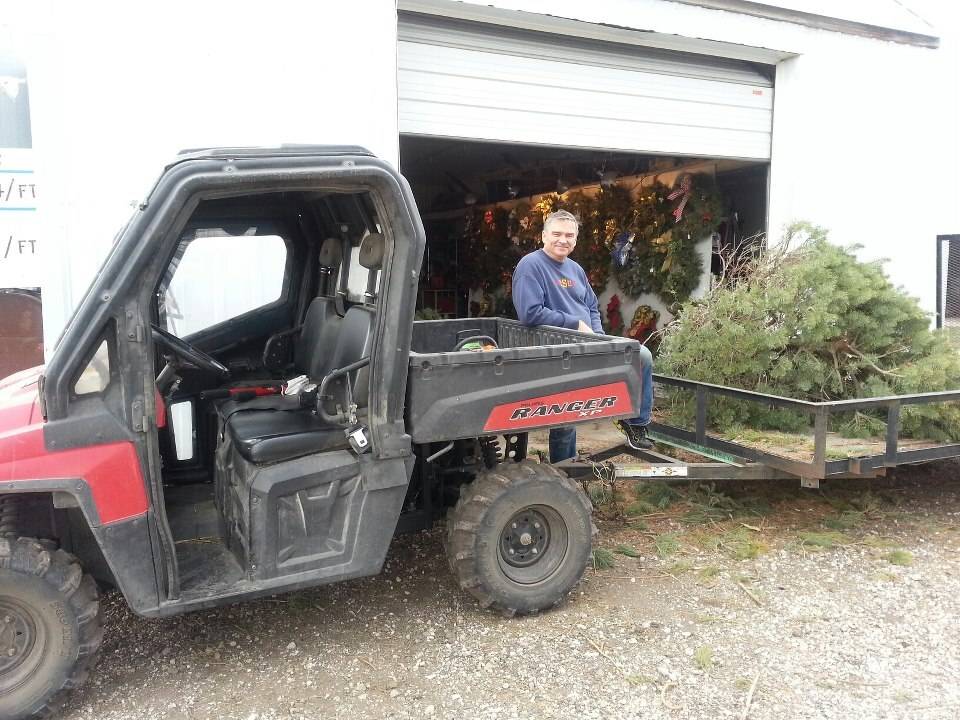
    Committed… is the single word that might best describe Latham® customer Dennis Morgan of Ogden, Iowa. He’s a husband, father, grandfather classic organist, crop farmer, Christmas tree farmer, gardener, carpenter and carver.  He also loves to cook.

    “I love to farm. I love to sing. I love to play the pipe organ. I’ve combined all of these things into life, so there’s always a season to enjoy,” he says with a smile.

    Playing organ has been 47-year commitment for this Boone County native. Dennis has served as a church organist from the time he was 16 years old. He played in Ogden for 36 years and has been playing in Perry for the past 12 years. Through the years, he’s played for almost 4,000 funerals and 1,500 weddings.

    “I’ve played for classmates, then my classmates’ children and now for my classmates’ children’s children.”

    Dennis actively served as church organist even while attending Iowa State University. He drove home from Ames on Wednesday nights for choir practice and then again on Sunday to play for the church service. He also pursued his love of singing with voice training that led to a spot in the Iowa All-State Chorus through the high school vocal music department.

    Not only has Dennis been committed to music, but he was committed to farming and to earning his degree. He helped his father on the farm from planting through harvest, which left only the winter quarter open to attend college classes. As a result, it took seven years for Dennis to earn his Bachelors of Science degree in Farm Operations but he did it!

    “You can always make time to pursue your dreams and your passions,” says Dennis, who met his wife, Linda, when she was traveling as a contemporary Christian singer and performed in his community. Linda’s parents were caretakers for the Assembly of God campgrounds, just outside Ogden, for 25 years.

    After they were married, both Dennis and Linda helped cook on weekends for 50 to 500 guests. A quaint, gingerbread-esque cottage that used to be housed on the campgrounds has a place today on the Morgan’s farm. Linda used to teach piano lessons there, but she now works as a contractor for various organizations.

    In addition to serving his community, Dennis served his country. He retired in 2009 with 20 years of service in the Iowa National Guard. Today his son, Paul, and daughter-in-law Heather continue to serve. Paul also farms with Dennis, and he and Heather are the proud parents of daughter Mia.

    The Morgan’s oldest son, Luke, and their daughter, Anna, both help make wreaths during the Christmas season. Anna is married to Matt Haub and they have three sons: Carter, Gabriel, and Christian. Newlywed Luke and his wife, Tiffany, live in Boone. They’re expecting a child in June and have a son, Ben.

    In the midst of raising their family and following their varied career paths, Dennis and Linda managed to plant Christmas trees. Their first trees were planted in 1985.

    Tending a Christmas tree farm takes lots of time and energy. It takes five to six years for a tree to reach 5 to 6 feet in height. Seedlings are planted March and April. Trees are trimmed in June and July before new growth hardens; then tree farms are open for tagging and sales in early winter. The Morgan Tree Farm is open daily from Black Friday through Christmas Eve, from daylight to dark.

    Wreaths were added to the Morgans’ product lineup in 1995 and have gained in popularity each year. Dennis says they like to have 30 to 40 wreaths available when the tree farm opens from the season, so making and decorating wreaths has become a Thanksgiving Day tradition for family members who come to their farm for a turkey dinner.

    The opportunity to watch other families enjoy their own traditions has been a high point of his Christmas tree farm, says Dennis. Many of the same families come to his farm, year after year.

    “It’s fun to watch the kids grow. Some people started coming when they were 2 or 3 years old and now bring their children to the farm. Some parents, who brought their young children with them to pick out fresh trees, are now bringing their grandchildren to the farm. I really enjoy seeing families take their annual photos in ‘the spot’ or hear about their traditions like making ornaments by cutting off the bottom of the trunk and burning in the year.”

    One Christmas tradition the Morgan’s enjoy is making suet pudding. Dennis says the tradition began when he was a child. He “learned all the tricks of the trade” from his grandmothers, one of whom was German and the other who was Swedish.

    “My grandmothers were naturalists before there was a name for it,” says Dennis. “They made the most of their natural resources by canning and cooking from scratch. All I wanted when they passed away was their recipe boxes, and I got them!”

    Straight from one of those recipe boxes, today Dennis is sharing a time-tested recipe for Christmas Suet Pudding. He’s also sharing a recipe for Sloppy Joes that Santa himself taste-tested last weekend when he visited the Morgan Tree Farm to take photos with children and families.

    Guten Appetit! Smaklig måltid!

    FFA Barbecue

    Ingredients:

    • 1 pound hamburger
    • 1½ T brown sugar
    • ¼ c. chopped onion
    • ½ c. ketchup
    • 1 tsp. Worcestershire sauce
    • 1 tsp. salt
    • ½ tsp. pepper
    • 1 T. vinegar
    • 1 tsp. chili powder

    Directions:

    1. Brown hamburger with onion and add the rest of ingredients.  Serve on buns.  Recipe multiplied five times will serve 20-25 people.

    Sara Mohr was the photographer and she put us in touch with the Santa.  Santa had the most authentic looking reindeer.  When I looked out the reindeer, I would’ve sworn they were real!

    COOK’S TIP:   Don’t chintz on the ingredients!  This recipe is delicious just as it’s written.  Last Saturday Santa Clause visited our tree farm to take photos with families, so we treated him to these maid-rites for lunch.  He said, “What would it take to get this recipe?”  We sent him home with a copy of it to share with Mrs. C.

    Team Latham

    December 7, 2012
    Desserts, General, Recipes
  • Latham Hi‑Tech Seeds

    Items Topping a Fashionable Farm Girl’s Wish List

    CanonT3i1
    Celeste Settrini

    Guest Blog post by Celeste Settrini of Couture Cowgirl –n- Company

    For the last few years, I’ve posted my favorite things for the holidays on Facebook.  It’s been a hit because, as December approaches, I start getting notes from my favorite farm girl’s saying, “Celeste, are you going to post your favorite things again this year?”  Now I feel that if I don’t come up with at least a few things I’ll be letting my friend’s down – so let’s go!

    Joe Malone Fragrances – Yep, they are a bit pricey but they’re oh so lovely!  The array of citrus, spices and floral create an amazing mixture of really different scents in candles, colognes and lotions.  Admit it, who doesn’t love smelling nice?

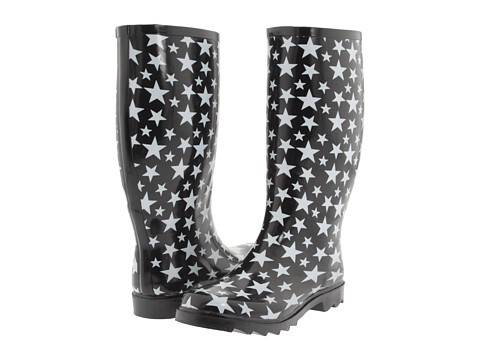
    Fun, Hip, Cool, Trendy Rain Boots – All of us farm girls wear rubber boots from time to time.  Why look manly when there is a whole slew of feminine rubber boots available?  Show your own unique style with stars or stripes or swirls of fun color!  You will be the hit of the barn!

    Anything JCREW – I simply love the effortless look of JCrew – all of it! Ballerina flats, sweaters, t-shirts, capris, scarves, fun jewelry, coats and jammies… the list keeps going.  The one thing I love about this website is that it puts outfits together for a simple personal creation.  Just try it… I think you’ll love what it offers!

    Canon Rebel Camera – I’m the proud owner of a “big girl” camera, one that’s a bit above the little “Sure Shot” that I hauled around for years!  Photographers looking for an easy-to-use camera that will help them create their next masterpiece need look no further than the Canon EOS Rebel T3i.   I cannot say enough about mine – great photos and a great way to share your story on social media, too!

    Dean & Delucca Gourmet Food – From meats to shellfish to wines to gourmet deserts this site offers all sorts of wonderful high end treats. I personally love the fun cookies and cupcakes and cakes especially for the holidays. What a fun surprise to send one of these fancy yummies to a special friend or family member.

    Motivational and Inspirational Books – I love books and am still a fan of a REAL book, not on an electronic reader, but a real book that I can pickup and touch and turn the pages.  I enjoy motivational books and this one is a must read, Be the Miracle – 50 lessons for making the impossible possible by Regina Brett.  This book will motivate, inspire and make you just feel oh so good!  I love that it’s bound in my favorite “Tiffany blue color.”  Any book is a special gift, but you can make it ever more special by signing a personal note inside to a friend or loved one.

    Thanks for indulging me by letting me share a few of my most favorite things!  Above all, my most favorite holiday gift is the time spent on my family farm with loved ones.

    Team Latham

    December 6, 2012
    Agriculture, General, Industry News
  • Latham Hi‑Tech Seeds

    Choosing the “Smartest” Phone for Your Operation

    Ipad31
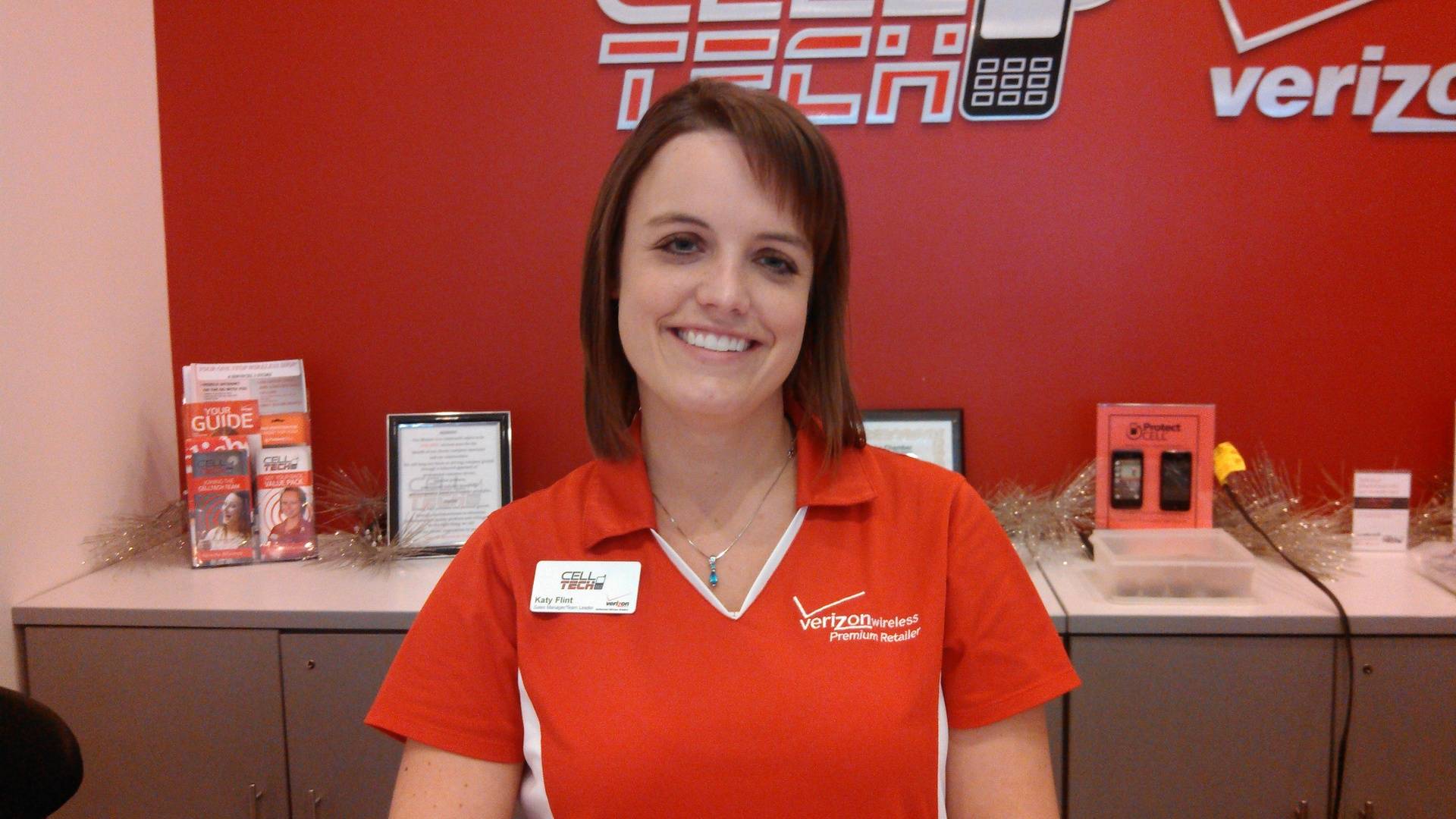
    Katy Flint

    Guest blog post by Katy Flint, Sales Manager / Team Leader for CellTech

    I was raised on a farm, belong to a Century Family farm, worked in the cooperative system for almost five years, and am married to an agronomist.  Now I’m putting my background and experiences to work at CellTech, a premium Verizon retailer, in Hampton, Iowa.

    I can’t count the number of times I’ve had someone say to me, “I don’t need anything fancy; I’m just a farmer”.  The first thing I think is, “JUST a farmer”?  The second thing that comes to mind is, “What makes a phone fancy?”  Is it a phone that you can only use if you’re in your Sunday best?  🙂

    What if picking a phone or tablet was about choosing something fancy?  Would you be more interested in a new phone if it could make your work easier and perhaps even make farming more profitable?

    I’ve never met a farmer who didn’t want to make more money, so let’s consider how a Smartphone or tablet could do just that!  The first place we typically look at is apps ,or applications.  While there are literally thousands to choose from, here are a few of my favorites:

    • Market Strategies by DTN will keep up-to-date on market prices.  Create a watch list based on the commodities you want to follow and the futures board on which you want to sell.  You can see both the futures and the cash bids around your area – no more having to call the co-op 4 or 5 times a day to see what the markets are doing! Get for your iPhone | Android
    • Accuweather and Weatherbug keep the weather at your fingertips.  You can also plan your day accordingly because these apps use GPS to follow your location. Get WeatherBug for your iPhone | Android. Get Accuweather for your iPhone | Android
    • Monsanto and Precision Planting recently launched a new app that is compatible with your variable rate (VR) planter.  Did you know that 90% of planters sold today have VR capabilities but only about 5% are being used because the people don’t know how to use them?  Simply plug your iPad into your VR planter.  Your planter will adjust as necessary so there isn’t any waste, which means more money in your pocket! Get for your iPhone | Android (not available)

    Technology today has never made it easier to optimize every dollar you spend.  At CellTech, we pride ourselves in being connected with farmers.  We would love an opportunity to show you how technology can help you!

    Team Latham

    December 5, 2012
    Agronomics, General, Precision Ag
  • Latham Hi‑Tech Seeds

    Tell your ag story or someone else will – and you may not like it!

    Larrymeeting
    Larry Sailer

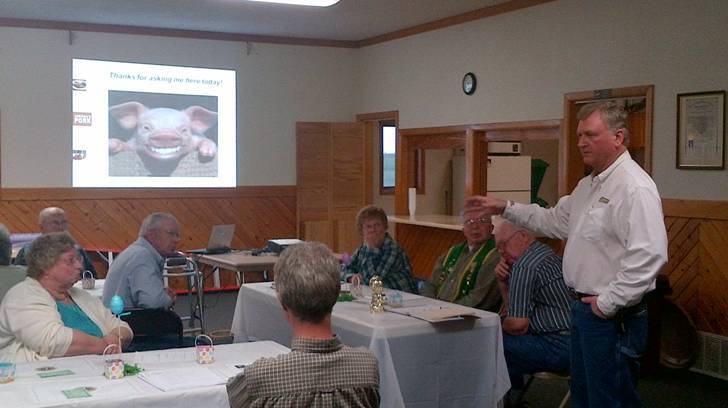
    It’s hard to believe that 12 years have passed since I began telling others the story of pork production and crop farming.  I believe I even started talking to non-farming groups before the phrase agvocating was coined!  The reason I started making time to deliver free speeches across the state (and sometimes even out of state) is because it’s so important for us to share with others.

    Farmers have done a great job or taking care of our animals and crops, including soil and natural resources.  However, most farmers are also very modest and don’t go around telling others – especially non-farmers – all that we do or how we do it.  Other groups, like PETA and HSUS, have unfortunately filled the communication void for us by painting a picture based on misinformation and emotion.  By doing so, they’ve pushed their agendas and have gained widespread national media attention.

    Farmers are starting to make the headlines, too.  We’re gaining coverage in farm publications like Farm Talk, Agri-View and occasionally mainstream papers like The Des Moines Register.  It’s a start…

    Click Here to visit their Facebook Page

    We’re having more impact reaching consumers, one group at a time through speaker’s bureaus like Operation Main Street (OMS).  Formed in 2004 by the National Pork Board with 15 trained volunteer speakers, Operation Main Street grew to 250 trained speakers in 2005.  This group of speakers was formed because there was a need for farmers to not only talk with, but to listen to, our customers otherwise known as consumers.  With OMSspeakers trained and at the ready, pork producers have a force to spread the truth about how and why we have made changes to our farms.  The OMS program even started to address college classes and groups of dietitians and county commissioners.

    Shortly after the New Year 2012, a milestone 5,000th speech was delivered through Operation Main Street by Arcola, Ill., pork producer Pat Titus to the Ambucs Club.

    “The OMS program has allowed me to have a dialogue with consumers who rarely have any contact with agriculture,” said Titus, in an article posted Feb. 6 by Wallaces Farmer.  “It’s really up to us to tell our story and connect with consumers so they know that we are committed to producing good, safe food, and to caring for our animals and the environment.”

    I couldn’t have said it better!  I’ve made close to 50 presentations to civic groups like Rotary, Kiwanis, Lions, Optimists, Civitians and groups I had never heard of before they called me.  Last week I talked to a great group of Optimists from Marshalltown, Iowa.  These groups appreciate having a “real farmer” come and talk with them about what that farmer does.  I know why I’ve made certain changes to my operation, so I just explain “the why and how.”  The groups to which I have spoken have been very receptive to my presentations.

    With more consumers curious about where food comes from, there is a greater need for more farmers to share their stories.  If you’re a fellow farmer, I encourage you to take the leap and advocate!  If you’re a consumer, I encourage you to check out fact-based information and learn more about what farmers do through programs like Operation Main Street.

    Larry Sailer, Musings of a Pig Farmer

    December 4, 2012
    Agriculture, General, Industry News
  • Latham Hi‑Tech Seeds

    Why Use the Hammer if the Carrot Works?

    Recently, I have read many editorials that are very critical of farmers’ nutrient management practices.  One particular letter in The Des Moines Register likened farmers to the proverbial fox watching the hen house.  In this case, the author was referring to the environment (land) as a defenseless chicken being preyed upon by the farmer (fox).  I have always thought of myself more as the farmer who protects his chickens from the fox, and that’s why conservation has always been one of my top priorities.

    Farmers and ranchers are on the front lines, living and working with the soil every day.  As a result, we’ve changed our farming practices as new information and new technologies have become available.  I’ve seen several changes occur over the last 60 years.  In the 1950s and 60s, the soil was plowed black.  Today, however, we can no-till without disturbing the soil thanks to improvements in equipment and weed control systems.  These vast improvements have reduced soil loss, so we no longer have dust bowls or black snow in the ditches like when we plowed.

    Iowa’s “carrot on a stick approach” is working.  However, the federal Environmental Protection Agency (EPA) has accused the Iowa Department of Natural Resources (DNR) of being too soft on farmers and has threatened to take over enforcement here in Iowa.   Before we rush judgment, let’s take a look at past successes and give the new Nutrient Reduction Strategy time to work.  More than 16,000 new practices have been implemented on more than 220,000 acres by Iowa farmers since 2007.

    “Iowa farmers continue to aggressively implement new conservation practices,” said Iowa Secretary of Agriculture Bill Northey in an article posted Nov. 20 by farms.com about Iowa’s Nutrient Reduction Strategy.  “The driving force of this focused effort is best-management practices.  This also looks at new and emerging technologies… This is not about rules and regulations. This is about giving farmers tools.”

    Iowa’s farmers have made big improvements – without the threats of fines – and more improvements are sure to come as a result of the collaborative approach that’s being taken to further reduce nutrient losses.  To develop the Iowa Nutrient Reduction Strategy, input was gathered from13 point and non-point source groups plus the DNR, IDALS and ISU researchers.  Many points of view were studied, yet some folks are accusing the Iowa Farm Bureau of having too much influence.  It only makes sense for the Farm Bureau, “the voice of agriculture,” to be involved as we’re the experts and the ones charged with helping contain the Dead Zone in the Gulf of Mexico.

    This Dead Zone is mostly blamed on Midwest farmers.  What isn’t being talked about, however, is the fact the Dead Zone was around before there were Midwest farmers!  As long as the Mississippi has been a river, it has dumped sediment into the Gulf.  Changes to our watershed have compounded the situation; the Mississippi has changed from a sprinkle can to a fire hose.  Levies and flood control are in place.  Swamps and wetlands no longer filter out sediments before they’re carried downstream.  The place where the Mississippi dumps into the Gulf has also changed over time.

    Farmers’ involvement in the Iowa Nutrient Reduction Strategy is not enough; how the watershed and rivers are managed needs to be addressed.  You can bet that I’ll be sharing this thought with lawmakers and regulators!  I encourage you to do the same.  Everyone can share their thoughts on this plan and should.  You can review the strategy and provide feedback between now and January 4,2013, at www.nutrientstrategy.iastate.edu.


    Larry Sailer, Musings of a Pig Farmer

    November 27, 2012
    Agriculture, General, Industry News
  • Latham Hi‑Tech Seeds

    Iowan Talks “Pork” in the Big Apple

    BarbDeterman1
    Barb Determan

    Guest Blog by Barb Determan

    What is a small town Iowa farmwoman doing in New York City on a panel of experts about antibiotics with a moderator from CNN? That’s exactly what I was wondering Thursday, November 15!

    A few weeks ago I was asked to represent the pork industry in the New York City Food Dialogues sponsored by the US Farmers and Ranchers Alliance. The panel I was on centered around antibiotics in livestock, specifically pigs.  Two additional panels discussing GMOs and Marketing and the Media were also a part of the day. Here are my major take-aways from the experience.

    First, our consumers are woefully uneducated about food production. Now I have been aware of this for some time, but participating in the panel brought this fact home! Highly educated people have some real misconceptions and misunderstandings about where their food comes from. And to complicate matters, they don’t know where to find good information.

    Second, they believe antibiotics are fed to animals (especially pigs in my panel’s case) from birth to harvest. They think the antibiotics are added for no reason and at high levels. They don’t realize the use of antibiotics come with a veterinarian’s advice and are fed on a very limited and defined basis. Explaining our practices for meat production is a tedious process, but we must do it so we don’t have those assumptions circulating. This follows he age old public relations advice of you must tell your story, because if you don’t someone else will and you won’t like that version!

    Third, livestock production has changed and this group does not understand that better health, genetics, and environmental practices are the result of these changes. Modern buildings with controlled temperatures and nutrition designed for each day of the pig’s life help us provide the world’s safest food supply at a reasonable price. Efficient production does not mean bad production.

    Fourth, we have to be careful not to use what I call “ag-ese”, the words that only those of us in the agriculture production business use. Our ag slang only further complicates everyone’s understanding of what we do every day. We need to stop and think what those words mean and how we need to explain to a non-agriculture population.

    Fifth, some reporters really do want to learn more about our food production system and are not judgmental about that learning process. Our moderator, Ali Velshi, CNN’s Chief Business Correspondent, did an excellent job making sure all participants were involved answering questions. He asked some tough but fair questions as well as handled audience, Twitter and email questions. His genuine curiosity made it easy to explain farming practices, both crop and livestock. My favorite line from him throughout the day was, “Seedless watermelons are GMOs? I’m in! What’s the problem?”

    We as agricultural producers are proud of feeding our world but that doesn’t go far when the world doesn’t understand how we produce that food. We must participate in conversations with consumers at every opportunity. I am proud of the U.S. Farmers and Ranchers Alliance for starting these dialogues with both the pro and con sides represented. It’s the only way we can explain our story to others and not just ourselves.

    Useful Links

    • Click here for the Food Dialogues Website
    • Click here to read tweets from the Food Dialogues: New York


    Media, Marketing and Healthy Choices

    [youtube]http://www.youtube.com/watch?v=9C7PAsU5r_I&feature=player_embedded[/youtube]

    Antibiotics and Your Food

    [youtube]http://www.youtube.com/watch?v=NYQh-iCs9oQ&feature=player_embedded[/youtube]

    Biotechnology (GMOs) and Your Food

    http://www.youtube.com/watch?v=Vdle5PvTBrc&feature=player_embedded

    Team Latham

    November 26, 2012
    Agriculture, General, Industry News
  • Latham Hi‑Tech Seeds

    Make the Most of “Leftover” Turkey

    TurkeyLeftovers

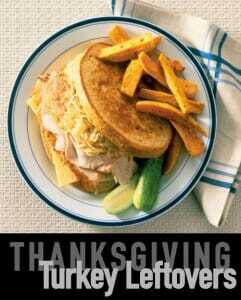
    On the day after Thanksgiving, the last thing on people’s minds is turkey.  Ask your family what they want for supper and – if they’re anything like mine – they’ll tell you pizza.  They might even say tacos, but they’re certainly not going to beg for another bite of turkey!  Little do they know…

    My personal belief is that no food should be wasted.  I’m a freezer queen.  Freezer-ready meals make mealtime quicker and easier.  Browned beef, stored in freezer bags and stacked neatly in my freezer, cuts down prep time considerably.  I’ve been known to put whole chickens in the crock pot just to have cooked chicken freezer-ready for casseroles.

    So why not “bag some bird” this holiday?  Simply cut up your leftover turkey; measure out 1½- to 2-cup servings; and freeze it for a while.  Thanks to the folks at the National Turkey Federation, you’ll have plenty of ideas on how to use that turkey.  Check out the NTF’s Top Ten Ways to Use Turkey Leftovers.

    Before freezing all of your cooked turkey, you might want set aside just enough to make the dip or soup since they’re perfect “Game Day Foods.”  Perhaps you’ll want to make ahead a casserole or let soup simmer in the crock pot while you hang Christmas decorations over the weekend.  (That’s my plan, but the tough part is choosing which recipe to make!)

    I’ve assembled my own Top 10 List, which includes many recipes we’ve featured on TheFieldPosition.com.  In some cases, like “Buffalo Chicken Dip,” I’m suggesting you substitute chicken for turkey.  In other cases, I’m linking to some of my favorite turkey recipes from TheFieldPosition.  I hope these recipes will make you thankful for the extra turkey in your freezer during such a busy season!

    TOP TURKEY RECIPES FROM THEFIELDPOSITION.COM

    1. “Buffalo Chicken” Dip
    2. Turkey Tortilla Hot Dish
    3. Turkey Pot Pie
    4. Easy Turkey Salad with a side of French Onion Soup
    5. Turkey Reuben
    6. Southwestern Turkey Soup
    7. Garden “Turkey” Casserole
    8. Wild Turkey Casserole (a.k.a. “Wild & Cheesy Chicken Casserole”)
    9. White Turkey Chili
    10. Fiesta Turkey Chowder
    11. Turkey Mandarin Poppy Seed Salad

    P.S.  Say you’re “cooking once and eating twice.”  Call them “do-overs.”  Whatever you do, don’t call them leftovers!  That’s like calling DDGs byproducts when everyone knows they’re coproducts, right? 😉

    Team Latham

    November 23, 2012
    General, Poultry, Recipes
  • Latham Hi‑Tech Seeds

    Thanksgiving and the Real Black Friday

    Turkeypaper

    Guest blog post by Dan Gogerty, communications editor for CAST

    The Farm Bureau posted their annual report regarding the cost of the typical Thanksgiving Day meal, and at approximately $5 per person, it seems a bargain. If you compare the menu items to what you’d get for $5 at most fast food places, you’d about have to say, “I’m lovin’ it.”

    I looked up the prices for 1961. I was eleven years old then, sitting at a long, crowded table in Granny Faye’s house. She wasn’t much for hosting events, but even after my grandpa died, she kept up the Thanksgiving tradition. Apparently back then she could buy turkey at 35 cents a pound, potatoes at 8 cents a pound, and two cans of pumpkin for 29 cents.

    Granny’s two sons both farmed within a half mile of the home place. Farms were closer together then, and these were filled with kids—fourteen between the two families. Most of us were boys growing up under the influence of Moe, Larry, and Curly, but we managed to sit quietly during the prayer, and we appreciated the accordion-paper turkeys and pumpkins that made up the table décor. No one wrote texts or tweets as we shaped our mashed potatoes into lake beds for the gravy. No noon football games on the black and white TV, but cousin Terry might have a beat up pigskin on his lap. We were itching to get outside to play ball—what kid really likes cranberry sauce anyway? A promise of pumpkin pie is the only thing that kept us from bolting.

    I have little recall of the meal chatter, but Granny might inform us that turkeys were not always the guest of honor at Thanksgiving. “Back then,” she’d say, “we used to butcher and dress barnyard chickens for the feast. Not much fun steaming and plucking feathers on a chilly morning.” We kids had been present at poultry harvest times, so a cousin might start describing the chicken-with-its-head-cut-off ritual until he was shushed. Grossing each other out was a national pastime for us boys at that age, but the Thanksgiving table was not prime territory for it.

    As the autumn sun shone through the large south windows, Dad might point out, “Even though today is perfect for football, we’ve seen Thanksgivings when the ground was covered with snow. When I was about your age, the 1940 Armistice Day blizzard surprised us all. Farmers were caught out in the cornfields, hunters were nearly frozen to death in duck blinds, and chickens were stuck solid to their roosts. No weather forecasts to warn us back then.”

    Even at that age, I’d seen a Thanksgiving or two when the creek banks were lined with thin ice, and the morning sun lit up frost that coated woven wire fences and corn stalks left in the field after the harvest. But today had the brilliant light of a slanting autumn sun, and as soon as we hit the yard, it was all pass, run, argue, punt, fumble, and argue some more as we conveniently ignored the fact that someone was cleaning up after the big event. Back then, adults were like benevolent extraterrestrials who usually stayed in their own universe—until chore time.

    “The cow needs milkin’,” some galactic overlord would announce. “And the steers in the lot across the road need five buckets of grain and eight bales of hay.” No holiday shopping excuses to save us. The advertizing Madmen of the 60s hadn’t come up with Black Friday Frenzy, which is now morphing into Thanksgiving Day Dilemma. We were bright enough kids, but the word “shopping” was not in our vocabulary, and  merchants back then didn’t even think of hoisting Christmas on us until Thanksgiving was over.

    The day was for celebrating family, and the harvest, and kids playing outside in the sunshine or the snow. And the evening was for eating the meal that I liked best—the leftovers. Dark turkey meat, warmed-up dressing with gravy on it, Mom’s homemade bread, a slice of pumpkin pie—living was easy. Until the morning after Thanksgiving.

    We’re trudging up the lane toward the yellow school bus that stops in a cloud of gravel dust and dread. In a tryptophan stupor and laden with books and gym clothes, I climb aboard the not-so-magic bus and plop down in a cold seat next to a lanky high school kid with a comb in his pocket and a sneer on his face. Now that’s what I call the real Black Friday.

    by dan gogerty (turkey pic from blogher.com; school bus pic from schoolbusdriver.org)

    Team Latham

    November 21, 2012
    Agriculture, General, Industry News
  • Latham Hi‑Tech Seeds

    Time to Count Our Blessings

    ThanksgivingTime21

    “Musings of a Pig Farmer”
    By Larry Sailer

    Today I’d like to share some of the things for which I’m thankful.  There’s no way that I can cover everything, and that alone speaks volumes!

    First of all, I’m thankful to live in a democracy where we’re afforded the freedom of speech.  I’m thankful for TheFieldPosition.com for giving me a platform to voice my concerns, as well to share why and how I farm with those who are interested enough to read my weekly “Musings of a Pig Farmer” blog.  I’m also thankful for you since you’re reading my post!  ?

    I’m thankful for the ability to express my thoughts – this alone would have been unimaginable 10 years ago.  I can still remember my first interview as the State of Iowa Feeder Pig Chairman.  Farm broadcaster Von Ketelsen interviewed me during our last feeder pig show, which we were forced to shut down to help eradicate pseudorabies.  I answered many of Von’s questions with “yes” or “no.”  Such one-word answers should have been the end of my interviews.  Fortunately, Von called me again last week for another interview.  He must still think I have something worth sharing, and I’m thankful for second chances.

    In addition to learning how to better communicate my message, over the years I’ve become a better listener.  Helping farmers and ranchers be understood by the folks, who are far removed from the farm, keeps me motivated.  I’m thankful for technologies like the Internet, iPads, computers and Smartphones that allow me to make friends across the globe.  Thank you, my social media network!  I feel blessed to talk with and learn from people all over the world – from my home office.

    Advocating is just one of the challenges facing us in agriculture.  Every year presents new hurdles, whether they’re regulatory or weather-related.  This past year has been no different.  Lack of rainfall caused the 2012 crop conditions to decline week after week.  Yet, we raised a crop!  I am very thankful to have had the yields I did with the very short amount of rain that fell.

    Last but certainly not least, I am thankful for my close family.  We’ve made it through another year with only minor bumps in the road.  Some of those bumps seemed big at the time, but looking back, you all handled things pretty smoothly.  A heartfelt “thank you” to my wife, Janice, for putting up with me for another year and for allowing me to spend time agvocating when I could be working on her “Honey Do List.”  (Janice, I promise to try harder next year!  Maybe I’ll even get that waterfall built in 2013.)  I also want to thank my kids and grandkids for helping me on the farm and for giving me so much pleasure as I follow their lives.  Thirty-five years ago, I never thought that would never happen!  I am truly blessed by all of you.

    Thanksgiving gives us time to step back and reflect.  I hope you’ll take the time this week to say a prayer and count your blessings, too!

    Larry Sailer, Musings of a Pig Farmer

    November 20, 2012
    Agriculture, General, Industry News
Previous Page
1 … 97 98 99 100 101 … 159
Next Page

Latham Hi‑Tech Seeds

131 180th Street | Alexander, IA 50420

(641) 692-3258

SIGNUP FOR OUR NEWSLETTER
  • Contact
  • Legal
  • Dealer Center
  • Seedware Login
  • Latham Gear

© 2025 Latham Hi‑Tech Seeds. All rights reserved. | Iowa Web Design by Webspec | Privacy Policy

Latham® Hi-Tech Seeds is a trademark of M.S. Technologies, L.L.C., 103 Avenue D, West Point, IA 52656.