Keep little hands busy with Thanksgiving preparations! Here’s a link to one of our tried and true crafts plus a kid-friendly recipe: Click Here.



Keep little hands busy with Thanksgiving preparations! Here’s a link to one of our tried and true crafts plus a kid-friendly recipe: Click Here.
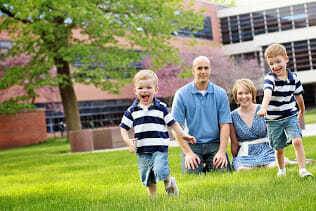
![olthoff 2013 (77)[3]](https://www.lathamseeds.com/app/uploads/2013/11/olthoff-2013-773-200x300.jpg) Katie Olthoff of Stanhope in Central Iowa never ever dreamed she’d become an advocate for agriculture and the turkey industry, in particular. Today she and her husband, Bart, are raising their two sons and more than 100,000 turkeys annually On the Banks of Squaw Creek.
Katie Olthoff of Stanhope in Central Iowa never ever dreamed she’d become an advocate for agriculture and the turkey industry, in particular. Today she and her husband, Bart, are raising their two sons and more than 100,000 turkeys annually On the Banks of Squaw Creek.
“I knew Bart had majored in agriculture and came from a long line of farmers, but I honestly didn’t think I’d become a turkey farmer’s wife,” said Katie, who graduated from Iowa State University with a degree in education and taught for five years. “How we got here is a long story; the short of it is that we were blessed with an amazing opportunity. We’re raising our children in the country, which is what we always wanted. And as my husband says, we’re ‘building a legacy.’ I’m a part-time stay at home mom, which was always my dream.”
Katie’s other part-time job involves serving as communications specialist for the Iowa Turkey Federation, which allows her to give turkey farmers a voice in social media. She also helps dispel myths about farming and food production as a volunteer for Iowa Common Ground. She appreciates her flexible work schedule, which allows her to pursue her hobbies and passions.
Katie has turned her home decor and DIY (do it yourself) hobby into a small business. The HomeShed is a seasonal home decor shop focusing on antique, vintage and unique items for the home and garden.
A creative soul, who thrives on new challenges and creating beauty around her, Katie enjoys writing, photography, graphic design and home décor. Her blog, On the Banks of Squaw Creek, allows her to combine all of her interests.
Katie began as a way to document all of the changes that were occurring in her life. In 2008, she and Bart sold their first home and moved into the 100-year-old farmhouse where they still live. Their first turkey barn was built, and their first son was born.
Blogging has definitely been a learn-as-you-go process, says Katie, but through the years she has narrowed her focus to:
Recently, Katie blogged for 31 Days of Decorating with Junk. (As a Halloween junkie, I especially enjoyed her vintage Halloween decorating ideas complete with links to templates for Halloween banners.) Last Christmas Katie published a “Survival Guide” for parents of small children. (Check out her handy ideas for storing gift wrap.) She also shared ideas for “Keeping Christmas Meaningful” and a simple recipe for Slow Cooked Turkey Breast.
As a way to promote the farm life she’s come to love, today Katie is sharing with us a recipe she adapted from Jennie-O for Lemon Garlic Rotini with Zucchini. (How fun is that to say?) Even though the following recipe calls for tenderloins or filets, you could probably adapt it to make use of Thanksgiving leftovers. Give turkey a new twist tonight!
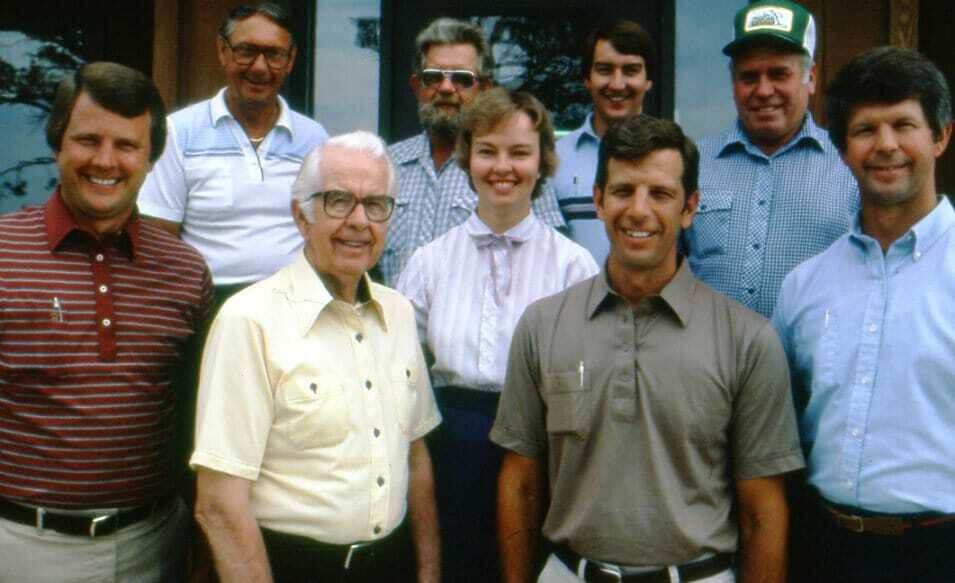
Three of Willard’s sons joined him in the seed business from 1966-1976. In the front row, from left to right, are: Tom, Willard, Don and Bill Latham. 

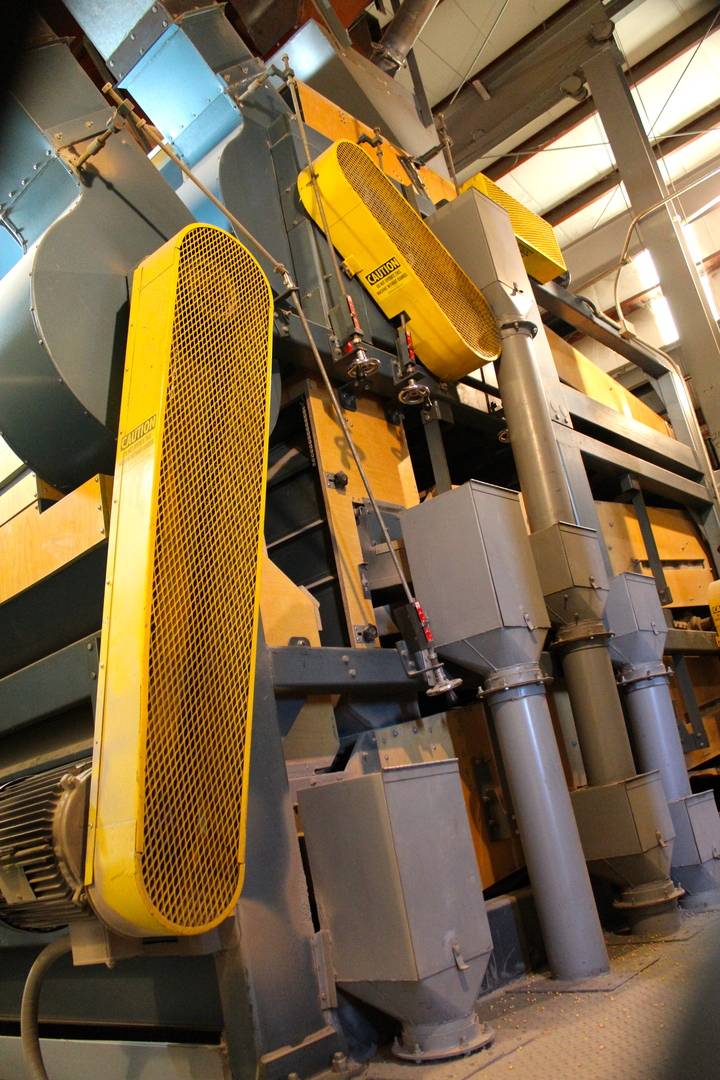
A series of screens remove sticks and pods, as well as small seeds or those with cracked seed coats. We only want the highest quality soybeans inside a Latham bag!
Fall field work isn’t yet complete but the “post-harvest meeting season” is already underway. On Nov. 15, I had the pleasure of attending a policy meeting of the Iowa Agri-Women.
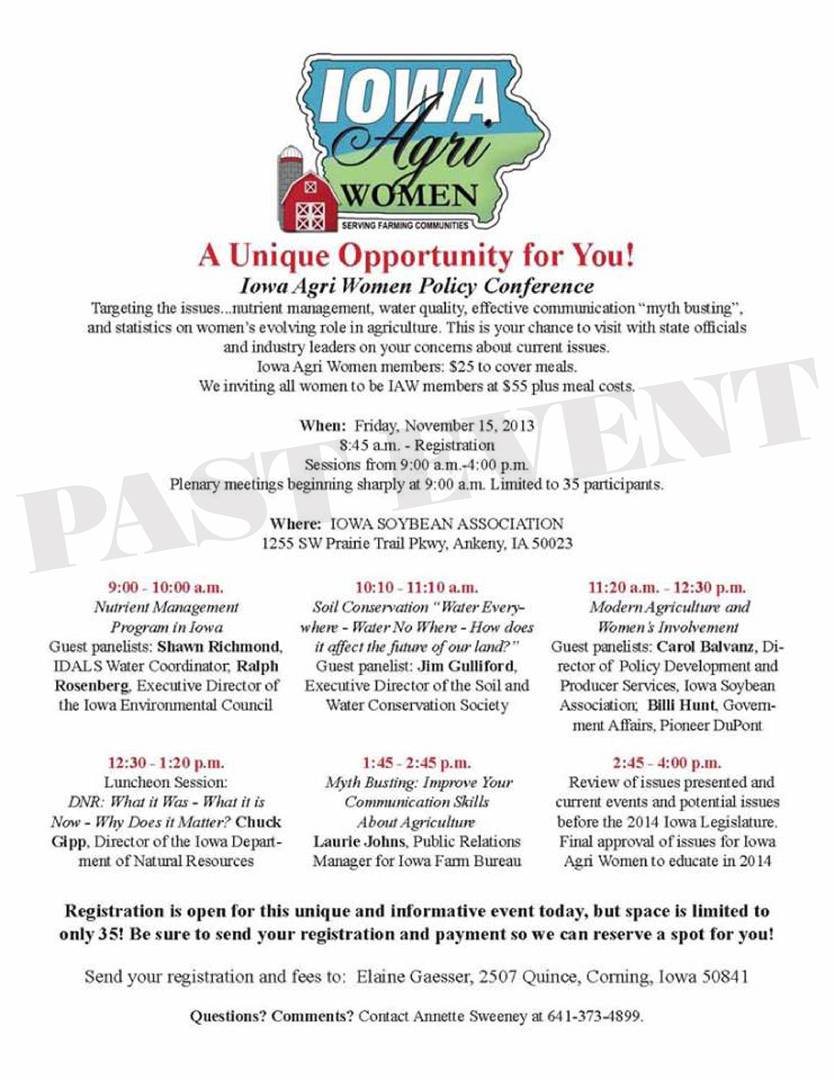 Now I go to a lot of meetings every year. Usually I can slip into the back of the room and blend right in with the crowd, but that was not the case last Friday! This meeting was limited to 35 women… and me. The size of this meeting was limited for the sake of discussion. There was a great agenda with very good speakers. Plus, the list of attendees was impressive.
The group is led by Chairwoman Annette Sweeney to whom I’m especially grateful for the invitation. Also in attendance were Iowa Senator Sandra Greiner, noted farm writer Darcy Maulsby and Franklin County Farmer April Hemmes, who farms her family’s Century Farm while her husband works in town.
I expected this meeting to be similar to those I’m accustomed to attending, but I was wrong. Mainly, the questions were asked differently and discussed more thoroughly. As Annette opened the meeting, she announced no members of the media were present and nothing was being recorded. She encouraged attendees to be open and ask any question as there are no dumb questions.
These women talked openly, believe me! There were three different times when I found myself wishing I had brought along duct tape to keep me quiet. But I reminded myself that I came here to learn, and to learn, one must first listen.
“To listen and learn” is exactly why I decided to attend this women’s conference. The theme of the IAW meeting was soil conservation, and those of you whom read “Musings of a Pig Farmer” regularly know that soil conversation is one of my hot-button issues. You also know how strongly I feel about the need for farmers to first listen to others’ concerns, then engage in conversations and help promote a better understanding of U.S. food production.
One of the presenters last Friday pushed the idea of mandatory ties in the Farm Bill, requiring what farmers should do. One of meeting attendees was convinced “bad farmers” should be sitting in jail! This presentation and the discussion that followed reminded me of the Letter to the Editor in The Des Moines Register about a related issue.
Some folks believe the Farm Bill is a vehicle to strengthen conservation efforts, but I question why we need to use a hammer if the carrot works. After all, farmers recycled before “Green Efforts” began.
In future blog posts, I will share my thoughts on many of topics debated during last Friday’s policy about the Farm Bill, conservation and mandatory regulations. For now, I just want to give props to Iowa Agri-Women for organizing, coming together last week and discussing topics of such great importance.
More women are owning and managing farms today than ever before, and that’s all the more reason for agri-women to make their voices heard. “The percentage of farms now influenced by women is significant,” says Danny Klinefelter, Texas A&M economist and director of The Executive Program for Agricultural Producers (TEPAP). More women than ever are key decision makers and often the point person for purchasing decisions. Women’s roles in agriculture have evolved, and women are changing the landscape of agriculture.
Guest Blog post from Bethany Asbell of Best Food Facts
Going organic is a trend that’s here to stay. A reported $63 billion worldwide industry – it seems that organics won’t be leaving the food conversation anytime soon. And, that’s something we should all celebrate. After all, we all want choice, right? Organic fruits and veggies, just like conventional produce, are dense with nutrients, low in calories and contain antioxidants that help promote health. So what about claims that consumers need to buy some types of fruits and vegetables only if they are organic? These recommendations exist, but what if you can’t afford to go organic? Is it a detriment to your health to eat fruits and vegetables grown conventionally? What about the fact that the Environmental Working Group – the organization that publishes the ‘Dirty Dozen’ – says, “eating conventionally-grown produce is far better than not eating fruits and vegetables at all?”
 At BestFoodFacts.org, we celebrate consumer choice and work to provide our readers with facts, directly from unbiased experts, so that you can consider all the angles before making the food choices that are best for yourself and your family. To that end, we consulted a few university-based experts to get answers to some of the most popular questions related to organic and conventional foods.
Is there a nutritional difference between organically and conventionally grown foods?
 Dr. Ruth MacDonald, professor and chair of the Department of Food Science and Human Nutrition at Iowa State University:
“From a nutritional perspective, no. There is very little evidence that organic and conventionally (“non-organic”) grown foods vary significantly. Both are excellent sources of many nutrients and bioactive compounds. Some studies have shown differences in some compounds when grown using these techniques, but in general, the differences are minor and will not have a significant impact on overall nutrient intake.
Read the rest of what Dr. MacDonald had to say.
Is conventional produce loaded with pesticides?
 Dr. Carl Winter, food toxicologist from the University of California at Davis:
“We have a saying in toxicology: It’s the dose that makes the poison. It’s the amount of the chemical, rather than the presence or absence, that determines the potential for harm. In the case of pesticide residues on food, we can detect them, but generally at very tiny levels. I think consumers are concerned because they’re aware that these chemicals, which have potential toxic effects, show up on foods. However, the levels at which we detect these pesticides are so low consumers have nothing to worry about.
“As for pesticide use, organic food is not guaranteed to be free of pesticides. Organic food production allows the use of several EPA registered pesticides, mostly being of natural origin. Although studies claim you are much less likely to find pesticide residue in organic foods, some surveys found nearly 30% of the organic samples tested had some detectable level of pesticides.
“Fortunately, consumers in the U.S. frequently have the choice between purchasing organic and conventional foods and make food purchasing decisions that reflect their values, concerns, and lifestyles. For optimal health, consumers should continue to eat a balanced diet that includes significant amounts of fruits, vegetables, and grains, regardless if such foods are produced by organic or by conventional practices.”
Check out Dr. Winter’s full response on the Best Food Facts website.
Is organic food overall better for your health?
 Dr. Francisco Diez, associate professor of food safety microbiology in the Department of Food Science and Nutrition at the University of Minnesota:
“For the average American consumer, the term “organic” has a very positive connotation and very often, the beneficial properties of organic foods are misinterpreted and even exaggerated. These consumer beliefs are frequently fueled by the popular press, and more recently by many Internet sites.
“The term ‘healthful’ is a relatively broad and ambiguous concept and its use by consumers may be founded on a variety of motives. The most frequent reason why organic foods are referred as healthful, is because of the reduced use of synthetic ingredients for their production and processing. Organic foods are also regarded as better for health because of the belief that they are more nutritious and contain more health-promoting substances as a result of being produced under more natural conditions.
“In light of the complexity of the food production system, blank statements such as “organic foods are more healthful than non-organic” are oversimplifications that are often sustained by a lack of knowledge or evidence. Depending on the specific property of a given organic food, this may or may not be considered as health promoting. Consumers are encouraged to critically evaluate the information in the popular press and attempt to obtain an opposing view, including preferably at least a scientific source. We live in an age in which the information on any issue is within our reach – just “a click away.”
See the rest of Dr. Diez’s response here.
At the end of the day, nothing is more important than making the choice we feel is best for our families – especially when that choice is something we’re putting into our bodies. We celebrate the broad range of choices that our food system provides, and hope consumers will make facts one of the factors they consider when they visit the grocery store, the farmers’ market, the local CSA, their own garden or wherever they get their food. To learn more about food, or to submit your question to a food expert, visit www.BestFoodFacts.org.
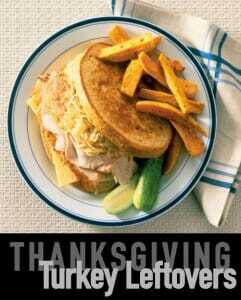

P.S. Say you’re “cooking once and eating twice.” Call them “do-overs.” Whatever you do, don’t call them leftovers! That’s like calling DDGs byproducts when everyone knows they’re coproducts, right? 😉
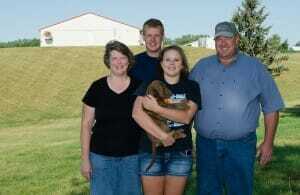
 Because they believe “seeing is believing” the Van Manen family of Kellogg, Iowa, hosts several tours annually on their farm in Jasper County in Central Iowa. Kevin and Julie’s children are the fifth generation to live and work on a farm where animal agriculture has always been an important way of life.
Their son, Jacob, is a senior at Central College in Pella where he’s majoring in Business and Accounting. Jacob comes home to help on the farm whenever he can; he especially enjoys running the combine and other field work. Their daughter, Emily, is a freshman at the University of Northern Iowa. She’s planning to transfer to Iowa State University next fall for Agricultural Education! She especially enjoys feeding bucket calves.
Because Kevin grew up milking Holsteins and raising hogs, both continue to play a major role on their farm today. They feed Holstein steers and purchase newborn bull calves directly from a dairy. In 2006, the Van Manens constructed a modern hog barn. They celebrated the completion of the new building with an open house, co-sponsored by the Coalition to Support Iowa’s Farmers. That event was attended by hundreds of family, friends, neighbors, church members and local residents.
Thanks to pre-construction PR and ongoing communications with neighbors and local residents, the Van Manen’s construction project went off without a hitch. This experience also showed the Van Manens how much value there is in allowing visitors on their farm to ask questions that lead to better understanding.
“We love sharing the way we live by hosting local Scout troops, church groups, international visitors and our city cousins,” says Julie, who taught junior high math, but left her off-farm job two years ago to join the family’s farm on a full-time basis. She returns to the classroom frequently to share ag-related lessons. In addition to caring for livestock daily and helping with other seasonal chores, Julie has led on-farm tours for about 230 kindergartners plus others who are interested in experiencing the miracle of food. “It’s fun to answer questions and visit with people about animal agriculture.”
Last August the Van Manens hosted “U on the Farm II” sponsored by the Iowa Food and Family Project that provided a first-hand farm experience to an Ottumwa family. Following that tour, Soyna Davis posted this message on the Iowa Food & Family Project Facebook page:
“We had the greatest time yesterday on the Van Manen farm!! I want to THANK the Iowa Food and Family project for U on the farm and the Van Manen family for a fun, memorable and educational day on the farm!! The Van Manens are such a great and hardworking family. It was so wonderful to see how well they take care of their animals and farm! We got to see pigs and cows. The kids dug up potatoes, carrots and picked sweet corn and tomatoes. We had a delicious dinner with foods from their farm and even got to help feed the baby calves! They gave us corn, tomatoes a bag full of goodies. We made lots of fun memories, but best of all, now the kids know where their food really comes from and all the hard work it takes to produce it! The kids are already asking to go back to the farm today!!! Kind of makes me wish we lived on a farm!!”
Helping families create positive memories that lead to a better understanding of how food is produced is why the Van Manens take the time to host guests. In June, several Iowa business owners and health professionals toured the Van Manen farm to learn more about agriculture and farming.
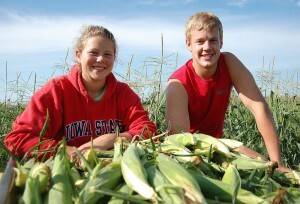 “Dedicated” is a word that comes to mind when I think of the Van Manens. It’s no wonder they were recognized in 2009 as one of the first recipients of “The Way We Live” award at the Iowa State Fair. It’s awarded to Iowa families who “exemplify farm values derived from hard work and a love for the occupation of farming.”
Caring for and living off the land are a legacy passed down for five generations. Jacob continues to enter his homegrown vegetables at the Iowa State Fair. He earned first place in all three divisions of sweet corn. He earned 2nd place with potatoes and 3rd place with Jalapeño peppers at the 2013 Iowa State Fair. Emily was Reserve High Point Exhibitor for the FFA Horticulture show and was champion jumbo vegetable exhibitor at the Iowa State Fair.
The Van Manens enjoy making meals from the vegetables and meat they produce, so today they’re sharing one of their favorite recipes for Breakfast Omelets.
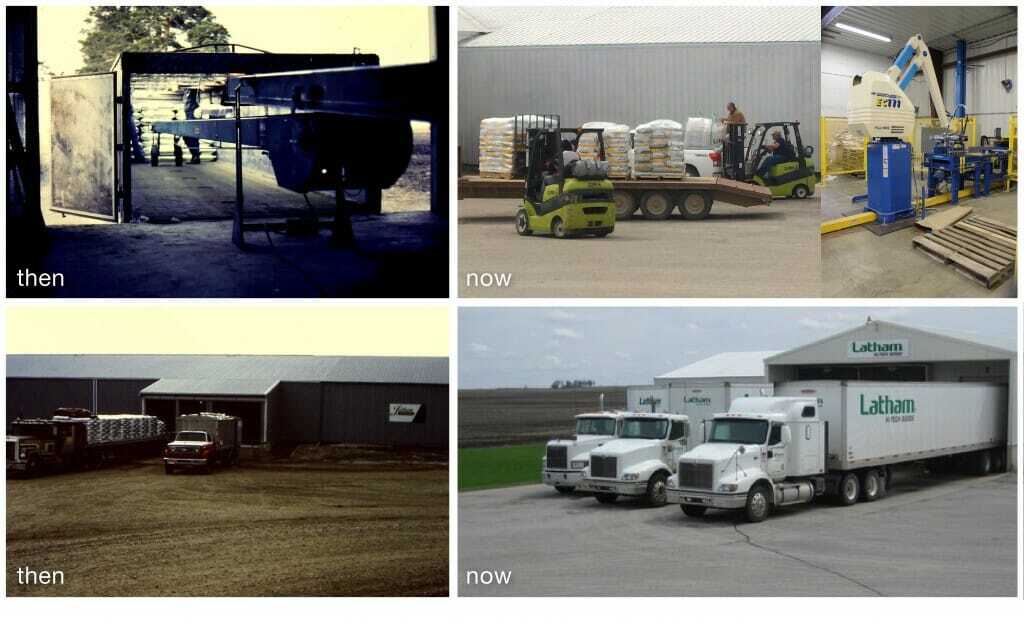
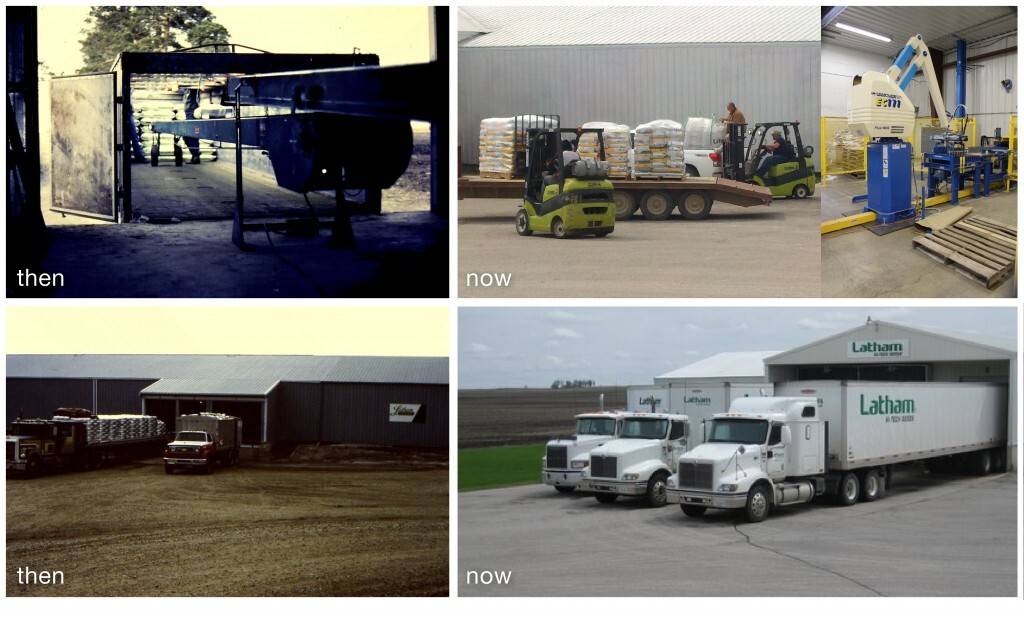
It’s throwback Thursday! Technology has had tremendous impacts on the seed industry over the years from seed technology to shipping! Yesteryear would’ve included loading by hand or conveyor. Today we’re fortunate to have robotic technology, forklifts and state of the art tractor trailers to help move seed products quickly and safely to each customer’s farm.

Each load of soybeans that gets delivered to our plant is hand-inspected to ensure it meets our stringent quality standards.