Latham Hi-Tech Seeds

(641) 692-3258

  • Home
  • Products
    • Corn
    • Soybeans
    • Alfalfa
    • Corn Silage
    • Seed Guide
  • Performance
  • Find a Rep
  • Media
    • Blog
    • News
    • Videos
    • Podcasts
    • TECHTalk
  • About Us
    • Company History
    • Our Mission
    • Careers
    • Become a Rep
    • Sowing Seeds of Hope
  • Contact Us
  • Latham Hi‑Tech Seeds

    Speak Truths about Ag, Even in a Cab!

    ASweeney 111

    Guest blog post by Annette Sweeney, Iowa beef producer

    “I produce the nutritious healthy beef you eat,” was my response to the cabby who asked me what I do for a living. He said, “No way! You can’t be a farmer… you don’t look like one.” Then he went on to say, “I eat meat now and then, but I don’t know very much about cows and stuff.”

    We started to have a dialogue about how beef is part of a healthy diet. I mentioned that beef has special proteins that provide all of the essential building blocks that your body needs. In fact, when my husband hurt his leg, the doctors told us to make sure he ate a lot of protein to help heal his muscles. Also, animal protein is very important for developing children. If children don’t get enough, their development may be hindered.”

    At the next red light he asked, “What about vegetables?” I responded by saying, “Yes, we need fruit, vegetables and dairy. We need common sense on our plates!”

    We continued to discuss a healthy diet. One food group doesn’t give all that your body needs for proper brain and muscle function. The crucial part of healthy eating is having a balanced diet that includes foods from all groups.

    “Meat and poultry have iron, vitamin B12, calcium, vitamin D, zinc and omega-3 fatty acids.  Oh, the whole B12 thing is really important for mind health and digesting nutrients, especially if you are over 50. Beef is a great natural way to get it all those nutrients. ‘And yes,’ I said with a grin as he looked at me through the rear view mirror, ‘I need B12’.”

    He then said, “Wow! Meat has all that stuff. Why has no one put that out there?”

    Cattle producers are trying to spread the great news about beef, but honestly, it’s hard to attract positive attention from mainstream media. Fortunately, May Beef Month and June Steak Month provide opportunities for us to talk about how nutritional beef products are and why raising cattle is good for the environment.

    The cabby and I went on to visit about how cattle are good for the environment. The U.S. beef industry uses 19% less feed, 12% less water, 33% less land and has a 16% lower carbon footprint than production systems of the 1970s. Globally, U.S. livestock production is among the most efficient, which reduces our environmental impact compared to other regions. Without livestock operations, many by-products from food, fiber, fuel production would be wasted. Fragile ecosystems within pastureland would be destroyed to grow foods on land that’s currently unsuitable for crop production.

    This cabby asked great questions. Before I got out, I asked him, “What does a farmer look like?” He just laughed and assured me that he was going to buy steaks that weekend to celebrate. “To celebrate what?” I asked. He responded by saying that he had always liked beef but now he knew why. “Beef is good for me and my family. We’re going to celebrate that!”

    As I headed into the airport, I smiled as I thought about the conversation I had in the cab. If this simple gal from Iowa can visit about truths in agriculture, you can too! For more science-based information about beef, visit www.explorebeef.org and www.beefnutrition.org.
    Gary Geske

    May 16, 2016
    Agriculture, General, Industry News
  • Latham Hi‑Tech Seeds

    Edson Puts Entrepreneurial Studies into Practice with Beef Operation

    20160427 152553 resized

    We become what we practice… Some children pretend to fly a spaceship to the moon or treat their tricycles like they’re fire trucks. Others, like Andy Edson, practice becoming a business owner.

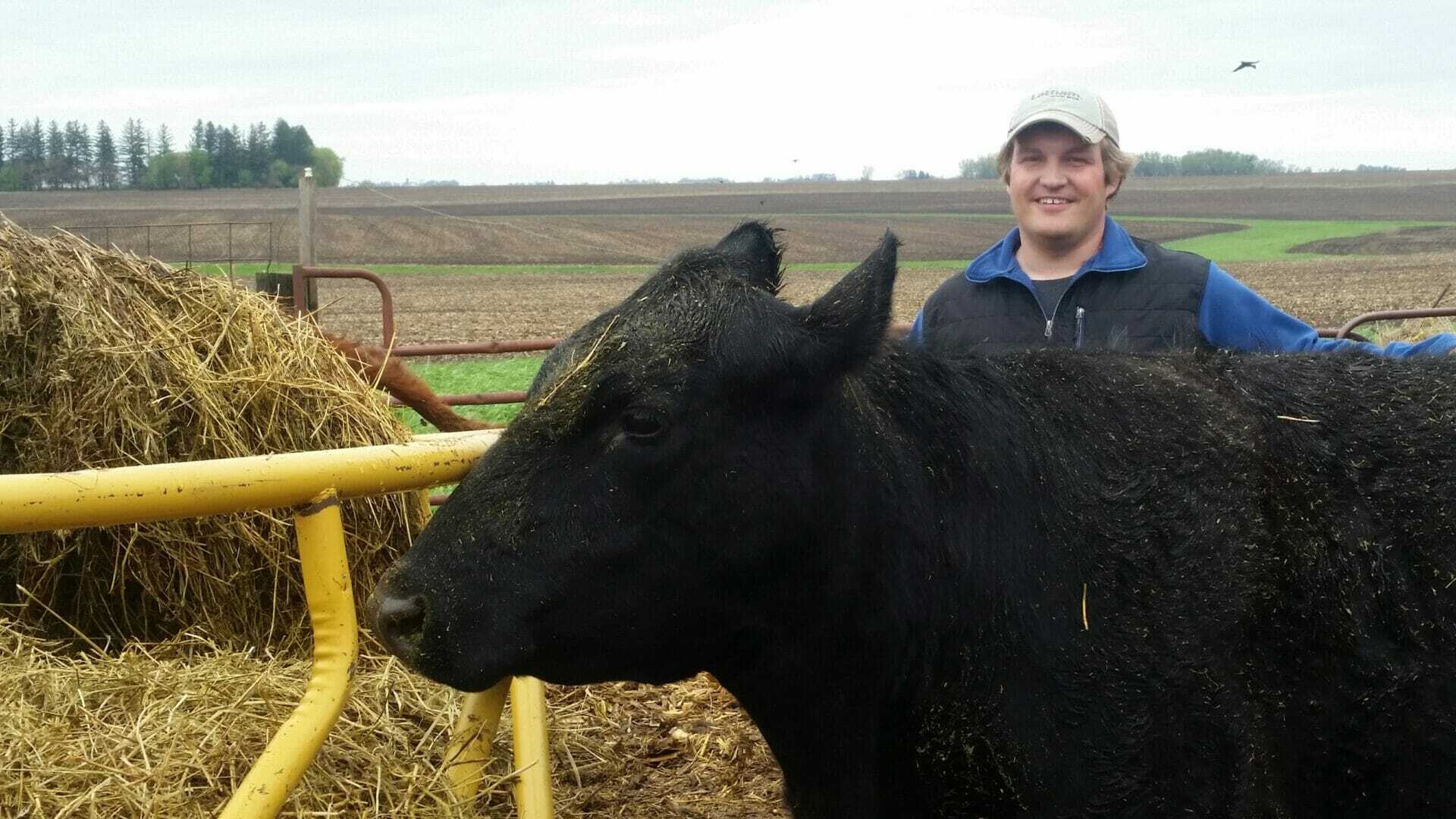
    “A part of me has always thought like 20160427_152553_resizedan entrepreneur,” says Edson, who farms with his parents Dave and Connie near Nashua in Northeast Iowa. “One of my favorite toys as a kid was a cash register. I’d take my sisters things and charge them to get it back,” he says as he gives a dimpled smile.
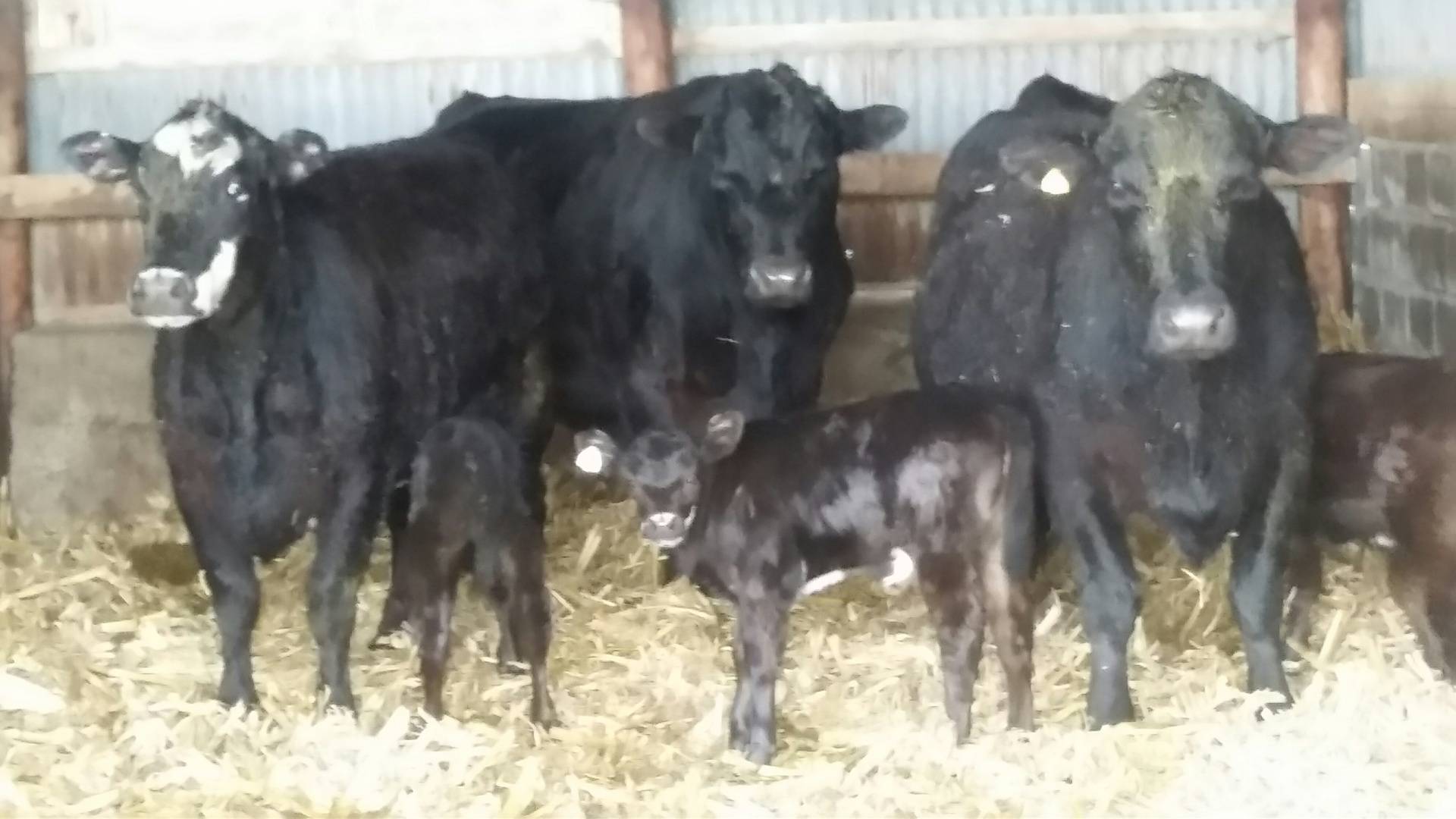
    It wasn’t long before Andy’s interests moved into farming and raising cattle. He purchased his first heifer calf when he was 14 years old and a member of the Bradford Eager Beavers 4-H Club. He showed “Girl” in the 4-H Beef Show at the Chickasaw County Fair, and she became the foundation for his beef herd.

    When Andy became old enough to join the Nashua-Plainfield FFA Chapter, beef became his Supervised Agricultural Experience (SAE). He put so much time and effort into recordkeeping that he earned both the Iowa and the American FFA Degrees. Andy also had the honor of being named an American Star Farmer Finalist at the 2012 National FFA Convention in Indianapolis.

    “Andy is an outstanding leader and has developed one of the most extensive SAE programs I have had the opportunity to work with in my 29 years of teaching agricultural education,” said FFA advisor Ron Zelle in a 2012 interview.

    “I grew up around cattle. Dad always had about 50 Holstein steers, and I have great memories of helping him do chores from the time I was barely big enough to carry a bucket,” says Andy. “I started my own beef herd with one 4-H heifer and had 20 cows when I went to college. I didn’t think it was fair that my dad had to do so much of my work during the week, so I thinned down my herd. Girl is still a part of it, and she’s expecting her 10th calf any day.”

    The first calf drops on the Edson farm during March Madness and, if everything goes according to plan, they’re done calving before corn planting begins in April. Andy’s original plan was to sell club calves, but those plans changed when he had the opportunity to farm more ground.

    20160427_152719_resizedAndy began renting farmland his freshman year of college. When an opportunity to rent a neighbor’s farm was presented during Andy’s senior year of college, he arranged his schedule so he didn’t have classes on Fridays or Mondays. That allowed him to make the two-hour drive home from college on Thursday night, so he could spend four days straight on his farm.

    “I knew there was a future here for me. My dad is a good mentor, and I enjoy being my own boss. It just felt right for me to pursue farming fulltime,” says Andy. An internship through Iowa State’s Agricultural Entrepreneurship Initiative also helped confirm his decision because he missed the farm when he way away.

    As a student in Iowa State University’s College of Agriculture & Life Sciences (CALS), Andy majored in Agricultural Business with a minor in Agronomy. Iowa State CALS pairs incoming freshmen with upper classmen mentors, and Andy was partnered with Carly Cummings and Elizabeth Burns-Thompson. Both Carly and Elizabeth were Ag Business majors, who were active in the student NAMA (National Agri-Marketing Association). They recruited Andy to the ISU NAMA marketing team. He was on the team for four years and was a member of one team that won the national competition!

    “To prepare for the competition, we spent a lot of time finding research to help us make decisions. It was fun to see the marketing – not commodity marketing – side of agriculture. It helped me understand how different companies place products and why they’re targeting certain audiences,” says Andy.

    “So much work goes into those marketing plans,” Andy goes onto explain. “Just learning the ‘whys’ behind the marketing decisions that a company makes can be applicable to any business. It really taught us a decision-making process.”

    Andy puts those decision-making skills to use daily in his farming operation. His future plans include his family’s farming legacy.

    “I hope to contribute to our operation and strengthen it while staying sustainable through the adoption of new technologies and exploring new business ventures,” says Andy. “Though my operation’s focus will continue to be on growing corn and soybeans, I’ll always keep a few cows around. They’ve always been a part of my life and there’s something about calving that never fails to give me a renewed appreciation for nature and the way of life that God has blessed me with.”

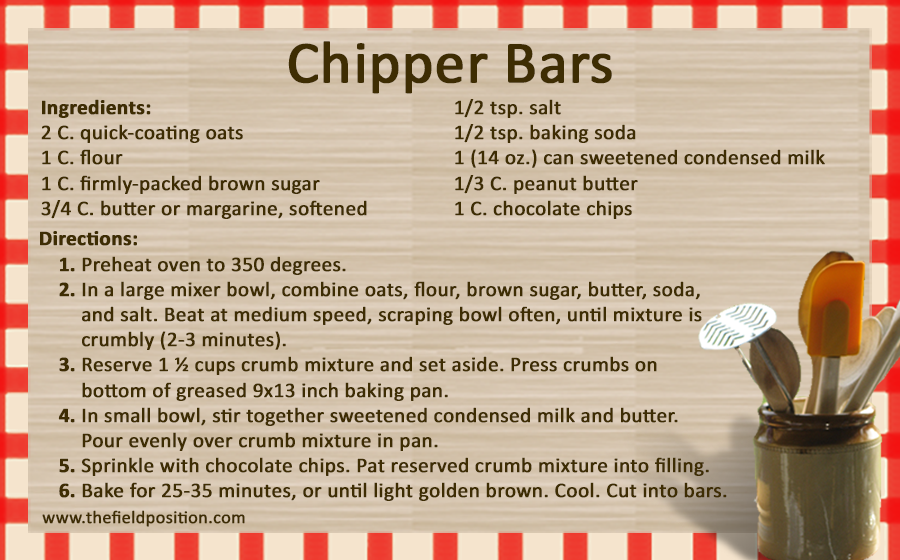
    After working hard all day, Andy enjoys a home-cooked meal. Today he’s sharing two of his favorite recipes with us.

    “I like recipes that are simple and delicious and both of these fit the bill,” says Andy. “This pot roast comes out tender and full of flavor while the bars provide a perfect end to the meal with a sneaky-good balance of sweet and salty.”

    Edited chipper bars

    Team Latham

    May 13, 2016
    Beef, General, Recipes
  • Latham Hi‑Tech Seeds

    Ask the Latham Agronomist: Seed Treatments

    Ask the Agronomist Feature Photo 01

    Q: I view seed treatment as a cost, so I don’t order treated soybeans. I prefer to wait and see what the conditions are at planting time to determine whether I want to add a treatment. Since the weather turned wet and cold after my seed went in the ground this spring, how could I evaluate if treatment would have been worth the money?

    Click to listen in on Mark’s responses:

    https://www.lathamseeds.com/app/uploads/2016/05/Latham5_11.mp3


    A: Seed treatments certainly help protect soybean seed while it’s laying in wet, cold soil. But remember, a seed treatment isn’t a bullet proof coating. View seed treatment instead as an insurance policy that helps protect your seed investment from unusual circumstances. After all, it takes less than a bushel of soybeans to pay for the cost of treatment!

    Also keep in mind that not all seed treatments are the same. For example, Latham’s signature SoyShieldTM, a fungicide-only package, while Latham’s SoyShield Plus with fungicide and insecticide. SoyShield Plus protects seeds and seedlings from disease and insect damage for up to 30 days. Latham Hi‑Tech Seeds also adds a proprietary blend of polymer and seed coating to our seed treatment.

    Taking a “wait and see approach” to applying seed treatment can be risky. Some Upper Midwest farmers planted soybeans in late April when the daytime temperatures were beautiful, although soil temperatures across the state were cooler than the 55 to 60 degrees we recommend for planting soybeans. Then the weather turned wet and cold once the soybeans have emerged.

    Those cold rains caused chilling effect in some areas as we discussed last week on “Ask the Agronomist.” I believe seed planted later into warmer temperatures will actually emerge quicker than those planted into cold, wet soils.

    We understand firsthand how hard it is to be patient when it’s planting season! Don’t let the date on the calendar override the need for soils to dry now. Wait for fit soils to resume planting. In the future, don’t let the temptation of early planting cause you to plant in April if conditions aren’t favorable for soybean seeds and seedlings.

    Click on the audio link to hear Latham’s senior agronomist and product manager Mark Grundmeier provide more details on the air with farm broadcaster Liz Brown of KOEL. Remember, you can “Ask the Agronomist” each week of the growing season. Send your questions to us via our website, Twitter (@LathamSeeds) or Facebook.

    Webspec Admin

    May 13, 2016
    Agronomics, General, Seed Treatment
  • Latham Hi‑Tech Seeds

    Genetic Improvements Lead to Stronger Countries

    Screen Shot 2016 05 10 at 1.18.15 PM

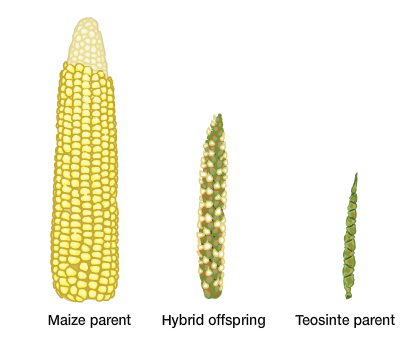
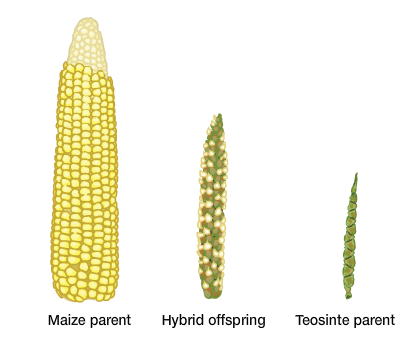
    This time of year farmers demonstrate how strong their faith is. Just imagine spending thousands of dollars on little seeds and putting them into the soil! Watching little corn plants grow is quite amazing. That’s why today I’m going to talk about maize, which is another name for corn.

    Photo source: University of Utah
    Photo source: University of Utah

    Corn originated at least 7,000 years ago in Central Mexico from a plant called teosinte. About the only similarity teosinte has to modern day corn is that it also is a grass. Teosinte was a scraggly looking plant with seeds, or kernels, that look nothing like the big ears of corn I grow today.

    Corn as we know it today would not exist if it weren’t for the humans that cultivated and developed it. Farmers nurtured teosinte, and this whole process can be called genetic improvement. All living things today have gone through some sort of “modification process.” You might be surprised to see the changes that have occurred to wild carrots, bananas and watermelon!

    Dr. Kevin Folta, Professor and Chairman of the Horticultural Sciences Department at the University of Florida, does a good job explaining how/why genetic improvements are made for GMO Answers:

    “Some crops do just fine from genetic improvements obtained through traditional breeding. Those don’t need any GMO assistance. The GMO process just adds a gene or two that add a missing (and important) trait. If you have a good foundation, you don’t need the extra support. That’s important because the testing and deregulation process is long and expensive.

    Therefore, most plants are not amenable to GMO technology, purely for economic reasons. The rigorous regulation, the high cost of R&D, the massive cost of testing and commercialization — these factors strongly deem most plant products unfit for transgenic (GMO) alterations. A trait added has to provide a significant savings for farmers or a huge advantage to consumers in order to be worth pursuing. It takes a long time to make back the R&D/deregulation costs… 

    The only plants in which GMO is applicable for commercialization at this time are those that benefit from a trait that can’t be produced through traditional breeding, and those with a significant possibility of economic return and long-term relevance of the added trait.”

    Corn is one crop where GMO versions are available. We choose to plant GMOs to save crops from costly insect infestations or disease. Let’s go a step farther, and look at the different kinds of corn: popcorn, sweet corn and field corn. The very sweet and tasty corn we call sweet corn is very different from the corn I raise that’s used to feed livestock like my pigs or to produce ethanol. Popcorn developed as man found specific uses for different kinds of corn.

    Can you imagine going to a movie without popcorn? Can you think about late summer without sweet corn? For that matter, can you imagine a summer without grilled pork chops? I know I can’t, and that’s why I’m so grateful that we have so many food choices.

    Most of the corn raised across the Corn Belt has been developed to feed our livestock. As mankind evolved, people improve their diets by adding meat proteins. Studies show that proper nutrition has played a key role in improving human health and increasing life expectancies. The first thing a developing nation today wants is better nutrition, and meat protein is the big ticket! U.S. meat exports are important to our economy.

    This is why, when the government tries to spend us back in to prosperity, it simply doesn’t work. To have a successful economy, you must create wealth. New wealth comes from the earth like minerals, including coal and oil, trees, and crops. Growing corn fits that bill here in the Midwest! We can only eat so much popcorn or sweet corn, but we have proven that field corn – and the meat produced when it’s fed to livestock – creates new wealth.


    Larry Sailer, Musings of a Pig Farmer

    May 10, 2016
    Agriculture, General, Industry News
  • Latham Hi‑Tech Seeds

    Welcome New Ideas & New Business to Make North Iowa Prosper!

    10645050 10152237626296266 6904378055477574444 n

    The last couple of blogs I’ve written have mentioned a processing plant being proposed in Mason City, a small city 45 miles north of my farm. Today I’ve decided to address this issue head on as earlier this week protestors were making the headlines. Plus, the Mason City Council tonight will vote tonight on Prestage Farms’ plan to build a pork processing plant.

    If you Google “Prestage Farms Mason City,” you’ll find that the headlines from March tout the number of jobs this pork harvesting facility will bring to North Iowa. Over time, the headlines become more skeptical. This week, most likely due to protests by a group of small local producers, Central Iowa based activist groups and a few other area residents, the headlines have become more negative.

    I’ve read the letters to the editor and many articles that ran in our regional newspapers. I agree most with what Alicia Schmidt from The Pork Dairies wrote:

    “Adding a new facility close to our farm to sell pigs will create good price competition. Good price competition equals money in our pockets that we use to grow and prosper as farmers. Most importantly, this means more money into the pockets of local small business owners. Prestage Farms brings these opportunities to North Iowa.”

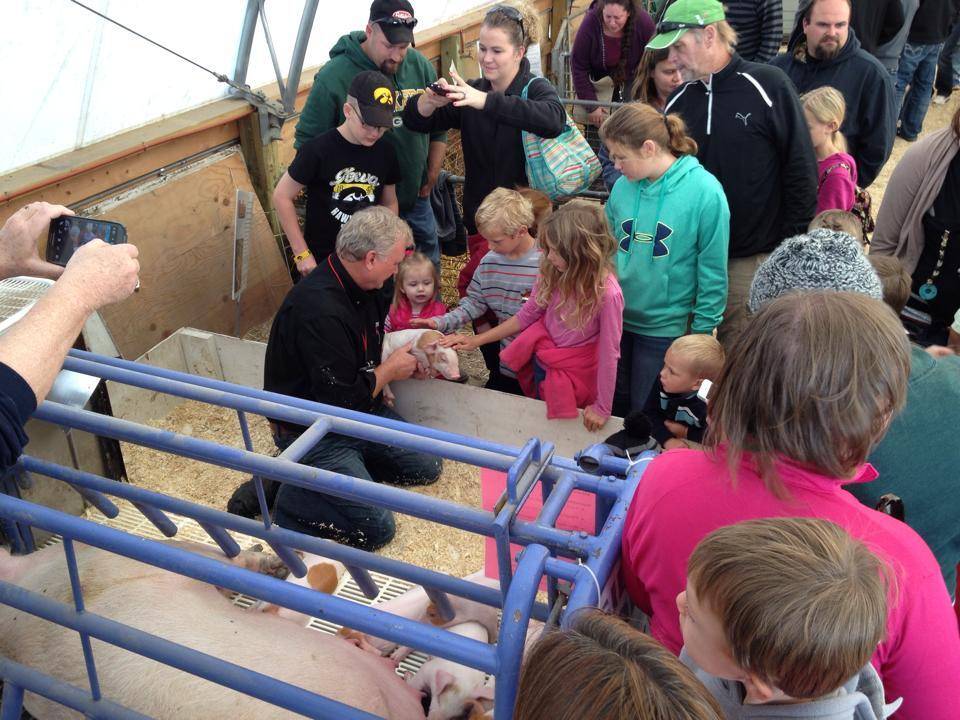
    12592774_975788905824435_7592429400395542066_nTruth is, I have almost 60 years of experience raising pigs, and I have years of experience with building pig barns. I’ve raised pigs just about every way imaginable. I remember going with my grandfather to the Coulter creamery for whey to “slop” the hogs, which was fed as protein in addition to the ear corn that Grandpa fed hogs being raised outdoors. It took a lot longer for pigs being raised this way to reach market weight.
    I also remember sows on pasture using hay racks for shade in the summer to keep cool. I also remember jumping onto those racks to get away from sows, which were chasing me because they were so protective of their piglets. It was a tough way to do chores! Those sows made “nests” in a mud hole to stay cool, and their piglets often drowned if it rained too much.

    Some folks are sharing photos of animals raised outside in a beautiful green grass pasture, but this is not the reality of farming in the “good ol’ days”. There were days when the hot sun baked the land. Other days rain soaked the countryside and thick mud made it a challenge to get around. And this is Iowa, so we also must remember all the snow and sub-zero temperatures those animals faced during a long winter!

    If Facebook would’ve been around when I was raising pigs outside, I’m sure someone would’ve tagged me pictures of knitted sweaters for piglets! That brings up another point… My livestock have never been pets, and there is a difference.

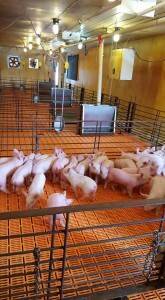
    543105_10151382209115050_1834100237_nBut I’m going to use a pet analogy here in hopes non-pig farmers will better understand modern pig farming methods. Would you leave your little puppy outside overnight on an Iowa winter night during a blizzard? Of course not! Would you protect your dog from being attacked when your pet is either in your yard or on a walk? Of course! We raise our pigs in temperature-controlled barns to maximize animal comfort. We also use gestation stalls to protect sows from other sows, otherwise they will kill each other! In addition, these pigs are given the exact amount of feed they need plus all the fresh water they can drink.

    Now the way I farm – and many other pig farmers raise livestock – is being attacked because a new processing plant being considered. All the progress we have made in farming is being attacked! Unfortunately, people with no experience on the farm are telling the general public how I raise pigs.

    If you have questions about modern pig farming, ask me! I’m willing to share what I do, and I’m willing to explain why I believe Prestage Farms can be good for North Iowa. I’ve lived just south of Mason City all my life. I watched it grow, but lately I’ve seen too many businesses close. It’s time to make an investment in North Iowa!

    This investment in the North Iowa community may not be what everyone thinks is ideal, but “ideal” is really a matter of opinion. This plant will provide local jobs and improve the lives of many people. Here’s what the Storm Lake Chief of Police says about the turkey and pork processing facilities located in that community of 10,900 people, “…the pros far outweigh the cons. It has made this community better, bigger and stronger.”

    Just consider what Prestage could do for the tax base alone! (Proponents say the project will have an economic impact of $750 million on the region through population growth and spending at local businesses.) More working people will be able to buy homes, and that means more kids will be enrolled in school. It means more people will shop in our stores. More than Mason City will benefit as people will commute for jobs. Many of our smaller towns will get a huge boost, and they need it!

    Grain farming is not the only type of farming we need. Business needs diversity, and our farms need diversity. Our people need diversity. Let’s welcome new ideas, new technology, so we can prosper together!

    Supporting Articles and Links:

    • North Iowa Grows Food
    • Why We Should Welcome Prestage with Open Arms
    • Pork Plant will Bring Business
    • Salute the Pig Industry
    • Mason City is More than Retail
    • Supporting Pork Plant is No Brainer
    • Prestage Creates Opportunities
    • Prestage must give $1.4 million over 10 years to Mason City schools
    • Prestage Farms’ Mission Statement
    • Prestage Farms’ Community Responsibility
    • Prestage Farms’ Animal Welfare
    • Prestage Farms’ Environmental Impact

    Larry Sailer, Musings of a Pig Farmer

    May 3, 2016
    Agriculture, General, Industry News
  • Latham Hi‑Tech Seeds

    Iowa’s Best Burger Carries on Chuckwagon Tradition

    Screen Shot 2016 05 02 at 10.55.54 AM

    Guest blog post by Brooke German, Iowa Beef Industry Council

    Image by Larry D. Moore
    Image by Larry D. Moore

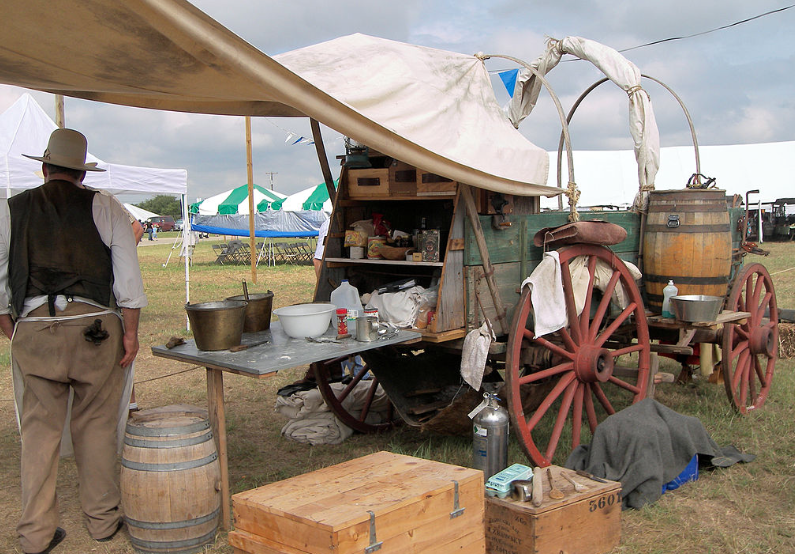
    Chuckwagons first became popular among Texas ranchers after the Civil War. As cattlemen moved their herds across the western United States, they were often on the road for months at a time. An inventive Texas rancher, Charles Goodnight, modified a Studebaker wagon by adding a “chuck box” to the back of the wagon to create a makeshift kitchen.

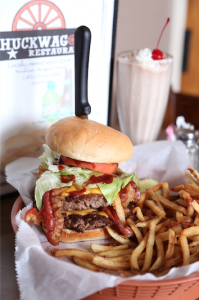
    Around 150 years after the original chuckwagon made its debut on the western plains, the Chuckwagon Restaurant in Adair started serving up great beef. The restaurant is a favorite for the coffee drinkers in the morning, and the lunch crowd is also mostly locals. In the evening, however, travelers on I-80 between Des Moines and Council Bluffs often stop for supper.

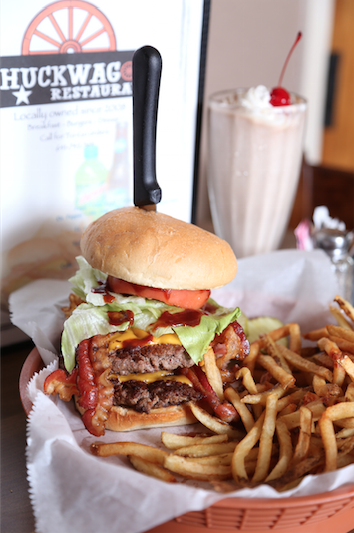
    The burgers served at the Chuckwagon are 6-ounce, hand-pattied Screen Shot 2016-05-02 at 10.55.54 AMCertified Angus Beef®. Cooked on a flat top with house seasoning, they’re made to order and served with toasted buns or grilled bread. Customer favorites include the bacon cheeseburger and the Chuckwagon, a burger served on grilled bread with sautéed onions, mushrooms, bacon, tomato and Thousand Island dressing. Served alongside homemade fries and a classic milkshake, the meal is hard to beat!

    The restaurant, which is clearly visible from Interstate-80 on exit 76, is open from 8 am to 10 pm during the summer. (It’s open 8 am to 9 pm year-round.) Burgers start around $9, but the “Burger of the Week” is $2 off. Breakfast is served all day. Seating capacity is 112 and a patio was added in 2015, so there isn’t usually a wait. However, the Chuckwagon Restaurant is happy to take reservations.

    The Best Burger contest is sponsored by the Iowa Beef Industry Council and Iowa Cattlemen’s Association. Nominations are collected during February and March, and the 10 restaurants with the most nominations are visited by a secret panel of judges. This year’s winner, the Chuckwagon Restaurant, continues a tradition of quality beef that will not disappoint!

    Team Latham

    May 2, 2016
    Agriculture, General, Industry News
  • Latham Hi‑Tech Seeds

    New for 2016: Ask the Agronomist

    Latham Leaderboard e1462218862511

    Ask the Latham Agronomist

    Mark3_AuthorBigThanks for stopping by! New this year we’re featuring a series called “Ask the Latham Agronomist”. Each week Latham Agronomist and Product Manager Mark Grundmeier will answer viewer submitted questions about agronomy and seed industry topics.

    We invite you to submit any questions weighing on your mind from agronomy diagnostics to new seed technologies. Mark will answer those questions on air during a weekly interview with Farm Broadcaster Liz Brown and we’ll post the audio cast here each week on Thursdays.

    We look forward to hearing from you! Submit your questions in the comments below, send us a tweet or post on our Facebook page. Together we’ll work to achieve more yield Field X Field™.

    Gary Geske

    May 2, 2016
    Agronomics, General
  • Latham Hi‑Tech Seeds

    All Roads Lead Home for Pocahontas Farm Family

    Image 2
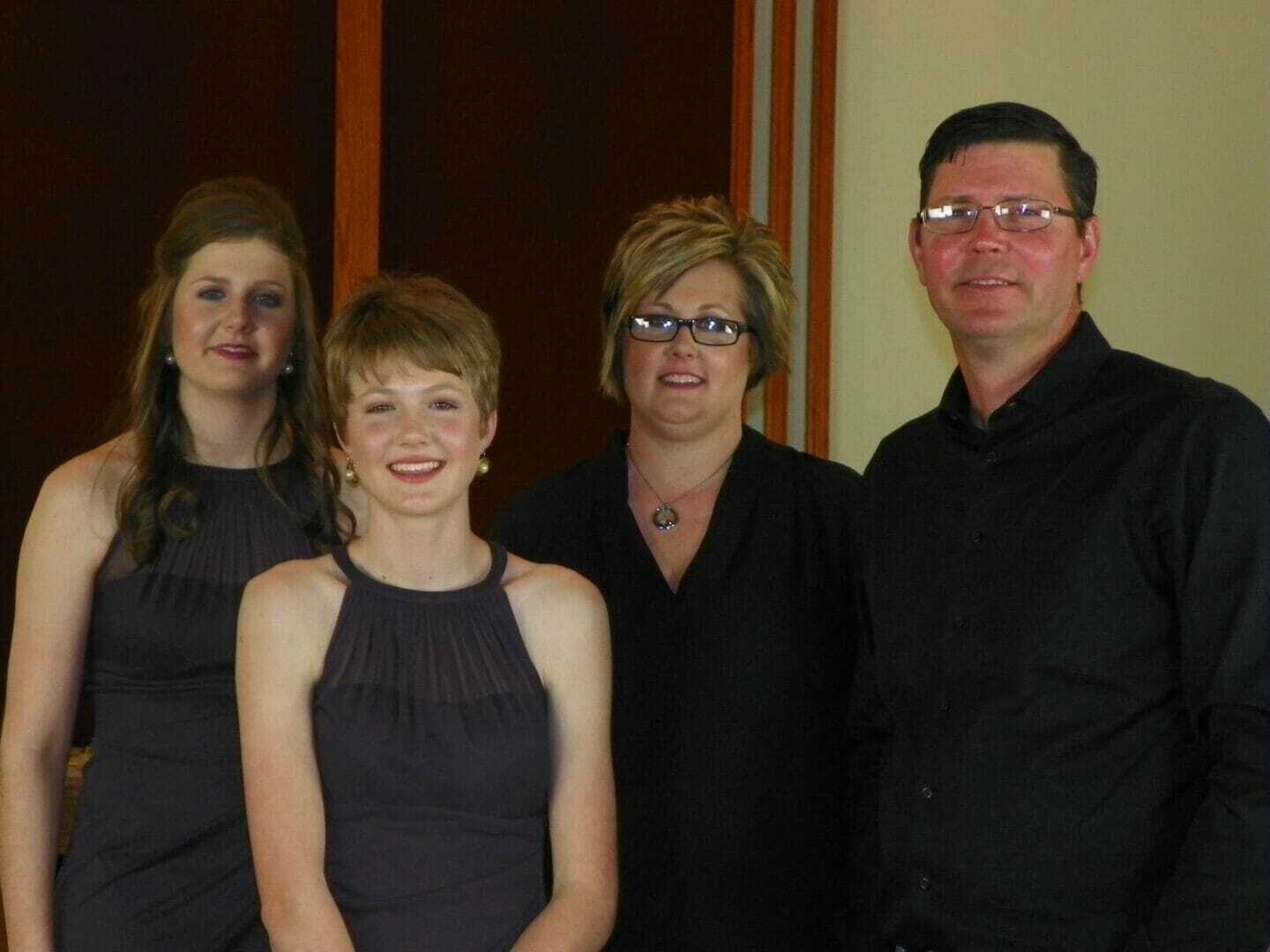
    Maddie, Jessica, Heidi and Mark Vosika enjoy farm life in Pocahontas County, Iowa.
    Maddie, Jessica, Heidi and Mark Vosika enjoy farm life in Pocahontas County, Iowa.

    Schools across the Midwest will soon close their doors, and many families will enjoy taking a summer vacation. Mark Vosika, who farms near Pocahontas in West Central Iowa, looks forward to seeing new country with his wife, Heidi, and their two daughters.

    “We enjoy traveling and experiencing different cultures. We really enjoy watching the scenery change as we drive, and of course, Mark enjoys seeing the different crops that are grown,” says Heidi, a registered nurse who spent about a decade working in long-term care, home health and hospice before switching to medical claims review.

    A few of the Vosika’s favorite places include Rocky Mountain National Park, Yellowstone and the Grand Tetons. They also enjoyed Michigan’s Upper Peninsula and Mackinac Island. Heidi says, “We had so much fun exploring Arches National Park and JEEPing in Canyonlands that we’d love to visit Utah again.”

    No matter where the Vosikas roam, they always look forward to returning to home. Mark and Heidi feel blessed to raise their family in the same home where Mark was raised. Their oldest daughter, Maddie, is a high school junior and sold more than $1,000 in FFA fruit sales. Their youngest daughter, Jessica, is in seventh grade. She enjoys cross country, basketball and soccer. Jessica also enjoys helping Mark on the farm, running the grain cart and moving equipment. She also likes to spend time with him in the shop.

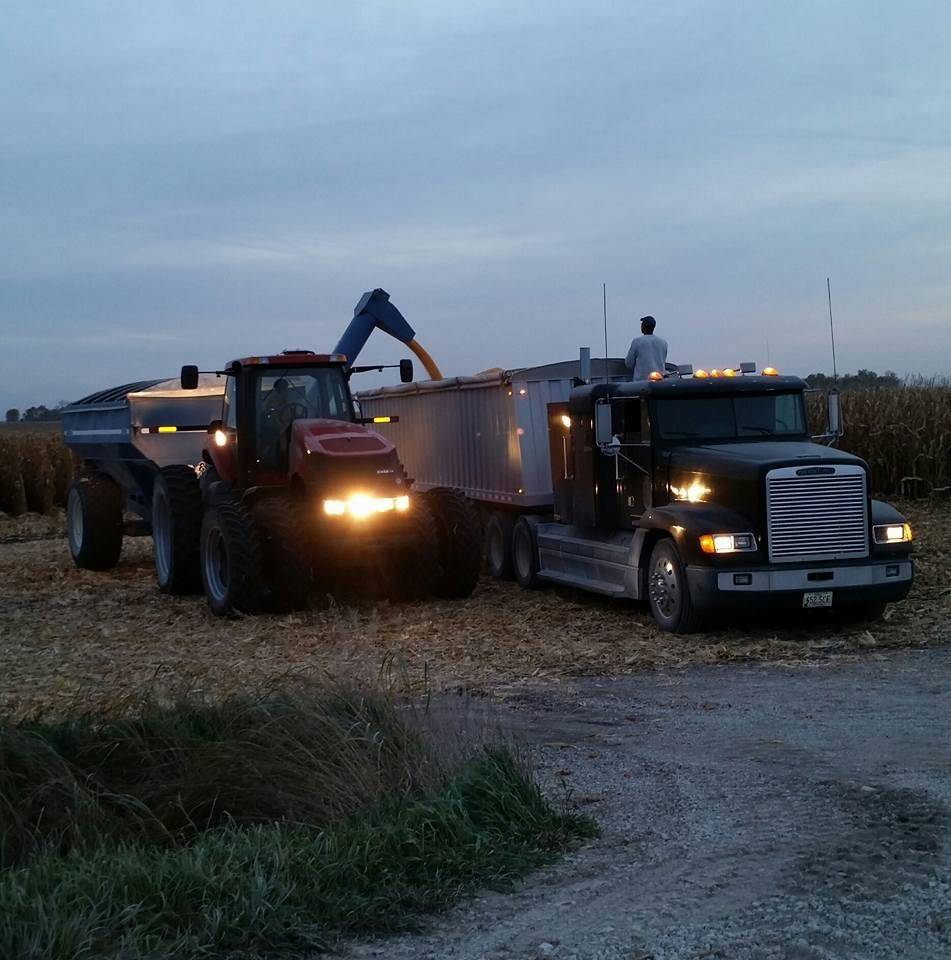
    Mark and Jesse bringing in the 2015 harvest
    Mark and Jesse bringing in the 2015 harvest

    “What I like the most about living here is that our kids get experiences they wouldn’t otherwise have. They see the long hours that go into farming, and they see how dedicated their dad is to the operation. They learn about farm safety, and they learn to accept more responsibility at a younger age,” says Heidi, who grew up in town and now enjoys the privacy of country living. Participation in extracurricular activities helps their daughters develop leadership skills, which will be of value if they decide to follow in their dad’s footsteps.

    Mark is a township trustee for Sherman Township. He also serves as a director for Pocahontas County Corn Growers and as a District 1 Director for Iowa Soybean Association. As a trained diesel mechanic, Mark proudly promotes biodiesel to increase lubricity and longevity of engines. As a soybean and corn farmer, he says it just makes sense to use homegrown fuel.

    Mark and his brother, Mike, farm in partnership. Mike usually runs the combine and planter; Mark does the spring fieldwork ahead of the planter and hauls grain from the field in the fall. Mark also does all the equipment maintenance and repairs, saving valuable down time and decreasing out-of-pocket expenses.

    Just as Midwest farmers work to get their crops in the ground this month, gardeners also are busy working the soil and planting seeds. April is National Gardening Month, so the Vosikas are sharing recipes that use spring produce. Chicken Oscar is one of Mark’s favorite meals, and the entire family enjoys dessert.

    Nothing showcases spring in Iowa quite like fresh asparagus and rhubarb. Get a taste of spring this weekend!

    Rubarb bars

    Team Latham

    April 29, 2016
    Desserts, General, Poultry, Recipes
  • Latham Hi‑Tech Seeds

    Top 5 Takeaways from Iowa State University

    ISU kilah

    By Kilah Hemesath, Latham Hi‑Tech Seeds Marketing Intern

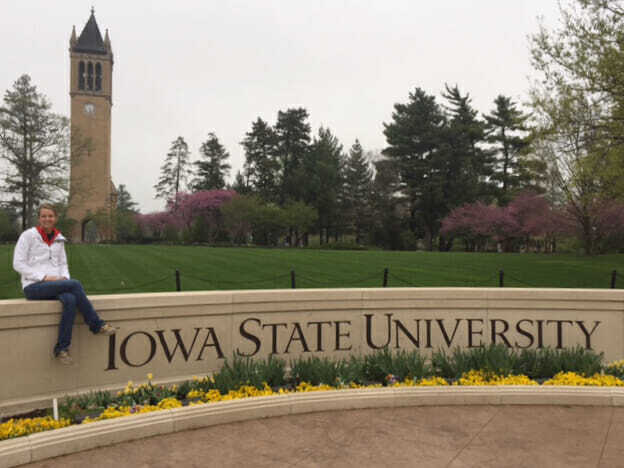
    My life as a college student will soon be a memory. I’ve ISU kilahfound myself growing personally and professionally during my time at Iowa State University (ISU), equipping me with the skills to start my career. From the classmates who turned into friends and the supervisors who turned into mentors, ISU helped create my adventure.
    Looking back on the last four years, I comprised a list of the top 5 takeaways from ISU that are lessons I will carry with me throughout my life.

    1. Be spontaneous
      Living in a new town on your own is one thing, but making the best of it is another! Take advantage of your free time and independence. Be spontaneous! You never know with whom you may cross paths or when you’ll find your next hobby or interest. Give yourself the leeway to be adventurous!
    2. Good things happen when you step outside your comfort zone
      Economics classes have taught me that “high risk creates high reward.” Apply this same concept when you’re on the fence about running for office or applying for an internship. Some of the best things happen when we step outside of our comfort zone and find out what we are truly capable of.
    3. Keep the big picture in mind
      Four years may seem long, but it’s just a flash in the pan compared to the rest of your life. Homework assignments and club meetings can be tedious, so it’s important to keep the end goal in sight. The building blocks of a successful career start with going to school, being involved in clubs and on-campus organizations, as well as completing internships.
    4. Turn negativity into positivity
      It’s easy to become discouraged when a test doesn’t go as planned, or you don’t get the internship you’ve been eyeing for a year. Channeling your energy from a negative outcome into a positive alternative forces you to grow beyond your initial expectations. In disappointing times, remember you can’t control the outcome but you can control the way you react to it!
    5. Don’t Regret the Past
      We all have bumps in the road, but don’t get hung up on them. I believe that every situation leads to a new experience, which has brought me to where I am today. There is always something to improve upon, but look toward the future rather than regretting a past circumstance past. Challenging situations taught me valuable life lessons that helped shape me into who I am today.

    It’s bittersweet knowing that graduation is so close, but I’m ready for a new challenge! I know that the lessons I have learned while attending ISU have helped prepare me for an exciting future. Although driving by campus will never be the same, I know every beginning comes from some other beginnings end.

    Webspec Admin

    April 28, 2016
    Agriculture, General, Industry News
  • Latham Hi‑Tech Seeds

    Building Remodel will Increase Sow Comfort

    LarrySailer AgriNews1

    LarrySailer-AgriNews

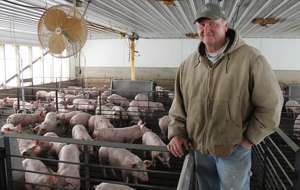
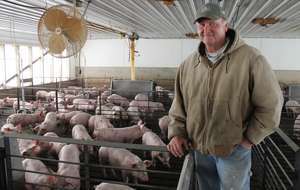
    With a new pork processing plant trying to build a new state-of-the-art plant in a town 45 miles north of me, it seems to have stirred up a storm about modern livestock production again. I really thought pig farmers like me were doing a very thorough job of explaining why we farm the way we do, but apparently we have more work to do!

    That’s why today I’m writing about some of the methodical processes I undertake on a daily basis to help update sow farms across the Midwest. After raising hogs for more than 50 years, I’ve returned fulltime to the construction side of pig farming. Currently I’m supervising a large remodel project on gestation barns for a family operation.

    Gestation barns are where the momma pigs return after their litters of pigs are weaned. We want to provide as much comfort as possible and reduce stress for these sows whose litters have been newly weaned. I’m not going to use a word such as happy when I talk about an animal because too many people think of an animal in people terms. However, I put this in terms of animal health and care.

    A very critical time when caring for sows is right after their pigs have been weaned. Animals need to be as “stress” free as possible, so animal comfort is a one of our primary goals. That’s why the timing of weaning is so important. Before weaning pigs, farmers must consider: (1) What is best for the little pigs; (2) When the little pigs can start eating feed; and (3) The time that is it best for the sow.

    All of these questions are being considered as we remodel the gestation buildings because taking the very best care of the sow pigs is critical to the success of a pig operation.

    Another critical part of my job is disease control. About 30 construction workers are working on the remodel, so we must make sure a disease isn’t brought in to this sow herd. If there are sows in the rooms where we are working, my workers must “shower in.” This process means a worker cannot bring even a cell phone in to the sow unit. The tool and parts we need must be disinfected and then wrapped in a tarp overnight to make sure potential diseases are killed.

    Pigs are removed as we remodel the barns. While this helps us get the work done, we’re also feeling the pressure to finish the work on schedule. If the barn remodel isn’t done on time, the cycle will be disrupted. The farrowing rooms won’t be kept full and our efficiency will decrease. Empty birthing rooms equal lost production for pig farmers, and it affects our operation all the way through the nursery and finish barns.

    Our company is committed to deliver a certain number of pigs to market, so the processing plants can run smoothly and efficiently. (See how the entire industry is intertwined?) We’re also trying to break disease cycles simply by keeping barns empty and disinfecting them, just like an operating room in a hospital!

    I’ve talked before about all the systems (feed, water and air) that it takes to keep our pigs in a stress-free environment. Hopefully, today’s blog helps explains more about how complex it really is. It takes extensive work to do what’s right for our pigs, the environment and our people!

    Larry Sailer, Musings of a Pig Farmer

    April 26, 2016
    Agriculture, General, Industry News
Previous Page
1 … 30 31 32 33 34 … 159
Next Page

Latham Hi‑Tech Seeds

131 180th Street | Alexander, IA 50420

(641) 692-3258

SIGNUP FOR OUR NEWSLETTER
  • Contact
  • Legal
  • Dealer Center
  • Seedware Login
  • Latham Gear

© 2025 Latham Hi‑Tech Seeds. All rights reserved. | Iowa Web Design by Webspec | Privacy Policy

Latham® Hi-Tech Seeds is a trademark of M.S. Technologies, L.L.C., 103 Avenue D, West Point, IA 52656.