Nick Benson shows us the sidewall compaction side by side to a normal corn stalks. For more information, tune into Nick Benson’s most recent YouTube video:
http://youtu.be/kM2xrMgUuxE

Nick Benson shows us the sidewall compaction side by side to a normal corn stalks. For more information, tune into Nick Benson’s most recent YouTube video:
http://youtu.be/kM2xrMgUuxE

 Many people think of the hot, sultry days of July and August as “the Dog Days of Summer.” Who knew that June calls for the “Dairy Days of Summer”?
The refreshingly fun website by the Wisconsin Milk Marketing Board is “the ultimate how-to guide” for celebrating June Dairy Month. The month-long list of events just might inspire you to pack your bags, load your family into the car and head out on the highway for a getaway. (A Farm Breakfast sounds especially good to me!) The beautiful food photography on this site will likely inspire you to head to the kitchen. (I’m speaking from experience on this one.)
 With temperatures hovering around 90 for the next three days, I’m planning to beat the heat with ice cream! I was originally planning make an Oreo® and Ice Cream Sandwich Cake this weekend. I’ve had this particular recipe bookmarked since March 6, when America’s favorite cookie turned 100 years old. I thought this might be the weekend that I could get around to trying it. Now that I’ve discovered a whole new passel of ice cream recipes, however, I’m having second thoughts. An internal battle is brewing: Oreo and Ice Cream Sandwich Cake or Ice Cream Cupcakes. Which one gets your vote?
 No matter what’s on your weekend menu, I hope you’ll join me in showing appreciation to America’s dairy farmers. Today I’d like to give a shout-out to a few dairy producers in Latham Country:
P.S. You can also join in the “Dairy Days of Summer” celebration online via Facebook and Twitter. Here’s an example of a cooking tip gleaned from the Dairy Days of Summer Facebook page:
When cooking with sour cream, make sure not to overheat or boil it as this can cause it to break down and give it a thin, curdled appearance. Whenever possible, let sour cream be the last ingredient you add when cooking.
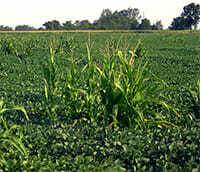

Volunteer corn is not a crop… it’s a weed that grows from grain left in fields after a harvest. Farmers should treat volunteer corn like a weed and manage it early in the season.
Three main reasons why volunteer corn should be managed early:
Like any weed, volunteer corn competes with the growing crop for nutrients. Volunteer corn is a yield robber! It’s even more competitive with soybeans. Soybean yields can be reduced by populations of volunteer corn at 8,000 to 16,000 plants/acre. Corn yield also can be reduced by populations of volunteer corn of at least 8,000 plants/acre, according to research trials by the University of Minnesota.
Another reason volunteer corn is a concern is because it creates a “safe harbor” for corn rootworms. Corn rootworm typically hasn’t been a problem when fields are rotated annually between corn and soybeans because soybeans starve out rootworms that hatch in spring. However, volunteer corn allows rootworm larvae to complete their feeding cycles.
In addition to being a food source for rootworm larvae, volunteer corn that is not controlled by tasseling attracts corn rootworm beetles for egg laying. The beetles lay their eggs in the soil around the base of the volunteer corn. The eggs will remain dormant until they hatch the next spring.
Bottom line: Higher numbers of volunteer corn can build higher corn rootworm populations for the next growing season. Higher rootworm numbers are especially problematic when those fields are planted to corn the following year in a corn-soybean rotation or in continuous corn.
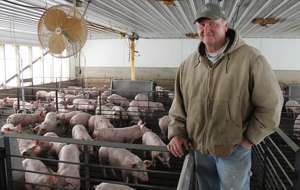
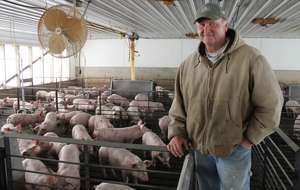
Musings of a Pig Farmer by Larry Sailer
The Conservation Title of the U.S. Farm Bill has “come under the microscope” as lawmakers look for ways to reduce federal government spending without sacrificing outcomes. Because many existing programs help prevent soil erosion and the excessive runoff of nutrients, special interest groups are interested in preserving these programs. Other groups question the necessity of certain programs like Conservation Reserve Program (CRP) and are advocating reducing the CRP program in favor of Environmental Quality Incentive Programs (EQIP). Still others question the wisdom of paying farmers annually for farm management practices they have in place to protect the land and watersheds.
Unless they have a strong interest in agricultural or environmental issues, most Americans probably aren’t keeping up with the ensuing debate. Many Americans probably don’t even realize what these types of conservation programs entail or how they can affect farm management decisions.
Today I want to show you some of the conservation programs that I’ve implemented on my own farm:
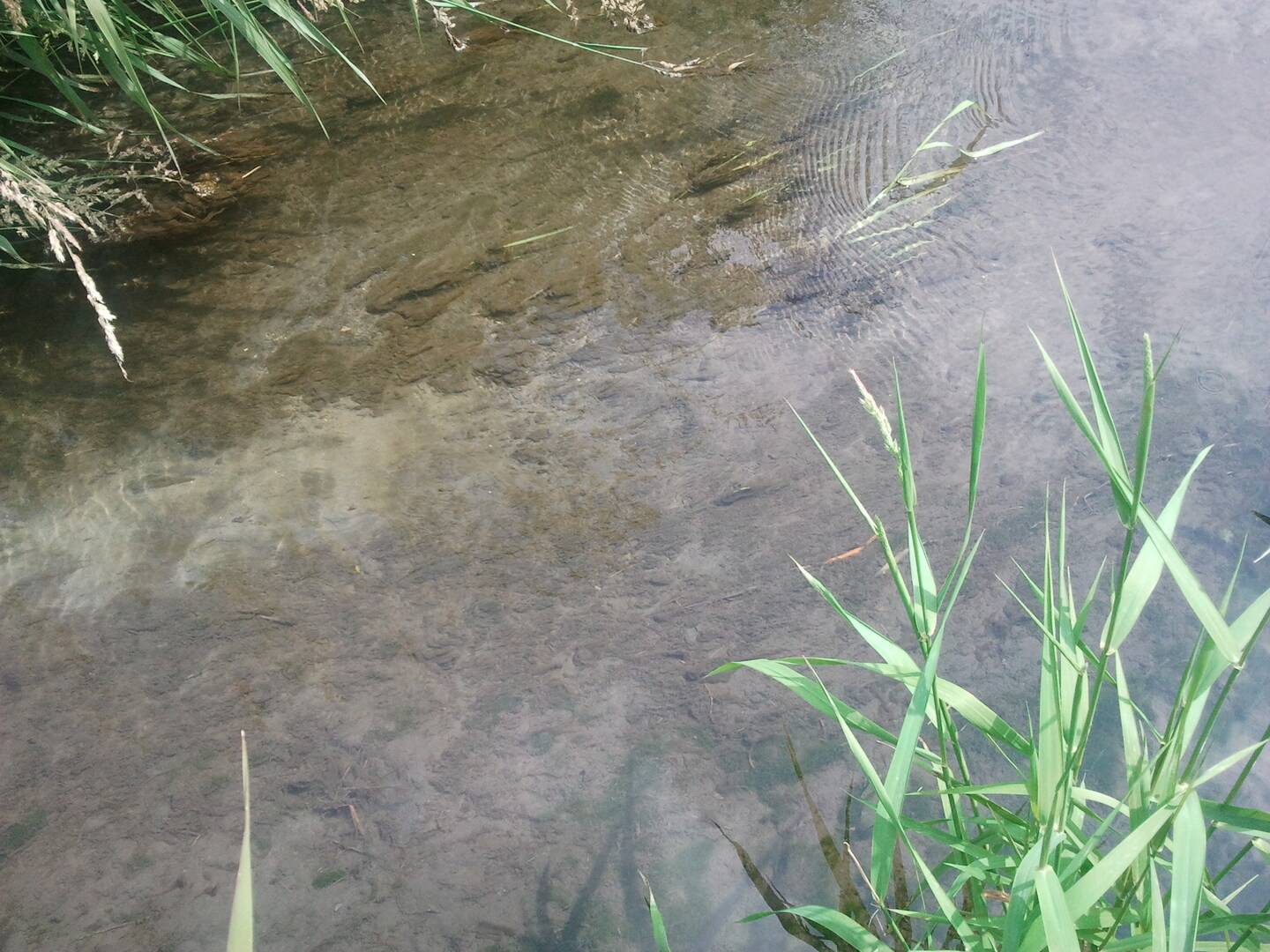
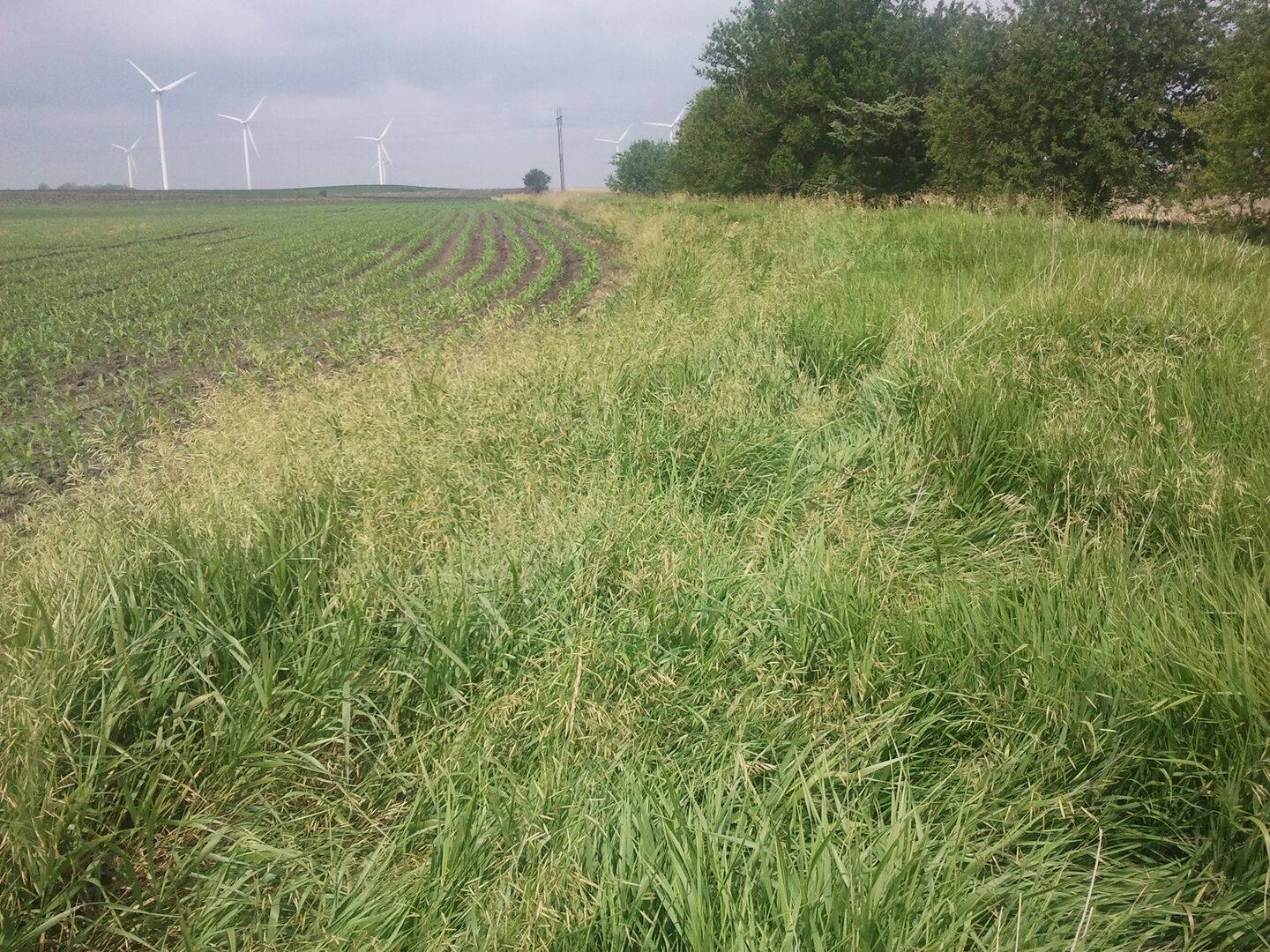 Buffer strips – I installed a buffer strip on the south side of my wildlife habitat, so that no soil can wash into the creek. Buffer strips, which are often planted to grasses, slow water runoff and trap sediment. They also provide food, nesting cover and shelter for many wildlife. species.
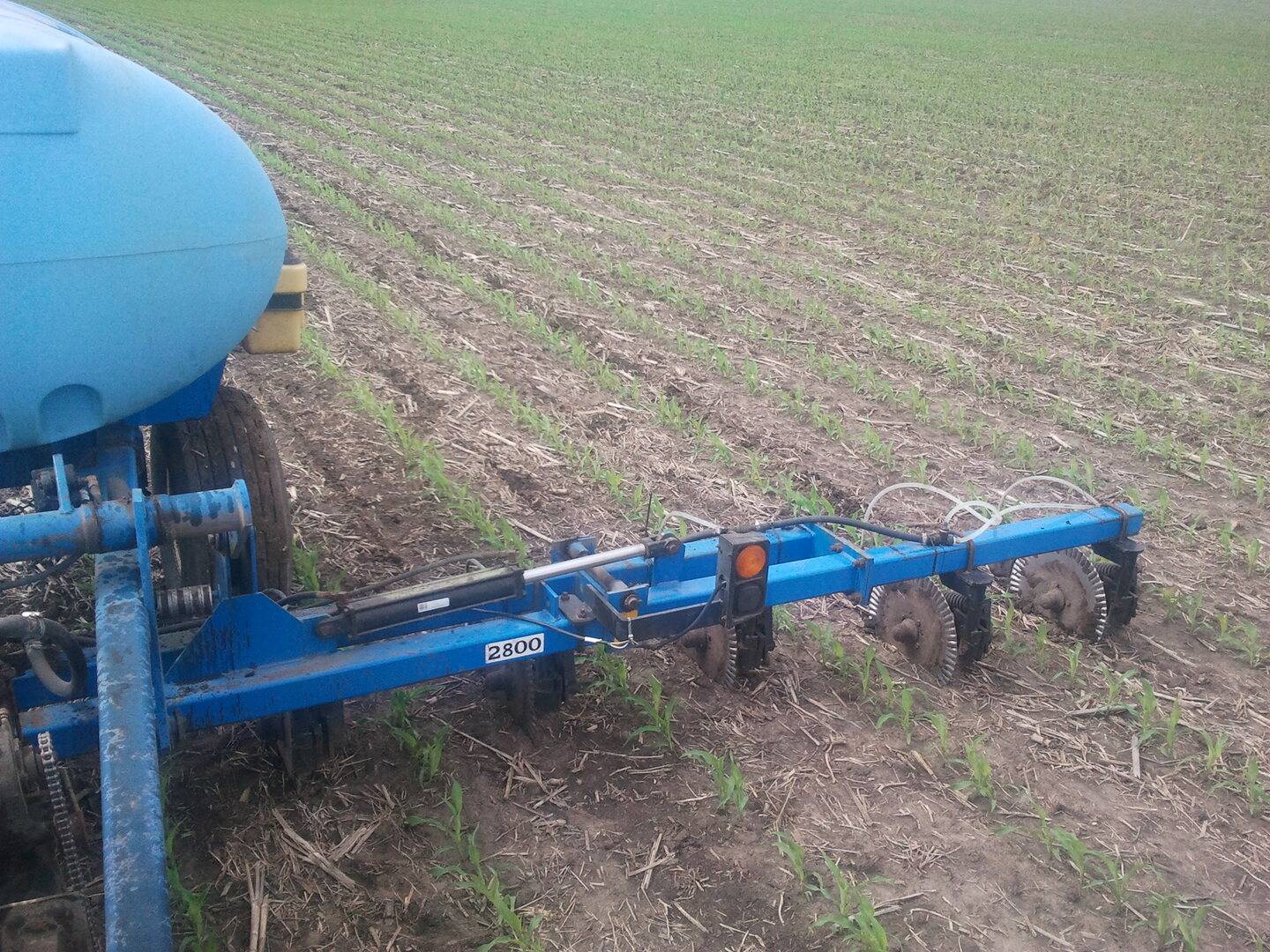 pictured, natural fertilizer (pig manure) was injected into the soil last fall by a tank spread. Because of this fertilizer application, I lightly tilled the soil before planting this spring.
I have not received government money for any of these projects. Because I take my responsibility as a steward of the land seriously, I believed these actions were needed to help preserve water quality and to create natural habitat for deer and pheasants. I believe most farmers share this same mind-set: saving our resources is just the right thing to do.
As a summer intern at Latham Hi‑Tech Seeds , one of my main projects is caring for the company’s Genetic Garden. This isn’t your typical vegetable garden! This garden will tell the story of how corn has evolved over time.

Forage Products Manager Corey Catt and I on May 18 planted more than 45 different types of corn. Our “living timeline” features the earliest ancestor of corn, teosinte, to the industry’s latest technology in LH 5494 3000GT.
The story of corn’s development starts with corn’s wild ancestor teosinte, but it doesn’t resemble corn as we know it.

Further into the timeline, we’ve planted corn’s tropical ancestors including the Benz Tropical, Cargill Temperate Tropical and PIRICINCO composite varieties.
Ancestors of our modern day corn include:

In addition to these varieties, our Genetic Garden includes some fun varieties including popcorn and Japonica Striped Maize. Japonica Striped Maize is an ornamental corn from Japan; its leaves are striped green, yellow, white and pink, providing a rainbow sort of color display.
Look for updates on the Genetic Garden on TheFieldPosition.com. We’d also like to invite you to see it for yourself! Take a walk through our “living museum of corn” on Saturday, Aug. 25, during the Latham Country Fair.

Click Here to Register for the 4th Annual Freedom Ride. Sign up before August 1 and receive a complimentary do-rag or commemorative t-shirt. Also, in conjunction with the Freedom Ride, the Latham Country Fair will also be held a the Latham Headquarters. Click Here for more information on the events going on there.


Nearly 60 Girl Scouts from the West Fork Service Unit “got their hands on history” yesterday during Day Camp held in the historic Maysville district. I was fortunate to be one of the 15 adults, who accompanied the girls as we learned about pioneer living while experiencing a day of outdoor adventures.
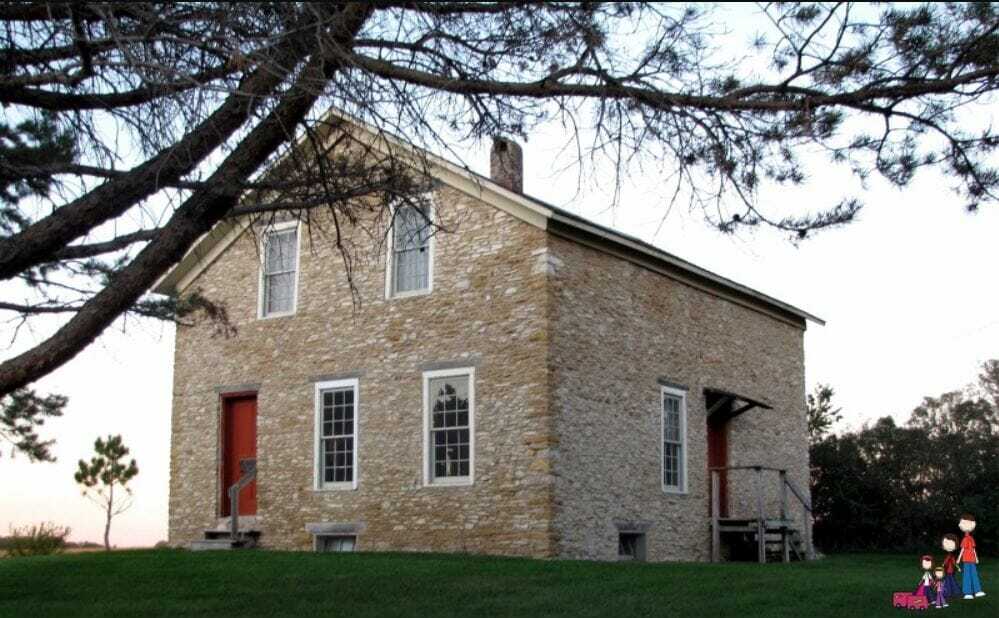
In spite of the constant rainfall, we could not have had more fun trekking through the county! Our first stop by the Old Stone House, which is located south of Hampton on the road to Geneva. Built in 1854 by Leander Reeve of native limestone, this house was the first permanent structure built in Franklin County.

“As all surrounding structures were log cabins, this two-story, seven-room house with a full basement must have seemed quite opulent at the time,” writes Iowa traveler Jody Halsted on her Family Rambling Blog. “Even today it commands attention: its thick stone walls stand tall, and its brightly colored door is only beginning of its tale.”
Interestingly enough, Reeve built this “proper” house to lure his wife from Ohio to Iowa. She only lived in it for three years before deciding she preferred the civilized East. What intrigues me most is that the Old Stone House was inhabited for 100 years by several different families, yet the floor plan was never altered, electricity was never installed and the two-seat outhouse remained the home’s only toilet.
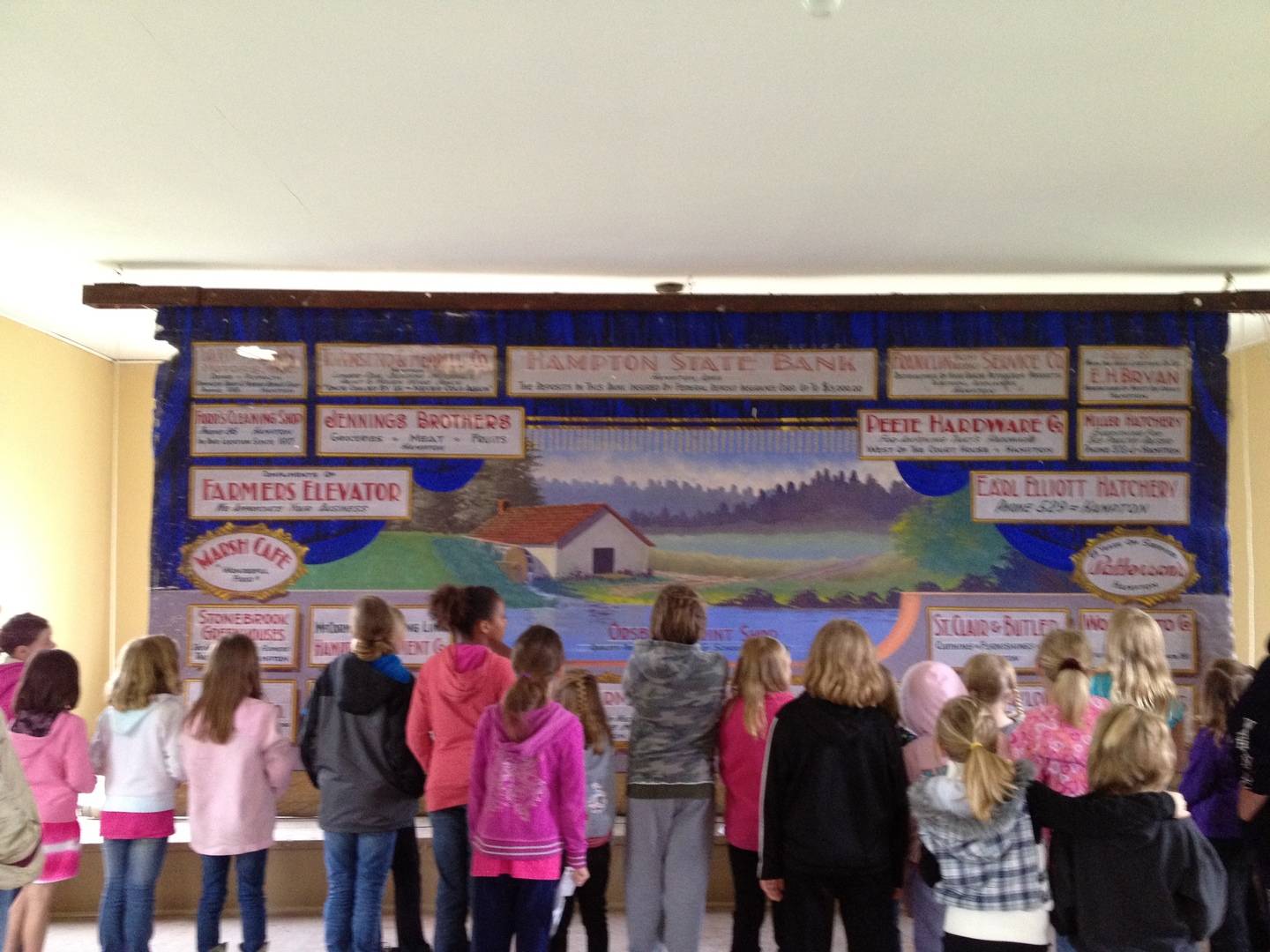
Our next stop on the tour was the Maysville School House, a beautiful two-story structure used as both a schoolroom and a community center. Built in 1867, it was the county’s first school. It continued to be used as a community center and voting center until 2001. The first floor includes the schoolroom with blackboard and historical voting machines. The second floor includes a stage where both school-sponsored and community presentations were held.
After spending most of the morning on tour, it was time to return to “base camp” at Maynes Grove and prep for lunch. (SIDE NOTE: Maynes Grove is one of my favorite places in this whole county. It’s perfect for receptions, family reunions and meetings of all kinds. Too bad the weather prevented us from enjoyed the beautiful lake and walking trails, but we kept ourselves plenty busy inside the lodge.)
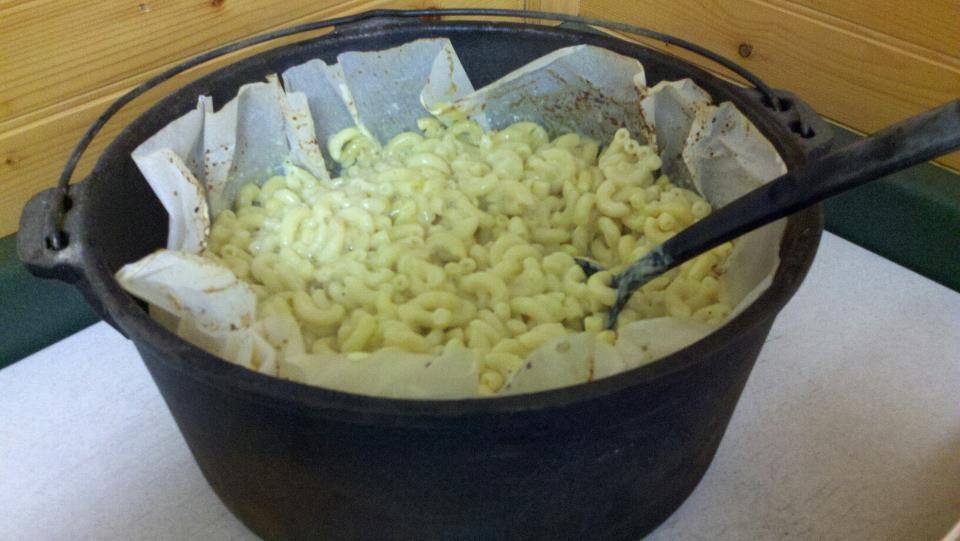
We divided into small groups and got to work! Each group was assigned a specific recipe including:

While lunch was cooking, conservationist Dennis Carlson shared his knowledge of prairie animals. The afternoon was filled with fun and games! We again divided the girls into groups where they learned to make:
Our mid-afternoon snack consisted of butter the girls had made earlier in the day topped with homemade jam. We had originally planned to make our own jam, but there wasn’t any sun! Thankfully, I had a few jams of jar in my pantry for a quick substitution on a cloudy day. Since I’m still looking forward to trying this sweet treat sometime this summer, I have linked to the recipe here.
Imagine how delicious that jam will take on top of homemade butter, which tastes a lot like whipping cream. It will be like strawberries and cream! Doesn’t that just make you want to try it yourself? 🙂 Celebrate June Dairy Month in your own household by making Butter in a Baby Food Jar and Sun-Baked Strawberry Jam!
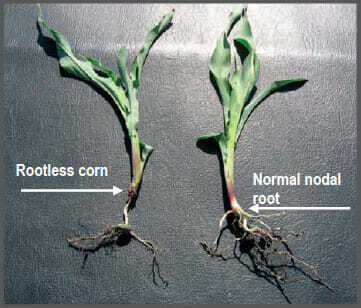
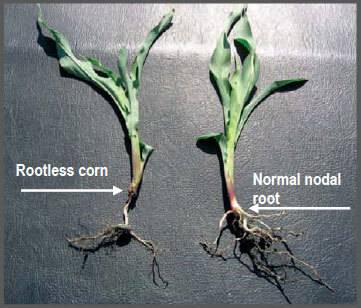
The change from excessively wet to unusually warm, dry weather has resulted in the development of a substantial crust in fields that were previously worked and planted in late April. Obviously, a thick crust can restrict the emergence of corn and cause underground leafing. The rapid drying of the upper soil layer is also conducive for the development of the “floppy corn,” or Rootless Corn Syndrome.
The aforementioned weather pattern may mirror situations across Latham Country this spring, but it’s actually an excerpt from an article that was originally written in May 1998 by an agronomy professor at Purdue University in Lafayette, Indiana. Dry surface soils, shallow planting depths, sidewall compaction and cloddy soils all contribute to Rootless Corn Syndrome. Roots will take the path of least resistance, which means they might grow out the bottom of the seed furrow.
Such corn plants are technically not root-lodged; they are simply broken over at the base of the stem near the crown area. The nodal roots will appear stubbed off but not eaten. The root tips will be dry and shriveled. For a brief description of normal corn root development, click here for R.L. (Bob) Nielsen’s “Primer on Corn Root Development.”
Nodal root growth may resume if more favorable temperatures and moisture conditions return to the fields exhibiting signs of Rootless Corn Syndrome. Cultivation can help by putting soil around the base of plants or aiding in new root development when it does rain. If the ground is hard, cultivation will help with soil aeration.
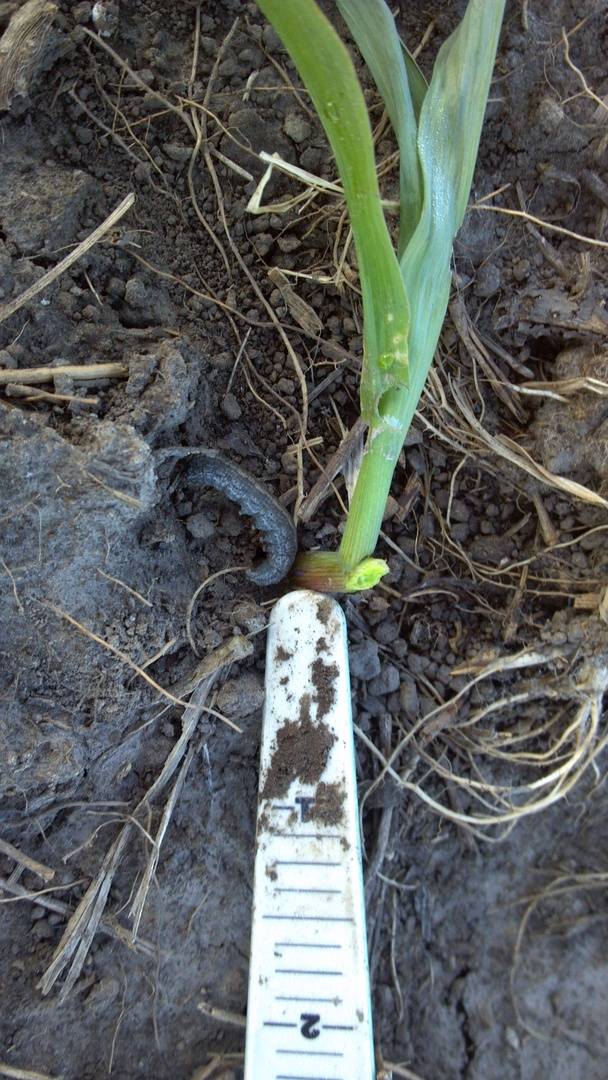
Black cutworm pressures are rising in Northeast, Iowa. Farmers in the area have begun treating fields for the pests. Have you been scouting lately?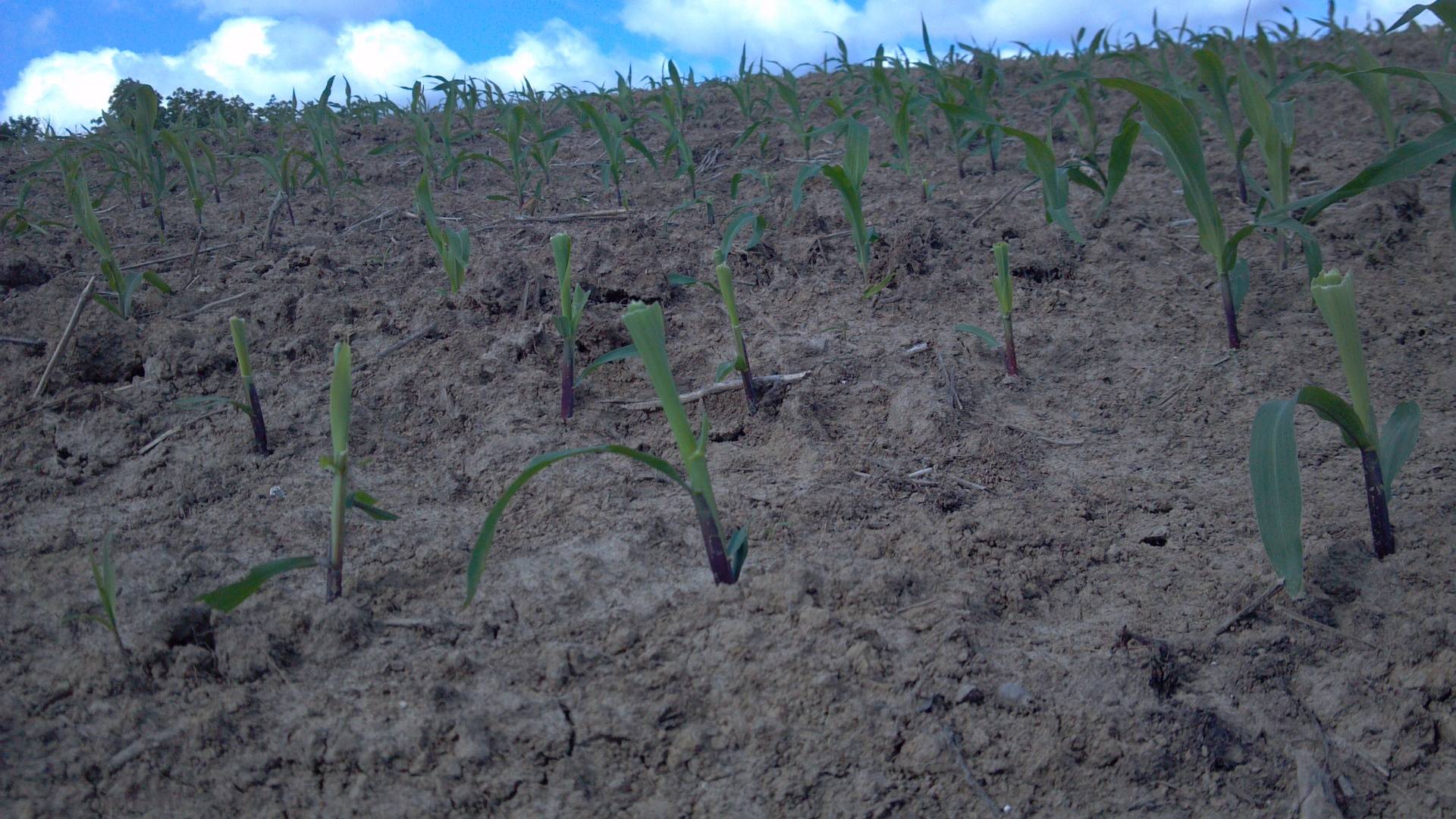
 Musings of a Pig Farmer
by Larry Sailer
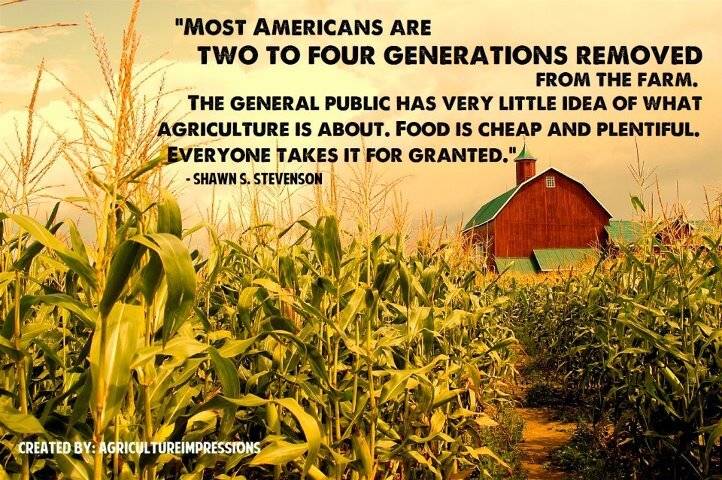
You know the old saying, “A picture is worth a thousand words?” Apparently some pictures are worth several thousand words!
When I posted this picturesque farm image on my Facebook page last week, I had no idea that it would strike such a cord with some of my friends. This one photo prompted one of my Facebook friends, Janice Person, to pen a couple of blogs about it. She even created her own thought-provoking photo. Here’s an excerpt from JP’s personal blog:
At the end of the day, it’s hard to feel removed from something that not even your grandparents felt a connection to… that’s something we share whether we’re urban or rural. We share a deep interest in wanting our children to have the best the world can offer but maybe our perspective guides us to think of those things differently. We all value relationships with the people we count on day in and day out and almost all of us could find room for a few more friends at dinner time.
 If farmers continue to view city folks as removed from the reality farmers know and city folks continue to see farmers as insulated from today’s world, can we move the conversation forward on things we all care about? Or do you think by taking some of the initial steps to understand the other’s perspective…. by focusing on the fact that we don’t understand things from another person’s point of view or by trying to see the world from where they sit, do you think we may change our own way of thinking?
My abbreviated response to Janice was this, “That is a great point, and it’s why I have said that farmers must first listen.” By listening to Janice and others who share similar viewpoints, it helps me see things from a completely different perspective. Listening helps create understanding. My sentiments were shared by Anne Burkholder (aka Feed Yard Foodie), who posted this comment May 24 on Janice’s blog site:
Janice, you are so very right – thank you so much for sharing. We must all “listen to understand, instead of listening to respond.” Empathy is a powerful tool and a good conversation cannot occur without it. I spent the first 22 years of my life in a city and the last 15 on a farm in rural Nebraska. Urban dwellers and rural folks have more in common than they sometimes think. At the very least, we all are interested in “where our food comes from” and that is certainly an important reason to have a good conversation that results in both of us learning from each other.
If you find this dialogue interesting, I’d like to invite you to read Janice’s full post on Just Farmers entitled, “Any Benefits from a Change in Perspective?” You might even feel compelled to join in the conversation!