Latham Hi-Tech Seeds

(641) 692-3258

  • Home
  • Products
    • Corn
    • Soybeans
    • Alfalfa
    • Corn Silage
    • Seed Guide
  • Performance
  • Find a Rep
  • Media
    • Blog
    • News
    • Videos
    • Podcasts
    • TECHTalk
  • About Us
    • Company History
    • Our Mission
    • Careers
    • Become a Rep
    • Sowing Seeds of Hope
  • Contact Us
  • Latham Hi‑Tech Seeds

    Identifying Soybean Cupping

    Soybean Cupping
    Phil Long shares tips on scouting fields and evaluating cupping damage and recovery on those fields. Find a breakdown of time below:
     
    0:20 — What causes soybean leaf cupping?
     
    1:20 — Herbicide effects
     
    3:25 — Scouting for soybean cupping damage
     
    4:25 — Stage the cupping damage
     
    5:50 — Soybean recovery from cupping damage
     
    7:15 — Systemic herbicide timeline

    Latham Seeds Agronomy Team

    July 19, 2020
    Agronomics, Crop, Soybeans
  • Latham Hi‑Tech Seeds

    Pollination & Silk Growth with Bob Foley

    Xtra 6b. Silk Trichomes
    Join Bob Foley in the field as he discusses pollination and silk growth over a span of 4+ days. Find a time breakdown below:
     
    0:04 — Video introduction
    1:40 — Day 1: Silk trimming and cutting
    5:20 — Day 2: 14 hours past silk cutting
    8:40 — Day 2: 24 hours past silk cutting
    11:25 — Pollination vs Fertilization
    12:30 — Day 3: Pollination & trichomes
    18:45 — Day 5: 100 hour silk mark

    Latham Seeds Agronomy Team

    July 17, 2020
    Agronomics, Corn, Corn Silage, Crop
  • Latham Hi‑Tech Seeds

    #AskTheAgronomist: Corn Scouting & Fungicide Application

    106555769 206303947399571 7246731837785119414 n
    This week on our #AskTheAgronomist segment we discuss corn pollination, the impacts of current plant stress and fungicide application. Watch below to learn more! #LathamSeeds

    Laura Cunningham

    July 16, 2020
    #AskTheAgronomist, Agronomics, Corn, Crop, Fungicide
  • Latham Hi‑Tech Seeds

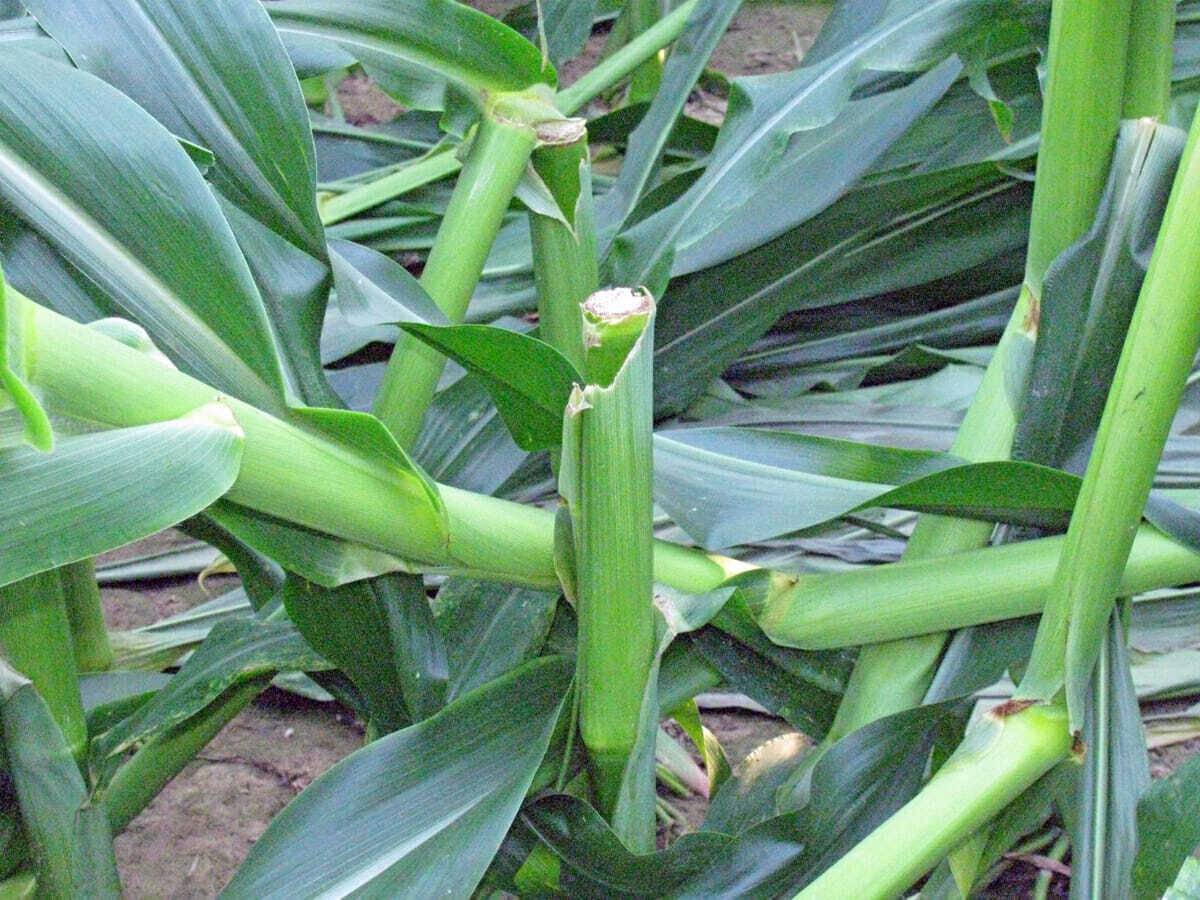
    Growth Stage and Greensnap Risk

    Green Snap Mississippi Crop Situation (1)
    Bob Foley addresses the implications and watch-out’s associated with greensnap. Watch the video below to learn more!

    Laura Cunningham

    July 15, 2020
    Agronomics, Corn, Crop, Growth Stages
  • Latham Hi‑Tech Seeds

    Fungicide Application

    Bob feature
    Tune in below for fungicide application information from Bob Foley! From discussing the need for fungicide application to predicting the ideal application window, Bob walks us through the process of determining what’s best for your field. #LathamSeeds

    Latham Seeds Agronomy Team

    June 30, 2020
    Agronomics, Corn, Crop, Fungicide
  • Latham Hi‑Tech Seeds

    Ask The Agronomist: Soybean Stress

    How much stress can soybeans handle? Phil Long discusses important early season soybeans stresses and their impact on yield.  #AskTheAgronomist

    1:00 — Scouting Tips: Staging soybeans

    3:45 — Post-emergence weed control

    6:20 — Yield impact with early season stresses

    9:12 — Soybean nodules

    10:15 — Final thoughts

    Laura Cunningham

    June 25, 2020
    #AskTheAgronomist, Agronomics, Crop, Emergence, Fertility, Growth Stages, Soybeans
  • Latham Hi‑Tech Seeds

    Ask The Agronomist: Sulfur in Soybeans

    ATA cover

    What role does sulfur play in your soybeans? Phil Long discusses the importance of available sulfur and feasibility of in-season application.

    1:07 – Topic introduction
    2:30 – Why sulfur?
    4:30 – When to apply sulfur
    5:25 – Available forms of sulfur
    7:30 – Importance of tissue tests

    Laura Cunningham

    June 11, 2020
    #AskTheAgronomist, Agronomics, Crop, Fertility, Soybeans
  • Latham Hi‑Tech Seeds

    Tissue Sampling Helps Uncover Fertility Issues

    Greg 1

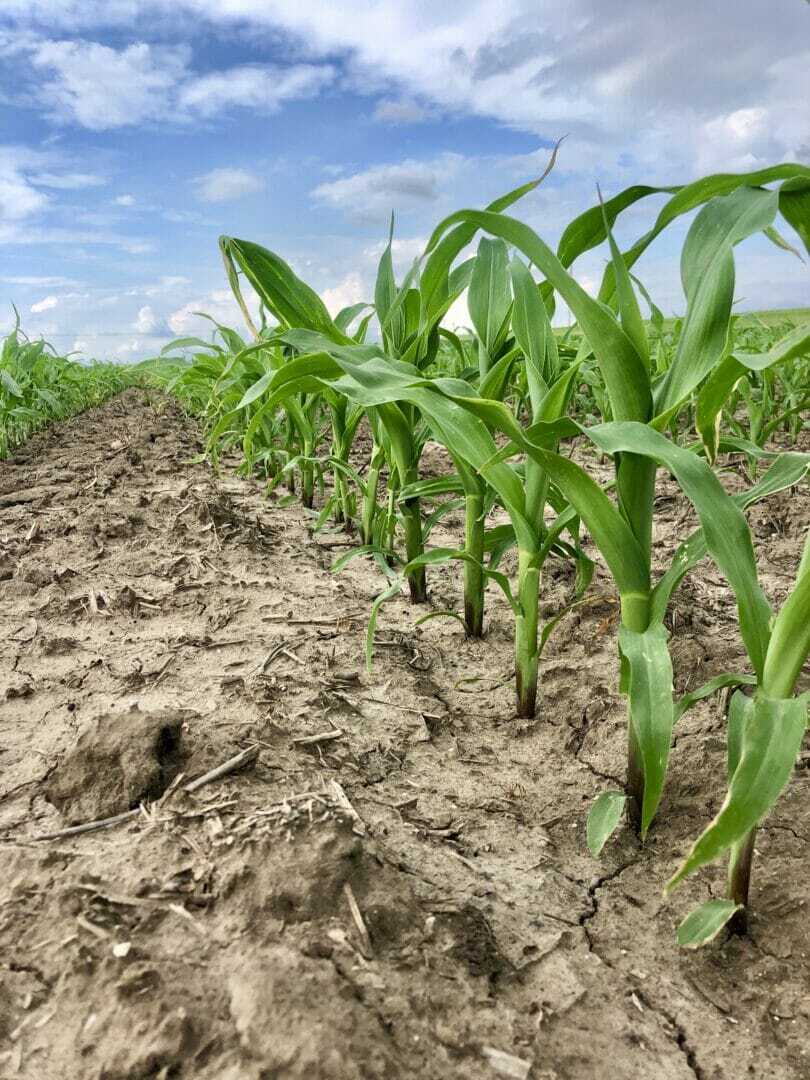
    Greg 1Early season field scouting is essential to detect potential issues like weed and insect pressure, as well as to monitor the effectiveness of your fertility program. One great tool to try and discover fertility problems is a plant tissue analysis. To assure good results from the lab, you must collect the proper part of the plant for the current growth stage of the crop.

    For the most effective tissue sample, consider following these four steps:

    1. Sample multiple areas within a field to better diagnose issues.
    2. Do not sample too early. Work with your Precision Agronomy Advisors to find the proper timing and placement.
    3. Try to start with the nutrients that are more likely to be deficient for your specific crop.
    4. Look at multiple sources of information to make your decisions. Tissue sampling is just one important tool to use.

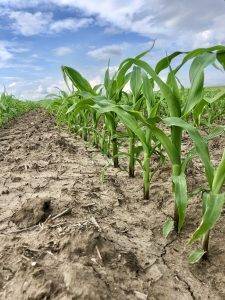
    A proper method to collecting early season corn tissue samples is to gather 15 or more plants to complete a single sample. This method is best when the corn is up to 12 inches tall, which is approximately the first three weeks following emergence because much of the nutrients come from the tissues within the seed at this stage.

    One example of how a tissue sample can help determine a cause is the case of a purple-colored corn plant. This could be the result of phosphorous deficiency, or it could be because nighttime temperatures were too low.

    Plant tissue analysis is a proven diagnostic tool that compares nutritional variances between normal and abnormal zones in the field. No matter the crop, plant tissue analysis is worthwhile to help determine nutrient needs. Don’t make fertilizer decisions based on plant tissue samples alone. To create a nutrient plan, combine tissue sampling with soil test results, records of lime and nutrient applications, cropping history and recent crop protectant applications.

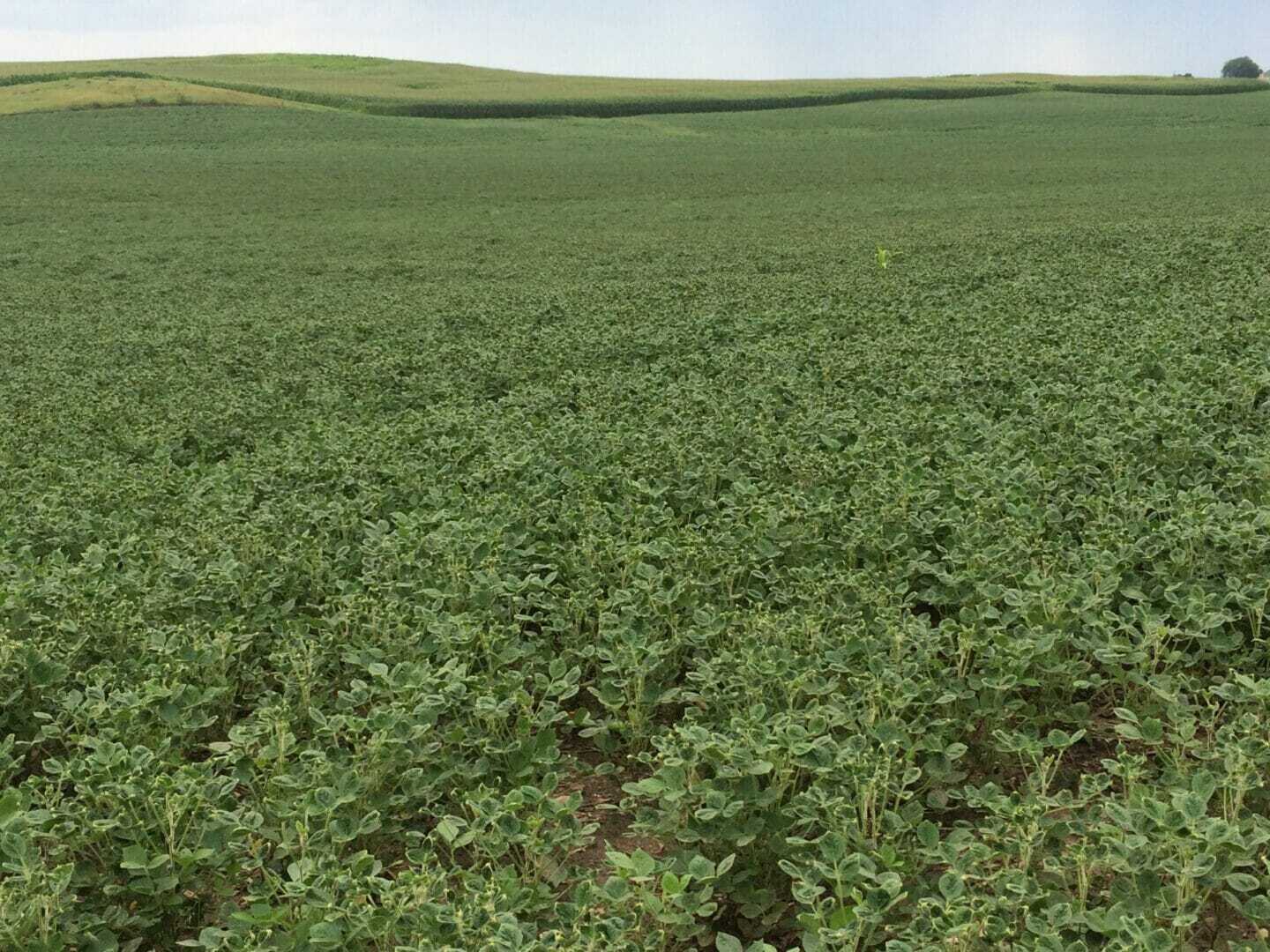
    Wait until V2 growth stage, which is three to four weeks after emergence before taking tissue samples of soybeans.

    Accurate tissue testing begins with proper sample collection and handling. Collect the proper part of the plant for the correct growth stage of the crop. Also make sure to collect the proper number to have an accurate complete sample. Try to package samples in paper bags. If it will take a while before you get the samples shipped, store samples in a cool environment but do not freeze the sample. In addition, never include roots with the plant samples.

    If you’re interested in learning more about how to conduct your own tissue samples, call your Latham Precision Agronomy Advisor. We can help download your Latham Data Forward app, so you can use the no-cost tissue sampling function to collect your samples!

    Latham Seeds Precision Agronomy Advisors

    June 9, 2020
    Agronomics, Corn Silage, Crop, Fertility
  • Latham Hi‑Tech Seeds

    Thistle Caterpillars 

    Screen Shot 2020 04 28 at 5.46.11 PM
    Screen Shot 2020 04 28 at 5.46.11 PM
    Credit: University of Nebraska

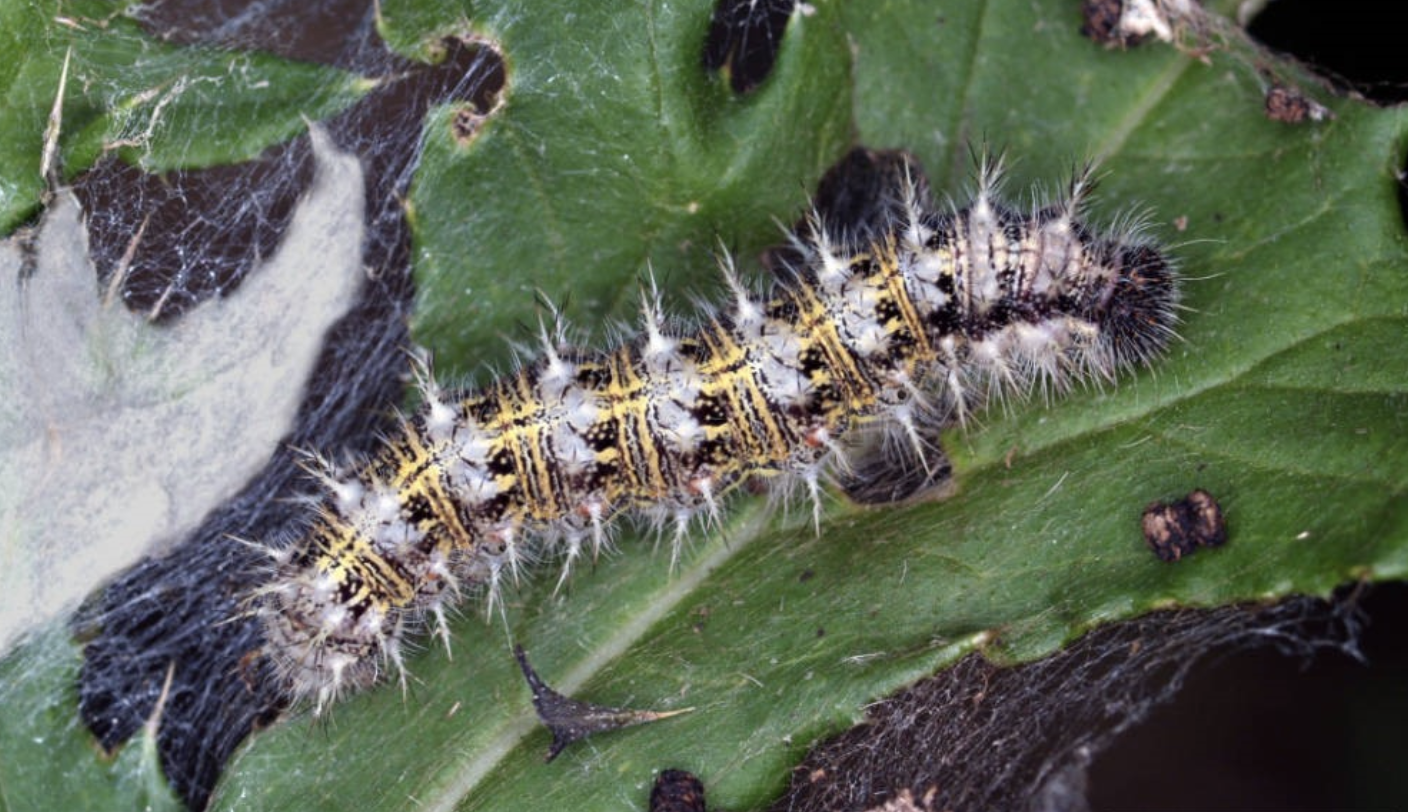
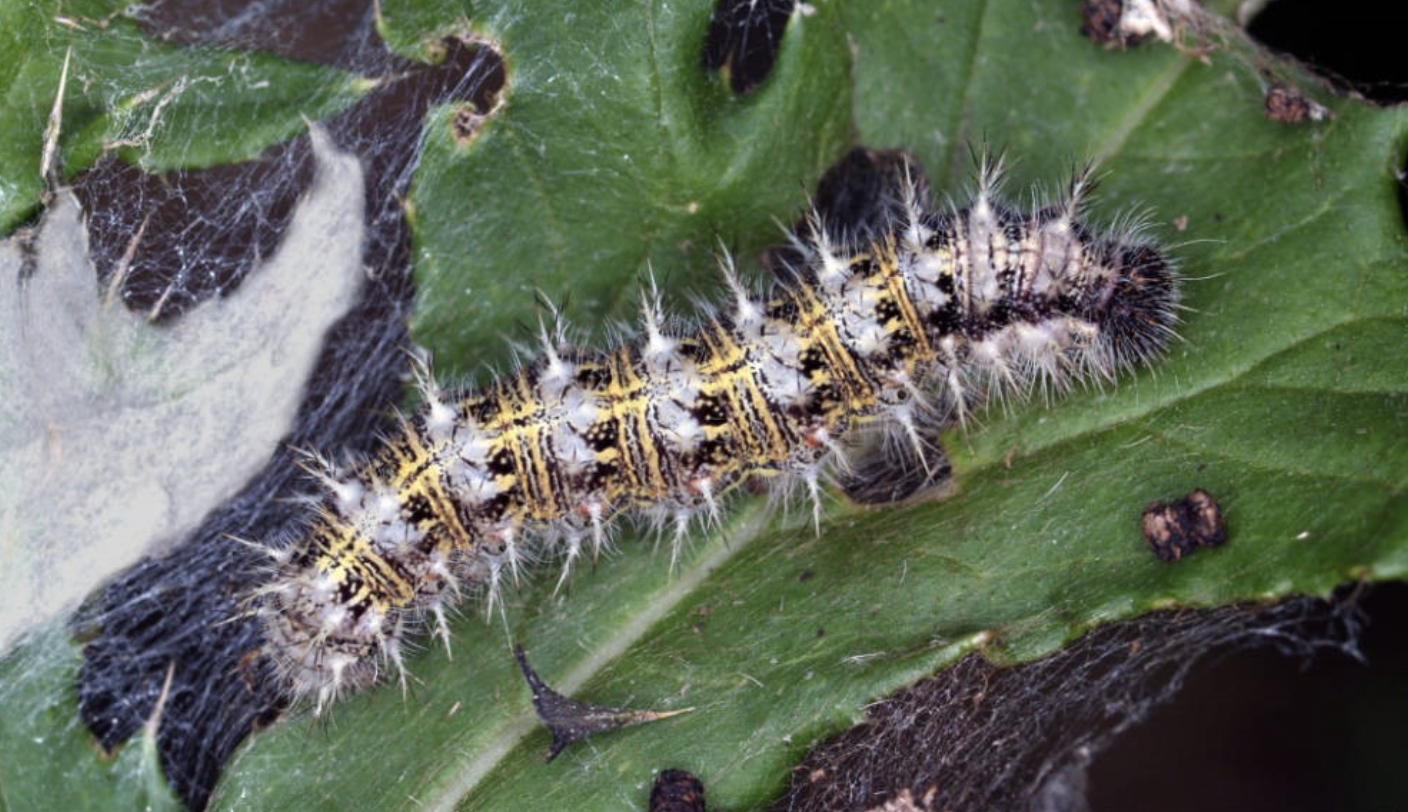
    Soybeans are a common host of thistle caterpillars – an insect that is able to feed on over 300 different plants. Damage from the thistle caterpillar can be minor leaf feeding or in large infestations, total defoliation.  In higher infestations action may be needed, but typically thistle caterpillars don’t cause enough damage to reduce yield or warrant chemical control.

    In adult form, thistle caterpillars are known as painted lady butterflies and have a wingspan of 2 to 3 inches. The wings are orange, pink or brown with four eyespots near the tips of the wings. Caterpillars have a yellow stripe that runs the length of the body. Their spiky hairs make the insect distinguishable from other look-a-like insects.

    The insect is typically unable to overwinter in the Midwest. Butterflies migrate from southern portions of North America to the Midwest and lay their eggs in June. The eggs are lime green and oblong with a ribbed texture.

    Thistle caterpillars can produce one to two generations per year and feed primarily during July and August. Caterpillar feeding takes place over the course of 2 to 6 weeks until the insects reach pupation. The second generation of the insect is known to feed at the topmost layer of the canopy and causes leaves to stick together from excreting silk.

    Thistle Caterpillar ISU
    Credit: Iowa State University
    Scouting and Treatment 

    Thistle caterpillars are known to cause the most harm to soybeans during V3 and V4. When scouting for signs of caterpillar feeding, examine leaves from each level of the soybean plant. Select 100 different plants from across the field and check for feeding injuries at the top, middle and bottom third of the plant.

    Treatment is advised when defoliation is exhibited in 30% of plants during vegetation or 20% in plants undergoing reproduction. Insecticide application can be used to control the insect’s population. Be sure to consult with your local Latham representative to determine the best treatment plan for managing thistle caterpillars.

    Latham Seeds Agronomy Team

    June 8, 2020
    Agronomics, Crop, Fall, Insects, Season, Soybeans, Summer
  • Latham Hi‑Tech Seeds

    Ask The Agronomist: Armyworms & Cutworms

    Iowa State Black Cutworm
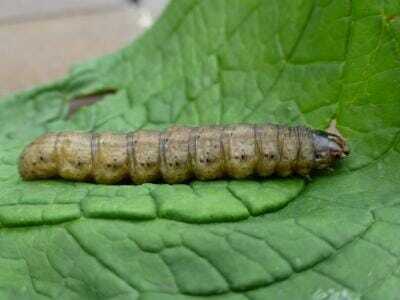
    It’s time to scout your fields! We have recently received reports of young insect pressure in fields. Phil Long discusses the damage these pests can have in your fields, proper identification and management practices.
     
    :30 – Crop update
    1:35 – Topic introduction
    3:00 – Insect identification
    4:45 – Insect damage identification
    5:25 – Insect threshold
    7:20 – Corn hybrid resistance

    Laura Cunningham

    June 4, 2020
    Agronomics, Corn, Crop, Insects
Previous Page
1 … 20 21 22 23 24 … 62
Next Page

Latham Hi‑Tech Seeds

131 180th Street | Alexander, IA 50420

(641) 692-3258

SIGNUP FOR OUR NEWSLETTER
  • Contact
  • Legal
  • Dealer Center
  • Seedware Login
  • Latham Gear

© 2025 Latham Hi‑Tech Seeds. All rights reserved. | Iowa Web Design by Webspec | Privacy Policy

Latham® Hi-Tech Seeds is a trademark of M.S. Technologies, L.L.C., 103 Avenue D, West Point, IA 52656.