Latham Hi-Tech Seeds

(641) 692-3258

  • Home
  • Performance
  • Products
    • Corn
    • Soybeans
    • Soybean Blends
    • Alfalfa
    • Corn Silage
    • Seed Guide
  • Find a Rep
  • Media
    • Blog
    • News
    • Videos
    • Podcasts
    • TECHTalk
  • About Us
    • Company History
    • Our Mission
    • Careers
    • Become a Rep
    • Sowing Seeds of Hope
  • Contact Us
  • Latham Hi‑Tech Seeds

    Ask The Agronomist: Prepping The Seed Bed

    Ask The Agronomist Cover Image

    How much tillage is too much? Phil Long discusses proper seed bed preparation and the importance of protecting moisture in the ground. #AskTheAgronomist

    :20 – Welcome

    1:40 – Topic introduction

    3:00 – GDUs, rainfall averages and soil temperatures

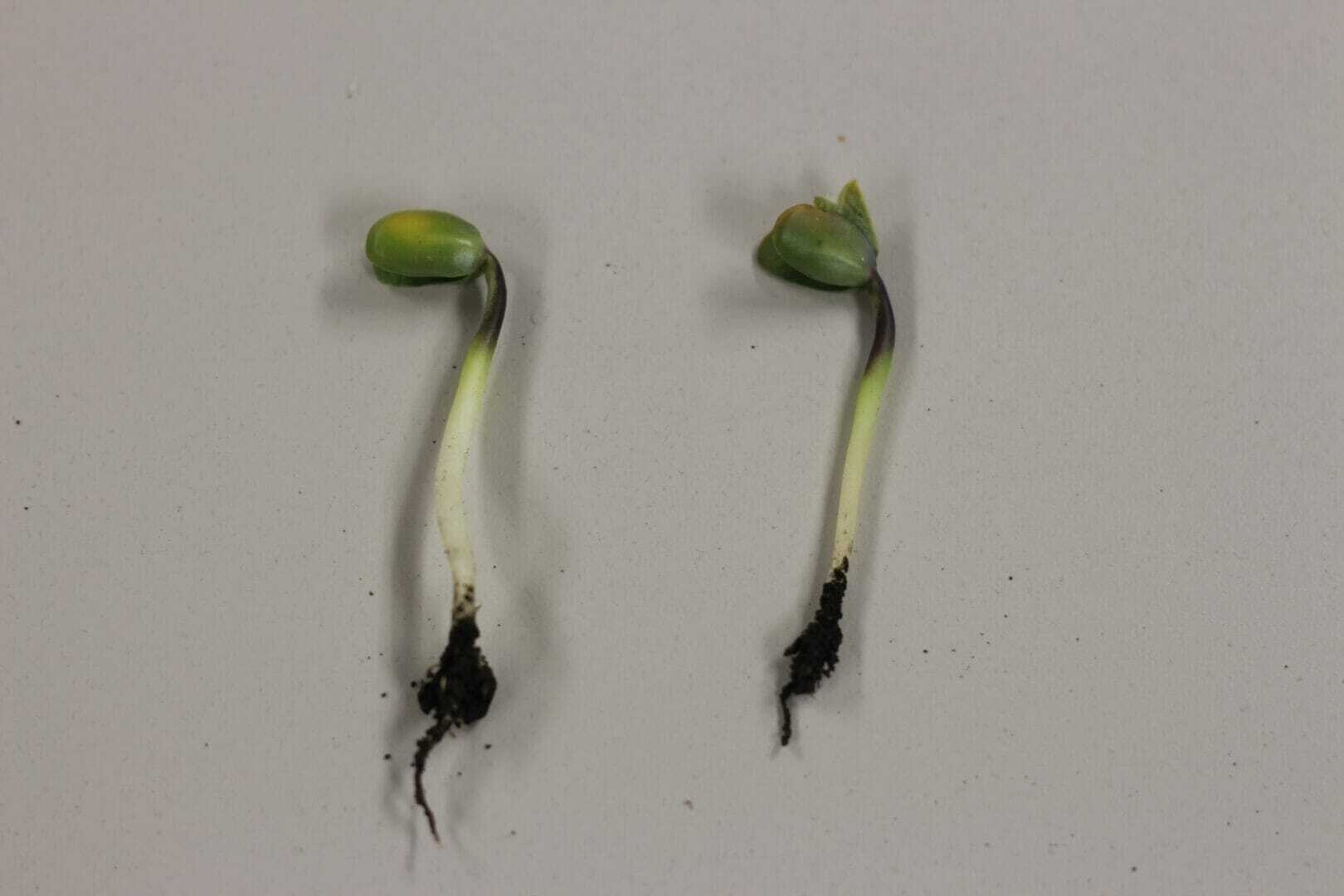
    4:40 – Soybean germination

    5:15 – Conserving moisture in the seed bed

    6:40 – Optimal seed depth

    7:27 – Soil sealing

    10:36 – Cover crops and early termination

    11:35 – Final thoughts

    Laura Cunningham

    April 30, 2020
    #AskTheAgronomist, Agronomics, Cover Crops, Crop, Season, Soil, Soybeans, Spring
  • Latham Hi‑Tech Seeds

    #AskTheAgronomist: Planting Depth

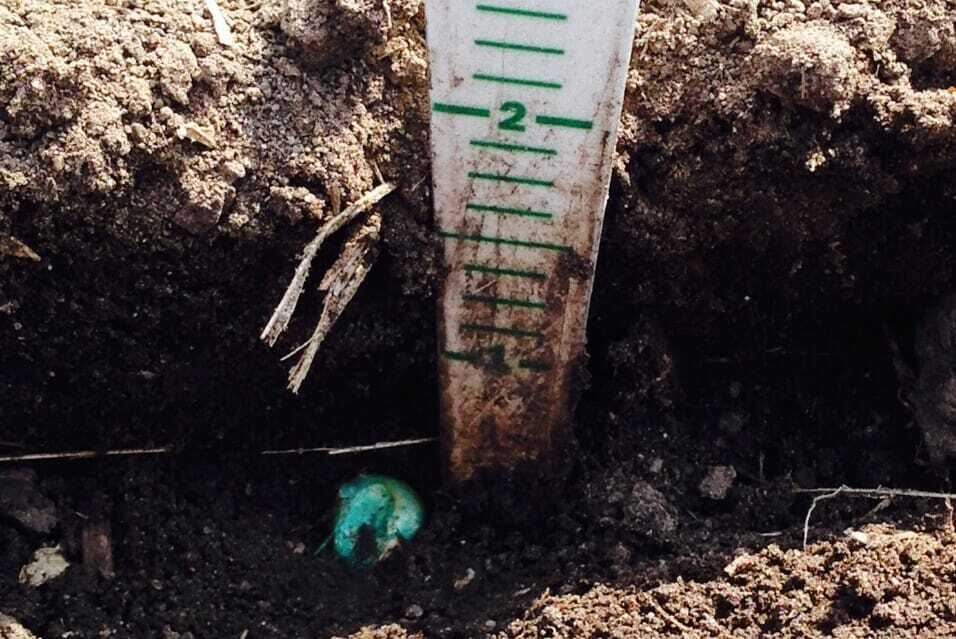
    Corn Planting Depth
    It pays to double check seeding depth! Tune in as Phil Long discusses ideal seeding depth for both corn and soybeans. #AskTheAgronomist
     
    :20 – Introduction
    :50 – Topic overview
    1:50 – Corn: Why 2 inches?
    2:00 – Imbibitional phase
    3:13 – Nodal root development
    6:25 – Soybean seeding depth
    7:25 – Soybean seed size
    9:15 – Final thoughts

    Laura Cunningham

    April 23, 2020
    Agronomics, Corn, Crop, Emergence, Season, Soybeans, Spring
  • Latham Hi‑Tech Seeds

    Effects of Early Planting

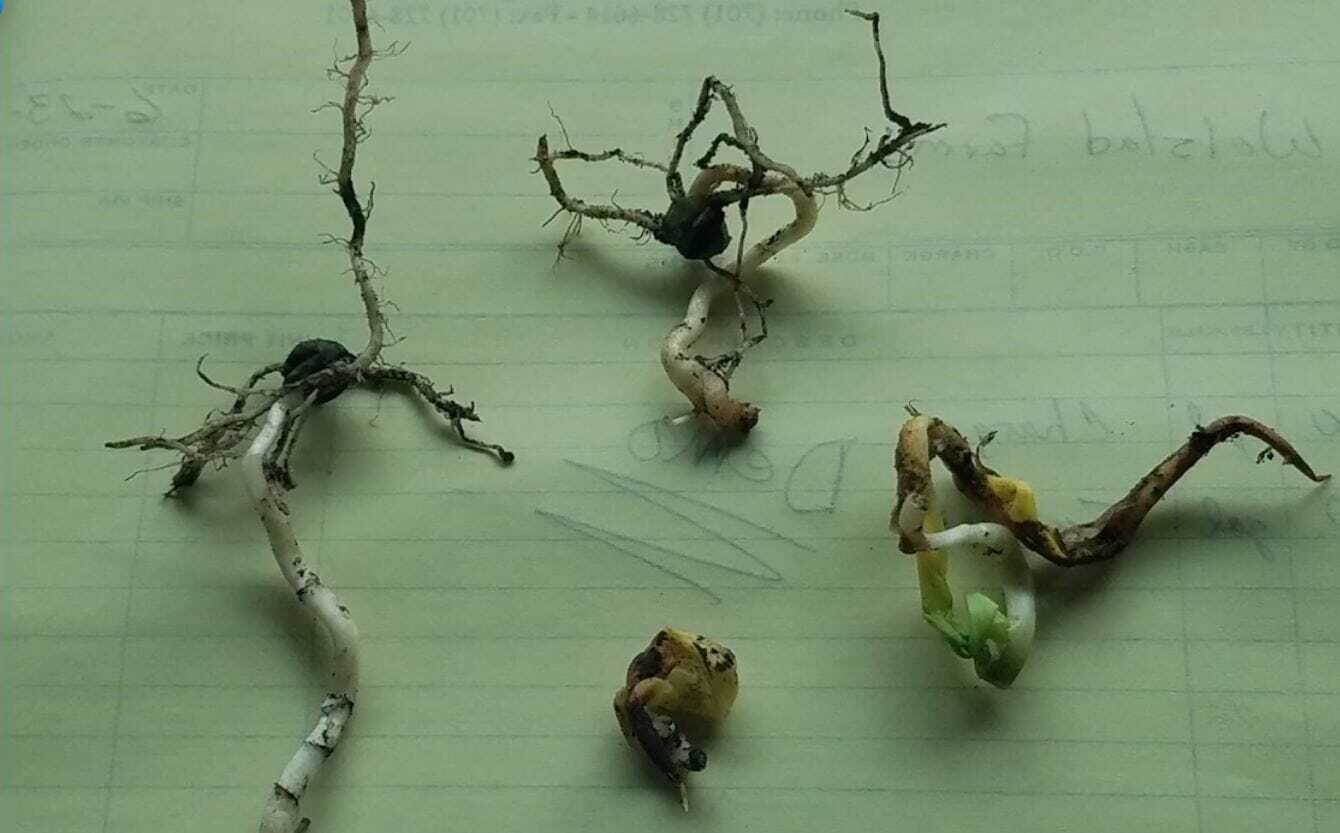
    Corkscrewing
    Do cool soils affect corn or soybeans more? Tune in as Phil Long discusses how cold temps affect corn and soybeans differently. #LathamSeeds
     
    0:12 — Welcome & topic introduction
    2:00 — Days to emerge
    5:50 — Corn cold injury potential
    8:15 — Soybean cold injury potential
    10:35 — Forecast of opportunity

    Laura Cunningham

    April 16, 2020
    Agronomics, Corn, Crop, Disease, Emergence, Growth Stages, Season, Soybeans, Spring
  • Latham Hi‑Tech Seeds

    Planting Speed Matters

    4.9.20

    Dial in your planter speed this spring season. Phil Long discusses the importance of planter speed in relation to efficiency, singulation and yield potential. #AskTheAgronomist #LathamSeeds

    :30 – Welcome & Topic Introduction
    1:30 – Scenario 1
    2:40 – Efficiency & yield potential
    6:30 – High speed planters
    7:20 – Singulation & speed
    10:05 – Final thoughts

    Laura Cunningham

    April 9, 2020
    Corn, Crop, Season, Spring
  • Latham Hi‑Tech Seeds

    #AskTheAgronomist: Nitrogen Application

    3.26 Ask The Agronomist

    Are you getting the biggest bang for your buck from your nitrogen application? #AskTheAgronomist

    1:06 — Welcome & topic introduction
    2:26 — Nitrogen 4 R’s: right source, right time, right place
    5:30 — Right rate
    9:36 — On-farm research with Data Forward

    Laura Cunningham

    March 26, 2020
    Agronomics, Corn, Crop, Fertility, Season, Spring
  • Latham Hi‑Tech Seeds

    Update on XtendFlex® Soybeans

    IMG 7407

    IMG 7407

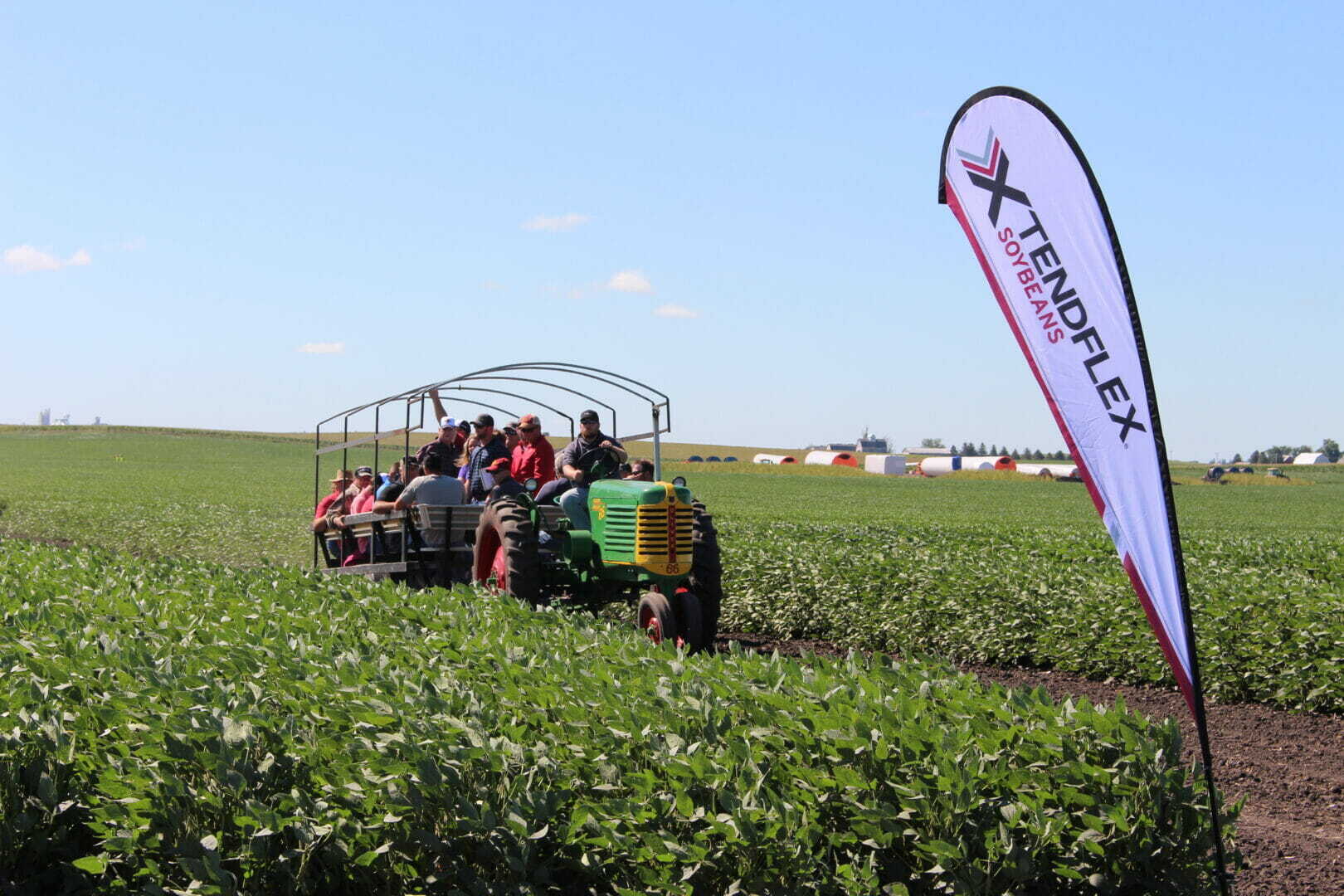
    Reports from around the seed industry indicate that Bayer CropScience is close to being granted approval for its new XtendFlex® soybean system. This new technology will be the first triple-stack soybean trait with tolerance to glyphosate, dicamba and glufosinate (Liberty®) herbicides. Pre-launch ads from Bayer cite advanced genetics and greater flexibility for weed management options.

    Latham Hi‑Tech Seeds in 2019 was granted a sneak peak of six XtendFlex soybeans at our research farm near our headquarters in Alexander, Iowa. This test was conducted under the guidelines of an EPA-stewarded trial where the resultant soybean crop was harvested for data purposes but was then destroyed, so it could not reach the global supply chain.

    The six soybeans we tested ranged from 1.9 to 3.0 in maturity and were compared to 14 soybeans that were in our lineup at that time. The test was split by herbicide tolerance. The same six XtendFlex lines were tested against 14 Liberty-tolerant products, including Enlist E3™, straight LibertyLink® and LLGT27™. They were also tested against 14 soybeans that were all tolerant to glyphosate: Roundup Ready® 2 Yield (RR2Y), Roundup Ready® Xtend®, Enlist E3 and LLGT27.

    IMG 7415On the Liberty side of the test, the six XtendFlex soybeans ranged in yield from 56.75 to 65.74 bushels per acre (bu/A) where the 14 current products went from 47.11 to 67.90 bu/A. The overall yield average of XtendFlex soybeans was 60.58 whereas the current products averaged 60.30 bu/A.

    On the glyphosate-tolerant side of the trial, the yield of XtendFlex products ranged from 55.84 to 64.13 bu/A; the average yield was 61.67 bu/A. The yield of current products ranged from 54.70 to 69.37 with an average of 62.33 bu/A. NOTE: Due to late planting and other environmental factors, the later-maturing soybeans (2.8 to 3.0) in both sides of the trial struggled to reach full maturity and really suffered from a yield standpoint.

    In general, I am pleased with the results of this trial. This was one location for only one year, but it did tell us that the first wave of the XtendFlex products tested in 2019 performed very well.

    Pending full approval, there should be some very solid lines available for Latham farmer-customers for 2021 commercial planting! The last hurdle for full global approval of XtendFlex soybeans is the European Union at press time of this article. Bayer is optimistic this will be resolved in time for planting. We’ll keep you posted when we know more about this exciting new technology!

    Mark Grundmeier, Product Manager

    March 24, 2020
    Soybeans, Spring, Tech Tuesday
  • Latham Hi‑Tech Seeds

    Ask The Agronomist: SCN & SDS

    83515631 2339747469657615 202813178965393408 n

    Join us live this morning as we discuss how to plan for Soybean Cyst Nematodes and Sudden Death Syndrome this spring. #AskTheAgronomist

    0:45 Topic introduction
    1:41 SCN economic impact
    3:01 SDS economic impact
    3:36 Managing SCN & SDS
    7:50 Data Forward Program can help

    Laura Cunningham

    March 19, 2020
    #AskTheAgronomist, Agronomics, Crop, Disease, Insects, Soybeans
  • Latham Hi‑Tech Seeds

    Healthy Soils Lead to Increased Yields

    April May recruitment ad

    April May recruitment adBy Lyle Marcus, Corn Production Manager

    The 2019 growing season left many acres across Latham Country less than optimum for good crop growth and development. Late harvest and saturated soil conditions reduce good soil organisms that help our corn hybrids get off to the best start. Using planter box treatments like Talc USA products offered by Latham Hi‑Tech Seeds can improve your crop’s success in 2020.

    All planter manufacturers recommend some type of planter box additive to aid seed flow and lubricate seed meters. Talc USA’s lineup provides the needed lubrication, plus a yield advantage:

    Talc USA, planter box talc and talc/graphite combo product

    · Premium 200 micron grind product

    · Fortified with .7% iron and .09% manganese

    MicroSurge Inoculant

    · Increases atmospheric nitrogen used by your corn plants

    · Adds Azospirillum organisms to the soil via the seed and enhances root function

    Encompass

    · Contains five microbials that fix nitrogen and mobilize phosphorus

    · Helps with key functions of the corn plant through better uptake of nutrients

    Inceptive

    · Contains the Harpin Protein, which suppresses plant-feeding nematodes

    · Shows yield response even when nematode populations fall below economic threshold

    Latham’s Agronomy team in 2019 showed an increase in yield and plant health at our Alexander research farm TALC USA trial. If you’re looking for opportunities to improve the performance of your crops, find more information on TALC USA products at www.lathamseeds.com.


    Talc USA yield trial handout JPEG

    Webspec Admin

    March 17, 2020
    Corn, Tech Tuesday
  • Latham Hi‑Tech Seeds

    Focus on Achieving Even Emergence for Maximum Yield

    IStock 000018151817Large
    IStock 000018151817Large
    By Darin Chapman, Precision Agronomy Advisor

    The cost of achieving uniform emergence is a complicated one as achieving uniform emergence is dependent upon receiving adequate moisture, heat units and proper seed-to-soil contact.

    If you’ve struggled with achieving uniform emergence, there are three key areas on which to focus. Start at the front of the planter and work your way back:

    1. Look at the row cleaners. Assure the planter is clearing trash as it moves through the field.

    2. Next, check the downforce to make sure that seeds are being placed at a consistent seed depth across your field. Take the time to dig in the trench behind the planter, which is important but often overlooked.

    3. Maintaining consistent seed-to-soil contact and proper closing of the seed trench is vital.

    There are many options to control these aspects at varying levels of cost. Look at your own operation and balance the improvements you desire with the potential return on investment. Below are options to consider for even emergence:

    · Tillage Practices– Prepare an optimal seed bed.

    · Residue Management– Move residue, not topsoil.

    · Planter Row Unit Maintenance– Use an annual planter checklist. (See sidebar below.)

    · Planter Downforce– Look at planter upgrades for the best down and lift force option for your operation. In certain cases, lift force versus downforce is more beneficial.

    · Seed Settlement– Make sure seed is reaching the bottom of trench for seed-to-soil contact.

    · Closing the Trench– Confirm the closing system is doing its job to close the trench; make certain there are no air pockets.

    Non-uniform stands result in lower yields because the smaller plants that emerge later cannot capture enough sunlight. Without even emergence, your work to achieve even seed spacing and singulation is in vain. The extra time spent now on planter maintenance will be worth it come spring planting.

    Contact your Latham Precision Agronomy Advisor to take a deeper look at your operation now. We’re here to help you achieve better emergence.

    8 step checklist

    Latham Seeds Precision Agronomy Advisors

    March 10, 2020
    Agronomics, Corn, Crop, Emergence, Soybeans, Tech Tuesday
  • Latham Hi‑Tech Seeds

    #AskTheAgronomist: Talc USA Benefits

    3.5.20

    Is talc worth it? Phil Long reviews real benefits of our Talc USA line and research from our test at Alexander. #LathamSeeds

    0:40 — Topic Introduction
    1:30 — The importance of talc
    3:10 — Why Talc USA?
    4:30 — Talc study at Latham Seeds
    7:00 — How to incorporate Talc USA products on you farm

    Laura Cunningham

    March 5, 2020
    #AskTheAgronomist, Agronomics, Corn, Crop, Season, Seed Treatment, Soybeans, Spring
Previous Page
1 … 22 23 24 25 26 … 62
Next Page

Latham Hi‑Tech Seeds

131 180th Street | Alexander, IA 50420

(641) 692-3258

SIGNUP FOR OUR NEWSLETTER
  • Contact
  • Legal
  • Dealer Center
  • Seedware Login
  • Latham Gear

© 2025 Latham Hi‑Tech Seeds. All rights reserved. | Iowa Web Design by Webspec | Privacy Policy

Latham® Hi-Tech Seeds is a trademark of M.S. Technologies, L.L.C., 103 Avenue D, West Point, IA 52656.