Latham Hi-Tech Seeds

(641) 692-3258

  • Home
  • Products
    • Corn
    • Soybeans
    • Alfalfa
    • Corn Silage
    • Seed Guide
  • Performance
  • Find a Rep
  • Media
    • Blog
    • News
    • Videos
    • Podcasts
    • TECHTalk
  • About Us
    • Company History
    • Our Mission
    • Careers
    • Become a Rep
    • Sowing Seeds of Hope
  • Contact Us
  • Latham Hi‑Tech Seeds

    Seed Treatment Fundamentals

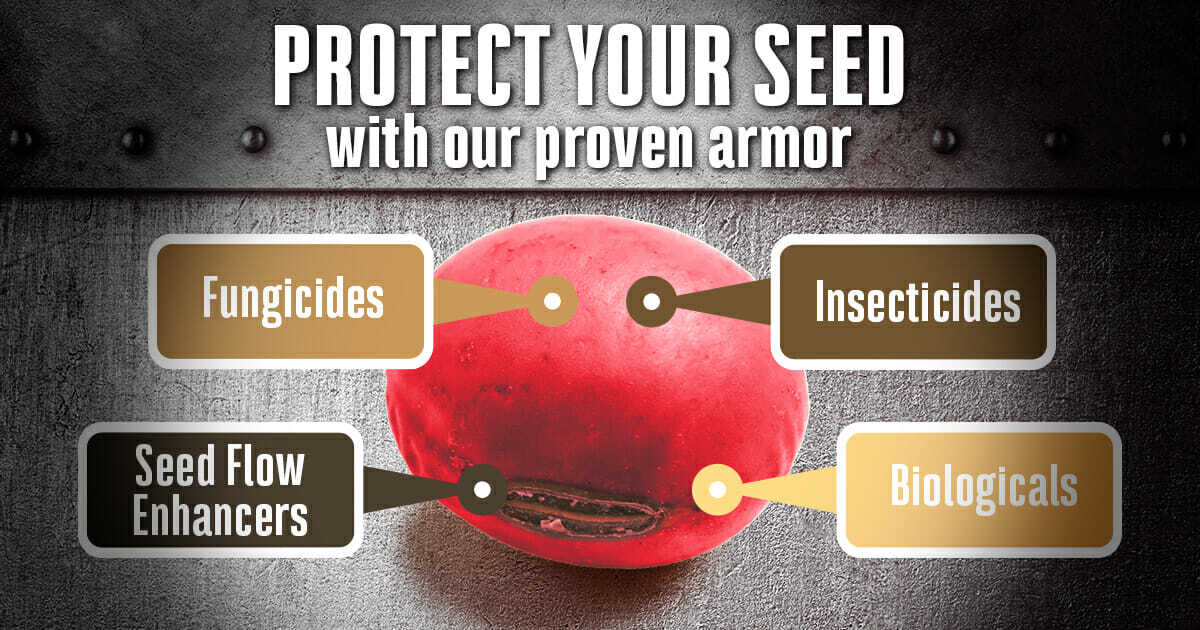
    Seed treatment infographic

    Did you know up to 90% of seedling diseases are caused by 4 major fungi? These fungi kill soybean seedlings before emergence or damage the seed enough to reduce yield.

    4 Major Fungi:

    1. Pythium
    2. Phytophthora
    3. Rhizoctonia
    4. Fusarium

    Research shows that during the emergence stage alone 2.5 bushels of soybean yield are at risk due to seed rot and seedling blight. Latham SoyShield® brand seed treatments are best-in-class formulations designed to battle the toughest pathogens like Fusarium and Phytophthora.
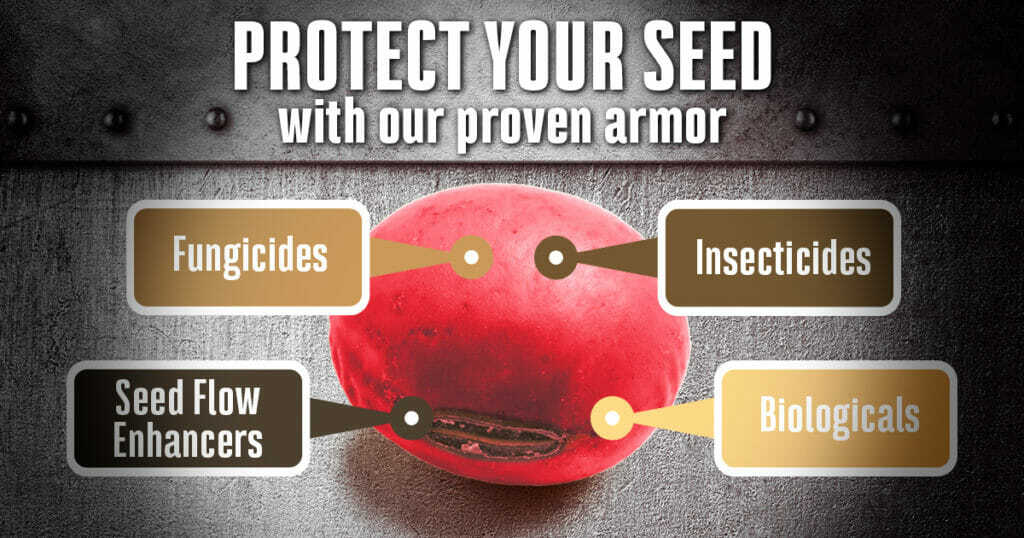
    Seed treatment infographic

    Instead of viewing seed treatment as an input cost, consider it an investment – an insurance policy if you will. After all, it takes less than a bushel of soybeans to pay for the cost of treatment!

    Wet, poorly drained soils favor the development of fungal pathogens that cause seedling diseases, which slow germination and plant growth. Seed treatments protect seedlings until they have a fairly well-established root system.

    To help the seeds go through the planter better, Latham Hi‑Tech Seeds adds a proprietary blend of polymer and seed coating. Our customers say they waste less seed and see more even stands, resulting in better yield potential and ultimately an increased return on investment.

    Latham Hi‑Tech Seeds’ signature SoyShieldTM, a fungicide-only package, and SoyShield PlusTM with fungicide and insecticide, protect seeds from disease and insect damage for up to 30 days. This time frame is longer than many other seed treatments and is typically an adequate window of protection.

    SoyShield Plus includes an exclusive fungicide combination that provides excellent protection against seed and soil borne diseases including: Pythium, Phytophthora, Fusarium and Rhizoctonia. In addition, seed treatments can provide health benefits for more rapid and increased germination under certain conditions.

    SoyShield Seed treatment infographic

    Some seed treatments also help protect against nematodes, which are becoming more prevalent. Many fully-loaded treatments may have innoculants, micronutrients or plant food. Interested in learning more? Talk to your local Latham® representative or leave your comments below. You’re also welcome to call us at 1-877-GO-LATHAM (1-877-465-2842).



    Webspec Admin

    December 22, 2020
    Agronomics, Crop, Disease, Seed Treatment, Soybeans
  • Latham Hi‑Tech Seeds

    How to Use Multi-Year Yield Data Effectively

    Img FieldPosition

    Single-year data from corn test plots or even whole-field results can cause a farmer to question what hybrids to plant next spring. Because yields were especially variable across the Upper Midwest in 2020, I want to remind you how important it is to look at more than one year’s worth and more than one location’s worth of data.

    Here are two ways you can use multi-year yield data effectively:

    1. Select individual hybrids that are consistently top performers.
    2. Look for groups of hybrids that, when planted together, provide top yield averages over time. In my experience, planting top-performing packages provides farmers with more uniform success. Planting packages of hybrids with top performance lessens variability.

    Our 2020 plot data from F.I.R.S.T. Trials, on-farm SuperStrips with cooperating Latham® dealers, as well as our replicated MiniStrips proves again that Latham brand hybrids are top-yielding hybrids. Our wide area of testing shows very strong performance of Latham hybrids across various environments, soil types and management practices.

    As I was preparing multi-year data to share during last month’s Post-Harvest Huddle meetings with Latham dealers, these top performers captured my attention. Be sure to take a closer look at these Latham brand hybrids as you finalize your 2021 crop plans:

    • LH 3937 VT2 PRO RIB: This 89-day hybrid has quickly become a favorite of our early-season customers in North Dakota, Minnesota and Wisconsin. It is the anchor in packages in the 85- to 92-day group. This hybrid earned four Top 5 finishes in 2020 F.I.R.S.T. Trials and won in the 2019 F.I.R.S.T. Trials. It also earned 1st place in 2020 Latham SuperStrips plus finished 1st and 2nd in 2019 SuperStrips. Our customers have made consistent yields over time by packaging this hybrid with LH 3695 VT2 PRO RIB, LH 4097 VT2 PRO RIB and LH 4242 VT2 PRO RIB.
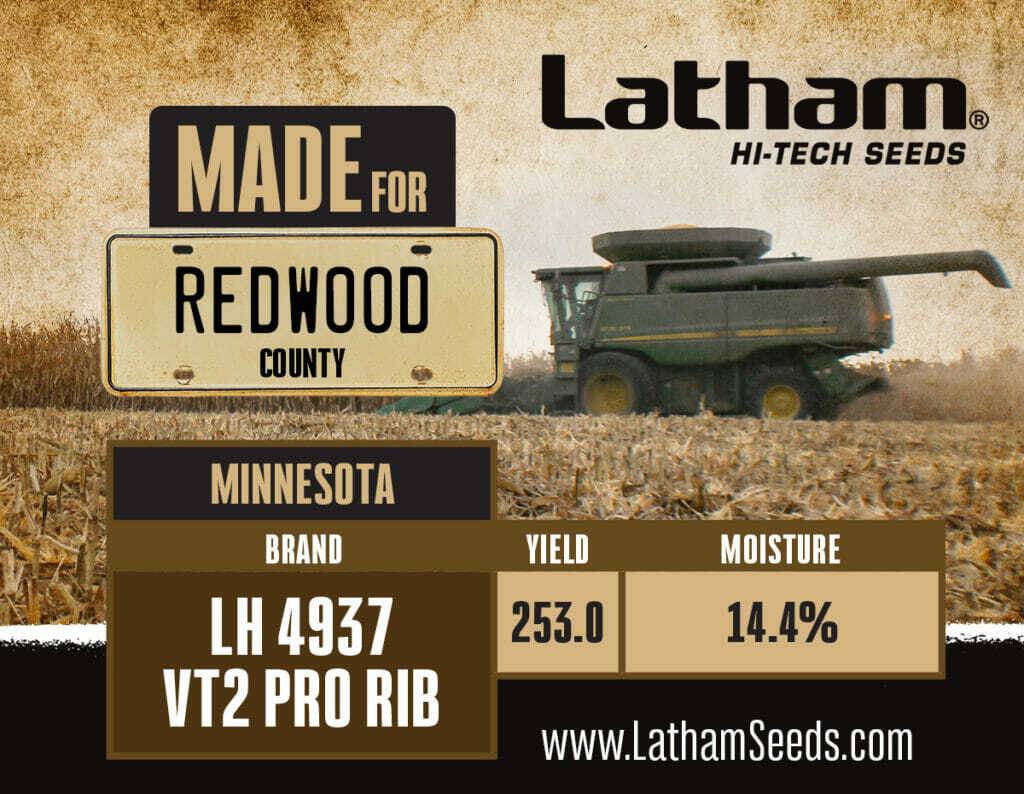
    • LH 4937 VT2 PRO RIB: This top yielding, 99-day hybrid performs across a wide area for adaptability. We have seen great yields across Latham Country. Its accolades include 1st place and Top 5 finishes in the 2018, 2019 and 2020 F.I.R.S.T. Trials. It also topped SuperStrip plots from 2018 to 2020. Package this hybrid with LH 4454 VT2 PRO RIB, LH 4657 VT2 PRO RIB and LH 5047 VT2 PRO RIB for an outstanding group of hybrids to fit 94- to 100-day maturity.
    • LH 5245 VT2 PRO RIB: Latham customers are raving about the yields they saw this year from LH 5245 VT2 PRO RIB. This hybrid’s performance during the past three seasons has made it one of the top 102-day performers across Latham Country against competitors. Package this hybrid with LH 4937 VT2 PRO RIB and LH 5047 VT2 PRO RIB for a 99- to 102-day package. In fuller season areas, pair it with LH 5377 VT2 PRO RIB and LH 5487 VT2 PRO RIB.
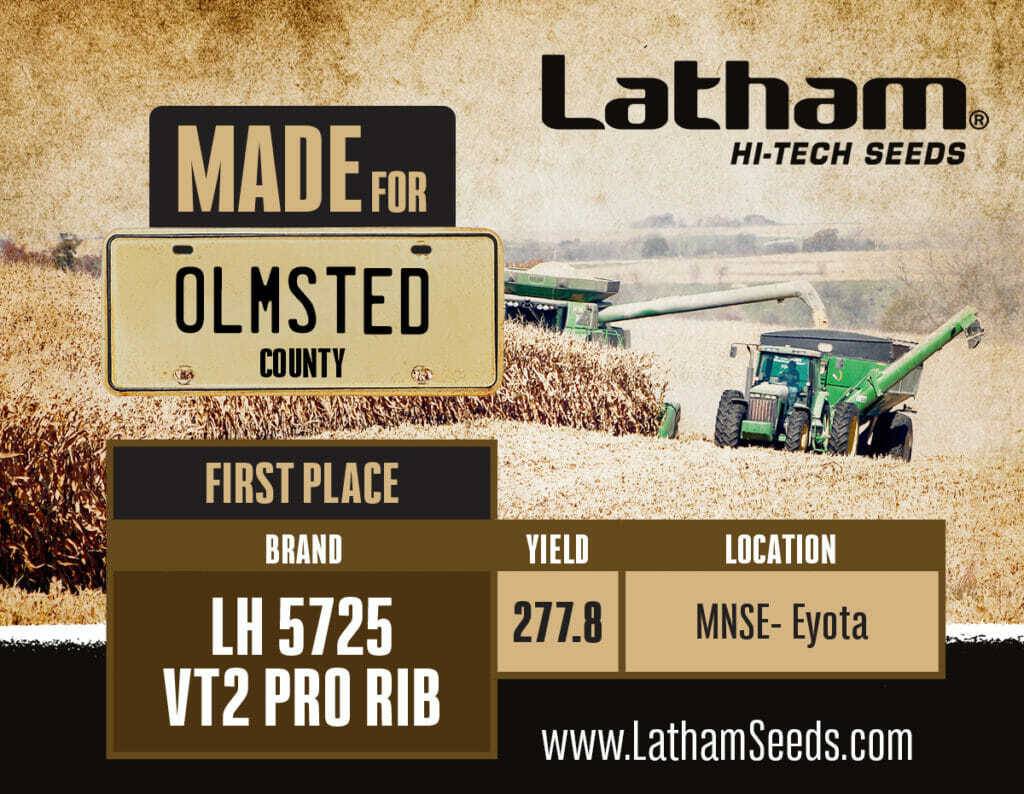
    • LH 5725 VT2 PRO RIB: This 107-day product has the ability to move north as a full-season product. It performed well across the Southern Minnesota F.I.R.S.T. Trials locations. It has several multi-year F.I.R.S.T. Trial wins and top finishes from Nebraska, Iowa and Wisconsin. Plant this hybrid with LH 5245 VT2 PRO RIB, LH 5487 VT2 PRO RIB, LH 5635 VT2 PRO RIB, LH 5847 VT2 PRO RIB and LH 6285 VT2 PRO RIB for outstanding yield averages in different maturities.

    Click here to find more yield data. 

    Latham Seeds Agronomy Team

    December 10, 2020
    Agronomics, Corn, Crop
  • Latham Hi‑Tech Seeds

    Look at Multi-Year Soybean Yield Data

    NW IA Latham Seeds Soybeans 8 13 19

    Yield variability in 2020 reminds us how important it is to review data from multiple years – and even multiple locations – when accessing a given seed product’s performance. Multi-year data helps “smooth out” the peaks and valleys associated with single-year data and provides a more reliable picture of overall product performance.

    Following are nine Latham® soybean products, in order of maturity, that grabbed my attention as I was preparing for 2020 Post-Harvest Huddles with our dealers:

    L 0852 LLGT27: New for 2021, this powerhouse yielder carries the Rps3-a gene for Phytophthora and has very good tolerance to iron deficiency chlorosis (IDC). This variety earned six Top 10 finishes in the 2020 F.I.R.S.T. trials; took first in 2019 Latham Test 909 Summary; placed first in our 2020 Test 960 trial at Glyndon, MN; and was 2nd overall in the 2020 Summary of Test 960!
    L 1238 L: This top-yielding Ironclad™ soybean features excellent scores for both White Mold and Sudden Death Syndrome (SDS). It took 1st place in our 2018 Test 961 Summary and had four other 1st place finishes in Latham Trials from 2018 to 2020. It moves south very well out of zone.

    L 1429 LLGT27: Here’s a great yielding line with a good defensive package! It has strong Soybean Cyst Nematode (SCN) tolerance and is excellent against IDC and Brown Stem Rot (BSR). In 2019 and 2020, it earned five Top 10 finishes in the F.I.R.S.T. trials along with four wins in Latham SuperStrip plots. It also placed 1st six times in our research trials, including two summaries!

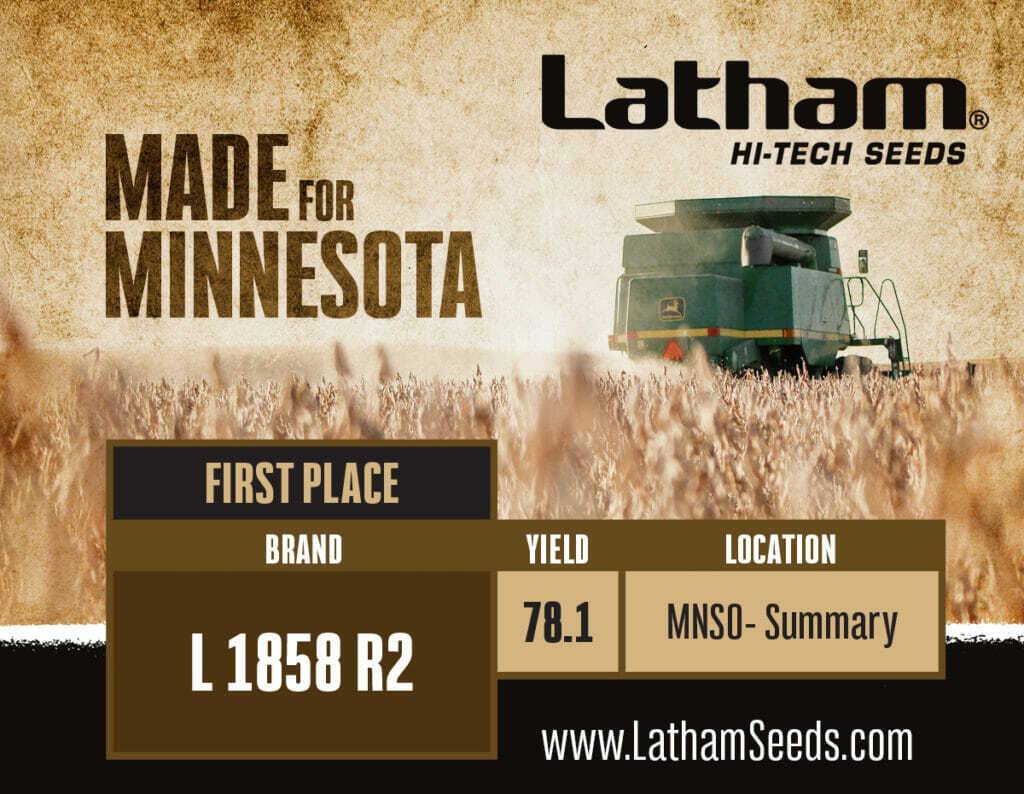
    L 1858 R2: This is one of the very highest performing lines in our Latham soybean portfolio. Every year since 2018 it has topped a F.I.R.S.T. Trials SUMMARY somewhere in the state of Minnesota! Enough said.

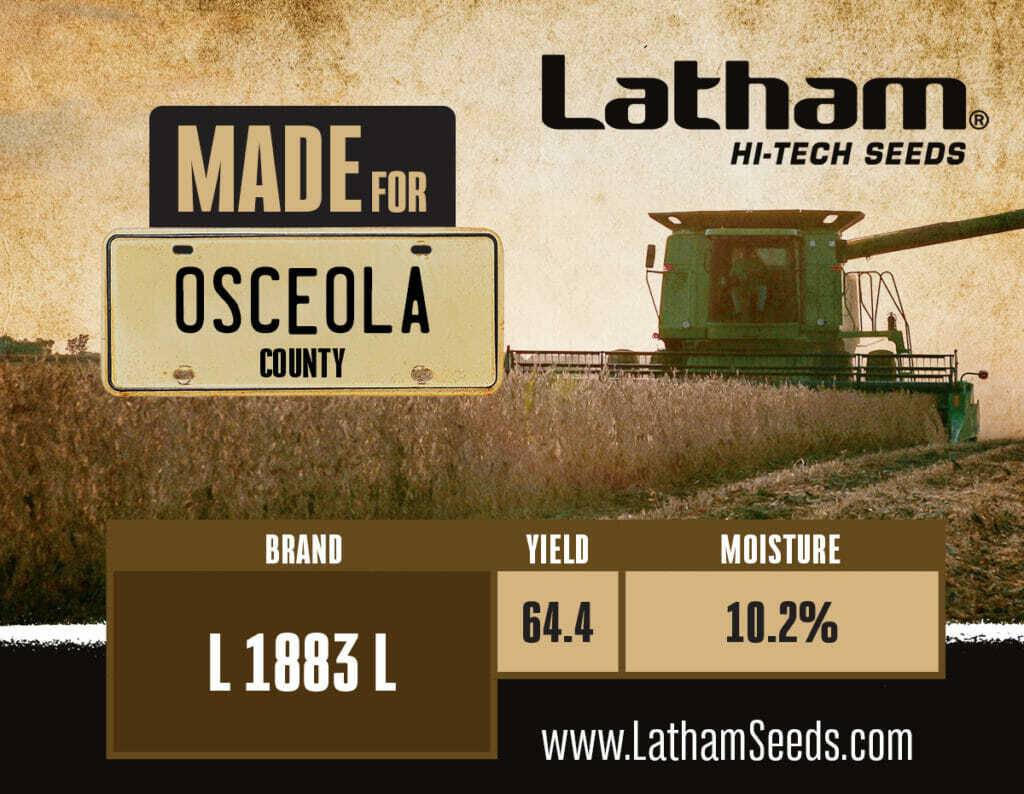
    L 1883 L: This Ironclad line has excellent tolerance to White Mold and SDS with great tolerance to Charcoal Rot. It has six 1st place finishes under its belt from 2018 to 2020 SuperStrip trials. It consistently performs at the top of its class.

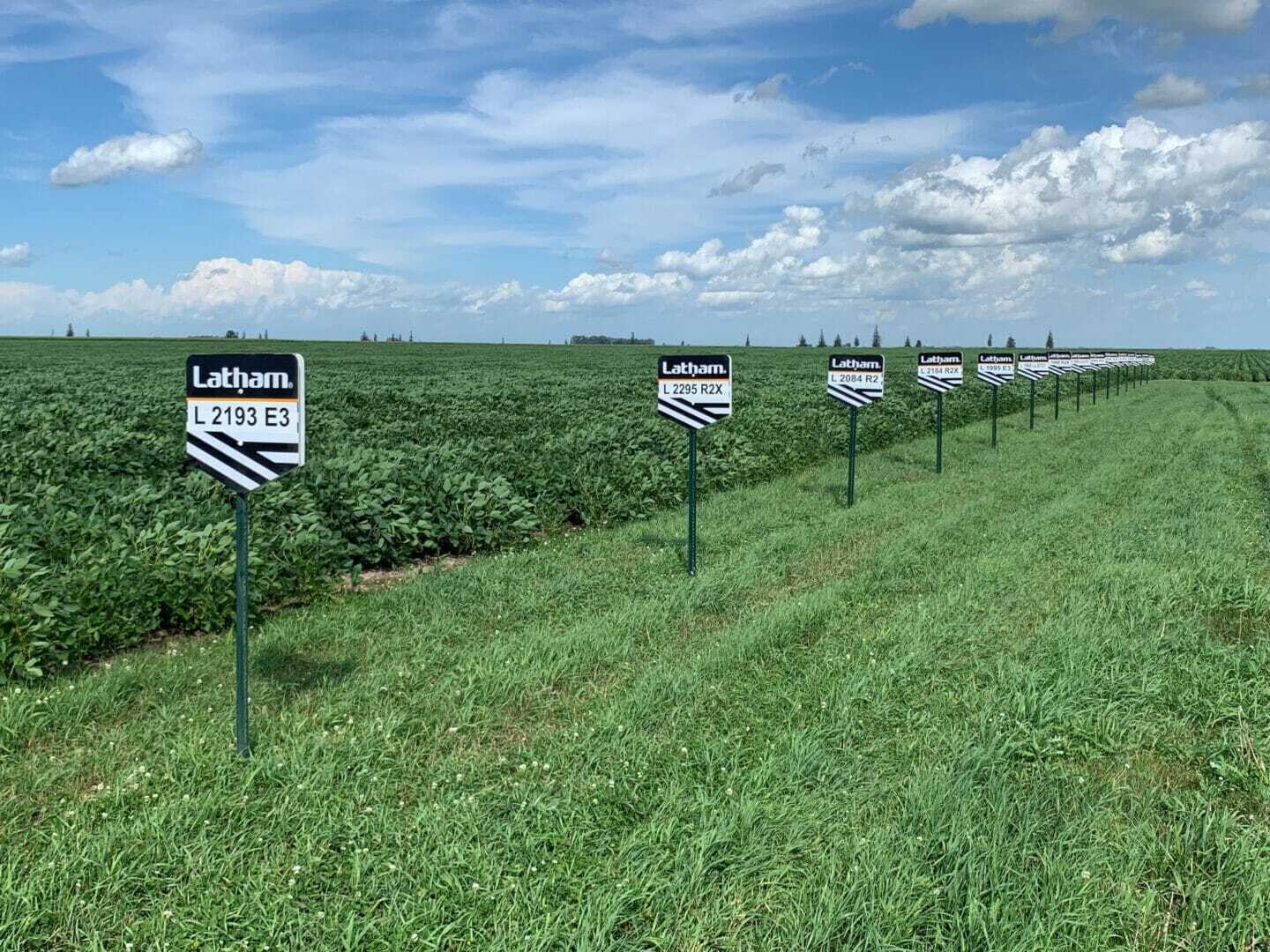
    L 2193 E3: Our top-selling soybean for the past two years looks to be headed there again in 2021! With only two years of SuperStrip data, this Ironclad variety has claimed: eight 1st places, eight 2nd places and six 3rd place finishes. That’s a gold-worthy Win-Place-Show combo!

    L 2295 R2X: With a very strong defensive package, this soybean variety is a proven performer! It has 22 Top 10 finishes in the F.I.R.S.T. Trials and 37 Top Four finishes in Latham SuperStrips – including 13 wins – during the past three years.

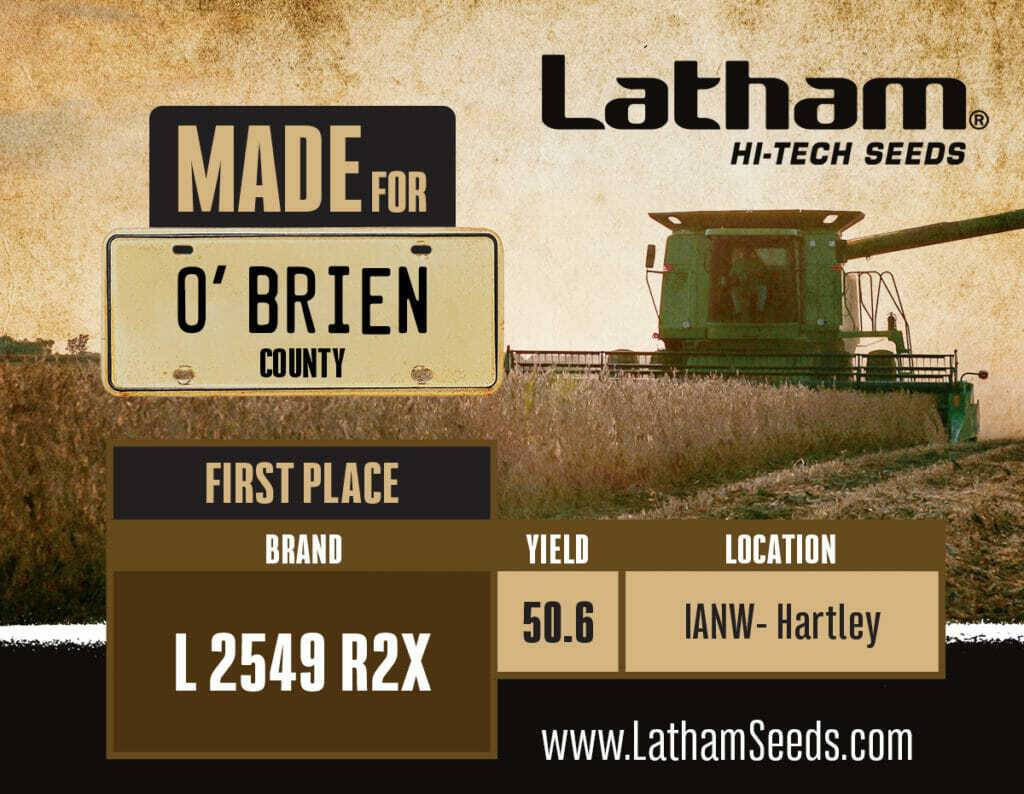
    L 2549 R2X: If you think L 2295 is impressive, get a load of this offensive powerhouse! In the 2018 to 2020 F.I.R.S.T. Trials, 2549 captured 41 Top 10 placements with six of those being for 1st place and nine for 2nd place! It has also won five SuperStrip plots. It has L 2084 R2 and L 2440 R2 in its pedigree with a strong defensive package.

    L 2894 E3: In its first year of F.I.R.S.T. Trials, this popular Enlist E3 line took 1st place twice and earned seven more Top 10 finishes. In 2019 to 2020, it took 1st in six SuperStrip plots and topped our Latham Research Trials in both Alexander and Olin, Iowa.

    For more multi-year yield data, visit our performance page!

    Mark Grundmeier, Product Manager

    December 9, 2020
    Agronomics, Crop, Soybeans
  • Latham Hi‑Tech Seeds

    2020 Yield Highlights

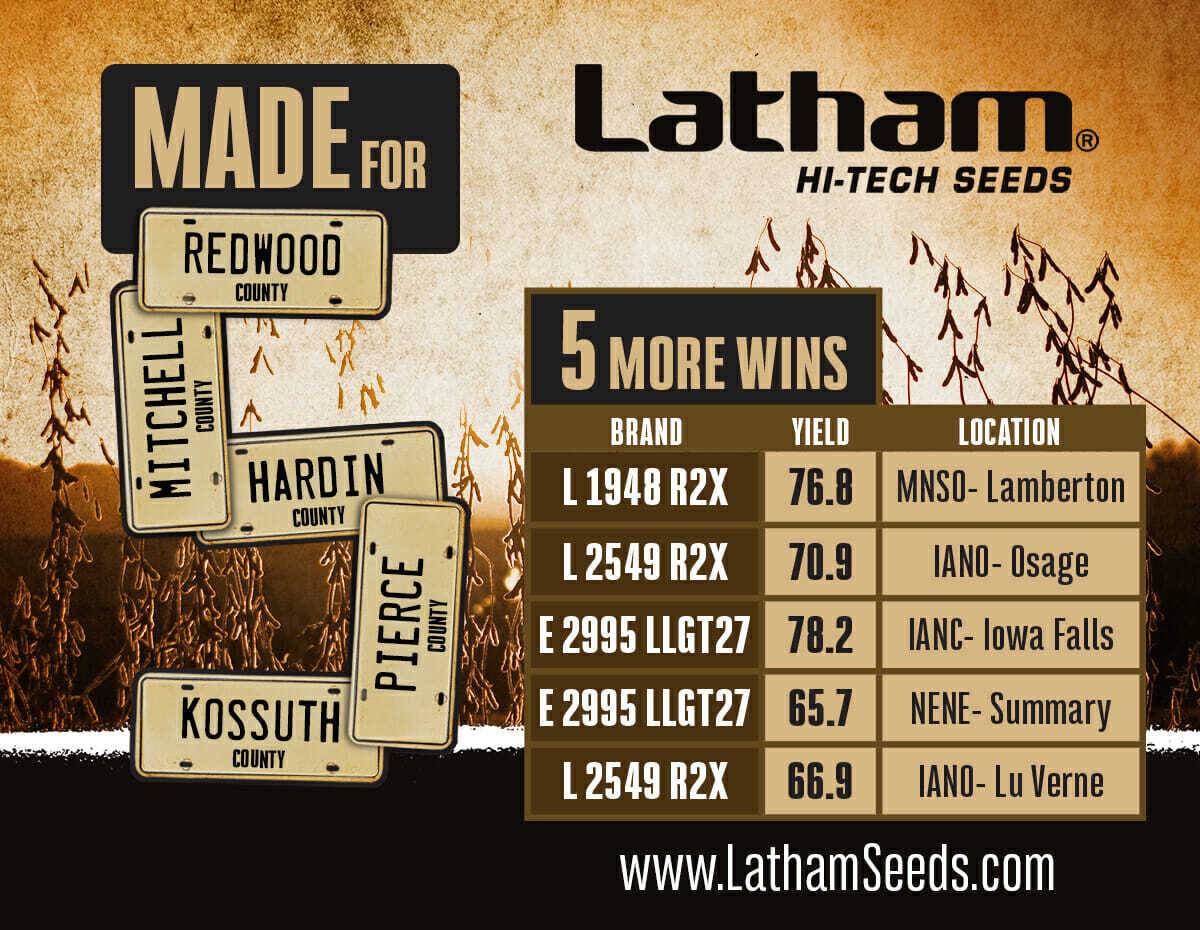
    Soybean 5 winner graphic

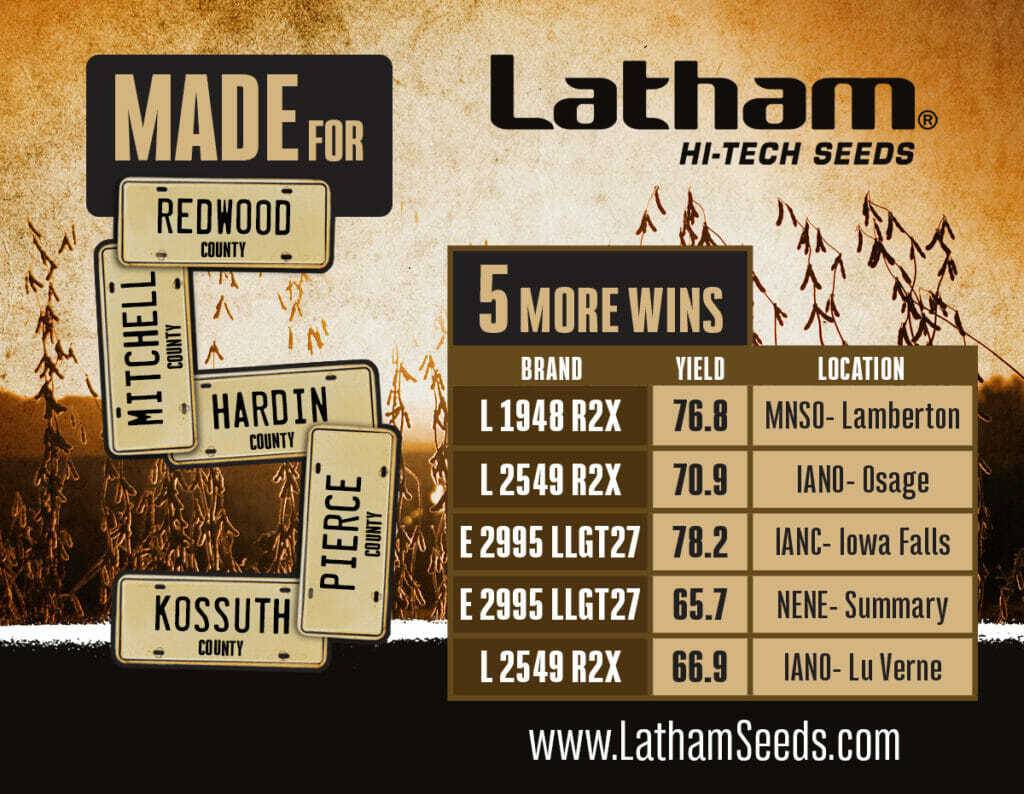
    Soybean 5 winner graphic

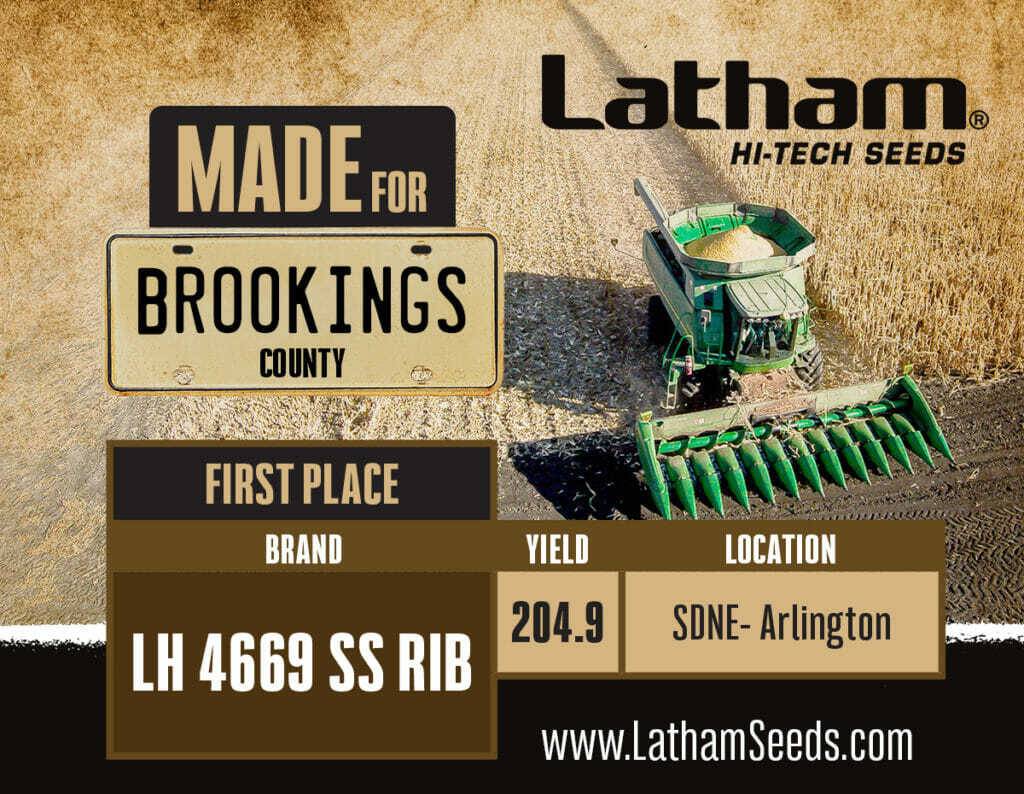
    South Dakota 4669 brookings graphic

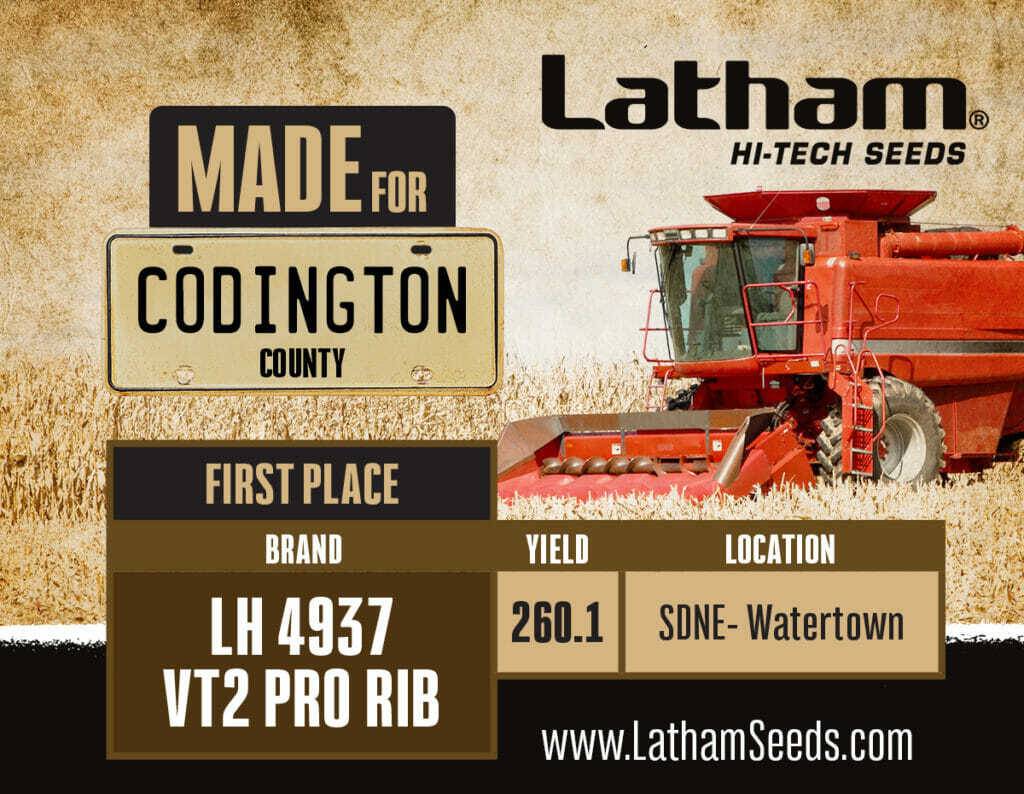
    4937 codington graphic

    5635 yankton graphic2894 SD summary graphic


    North Dakota

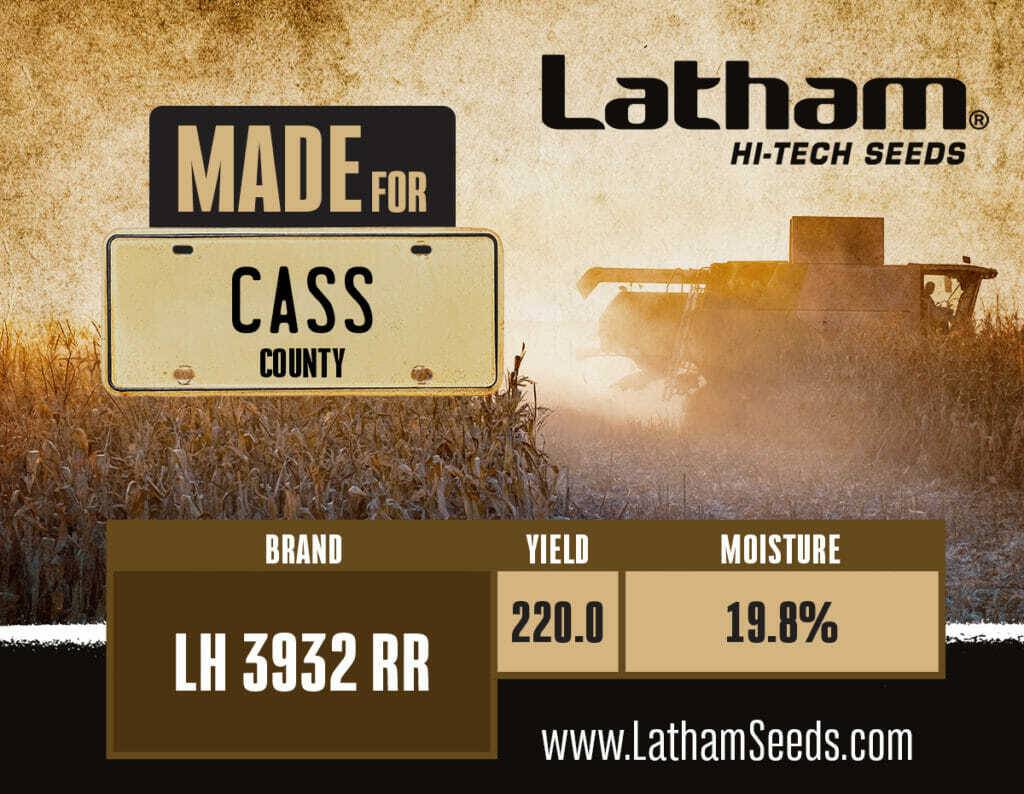
    3932 cass graphic


    Minnesota

    5725 olmsted graphic

    Made to win MN graphic

    5725 dodge graphic

    2193 mower graphic

    1858 MN summary graphic

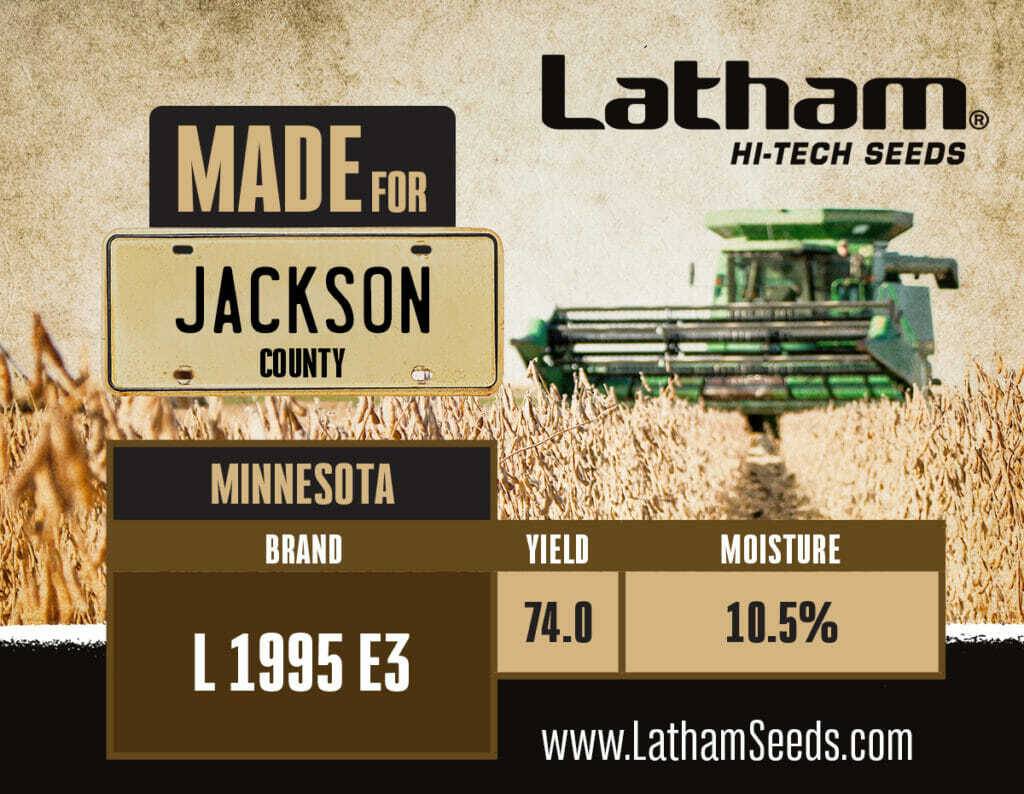
    1995 jackson graphic

    2193 jackson graphic4937 redwood graphic


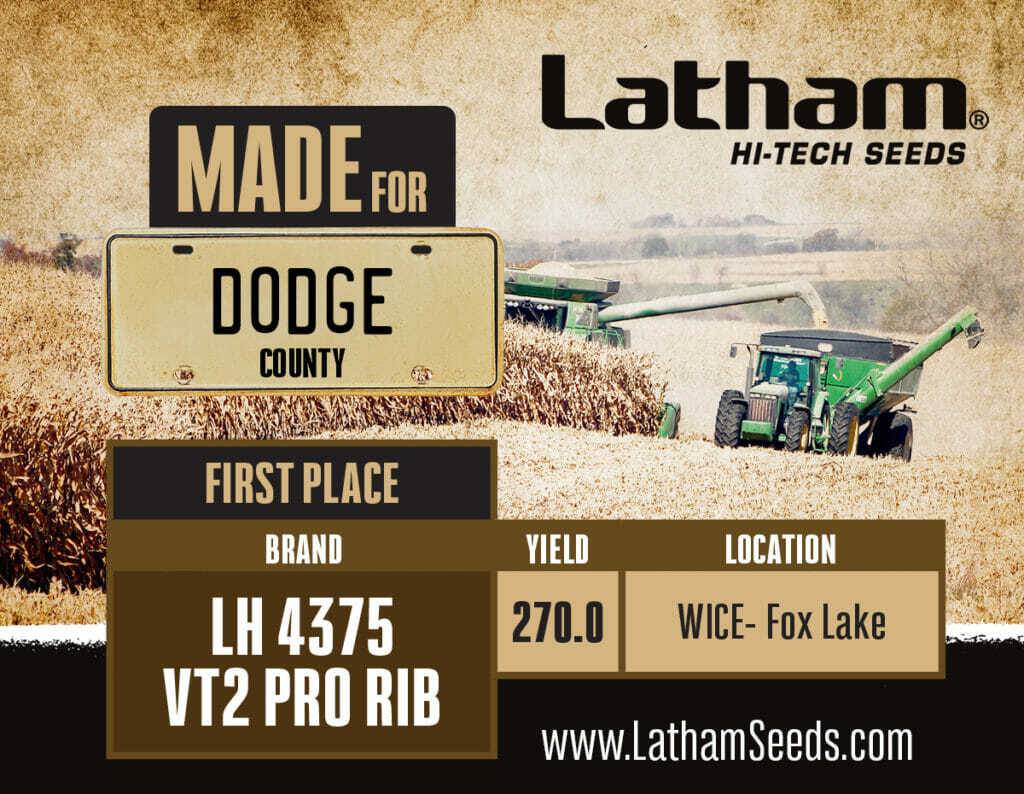
    Wisconsin4375 dodge graphic


    Red River Valley

    3827 richland graphic


    Iowa

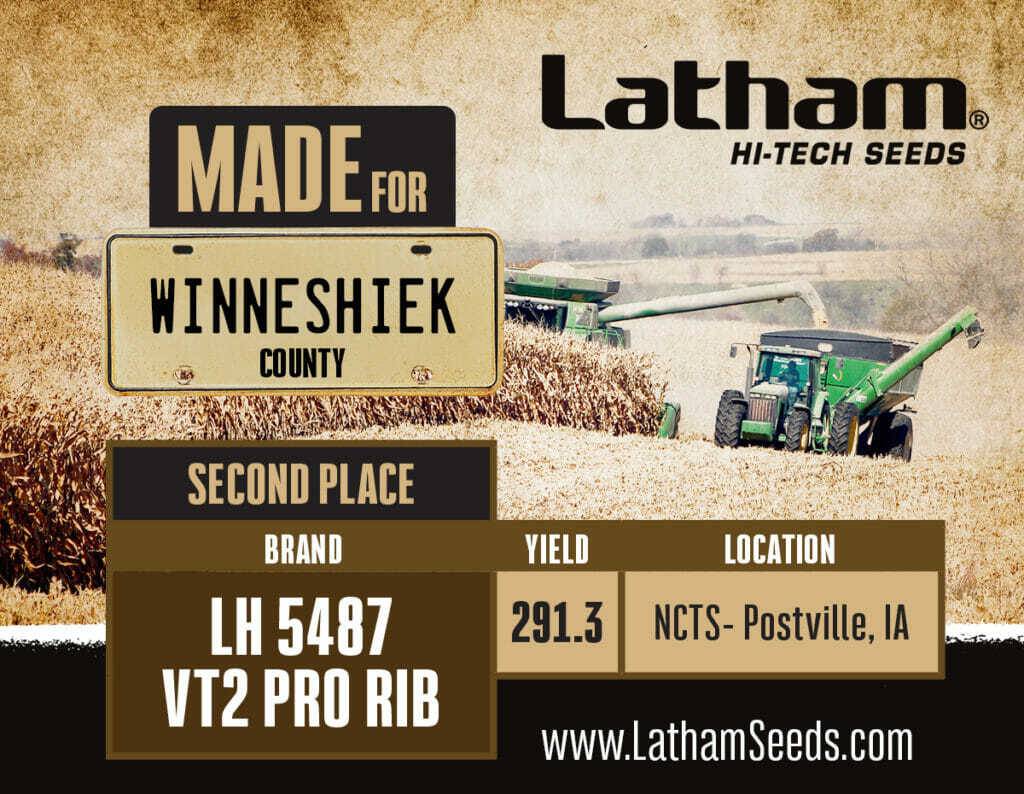
    5487 winneshiek graphic

    2549 o brien graphic

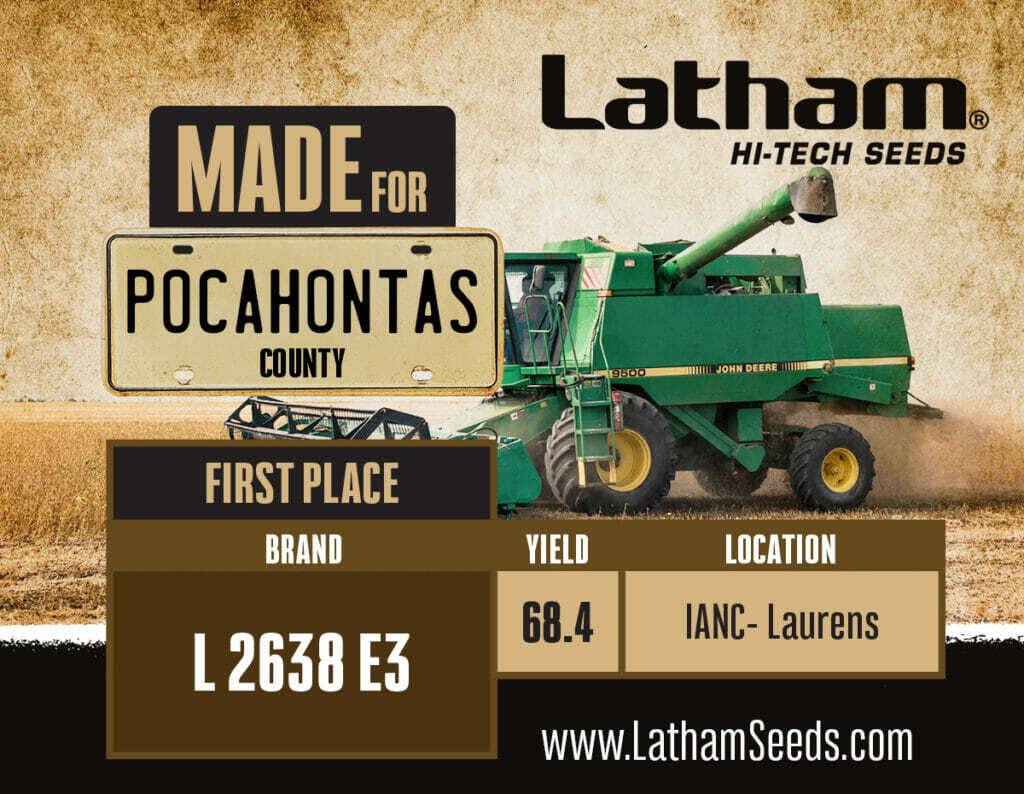
    2638 pocahontas graphic

    5487 2nd place graphic

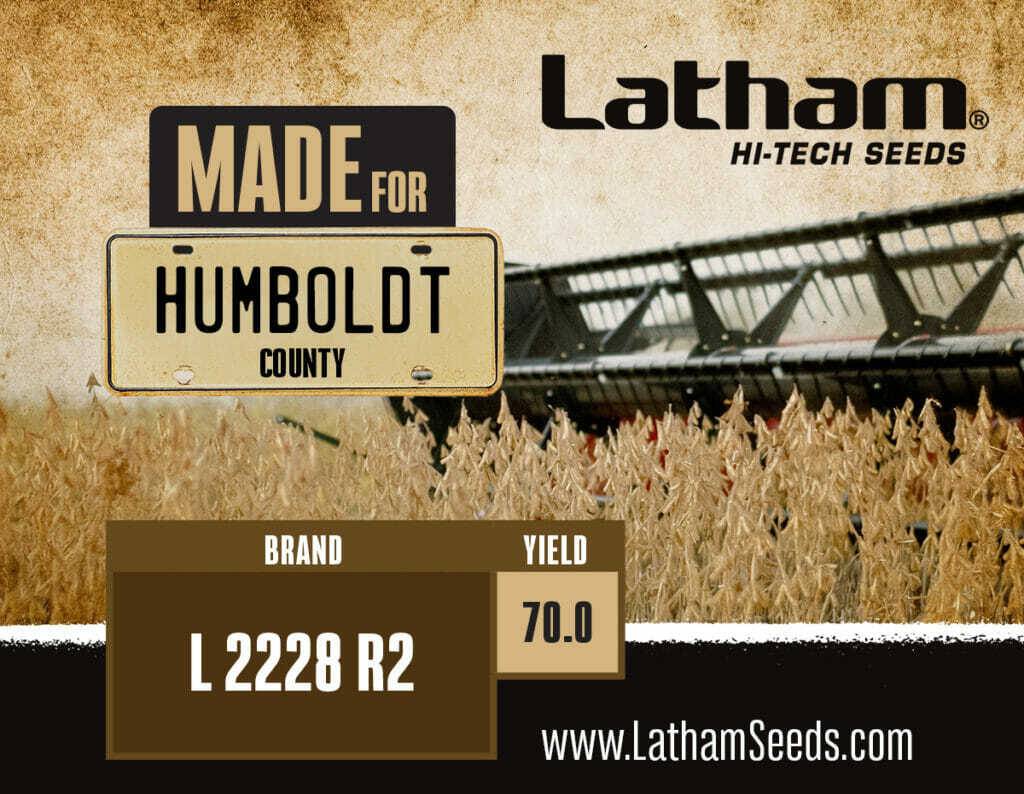
    2228 humboldt graphic

    1883 osceola graphic

    2682 marion graphic2193 cerro gordo graphic

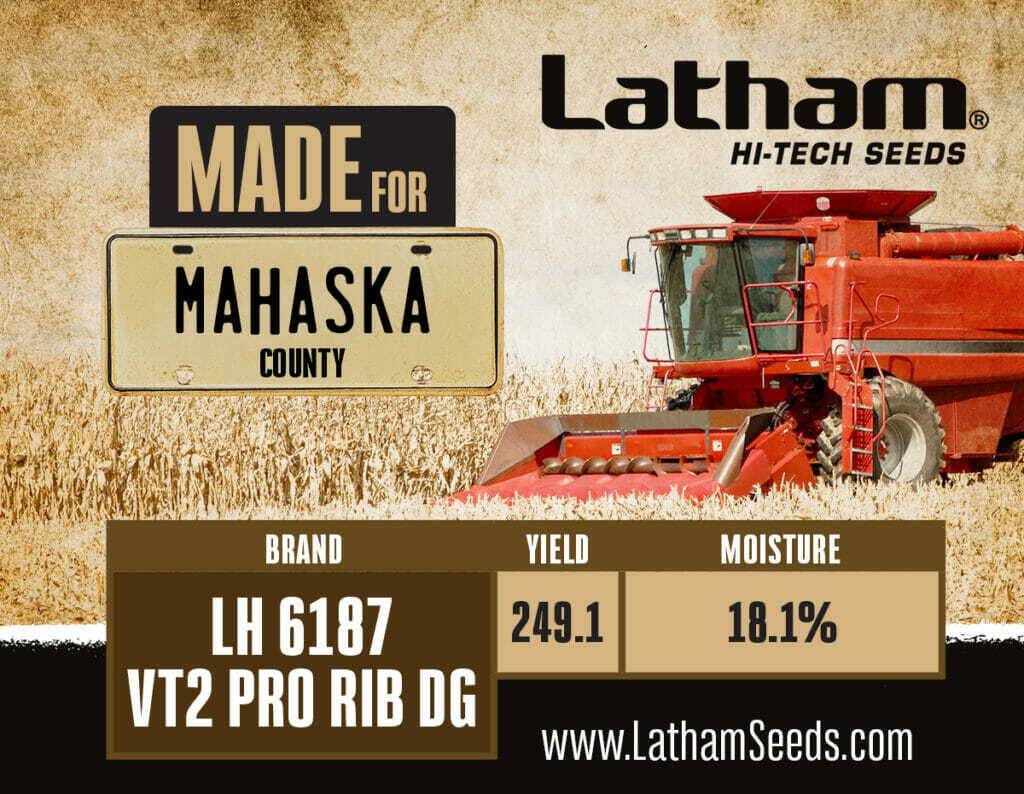
    6187 mahaska graphic

    5249 clinton graphic

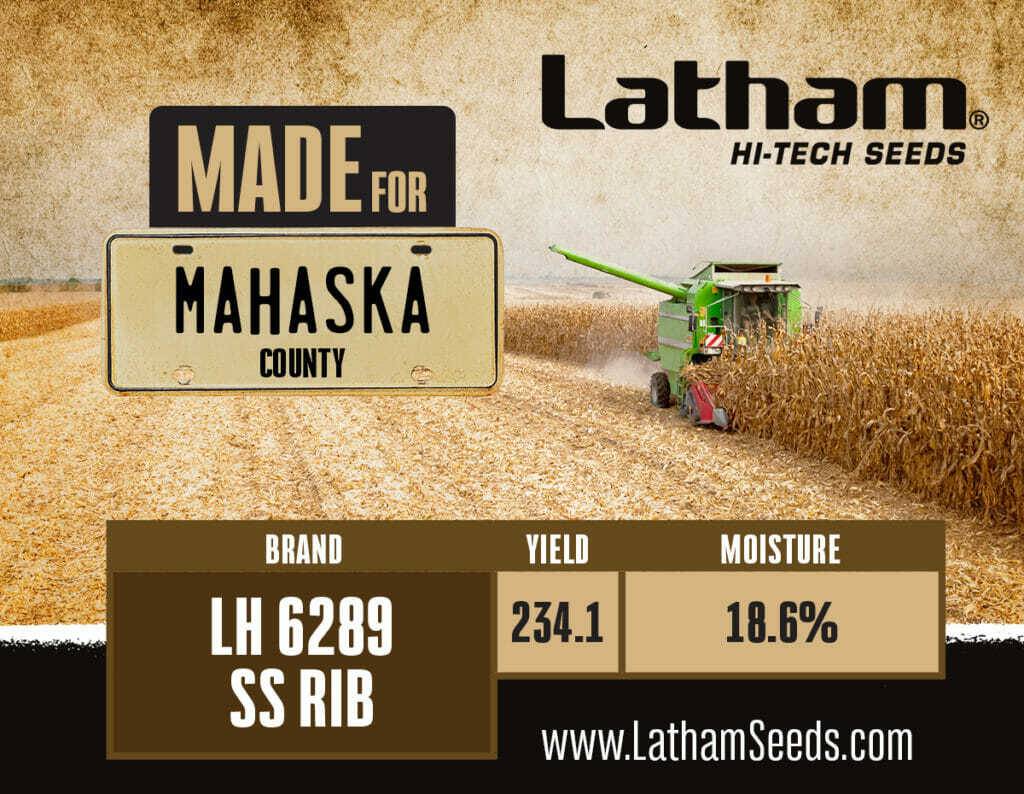
    6289 mahaska graphic


    Nebraska

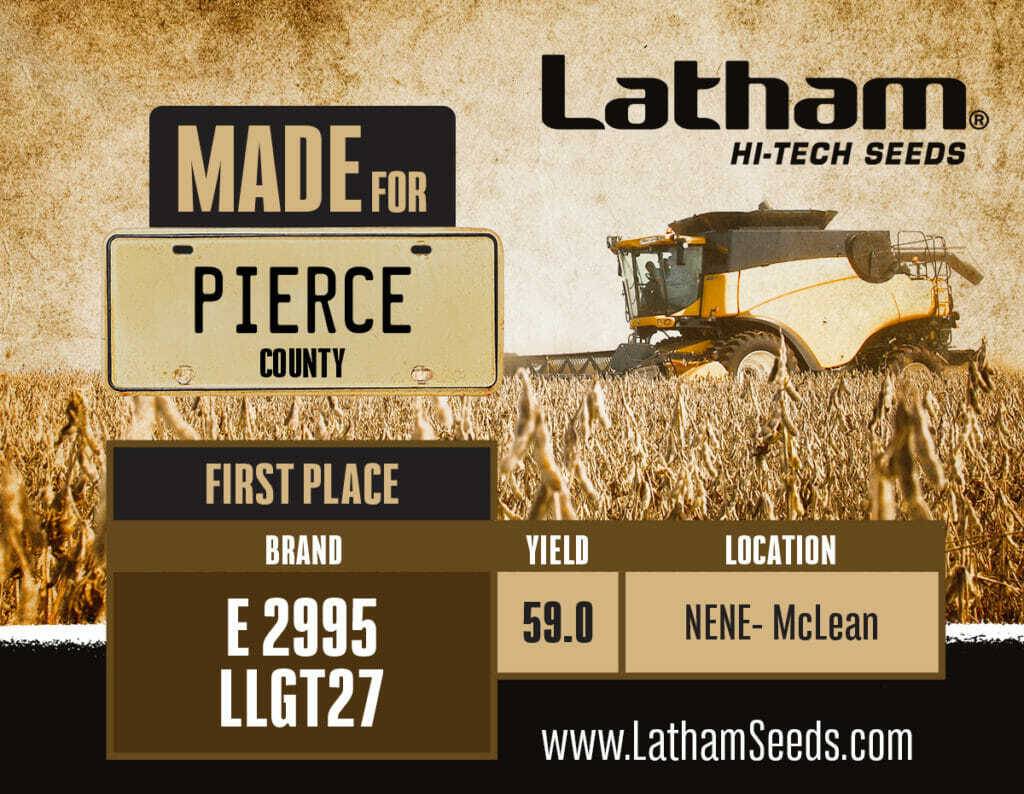
    2995 pierce graphic

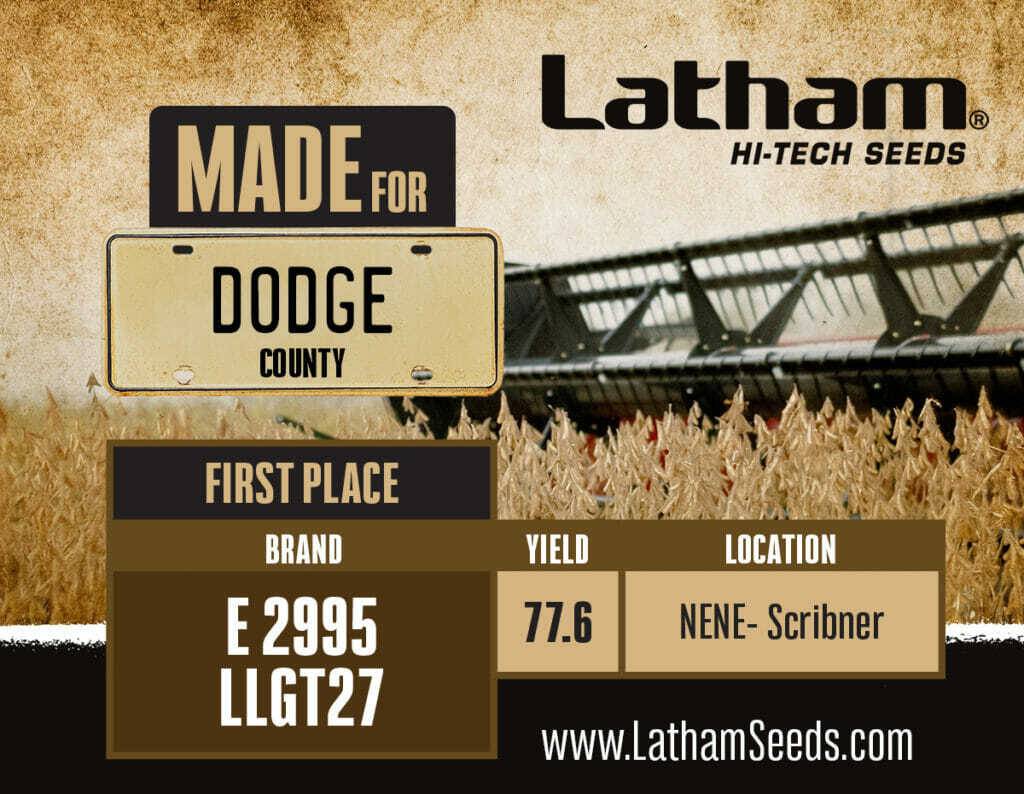
    2995 dodge graphic

    Webspec Admin

    December 8, 2020
    Agronomics, Corn, Crop, Fall, Season, Soybeans
  • Latham Hi‑Tech Seeds

    #MadetoWin Video Series Recap

    Made to win with john latham
    #MadetoWin Week 1

    John Latham for the first #MadetoWin video of the harvest season! John will discuss the recent XtendFlex approval, preview Latham seed quality for next year and discuss products that are winning in the field throughout Latham Country!


    #MadetoWin Week 2

    Join us for the second #MadetoWin update with John Latham! John highlights products performing well throughout Latham Country.  #LathamSeeds


    #MadetoWin Week 3

    Join us for week 3 of our #MadetoWin video series! John Latham covers his Power 10 hybrids based on yield results. Tune in the learn more! #LathamSeeds


    #MadetoWin Week 4

    Join us with John Latham! John discusses his Power 10 soybean varieties covering our entire marketing territory. Tune in to learn more! #LathamSeeds


    #MadetoWin Week 5

    Join John Latham for this week’s #MadetoWin video series! John will discuss our 2020 F.I.R.S.T. Trial winners. #LathamSeeds


    #MadetoWin Week 6

    John highlights our top 10 products based on F.I.R.S.T. trial wins. #LathamSeeds


    #MadetoWin Week 7

    John Latham talks soybeans! Tune in to hear a run down of the multiple F.I.R.S.T. Trial soybean wins throughout Latham Country! #MadetoWin #LathamSeeds


    #MadetoWin Week 8

    Join us for the final episode of our #MadetoWin series with John Latham! John discusses our new XtendFlex options and what it means for farmers across Latham country. #LathamSeeds

    Webspec Admin

    December 7, 2020
    Agronomics, Corn, Crop, Fall, Season, Soybeans
  • Latham Hi‑Tech Seeds

    Select Silage Hybrids That Fit Your Soils

    Ken 2

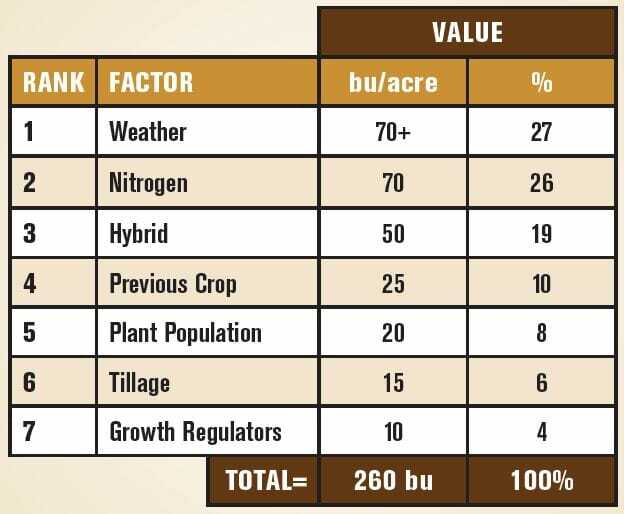
    As you finalize your seed product selections, I’d like to once again share with you the largest factors on corn products as outlined by University of Illinois researcher Dr. Fred Below in his 7 Wonders of Corn Production:

    Corey article

    What happens in the field has the biggest impact on the quality we put into the silo, bag or bunk. Below are a few more considerations:

    1. Weather. If moisture in the field is a limiting factor, consider DroughtGard® or Artesian®. It’s a delicate balance as these specific hybrids may not have the best corn silage yield rating but are the best genetic fit for the acre. Many areas in 2021 suffered from lack of moisture and intense heat, so those areas would have benefited from these traits.
    2. Nitrogen. Plant food balance is critical. Because corn silage hybrids tend to be much larger in stature, they require additional plant food. A study done in Pennsylvania suggests adding 20 pounds of nitrogen above normal nitrogen usage for grain. Larger plants need more food.
    3. Hybrid. There are silage-specific hybrids and dual-purpose hybrids. Each has their winning attributes. The nutritionist wants a hybrid for best forage quality. The agronomist wants the best emerging, drought tolerant, hybrid you can find. With so much at stake, I tend to plant the hybrid that is best suited for the soil. There are ways to improve quality from plant spacing, raising the cutter head at chopping time, to using fungicides. If the hybrid is on the wrong soil, however, it’s difficult to manage around that.
    4. Previous Crop. Root worm control is important, especially for corn on corn. Huge silage hybrids need a solid foundation and an intact, healthy root system. I believe the best corn silage is on alfalfa ground rotated to corn silage because there is a good nitrogen credit from the alfalfa, and the corn can develop a better root system following the tap root of the alfalfa.
    5. Plant Population. For best results, read and follow all label instructions. Some hybrids, like leafy hybrids, do better under 28,000. Each hybrid has a distinct recommendation listed in the product guide.
    6. Tillage. My philosophy is do what’s best for the soil, and the soil will do what’s best for you.
    7. Growth Regulators. Talc USA has shown positive benefits to corn silage yield and quality. Fungicide research has shown 3 tons more corn silage per acre with the application of a specific brand of fungicide. BASF has a new fungicide that shows longer term residual benefits, which hopefully translates into healthier plants and fewer mycotoxins in the corn silage.

    In summary, the hybrid that performs best in your specific soils likely will deliver the best end result. Use Latham’s performance data, as well as data from universities and on-farm research, to help you plan for next season.

    Webspec Admin

    November 16, 2020
    Corn Silage, Crop
  • Latham Hi‑Tech Seeds

    Ask the Agronomist: 2021 Crop Planning

    Join us on November 12 at 8 AM as we discuss the conclusion of the 2020 harvest season and begin planning for 2021. We will share three different scenarios to help you select the right products for your acres. #AskTheAgronomist

    Laura Cunningham

    November 12, 2020
    #AskTheAgronomist, Agronomics, Corn, Crop, Soil, Soybeans
  • Latham Hi‑Tech Seeds

    The History of Latham® IRONCLAD™ Soybeans

    IMG 9881

    Soybean Cyst Nematode, Iron Deficiency Chlorosis, Phytophthora Root Rot and Sudden Death Syndrome are just a few of the pests, diseases and agronomic issues that have contributed to lower yields and higher costs. Farmers, who needed protection against these agronomic issues, were hesitant to plant defensive soybean lines in fear of giving up yield.

    Then in the late 1990s soybean breeding techniques were developed that could quickly identify cultivars that had sound defensive traits and were high yielding.

    In 2011, Bill Latham, then head of Latham’s Research program, challenged our Soybean Product Team to find an idea or a concept that would help change the way farmers felt about defensive soybean products. Bill, an ex-Marine aviator, was a military history buff as were several other members of our team at that time. We remembered back to the pre-Civil War era when naval warships were made almost exclusively out of wood. Offensive firepower from these ships was quickly outmatching their wooden defense. Innovators at the time were quick to experiment with using iron plates over the wooden sides. Hence, the term “Ironclad” was born.

    The first ever battle between two ironclads took place in 1862. The Monitor was the Union warship. The Confederacy had captured the Union ship Merrimack, plated it with iron, and renamed it the CSS Virginia. However, the battle has gone down in history as the Monitor versus the Merrimack. Although both sides claimed a victory, in essence it was a draw as neither ship could sink the other. It did, however, dramatically change the course of naval warfare. From that battle on, navies all over the globe began using metal plates over wood and eventually made their ships completely out of metal!

    Back to 2011… After much discussion, it was decided to use the designation of IRONCLAD™ for Latham brand soybeans that had a resistance gene for Soybean Cyst Nematode, a gene for Phytophthora Root Rot and scores of 2.2 or better (on a scale of 1-5) against Brown Stem Rot, Iron Deficiency Chlorosis and either White Mold or Sudden Death Syndrome.

    Latham’s first IRONCLAD soybeans were introduced in our 2013 Product Guide. It was quickly evident that these defensive traits were exactly what farmers in Latham Country needed to protect yield and increase profitability.

    It should be noted here that since the start of our Ironclad program, we have never had a #1 selling soybean that was NOT an IRONCLAD! Additionally, our 2021 Product Guide features 28 Ironclad soybeans out of the total 56 we have listed. That’s truly an amazing advancement during a short eight-year period of time!

    Mark Grundmeier, Product Manager

    November 10, 2020
    Agronomics, Crop, Disease, Emergence, Soybeans
  • Latham Hi‑Tech Seeds

    Ask the Agronomist: Corn Residue Management

    121844642 2002969963179604 4892903202099503941 n
    What’s the best way to manage corn residue on your farm? Tune in to find out! #AsktheAgronomist
     
    1:15 — Topic introduction
    4:15 — Primary fall tillage
    5:20 — Chopping heads
    7:50 — Baling stalks
    9:30 — Strip tillage
    11:20 — Vertical tillage
    13:15 — Final thoughts

    Laura Cunningham

    November 5, 2020
    #AskTheAgronomist, Agronomics, Corn, Crop
  • Latham Hi‑Tech Seeds

    Use 2020 Harvest Information to Prepare 2021 Crop Plan

    Bart 1

    Harvest is the perfect time to assess your fields and adjust your field-by-field crop plans.

    As you harvest your 2020 crops, you will learn more about what worked in a given field. Tools like Latham’s Data Forward help collect information. Even if you use another mapping tool, Data Forward can organize your information.

    Below are ideas about what data to record now to provide great value next spring.

    • Disease. We faced lots of disease pressure in 2020. Be sure to note the diseases you see and where you see them. This is especially important on corn-on-corn acres, as well as on rotated acres. This will help you select products with disease tolerance from the Latham® lineup for greater success in 2021.
    • Weed escapes. Use weed ID materials or Google them to confirm what weed escape you see. Documenting weed escapes aides in the type of herbicide tolerance you may need. Most of Latham’s corn hybrids carry tolerance to glyphosate herbicide; a few carry traits that make them tolerant to glufosinate for use with Liberty herbicide.
    • Fertility issues. Note areas of the field that show deficiency and sample those soils. Make plans to fertilize according to the requirements for next season’s crop. Very uniform and high fertility fields are in the highly productive class. Fields with uneven fertility may be considered as lower productive fields. You can find some great recommendations in Latham product info sheets.
    • Soil conditions. Fields with high residue, like many of the derecho-damaged fields, will require different management and possible product selection. Fields with heavy trash burdens will likely need the strongest emerging products next spring. We strive to provide the best info on emergence scores in our technical data.

    Carefully assessing each field and recording notes at a high level about what you see adds the greatest value to any yield map information that you generate. Use the Latham® Hi‑Tech Seeds product guide, website product tools, tech sheets (also found on our website), plus information from your dealer or RSM to find the best product for each of your fields.

    We will continue to provide product highlights as harvest data becomes available. Have a safe harvest season!

    Latham Seeds Agronomy Team

    October 28, 2020
    Corn, Crop
Previous Page
1 … 16 17 18 19 20 … 62
Next Page

Latham Hi‑Tech Seeds

131 180th Street | Alexander, IA 50420

(641) 692-3258

SIGNUP FOR OUR NEWSLETTER
  • Contact
  • Legal
  • Dealer Center
  • Seedware Login
  • Latham Gear

© 2025 Latham Hi‑Tech Seeds. All rights reserved. | Iowa Web Design by Webspec | Privacy Policy

Latham® Hi-Tech Seeds is a trademark of M.S. Technologies, L.L.C., 103 Avenue D, West Point, IA 52656.