It could be a matter of life and death.
Hot, dry summers like we’ve seen throughout the 2021 growing season stress plants and create the perfect environment for fungal growth and toxins. Test for nitrate levels and mycotoxin before you feed moisture-stressed corn silage or grain to livestock. If you plan to graze corn stubble, it is a good idea to test the lower one-third of plant in the area you plan to graze.
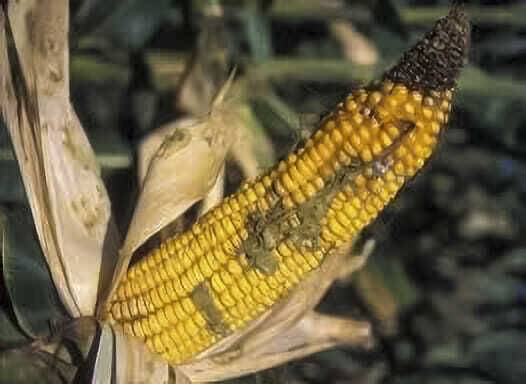
Even one highly contaminated kernel in a five-pound sample could result in more than 20 parts per billion (ppb) aflatoxin. If you see olive green or graygreen fungus on corn kernels, contact a feed testing lab like DairyLandLabs.com or IowaGrain.org.
Aflatoxins cause various animal health problems, including death in some cases. Most commonly, feeding contaminated corn reduces the animals’ feed efficiency and reproductivity. Aflatoxin also suppresses an animal’s immune system, making it more susceptible to infectious diseases. In addition, aflatoxin can appear in the milk produced by dairy cows that were fed contaminated corn.
Prime conditions for the fungus to produce toxin are warm nights, when temperatures stay above 70 degrees Fahrenheit, during the latter stages of grain fill (August/September) in a period of drought. As kernel moisture decreases, aflatoxin production increases. Toxin production is highest at 18 to 20 percent kernel moisture and usually stops around 15 percent kernel moisture. Ensiling corn usually does not reduce aflatoxin concentrations, but concentrations are unlikely to increase in properly managed silage.
Below are guidelines from the Food and Drug Administration (FDA) for acceptable aflatoxin levels in corn based on intended use. I also encourage you to work with a livestock nutritionist.



 How in the world does this relate to alfalfa? Think of the seed as an athlete of the acre, competing to germinate quickly and yield more. When we add AlfaShield seed treatment, the alfalfa seed has a performance-enhancing advantage. AlfaShield provides a distinctive winning edge as it combines a list of highly researched ingredients and incorporates them into an osmotic protective type coat.
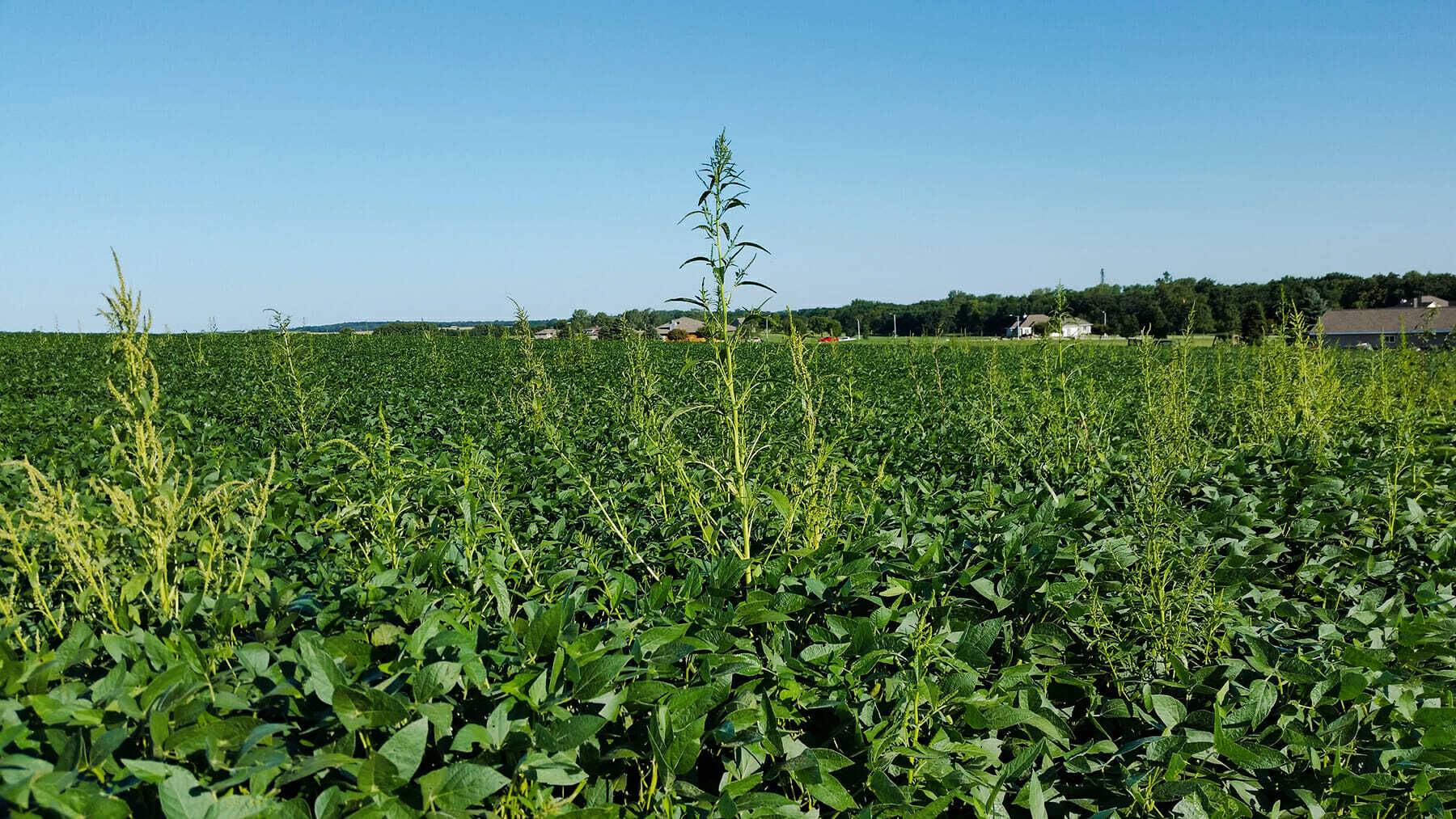
 Mother Nature throws a few curveballs each season and 2021 is no exception. Our crops are suffering from drought, but weeds are thriving across Latham Country. Herbicides are not as effective when weeds are not “actively growing” as has been the case this season. Grass herbicide tank mixes were much less effective this year due to dry growing conditions and antagonism in the plant.
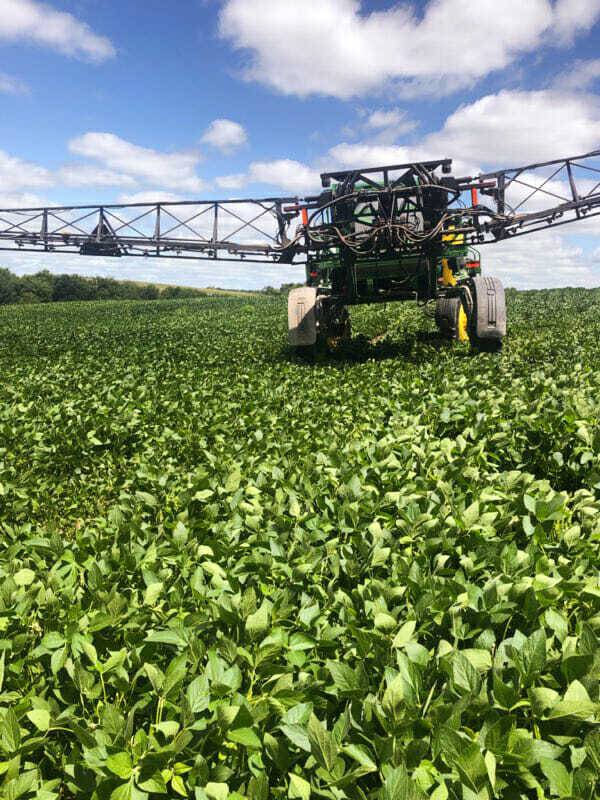
 Based on a recent needs assessment poll conducted by Latham Hi‑Tech Seeds, the top two soybean trait technologies for 2022 planting will be Enlist E3® and XtendFlex® soybeans.