On this week’s #AsktheAgronomist, Phil Long, precision agronomy advisor, unpacks chelated fertilizers and why they are important. Learn how they are absorbed and how it can benefit soils with high pH in Latham Country.

On this week’s #AsktheAgronomist, Phil Long, precision agronomy advisor, unpacks chelated fertilizers and why they are important. Learn how they are absorbed and how it can benefit soils with high pH in Latham Country.

Advertisements and magazine headlines tout the opportunity to enhance yields through plant protection and the use of biologicals or naturals, but does it pay to use these products? Our research once again confirms that seed treatments are an investment that provides a return.
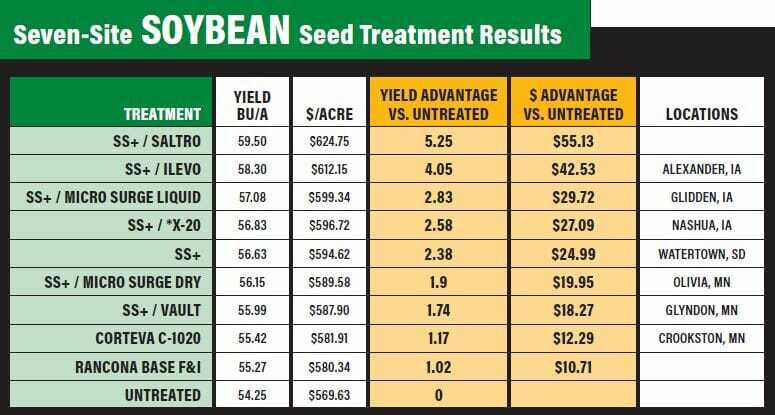
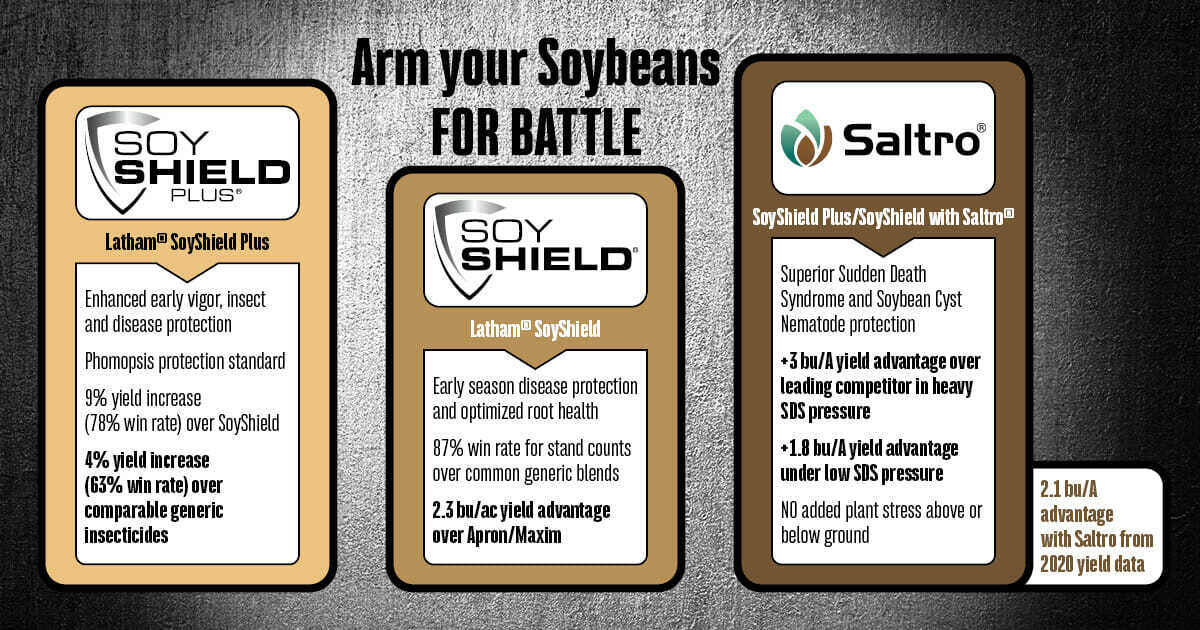
Latham Hi‑Tech Seeds expanded its 2021 research trials to include seed treatments and biologicals. We wanted to determine whether the performance of the seed products we offer could be improved by seed protection and biologicals. Soybeans treated with Latham brand SoyShield® Plus had a 2.38-bushel yield advantage over untreated seed and a 1.2-bushel advantage over other leading fungicide and insecticide (F&I) seed treatments.
Latham Seeds’ signature SoyShield Plus seed treatment is effective in protecting seedlings from early plant diseases for approximately 30 days, which is a longer window of protection than most seed treatments offered. SoyShield Plus includes an exclusive fungicide combination that provides excellent protection against seed and soil borne diseases including: Pythium, Phytophthora, Fusarium and Rhizoctonia.
The addition of Saltro to SoyShield Plus increased protection against Sudden Death Syndrome (SDS) and soybean cyst nematodes. In fact, this treatment combination produced the highest yield in research trials across seven locations in multiple states. The SoyShield Plus / Saltro treatment had a 5.25-bushel yield advantage over untreated seed and provides Best-in-Class protection across environments. Soybean cyst nematodes are one of the largest yield-robbing pests and SDS is a growing concern for more areas, so it makes sense to order the Latham SoyShield+ / Saltro combination for 2022.
Inoculants with biologicals continue to show increased yields over inoculants alone. Latham SoyShield Plus with Talc USA’s MicroSurge had a 2.83-bushel per acre advantage over untreated seed and more than one bushel per acre advantage over other premium inoculants.
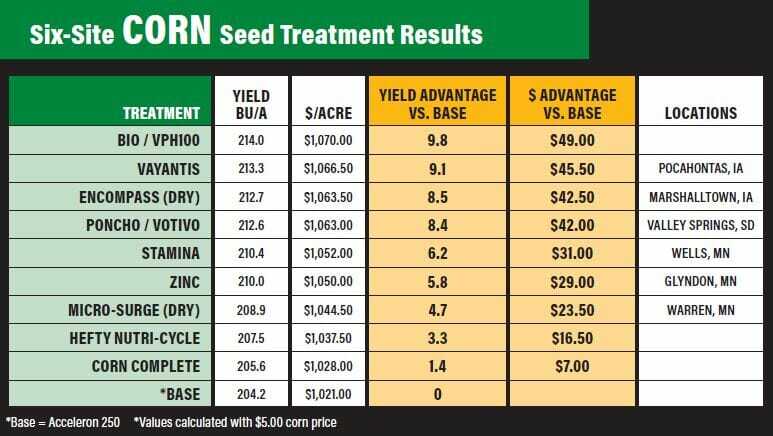
Corn trials conducted at six locations in multiple states also showed significant yield increases over the base seed treatments with various applications of seed applied or planter box treatments. Talc USA’s MicroSurge dry corn inoculant is easy to apply with talc. With two strains of Azospirillum, MicroSurge produced a 4.7-bushel yield advantage over the base seed treatment.
Encompass also was tested as a planter box treatment. It contains nitrogen-fixing microbials and helps mobilize phosphorous in the soils for easier nutrient uptake into the plant. Encompass showed an 8.5-bushel increase over base treatments in our 2021 trials. Now that’s a return on investment!
Contact your local Latham rep for more information about these and other products to protect your seeds and seedlings, so you can improve yields in your fields in 2022.
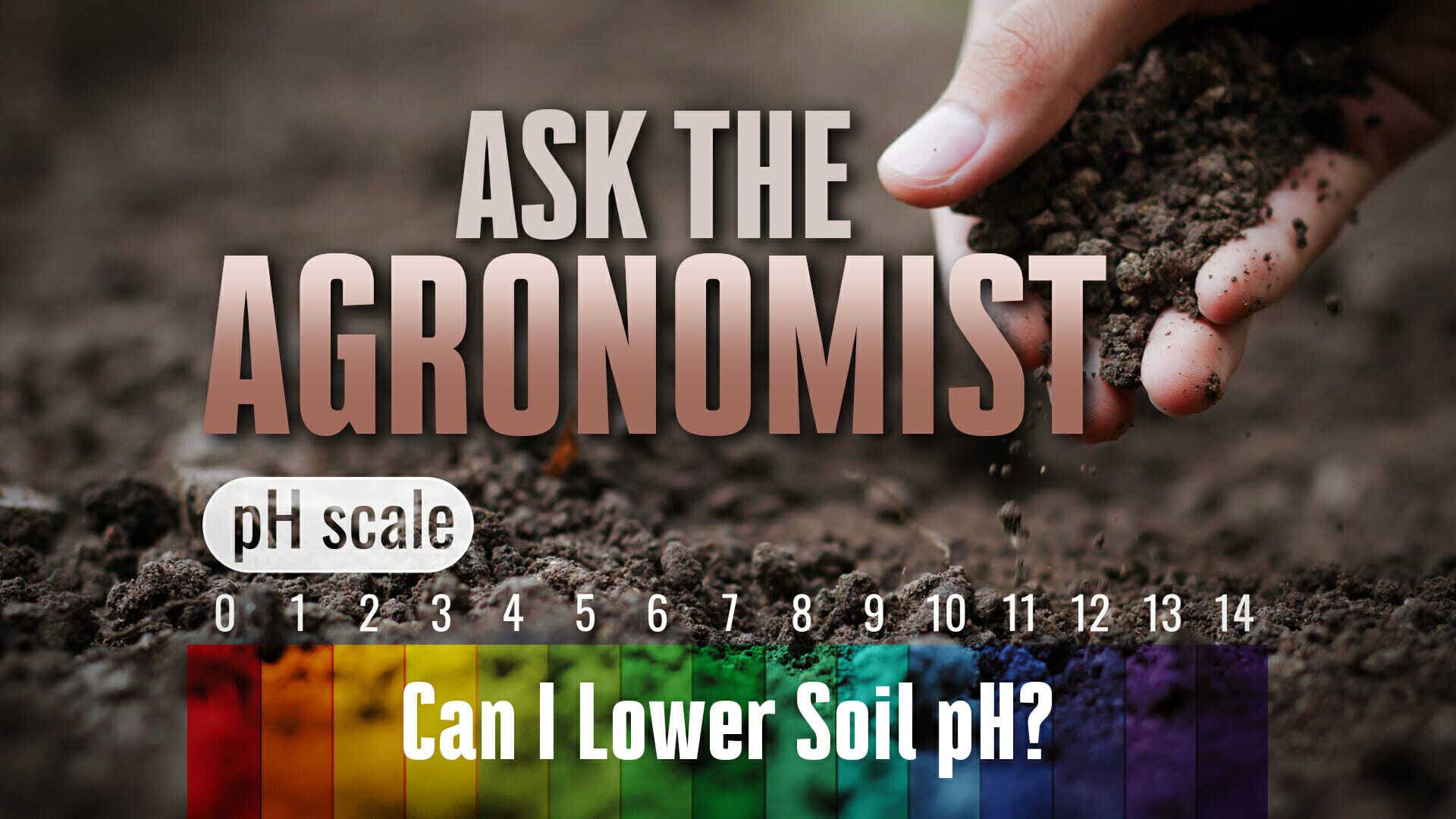
Precision Agronomy Advisor, Phil Long, breaks down soil pH levels and highlights best practices to work with mother nature on managing them. Check out some new ideas as we head into the spring.

With the 2022 planting season right around the corner, it’s time to focus on the one thing that will help you capture the most ROI in each field.
Field-by-field product placement is key to maximizing yield – and in turn – profit. Research shows plant genetics account for a 20% difference in yield. This means you could raise 12 more bushels of soybeans and 40 more bushels of corn PER ACRE simply by paying closer attention to your crop placement.
Below are three factors to consider when double-checking your crop placement for 2022:
If you’re planting soybeans early or at the same time your planting corn, treat the seed with SoyShield® to protect it from early season fungal diseases. Seed treatment also gives seedings an early advantage. Even when using a quality seed treatment, plant fields with the heavy soils that remain wet and cold last or at least the soils have warmed. This will help your soybeans better ward off root diseases all season long.
A successful 2022 crop year begins with having a plan and sticking to it! Take the time now to double-check that you properly matched plant genetics with soil conditions. Our dealers are also happy to talk through field placement as well. If you have further questions or want to chat with our agronomists call: 1.877.GO.LATHAM (1.877.465.2842).
What does my soil test have to do with a battery? Phil Long, precision agronomy advisor, has a fun activity to test your soil as he discusses CEC (cation exchange capacity) and how that affects your soil.

Phil Long, precision agronomy advisor, continues his soil fertility series with the topic of Potassium. He highlights different challenges that come along with building Potassium levels and what you can do to reach your goals.
Phil Long, precision agronomy advisor, continues his soil fertility series with the topic of Nitrogen. Is it possible to have too much Nitrogen?
Why are Zinc and Phosphorus important for soil health? In this short video, Precision Agronomy Advisor Phil Long breaks down how these two elements can work well together or be antagonists.
Check out our Latham Hi‑Tech Seed YouTube Channel where our agronomists unpack other agronomy topics.
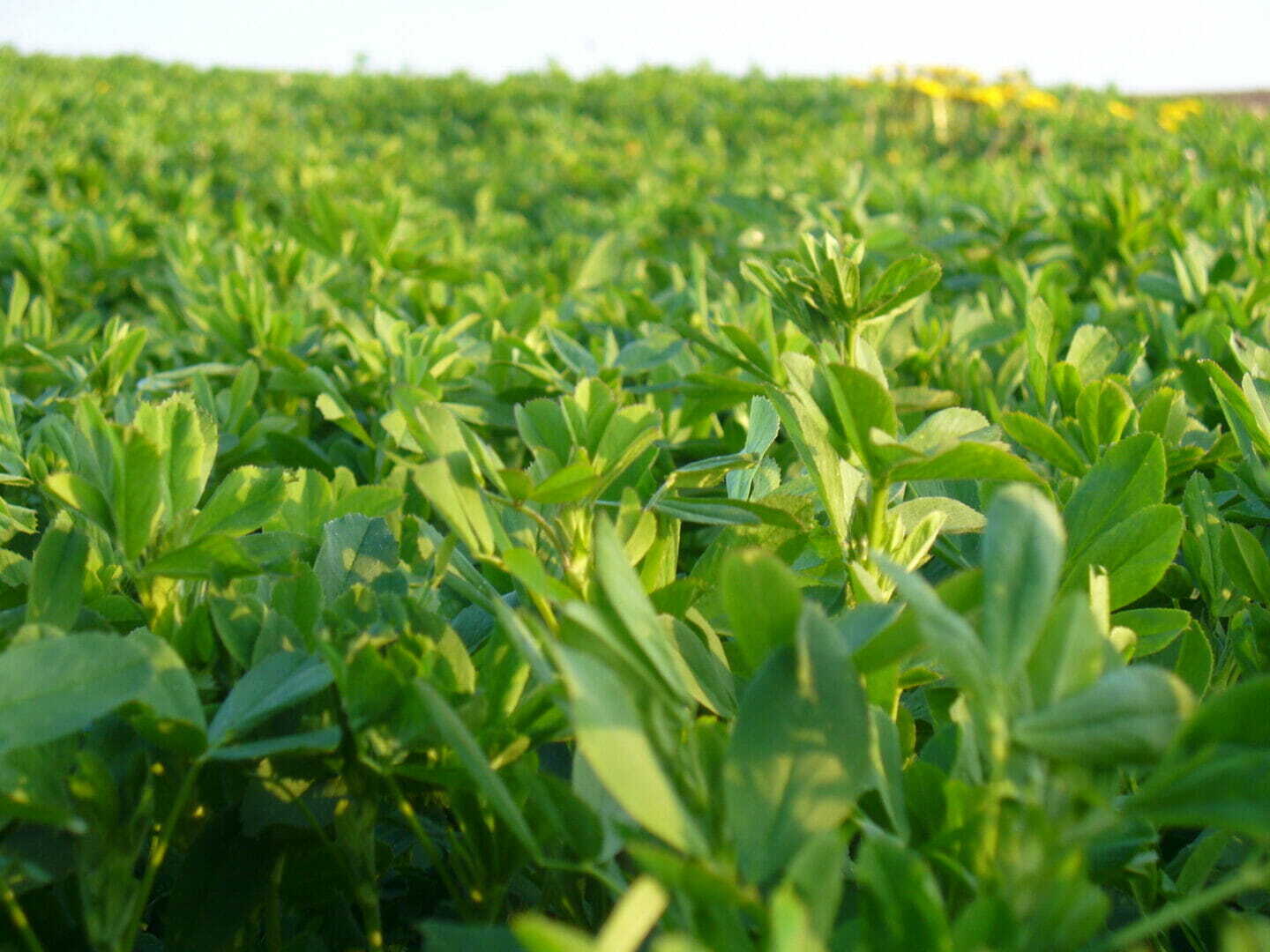
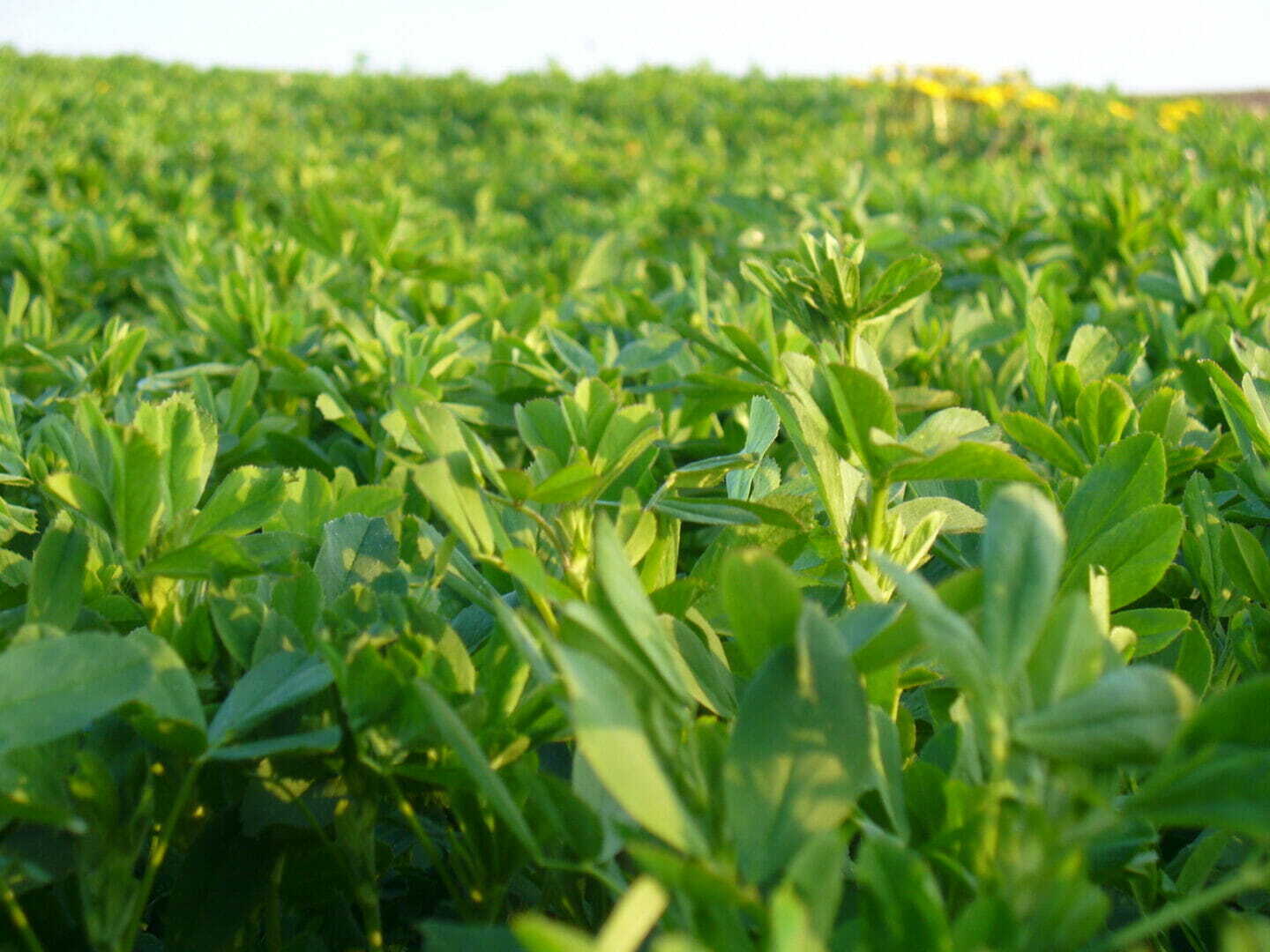
The growth in the cover crop markets combined with production shortages have grass seed prices climbing significantly. As a result, it’s not as economical to plant a grass seed-alfalfa mix. If you’ve historically planted a grass seed-alfalfa mix, consider a solid-seeded alfalfa for spring 2022.
High fertilizer prices have many farmers looking at every nitrogen credit. Similar to soybeans, alfalfa fixes most of its own nitrogen. Latham Seeds’ signature seed treatment, AlfaShieldTM, contains key micronutrients like molybdenum and an LCO growth promoter called Optimize® Gold. Having these components readily available upon emergence increases the chance of early nodulation and nitrogen-fixing cycle.
The speed at which an alfalfa plant creates nutrients correlates to yield, as well a healthier long-term stand. Alfalfa can fix an average of 150 to 200 pounds of nitrogen per year and has a robust advantage in providing nitrogen credits years after the stand ends.
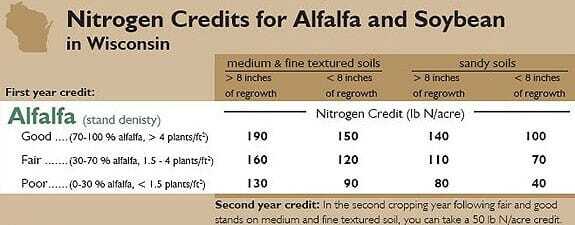
The chart above outlines potential credits. Traditionally, the subsequent crop planted on rotated alfalfa yields about 15 to 20% more! There is more good news, the value of alfalfa extends beyond the nitrogen credit. Alfalfa has many other assets to accompany your operation:
Making alfalfa part of a crop rotation has so many advantages. Talk with your Latham® rep today about making it part of your 2022 crop plan!
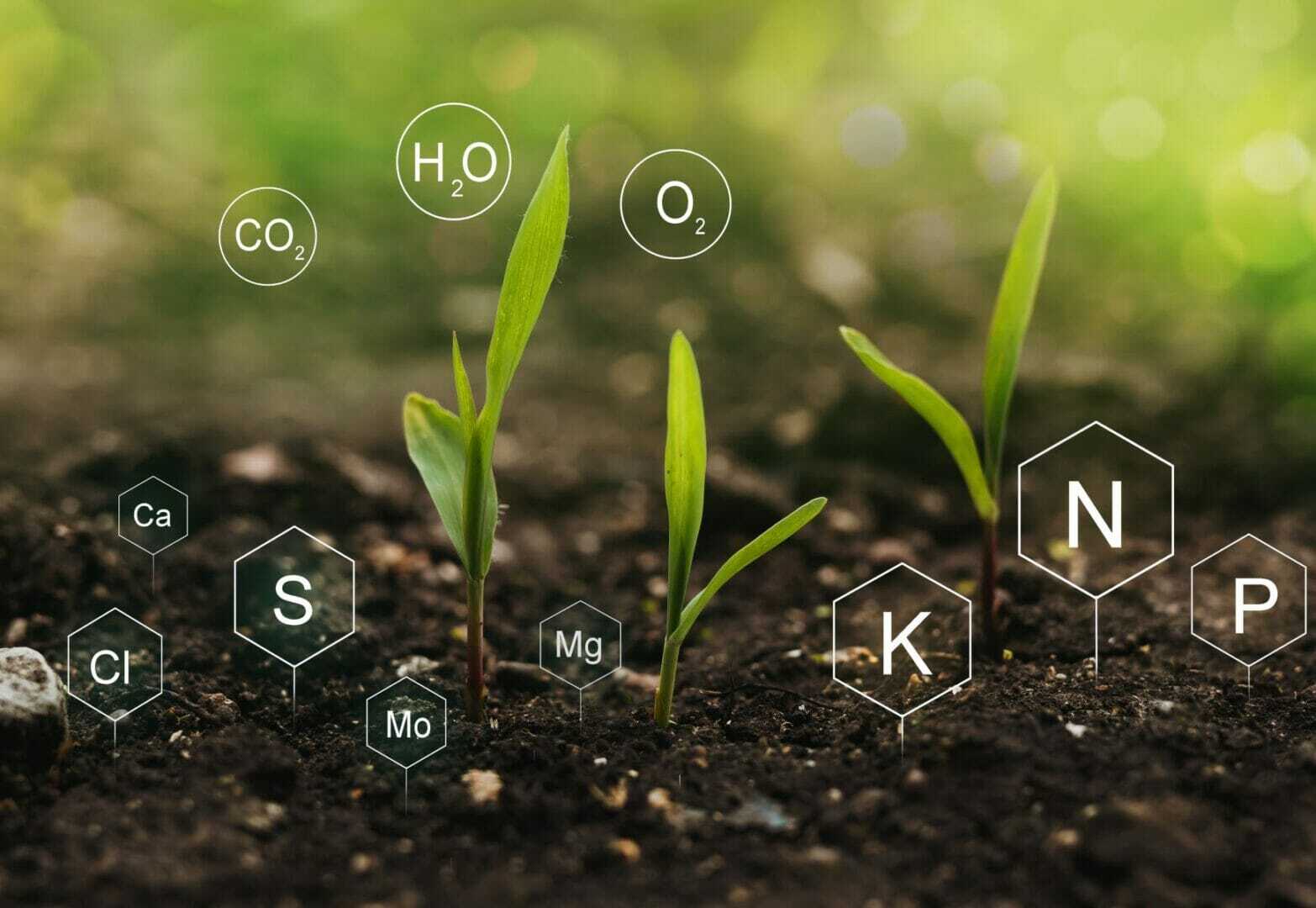
High yields from 2021 combined with increasingly high fertilizer for spring 2022 have caused many farmers to scale back their fertilizer applications. While they may save on short-term input costs, they could lose more in yield than they’re saving.
Spending lots of money on fertilizer doesn’t equal high yields, however, having a soil balance sustains a corn or soybean crop during a tough year. So how can you strike a balance? It’s important to start with pH, especially when growing legumes like soybeans, edible beans and alfalfa.
A soil pH around 6.5 is important because it determines if nutrients are in usable form for the crop. If you struggle with high pH, fertilizers like MAP and AMS that are more acidifying will help lower pH over time. The micronutrient part of your fertility is also very important. In most cases, you don’t need to add as many micronutrients to fix a low test; you just need to be aware of which nutrients may be too high and thus limit the availability of other nutrients.
Soil biology – fungi, bacteria, and other microbes – play a key role in cycling nutrients to available and unavailable forms. It’s more about having a balance and being in the right form than it is about applying lots of fertilizer. For example, Iron Deficiency Chlorosis (IDC) in soybeans results when iron is not in an available form for the plant to take it up; there is actually over 20,000lbs/acre of iron in the top 8 inches of our soils!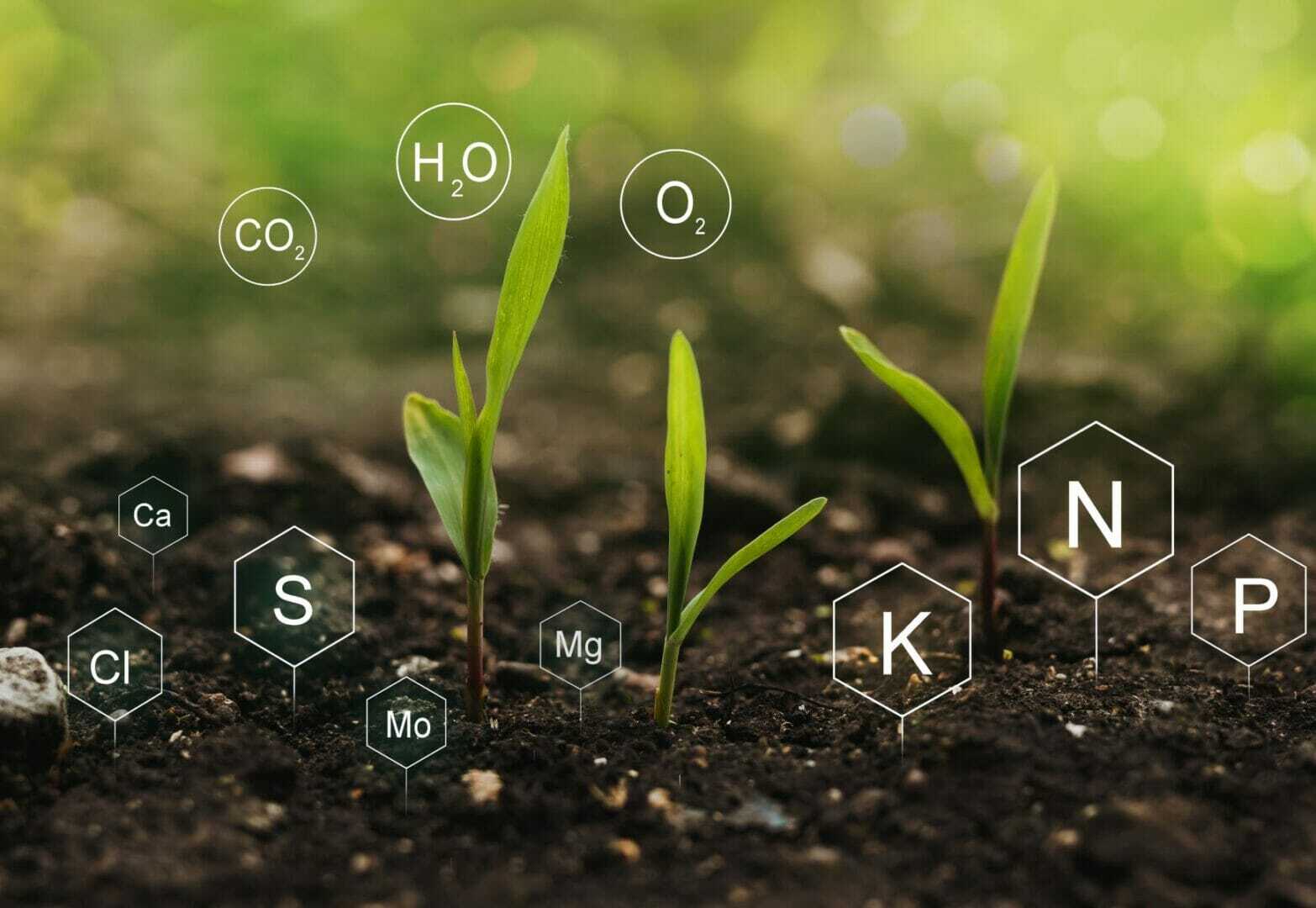
A 200-bushel corn crop removes approximately 150, 70, and 50 pounds of N, P, and K respectively per season. A 60 bushel per acre (bu/A) soybean crop removes approximately 240, 50, and 75 pounds of N, P, and K per season. Do we need to apply exactly those amounts? No, but we must understand what the soil can provide and how it maintains a balance that is available to our crops. Soil testing is so important for gaining this understanding. When problem spots arise, then we tissue test, take additional soil samples, and use other information to diagnose.
The key point is a lot more goes into maintaining a balance in your soils than just applying the same amount of fertilizer every year. The best place to start is with a soil test. Latham’s Data ForwardTM program helps takes some of the worry and complexity out of it while figuring out what your soils needs. Remember, your soils are not identical to your neighbors’. A soil test is key to finding the right balance for higher yields on your fields. I’d be happy to discuss with you any questions you have about your soil and how Latham’s Data ForwardTM could help you iron out your fertilizer needs. Call 1.877.GO.LATHAM (1.877.465.2842).